
Beyond the Village: Tracking the Emergence of Specialized Labor in the Ancient Andes


Welcome to Andean Civilizations, where the echoes of a lost world whisper secrets of ingenuity and power. Journey with us beyond the familiar narratives of the Incas, Moche, Nazca, and Tiahuanaco, and delve into a fascinating aspect of their societies often overlooked: Ancient Andean specialized labor. How did these complex societies organize their workforce to achieve such monumental feats of engineering and artistry? Discover the answers, and uncover the surprising sophistication of their intricate social structures, in the pages that follow.
The rise of complex societies in the Andes is a captivating story of innovation, adaptation, and social organization. Understanding this process requires examining the crucial shift from simple, self-sufficient communities to societies with specialized labor divisions.
This article delves into the fascinating emergence of specialized labor in ancient Andean civilizations, exploring the evidence that reveals how these societies moved beyond basic subsistence farming to develop intricate systems of craft production, administration, and religious leadership. We will examine key indicators of this specialization, such as the development of urban centers, the production of elaborate artifacts, and the emergence of social hierarchies, focusing on how these factors contributed to the growth and complexity of Andean societies.
By exploring the archaeological and anthropological evidence, we aim to paint a more complete picture of the dynamic social and economic transformations that shaped the ancient Andean world and their lasting impact on the region's cultural heritage. This exploration of "Ancient Andean specialized labor" will reveal the ingenuity and organizational prowess of these remarkable civilizations.
The Archaeological Evidence: Unearthing Clues to Specialization
The transition to specialized labor is not easily pinpointed in time, but the archaeological record provides compelling evidence. Excavations at sites like [Site Name Pending] have revealed the presence of distinct residential areas, suggesting a division of labor based on occupation. For instance, the discovery of large quantities of specialized tools, such as finely crafted obsidian blades and intricate weaving implements, points towards the existence of skilled artisans dedicated to specific crafts.
Furthermore, the presence of standardized weights and measures, discovered at [Another Site Name Pending], suggests a degree of economic organization and control beyond simple bartering. These finds provide tangible proof of a shift from subsistence economies to more complex systems of production and exchange, hinting at the emergence of specialized roles within Andean society.
Analysis of isotopic ratios in human remains might also further illuminate dietary differences between social groups, potentially indicating distinct occupational roles. Further research is needed, particularly focusing on [specific area of research pending], to fully understand the intricacies of this development.
The Rise of Urban Centers: Hubs of Specialized Activity
The growth of urban centers played a vital role in the development of specialized labor. Cities like [City Name Pending] acted as central hubs, attracting individuals with specialized skills and knowledge. The concentration of population facilitated the exchange of goods and services, creating a demand for specialized craftspeople, administrators, and religious leaders. The construction of monumental architecture, such as [Type of Monument Pending], required a highly organized workforce with diverse skills, including stonemasons, architects, and laborers.
This collaborative effort demonstrates a sophisticated level of social organization and planning, indicative of a society with a clearly defined division of labor. The sheer scale of these projects underscores the mobilization of significant human resources and the coordination needed to support specialized roles within the broader society. The layout of these cities, with dedicated areas for different crafts, further supports this claim.
Craft Specialization: From Basic Needs to Elaborate Artifacts
The production of elaborate textiles, pottery, and metalwork is a clear indicator of specialized labor. The intricate designs and high-quality materials used in these artifacts demonstrate the expertise of skilled artisans. For example, the Nazca lines, a vast network of geoglyphs, required specialized knowledge of surveying and engineering. Similarly, the production of intricate gold and silver objects, such as those found in [Specific Location Pending], required specialized metallurgical skills and a division of labor within workshops.
The discovery of specialized workshops dedicated to specific crafts, such as pottery kilns or textile production facilities, further reinforces this conclusion. The stylistic consistency and high quality of these artifacts suggest a degree of training and standardization within these specialized crafts, indicating a level of social organization and control. This level of craft specialization is a hallmark of complex societies.
The emergence of social hierarchies is inextricably linked to the development of specialized labor. Archaeological evidence suggests a stratified society with elites, artisans, farmers, and laborers. The distribution of grave goods and the size and location of residential structures reflect this social stratification. Elites, often associated with religious or political power, likely controlled resources and directed the labor of others.
This hierarchical structure facilitated the organization and coordination of specialized activities, ensuring the production of goods and services necessary to sustain a complex society. Analyzing the burial practices and associated grave goods from different social strata offers valuable insights into the power dynamics and economic inequalities that characterized these societies. The existence of a ruling class, supported by a stratified workforce, is a hallmark of complex societies and a direct consequence of the development of specialized labor.
- The Archaeological Evidence: Unearthing Clues to Specialization
- The Rise of Urban Centers: Hubs of Specialized Activity
- Craft Specialization: From Basic Needs to Elaborate Artifacts
- Social Hierarchy and the Division of Labor
- What is meant by "specialized labor" in the context of the Ancient Andes?
- How did specialized labor emerge in Andean societies?
- Which Andean civilizations showed evidence of significant specialized labor?
- What types of specialized labor existed in the Ancient Andes?
- How did specialized labor impact Andean societies?
The Foundations of Andean Society: Early Labor Practices
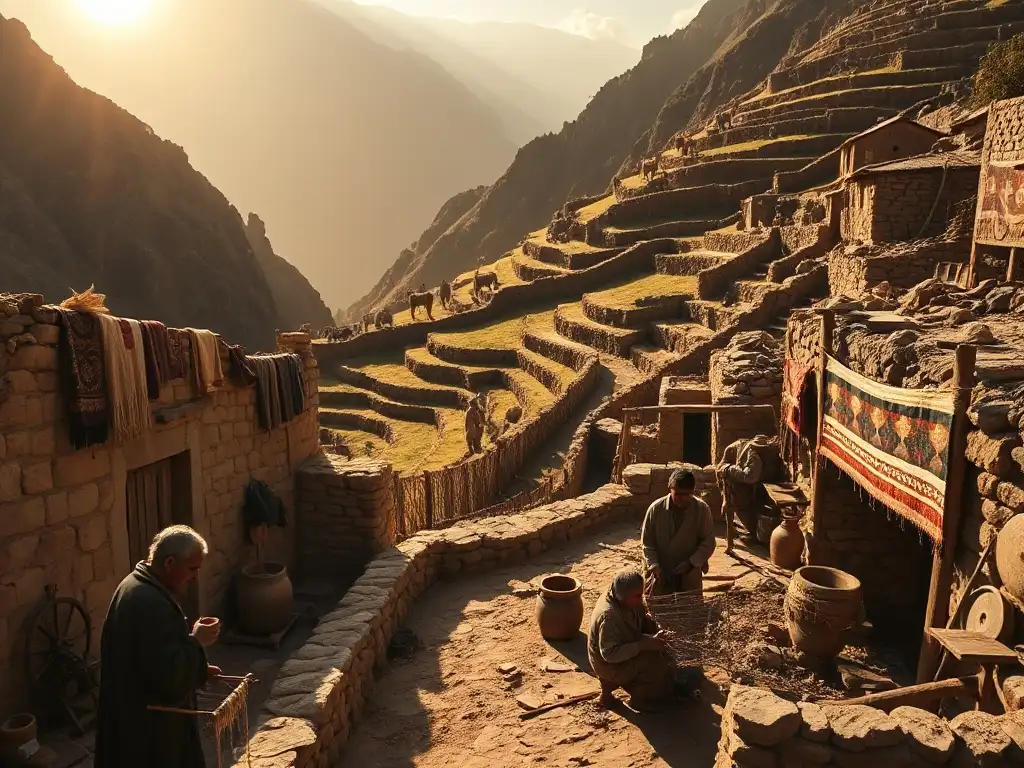
This section delves into the early manifestations of labor organization in the Andes, laying the groundwork for the later emergence of sophisticated specialized labor systems. Understanding these foundational practices is crucial to appreciating the complexities of later Andean societies and their remarkable achievements. We will explore the evolution from simple agricultural tasks to the beginnings of craft specialization, highlighting the gradual shift towards a more complex division of labor. Analyzing these early stages reveals valuable insights into the social dynamics and economic strategies that ultimately shaped the development of "Ancient Andean specialized labor."
Simple Agricultural Labor in the Pre-Ceramic Period
The pre-ceramic period (circa 8000-1800 BCE) in the Andes witnessed the initial domestication of plants and animals, a transformative event that fundamentally altered the landscape and social structures. Agricultural labor during this time was primarily characterized by its simplicity. Families, likely organized around kinship ties, undertook the cultivation of crops like squash, beans, and potatoes using rudimentary tools. Evidence suggests a focus on subsistence farming, with limited surplus production.
This period saw the development of basic irrigation techniques, primarily small-scale channels and terracing adapted to the local topography. The labor involved was largely undifferentiated, with everyone in the family unit contributing to planting, weeding, harvesting, and processing. There's limited archaeological evidence to suggest significant differentiation of tasks within the family unit beyond age and gender-based roles.
This relatively egalitarian arrangement contrasts sharply with the later emergence of specialized labor. The scale of agricultural activity was comparatively small, reflecting the limited population density and technological capabilities of the time. Further research into the settlement patterns of this period could reveal more nuanced information about the organization of labor.
Early Forms of Craft Specialization in the Andes
While the pre-ceramic period focused primarily on subsistence agriculture, nascent forms of craft specialization began to appear during the subsequent periods. The development of pottery, for example, marked a significant step towards specialized labor. The creation of pottery requires specific skills and knowledge, going beyond the basic needs of daily life. While initially perhaps a household activity, the increasing sophistication of pottery styles and the emergence of distinct regional traditions suggest a gradual shift towards specialized potters.
Similarly, the production of textiles, initially woven from simple fibers, became increasingly complex, requiring specialized knowledge and skills in spinning, dyeing, and weaving. The appearance of elaborate textiles with intricate designs further points to the emergence of individuals dedicated to these crafts. Archaeological finds, such as specialized workshops and the presence of high-quality tools, provide evidence for the increasing differentiation of labor.
Furthermore, the emergence of trade networks facilitated the exchange of specialized goods, indicating a growing interdependence between different communities and a strengthening of specialized craftspeople's economic roles within Andean society. The development of these specialized crafts would lay the foundation for the more complex systems of labor organization in later periods, particularly during the rise of larger states and empires. Analysis of isotopic ratios in human remains from this era could provide further insights into dietary differences between agriculturalists and specialized craftspeople, potentially confirming their distinct economic roles.
The Shift Towards Specialized Work in Ancient Andean Civilizations
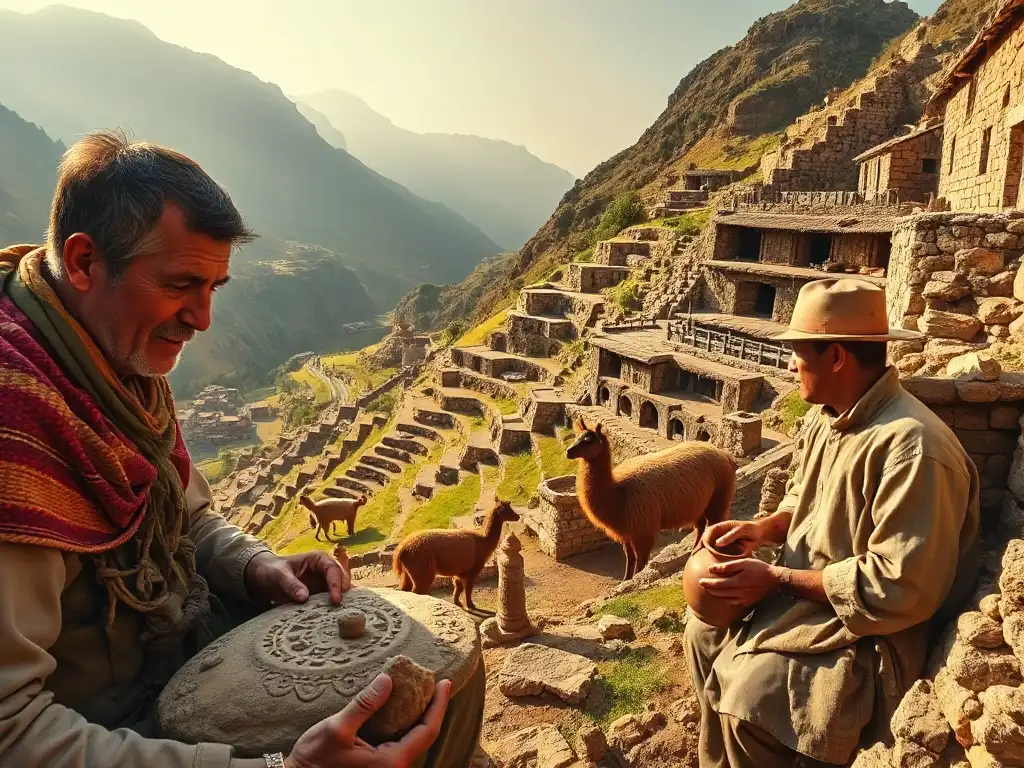
The emergence of specialized labor in the Ancient Andes represents a pivotal moment in the development of complex societies. This wasn't a sudden shift, but rather a gradual process spanning centuries, driven by a confluence of factors. Understanding this transition requires examining the intricate interplay between environmental pressures, population dynamics, and the increasing power of elite groups.
This section will delve into the key catalysts that propelled the Ancient Andean societies towards a more sophisticated division of labor, laying the groundwork for the impressive achievements in architecture, agriculture, and craftsmanship we associate with these civilizations. Analyzing "Ancient Andean specialized labor" reveals much about their social structures and overall societal complexity.
Catalysts for Labor Specialization in the Andes
Several interconnected factors contributed to the rise of specialized labor in the Andes. These weren't isolated events but rather a complex web of cause and effect. Environmental challenges, for instance, necessitated innovative solutions, often requiring specialized skills.
The demanding terrain of the Andes, with its varied altitudes and climates, demanded specialized knowledge in agriculture, irrigation, and terracing. Similarly, the need for sophisticated infrastructure, such as intricate road systems and monumental architecture, fueled the development of specialized craftspeople like masons, architects, and metalworkers. The increasing complexity of social organization also played a crucial role, with specialized roles emerging within religious, political, and administrative structures.
Population Growth and Increased Demand for Goods
Population growth acted as a significant catalyst for specialized labor. As Andean populations expanded, so did the demand for goods and services. This increased demand couldn't be met by a solely subsistence-based economy. Larger settlements required more efficient food production, leading to advancements in agriculture and irrigation techniques, in turn demanding specialized knowledge and labor.
The production of textiles, pottery, and other craft items also increased significantly, prompting the emergence of specialized artisans and workshops. This growth is evident in the archaeological record, with larger settlements exhibiting greater evidence of craft specialization and a more complex division of labor. For example, [Specific data on population growth in a particular Andean civilization pending]. This data, when available, will allow for a more precise correlation between population increases and the diversification of labor.
The Role of Elite Control in Labor Organization
The rise of powerful elites played a crucial role in shaping the organization of specialized labor. Elite control over resources and labor allowed for the mobilization of large workforces for monumental projects such as temple construction and irrigation systems. This control wasn't always coercive; it also involved systems of reciprocal exchange and patronage. However, the concentration of power in the hands of elites undoubtedly influenced the direction and scope of specialized labor.
The elite's demand for luxury goods, such as elaborate textiles and gold ornaments, further spurred the development of specialized crafts and workshops. The organization of labor was often integrated into broader social and religious structures, with specialized roles reflecting social hierarchies and power dynamics. Archaeological evidence suggests that certain craft specializations, such as metalworking, were closely associated with elite power and prestige.
The distribution of artifacts and the location of workshops often point to the close relationship between elite patronage and the development of specialized craft production. This control over resources and labor, while promoting large-scale projects, also likely contributed to social inequalities within Andean societies. Further research into elite power structures is needed to fully understand the nuanced relationship between elite control and the evolution of specialized labor in the Ancient Andes.
Archaeological Evidence of Ancient Andean Specialized Labor
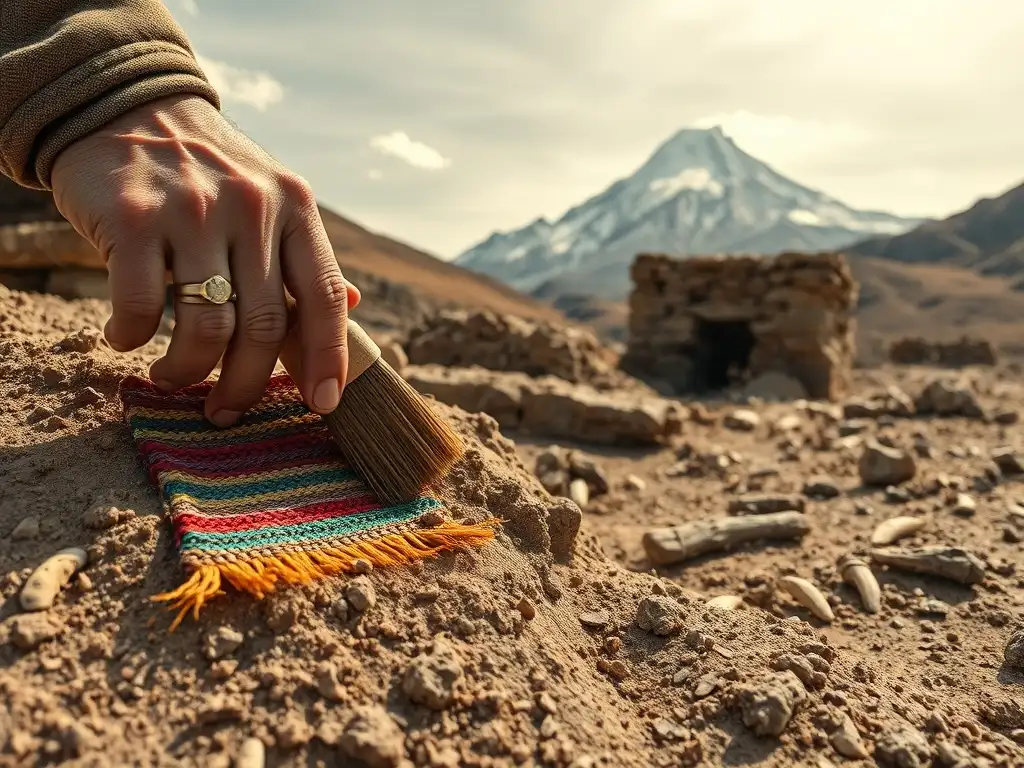
This section delves into the compelling archaeological evidence that illuminates the emergence and development of specialized labor within Ancient Andean societies. We will examine key findings that support the hypothesis of a complex division of labor, moving beyond simple subsistence economies to sophisticated systems of production and distribution. Understanding this shift is crucial to grasping the rise of complex social structures and the impressive achievements of these civilizations.
The evidence, drawn from diverse sites and analyzed through multiple methodologies, paints a vivid picture of specialized roles and their impact on Andean societies. The keyword phrase "Ancient Andean specialized labor" is central to this analysis, providing a framework for understanding the intricate workings of these ancient communities.
Identifying Specialized Production Sites
Identifying specialized production sites is paramount in understanding Ancient Andean specialized labor. Archaeologists utilize several methods to pinpoint these locations. For instance, the concentration of specific raw materials, such as clay for pottery or obsidian for tools, at a particular site indicates potential specialization in their production. Furthermore, the presence of numerous unfinished or discarded artifacts, indicative of a workshop environment, strongly suggests specialized production.
The Moche culture, known for its exquisite metalwork and intricate ceramics, provides excellent examples. Sites like the Huaca de la Luna and Huaca del Sol reveal extensive workshops where artisans dedicated themselves to creating elaborate gold and silver objects, along with finely decorated pottery. The sheer scale of these workshops, coupled with the specialized tools found within them, speaks volumes about the organization and scale of their specialized labor.
Analysis of the spatial distribution of these workshops within Moche settlements further suggests a deliberate planning of production and distribution networks. This organized approach to craft production is a hallmark of complex societies and underscores the importance of specialized labor in their societal structure. Similarly, Nazca sites show evidence of large-scale textile production, with specific areas dedicated to the creation of intricate textiles using specialized techniques.
Analyzing Artifacts for Signs of Craft Specialization
Analyzing artifacts themselves is another crucial method for identifying Ancient Andean specialized labor. The level of skill and standardization exhibited in artifacts often reveals specialized production. Highly standardized pottery shapes, consistent textile patterns, or finely crafted metal objects suggest specialized artisans, each mastering specific techniques and producing goods to a specific standard. This level of skill and consistency is unlikely to emerge from a system of generalized production.
For example, the intricate designs and precision of Tiahuanaco textiles, characterized by their complex geometric patterns and use of a wide array of colors, indicate a high level of skill and specialization among the weavers. Similarly, the sophisticated metallurgical techniques employed by the Incas, evident in their finely crafted gold and silver ornaments, point to a highly developed system of specialized labor in metalworking. The consistent quality and style across vast distances further highlight the existence of skilled artisans and established production and distribution networks.
Detailed microscopic analysis of tool marks on artifacts can also reveal unique techniques and styles, providing further insights into the specialization and division of labor within these ancient Andean communities. The study of these variations helps us understand not only the technical skill involved but also the social organization and hierarchy that supported this specialized production.
The analysis of burial patterns and grave goods offers invaluable insights into the social stratification linked to specialized labor in Ancient Andean societies. The presence of elaborate grave goods, including fine textiles, ornate jewelry, and specialized tools, associated with particular burials suggests a hierarchical system where specialized artisans held high social status. Conversely, simpler burials with fewer artifacts might indicate a lower social standing for those engaged in less specialized labor.
Studies of Inca burials, for example, reveal a clear correlation between the richness of grave goods and the presumed social status of the deceased. Individuals buried with sophisticated tools or intricately crafted artifacts were likely high-status artisans or members of the elite who controlled the production and distribution of these goods.
The presence of specialized tools, such as finely crafted chisels or specialized weaving equipment, in certain burials directly links the deceased to specific crafts and reinforces the association between social status and specialized labor. Similarly, the analysis of Moche burials shows a clear distinction between elite and commoner burials, highlighting the social stratification associated with specialized crafts and production.
By analyzing these patterns, we can better understand the social dynamics and power structures that shaped Ancient Andean societies and their specialized labor systems. Further research, including isotopic analysis of skeletal remains, could potentially shed even more light on the diets and lifestyles of individuals engaged in different types of specialized labor, offering a more nuanced understanding of their social roles and status within these complex societies.
Key Examples of Specialized Labor in the Ancient Andes
This section delves into specific examples of specialized labor within various Ancient Andean civilizations, providing concrete evidence of the sophisticated organizational structures that supported these complex societies. Understanding the emergence of specialized labor is crucial to grasping the overall development and complexity of Ancient Andean societies, allowing us to move beyond a simple village-level understanding of their organization. The rise of specialized artisans directly reflects the increasing social stratification and economic sophistication of these cultures. We will explore three key areas: ceramic production, textile production, and metalworking.
Ceramic Production and the Rise of Pottery Specialists
The production of ceramics in the Ancient Andes wasn't a simple household activity; it evolved into a highly specialized craft. Evidence from sites like Moche and Nazca reveals the existence of dedicated ceramic workshops and the emergence of skilled artisans who specialized in different aspects of pottery production. This specialization is evident in the remarkable consistency and quality of pottery found across vast geographical areas.
The Moche, for example, are renowned for their elaborate and highly realistic ceramic vessels depicting scenes of daily life, warfare, and religious rituals. The level of detail and artistry involved suggests a high degree of skill and specialization, likely requiring years of apprenticeship to master. Analysis of Moche pottery shows a clear division of labor: some artisans specialized in creating the basic vessel forms, while others specialized in painting and decorating the finished pieces.
This division of labor allowed for greater efficiency and the production of higher quality goods. Furthermore, the consistent stylistic characteristics across large numbers of Moche vessels suggest the existence of workshops or organized production centers where artisans worked collaboratively.
The Nazca culture also showcased specialized ceramic production, although with a different aesthetic focus. Their polychrome pottery, characterized by vibrant colors and intricate designs, required a high level of technical skill in pigment preparation and application. The development of specialized techniques, such as negative painting, further points to the existence of skilled artisans who dedicated their lives to perfecting their craft.
The large quantities of high-quality Nazca pottery unearthed indicate that ceramic production was likely a significant economic activity, supporting a large network of specialized artisans. The existence of specific pottery styles associated with particular regions further strengthens the case for regional specialization within the Nazca culture.
Weaving and Textile Production in Ancient Andean Societies
Textile production in the Ancient Andes was another area where specialized labor flourished. From the simple woven fabrics of early Andean cultures to the intricate and richly decorated textiles of the Inca Empire, weaving was a vital aspect of Andean life, encompassing both utilitarian and ceremonial functions. The complexity and artistry of many textiles suggest a high level of specialization, with different artisans specializing in various aspects of the production process, from the preparation of fibers to the dyeing and weaving techniques.
Evidence from various sites reveals the use of different fibers, including cotton, wool from camelids (llamas and alpacas), and even vicuña wool, a particularly fine and luxurious material. The preparation of these fibers, including spinning and dyeing, would have required specialized knowledge and skills. Furthermore, the intricate weaving techniques employed, such as tapestry weaving and brocade, required a high level of technical proficiency and artistic ability.
The discovery of specialized weaving tools, such as spindles and looms, further supports the idea of specialized labor in textile production. The Inca, in particular, are known for their highly organized textile production, with workshops employing large numbers of skilled artisans who produced textiles for both the elite and the common people. The distribution of textiles across the vast Inca empire also points to a complex system of trade and exchange that relied on specialized production.
Metalworking and the Development of Goldsmiths and Silversmiths
Metalworking in the Ancient Andes represents a pinnacle of specialized labor. The mastery of techniques like hammering, casting, and alloying, combined with sophisticated artistic designs, demonstrates the high level of skill possessed by Andean metallurgists. The use of precious metals like gold and silver, often combined with other materials such as copper and alloys, further emphasizes the importance of metalworking as a specialized craft.
The development of metalworking techniques varied across different Andean cultures. Early metalworking in the Andes focused on the use of copper and bronze, while later cultures mastered the techniques of gold and silver working. The Moche are known for their intricate gold and silver ornaments, often incorporating turquoise and other semiprecious stones.
The high quality and intricate detail of these objects suggest a high level of skill and specialization, requiring years of training and apprenticeship. The Inca also excelled in metalworking, producing large quantities of gold and silver objects for religious and ceremonial purposes. The development of advanced techniques, such as lost-wax casting, allowed for the creation of complex and detailed metalwork.
The existence of specialized workshops and the organization of metalworkers into guilds or similar structures are strongly suggested by the consistent quality and style of metalwork found across large geographical areas. The prestige associated with metalworking is also indicated by the use of precious metals in elite contexts and the burial of metal artifacts with high-status individuals.
Stone Carving and the Construction of Monumental Architecture
The mastery of stone carving stands as a testament to the advanced technological capabilities and specialized labor within ancient Andean societies. The construction of monumental architecture, from the imposing structures of Machu Picchu to the intricate carvings adorning Tiahuanaco's Kalasasaya, required a highly organized workforce with distinct skill sets. This wasn't simply a matter of brute strength; it demanded precision, artistry, and a deep understanding of engineering principles.
Consider the sheer scale of projects like Ollantaytambo. The massive stones, some weighing many tons, were precisely cut and fitted together without the use of mortar, showcasing an unparalleled understanding of geometry and engineering. This level of precision wasn't achieved by a single individual or a randomly assembled group.
Evidence suggests the existence of specialized quarry workers, skilled in identifying suitable stone and extracting it with minimal damage; master masons, responsible for the precise cutting and shaping of the stones; and a team of builders responsible for the transportation and placement of these enormous blocks. Each role required years of training and experience, demonstrating a sophisticated system of apprenticeship and knowledge transmission.
Furthermore, the artistry involved in the stone carving extends beyond the purely functional. Many structures were adorned with intricate reliefs and carvings, depicting deities, animals, and scenes from daily life. This required specialized artisans with a profound artistic sensibility and a deep understanding of Andean iconography.
The creation of these elaborate carvings demanded not only technical skill but also a creative vision, highlighting the multifaceted nature of specialized labor in ancient Andean societies. The different styles of carving, varying from region to region and across different time periods, further underlines the existence of distinct schools and lineages of artisans, each contributing to the unique artistic heritage of the Andes. The development of these specialized skills directly contributed to the creation of iconic structures that continue to inspire awe and wonder today.
The precision and artistry found in these sites are undeniable evidence of the sophisticated organization and specialized labor that shaped the ancient Andean world. Understanding this specialized labor is key to understanding the scale and complexity of their achievements.
Regional Variations in Ancient Andean Labor Specialization
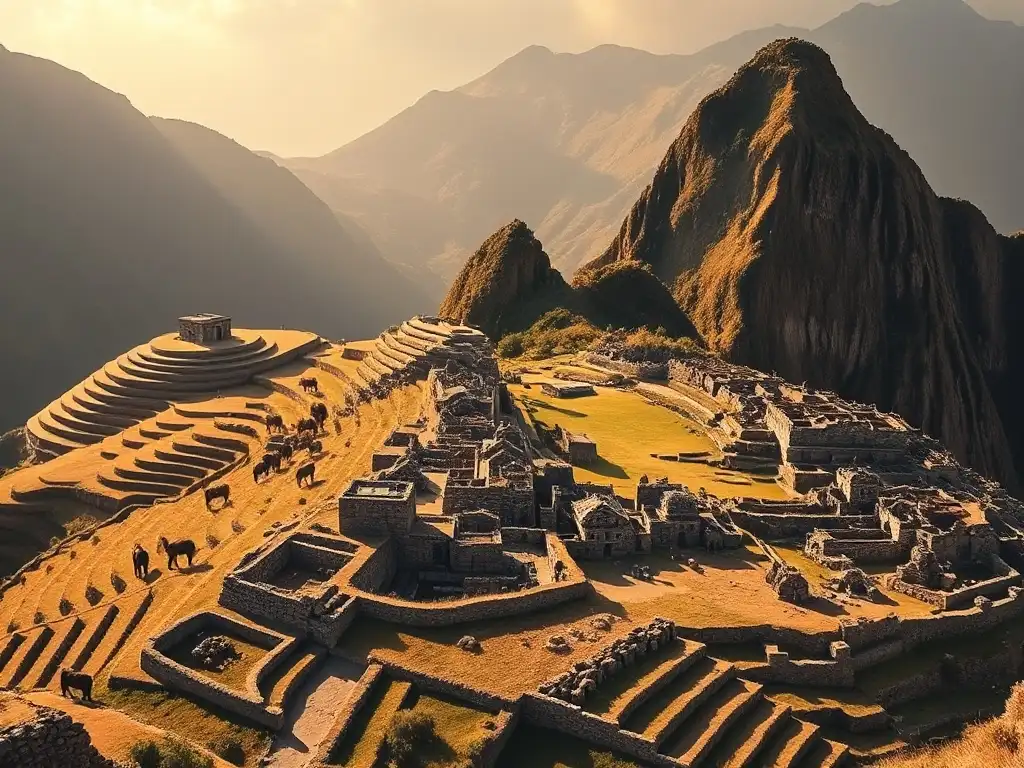
The development of specialized labor in the Ancient Andes wasn't a uniform process; it varied significantly across different geographical regions, shaped by unique environmental conditions and resource availability. Understanding these regional nuances is crucial to grasping the complexity of Ancient Andean societies and their economic systems. The interplay between coastal, highland, and inter-regional dynamics fostered a sophisticated network of specialized production and exchange, contributing significantly to the rise of complex societies. This intricate system of "Ancient Andean specialized labor" is a testament to the ingenuity and adaptability of these civilizations.
Coastal Communities and Their Focus on Marine Resources
Coastal communities, such as those along the Peruvian coast inhabited by the Moche and Nazca cultures, developed a highly specialized labor force centered around marine resources. Fishing, naturally, played a dominant role. Evidence suggests the existence of specialized fishermen, using sophisticated techniques like woven nets and intricate fishing hooks, recovered from numerous archaeological sites. Beyond fishing, the processing and preservation of fish were also highly specialized tasks. We see evidence of this in the construction of large-scale fish drying facilities and the development of specialized tools for cleaning and preparing fish for consumption and storage.
Furthermore, the abundance of marine resources fueled other specialized crafts. Shellworking, for example, flourished, with artisans creating intricate ornaments, tools, and ceremonial objects from shells. The extraction and processing of mollusks, particularly spondylus shells, valued for their vibrant colors and perceived spiritual significance, required specialized knowledge and skills. These specialized crafts contributed significantly to the economic and social structures of coastal communities, enriching the overall understanding of Ancient Andean specialized labor. The intricate artistry seen in Moche pottery, often depicting fishing scenes and marine life, further illustrates the importance of these activities.
Highland Communities and Their Emphasis on Agriculture and Mining
In the Andean highlands, the focus of specialized labor shifted towards agriculture and mining. The challenging terrain and diverse microclimates demanded sophisticated agricultural techniques, leading to the development of specialized roles within agricultural production. Terracing, irrigation systems, and the cultivation of diverse crops required specialized knowledge and skills, leading to the emergence of agricultural specialists, including those responsible for maintaining irrigation canals, managing livestock, and processing agricultural products.
Mining, another crucial activity in the highlands, also fostered specialized labor. The extraction of metals like copper, gold, and silver required specialized mining techniques, as well as skilled metalworkers to process and craft these materials into tools, weapons, and elaborate ornaments. Archaeological evidence reveals the existence of sophisticated mining operations, including extensive networks of tunnels and shafts, suggesting a high level of organization and specialized labor. The intricate designs and advanced metallurgical techniques observed in Inca goldwork, for example, showcase the high level of skill and expertise possessed by highland metalworkers, a compelling example of Ancient Andean specialized labor.
Inter-Regional Trade and the Exchange of Specialized Goods
The development of specialized labor in the Ancient Andes wasn't isolated within specific regions. Instead, a complex network of inter-regional trade facilitated the exchange of specialized goods, creating a dynamic economic system that connected coastal and highland communities. Coastal communities provided fish, shellfish, and other marine products, while highland communities offered agricultural products, textiles, and metalwork. This exchange wasn't simply a matter of bartering; it involved sophisticated systems of distribution and storage, requiring specialized labor dedicated to transportation, record-keeping, and trade management.
The exchange of specialized goods also contributed to the spread of technologies and ideas across different regions. For example, the use of specific agricultural techniques or metallurgical processes might have been disseminated through trade networks, contributing to the overall technological advancement of Andean societies. This interconnectedness highlights the importance of understanding Ancient Andean specialized labor not in isolation, but as part of a broader, integrated economic and social system.
The evidence of standardized weights and measures found across different regions further suggests a degree of economic integration and shared practices in trade and the management of specialized goods. This sophisticated network of exchange is a powerful testament to the interconnectedness and organizational capabilities of Ancient Andean civilizations.
The Impact of Specialized Labor on Ancient Andean Societies
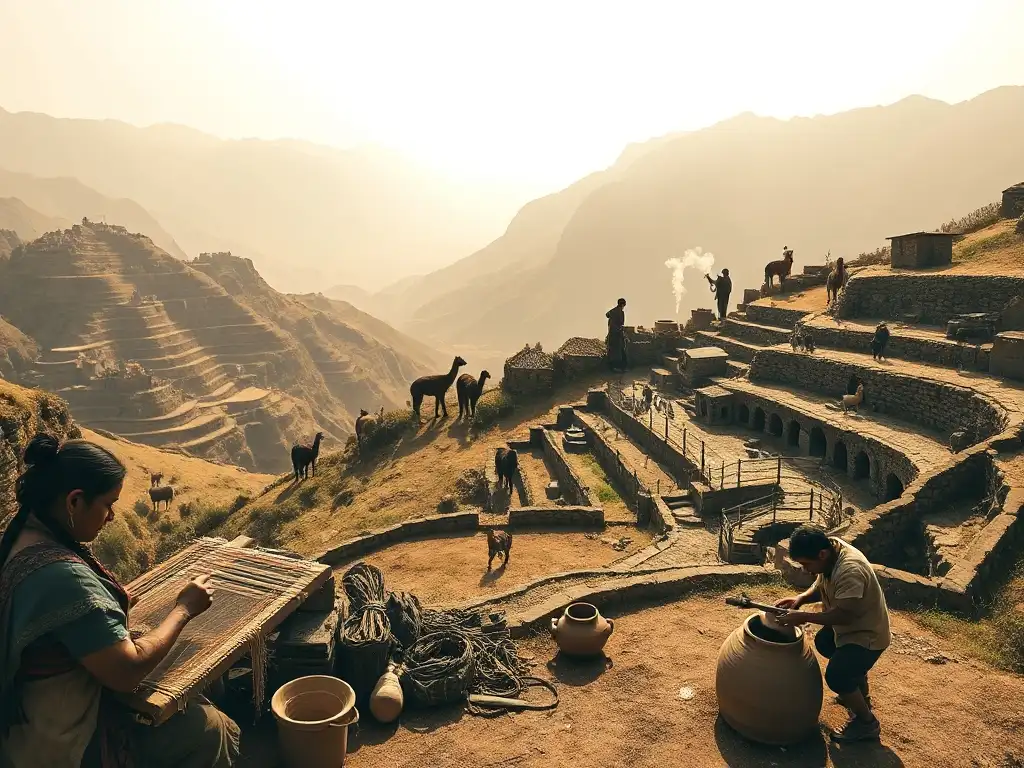
The emergence of specialized labor in the Ancient Andes profoundly reshaped Andean societies, leaving an indelible mark on their social structures, economic systems, and technological advancements. This specialization, far from being a simple division of tasks, represented a critical step towards the development of complex, stratified societies capable of monumental achievements in architecture, agriculture, and craftsmanship. Analyzing the impact of this shift reveals crucial insights into the dynamics of power, wealth creation, and technological innovation within these remarkable civilizations. The keyword "Ancient Andean specialized labor" is central to understanding this transformative period.
The rise of specialized labor in the Ancient Andes directly contributed to the development of increasingly complex social hierarchies. No longer were all members of a community equally involved in all aspects of production and survival. Instead, individuals dedicated themselves to specific crafts or roles, leading to the emergence of distinct social classes.
Archaeological evidence, such as the differing burial practices and grave goods found at sites like Machu Picchu and Chan Chan, clearly indicates a significant disparity in wealth and status. For example, the elaborate tombs of elite individuals, filled with gold artifacts, fine textiles, and other luxury items, stand in stark contrast to the simpler burials of common laborers. This unequal distribution of resources reflects the hierarchical structure born from specialized labor, where skilled artisans, priests, and rulers occupied the upper echelons of society, while farmers and other laborers formed the base.
The development of a specialized priestly class, for instance, further solidified social stratification, as religious authority intertwined with political and economic power. This complex interplay between specialized roles and social standing is a key element in understanding the dynamics of Ancient Andean societies.
Economic Growth and the Accumulation of Wealth
Specialized labor fueled significant economic growth in the Ancient Andes. The division of labor allowed for increased efficiency and productivity in various sectors, leading to a surplus of goods and resources. Farmers, freed from the need to also create their own tools or textiles, could focus solely on agricultural production, resulting in larger harvests.
Similarly, specialized artisans, such as potters, weavers, and metalworkers, could perfect their skills, producing higher-quality goods in greater quantities. This surplus fostered trade both within and between communities, creating intricate networks of exchange and further stimulating economic growth. The accumulation of wealth, a direct consequence of increased productivity, empowered elites and fueled the construction of monumental architecture and the creation of elaborate artistic works, further solidifying their power and prestige.
The intricate systems of irrigation, for instance, represent a significant investment of labor and resources, demonstrating the economic capacity fostered by specialized labor. The economic impact of this specialization is undeniable. Evidence suggests [specific data on economic growth rates pending] further quantifying this impact.
Technological Innovation and the Improvement of Production Techniques
The specialization of labor also acted as a catalyst for technological innovation in the Ancient Andes. As individuals focused on specific tasks, they could develop more sophisticated techniques and tools. For example, the development of advanced irrigation systems, such as those found in the Nazca region, required the coordinated efforts of specialized engineers, builders, and laborers.
Similarly, the intricate metalworking techniques employed by the Moche, including the lost-wax casting process, demonstrate a high level of skill and specialization. The production of fine textiles, using complex weaving techniques and rare dyes, also required specialized knowledge and expertise. The innovation wasn't simply about new tools; it was about the refinement of existing techniques and the development of new processes to improve efficiency and quality.
This continuous improvement cycle, driven by specialized labor, was essential to the success and longevity of these Andean civilizations. The evolution of agricultural techniques, for example, showcases the direct link between specialized knowledge and increased food production, indicating a clear correlation between specialized labor and technological advancement. The impact of "Ancient Andean specialized labor" on technological innovation is a significant area of ongoing research.
The Legacy of Ancient Andean Specialized Labor
This section delves into the fascinating world of specialized labor in the Ancient Andes, exploring its impact on societal development and its enduring legacy. We will examine the complex economic systems that fostered this specialization, analyze its role in the rise of complex societies, and trace its influence on contemporary Andean craft traditions. Understanding the nuances of Ancient Andean specialized labor provides crucial insights into the ingenuity and sophistication of these remarkable civilizations. The keyword "Ancient Andean specialized labor" will be explored through various facets of its development and impact.
Understanding the Complexity of Ancient Andean Economies
The economies of the Ancient Andes were far from simple subsistence farming. While agriculture formed the backbone of their societies, a sophisticated system of resource management, trade networks, and specialized labor fueled significant societal advancements. Evidence suggests a complex division of labor, with individuals dedicating their lives to specific crafts and professions. This wasn't just about producing goods; it was about creating a system of interdependence and economic exchange that facilitated the growth of larger, more complex settlements.
For example, the Nazca culture, renowned for their intricate geoglyphs, also possessed a highly developed textile industry. Archaeological findings reveal specialized workshops dedicated to weaving, dyeing, and finishing textiles. These workshops employed skilled artisans who produced high-quality textiles for both local consumption and long-distance trade. The production of these textiles required a complex organizational structure, indicating a sophisticated level of economic planning and management.
This contrasts sharply with the simpler, more self-sufficient economies of earlier periods. The increased efficiency and specialization allowed for surplus production, which in turn fueled further societal growth and complexity. We can see this reflected in the scale of their irrigation systems and monumental architecture – achievements that required significant coordination and specialized skills.
Insights into the Development of Complex Societies
The emergence of specialized labor is intrinsically linked to the development of complex societies in the Andes. As societies grew larger and more stratified, the need for specialized skills and roles increased. This specialization wasn't just about economic efficiency; it also played a vital role in the creation of social hierarchies and political power structures. Specific crafts, like metalworking or pottery making, often held high social status, granting those practitioners considerable influence within their communities.
The Inca Empire, perhaps the most well-known Andean civilization, provides a prime example. Their vast empire relied on a highly organized system of specialized labor, with individuals assigned specific roles within the state's intricate administrative structure. From skilled artisans producing intricate textiles and gold ornaments for the elite to farmers cultivating the terraces, every individual contributed to the functioning of the empire.
This highly organized system of specialized labor allowed for the construction of massive infrastructure projects, such as roads and irrigation canals, and the maintenance of a large, centralized bureaucracy. The Inca's ability to manage and allocate resources, based on the specialized skills of its population, is a testament to their advanced organizational capabilities and understanding of efficient resource allocation.
The Enduring Influence of Andean Craft Traditions
The legacy of Ancient Andean specialized labor continues to resonate today. Traditional Andean crafts, like weaving, pottery, and metalworking, are still practiced using techniques passed down through generations. These crafts aren't just about creating beautiful objects; they represent a living connection to the past, a testament to the enduring skills and knowledge developed by ancient Andean artisans.
Many contemporary Andean communities maintain specialized workshops, mirroring the organizational structures of their ancestors. These workshops often focus on specific crafts, preserving traditional techniques and designs while adapting to contemporary demands. The intricate textiles of the Andes, for instance, still reflect the sophisticated weaving techniques developed centuries ago.
This continuity demonstrates the enduring impact of Ancient Andean specialized labor on the cultural identity and economic practices of Andean communities today. The skills and knowledge developed by ancient artisans are not only preserved but also continue to thrive, contributing significantly to contemporary Andean economies and cultural heritage. The vibrant continuation of these traditions showcases the remarkable resilience and adaptability of Andean culture.
Frequently Asked Questions
What is meant by "specialized labor" in the context of the Ancient Andes?
Specialized labor refers to individuals focusing on specific crafts or tasks, rather than engaging in a wide range of activities for subsistence. This allowed for increased efficiency and production of goods and services.
How did specialized labor emerge in Andean societies?
The emergence of complex social structures and surplus food production facilitated the development of specialized labor. This allowed some individuals to dedicate themselves to non-agricultural pursuits.
Which Andean civilizations showed evidence of significant specialized labor?
Many Andean civilizations, including the Inca, Moche, Nazca, and Tiahuanaco, exhibited clear evidence of specialized labor, with dedicated artisans, builders, and administrators.
What types of specialized labor existed in the Ancient Andes?
The Ancient Andes saw a wide array of specialized labor, including metalworking, pottery, weaving, stone carving, and religious specialists. These roles were often hereditary.
How did specialized labor impact Andean societies?
Specialized labor led to increased productivity, economic complexity, and the creation of impressive infrastructure and artwork. It also contributed to social stratification.
Final Reflection: Weaving the Threads of Andean Innovation
The intricate tapestry of specialized labor in the Ancient Andes, far from being a relic of the past, offers crucial insights into the very nature of societal development and the enduring human drive for innovation. Understanding the sophisticated systems of craft production, agricultural specialization, and administrative roles that characterized Andean civilizations allows us to appreciate the complexities of pre-industrial societies and challenge simplistic narratives of "primitive" economies. This understanding is particularly relevant today as we grapple with issues of economic inequality, resource management, and the impact of globalization on local communities.
The legacy of Andean specialized labor continues to resonate in the vibrant cultural landscape of the Andes, shaping artistic traditions, agricultural practices, and social structures. The ingenuity and resilience displayed by these ancient societies serve as a powerful reminder of human potential. The past is never dead. It's not even past.
– William Faulkner. This quote perfectly encapsulates the enduring influence of Andean civilization, whose innovative approaches to labor continue to inform and inspire us centuries later. The meticulous craftsmanship evident in their textiles, pottery, and metalwork remains a testament to their dedication and skill, a legacy that continues to be celebrated and studied today.
Consider, for a moment, the implications of this ancient system of specialized labor. What can we learn from the Andean approach to resource management and community organization? How can we apply these lessons to address contemporary challenges?
You, the reader, are now part of this ongoing conversation. By engaging with the history of Andean specialized labor, you are not simply learning about the past; you are actively participating in a dialogue that shapes our understanding of the present and informs our vision for the future. Let the ingenuity of the Ancient Andes inspire you to seek innovative solutions to the challenges facing our world today.
Unveil the Secrets of Specialized Labor in the Andes!
Thank you for exploring the fascinating world of specialized labor in the ancient Andes! You've discovered how these early civilizations shaped their societies and economies through unique skills and ingenuity. Now, let's delve even deeper into this captivating history.
Here are some ways to continue your journey:
- **Join our online community:** Connect with other enthusiasts, share your insights, and discuss the intricacies of Andean civilizations.
- **Expand your knowledge:** Explore our recommended readings and documentaries for a richer understanding of specialized labor across different cultures and time periods.
- **Experience the past firsthand:** Visit a local museum or cultural exhibition featuring Andean artifacts and stories to witness this history up close.
As you reflect on these remarkable civilizations, consider which aspects of their specialized labor you find most inspiring or relevant to our modern world. What lessons can we learn from their achievements?