
Inca Royal Art: Objects of Divine Authority

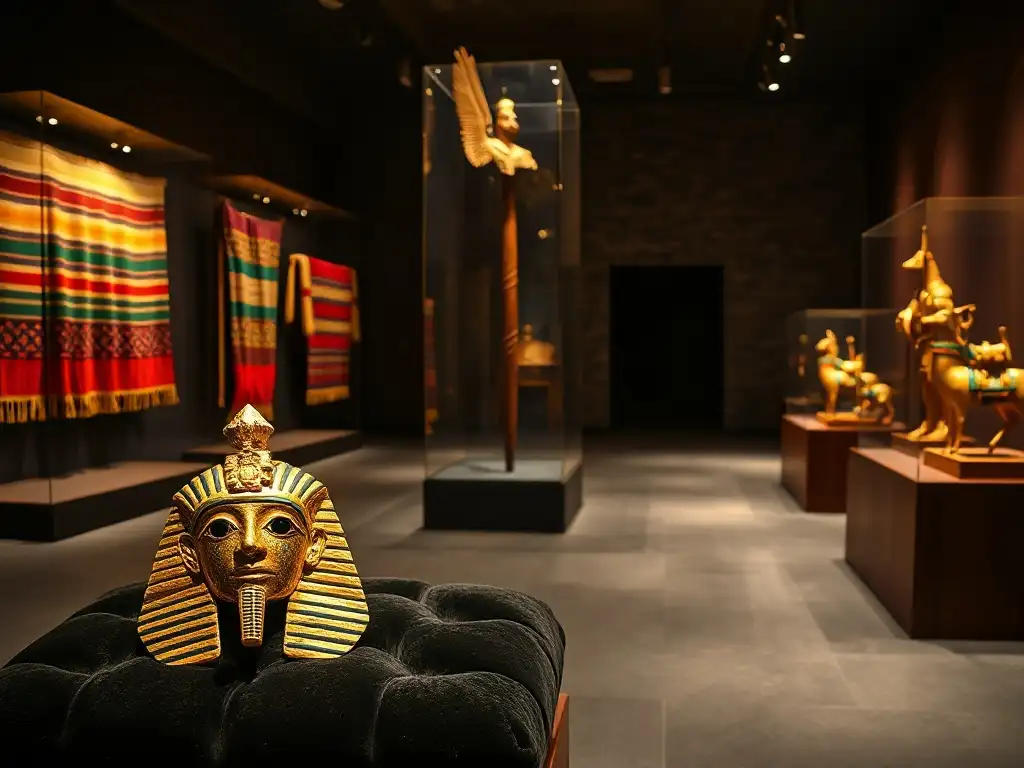
Dive into the mesmerizing world of the Andes! Prepare to be captivated by the artistry and power of ancient civilizations, from the intricate textiles of the Nazca to the awe-inspiring architecture of the Tiahuanaco. But first, let's unravel the mysteries surrounding Inca royal ceremonial objects. Their exquisite craftsmanship speaks volumes of a sophisticated society, hinting at a divine authority and a rich spiritual life. Discover the secrets held within these artifacts and unlock the enigma of the Inca Empire – your journey begins now.
The Inca Empire, a civilization that flourished in the Andes Mountains from the 15th to the 16th centuries, left behind a legacy of breathtaking artistry and intricate craftsmanship. This article delves into the fascinating world of Inca royal ceremonial objects, exploring their significance as symbols of divine authority and power.
We'll examine how these meticulously crafted artifacts, ranging from intricately woven textiles to finely hammered gold and silver objects, served not only as expressions of royal prestige but also as powerful instruments in the Inca religious and political landscape. Understanding these objects provides crucial insight into the complexities of Inca society, its beliefs, and its sophisticated understanding of power dynamics.
This exploration of Inca royal ceremonial objects will uncover the deep connection between art, religion, and the consolidation of imperial power within the Inca world. We will examine specific examples, analyzing their material, design, and symbolic meaning to understand their role in reinforcing the Inca emperor's divine status and the empire's overall control.
The Significance of Gold and Silver in Inca Royal Art
Inca royalty placed immense value on gold and silver, associating these precious metals with the sun god, Inti, and the moon goddess, Mama Killa. These metals were not merely decorative; they held profound religious and symbolic significance. The Inca believed that the sun god's radiance was embodied in gold, while silver represented the moon's gentle light.
Therefore, objects crafted from these materials were imbued with sacred power and were often used in ceremonies and rituals to honor the deities and maintain cosmic balance. The sheer quantity of gold and silver used in royal artifacts underscored the Inca emperor's wealth and divine connection. The meticulous craftsmanship involved in the creation of these pieces further emphasized their sacred nature and the emperor's authority.
Consider, for example, the intricate detail found in gold and silver tumi ceremonial knives, often adorned with intricate designs representing mythical creatures and celestial bodies. The creation of these objects required highly specialized skills and a deep understanding of metallurgical techniques.
Textiles as Expressions of Royal Power
Beyond metalwork, textiles played a crucial role in expressing Inca royal authority. The finest textiles, often made from vicuña or alpaca wool, were reserved for the emperor and the elite. These textiles were not merely clothing; they were status symbols, their intricate designs and exceptional quality reflecting the wearer's position within the social hierarchy. The use of specific colors and patterns further reinforced the symbolic meaning of these garments, with certain colors being associated with specific deities or events.
The use of complex weaving techniques, such as spindle whorls and backstrap looms, showcased the skill and artistry of Inca weavers. The creation of these complex textiles was a time-consuming and highly specialized process, further emphasizing their value and significance as indicators of royal power. These weren't simply garments; they were living statements of power and divinity.
Ceremonial Vessels and their Ritualistic Use
Ceremonial vessels, often crafted from ceramic, gold, or silver, were essential components of Inca religious rituals. These vessels were used to hold offerings of chicha (a fermented corn beverage), coca leaves, and other sacred items. The elaborate designs and forms of these vessels often reflected the religious beliefs and cosmology of the Inca. Some vessels depicted deities or mythical creatures, while others featured intricate geometric patterns.
The size and material of the vessels also indicated their importance and the status of the individuals who used them. Larger, more elaborately decorated vessels were reserved for important ceremonies and high-ranking officials, reinforcing the hierarchical structure of Inca society. The careful selection of materials, and the precision of the designs speak to the profound importance these objects held within the Inca worldview. The act of using these vessels in ritual was itself a powerful statement of authority and connection to the divine.
The Role of Royal Ceremonial Objects in Inca Ideology
The Inca royal ceremonial objects were not merely aesthetic creations; they were integral components of the Inca ideology, serving to reinforce the emperor's divine authority and the legitimacy of his rule. The elaborate rituals surrounding these objects, combined with their inherent material value and symbolic significance, helped to solidify the emperor’s position as a divine intermediary between the human and spiritual realms. Possession and control of these objects were central to maintaining the empire’s power structure and reinforcing the social hierarchy.
The meticulous craftsmanship and the use of precious materials served as powerful visual reminders of the emperor's power and the Inca’s sophisticated artistic and technological capabilities. The very existence of these objects helped to legitimize the Inca empire and its claim to divine authority. Studying these objects offers a unique window into the intricate interplay between material culture, religious belief, and political power in the Inca world.
- The Significance of Gold and Silver in Inca Royal Art
- Textiles as Expressions of Royal Power
- Ceremonial Vessels and their Ritualistic Use
- The Role of Royal Ceremonial Objects in Inca Ideology
- Inca Royal Art and Its Impact on Andean Culture
- The Preservation and Study of Inca Royal Objects
- Inca Royal Art in Museums and Collections
- The Importance of Inca Royal Artifacts in Understanding Inca Society
- The Role of Gold and Silver in Inca Royal Ceremonial Objects
- Textiles and Their Significance in Inca Royal Ceremonial Attire
- What types of objects qualify as Inca royal ceremonial objects?
- How did Inca royal ceremonial objects reflect the Inca worldview?
- Where were Inca royal ceremonial objects typically found?
- What materials were commonly used in creating Inca royal ceremonial objects?
- What is the significance of Inca royal ceremonial objects today?
The Significance of Inca Royal Ceremonial Objects
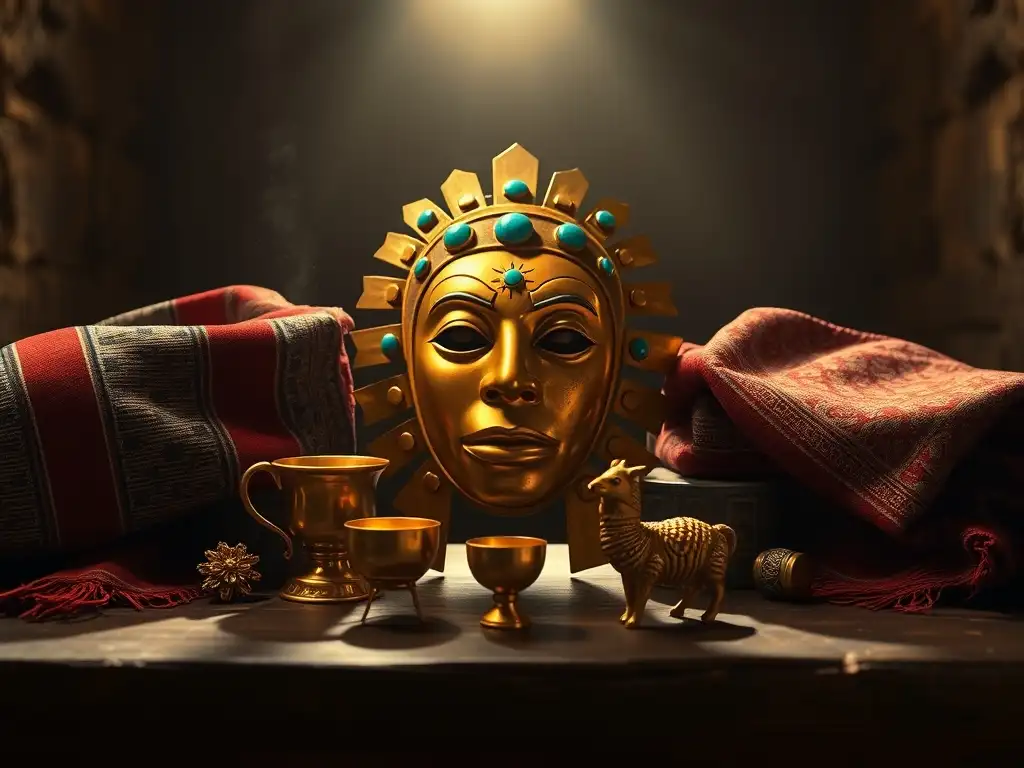
Inca royal ceremonial objects weren't merely decorative items; they were powerful symbols of authority, religious legitimacy, and the Inca worldview. These artifacts played a crucial role in reinforcing the Inca emperor's divine right to rule and maintaining social order within the vast empire. Their creation, use, and even destruction were carefully orchestrated rituals, reflecting the sophisticated political and religious systems of the Inca civilization.
Understanding these objects provides invaluable insight into the intricacies of Inca power structures and their complex belief systems. The sheer variety of these objects, from intricately woven textiles to finely crafted gold and silver vessels, speaks volumes about the resources and artistry at the disposal of the Inca elite.
The study of Inca royal ceremonial objects helps us understand not only what the Inca possessed, but also what they believed, and how these beliefs shaped their society. The careful preservation and study of these objects continues to illuminate the splendor and complexity of this remarkable civilization.
The Divine Right of Inca Rulers and Royal Regalia
The Inca emperor, the Sapa Inca, was considered a divine figure, a descendant of the sun god Inti. Royal regalia, including ceremonial staffs ( llantas), elaborate headdresses ( cumbe), and intricately decorated tunics, visually reinforced this divine status. These objects were not simply worn; they were imbued with spiritual power, acting as conduits between the emperor and the supernatural realm.
The Sapa Inca's clothing, often adorned with gold, silver, feathers, and precious stones, served as a constant reminder of his sacred position. For example, the use of specific colors, like the deep crimson associated with royalty, or the gold, representing the sun, weren't arbitrary choices; they held profound symbolic meaning, directly linking the ruler to the cosmic order.
The elaborate ceremonies surrounding the donning and removal of these garments further emphasized their sacred nature. The careful preservation of these items in royal tombs underscores their importance as powerful symbols of divine authority and continuity of the Inca lineage.
Symbolism Embedded in Inca Royal Artifacts
Inca royal artifacts were rich in symbolism, often incorporating motifs related to nature, mythology, and Inca cosmology. Depictions of animals, such as the puma and condor, represented power and strength, while intricate geometric patterns held deeper meanings related to Inca beliefs and social structures. For instance, the use of knotted cords, or quipus, served not only as accounting devices but also as a form of record-keeping that held symbolic value.
The intricate designs woven into royal textiles often reflected the Inca calendar, astronomical observations, or important historical events. Many objects also featured representations of mythical beings or deities, further reinforcing the connection between the Inca rulers and the supernatural world.
The analysis of this symbolism requires a nuanced understanding of Inca iconography and its relationship to their complex religious and political systems. Further research into the specific meanings of various motifs is crucial for a complete understanding of the Inca worldview as reflected in their royal artifacts.
Materials and Craftsmanship of Inca Royal Art
The materials used in the creation of Inca royal art were carefully selected, reflecting the Inca's mastery of metallurgy and textile arts. Gold and silver, considered sacred metals, were extensively used to create vessels, ornaments, and other ceremonial objects. The Inca's skill in metalworking was extraordinary, enabling them to create intricate designs using techniques such as repoussé, casting, and hammering.
Furthermore, the Inca were renowned for their mastery of textile production, using alpaca and llama wool to create exquisitely woven fabrics with vibrant colors and complex patterns. These textiles were not just decorative; they were often imbued with spiritual significance and used in important ceremonies. The meticulous craftsmanship evident in these objects demonstrates the high level of skill and artistry within Inca society, particularly among the specialized artisans who served the royal court.
The quality of materials and the sophistication of techniques used underscore the immense value placed upon these objects and their role in reinforcing the prestige and power of the Inca empire. Detailed analyses of these materials and techniques continue to reveal new insights into Inca technology and artistic practices.
Key Inca Royal Ceremonial Objects
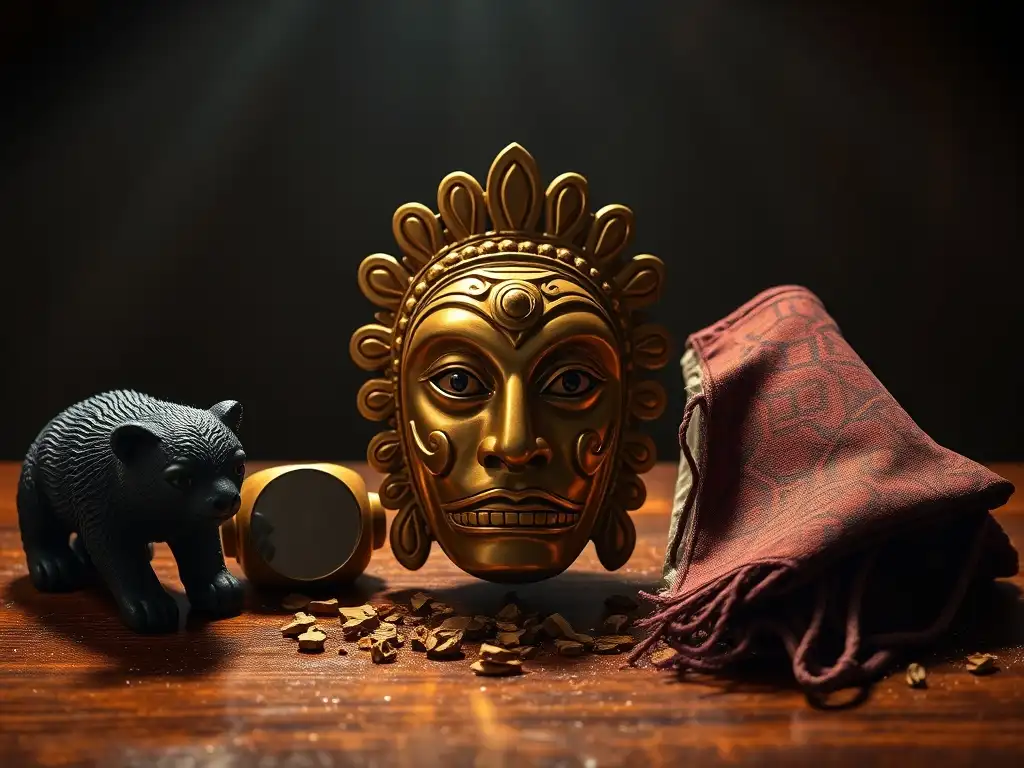
This section delves into the fascinating world of Inca royal ceremonial objects, artifacts imbued with immense symbolic power and reflecting the sophisticated artistry and religious beliefs of the Inca Empire. These objects weren't merely decorative; they were tangible manifestations of the Sapa Inca's divine authority and his connection to the cosmos. Understanding these objects provides crucial insight into the Inca worldview and the intricate social hierarchy that governed their society. Analyzing these Inca royal ceremonial objects reveals a civilization deeply invested in ritual and the legitimization of its rule.
The Sapa Inca's Crown: The Mascaypacha
The mascaypacha, often mistranslated as "royal headband," was far more significant than a simple headpiece. It was a complex headdress worn exclusively by the Sapa Inca, the emperor, symbolizing his supreme power and divine lineage. Descriptions from Spanish chronicles, though sometimes embellished, paint a picture of a magnificent crown, often featuring a circular base adorned with feathers, gold, and precious stones.
These components were not randomly chosen; they held deep symbolic meaning within Inca cosmology. For instance, the feathers likely represented various sacred birds, while the gold, a highly valued metal, connected the Sapa Inca to the sun god, Inti. The precise composition of individual mascaypacha varied, reflecting perhaps the specific reign or the emperor's personal preferences.
Unfortunately, no complete mascaypacha has survived intact, leaving room for scholarly debate regarding its exact form and construction. However, fragments discovered in royal tombs, combined with textual accounts, allow for a reasonable reconstruction of this iconic symbol of Inca imperial authority. The placement of precious stones likely followed a specific pattern, perhaps reflecting constellations or important Inca deities, further emphasizing the cosmological significance of this ceremonial object.
Inca royal scepters, often crafted from gold, silver, or adorned with precious stones, served as potent symbols of power and authority. These weren't mere decorative sticks; they were potent tools used in ceremonies and public appearances, visually reinforcing the Sapa Inca's dominion. The scepter's design often incorporated elements associated with the Inca pantheon, such as representations of animals or deities. The materials used further underscored the Sapa Inca's divine right to rule.
Gold, representing the sun god Inti, was particularly significant. Silver, associated with the moon and fertility, might also feature prominently. The use of these precious metals, often intricately worked, showcased the Inca's advanced metallurgical skills and their ability to harness these materials to reinforce their political ideology. Different types of scepters might have been used for different occasions or ceremonies, with variations in design and materials reflecting their specific purpose.
Archaeological evidence suggests a degree of standardization in certain scepter types, suggesting a carefully controlled production and distribution system. The presence of a scepter in depictions of Inca rulers further emphasizes its importance as a key symbol of Inca imperial power. The detailed craftsmanship, and the intentional use of symbolic materials and imagery, solidify the scepter's role as a crucial Inca royal ceremonial object.
The Golden Sun Disk: Representing Inti, the Sun God
The golden sun disk, a recurring motif in Inca art, represents the sun god Inti, a central figure in Inca religion and the source of the Sapa Inca's legitimacy. These disks, often found in royal tombs or ceremonial contexts, were not mere representations; they were considered sacred objects, embodying the sun's life-giving power and its connection to the ruler. The meticulous craftsmanship evident in these disks reflects the importance attributed to Inti and his earthly representative, the Sapa Inca. The size and detail of these disks varied, with some being relatively small and others quite large.
The presence of additional decorative elements, such as feathers or precious stones, would have further enhanced their symbolic significance. These Inca royal ceremonial objects highlight the intricate relationship between the Inca state and its religious beliefs. The sun, through its representation in these golden disks, was not merely a celestial body but a powerful force that legitimized the Inca Empire's rule and the Sapa Inca's authority.
The careful preservation and placement of these disks in elite contexts further underscores their importance within Inca society and their role in reinforcing the imperial ideology. The use of gold, the "tears of the sun," solidified the direct link between the Inca ruler and the divine power of Inti. These objects stand as powerful testament to the Inca's sophisticated metalworking abilities and their deeply held religious beliefs.
Inca Royal Garments and Textiles: Woven Symbols of Status
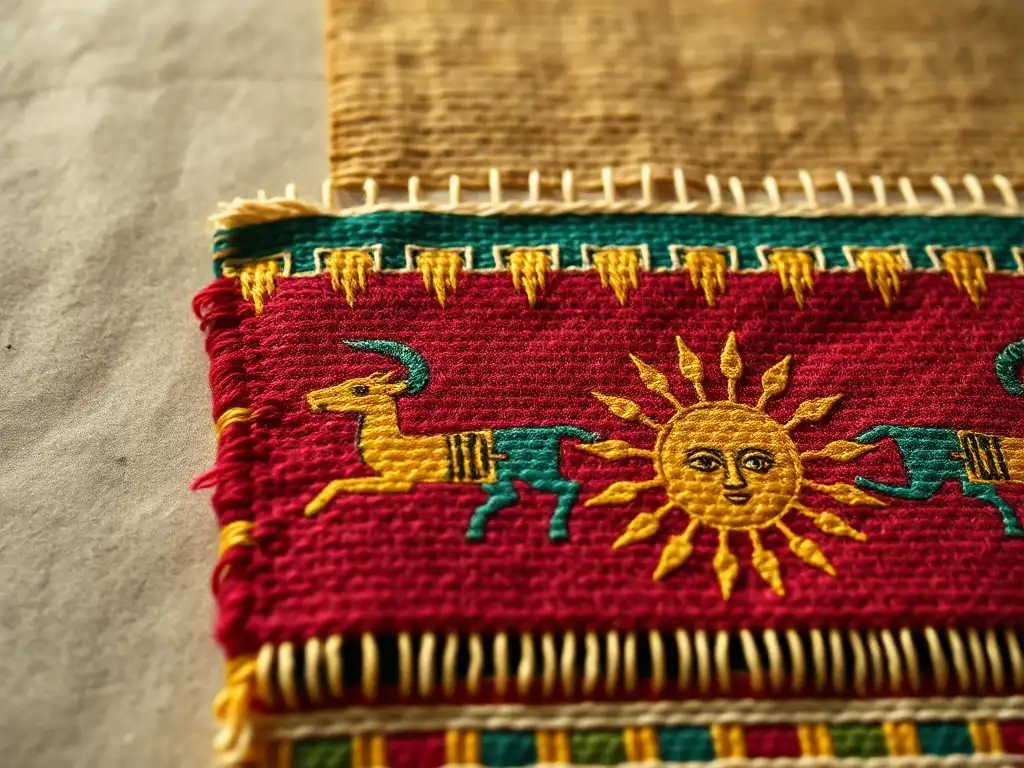
Inca royal garments and textiles weren't merely clothing; they were powerful symbols of authority, divinity, and lineage. The intricate craftsmanship and use of rare materials served to visually reinforce the Inca emperor's divine right to rule. These weren't mass-produced items; each garment was painstakingly created by skilled artisans, often involving years of dedicated work. The vibrant colors, complex patterns, and the use of precious materials like alpaca and vicuña wool, along with feathers from exotic birds, all contributed to their exceptional status.
Specific designs and colors were reserved exclusively for the royal family, further emphasizing their elevated position within Inca society. For example, the tocapu, a type of headdress, was a highly significant garment reserved for the Sapa Inca and other high-ranking officials. Its intricate weaving and adornments communicated the wearer's power and connection to the gods. The use of yaras (knots) in the textiles also carried symbolic meaning, often representing celestial bodies or significant events in the Inca calendar.
The preservation of numerous examples in relatively good condition, found in royal tombs, allows us to appreciate the sophistication and artistry of these garments even today. The study of these textiles offers invaluable insights into Inca cosmology, social hierarchy, and the emperor's role as a divine intermediary. The sheer labor involved in their creation underscores the immense value placed upon them and the Inca emperor's status.
Ritual Vessels and Inca Ceremonial Pottery: Used in Royal Events
Inca ceremonial pottery played a crucial role in royal rituals and religious ceremonies. These weren't everyday drinking vessels; they were meticulously crafted objects designed for specific rituals and offerings to the gods. The most prestigious vessels were often made from fine materials, such as gold, silver, or elaborately decorated ceramics. The shapes and designs were often symbolic, representing deities, animals with religious significance (like the puma or condor), or celestial elements. The kero, a type of stemmed cup often made from ceramic or precious metals, is a prime example.
These vessels, frequently adorned with intricate carvings and inlaid with precious stones, were used in religious ceremonies, royal feasts, and other important events. Their presence served to emphasize the sacred nature of the occasion and the emperor's divine authority. The detailed iconography found on these vessels provided visual narratives, conveying religious beliefs and cosmological concepts. The use of specific colors and motifs further reinforced their ritual significance.
Archaeological evidence suggests that these vessels were often found within royal tombs, further reinforcing their importance to Inca royalty. The careful selection of materials, the precision of their craftsmanship, and the symbolic imagery all contributed to their status as objects of immense power and spiritual significance within the Inca imperial court. The study of these vessels provides invaluable insights into Inca religious practices and beliefs, offering a glimpse into the rich spiritual world of the Inca empire. The variations in style and decoration across different regions also help us understand the diverse cultural expressions within the vast Inca empire.
The Role of Inca Royal Objects in Rituals and Ceremonies
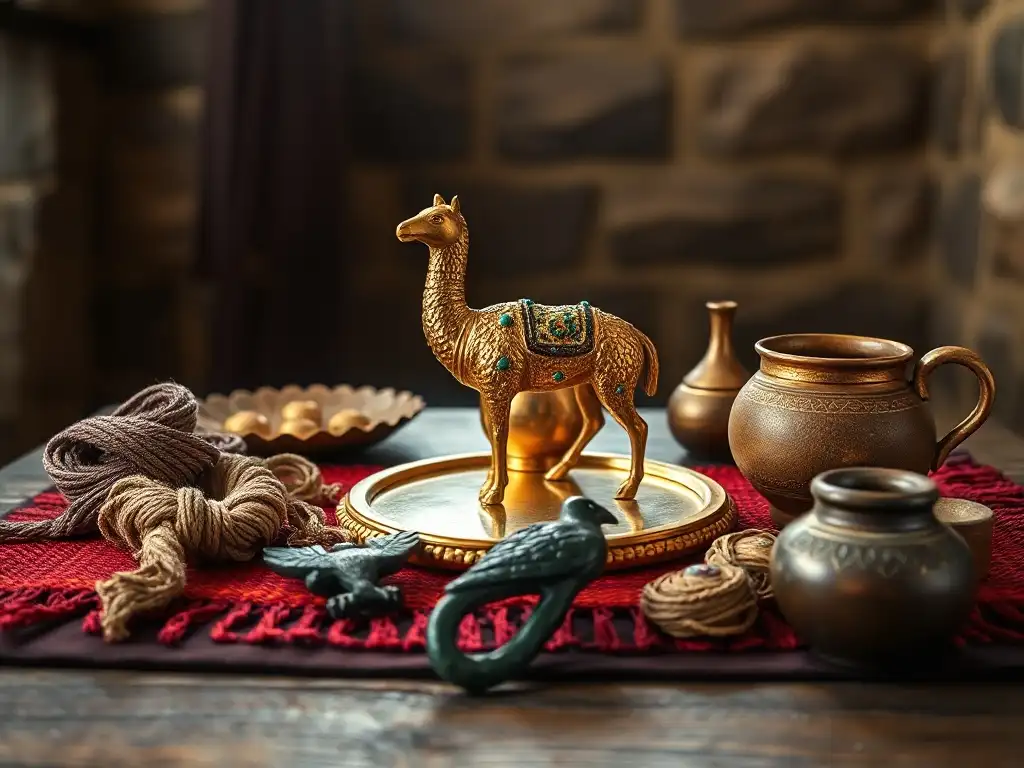
Inca royal ceremonial objects weren't merely decorative items; they were powerful symbols of authority, deeply intertwined with the fabric of Inca religious, political, and social life. Their creation, use, and even destruction were meticulously orchestrated rituals, reflecting the complex worldview of the Inca Empire. These objects served as tangible links between the human and divine realms, reinforcing the Inca ruler's status as a divinely appointed intermediary.
The sheer craftsmanship and material richness of these objects further amplified their symbolic significance, showcasing the empire's wealth, power, and mastery of sophisticated technologies. The careful study of these artifacts provides invaluable insights into the intricacies of Inca society and belief systems.
Inca Royal Objects in Religious Practices
Religious practices formed the cornerstone of Inca life, and royal objects played a central role in these rituals. For example, intricately carved kero (ceremonial cups) often depicted deities or mythical creatures, serving as vessels for sacred beverages during important ceremonies. These weren't just drinking vessels; they were conduits for communication with the supernatural world.
The precise designs and materials used—gold, silver, and precious stones—reflected the importance of the ritual and the deity being honored. Furthermore, the huacas (sacred objects), often intricately woven textiles or sculpted figures, were believed to possess inherent spiritual power. These were carefully guarded and used in temple rituals to invoke blessings, appease the gods, or seek guidance from the ancestors.
The use of such objects demonstrates the deep connection between the Inca royal family and the divine, solidifying the emperor's role as a religious leader. Specific examples include the use of gold and silver figurines representing deities in capac (emperor's) rituals, or the use of richly decorated tumi (ceremonial knives) in sacrifices. Detailed records of these practices, unfortunately, are scarce, leaving much to decipher from the objects themselves.
Inca Royal Objects in Political Ceremonies
Inca royal ceremonial objects also served crucial political functions, reinforcing the emperor's authority and legitimacy. Elaborate textiles, adorned with royal insignia and symbols of power, were displayed during public ceremonies, processions, and investitures. These served as powerful visual reminders of the emperor's divine right to rule and the empire's might.
The use of gold and silver in royal regalia—crowns, scepters, and ornaments—further emphasized the emperor's elevated status, visually separating him from the common populace. Even the everyday objects used by the emperor, such as intricately crafted eating utensils or finely woven clothing, carried symbolic weight, signifying his privileged position and access to the empire's resources. The meticulous standardization of these items across the empire also served as a form of political control and cultural homogenization, reinforcing the unity and power of the Inca state.
These objects, therefore, acted as powerful tools of political propaganda, actively shaping public perception of the Inca ruler and the empire itself. The distribution of smaller, replica objects to loyal officials further solidified alliances and strengthened the imperial power structure.
Inca Royal Objects in Funeral Rites and Ancestor Veneration
Ancestor veneration was a central tenet of Inca belief, and royal funerals were elaborate affairs involving numerous ceremonial objects. The deceased Inca ruler was often adorned with lavish jewelry, clothing, and other precious artifacts, reflecting the belief that these items would accompany them into the afterlife. Tombs were filled with a wealth of offerings, including gold and silver vessels, textiles, and other precious objects, intended to sustain the deceased and ensure their continued well-being in the spirit world.
These objects, therefore, served as a testament to the deceased ruler's status and importance, reinforcing their continued influence even in death. The meticulous construction of royal tombs themselves, often incorporating intricate stonework and sophisticated engineering, showcased the Inca's mastery of technology and their reverence for their ancestors. The careful placement of objects within the tombs reflects a deep understanding of the Inca cosmology and their belief in the interconnectedness of the living and the dead.
The study of these burial practices and the accompanying objects offers vital clues about Inca beliefs surrounding death, the afterlife, and the importance of lineage in maintaining imperial power. The scale and richness of these funerary offerings underscore the significant investment in maintaining the memory and legacy of Inca rulers.
The Presentation and Display of Royal Artifacts
The presentation and display of Inca royal artifacts were integral to the performance of their power and legitimacy. These objects weren't simply stored away; they were carefully curated and showcased in specific contexts, reinforcing the Inca emperor's divine authority and connection to the gods. Elaborate ceremonies and rituals surrounded their unveiling and use, transforming mundane objects into potent symbols of power. The sheer scale and grandeur of these displays served to impress both the Inca elite and the common people, fostering awe and reinforcing the emperor's absolute rule.
Consider, for example, the carefully orchestrated presentations of royal textiles during important festivals. These weren't simply draped over furniture; rather, they were meticulously arranged, often on specially crafted platforms or within sacred enclosures. The vibrant colors, intricate designs, and the sheer quantity of the textiles on display would have created a breathtaking spectacle, visually representing the Inca emperor's wealth, power, and divine lineage.
The placement of these textiles, often in relation to other sacred objects, further enhanced their symbolic significance. Specific arrangements likely held deeper meaning, understood only by the Inca elite, but their overall effect was undeniable: a powerful display of royal authority.
The display of gold and silver objects was equally significant. These precious metals, believed to possess spiritual properties, were often crafted into intricate representations of deities, animals, and other symbolic figures. These objects were not just beautiful; they were active participants in rituals, used to communicate with the gods and to reinforce the Inca emperor's role as a divine intermediary.
Their dazzling brilliance, particularly in the Andean sunlight, would have further amplified their spiritual power and the emperor's authority. We can imagine the impact of such displays within the carefully constructed architecture of Inca temples and palaces, where light and shadow would have played a key role in enhancing the visual impact of these precious objects. The strategic placement of these objects, often in darkened chambers illuminated by candlelight, further contributed to their mystical aura.
The meticulous care taken in the presentation of these artifacts speaks volumes about their importance in Inca society. The effort involved in their creation, display, and preservation underscores their status as more than mere material possessions; they were tangible manifestations of Inca power, divinity, and the cosmic order. The careful choreography of their use within rituals further cemented their role as powerful symbols of royal authority and the divine right to rule.
The study of these displays offers invaluable insights into the complex interplay of religion, politics, and aesthetics within the Inca empire. Further research into the specific locations and contexts of these displays is crucial to fully understanding their significance and impact on Inca society.
The Legacy of Inca Royal Art
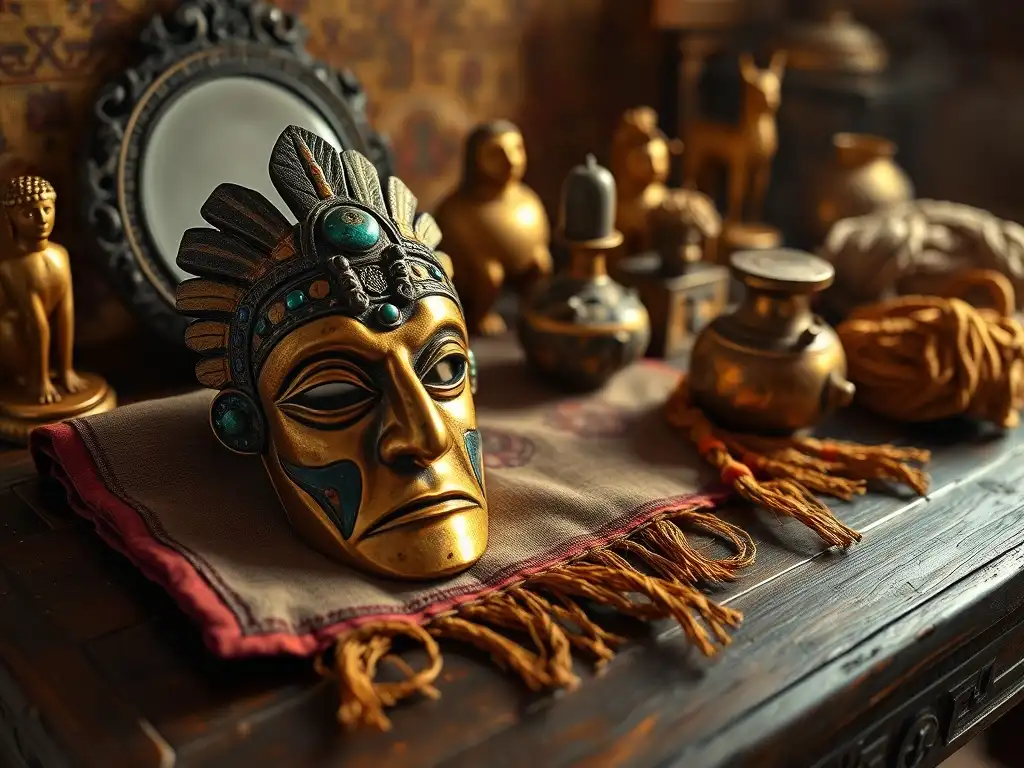
The legacy of Inca royal art extends far beyond the mere aesthetic appreciation of exquisitely crafted objects. These ceremonial pieces served as potent symbols of power, divinity, and the intricate social hierarchy that defined the Inca Empire. Their creation, use, and eventual discovery offer a multifaceted lens through which we can examine Inca cosmology, religious beliefs, and sophisticated artistic techniques.
The sheer artistry involved, combined with the profound symbolic meaning imbued in each artifact, underscores the central role of art in consolidating and legitimizing Inca rule. Understanding Inca royal art, therefore, is crucial to grasping the full complexity of this remarkable civilization.
The meticulous craftsmanship evident in surviving examples, from intricately woven textiles to finely worked gold and silver objects, speaks volumes about the specialized skills and social organization necessary to produce such items. The sheer volume of surviving artifacts, while a fraction of what once existed, still provides a rich tapestry of information about Inca life and beliefs.
Inca Royal Art and Its Impact on Andean Culture
Inca royal art profoundly shaped Andean culture, leaving an enduring legacy that resonates even today. The impact transcended the purely aesthetic; it permeated social structures, religious practices, and artistic traditions across the empire. The sophisticated techniques employed in goldsmithing, for instance, became a hallmark of Inca artistry, influencing subsequent Andean artistic expressions.
The use of specific motifs, such as the khipu (knotted string record-keeping system) and depictions of Inca deities, became standardized, reflecting a centralized system of cultural control. Even the materials themselves – gold, silver, feathers, textiles – held symbolic significance, reinforcing the Inca ideology of power and divine authority.
The creation of royal art was not simply a matter of artistic expression; it was a carefully orchestrated process involving highly skilled artisans, organized workshops, and strict quality control. This intricate system ensured that the finished products accurately reflected the Inca worldview and reinforced the emperor's divine mandate. The distribution of these objects, whether as gifts, offerings, or symbols of power, further solidified the empire's control and fostered a sense of shared identity among its diverse populations.
The influence of Inca royal art extended beyond the immediate political sphere, shaping everyday life and cultural practices in profound ways. The styles, techniques, and symbolic meanings became integrated into the fabric of Andean society, influencing everything from clothing and architecture to religious ceremonies and social interactions.
The Preservation and Study of Inca Royal Objects
The preservation and study of Inca royal objects present unique challenges and opportunities. Many artifacts have survived in remarkably good condition, offering unparalleled insights into Inca techniques and artistic sensibilities. However, the passage of time, looting, and environmental factors have taken their toll.
Efforts to preserve these fragile objects are ongoing, involving meticulous conservation techniques and advanced scientific analysis. Archaeological excavations continue to uncover new artifacts, expanding our understanding of Inca royal art and its significance. The careful documentation of these finds, coupled with advanced imaging technologies, allows researchers to create detailed records and 3D models, making these treasures accessible to a wider audience.
Furthermore, the study of Inca royal objects requires interdisciplinary collaboration. Archaeologists, art historians, anthropologists, and scientists work together to analyze the artifacts' physical properties, their cultural context, and their symbolic meanings. The application of scientific techniques such as X-ray fluorescence spectroscopy (XRF) allows researchers to determine the composition of materials, providing crucial information about the sources of raw materials and the techniques employed in their processing.
This collaborative approach is vital for gaining a comprehensive understanding of Inca royal art and its place within the broader context of Andean culture. The ongoing research and preservation efforts ensure that future generations can appreciate and learn from these extraordinary objects.
Inca Royal Art in Museums and Collections
Inca royal ceremonial objects are housed in numerous museums and private collections worldwide. These institutions play a critical role in preserving these artifacts and making them accessible to the public. Major museums in South America, Europe, and North America boast significant collections of Inca gold, silver, textiles, and ceramics.
These collections often serve as the centerpiece of exhibitions dedicated to Inca culture, attracting visitors from across the globe. However, the distribution of these artifacts raises important questions about repatriation and the ethical implications of their ownership and display. Many artifacts were removed from their original context during the colonial period and continue to be a subject of debate regarding their rightful location and the need for their return to their countries of origin.
The display and interpretation of Inca royal art in museums are also evolving. Modern museum practices emphasize contextualization, highlighting the cultural significance and historical background of the objects. Interactive exhibits, digital technologies, and educational programs aim to engage visitors and foster a deeper understanding of Inca civilization.
The ethical considerations surrounding the display of culturally significant objects are increasingly important, with museums striving to present these artifacts in a respectful and sensitive manner, recognizing their significance within the broader narrative of Andean history and cultural heritage. The ongoing efforts to improve access to these collections and to present them in a meaningful and engaging way are crucial for ensuring that the legacy of Inca royal art continues to inspire and educate future generations.
The Importance of Inca Royal Artifacts in Understanding Inca Society
Inca royal artifacts offer an unparalleled window into the complex social structures, religious beliefs, and political power dynamics of the Inca Empire. These objects weren't merely decorative; they were imbued with deep symbolic meaning, reflecting the emperor's divine authority and the intricate relationship between the ruling class and the populace. Studying these artifacts allows historians and archaeologists to piece together a more complete understanding of Inca society, moving beyond simple narratives of conquest and expansion. The meticulous craftsmanship and the use of precious materials like gold, silver, and turquoise speak volumes about the Inca's advanced technological skills and their sophisticated aesthetic sensibilities.
Furthermore, the iconography depicted on many of these objects—depictions of deities, mythical creatures, and royal figures—provides invaluable insights into their cosmology and religious practices. The careful analysis of these symbols, alongside archaeological context, helps decipher the intricate layers of meaning embedded within the objects themselves. For example, the presence of specific motifs on a ceremonial garment might indicate the wearer's rank or their connection to a particular deity, shedding light on the hierarchical nature of Inca society and their complex religious system.
The study of Inca royal artifacts, therefore, is not simply an aesthetic appreciation; it's a crucial step in reconstructing a nuanced and comprehensive understanding of this remarkable civilization. Without these objects, many crucial aspects of Inca life would remain obscured, lost to the passage of time. The survival of these artifacts is a testament to the enduring legacy of Inca artistry and its importance in understanding their world.
The Role of Gold and Silver in Inca Royal Ceremonial Objects
Gold and silver held immense symbolic significance within Inca culture, representing the sun (gold) and the moon (silver), celestial bodies deeply revered in Inca cosmology. Their use in royal ceremonial objects underscored the emperor's divine connection to these powerful forces. The sheer quantity of gold and silver used in these artifacts—often lavishly applied in intricate designs—demonstrated the Inca Empire's wealth and the emperor's absolute control over resources. The craftsmanship involved in working these precious metals was exceptionally refined, showcasing the Inca's mastery of metallurgy.
Techniques like hammering, repoussé, and soldering were employed to create incredibly detailed and intricate designs, often incorporating precious stones such as turquoise and lapis lazuli. These techniques were not merely decorative; they served to reinforce the objects' symbolic power, emphasizing their sacred nature and the emperor's divine right to rule. Moreover, the use of these materials was not arbitrary; specific alloys and combinations might have held particular religious or symbolic meaning, reflecting specific rituals or beliefs.
For instance, the specific karat of gold used in a particular artifact might indicate its intended use or the deity it was associated with. The meticulous attention to detail and the sophisticated techniques employed in creating these objects highlight the exceptional skill and artistry of Inca metalworkers, and their crucial role in creating and maintaining the emperor's divine image and authority. The sheer scale of gold and silver production and its concentration in royal ceremonial objects is a powerful indicator of the Inca’s centralized power structure and the emperor's absolute control over the Empire's resources.
Textiles and Their Significance in Inca Royal Ceremonial Attire
Textiles played a vital role in Inca royal ceremonial attire, serving not only as clothing but also as powerful symbols of status, power, and religious authority. The Inca were masters of textile production, utilizing a variety of techniques and materials to create incredibly intricate and colorful garments. Alpaca and llama wool were the primary materials, meticulously spun and woven into fabrics of exceptional quality. The designs incorporated into these textiles were often highly symbolic, depicting religious motifs, mythical creatures, and royal insignia.
The vibrant colors and complex patterns were not accidental; they held deep cultural and religious significance. Specific colors and designs were associated with particular deities, events, or social groups, allowing researchers to decipher the social and religious context of the garments. Moreover, the sheer scale and complexity of some royal textiles, such as the highly intricate tunics and mantles, demonstrate the vast resources and skilled labor dedicated to the emperor's wardrobe. The creation of these garments was a highly specialized and prestigious craft, often entrusted to elite artisans who held a privileged position within Inca society.
The complexity and quality of the textiles, combined with their symbolic meaning, served to visually reinforce the emperor's divine authority and his role as a mediator between the human and spiritual worlds. The preservation of fragments of these textiles allows us to appreciate the remarkable artistry and the profound cultural and religious significance of Inca textiles within the context of royal ceremonies and power. The meticulous attention to detail in the design and execution of these textiles underscores the importance of clothing as a symbol of power and prestige within Inca society.
Frequently Asked Questions
What types of objects qualify as Inca royal ceremonial objects?
Inca royal ceremonial objects included items used in religious rituals and state ceremonies, such as intricately crafted gold and silver vessels, textiles, and feathers. These objects often depicted divine figures and symbols of power.
How did Inca royal ceremonial objects reflect the Inca worldview?
These objects visually represented the Inca's belief system and cosmology. They often featured depictions of deities, ancestors, and the relationship between the earthly and spiritual realms. This reinforced the divine authority of the Sapa Inca.
Where were Inca royal ceremonial objects typically found?
These ceremonial objects were often discovered in royal tombs, temples, and elite residences. Important sites like Machu Picchu have yielded significant numbers of these artifacts. Their location highlights their sacred and political significance.
What materials were commonly used in creating Inca royal ceremonial objects?
Gold, silver, and precious stones were frequently employed, signifying wealth and power. Textiles, feathers, and wood were also utilized, showcasing the sophistication of Inca craftsmanship. The choice of materials reflected the object's purpose and importance.
What is the significance of Inca royal ceremonial objects today?
These objects provide invaluable insights into Inca culture, religion, and social structure. They are essential for understanding the complexity of the Inca empire and their sophisticated artistic achievements. Their preservation helps maintain cultural heritage.
Final Reflection: The Enduring Legacy of Inca Royal Art
The intricate artistry of Inca royal ceremonial objects continues to resonate today, a powerful testament to a civilization's sophisticated worldview and enduring legacy. These weren't merely decorative items; they were potent symbols of power, religious belief, and the intricate social fabric of the Inca Empire. Their survival, despite the ravages of time and conquest, offers us a unique window into a lost world and challenges our understanding of what constitutes "art" and its relationship to power.
The impact of Inca royal art extends far beyond the museum walls where many of these objects now reside. Their influence can be seen in contemporary Andean art, in the continued reverence for Inca traditions, and in the ongoing scholarly debates surrounding their creation and meaning. The sheer artistry and the symbolic weight embedded within these objects continue to inspire awe and wonder. The past is never dead. It's not even past.
- William Faulkner. This quote perfectly encapsulates the enduring relevance of Inca royal ceremonial objects; their stories continue to unfold, shaping our understanding of the past and informing our present.
Consider, for a moment, the meticulous craftsmanship, the symbolic richness, and the sheer power embedded within these objects. You, the reader, are now part of this ongoing conversation. Take a moment to reflect on the artistry and the cultural significance of these pieces.
How do they challenge your preconceived notions of art and power? What can we learn from the Inca's sophisticated understanding of the relationship between the divine and the earthly realm? Let the legacy of Inca royal art inspire you to appreciate the enduring power of human creativity and the importance of preserving cultural heritage for future generations.
Unveil the Majesty of Inca Royal Art!
Thank you for exploring the fascinating world of Inca Royal Art with us! We hope you've gained valuable insights into how these incredible artifacts symbolize divine authority and rich cultural heritage. Now, let's continue your journey of discovery!
- Deepen your understanding of Andean culture by visiting local museums or exploring online exhibits featuring Inca art. Many excellent resources are available both in person and virtually.
- Share your newfound knowledge with friends and family, or even host a discussion group to explore the fascinating world of Andean civilizations. Consider inviting a local expert to enhance the experience.
- Further your exploration by reading books and articles about Inca art and culture. Numerous scholarly works and engaging narratives are readily available to expand upon the themes discussed here.
How has your appreciation for Inca art grown, and how might it inform your understanding of power and culture in the modern world?