
Inca Art and the Natural World: Reflections of the Andean Landscape

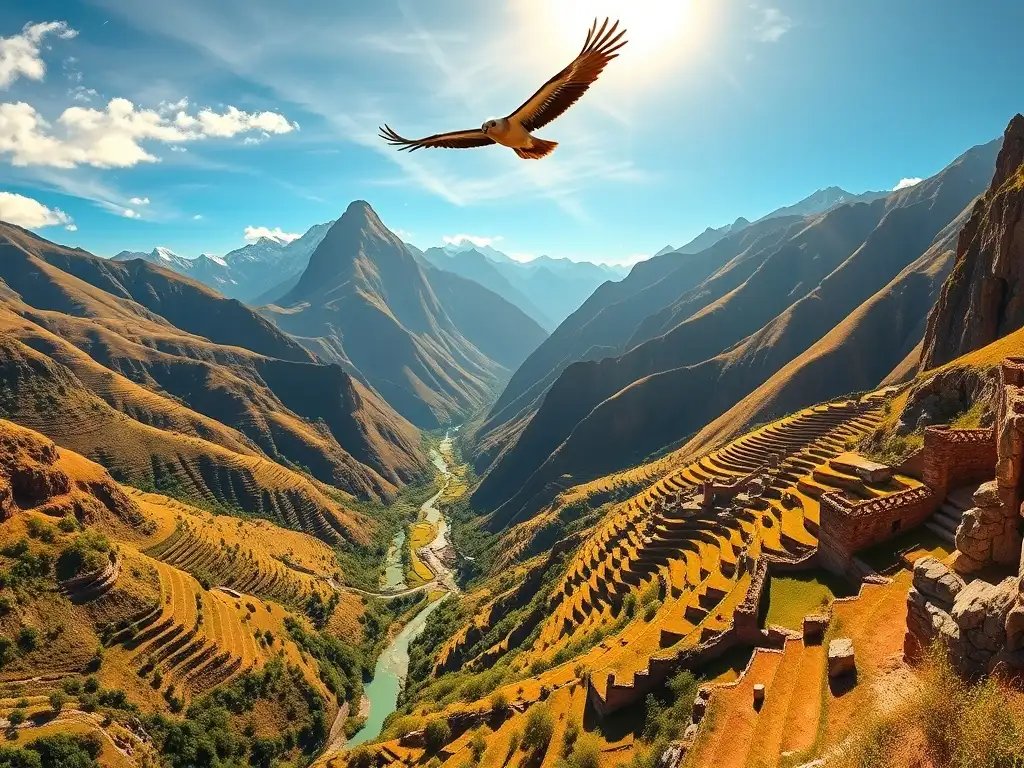
Uncover the secrets whispered by the wind across the Andean landscape... Journey into the heart of the Inca Empire and witness the breathtaking artistry that mirrored the majesty of their world. From intricate goldwork to awe-inspiring stone carvings, discover how Inca art captured the very essence of their environment. Prepare to be captivated by a civilization that seamlessly blended artistry with nature—a connection far more profound than you can imagine. Dive into the details of "Inca Art and the Natural World" and unveil the mysteries that lie within.
The Inca Empire, a civilization that flourished in the Andes Mountains from the 15th to the 16th century, left behind a remarkable legacy of art deeply intertwined with its breathtaking natural environment. This article delves into the profound relationship between Inca art and the Andean landscape, exploring how the majestic mountains, fertile valleys, and diverse flora and fauna inspired and shaped their artistic expressions.
We will examine specific examples of Inca artistry, demonstrating how they meticulously incorporated natural elements into their textiles, ceramics, metalwork, and stone architecture, reflecting not only aesthetic appreciation but also a profound spiritual connection to their surroundings. Understanding this relationship provides invaluable insight into the Inca worldview and their sophisticated understanding of the natural world.
This exploration will uncover how Inca art serves as a powerful window into their cosmology, social structures, and ultimately, their enduring legacy. The intricate interplay of human ingenuity and the raw beauty of the Andes is the core theme that will guide our investigation of Inca art and its profound connection to the Andean landscape, ranking highly for the keyword "Inca art Andean landscape".
The Andes as Muse: Natural Forms in Inca Art
Inca art is not merely a representation of the Andean landscape; it is an active engagement with it. The rugged peaks, cascading waterfalls, and vibrant vegetation are not simply depicted but actively incorporated into artistic creations. Consider, for example, the intricate textile designs often featuring stylized depictions of llamas, condors, and other Andean fauna.
These weren't just decorative elements; they held symbolic significance, representing the animals' vital roles in Inca society and their connection to the spiritual realm. Similarly, the geometric patterns found in many Inca textiles and ceramics often echo the formations of the Andes themselves, mirroring the layered terraces of agricultural fields or the striations of mountain rock faces.
The use of vibrant colors, derived from natural pigments found in the region, further enhanced this connection to the environment, reflecting the diverse hues of the Andean landscape itself. The masterful craftsmanship evident in these works, achieved using relatively simple tools, highlights the Inca's deep understanding and appreciation for the materials provided by their environment.
Symbolic Representations: Mountains, Water, and the Sacred
The Andean landscape wasn't simply a source of inspiration for Inca art; it was a fundamental component of their cosmology. Mountains, often considered sacred, were frequently depicted in Inca art, symbolizing power, stability, and connection to the divine. Water, another crucial element for the Inca civilization, was also represented extensively, often in the form of stylized waterfalls or flowing streams, signifying life, fertility, and abundance. These elements weren't simply aesthetically pleasing; they were integral to the Inca's understanding of the world and their place within it.
The careful integration of these symbols into their art served to reinforce their worldview and connect the spiritual with the material world. The precision and attention to detail in these representations highlight the profound significance attributed to these natural elements within Inca society. Further research is needed to fully understand the nuances of these symbolic representations [specific information pending].
Technological Innovation and Environmental Adaptation: A Symbiotic Relationship
The Inca's artistic achievements were not solely based on aesthetic sensibilities; they also showcased remarkable technological innovation that demonstrated a deep understanding of and adaptation to their environment. The construction of impressive stone structures, such as Machu Picchu, involved sophisticated engineering techniques that perfectly harmonized with the mountainous terrain.
The precise fitting of stones without mortar, a testament to Inca engineering prowess, directly reflects their intimate knowledge of the local geology and their ability to manipulate the natural resources available to them. This mastery of stonework is not only an impressive feat of engineering but also a powerful artistic statement, seamlessly blending human creation with the natural magnificence of the Andes.
The ability to adapt to the challenging Andean environment—constructing terraces for agriculture, building intricate irrigation systems—further demonstrates the symbiotic relationship between the Inca civilization and its surroundings. This adaptation is reflected in their art, highlighting both their resourcefulness and their deep respect for the natural world.
The Legacy of Inca Art: A Continuing Inspiration
The legacy of Inca art continues to inspire awe and admiration centuries after the fall of the empire. The profound connection between Inca art and the Andean landscape is not merely a historical curiosity; it offers valuable lessons about sustainability, environmental stewardship, and the enduring power of artistic expression rooted in a deep understanding of the natural world.
The intricate details, symbolic representations, and technological innovation found in Inca art serve as a constant reminder of the ingenuity and cultural richness of this remarkable civilization. The vibrant colors and intricate designs of their textiles and ceramics, the powerful presence of their stone structures, and the symbolic weight of their artistic motifs all contribute to the enduring appeal of Inca art and its powerful message of harmony between humanity and nature.
The study of Inca art continues to reveal new insights into their culture and worldview, offering a rich tapestry of knowledge that connects us to the past and inspires us in the present.
- The Andes as Muse: Natural Forms in Inca Art
- Symbolic Representations: Mountains, Water, and the Sacred
- Technological Innovation and Environmental Adaptation: A Symbiotic Relationship
- The Legacy of Inca Art: A Continuing Inspiration
- What is the main focus of Inca art?
- How did the Andean landscape influence Inca artistic expression?
- What are some common themes found in Inca art related to the landscape?
- What materials did the Inca use to create art reflecting the Andean landscape?
- How does Inca art help us understand their relationship with the environment?
The Inca's Artistic Connection to the Andean Environment
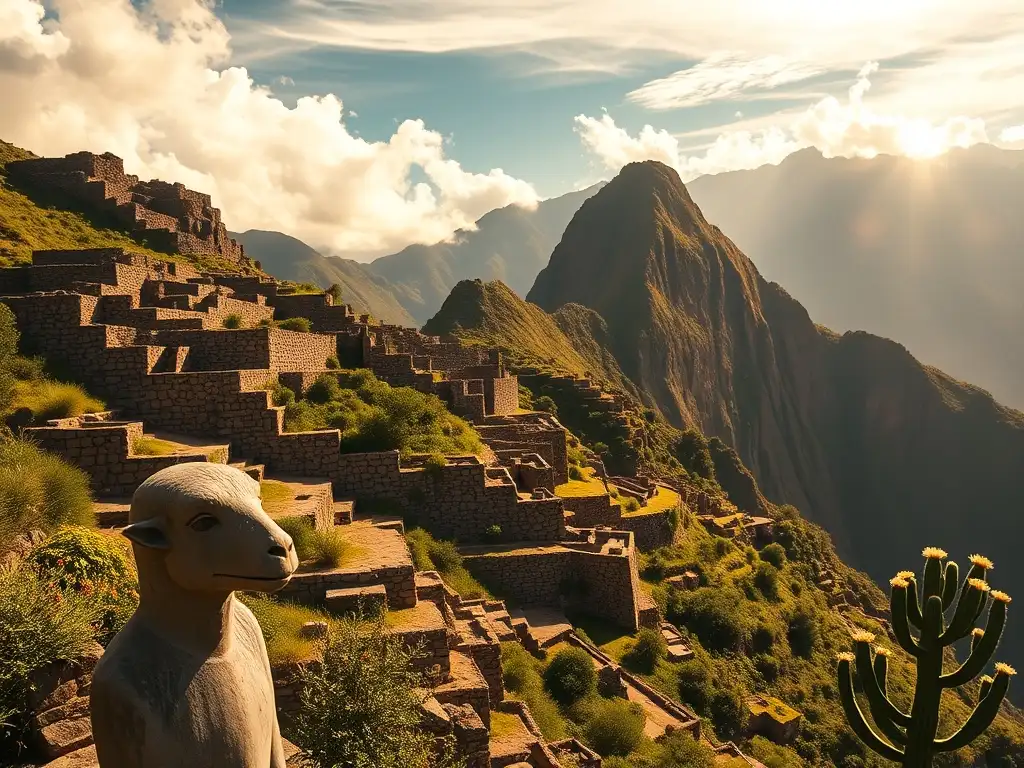
The Inca Empire, renowned for its sophisticated engineering and administrative prowess, also possessed a vibrant artistic tradition deeply intertwined with the breathtaking Andean landscape. This connection wasn't merely aesthetic; it was a fundamental aspect of Inca worldview, reflecting their profound respect for and dependence upon the natural world. Inca art, therefore, serves as a powerful window into their cosmology, social structures, and relationship with their environment.
Understanding this relationship is crucial to appreciating the nuances and complexities of Inca artistic expression, and the subtle ways in which the Inca art Andean landscape are inextricably linked. This section will explore the profound ways in which the Andean environment shaped and inspired Inca artistic creations.
The Significance of Nature in Inca Culture
Inca cosmology viewed the natural world not as separate from humanity, but as an integral part of a holistic, interconnected system. Mountains, rivers, and animals weren't simply geographical features or creatures; they were imbued with spiritual significance, often considered sacred entities or the dwelling places of powerful deities. This animistic perspective profoundly influenced Inca art.
For instance, the depiction of condors, jaguars, and snakes in textiles and ceramics wasn't merely representational; these animals held symbolic importance, representing power, fertility, or the forces of nature. The Inca's reverence extended to agricultural practices, with the annual agricultural cycle deeply embedded in their religious rituals and artistic expressions. The successful cultivation of crops like potatoes and maize was not just a matter of survival; it was a sacred act, reflecting the Inca's ability to harness the power of nature for the benefit of their communities.
This profound respect is evident in the meticulous detail and reverence often shown in depictions of agricultural scenes in Inca art. The harmonious coexistence between humans and nature was a central theme woven throughout their artistic output.
How the Andean Landscape Shaped Inca Art
The dramatic Andean landscape, with its towering mountains, deep valleys, and diverse ecosystems, provided both inspiration and materials for Inca art. The rugged terrain itself dictated the types of materials readily available: alpaca and llama wool for textiles, precious metals like gold and silver from mountain streams, and various types of stone for monumental architecture and smaller sculptures. The vibrant colors of the landscape – the deep greens of valleys, the browns and reds of the earth, the blues of the sky – are reflected in the rich palette of Inca textiles and ceramics. For example, the intricate patterns found on Inca textiles often mirror the natural forms of the Andean landscape, incorporating stylized depictions of mountains, rivers, and plants.
Moreover, the monumental architecture of the Inca, particularly the precision-cut stonework of sites like Machu Picchu, is a testament to their mastery of engineering and their deep understanding of the Andean terrain. The Inca's ability to seamlessly integrate their structures into the landscape demonstrates a profound connection to their environment, far beyond mere functionality. The very placement of structures, taking advantage of natural features like mountain slopes and river terraces, reflects a sophisticated understanding of the landscape and its potential.
The Inca’s ability to adapt their artistic expression to the unique characteristics of the Andean environment showcases their deep connection to the land. This inherent understanding is a key element in understanding the Inca art Andean landscape relationship. The interplay of human ingenuity and natural beauty is a defining characteristic of Inca artistic achievement.
Representations of the Natural World in Inca Art Forms
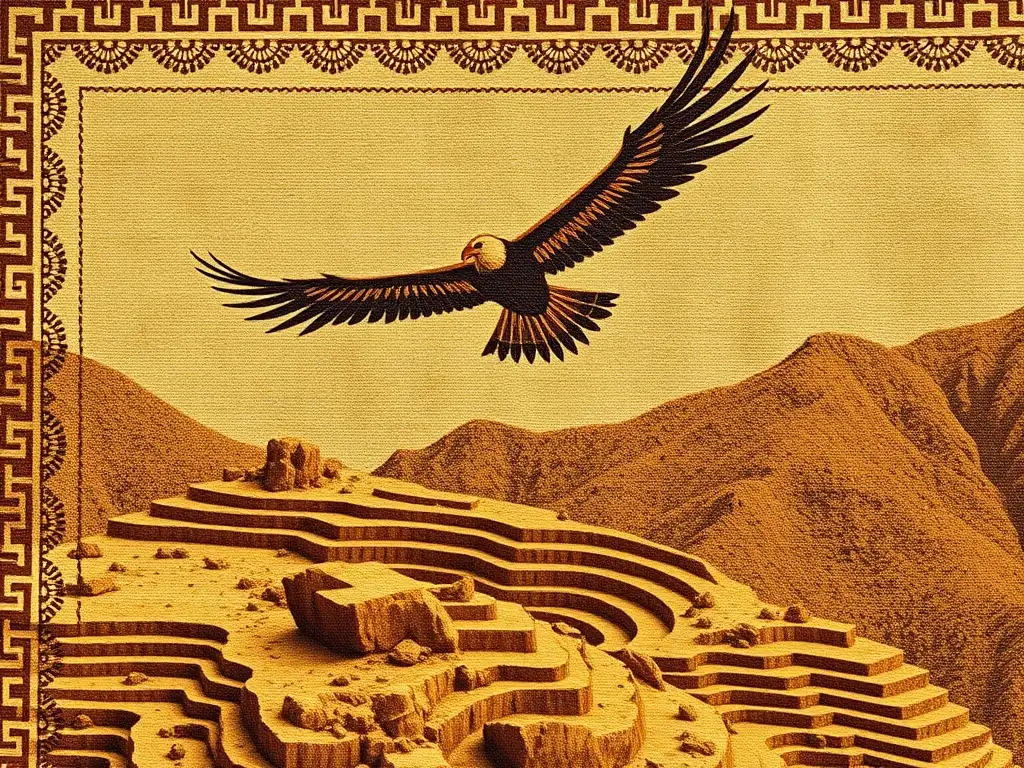
The Inca Empire, renowned for its sophisticated engineering and administrative prowess, also possessed a vibrant artistic tradition deeply intertwined with the Andean landscape. Inca art wasn't merely decorative; it served as a powerful means of expressing spiritual beliefs, social structures, and a profound connection with the natural world. This section delves into how the Inca people masterfully integrated their environment into their artistic expressions, reflecting their reverence for the mountains, animals, and plants that sustained them.
The intricate details and symbolic meanings embedded within Inca art provide invaluable insights into their worldview and their harmonious relationship with their surroundings. Analyzing these artistic expressions reveals a sophisticated understanding of the ecosystem and its importance to Inca society. The careful observation of nature is evident in their artistic choices, highlighting the Inca's keen awareness of their environment and its influence on their culture.
This close relationship between Inca art and the Andean landscape is a testament to their deep-rooted connection to the land, a bond reflected in the very fabric of their civilization. The keyword "Inca art Andean landscape" is perfectly encapsulated by this profound artistic expression.
Inca Ceramics: Depicting Flora and Fauna
Inca ceramics offer a rich tapestry of depictions of the Andean flora and fauna. Pottery wasn't simply functional; it was a medium for storytelling, conveying important cultural narratives and beliefs. The artisans skillfully rendered various plants and animals, showcasing a remarkable level of observational accuracy and artistic skill. The prevalence of certain motifs reflects the importance of those elements within Inca society.
For instance, the recurring representation of maize speaks to its crucial role as a staple crop, symbolizing abundance and prosperity. Similarly, the depiction of llamas highlights their importance as pack animals and a source of wool and meat. The vibrant colors and intricate details employed in these ceramic pieces demonstrate the high level of artistic sophistication achieved by Inca potters. This wasn't merely craft; it was a sophisticated art form reflecting the Inca worldview.
Aryballos with Maize Designs, Plates with Llama Motifs
The artistry in Inca ceramics is further highlighted by specific examples. Aryballos, small, globular vessels used for pouring liquids, often featured intricate maize designs. These designs weren't simply decorative; they likely held symbolic significance, perhaps representing the life-giving properties of the crop and the cyclical nature of agriculture.
The detailed rendering of the maize cobs, leaves, and tassels speaks to the potters' keen observation and understanding of the plant. Similarly, plates and other serving vessels frequently displayed llama motifs, portraying the animals in various postures and sometimes incorporating additional symbolic elements. These depictions showcase the Inca's deep appreciation for the llama, a crucial element of their economy and daily life.
The accuracy of the animal representations and the use of color to capture the llama's texture display a remarkable artistic skill. The sheer variety of ceramic styles and motifs across different regions of the Inca Empire also indicates regional variations in artistic expression, reflecting the diversity of the Andean landscape itself.
Inca Textiles: Weaving the Andean Ecosystem
Inca textiles represent another powerful medium through which the Andean landscape was expressed. The Inca were master weavers, creating intricate and durable textiles using alpaca, llama, and vicuña wool. The vibrant colors, intricate patterns, and the use of diverse weaving techniques point to a highly developed textile tradition. These textiles were not just clothing; they were status symbols, ceremonial items, and powerful expressions of Inca cosmology and their relationship with the natural world. The incorporation of natural elements, such as geometric patterns representing mountain ranges or stylized depictions of animals, further underscores this connection.
Tapestries with Condor Imagery, Unku Tunics with Geometric Mountain Patterns
Large tapestries often featured condor imagery, reflecting the bird's importance in Inca mythology and its symbolic association with the high Andes. The condor, with its majestic presence and ability to soar above the mountains, represented power, strength, and a connection to the spiritual realm. The detailed rendering of the condor's plumage and its powerful physique demonstrates the weaver's keen observation and artistic mastery.
Furthermore, unku tunics, a type of garment worn by Inca elites, frequently showcased geometric patterns that scholars interpret as stylized representations of mountain ranges. These patterns, with their sharp lines and contrasting colors, capture the rugged beauty and imposing presence of the Andes. The precision and complexity of the weaving techniques employed in these garments further highlight the advanced level of textile production achieved by the Inca.
The geometric designs, while abstract, are believed to represent the layered structure of the Andean landscape, reflecting an intimate understanding of the environment and its geological features. The masterful use of color and texture also adds to the overall aesthetic impact, showcasing the Inca's artistic ingenuity and their ability to translate the natural world into stunning artistic expressions.
Inca Metalwork: The Use of Natural Elements in Design
Inca metalwork stands as a testament to their profound connection with the Andean landscape. The intricate designs adorning their gold, silver, and copper artifacts frequently depict elements directly drawn from their environment. Masterful artisans skillfully translated the vibrant flora and fauna, the majestic mountains, and the powerful forces of nature into stunning works of art.
This wasn't merely decoration; it was a powerful form of visual storytelling, reflecting their worldview and spiritual beliefs. The meticulous detail and technical prowess displayed in these pieces demonstrate a deep understanding of metallurgy and a keen eye for aesthetic beauty, seamlessly blending artistic expression with a profound reverence for nature. The use of natural elements wasn't arbitrary; it was deeply symbolic, often conveying messages related to fertility, power, and the cyclical nature of life and death within the Andean ecosystem.
For example, the frequent depiction of condors, a powerful symbol in Andean mythology, highlights their connection to the sky and the realm of the gods. Similarly, the use of plant motifs often represented agricultural abundance and the life-giving properties of the land.
Gold Figurines of Llamas, Silver Ornaments with Bird Motifs
The Inca's mastery of metalworking is perhaps most vividly showcased in their depictions of llamas and birds. Gold figurines of llamas, often meticulously crafted with intricate details, represent the crucial role these animals played in Inca society. Llamas served as vital beasts of burden, providing wool, meat, and transportation across the challenging Andean terrain. These figurines, therefore, are not only artistic achievements but also representations of economic and social significance.
The size and detail of these gold llamas frequently varied, with some being quite small and others impressively large, suggesting variations in status or purpose. Further research is needed to establish a definitive link between size and function, but existing studies suggest a correlation between size and ritual significance. In contrast, silver ornaments frequently featured bird motifs, often depicting condors, hummingbirds, and other native species. The representation of these birds, particularly the condor, often reflected spiritual beliefs and the Inca's connection to the celestial realm.
These birds were associated with power, divinity, and the ability to navigate between the earthly and spiritual worlds, showcasing their important place in Inca cosmology. The use of precious metals like gold and silver further emphasizes the value placed on these creatures and their symbolic importance within Inca culture. The careful attention to detail, the use of different techniques like repoussé and casting, and the inherent beauty of the materials themselves contribute to the enduring appeal and historical significance of these artifacts. The exquisite craftsmanship speaks volumes about the skill and dedication of the Inca artisans and their deep connection with the natural world that surrounded them.
Key Natural Motifs in Inca Art
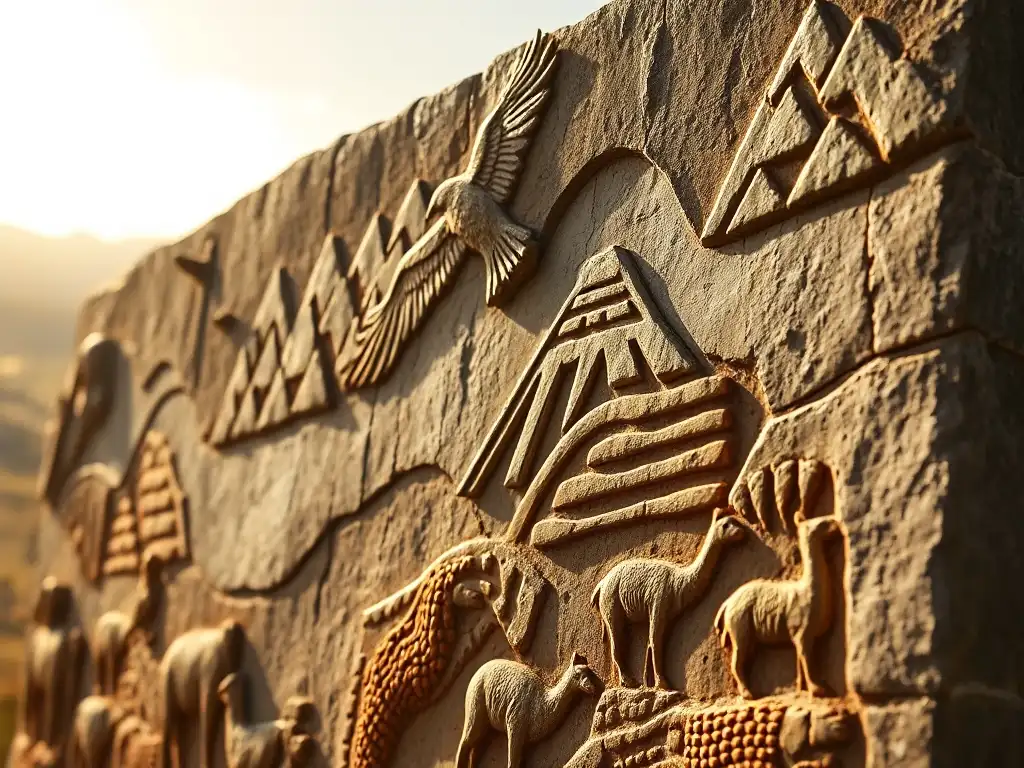
Inca art, deeply intertwined with the Andean landscape, frequently employed natural motifs to express their worldview and relationship with the environment. The intricate designs found on textiles, ceramics, and metalwork weren't merely decorative; they were powerful symbols reflecting the Inca's profound understanding and reverence for the natural world. This section will delve into the key natural elements that permeated Inca artistic expression, highlighting their symbolic significance and artistic representations.
The prevalence of these motifs underscores the vital role nature played in shaping Inca culture and beliefs, solidifying the connection between Inca art and the Andean landscape. Analyzing these motifs provides invaluable insights into the Inca worldview and their sophisticated artistic techniques. The use of natural elements wasn't random; it was a deliberate choice reflecting a deep-seated spiritual connection to their surroundings.
The Importance of the Sun in Inca Art
The sun, Inti, held paramount importance in Inca cosmology and is prominently featured in Inca art. Its representation transcended mere aesthetic appeal; it symbolized power, life, and the divine. The Inca's sophisticated astronomical knowledge is evident in the precise and symbolic representation of the sun in their artwork.
Inti Sun Disk Representations, Temple Decorations with Solar Motifs
The sun disk, often depicted with radiating rays, is a recurring motif in Inca art. These representations are frequently found on gold and silver objects, textiles, and stone carvings. The intricate detail and craftsmanship involved in creating these representations speak volumes about the Inca's artistic skill and the religious significance they attributed to the sun.
For example, the sun disk's presence on ceremonial objects suggests its use in rituals and ceremonies dedicated to Inti. The size and prominence of the sun disk varied depending on the object's function and purpose. Larger, more elaborate representations adorned significant temples and royal palaces, reinforcing the sun's central position in the Inca social and religious hierarchy.
Smaller depictions, however, could be found on everyday objects, suggesting the sun's pervasive influence on all aspects of Inca life. The careful placement of these motifs within a broader design further emphasizes their importance, often integrated with other celestial or terrestrial elements to create a complex narrative.
Mountains as Sacred Entities in Inca Art
Mountains, towering over the Andean landscape, held immense spiritual significance for the Inca. They were considered sacred entities, dwelling places of powerful deities, and sources of life-giving resources. This reverence is palpable in the recurrent depiction of mountains in Inca art. The representation of mountains wasn't merely a depiction of the physical landscape; it was a symbolic representation of their spiritual power and connection to the divine.
Terraced Agriculture Depictions, Mountain Peak Representations in Pottery
The Inca's mastery of terraced agriculture is a testament to their ingenuity and understanding of their environment. This sophisticated agricultural technique, adapted to the challenging Andean terrain, is frequently depicted in Inca pottery and textiles. The precise representation of terraces clinging to mountain slopes showcases not only their architectural achievements but also their deep respect for the land and its capacity to sustain life.
The meticulous detail in these depictions reflects the Inca’s appreciation for the symbiotic relationship between human ingenuity and the natural world. Furthermore, the representation of mountain peaks in Inca pottery often features stylized depictions emphasizing the majesty and power of these natural formations. These depictions frequently incorporated other symbolic elements, further enriching the artwork’s meaning and reflecting a complex interplay of religious beliefs and agricultural practices.
The use of specific colors and patterns in these representations may have also held symbolic meaning, although further research is needed to fully understand this aspect. [Specific information pending on color symbolism in mountain depictions]. The consistent presence of mountain imagery across various art forms strongly suggests its central role in Inca cosmology and spiritual beliefs.
Animals as Spiritual Guides in Inca Art
Inca art frequently depicted animals, not merely as representations of the natural world, but as powerful spiritual guides and symbols reflecting the Andean worldview. Animals held significant roles in Inca mythology and cosmology, embodying various qualities and connecting the human realm with the supernatural. The careful observation of animal behavior and their integration into artistic motifs reveal a deep understanding of the Andean ecosystem and its spiritual significance.
The representation of animals wasn't arbitrary; specific animals were chosen for their symbolic value related to specific deities, events, or social structures. For instance, the condor, with its ability to soar high in the sky, often symbolized the sun god, Inti, representing power, strength, and connection to the divine. Similarly, the llama, crucial to Inca economy and daily life, represented fertility, prosperity, and the cyclical nature of life.
The precise depiction of these animals, often with meticulous detail, underscores the reverence and respect held for the animal kingdom. This artistic approach highlights the interconnectedness of the spiritual and natural worlds in Inca belief systems. The Inca's deep understanding of their environment is reflected not only in their agricultural practices but also in the thoughtful and symbolic representation of animals within their art.
Puma Imagery on Ceramics, Serpent Motifs in Textiles
The puma, a powerful apex predator of the Andes, frequently appeared in Inca ceramics, often depicted with striking realism. These representations weren't simply aesthetic choices; they symbolized strength, power, and royal authority. The puma's presence on ceremonial vessels or elite grave goods suggests a connection to the Inca rulers and their divine legitimacy. The careful rendering of the puma's muscular physique and fierce gaze demonstrates the Inca artisans' skill and keen observation of the natural world.
In contrast, serpents, often depicted in textiles, represented a different aspect of the Andean spiritual landscape. Serpents, associated with water sources and fertility, symbolized life-giving forces and the cyclical nature of existence. The intricate weaving techniques used to portray serpents in textiles often incorporated vibrant colors and symbolic patterns, highlighting their importance in Inca cosmology.
The contrast between the puma's terrestrial dominance and the serpent's connection to water sources reflects the diverse range of natural forces revered by the Inca. Analysis of these motifs reveals a complex system of symbolic representation reflecting the Inca's multifaceted relationship with their environment. The detailed craftsmanship further underlines the significance of these animal representations within Inca culture.
Plants and Agriculture in Inca Artistic Expressions
Inca art frequently showcased the importance of agriculture, reflecting the civilization's deep connection to the land and its bounty. The Andean landscape, characterized by diverse microclimates and challenging terrain, demanded sophisticated agricultural techniques, and these techniques are vividly reflected in Inca art. The representation of plants wasn't merely decorative; it held profound symbolic meaning, reflecting the Inca's worldview and their dependence on agriculture for survival and prosperity.
The meticulous detail in depictions of plants suggests a reverence for the natural world and an awareness of the crucial role of agriculture in sustaining their society. This artistic focus highlights the importance of agricultural practices, not only as a means of subsistence, but also as a deeply spiritual aspect of Inca life.
The abundance and variety of agricultural products represented in Inca art demonstrate the richness of the Andean ecosystem and the Inca's ability to adapt and thrive in a challenging environment. The representation of various crops, from maize to potatoes, emphasizes the centrality of agriculture to their culture and worldview.
Maize Cob Representations, Potato Designs on Pottery
Maize, or corn, held a central place in Inca agriculture and culture. Its representation in art often took the form of stylized maize cobs, sometimes depicted with meticulous detail, showing the individual kernels and the husk. These representations often appeared on pottery, textiles, and other artifacts, reflecting maize's importance as a staple crop and a symbol of fertility and abundance.
The size and prominence given to maize cobs in many artistic pieces further emphasizes its significance in Inca society. Similarly, potatoes, another crucial staple crop adapted to the high-altitude Andean environment, were also frequently depicted in Inca art, particularly on pottery. The diverse varieties of potatoes grown by the Inca are reflected in the range of representations found in their art, often showcasing variations in shape, size, and color.
The detailed depiction of potatoes, including their unique shapes and colors, highlights the Inca's deep knowledge of botany and their ability to cultivate a wide variety of crops in challenging conditions. These representations are not merely aesthetically pleasing; they provide valuable insights into Inca agricultural practices and their profound understanding of the Andean ecosystem and its potential. The careful representation of these crops demonstrates the profound interconnectedness between Inca art and their daily life, highlighting the significance of agriculture to their culture and survival.
The Materials of Inca Art and their Natural Origins
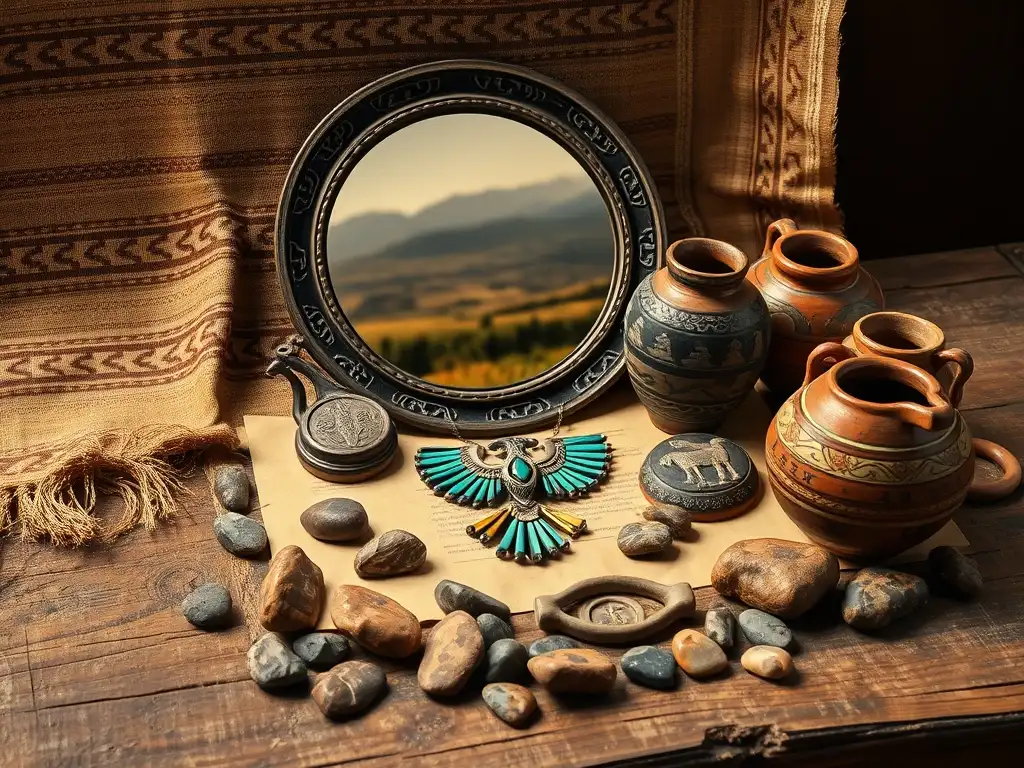
The breathtaking artistry of the Inca civilization was deeply intertwined with the diverse and challenging Andean landscape. Inca art, reflecting a profound connection to their environment, utilized materials sourced directly from the surrounding mountains, valleys, and rivers. Understanding the origins of these materials is key to appreciating the ingenuity and resourcefulness of Inca artisans.
The masterful manipulation of readily available resources resulted in stunning textiles, intricate ceramics, and monumental stone structures, all testaments to their sophisticated understanding of their natural world. This intrinsic link between Inca art and the Andean landscape is a defining characteristic of their aesthetic. The very essence of Inca artistic expression is inseparable from the geographical context in which it flourished.
This section will delve into the sourcing of raw materials and the specific techniques employed in their transformation into magnificent works of art. The keyword phrase "Inca art Andean landscape" is intrinsically linked to this exploration of material origins.
Sourcing Raw Materials from the Andean Region
The Inca Empire's vast territory, stretching across diverse ecological zones from the arid coastal deserts to the high-altitude Andes, provided a rich palette of raw materials. The logistical challenges of transporting these resources across varied terrains were significant, yet the Inca mastered sophisticated systems of trade and transportation, including the renowned qhapaq ñan (Inca Road system). This efficient network facilitated the movement of everything from precious metals and colorful stones to fine wools and plant fibers.
The sourcing of materials was not arbitrary. Specific regions were known for particular resources. For example, certain valleys were renowned for their fine quality cotton, while others produced exceptional wool from alpacas and llamas. Similarly, quarries in specific mountain ranges yielded particular types of stone, prized for their color, durability, and suitability for specific artistic applications.
The Inca possessed detailed knowledge of the geographical distribution of these resources, optimizing their procurement for maximum efficiency and quality. Evidence suggests meticulous planning and organization in the extraction and transport of materials, demonstrating a sophisticated understanding of resource management. The selection of specific materials was often dictated not only by their practical properties but also by their symbolic significance within Inca cosmology.
The careful selection and management of resources underscore the Inca's profound respect for their environment and their ability to integrate their artistic endeavors seamlessly within the ecological fabric of their vast empire. This sustainable approach to resource management is a testament to their long-term vision and their understanding of the interconnectedness of their artistic practices with the natural world. This understanding further solidifies the connection between "Inca art" and the "Andean landscape."
Inca use of Stone, Clay, and Natural Dyes
The Inca's mastery extended beyond the acquisition of raw materials; it encompassed the skillful transformation of these materials into stunning works of art. Their use of stone, clay, and natural dyes exemplifies their technical proficiency and artistic vision.
- Stone: Inca stonework is legendary for its precision and artistry. From the colossal stones of Sacsayhuamán to the intricate carvings adorning smaller artifacts, the Inca demonstrated an unmatched ability to shape and fit stones with remarkable accuracy. Different types of stone were selected based on their properties: harder stones for structural elements, softer stones for carving intricate details. The precise fitting of stones, often without mortar, remains a marvel of engineering and artistry. The choice of stone often reflected both practical considerations and symbolic meanings related to the Andean landscape.
- Clay: Inca pottery displays a wide range of styles and techniques, reflecting regional variations and stylistic preferences. Clay, sourced from local deposits, was meticulously prepared, often mixed with tempering agents to improve its strength and workability. The resulting ceramics exhibit a remarkable range of forms, from simple utilitarian vessels to intricately decorated ceremonial pieces. The use of natural pigments derived from minerals and plants further enhanced the aesthetic appeal of Inca pottery.
- Natural Dyes: Inca textiles are renowned for their vibrant colors and intricate designs. These colors were derived from a variety of natural sources, including plants, minerals, and insects. Cochineal, a scale insect, produced a brilliant crimson; various plants yielded yellows, browns, and greens. The precise recipes for these dyes, passed down through generations of artisans, remain partially unknown, adding to the mystique of Inca textile production. The colors themselves often held symbolic meaning, reflecting the Andean landscape and its diverse flora. The deep understanding of natural dyes and their application is another compelling example of the link between "Inca art" and the "Andean landscape."
The Inca's artistic achievements were not merely aesthetic expressions; they were a reflection of their deep connection to the Andean environment and a testament to their remarkable ingenuity in harnessing the resources of their world. The skillful manipulation of natural materials, combined with sophisticated techniques, resulted in a unique artistic legacy that continues to inspire awe and admiration. The enduring link between Inca art and the Andean landscape is evident in every facet of their artistic production.
The Legacy of Inca Art and its Connection to the Andean Landscape
The Inca Empire, renowned for its sophisticated political organization and impressive infrastructure, left behind a rich artistic legacy deeply intertwined with the dramatic Andean landscape. This connection wasn't merely aesthetic; it was fundamental to their worldview, their spirituality, and their daily lives. The towering mountains, fertile valleys, and unpredictable climate of the Andes profoundly shaped Inca art, influencing its motifs, materials, and techniques.
From intricately woven textiles depicting vibrant flora and fauna to meticulously crafted gold and silver objects mirroring the contours of the mountains, Inca artistry serves as a powerful testament to the symbiotic relationship between human creativity and the natural world. Understanding this connection is key to appreciating the depth and complexity of Inca artistic achievements.
The enduring influence of the Andean landscape on Inca art is a topic explored by numerous scholars, revealing a sophisticated interplay between human expression and environmental context. The sheer scale of Inca artistry, coupled with its inherent connection to the landscape, makes it a unique and compelling subject of study.
Modern Interpretations of Inca Art and Nature
Contemporary artists continue to draw inspiration from the Inca legacy and their profound connection to the Andean landscape. Many modern interpretations emphasize the vibrant colors and intricate patterns found in Inca textiles and ceramics. These works often incorporate traditional Andean techniques, such as knotting and weaving, alongside contemporary materials and artistic expressions.
This reflects a growing interest in reimagining Inca artistic traditions within a modern context. For instance, some contemporary artists utilize recycled materials to create sculptures that evoke the monumental architecture of the Inca Empire, highlighting environmental themes and sustainability. Others focus on reinterpreting ancient motifs, such as the stylized representations of llamas and condors, in abstract or surrealist styles.
This fusion of ancient and modern techniques showcases the enduring power of Inca art and its continued relevance to contemporary artistic discourse. The inherent connection between Inca art and the Andean landscape remains a powerful source of inspiration, driving artistic innovation and promoting a renewed appreciation for the cultural heritage of the Andes. The impact of this artistic legacy extends beyond the realm of visual arts, influencing fashion design, jewelry making, and other creative fields.
The Enduring Influence of the Andean Landscape on Art
The Andean landscape’s impact on Inca art is multifaceted. The readily available materials—wool from llamas and alpacas for textiles, gold and silver from mines for metalwork, and clay for pottery—directly influenced the artistic mediums employed. The challenging terrain also shaped the scale and functionality of artistic creations. For example, the portable nature of many Inca textiles reflects the need for easily transportable possessions during migrations or military campaigns.
Furthermore, the agricultural practices of the Inca, intricately linked to the environment, are often depicted in their art. We see representations of terraced farming, irrigation systems, and the cultivation of crops like maize and potatoes, showcasing the profound connection between Inca society and the land. These artistic representations not only document their agricultural techniques but also highlight their deep respect for the natural world and its bounty. The cyclical nature of Andean life, deeply rooted in the agricultural calendar and the seasonal changes of the high-altitude environment, is also reflected in the repetitive patterns and motifs found in Inca textiles and ceramics.
The vibrant colors used frequently mirror the vivid hues of the Andean landscape itself, further emphasizing the harmonious relationship between art and nature. This intricate connection between Inca art and the Andean landscape continues to inspire and captivate, making it a rich field of study for researchers and artists alike. The legacy of Inca art remains a powerful reminder of the profound impact of the environment on human creativity and cultural expression.
Frequently Asked Questions
What is the main focus of Inca art?
Inca art was deeply intertwined with the Andean landscape. It often depicted natural elements, such as mountains, animals, and plants, reflecting their reverence for the environment and their connection to the land.
How did the Andean landscape influence Inca artistic expression?
The rugged terrain and diverse ecosystems of the Andes strongly influenced Inca art. Mountains, for example, were frequently represented in textiles, pottery, and stonework, symbolizing power and spirituality.
Common themes include depictions of animals native to the Andes, such as llamas and condors, as well as agricultural scenes reflecting the importance of farming to their society and the landscape's role in their sustenance.
What materials did the Inca use to create art reflecting the Andean landscape?
Inca artists utilized a variety of materials, including stone, textiles, gold, and silver, to represent the diverse features of the Andean landscape. The choice of material often reflected the status and importance of the artwork.
How does Inca art help us understand their relationship with the environment?
Inca art provides invaluable insights into their deep spiritual connection to the Andes. The prominent depiction of natural elements showcases their respect and dependence on the landscape for survival and inspiration.
Final Reflection: Echoes of the Andes in Inca Art
The vibrant artistry of the Inca civilization continues to resonate today, a powerful testament to humanity's enduring connection with the natural world. Their intricate textiles, monumental architecture, and sophisticated metalwork weren't merely aesthetic achievements; they were profound expressions of a deeply spiritual relationship with the Andean landscape, a relationship that holds vital lessons for our own time grappling with environmental challenges. The Inca's reverence for their environment serves as a stark contrast to our often exploitative relationship with nature, prompting us to reconsider our own impact.
The enduring legacy of Inca art lies not only in its breathtaking beauty but also in its ability to illuminate a worldview profoundly shaped by the Andes. Their art wasn't simply decorative; it was a living tapestry woven from the very fabric of their existence, reflecting their deep understanding of the interconnectedness of all things. The mountains are not just stones, but living beings, full of power and mystery,
a Quechua elder once told me. This sentiment encapsulates the profound spiritual bond the Inca held with their environment, a bond that informs their art and continues to inspire awe and wonder centuries later. Their artistic expressions serve as a powerful reminder of the importance of respecting and preserving the natural world.
Consider, for a moment, the intricate detail in an Inca textile, the precise placement of a stone in a monumental structure, the careful crafting of a gold ornament. These weren't acts of mere craftsmanship; they were acts of reverence, expressions of gratitude for the bounty of the Andes. You too can find inspiration in this legacy.
By appreciating the artistry and the underlying philosophy of the Inca, we can cultivate a deeper appreciation for the natural world and strive to live in greater harmony with it. Let the echoes of the Andes, reverberating through their art, inspire you to become a more conscious and responsible steward of our planet.
Embrace the Spirit of the Andes – Take Action Now!
Thank you for exploring the fascinating world of Inca art and its profound connection to the Andean landscape! We hope you've gained a deeper appreciation for the inspiring interplay between nature and culture. Now, let's put that inspiration into action!
Here are some ways you can further engage with the beauty of the Andes and Inca artistry:
- Visit local museums and galleries showcasing Andean art to experience its unique influences firsthand.
- Participate in workshops or join groups dedicated to traditional Andean crafts, connecting with others who share your passion.
- Share this article with friends and family, or post it on social media to spark conversations about the profound impact of the natural world on artistic expression across different cultures.
What aspect of the Andean landscape do you find most inspiring? We'd love to hear your thoughts!