
From Cradle to Grave: Music and Dance Throughout the Andean Life Cycle

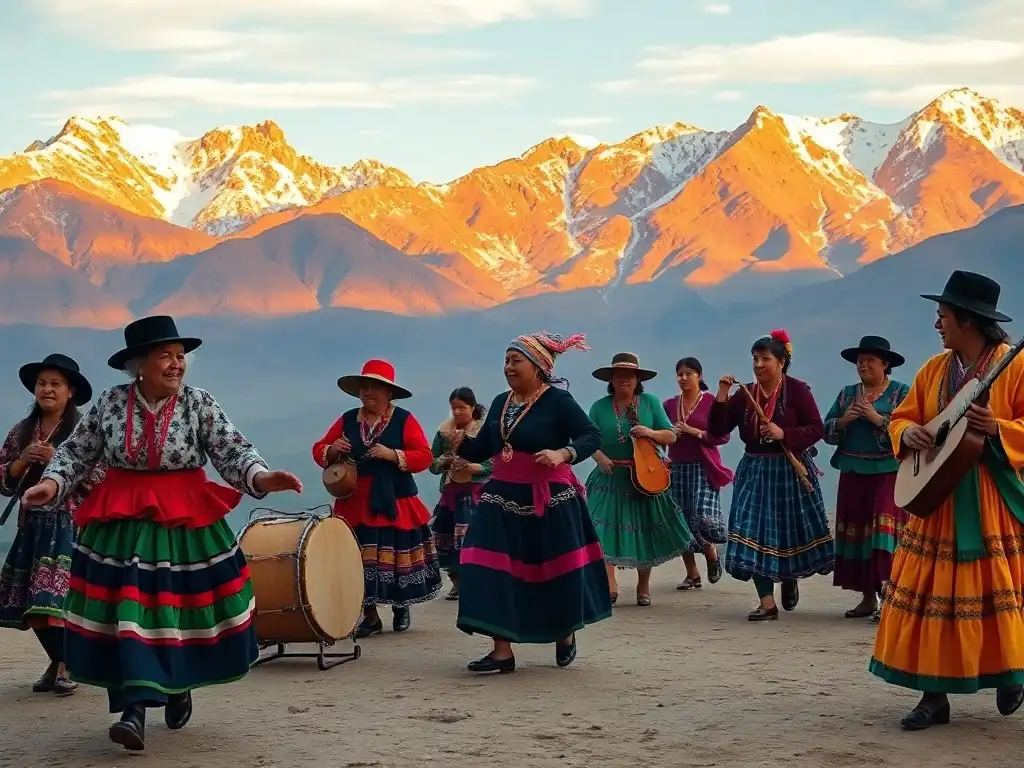
Step into a world lost to time, yet echoing with vibrant rhythms and captivating movements. Imagine the soaring peaks of the Andes, resonating not just with the whispers of wind, but with the pulse of a civilization expressed through music and dance. Prepare to uncover the secrets of Andean music and dance history, a journey that reveals how these art forms shaped life, from cradle to grave, within the magnificent Andean cultures.
Discover the untold stories woven into every note and step in our exploration of "From Cradle to Grave: Music and Dance Throughout the Andean Life Cycle." Dare to delve deeper…
- Andean Music and Dance History: A Lifelong Journey
- Birth and Childhood: Rhythms of New Life
- Adolescence: Transition and Initiation Through Music and Dance
- Adulthood: Music and Dance in Daily Life and Community
- Marriage and Family: Musical Bonds and Celebrations
- Aging and the Ancestors: Music and Dance in the Final Stages of Life
- Reflections on the Cycle of Life Through Andean Artistic Expressions
- Death and Remembrance: Music and Dance as a Bridge to the Afterlife
- The Enduring Legacy of Andean Music and Dance
- Frequently Asked Questions
- Final Reflection: The Enduring Rhythm of Andean Life
- Embrace the Rhythm of Andean Culture!
Andean Music and Dance History: A Lifelong Journey
The vibrant tapestry of Andean culture is intricately woven with the threads of music and dance. From the soaring peaks of the Andes to the fertile valleys below, rhythmic melodies and graceful movements have permeated every aspect of life for millennia.
This exploration delves into the profound significance of music and dance within the Andean life cycle, examining its role in rituals, celebrations, and everyday existence. We'll journey through the rich history of Andean music and dance, uncovering the diverse forms and styles that have evolved across different cultures and time periods, including the Incas, Moche, Nazca, and Tiahuanaco.
Understanding this intricate relationship between music, dance, and Andean society provides a deeper appreciation for the enduring legacy of these remarkable civilizations and their enduring cultural practices. This deep dive into "Andean music and dance history" will reveal how these art forms served not just as entertainment, but as vital components of social structure, spiritual beliefs, and the very fabric of Andean life, from birth to death.
The Significance of Music and Dance in Andean Culture
Music and dance in Andean cultures were not merely forms of entertainment; they were integral parts of daily life, deeply intertwined with religious beliefs, social structures, and agricultural cycles. The rhythmic sounds of panpipes, drums, and flutes accompanied nearly every aspect of existence, from agricultural rituals ensuring bountiful harvests to celebrations marking life's significant milestones. These weren't simply performances; they were active participations in the spiritual and communal life of the Andean people.
The movements of the dances, often mirroring agricultural practices or animal behaviors, served as a visual representation of their connection to the land and the cosmos. The intricate steps and costumes, passed down through generations, carried within them a rich history and cultural memory. Evidence suggests that even the instruments themselves held symbolic meaning, with specific instruments being associated with particular deities or ceremonies.
This profound connection between music, dance, and the spiritual world underscores their vital role in shaping Andean identity and worldview. Archaeological findings, including depictions of musical instruments and dancers on pottery and textiles, further illuminate the centrality of these art forms in Andean societies.
Music and Dance in Andean Birth Rituals
The arrival of a new life was celebrated with vibrant music and dance. Specific melodies and choreographed movements, often involving families and the community, welcomed the newborn child and ensured their safe passage into the world. These rituals were not just celebratory; they were believed to invoke protection and blessings for the child's future. [Specific examples of birth rituals and accompanying music/dance from different Andean cultures pending].
The instruments used often held symbolic meanings related to fertility and abundance, further emphasizing the importance of these ceremonies. The participation of the entire community underscored the collective responsibility for the well-being of the newborn and its integration into the social fabric. Many of these traditions, though adapted over time, continue to resonate in contemporary Andean communities.
Music and Dance in Andean Marriage Ceremonies
Marriage ceremonies in Andean cultures were elaborate affairs, often lasting for several days and involving intricate musical and dance performances. These ceremonies were not only celebrations of union but also important social events that strengthened community bonds. [Specific examples of marriage ceremonies and accompanying music/dance from different Andean cultures pending]. The music and dance would often tell a story, symbolizing the couple's journey together and their integration into the community.
Specific instruments and dances might be associated with fertility and prosperity, signifying the couple's hopes for a fruitful life together. The costumes worn by the participants also held symbolic meaning, reflecting the social status and aspirations of the couple. The communal aspect of these celebrations further highlighted the importance of social unity and support within the Andean societies.
Music and Dance in Andean Funerary Rites
The Andean view of death was complex and nuanced, and funerary rites often involved elaborate musical and dance performances to guide the deceased on their journey to the afterlife. Music was believed to ease the transition and ensure the deceased's safe passage. [Specific examples of funerary rituals and accompanying music/dance from different Andean cultures pending].
The types of music and dance varied depending on the social status of the deceased and the specific beliefs of the community. Instruments associated with the underworld or the spirit world were often used. The dances might depict scenes from mythology or represent the deceased's journey to the afterlife.
These rituals were not solely focused on mourning but also on celebrating the life of the departed and their contributions to the community. The continued presence of music and dance in Andean funerary traditions highlights the enduring belief in the power of these art forms to connect the living and the dead.
Birth and Childhood: Rhythms of New Life
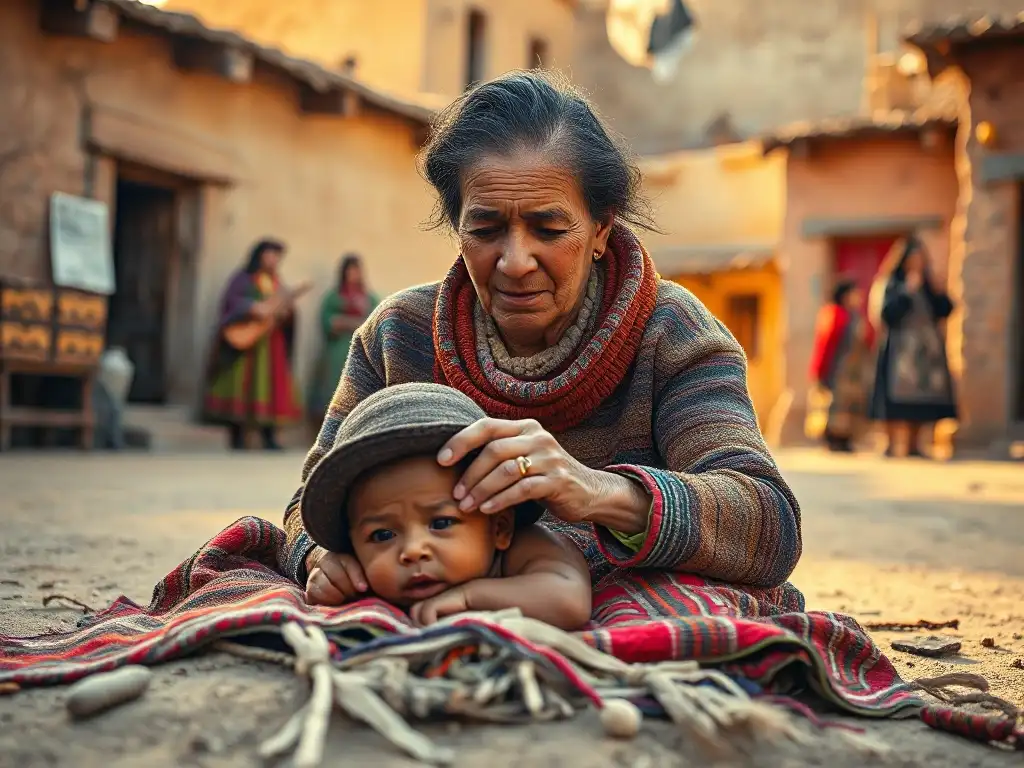
The Andean worldview deeply intertwined music and dance with the life cycle, beginning even before birth. The rhythms of life, from the gentle swaying of a pregnant woman to the vibrant celebrations marking a child's arrival, were infused with musical expression. Understanding the role of music and dance in these early stages reveals a profound connection between the physical and spiritual realms, a cornerstone of Andean cosmology.
Analyzing Andean music and dance history requires exploring this intimate relationship. This section will delve into the specific musical and dance practices surrounding birth and childhood, highlighting their significance within the broader Andean cultural context. The rich tapestry of sounds and movements shaped the very identity of the young Andean child, preparing them for a life interwoven with the vibrant traditions of their ancestors.
Rituals and Music Surrounding Andean Birth Celebrations
The birth of a child in Andean communities was far from a private event. It was a communal celebration, a moment of profound spiritual significance marked by elaborate rituals and music. While specific practices varied across different Andean cultures (Inca, Moche, Nazca, etc. ), a common thread was the use of music and dance to welcome the newborn into the world and ensure its well-being.
Shamanic rituals often involved the use of instruments like panpipes and drums to invoke protective spirits and ward off evil influences. The rhythmic chanting and singing, often accompanied by the gentle sounds of percussion instruments, created a sacred atmosphere, conducive to the safe passage of both mother and child. These songs frequently included prayers for health, prosperity, and a long life for the newborn, reflecting the deep-seated belief in the power of music to shape destiny.
The use of specific melodies and rhythms associated with fertility and abundance further emphasizes the importance of music in ensuring the child's future. We find evidence of such practices in archaeological findings and historical accounts, although further research is needed to fully document the diversity of these rituals across different Andean groups. [Specific information pending on regional variations in birth rituals].
Children's Games and Early Introduction to Andean Dance
From a very young age, Andean children were actively involved in musical and dance activities. Games often incorporated elements of rhythm and movement, subtly introducing them to the fundamental principles of Andean dance. These games weren't merely recreational; they served as a form of education, transmitting cultural values and preparing children for their future roles within the community.
For example, games mimicking agricultural activities, such as planting and harvesting, would incorporate rhythmic movements and chants, reinforcing the importance of these practices in Andean life. These activities weren't simply about physical exertion but also about fostering a sense of community and cooperation. The early introduction to music and dance instilled a deep appreciation for these art forms, ensuring their continuity across generations.
The playful nature of these games made learning enjoyable and effective, embedding Andean musical and dance traditions within the very fabric of childhood. This early exposure provided a solid foundation for more complex dance forms later in life.
Lullabies and the Transmission of Musical Traditions
Lullabies played a crucial role in the transmission of Andean musical traditions. These songs, passed down through generations, served not only to soothe infants but also to impart cultural knowledge and values. The melodies and lyrics often contained stories of Andean mythology, history, and cosmology, subtly introducing children to their cultural heritage.
The repetitive nature of lullabies aided memorization, ensuring that these important stories and songs were passed on effectively. Furthermore, the rhythmic patterns and melodic structures of lullabies provided a foundational understanding of Andean musical principles, preparing children for more complex musical forms later in life. Many lullabies incorporated specific instruments, like the charango or the quena, further enhancing their emotional impact and reinforcing their connection to the broader Andean musical tradition.
The act of singing lullabies was a deeply personal and intimate experience, strengthening the bond between parent and child while simultaneously nurturing a profound appreciation for Andean music and dance history. The lullaby, therefore, served as a powerful conduit for cultural transmission, ensuring the longevity of Andean musical heritage. Analyzing these lullabies reveals a rich repository of cultural knowledge, embedded within simple yet powerful musical forms.
Adolescence: Transition and Initiation Through Music and Dance
Adolescence in Andean cultures wasn't simply a period of physical change; it was a crucial stage marked by elaborate rituals and ceremonies designed to guide young people into adulthood. Music and dance played a pivotal role in these transitions, acting as both a symbolic representation of the shift in social status and a powerful tool for transmitting cultural knowledge and values.
The specific practices varied across different Andean groups, reflecting the diverse tapestry of their traditions, but the underlying themes of community participation, spiritual growth, and the acquisition of adult responsibilities remained consistent. Understanding the Andean music and dance history of this period offers invaluable insight into the complex social structures and belief systems of these civilizations.
Coming-of-Age Ceremonies and their Musical Components
Coming-of-age ceremonies in Andean societies were often elaborate affairs, involving multiple days of festivities and rituals. The music accompanying these events was far from incidental; it served to structure the ceremony, amplify its emotional impact, and reinforce its symbolic meaning. For example, in some communities, the use of panpipes ( antara and siku) signaled the beginning of the ceremony, their melodic lines representing the journey from childhood to adulthood.
The rhythmic beating of drums ( tambor) provided a powerful backdrop, mirroring the heartbeat of the community and underscoring the significance of the event. Vocal performances, often featuring call-and-response patterns, were also integral, with lyrics detailing the history and traditions of the community and imparting moral lessons to the initiates. The specific instruments and musical styles varied regionally, reflecting the rich diversity of Andean musical traditions.
Further research is needed to fully document the precise musical components of coming-of-age ceremonies across all Andean groups. [Specific musical examples from different Andean groups pending].
Rites of Passage and the Role of Andean Dance Forms
Andean dance played a crucial role in adolescent rites of passage, acting as a powerful medium for expressing the emotional and spiritual transformations occurring within the young person. Dance forms often mirrored the challenges and triumphs of the transition to adulthood. For instance, certain dances might simulate hunting or agricultural activities, symbolically preparing the adolescent for the responsibilities of providing for themselves and their future family.
Other dances could depict the relationship between humans and the supernatural world, reinforcing the importance of spiritual harmony and respect for ancestral traditions. The movements of these dances were not simply arbitrary; they often held deep symbolic meaning, representing specific stages of the rite of passage or aspects of Andean cosmology.
The costumes worn during these dances further enhanced their symbolic power, often featuring vibrant colors and intricate designs representing the natural world or mythical beings. The inclusion of masks also played a significant role, allowing dancers to embody spirits or ancestors, thereby bridging the gap between the human and spiritual realms.
The Learning of Traditional Instruments and Musical Styles
The acquisition of musical skills was an essential aspect of adolescent development in Andean societies. Learning to play traditional instruments and mastering specific musical styles was not merely a recreational activity; it was a fundamental part of the process of becoming a fully integrated member of the community. This learning often occurred within a familial or community context, with older generations passing down their knowledge and expertise to the younger generation.
This intergenerational transmission ensured the preservation of Andean music and dance history across generations, while simultaneously reinforcing social bonds and cultural continuity. The mastery of these skills was not only a testament to the adolescent's dedication and talent but also a demonstration of their readiness to take on the responsibilities and roles of adulthood.
The types of instruments learned varied across different Andean regions, but the process of learning and the significance of mastering these skills remained remarkably consistent. The learning process itself was often integrated into the larger social and ritual life of the community, ensuring that the next generation not only acquired the technical skills but also understood the cultural context and deeper significance of Andean music and dance.
Adulthood: Music and Dance in Daily Life and Community
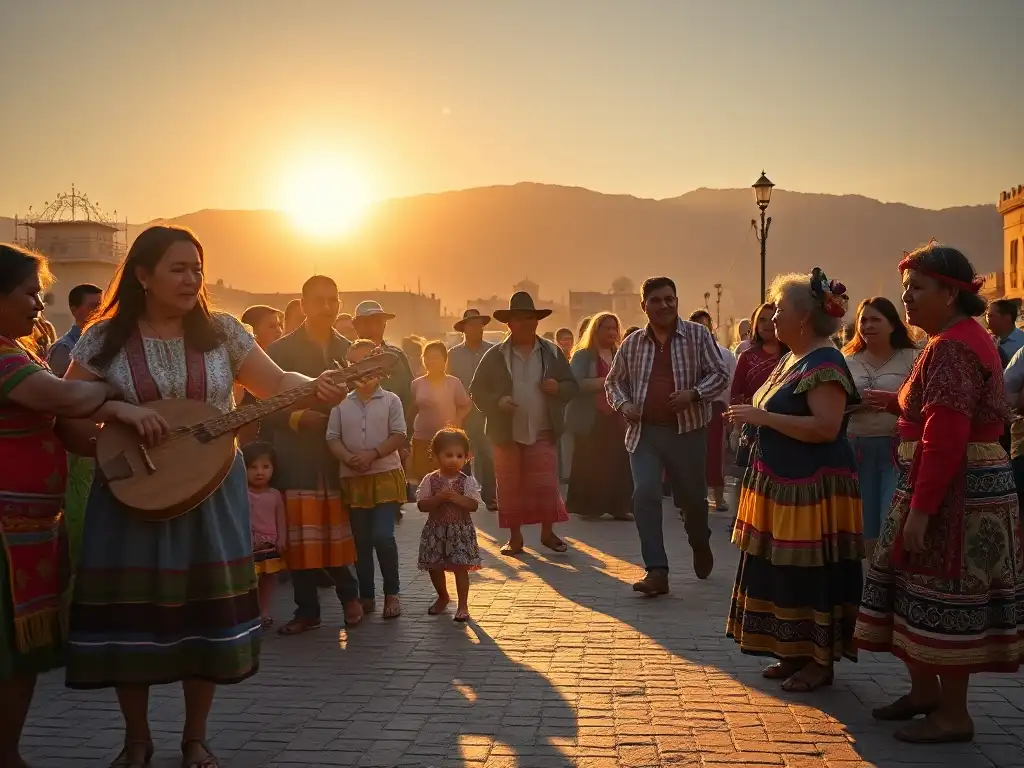
Adulthood in Andean societies was a period of significant contribution to the community, and music and dance played a vital role in daily life, agricultural practices, and social celebrations. The rhythms and melodies interwoven into the fabric of Andean existence reflected not only the practical aspects of life but also the spiritual connection to the land and ancestors.
Understanding the role of music and dance during adulthood provides crucial insight into the societal structures and beliefs of these fascinating civilizations. The keyword "Andean music and dance history" is deeply connected to this phase of life, as the traditions were passed down through generations, shaping the cultural identity of each community.
Music and Dance in Andean Agricultural Practices
Andean agriculture was deeply intertwined with music and dance. Planting, tending, and harvesting crops were not merely tasks; they were rituals infused with song and movement. The rhythmic chants and dances served practical purposes, coordinating the efforts of large groups working in fields.
For example, the yaraví, a melancholic song form prevalent across various Andean cultures, was often sung during arduous tasks like plowing, providing a sense of community and resilience. The repetitive nature of the music helped maintain a consistent pace and rhythm to the labor, increasing efficiency and fostering a shared experience among the workers. Moreover, the songs often incorporated prayers and requests for bountiful harvests, highlighting the spiritual significance of agriculture in Andean life.
These agricultural rituals weren't simply about productivity; they were expressions of reverence for Pachamama (Mother Earth) and a recognition of the cyclical nature of life and the dependence on the natural world. Detailed accounts of specific songs and dances associated with particular agricultural activities are unfortunately scarce in surviving historical records, but archaeological evidence suggests a strong link between rhythmic activity and the coordination of labor. Further research into ethnomusicology could illuminate these practices further.
Celebrations of Harvest and Fertility with Traditional Music
Harvest time was a period of intense celebration, marked by vibrant music and dance that expressed gratitude for the bounty of the land and sought to ensure continued fertility. These festivities often involved elaborate ceremonies and processions, with musicians playing panpipes, drums, and other traditional instruments. The huayno, a lively and upbeat genre, was frequently performed during these celebrations, its energetic rhythms reflecting the joy and abundance of the harvest.
Specific dances, often mimicking agricultural activities or representing fertility rituals, were performed to honor the deities associated with agriculture and to ensure the prosperity of the community. For instance, some dances involved symbolic representations of planting seeds or the growth of crops, while others depicted the union of male and female deities, symbolizing fertility and renewal. These performances were not merely entertainment; they were crucial rituals that reinforced social bonds and ensured the continuity of life.
The integration of music and dance into these harvest festivals powerfully demonstrates the holistic worldview of Andean civilizations, where the spiritual and the practical were inseparable. The vibrant colors, costumes, and the enthusiastic participation of the entire community underscore the importance of these celebratory events.
Beyond agricultural cycles, music and dance played a central role in everyday social life within Andean communities. Social gatherings, often held in plazas or community centers, provided opportunities for interaction, courtship, and the transmission of cultural knowledge. These gatherings were frequently accompanied by music and dance, fostering a sense of unity and shared identity. Different regions developed unique musical styles and dance traditions, reflecting the diversity of Andean cultures.
The diablada, a dramatic dance with masked performers representing both good and evil spirits, is a prime example of a communal dance with deep cultural significance. These dances often served as a medium for storytelling, preserving and transmitting ancestral history and beliefs through generations. Furthermore, communal dances provided a space for social interaction, allowing individuals to connect with their neighbors and strengthen community bonds.
The music and dance were not simply entertainment; they were essential elements of social cohesion and cultural preservation, demonstrating the vital role of artistic expression in shaping Andean society. The detailed study of these communal dance forms reveals much about the social structures, hierarchies, and power dynamics within these communities. The vibrant costumes and intricate choreography of these dances vividly reflect the richness of Andean cultural heritage.
The Role of Music in Andean Storytelling and Oral Tradition
Andean music wasn't merely entertainment; it served as a vital repository of history, mythology, and social values. Oral traditions, passed down through generations, were intricately woven into musical performances. These weren't simply songs; they were living narratives, preserving ancestral knowledge and cultural memory. The melodies, rhythms, and lyrics themselves held layers of meaning, often alluding to specific historical events, legendary figures, or moral lessons.
For example, certain harp melodies might recount the exploits of a particular Inca emperor, while panpipe tunes could narrate creation myths or cautionary tales. The music itself acted as a mnemonic device, aiding in the memorization and transmission of complex stories across time. This oral tradition ensured the continuity of Andean cultural heritage, even in the absence of a widespread written language. The songs were not static; they evolved and adapted over time, reflecting the changing social and political landscape.
New verses were added, melodies were modified, and instruments were incorporated to reflect contemporary experiences, demonstrating the dynamic nature of this oral musical tradition. This constant process of adaptation ensured the relevance and continued use of these musical narratives. The intricate relationship between music, storytelling, and oral tradition in the Andes highlights the profound role of music in shaping Andean identity and transmitting cultural knowledge.
The use of specific instruments also played a crucial role in conveying the narrative. For instance, the haunting sounds of the yaraví, a melancholic genre often played on the charango, were typically associated with themes of loss, longing, and reflection, reflecting the emotional depth of the stories being told. Conversely, upbeat rhythms played on the zampoña (panpipes) often accompanied stories of celebration, harvest, and community.
This careful selection of instruments amplified the emotional impact of the narrative, adding another layer of meaning to the oral tradition. The interplay between the music and the spoken word was crucial; often, songs would be interspersed with spoken narratives, creating a rich and immersive experience for the audience. Master storytellers, often elders within the community, were highly respected for their ability to weave these musical and verbal elements together seamlessly.
Their mastery of this art form ensured the preservation and transmission of their people's history and cultural heritage. The oral tradition, deeply intertwined with music, was therefore not just a method of entertainment but a powerful tool for cultural preservation and identity formation.
Marriage and Family: Musical Bonds and Celebrations
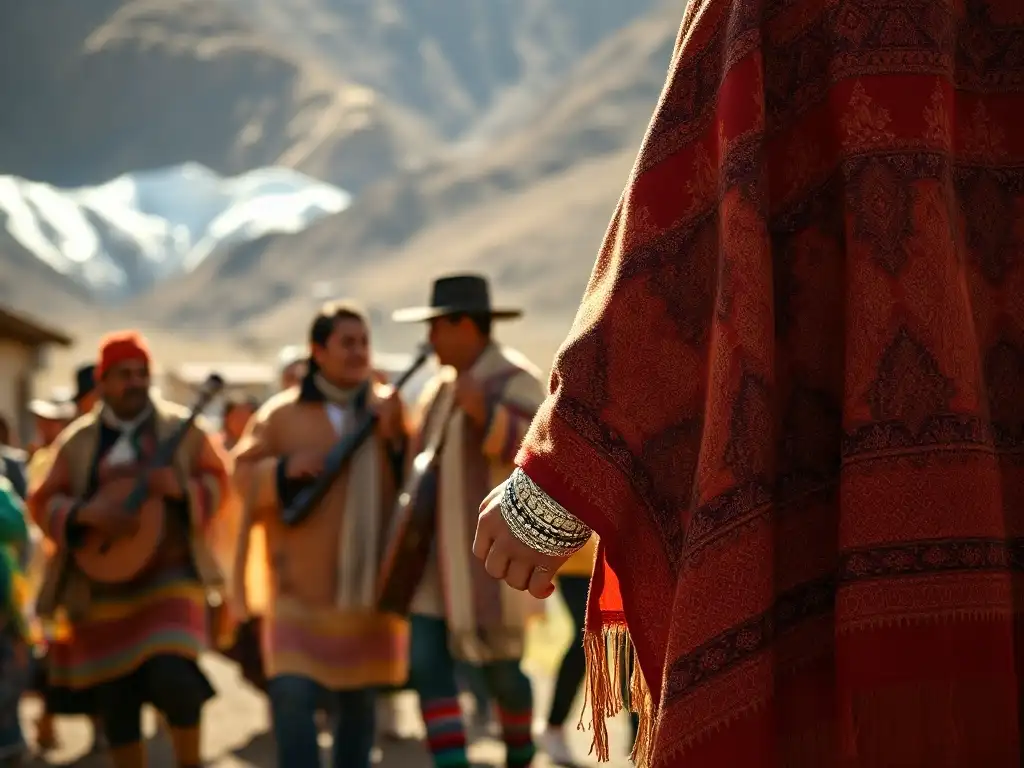
This section delves into the crucial role music and dance played in the Andean life cycle, specifically focusing on marriage, family life, and the transmission of cultural heritage across generations. We will explore how these art forms cemented social bonds, celebrated milestones, and expressed deep-seated emotions within Andean communities. Understanding the intricacies of Andean music and dance history reveals a rich tapestry of cultural practices deeply intertwined with daily life.
Wedding Ceremonies and their Specific Andean Music
Andean wedding ceremonies were, and in some communities still are, vibrant affairs brimming with music and dance. The specific musical styles varied considerably depending on the region and the ethnic group. For instance, in the highlands, the yaraví, a melancholic but deeply expressive song style, often featured prominently, reflecting both the joy of union and the bittersweet acknowledgement of leaving one's family.
The huayno, a more upbeat and celebratory genre, would typically punctuate the festivities, encouraging communal participation through lively dancing. Instruments such as the zampoña (panpipes), tarka (vertical flute), and charango (a small guitar-like instrument) provided the melodic backbone for these celebrations.
The wedding ceremony itself wasn't just a single event; it was a process. Pre-wedding rituals often involved musical exchanges between the families of the bride and groom, solidifying the alliance and setting a celebratory tone. Post-wedding celebrations could last for days, with music and dance playing a continuous role in integrating the newly formed couple into the wider community.
The specific songs and dances performed often served as symbolic representations of fertility, prosperity, and the enduring strength of the marital bond. Detailed accounts from early ethnographers, though sometimes lacking in nuanced understanding, provide glimpses into the rich diversity of these musical traditions. Further research is needed to fully document the regional variations in wedding music across the diverse Andean landscape.
Family Celebrations and the Intergenerational Transmission of Dance
Family celebrations provided fertile ground for the transmission of Andean musical and dance traditions across generations. Children learned from their elders, mimicking movements and melodies, absorbing the cultural significance embedded within each step and note. These weren't merely recreational activities; they were crucial mechanisms for maintaining cultural identity and continuity. Festivals like Inti Raymi (the Inca festival of the sun) and other community gatherings provided significant opportunities for this intergenerational learning. The dances, often complex and requiring years of practice, were not just performed but lived, embodying shared history, beliefs, and values.
The process of learning often involved a combination of formal instruction and informal observation. Older generations would actively mentor younger ones, passing down not just the physical techniques but also the associated stories, myths, and beliefs associated with the dances. This transmission was often deeply emotional, reflecting the weight of cultural heritage and the responsibility to preserve it for future generations.
The vibrant colors and intricate costumes further added to the spectacle, enhancing the learning experience and reinforcing the communal aspect of these traditions. Analyzing the choreography of these dances reveals a deep understanding of Andean cosmology and social structures, embedded within the movements themselves.
Musical Expressions of Love and Commitment in Andean Culture
Beyond the context of formal ceremonies, music and dance played a vital role in expressing love and commitment within Andean culture. Songs of courtship, serenades under the moonlight, and intimate dances between lovers formed a significant part of the romantic landscape. The yaraví, with its melancholic yet passionate tone, frequently served as a medium for expressing longing, devotion, and the complexities of romantic relationships. The lyrics, often poetic and evocative, conveyed deep emotions with a subtlety and sophistication that speaks volumes about the rich emotional vocabulary of Andean cultures.
The use of specific instruments, like the quena (a type of flute) and the charango, often held symbolic significance in romantic contexts. The intimacy of these instruments and their often solo performances created a space for personal expression and emotional vulnerability.
While documented evidence on the precise use of music and dance in courtship rituals might be scarce, the enduring presence of these art forms in modern Andean communities suggests a continuous and deeply rooted connection between music, dance, and expressions of love and commitment, thereby enriching our understanding of Andean music and dance history. Further research is needed to fully explore the specific contexts and meanings associated with these musical expressions of love.
Aging and the Ancestors: Music and Dance in the Final Stages of Life
The Andean worldview deeply respects the wisdom and experience of elders. As individuals age, their role within the community shifts, but their connection to the spiritual realm intensifies. Music and dance play a crucial role in acknowledging this transition and honoring the elders' connection to the ancestors. This isn't merely a passive appreciation; participation in musical and dance traditions remains vital, even as physical capabilities may diminish.
Rituals for the Elderly and the Role of Music in Honoring Ancestors
Many Andean communities have specific rituals designed to celebrate and support their elderly members. These often involve communal gatherings where traditional songs and dances are performed. The music itself often reflects themes of longevity, resilience, and the cyclical nature of life and death. For example, the use of panpipes, a common Andean instrument, might evoke the sounds of nature, symbolizing the interconnectedness of the elder with the earth and the cosmos.
These musical performances are not just entertainment; they are acts of profound respect, reinforcing the elder's societal standing and their connection to the spiritual world. The songs often recount ancestral stories and legends, further linking the elder to the lineage and the collective memory of the community. The dance, even if performed in a modified, seated form, can still be a powerful expression of community solidarity and spiritual connection.
Specific melodies and rhythms might be associated with specific stages of aging, offering a musical narrative of the life journey. Further research is needed to fully document the diversity of these practices across different Andean communities. [Specific examples of songs and dances from various communities pending]
Funeral Rites and the Use of Music and Dance in Mourning
Death in Andean cultures is not viewed as an ending, but rather as a transition. Funeral rites are elaborate affairs, steeped in symbolism and ritual, where music and dance play a central role. The music performed during funerals is often mournful, but not devoid of hope. It acknowledges the sorrow of loss, while simultaneously celebrating the life of the deceased and their journey to the afterlife.
Instruments like the yaraví (a type of flute) or the tarka (a type of panpipe) might be used to create a somber yet resonant soundscape. These sounds are believed to guide the spirit on its journey, offering solace to both the living and the departed. Funeral dances, often performed by close family members, can be highly expressive, conveying a range of emotions from grief to acceptance. The movements may symbolize the cyclical nature of life, death, and rebirth.
The dancers' attire often incorporates symbolic colors and patterns, further reinforcing the ritual's meaning. The intensity and specific nature of these performances vary significantly across different Andean groups, reflecting the diverse cultural expressions within the region. [Data on specific funeral rites and musical instruments used in different Andean communities pending]
Reflections on the Cycle of Life Through Andean Artistic Expressions
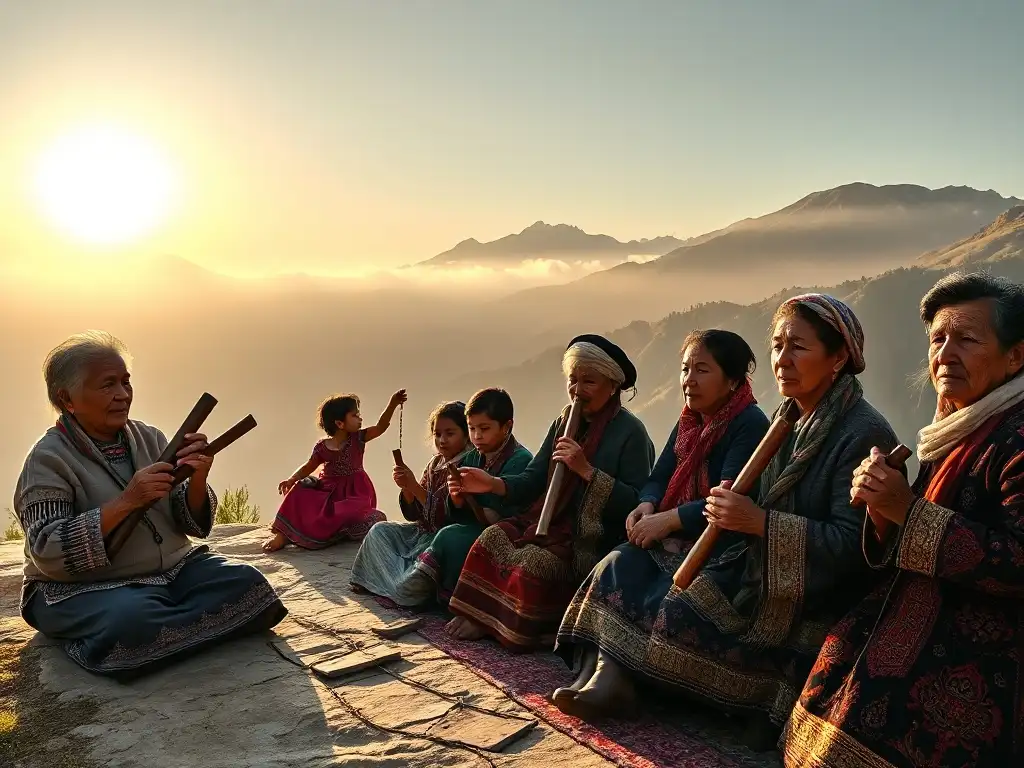
Andean music and dance provide a powerful lens through which to understand the Andean worldview. The entire life cycle, from birth to death, is viewed as a continuous process, a journey that connects the individual to their ancestors and to the natural world. Music and dance are integral to this journey, marking significant milestones and providing a means of expressing profound emotions.
The cyclical nature of life and death is often depicted through repetitive musical motifs and dance patterns, mirroring the seasons and the rhythms of nature. The continuous interplay between music, dance, and ritual underscores the deep spiritual significance attributed to these artistic expressions. Their study offers invaluable insights into the rich tapestry of Andean culture and its enduring legacy.
The intricate relationship between music, dance, and the spiritual realm illuminates the profound connection between the living and the departed, highlighting the interconnectedness of the Andean worldview. This holistic approach to life, death, and the afterlife is powerfully communicated through the vibrant artistic expressions of the Andean people. Understanding the "Andean music and dance history" requires appreciating this deep connection between artistic expression and spiritual belief.
Further Research Areas for Andean Music and Dance History
There are several areas where further research would significantly enhance our understanding of Andean music and dance history. This includes:
- Detailed ethnographic studies of specific communities to document the nuances of their musical and dance practices.
- Analysis of the musical scores and notations of traditional Andean music to identify patterns and themes related to life cycle events.
- Investigation into the role of specific instruments and their symbolic significance in different Andean rituals.
- Comparative studies across different Andean cultures to identify commonalities and variations in musical and dance traditions related to aging and death.
Death and Remembrance: Music and Dance as a Bridge to the Afterlife
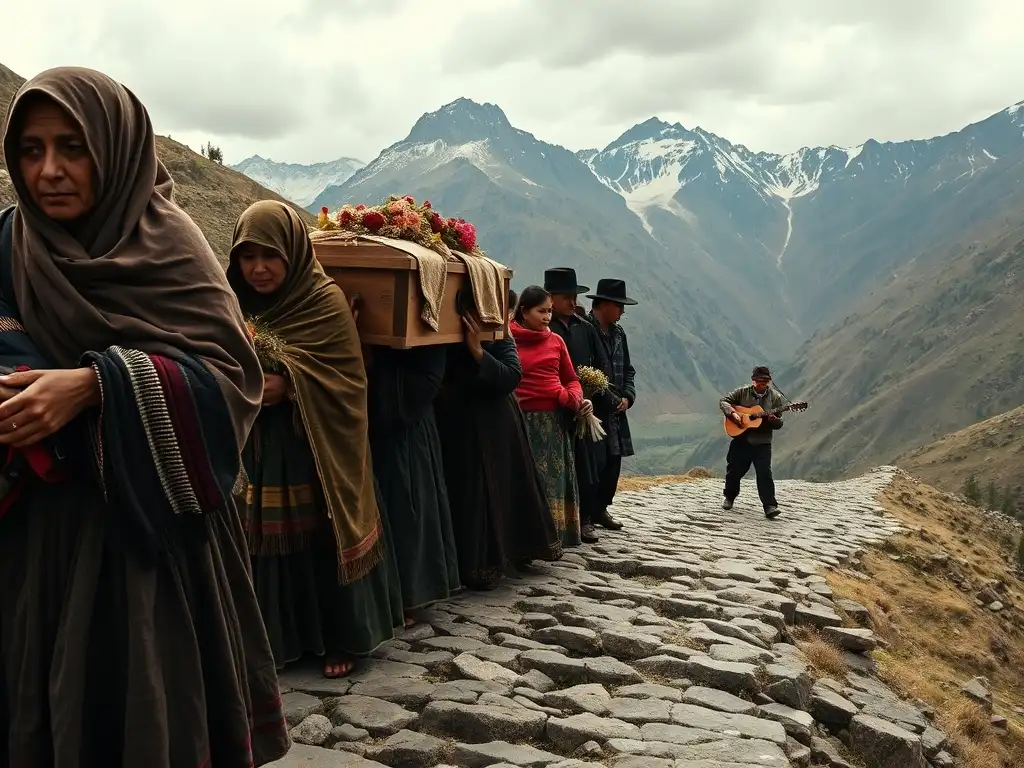
The Andean worldview encompassed a complex understanding of death and the afterlife, deeply intertwined with music and dance. Unlike many Western perspectives, death wasn't viewed as a definitive end but rather a transition to another realm. This transition, believed to be fraught with challenges, required the assistance of the living through ritualistic practices, prominently featuring music and dance, to ensure a smooth passage for the deceased and their continued connection to the community.
The Andean music and dance history is replete with examples of these practices, offering valuable insights into their beliefs and social structures. Understanding this aspect provides a crucial element in comprehending the holistic significance of music and dance within Andean cultures.
Andean Beliefs about Death and the Afterlife
Andean cultures, including the Inca, Moche, and Nazca, held diverse beliefs about the afterlife, often influenced by their unique geographical locations and environmental conditions. Generally, they believed in a continuity of life beyond physical death. The deceased were not simply gone; they transitioned to a different plane of existence, potentially interacting with the living world. Ancestor veneration was a cornerstone of many Andean societies.
These ancestors were believed to hold influence over the living, offering protection or potentially causing misfortune if neglected. Therefore, rituals surrounding death were crucial not only for the deceased's well-being but also for maintaining harmony and prosperity in the community. Specific beliefs varied across different Andean groups, with some emphasizing a subterranean realm, while others focused on celestial destinations. This diversity highlights the rich tapestry of Andean spirituality, shaping their unique musical and dance traditions surrounding death.
Musical and Dance Performances during Funeral Processions
Funeral processions in Andean societies were elaborate affairs, often involving extended periods of mourning and ritualistic practices. Music and dance played a central role in these processions, providing a framework for communal expression of grief and a symbolic bridge between the living and the dead. The types of instruments used, the melodies played, and the specific dance styles employed varied depending on the social status of the deceased and the specific cultural group.
For instance, panpipes might have been used to evoke a sense of sorrow and longing, while drums could have provided a more rhythmic and powerful accompaniment to the dance. The dances themselves often mimicked the journey of the soul to the afterlife, with movements symbolizing obstacles overcome and the eventual arrival in the spirit world.
Detailed accounts of these processions are unfortunately scarce, leaving many specific details about the music and dance to scholarly interpretation and reconstruction based on surviving artifacts and anthropological studies. Further research is crucial to fully understand the nuances of these practices.
The Preservation of Musical Heritage as an Act of Remembrance
The continuity of Andean music and dance traditions is intrinsically linked to the remembrance of ancestors and the preservation of their cultural legacy. The songs and dances associated with death and the afterlife weren't simply performed and then forgotten; they were actively preserved and passed down through generations, embodying a living connection to the past. This preservation served several purposes: it maintained a link to the ancestors, reinforced social cohesion, and offered a framework for understanding and navigating the complexities of life and death.
The transmission of this musical heritage often involved oral traditions, with songs and dances learned and passed down within families and communities. The use of specific instruments, many of which have been found in archaeological contexts, further emphasizes the enduring nature of these musical traditions.
The continued performance of these musical pieces and dances serves as a powerful testament to the enduring influence of Andean music and dance history, demonstrating its vital role in shaping cultural identity and providing a sense of continuity across time. The study of these traditions offers invaluable insights into the enduring human need to connect with the past and ensure that the memory of those who came before is not lost.
The Use of the Pinkillo Flute in Death Rituals
The pinkillo, a vertical flute crafted from cane or wood, held a particularly poignant role in Andean death rituals. Its haunting, melancholic sound was believed to guide the spirit of the deceased on its journey to the afterlife. Unlike the vibrant, celebratory music associated with life events, the pinkillo's music fostered a somber atmosphere, reflecting the grief and acceptance of mortality integral to Andean cosmology. The melodies played were often slow, repetitive, and modal, creating a sense of ethereal longing.
Archaeological evidence suggests the pinkillo’s presence in funerary contexts across various Andean cultures, spanning centuries. While specific rituals varied across different groups (Inca, Moche, Nazca, etc. ), the consistent presence of the pinkillo points to its pan-Andean significance as a funerary instrument.
The mournful sounds of the pinkillo were not simply a backdrop to the funeral ceremonies; they were believed to actively participate in the transition of the soul. Some scholars suggest that the specific melodies played were intended to appease malevolent spirits or to guide the deceased's spirit through perilous pathways in the underworld. The musicians playing the pinkillo were often viewed as intermediaries between the living and the dead, possessing a sacred knowledge and skill.
Their performance was not merely musical; it was a ritualistic act, intended to facilitate a smooth passage for the deceased into the next world. This underscores the profound spiritual significance attributed to music and sound within the Andean worldview, extending beyond mere entertainment to the realm of the sacred.
Furthermore, the materials used in creating the pinkillo itself may have held symbolic meaning related to death and the afterlife. The cane, for example, with its hollow interior, might have symbolized the emptiness left behind by the deceased, while the wood, depending on the specific type used, could have held its own symbolic associations tied to the spirit world.
This attention to detail in the creation of the instrument further highlights the careful consideration given to every aspect of the funerary rites. The pinkillo was not just any flute; it was a sacred object, imbued with spiritual power and used to bridge the gap between the living and the dead.
Its use in death rituals provides a compelling example of the deeply intertwined nature of music, spirituality, and societal practices in ancient Andean cultures. Further research into specific regional variations in pinkillo usage during funeral ceremonies would provide a richer understanding of this important instrument's role in Andean death rituals.
The Enduring Legacy of Andean Music and Dance
The vibrant tapestry of Andean music and dance, woven through centuries of history, continues to resonate deeply within contemporary Andean societies and beyond. Its enduring legacy is a testament to the resilience of cultural heritage and its capacity to adapt and evolve while retaining its core identity. This enduring legacy isn't merely a nostalgic echo of the past; it's a living tradition, constantly reinterpreted and reinvented by each generation.
The rhythmic pulse of Andean music and dance, passed down through oral traditions and embodied in intricate movements, serves as a powerful link to ancestral knowledge and a source of collective identity. Understanding this legacy requires examining its continuity in modern society, its influence on contemporary art, and the multifaceted impact of globalization.
The Continuity of Traditions in Contemporary Andean Societies
Andean music and dance remain integral to daily life in many Andean communities. Festivals, religious ceremonies, and even everyday social gatherings are often punctuated by the sounds of traditional instruments like the zampoña, charango, and quena, accompanied by the expressive movements of traditional dances. This isn't simply a performance; it's a participatory act, a communal expression of shared history and cultural values.
For example, the Tinkus dance, a powerful and energetic display of strength and community, remains a vital part of many Bolivian celebrations, demonstrating the enduring power of these traditions to unify and inspire. Even in urban settings, Andean music and dance find new expressions, often blending with contemporary styles while retaining their distinctive character. This fusion creates a dynamic interplay between tradition and modernity, ensuring the continued relevance of these ancient art forms.
The transmission of this knowledge continues through family units, community workshops, and educational programs, creating a robust system for safeguarding this vital aspect of Andean cultural heritage. The continued practice and adaptation of these traditions demonstrate a remarkable resilience and a commitment to preserving a rich cultural legacy.
The Influence of Andean Music and Dance on Modern Art Forms
The influence of Andean music and dance extends far beyond the Andes themselves. Modern artists, musicians, and choreographers across the globe have drawn inspiration from the richness and complexity of these traditions. Andean musical motifs and rhythmic patterns have been incorporated into various genres, from classical compositions to contemporary world music.
Similarly, the fluidity and expressiveness of Andean dance movements have inspired new choreographic works, often reinterpreting traditional styles in innovative and unexpected ways. This influence is evident in the works of numerous contemporary artists who actively engage with Andean cultural heritage. The use of Andean instruments in contemporary music, for example, often brings a unique sonic texture and emotional depth to compositions.
This cross-cultural pollination enriches both the Andean traditions and the broader artistic landscape, demonstrating the universal appeal and timeless quality of Andean music and dance. The impact goes beyond mere imitation; it's a dialogue, a creative exchange that continually redefines and expands the boundaries of artistic expression.
The Impact of Globalization on Andean Music and Dance
Globalization presents both challenges and opportunities for the preservation and dissemination of Andean music and dance. While increased exposure through global media platforms can raise awareness and appreciation of these traditions, it also carries the risk of cultural appropriation and commodification. The challenge lies in finding a balance between promoting global appreciation and safeguarding the cultural integrity of these art forms. Careful consideration must be given to issues of authenticity, ownership, and responsible representation.
The rise of tourism, for example, can create both economic benefits and potential threats to the integrity of traditional performances. A responsible approach requires collaboration between communities, artists, and cultural institutions to ensure that the traditions are respected and protected from exploitation. Furthermore, the influx of outside musical influences can lead to both positive hybridity and the potential dilution of traditional styles.
Navigating this complex landscape requires a nuanced understanding of the interplay between global forces and local cultural dynamics. The future of Andean music and dance depends on the ability to adapt to globalization while maintaining its unique identity and cultural significance. This requires ongoing dialogue, collaboration, and a commitment to preserving the rich heritage for future generations.
The Importance of Preserving Andean Musical and Dance Heritage
The preservation of Andean musical and dance heritage is paramount for several crucial reasons. It's not merely about safeguarding ancient traditions; it's about maintaining a vital connection to the past, fostering cultural identity, and ensuring the continuity of unique artistic expressions. The vibrant tapestry of Andean music and dance, woven from centuries of history and cultural exchange, faces numerous threats in the modern world.
Globalization, urbanization, and the pressures of modernization can lead to the erosion of traditional practices, as younger generations gravitate towards more globally accessible forms of entertainment. This loss represents more than just a decline in artistic expression; it signifies a potential severing of ties to a rich and complex cultural heritage.
The preservation efforts are multifaceted. Ethnomusicologists and anthropologists play a crucial role in documenting and analyzing traditional musical forms and dance styles, often working closely with indigenous communities to ensure accurate representation and avoid cultural appropriation. These efforts involve meticulous fieldwork, recording sessions, and the creation of detailed archives that serve as invaluable resources for future generations. Furthermore, educational initiatives are vital in transmitting this knowledge to younger generations, ensuring the continuity of these cultural traditions. Schools, community centers, and cultural institutions are increasingly incorporating Andean music and dance into their curricula, fostering appreciation and active participation.
Beyond the academic and educational aspects, the economic benefits of preserving this heritage should not be overlooked. Andean music and dance have become increasingly popular globally, attracting tourists and creating opportunities for cultural tourism. This can provide economic incentives for communities to invest in the preservation of their traditions, creating a sustainable model for cultural continuity. However, it’s critical to ensure that this economic benefit doesn't lead to the commodification or exploitation of cultural practices.
Respectful and equitable partnerships between communities and external stakeholders are essential to ensure that the benefits are shared fairly and sustainably. The preservation of Andean musical and dance heritage is, therefore, a complex undertaking requiring a multi-pronged approach that combines academic rigor, community engagement, and a commitment to sustainable economic development. The future of this rich legacy depends on our collective efforts to ensure its survival and continued flourishing.
Frequently Asked Questions
What role did music and dance play in Andean life?
Music and dance were integral to all aspects of Andean life, from birth rituals to funerary ceremonies. They served religious, social, and communal purposes, reflecting the deep spiritual connection to the land and ancestors.
How did Andean music change throughout history?
Andean music evolved significantly over time, influenced by both indigenous traditions and outside forces, such as Spanish colonization. While many ancient forms persist, new styles emerged, blending old and new influences.
What instruments were commonly used in Andean music?
Traditional Andean instruments include the panpipes (antara), drums (tinku), flutes, and various types of stringed instruments. The specific instruments used varied depending on the region and the occasion.
What are some examples of Andean dances and their significance?
Examples include the huayno, a lively couple's dance, and the yaraví, a more melancholic solo dance. Dances often told stories, celebrated harvests, or honored deities, reflecting deep cultural values.
Where can I learn more about Andean music and dance history?
You can explore museums, archives, and academic resources focusing on Andean cultures. Many online sources and documentaries also offer valuable information on this rich cultural heritage.
Final Reflection: The Enduring Rhythm of Andean Life
The vibrant tapestry of Andean music and dance, woven through generations, remains a powerful testament to cultural resilience and a living link to a rich history. Its enduring presence in contemporary society speaks volumes about the strength of tradition and its ability to adapt and thrive in the face of modernization and globalization. The rhythms and melodies, passed down through centuries, continue to shape identities and communities, offering a profound connection to the past and a vibrant pulse for the future.
The profound impact of Andean music and dance on the cultural landscape is undeniable; it's more than just entertainment; it's a vital thread in the social fabric. It's a language understood across generations, a shared experience that unites people in celebration, mourning, and everything in between. As the anthropologist, Clifford Geertz, wisely observed: Man is an animal suspended in webs of significance he himself has spun.
Andean music and dance are undeniably a significant part of those webs, shaping individual and collective identities, and providing a framework for understanding the Andean experience.
Consider the power of these traditions. Think about the stories embedded in each melody, the emotions expressed through each movement. You, the reader, are now part of this ongoing conversation.
Take a moment to reflect on the ways in which music and dance shape your own life and community. Seek out the rhythms that resonate with you, explore the stories they tell, and perhaps even discover a new appreciation for the enduring power of cultural heritage. Let the legacy of Andean music and dance inspire you to connect with your own roots and celebrate the vibrant tapestry of human expression.
Embrace the Rhythm of Andean Culture!
Thank you for exploring the rich tapestry of music and dance in Andean life with us! We hope you've gained a deeper appreciation for how these enduring traditions shape Andean communities. Now, let's explore ways to connect with this vibrant culture even further.
- Participate in a local Andean music or dance workshop for an immersive cultural experience.
- Share this article with others to spread awareness and appreciation for the Andes' rich heritage.
- Continue your exploration by researching documentaries or books that delve into the role of music and dance in different cultures.
How has music or dance influenced your life, or how have you seen it reflect the cultures you know? We'd love to hear your thoughts!