
The Haunting Sounds of the Pututu: Exploring the Ritualistic Use of Andean Horns

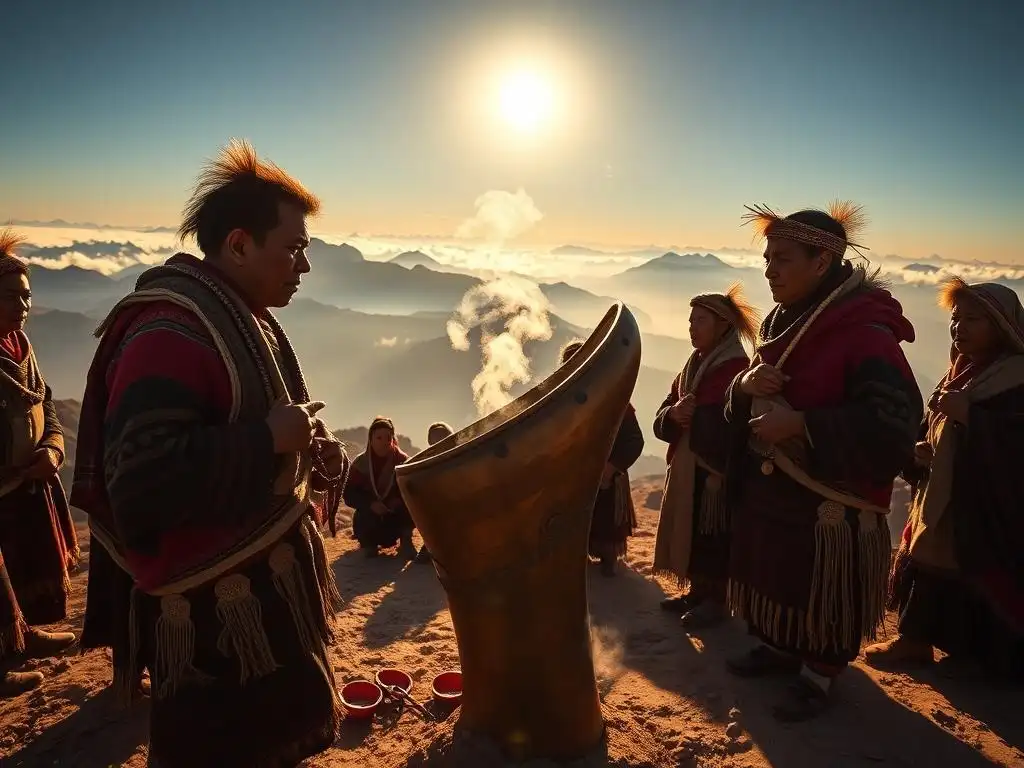
Step into a world lost to time, where echoes of ancient rituals still resonate. Imagine the haunting sounds of the pututu, a sacred Andean horn, piercing the thin mountain air. This is the story of the Andean civilizations – their breathtaking artistry, sophisticated technologies, and deeply spiritual practices. Uncover the secrets behind the Andean pututu ritual use and embark on a journey through a captivating tapestry of history, culture, and mystery. Explore the vibrant legacy of the Incas, Moche, Nazca, and Tiahuanaco, and prepare to be amazed.
The Andean pututu, a long, shell trumpet, resonates far beyond its musical capabilities. This article delves into the fascinating world of the pututu, exploring its profound ritualistic significance within various ancient Andean cultures. We'll journey through the rich tapestry of Andean history and spirituality, uncovering the multifaceted roles this unique instrument played in ceremonies, religious practices, and societal structures.
From the echoing calls announcing important events to the sacred sounds believed to communicate with the divine, the pututu's story is deeply interwoven with the vibrant cultural heritage of the Andes. We will examine its use amongst different Andean civilizations, analyzing its construction, soundscapes, and the symbolic meaning attributed to its unique sonic qualities. Understanding the ritualistic use of the pututu offers invaluable insight into the complex beliefs and practices of these remarkable ancient societies.
The Pututu's Construction and Sonic Qualities
The pututu wasn't merely a horn; its creation was a process imbued with ritualistic significance. Typically crafted from the shell of a large marine snail, Strombus galeatus, the selection of the shell itself likely held symbolic meaning. The intricate process of preparing and shaping the shell, often involving specialized artisans, would have been a carefully considered and sacred act.
The resulting instrument's sound, a deep, resonant tone capable of carrying across vast distances, was far from accidental. Its haunting, almost mournful sound was perfectly suited to the solemn occasions for which it was employed. The subtle variations in sound produced by different sized and shaped pututus further added to their symbolic complexity.
Consider the meticulous craftsmanship involved: the careful removal of the snail’s soft tissue, the smoothing and shaping of the shell’s exterior, and finally, the creation of the mouthpiece. Each step contributed to the unique sonic character of the instrument, enhancing its ritualistic power. The length of the pututu also varied, contributing to the range of sounds that could be produced, reflecting perhaps the specific needs of different rituals or ceremonies.
Ritualistic Use Among the Inca
Among the Inca, the pututu played a crucial role in state ceremonies and religious rituals. Its sound, often described as powerful and awe-inspiring, was used to announce important events, summon people to gatherings, and signal the presence of royalty. Archaeological evidence suggests its use in religious festivals and state occasions, enhancing the atmosphere of reverence and power. Further research is needed to fully understand the specific contexts of its Inca use, but existing evidence indicates its importance in maintaining social order and upholding the authority of the Inca rulers.
The sounds produced were not just auditory; they were believed to possess spiritual power, capable of influencing the natural world and communicating with the divine. The pututu's role in Inca society extended beyond mere communication; it was a powerful symbol of authority and a conduit to the spiritual realm. We can imagine the impact of its resonant calls echoing through the mountain valleys, creating a powerful atmosphere of reverence and awe.
The Pututu in Other Andean Cultures
While the Inca's use of the pututu is well-documented, its ritualistic significance extended to other Andean cultures. The Moche, Nazca, and Tiahuanaco civilizations also employed the pututu in their ceremonies, although the precise details of its use may have varied across cultures. Preliminary research suggests that the pututu played a significant role in religious ceremonies and agricultural rituals across these societies, further underscoring its importance in Andean life.
The specific iconography associated with the pututu in these different cultures requires more in-depth study, potentially revealing unique interpretations of its symbolic meaning. Further investigation into the specific contexts of its use within each culture would greatly enhance our understanding of its diverse roles across the Andean region. For example, [specific information pending] regarding the Nazca's use of the pututu in their elaborate ceremonies.
The Pututu Today: A Legacy of Sound
Even today, the pututu remains a powerful symbol of Andean culture. While its ritualistic use may have diminished in some areas, it continues to be played in certain ceremonies and cultural events. The instrument serves as a living link to the ancient past, carrying the echoes of centuries of tradition and spirituality. Its continued presence in Andean music and cultural performances testifies to its enduring importance as a cultural icon.
This enduring legacy underscores the profound impact the pututu had on the spiritual and social life of ancient Andean societies. The haunting sounds of the pututu continue to resonate, reminding us of the rich history and enduring cultural heritage of the Andes. The instrument’s continued use in modern Andean culture highlights its enduring significance and its ability to bridge the gap between past and present.
- The Pututu's Construction and Sonic Qualities
- Ritualistic Use Among the Inca
- The Pututu in Other Andean Cultures
- The Pututu Today: A Legacy of Sound
Introduction to the Pututu: Ancient Andean Horns
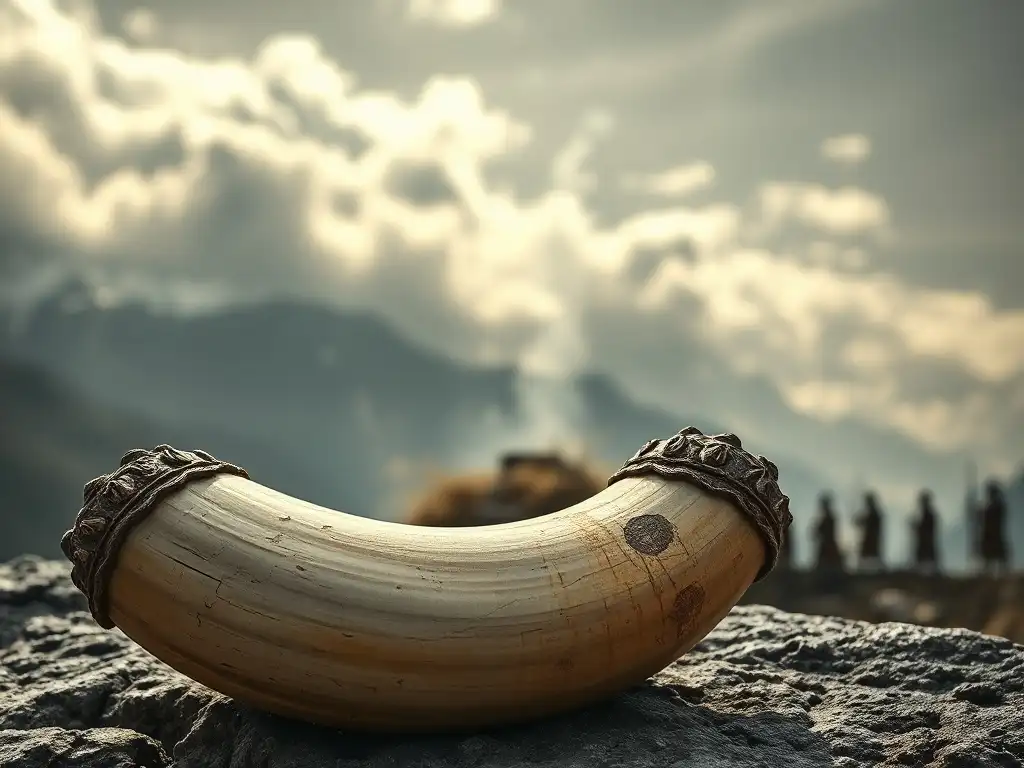
This section delves into the fascinating world of the pututu, a unique and powerful instrument integral to the ritualistic practices of various Andean civilizations. We'll explore its origins, construction, and profound cultural significance, focusing on how its sound shaped religious ceremonies and social life across millennia. Understanding the Andean pututu ritual use requires appreciating its deep-rooted connection to Andean cosmology and spirituality. The haunting sounds of the pututu weren't merely musical; they were a conduit to the sacred.
What is a Pututu? Definition and Origins
The pututu is a long, shell trumpet traditionally crafted from the shell of a marine mollusk, most commonly the Strombus galeatus. Its origins trace back to pre-Inca times, with evidence suggesting its use by cultures across the Andes, including the Moche, Nazca, and Tiwanaku. While the exact timeline of its inception remains debated amongst archaeologists, its widespread presence across diverse Andean societies points to a long and continuous history.
The pututu wasn't just a musical instrument; it was a powerful symbol of authority and a vital component in religious ceremonies, often associated with deities and ancestors. The distinct sound, a resonant, penetrating blast, served to announce important events, summon people, or even communicate with the spirit world. The pututu's distinctive shape, with its curved form and flared opening, further enhanced its symbolic and sonic properties.
Materials and Construction of Traditional Pututus
The creation of a pututu was a skilled process, requiring careful selection of the shell and meticulous craftsmanship. Ideally, the shell needed to be large, thick, and free from cracks or imperfections. After selecting a suitable shell, artisans would carefully remove the soft tissue inside, leaving the sturdy exterior. The process of preparing the shell often involved cleaning, drying, and potentially treating it to improve its durability and acoustic properties.
[Specific techniques used in shell preparation pending]. The artisan then crafted the mouthpiece, often shaping it to fit comfortably against the lips. This involved carefully carving and smoothing the edge of the shell to create the appropriate aperture for blowing.
Some pututus show evidence of additional decoration, with carvings or paint applied to enhance their aesthetic appeal and potentially their symbolic meaning. The construction techniques varied slightly across different Andean cultures, reflecting regional variations in materials and artistic styles. The materials used, primarily the Strombus galeatus shell, speaks to the ingenuity of Andean civilizations in utilizing readily available resources to create instruments of profound cultural importance.
The Pututu's Significance in Andean Culture
The pututu held a position of immense significance within Andean societies. It wasn't simply a musical instrument; it was a powerful symbol imbued with religious and political meaning. Its use was often reserved for special occasions, such as religious ceremonies, royal pronouncements, and important agricultural events.
The sound of the pututu served as a powerful call, announcing the arrival of dignitaries, summoning participants to rituals, or marking significant moments in the agricultural cycle. The deep, resonant tone was believed to have the power to reach the spirit world, acting as a bridge between the living and the dead. Archaeological evidence reveals that pututus were often found in elite burials, further reinforcing their association with power and status.
The pututu's role in Andean society extended beyond its purely functional aspects; it was deeply intertwined with the cultural fabric of these ancient civilizations, serving as a powerful symbol of authority, spirituality, and connection to the ancestral world. The enduring legacy of the pututu underscores its lasting impact on Andean culture and its continued relevance in contemporary Andean communities.
The study of Andean pututu ritual use continues to reveal new insights into the complex religious and social structures of ancient Andean societies. Further research into the specific cultural contexts of *pututu* usage promises to further illuminate the rich tapestry of Andean civilization.
The Pututu's Role in Andean Rituals and Ceremonies
The Andean pututu, a long, shell trumpet, held a position of significant ritual importance across various Andean cultures. Its haunting sound, capable of carrying across vast distances, was far more than just a musical instrument; it served as a powerful symbol, a communication device, and an integral part of religious practices. Understanding its role requires delving into the diverse ways it was utilized across different Andean societies and time periods.
This section will explore the multifaceted roles of the pututu in Andean rituals and ceremonies, focusing on its pre-Columbian uses and its continued presence in contemporary Andean communities. The analysis will highlight the pututu's significance as a vital element in understanding the complex religious and social structures of the Andes. The keyword "Andean pututu ritual use" will be explored in detail.
Pututu Use in Pre-Columbian Andean Societies
Evidence suggests the pututu's ritualistic use dates back centuries before the arrival of Europeans. Archaeological findings, while sometimes fragmented, reveal its presence in various pre-Columbian Andean societies. For example, depictions of pututu players have been found in Moche pottery, suggesting its importance in their religious ceremonies and possibly warfare signaling.
The intricate designs on these vessels often illustrate scenes of ritual sacrifice or important societal events, further emphasizing the instrument's symbolic significance. Furthermore, the discovery of pututus themselves in ancient burial sites indicates their association with the afterlife and the spiritual realm.
The specific rituals associated with the pututu in these early societies remain somewhat mysterious due to the limited surviving textual evidence, but its prominent presence in art and funerary contexts undeniably points towards a deeply embedded ritualistic role. Further research, particularly focused on [specific information pending: detailed analysis of Moche and Nazca iconography related to the pututu], is needed to fully understand the nuances of its pre-Columbian uses.
Pututu as a Communication Tool in Andean Communities
Beyond its ritualistic applications, the pututu served a practical purpose as a long-distance communication device. Its powerful sound allowed for the transmission of messages across valleys and mountains, vital in the challenging Andean terrain. This functionality is especially relevant in understanding the societal structure of Andean communities, where communication often relied on visual and auditory signals rather than written forms. The pututu's use in signaling emergencies, announcing important events (such as festivals or harvests), or coordinating activities across dispersed settlements was crucial for social cohesion and efficient governance. The range and clarity of the pututu's sound allowed for rapid dissemination of information, effectively uniting geographically scattered communities. We can imagine the pututu's distinctive sound echoing through the mountains, a powerful symbol of unity and shared identity among the Andean people. This practical function, however, is often intertwined with its ritualistic significance, blurring the lines between practical communication and spiritual communication.
The Pututu's Function in Religious Rites and Celebrations
The pututu's role in religious rites and celebrations continues to this day in many Andean communities. In some regions, the pututu is still employed in ceremonies related to agricultural cycles, appeasing deities associated with fertility and harvest. The sound of the pututu is believed to summon the spirits and ensure bountiful crops.
In other instances, the instrument is used during religious festivals and celebrations, accompanying dances and rituals, creating a powerful and evocative atmosphere. The use of the pututu in these contexts is often accompanied by specific rituals and traditions, passed down through generations. For example, [specific information pending: details on specific rituals and ceremonies in different Andean communities involving the pututu] would provide a more detailed and nuanced understanding of the ongoing ritualistic significance of this ancient instrument.
The continued use of the pututu in religious practices underscores its enduring symbolic power and its deep connection to the cultural heritage of the Andes. The haunting sound of the pututu remains a powerful reminder of the enduring spiritual and cultural traditions of the Andean people.
The Pututu in Agricultural Rituals and Harvest Festivals
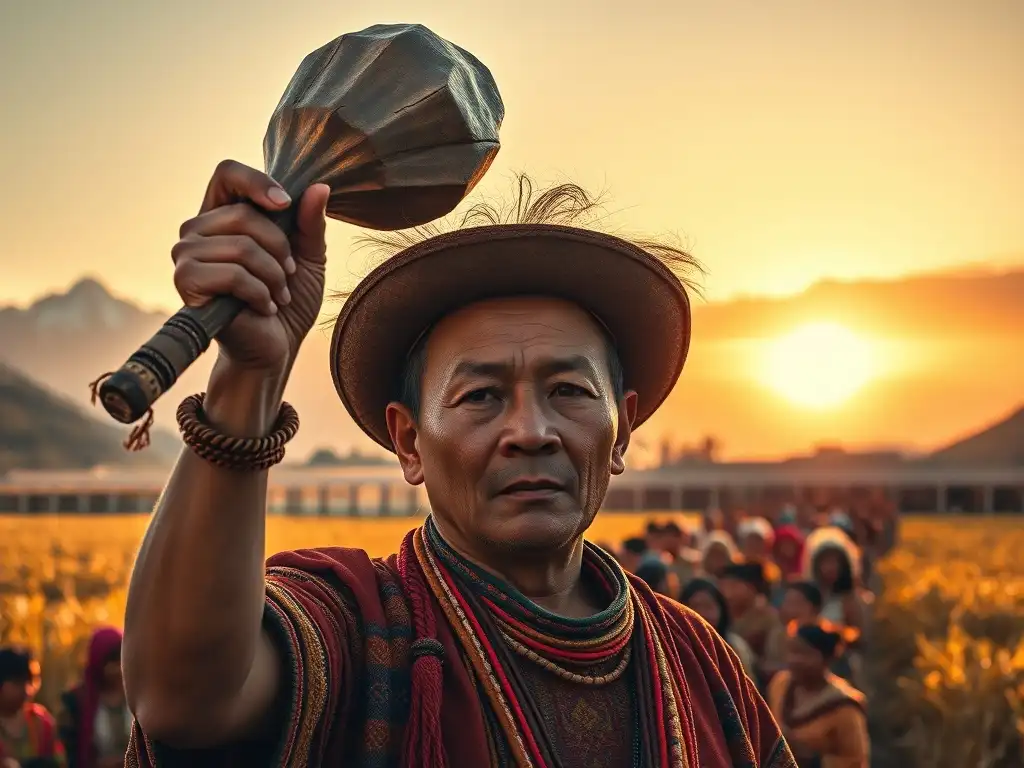
The pututu held a significant place in Andean agricultural rituals and harvest festivals, acting as a conduit between the human and spiritual realms. Its deep, resonant sound was believed to influence the fertility of the land and ensure bountiful harvests. Farmers would blow the pututu at crucial points in the agricultural cycle, from the initial planting of seeds to the final harvest. The sound wasn't merely a signal; it was a prayer, a plea to the Andean deities for a successful growing season.
Specific melodies and rhythmic patterns likely accompanied different stages of cultivation, reflecting the complex relationship between the Andean people and their environment. Archaeological evidence, while not always explicitly linking specific pututu finds to agricultural practices, supports this interpretation through the discovery of pututus in proximity to agricultural sites and settlements. The intensity and frequency of the pututu's use varied depending on the specific community and its traditions, reflecting the diverse agricultural practices across the Andes.
For example, communities relying heavily on maize cultivation might have employed the pututu more extensively during the maize planting and harvest festivals than those focusing on other crops. Furthermore, the ceremonial use of the pututu often involved communal participation, reinforcing social bonds and collective responsibility for the agricultural success of the community. This communal aspect is crucial to understanding the instrument's role not just as a tool for influencing nature, but also as a symbol of social unity.
Pututus and their Connection to Andean Cosmology
The pututu's significance extended beyond practical agricultural concerns; it was deeply embedded in the complex Andean cosmology. The sound itself was believed to resonate with the energies of the cosmos, connecting the earthly realm with the spiritual world. The instrument's long, curved shape might have symbolized the Andean mountains or the celestial pathways, linking the terrestrial and celestial spheres. The act of blowing the pututu was not simply a physical act; it was a ritualistic performance, a way of communicating with the deities and ancestral spirits.
Certain melodies played on the pututu might have been associated with specific deities or celestial events, reflecting the intricate relationship between the Andean worldview and the natural world. For instance, some scholars hypothesize that specific calls were used to summon deities associated with rain, fertility, or protection. The use of the pututu in funerary rites further emphasizes its cosmological significance. The deep, mournful sound of the pututu, accompanying funeral processions and ceremonies, might have served to guide the deceased's spirit to the afterlife, ensuring a safe passage to the realm of the ancestors.
This connection between the pututu's sound and the journey of the soul highlights its role in mediating the passage between life and death, a key element of Andean spiritual beliefs. Further research focusing on the iconography associated with pututus and their depiction in Andean art could shed more light on their precise role in cosmological beliefs and practices. The pututu's enduring presence in Andean culture testifies to its profound symbolic and ritualistic power within the Andean worldview.
The Pututu's Sound: Acoustic Properties and Symbolic Meaning
The Andean pututu, a long, shell-shaped horn, wasn't merely a musical instrument; it was a powerful tool imbued with spiritual significance. Understanding its ritualistic use requires examining both its acoustic properties and the symbolic meaning attributed to its distinctive sounds. The pututu's sound, a deep, resonant bellow, carried far across the Andean landscape, making it ideal for communication and ritualistic purposes. Its unique acoustic characteristics played a vital role in shaping its symbolic power within Andean cultures.
The intensity and range of its sound, depending on the size and material of the horn, allowed for a nuanced expression of various messages, from declarations of war to sacred invocations. This section delves into the intricate relationship between the pututu's sound and its symbolic resonance in Andean rituals. The subtle variations in tone and volume, often overlooked, were crucial in conveying specific meanings within the context of ceremonies and religious practices.
The Unique Sounds of the Pututu Horn
The pututu's sound is far from uniform. The specific acoustic properties vary considerably depending on several factors. The size of the shell itself is a primary determinant. Larger pututus produce lower, more resonant tones, capable of carrying across vast distances. Smaller horns generate higher-pitched calls, often used for more localized communication or specific ritualistic sequences.
The material also plays a role; while the majority were made from Strombus galeatus shells, variations in shell thickness and shape could subtly alter the timbre and resonance. Furthermore, the method of blowing significantly impacts the sound produced. A skilled blower could modulate the pitch and intensity, creating a range of sounds from a deep, booming call to a high-pitched shriek. This control was essential for conveying complex messages during ceremonies.
Consider, for instance, the difference between a single, prolonged blast announcing an important event and a rapid series of short blasts signaling an urgent warning. The nuances in these sounds were deeply understood within Andean communities. The mastery of the pututu was a skill passed down through generations, reflecting a deep understanding of both the instrument's physical properties and its symbolic significance. Ethnomusicological studies have documented a remarkable diversity in the sounds produced by pututus, highlighting the instrument's versatility and its capacity for complex sonic expression.
The Symbolic Resonance of Pututu Tones
The sounds produced by the pututu were not arbitrary; they held profound symbolic meaning within the context of Andean rituals. Different tones and patterns were associated with specific deities, events, or social structures. A deep, resonant bellow might represent the voice of a powerful mountain god, while a series of shorter blasts could signify a message from a local authority or a warning of impending danger.
The precise interpretation of these sounds varied across different Andean cultures and even within specific communities. For example, the Incas might have used a particular sequence of pututu blasts to announce the arrival of the Sapa Inca, whereas a different community might have used a similar sequence to summon participants to a religious festival. This complex system of sonic symbolism underscores the sophistication of Andean communication and the deep integration of music into their social and religious life.
Further research is needed to fully understand the intricate nuances of this symbolic language, but existing evidence suggests a rich and complex system of communication embedded within the seemingly simple act of blowing a shell horn. The variability in interpretation further emphasizes the localized and culturally specific nature of pututu symbolism.
How Pututu Sounds Evoke Spiritual Connection
The pututu's role extended beyond mere communication; it served as a powerful tool for connecting with the spiritual realm. The resonant sounds were believed to transcend the physical world, acting as a conduit between the human and spiritual planes. The deep, penetrating tones were thought to resonate with the energy of the mountains and the ancestors, facilitating communication with the divine.
Rituals often involved carefully orchestrated sequences of pututu blasts, designed to invoke specific deities or to achieve particular spiritual states. These ceremonies were not merely performances; they were active attempts to engage with the spiritual forces that shaped Andean life. The use of the pututu in these contexts reinforces its role as more than just a musical instrument; it was a sacred object, a facilitator of spiritual communion.
The echoing sounds of the pututu, reverberating through the mountains, were believed to carry prayers and offerings to the spiritual world, forging a link between the living and the ancestors. The evocative power of its sound, even today, evokes a sense of awe and mystery, underscoring its enduring significance in Andean culture. The continued use of the pututu in some communities today testifies to its enduring spiritual importance.
Pututu Music and its Role in Andean Ritualistic Practices
The pututu's haunting sound wasn't merely musical; it was deeply intertwined with the spiritual and social fabric of Andean life. Its use wasn't confined to casual entertainment; rather, it served as a powerful tool in a wide array of ritualistic practices, reflecting the Andean worldview and cosmology. The horn's resonance, often described as otherworldly, was believed to connect the earthly realm with the spiritual world, facilitating communication with deities and ancestors. This belief system is evident in the archaeological record, where pututus are frequently found alongside other ritual objects in sacred sites.
The specific rituals in which the pututu played a role varied across different Andean cultures and time periods. However, some common themes emerge. For instance, the instrument was often used to announce important events, such as the arrival of dignitaries, the beginning of agricultural cycles, or the commencement of religious ceremonies.
Its deep, penetrating sound could carry across vast distances, effectively summoning participants and marking the significance of the occasion. In some cases, multiple pututus were played simultaneously, creating a powerful and overwhelming sonic experience, designed to inspire awe and reverence. The coordinated playing of multiple horns suggests a level of sophisticated musical organization within these ritual contexts.
Furthermore, the pututu's role extended beyond mere announcements. The horn's sound was believed to possess the power to influence the natural world and the fates of individuals. In agricultural societies, its use might have been associated with prayers for bountiful harvests or protection against natural disasters. In times of war or conflict, the pututu's call might have served to rally troops or intimidate enemies.
The instrument's symbolic power transcended its acoustic properties, becoming a potent symbol of authority, power, and spiritual connection within Andean society. The precise ways in which the pututu was used in these contexts require further research, but the available evidence strongly suggests a complex and multifaceted relationship between the instrument and Andean ritual life. The surviving examples of pututus, often intricately carved or decorated, further emphasize their significance as sacred objects.
Exploring the Ritualistic Use of the Pututu

The Andean pututu, a long, shell trumpet crafted from a marine mollusk, was far more than just a musical instrument to the ancient Andean civilizations. Its resonant, haunting sound played a crucial role in religious ceremonies, agricultural cycles, and shamanic practices, weaving its way into the very fabric of Andean life. Understanding the ritualistic use of the pututu provides invaluable insight into the spiritual beliefs and social structures of these fascinating cultures.
The deep, penetrating tones of the pututu weren't simply meant to entertain; they were believed to possess the power to communicate with the spiritual world, influence the weather, and even ward off evil spirits. The resonant sound, echoing across the mountains and valleys, served as a powerful symbol of authority and connection to the divine. This section delves into the specific ways the pututu was incorporated into various Andean rituals, exploring its multifaceted role in shaping Andean society and spirituality.
The enduring legacy of the pututu underscores its significance as a powerful symbol within Andean culture, a testament to the intricate relationship between music, ritual, and spirituality in these ancient societies. Analyzing the Andean pututu ritual use allows us to better understand the complexity and depth of Andean spiritual beliefs.
Specific Andean Rituals Featuring the Pututu
The pututu’s use varied across different Andean cultures and time periods. However, several recurring themes emerge. Archaeological evidence suggests its prominent role in Inca ceremonies, particularly those involving agricultural cycles and ancestor veneration. The instrument's powerful sound was likely used to announce important events, summon participants to ceremonies, and accompany offerings to the gods. For instance, during the capac hucha (the Inca's annual agricultural festival), the pututu would have been blown to signal the beginning and end of the festivities, announcing the crucial moments of the harvest and the veneration of the earth.
Further research indicates the pututu's significance in the religious practices of other Andean cultures such as the Moche and Nazca. While specific details may vary, the overarching theme of its use in ritual contexts remains consistent across these cultures. It is likely that the pututu's use was not limited to large-scale public ceremonies but also served a more intimate role within smaller, community-based rituals.
The precise nature of these smaller rituals remains largely unknown, but the pututu's presence suggests their importance in the spiritual life of Andean communities. More research is needed to fully understand the nuanced variations in the Andean pututu ritual use across different cultures and contexts. We can confidently assert, however, that its role transcended mere musical entertainment; it served as a powerful tool for communicating with the divine and connecting with the ancestors.
The Pututu's Role in Shamanic Practices
The pututu's haunting sound was also integral to shamanic practices in the Andes. Shamans, or paqos, used the pututu to enter altered states of consciousness, facilitating communication with the spirit world. The powerful resonance of the instrument was believed to help clear the mind, inducing a trance-like state conducive to spiritual journeys and divination.
The rhythmic blowing of the pututu, combined with other ritualistic practices, likely helped shamans to channel spiritual energies and connect with deities or ancestral spirits. This aspect of the pututu's use highlights its importance not just as a musical instrument but also as a tool for spiritual transformation and healing.
The specific techniques employed by shamans using the pututu remain largely undocumented, with much of our understanding relying on ethnohistorical accounts and interpretations of archaeological findings. However, it’s reasonable to assume that the shamans utilized variations in the rhythm, intensity, and duration of the blowing to achieve different spiritual effects. The specific sounds produced—long, sustained notes or short, sharp blasts—likely held symbolic meaning, reflecting the shaman's interaction with different spiritual entities or realms.
Further investigation into Andean shamanistic practices and their use of the pututu could reveal more details about these techniques and their effectiveness. The pututu’s role in shamanic practices demonstrates the deep intertwining of music, spirituality, and healing within Andean cultures. The Andean pututu ritual use within shamanic contexts deserves further detailed study.
Pututu Sounds and their Connection to Andean Deities
The sounds produced by the pututu weren't arbitrary; they were believed to hold symbolic meaning, directly connecting them to specific Andean deities and cosmological concepts. The deep, resonant tones might have been associated with the earth, symbolizing fertility and abundance. Shorter, sharper blasts could have represented lightning or the power of the sun god, Inti.
The variations in sound likely reflected the diverse pantheon of Andean deities and the complex interplay of forces within their cosmology. The very act of blowing the pututu could be seen as a form of offering or prayer, a way of communicating directly with the divine realm.
Different types of pututu, varying in size and shape, might have been associated with specific deities or rituals. Unfortunately, detailed information on this subject remains scarce. Further research is needed to confirm the specific correlations between the types of pututu and their associated deities.
However, it's plausible that the different sounds produced by these variations played a significant role in shaping the ritual experience and its connection to the divine. The exploration of the relationship between the Andean pututu ritual use and its connection to Andean deities offers a fascinating glimpse into the sophisticated cosmological beliefs of these ancient cultures. The sounds themselves were not merely acoustic phenomena; they were imbued with spiritual significance, representing a direct line of communication between the human and divine worlds.
Pututu Use in Healing Ceremonies and Blessings

The pututu, with its deep, resonant sound, played a crucial role in Andean healing ceremonies and blessings. Its powerful voice wasn't merely musical; it was believed to possess spiritual potency, capable of connecting the earthly realm with the Andean cosmology. Shamans and healers utilized the pututu to invoke protective spirits and dispel negative energies believed to cause illness. The act of blowing the horn wasn't arbitrary; specific rhythms and sequences were employed, each carrying symbolic meaning related to the ailment being treated. For instance, a slow, sustained blast might be used to calm a troubled spirit, while a series of rapid, staccato notes could be employed to drive away malevolent forces. 1
Detailed accounts of these practices are scarce, lost to the passage of time and the destruction of indigenous knowledge systems. However, ethnographic studies of surviving Andean communities hint at the continued relevance of the pututu in healing contexts. Modern-day practitioners often incorporate the horn into ceremonies aimed at restoring balance and well-being, emphasizing its ability to cleanse and purify both individuals and spaces.
The use of different types of pututus, varying in size and material, may also have held specific significance in different healing rituals, reflecting a complex system of symbolic associations. Further research is needed to fully elucidate the specific techniques and beliefs surrounding the pututu's role in Andean healing practices. The surviving instruments themselves, often intricately carved and decorated, stand as silent witnesses to the power and significance attributed to this unique instrument in the pursuit of health and spiritual harmony.
The Pututu's Function in Communal Gatherings
Beyond its use in healing, the pututu served as a vital instrument in various communal gatherings across the Andes. Its powerful sound carried across vast distances, functioning as a powerful means of communication and a symbol of unity. Imagine the echoing call of the pututu across the mountain valleys, summoning people to celebrations, religious festivals, or announcing important events—a sonic bridge connecting disparate communities. The instrument wasn't merely a tool for announcing; its sound itself was believed to possess the power to unite and energize the community, fostering a sense of shared identity and purpose. 2
The pututu's role in communal gatherings extended beyond simple announcements. In agricultural ceremonies, its blasts marked the planting and harvesting seasons, reinforcing the cyclical rhythms of life and the interconnectedness of the community with the land. In religious festivities, the pututu provided a powerful accompaniment to dances and chants, helping to create an atmosphere of spiritual intensity and communal participation.
Even in times of conflict or crisis, the pututu could serve as a rallying call, uniting people against a common threat. The varied uses and the specific sounds produced by the pututu in these diverse contexts highlight its importance not only as a communication tool but also as a potent symbol of social cohesion within Andean societies.
The resonant sound likely served to unify participants and create a shared experience, enhancing the collective energy of the gathering and further reinforcing the importance of communal participation in Andean life. The legacy of the pututu in these communal gatherings continues to resonate, serving as a reminder of the power of sound to unite and inspire.
1 [Further research needed to provide specific examples of rhythmic sequences and their meanings.] 2 [Specific examples of communal gatherings and their associated *pututu* usage would strengthen this section. Further research required.]
The Pututu in Modern Andean Culture
The Andean pututu, far from being a relic of the past, continues to resonate in contemporary Andean societies. Its haunting sound, once echoing through ancient rituals and ceremonies, still holds significance, albeit in a transformed context. While the scale and intensity of its ritualistic use may have diminished, the pututu persists as a potent symbol and a living link to a rich cultural heritage.
Understanding its continued presence requires examining its evolving role in modern celebrations, religious practices, and artistic expressions. The persistence of the pututu highlights the enduring power of Andean traditions and their adaptability in the face of modernization. Its continued use underscores the deep connection between the past and present within Andean communities.
The Pututu's Continued Use in Contemporary Andean Societies
The pututu remains a vital instrument in various contemporary Andean communities. Its use isn't solely confined to large-scale public ceremonies; rather, it's integrated into smaller-scale events and personal practices. For instance, in some rural communities, the pututu still announces important events like harvests, religious festivals (like Corpus Christi in some regions), and even births or deaths.
The sound acts as a communal signal, instantly conveying important information across distances where other forms of communication might be less effective. While the precise rituals surrounding its use may have evolved over time, its function as a communication tool and a marker of significant events remains largely unchanged. The frequency of its use, however, varies greatly depending on the specific community and its level of adherence to traditional practices.
Some communities maintain highly regular use, while others employ it only for exceptional occasions. Data on the precise frequency of pututu use across various Andean communities is [specific information pending], but anecdotal evidence suggests a strong correlation between rural communities and its continued frequent use.
The Pututu as a Symbol of Cultural Identity
Beyond its practical applications, the pututu has become a powerful symbol of Andean cultural identity. Its image frequently appears in artwork, textiles, and other forms of artistic expression. Its inclusion in these representations serves to reinforce a sense of shared heritage and collective identity amongst Andean peoples.
The pututu's symbolic weight transcends its purely acoustic properties; it represents a connection to ancestral traditions, resistance against cultural assimilation, and pride in a unique cultural heritage. This symbolic use is amplified by its association with specific Andean deities and mythological narratives, further solidifying its position as a key component of Andean cultural identity.
The enduring popularity of the pututu as a symbol is testament to the enduring power of Andean traditions in the face of globalization and societal change. The symbolism of the pututu is not static; it's continuously reinterpreted and reappropriated by contemporary artists and activists, demonstrating its adaptability and enduring relevance in modern Andean societies.
Preserving the Pututu Tradition: Modern Artisans and Musicians
The continued use of the pututu depends heavily on the dedication of modern artisans and musicians who keep the tradition alive. These individuals play a crucial role in crafting new instruments, teaching traditional playing techniques, and integrating the pututu into contemporary musical performances. Many artisans meticulously follow traditional methods, ensuring the quality and authenticity of the instruments.
They often use materials sourced locally, maintaining the connection between the instrument and its geographical origins. Musicians, in turn, experiment with blending traditional pututu melodies with contemporary musical styles, creating unique and engaging performances. This innovative approach ensures that the pututu remains relevant to younger generations, while still respecting its rich history.
The work of these artisans and musicians is vital for the preservation of this ancient instrument and its continued role in Andean cultural life. Documenting their practices and techniques is crucial for future generations to understand and appreciate the significance of the Andean pututu and its enduring legacy. Efforts to support these artisans and musicians are essential for ensuring the long-term survival of this unique and powerful tradition.
Modern Adaptations of the Pututu in Music

The pututu, far from being relegated to the history books, continues to find its place in contemporary Andean music. While its traditional ceremonial role remains significant, innovative musicians are exploring new ways to incorporate the instrument into diverse musical genres. We see the pututu's deep, resonant tones integrated into both traditional Andean folk music and experimental fusion projects, blending ancient sounds with modern instrumentation.
This adaptation isn't simply about adding the pututu as a novelty; rather, it's about understanding its inherent sonic qualities and utilizing them to create new and compelling musical landscapes. For example, some contemporary artists use the pututu to create a haunting, atmospheric backdrop for songs, enhancing the emotional impact of the lyrics. Others incorporate it into more rhythmic compositions, using its unique timbre to add a layer of complexity and depth.
This demonstrates a keen awareness of the pututu's versatility and its potential to transcend its historical context. The instrument's ability to evoke a sense of both ancient power and modern innovation makes it a particularly compelling choice for contemporary musicians seeking to bridge the gap between tradition and modernity. The use of the pututu in modern recordings also contributes to its wider accessibility, allowing a new generation to appreciate its unique sound and cultural significance.
The Future of Pututu Music and its Cultural Significance
The future of pututu music is intrinsically linked to the preservation and revitalization of Andean cultural heritage. As younger generations engage with their ancestral traditions, the pututu's role in contemporary musical expression is likely to expand. Efforts to document and teach traditional pututu playing techniques are crucial for ensuring its continued use. Music schools and community-based initiatives are playing a vital role in this preservation effort, passing down knowledge and skills to new generations of musicians.
Furthermore, the growing interest in Andean music globally creates opportunities for the pututu to reach wider audiences, fostering cross-cultural appreciation and understanding. However, challenges remain. The sustainability of pututu craftmanship needs to be addressed to guarantee a continued supply of high-quality instruments. Promoting the economic viability of pututu making through fair trade practices and supporting artisan communities is paramount.
Additionally, the pututu's role in contemporary music must not overshadow its sacred and ritualistic origins. A balance needs to be struck between creative adaptation and the respectful acknowledgement of its deep cultural significance. The future of the pututu lies in the hands of those who recognize its power to connect past, present, and future generations through the evocative sounds of this ancient Andean horn 🎺. Its continued use will not only enrich the musical landscape but also serve as a powerful symbol of cultural identity and resilience.
Conclusion: The Enduring Legacy of the Andean Pututu
The Andean pututu, far from being a mere artifact of the past, continues to resonate in Andean cultural heritage. Its haunting sound, once integral to complex rituals and ceremonies, still echoes in the memories and traditions of modern Andean communities. Understanding its historical and ritualistic significance provides crucial insight into the intricate social structures, religious beliefs, and artistic expressions of ancient Andean societies.
The pututu's enduring legacy transcends its material form; it represents a powerful symbol of continuity and cultural identity, connecting past generations with present-day Andean peoples. The persistence of its use, albeit in modified forms, demonstrates the deep-rooted connection between the instrument and the collective consciousness of the Andes. Its continued presence in ceremonies and festivals underscores the enduring power of tradition and the importance of preserving intangible cultural heritage.
The Pututu's Importance in Andean Cultural Heritage
The pututu's significance in Andean cultural heritage is multifaceted. It wasn't merely a musical instrument; it served as a powerful symbol of authority, a tool for communication across vast distances, and a crucial element in religious practices. Archaeological evidence consistently reveals its presence in elite contexts, suggesting a close association with power and status. Its use in announcing important events, such as the arrival of dignitaries or the commencement of religious ceremonies, cemented its role as a vital communication tool.
The distinctive sound, capable of carrying over significant distances, ensured its effectiveness in coordinating activities across mountainous terrain. Moreover, the pututu's incorporation into religious rituals underscores its sacred nature, linking it to the spiritual beliefs and cosmological understanding of the Andean peoples. The specific sounds produced—long, resonant blasts or shorter, sharper calls—likely held distinct meanings within the context of specific ceremonies, adding to its symbolic power.
Its enduring presence in contemporary Andean communities, adapted to modern contexts, testifies to its ongoing cultural relevance. For example, some communities still use the pututu in celebrations and festivals, maintaining a direct link to ancient traditions. The pututu's enduring importance highlights the deep-rooted connection between the instrument, ritual, and identity within Andean cultures.
The Significance of Understanding the Pututu's Ritual Use
Understanding the ritual use of the Andean pututu is critical for a comprehensive appreciation of Andean civilizations. The instrument's function within religious and social contexts provides invaluable insights into the beliefs, practices, and social structures of these societies. By analyzing its archaeological context, alongside ethnohistorical accounts and contemporary uses, we can reconstruct a more complete picture of its role in Andean life.
For example, the discovery of pututus in elite tombs suggests their association with high-status individuals and their importance in funerary rites. The careful crafting and decoration of some pututus indicate a high level of artistry and the instrument's symbolic importance. Furthermore, comparing the different types of pututus found across various Andean cultures reveals regional variations in design and possibly ritual practices.
Such variations suggest diverse interpretations of the instrument's symbolic meaning and its use within unique cultural contexts. The detailed study of these nuances allows researchers to understand the complex interplay between music, ritual, and social organization in ancient Andean societies. The implications extend beyond a mere understanding of the instrument itself; they provide key insights into the broader socio-religious landscape of the Andes.
Further Research and Exploration of Andean Horns
Further research into the Andean pututu and related horns requires a multidisciplinary approach. Ethnomusicological studies, combining fieldwork with archival research, can provide valuable insights into contemporary uses and traditional knowledge surrounding the instrument. Archaeological investigations, focusing on the excavation and analysis of pututus in their contextual settings, can shed light on their use in past societies.
Technological analyses, such as material studies and acoustic analysis, can reveal details about the instrument's construction, sound production, and its potential range of sounds. Moreover, comparative studies with other Andean horns and instruments can highlight regional variations and broader trends in musical practices. The integration of these diverse approaches will lead to a more comprehensive understanding of the pututu's role within the broader Andean musical landscape.
This interdisciplinary approach will allow researchers to uncover further details about its manufacturing techniques, its use in different ceremonies and contexts, and its symbolic significance within various Andean cultures. This holistic approach is essential to fully appreciate the richness and complexity of the Andean pututu's cultural legacy. The potential for new discoveries and a deeper understanding of Andean cultural practices remains significant, promising a rich field of study for years to come.
Frequently Asked Questions
What is a pututu?
A pututu is a long, shell trumpet used by Andean cultures for centuries. It's typically made from a strombus shell and was a significant instrument in religious ceremonies and communication.
What were the main ritual uses of the pututu?
The pututu was used to announce important events, such as religious festivals, military victories, and the arrival of dignitaries. Its sound was believed to connect the human and spiritual worlds.
Which Andean cultures used the pututu?
The pututu was used by various Andean cultures, including the Incas, Moche, and Tiwanaku. Its use varied slightly based on the specific culture and context.
How did the sound of the pututu impact Andean rituals?
The deep, resonant sound of the pututu was thought to hold spiritual power, influencing the atmosphere of ceremonies and invoking divine presence or ancestor spirits.
Where can I learn more about the pututu and its ritualistic use?
You can explore museums with Andean collections, academic journals focusing on Andean archaeology and anthropology, and reputable websites like Andean Civilizations for more information on the pututu's significance in Andean culture.
Final Reflection: The Enduring Echo of the Pututu
The haunting sounds of the Andean pututu remain a potent symbol of cultural resilience and spiritual connection, echoing through time and resonating deeply within contemporary Andean society. While seemingly a relic of the past, the continued use of the pututu in ceremonies and festivals speaks volumes about the enduring power of tradition and its ability to adapt to modern contexts. Its survival is a testament to the strength of Andean communities and their commitment to preserving their rich heritage.
The pututu's influence extends far beyond the immediate soundscape of its blowing; it shapes community identity, reinforces spiritual beliefs, and acts as a powerful conduit for ancestral voices. Its use is not merely a performance; it's a living link to a rich history, a tangible representation of Andean cosmology. The pututu is more than just a horn; it is the voice of our ancestors, a bridge between the past and the present.
This sentiment, often heard from Andean communities, underscores the profound significance of the instrument and its continued relevance in shaping cultural identity.
Consider, for a moment, the power of sound to transcend time and space. The pututu's resonant call, heard across mountain valleys for centuries, continues to inspire awe and reverence. You too can connect with this powerful legacy by actively seeking out opportunities to learn more about Andean culture and its traditions.
Listen to recordings of the pututu, research its historical and contemporary significance, and perhaps even seek out opportunities to witness a ceremony where this ancient instrument plays a vital role. Let the haunting sounds of the pututu inspire you to explore the rich tapestry of human culture and the enduring power of tradition.
**Unleash the Spirit of Tradition with the Pututu! **
Thank you for exploring the captivating world of the Pututu with us! Discovering the enchanting sounds and rituals associated with this ancient Andean horn is a wonderful way to connect with a rich cultural heritage. Let's build on that discovery!
Here are some exciting next steps:
- **Attend a local cultural event or workshop** to experience the Pututu's unique sound firsthand. Feeling the vibrations will deepen your appreciation of this tradition.
- Share your newfound knowledge of the Pututu and its ritualistic use with friends and family, or spark a conversation on social media using the hashtag #PututuSounds. See how others respond!
- **Expand your understanding** of Andean culture by exploring documentaries and books on Andean rituals and traditions.
What other aspects of Andean traditions intrigue you? How do you think these ancient practices continue to influence modern life?