
The Pulse of the People: Understanding Andean Culture Through Music

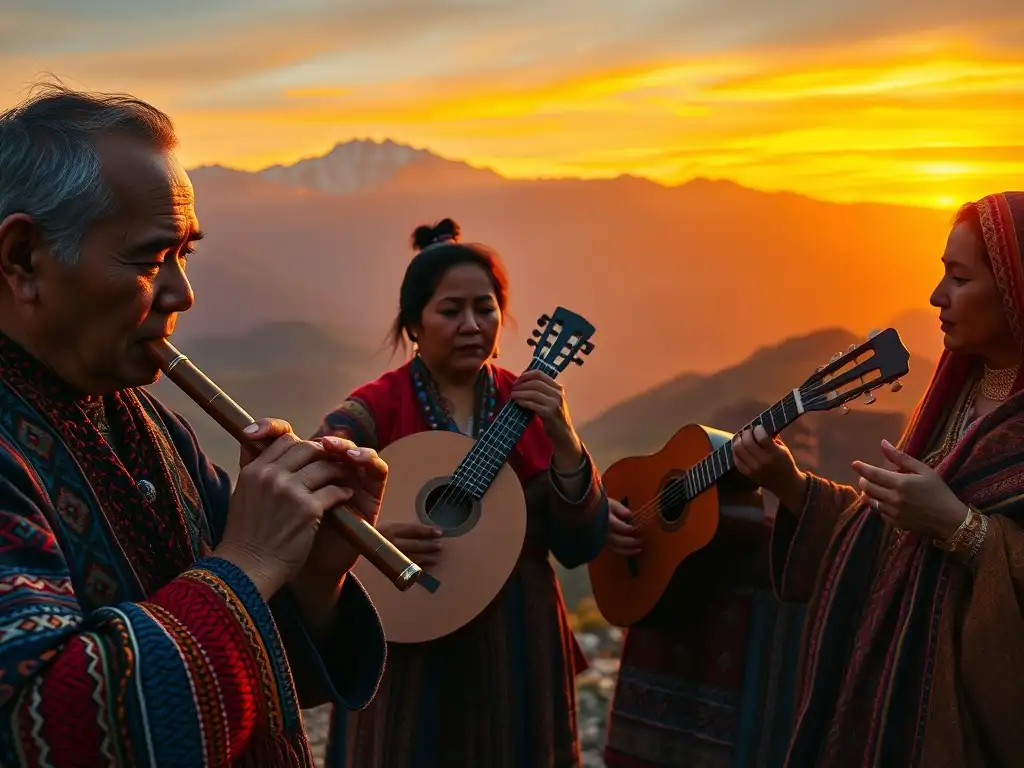
Step into a world lost to time, yet echoing with vibrant life. Imagine the soaring peaks of the Andes, resounding not only with the cries of condors, but with the captivating rhythms of ancient civilizations. This is where the story of Andean music history unfolds – a tale woven into the very fabric of Inca, Moche, Nazca, and Tiahuanaco cultures. Ready to unravel its secrets? Dive in and discover how music shaped the lives and legacies of these remarkable Andean peoples.
The Andes Mountains, a spine of towering peaks running down the western coast of South America, have nurtured some of the world's most fascinating and enduring civilizations. For millennia, these cultures – including the Incas, Moche, Nazca, and Tiahuanaco – have expressed their complex spiritual beliefs, social structures, and daily lives through a rich tapestry of artistic expression. Nowhere is this more evident than in their music, a vibrant and powerful force that permeated every aspect of Andean life, from intimate ceremonies to grand public festivals.
This article delves into the history of Andean music, exploring its profound cultural significance and revealing how its rhythms and melodies continue to resonate today. We will uncover how Andean music history is intrinsically linked to the social and spiritual fabric of these remarkable societies, offering a unique window into their worldviews and societal structures.
Understanding Andean music is not merely appreciating its melodic beauty; it's unlocking the secrets of a civilization's soul. Prepare to embark on a journey through time and sound, as we unravel the intricate relationship between Andean culture and its captivating musical heritage.
Introduction to Andean Music and its Cultural Significance
Andean music, a diverse and captivating genre, is far more than just pleasant melodies. It's a powerful reflection of the Andean worldview, deeply intertwined with the region's unique geography, spiritual beliefs, and social structures. For centuries, music served as a vital communication tool, transmitting stories, preserving history, and fostering a sense of community.
The sounds of the Andes – from the haunting melodies of panpipes to the rhythmic beats of drums – are integral parts of rituals, celebrations, and everyday life. The instruments themselves often hold symbolic meaning, reflecting the close relationship between humans and the natural world. For example, the pututu, a shell trumpet, was often used in religious ceremonies to communicate with deities, while the charango, a small lute, accompanied songs celebrating harvests and daily life.
The role of music in Andean society extended far beyond entertainment; it served as a crucial element in maintaining social order, reinforcing religious beliefs, and transmitting cultural knowledge across generations. Understanding this multifaceted role is key to appreciating the true depth and richness of Andean music. The following sections will explore specific examples of this deep cultural integration.
Instruments of the Andes: A Symphony of Nature and Ingenuity
The instruments used in Andean music are as diverse and fascinating as the cultures that created them. Many are made from natural materials readily available in the Andes, highlighting the close relationship between the people and their environment. We find instruments like the antara (panpipes) crafted from reeds, the quena (flute) carved from wood, and percussion instruments such as drums made from animal hides stretched over wooden frames.
The construction and materials of these instruments often reflect regional variations and cultural specificities. For example, the size and number of pipes in an antara can vary significantly based on the region and the specific musical tradition. Furthermore, the decoration of instruments – often with intricate carvings or colorful designs – reflects the artistic skills and aesthetic preferences of the Andean cultures.
The creation and playing of these instruments were often imbued with ritual significance, adding another layer of complexity to their cultural importance. Detailed studies of these instruments provide valuable insights into the technological advancements and artistic sensibilities of Andean civilizations.
Andean Music and Ritual: A Sacred Connection
Andean music played a crucial role in religious and spiritual practices. Musical performances were integral parts of ceremonies, festivals, and rituals dedicated to various deities and ancestral spirits. The huayno, a popular genre, often featured in celebrations and religious events. The melodies, rhythms, and lyrics were carefully chosen to invoke specific energies and connect with the spiritual realm. Specific instruments were often associated with particular deities or rituals.
The pututu, for instance, was used to summon spirits or announce important events. The use of music in these contexts reinforced social cohesion and maintained the continuity of cultural traditions. The intricate relationship between music and ritual offers a profound understanding of the Andean worldview and their deeply spiritual relationship with the cosmos. Further research into specific rituals and their accompanying musical traditions is crucial to fully grasp this intricate connection.
Beyond ritualistic contexts, Andean music played a central role in daily social life. Music accompanied agricultural activities, communal work, and celebrations. It served as a means of storytelling, preserving historical narratives and cultural values. Songs were passed down through generations, carrying with them the wisdom, beliefs, and experiences of their ancestors.
The yaraví, a genre characterized by its melancholic melodies, often expressed themes of love, loss, and longing. The vibrant and energetic rhythms of other genres fueled celebrations and fostered a sense of community. By analyzing the lyrics and musical styles of these songs, we can gain a deeper understanding of the social dynamics, values, and everyday experiences of Andean communities. Further research into specific social functions of Andean music will illuminate its impact on community building and cultural transmission.
- Introduction to Andean Music and its Cultural Significance
- Instruments of the Andes: A Symphony of Nature and Ingenuity
- Andean Music and Ritual: A Sacred Connection
- Andean Music and Social Life: Celebration and Storytelling
Andean Music History: A Journey Through Time
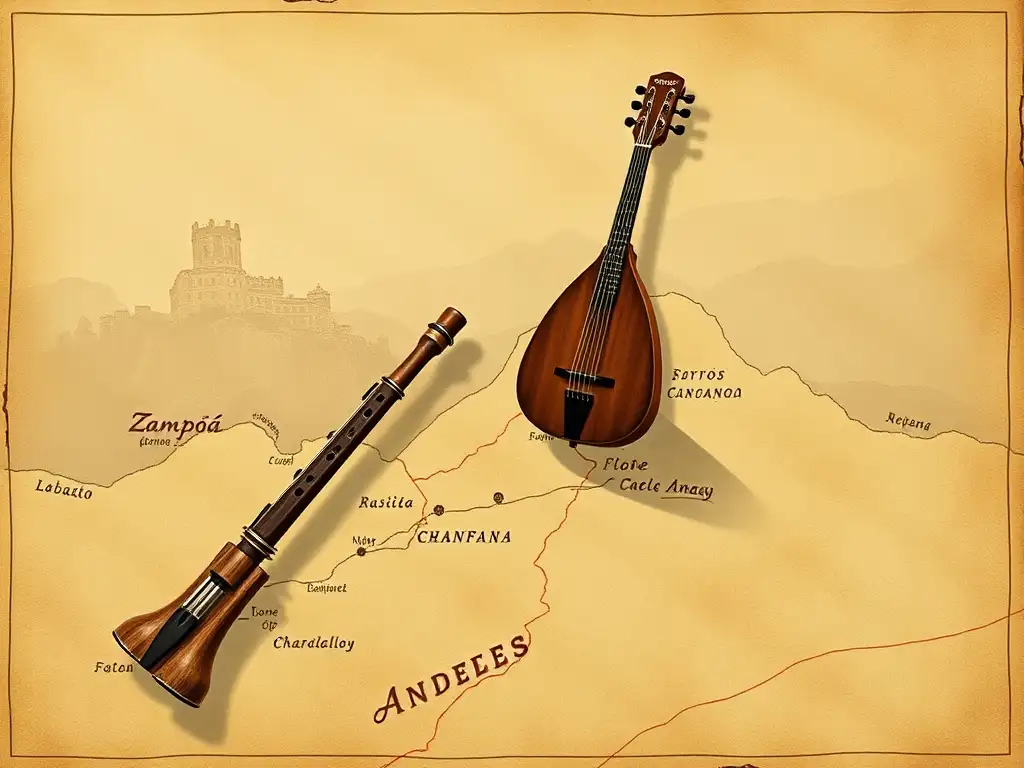
This section delves into the fascinating history of Andean music, tracing its evolution from pre-Columbian times to the present day. We will explore the diverse musical traditions that flourished across the Andes, highlighting the significant cultural and societal roles music played in these ancient societies. Understanding Andean music history requires acknowledging the complex interplay of indigenous practices, imperial influences, and colonial transformations. The rich tapestry of Andean musical heritage is a testament to the resilience and creativity of its people.
Pre-Columbian Musical Traditions in the Andes
Pre-Columbian Andean societies, spanning diverse cultures like the Moche, Nazca, and Tiahuanaco, possessed vibrant musical traditions deeply intertwined with their religious beliefs and social structures. Archaeological evidence, though limited, reveals the existence of various instruments. Panpipes ( antara), flutes ( quena), and drums ( tinku) were likely prominent, judging by depictions in pottery and textiles.
Music wasn't merely entertainment; it was integral to rituals, ceremonies, and agricultural cycles. For example, the Moche culture, renowned for its elaborate metalwork and pottery, often depicted musicians playing instruments in their artistic creations, suggesting the importance of music in their society. The precise nature of their musical scales and styles remains largely unknown, but the surviving artifacts hint at a sophisticated musical understanding.
Unfortunately, the lack of written musical notation from this era prevents a more precise reconstruction of their melodies and rhythms. However, the surviving instruments and their depictions in art provide valuable clues to understanding the soundscapes of these ancient civilizations. Further research, particularly in areas rich in archaeological findings, may reveal even more about the complexity of pre-Columbian Andean music.
The Impact of the Inca Empire on Andean Music
The Inca Empire (1438-1533 CE), with its vast territory encompassing much of the Andes, played a pivotal role in shaping Andean musical traditions. While the Inca didn't invent new instruments, they standardized and disseminated existing musical practices across their empire. The Inca state utilized music for various purposes: religious ceremonies, military parades, and royal celebrations.
Music became a powerful tool of social control and imperial propaganda, reinforcing Inca dominance and cultural unity. The huayno, a genre of Andean music, arguably owes its widespread adoption and diverse regional variations to the Inca's ability to connect disparate communities through their administrative and communication networks. The Inca's preference for certain instruments and musical styles likely influenced the survival and development of specific traditions, while others may have been suppressed or lost.
The precise extent of Inca influence remains a subject of ongoing scholarly debate, with some arguing for a more homogenizing effect, while others emphasize the persistence of regional musical diversity within the empire. This necessitates further research to fully understand the complex dynamics of musical exchange and adaptation during the Inca period.
Colonial Influences and Transformations in Andean Musical Styles
The Spanish conquest in the 16th century dramatically altered Andean musical landscapes. The introduction of European instruments like the guitar, violin, and harp, alongside new musical forms and harmonies, created a fusion of indigenous and European musical styles. The Catholic Church played a significant role, incorporating Andean instruments and melodies into religious music, a process known as mestizaje. This resulted in the development of hybrid musical genres that blended indigenous traditions with European influences.
However, this process was not without conflict. Many indigenous musical traditions were suppressed or marginalized, while others adapted to survive within the new colonial context. The colonial era saw the emergence of new musical forms, such as the yaraví, a melancholic genre expressing the sorrows and hardships of the indigenous population under colonial rule. The yaraví, with its poignant melodies and lyrics, became a powerful means of expressing resistance and cultural identity.
Understanding the impact of colonialism on Andean music requires acknowledging both the creative syncretism and the cultural suppression that characterized this period. The legacy of this historical period continues to shape Andean music to this day. The enduring presence of indigenous musical elements within modern Andean music demonstrates the remarkable resilience of Andean cultural traditions.
Instruments of the Andes: Voices of the Past
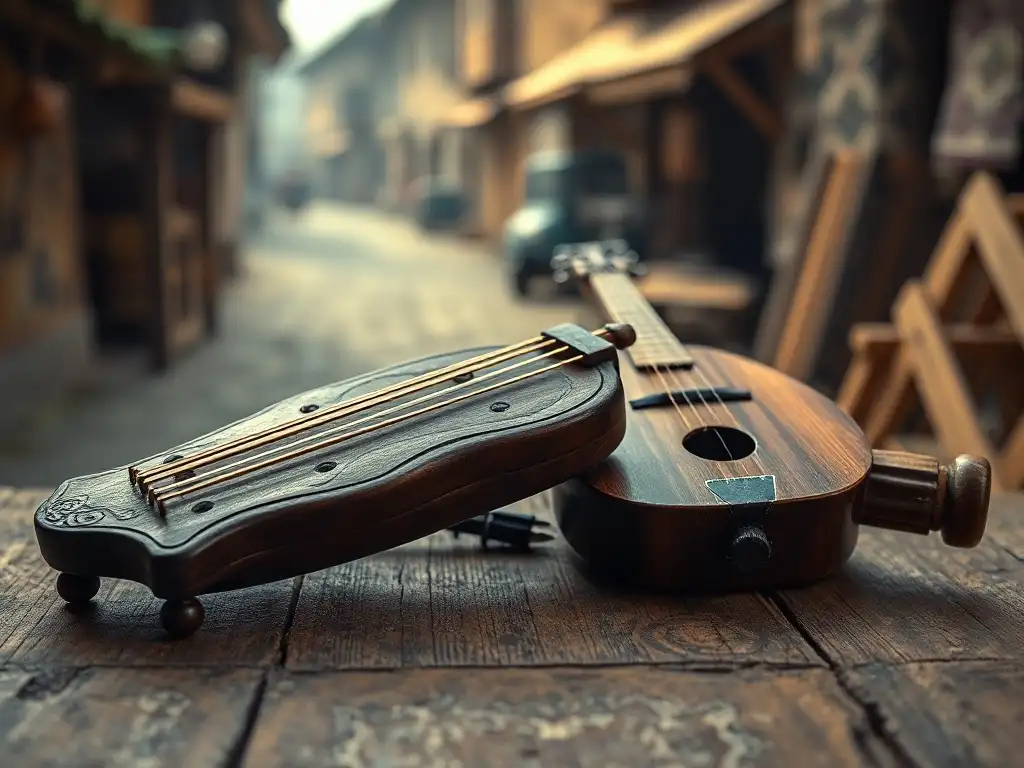
This section delves into the fascinating world of Andean instruments, exploring their unique sounds, construction, and the significant role they played—and continue to play—in Andean music history. These instruments weren't merely tools for making music; they were integral parts of the social fabric, deeply woven into religious ceremonies, daily life, and storytelling traditions. Understanding these instruments is key to understanding the pulse of Andean culture itself. The diverse soundscapes created by these instruments paint a vivid picture of the rich tapestry of Andean musical heritage.
The Charango: A Unique Stringed Instrument
The charango, a small, lute-like instrument, holds a prominent place in Andean music history. Its distinctive, high-pitched sound, often described as bright and twangy, adds a unique flavor to many musical styles. Unlike many stringed instruments, the charango's body is traditionally made from the shell of an armadillo, although modern versions utilize wood.
This choice of material speaks to the resourcefulness and ingenuity of Andean artisans, using readily available materials to create beautiful and resonant instruments. The armadillo shell, with its natural curvature, contributes to the instrument's unique tonal qualities. The charango typically has five strings, though variations exist, and is played with a plectrum or fingerpicks.
Its repertoire is vast, encompassing both traditional Andean melodies and contemporary adaptations, demonstrating its adaptability and enduring popularity. The charango's evolution reflects the dynamic nature of Andean music history, evolving alongside cultural shifts and musical innovations. Master charanguistas continue to push the boundaries of the instrument's capabilities, showcasing its versatility and expressive potential in both solo performances and ensemble settings.
The Siku (Zampoña): Panpipes and their variations
The siku, also known as zampoña, is a panpipe that stands as a powerful symbol of Andean musical tradition. This instrument, consisting of a set of vertically arranged pipes of varying lengths, produces a hauntingly beautiful sound that resonates deeply with the Andean landscape. The siku's construction is remarkably precise, requiring careful tuning and crafting to achieve the desired harmonic effect.
The pipes are typically made from cane or bamboo, reflecting the readily available materials of the Andean region. A key aspect of the siku's cultural significance is the use of two instruments—a arka and a ira—played simultaneously. The arka and ira are almost identical sets of pipes; however, the arka has a slightly lower pitch than the ira, creating a captivating interplay of sound.
The arka and ira are frequently used in pairs to create complex and rich harmonic textures, underscoring the siku's importance in ritualistic and social contexts throughout Andean music history. Variations in the siku's construction and playing styles exist across different Andean regions, highlighting the diversity of musical traditions within the Andean world.
The Quena: A Traditional Andean Flute
The quena, a traditional Andean flute, boasts a simple yet expressive design. Made from cane, wood, or bone, its characteristically clear and plaintive tone is instantly recognizable in Andean music. Unlike Western flutes, the quena is typically played without a lip plate, relying instead on the player's embouchure to produce sound.
This technique requires significant skill and practice to master, contributing to the respect afforded to skilled quena players. The quena's repertoire is extensive, encompassing a wide range of musical styles, from solo performances to ensemble pieces. Its melodic capabilities are beautifully suited to expressing the complex emotions and narratives woven into Andean music history.
The quena's enduring popularity is a testament to its timeless appeal and its ability to connect listeners to the rich cultural heritage of the Andes. The instrument's role in both ceremonial and social music underscores its fundamental importance in Andean culture, reflecting the deep-rooted relationship between music and daily life. The quena continues to inspire contemporary musicians, showcasing its adaptability and enduring relevance in the ever-evolving landscape of Andean music.
Percussion Instruments: The Rhythm of Andean Life
Percussion instruments formed the backbone of Andean musical traditions, providing the rhythmic pulse that underpinned ceremonies, celebrations, and daily life. Their sounds, often raw and powerful, resonated with the landscape and the spiritual beliefs of the people. The materials used – readily available natural resources like wood, gourds, and animal hides – speak to the ingenuity and resourcefulness of Andean cultures. These weren't merely instruments; they were extensions of the environment, imbued with the spirit of the Andes themselves.
The tinku, a type of ritualistic dance-battle common to various Andean communities, perfectly exemplifies the crucial role of percussion. The rhythmic pounding of drums, often accompanied by the sharp crack of smaller percussion instruments, fueled the energy and intensity of the event. The rhythm itself became a metaphor for the conflict and resolution inherent in the tinku, mirroring the cyclical nature of life and death present in Andean cosmology.
Different rhythms and tempos could signal shifts in the dance, signifying escalation, negotiation, or a final resolution. The skilled percussionists weren't just musicians; they were storytellers, weaving narratives through their rhythmic patterns.
Among the most prominent percussion instruments were the various types of drums. The tinya, a small, double-headed drum, was widely used across different Andean regions, its sound varying slightly depending on the materials used and the specific crafting techniques employed. Larger drums, like the huayno drum, often featured in larger communal gatherings, providing a powerful, resonant heartbeat to the music. These drums weren't just used for music; in some cultures, they played a role in religious ceremonies, their sounds believed to communicate with the spirit world.
Beyond drums, a wide array of other percussion instruments contributed to the rich tapestry of Andean sound. These included rattles made from gourds filled with seeds or stones ( chachas), bone whistles, and various types of scraped instruments. Each instrument added its unique timbre to the overall sonic landscape, creating a complex and layered soundscape that reflected the diversity of Andean cultures and the intricate relationships between humans and the natural world.
The precise combinations and arrangements of these instruments varied significantly across different regions and communities, highlighting the rich diversity within Andean musical traditions. The study of these variations provides invaluable insights into the cultural nuances and regional identities within the vast Andean region. Further research into specific instruments and their regional variations is needed to fully appreciate the depth and complexity of Andean percussion.
Andean Music Genres: Diverse Expressions of Culture
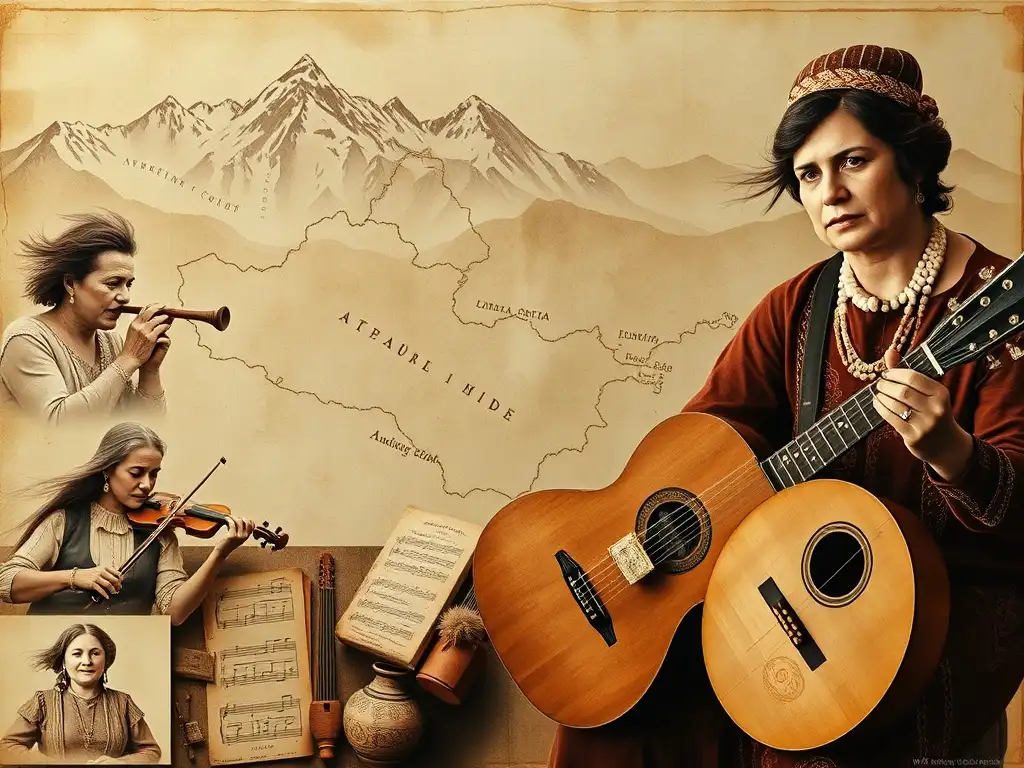
Andean music history is incredibly rich and diverse, reflecting the complex tapestry of cultures that have shaped the region. Understanding the various musical genres is crucial to appreciating the depth and nuance of Andean cultural expression. These genres weren't simply entertainment; they served vital social and ritualistic functions, intertwining with daily life and spiritual beliefs.
The vibrant soundscapes of the Andes tell stories of love, loss, celebration, and reverence, offering a powerful window into the past and present. The rhythmic pulses and melodic contours of Andean music offer a unique auditory experience, deeply connected to the landscape and the people who inhabit it. This section will explore some key genres, highlighting their distinctive characteristics and cultural significance.
Huayno: The Heartbeat of the Andes
Huayno, arguably the most popular Andean music genre, is a vibrant and energetic style characterized by its lively melodies and upbeat rhythms. Originating in the central Andes, it has spread throughout the region, evolving into numerous regional variations. The instrumentation typically includes panpipes ( zampoñas), flutes ( quenas), and string instruments like the charango and guitar. While the melodies are often quite cheerful, the lyrics can explore a wide range of themes, from love and nature to social commentary and historical events.
The distinctive rhythmic structure of huayno is often described as a 6/8 time signature, though variations exist. The characteristic interplay between the instruments creates a captivating and infectious energy, making it ideal for social gatherings and celebrations. Huayno's widespread popularity is evident in its presence at festivals, weddings, and other important social events across the Andes.
Its enduring appeal stems from its ability to capture the spirit of Andean life, reflecting both joy and sorrow, community and individuality. It's more than just music; it's a cultural identity expressed through sound. The evolution of huayno also reflects changing social dynamics and technological advancements, with contemporary artists incorporating modern instruments and production techniques while still maintaining the genre's core elements.
Sanjuanito: Festive Rhythms and Dance
Sanjuanito, another prominent Andean music genre, is closely associated with festive occasions and traditional dances. Unlike the often-faster tempo of huayno, sanjuanito possesses a more moderate pace, lending itself to graceful and elegant movements. Its origins are rooted in the Andean highlands, particularly Ecuador and Colombia. The instrumentation is similar to huayno, often featuring panpipes, flutes, and string instruments. However, the melodic structure and rhythmic patterns of sanjuanito are distinct, creating a more refined and sophisticated sound.
The name "Sanjuanito" itself hints at its connection to the celebration of Saint John the Baptist's feast day (June 24th). During these celebrations, sanjuanito music provides the soundtrack for joyous dances and communal gatherings. The lyrics frequently focus on themes of love, courtship, and the beauty of nature.
The dance associated with sanjuanito is characterized by its elegant steps and graceful movements, often performed in pairs or small groups. This genre showcases the intricate connection between music and dance in Andean culture, where the two art forms are inseparable aspects of social and cultural events. The precise rhythmic patterns and melodic nuances of sanjuanito require skill and practice to master, both in performance and dance.
Yaraví: Melancholic Songs of Love and Loss
In contrast to the upbeat energy of huayno and sanjuanito, yaraví evokes a sense of melancholy and introspection. This genre is characterized by its slow tempo, minor key melodies, and poignant lyrics that often explore themes of love, loss, and longing. Originating in the southern Andes, yaraví is often associated with feelings of sadness and nostalgia. The instrumentation typically features quieter instruments like the charango and guitar, emphasizing the emotional depth of the lyrics.
The melodies of yaraví are often characterized by their haunting and expressive quality. The lyrics frequently depict scenes of rural life, reflecting the hardships and emotional complexities of Andean existence. While yaraví can be performed solo, it's also frequently heard in group settings, creating a powerful and evocative atmosphere. The slow tempo and minor key create a space for introspection and emotional release.
Yaraví's enduring popularity demonstrates the importance of acknowledging and expressing a full range of human emotions within Andean culture. It's a testament to the power of music to convey profound feelings and experiences, offering listeners a glimpse into the heart of Andean identity. The genre's persistence through time highlights its ability to resonate with audiences across generations.
Saya: Afro-Bolivian Rhythms
The saya is a vibrant and powerful musical genre deeply rooted in the Afro-Bolivian cultural heritage, particularly prevalent in the lowlands of eastern Bolivia. Its rhythmic complexity and passionate energy reflect the resilience and cultural richness of the Afro-Bolivian communities. The saya is not merely music; it's a living testament to a history of struggle, resistance, and the enduring spirit of a people.
Its origins trace back to the enslaved African populations brought to Bolivia during the colonial era, who creatively blended their musical traditions with indigenous and European influences. This fusion resulted in a uniquely Bolivian expression, characterized by its syncopated rhythms, call-and-response vocals, and the use of percussion instruments like the tambor (drum) and the bombo (bass drum).
The rhythmic structure of the saya is crucial to its identity. It typically features a complex interplay of polyrhythms, with multiple drummers playing different patterns simultaneously, creating a driving and hypnotic effect. This intricate rhythmic foundation provides a framework for the expressive vocals, which often tell stories of everyday life, historical events, or social commentary.
The lyrics, frequently delivered in a mixture of Spanish and Quechua (or other indigenous languages), further enrich the cultural tapestry woven into the saya. The music's energy often inspires spontaneous dancing, reinforcing its social function as a communal expression of joy, solidarity, and cultural pride. The saya is not just a performance; it’s a participatory event, where the audience becomes an integral part of the experience.
Different regions of eastern Bolivia have developed their own variations of the saya, showcasing the diversity within this musical genre. These variations might involve slight differences in instrumentation, rhythmic patterns, or lyrical themes, reflecting the distinct local traditions and cultural nuances. Despite these regional differences, the core elements of the saya—its powerful rhythms, passionate vocals, and strong social function—remain consistent, binding together the Afro-Bolivian communities and preserving a crucial part of their cultural heritage. The enduring popularity of the saya today testifies to its enduring power and its continued relevance as a symbol of cultural identity and resistance. It serves as a powerful reminder of the historical contributions of Afro-Bolivian communities to Bolivian culture and their ongoing struggle for recognition and social justice. The saya's vibrant rhythms continue to pulse through Bolivian society, a testament to its enduring strength and cultural significance in the broader context of Andean music history.
Music in Andean Rituals and Ceremonies
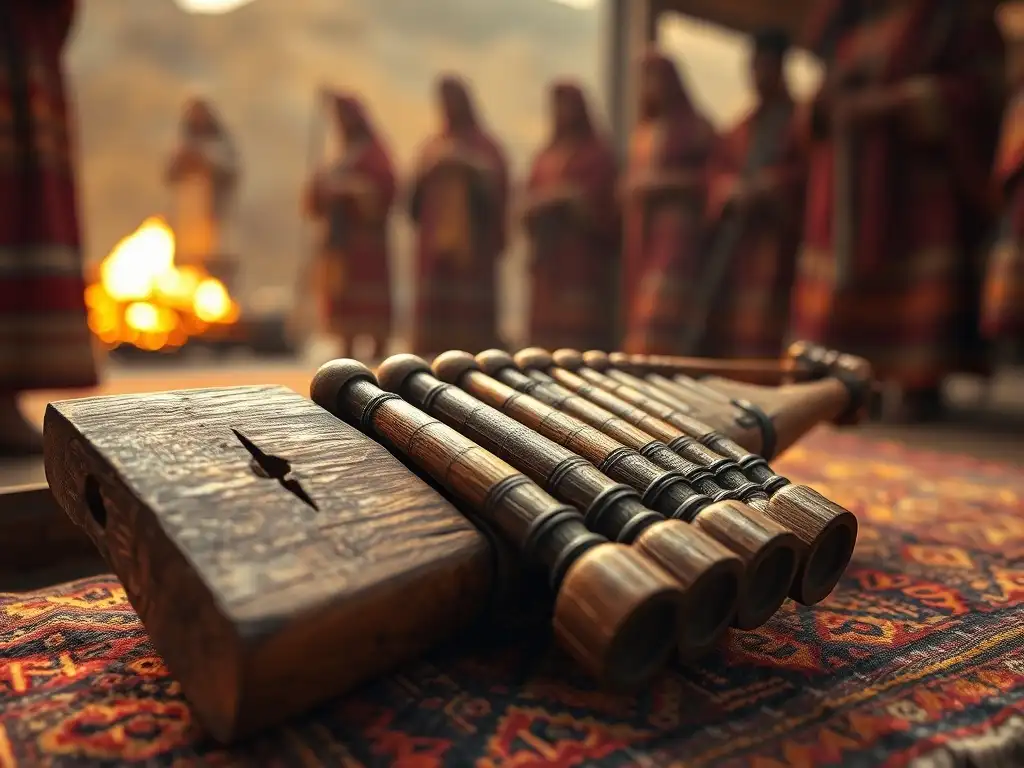
The vibrant tapestry of Andean culture is inextricably woven with the threads of music. Far from mere entertainment, music played – and continues to play – a vital role in the spiritual and social fabric of Andean life. Understanding Andean music history requires acknowledging its deeply embedded connection to ritual and ceremony.
From the soaring heights of the Andes to the fertile valleys below, the sounds of ancient instruments echoed through sacred spaces, shaping the beliefs and practices of these sophisticated civilizations. This section will explore the multifaceted role of music in various Andean rituals and ceremonies, highlighting its power to connect the living with the spiritual world.
Music's Role in Andean Religious Practices
Andean religious practices were profoundly influenced by the natural world, with deities associated with mountains, water, and the sun. Music served as a crucial conduit to these powerful forces. For example, the Incas utilized panpipes and drums in ceremonies dedicated to Inti, the sun god, believing the music helped to appease and honor the deity, ensuring bountiful harvests and favorable weather.
The rhythmic beating of drums, often accompanied by the plaintive melodies of flutes, created a powerful atmosphere conducive to spiritual communion. These weren't simply background sounds; they were active participants in the ritual, believed to carry prayers and offerings directly to the gods. The intricate melodies and rhythms were not arbitrary; they reflected the cyclical nature of Andean life, mirroring the patterns of the seasons and the celestial movements.
Further research is needed to fully understand the specific musical notations and interpretations used in these different religious contexts, as much of the knowledge was passed down orally. The surviving instruments and fragments of songs offer tantalizing glimpses into this rich musical tradition, but a comprehensive understanding requires continued scholarly investigation and collaboration with indigenous communities.
Music and Dance in Agricultural Festivals
Agricultural festivals were central to Andean life, celebrating the bounty of the earth and ensuring its continued productivity. Music and dance were integral components of these celebrations, serving both as expressions of gratitude and as a means of invoking divine favor for future harvests. The Fiesta de la Cosecha (Harvest Festival), for instance, involved elaborate musical performances featuring various instruments, including the pututu (a long shell trumpet), the antara (panpipes), and percussion instruments.
These festivals were communal events, uniting entire villages in joyful celebration. The dances themselves often mimicked agricultural activities, such as sowing and harvesting, further emphasizing the connection between music, ritual, and the agricultural cycle. The specific instrumentation and dance styles varied regionally, reflecting the diverse ecological zones and cultural traditions across the Andes.
Analyzing the surviving archaeological evidence and ethnomusicological studies provides valuable insights into the diverse forms of Andean music and dance associated with agricultural festivals, showing a clear link between musical expression and the annual agricultural cycle crucial for survival. Detailed studies of specific regional festivals would reveal even more nuanced details about the role of music in these events.
Music and Healing: Ancient Andean Traditions
Music wasn't merely associated with religious and agricultural practices; it also played a significant role in Andean healing traditions. Shamans or paqos often incorporated music into their healing rituals, believing that certain melodies and rhythms could restore balance and harmony to the body and spirit. The sounds of instruments, combined with herbal remedies and other spiritual practices, were believed to dispel negative energies and promote healing.
The yaraví, a melancholic song form, was often used in healing ceremonies to express sorrow and pain, allowing patients to release their emotions and facilitating the healing process. While detailed documentation of these practices is limited, existing accounts from chroniclers and contemporary indigenous communities suggest a close relationship between music and healing, reflecting a holistic approach to health and well-being.
Further research into Andean medicinal practices and their connection to music would reveal a more complete picture of this fascinating aspect of Andean music history, potentially uncovering lost healing techniques and revealing the intricate connection between the spiritual and physical realms in Andean culture. [Specific examples of melodies used in healing pending].
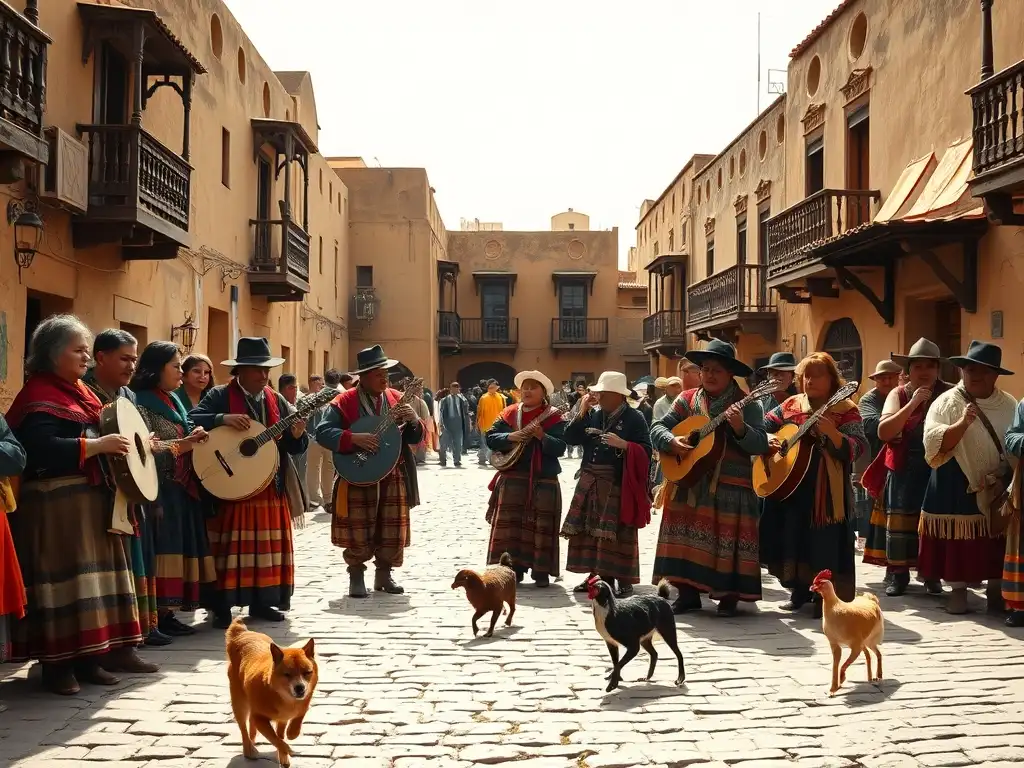
Andean music, far from being mere entertainment, played—and continues to play—a vital role in the social fabric of Andean communities. Its influence permeates daily life, shaping social interactions, reinforcing cultural identity, and transmitting historical knowledge across generations. Understanding its social significance is crucial to grasping the depth and complexity of Andean culture.
This section will delve into the multifaceted ways Andean music has served as a powerful social force, examining its role in forging cultural identity, preserving oral histories, and ensuring the continuity of musical traditions. The historical context of Andean music reveals a complex interplay of ritualistic and social functions, emphasizing its enduring legacy.
Music as a Form of Cultural Identity
Music acted as a powerful tool in solidifying cultural identity within diverse Andean communities. Distinct musical styles, instruments, and vocal techniques became markers of regional, ethnic, or even village-specific identities. For example, the panpipes ( antara) associated with the Andes region differ significantly in construction and playing style across various communities, reflecting unique cultural practices and beliefs.
The rhythmic complexity and melodic variations found in Andean music, often incorporating elements of nature such as animal calls and environmental sounds, further enhance this sense of cultural specificity. This unique musical landscape fostered a sense of belonging and pride, solidifying group cohesion and differentiating one community from another.
The continued use of traditional instruments and musical forms in contemporary Andean life serves as a testament to the enduring power of music in maintaining cultural identity in the face of globalization and modernization. The preservation of these unique musical styles is vital for the ongoing preservation of Andean cultural heritage.
Music and Storytelling in Andean Communities
Andean music frequently served as a vehicle for storytelling, transmitting historical narratives, myths, and legends across generations. Many songs recount important historical events, ancestral origins, or moral teachings. These narratives, often passed down orally alongside musical traditions, provided a crucial means of preserving collective memory and cultural knowledge. The use of metaphorical language, symbolic imagery, and repetitive musical patterns helped to reinforce the core messages and ensure their memorability.
Consider the yaraví, a genre of melancholic Andean song, often used to express social commentary or lament historical injustices. These songs serve not only as artistic expressions but also as historical documents, reflecting the lived experiences and collective consciousness of Andean communities. The intricate relationship between music and storytelling highlights the profound impact of Andean musical traditions on shaping cultural memory and transmitting historical narratives. The detailed understanding of these narratives offers invaluable insights into Andean history and social structures.
The Transmission of Musical Knowledge Across Generations
The transmission of musical knowledge in Andean communities was, and remains, largely an informal process. Musical skills and traditions were passed down within families and communities through apprenticeship, observation, and imitation. This intergenerational transmission ensured the continuity of musical practices, allowing for the evolution and adaptation of musical styles while maintaining their core essence.
Children would learn to play instruments and sing songs by observing and participating in musical activities within their family and community. This informal learning process fostered a strong sense of community and shared cultural heritage. While formal music education is increasingly prevalent, the oral transmission of musical knowledge remains a crucial element in the perpetuation of Andean musical traditions, guaranteeing the preservation of this invaluable cultural legacy.
The continuity of this practice signifies the enduring importance of music in Andean society. The study of this transmission process provides a deeper understanding of Andean social structures and the role of music in maintaining cultural cohesion.
Andean Music Today: Keeping Traditions Alive
Andean music, far from being a relic of the past, thrives in the 21st century. While traditional forms continue to be practiced and revered, contemporary artists are creatively blending ancient melodies with modern instrumentation and styles, ensuring the vibrant pulse of Andean culture remains strong. This dynamic interplay between tradition and innovation is crucial for the continued relevance and appreciation of Andean musical heritage.
The evolution of Andean music reflects not only the enduring power of its roots but also its remarkable adaptability in a globalized world. This section will explore the current state of Andean music, focusing on its preservation and evolution.
Contemporary Andean Musicians and their Contributions
A new generation of Andean musicians is pushing creative boundaries while staying deeply rooted in tradition. These artists often incorporate elements of folklore into their compositions, resulting in a unique fusion of sounds. For example, [Specific musician's name pending] masterfully blends traditional Andean instruments like the charango and panpipes with contemporary genres like jazz and world music, creating a captivating sonic landscape that appeals to a broad audience.
Their work demonstrates the enduring power of Andean musical traditions and their capacity to resonate with modern listeners. Similarly, [Specific musician's name pending], known for their innovative approach to yaraví (a genre of Andean music), has garnered international acclaim, proving the global appeal of this rich musical heritage. Their innovative arrangements and powerful performances have brought Andean music to new audiences, showcasing its emotional depth and expressive capabilities.
Analyzing their work reveals a commitment to both preserving the past and forging new paths for Andean musical expression. The diversity among these contemporary artists highlights the richness and complexity of the Andean musical landscape.
The Influence of Andean Music on World Music
The influence of Andean music on the global stage is undeniable. Its unique instrumentation, haunting melodies, and rhythmic complexity have captivated musicians and audiences worldwide, inspiring collaborations and fusions across genres. The distinctive sounds of the zampoña (panpipes) and the quena (flute) have become instantly recognizable elements in world music, enriching the sonic tapestry of global musical expression.
This cross-cultural exchange has not only expanded the reach of Andean music but has also contributed to a broader understanding and appreciation of its cultural significance. The accessibility of modern recording technology and digital platforms has facilitated this global dissemination, allowing Andean musicians to reach international audiences and collaborate with artists from diverse backgrounds.
This exchange has resulted in exciting and innovative musical fusions, showcasing the adaptability and enduring appeal of Andean musical traditions. Moreover, the incorporation of Andean musical elements into film scores and other media further demonstrates its widespread impact on the global soundscape.
Challenges and Opportunities for Andean Music Preservation
Despite its enduring popularity, Andean music faces several challenges related to its preservation. The loss of traditional knowledge and skills due to factors such as migration and globalization poses a significant threat. Furthermore, the commercialization of Andean music can sometimes lead to the simplification or distortion of its cultural significance.
However, these challenges also present opportunities. The growing interest in cultural heritage and the rise of digital technologies offer avenues for increased preservation efforts. Initiatives such as [Specific example of a preservation initiative pending], focusing on the documentation and dissemination of traditional Andean music, represent crucial steps toward ensuring its continuity for future generations.
Moreover, educational programs that promote the learning and teaching of traditional Andean instruments and musical forms are essential for sustaining this vital cultural legacy. The development of online archives and digital platforms can also facilitate access to a vast repository of Andean musical recordings and resources, fostering a deeper appreciation and understanding of this rich musical heritage among both local and international audiences. 📈 The future of Andean music depends on a concerted effort to address these challenges and seize the opportunities presented by technological advancements and a growing global interest in cultural diversity.
Frequently Asked Questions
What role did music play in ancient Andean societies?
Music held a central role in Andean life, integral to religious ceremonies, agricultural cycles, and daily life. It was used to honor deities, celebrate harvests, and mark important events.
How did Andean musical instruments differ between cultures?
Different Andean cultures utilized unique instruments. The Incas favored panpipes and drums, while the Nazca may have used shell trumpets. Regional variations are significant.
What are some of the key characteristics of Andean musical styles?
Andean music is often characterized by its modal scales, polyrhythms, and use of panpipes, flutes, and drums. It frequently features vocal harmonies and call-and-response patterns.
How has Andean music evolved over time?
Andean music has continuously evolved, blending with Spanish colonial influences and later with other musical styles. Modern Andean music retains many traditional elements while incorporating contemporary sounds.
Where can I learn more about the history of Andean music?
You can explore museums specializing in Andean cultures, research online databases of ethnomusicology, and consult academic journals focusing on Latin American music history. Many ethnomusicologists have written extensively on this topic.
Final Reflection: The Enduring Echo of Andean Voices
The vibrant tapestry of Andean music continues to resonate globally, a testament to its enduring power and cultural significance. Its rhythms and melodies, born from the heart of the Andes, are not merely historical artifacts; they are living expressions of resilience, adaptation, and a profound connection to the land. Understanding this music is understanding a people's journey, their struggles, and their triumphs.
The influence of Andean music extends far beyond its geographical origins, shaping musical landscapes worldwide and inspiring countless artists. Its unique instrumentation, intricate harmonies, and deeply emotional narratives have captivated audiences for centuries, proving its timeless appeal. As the renowned ethnomusicologist, Robert Stevenson, once wrote, Music is the mirror of a culture, reflecting its values, beliefs, and aspirations.
This rings profoundly true for Andean music, which offers a window into a rich and complex cultural heritage that continues to evolve and inspire.
Consider the power of these ancient melodies, the stories woven into their fabric. Let the vibrant sounds of the panpipes, the haunting notes of the charango, and the powerful rhythms of the bombo transport you. Embrace the opportunity to delve deeper into this musical legacy, to learn, to listen, and to appreciate the enduring echo of Andean voices. Let the pulse of the people move you, and in turn, let your understanding contribute to the preservation and celebration of this invaluable cultural treasure.
Unveil the Rhythm of Andean Culture!
Thank you for exploring the vibrant world of Andean music with us! You've discovered how this art form embodies the culture, history, and spirit of its people. Now, let's build on that knowledge and inspiration.
Here’s what you can do next:
- **Attend a live Andean music performance:** Immerse yourself in the sounds and connect with fellow enthusiasts.
- **Learn about traditional Andean instruments:** Research their history and construction, or even consider purchasing one to enhance your appreciation.
- **Share your favorite Andean music on social media:** Introduce your friends and family to this captivating genre.
What aspect of Andean culture resonates most with you, and how will you integrate it into your life?