
Andean Musical Instruments and their Connection to the Cosmos: Celestial Harmonies


Welcome to Andean Civilizations! Prepare to journey through time and uncover the breathtaking legacy of the Andes. Did you know that the intricate artistry of the ancient Andean cultures extended beyond their magnificent architecture and textiles? Discover the profound cosmic connection woven into the very fabric of Andean instruments, revealing celestial harmonies lost to time... but not forgotten. Explore the captivating world of Andean music and dance, and unravel the secrets held within these ancient melodies.
The Andes Mountains, a spine of majestic peaks stretching along the western coast of South America, are not only a geographical marvel but also a cradle of vibrant cultures and rich musical traditions. For millennia, Andean civilizations, including the Incas, Moche, Nazca, and Tiahuanaco, have developed intricate musical practices deeply intertwined with their cosmology and spiritual beliefs.
This article delves into the fascinating world of Andean musical instruments, exploring their unique designs, materials, and—most importantly—their profound connection to the cosmos, revealing how music served as a bridge between the earthly and celestial realms. We will uncover how these instruments weren't merely tools for entertainment, but rather sacred objects used in rituals, ceremonies, and daily life, reflecting a profound understanding of the universe and its harmonies.
Understanding this cosmic connection provides a deeper appreciation for the richness and complexity of Andean music and its enduring legacy. The exploration of this "Andean instruments cosmic connection" will illuminate the sophisticated artistry and spiritual depth of these ancient cultures.
The Panpipes (Antaras) and the Celestial Spheres
The antaras, or panpipes, are perhaps the most iconic Andean instruments. These instruments, often made from reeds or cane, consist of a series of pipes of varying lengths, each producing a different note. The harmonious interplay of these notes was believed to mimic the celestial spheres and the movements of the stars and planets. Different arrangements of pipes, and specific melodies played upon them, were associated with different deities and celestial events.
The creation of antaras was a meticulous process, often involving spiritual rituals and precise measurements to ensure the instrument accurately reflected the cosmic order. The number of pipes, their lengths, and the specific arrangement were not arbitrary; they held symbolic meaning reflecting the Andean understanding of the universe's structure and harmony. For example, a set of seven pipes might represent the seven Pleiades stars, a constellation of great importance in Andean cosmology.
The Pututu: A Conch Shell Trumpet Announcing the Divine
The pututu, a large conch shell trumpet, holds a significant place in Andean musical history. Its deep, resonant sound was believed to carry messages to the gods and announce important events. Its use was largely ceremonial, often employed during religious festivals and important rituals.
The pututu's powerful sound was not simply auditory; it was thought to possess a spiritual potency, capable of influencing the natural world and communicating with the supernatural. Its shape, often carved and adorned with intricate designs, further emphasized its symbolic value, connecting it to the ocean, the source of life, and the vastness of the cosmos. The powerful, resonant sound of the pututu was thought to resonate with the energies of the universe itself.
The Tinku: Rhythms of Conflict and Cosmic Balance
While not an instrument itself, the tinku, a ritualistic Andean dance and fight, highlights the complex relationship between music, conflict, and cosmic balance. The rhythmic pounding of feet, the clash of sticks, and the chanting of songs all contributed to a performance that represented the cyclical nature of life and death, creation and destruction. This ritualistic dance, often accompanied by percussion instruments like drums, was a way of resolving conflicts and restoring cosmic harmony.
It demonstrates that Andean musical expression wasn't limited to melodious tunes but encompassed a wide spectrum of rhythmic and percussive elements, all imbued with deep cosmological significance. The rhythmic intensity of the Tinku mirrored the powerful forces at play in the cosmos, representing the constant struggle and eventual resolution found throughout the universe.
The Role of Music in Andean Cosmology: A Synthesis
Andean musical instruments were not simply tools for creating music; they were integral components of a complex cosmological system. Their designs, materials, and the music produced were deeply symbolic, reflecting the Andean worldview and their understanding of the universe's intricate structure and harmonies. From the celestial harmonies of the antaras to the powerful pronouncements of the pututu and the rhythmic intensity of the tinku, Andean music provides a window into a rich and fascinating culture intimately connected to the cosmos. This deep connection between music and the cosmos underscores the profound spiritual and cultural significance of Andean musical traditions, a legacy that continues to resonate today.
- The Panpipes (Antaras) and the Celestial Spheres
- The Pututu: A Conch Shell Trumpet Announcing the Divine
- The Tinku: Rhythms of Conflict and Cosmic Balance
- The Role of Music in Andean Cosmology: A Synthesis
- What role did music play in Andean civilizations?
- How did Andean instruments connect to the cosmos?
- What are some examples of Andean instruments believed to have a cosmic connection?
- Were Andean musical instruments solely used for religious purposes?
- Where can I learn more about the cosmic connection of Andean instruments?
Understanding the Andean Worldview and Musical Expression
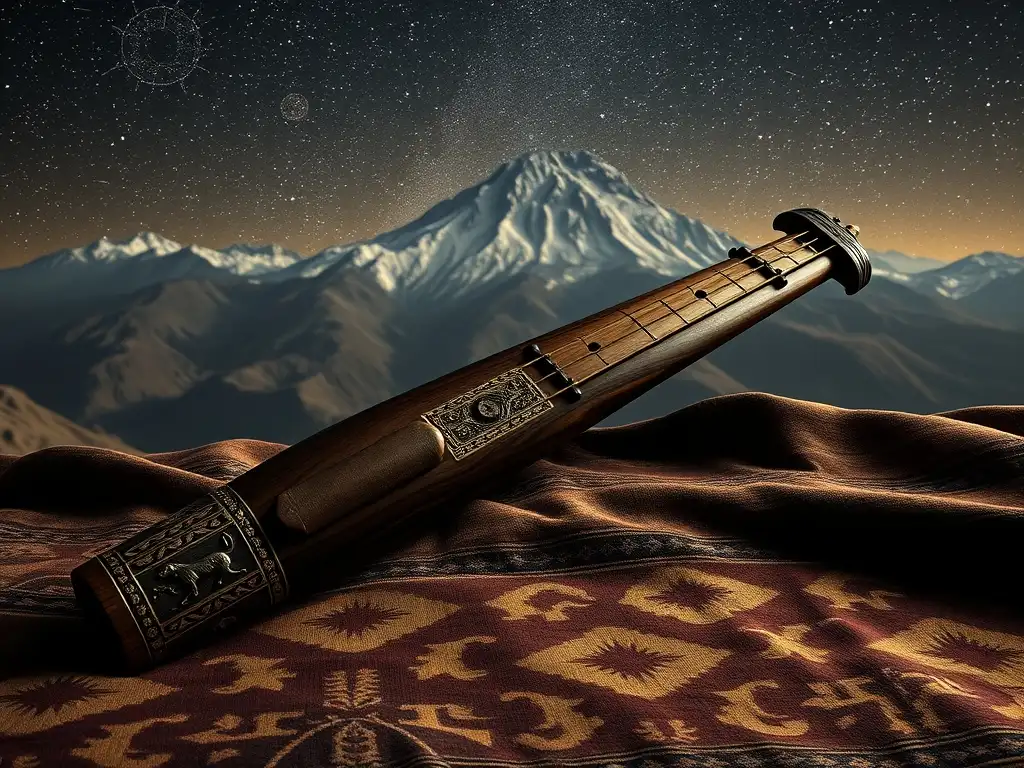
The Andean worldview profoundly shaped their musical traditions, weaving a rich tapestry of sound deeply connected to their understanding of the cosmos. This wasn't simply entertainment; music was a vital element of their daily lives, religious practices, and social structures. To understand Andean instruments, we must first grasp their profound cosmological beliefs.
The intricate relationship between the earthly and celestial realms permeated all aspects of Andean culture, including their music. Their instruments weren't just tools for making sound; they were conduits for communication with the spiritual world, a means of influencing the natural order, and a celebration of the interconnectedness of all things. The very act of playing an Andean instrument was considered a sacred act, a participation in the cosmic harmony.
The Andean Cosmos: A Foundation for Musical Creation
The Andean cosmos wasn't a static entity but a dynamic, interconnected system. The concept of Pachamama (Mother Earth) and Tayta Inti (Father Sun) represented the fundamental forces governing life. Mountains, rivers, stars, and even the wind were believed to possess spiritual power and played significant roles in their daily lives and rituals.
This understanding of the universe as a vibrant, living entity directly influenced their musical creations. The rhythms and melodies of Andean music often mirrored the natural cycles of the sun, moon, and stars, reflecting the cyclical nature of life and the cosmos. For example, the repetitive patterns found in many Andean songs could represent the cyclical patterns of the seasons, planting, and harvesting.
The use of specific instruments, like the antara (panpipes) with its varied notes, could represent the different elements of nature or the celestial bodies themselves. The construction of these instruments also held symbolic meaning, often incorporating materials believed to possess spiritual power.
The Role of Music in Andean Rituals and Ceremonies
Music played a central role in Andean rituals and ceremonies, serving as a powerful tool for communication with the divine. Rituals involving agricultural cycles, healing ceremonies, and celebrations of important events were all accompanied by music. The specific instruments used and the melodies played varied depending on the nature of the ritual.
For instance, the pututu (a shell trumpet) was often used to announce important events or summon the community, its powerful sound capable of carrying across vast distances, symbolically connecting the earthly and spiritual realms. The tarka (a type of flute) was commonly used in healing ceremonies, its gentle melodies believed to soothe and restore balance. The charango (a small lute-like instrument), with its vibrant sound, featured prominently in celebrations and festivities, reflecting the joy and energy of the community.
Analysis of surviving ritual descriptions reveals a clear correlation between the music used and the specific purpose of the ritual, highlighting the multifaceted role of music in Andean religious life. Further research into specific regional variations is needed to fully understand the diversity of musical practices across different Andean cultures.
Connecting with the Divine Through Sound: Andean Musical Philosophy
Andean musical philosophy emphasizes the power of sound to connect with the divine and influence the natural world. Music wasn't merely a form of artistic expression; it was a pathway to spiritual transcendence and a way to interact with the spiritual forces that governed their lives. The playing of instruments was often accompanied by specific rituals and practices, aimed at creating a sacred space for communication with the divine.
The musicians themselves were often seen as intermediaries between the human and spiritual worlds, their skills and knowledge highly valued within the community. The understanding of the vibrational nature of sound and its ability to affect the human body and spirit is evident in the use of music for healing and spiritual growth. This philosophy underscores the profound significance of Andean instruments and their connection to the broader cosmological beliefs of the culture.
Further investigation into the surviving oral traditions and archaeological evidence will shed more light on the nuances of this fascinating musical philosophy. The intricate relationship between music, spirituality, and the cosmos remains a key aspect of understanding Andean culture.
Exploring Key Andean Instruments and Their Cosmic Symbolism

This section delves into the fascinating relationship between Andean musical instruments and the cosmos, exploring how these instruments weren't merely tools for creating music, but also powerful symbols reflecting Andean cosmology and worldview. The Andean worldview deeply integrated music into their understanding of the universe, believing that sounds could bridge the gap between the terrestrial and celestial realms.
This section will focus on two prominent instruments, the siku and the charango, examining their construction, symbolism, and connection to the Andean concept of a vibrant, interconnected universe. Understanding the Andean instruments cosmic connection requires appreciating the intricate craftsmanship and spiritual significance embedded within these instruments.
The Siku (Zampoña): Reaching for the Stars with Panpipes
The siku, a panpipe instrument, is arguably one of the most iconic and widespread Andean instruments. Its association with the cosmos is profound, with its multiple pipes representing the celestial bodies and the music itself mirroring the harmonic order of the universe. The very act of playing the siku is considered a ritualistic act, connecting the musician to the spiritual world.
Siku Construction and Materials
Sikus are typically crafted from reeds or bamboo, carefully selected and prepared according to traditional methods. The length and diameter of each pipe determine the pitch, creating a precise harmonic sequence. The craftsmanship itself is a testament to Andean ingenuity, with skilled artisans meticulously working to ensure the perfect intonation and resonance.
The materials used, often locally sourced, further connect the instrument to its environment and the Andean landscape – a landscape imbued with spiritual significance. Even the choice of binding materials, often simple threads or plant fibers, speaks to a respect for the natural world and its resources. The meticulous construction reflects the Andean belief in the interconnectedness of all things.
The Siku's Connection to Andean Cosmology
The siku's connection to Andean cosmology is multifaceted. The multiple pipes often represent the stars, constellations, or even the levels of the Andean cosmos. The duality of the siku (typically played in pairs, one representing the male and the other the female principle) mirrors the complementary forces present in the Andean worldview. The music produced is believed to influence the balance of these forces, bringing harmony to both the individual and the cosmos.
Many songs played on the siku are directly related to agricultural cycles, weather patterns, or other cosmological events, highlighting the instrument's role in the community's relationship with the natural world. The harmonious sounds of the siku are seen as a reflection of the celestial harmony that underpins the Andean understanding of the universe. The Andean instruments cosmic connection is particularly strong in the case of the siku.
Different Types of Siku and their Regional Variations
The siku is not a monolithic instrument; variations in design and playing style exist across different Andean regions. The number of pipes, the arrangement of the pipes, and even the materials used can vary, reflecting the diverse musical traditions and cosmological beliefs of each community. For example, some sikus are larger and have a deeper tone, while others are smaller and have a higher pitch.
These regional variations demonstrate the adaptive nature of the instrument and its integration into the specific cultural contexts of different Andean communities. This diversity underscores the rich tapestry of Andean musical traditions and their connection to the cosmos.
The Charango: A Miniature Universe in Stringed Form
The charango, a small, lute-like instrument, holds a unique place in Andean music. Its diminutive size belies its powerful symbolic resonance, representing a miniature universe contained within its intricate structure. The charango's sound, often described as bright and lively, embodies the vibrant energy of the Andean spirit.
Charango's Origin and Evolution
The charango's origins are believed to be linked to the arrival of the Spanish in the Andes. While its exact origins remain debated, it’s generally accepted that it evolved from instruments brought by the Spanish, but adapted and transformed by Andean artisans to create a uniquely Andean sound and aesthetic. The use of armadillo shell for the soundboard is a key characteristic, lending the charango its distinctive timbre and resonating with the Andean belief in the symbolic significance of natural materials. Its evolution reflects the Andean people's ability to adapt and integrate foreign elements into their existing cultural framework.
The Charango's Sound and its Symbolic Meanings
The charango's bright, lively sound is often associated with celebration, joy, and the dynamism of life. However, its capacity to express a wide range of emotions, from lively dance tunes to melancholic melodies, reflects the complexity of the Andean experience. The instrument's ability to evoke both joy and sorrow further emphasizes its connection to the cyclical nature of life and the cosmos. The intricate details of its construction, including the inlaid designs, often represent aspects of Andean cosmology, further enhancing its symbolic significance.
Charango Playing Techniques and Regional Styles
Like the siku, the charango displays regional variations in playing techniques and musical styles. These variations reflect the diverse musical traditions and cultural identities of different Andean communities. The rhythmic patterns, melodic contours, and even the ornamentation used in playing the charango vary across different regions, demonstrating the instrument's adaptability and its integration into the unique musical landscapes of the Andes.
The diverse playing styles further highlight the rich tapestry of Andean musical traditions and their profound connection to the cosmos. The Andean instruments cosmic connection is evident in the charango's expressive versatility and the rich cultural diversity reflected in its playing styles.
The Wankar (Drum): The Heartbeat of the Earth and Sky
The wankar, a cylindrical drum prevalent in Andean cultures, holds a significant place in the understanding of the cosmos. Its deep, resonant sound is believed to represent the heartbeat of both the Earth and the sky, connecting the terrestrial and celestial realms. The wankar's rhythmic pulse is not merely musical; it's a powerful symbol of the cyclical nature of life, death, and rebirth, mirroring the movements of the sun, moon, and stars.
The drum's presence in ceremonies underscores its importance as a conduit between the human world and the spiritual plane. Its ability to evoke powerful emotions and create a sense of communal unity further solidifies its role as a sacred instrument. The wankar's enduring presence in Andean traditions demonstrates its continued cultural relevance and enduring connection to the ancient beliefs of the region.
Its rhythmic pulse resonates not only with the physical world but also with the spiritual heart of the Andean people. The deep vibrations of the wankar seem to penetrate the very core of one's being, connecting the listener to something larger than themselves.
Wankar Construction and Materials
Traditionally, wankar drums were crafted using readily available materials, reflecting a deep connection to the natural world. The drum's body was often made from hollowed-out logs of specific trees, chosen for their resonant properties and symbolic significance. For example, certain wood types were believed to possess particular spiritual powers, enhancing the drum's ability to connect with the cosmos.
The drumheads, typically made from animal hides, were meticulously stretched and treated to achieve the desired tone and durability. The stretching process itself was often accompanied by rituals, ensuring the drum's alignment with the spiritual world. The meticulous craftsmanship involved in creating a wankar highlights the instrument's value and sacred status within Andean communities.
The choice of materials was not arbitrary; each element contributed to the drum's overall resonance and symbolic meaning, further emphasizing its connection to the earth and the heavens. Variations in construction techniques existed across different Andean regions, reflecting the diverse cultural expressions within the broader Andean world.
The Wankar's Role in Ceremonial Music
The wankar played a crucial role in Andean ceremonial music, often serving as the rhythmic backbone of complex musical ensembles. Its deep, resonant sound provided a grounding pulse, supporting the melodies played on other instruments like the antara (panpipes) and pinkillo (flute). The drum's rhythmic patterns were intricately linked to the specific ceremonies, reflecting the movements of celestial bodies and the cycles of nature. Its presence in rituals, particularly those related to agricultural cycles and ancestor veneration, underscored its importance in maintaining harmony between the human and spiritual worlds. The wankar's powerful sound was believed to summon spirits, invoke blessings, and ensure the fertility of the land. The skilled drummers held a position of respect within their communities, their mastery of the instrument reflecting their deep understanding of both musical and spiritual traditions. The wankar wasn't just an instrument; it was a vital component in the maintenance of cosmic balance.
The Rhythmic Patterns and their Cosmic Interpretations
The rhythmic patterns produced by the wankar are not random; they are carefully constructed to reflect the cycles of the cosmos. Specific rhythms were associated with the movements of the sun, moon, and stars, representing the cyclical nature of life and the seasons. For example, certain rhythms might mimic the sun's journey across the sky, while others might represent the phases of the moon. The interpretation of these rhythms often involved a deep understanding of Andean cosmology and astronomical observations.
The drummers, through their mastery of these patterns, acted as mediators between the human world and the celestial sphere. These complex rhythmic structures weren't merely musical patterns; they were a form of cosmic communication, a way of engaging with the spiritual forces that governed the Andean worldview. The rhythmic complexity often encoded narratives, stories that unfolded through the changing patterns of the beats.
Other Significant Andean Instruments: A Symphony of the Andes
Beyond the wankar, a rich tapestry of other instruments contributed to the vibrant musical landscape of the Andes, each with its own unique sonic qualities and symbolic associations. These instruments, often crafted from natural materials, played an integral role in Andean ceremonial life and daily routines, reflecting a profound connection to the natural world and the cosmos. The interplay of these instruments created a sonic tapestry that echoed the complexities of the Andean worldview.
The Pinkillo (Flute): Whispers of the Wind
The pinkillo, a simple transverse flute, often evokes images of the wind whispering through the high Andean plains. Its delicate melodies, often played in pairs or small ensembles, are believed to represent the breath of the mountains and the spirits of the air. The pinkillo's high-pitched tones often accompany dances and ceremonies, adding a layer of ethereal beauty to the overall musical experience. Its portability and relative simplicity make it a popular instrument across various Andean communities. The pinkillo's sound is often described as wistful and evocative, mirroring the vastness and mystery of the Andean landscape.
The Antara (Panpipe): Ancient Echoes of the Cosmos
The antara, a panpipe instrument comprised of multiple reeds of varying lengths, is considered one of the most iconic Andean instruments. Its ability to produce a range of melodic sounds, from high-pitched chirps to deep, resonant tones, reflects the diversity of the Andean landscape and the complexity of the cosmos. The antara is often associated with the sun and the stars, its melodies mimicking the celestial movements.
Its use in ceremonies and rituals underscores its important role in connecting the human world with the spiritual realm. The antara’s sonic capabilities are incredibly varied, allowing for a wide spectrum of musical expressions. Different sizes and arrangements of reeds yield diverse sounds, reflecting the varied sounds of nature in the Andes.
The Pututo (Horn): Calling to the Gods
The pututo, a long, conical horn, often made from animal horns or shells, possesses a powerful and commanding sound. Its deep, resonant tones were used to call to the gods, announce important events, and summon people to ceremonies. The pututo's sound is often described as majestic and awe-inspiring, reflecting its use in significant rituals and its association with the divine.
The length and shape of the pututo influence its sound, and different sizes are used for different purposes. The instrument's powerful sound carries across great distances, underscoring its role in communication within the vast Andean landscape. The pututo's forceful sound echoes the power and majesty of the Andean mountains and the celestial forces above.
The Cosmic Connection in Andean Musical Performance

The Andean worldview deeply intertwined the earthly and celestial realms. Music, therefore, wasn't merely entertainment; it served as a powerful conduit to the cosmos, a means of communication with the divine and the ancestors. This profound connection is evident in various aspects of Andean musical practices, from the meticulous tuning of instruments to the specific scales used and the ritualistic context of performances.
The concept of "Andean instruments cosmic connection" isn't just a metaphor; it's a fundamental tenet of their cultural understanding. The sounds produced weren't simply vibrations; they were believed to resonate with the energies of the universe, influencing the balance of the world and fostering a harmonious relationship between humanity and the cosmos. This section delves into the specific ways in which this connection manifested itself in their music.
The Significance of Tuning and Harmony in Andean Music
Andean musicians placed immense importance on precise tuning and harmony. This wasn't simply an aesthetic preference; it was believed that accurate tuning was essential for creating a harmonious connection with the cosmos. Instruments like the panpipes (antara) and the tarka (a type of flute) were meticulously tuned to specific intervals, often reflecting the perceived harmonies of the celestial bodies.
Slight deviations from these precise tunings were thought to disrupt the cosmic balance, potentially leading to negative consequences. The process of tuning itself was often a ritualistic act, involving prayers and offerings to ensure the instruments were properly aligned with the spiritual realm. Evidence suggests that the tuning systems employed often utilized intervals not found in Western music, indicating a unique and deeply rooted cosmological understanding.
For example, the use of perfect fifths and fourths, along with intervals derived from the harmonic series, were likely linked to their astronomical observations and beliefs. Data on specific tuning systems used by different Andean cultures is still being researched, but preliminary findings point towards a rich diversity of methods, all reflecting a profound connection to the cosmos.
The Use of Pentatonic Scales and their Cosmic Resonance
The prevalence of pentatonic scales in Andean music is another significant aspect of its cosmic connection. Pentatonic scales, consisting of five notes within an octave, are found in many cultures worldwide, but their use in the Andes holds a special significance. These scales were not just musical choices; they were perceived as reflecting the fundamental structure of the universe.
The five notes were often associated with specific elements, deities, or directions, creating a microcosm of the cosmos within the musical structure. Specific examples of such associations are [specific information pending], but the underlying principle remains consistent across different Andean cultures: the pentatonic scale provided a framework for representing the multifaceted nature of the universe in a musical form.
The simplicity and inherent beauty of these scales, combined with their perceived cosmic resonance, made them ideal vehicles for expressing spiritual and cosmological concepts. The repetitive patterns and rhythmic structures within pentatonic melodies further reinforced this sense of cosmic order and cyclical nature of time.
Andean Musical Performances as Cosmic Rituals
Andean musical performances were rarely simply entertainment. They were often integral parts of complex rituals designed to interact with the spiritual world. These performances involved intricate choreography, specific costumes, and the use of various instruments, all working together to create a powerful and immersive experience.
The music itself was believed to have the power to influence the weather, ensure successful harvests, or appease the spirits of the mountains. The musicians, therefore, held a significant role within their communities, acting as intermediaries between the human world and the cosmos. The timing of these rituals was often closely linked to the agricultural cycle and astronomical events, emphasizing the deep connection between Andean music and the natural world, which was itself seen as an extension of the cosmos.
The specific rituals and their associated musical forms varied across different cultures and regions, but the underlying principle—music as a means of cosmic interaction—remained constant. Further research is needed to fully document the diversity of these ritualistic performances and their complex relationship to the Andean understanding of the cosmos. 🎶
Andean Instruments Cosmic Connection: Modern Interpretations
The enduring legacy of the Andean worldview, deeply intertwined with the cosmos, continues to resonate in contemporary interpretations of traditional music. Modern Andean musicians are not simply recreating ancient sounds; they are actively engaging with the cosmic symbolism inherent in the instruments and musical practices of their ancestors. This engagement manifests in several fascinating ways.
One significant aspect is the conscious incorporation of astronomical knowledge into musical performances. For instance, some contemporary musicians meticulously time their performances to coincide with solstices or equinoxes, mirroring the ancient practice of aligning musical rituals with celestial events. They may also incorporate astronomical imagery and symbolism into their stage design or album artwork, reinforcing the cosmic theme. This isn't merely aesthetic; it's a deliberate attempt to re-establish a direct connection between the music and the perceived celestial order.
Furthermore, many contemporary Andean musicians are actively researching and reviving less-known or forgotten instruments and musical forms. This process often involves collaboration with ethnomusicologists and community elders to ensure the authenticity and accuracy of the revived traditions. The rediscovery of these instruments, often imbued with rich symbolic meaning related to the cosmos, adds new layers of complexity and depth to the understanding of the Andean cosmic connection. This active pursuit of knowledge acts as a powerful bridge between the past and the present, ensuring the continuation of a vibrant cultural heritage.
Beyond the revival of instruments and forms, modern Andean musicians are also experimenting with new sounds and techniques while retaining the core principles of the cosmic connection. This may involve incorporating elements of other musical traditions or employing modern technology to enhance the expressive power of their music, all while maintaining a respect for the ancient traditions. This innovative approach ensures that the cosmic connection remains relevant and inspiring in the contemporary world, demonstrating the adaptability and enduring power of the Andean worldview.
The resulting music is not just a reproduction of the past, but a vibrant and evolving expression of a timeless connection between music, humanity, and the cosmos. The sounds themselves become a pathway to understanding the deeper spiritual and philosophical tenets of Andean culture.
Preserving and Celebrating Andean Musical Heritage
The Importance of Safeguarding Traditional Andean Music
The preservation of Andean musical heritage is paramount, not just for its artistic value, but also for its profound cultural and historical significance. Andean music, deeply intertwined with the cosmos and spiritual beliefs, offers a window into the worldview and societal structures of past civilizations. The loss of this musical legacy would represent an irreplaceable loss of knowledge and understanding about these fascinating cultures. Safeguarding this heritage requires a multi-pronged approach.
This involves several key strategies: Firstly, documentation is crucial. Ethnomusicologists and researchers must continue to record and archive traditional Andean music, meticulously noting the context, performers, and instruments used. This includes detailed field recordings, transcriptions of musical scores, and ethnographic studies documenting the social and ritual functions of the music. Secondly, education plays a vital role. Introducing Andean music into school curricula and community programs fosters appreciation and understanding among younger generations, encouraging them to actively participate in its preservation.
Finally, community engagement is essential. Supporting and empowering local musicians and communities who are the custodians of this musical tradition ensures its continued vitality. Without their active participation, efforts to preserve Andean music risk becoming sterile and disconnected from its living context. The vibrant sounds of the antara, pututu, and tarka must continue to resonate through the Andes for generations to come.
Contemporary Andean Musicians and their Cosmic Inspirations
Modern Andean musicians frequently draw inspiration from the rich cosmic symbolism inherent in their ancestral musical traditions. While adapting to contemporary musical styles, they consciously integrate traditional Andean instruments and melodies, often infusing their work with a sense of reverence for the cosmos. Consider the work of [Specific musician's name pending], whose compositions seamlessly blend traditional panpipes with modern instrumentation, reflecting the ongoing dialogue between past and present.
[Another musician's name pending] explores the relationship between Andean music and astronomical events, creating sonic landscapes that evoke the celestial movements described in ancient Andean cosmology. Their work demonstrates the enduring power of the "Andean instruments cosmic connection," bridging the gap between ancient traditions and contemporary musical expression. Many artists are actively engaged in reinterpreting traditional Andean musical forms, blending them with genres like world music, jazz, and even electronic music.
This creative fusion not only expands the reach of Andean music to wider audiences but also keeps the tradition alive and relevant in the modern world. The enduring appeal of Andean music lies in its ability to transcend time and connect with listeners on a deeply emotional and spiritual level.
Exploring Andean Instruments in Modern Music
The unique timbres and expressive capabilities of Andean instruments are increasingly finding their place in diverse musical genres. The haunting melodies of the zampoña (panpipes) can be heard in film scores, adding an ethereal quality to cinematic landscapes. The powerful resonance of the pututu (conch shell trumpet) provides a dramatic effect in contemporary compositions, whilst the tarka (vertical flute) offers a delicate and lyrical counterpoint.
These instruments are not merely decorative elements; they actively contribute to the musical texture and emotional depth of the compositions. Their incorporation demonstrates a growing appreciation for the unique sonic qualities of Andean instruments and their potential to enrich diverse musical styles. The adaptability of these instruments is a testament to their enduring appeal and their ability to communicate across cultural boundaries.
Indeed, the increasing presence of Andean instruments in modern music underscores a broader recognition of the universal power of music to transcend time and connect people through shared emotion and experience. This global embrace speaks to the inherent beauty and expressiveness of these instruments, ensuring their continued relevance and appreciation. The vibrant legacy of Andean musical heritage continues to inspire and shape the soundscapes of the modern world.
The Role of Education in Protecting Andean Musical Traditions
The preservation of Andean musical heritage is inextricably linked to education. Passing down traditional songs, dances, and instrumental techniques requires a concerted effort to integrate this knowledge into formal and informal educational settings. Without dedicated programs, the intricate knowledge embedded within these musical traditions risks being lost to the passage of time. This is particularly crucial given the rapid pace of globalization and the influence of external musical styles.
One critical aspect is the incorporation of Andean music into school curricula. This doesn’t simply mean playing recordings; it necessitates active participation. Students should have the opportunity to learn to play traditional instruments, understand the cultural context surrounding the music, and learn the songs and dances associated with specific communities or ceremonies. This immersive approach fosters a deeper appreciation and understanding, transforming passive listeners into active participants in the preservation effort. Furthermore, integrating Andean musical history into broader history and social studies classes provides crucial context, highlighting the music's significance within the larger narrative of Andean civilization.
Beyond formal education, community-based initiatives play a vital role. Workshops, masterclasses, and mentorship programs offer valuable opportunities for both young and older generations to engage with the traditions. These programs often involve experienced musicians sharing their knowledge and skills directly with aspiring players, ensuring the accurate transmission of techniques and styles that might otherwise be lost.
The emphasis should be on fostering a sense of community and shared ownership of the musical heritage. This collaborative approach ensures the continuity of these traditions across generations and strengthens community bonds. Successful examples include [specific examples of community-based music education programs in Andean regions pending].
Finally, the role of universities and research institutions is paramount. These institutions can contribute through scholarly research, documentation of musical practices, and the development of educational resources. Ethnomusicological studies can provide valuable insights into the social and cultural significance of Andean music, informing educational materials and ensuring accurate representation.
Furthermore, the creation of digital archives and online resources can make this rich musical heritage accessible to a wider audience, both within and beyond the Andean region. This wider dissemination fosters a global appreciation for the cultural significance of Andean music and strengthens its position within the broader landscape of world music. The long-term preservation of Andean musical traditions hinges on the success of these educational initiatives, ensuring that the vibrant sounds and stories of the Andes continue to resonate for generations to come.
Frequently Asked Questions
What role did music play in Andean civilizations?
Music played a vital role in Andean societies, reflecting their spiritual beliefs, social structures, and daily life. It was integral to religious ceremonies, agricultural cycles, and celebrations.
How did Andean instruments connect to the cosmos?
Many Andean instruments were believed to be conduits to the spiritual world and the cosmos. Their sounds were thought to influence the weather, harvests, and the well-being of the community, connecting the earthly and celestial realms.
What are some examples of Andean instruments believed to have a cosmic connection?
The pututu (a shell trumpet), antara (panpipes), and tarka (a type of flute) are examples of instruments believed to have cosmic significance. Their sounds were often associated with specific deities or celestial events.
Were Andean musical instruments solely used for religious purposes?
While religious ceremonies were a significant use, Andean instruments were also used for secular celebrations, storytelling, and everyday life. Music was deeply woven into the fabric of Andean society.
Where can I learn more about the cosmic connection of Andean instruments?
You can explore this topic further through archaeological research, ethnomusicological studies, and museum exhibits focusing on Andean cultures. Many books and academic papers also delve into this fascinating subject.
Final Reflection: Echoes of the Cosmos in Andean Music
The vibrant sounds of Andean instruments aren't merely musical expressions; they are tangible links to a profound cosmological worldview, a legacy resonating powerfully in today's world. The intricate designs, the materials sourced from the earth, and the spiritual significance imbued in each note create a sonic tapestry that connects the human experience to the vastness of the cosmos, a connection increasingly vital in our fragmented modern age. This enduring legacy challenges us to reconsider our relationship with nature and the spiritual dimensions of music.
The enduring power of Andean music lies in its ability to transcend cultural boundaries, offering a pathway to understanding a different relationship with the universe. It reminds us that music isn't just entertainment; it's a powerful tool for cultural preservation, spiritual expression, and connection to something larger than ourselves. Music is the universal language of mankind,
a sentiment that rings profoundly true when considering the timeless resonance of Andean instruments. Their continued use and adaptation in contemporary contexts demonstrate the enduring power of these traditions to inspire and connect people across generations and cultures.
Consider the echoes of the cosmos within yourself. How can you foster a deeper connection to the natural world and the spiritual dimensions of your own life? Let the melodies of the Andean panpipes, the resonant tones of the charango, and the rhythmic pulse of the bombo legüero inspire you to seek your own harmonies, to find your own unique connection to the celestial symphony that surrounds us all. Embrace the opportunity to listen deeply, not just to the music, but to the whispers of the cosmos within and around you.
Embrace the Cosmic Harmony of Andean Music!
Thank you for exploring the enchanting world of Andean musical instruments and their spiritual significance. We hope you've discovered the profound way these instruments intertwine culture, spirituality, and the cosmos. Now, let's deepen your appreciation!
Here are some ways to connect more deeply with Andean music:
- Learn to play a traditional instrument. Join a local workshop or class to learn the pan flute, charango, or another instrument, experiencing firsthand the artistry and emotion in each note.
- Explore Andean music online. Create a playlist featuring diverse genres and instruments, and share your favorites with friends and family.
- Engage with your community. Attend or organize a cultural event celebrating Andean music; perhaps even invite a musician to share their craft and the cosmic harmony it embodies.
What does Andean music inspire in you, and how do you believe it enriches your connection to the universe? Share your thoughts below!