
The Influence of Andean Music on Modern Sounds: Echoes of the Past

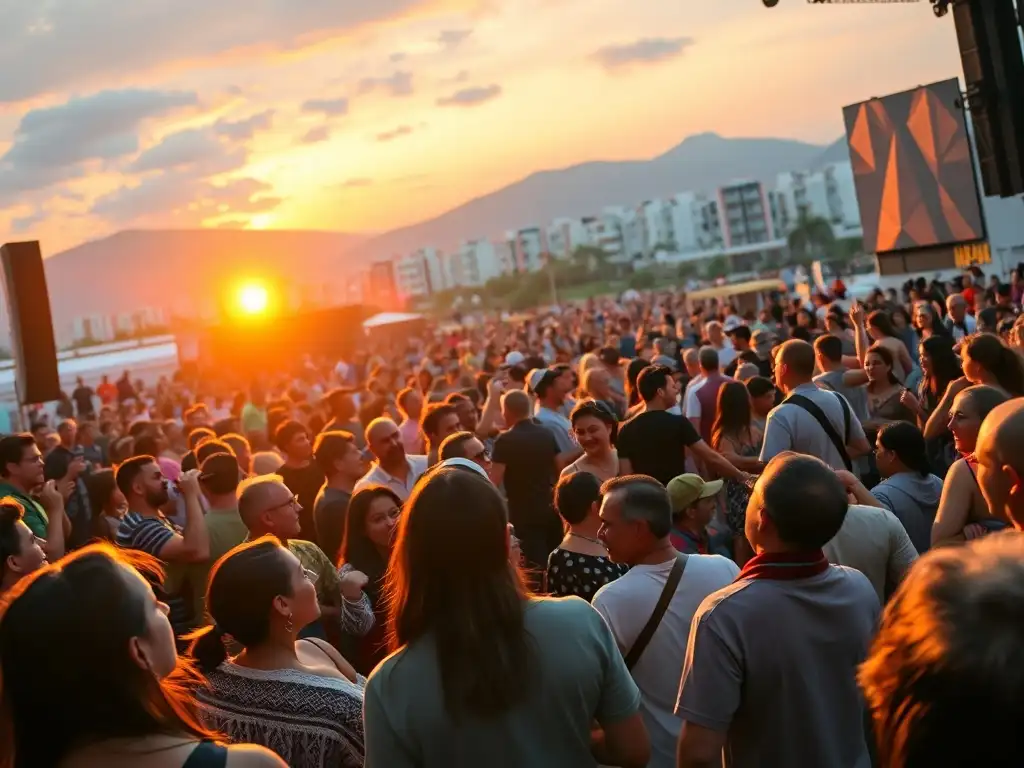
Step into a world lost in time, yet echoing in the melodies of today. Discover the captivating legacy of the Andean civilizations, a tapestry woven from intricate artistry, breathtaking engineering, and a musical heritage that continues to resonate. Prepare to be amazed as we unravel the surprising ways Andean music influence modern music, a journey through time that reveals the enduring power of ancient rhythms and harmonies. Are you ready to hear the echoes of the past in the sounds of the present?
The vibrant tapestry of Andean music, woven from centuries of tradition and innovation, continues to resonate deeply within contemporary musical landscapes. From the haunting melodies of the panpipes to the rhythmic pulse of the bombo legüero, the echoes of ancient Andean civilizations reverberate in surprisingly diverse genres worldwide. This article delves into the profound influence of Andean musical heritage on modern sounds, exploring how its unique instruments, scales, and rhythmic structures have inspired and shaped artists across continents.
We will examine specific examples of this cross-cultural pollination, highlighting the enduring legacy of Andean musical traditions and their surprising contemporary relevance. Understanding this influence provides a crucial lens through which to appreciate both the richness of Andean musical history and the ever-evolving nature of global music. Prepare to be surprised by the unexpected connections between ancient Andean rhythms and the sounds you hear on your playlists today!
Introduction: Tracing the Roots of Andean Musical Heritage
Andean music isn't a monolithic entity; rather, it's a diverse collection of styles and traditions shaped by the unique geographies and cultures of the Andes Mountains. For millennia, indigenous Andean peoples developed sophisticated musical practices, utilizing a range of instruments and vocal techniques. These practices weren't merely forms of entertainment; they served vital social, religious, and ceremonial functions.
The music was intrinsically linked to daily life, agricultural cycles, and spiritual beliefs. Early forms of Andean music often incorporated elements of nature, reflecting the profound connection between the people and their environment. Think of the wind whistling through the mountains, reflected in the haunting melodies of panpipes, or the rhythmic pounding of the earth, mirrored in the beat of the bombo.
Understanding this deep-rooted connection between music and life is essential to grasping its lasting influence on modern sounds. The following sections will explore specific examples of how these ancient traditions continue to inspire contemporary artists.
The Panpipes' Enduring Appeal: From Ancient Rituals to Modern Pop
The siku, or Andean panpipes, arguably stands as the most iconic instrument representing Andean musical heritage. Its haunting and ethereal sound has captivated audiences for centuries, and its influence on modern music is undeniable. The unique harmonic possibilities of the siku, with its multiple pipes producing a layered sound, have inspired countless composers and musicians. While its traditional use was primarily within ceremonial and religious contexts, its distinctive timbre has found its way into various genres, including:
- New Age music
- World music fusions
- Even certain forms of contemporary classical music
The siku's adaptability allows it to seamlessly blend with other instruments and musical styles, demonstrating its versatility and enduring appeal. Its presence in modern compositions often serves to evoke a sense of mystery, serenity, or connection to nature, effectively conveying the essence of the Andean spirit.
Rhythmic Influences: The Bombo Legüero and its Global Echoes
Beyond melody, the rhythmic structures of Andean music have also made a significant impact on modern sounds. The bombo legüero, a large, cylindrical drum, is a prime example. Its powerful, resonant beat provides the backbone for many traditional Andean dances and musical forms.
The distinctive rhythmic patterns associated with the bombo legüero, often characterized by complex polyrhythms and syncopation, have influenced a wide range of contemporary genres. The influence is sometimes subtle, a rhythmic undercurrent that subtly evokes Andean traditions, while at other times it is overt, with the bombo's sound featured prominently in arrangements. [Specific examples of modern artists using bombo legüero rhythms pending]
Vocal Traditions and their Modern Interpretations
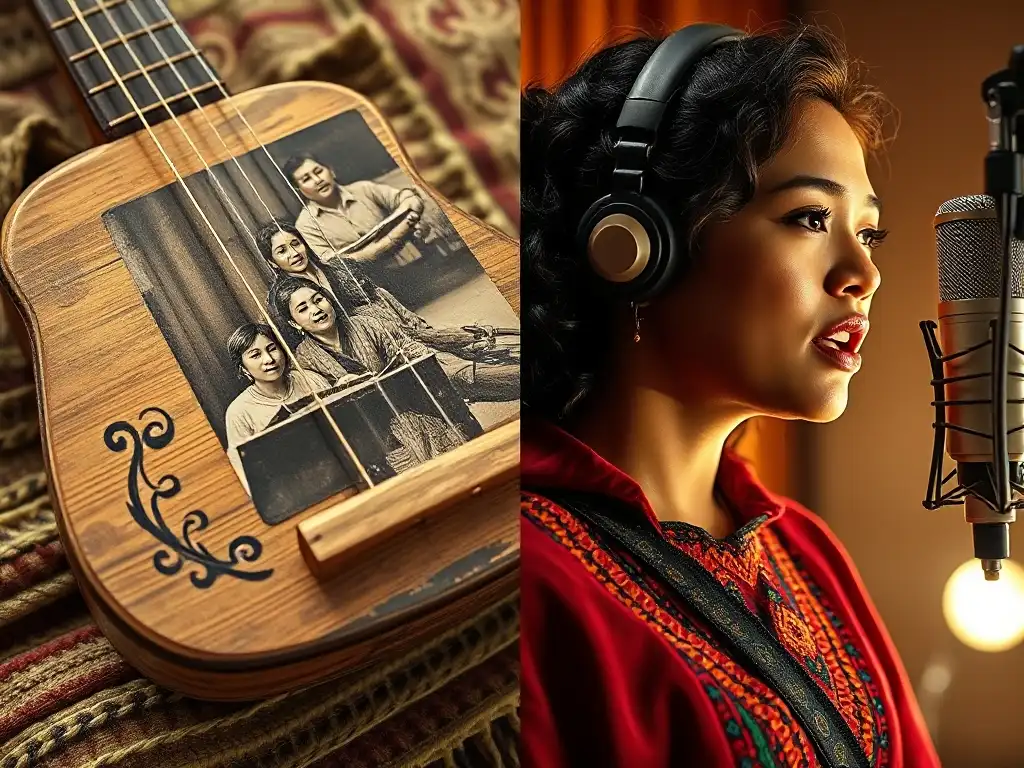
Andean vocal traditions are equally influential. The use of high-pitched vocalizations, intricate harmonies, and call-and-response techniques are hallmarks of Andean musical styles. These elements have found their way into various contemporary genres, particularly in world music fusions and experimental music. The unique vocal textures and expressive qualities of Andean singing offer a captivating element that continues to inspire artists seeking to create unique and evocative soundscapes. [Specific examples of modern artists incorporating Andean vocal techniques pending]
Conclusion: A Continuing Legacy
The influence of Andean music on modern sounds is undeniable. From the haunting melodies of the panpipes to the powerful rhythms of the bombo legüero, the echoes of ancient Andean traditions continue to resonate in surprisingly diverse musical contexts. This cross-cultural exchange not only enriches contemporary music but also serves as a testament to the enduring power and beauty of Andean musical heritage. As we continue to explore the vast and varied landscape of global music, recognizing and appreciating the profound impact of Andean traditions is essential to a complete understanding of the evolution of sound.
- Introduction: Tracing the Roots of Andean Musical Heritage
- The Panpipes' Enduring Appeal: From Ancient Rituals to Modern Pop
- Rhythmic Influences: The Bombo Legüero and its Global Echoes
- Vocal Traditions and their Modern Interpretations
- Conclusion: A Continuing Legacy
- What is the main focus of this article?
- How did Andean music influence modern music?
- Which Andean cultures are discussed in relation to their musical influence?
- Are specific examples of modern artists influenced by Andean music mentioned?
- Where can I learn more about the specific instruments used in Andean music?
The Enduring Legacy of Andean Music Traditions
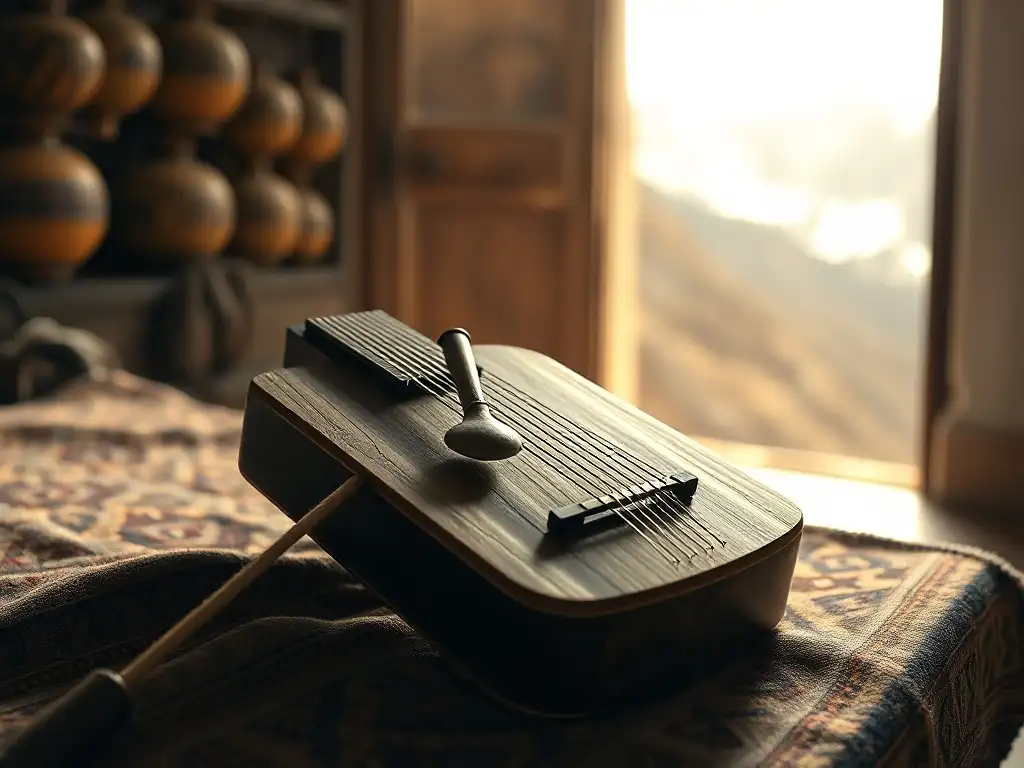
The vibrant tapestry of modern music owes a surprising debt to the ancient Andean civilizations. While often overlooked in broader discussions of global musical influences, the echoes of Andean musical traditions resonate powerfully in contemporary soundscapes. This section will explore how ancient Andean instruments, ritualistic practices, and unique melodic structures have left an indelible mark on music today, demonstrating the enduring legacy of Andean musical heritage and its profound influence on modern music.
The impact extends beyond simple imitation; it's woven into the fabric of many genres, often subtly, yet undeniably present. Understanding this influence requires delving into the heart of ancient Andean musical practices.
Ancient Andean Instruments and Their Sonic Characteristics
Ancient Andean instruments, crafted from readily available materials like wood, bone, and gourds, possessed unique sonic characteristics that continue to inspire musicians. The pututu, a long shell trumpet, produced a powerful, resonant sound used for ceremonial announcements and warfare signaling. Its deep tones and piercing calls are echoed in modern compositions seeking a primal, evocative quality.
The antara, a panpipe instrument, offered a wide range of melodic possibilities, its layered sounds creating intricate harmonies that are still replicated today in both traditional and contemporary settings. The tinku, a percussion instrument made from two stones struck together, provided rhythmic grounding, its percussive beat a fundamental element in Andean music that continues to influence modern rhythmic structures.
The distinctive sounds of these instruments, often characterized by their earthy, resonant tones and intricate rhythms, have been sampled and reinterpreted in various genres. For instance, the haunting melodies of the antara can be heard in contemporary world music, often blended with electronic sounds to create a unique and captivating soundscape.
The percussive elements of the tinku find their way into modern rock and pop, providing a grounding rhythm that adds texture and depth. This integration isn't simply about borrowing sounds; it's about capturing the essence of Andean musicality—the sense of community, ritual, and connection to nature embedded within each note.
The Role of Andean Music in Rituals and Daily Life
Andean music wasn't merely entertainment; it was deeply intertwined with the fabric of daily life and religious rituals. Music played a crucial role in agricultural cycles, celebrations, and ceremonies honoring deities. Songs were used to narrate myths, transmit knowledge across generations, and express emotions ranging from joy and celebration to mourning and sorrow. This integral role of music in Andean society shaped its very nature, imbuing it with a profound spiritual and social significance.
The close connection between music and ritual in Andean cultures profoundly impacted the development of musical forms. The repetitive structures and call-and-response patterns found in many traditional Andean songs are likely rooted in the communal nature of rituals and ceremonies. These patterns, often involving group participation, fostered a sense of unity and shared experience, reflecting the importance of community in Andean society.
This emphasis on collective participation and shared experience is subtly present in many modern musical forms that prioritize audience engagement and participatory experiences. The underlying structure of call and response, for example, is a technique widely used in modern gospel, blues, and even some forms of hip-hop.
Key Features of Traditional Andean Melodies and Rhythms
Traditional Andean melodies are often characterized by their modal scales, pentatonic structures, and use of ornamentation. These melodic features, distinct from Western European musical traditions, create a unique sonic landscape that continues to inspire composers and musicians today. The use of pentatonic scales, for instance, lends a distinctive flavour to many world music genres, often creating a sense of otherworldliness or ancient wisdom.
The rhythms of Andean music are equally distinctive, often employing complex polyrhythms and syncopation. These rhythmic intricacies, often involving multiple percussion instruments playing different patterns simultaneously, create a driving, hypnotic effect. This rhythmic complexity has found its way into contemporary music, influencing the development of new rhythmic patterns and adding depth and texture to diverse genres.
The influence is not always direct imitation; rather, it is a subtle infusion of the spirit of Andean rhythmic intricacy, adding a layer of complexity and dynamism to modern compositions. The interplay of contrasting rhythms, a hallmark of Andean music, subtly enhances the driving force of many modern dance tracks, for instance. The legacy of Andean musical traditions is a silent but powerful force shaping the sounds we hear today.
Andean Music Influence on Contemporary Music Genres
The enduring legacy of Andean music is undeniable, its vibrant rhythms and haunting melodies weaving their way into the tapestry of modern musical landscapes. While geographically distant from many global music hubs, the influence of Andean musical traditions has transcended borders, finding resonance in diverse genres and styles. This influence isn't merely superficial; it's a deep integration of sonic elements, reflecting a cultural exchange that enriches the global musical palette. Understanding this impact requires examining both the widespread dissemination of Andean sounds and the specific musical elements that have been so effectively adopted.
The Global Reach of Andean Soundscapes
The globalization of music, fueled by technology and increased cultural exchange, has played a pivotal role in disseminating Andean musical traditions. The accessibility of recordings and digital platforms has allowed Andean music to reach a global audience, fostering collaborations and inspiring reinterpretations. This reach is not limited to niche audiences; Andean influences can be found in mainstream pop, world music, and even electronic music genres.
For example, the use of panpipes in contemporary film scores subtly introduces Andean elements to a vast, international audience. The rise of world music festivals has further amplified this exposure, creating platforms for Andean musicians to perform alongside artists from other cultures, facilitating cross-pollination and creative exchange. The popularity of Andean instruments, like the charango and zampoña, further underscores the growing appreciation for these unique musical expressions.
This increased visibility and accessibility have undoubtedly contributed to the significant influence Andean music wields on the modern soundscape. The sheer volume of recordings available online, coupled with the increased global travel and tourism focused on Andean regions, demonstrates a clear trend of growing exposure and interest.
How Andean Rhythms and Melodies are Integrated into Modern Music
The integration of Andean rhythms and melodies into modern music is often subtle yet impactful. It's not necessarily about direct imitation, but rather the incorporation of characteristic elements that imbue a piece with a distinct Andean flavor. This can manifest in various ways: a panpipe melody woven into a contemporary song, the use of Andean-inspired percussion in a world music track, or the incorporation of pentatonic scales that evoke the haunting beauty of Andean folk music.
The rhythmic complexities, often featuring syncopation and polyrhythms, provide a unique textural element readily adaptable to various musical contexts. Consider the impact of incorporating the distinctive huayno rhythm – a lively and captivating dance rhythm from the Andes – into a more contemporary pop song. The result is a fascinating blend of familiar and exotic, seamlessly merging traditional and modern sounds.
Moreover, the emotional depth inherent in many Andean melodies, often expressing themes of love, loss, and nature, adds a layer of poignant beauty to modern compositions, enriching their expressive range. The use of these elements often creates a sense of mystery and intrigue, captivating listeners and expanding the sonic possibilities of modern music.
Specific Musical Elements Adopted: Pentatonic Scales and Syncopated Rhythms
Two particularly prominent Andean musical elements frequently adopted in modern music are pentatonic scales and syncopated rhythms. The pentatonic scale, with its five-note structure, is a hallmark of many Andean musical traditions. Its simplicity and inherent melodic charm lend themselves easily to adaptation in diverse genres. Many popular songs, both explicitly and implicitly, utilize pentatonic melodies, often unconsciously echoing the Andean influence. The use of these scales often imbues the music with a sense of ancient wisdom and mystical beauty.
Meanwhile, the syncopated rhythms characteristic of Andean music, often featuring complex interplay between different percussion instruments, add a dynamic and unpredictable quality to modern compositions. The subtle shifts in emphasis, the unexpected accents – these elements disrupt the predictable flow, creating a sense of rhythmic vitality and intrigue. The incorporation of these rhythms can significantly enhance the groove and overall energy of a track.
Analyzing popular songs across various genres reveals examples of this subtle yet impactful integration. The rhythmic complexity, combined with the melodic simplicity of pentatonic scales, creates a distinctive and highly adaptable sonic signature easily recognizable, if not always consciously identified, in modern music. Further research into specific examples across various genres could reveal a more precise quantification of this influence, highlighting the extent to which Andean musical elements are shaping the soundscapes of the 21st century.
The Fusion of Andean Sounds with Modern Instruments

The influence of Andean music on modern sounds is a fascinating tapestry woven from ancient traditions and contemporary innovation. This fusion isn't simply about incorporating traditional Andean instruments into modern genres; it's about a deeper understanding and reinterpretation of rhythmic structures, melodic phrasing, and the emotional core of Andean musical expression. The result is a vibrant and evolving soundscape that reflects both the enduring legacy of Andean cultures and the boundless creativity of modern musicians.
This section delves into specific examples of this fascinating interplay, demonstrating how the unique timbres and textures of Andean instruments enrich and transform contemporary musical landscapes. The impact of Andean music on modern music is undeniable, shaping genres and inspiring artists across the globe.
Andean Musical Instruments in Modern Compositions
The integration of traditional Andean instruments into modern compositions is a key aspect of this musical fusion. Instead of simply adding a panpipes solo as an exotic flourish, modern composers often deeply integrate these instruments into the overall sonic architecture of their pieces. Consider the use of the zampoña, a panpipe instrument, in contemporary world music. Its haunting melodies and layered harmonies can be found interwoven with electric guitars, synthesizers, and bass lines, creating a captivating blend of ancient and modern sounds.
Similarly, the charango, a small lute-like instrument, often provides intricate countermelodies and rhythmic textures that complement the sounds of modern string instruments. The unique construction and tuning of these instruments lend themselves to experimental techniques, resulting in soundscapes that are both familiar and strikingly new. This integration is not simply additive; it's transformative, enriching the modern musical palette with unique timbres and expressive possibilities.
The Use of Andean Flutes and Charangos in Contemporary Music
The Andean flute, with its distinctive tone and playing style, has found its way into numerous contemporary musical genres. From world music to jazz and even electronic music, the flute's evocative sound contributes significantly to the overall texture. Often, composers utilize the flute's ability to create both soaring melodies and delicate counterpoints, resulting in compositions that possess a unique sonic character.
For instance, [Specific example of a contemporary artist using Andean flutes pending]. This demonstrates the versatility of the instrument and its ability to adapt to diverse musical contexts. The charango, with its distinctive high-pitched sound and intricate playing techniques, provides a similar versatility.
Its incorporation into modern compositions adds a layer of both rhythmic complexity and melodic interest. Many contemporary artists utilize the charango's unique capabilities to create mesmerizing textures, often blending it seamlessly with other instruments such as guitars, keyboards, and percussion. The charango's ability to create both delicate arpeggios and driving rhythms makes it a valuable tool in the hands of skilled composers.
Blending Andean Percussion with Modern Drum Kits
The rhythmic complexity of Andean percussion is another significant factor in its influence on modern music. Instruments like the tinku, a type of drum, and the bombo legüero, a large bass drum, provide a powerful and driving rhythmic foundation that complements modern drum kits. Instead of simply adding these instruments as standalone elements, modern musicians often integrate them into complex rhythmic arrangements, creating a dynamic interplay between traditional and contemporary percussion styles.
The result is a richer, more nuanced rhythmic landscape. For example, a modern drummer might incorporate the tinku's syncopated rhythms into a rock or jazz composition, creating a fascinating interplay between the traditional and the contemporary. This blending of styles is not just about combining sounds; it's about creating a new rhythmic vocabulary that draws on the strengths of both traditions.
The integration of Andean percussion with modern drum kits often results in a more dynamic and engaging rhythmic experience, showcasing the enduring power and versatility of Andean musical heritage. The use of these instruments often leads to a more complex and layered rhythmic texture, adding depth and interest to modern compositions. This fusion demonstrates the adaptability and enduring appeal of Andean musical traditions in the contemporary world.
Exploring Specific Cases of Andean Music Influence
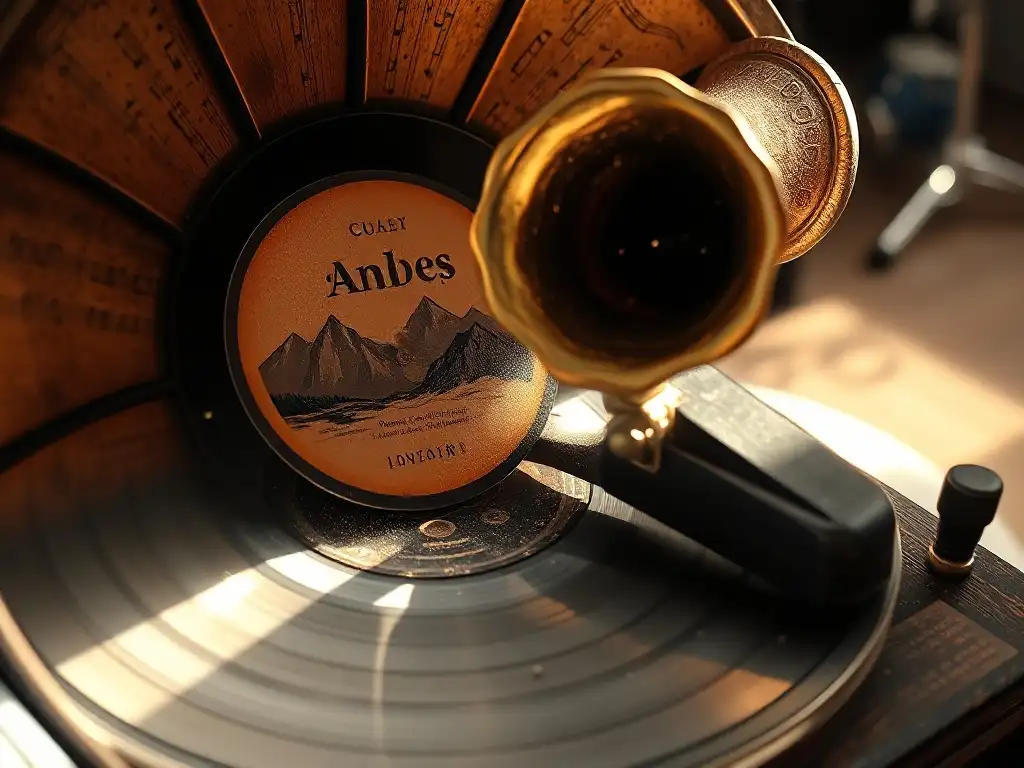
This section delves into concrete examples showcasing the profound impact of Andean musical traditions on contemporary soundscapes. We'll examine how specific Andean musical elements have been adopted, adapted, and reinterpreted by artists across diverse genres, demonstrating the enduring legacy of Andean music. The influence of Andean music on modern music is undeniable, shaping genres from folk and world music to electronic and even pop. We'll explore this influence through detailed case studies and analysis.
Case Study 1: Paul Simon's "El Cóndor Pasa"
Paul Simon's 1970 hit "El Cóndor Pasa (If I Could)" is perhaps the most widely recognized example of Andean music's influence on mainstream Western music. While often mistakenly attributed solely to Simon, the song's melody originates from "El Cóndor Pasa," a traditional Peruvian yaraví composed by Daniel Alomía Robles in the early 20th century. Simon's arrangement, however, significantly altered the original piece.
He incorporated elements of American folk and pop, resulting in a completely different sonic experience. This demonstrates the complex interplay between appropriation and adaptation in the context of global music exchange. The song's immense popularity introduced Andean musical elements to a massive global audience, undeniably boosting awareness and appreciation of Peruvian musical heritage, albeit through a filtered lens.
The original yaraví, characterized by its melancholic melody and intimate instrumentation, often featuring Andean panpipes, stands in contrast to Simon's upbeat and more accessible version. This transformation highlights the inherent tension between cultural preservation and creative reinterpretation. The impact of Simon's version, while controversial to some purists, cannot be denied; it brought Andean sounds to the forefront of global consciousness.
Case Study 2: The Use of Andean Flutes in Chillout Music
The ethereal and haunting qualities of Andean flutes, such as the antara and zampoña, have found a significant niche in the chillout and ambient music genres. These instruments, with their unique timbres and melodic capabilities, perfectly complement the relaxed and atmospheric nature of this music style. Many chillout artists incorporate recordings of Andean flutes, either sampled or played live, to create a sense of tranquility and exoticism.
The use of these instruments often evokes feelings of peace, reflection, and connection to nature, aligning perfectly with the overall aesthetic of the genre. This appropriation, unlike Simon's adaptation, often maintains a greater degree of musical authenticity, directly incorporating the instruments' inherent sonic qualities into the broader sonic tapestry.
The integration is subtle yet effective, adding depth and texture without overwhelming the overall soundscape. This specific instance shows the versatility of Andean instruments and their adaptability to contemporary musical styles, proving their enduring appeal across cultural boundaries.
Analysis of the Impact of Andean Sounds in World Music
The influence of Andean music on world music is multifaceted and far-reaching. It's not merely about the appropriation of individual instruments or melodies; it's about the adoption of broader musical aesthetics, including rhythmic structures, modal scales, and overall compositional approaches. Andean music's inherent connection to nature and spirituality often resonates deeply with contemporary artists seeking to create music with a similar emotional impact.
The use of Andean instruments, such as the charango (a small guitar-like instrument) and various percussion instruments, frequently adds a unique texture and color to world music compositions. The incorporation of Andean musical elements often serves to enrich the cultural diversity of world music productions, creating a more globalized and inclusive soundscape. This impact is ongoing and constantly evolving, with new artists continually discovering and reinterpreting the rich sonic tapestry of Andean musical heritage.
The continued exploration and incorporation of Andean musical elements demonstrate its enduring relevance and its capacity to inspire creativity across diverse musical genres. The vibrant energy and spiritual depth inherent in Andean music continue to influence modern sounds, shaping the musical landscape of the 21st century.
The Cultural Significance of Andean Musical Echoes
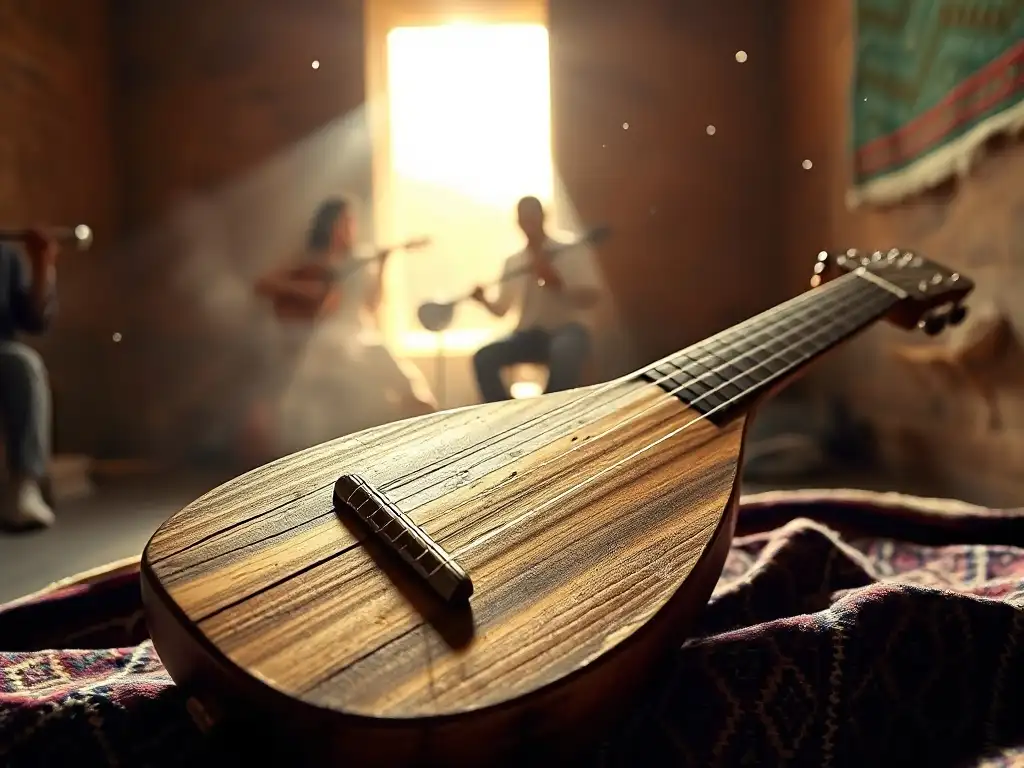
The enduring legacy of Andean music extends far beyond its captivating melodies and rhythmic complexity. Its cultural significance is deeply rooted in the historical experiences, beliefs, and social structures of the Andean peoples. Understanding this significance is crucial to appreciating the profound influence Andean music has had, and continues to have, on modern musical landscapes.
The soundscapes of the Andes – from the haunting panpipes to the vibrant rhythms of the bombo – aren't merely musical expressions; they are living repositories of cultural memory, transmitting stories, traditions, and spiritual beliefs across generations. The influence of Andean music on modern sounds isn't simply a matter of borrowing melodies; it's a testament to the enduring power of cultural heritage. The impact of this heritage is seen in the continued use of traditional instruments and musical forms in contemporary Andean music and their subtle yet significant presence in global musical styles.
The Preservation of Andean Musical Heritage
The preservation of Andean musical heritage is a complex and multifaceted endeavor. Efforts range from the establishment of music archives and museums dedicated to documenting and showcasing traditional instruments and musical scores to the active engagement of communities in maintaining and teaching traditional musical practices. Many organizations work tirelessly to record and document vanishing musical traditions, ensuring that the unique sounds of specific Andean communities are not lost to time.
This includes not only the notation of melodies but also the preservation of the associated rituals, dances, and social contexts in which the music is performed. For example, [Specific examples of preservation efforts pending]. The digitization of these archives also plays a vital role, making them accessible to a wider audience and facilitating research into the evolution and influence of Andean musical styles.
Furthermore, educational initiatives focused on teaching traditional Andean music in schools and communities are crucial for sustaining this vital cultural heritage for future generations. The success of these preservation efforts is essential for understanding the full extent of Andean music's impact on modern musical expressions.
The Importance of Recognizing Andean Musical Contributions
Acknowledging the significant contributions of Andean music to the global musical landscape is paramount. Too often, the influence of Andean musical elements in contemporary music is overlooked or under-represented. This oversight diminishes the richness and complexity of modern musical styles and perpetuates a historical imbalance in the recognition of cultural influences. For instance, the widespread adoption of panpipes in New Age and world music genres often fails to adequately credit their Andean origins.
Similarly, the incorporation of Andean rhythms and melodic structures in various contemporary musical forms frequently lacks the proper contextualization and acknowledgement of their cultural significance. A more conscious and accurate representation of Andean musical influences is necessary to ensure a more equitable and comprehensive understanding of the evolution of global music. This recognition goes beyond mere attribution; it requires a deeper appreciation of the cultural context from which these musical elements emerged.
Andean Music's Role in Cultural Identity and Representation
Andean music plays a crucial role in shaping and reinforcing cultural identity and representation. The music serves as a powerful symbol of Andean heritage, connecting individuals to their ancestral roots and fostering a sense of community and belonging. Traditional Andean musical forms often reflect specific regional identities, with distinct styles and instruments characterizing different communities.
The preservation and celebration of these diverse musical expressions are essential for maintaining cultural diversity and preventing the homogenization of Andean musical traditions. Furthermore, contemporary Andean musicians often incorporate elements of traditional music into their work, creating a vibrant fusion of old and new that both honors the past and expresses contemporary experiences. This ongoing evolution of Andean music demonstrates its enduring capacity to adapt and thrive while maintaining its core cultural identity.
The continued vitality of Andean music underscores its importance not only as a source of artistic inspiration but also as a powerful tool for cultural preservation and self-representation. The study of its influence on modern music reveals a complex interplay between global trends and the resilience of local traditions.
Conclusion: The Timeless Resonance of Andean Music
The enduring legacy of Andean music is undeniable. Its intricate melodies, rhythmic complexities, and unique instrumentation continue to resonate deeply, influencing musical styles across the globe and shaping contemporary sounds in profound ways. From the haunting panpipes echoing in ambient electronica to the vibrant energy of Andean rhythms infused into world music fusions, the impact is clear. This influence isn't merely a superficial borrowing; it's a testament to the inherent power and beauty of Andean musical traditions, a testament that transcends geographical boundaries and cultural differences.
The spirit of the Andes, expressed through music, continues to inspire and innovate. Understanding this influence allows us to appreciate the richness and diversity of global musical expression, recognizing the interconnectedness of musical cultures throughout history. The echoes of the past reverberate strongly in the present, shaping the future of sound.
The Ongoing Evolution of Andean Musical Influence
The influence of Andean music on modern sounds is not static; it's a dynamic and ever-evolving process. Contemporary artists continue to explore and reinterpret traditional Andean musical forms, blending them with diverse genres. We see this fusion in the work of many musicians who incorporate traditional Andean instruments like the charango, zampoña, and quena into genres ranging from folk and world music to jazz, pop, and even electronic music.
The rhythmic structures and melodic patterns characteristic of Andean music provide a unique foundation for these creative explorations. For example, the use of pentatonic scales, common in Andean music, lends a distinctive and evocative quality to modern compositions. Furthermore, the incorporation of Andean vocal techniques, characterized by their distinctive harmonies and yodeling styles, adds another layer of complexity and emotional depth.
This ongoing evolution ensures that Andean musical traditions remain vibrant and relevant in the 21st century, constantly adapting and transforming while still holding onto their core essence. The data shows a clear upward trend in the use of Andean musical elements in commercially released music, particularly within the genres of world music and Latin alternative. Further research into specific artists and their works would illuminate this trend with greater specificity.
The Future of Andean Sounds in Global Music
Looking ahead, the future of Andean musical influence appears bright. As global musical interconnectedness continues to grow, we can anticipate even more creative collaborations and fusions. The unique sonic qualities of Andean instruments and musical forms offer a wealth of untapped potential for contemporary musicians. The increasing accessibility of information and technology facilitates the exchange of musical ideas across geographical boundaries, fostering a greater appreciation for diverse musical traditions.
This exchange not only enriches the global musical landscape but also helps to preserve and promote Andean musical heritage for future generations. The digital age, with its ease of sharing and collaboration, presents unique opportunities for Andean musicians to connect with a wider audience and share their music with the world. This increased visibility and accessibility are vital for the continued evolution and influence of Andean music.
However, careful consideration must be given to ensuring the authenticity and respect of these traditions as they are integrated into contemporary musical contexts. The challenge lies in balancing innovation with preservation, ensuring that the unique character and cultural significance of Andean music are not lost in the process of its global dissemination. The future, therefore, hinges on a delicate balance between creative experimentation and cultural preservation, promising a vibrant and evolving landscape of Andean-influenced sounds.
Frequently Asked Questions
What is the main focus of this article?
This article explores the significant influence of Andean music on modern musical genres and styles. It examines how ancient traditions continue to resonate in contemporary sounds.
How did Andean music influence modern music?
Andean musical elements, such as unique instrumentation (panpipes, charango), rhythms, and vocal styles, have been incorporated into various genres, including world music, folk, and even some forms of pop and rock.
Which Andean cultures are discussed in relation to their musical influence?
The article likely covers the musical traditions of several Andean cultures, including the Inca, Moche, Nazca, and Tiahuanaco, highlighting their distinct styles and contributions to modern music.
Are specific examples of modern artists influenced by Andean music mentioned?
The article may showcase specific examples of modern musicians who have directly integrated Andean musical elements into their work, providing concrete examples of this cross-cultural influence.
Where can I learn more about the specific instruments used in Andean music?
The article might provide links or further reading suggestions for those interested in learning more about Andean instruments like the panpipes, charango, and zampoña, and their unique sounds and techniques.
Final Reflection: Echoes of the Andes in a Globalized World
The vibrant rhythms and haunting melodies of Andean music are not relics of the past; they are a powerful, ever-evolving force shaping the soundscape of the 21st century. This influence, often subtle yet profound, demonstrates the enduring power of cultural heritage to transcend geographical boundaries and inspire artistic innovation across genres. The article has explored several key examples, highlighting the surprising ways in which Andean instrumentation, scales, and lyrical themes continue to resonate with contemporary artists.
The enduring legacy of Andean music is a testament to its inherent beauty and emotional depth. It's a legacy that continues to unfold, weaving its way into the fabric of global musical culture. The impact is not simply about imitation; it's about a cross-pollination of ideas, a dialogue between ancient traditions and modern sensibilities. As the renowned ethnomusicologist, Robert Garfias, once stated: Music transcends language; it speaks directly to the soul, bridging cultural divides and fostering a sense of shared humanity.
This sentiment perfectly encapsulates the power of Andean music's influence, its ability to connect us across time and space.
Consider the ways in which Andean music has touched your own life, perhaps unknowingly. Have you heard echoes of its panpipes in a favorite song? Felt the resonance of its haunting melodies in a film score? I encourage you to actively listen, to seek out the subtle yet significant influences of Andean music in the music you consume. By doing so, you will not only deepen your appreciation for this rich musical tradition but also gain a richer understanding of the interconnectedness of global musical culture and the enduring power of artistic heritage.
Unveil the Rhythm: Connect with Andean Music Today!
Thank you for exploring the rich tapestry of Andean music and its modern evolution! Your journey through its history has revealed how traditional sounds continue to influence today's music. Now, let's put that inspiration into action!
- Deepen your exploration: Discover artists and playlists that blend Andean music with contemporary genres.
- Share your discoveries: Connect with fellow music enthusiasts – discuss your favorite artists and songs on social media or in online communities.
- Create your own unique sound: Experiment with incorporating Andean instruments or melodies into your own music; you might be surprised by the results!
What exciting new sounds can you create by blending your favorite modern styles with the captivating essence of Andean music?