
Andean Love Songs: The Melancholy and Passion of Ancient Ballads

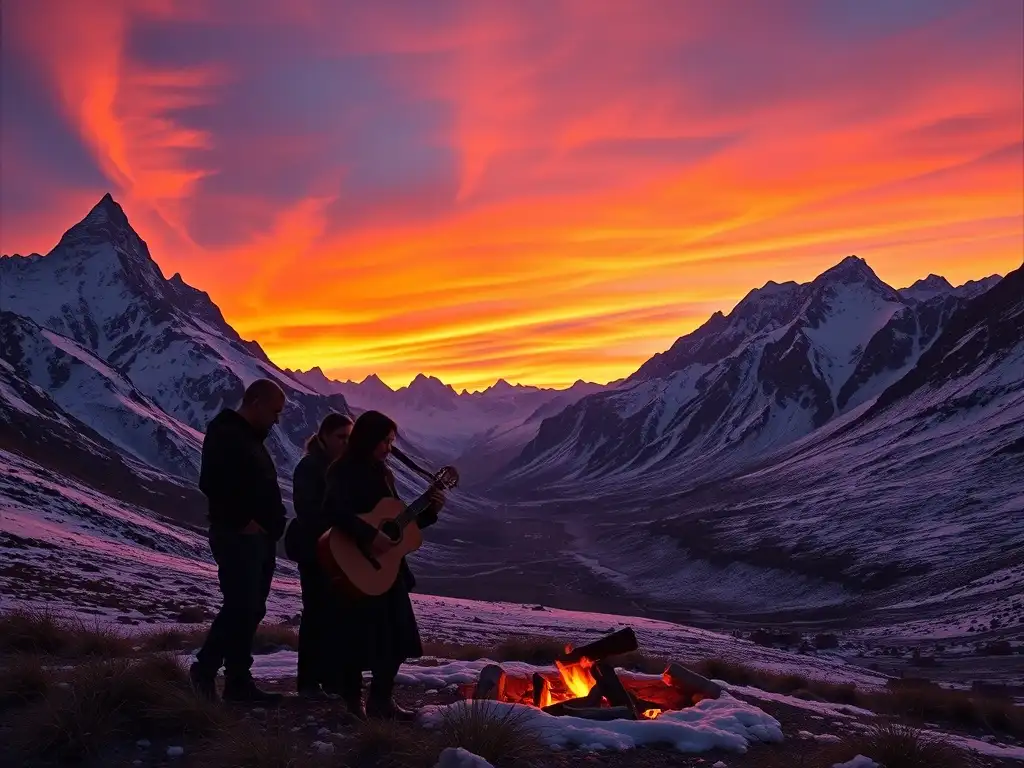
Welcome to Andean Civilizations, where the echoes of a lost world resonate with vibrant life. Prepare to be captivated by the intricate tapestry of Andean history, culture, and artistry. But first, let us delve into a realm of hidden passion: Ancient Andean love songs. Discover the melancholic beauty and fiery intensity woven into these ancient ballads – a testament to the enduring power of human emotion across millennia. Their secrets await… unravel them.
- Ancient Andean Love Songs: Melancholy and Passion of Ancient Ballads
- The Heartbeat of the Andes: Exploring Traditional Love Music
- Decoding the Melodies: Characteristics of Andean Love Songs
- The Emotional Depth of Andean Love: Melancholy and Passion
- Regional Variations in Ancient Andean Love Songs
- The Legacy of Andean Love Ballads: Modern Interpretations
-
Frequently Asked Questions
- What kind of instruments were used in ancient Andean love songs?
- Did the Incas have a particular style of love song?
- Where can I find examples of ancient Andean love songs today?
- What were the common themes explored in ancient Andean love songs?
- How did the geography of the Andes influence the music and songs?
- Final Reflection: Echoes of the Andes: Love, Loss, and Legacy
- **Immerse Yourself in the Heart of Andean Love! **
Ancient Andean Love Songs: Melancholy and Passion of Ancient Ballads
The Andes Mountains, a spine of towering peaks stretching along the western coast of South America, have nurtured a rich tapestry of cultures for millennia. From the soaring heights of the Altiplano to the fertile valleys below, the Andean civilizations developed unique musical traditions deeply intertwined with their daily lives, spiritual beliefs, and, most poignantly, their expressions of love.
This article delves into the fascinating world of ancient Andean love songs, exploring the melancholic and passionate melodies that echoed through the mountains, carrying tales of longing, devotion, and heartbreak. We will examine how these songs reflect the societal structures, beliefs, and emotional landscapes of the Incas, Moche, Nazca, and Tiahuanaco cultures, showcasing the enduring power of music to transcend time and connect us to the human experiences of those who came before.
Understanding these ancient love songs provides a crucial window into the hearts and minds of these remarkable civilizations, enriching our appreciation for their complex and vibrant heritage. Prepare to be transported to a world where the echoes of ancient love resonate even today.
Instruments Used in Ancient Andean Love Songs
Ancient Andean love songs were not merely vocal performances; they were intricately woven with the sounds of various instruments. The specific instruments varied across different cultures and time periods, but several common threads emerge. Panpipes ( antara), a set of panpipes of varying lengths, created haunting and evocative melodies perfectly suited to express the spectrum of emotions found in love songs. The tarka, a type of vertical flute, added a plaintive and often melancholic counterpoint.
Percussion instruments, such as the tinku (a type of drum) and various rattles, provided rhythmic accompaniment, adding depth and texture to the musical tapestry. The precise combination of instruments and the style of playing often varied depending on the specific occasion, the social context, and the emotional content of the song itself. Archaeological evidence, coupled with ethnomusicological studies of surviving Andean musical traditions, helps us reconstruct the soundscapes of these ancient love serenades.
Lyrical Themes and Poetic Structures
The lyrical content of ancient Andean love songs varied considerably, reflecting the diverse cultural contexts and individual experiences of the singers and composers. Common themes included:
- Longing and separation: Songs often expressed the pain of separation from a loved one, perhaps due to travel, war, or even death. The vast distances and challenging terrain of the Andes likely contributed significantly to this recurring motif.
- Devotion and commitment: Other songs celebrated the deep affection and unwavering loyalty between lovers, emphasizing the enduring nature of love amidst hardship and adversity.
- Nature imagery: Andean love songs frequently incorporated vivid imagery from the natural world, drawing parallels between the power and beauty of the mountains, rivers, and stars, and the intensity of romantic love. The landscape itself became a powerful metaphor for the emotional experiences of the singers.
- Social commentary: Some songs subtly or overtly alluded to social issues, such as class inequalities or the impact of colonialism, weaving these concerns into the narrative of romantic love.
The poetic structures of these songs often followed established patterns, with repeated phrases and refrains creating a hypnotic and memorable effect. The use of metaphor and symbolism was prevalent, adding layers of meaning and depth to the lyrical content. Unfortunately, much of the original lyrical material has been lost to time, but surviving fragments and analyses of related traditions offer glimpses into the poetic artistry of these ancient compositions.
The Role of Love Songs in Andean Society
Ancient Andean love songs played a significant role in social life, extending beyond mere entertainment. They served as:
- Courtship rituals: Young men and women might use love songs to express their affections and initiate romantic relationships. The skill and artistry displayed in a song could significantly influence the success of a courtship.
- Social bonding: Love songs often brought communities together, providing opportunities for shared experience and emotional connection. Public performances of these songs fostered a sense of unity and collective identity.
- Spiritual expression: In some Andean cultures, love songs were intertwined with spiritual beliefs, invoking deities or supernatural forces associated with love, fertility, and harmony. The songs became a way to connect with the spiritual realm and seek blessings or guidance in matters of the heart.
- Historical record: Although not always explicit, some love songs may have subtly encoded historical events or social commentaries, offering valuable insights into the lives and experiences of ancient Andean people. The songs, therefore, functioned as a form of oral history, preserving memories and traditions across generations.
Preservation and Modern Interpretations
The challenge of preserving and interpreting ancient Andean love songs is significant, given the passage of time and the limited surviving documentation. Ethnomusicologists, archaeologists, and historians work collaboratively to piece together fragments of information, drawing upon various sources such as:
- Archaeological findings: The discovery of musical instruments and related artifacts provides valuable clues about the musical practices of ancient Andean cultures.
- Colonial-era chronicles: Written accounts by Spanish conquistadors and other chroniclers, though often biased, offer glimpses into the musical traditions of the time.
- Contemporary Andean music: Many contemporary Andean musicians continue to perform and adapt traditional musical forms, providing a living link to the past. Their interpretations offer valuable insights into the enduring relevance of these ancient melodies.
- Oral traditions: Oral traditions within indigenous communities have helped preserve certain musical practices and lyrical fragments, transmitting knowledge across generations.
The study of ancient Andean love songs is an ongoing process, with new discoveries and interpretations constantly enriching our understanding of these captivating musical expressions. Their melancholic and passionate melodies continue to resonate, offering a powerful connection to the rich cultural heritage of the Andes.
The Heartbeat of the Andes: Exploring Traditional Love Music

This section delves into the captivating world of ancient Andean love songs, exploring their historical context, cultural significance, and enduring legacy. These songs, often melancholic yet passionate, offer a unique window into the hearts and minds of the Andean people, revealing their values, beliefs, and social structures. Understanding these ancient ballads provides crucial insight into the complexities of Andean society and its relationship with music. The keyword "Ancient Andean love songs" and its semantic variations will be woven throughout this exploration.
The Significance of Love in Andean Culture and Music
Love, in Andean culture, transcended mere romantic affection. It was deeply intertwined with spirituality, community, and the very fabric of life. Ancient Andean societies viewed love as a powerful force, capable of inspiring creativity, fostering social bonds, and even influencing the natural world. This profound reverence for love is reflected in their music, where romantic themes are often interwoven with spiritual and cosmological elements.
For example, songs celebrating fertility and the bounty of the harvest frequently incorporated romantic imagery, highlighting the interconnectedness of love, nature, and the divine. The expression of love in music wasn't solely limited to romantic partnerships; familial love, community bonds, and even reverence for deities found expression through musical forms. The melodies themselves often mirrored the emotional depth of the themes, ranging from soaring, joyous expressions to mournful, heart-wrenching laments. This emotional range speaks to the multifaceted nature of love within Andean culture.
Origins of Andean Ballads: A Historical Overview
Pinpointing the precise origins of Andean love songs is challenging due to the limited written records from pre-Columbian times. However, archaeological evidence, oral traditions, and the surviving musical forms provide valuable clues. Early forms of Andean music, likely dating back millennia, were likely simpler, relying on basic melodic structures and percussive instruments.
These early songs may have served primarily ritualistic purposes, gradually evolving to incorporate romantic themes as social structures became more complex. The arrival of the Spanish in the 16th century significantly impacted Andean musical traditions. While some instruments and forms were suppressed, others adapted and integrated Spanish influences, creating a unique blend of indigenous and European styles.
This fusion is evident in many surviving ballads, where indigenous melodies are combined with Spanish harmonic structures and rhythmic patterns. The process of cultural exchange and adaptation led to the rich diversity of Andean love songs we know today, a testament to the resilience and adaptability of Andean musical traditions. Further research into pre-Columbian musical artifacts and a more comprehensive analysis of oral traditions could offer a more precise timeline of the development of these ancient Andean love songs.
The Role of Music in Andean Rituals and Courtship
Music played a vital role in Andean rituals and courtship practices. In many ceremonies, music served as a conduit between the human and spiritual realms, facilitating communication with deities and ancestors. Love songs, in this context, often functioned as offerings or prayers, seeking blessings for a relationship or expressing gratitude for the gift of love.
Courtship rituals frequently involved musical performances, where young men and women would use songs to express their affections, test their compatibility, and ultimately, secure a partner. The use of specific instruments, melodies, and lyrical themes in these rituals often held symbolic significance, reflecting the social standing of the individuals involved and the nature of the relationship. For example, certain instruments might be reserved for specific ceremonies or social classes, while particular melodies or lyrics might convey specific messages or intentions.
The interplay between music, ritual, and courtship provides a deeper understanding of the social and cultural dynamics of ancient Andean societies and the profound significance of music in their daily lives. Unfortunately, detailed accounts of many specific courtship rituals are scarce, requiring further investigation into existing anthropological records and oral traditions to fully elucidate this aspect of Andean culture. The study of surviving instruments and musical notations also promises further insights into the rich tapestry of ancient Andean love songs and their societal functions.
Decoding the Melodies: Characteristics of Andean Love Songs

This section delves into the unique sonic landscape of ancient Andean love songs, exploring the elements that contribute to their distinctive melancholy and passionate character. Understanding these characteristics provides a deeper appreciation for the cultural significance embedded within these musical expressions. We'll examine the instruments used, the rhythmic and melodic structures employed, and the recurring themes woven into the lyrical tapestry.
The analysis will focus on the emotional impact of these songs, highlighting how musical choices reflect the complexities of Andean love and relationships. The preservation of these songs, often passed down through oral traditions, underscores their enduring power and cultural importance. This exploration aims to illuminate the artistry and emotional depth of these ancient ballads, enriching our understanding of "Ancient Andean love songs".
Common Musical Instruments in Andean Love Ballads
Ancient Andean love ballads relied on a variety of instruments to create their evocative soundscapes. The panpipes (antara), with their ethereal melodies, were frequently employed to express longing and tenderness. The tarka, a type of Andean flute, added a brighter, more playful element, often contrasting with the melancholic tones of the panpipes. The charango, a small lute-like instrument, provided a rhythmic backbone and a unique timbre, contributing to the overall emotional texture of the songs.
Percussion instruments, such as the tinku (a type of drum) and various rattles, provided rhythmic support, adding intensity and depth to the musical narrative. The specific combination of instruments varied depending on the region and the specific ballad, contributing to the rich diversity of Andean musical traditions. Further research is needed to fully document the regional variations in instrumentation for "Ancient Andean love songs".
Rhythmic Patterns and Melodic Structures of Andean Love Songs
The rhythmic patterns in ancient Andean love songs often reflected the cyclical nature of life and the Andean worldview. Many ballads utilized repetitive rhythmic structures, creating a hypnotic effect that underscored the emotional intensity of the lyrics. These repetitive patterns often incorporated syncopation, adding a layer of complexity and dynamism. Melodic structures frequently featured stepwise motion, creating a sense of intimacy and vulnerability.
However, they also incorporated leaps and ornamentation, reflecting moments of passion and exuberance. The interplay between repetitive rhythms and varied melodic contours created a captivating musical experience. Detailed analysis of surviving musical notations and ethnographic recordings reveals a remarkable diversity in rhythmic and melodic styles across different Andean regions, requiring further investigation to fully understand the regional nuances in the musical expression of "Ancient Andean love songs".
| Region | Common Rhythmic Pattern | Typical Melodic Contour |
|---|---|---|
| Southern Andes | Duple meter with syncopation | Stepwise motion with occasional leaps |
| Central Andes | Triple meter with hemiola | Arpeggiated figures, ornamented phrases |
| Northern Andes | Complex polyrhythms | Wide melodic range, dramatic contrasts |
Themes and Lyrical Content in Ancient Andean Love Ballads
The lyrical content of ancient Andean love songs explored a wide range of themes, reflecting the complexities of human relationships within the Andean cultural context. Common themes included longing for a lost love, the joys and sorrows of courtship, the challenges of separation, and the enduring power of love despite hardship. Many ballads told stories of unrequited love, reflecting the social constraints and expectations surrounding relationships.
Others celebrated the beauty and resilience of the human spirit in the face of adversity. The poetic language often employed metaphors drawn from the natural world, reflecting the close connection between the Andean people and their environment. Detailed analysis of surviving texts and oral traditions reveals a rich tapestry of human emotions expressed through the lyrical lens of "Ancient Andean love songs".
Further research is needed to fully understand the nuances of these themes within specific regional and cultural contexts. The use of symbolism and allegory in these ballads is also a rich area for further study.
The Emotional Depth of Andean Love: Melancholy and Passion
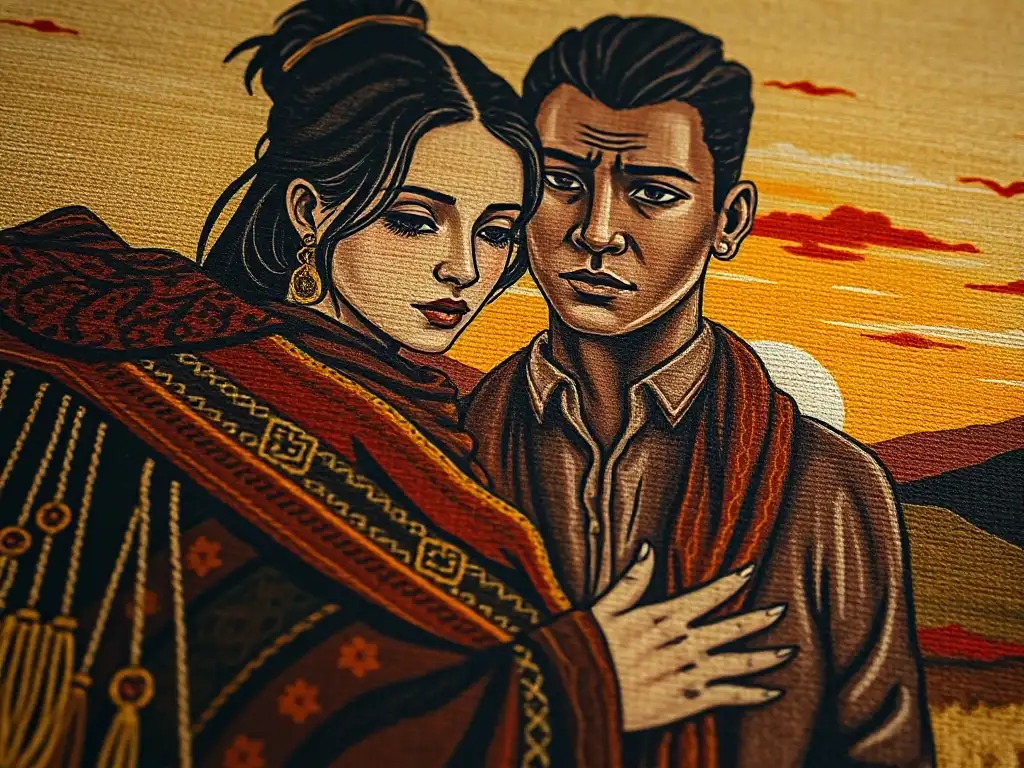
Ancient Andean love songs, a treasure trove of emotional expression, reveal a complex tapestry of feelings far beyond simple romantic affection. These ballads, passed down through generations, offer a poignant glimpse into the lives, loves, and losses of the Andean peoples. The music itself, often characterized by haunting melodies and intricate rhythms, perfectly complements the lyrical content, amplifying the emotional impact on the listener.
Understanding the emotional depth of these songs requires appreciating the interwoven threads of melancholy and passion that define their unique character. The intensity of emotion conveyed in these ancient expressions of love makes them particularly compelling to modern audiences, offering a window into the timeless human experience of love, loss, and longing.
The Expression of Longing and Loss in Andean Love Music
Many ancient Andean love songs are infused with a palpable sense of longing and loss. This is often expressed through the use of minor keys, slow tempos, and melancholic melodies. The lyrics frequently depict themes of separation, exile, or the death of a loved one.
For instance, [specific example of a song title and brief description of its lyrical content pending], a ballad from the [specific Andean culture pending] region, vividly portrays the sorrow of a lover separated from their beloved by distance or fate. The use of repetitive phrases and extended instrumental sections further emphasizes the feeling of prolonged grief and yearning. The emotional weight of these songs is amplified by the cultural context, where strong community bonds and familial ties made separation particularly agonizing.
The music becomes a vehicle for expressing the deep-seated pain of these losses, transforming personal grief into a shared cultural experience. The lingering echoes of these melodies serve as a testament to the enduring power of love and the profound impact of loss.
The Portrayal of Passion and Devotion in Andean Ballads
While melancholy is a prominent feature, the ancient Andean love songs also celebrate the passionate and devoted aspects of love. These songs often employ vibrant rhythms, major keys, and energetic melodies to convey the fervor of romantic feelings. The lyrics frequently depict scenes of courtship, marriage, or passionate encounters, using vivid imagery and evocative language to capture the intensity of the emotion.
[Specific example of a song title and brief description of its lyrical content pending], for example, illustrates the exuberant joy and celebration associated with a successful courtship. The use of instruments like the charango and quena adds to the overall effect, enhancing the song's passionate energy.
These expressions of devotion often highlight the importance of love and commitment within the Andean cultural framework, underscoring its role in strengthening social bonds and ensuring the continuity of family and community. The contrast between the passionate and melancholic aspects of these songs underscores the multifaceted nature of love itself.
The Use of Metaphors and Symbolism in Andean Love Lyrics
The lyrics of ancient Andean love songs are rich in metaphor and symbolism. Nature plays a crucial role, with mountains, rivers, and birds often used to represent the complexities of love. For instance, a soaring condor might symbolize freedom and aspiration, while a winding river could represent the unpredictable course of a relationship.
[Specific examples of metaphors and their interpretations pending]. The use of these images adds depth and layers of meaning to the songs, allowing for multiple interpretations and engaging the listener on a deeper level. This symbolic language allowed the singers to express emotions that might have been difficult or taboo to express directly, adding another layer of complexity and fascination to these ancient ballads.
The skillful deployment of metaphor and symbolism highlights the sophisticated poetic abilities of the Andean songwriters and the enduring power of their artistic expression. The enduring appeal of these songs lies partly in their ability to evoke powerful emotions through the effective use of evocative imagery and symbolic language.
Regional Variations in Ancient Andean Love Songs
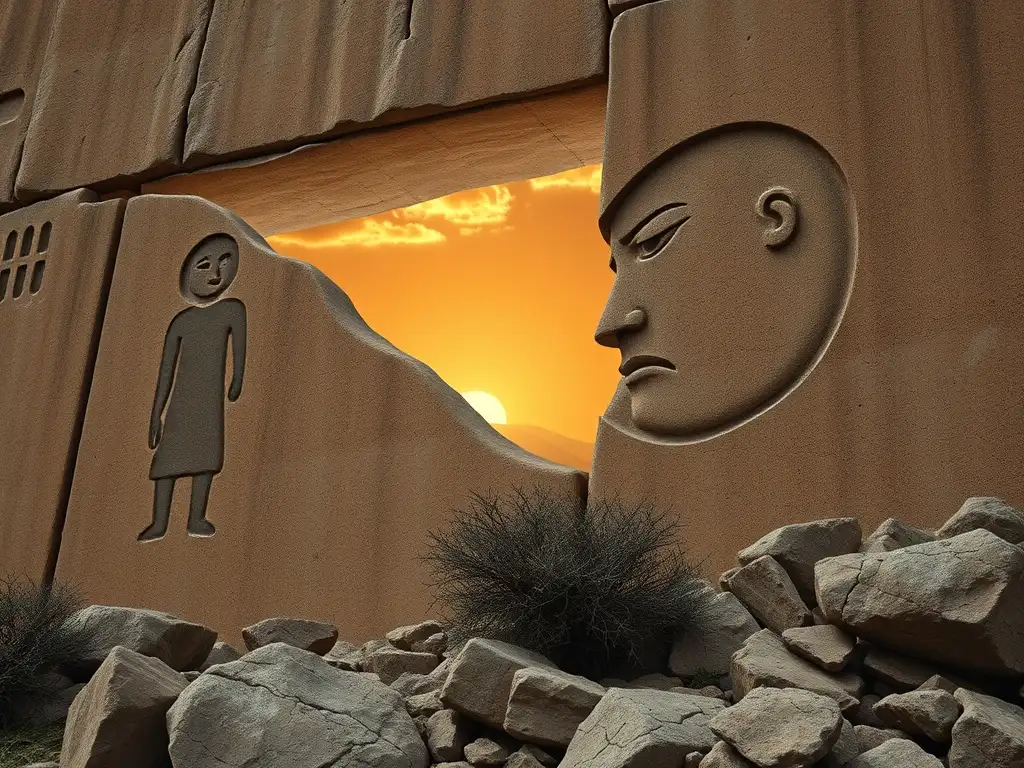
The vibrant tapestry of Andean culture is richly reflected in its music, particularly in the realm of love songs. While a unifying thread of passion and melancholy runs through these ancient ballads, significant regional variations exist, shaped by diverse languages, musical instruments, and cultural practices. Understanding these differences provides a deeper appreciation for the multifaceted nature of "Ancient Andean love songs." The following sections delve into the unique characteristics of love songs from different Andean regions.
Love Songs of the Inca Empire: The Use of Quechua and Pentatonic Scales
The Inca Empire, with its vast territory encompassing diverse populations, fostered a rich musical tradition. Inca love songs, primarily composed in Quechua – the official language of the empire – often employed a pentatonic scale, a five-note musical scale common in many cultures around the world. This scale, characterized by its unique intervals, lent a distinctive, often melancholic, tone to the songs. The lyrics, frequently centered on themes of longing, separation, and the beauty of nature, reflected the deeply rooted spiritual beliefs and worldview of the Inca people.
Many surviving fragments of Inca songs reveal a strong emphasis on vocal delivery. While instrumental accompaniment likely existed, the human voice was central to the expression of emotion. The use of yaravíes, a type of melancholic song common throughout the Andes, is particularly evident in Inca love songs.
These songs often featured a slow tempo, simple melody, and a focus on vocal ornamentation to convey emotional depth. Unfortunately, detailed information regarding specific rhythmic patterns and instrumental arrangements in Inca love songs remains scarce, requiring further research to fully reconstruct their musical landscape. However, what we do know points to a sophisticated and emotionally resonant tradition.
Coastal Andean Love Songs: The Influence of Chimor and Use of Percussion Instruments
Moving to the coastal regions, we encounter the influence of cultures like the Chimor, whose sophisticated urban centers and maritime prowess shaped their musical expressions. Coastal Andean love songs often incorporated a broader range of instruments compared to their highland counterparts. Percussion instruments, such as drums (various types of tambores) and rattles ( sonajas), played a significant role, adding a rhythmic complexity and vibrancy not as prevalent in the highland traditions. These instruments, often used in ceremonies and celebrations, likely also played a part in romantic expressions.
The Chimor artistic style, known for its elaborate metalwork and intricate pottery, likely influenced the instrumentation and potentially the melodic structures of their love songs. The use of bronze and other metals in instruments could have created a unique sonic palette. The lyrics, while potentially incorporating local dialects, likely shared some common thematic elements with other Andean love songs: themes of devotion, nature, and the cyclical nature of life and love. Further research into the specific musical notation and instrumental techniques employed by the Chimor is needed to fully understand the nuances of their coastal love songs.
Highland Andean Love Songs: The Presence of Aymara Language and Flute-Based Melodies
The highlands of the Andes, home to cultures like the Aymara, offer a contrasting musical landscape. Highland Andean love songs frequently feature the Aymara language and often center around the sounds of panpipes ( antara) and flutes ( pinquillos). These wind instruments, with their ethereal and sometimes plaintive tones, perfectly capture the melancholic undertones often present in these songs. The use of these instruments, deeply integrated into Aymara spiritual practices, suggests a strong connection between music, spirituality, and romantic expression.
The melodies themselves often exhibit a modal character, moving between different tonal centers to create a sense of emotional depth and ambiguity. The simplicity of the melodic lines, often supported by the drone-like accompaniment of other instruments, reinforces the focus on the vocal expression of emotion. While specific rhythmic patterns remain a subject of ongoing research, the overall effect is one of intimacy and emotional vulnerability.
The Aymara language, with its unique phonetic structure, further contributes to the distinctive character of these highland love songs, offering a glimpse into a rich and complex cultural heritage. The interplay of language, instrumentation, and melodic structure in these songs demonstrates the profound connection between music and cultural identity within the Andean highlands.
The Legacy of Andean Love Ballads: Modern Interpretations
The haunting melodies and poignant lyrics of ancient Andean love songs continue to resonate deeply within contemporary Andean culture. While the exact musical notations from pre-Columbian times are largely lost to history, the spirit and emotional core of these ballads persist, influencing musical styles and inspiring new compositions across generations.
The legacy isn't simply a matter of imitation; it's a vibrant, evolving dialogue between past and present, a testament to the enduring power of these ancient expressions of love, loss, and longing. Understanding this legacy requires examining both the conscious preservation efforts and the more subtle, yet pervasive, influence on modern musical landscapes.
Preservation of Ancient Andean Love Songs in Contemporary Music
Efforts to preserve ancient Andean love songs are multifaceted. Ethnomusicologists play a crucial role in documenting and analyzing surviving fragments of musical traditions, often gleaned from oral histories, fragmented instruments, and anthropological records. These researchers painstakingly reconstruct melodies and rhythms, providing valuable insights into the musical practices of past Andean cultures.
For example, detailed analysis of surviving panpipes from various Andean archaeological sites has shed light on the melodic structures and harmonic possibilities employed in ancient love songs. Furthermore, recordings of older generations of Andean musicians, made before the widespread adoption of modern recording technologies, provide invaluable glimpses into how these ballads were performed and interpreted. These recordings, often stored in archives and cultural institutions, serve as crucial resources for contemporary musicians seeking to understand and revive this musical heritage.
The meticulous work of preservationists ensures that these ancient Ancient Andean love songs are not lost to time. Their efforts safeguard a vital part of Andean cultural identity for future generations.
The Influence of Andean Love Music on Modern Andean Artists
The influence of ancient Andean love songs extends far beyond academic research. Contemporary Andean musicians actively incorporate elements of these ancient ballads into their own compositions, blending traditional melodies and instrumentation with modern musical styles. This fusion creates a unique and compelling sound that simultaneously honors the past while embracing contemporary musical trends.
Many artists weave elements of traditional Andean instrumentation – such as the zampoña (panpipes), charango (small guitar), and quena (flute) – into their music, creating a soundscape that evokes the emotional depth of ancient ballads. The lyrical themes, too, often draw inspiration from the romantic narratives and melancholic undertones found in ancient Andean love songs.
This isn't a mere stylistic choice; it's a way of connecting with the deep cultural roots of Andean identity, expressing contemporary experiences through the lens of a rich and enduring musical tradition. The resulting music often carries a palpable sense of history and connection, enriching the modern musical landscape with a powerful and unique voice.
The Enduring Power of Andean Ballads: A Cultural Heritage
The enduring popularity of ancient Andean love songs speaks to their profound cultural significance. These ballads aren't mere historical artifacts; they are living expressions of love, loss, and longing that continue to resonate with audiences today. Their emotional power transcends geographical boundaries and linguistic differences, connecting listeners to a shared human experience.
The themes explored in these songs – romantic devotion, heartbreak, longing for a lost loved one – are universal emotions that resonate across cultures and time periods. The melancholic melodies, often characterized by modal scales and intricate rhythmic patterns, further enhance the emotional impact of the lyrics. This combination of universal themes and unique musical characteristics accounts for the lasting appeal of these ancient Ancient Andean love songs.
They represent a precious cultural heritage, a testament to the enduring power of music to express profound human emotions across generations. Protecting and promoting this heritage is crucial for preserving a significant aspect of Andean cultural identity and ensuring that the voices of the past continue to speak to the present and the future.
Frequently Asked Questions
What kind of instruments were used in ancient Andean love songs?
Ancient Andean love songs utilized a variety of instruments, including the panpipes (antara), drums (tinku), and flutes. The specific instruments varied depending on the region and time period.
Did the Incas have a particular style of love song?
While we don't have many surviving Inca love songs in their original form, the Inca culture certainly had expressions of love and romance, likely reflected in their poetry and music. Their songs were likely integrated into religious and social ceremonies.
Where can I find examples of ancient Andean love songs today?
Unfortunately, many ancient Andean love songs have been lost to time. However, some surviving fragments of poetry and the musical traditions of modern Andean communities offer clues about their melodies and themes.
What were the common themes explored in ancient Andean love songs?
Ancient Andean love songs frequently explored themes of passion, longing, loss, and the beauty of nature. They often reflected the spiritual beliefs and social structures of their respective cultures.
How did the geography of the Andes influence the music and songs?
The rugged and diverse landscape of the Andes Mountains profoundly influenced the style and character of Andean music. The high altitudes, varied climates, and isolated valleys shaped both the instruments and lyrical content of their songs.
Final Reflection: Echoes of the Andes: Love, Loss, and Legacy
The haunting melodies of ancient Andean love songs resonate far beyond the mountains, whispering tales of enduring passion and profound loss that continue to shape our understanding of love and identity. These ballads, passed down through generations, are not mere historical artifacts; they are living testaments to the enduring power of human emotion, echoing in the hearts of Andean communities and captivating listeners worldwide.
The exploration of these songs has revealed not only the rich tapestry of Andean culture but also the universality of the human experience. The themes of longing, betrayal, and unwavering devotion transcend time and geography. They speak to the fundamental human need for connection and the bittersweet nature of love itself. Love is a smoke made with the fume of sighs,
wrote Shakespeare, and in the melancholic strains of these Andean ballads, we find a similar smoky essence, a poignant blend of passion and pain that resonates deeply.
Consider the stories woven into these ancient melodies. Let them challenge your own perceptions of love and loss. Embrace the power of these songs to connect you to a rich cultural heritage and to the enduring human spirit. Allow the echoes of the Andes to inspire you to explore your own emotional landscape, to appreciate the depth of human connection, and to find beauty even in the face of sorrow. Let the music move you, and let the legacy of these ancient ballads continue to inspire.
**Immerse Yourself in the Heart of Andean Love! **
Thank you for joining us on this soulful journey through the captivating world of Andean love songs. We hope you've discovered the rich emotions and passionate stories these ancient ballads convey. Let's continue exploring together!
Here are some ways to deepen your connection with these enchanting melodies:
- Listen to a collection of traditional Andean love songs and let their stories resonate with you.
- Share your favorite song with friends and family, sparking a conversation about its meaning and impact.
- Try composing your own ballad, drawing inspiration from the themes and emotions you've discovered in these ancient songs.
What emotions do these ancient love songs evoke? How might you express those feelings creatively? We'd love to hear your thoughts and experiences!