
The Social Function of Music in Andean Communities: Songs of Unity and Celebration

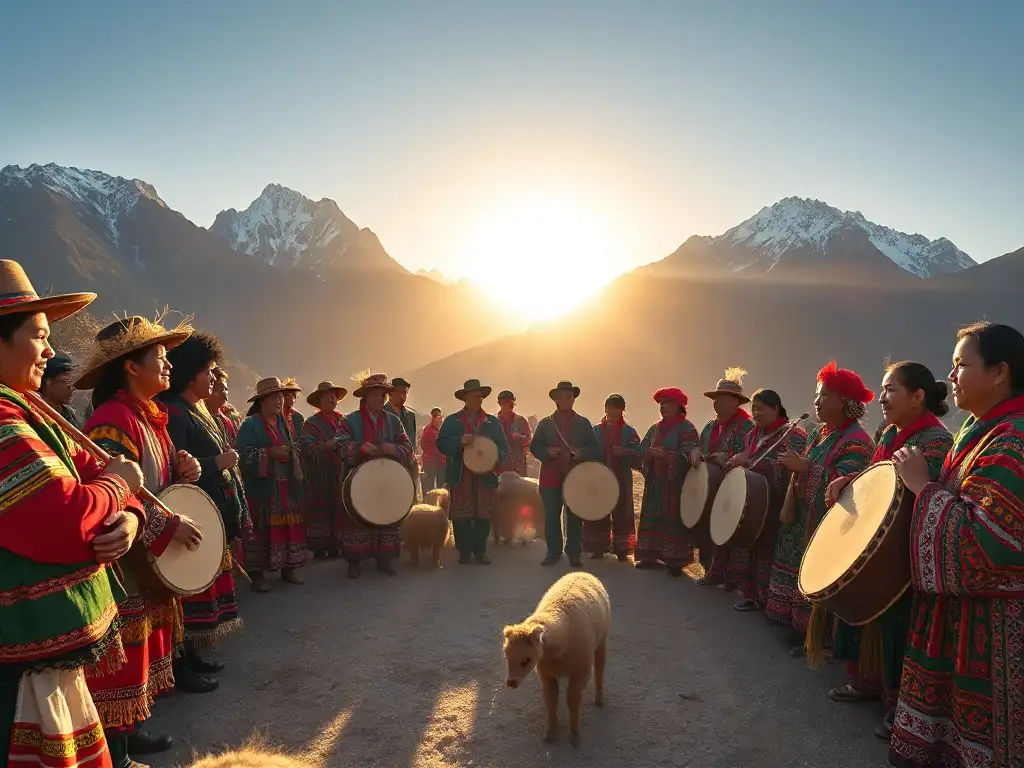
Welcome to Andean Civilizations! Prepare to be captivated by the echoes of a lost world. For centuries, the Andes Mountains have resonated with the vibrant sounds of sophisticated cultures. But what secrets do the rhythms and melodies of ancient Andean music hold? Discover the surprising social function of music in these remarkable communities and uncover the stories woven into every note – from joyous celebrations to powerful expressions of unity. Journey with us into the heart of Andean culture and explore the intricate tapestry of sound that shaped these magnificent civilizations.
Music wasn't merely entertainment in ancient Andean societies; it served as a powerful force weaving together the social fabric of these vibrant communities. From the soaring heights of the Andes to the fertile valleys below, the sounds of panpipes, drums, and other indigenous instruments echoed through daily life, ceremonies, and rituals, reflecting the complex social structures and beliefs of the Incas, Moche, Nazca, and Tiahuanaco cultures, among others.
This article delves into the multifaceted social function of Andean music, exploring how its rhythms and melodies fostered unity, celebrated life's milestones, and reinforced social hierarchies. We'll examine specific examples to understand the profound impact music had on shaping Andean societies and the enduring legacy it holds today.
Understanding the social function of Andean music provides a crucial lens through which to appreciate the richness and complexity of these fascinating civilizations. The keyword "Andean music social function" will be explored throughout, highlighting its significance in various aspects of Andean life.
Music as a Unifying Force in Andean Society
Andean music played a vital role in creating and maintaining social cohesion. Community gatherings, agricultural cycles, and religious festivals often centered around musical performances that brought people together. The shared experience of singing and dancing to traditional rhythms fostered a sense of belonging and collective identity. Specific musical forms, often involving intricate polyphonic harmonies, demanded collaboration and coordination, reinforcing social bonds through shared participation.
Think of the yaraví, a melancholic song form often associated with longing and nostalgia, which brought individuals together through shared emotional expression. Even seemingly simple work songs, accompanying tasks like weaving or farming, served to synchronize efforts and create a sense of shared purpose. The rhythmic chants and melodies helped regulate the pace of work, transforming potentially monotonous tasks into communal activities. This unifying aspect of Andean music is crucial to understanding the social stability of these complex societies.
Music in Andean Religious Rituals and Ceremonies
Religious practices in Andean civilizations were deeply intertwined with music. Ceremonies dedicated to deities like Inti (the sun god) and Pachamama (Mother Earth) involved elaborate musical performances. These ceremonies weren't merely spectacles; they were essential rituals that reinforced the social order and strengthened the relationship between the community and the spiritual realm.
Specialized musicians, often holding high social standing, played crucial roles in these ceremonies, leading chants, playing instruments, and shaping the overall experience. The music used in these rituals often possessed symbolic meanings, with specific instruments and melodies associated with particular deities or events. The use of music in these contexts solidified the authority of religious leaders and reinforced the importance of communal participation in maintaining the cosmic balance.
Further research is needed to fully understand the nuanced symbolic meanings embedded within specific musical forms used in religious contexts. [Specific information pending: detailed description of musical instruments and melodies used in specific religious ceremonies].
While music served as a unifying force, it also reflected and reinforced the social hierarchies prevalent in Andean societies. The type of music performed, the instruments used, and the individuals involved often indicated social status. Elite classes often had access to exclusive musical forms and instruments, setting them apart from the common people. Furthermore, specialized musicians, often trained from a young age, occupied privileged positions within society.
Their skills were highly valued, and they often held positions of influence, participating in important ceremonies and advising rulers. This doesn't negate the unifying power of music; rather, it highlights its role in both uniting and differentiating social groups. This complex interplay between music and social structure requires further investigation to fully appreciate the subtle ways in which music reflected and shaped Andean societies. [Specific information pending: examples of music specific to elite classes and the instruments used].
The social function of music in Andean communities continues to resonate today. Traditional Andean music remains a vital part of cultural identity, fostering unity and celebrating community life. While the specific contexts may have changed, the fundamental role of music in bringing people together and expressing shared experiences persists. The vibrant sounds of Andean music—from the lively huayno to the soulful yaraví—continue to embody the spirit of a rich and complex cultural heritage, showcasing the enduring power of music to connect individuals and communities across generations.
The study of Andean music offers a profound insight into the social dynamics and cultural values of these remarkable civilizations, and its continued relevance underscores the enduring power of musical traditions. The legacy of Andean music is a testament to the power of shared sonic experiences to create, maintain and celebrate social bonds. 🎶
- Music as a Unifying Force in Andean Society
- Music in Andean Religious Rituals and Ceremonies
- Music and Social Hierarchy in the Andean World
- The Enduring Legacy of Andean Music's Social Function
Understanding the Role of Andean Music in Society
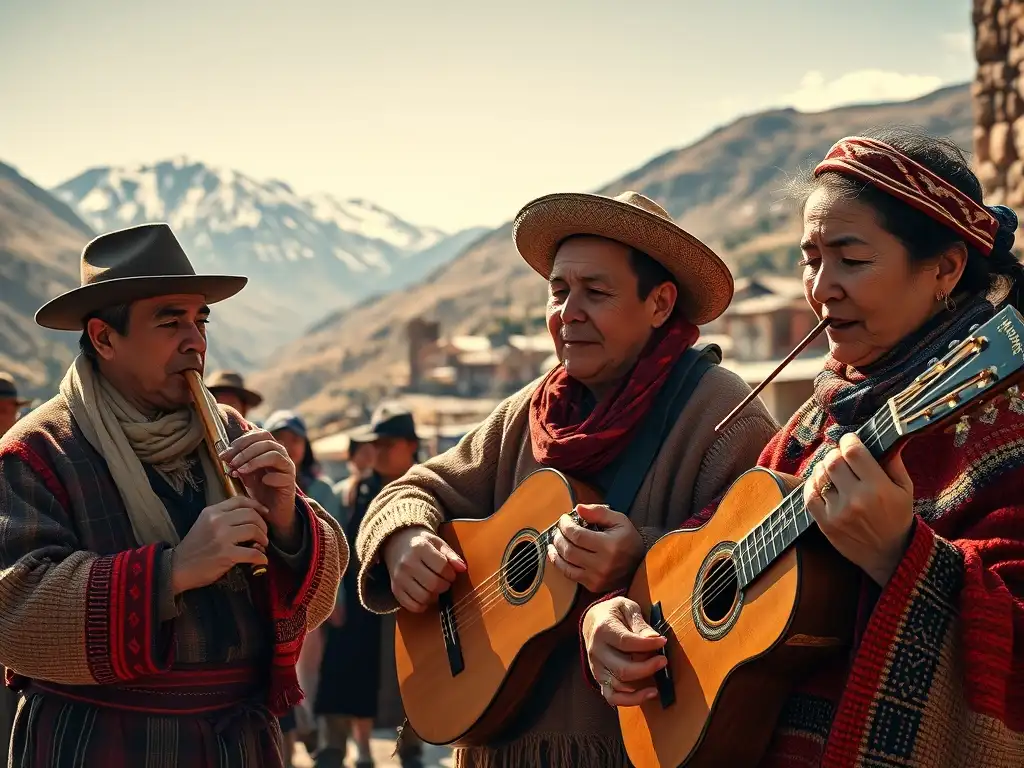
This section delves into the multifaceted role of music within Andean societies, past and present. We'll explore how music served not merely as entertainment, but as a vital component of social structure, religious practice, and daily life, significantly impacting community cohesion and cultural transmission. Understanding the social function of Andean music requires appreciating its deeply embedded connection to the Andean worldview and its enduring influence on contemporary Andean communities. The keyword, "Andean music social function," encapsulates this central theme, highlighting the profound societal impact of this musical tradition.
The Significance of Music in Ancient Andean Cultures
Ancient Andean cultures, including the Inca, Moche, Nazca, and Tiwanaku, placed immense value on music. Archaeological evidence, such as depictions on pottery and textiles, reveals the prevalence of musical instruments and musical performances in their daily lives. Music wasn't just a leisure activity; it played a crucial role in religious ceremonies, agricultural cycles, and social gatherings.
For example, flutes and panpipes, frequently found in archaeological sites, were likely used in rituals dedicated to appeasing deities associated with fertility and harvest. The rhythmic complexities of some instruments suggest a sophisticated understanding of musical theory and its application in social contexts. Furthermore, the use of music in royal courts underscored its importance in maintaining social hierarchies and political power.
The intricate melodies and harmonies likely mirrored the complex social structures of these ancient civilizations, reflecting the power dynamics and social stratification. The social function of Andean music in these ancient societies was thus interwoven with their cosmology, governance, and daily existence.
Andean Music as a Reflection of Community Life
Beyond its religious and political significance, Andean music served as a powerful medium for expressing and reinforcing community identity. Traditional Andean songs often narrate stories, preserve historical memories, and transmit cultural values across generations. These songs, frequently accompanied by instruments like the charango, zampoña, and tiple, served as living archives of Andean culture, preserving traditions, beliefs, and social norms.
The lyrics often reflect the daily life of Andean communities, encompassing themes of love, loss, work, and the natural world. For instance, songs about agricultural cycles not only celebrated the harvest but also reinforced the importance of communal labor and cooperation in ensuring the community's survival.
The communal aspect of music-making itself – often involving entire villages participating in singing and dancing – further strengthened social bonds and fostered a sense of collective identity. The vibrant soundscapes of Andean communities are thus not merely musical expressions, but living testimonies to the enduring power of collective memory and shared cultural heritage.
The enduring impact of Andean music on social cohesion is undeniable. Even today, music continues to play a central role in Andean communities, fostering a sense of unity and collective identity. Festivals and celebrations are often characterized by vibrant musical performances, bringing communities together and reinforcing social bonds.
Music transcends language barriers, unifying diverse groups through shared rhythms and melodies. Traditional Andean music, therefore, is not simply a cultural artifact; it's a dynamic and evolving force that continues to shape social interactions and promote a sense of belonging within Andean communities. The continued popularity of traditional musical forms and the emergence of new musical expressions rooted in Andean traditions demonstrate the ongoing relevance of music as a unifying force.
This social function of Andean music ensures the preservation of cultural heritage while simultaneously adapting to the changing dynamics of modern Andean society. The legacy of Andean music thus extends beyond its aesthetic value; it is a powerful agent of social cohesion, preserving cultural identity, and fostering community solidarity.
Andean Music and Ritual Practices
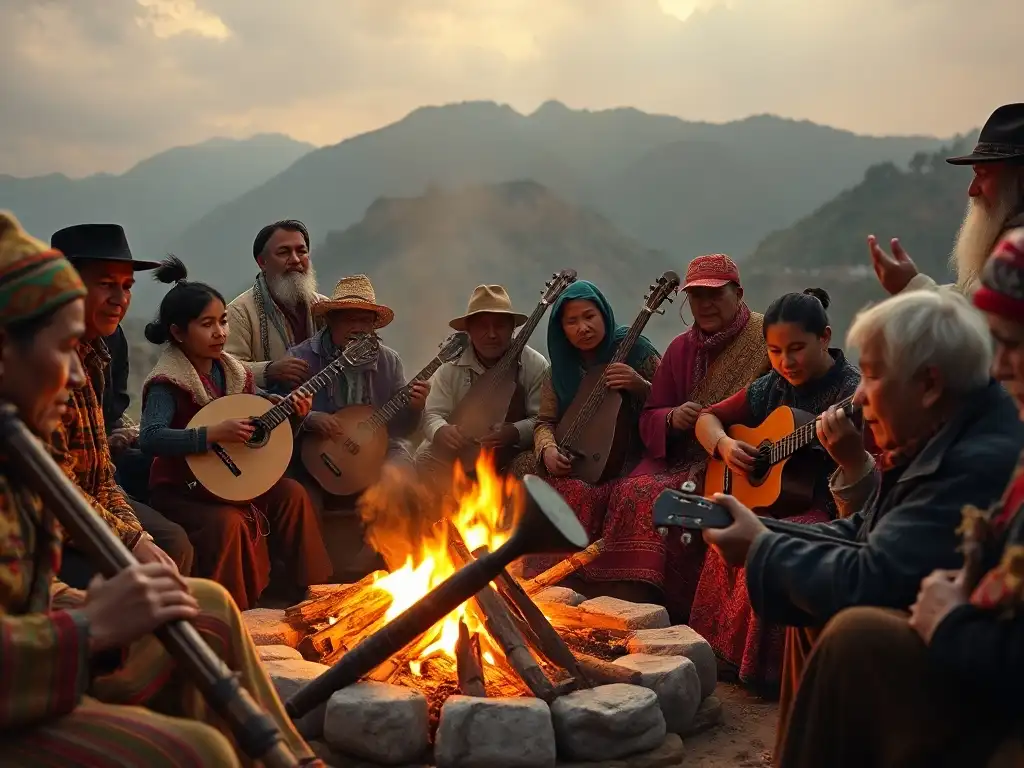
Andean music wasn't merely entertainment; it was deeply interwoven with the fabric of daily life, acting as a powerful social adhesive and a vital component in religious and agricultural practices. The intricate relationship between music and society in the Andes is evidenced by the sheer diversity of musical forms and instruments, each with its specific role in community life. Understanding this connection is key to appreciating the richness and complexity of Andean culture.
The social function of Andean music extended far beyond simple enjoyment; it served as a powerful tool for social cohesion, religious expression, and agricultural success. This section explores the multifaceted roles of music in various Andean rituals and ceremonies.
Music in Andean Ceremonies and Festivals
Ceremonies and festivals in Andean communities were—and in many cases, still are—vibrant occasions marked by elaborate musical performances. These weren't just background noise; music played a crucial role in structuring the events, setting the mood, and fostering communal participation. Think of the Fiesta de la Virgen del Carmen in various Andean regions. The joyous sounds of panpipes, charango, and drums build anticipation, creating a powerful sense of shared experience.
The music guides the procession, punctuates key moments, and helps maintain the collective energy throughout the festivities. The rhythms and melodies themselves often carry symbolic meaning, reflecting themes of harvest, fertility, and spiritual renewal. For example, the use of specific pentatonic scales in certain regions is associated with particular deities or agricultural cycles.
Detailed ethnographic studies have shown a direct correlation between specific musical phrases and specific ritual stages within these festivals, highlighting music's structural importance. The social function of this music is clear: to unite the community, celebrate shared identity, and reinforce social bonds. The participatory nature of many Andean musical traditions further emphasizes this function; everyone, from children to elders, often has a role to play in the musical performance.
The Use of Music in Agricultural Rituals
The agricultural cycle was, and remains, central to Andean life. Music played a crucial role in ensuring successful harvests and appeasing the spirits associated with fertility and abundance. Many agricultural rituals involved the use of specific musical instruments and songs designed to invoke the favor of the gods or spirits responsible for the land's bounty. For instance, certain songs and melodies were specifically dedicated to the Pachamama (Mother Earth), requesting her blessings for a plentiful harvest.
The rhythmic chanting and instrumental accompaniment would often be accompanied by offerings of coca leaves, chicha (a fermented corn beverage), and other items considered sacred. The social function in this context was to ensure the community's survival. Music served as a conduit for communicating with the supernatural, and by participating in these rituals, individuals reinforced their connection to the land and to each other.
The collective performance of these agricultural rituals strengthened community ties and fostered cooperation amongst farmers. This cooperative spirit was essential for the success of agricultural activities, which often required significant communal effort. [Specific examples of songs and instruments used in specific agricultural rituals pending].
Music's Role in Andean Spiritual Practices
Beyond the agricultural sphere, music held a prominent place in Andean spiritual practices. Music was used to communicate with deities, ancestors, and spirits, serving as a medium for both supplication and praise. Many Andean cultures believed that music possessed the power to influence the supernatural world, shaping the course of events and ensuring the well-being of the community.
Shamans and other religious leaders often used music as a central element in their rituals, employing songs and instruments to enter altered states of consciousness and communicate with the spirit world. The intricate melodies and rhythms were believed to possess inherent magical properties, capable of healing illness, warding off evil, and ensuring prosperity. The social function of this music was to maintain the spiritual balance of the community and provide a sense of security and well-being.
The use of specific instruments, like the pututu (a shell trumpet), often signaled important spiritual events or communicated messages to other communities. The complex interplay between music, spirituality, and social structure underscores the pervasive influence of music in Andean life, highlighting its profound social function in shaping the beliefs and practices of Andean communities. [Further research on specific musical practices associated with specific Andean deities pending].
Music in Andean communities wasn't merely entertainment; it served as a crucial tool for forging and maintaining social bonds. The shared experience of creating and listening to music fostered a sense of unity and belonging, strengthening community ties across generations and social strata. This collective participation in musical activities reinforced social cohesion, particularly in societies structured around kinship and reciprocity.
The intricate rhythms and melodies, often passed down through oral tradition, acted as a common language, transcending linguistic barriers and fostering a shared cultural identity. This is evident in the diverse range of Andean musical styles, each reflecting the unique characteristics of specific communities while simultaneously contributing to a larger, overarching Andean musical identity. The social function of music was so deeply ingrained that its absence would have likely been perceived as a significant disruption to the social fabric.
Andean Music as a Form of Collective Expression
Andean music frequently took the form of collective expression, with entire communities participating in musical performances. Think of the vibrant huaynos and yaravíes, musical genres often characterized by call-and-response patterns that encourage audience participation. This participatory nature underscores the music's role in solidifying group identity and promoting social harmony.
The communal act of singing and dancing together created a powerful sense of shared experience, reinforcing social bonds and strengthening community solidarity. Furthermore, the collective performance of music often served as a means of expressing shared emotions, beliefs, and experiences, further strengthening the sense of collective identity. This communal musical practice wasn't simply a performance; it was an active engagement in the construction and maintenance of social relationships.
The Function of Music in Storytelling and Oral Tradition
Andean music played a vital role in preserving and transmitting oral traditions. Many musical pieces served as vehicles for storytelling, preserving historical narratives, myths, legends, and cultural knowledge across generations. The lyrics of these songs often contained complex historical information, moral teachings, or descriptions of daily life, acting as a living archive of cultural memory.
Through music, stories were not just recounted; they were experienced, ensuring their longevity and deeper impact on the community. For example, the harawi, a genre of melancholic songs, often conveyed narratives of loss, love, and social injustice, highlighting the music's ability to address sensitive social issues and promote reflection on the community's shared history. The intricate melodies and rhythmic structures aided memory and helped embed these narratives within the collective consciousness.
Music and Dance: Fostering Community Participation
The close relationship between music and dance in Andean cultures further amplified the social function of music. Dance provided a physical manifestation of the musical rhythms, creating a dynamic and engaging social experience. Many Andean dances, such as the caporal or the diablada, involved complex formations and synchronized movements, requiring close coordination and collaboration among participants. This collaborative aspect fostered a sense of teamwork and mutual reliance, solidifying social bonds and promoting community cohesion.
The lively atmosphere generated by music and dance also provided opportunities for social interaction, facilitating communication and strengthening interpersonal relationships within the community. These shared experiences strengthened community bonds and fostered a sense of collective identity deeply rooted in the shared cultural heritage. The integration of music and dance wasn't simply a cultural expression; it was a fundamental pillar of Andean social life.
Andean Songs of Unity and Celebration
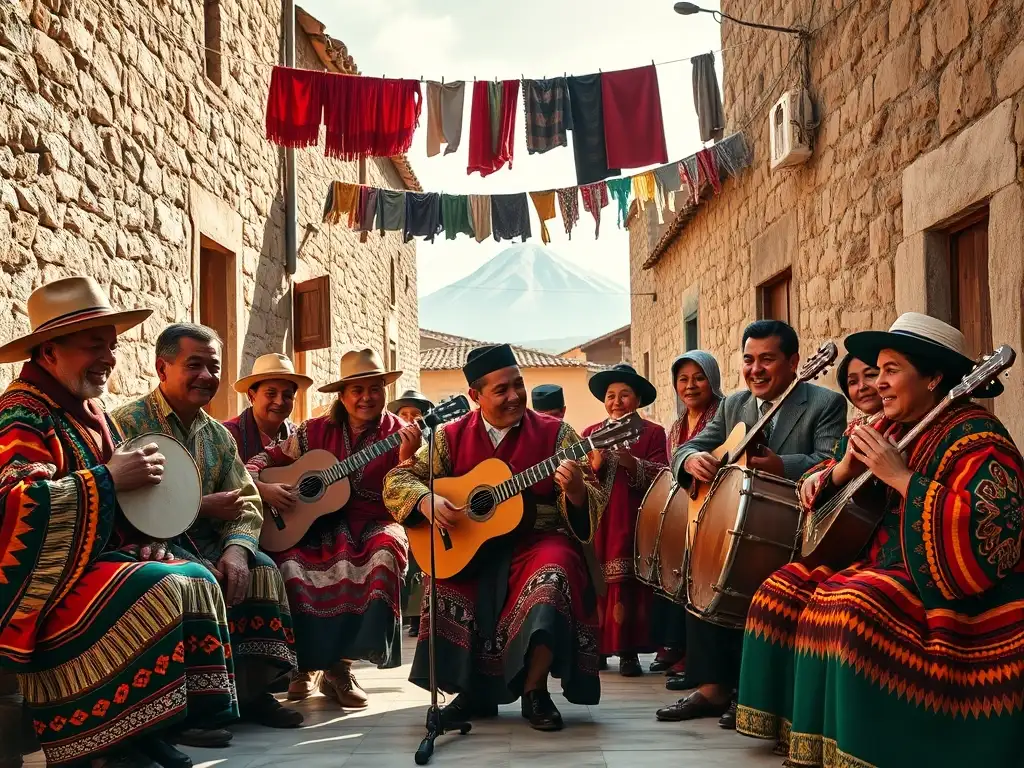
This section delves into the profound social function of music within Andean communities, exploring how songs acted as powerful tools for fostering unity, celebrating life events, and transmitting cultural heritage across generations. We will examine the thematic content of festive music, analyze the rhythmic and melodic elements that contribute to communal bonding, and provide concrete examples of celebratory songs and their socio-cultural significance. The understanding of Andean music's social function reveals a complex interplay between music, society, and spirituality.
Exploring the Themes in Andean Festive Music
Andean festive music, often characterized by its vibrant energy and communal participation, frequently revolves around themes of reciprocity, agricultural cycles, and ancestral veneration. The lyrics of these songs often praise the bounty of the harvest, express gratitude to the apus (mountain spirits), and celebrate the continuity of life. For example, songs related to the chaccu (a traditional communal hunt) frequently invoke themes of collective effort, shared success, and the abundance provided by nature.
These songs aren't merely entertainment; they are active participants in reinforcing social bonds and celebrating the community's collective identity. The themes are deeply interwoven with the Andean worldview, reflecting a profound respect for the natural world and the interconnectedness of all living things. Many songs feature cyclical imagery, mirroring the cyclical nature of Andean agriculture and the rhythms of life itself.
This reinforces the idea of continuity and the importance of maintaining tradition. The use of metaphor and symbolism within the lyrics further enriches their meaning and impact on the community. For instance, the flight of a condor might symbolize freedom and spiritual ascension, while the flowing of a river could represent the continuous flow of life and abundance.
The Rhythms and Melodies that Unite Communities
The rhythmic and melodic structures of Andean festive music are crucial to their social function. The repetitive nature of many melodies and the strong, driving rhythms create a sense of shared experience and collective participation. The use of call-and-response patterns, common in many Andean musical traditions, actively involves the entire community in the musical performance.
This participatory element is key; it's not just about listening to music, but about being the music. The strong, often percussive rhythms provide a powerful framework for communal dancing, further reinforcing the sense of unity and shared experience. Different instruments, such as panpipes ( siku), drums ( tinku), and flutes ( antara), contribute distinct timbres and rhythmic layers, creating a rich and complex sonic tapestry that reflects the diverse cultural landscape of the Andes.
The specific rhythms and melodies can also vary regionally, reflecting the unique cultural practices and traditions of different Andean communities. However, the underlying principles of communal participation and shared experience remain constant, highlighting the unifying power of Andean music. Even the instruments themselves often hold symbolic significance and are intricately tied to specific rituals and celebrations.
Several examples illustrate the social function of Andean music. The yaraví, a genre of melancholic song from the Andes, while not strictly celebratory, often serves a social function by expressing communal grief or reflecting on shared hardship, thus fostering empathy and solidarity within a community. In contrast, huayno, a lively genre, is frequently performed during festive occasions such as harvests, weddings, and religious festivals.
Its fast tempo and upbeat melodies contribute to the celebratory atmosphere, encouraging participation and strengthening social bonds. The specific lyrics of huayno songs can vary considerably, reflecting the local context and specific events being celebrated. Furthermore, the festejos, characterized by their vibrant rhythms and complex instrumental arrangements, are often associated with specific patron saint festivities and serve as a crucial component of these important community events.
These examples highlight the diverse ways in which Andean music is integrated into the social fabric of Andean communities, reflecting their rich cultural heritage and the enduring power of music to bring people together. Further research is needed [specific information pending] to fully document the vast array of celebratory songs and their precise social contexts across the diverse Andean regions. However, these examples provide a glimpse into the richness and complexity of this important cultural phenomenon.
The Transmission of Musical Traditions in the Andes
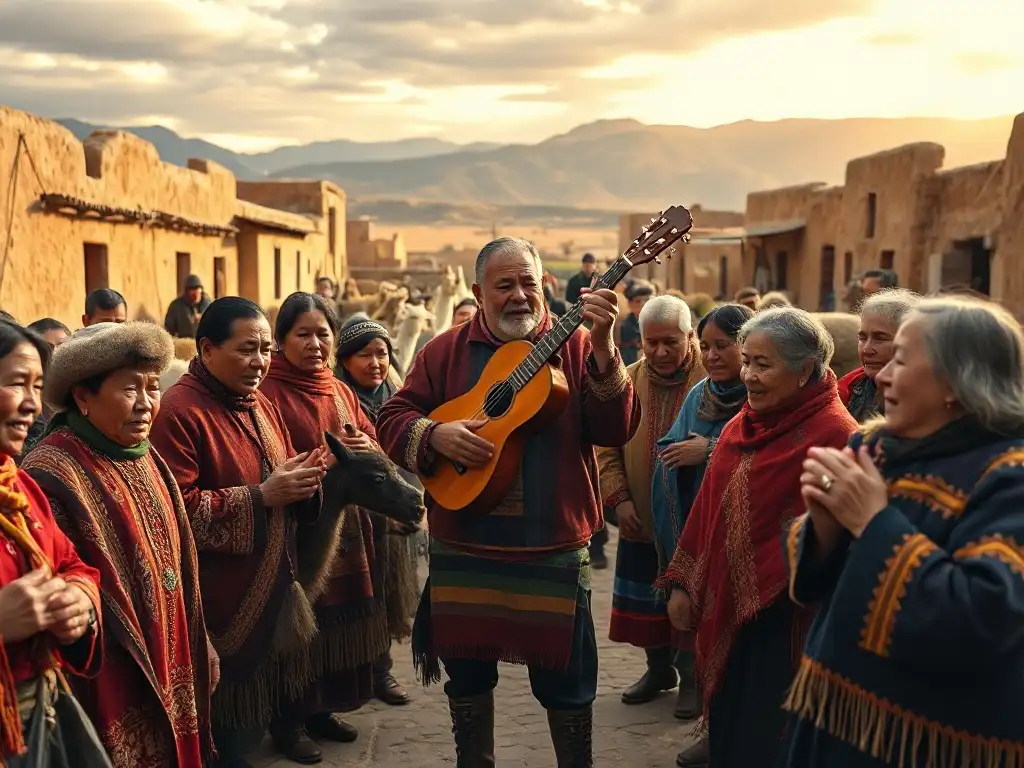
The vibrant tapestry of Andean music, a crucial element of Andean music social function, wasn't simply created; it was meticulously woven and passed down through generations, ensuring its continuity and evolution. Understanding how this transmission occurred is key to appreciating the depth and enduring power of this cultural heritage. The methods employed were, and continue to be, diverse, reflecting the varied geographical and cultural landscapes of the Andes.
The preservation of Andean musical traditions relies heavily on a complex interplay of formal and informal learning processes, oral transmission, and active community engagement. This intricate system ensures that the music continues to resonate with contemporary Andean communities while adapting to the changing times. The survival of these musical traditions is a testament to the dedication and resilience of Andean communities in safeguarding their cultural identity.
How Andean Musical Knowledge is Passed Down Through Generations
Andean musical knowledge isn't confined to textbooks or formal institutions. Instead, it's primarily transmitted through an oral tradition, a living legacy passed from one generation to the next. This process often begins in the home, with children learning simple songs and rhythms from their parents and grandparents. This informal education is crucial, laying the foundation for more advanced musical skills.
Elderly members of the community play a pivotal role, acting as repositories of ancient melodies, intricate instrumental techniques, and the cultural significance embedded within the music. This apprenticeship-style learning often involves direct observation and imitation, with young musicians learning by carefully watching and listening to older generations perform. Furthermore, participation in community festivals and ceremonies provides invaluable hands-on experience, allowing young musicians to practice and refine their skills within a supportive social context. The learning process is inherently social, emphasizing collaboration and shared experience.
Think of it as a continuous conversation between generations, where the music itself acts as the primary language. The passing down of this knowledge is not merely about technical skills; it's about transmitting the cultural values, beliefs, and stories woven into the music. This ensures that the music remains relevant and meaningful to subsequent generations, reflecting the ongoing evolution of Andean culture.
The Role of Elders in Preserving Musical Heritage
The Andean concept of ayni – reciprocal exchange and mutual support – is deeply embedded in the transmission of musical knowledge. Elders, often revered for their wisdom and experience, play a central role in this system. They are not just teachers; they are living archives of musical traditions, holding the key to understanding the nuances and subtleties of ancient musical forms and instruments. Their role extends beyond simply teaching musical techniques; they impart the cultural context that gives the music its meaning.
They explain the stories behind the songs, the rituals they accompany, and the social functions they serve. This knowledge, often passed down orally, is invaluable in ensuring the music's continued relevance and authenticity. The respect afforded to elders within Andean communities is crucial for the preservation of their musical heritage. Their knowledge is actively sought after, and their participation in musical events is highly valued.
This respect ensures the continuity of the tradition, preventing the loss of valuable musical knowledge and ensuring its transmission to younger generations. In essence, elders are the custodians of a living musical tradition, actively shaping and safeguarding its future. Their involvement is not merely a matter of preserving the past; it’s an active contribution to the ongoing evolution of Andean musical culture.
The Importance of Community Participation in Musical Education
The transmission of Andean music is not a solitary endeavor; it thrives within the vibrant context of community participation. Musical education is largely a communal activity, with learning taking place during festivals, ceremonies, and informal gatherings. These events aren't just performances; they're active learning environments where young musicians observe, participate, and receive feedback from experienced players. Community participation is crucial because it fosters a sense of shared ownership and responsibility for preserving the musical heritage.
It’s a collaborative process where knowledge is shared and skills are honed through collective practice and mutual support. The social aspect of learning is paramount, as it strengthens community bonds and reinforces the cultural significance of the music. For example, participation in tinkus or yaravíes performances provides invaluable experience in ensemble playing, rhythm coordination, and the emotional expression integral to Andean music.
This communal approach guarantees that the music remains a living, dynamic force within the community, constantly evolving and adapting while preserving its core values and traditions. The active involvement of the entire community ensures the music's continued vitality and its capacity to resonate with future generations of Andean people. The social function of music in Andean communities is intrinsically linked to this collective learning process, solidifying its role as a powerful force for social cohesion and cultural preservation.
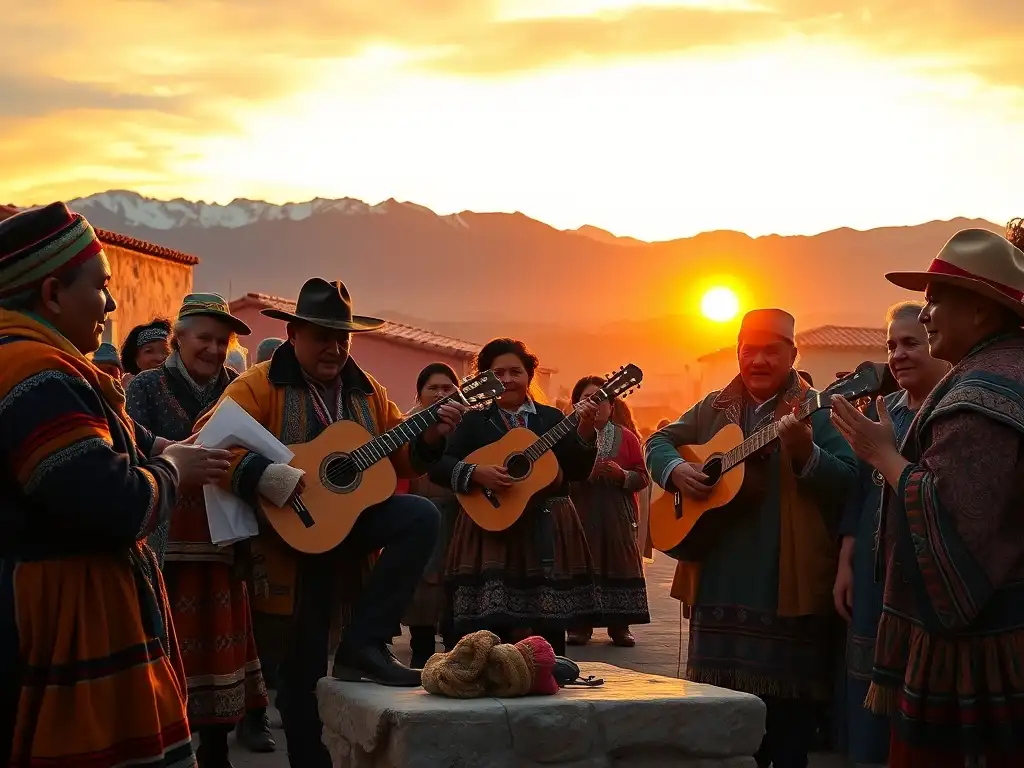
The vibrant tapestry of Andean culture is inextricably woven with the threads of music. More than mere entertainment, music in Andean communities serves a crucial social function, acting as a powerful tool for unity, celebration, and the transmission of cultural heritage across generations. Understanding this profound connection requires examining its role in various aspects of Andean life, from religious ceremonies to daily interactions. The keyword "Andean music social function" highlights the central theme: music isn't simply background noise; it's a vital element shaping social structures and individual identities within these communities.
Andean music, in its diverse forms, hasn't remained static. Its evolution reflects the changing social landscape, adapting to new influences while retaining its core cultural significance. Early forms, often linked to agricultural cycles and religious rituals, employed simple instruments like panpipes ( antara) and drums ( tinku).
These early musical expressions served to reinforce communal bonds and shared beliefs. The arrival of the Spanish in the 16th century introduced new instruments and musical styles, leading to a fascinating fusion of indigenous and European traditions. This fusion, however, didn't erase the social function of music; instead, it adapted and evolved.
For example, yaravíes, melancholic songs expressing longing and sorrow, became a potent form of social commentary, subtly conveying resistance and preserving cultural memory under colonial rule. The 20th and 21st centuries have witnessed a renewed interest in traditional Andean music, fueled by a growing awareness of its cultural value and its role in fostering a sense of identity. This resurgence has led to the revival of traditional instruments and musical forms, alongside the creation of new styles that blend traditional elements with contemporary influences.
How Music Continues to Strengthen Community Ties
Even in contemporary Andean society, music remains a cornerstone of community life. It binds individuals together through shared experiences, fostering a sense of belonging and collective identity. Festivals and celebrations, often marked by vibrant musical performances, provide opportunities for social interaction and the strengthening of community ties. Think of the Fiesta de la Virgen de la Candelaria in Puno, Peru, a spectacular event where music plays a central role in the festivities.
The rhythmic beats and melodic harmonies unite participants, creating a shared emotional experience that transcends individual differences. Furthermore, music serves as a powerful vehicle for intergenerational transmission of cultural knowledge. Elderly members of the community often share their musical expertise with younger generations, ensuring the survival of traditional musical practices and maintaining cultural continuity.
This process of learning and sharing reinforces social bonds and solidifies the cultural identity of the community. The social cohesion fostered by this shared musical heritage is undeniable. Music isn't just listened to; it's lived, shaping social interactions and strengthening community bonds in profound ways.
The Preservation of Traditional Music in Modern Times
The preservation of traditional Andean music faces challenges in the modern era. Globalization and urbanization exert pressure on traditional musical forms, threatening their continued existence. However, there are active efforts underway to safeguard this invaluable cultural heritage. Many communities are actively involved in the documentation and teaching of traditional musical practices.
Music schools and cultural centers play a vital role in this endeavor, offering classes and workshops on traditional instruments and musical styles. Additionally, the recording and dissemination of traditional Andean music through various media platforms help to broaden its reach and ensure its accessibility to wider audiences. The use of digital technologies, while presenting some challenges, also offers opportunities for the preservation and dissemination of Andean music. Online archives and digital repositories allow for the preservation of recordings and musical scores, making them readily available to researchers and enthusiasts worldwide.
These preservation efforts are crucial not only for the safeguarding of Andean musical heritage but also for the continued social function of music within these communities. The survival of this musical tradition is directly linked to the maintenance of cultural identity and community cohesion. The ongoing dedication to preserving Andean music ensures that its vital social function will continue to flourish for generations to come.
Andean music, a vibrant tapestry woven from centuries of tradition, plays a far more significant role than mere entertainment. Its enduring legacy is deeply intertwined with the social fabric of Andean communities, acting as a powerful force for unity, cultural preservation, and social cohesion. Understanding its social function requires looking beyond the melodies and rhythms to the profound impact it has on the lives of the people.
The rhythmic pulse of the charango, the haunting melodies of the panpipes, and the powerful vocals of Andean singers are not simply sounds; they are the voices of a culture, carrying stories, beliefs, and values across generations. This enduring legacy is visible in the continued use of traditional instruments and musical forms in contemporary Andean society, demonstrating its resilience and adaptability. The social function of Andean music is not static; it evolves alongside the communities it serves, constantly adapting to new contexts while retaining its core essence.
This adaptability is a testament to the music's inherent strength and its profound connection to Andean identity. The survival of this musical heritage speaks volumes about its importance in maintaining cultural continuity and social harmony.
The Cultural Importance of Andean Musical Traditions
Andean musical traditions are not merely artistic expressions; they are integral components of daily life, ceremonies, and social gatherings. Music provides a powerful link to ancestral heritage, transmitting knowledge, beliefs, and values across generations. For example, traditional songs often recount historical events, mythical stories, or agricultural cycles, serving as living archives of cultural memory. The specific instruments used in different regions also reflect unique cultural identities and historical influences.
The siku (panpipes), for instance, holds a sacred place in many Andean communities, often associated with spiritual rituals and celebrations. Furthermore, music plays a vital role in social bonding, fostering a sense of community and shared identity. Community gatherings, festivals, and celebrations often center around music and dance, creating spaces for social interaction and strengthening community ties. The collaborative nature of many Andean musical forms, such as the yaraví (a genre of lament), further emphasizes the importance of social participation and collective expression.
The intricately woven melodies and harmonies reflect a deep understanding of the interconnectedness of individuals within the larger community. The continued practice of these traditions underscores their enduring significance in maintaining cultural continuity and reinforcing social bonds. The social function of Andean music is thus deeply rooted in the cultural identity and social life of Andean communities.
The Global Appreciation of Andean Music
The global appreciation of Andean music has grown significantly in recent decades, leading to increased recognition of its cultural value and social impact. This international interest has not only brought exposure to previously unknown musical forms but has also fostered intercultural dialogue and collaboration. The incorporation of Andean musical elements into contemporary genres demonstrates the music's adaptability and its capacity to resonate with diverse audiences.
While this global appreciation offers opportunities for cultural exchange and economic growth for Andean communities, it's crucial to address potential challenges associated with commercialization and cultural appropriation. The delicate balance between preserving authenticity and embracing global engagement is a continuous process that requires careful consideration.
Preserving the integrity of Andean musical traditions while fostering wider appreciation demands a collaborative approach that respects cultural sensitivities and ensures that the benefits of this global recognition reach the communities that created this rich musical heritage. The ongoing challenge is to ensure that the social function of Andean music—its role in cultural preservation and community building—is not overshadowed by its increasing global popularity.
The future of Andean music and its social function hinges on the continued support of local communities, the preservation of traditional knowledge, and the engagement of younger generations. Efforts to document and archive traditional musical practices are crucial for ensuring the survival of this rich heritage. Educational initiatives aimed at teaching younger generations about Andean musical traditions are essential for maintaining cultural continuity.
The integration of Andean music into formal education systems, along with community-based music programs, can help foster a deeper understanding and appreciation of this vital aspect of Andean culture. Moreover, supporting local musicians and promoting sustainable economic opportunities related to Andean music can empower communities and ensure the continued vitality of these musical traditions. The successful navigation of the challenges presented by globalization and technological advancements requires a proactive approach that prioritizes cultural preservation while embracing innovation.
Ultimately, the future of Andean music rests on the ability to bridge the gap between tradition and modernity, maintaining the social function of this music while adapting to the evolving needs of Andean communities in a globalized world. The vibrant sounds of Andean music must continue to echo through generations, carrying with them the stories, values, and spirit of a rich and enduring culture.
Frequently Asked Questions
What role did music play in Andean societies?
Music played a vital role in social cohesion and religious ceremonies. It was used to celebrate harvests, honor deities, and transmit cultural knowledge across generations. Community gatherings often centered around musical performances.
Music served as a powerful tool for building community bonds. Shared musical experiences fostered a sense of belonging and collective identity. It helped maintain social order and resolve conflicts.
What types of instruments were commonly used in Andean music?
Andean music utilized a diverse range of instruments, including panpipes (antara), drums (tinku), and wind instruments (pututu). The specific instruments varied depending on the region and the occasion.
Did music have a religious significance in Andean cultures?
Yes, music was deeply intertwined with religious practices and beliefs. Songs and rituals were performed to honor gods, appease spirits, and ensure a bountiful harvest. Music was considered a sacred act.
How did Andean music influence later cultures?
Andean musical traditions have had a lasting impact, influencing later musical styles in the region. Many contemporary Andean musical forms retain elements of ancient traditions, reflecting the enduring legacy of these cultures.
Final Reflection: Echoes of the Andes: Music's Enduring Power
The vibrant tapestry of Andean music isn't merely a collection of melodies; it's a living testament to the enduring power of community, a powerful force that continues to shape social structures and cultural identity in the region today. The songs, dances, and instruments discussed throughout this article remain vital threads in the rich fabric of Andean life, demonstrating the profound impact music has on fostering unity and celebrating shared experiences.
The social function of Andean music transcends mere entertainment; it's a deeply ingrained aspect of daily life, a vehicle for storytelling, social commentary, and the transmission of cultural heritage across generations. Its influence resonates far beyond the Andes themselves, inspiring musicians and researchers worldwide. Music is the universal language of mankind,
a sentiment that rings particularly true when considering the unifying power of Andean musical traditions. The continued practice and evolution of these traditions underscore their importance in maintaining cultural identity in the face of globalization and modernization.
Consider the role music plays in your own life. Think about the moments when music has brought you together with others, fostered a sense of belonging, or helped you express emotions too profound for words.
Let the echoes of the Andes inspire you to explore the power of music in your own community, to appreciate the unifying force it can represent, and to actively participate in the creation and preservation of cultural heritage. The music of the Andes offers a powerful reminder of the enduring human need for connection and celebration, a message that transcends geographical boundaries and resonates with us all.
Embrace the Spirit of Andean Music!
Thank you for joining us in exploring the vibrant role of music in Andean communities. You've gained insight into how songs foster a sense of unity, celebrating both individual and collective cultural identity. Now, let's deepen your connection with this rich Andean heritage!
Here's how you can get involved and celebrate this beautiful tradition:
- Immerse yourself in Andean music: Explore online music platforms or search for local events to experience the unique rhythms and sounds firsthand. Attend a concert or participate in a workshop if one is available in your area.
- Share the experience: Introduce your friends and family to the beauty of Andean music. Create a playlist of your favorite songs and share the joy of this unifying cultural expression.
- Connect with the community: Join online forums or social media groups dedicated to Andean culture to connect with others who share your passion.
How has music shaped your understanding of community and connection? We'd love to hear your thoughts!