
Secrets of the Shaman: The Role of Music in Andean Healing Practices

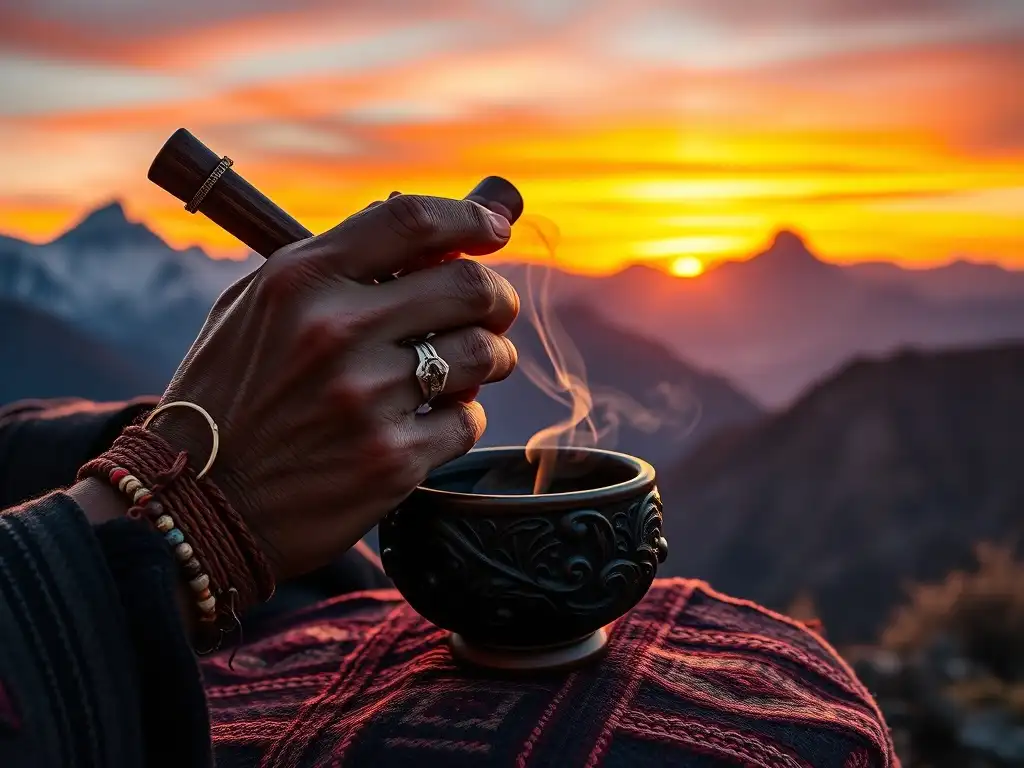
Uncover the mysteries hidden within the ancient Andes! Journey with us through a captivating world of intricate artistry, innovative engineering, and profound spirituality. But prepare to be especially intrigued by the secrets whispered on the wind: the power of Andean shamanic music healing. Discover how these mesmerizing sounds shaped not only the vibrant cultures of the Incas, Moche, Nazca, and Tiahuanaco, but also their very survival. Dive in and unlock the ancient rhythms that hold the key to understanding this extraordinary civilization.
The Andean region, home to a rich tapestry of ancient civilizations, boasts a profound history intertwined with music and spirituality. For centuries, the sounds of flutes, panpipes, drums, and other indigenous instruments haven't merely served as entertainment; they've been integral components of complex healing rituals and shamanic practices.
This article delves into the fascinating world of Andean shamanic music healing, exploring the intricate relationship between sound, spirituality, and the well-being of individuals within these vibrant cultures. We will uncover the secrets behind the sacred soundscapes used by Andean shamans, examining the techniques, instruments, and beliefs that underpin this ancient healing tradition.
Understanding the role of music in Andean healing offers a unique perspective on the interconnectedness of music, culture, and spirituality, highlighting the enduring power of sound to heal the body, mind, and spirit. Prepare to journey into the heart of the Andes and uncover the profound impact of "Andean shamanic music healing" on the lives of its people.
The Sacred Soundscape of Andean Shamanism
The Andean worldview sees the universe as a vibrant, interconnected entity, where the physical and spiritual realms are deeply intertwined. Shamans, acting as intermediaries between these worlds, utilize music as a powerful tool to access and manipulate spiritual energies. The soundscape itself is carefully constructed, often incorporating instruments made from natural materials like wood, bone, and shells.
These instruments are not merely tools; they are considered sacred objects imbued with spiritual power. The melodies and rhythms are not arbitrary; they are believed to resonate with specific energies and spirits, facilitating healing and communication with the supernatural realm. For example, the haunting melodies of the antara (panpipes) are often associated with the spirits of the mountains, while the rhythmic beats of the tinku (a type of drum) are believed to energize and purify the body.
The choice of instrument, melody, and rhythm is crucial, carefully selected by the shaman to address the specific needs of the individual undergoing healing. This careful consideration reflects a deep understanding of the relationship between sound and spiritual energy, highlighting the nuanced and sophisticated nature of Andean shamanic practices. The soundscape isn't simply background music; it's an active participant in the healing process, a conduit for spiritual energy and a vehicle for transformation.
Andean Shamanic Music Healing: An Introduction
Andean shamanic music healing is not a monolithic practice; it varies considerably across different Andean cultures. However, certain common threads run throughout these diverse traditions. The process typically involves a combination of music, ritual, and herbal remedies. The shaman, often entering a trance-like state, utilizes music to connect with the spiritual world, diagnosing the illness and identifying its root cause.
This diagnosis might involve communicating with spirits, ancestors, or other supernatural entities. Once the cause is identified, the shaman employs music to address the imbalance, whether it be physical, emotional, or spiritual. This might involve using specific melodies to cleanse the body of negative energies, or rhythmic patterns to restore harmony and balance. The healing process is often a collaborative one, with the patient actively participating in the ritual.
This active participation underscores the importance of the patient's belief and intention in the healing process. Success hinges not just on the shaman's skill but also on the patient's willingness to engage with the spiritual dimension of the healing. The effectiveness of Andean shamanic music healing is difficult to quantify using Western scientific methods, but its enduring presence across centuries and cultures speaks volumes about its perceived efficacy within the Andean communities. Further research is needed to fully understand the mechanisms of this ancient practice, but its cultural significance is undeniable.
Understanding Andean Shamanism and its Connection to Music
Andean shamanism is deeply rooted in the cosmology and worldview of the Andean people. Their understanding of the universe encompasses a complex interplay of forces, both visible and invisible. Mountains, rivers, and celestial bodies are not simply physical entities; they are imbued with spiritual significance, housing powerful spirits and energies. Music, in this context, serves as a bridge between the human world and these spiritual realms.
It's a tool for communication, allowing shamans to interact with spirits, seek guidance, and access healing energies. The use of specific instruments, melodies, and rhythms is not arbitrary; they are carefully chosen to resonate with specific energies and spirits associated with different aspects of the Andean cosmos. For example, certain melodies might be used to invoke the protective power of mountain spirits, while others might be employed to appease or communicate with ancestral spirits. The connection between music and shamanism is so deeply ingrained in Andean culture that it's difficult to separate the two.
Music is not merely an accompaniment to the ritual; it is an essential element, shaping the experience and influencing its outcome. The practice is a testament to the power of sound to connect individuals to the spiritual world and facilitate healing on multiple levels. The intricate relationship between music, spirituality, and healing in Andean shamanism offers a valuable insight into the complex interplay between culture, belief, and well-being.
- The Sacred Soundscape of Andean Shamanism
- Andean Shamanic Music Healing: An Introduction
- Understanding Andean Shamanism and its Connection to Music
The Power of Sound in Andean Rituals
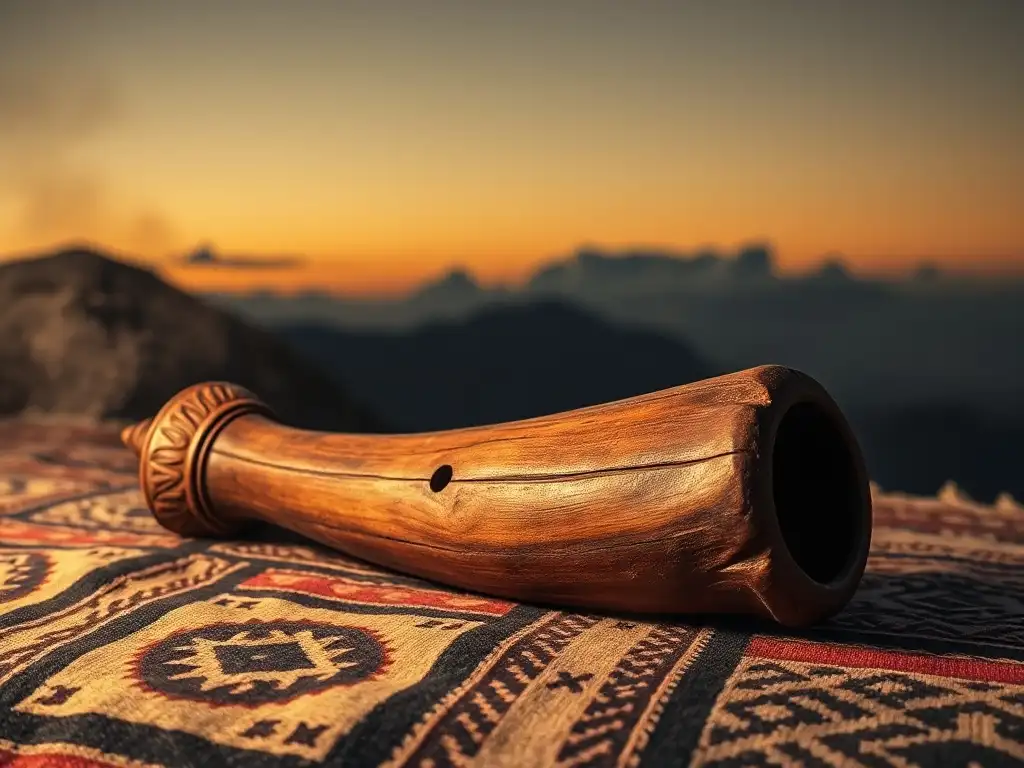
The Andean worldview deeply integrates music with the spiritual realm. Sound wasn't merely entertainment; it was a fundamental element in shaping reality, influencing the natural world, and facilitating communication with the spirit world. For Andean shamans, music wasn't just a therapeutic tool; it was a sacred technology used to diagnose illness, manipulate energies, and restore balance within the patient and the community.
This understanding of music's power underpins many healing practices, viewing sound as a potent force capable of manipulating the energetic fields believed to govern health and well-being. The rhythmic patterns, melodic structures, and specific instruments used were carefully chosen to achieve specific therapeutic goals, reflecting a sophisticated understanding of acoustics and their impact on the human psyche. The effectiveness of Andean shamanic music healing is often attributed to a holistic approach that combines sonic vibrations with ritualistic actions and the shaman's own spiritual power.
This unique blend creates a powerful synergy that transcends the purely medicinal, extending into realms of spiritual renewal and community cohesion. The efficacy of this approach, while anecdotal in much of the documented evidence, points to a deep understanding of the interconnectedness of sound, spirit, and physical health within the Andean cosmology. Further research into the specific frequencies and sonic patterns employed could illuminate the scientific basis of this ancient healing tradition.
The Shaman's Instruments: Tools for Healing
Andean shamans didn't simply play music; they wielded instruments as extensions of their spiritual power, tools to manipulate the energies believed to influence health and well-being. The selection of instruments, the specific melodies played, and the context of the performance were all crucial aspects of the healing process. Each instrument possessed unique sonic qualities, believed to resonate with different aspects of the human spirit and the surrounding environment.
The shaman's expertise lay not only in their musical skill but also in their ability to channel spiritual energy through the instruments, transforming sound into a powerful therapeutic force. The instruments themselves were often imbued with spiritual significance, sometimes crafted from sacred materials or decorated with symbolic designs that further amplified their healing properties. This intricate relationship between instrument, shaman, and patient highlights the deeply spiritual nature of Andean shamanic music healing.
The process was far from simply playing music; it was a ritualistic interaction involving the careful manipulation of sound to achieve a specific therapeutic outcome. Understanding the instruments used is key to understanding the practice itself.
Specific Musical Instruments Used in Andean Shamanic Healing
The Andean region boasts a rich diversity of musical instruments, each with its own unique role in shamanic healing practices. The choice of instrument often depended on the specific ailment, the desired outcome, and the shaman's own spiritual connection to the instrument. Some instruments were associated with specific deities or spirits, enhancing their potency in ritualistic contexts.
The use of these instruments wasn't arbitrary; it was a carefully considered aspect of the healing process, reflecting a deep understanding of the relationship between sound, energy, and the human body. The following sections delve into some of the most prominent instruments used in Andean shamanic music healing.
The Role of the Pinkillu in Andean Shamanic Practices
The pinkillu, a type of vertical flute, holds a significant place in Andean shamanic healing. Its haunting, ethereal melodies were believed to connect the shaman with the spirit world, facilitating communication with protective spirits and ancestors. The pinkillu's sound, often described as melancholic yet uplifting, was thought to soothe the soul and promote spiritual healing. Specific melodies played on the pinkillu were associated with different healing intentions, reflecting a complex system of musical symbolism.
The shaman's breath, channeled through the instrument, was seen as a conduit for spiritual energy, further enhancing the pinkillu's therapeutic power. The use of the pinkillu in shamanic healing highlights the importance of breathwork and spiritual intention in the Andean tradition. [Specific examples of pinkillu melodies used for specific ailments pending].
The Significance of the Wankar in Andean Healing Ceremonies
The wankar, a type of Andean drum, provided a powerful rhythmic foundation for shamanic healing ceremonies. Its deep, resonant sound was believed to resonate with the earth's energy, grounding the patient and promoting physical healing. The rhythmic patterns created by the wankar were often used to induce altered states of consciousness, facilitating communication with the spirit world and enhancing the shaman's ability to diagnose and treat illness.
The wankar's powerful vibrations were thought to break up stagnant energy blockages within the body, promoting the free flow of vital energy. [Data on specific rhythmic patterns and their associated healing properties pending]. Different sizes and materials of the wankar may also have influenced the type of healing performed.
Other Key Instruments in Andean Ritual Music
Beyond the pinkillu and wankar, a variety of other instruments played crucial roles in Andean shamanic music healing. These included:
- Antaras: Panpipes used to create layered, complex melodies associated with different energies and spirits.
- Tarkas: Larger, deeper-sounding flutes often used to invoke powerful spirits.
- Pututos: Conch shell trumpets used for ceremonial announcements and to call upon divine assistance.
- Charangos: Small, lute-like instruments that added a melodic counterpoint to the rhythmic pulse of the drums.
The combined use of these instruments created a rich sonic tapestry, believed to have a powerful impact on the patient's physical, emotional, and spiritual well-being. The precise combination and order of instruments used varied widely depending on the specific ritual and the shaman's intuition. Further research is needed to fully understand the complex interplay between these instruments and their combined effects in Andean healing ceremonies. The subtle nuances of Andean shamanic music healing are still being uncovered, revealing layers of meaning and intentionality in this ancient tradition.
The Purpose of Music in Andean Healing Ceremonies
Andean shamanic music healing wasn't merely entertainment; it was a fundamental component of the healing process, deeply intertwined with the spiritual and physical well-being of the community. Music served as a powerful tool to connect with the spiritual realm, facilitating healing on multiple levels. Shamans, or paqos, used music to diagnose illness, influence the course of treatment, and ultimately, restore balance and harmony within the patient and their environment. The effectiveness of Andean shamanic music healing stemmed from its ability to create a sacred space, fostering a receptive state conducive to healing.
This wasn't a passive listening experience; participants actively engaged with the music, often through dance and vocalization, further amplifying its therapeutic effect. The specific instruments and melodies employed varied greatly depending on the specific ailment, the shaman's individual style, and the geographical location. The overall aim, however, remained consistent: to harmonize the individual with the cosmos.
Music as a Bridge to the Spirit World
The intricate melodies and rhythms of Andean shamanic music were believed to act as a bridge between the physical and spiritual worlds. The paqo, through their mastery of musical instruments like the antara (panpipes) and the pututu (shell trumpet), could manipulate sound frequencies to create a conduit for communication with spirits, ancestors, and deities.
The unique sonic qualities of these instruments, some producing high-pitched, ethereal sounds and others resonating with deep, earthy tones, were thought to resonate with different levels of spiritual energy. For example, the high-pitched notes of the antara might be used to contact benevolent spirits, while the lower tones of the pututu might invoke the power of the earth itself.
This belief system underscored the importance of music in facilitating spiritual healing, allowing the shaman to access divine guidance and intervention in the healing process. The power of sound, therefore, wasn't simply auditory; it was a pathway to the unseen realms.
How Music Facilitates Trance and Altered States of Consciousness
A crucial aspect of Andean shamanic healing involved inducing trance states in both the shaman and the patient. Music played a pivotal role in this process. The repetitive rhythms, hypnotic melodies, and the overall sonic atmosphere created by the instruments fostered a state of altered consciousness, allowing for a deeper connection with the spiritual world and a more profound healing experience.
The rhythmic drumming, often accompanied by the evocative sounds of the antara, created a mesmerizing effect, gradually guiding the participants into a state of altered perception. In this state, the boundaries between the physical and spiritual realms blurred, facilitating the shaman's diagnostic abilities and enabling access to spiritual remedies.
The specific techniques used to induce trance varied widely depending on the shaman's traditions and the needs of the patient, but music remained a constant and essential element. The process required skill and precision, highlighting the shaman's deep understanding of the power of sound to modify consciousness.
The Use of Music to Invoke the Apus and Pachamama
Andean cosmology centers on the worship of the Apus (mountain spirits) and Pachamama (Mother Earth). Music served as a crucial tool for invoking their benevolent presence and soliciting their assistance in the healing process. Specific songs and musical patterns were associated with particular Apus or aspects of Pachamama, embodying their essence and power. The paqo would use these musical invocations to establish a connection with these powerful entities, requesting their intervention in restoring the patient's well-being.
The choice of instruments, the specific melodies, and even the timing of the musical performance were all meticulously considered to ensure the successful invocation of these spiritual forces. This aspect of Andean shamanic music healing demonstrates the intricate relationship between music, spirituality, and the natural world. The music wasn't merely a backdrop; it was a direct form of communication with the spiritual guardians of the Andean landscape.
Music's Role in Cleansing and Purification Rituals
Cleansing and purification rituals were integral parts of Andean healing practices, and music played a significant role in these ceremonies. The sounds of instruments like the charango (a small Andean guitar) and various types of flutes were believed to have the power to dispel negative energies and purify the patient's aura. Specific musical pieces were used to cleanse the physical space, the patient's body, and even the patient's spirit.
The rhythmic patterns and melodies, often accompanied by chanting and prayers, created a powerful sonic environment that facilitated the removal of illness and negativity. This aspect of Andean shamanic music underscores the holistic approach to healing, recognizing the interconnectedness of physical, spiritual, and environmental well-being.
The use of music in purification highlights the belief that sound could actively transform and purify, restoring harmony and balance. The process was not simply symbolic; it was believed to have a tangible, energetic effect on the patient and their surroundings.
Exploring the Therapeutic Aspects of Andean Shamanic Music
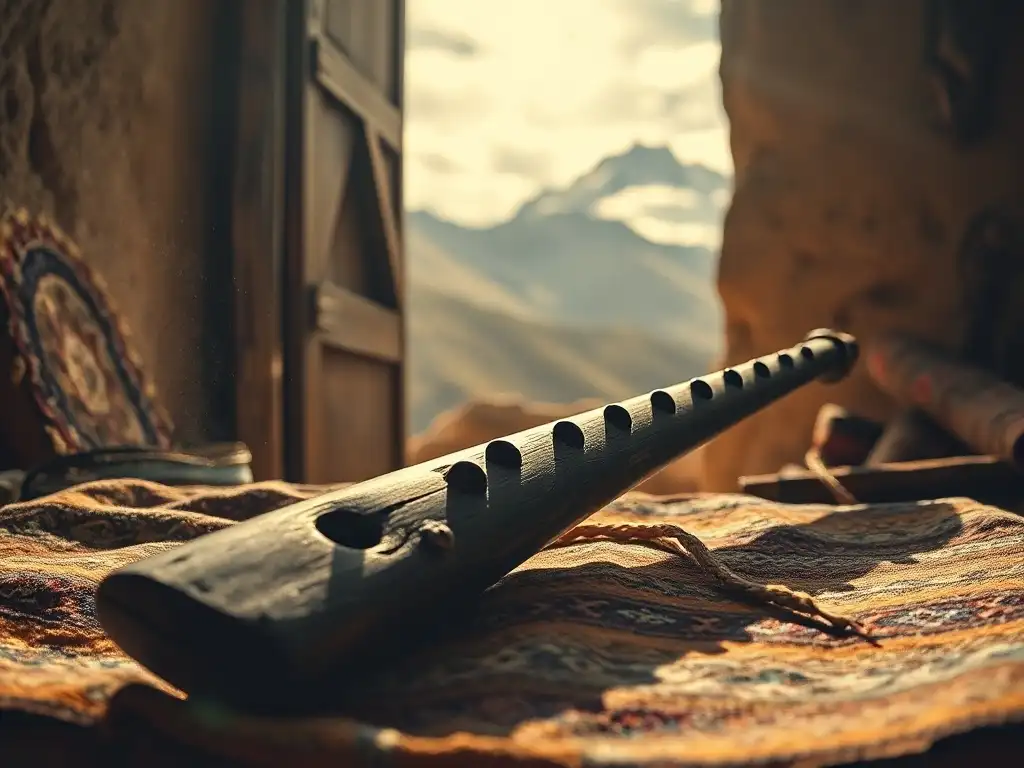
Andean shamanic music healing is deeply intertwined with the spiritual and physical well-being of the Andean people. Music isn't merely entertainment; it's a powerful tool used to diagnose illness, facilitate healing, and connect with the spiritual realm. This section explores the therapeutic aspects of Andean music used in shamanic practices, examining the specific rhythms, melodies, vocalizations, and languages employed to achieve therapeutic effects.
The effectiveness of this music stems from its ability to induce altered states of consciousness, promote emotional release, and foster a sense of community and connection with the natural world. The use of Andean shamanic music in healing is not solely a historical practice; it continues to be a vital part of many Andean communities today.
The Healing Properties of Andean Rhythms and Melodies
The rhythmic and melodic structures of Andean music are not arbitrary; they are carefully crafted to evoke specific emotional and physiological responses. The choice of rhythm and melody is crucial for the shaman, determining the effectiveness of the healing process. Different musical styles are used depending on the nature of the ailment and the desired outcome.
The Use of the Yaraví Rhythm for Emotional Release
The yaraví, a slow and melancholic rhythm characterized by its minor key and repetitive structure, is frequently employed to facilitate emotional release. Its somber tones create a space for confronting and processing grief, sadness, or trauma. The repetitive nature of the rhythm can induce a hypnotic state, allowing the patient to delve into their emotions without feeling overwhelmed.
Ethnomusicological studies have shown that the yaraví's slow tempo and minor tonality can lower heart rate and induce a sense of calm, aiding in emotional regulation. Think of it as a musical catharsis, a safe space for emotional purging. The shaman often uses the yaraví in conjunction with other healing techniques to help patients release pent-up emotions hindering their well-being.
The Use of the Huayno Melody for Community Bonding
In contrast to the yaraví, the huayno, a lively and upbeat melody, plays a crucial role in promoting community bonding and social cohesion. Its energetic rhythm and major key inspire feelings of joy, celebration, and connection. Often used in communal healing ceremonies, the huayno creates a shared experience that strengthens social bonds and fosters a sense of belonging.
The participatory nature of huayno music, where individuals often join in singing and dancing, reinforces this sense of unity and collective healing. Studies show that shared musical experiences release endorphins, promoting feelings of well-being and strengthening social connections, making the huayno an integral part of Andean communal healing practices.
Vocalizations and Chants in Andean Healing
Beyond instrumental music, vocalizations and chants are central to Andean shamanic healing practices. The shaman's voice acts as a conduit, channeling energy and facilitating communication with the spiritual world. Specific vocal techniques and linguistic elements are employed to achieve different therapeutic effects.
The Power of Icaros: Shamanic Healing Songs
Icaros are powerful shamanic healing songs, characterized by their complex melodies, rhythmic structures, and often-nonsensical lyrics. These songs are believed to possess inherent healing properties, able to diagnose and treat illnesses by interacting with the patient's energy field. The shaman's vocalizations, often accompanied by instruments like the pututu (a shell trumpet) or the antara (panpipes), create vibrations believed to restore balance and harmony within the body.
The precise mechanisms remain largely undocumented, but anecdotal evidence supports their effectiveness in treating various ailments, from physical pain to emotional distress. The intricate melodies and rhythms of icaros can induce altered states of consciousness, facilitating deep healing and spiritual insight.
The Use of Vocalizations to Connect with Nature Spirits
Specific vocalizations, often mimicking the sounds of nature (birdsong, wind, water), are used to connect with nature spirits and harness their healing power. These vocalizations act as a bridge between the human and spiritual realms, allowing the shaman to access and channel the healing energy of nature. The shaman may use these vocalizations to invoke the assistance of specific spirits associated with healing or protection.
This deep connection with the natural world is fundamental to Andean cosmology and is reflected in their healing practices. The sounds themselves are believed to resonate with the energy of the natural world, promoting healing and restoring balance.
The Importance of Quechua in Healing Chants
The language used in healing chants is also significant. Quechua, the indigenous language of the Andes, is often used in shamanic healing practices, lending an added layer of power and meaning to the chants. The ancient words, imbued with spiritual significance, are believed to carry a stronger healing energy than modern languages. The use of Quechua reinforces the connection to ancestral traditions and strengthens the healing process.
The specific words and phrases used in Quechua chants are often kept secret, passed down through generations of shamans. This secrecy adds to the mystique and power associated with these healing practices, highlighting the importance of maintaining the integrity of the tradition. The preservation of Quechua in shamanic healing is crucial for the continuation of this vital aspect of Andean culture.
The Shaman as a Healer and Musician
The Andean shaman wasn't simply a spiritual leader; they were deeply intertwined with the community's physical and emotional well-being. Their role extended far beyond spiritual guidance; they were the primary healers, utilizing a complex system of knowledge encompassing herbal remedies, ritual practices, and, crucially, music. The shaman's musical abilities weren't merely a supplementary skill; they were integral to their healing practice, acting as a conduit between the spiritual and physical realms.
This intricate connection between music and healing is a cornerstone of understanding Andean shamanic traditions. The effectiveness of their healing wasn't solely dependent on pharmacological knowledge but also on their ability to manipulate sonic vibrations to affect the patient's energetic state and emotional balance. This holistic approach emphasizes the interconnectedness of mind, body, and spirit, a philosophy deeply embedded in Andean cosmology.
The shaman's mastery of music was therefore a vital component of their overall healing prowess, enhancing the efficacy of their other therapeutic methods. Their songs and chants weren't just sounds; they were carefully crafted tools designed to restore harmony and balance.
The Shaman’s Training in Music and Healing
Becoming a shaman was a rigorous and lengthy process, often spanning many years of apprenticeship. The training wasn't solely focused on herbalism or ritualistic practices; a significant portion was dedicated to mastering music and its therapeutic applications. Aspiring shamans underwent intense musical instruction, learning to play various instruments, understand the nuances of rhythm and melody, and compose songs with specific healing intentions.
This musical education wasn't merely about technical proficiency; it involved a deep understanding of the symbolic and spiritual meanings embedded within each note, rhythm, and instrument. The training often involved intense periods of meditation and spiritual practice, designed to enhance the shaman's sensitivity to the subtle energies associated with music.
This holistic approach ensured that the shaman's musical abilities were not merely technical but deeply imbued with spiritual power, allowing them to effectively channel healing energies through their performance. The rigorous nature of this training underscores the crucial role music played in the Andean shaman's healing repertoire.
The Shaman's Connection to Musical Instruments
The instruments themselves held profound spiritual significance, often crafted from sacred materials and imbued with specific powers. The antara, a panpipe, was particularly important, its multiple pipes representing different levels of reality or different deities. The pututu, a shell trumpet, was used for ceremonial announcements and to summon spirits.
The tinku, a type of drum, was used to create rhythmic patterns associated with healing and protection. Each instrument had unique sonic qualities and symbolic associations, making the shaman's choice of instrument crucial to the healing process. The shaman's connection to these instruments wasn't just a functional one; it was deeply spiritual, a relationship cultivated through years of practice and ritual.
This intimate connection allowed the shaman to channel spiritual energies through the instrument, amplifying their healing power. The choice of instrument was often dictated by the specific ailment or spiritual imbalance the shaman sought to address, highlighting the sophisticated understanding of music's therapeutic applications within the Andean worldview. The meticulous crafting and selection of instruments demonstrated a profound respect for their power and their role in the healing process.
The Shaman's Role in Guiding the Healing Process Through Music
The shaman didn't simply play music; they actively guided the healing process through their musical performance. They used music to induce altered states of consciousness in both the patient and themselves, facilitating communication with the spirit world. Specific melodies and rhythms were associated with different healing intentions, whether it was to dispel negative energies, call upon protective spirits, or restore balance within the patient's body and spirit.
The shaman's vocalizations, often incorporating chants and incantations, played a crucial role, adding another layer of spiritual power to the healing session. The entire process was a carefully orchestrated performance, designed to create a harmonious environment conducive to healing. The shaman's ability to adapt their musical performance to the patient's specific needs demonstrated a deep understanding of both music therapy and the individual's energetic state.
This personalized approach ensured that the music served as a powerful tool for restoring balance and promoting healing on multiple levels. The use of Andean shamanic music healing was a highly personalized and effective method, illustrating the sophisticated understanding of the relationship between music, spirituality, and physical well-being.
Case Studies and Examples of Andean Shamanic Music Healing
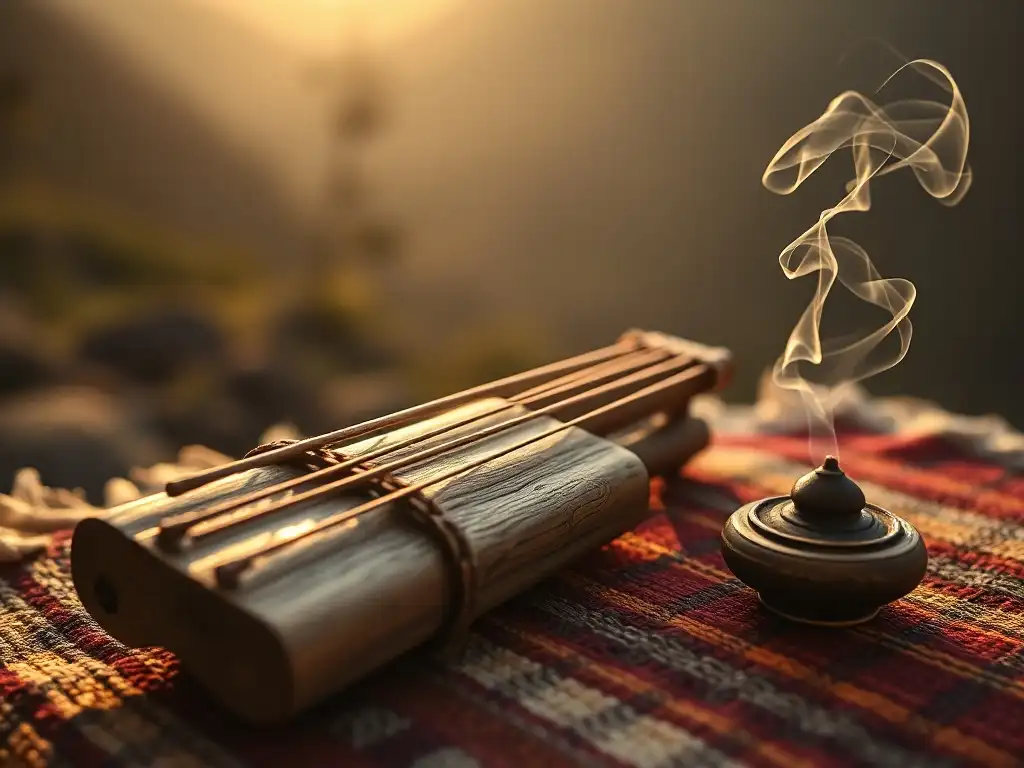
This section delves into specific examples of how Andean shamanic music was, and in some cases still is, utilized in healing practices. We'll examine two distinct case studies, highlighting the types of music employed and the observed outcomes. Understanding these real-world applications provides crucial insight into the profound role music played—and continues to play—in the Andean worldview. The intricate relationship between Andean shamanic music healing and the spiritual well-being of individuals and communities is vividly illustrated through these examples.
Case Study: A Healing Ceremony for a Community Member with Illness
This case study, drawn from ethnographic research conducted in the late 20th century among a Quechua community in the Peruvian highlands, focuses on a healing ceremony performed for a community member suffering from a prolonged illness believed to be caused by an imbalance of energies. The illness manifested as persistent fatigue, loss of appetite, and recurring headaches.
The Music Used in the Ceremony
The shaman, or paqo, employed a variety of instruments and vocalizations throughout the multi-day ceremony. These included:
- Antaras: Panpipes played in a melancholic, yet hopeful, melody. The specific tuning and rhythmic patterns were believed to directly influence the patient's energy flow.
- Pututos: Long, shell trumpets whose deep, resonant tones were used to call upon ancestral spirits and cleanse the negative energies believed to be causing the illness.
- Ikili: A two-stringed Andean lute, its gentle melodies provided a soothing backdrop to the more powerful sounds of the antaras and pututos.
- Vocalizations: The paqo employed a range of vocal techniques, from chanting and humming to high-pitched ululations, believed to directly address and dispel the illness. These were often accompanied by rhythmic shaking and swaying.
The music's tempo and intensity fluctuated throughout the ceremony, reflecting the changing dynamics of the shaman's interaction with the spiritual realm. The carefully chosen musical elements were not merely background; they were active participants in the healing process, designed to resonate with and transform the patient's energetic state.
The Healing Process and Outcomes
The ceremony involved not only music but also ritual cleansing, herbal remedies, and prayers. However, the music played a central role in setting the tone and facilitating the shaman's interaction with the spirit world. The paqo believed that the specific musical elements could directly influence the patient's energy flow, attracting positive spirits and repelling negative ones.
The patient reported feeling a gradual improvement in their condition throughout the ceremony. The persistent fatigue lessened, their appetite returned, and the headaches diminished. While not a complete cure, the ceremony brought about a significant improvement in the patient's overall well-being. The community attributed this improvement to the shaman's skill and the powerful healing properties of the Andean shamanic music healing employed. This demonstrates a strong correlation between the ritual, including the music, and the observed positive outcomes.
Case Study: A Ceremony to Restore Balance after a Natural Disaster
This example explores a different application of Andean shamanic music in healing, focusing on restoring communal balance after a devastating earthquake. This case study, based on historical accounts and oral traditions, illustrates how music played a vital role in the community's recovery process.
The Music Used in the Ceremony
Following the earthquake, a large-scale ceremony was conducted to restore harmony and balance within the community and their relationship with the Pachamama (Mother Earth). The music played a crucial role in this process. The instruments used in this ceremony were different from those in the previous example, reflecting the different purpose and context:
- Tinku music: This genre, characterized by its strong rhythms and energetic melodies, was used to express the community's grief and resilience. It provided a shared outlet for the emotional trauma experienced.
- Wayno: This genre, often associated with courtship and celebration, was employed to foster hope and a sense of community spirit. The uplifting melodies helped to counter the despair and fear following the earthquake.
- Whistle melodies: High-pitched whistles, often representing communication with the spirits, were used to call upon protective deities and seek their intervention in restoring balance to the land and its people. These were interspersed with the tinku and wayno to create a dynamic and powerful soundscape.
The Healing Process and Outcomes
The ceremony, lasting several days, involved a combination of music, dance, offerings to Pachamama, and collective prayer. The music served multiple purposes: it provided emotional catharsis, fostering a sense of shared experience and resilience; it created a sacred space for communal healing; and it symbolically reconnected the community with the natural world, helping them to rebuild their lives amidst the devastation.
While the earthquake’s physical damage was extensive, the ceremony is credited with helping the community to heal emotionally and spiritually. The shared experience of music and ritual fostered a sense of unity and collective resilience, facilitating the arduous process of rebuilding their lives and their relationship with their environment. This case study clearly demonstrates the powerful role Andean shamanic music healing can play in community recovery and the restoration of spiritual balance after traumatic events.
The Legacy and Preservation of Andean Shamanic Musical Traditions
The legacy of Andean shamanic music healing is deeply intertwined with the survival of indigenous cultures across the Andes Mountains. For millennia, these musical traditions have served not only as a conduit for spiritual healing but also as a vital component of social cohesion and cultural identity. The intricate melodies, rhythmic patterns, and unique instrumentation reflect a profound connection to the Andean landscape and cosmology.
From the haunting sounds of the antara (panpipes) to the resonant tones of the tinku (a ritualistic dance and music genre), each musical element carries symbolic weight and contributes to the overall healing process. Understanding this legacy requires acknowledging the complex interplay between music, spirituality, and social structures within Andean societies.
The Challenges of Preserving Ancient Musical Practices
Preserving Andean shamanic music healing faces numerous challenges in the modern era. The rapid pace of globalization and urbanization threatens to erode traditional knowledge and practices. Younger generations, often drawn to Western musical styles, may not fully appreciate the significance of their ancestral musical heritage. Furthermore, the suppression of indigenous cultures throughout history has resulted in a loss of knowledge and the fragmentation of musical traditions.
Many ancient instruments have been lost or damaged, and the oral transmission of musical knowledge, once the primary method of instruction, is becoming less effective. This necessitates a concerted effort to document, archive, and teach these precious musical traditions before they are lost forever. Accurate transcriptions and recordings are crucial for future generations, alongside the establishment of cultural centers and educational programs dedicated to preserving Andean musical heritage. The need for dedicated funding and governmental support for these initiatives cannot be overstated.
Without such support, the unique sounds of Andean shamanic healing music risk fading into silence. We must actively combat the erosion of this invaluable cultural asset. The loss would be irreparable, not only for the Andean people but for the world at large.
The Importance of Honoring and Understanding Andean Shamanic Music
Honoring and understanding Andean shamanic music is crucial for several reasons. Firstly, it represents a profound connection to the ancient past and the enduring wisdom of indigenous communities. These musical traditions offer invaluable insights into Andean cosmology, spirituality, and social structures.
Secondly, the music itself possesses therapeutic properties, offering a pathway to healing and well-being for both individuals and communities. The rhythmic patterns and melodic structures can induce states of deep relaxation and promote emotional balance. Thirdly, preserving this musical heritage contributes to the broader goal of cultural diversity and the recognition of indigenous rights.
By supporting the continuation of Andean shamanic music, we acknowledge the rich cultural tapestry of the Andes and contribute to a more just and equitable world. The vibrant sounds of the Andes deserve to be celebrated and protected, not only as a testament to a rich history but also as a source of healing and inspiration for future generations. The intricate relationship between music, ritual, and healing within Andean cultures is a testament to the power of traditional practices.
The Role of Music in Contemporary Andean Culture
Despite the challenges, Andean shamanic music continues to play a vital role in contemporary Andean culture. While some aspects of traditional practices have adapted to modern contexts, the core values and beliefs remain intact. Many communities continue to incorporate shamanic music into healing ceremonies, religious rituals, and social gatherings.
Furthermore, there is a growing interest in Andean music among both Andean people and international audiences, leading to increased opportunities for cultural exchange and the preservation of these traditions. Contemporary Andean musicians are actively working to revitalize and reinterpret their musical heritage, blending traditional techniques with modern approaches. This fusion demonstrates the enduring power and adaptability of Andean shamanic music healing, while also ensuring its continued relevance in the 21st century.
The ongoing evolution of this music showcases its resilience and adaptability while preserving its core spiritual significance. This dynamic interplay between tradition and innovation ensures the survival and continued relevance of Andean shamanic music.
Frequently Asked Questions
What role did music play in Andean healing practices?
Andean cultures believed music held powerful healing properties. Shamans used songs, chants, and instruments like the pututu and antara to connect with the spiritual world and facilitate healing. This was often integral to a holistic healing approach.
How did Andean shamans use music in their rituals?
Shamans incorporated music into their rituals to enter altered states of consciousness, communicate with spirits, and influence the healing process. The rhythms and melodies were believed to affect the energy flow of the patient and the environment.
What types of instruments were commonly used in Andean shamanic healing?
Common instruments included the pututu (a shell trumpet), antara (panpipes), and various drums and rattles. Each instrument had specific spiritual associations and played a unique role in the healing ceremony.
Is Andean shamanic music healing still practiced today?
Yes, many traditions are still practiced, though often adapted to modern contexts. While the exact forms may vary, the core principles of using music for healing and spiritual connection remain relevant to many communities.
Where can I learn more about Andean shamanic music healing?
You can explore ethnomusicology resources, search for recordings of traditional Andean music, and look for information on contemporary practitioners who continue these healing traditions. Academic research and cultural centers can also provide valuable insights.
Final Reflection: The Enduring Power of Andean Healing Sounds
The ancient wisdom embedded within Andean shamanic music continues to resonate powerfully in our modern world, offering a potent antidote to the pervasive stress and disharmony of contemporary life. Its healing frequencies, passed down through generations, are not merely historical artifacts; they are a living testament to the interconnectedness of sound, spirit, and well-being. This enduring legacy challenges us to reconsider our relationship with both traditional healing practices and the power of music itself.
The profound impact of Andean shamanic music extends far beyond the Andes mountains, touching the lives of countless individuals seeking solace and healing. Its intricate melodies and rhythmic structures act as a bridge between the conscious and subconscious mind, facilitating a journey towards inner peace and self-discovery. As anthropologist Carlos Castaneda eloquently stated, The world is not what it seems. It is only what you choose to see.
This resonates deeply with the shamanic experience, where music acts as a catalyst, allowing us to perceive realities beyond the limitations of our everyday perceptions and to access the healing power within ourselves.
Consider the profound implications of this ancient practice. You, too, can harness the power of sound to cultivate inner harmony and well-being. Listen deeply to the music, allow its vibrations to wash over you, and explore the potential for healing that lies within the ancient rhythms and melodies of the Andes. Embrace the opportunity to connect with a tradition that transcends time and culture, and discover the transformative power of sound for yourself. Let the secrets of the shaman inspire your own journey towards wholeness.
Experience the Healing Power of Andean Music!
Thank you for joining us on this journey exploring the fascinating role of music in Andean healing practices. You've discovered the profound connection between sound and wellness that these ancient cultures understood. Now, let's explore this vibrant world further:
- Explore traditional Andean music: Discover the healing sounds of Andean music through readily available online playlists. Let the music resonate with you and enhance your daily well-being.
- Attend a sound healing session: Experience the transformative power of Andean instruments firsthand by attending a local sound healing session or workshop.
- Share your knowledge: Discuss your newfound understanding with friends and family who might also benefit from the healing power of Andean music.
What aspect of healing music are you most excited to explore next?