
The Role of Music in Andean Warfare: Stirring the Hearts of Warriors

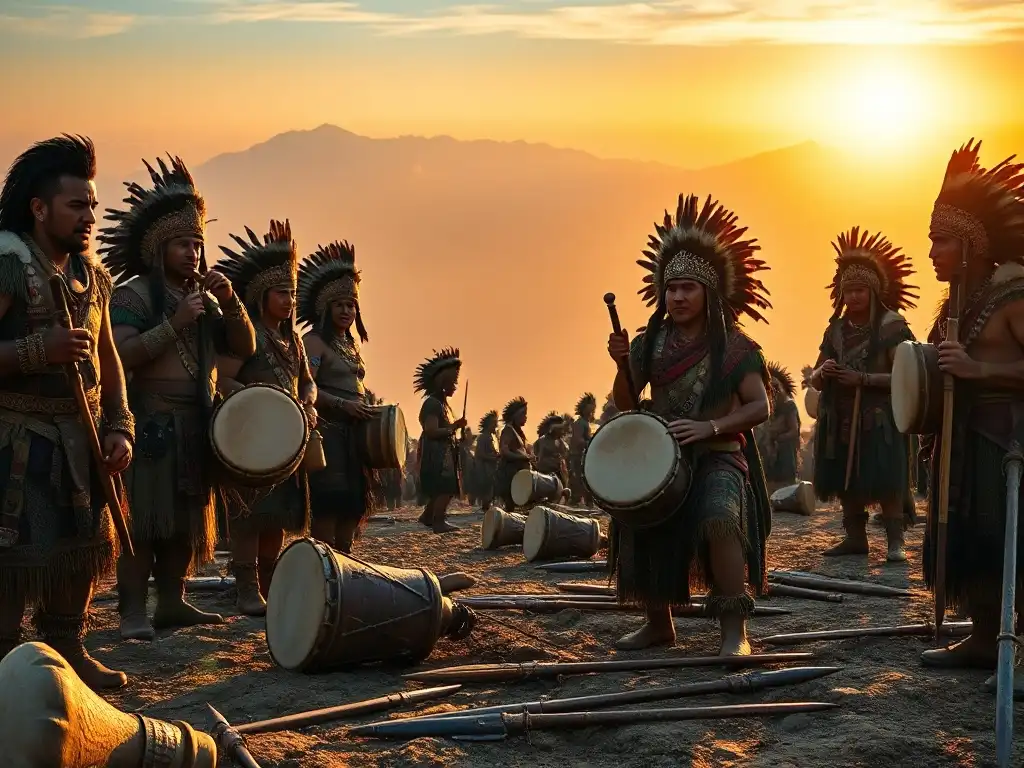
Step into a world lost to time, yet echoing with the rhythms of power and conquest. Imagine the chilling sounds that spurred Andean warriors into battle, the music that fueled their relentless ambition. This website delves into the fascinating tapestry of Andean civilizations, unveiling their intricate societies and breathtaking artistry.
But first, prepare to be captivated by the story of Andean warfare music instruments, and the crucial role they played in shaping the destiny of empires. Discover how these instruments stirred the hearts of warriors and resonated across the Andes… the truth is far more complex than you might imagine.
The clash of armies, the cries of combatants, the thunder of hooves – these are the visceral images often associated with warfare. Yet, the sounds of ancient Andean conflicts were far richer and more nuanced than mere chaos.
Music played a pivotal role in Andean warfare, serving not merely as background noise but as a potent force shaping the morale, strategy, and even the outcome of battles. This article delves into the fascinating intersection of music and warfare in pre-Columbian Andean societies, exploring the instruments used, their symbolic significance, and the ways in which music galvanized warriors and instilled fear in their enemies.
We will examine the evidence from archaeological finds, ethnomusicological studies, and historical accounts to shed light on the crucial role of Andean warfare music instruments in shaping the destinies of these remarkable civilizations. We'll focus specifically on the Incas, Moche, Nazca, and Tiahuanaco cultures, highlighting the unique musical traditions and instruments associated with their respective military practices.
Introduction: Music as a Force in Ancient Andean Conflicts
Music wasn't merely entertainment in ancient Andean societies; it was deeply intertwined with religious beliefs, social structures, and, significantly, warfare. The rhythmic beats of drums, the piercing sounds of flutes, and the resonant tones of trumpets weren't just auditory experiences; they were powerful tools used to manipulate emotions, coordinate actions, and bolster the fighting spirit. Imagine the scene: thousands of warriors, their hearts pounding in unison with the rhythmic pulse of drums, their movements synchronized by the haunting melodies of panpipes.
This wasn't simply a chaotic melee; it was a meticulously choreographed performance of military might, orchestrated by the power of music. The strategic deployment of music in Andean warfare highlights the sophisticated understanding of its psychological and tactical impact, underscoring the deep integration of music into the very fabric of Andean society.
The use of music in this context wasn't simply a matter of boosting morale; it was a calculated strategy that aimed to both inspire allies and demoralize opponents. This strategic use extended beyond the battlefield, influencing aspects of recruitment, training, and even ceremonial rituals associated with warfare.
The Significance of Music in Pre-Columbian Andean Societies
The significance of music in pre-Columbian Andean societies is undeniable. Archaeological excavations have unearthed a wealth of musical instruments, ranging from simple bone flutes to intricately carved ceramic trumpets. These finds offer tangible evidence of the widespread use and importance of music in daily life, religious ceremonies, and, importantly, warfare.
The instruments themselves often held deep symbolic meaning, representing power, divinity, and the connection between the earthly and spiritual realms. For example, certain types of drums might be associated with specific deities or ancestral spirits, invoking their protection and strength upon the warriors. The meticulous craftsmanship evident in many of these instruments suggests that they were not simply functional tools but also objects of significant cultural and religious value.
The variety of instruments used – including pututos (large shell trumpets), antara (panpipes), and various types of drums – suggests a complex and diverse musical landscape, reflecting the rich cultural tapestry of the Andean region. Further research into the specific types of Andean warfare music instruments and their regional variations is needed to fully understand the nuances of their use in different Andean cultures. The interplay of these instruments created a powerful sonic tapestry that served multiple purposes within the context of Andean warfare.
- Introduction: Music as a Force in Ancient Andean Conflicts
- The Significance of Music in Pre-Columbian Andean Societies
- What role did music play in Andean warfare?
- What types of instruments were used in Andean warfare music?
- How did the music influence the warriors' emotions?
- Were specific musical pieces associated with particular battles or events?
- How did the use of music in Andean warfare compare to other ancient cultures?
Andean Warfare Music Instruments: A Symphony of Battle

The sounds of battle in the Andes weren't solely the clash of weapons. A crucial element of Andean warfare was the strategic use of music, employing a variety of instruments to inspire courage, coordinate attacks, and instill fear in the enemy. Understanding the role of these Andean warfare music instruments provides a richer understanding of the complex military strategies employed by civilizations like the Inca, Wari, and Tiwanaku.
The instruments weren't mere accompaniments to war; they were integral components of the overall military machine, shaping the psychological and tactical landscape of conflict. The very sounds themselves became weapons, influencing the morale and actions of both combatants and adversaries.
Wind Instruments: The Sound of Command and Motivation
Wind instruments held a prominent position in Andean warfare music. Their powerful and far-reaching sounds were ideal for commanding large groups of soldiers across vast distances, particularly in the challenging Andean terrain. The ability to quickly convey orders and maintain cohesion among scattered units was paramount. The resonant tones also served to boost morale and instill a sense of unity and purpose among the warriors, preparing them for the rigors of battle.
The psychological impact of these instruments on both sides of the conflict shouldn't be underestimated. The sheer volume and penetrating quality of the sounds could be as demoralizing to the enemy as they were inspiring to one's own troops. Consider the effect of a sudden, powerful blast of a pututo horn echoing through the mountains, a sound both commanding and terrifying.
The Use of Pututos in Andean Warfare
The pututo, a long, shell trumpet, is perhaps the most iconic Andean warfare music instrument. Made from a large marine shell, often a Strombus galeatus, the pututo produced a deep, resonant sound capable of carrying for miles. Its use was not limited to signaling; the distinctive sound of the pututo was often associated with specific commands, such as the commencement or cessation of battle, the advance or retreat of troops, and even the announcement of victories or defeats.
Archaeological evidence suggests that pututos were intricately carved and decorated, reflecting their importance as both musical instruments and powerful symbols of authority and military power. The size and craftsmanship of some discovered pututos indicate a high level of prestige associated with their use, often reserved for elite warriors or high-ranking officials.
The distinct sounds created by different types of pututos, due to variations in size and shape, might have conveyed different tactical commands. Further research into this nuanced aspect of Andean warfare is needed to fully understand the complexity of their signaling system.
Flutes and Panpipes: Signaling and Rallying Troops
While the pututo commanded attention with its powerful sound, smaller instruments like flutes and panpipes played a crucial role in Andean warfare music, providing a different layer of communication and motivation. These instruments, often crafted from wood or bone, were used for shorter-range communication and for rallying troops during close-quarters combat. Their melodies, though less powerful than the pututo's blast, could be used to coordinate attacks, maintain rhythm during marches, and boost morale during intense fighting.
The portability of these instruments allowed for their use in a wider range of situations, making them a versatile addition to the Andean warrior's arsenal. Different melodies and rhythms might have signified specific maneuvers or formations, creating a sophisticated system of musical commands.
The precise meanings of these musical signals, however, remain largely unknown, representing an important area for future research on Andean warfare music instruments and their role in military strategy. The surviving examples, often found in archaeological contexts associated with warfare, underscore their importance in the Andean military landscape.
Percussion Instruments: Setting the Rhythm of War
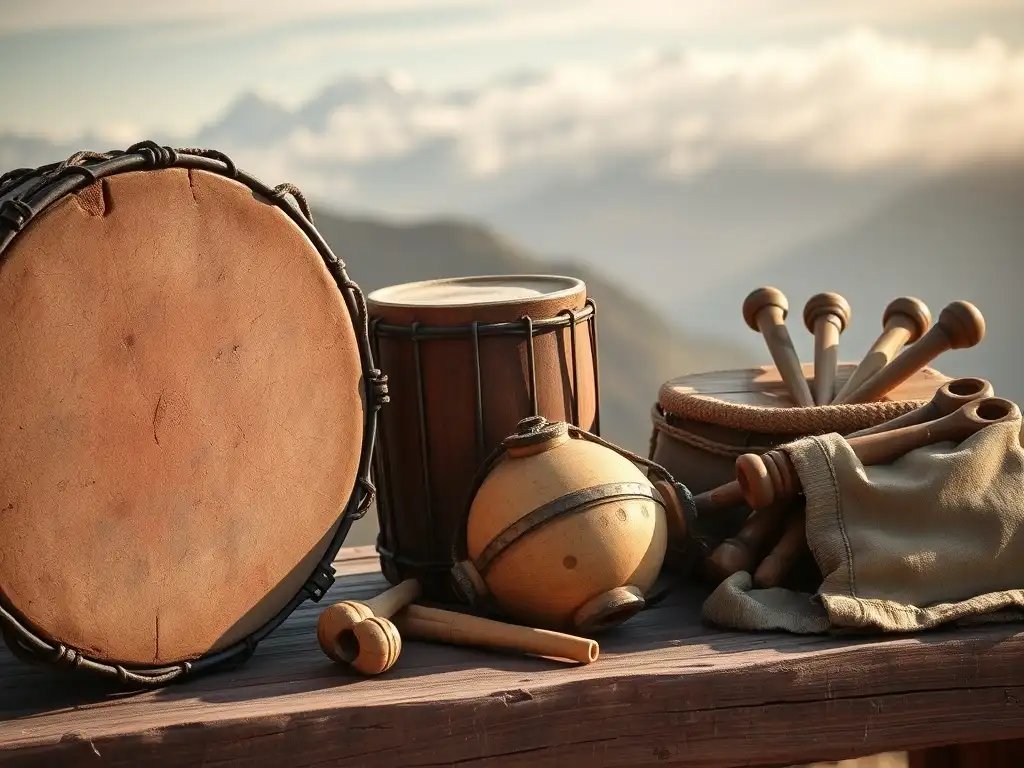
Percussion instruments formed the backbone of Andean warfare music, providing the driving rhythm and powerful pulse that instilled courage and coordinated movements on the battlefield. The sheer volume and intensity of these instruments would have been awe-inspiring, creating a sonic landscape designed to both intimidate enemies and bolster the morale of the warriors. The rhythmic pounding of drums, for instance, could synchronize attacks, signal retreats, or even communicate across vast distances.
The diverse range of percussion instruments available to Andean civilizations ensured a rich and complex soundscape, reflecting the sophistication of their musical culture and its integration into military strategy. The crafting of these instruments, often from readily available materials like wood, animal hides, and gourds, showcases the ingenuity and practical skills of the Andean peoples.
Their effectiveness in warfare underscores the deep understanding of the psychological effects of music, a tactic used centuries before modern warfare. The rhythmic pulse of these instruments wasn't merely accompaniment to battle; it was a crucial element in the orchestration of conflict itself.
The Role of Drums in Andean Military Formations
Drums held a position of paramount importance in Andean military formations. Different drum sizes and rhythms likely conveyed specific commands, acting as a sophisticated communication system on the battlefield, where visibility might be limited or obscured by dust and smoke. Large, bass drums could have announced major tactical shifts, while smaller, faster drums might have signaled the initiation of attacks or changes in formation.
The strategic placement of drummers within the army would have been crucial, ensuring that commands reached all parts of the formation effectively. Evidence suggests that drummers may have held a specialized role within the military, possibly receiving specialized training and possessing a deep understanding of the complex rhythmic vocabulary used in warfare.
The rhythmic patterns themselves, passed down through generations, were likely imbued with symbolic meaning, further strengthening their impact on the warriors. The constant, powerful rhythm provided by the drums would have helped maintain the soldiers' focus and energy during prolonged engagements.
Other Percussion Instruments Used in Battle
While drums dominated the soundscape of Andean warfare, other percussion instruments played supporting roles, adding depth and complexity to the overall sonic effect. These included instruments like pututus (long, shell trumpets, which, while technically wind instruments, often produced a percussive effect due to their forceful blasts), various types of rattles made from gourds filled with seeds or stones, and possibly even the striking of specially prepared stones or wood blocks.
These instruments, while perhaps less prominent than the drums, contributed to the overall atmosphere of tension and excitement, amplifying the effects of the drumbeats and adding layers of rhythmic intricacy. The combination of these various instruments created a powerful and overwhelming auditory experience for both the warriors and their enemies.
The diversity of percussion instruments employed demonstrates the nuanced understanding of rhythm and its capacity to inspire, control, and ultimately, determine the outcome of battle. Further research into archaeological findings could reveal even more about the specific types and functions of these less-common percussion instruments in Andean warfare.
The Impact of Music on Andean Warriors
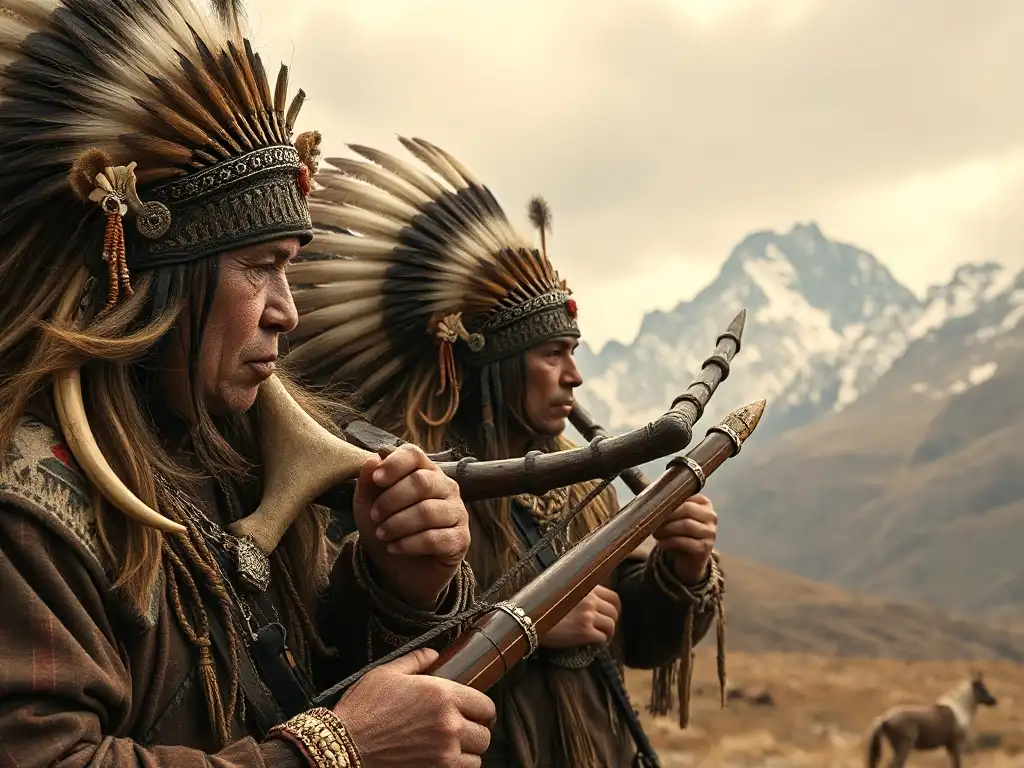
The rhythmic pulse of drums, the haunting melodies of panpipes, the shrill cries of conches – these were not mere soundscapes in Andean warfare, but powerful tools wielded alongside weaponry. Music played a crucial role in shaping the psychological state of warriors, influencing battlefield tactics, and ultimately, determining the outcome of conflicts. Understanding the impact of music on Andean warriors requires delving into its multifaceted applications, from boosting morale to instilling fear in the enemy. The study of Andean warfare music instruments reveals a sophisticated understanding of the power of sound in shaping human behavior.
Psychological Effects: Boosting Morale and Courage
The psychological impact of music on Andean warriors was profound. Before battle, music served as a powerful morale booster, fostering a sense of unity and shared purpose. Imagine the scene: hundreds of warriors, their bodies painted in vibrant war colors, marching to the beat of powerful drums.
The rhythmic percussion, combined with the chanting of war songs, created a powerful wave of collective energy, bolstering individual courage and reducing feelings of fear and anxiety. This pre-battle ritual was not merely a symbolic gesture; it was a carefully orchestrated psychological operation designed to prepare warriors for the brutal realities of combat.
Anthropological studies suggest that the specific rhythms and melodies were chosen to induce states of heightened alertness and aggression, while simultaneously promoting a feeling of camaraderie and shared destiny among the fighting force. The use of specific Andean warfare music instruments, like the pututu (a type of conch shell trumpet), was particularly effective in creating a sense of awe and invigoration.
Studies of modern indigenous communities in the Andes who still practice traditional warfare rituals show similar patterns. The use of drums and flutes to raise morale and instill a sense of collective power remains a key element in these ceremonies. Moreover, the songs themselves often tell tales of past victories and heroic ancestors, further reinforcing the warriors' sense of confidence and invincibility.
Music as a Tool for Intimidation and Fear
Beyond its internal function of boosting morale, music also served as a potent tool for intimidation and psychological warfare. The sounds of approaching armies, amplified by strategically deployed Andean warfare music instruments, were designed to strike fear into the hearts of their enemies. The deep, resonant tones of the pututu, for example, could carry for miles, creating a sense of impending doom and overwhelming power.
This strategic use of sound was not accidental; it was a calculated attempt to demoralize the enemy before physical conflict even began. The sheer volume and unexpected nature of the sounds could disrupt enemy formations, sow confusion, and even trigger panic.
Consider the visual impact combined with the auditory: the sight of a massive army advancing, accompanied by the thunderous sounds of drums and the piercing cries of conches. The effect would have been terrifying for an opponent already facing an overwhelmingly powerful force. The use of specific Andean warfare music instruments was carefully considered, with instruments chosen for their ability to project sound over long distances, create a sense of unease, or evoke a feeling of impending destruction.
The Use of War Songs and Chants
War songs and chants played an integral role in Andean warfare, serving both practical and symbolic functions. These songs were not simply expressions of aggression; they contained vital information about battle strategies, troop movements, and calls for specific actions. They served as a form of real-time communication on the battlefield, coordinating the actions of warriors in a manner far more efficient than verbal commands in the chaos of combat. The lyrics often celebrated past victories, invoked the spirits of ancestors, and invoked divine protection, further boosting the warriors' confidence and resolve.
Furthermore, the rhythmic structure of these chants helped to regulate the warriors' breathing and movements, promoting physical endurance and coordination. The repetitive nature of the chants could also induce a hypnotic state, reducing the perception of pain and fatigue. The use of specific vocal techniques, combined with the rhythmic accompaniment of drums and other instruments, created a powerful auditory experience that deeply impacted the warriors' physical and mental state.
The detailed analysis of preserved fragments of war songs reveals a complex system of coded messages and symbolic imagery, highlighting the sophistication of this communication method. The study of these songs provides invaluable insights into the beliefs, values, and military strategies of the ancient Andean civilizations. The preservation of these musical traditions, even in fragmented forms, offers a powerful testament to the enduring legacy of Andean warfare and its complex relationship with music.
Rituals and Ceremonies Involving Music Before and After Battles
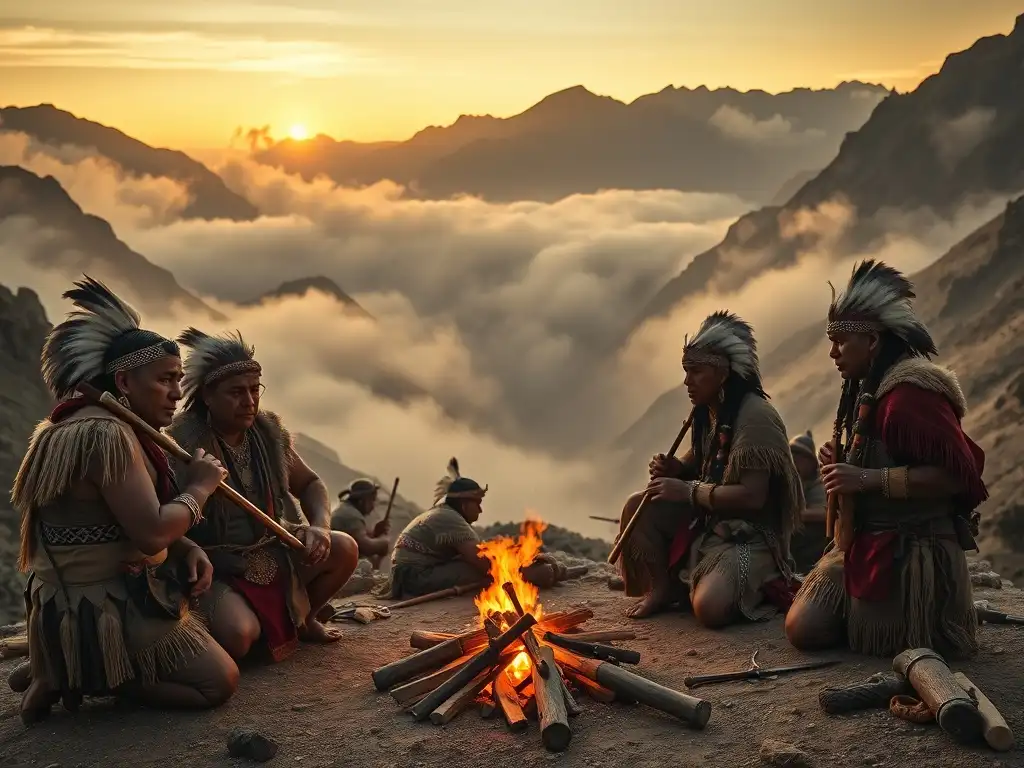
The vibrant tapestry of Andean warfare was intricately woven with the threads of music. It wasn't merely background noise; music played a vital, ritualistic role, influencing the morale of warriors, invoking divine favor, and shaping the social and spiritual landscape before, during, and after battles. Understanding the instruments and musical forms used in these contexts is key to appreciating the profound influence of music on Andean warfare. The study of Andean warfare music instruments reveals a complex relationship between sound, spirituality, and the very fabric of Andean society.
Pre-Battle Rituals: Invoking the Gods and Ancestors
Pre-battle rituals were crucial in preparing warriors both physically and spiritually. These ceremonies often involved elaborate musical performances designed to invoke the favor of gods and ancestors, bolstering courage and ensuring victory. The specific instruments used varied across different Andean cultures, but commonly included:
- Antaras: These panpipes, made from reeds or cane, produced haunting melodies believed to communicate with the spirit world. Their evocative sounds were thought to channel the power of nature and the ancestors, inspiring warriors with supernatural strength. Different antaras, with varying numbers of pipes, produced different tonal qualities, potentially signifying different deities or ancestral spirits.
- Pututos: Large, intricately carved conch shell trumpets, pututos produced a powerful, resonant sound capable of carrying across vast distances. Their deep, booming notes were believed to strike fear into the hearts of enemies while simultaneously inspiring courage in the Andean warriors. The size and design of the pututo often indicated the status of the blower within the community, further emphasizing the instrument's importance in ritual.
- Tarkas: These long, slender reed pipes, often played in ensembles, created a vibrant, energetic atmosphere. Their high-pitched melodies were believed to energize warriors and heighten their fighting spirit. The precise arrangement of tarkas varied depending on the specific ritual and the desired effect.
The pre-battle rituals weren't simply a performance; they were a deeply spiritual experience designed to unify the warriors and connect them to the divine power that was believed to determine the outcome of battle. The combination of these instruments, along with chanting and prayers, created a powerful atmosphere, preparing the warriors mentally and spiritually for combat. The rhythmic nature of the music also served a practical purpose, synchronizing the movements of the warriors and coordinating their attacks.
Musical Performances During Victory Celebrations
The triumphant return of victorious warriors was met with exuberant celebrations that included elaborate musical performances. These celebrations served several vital purposes: reinforcing social cohesion, commemorating fallen comrades, and solidifying the power of the ruling elite. The music played a pivotal role in these celebrations, amplifying the joy, pride, and sense of accomplishment.
Victorious celebrations often incorporated a wider range of instruments than pre-battle rituals. This reflected the celebratory mood and the desire to showcase the cultural richness and diversity of the Andean societies. In addition to the antaras, pututos, and tarkas, we might also see:
- Drums (various types): Providing a driving rhythmic pulse that fueled the celebratory atmosphere. Different drum sizes and materials likely produced varied sounds, each contributing to the overall sonic tapestry.
- Singing and Chanting: Vocal performances played a crucial role, with songs celebrating the victory and honoring the gods and ancestors who were believed to have ensured the successful outcome of the battle.
The celebratory music was often more overtly joyful and less spiritually focused than the pre-battle rituals. This shift in musical style reflected the change in purpose—from invoking divine favor to expressing communal joy and solidifying social bonds. The rhythmic, energetic nature of the music encouraged dancing and communal participation, further strengthening the sense of unity and shared accomplishment within the group. The sheer volume and variety of instruments used would have created an overwhelmingly powerful and memorable experience.
Music's Role in the Aftermath of War
The aftermath of war, whether victory or defeat, was also profoundly shaped by music. Music played a role in mourning the fallen, healing emotional wounds, and restoring social order. In the case of defeat, music may have been used to express grief, seek solace, and begin the process of rebuilding.
Following a battle, regardless of the outcome, music served as a crucial therapeutic tool. The rhythmic patterns and melodies could provide comfort and a sense of closure for those who had experienced the trauma of combat. The sounds of familiar instruments helped to restore a sense of normalcy and stability in a community that had been disrupted by violence.
The specific instruments used in post-battle rituals might have overlapped with those used in pre-battle and victory celebrations. However, the musical style and the emotional tone would have been markedly different. Songs of mourning would have been prevalent, along with instrumental pieces that conveyed a sense of sorrow and reflection.
The music served as a powerful outlet for processing grief and trauma, facilitating the healing process for the entire community. The use of Andean warfare music instruments in this context underscores their importance as more than just tools of war; they were integral to the social and emotional life of Andean societies.
Case Studies: Specific Examples of Music in Andean Warfare
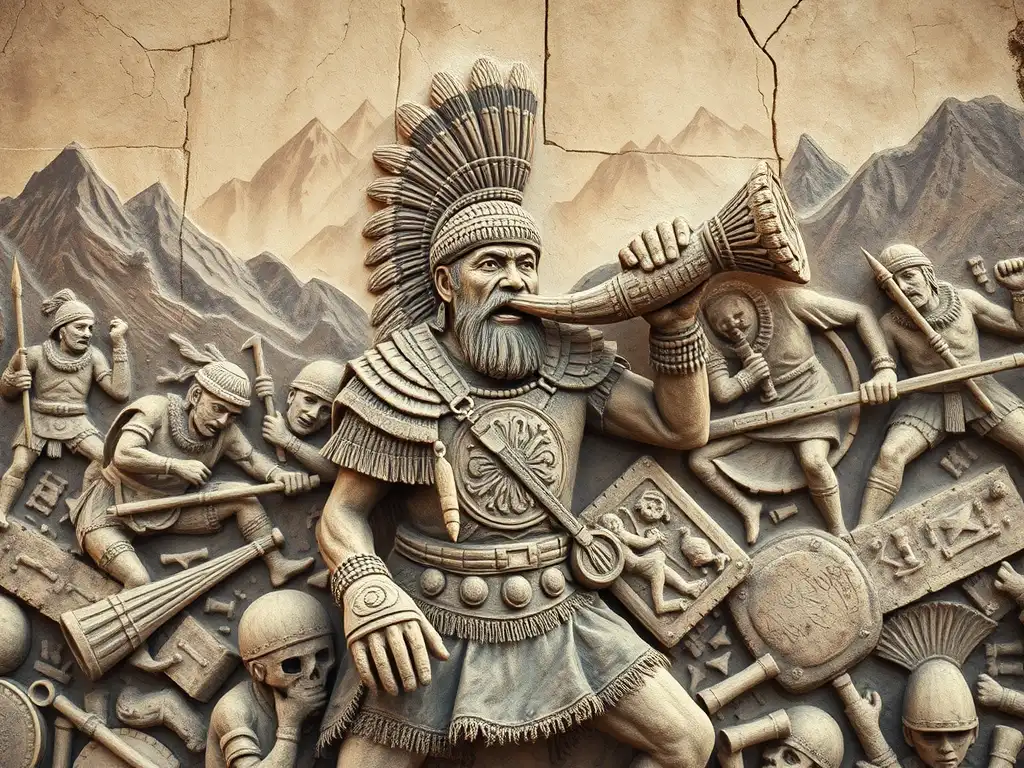
This section delves into specific historical instances where music played a documented role in Andean warfare, showcasing the diverse instruments and their strategic deployment. We'll examine how the sounds of war influenced morale, coordination, and the overall outcome of battles. Understanding these examples provides crucial insight into the multifaceted relationship between music and military strategy in the Andes. The use of "Andean warfare music instruments" was not merely ceremonial; it was integral to the conduct of war itself.
The Battle of Yahuarpampa and the Use of War Drums
The Battle of Yahuarpampa (circa 1460s), a pivotal conflict between the Inca Empire and the Chanca Confederacy, offers a compelling illustration of the strategic use of percussion in Andean warfare. While detailed accounts are scarce, archaeological evidence and surviving oral traditions suggest a significant role for war drums – pututus and tinguas – in bolstering Inca troop morale and coordinating attacks.
The pututu, a long, shell trumpet, produced a deep, resonant sound capable of carrying across vast distances. Its distinctive bellow likely served to unify the Inca army, instilling a sense of collective purpose and fear in the opposing Chanca forces. Simultaneously, smaller, hand-held drums like the tingua, made from animal hide stretched over a wooden frame, provided a rhythmic pulse for the advancing troops, synchronizing their movements and maintaining a steady, forceful advance.
The rhythmic pounding of the tinguas created a palpable sense of urgency and power, while the booming calls of the pututu served as a signal for key maneuvers, such as flanking movements or the commencement of a full-scale assault. The combined effect created an aural landscape of war, designed to intimidate the enemy and inspire the Inca warriors. This synergistic use of different percussion instruments highlights the sophisticated understanding of sonic warfare employed by the Inca military.
The Inca Conquest of Chimor and the Role of Flutes
The Inca conquest of the Chimor kingdom (late 15th century) presents another fascinating example of music's role in Andean warfare, though with a different instrumental focus. While percussion instruments undoubtedly played a role, evidence suggests that wind instruments, particularly panpipes ( antara) and vertical flutes ( quena), were utilized to enhance psychological warfare and project an image of Inca dominance.
Unlike the raw power of the drums, the melodic sounds of the antara and quena were likely used to create a more subtle, yet equally effective, impact on the battlefield. The sweet, haunting melodies of the quena could have been employed to demoralize the Chimor troops, while the more complex harmonies of the antara may have served as a powerful symbol of Inca cultural and military superiority. The Inca army's mastery of both percussion and melody may have been interpreted as a sign of their advanced civilization, further undermining Chimor resistance.
The use of these instruments wasn’t limited to the battlefield itself. Before battles, Inca musicians may have used these instruments to boost the morale of their troops and to intimidate their enemies. The melodic sounds of these instruments, contrasted with the fierce sounds of the drums, created a complex soundscape that reflected the Inca's sophisticated military strategies.
This strategic deployment of diverse instruments demonstrates a nuanced understanding of the psychological impact of music in warfare. Further research is needed to fully elucidate the specific musical pieces and their tactical application during this significant historical event. The exact melodies and rhythms used remain largely unknown, making this a rich area for future study in the field of Andean warfare music instruments.
Conclusion: The Enduring Legacy of Andean War Music
The study of Andean warfare music instruments reveals a fascinating interplay between sonic power, cultural identity, and military strategy. The soundscapes of battle, crafted through meticulously designed instruments and rhythmic patterns, were not merely background noise; they were integral components of Andean warfare, shaping the psychological landscape of both warriors and their adversaries. Understanding this aspect of Andean civilizations provides crucial insight into their societal structures, belief systems, and military prowess. The echoes of these ancient sounds continue to resonate in contemporary Andean music, demonstrating the enduring power of cultural heritage.
The Importance of Preserving Andean Musical Heritage
Preserving Andean musical heritage, particularly the instruments and musical forms associated with warfare, is paramount for several reasons. Firstly, it allows us to connect with the past and gain a deeper understanding of the complexities of Andean civilizations. These musical traditions are not simply relics of the past; they are living testaments to the ingenuity and resilience of these cultures. Secondly, the preservation of these instruments and musical forms helps to maintain cultural identity and pride within Andean communities.
The sounds of these instruments evoke a sense of history and belonging, fostering a connection between past and present generations. Thirdly, the study of Andean warfare music provides valuable insights into the broader field of ethnomusicology, enriching our understanding of the relationship between music, culture, and conflict across diverse societies. The meticulous documentation and analysis of these instruments, along with the oral traditions associated with them, are crucial for future generations of researchers and musicians.
Failure to preserve this rich musical heritage risks losing a significant piece of the Andean cultural puzzle, silencing the voices of ancestors and diminishing the cultural richness of the region. We must actively support efforts to document, archive, and promote these unique musical traditions before they are lost forever. This includes supporting initiatives focused on the restoration and preservation of ancient instruments, the training of new musicians in traditional techniques, and the dissemination of knowledge about Andean music to a wider audience.
How Andean Warfare Music Influenced Modern Andean Music
The influence of Andean warfare music on modern Andean music is subtle yet pervasive. While the large-scale, orchestrated soundscapes of ancient battles may not be directly replicated, certain rhythmic patterns, melodic motifs, and instrumental techniques persist in contemporary musical forms. For example, the use of panpipes ( antara and siku), often associated with ceremonial and warfare contexts in pre-Columbian times, remains a prominent feature in many Andean musical genres today. The powerful, driving rhythms found in ancient war songs have likely influenced the percussive elements present in modern Andean music, contributing to its energetic and captivating qualities.
Moreover, the spiritual and emotional intensity associated with warfare music has found its way into contemporary expressions of Andean identity and cultural pride. While the contexts have shifted, the fundamental emotional power of the music persists. Many modern Andean musicians draw inspiration from these ancient traditions, incorporating elements of pre-Columbian musical styles into their compositions and performances. This continuous evolution showcases the remarkable adaptability and enduring legacy of Andean music, demonstrating how ancient traditions can shape and enrich modern cultural expressions.
Further research is needed to fully map the specific connections between ancient warfare music and modern Andean genres, but the evidence suggests a clear and enduring lineage. The study of Andean warfare music instruments thus reveals not only a past practice, but also a continuous thread connecting ancient traditions to contemporary musical landscapes. It's a testament to the enduring power of music to transcend time and shape cultural identity.
Frequently Asked Questions
What role did music play in Andean warfare?
Music played a crucial role in Andean warfare, serving to boost morale, intimidate enemies, and coordinate military movements during battles. It was an integral part of the overall war strategy.
What types of instruments were used in Andean warfare music?
A variety of instruments were employed, including wind instruments like pututos (conch shell trumpets) and antaras (panpipes), as well as percussion instruments such as drums. These created a powerful and evocative soundscape.
How did the music influence the warriors' emotions?
The music aimed to inspire courage and ferocity in the warriors while simultaneously spreading fear and disarray amongst their opponents. The rhythmic and powerful sounds were designed to affect their psychology.
Were specific musical pieces associated with particular battles or events?
While specific documented examples are scarce, it's highly probable that certain melodies or rhythms were connected to specific events or victories, acting as a form of cultural memory and war propaganda.
How did the use of music in Andean warfare compare to other ancient cultures?
While the specific instruments differed, the use of music to enhance morale and intimidate is a common theme in many ancient cultures, highlighting the universal power of music in shaping warfare and society.
Final Reflection: Echoes of the Andes: Music's Enduring Legacy in Warfare
The chilling sounds of the pututu horn and the rhythmic beat of the tarka flute, once used to incite warriors on the battlefields of the Andes, still resonate today. The power of music to shape human behavior, particularly in the context of conflict, remains a potent force, influencing not only the past but also the present and future. Understanding this connection offers a crucial lens through which to examine the complexities of human conflict and the enduring influence of cultural practices.
The legacy of Andean warfare music extends far beyond the battlefield; it's woven into the very fabric of Andean identity. The instruments themselves, passed down through generations, represent a tangible link to a rich and complex history. These weren't merely tools of war; they were integral parts of a culture's spiritual and social life. Music is the universal language of mankind,
said Henry Wadsworth Longfellow, and in the Andes, this language spoke volumes about courage, sacrifice, and the enduring spirit of a people. The melodies, though perhaps altered over time, continue to echo in modern Andean music, a testament to the enduring power of tradition.
Consider the impact of music on your own life. How does it influence your emotions, your actions, your sense of community? The Andean example reminds us that music is not simply entertainment; it is a powerful force capable of shaping both individual and collective destinies. I urge you to explore the sounds of the Andes, to delve deeper into the history of these instruments, and to reflect on the profound ways in which music continues to shape our world. Let the echoes of the past inspire you to understand the present and to build a more peaceful future.
Embrace the Power of Andean Rhythms!
Thank you for exploring the fascinating intersection of music and warfare in Andean culture! We hope you discovered how these melodies inspired warriors and shaped history. Now, let's put that inspiration into action.
- Experience the Power of Andean Music: Immerse yourself in the vibrant rhythms of traditional Andean music. Listen to recordings by renowned Andean artists or, even better, attend a live performance to truly feel the energy that once fueled the spirit of warriors.
- Share Your Discoveries: Discuss your newfound appreciation for the role of music in Andean history with friends, family, or online communities. Consider how music influences your own passions and motivations.
- Create Your Own Inspiring Playlist: Curate a collection of songs that energize and inspire you. This could include traditional Andean music, or any other genre that resonates with you and fuels your own resilience.
How does music contribute to your motivation and resilience? Share your thoughts below!