
The Sound of Community: How Music United Andean Societies

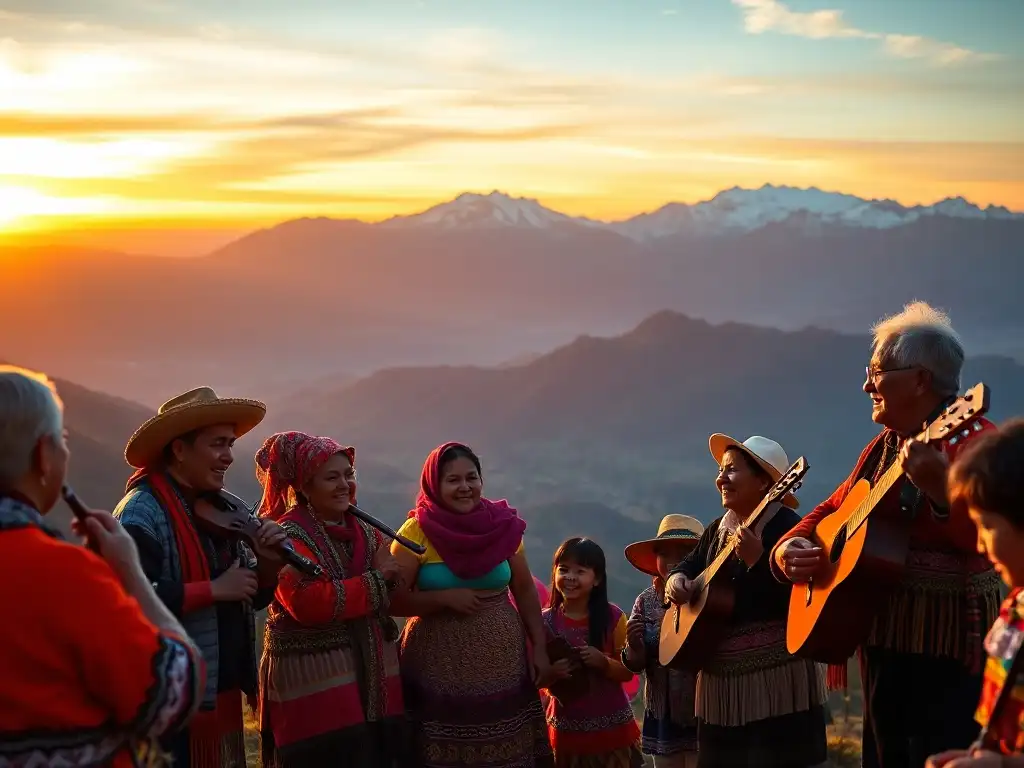
Step into a world lost to time, yet echoing with vibrant life. Imagine the soaring melodies and rhythmic pulse of Andean music history, a powerful force that shaped ancient societies far beyond the mountains themselves. From the intricate instruments to the communal celebrations, discover how music unified the Incas, Moche, Nazca, and Tiahuanaco—a story waiting to be unearthed in "The Sound of Community: How Music United Andean Societies." Prepare to be captivated.
The vibrant tapestry of Andean civilizations, renowned for their intricate artistry, sophisticated engineering, and complex social structures, was interwoven with the threads of music. More than mere entertainment, music played a pivotal role in the daily lives, religious practices, and social cohesion of these ancient societies.
From the haunting melodies of the panpipes to the rhythmic pulse of drums, sound served as a powerful unifying force, shaping community identity, facilitating communication, and reinforcing social hierarchies. This exploration delves into the rich history of Andean music, examining its multifaceted social role across various cultures, including the Incas, Moche, Nazca, and Tiahuanaco, and highlighting its enduring legacy in contemporary Andean societies.
Understanding the historical significance of Andean music provides crucial insight into the cultural fabric of these remarkable civilizations and their enduring connection to the land and their ancestors. This article will explore how "Andean music history" reveals a deep connection between sound, society, and spirituality.
Andean music wasn't simply a form of artistic expression; it was deeply embedded in the social fabric of these societies. Music served multiple functions, acting as a communication tool, a means of social control, and a vital component of religious rituals. Consider the Inca Empire, for example.
The qhapaq huata, the imperial road system, wasn't just a network for trade and transportation; it also facilitated the movement of musicians and the spread of musical styles, thus promoting cultural uniformity and strengthening the empire's centralized authority. The use of music in state ceremonies, religious festivals, and even agricultural activities underscores its crucial role in maintaining social order and reinforcing Inca identity. Similarly, in other Andean societies like the Moche and Nazca, musical instruments were often depicted in their art, suggesting a significant cultural importance.
These depictions, often found on ceramics and textiles, give us valuable clues about the types of instruments used and their potential roles in society. Archaeological findings, while sometimes limited, also provide evidence of musical instruments, further supporting the significance of music in daily life. For instance, [specific information pending] on the types of instruments used by the Nazca culture.
Music and Ritual in Andean Cultures
The connection between music and ritual in Andean cultures is undeniable. Music was integral to religious ceremonies, agricultural cycles, and ancestor veneration. Inca religious practices, for example, involved elaborate musical performances aimed at appeasing deities and ensuring a bountiful harvest.
The use of specific instruments and melodies during these ceremonies reinforced the sacred nature of the events and helped to establish a connection between the living and the spiritual world. Similarly, the Moche culture, known for its elaborate funerary practices, likely incorporated music into their burial rituals, as suggested by the presence of musical instruments in some tombs. [Specific information pending] on the types of rituals that incorporated music for the Tiahuanaco culture.
The use of music in these contexts reinforced social hierarchies, with certain musical styles and instruments reserved for elite members of society. The power of music to evoke intense emotions and transcend the mundane made it a powerful tool for religious expression and social control. This deep integration of music into ritual life highlights its crucial role in shaping Andean worldviews and maintaining social order.
The Instruments of Andean Society: A Diverse Soundscape
The diverse soundscape of the Andes was produced by a variety of instruments, each with its own unique sound and social significance. From the haunting melodies of the panpipes to the deep resonance of the pututu (a conch shell trumpet), the instruments reflected the varied environments and cultural traditions of different Andean societies. The tarka, a type of Andean flute, was widely used across various cultures, while the charango, a small lute-like instrument, became particularly associated with later Andean traditions.
The construction of these instruments often involved intricate craftsmanship and the use of materials sourced from the natural environment, reflecting a deep connection between music and the Andean landscape. The diversity of instruments also points to a rich musical tradition that evolved over centuries, adapting to the specific needs and preferences of different communities. A detailed analysis of the instruments used by each civilization would reveal further insights into their unique musical traditions and social structures.
For example, [specific information pending] about the specific materials used in the construction of Inca instruments. The use of specific materials and construction techniques would be another aspect to explore further.
Andean Music's Enduring Legacy
The echoes of Andean music resonate even today. While many ancient traditions have evolved or been adapted, the core elements of Andean musical expression—its spiritual depth, its social function, and its connection to the land—continue to inspire musicians and communities across the Andes. Contemporary Andean music often incorporates elements of traditional styles, blending them with modern influences to create a vibrant and evolving musical landscape.
The enduring popularity of traditional Andean instruments and musical forms demonstrates the deep cultural significance of music in the region and its ability to transcend time and adapt to changing social contexts. The legacy of Andean music serves as a testament to the resilience of Andean cultures and their enduring connection to their rich musical heritage. Further research into contemporary Andean music could reveal the extent to which traditional forms continue to influence modern musical practices and their social implications.
- Introduction to Andean Music's Social Role
- Music and Ritual in Andean Cultures
- The Instruments of Andean Society: A Diverse Soundscape
- Andean Music's Enduring Legacy
The Origins of Andean Musical Traditions
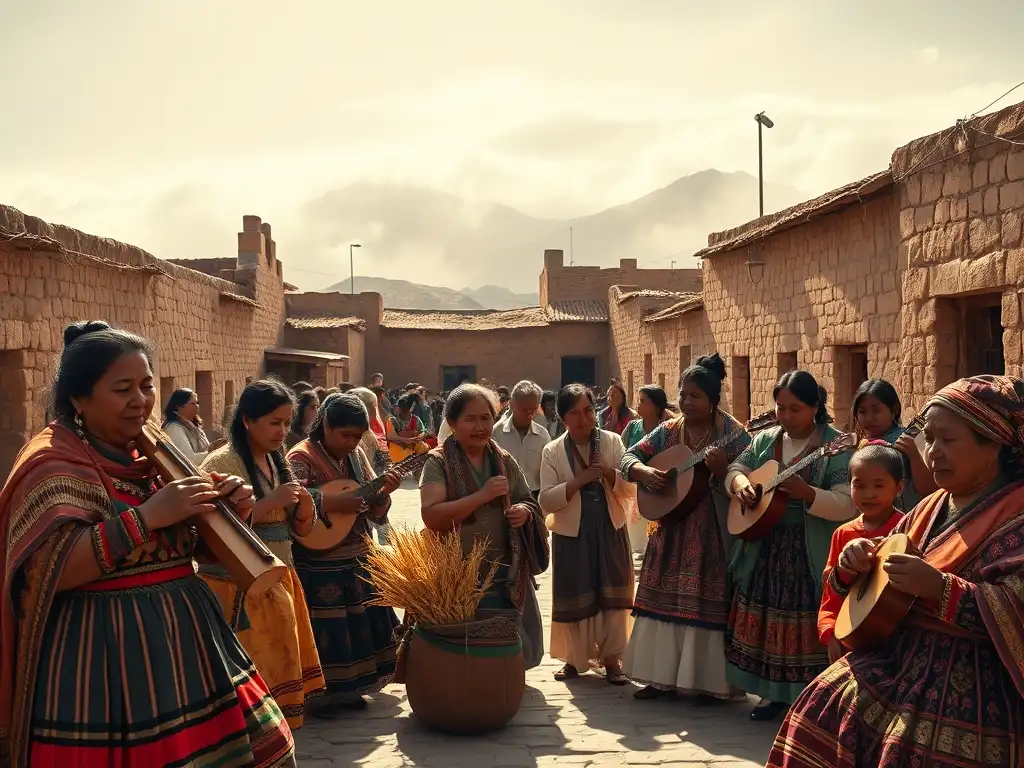
The rich tapestry of Andean music history is deeply interwoven with the social fabric of its diverse civilizations. Understanding its origins requires exploring the interplay of environment, spirituality, and social organization. The development of Andean music wasn't a sudden event but a gradual evolution spanning millennia, shaped by the unique challenges and triumphs of Andean societies.
From the earliest known instruments to the complex musical structures of later empires, the journey reveals a profound connection between music and the Andean way of life. The soundscapes of the Andes, echoing across valleys and mountains, are a testament to the enduring power of musical expression.
This section will delve into the early stages of this fascinating musical journey, focusing on the instruments and rhythmic patterns that laid the foundation for the vibrant musical traditions we know today. We will explore how these early forms of musical expression contributed to the social cohesion and cultural identity of Andean communities, solidifying their place in the Andean music history narrative.
Early Andean Instruments and Their Significance
The earliest Andean instruments were often simple, crafted from readily available materials. Archaeological evidence suggests the use of bone flutes, panpipes made from reeds or cane, and percussion instruments fashioned from gourds or animal hides. These instruments, while seemingly rudimentary, played a crucial role in daily life and religious rituals. The sounds produced were not merely for entertainment; they were integral to the social and spiritual landscape.
For example, bone flutes, often found in burial sites, are believed to have been used in funerary rites, suggesting a connection between music and the afterlife. The haunting melodies created by these instruments could have served to guide the deceased's spirit or to honor their memory. Similarly, panpipes, with their ability to create harmonious layered sounds, might have been used to accompany religious ceremonies or to celebrate important events within the community. The specific sounds and the way they were played were likely imbued with symbolic meaning, communicating messages beyond the purely auditory.
The use of percussion instruments like gourds or animal hides provided rhythmic accompaniment, adding another layer of complexity to musical performances. The varied sounds produced by these instruments—from the deep resonant tones of gourds to the sharp, percussive sounds of hides—could have been used to create a sense of urgency, excitement, or solemnity, depending on the context. The rhythmic patterns created likely played a vital role in shaping the overall mood and meaning of the performance.
The development of these early instruments provided the building blocks for a more complex and expressive musical tradition. The ingenuity in creating musical instruments from basic materials highlights the importance of music in the daily lives of early Andean communities.
The Development of Rhythmic Patterns in Ancient Andes
The evolution of rhythmic patterns in ancient Andean music is a fascinating study in cultural adaptation and innovation. Early rhythmic structures were likely simple, perhaps mirroring the natural rhythms of the Andean environment – the cyclical patterns of the seasons, the flow of rivers, or the beating of the heart. Over time, these simple rhythms evolved into more complex and sophisticated patterns, reflecting the increasing complexity of Andean societies.
Evidence suggests a gradual shift from simple, repetitive rhythms to more intricate patterns incorporating syncopation and polyrhythms. This complexity likely reflects not only advancements in musical understanding but also the growing sophistication of social structures and religious beliefs. The use of polyrhythms, for instance, where multiple rhythmic patterns are layered on top of each other, suggests a high degree of musical coordination and a shared understanding of complex musical concepts within the community. This collaborative aspect further underscores the social function of music in Andean cultures.
The development of sophisticated rhythmic patterns also allowed for greater emotional expression and nuance. Different rhythmic structures could be used to evoke a wide range of emotions, from joy and celebration to sorrow and mourning. This added depth to the musical experience, enhancing its power to convey meaning and to unite communities.
The ability to manipulate rhythmic patterns to achieve specific emotional effects demonstrates a sophisticated understanding of the expressive capabilities of music and its role in shaping social interactions. The intricate rhythmic complexity found in later Andean musical traditions is a testament to the enduring creativity and musical sophistication of Andean peoples. The study of Andean music history reveals that rhythmic patterns were not merely musical elements but integral aspects of the social and spiritual life of ancient Andean societies.
Music as a Unifying Force in Andean Communities
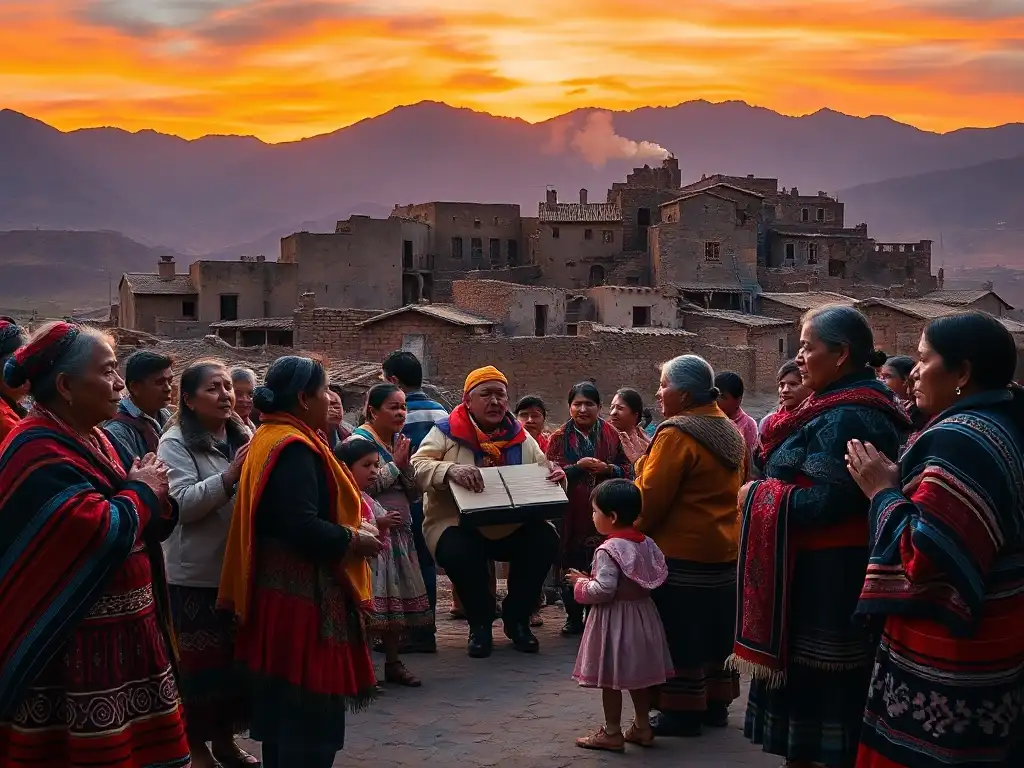
Andean music history reveals a deeply intertwined relationship between music and social cohesion. Music wasn't merely entertainment; it was a fundamental aspect of daily life, religious practices, and social structures across diverse Andean cultures, including the Inca, Moche, Nazca, and Tiahuanaco. Its pervasive presence served as a powerful unifying force, binding communities together through shared experiences and collective identity.
The intricate melodies, rhythmic patterns, and unique instrumentation weren't simply sounds; they were the very fabric of Andean society, reflecting its values, beliefs, and social organization. Understanding this role is crucial to grasping the profound impact music had on shaping Andean civilizations and their enduring legacy. The vibrant soundscapes of the Andes weren't just heard; they were felt, shaping the collective consciousness of these remarkable societies.
Ritualistic Music and its Role in Andean Celebrations
Ritualistic music held a central position in Andean life, shaping religious ceremonies and celebrations. The intricate melodies and rhythmic structures weren't arbitrary; they were carefully crafted to evoke specific emotions and facilitate spiritual connection. For example, the Inca used panpipes and drums to accompany religious processions and festivals honoring their deities, such as Inti (the sun god) and Mama Killa (the moon goddess). These musical performances weren't passive events; they actively engaged participants, fostering a sense of shared purpose and communal identity.
The use of specific instruments varied across different Andean cultures. The Moche, known for their elaborate metalwork, likely incorporated metal instruments into their rituals, although precise details remain scarce. Archaeological evidence suggests the use of trumpets and possibly even rudimentary percussion instruments made from animal hides. Further research is needed to fully understand the specific musical practices of the Moche, but it's clear that music played a crucial role in their religious life.
The Nazca, famous for their geoglyphs, also likely incorporated music into their religious ceremonies. While direct evidence is limited, we can infer the importance of music based on the elaborate nature of their other cultural practices. It is plausible that they employed instruments like flutes and rattles, creating soundscapes that echoed the vastness and mystery of their desert landscape.
The specific forms these rituals took remain partially obscured by the passage of time, but the role of music is undeniable. The sounds of Andean rituals, from the Inca's sun festivals to the hypothetical musical ceremonies of the Nazca, served as a powerful expression of faith and community.
Music's Function in Agricultural Cycles and Andean Life
Andean music history is inseparable from the agricultural cycles that defined the lives of its people. Music played a significant role in agricultural activities, providing a rhythmic framework for arduous tasks like planting and harvesting. The repetitive nature of many Andean songs mirrored the cyclical nature of farming, fostering a sense of rhythm and order in the face of challenging labor. Work songs, often communal in nature, strengthened social bonds and boosted morale during long periods of toil.
Consider the yaraví, a genre of melancholic Andean song often associated with themes of longing and loss. While seemingly mournful, these songs also served a vital social function. Sung during periods of planting or harvesting, they may have helped alleviate the physical and emotional burdens of agricultural labor. The shared experience of singing together created a sense of community and resilience. The music provided solace and strength, transforming arduous work into a shared ritual.
The integration of music into agricultural practices wasn't limited to work songs. Celebrations marking the completion of harvests or the successful planting of crops often featured elaborate musical performances, expressing gratitude and celebrating the community's shared success. This cyclical integration of music into everyday life underscored its importance in maintaining social harmony and reinforcing community bonds. The rhythmic pulse of Andean music mirrored the heartbeat of Andean life itself.
Beyond ritual and agriculture, music played a vital role in Andean social gatherings. Festivals, celebrations, and everyday social interactions were frequently accompanied by music and dance. These events served as opportunities to reinforce social ties, share stories, and celebrate shared experiences. Music acted as a catalyst for social interaction, bringing people together and creating a sense of unity.
The diverse musical styles and instruments used in Andean social settings reveal a rich tapestry of cultural diversity and regional variations. While panpipes were widely used across different Andean cultures, other instruments like drums, flutes, and rattles added to the vibrant sonic landscape. The specific musical styles and traditions varied across different regions and communities, reflecting the unique character of each group.
The use of music in social gatherings wasn't simply a matter of entertainment. It also served as a medium for storytelling, passing down cultural knowledge and traditions through generations. Songs often conveyed historical narratives, moral lessons, or practical knowledge related to agriculture, craftsmanship, or social customs. Music acted as a powerful vehicle for transmitting cultural values and reinforcing social norms. In essence, Andean music was a living archive, preserving and transmitting cultural heritage across generations. The sounds of Andean communities were a testament to their shared history and collective identity.
Andean Music History: A Journey Through Time
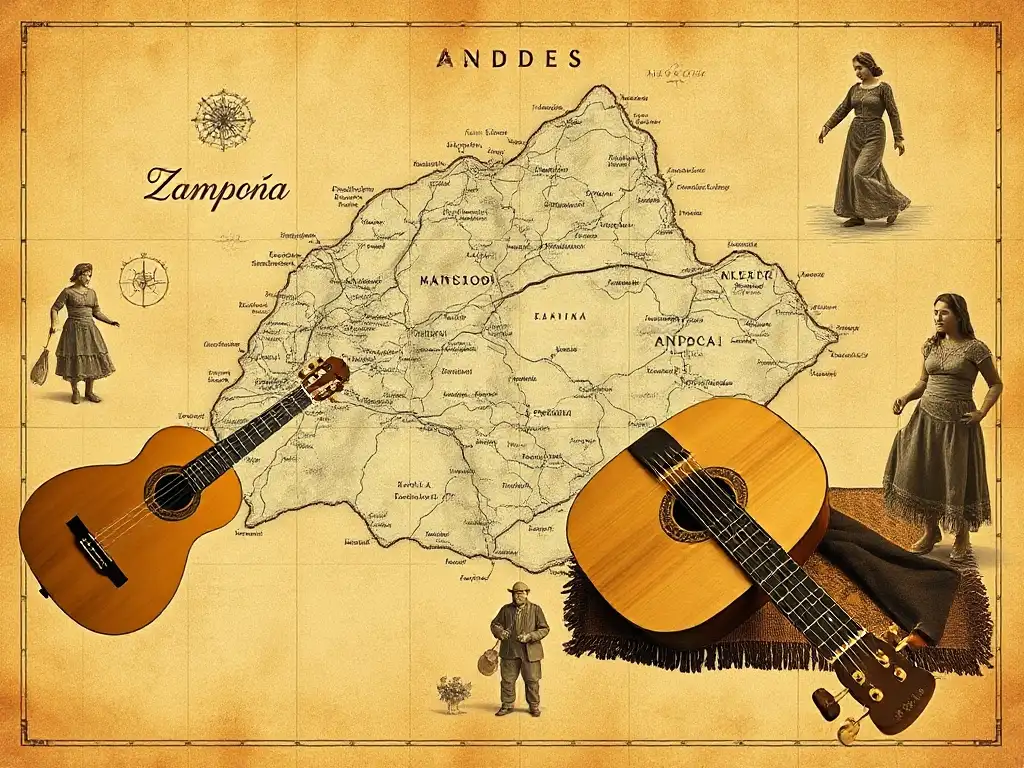
This section delves into the fascinating evolution of Andean music, tracing its historical development and exploring its profound social and ritualistic significance. We will journey through centuries of musical traditions, from the pre-Inca era to the Inca Empire and beyond, uncovering the vibrant soundscapes that shaped Andean societies. Understanding Andean music history illuminates the intricate relationship between music, culture, and the very fabric of Andean life.
The enduring legacy of these musical traditions continues to resonate today, enriching our understanding of this remarkable civilization. Our exploration will focus on key periods and their distinct musical characteristics, highlighting the diverse instruments and styles that define Andean musical heritage.
Music in Pre-Inca Andean Civilizations
The Andean region boasts a rich musical tapestry long before the rise of the Inca Empire. Evidence suggests sophisticated musical practices existed among various pre-Inca cultures, each with unique styles and instruments. Archaeological findings, such as depictions of musicians on ceramics and textiles from the Moche, Nazca, and Tiahuanaco cultures, provide glimpses into their musical worlds. These artifacts often showcase elaborate costumes and instruments, suggesting music played a significant role in their religious ceremonies and social gatherings.
The Moche civilization (100-800 CE), known for its impressive metalwork and intricate pottery, left behind images of musicians playing panpipes and possibly drums. These instruments, likely used in rituals and celebrations, hint at a developed musical tradition. Similarly, Nazca culture (100 BCE – 800 CE), renowned for its enigmatic geoglyphs, may have utilized wind instruments, possibly alongside percussion, to accompany their religious rites and social dances.
The Tiahuanaco culture (500-1000 CE), known for its monumental architecture, likely employed a more complex musical system, potentially incorporating larger ensembles and diverse instruments. However, the exact nature of their musical practices remains a subject of ongoing research and interpretation. More detailed analysis of existing artifacts and further archaeological discoveries are crucial to a more complete understanding of pre-Inca Andean music.
The Inca Empire and its Musical Legacy
The Inca Empire (1438-1533 CE) inherited and expanded upon pre-existing musical traditions, integrating them into a sophisticated system that reflected the empire's hierarchical structure and ideology. Music played a vital role in Inca society, serving both ritualistic and social functions. Royal performances, religious ceremonies, and even everyday life were infused with music, reflecting the importance placed on this art form.
The Inca state actively promoted and regulated musical practices, further solidifying music's place within the empire's social and political fabric. Inca music likely incorporated a variety of instruments and vocal styles, creating a rich and diverse soundscape that resonated throughout the empire.
The empire's vast network of roads facilitated the exchange of musical styles and instruments, fostering a sense of unity and shared cultural identity amongst the diverse populations within its borders. Unfortunately, the Spanish conquest significantly disrupted and ultimately altered many aspects of Inca music, making a comprehensive reconstruction challenging.
Inca Musical Instruments and Royal Performances
Inca musical instruments were diverse and often crafted from natural materials. The pututu, a long shell trumpet, was used for ceremonial announcements and religious rituals, its powerful sound echoing across the Andes. Panpipes, known as antara, were popular instruments played in ensembles, producing enchanting melodies. Percussion instruments, such as drums and rattles, added rhythmic complexity to musical performances.
Royal performances were elaborate affairs, often involving large ensembles of musicians and singers. These events served to reinforce the Inca emperor's authority and the power of the state. These performances were not simply entertainment; they were integral to the Inca worldview, connecting the earthly realm with the spiritual. Details about the specific arrangements and musical structures of these royal performances remain largely unknown, leaving space for ongoing research and scholarly debate.
However, based on available evidence, we can paint a picture of a sophisticated and highly organized musical system that was central to Inca life and beliefs. The legacy of Inca music continues to inspire and influence Andean musical traditions today, a testament to its enduring power and cultural significance. Further investigation into surviving accounts and archaeological findings promises to reveal even more about the rich musical landscape of the Inca Empire.
Post-Conquest Andean Music: Transformation and Resilience
The Spanish conquest of the Andes in the 16th century profoundly impacted Andean music, yet it did not extinguish it. Instead, a complex process of transformation and adaptation began, resulting in a vibrant musical landscape that blended indigenous traditions with European influences. The imposition of Catholicism, for instance, led to the incorporation of European musical instruments and forms into existing religious practices. Indigenous melodies and rhythms, however, often persisted, subtly interwoven within the new liturgical frameworks. This fusion wasn't simply a forced assimilation; it was a dynamic negotiation, a testament to the resilience of Andean musical heritage.
One key example of this transformation is the emergence of mestizo music. This genre combined Spanish musical elements with pre-Columbian Andean styles, creating a unique sound that reflected the cultural mixing of the colonial period. The use of Spanish instruments like the guitar, alongside traditional Andean instruments like the zampoña and charango, became commonplace.
This musical fusion, however, wasn't always harmonious. The Spanish authorities often attempted to suppress indigenous musical expressions, viewing them as pagan and disruptive to their colonial agenda. Despite this suppression, Andean musicians creatively found ways to preserve their traditions, often embedding coded messages and subtle references to pre-colonial beliefs within their music.
The resilience of Andean music is also evident in its continued use in community celebrations and rituals. Even as new musical forms emerged, traditional Andean instruments and musical styles remained central to many social and religious practices. This continuity speaks to the deep-seated cultural significance of music within Andean societies.
The music served as a powerful means of maintaining cultural identity and transmitting knowledge across generations, even amidst the dramatic upheavals of the colonial era. The continued prevalence of Andean musical traditions in contemporary Andean communities underscores their enduring power and relevance. It highlights how music, even in the face of immense social and political change, can provide a vital link to the past and a source of strength for the present.
The vibrant and diverse musical landscape of the Andes today is a direct result of this enduring resilience and adaptability. It is a living testament to the power of music to transcend historical upheaval and to serve as a powerful force for cultural preservation and renewal.
The Impact of Music on Andean Cultural Identity
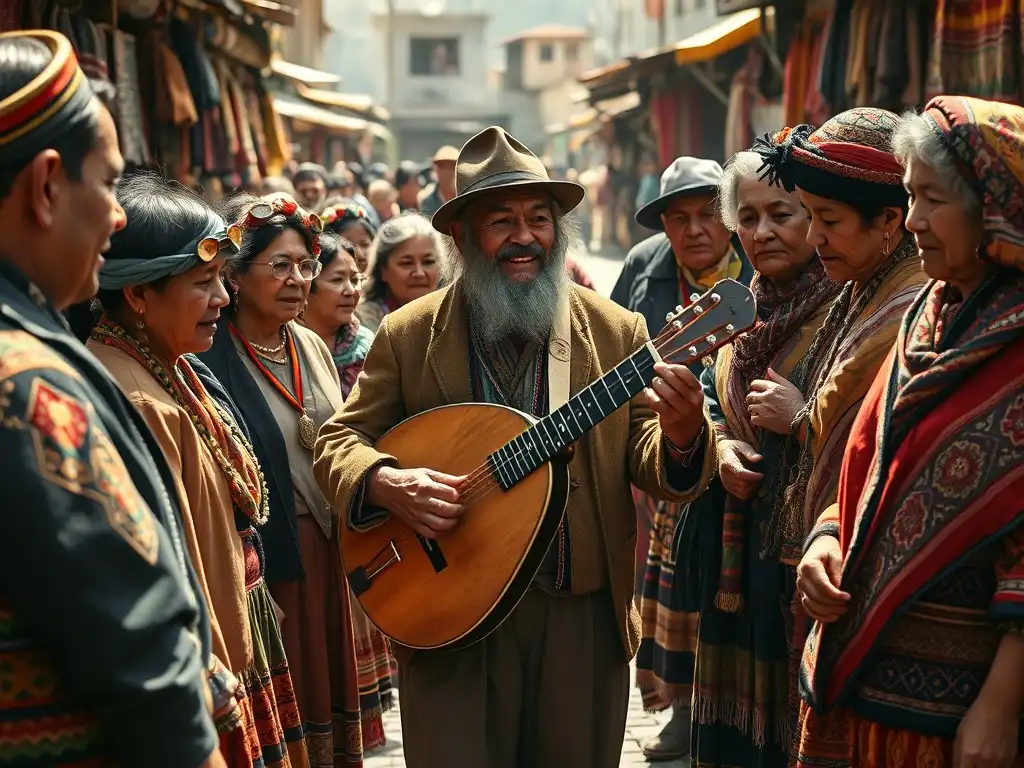
The vibrant tapestry of Andean culture is inextricably woven with the threads of music. Far from mere entertainment, music served as a powerful force shaping social structures, transmitting knowledge across generations, and reinforcing cultural identity within Andean societies. Its impact resonates even today, influencing modern musical expressions and providing a crucial link to the past.
Understanding the role of music in Andean civilizations offers a deeper appreciation of their complex social fabric and enduring legacy. This section will explore the profound influence of music on shaping Andean cultural identity, highlighting its multifaceted roles in community building, religious practices, and the preservation of history. The study of Andean music history reveals a sophisticated system of musical expression deeply intertwined with the very essence of Andean life.
Music as a Carrier of Andean Oral History
Andean societies, prior to the widespread use of writing, relied heavily on oral traditions to preserve their history, mythology, and social norms. Music played a pivotal role in this transmission of knowledge. Songs, chants, and musical narratives served as mnemonic devices, embedding crucial information within memorable melodies and rhythmic patterns. These musical narratives often recounted epic tales of heroes, gods, and ancestors, preserving cultural memory across generations.
For example, the Quechua people of the Andes utilized yaravíes, melancholic songs, to narrate historical events and express social commentary. The complex melodies and poetic lyrics of these songs acted as living archives, carrying the weight of history and cultural identity. The intricate musical structures themselves often mirrored the hierarchical social structures of the communities, with specific instruments and musical styles reserved for particular social groups or ceremonies.
This intricate system of musical communication ensured the survival of valuable knowledge and the continuity of cultural identity. The careful study of these musical forms provides invaluable insights into the social, political, and religious life of these ancient societies. The loss of these traditions would represent an irreplaceable loss to the understanding of Andean music history.
Preserving Andean Musical Heritage Today
The preservation of Andean musical heritage faces ongoing challenges in the modern era. Globalization, urbanization, and the influence of Western musical traditions threaten the continuity of traditional musical practices. However, concerted efforts are underway to safeguard this invaluable cultural legacy.
Community-based initiatives, educational programs, and the work of dedicated musicians and scholars are crucial in preserving and promoting Andean music. These efforts include documenting and archiving traditional songs and musical instruments, establishing music schools and workshops that teach traditional techniques, and promoting the performance of Andean music in both local and international contexts. The use of digital technologies, such as recordings and online archives, plays a vital role in disseminating Andean music to wider audiences and ensuring its accessibility for future generations.
Furthermore, the revival of traditional instruments and musical styles through contemporary adaptations helps to ensure that Andean music remains relevant and vibrant in the 21st century, fostering a sense of pride and cultural identity among younger generations. The success of these initiatives relies heavily on community involvement and the recognition of the inherent value of Andean musical heritage. This continuous effort is vital for the future of Andean music history.
The Enduring Power of Andean Music
Despite the passage of centuries, Andean music continues to exert a powerful influence on the region's cultural landscape. Its enduring appeal lies in its ability to evoke deep emotional responses, connect people to their ancestral heritage, and foster a sense of community. Modern Andean musicians continue to draw inspiration from traditional musical forms, incorporating them into contemporary styles, creating a dynamic fusion that reflects the evolving cultural identity of the region.
From the vibrant sounds of huaynos and marinera to the soulful melodies of yaravíes, Andean music remains a vital expression of cultural identity, a powerful force that unites communities and preserves a rich historical legacy. Its ability to transcend time and geographical boundaries underscores its enduring power and its importance in understanding the complex and fascinating history of the Andes.
The continued appreciation and study of Andean music is essential not only for understanding its historical significance but also for appreciating its ongoing contribution to the vibrant cultural landscape of the region. The legacy of Andean music history continues to inspire and resonate with audiences worldwide.
Key Musical Instruments of Andean Culture
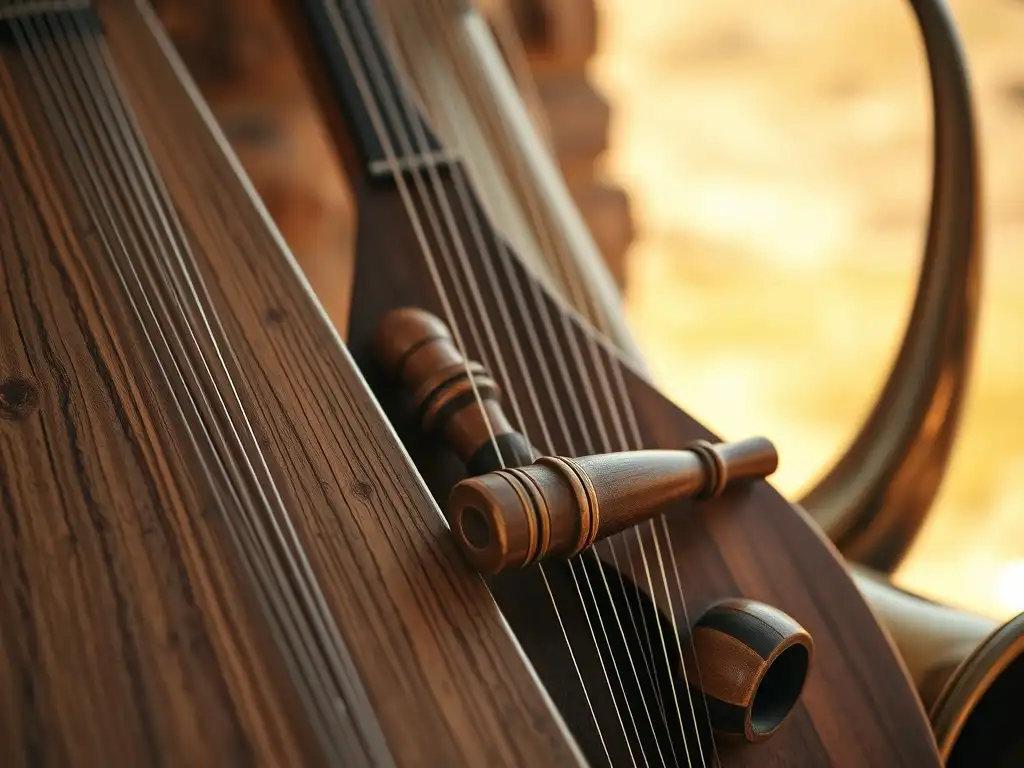
The vibrant tapestry of Andean music history is inextricably woven with the unique instruments used to create its distinctive sounds. These instruments, often crafted from readily available natural materials, weren't merely tools for making music; they were deeply symbolic, reflecting the spiritual beliefs, social structures, and agricultural cycles of the various Andean cultures. Their enduring presence in modern Andean music speaks volumes about their historical and cultural significance.
Understanding these instruments provides a deeper appreciation for the richness and complexity of Andean musical traditions. The evolution and diversity of these instruments across different Andean societies also reveals fascinating insights into the cultural exchanges and unique adaptations that shaped their development over centuries. Analyzing their construction and playing techniques reveals a remarkable level of sophistication and artistry.
The Charango: A Symbol of Andean Music
The charango, a small, lute-like instrument, is perhaps the most internationally recognized symbol of Andean music. Its distinctive sound, characterized by a bright, ringing tone, has captivated audiences worldwide. Originally crafted from the carapace of the armadillo, a readily available resource in the Andean region, modern charangos are often made from wood, though the traditional construction method continues to hold cultural significance.
Its five double courses of strings, typically tuned in a variety of ways depending on regional variations and musical styles, provide a wide range of expressive possibilities. The charango's compact size made it portable and ideal for informal gatherings and celebrations, but its expressive capacity also allowed it to be featured prominently in more formal musical settings.
Master charanguistas, through their skilled playing, are able to evoke a wide range of emotions, from joyful celebration to deep melancholy, underscoring the instrument's versatility and emotional depth within the broader context of Andean music history. The charango's enduring popularity speaks to its adaptability and its continuing role in shaping the soundscape of contemporary Andean music.
The Zampoña and Other Andean Panpipes
The zampoña, a type of panpipe, is another quintessential Andean instrument. Unlike Western panpipes that are often made from a single material, the zampoña typically consists of a series of individually crafted, vertically arranged pipes made from cane or wood. These pipes, varying in length to produce different notes, are bound together, creating a harmonious ensemble.
The zampoña's sound is characterized by its airy, ethereal quality, often used to evoke the sounds of nature and the Andean landscape. Interestingly, the zampoña is not a single instrument but rather a family of instruments, with variations in size, number of pipes, and tuning across different Andean communities. For instance, the siku is a type of zampoña often played in pairs, with one player taking the higher register and the other the lower.
This interplay creates a rich, complex texture that is essential to many traditional Andean musical forms. The intricate interplay of different zampoña types, alongside other instruments, showcases the sophisticated musical structures developed within Andean societies. Furthermore, the construction of the zampoña itself is a testament to the ingenuity and craftsmanship of Andean artisans.
Percussion Instruments and Their Role in Andean Rhythms
Percussion instruments form the rhythmic backbone of much Andean music. Their percussive sounds provide a powerful and driving force, often underpinning the melodic lines of instruments like the charango and zampoña. The diversity of percussion instruments used in Andean music is remarkable, reflecting the variety of materials and techniques employed across different regions and cultures.
Common examples include the tinku, a type of double-headed drum often used in ceremonial music; the bombo legüero, a large bass drum; and various types of rattles, such as the chajchas, made from dried gourds filled with seeds or stones. The rhythmic complexity achieved through the interplay of these instruments is noteworthy, often creating polyrhythmic textures that are both intricate and captivating. The use of percussion in Andean music is not merely rhythmic; it also carries symbolic meaning.
Different rhythmic patterns can represent specific events, deities, or agricultural cycles, highlighting the deep connection between music and the spiritual and social life of Andean communities. The diverse array of percussion instruments and their sophisticated rhythmic interplay contribute significantly to the vibrant and dynamic nature of Andean music history.
Conclusion: The Enduring Legacy of Andean Music and Community
The vibrant tapestry of Andean music, woven through centuries of cultural exchange and societal evolution, continues to resonate deeply within the communities it served and far beyond. Its enduring legacy is a testament to the power of music not only as a form of artistic expression but also as a fundamental pillar of social cohesion and spiritual connection. Understanding Andean music history reveals much about the complexities of these societies, their values, and their enduring spirit. From the intricate melodies of the panpipes to the rhythmic pulse of the drums, each note carries a historical echo, whispering tales of ancient rituals, agricultural cycles, and the profound connection between humanity and the Andes themselves. The study of Andean music isn't just the study of melodies and rhythms; it's the study of a living culture, constantly evolving yet deeply rooted in its ancestral past. This rich legacy deserves continued exploration and appreciation.
The Importance of Music in Understanding Andean Societies
Andean music history offers invaluable insights into the social structures and beliefs of the various Andean civilizations. Music played a crucial role in daily life, from agricultural ceremonies marking the planting and harvesting seasons to elaborate rituals honoring deities and ancestors. For example, the Incas utilized music extensively in their religious ceremonies, with specialized musicians holding positions of high social standing. The intricate melodies and complex rhythms were not merely entertainment; they were integral components of religious practices, reinforcing social hierarchies and expressing profound spiritual beliefs.
The use of specific instruments also reflects the cultural significance of Andean music. The pututu, a long shell trumpet, was used for announcements and ceremonial purposes, signifying the power and authority of leaders. The antara, a set of panpipes, was often used in paired sets, symbolizing duality and balance, concepts central to Andean cosmology. The diversity of instruments and musical styles across different Andean cultures underscores the regional variations in beliefs and practices.
Analyzing these variations through the lens of Andean music history allows for a richer and more nuanced understanding of these diverse societies. Further research into specific instruments and their regional variations would provide a more complete picture. [Specific information pending on regional variations in instrument use].
Andean Music's Global Influence and Recognition
The influence of Andean music extends far beyond the Andes themselves. Its unique sounds and rhythms have captivated audiences worldwide, contributing to a growing global appreciation for Andean culture and heritage. The increasing popularity of Andean folk music in international settings has led to increased recognition and preservation efforts. This global reach has, in turn, helped to support the livelihoods of Andean musicians and artisans, promoting cultural sustainability.
However, the growing popularity also presents challenges. The commercialization of Andean music can sometimes lead to the simplification or misrepresentation of its cultural significance. It is crucial to ensure that the authenticity and integrity of Andean music traditions are respected and protected, both within and outside of Andean communities. [Data pending on the economic impact of global Andean music popularity].
The ongoing struggle to balance cultural preservation with commercial success is a critical aspect of Andean music history's contemporary chapter. Furthermore, accurate representation and respectful appropriation are essential to avoid the trivialization of a rich and complex musical heritage. The future of Andean music depends on a careful balance between global appreciation and local preservation.
Frequently Asked Questions
What role did music play in Andean societies?
Music played a vital role in Andean life, serving as a crucial element in religious ceremonies, social gatherings, and daily life. It was integral to their cultural identity and a powerful tool for community cohesion.
How did Andean music influence later musical traditions?
Andean musical styles and instruments significantly influenced later musical traditions in South America and beyond. Elements of Andean music can be traced in folk music genres and even contemporary music. Its impact is wide-ranging and enduring.
What were some common instruments used in Andean music?
Common instruments included the panpipes (antara), drums (tinku), flutes (quena), and various types of string instruments. These instruments varied across different Andean cultures, reflecting regional diversity.
Music often reflected the hierarchical social structure, with different musical styles and instruments associated with specific social classes or roles. Certain songs were reserved for elite groups, while others were performed by commoners.
Where can I learn more about the history of Andean music?
You can explore further by researching ethnomusicology resources, visiting museums with Andean artifact collections, and listening to recordings of traditional Andean music. Numerous books and documentaries also delve into this rich history.
Final Reflection: The Enduring Echo of Andean Music
The vibrant tapestry of Andean music, far from being a relic of the past, continues to resonate powerfully in the modern world, shaping identities and fostering a sense of shared heritage. Its enduring influence is a testament to the profound social and cultural bonds it forged across centuries, a legacy that deserves both celebration and deeper understanding.
The exploration of Andean music's role in uniting diverse communities has been a deeply enriching journey for me. It highlighted not only the musical ingenuity of these societies but also the remarkable power of shared artistic expression to overcome geographical and linguistic barriers. Music is the universal language of mankind.
– Henry Wadsworth Longfellow. This quote, while perhaps simplistic, captures the essence of what I've discovered: music transcends boundaries and fosters a sense of belonging that extends beyond the immediate community. The enduring popularity of Andean musical traditions, even in the face of globalization, speaks volumes about their inherent strength and cultural significance.
Consider the echoes of this rich musical heritage in your own life. How does music connect you to your community, your history, or your identity? I urge you to actively seek out and listen to the diverse sounds of Andean music, to appreciate its complexity and beauty, and to reflect on the enduring power of music to unite and inspire. Let the rhythms and melodies transport you to a world where community thrived through the shared experience of music, and consider how you might cultivate similar connections in your own life.
**Unite Through the Power of Music! **
Thank you for exploring the rich history of Andean music and its transformative power within Andean communities. You've discovered how music builds connections and fosters vibrant community life. Now, let's put this inspiration into action!
Here are some ways you can continue this journey:
- **Reconnect with your heritage** by attending local Andean music events or joining a community choir. Experience the rhythm and connect with others who share your passion.
- **Share the music! ** Introduce a friend to your favorite Andean artists or create a playlist showcasing this rich musical heritage. Let's spread the joy and the unifying power of Andean music.
- **Explore Andean culture further** by researching and experimenting with traditional instruments. You might discover a new hobby that connects you to this fascinating history!
How do you think music shapes community identity today? Share your thoughts below!