
Beyond the Veil: Music as a Gateway to the Andean Spirit World

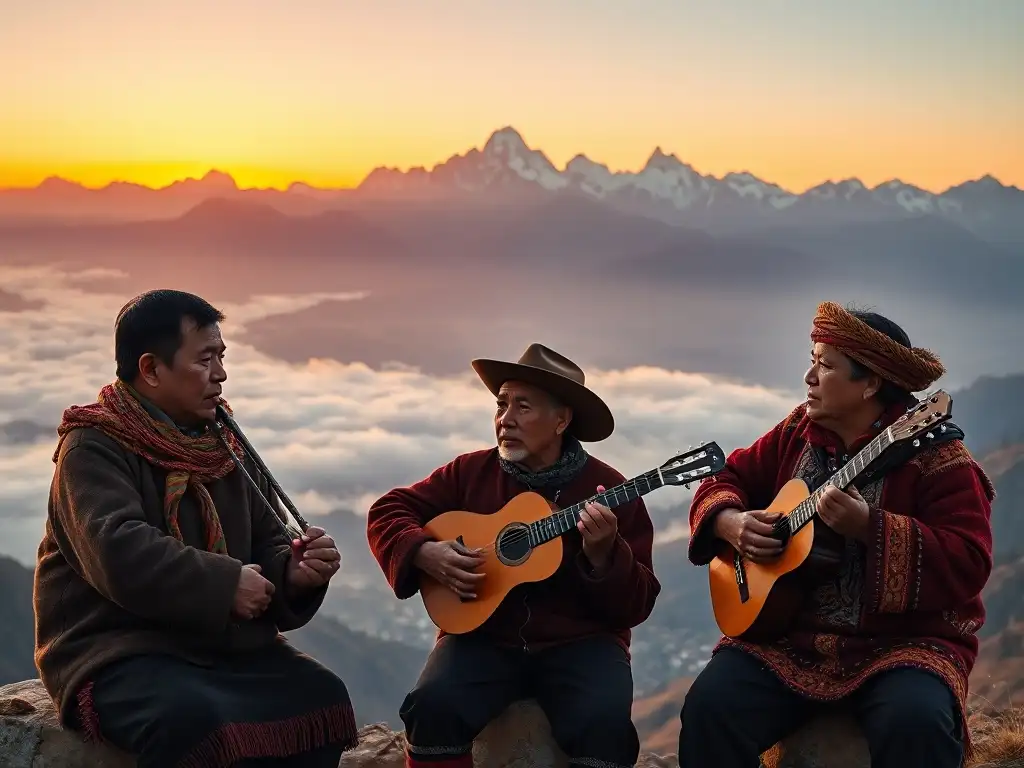
Step into a world lost to time, yet echoing with vibrant life. Journey with us through the captivating heart of the Andes, where ancient civilizations left behind not only majestic ruins, but also a legacy of breathtaking artistry and spiritual depth. Prepare to uncover the secrets whispered on the wind – the untold story of Andean music history, a sonic tapestry weaving together myth, ritual, and the very soul of these remarkable cultures. Dare to listen… the past awaits.
The vibrant tapestry of Andean civilization is richly woven with threads of music, a powerful force that extended far beyond simple entertainment. For the Incas, Moche, Nazca, and Tiahuanaco, among others, music served as a crucial conduit to the spirit world, a vital component of religious rituals, social structures, and daily life. This article delves into the fascinating history of Andean music, exploring its profound spiritual significance and its enduring legacy in modern Andean culture.
We will uncover how the sounds of panpipes, drums, and other indigenous instruments were not merely melodies, but potent tools used to communicate with deities, honor ancestors, and maintain cosmic balance. Understanding Andean music history requires appreciating its deeply intertwined relationship with the spiritual beliefs and practices of these remarkable societies. Prepare to journey beyond the veil and discover the magic woven into the very fabric of Andean sound.
The Sacred Soundscapes of Andean Rituals
Andean music wasn't just background noise; it was an integral part of elaborate religious ceremonies. Archaeological evidence, coupled with surviving oral traditions, reveals the meticulous planning and execution of these musical rituals. Consider the capac hucha, the Incan royal priest who oversaw the musical aspects of state religion.
Their role extended beyond simple performance; they were interpreters of divine will, using music to call upon the favor of the gods or appease their wrath. The use of specific instruments, melodies, and rhythms varied depending on the deity or the purpose of the ceremony. For example, certain songs and instruments might be used to summon rain during droughts, while others were employed during harvest festivals to celebrate abundance and thank the earth.
The precise details of many rituals remain shrouded in mystery, but the central role of music is undeniable. It wasn't just about auditory stimulation; the sounds themselves were believed to possess spiritual power, capable of influencing the physical and supernatural worlds.
Instruments of Power: Material Culture and Spiritual Resonance
The instruments themselves held profound spiritual significance. The panpipes, often crafted from reeds or bone, were not merely musical tools but were seen as embodiments of natural forces. The intricate designs and materials used in the creation of these instruments further enhanced their sacred nature. Similarly, drums, made from animal skins stretched over wooden frames, were associated with the earth's heartbeat and the rhythm of life itself. The meticulous craftsmanship evident in surviving artifacts suggests a deep reverence for these objects, highlighting their importance in the Andean worldview. The materials used—from precious metals to feathers and stones—also held symbolic meaning, connecting the instruments to the broader cosmology of the Andean peoples. We can see this in the detailed iconography often found adorning these instruments, further underscoring their spiritual role. The creation and performance of music was thus a highly ritualized activity, deeply embedded in the spiritual fabric of Andean society.
The Legacy of Andean Music: Echoes Across Time
The legacy of Andean music continues to resonate today. While many ancient traditions have been lost or transformed, the spirit of this music persists in contemporary Andean cultures. Modern Andean musicians draw inspiration from ancient styles and instruments, blending them with contemporary influences to create a vibrant and evolving musical landscape.
This continuity testifies to the enduring power and significance of Andean music, demonstrating its ability to adapt and thrive across centuries. The sounds of the Andes, from the haunting melodies of panpipes to the rhythmic beats of drums, continue to transport listeners to a world where music and spirituality are inextricably linked.
The study of Andean music history offers a window into the rich spiritual world of these ancient civilizations, revealing a profound connection between music, ritual, and the cosmos. The echoes of these ancient sounds continue to inspire and enchant, reminding us of the enduring power of music to connect us to something greater than ourselves.
- The Sacred Soundscapes of Andean Rituals
- Instruments of Power: Material Culture and Spiritual Resonance
- The Legacy of Andean Music: Echoes Across Time
The Sacred Sounds of the Andes: An Introduction to Andean Music History
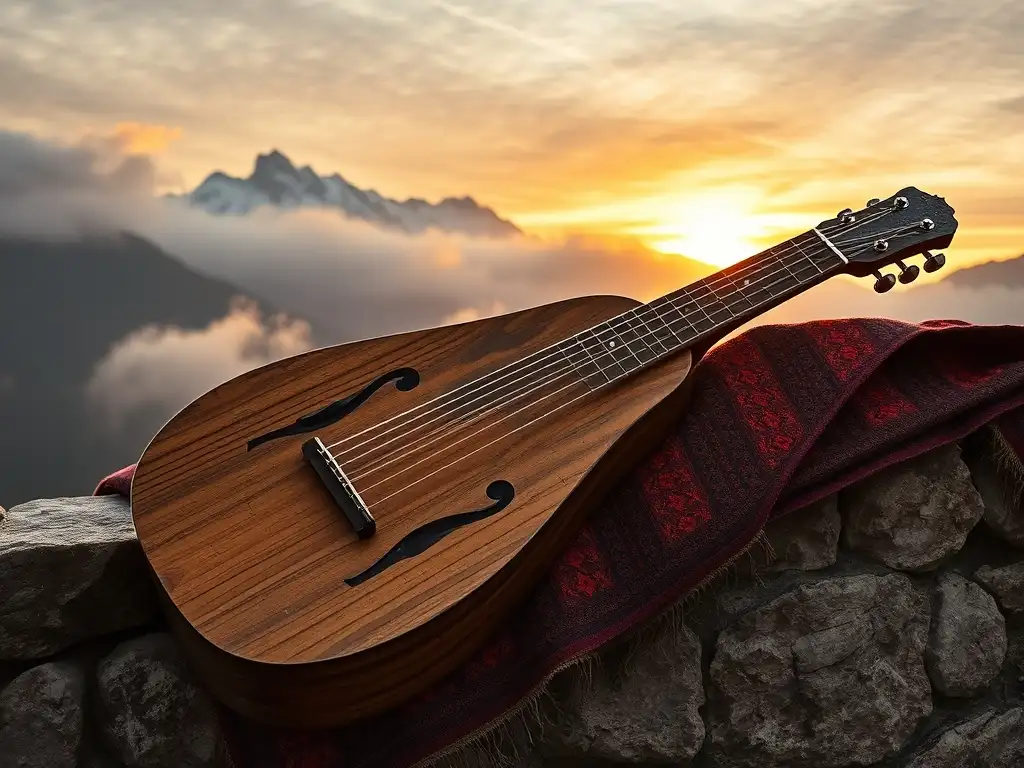
The history of Andean music is deeply intertwined with the spiritual and social fabric of the Andean civilizations. It's not simply a form of entertainment; rather, it's a powerful expression of beliefs, cosmology, and social structures. Understanding Andean music history requires acknowledging its multifaceted nature, encompassing diverse instruments, musical styles, and ritualistic functions that varied across different cultures and time periods.
This rich tapestry of sound reflects the complex evolution of Andean societies, from the pre-Inca cultures to the Inca Empire and beyond. The influence of Andean music history is still felt today, with many traditional instruments and musical forms surviving and evolving in contemporary Andean communities. Analyzing the historical context of Andean music reveals its profound significance as a means of communication with the spirit world, a tool for social cohesion, and a powerful form of artistic expression.
Studying Andean musical traditions provides invaluable insights into the worldview and cultural practices of these remarkable civilizations. We will delve into specific examples to illustrate the enduring legacy of Andean music.
Andean Musical Traditions: A Deep Dive into Ancient Practices
Andean musical traditions varied significantly across different cultures and time periods. The pre-Inca cultures, such as the Moche, Nazca, and Tiahuanaco, each developed unique musical practices reflected in their art and archaeological findings. For example, depictions on Moche pottery often show musicians playing panpipes, flutes, and drums, suggesting the importance of music in their society. The Nazca culture, known for their intricate geoglyphs, might have used music in their elaborate ceremonies and rituals.
Limited evidence survives, however, making precise reconstruction of their musical practices challenging. The Tiahuanaco culture, with its monumental architecture, likely incorporated music into their large-scale religious ceremonies. The specific instruments used and the nature of their music remain largely unknown, requiring further archaeological investigation and analysis of surviving artifacts. The arrival of the Inca Empire brought a degree of standardization to Andean musical practices, but regional variations persisted.
The Inca's sophisticated administrative system likely influenced the organization and dissemination of musical traditions throughout their vast empire. The Inca used music for a multitude of purposes, including religious ceremonies, royal celebrations, and military events. However, much of our understanding of Inca music comes from later colonial accounts, which may not always accurately reflect the nuances of pre-Columbian practices. Reconstructing a complete picture of pre-Columbian Andean music requires careful analysis of all available evidence, including archaeological findings, colonial chronicles, and the surviving traditions of modern Andean communities.
The Role of Music in Andean Rituals and Ceremonies
Music played a central role in the religious and ceremonial life of Andean civilizations. It served as a means of communication with the spirit world, facilitating contact with deities and ancestors. Many Andean rituals involved the use of specific instruments and musical styles associated with particular deities or ceremonies. For instance, certain types of flutes might have been used to summon rain or appease mountain spirits.
The rhythmic patterns and melodies of Andean music were often believed to have the power to influence the natural world and human affairs. The performance of music was frequently interwoven with dance, creating a powerful and immersive ritual experience. The use of music in Andean rituals wasn't simply a matter of entertainment; it was an integral part of the religious and cosmological beliefs of these societies. This is evidenced by the careful selection of instruments, the specific musical styles employed, and the context in which the music was performed.
Furthermore, the participation of musicians and dancers in these ceremonies highlighted the social and communal aspects of religious practice. The precise details of many Andean rituals are lost to time, but the surviving evidence clearly indicates the deep connection between music, religion, and social life in the Andes. The legacy of this profound relationship continues to resonate in contemporary Andean music and cultural practices, underscoring the enduring power of these ancient traditions. Further research into the ethnographic records of contemporary Andean communities could illuminate the surviving aspects of this rich musical heritage.
Instruments of the Gods: Exploring Andean Musical Instruments
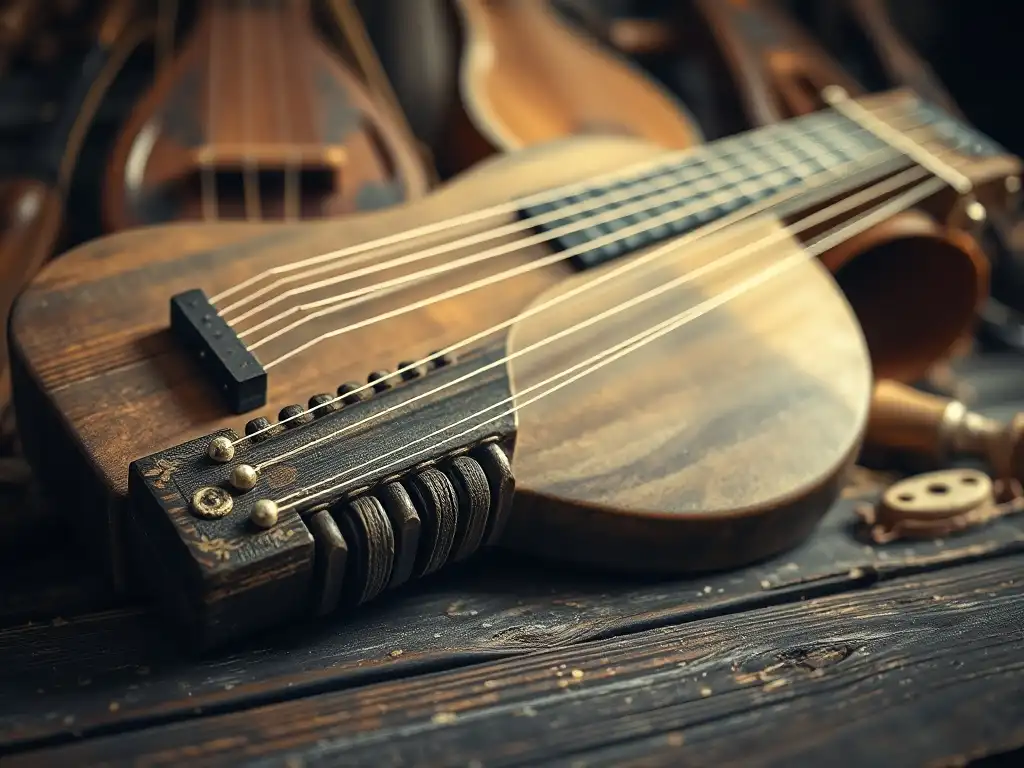
This section delves into the fascinating world of Andean musical instruments, exploring their construction, sonic qualities, and profound ritualistic and social significance within Andean music history. These instruments weren't merely tools for creating sound; they were considered sacred objects, conduits connecting the earthly realm with the spirit world, deeply intertwined with the Andean worldview and cosmology. Understanding these instruments is key to understanding the rich tapestry of Andean music and its enduring cultural legacy.
The sounds produced were believed to influence the natural world, appease deities, and maintain cosmic harmony. Their use was often highly ritualized, with specific instruments associated with specific ceremonies and deities.
The Significance of Wind Instruments in Andean Culture
Wind instruments hold a particularly important place in Andean music history, often symbolizing the breath of life, the wind's power, and the connection between the earthly and spiritual realms. Their ethereal sounds were believed to carry prayers and offerings to the gods, influencing weather patterns, and ensuring a bountiful harvest. The craftsmanship involved in creating these instruments was also significant, often passed down through generations, imbuing each instrument with a unique history and spiritual energy.
The Quena: Voice of the Mountains
The quena, a simple yet expressive end-blown flute, is arguably the most iconic Andean wind instrument. Its haunting melodies evoke the vastness and majesty of the Andes Mountains, its sound often described as the "voice of the mountains." Traditionally crafted from various materials like cane or wood, the quena's design varies across different Andean cultures, reflecting regional stylistic preferences and traditions.
The quena's repertoire is vast, ranging from melancholic solos to vibrant ensemble pieces, highlighting its versatility and enduring presence in Andean music history. Its use in ritual contexts varied, often accompanying ceremonies related to fertility, healing, and ancestor veneration.
The Zampoña: The Breath of the Andes
The zampoña, a panpipe instrument, consists of a set of vertically arranged pipes of varying lengths, creating a rich, layered sound. This instrument's characteristic sound is often described as the "breath of the Andes," reflecting the wind's role in the Andean landscape and cosmology. The zampoña is frequently used in ensembles, creating complex harmonies and textures.
Masterful zampoña players are highly revered, their skill in producing intricate melodies reflecting a deep understanding of the instrument and its cultural significance. Different regions boast distinct zampoña styles, demonstrating the instrument's adaptability and its enduring role within Andean musical traditions. Its use in ceremonies ranged widely, from agricultural rituals to celebrations of life and death.
Percussion and Rhythmic Foundation in Andean Music
Percussion instruments form the rhythmic backbone of much Andean music, providing a driving pulse that underpins melodies and dances. These instruments, often crafted from readily available materials, played a crucial role in both religious and secular contexts, their sounds believed to resonate with the earth and its energies. Their powerful rhythms were often used to invoke the power of nature and deities, reflecting the importance of rhythm and movement in Andean culture and belief systems.
The Caja: Heartbeat of Andean Rituals
The caja, a small, rectangular drum, serves as the heartbeat of many Andean rituals and dances. Its sharp, resonant sound provides a driving rhythmic pulse, often accompanying both vocal and instrumental performances. The caja's construction is relatively simple, but its sound is powerful and deeply evocative.
Different playing techniques produce a wide range of sounds, from sharp, staccato beats to rolling, continuous rhythms. The caja's role in Andean music history is central, its presence felt in numerous genres and ceremonies. Its rhythmic patterns often mirror the cyclical nature of Andean life, reflecting the importance of time and change within their worldview.
The Wankara: A Deep, Resonant Drum
The wankara, a larger, cylindrical drum, produces a deep, resonant sound that carries far and wide. Its size and sound make it ideal for large-scale celebrations and rituals. The wankara's deep tones are often associated with the earth's power and the ancestral spirits. Its powerful sound resonates with the landscape, amplifying the spiritual energy of ceremonies.
The wankara's use often signifies important events or gatherings, emphasizing its role as a powerful symbol of community and connection. The rhythmic patterns played on the wankara frequently reflect the movements of nature, further highlighting the close relationship between Andean music and the natural world. Its use is strongly linked to Andean music history's ritualistic aspects.
Music and the Spirit World: Connecting with Ancestors Through Sound
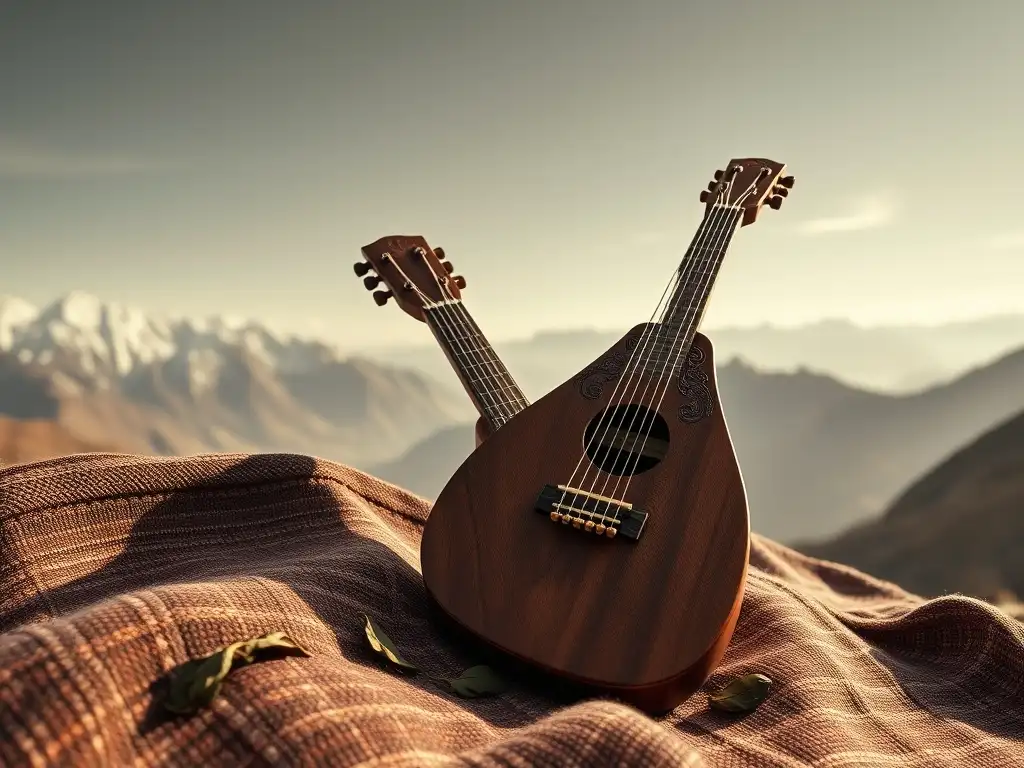
This section delves into the profound connection between Andean music and the spirit world, exploring how sound served as a vital bridge between the living and the deceased, the earthly and the celestial. For Andean cultures, music wasn't merely entertainment; it was a powerful tool for spiritual communication, ritualistic practice, and social cohesion. Understanding this crucial role of music provides a deeper appreciation for the complexities of Andean cosmovision and the significance of their musical heritage.
The study of Andean music history reveals a sophisticated system of sonic practices deeply intertwined with their beliefs and daily life. This intricate relationship highlights the importance of music in shaping Andean identity and worldview.
Andean Cosmovision and the Power of Sound
Andean cosmovision, a complex worldview encompassing a layered cosmos populated by spirits, deities, and ancestors, profoundly influenced their musical practices. Sound, particularly music, was believed to possess inherent power, capable of influencing the spiritual realm. The rhythmic beating of drums, for instance, could summon spirits, while the haunting melodies of panpipes could evoke the presence of ancestors.
The use of specific instruments, like the pututu (a conch shell trumpet) and the antara (panpipes), was often dictated by the specific ritual or spiritual purpose. The sounds themselves were considered potent forces, capable of altering states of consciousness and facilitating communication with the spiritual world. This wasn't just a matter of belief; archaeological evidence suggests that musical instruments were often found in burial sites, further emphasizing their importance in the afterlife.
The careful selection of instruments and melodies wasn't arbitrary; it was meticulously planned to achieve specific spiritual effects. For example, certain rhythms were associated with fertility, others with healing, and still others with invoking protection from malevolent spirits. This intricate relationship between sound, ritual, and spirituality underscores the profound importance of music within Andean culture. The study of Andean music history requires careful consideration of these nuanced relationships between sound and the spiritual plane. It wasn't simply about creating pleasant sounds; it was about actively shaping reality through sonic manipulation.
Music as a Medium for Trance and Spiritual Journeys
Many Andean rituals involved inducing altered states of consciousness through music. The repetitive rhythms and hypnotic melodies of certain musical forms were designed to facilitate trance-like states, allowing shamans and participants to journey to the spirit world. These journeys were not mere fantasies; they were believed to be real interactions with spiritual entities, allowing for healing, divination, and communication with ancestors. The intensity and duration of these musical rituals could vary depending on the specific purpose. Some sessions might last for hours, gradually building to a crescendo of intense sonic energy.
The role of the q'ero shaman was crucial in these rituals. Their mastery of music and their ability to guide participants through these altered states were essential to the success of the ceremony. They would often use specific vocalizations, chants, and instrumental techniques to manipulate the energy of the music and guide the spiritual journey.
Detailed ethnographic studies of these rituals are crucial to understanding the complex relationship between music, shamanism, and spiritual experience in Andean cultures. The use of music as a catalyst for trance states is a recurring theme in Andean music history, underscoring its importance in shaping religious and spiritual practices. Further research into specific musical techniques used to induce trance would further illuminate this aspect.
The Yaraví: A Lament for the Soul
The yaraví is a genre of Andean music characterized by its melancholic melodies and poignant lyrics. Often associated with themes of loss, longing, and sorrow, the yaraví is more than just a sad song; it represents a profound expression of human emotion and a connection with the spirit world. The mournful tones of the yaraví are believed to resonate with the sorrows of the deceased, providing solace and a pathway for communication with the departed. Many yaravís tell stories of lost love, tragic events, or the pain of separation, reflecting the human condition and the universal experience of grief.
The yaraví's slow tempo, minor key, and often-improvised melodies create a haunting and deeply emotional atmosphere. The lyrics, often poetic and evocative, frequently allude to natural imagery, reflecting the Andean connection to the land and its spiritual significance. The yaraví demonstrates the power of music to express profound emotions and connect with the spiritual realm, emphasizing its role as a conduit for human experience beyond the physical plane.
Its enduring presence in Andean music history testifies to its emotional resonance and cultural significance. Analyzing the lyrical content and musical structure of different yaravís from various Andean regions would offer valuable insights into regional variations and the evolution of this important musical genre.
Andean Music and Dance: A Unified Expression of Culture
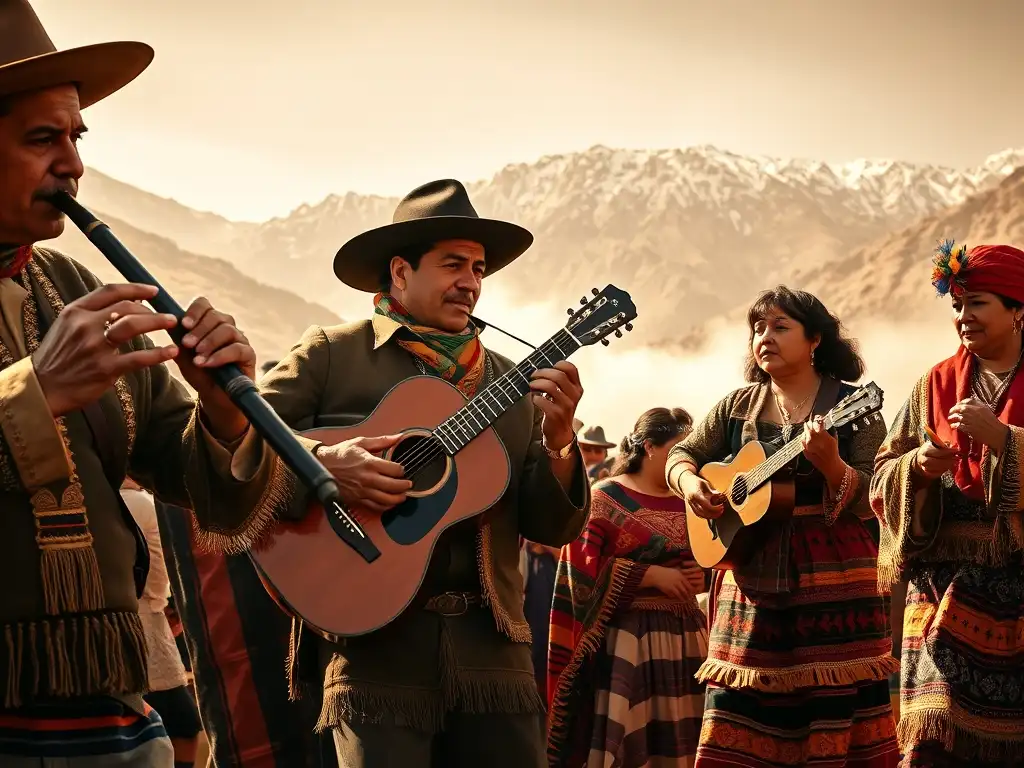
Andean music and dance weren't separate entities; they were, and remain, intrinsically linked, forming a unified expression of Andean culture. The rhythmic pulse of the music dictated the movement, while the dance itself served as a visual manifestation of the musical narrative. This synergy transcended mere entertainment; it was a crucial component of Andean spiritual practices, social structures, and daily life.
Understanding this interconnectedness is key to grasping the true depth and richness of Andean cultural heritage. The intricate steps, the precise movements of hands and feet, the costumes themselves – all these elements were meticulously choreographed to complement and amplify the musical experience. The resulting performance wasn't just heard, it was felt, experienced viscerally by the participants and observers alike.
This holistic approach to artistic expression underscores the profound connection between the physical and spiritual realms within Andean worldview. The very act of performing these dances was considered a sacred act, a way to connect with the ancestors and the divine. The legacy of this unified expression continues to thrive today, albeit in adapted forms, in many Andean communities.
The Interplay Between Music and Movement in Andean Rituals
The relationship between Andean music and dance in ritual contexts was particularly powerful. Music, often accompanied by instruments like the panpipes, charango, and zampoña, served to set the atmosphere and invoke specific spirits or deities. The accompanying dances were not simply random movements; they were carefully structured sequences that mirrored the narratives or themes of the rituals. For instance, the movements might represent the journey of a spirit, the cycle of the seasons, or the struggle between opposing forces.
Consider the Tinkus dance, a vibrant and energetic performance traditionally associated with agricultural cycles. The rapid, repetitive movements of the dancers, synchronized with the driving rhythms of the music, can be interpreted as symbolizing the tireless work required for successful harvests. The costumes, frequently adorned with symbolic colors and patterns, further enhanced the ritualistic significance.
The interplay between music and movement created a powerful synergy, amplifying the spiritual energy of the ritual and facilitating communication with the supernatural realm. Detailed ethnographic studies of various Andean communities reveal a remarkable diversity in ritualistic dances and their accompanying musical styles, underscoring the regional variations within this rich cultural tapestry. Further research into specific communities and their unique practices would reveal a wealth of additional examples of this intricate interplay.
Traditional Andean Dances and Their Spiritual Significance
Many traditional Andean dances hold deep spiritual significance, often linked to specific deities, agricultural cycles, or ancestral veneration. These dances weren't just performances; they were acts of worship, offerings, and expressions of devotion. The Saya, for instance, a lively dance originating in Bolivia, is often performed during religious festivals and is associated with the veneration of Pachamama, the Earth Mother. The movements, vibrant and joyous, are believed to express gratitude for the earth's bounty and to ensure continued fertility.
Similarly, the Huayno, a genre of music and dance prevalent across the Andes, often incorporates themes of love, longing, and the beauty of the natural world. However, even seemingly secular interpretations often carry undertones of spiritual significance, reflecting the deep-seated spiritual beliefs embedded within Andean culture. The costumes worn by the dancers, frequently adorned with intricate designs and symbolic colors, play a crucial role in conveying these spiritual meanings.
Each element, from the headdress to the footwear, holds symbolic weight, enriching the overall ritualistic significance of the performance. Scholarly research continues to uncover the nuances and layers of meaning embedded within these traditional dances, revealing a complex and fascinating interplay between artistic expression and spiritual belief. [Specific examples of symbolic meanings in costumes pending further research].
The Diablada: A Dance of Good Versus Evil
The Diablada, a dramatic and visually stunning dance originating in Bolivia, represents a captivating example of the interplay between music, movement, and spiritual belief in the Andean world. This dance, performed during religious festivals, particularly during the Fiesta de la Virgen de la Candelaria, depicts a symbolic battle between good and evil. Costumed dancers portray devils ( diablos)—often with elaborate masks and costumes—who engage in a theatrical struggle against archangels and other heavenly figures.
The music, characterized by its powerful rhythms and dramatic crescendos, enhances the intensity of the performance. The rhythmic interplay between the diablos' chaotic movements and the disciplined grace of the angelic figures visually represents the ongoing cosmic struggle between opposing forces, reflecting a core theme within Andean cosmology. The masks themselves are meticulously crafted, each representing different types of devils and embodying specific symbolic meanings.
The Diablada is not just a spectacle; it's a powerful narrative, a performance that explores fundamental themes of good versus evil, order versus chaos, and the ultimate triumph of good. The Diablada's enduring popularity highlights its importance in maintaining the vibrant cultural heritage of the Andes and its continuing relevance in grappling with fundamental questions about humanity's spiritual journey. The specific iconography and symbolism within the Diablada costumes and masks deserve further detailed analysis to fully grasp the depth of its spiritual significance.
The Evolution of Andean Music: From Ancient Times to the Present
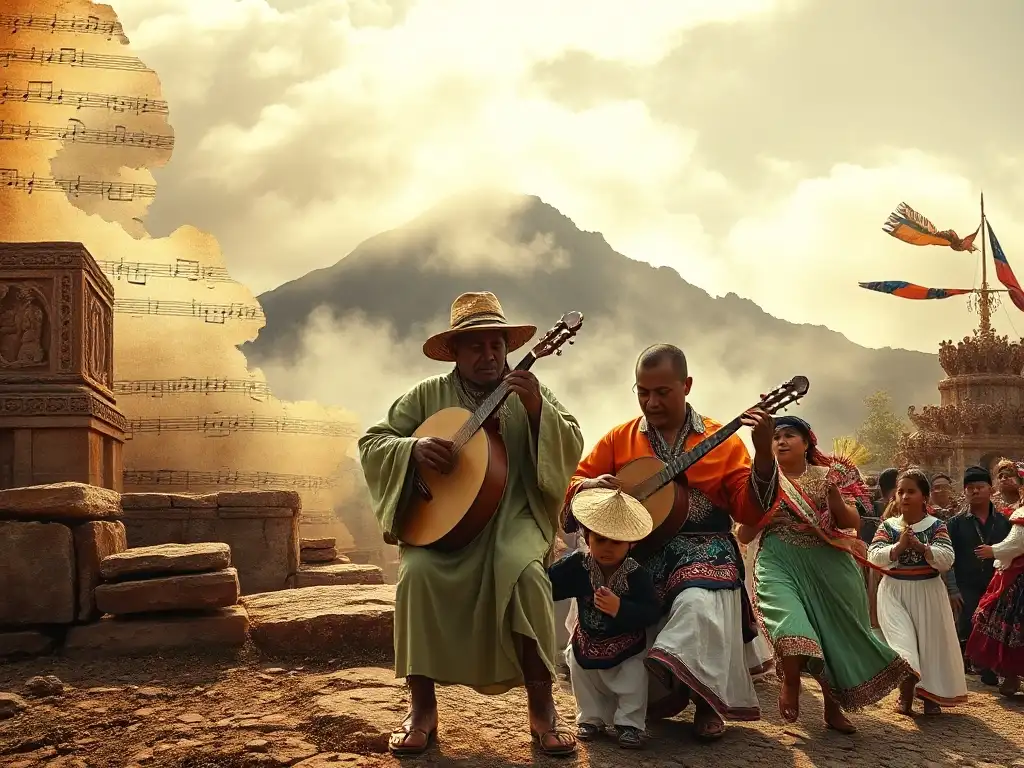
Andean music history is a vast and complex tapestry woven from threads of indigenous traditions, colonial influences, and modern innovations. Understanding its evolution requires acknowledging the diverse cultures that inhabited the Andes, each contributing unique musical styles and instruments. While precise documentation from pre-Columbian times is scarce, archaeological evidence, such as the discovery of ancient flutes and panpipes in various Andean sites, suggests a rich musical tradition predating the Inca Empire.
These early instruments, often crafted from bone, wood, or stone, hint at a sophisticated understanding of acoustics and musical expression. Ethnomusicological studies further reveal the importance of music in daily life, rituals, and ceremonies, suggesting a deep-rooted connection between music and the Andean worldview.
The rhythmic complexities and unique scales found in traditional Andean music suggest a long and independent development, shaped by the environment and the spiritual beliefs of the people. The legacy of this ancient musical heritage continues to resonate in contemporary Andean music.
The Influence of Colonialism on Andean Musical Forms
The Spanish conquest in the 16th century profoundly impacted Andean music. The introduction of European instruments like the guitar, violin, and harp dramatically altered the sonic landscape. While some indigenous instruments continued to be used, they were often incorporated into hybrid musical forms, reflecting the cultural fusion of the colonial period. The Catholic Church played a significant role, introducing hymns and religious chants that blended with existing Andean musical traditions.
This resulted in a fascinating syncretism, where indigenous melodies and rhythms were adapted to express new religious narratives. For example, many traditional Andean songs were re-contextualized with Christian lyrics, preserving the melodies but changing the meaning. This process of cultural adaptation, while sometimes forceful, also allowed Andean musical forms to survive and evolve, albeit in a transformed state.
The impact of Spanish colonialism on Andean musical traditions is a complex issue, encompassing both suppression and adaptation, ultimately shaping the music we know today. Research into colonial-era archives reveals a gradual blending of musical styles, with indigenous elements subtly influencing European forms and vice versa. This ongoing negotiation between indigenous and European traditions continues to be a defining characteristic of Andean music.
Modern Adaptations and the Preservation of Andean Heritage
The 20th and 21st centuries witnessed a resurgence of interest in Andean music, fueled by both nationalist movements and global recognition of its unique qualities. Modern Andean musicians have embraced both traditional and contemporary styles, creating a vibrant and diverse musical landscape. Many artists have incorporated elements of rock, pop, and jazz into their music, while retaining the core characteristics of Andean musical traditions.
This fusion of styles allows Andean music to connect with new audiences while preserving its cultural identity. The use of modern recording technology has also played a significant role in the dissemination of Andean music, enabling its reach to extend beyond geographical boundaries. There's a growing emphasis on preserving traditional Andean instruments and musical forms through educational initiatives and community-based projects, ensuring the continuation of this rich cultural heritage for future generations.
The revitalization and adaptation of Andean music demonstrates the dynamic nature of cultural preservation in the modern era. Organizations dedicated to the study and promotion of Andean music are actively involved in archiving recordings, documenting traditional performance practices, and supporting emerging artists.
Yma Sumac: A Voice Bridging Tradition and Innovation
Yma Sumac (1922-2008) stands as a pivotal figure in the history of Andean music. Her extraordinary vocal range and unique style brought Andean music to a global audience, showcasing its beauty and complexity to a wider world. While her career was heavily influenced by commercial pressures, her recordings often incorporated traditional Andean melodies and instruments, blending them seamlessly with Western musical arrangements.
Yma Sumac's performances were not only musically impressive but also visually captivating, drawing on the vibrant aesthetics of Andean culture. Her image and stage presence contributed significantly to the popularization of Andean music, although her approach was sometimes criticized for being overly romanticized and lacking in authenticity. Despite these criticisms, Yma Sumac's legacy remains undeniable.
She demonstrated the power of Andean music to transcend cultural boundaries and captivate audiences worldwide, leaving an indelible mark on the history of Andean music and its global perception. Her distinctive vocal style, encompassing a remarkably wide range and unique ornamentation, continues to inspire contemporary Andean musicians. Her recordings remain a valuable resource for understanding the evolution and adaptation of Andean musical styles in the mid-20th century.
Conclusion: The Enduring Legacy of Andean Music
The study of Andean music history reveals a vibrant tapestry woven from centuries of cultural exchange, spiritual beliefs, and social structures. From the haunting melodies of panpipes echoing across the altiplano to the rhythmic pulse of drums accompanying intricate dances, music served as a powerful force shaping Andean societies. Its enduring legacy extends far beyond its historical context, continuing to resonate in contemporary Andean communities and influencing musical landscapes worldwide.
Understanding this rich history allows us to appreciate the depth and complexity of Andean culture, highlighting the enduring power of music to connect past and present. The vibrant soundscapes of the Andes, imbued with ancient spiritual significance, offer a compelling lens through which to view the ingenuity and resilience of these remarkable civilizations. Analyzing the evolution of musical instruments, performance styles, and social functions provides invaluable insights into the cultural dynamics of Andean societies throughout history.
This detailed exploration of Andean music history unveils a compelling narrative of cultural continuity and adaptation, demonstrating the remarkable capacity of music to transcend time and geographical boundaries. Further research, particularly focusing on less-documented communities and musical traditions, is crucial to building a more complete understanding of this fascinating subject.
The Importance of Preserving Andean Musical Traditions
The preservation of Andean musical traditions is not merely a matter of archiving historical artifacts; it's a crucial act of cultural safeguarding. Many traditional musical forms are facing the challenges of globalization and modernization, with younger generations increasingly drawn to Western musical styles. The loss of these traditions would represent an irreparable loss of cultural heritage, severing a vital link to the past and impacting the collective identity of Andean communities. Active efforts to document, teach, and perform traditional Andean music are essential to counteract this trend. This includes initiatives focused on:
- Ethnomusicological research: Detailed studies documenting musical practices, instruments, and social contexts are crucial for understanding and preserving the nuances of each tradition.
- Community-based music education programs: Engaging younger generations in learning traditional music fosters cultural pride and ensures the continuation of these practices.
- Support for traditional musicians: Providing opportunities for traditional musicians to perform and share their knowledge helps to sustain their livelihoods and maintain their art form.
- Digital archiving and dissemination: Utilizing technology to create accessible digital archives of Andean music allows for broader dissemination and appreciation of this rich heritage.
The decline of traditional Andean musical practices poses a significant threat to cultural diversity. Consider, for instance, the diminishing number of skilled artisans creating traditional instruments like the charango or the zampoña. The loss of this craftsmanship would not only impact the music itself but also diminish a vital aspect of Andean material culture.
Therefore, a multifaceted approach is needed, involving researchers, educators, musicians, and community members working collaboratively to ensure the survival of Andean musical traditions for future generations. The task requires sustained commitment and a holistic strategy that values both the artistic and cultural significance of this musical heritage. The continued existence of these traditions is essential for maintaining cultural identity and fostering a sense of continuity with the past.
Embracing the Ancestral Echoes Through Music
Understanding Andean music history offers a profound opportunity to connect with the ancestral echoes that resonate within contemporary Andean societies. By actively engaging with and supporting the preservation of this rich musical heritage, we can foster a deeper appreciation for the cultural diversity and resilience of Andean civilizations. The sounds of traditional Andean instruments, the intricate rhythms, and the haunting melodies all serve as powerful reminders of the deep spiritual and social significance of music in these cultures.
Embracing this musical heritage is not simply a passive act of appreciation; it is an active participation in the ongoing cultural dialogue between past and present. It is a recognition of the enduring power of music to transcend time and geographical boundaries, connecting us to a rich tapestry of human experience. Listening to Andean music is more than just hearing sounds; it’s about experiencing a journey through time, connecting with the spirit and resilience of a people who have shaped a unique and vibrant cultural landscape.
This engagement with Andean musical traditions fosters a sense of global citizenship, promoting cross-cultural understanding and respect for diverse cultural expressions. The future of Andean music lies in the hands of those who recognize its value and actively work to protect and promote it. 🎶
Frequently Asked Questions
What role did music play in Andean societies?
Music held a central role in Andean life, deeply intertwined with spiritual beliefs, rituals, and daily activities. It was used to honor deities, celebrate harvests, and mark important life events.
How did Andean music differ across various cultures?
While sharing some common elements, Andean music varied significantly across cultures like the Inca, Moche, Nazca, and Tiahuanaco. Each group developed unique instruments, styles, and musical traditions reflecting their distinct identities.
What were some of the common instruments used in Andean music?
Panpipes (antara), drums (tinku), and wind instruments (pututo) were prevalent. The specific instruments and their construction varied based on the region and the culture.
What is the connection between Andean music and the spirit world?
Andean music was often believed to be a way to connect with the spirit world. Ritualistic music was used to communicate with ancestors and deities, and shamanistic practices often incorporated music.
How has Andean music evolved and survived through time?
Despite the impact of colonization, Andean musical traditions persisted. Modern Andean music incorporates elements of traditional styles while adapting to contemporary influences, ensuring its continued relevance.
Final Reflection: Echoes of the Andes, Whispers of the Future
The vibrant tapestry of Andean music, woven through centuries of tradition and resilience, continues to resonate powerfully in our modern world. Its enduring influence transcends mere entertainment; it offers a profound connection to a rich cultural heritage and a spiritual landscape that remains deeply relevant today. The melodies and rhythms, passed down through generations, speak to the enduring human need for connection, both to our ancestors and to something larger than ourselves.
The exploration of Andean music's history reveals not only a chronological progression of styles and instruments, but also a powerful testament to the human spirit's ability to persevere and adapt. The music itself is a living archive, carrying within its notes the echoes of ancient rituals, colonial struggles, and modern triumphs. It is a testament to the enduring power of cultural identity. Music is the universal language of mankind.
- Henry Wadsworth Longfellow. This quote, while broad, perfectly encapsulates the ability of Andean music to transcend linguistic and geographical boundaries, connecting us to a shared human experience.
Consider the profound impact of this musical heritage on your own life. How might you incorporate a greater appreciation for the richness and diversity of Andean music into your own experiences? Perhaps you'll seek out a live performance, delve deeper into the history of a particular instrument, or simply allow the music to wash over you, carrying you to the heart of the Andes. Let the echoes of the past inspire you to create a more vibrant and meaningful future, enriched by the timeless beauty of Andean musical traditions.
Unleash the Andean Spirit Through Music!
Thank you for exploring the enchanting world of Andean music! You've discovered the profound connection between its melodies and the spiritual beliefs that shape these ancient cultures. Now, let's delve even deeper into this magical experience. Here's how:
- Listen to Andean music: Create your own playlist of traditional Andean artists and share your discoveries with friends! Immerse yourself in the rich soundscapes.
- Join a community music group: Find or organize gatherings where people play Andean instruments and share stories. This is a wonderful way to connect with others and experience the culture firsthand.
- Share your experience: Write about how Andean music affects you and share your insights online. Let your voice contribute to a wider appreciation of this vibrant culture.
How does music enrich your daily life, and how do you feel it connects you to deeper cultural traditions?