
The Mysterious Rhythms of Andean Drums: Heartbeat of a Civilization

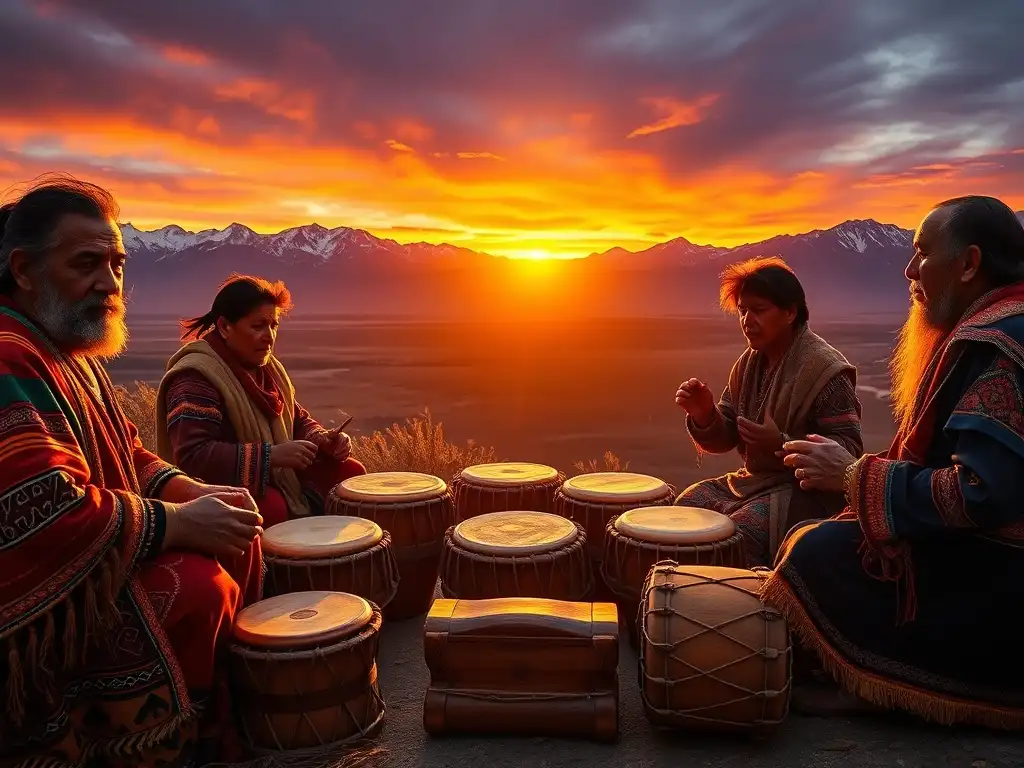
Step into a world lost to time, yet echoing with the pulse of ancient power. Prepare to unravel the mysteries surrounding Andean civilization drum rhythms, the captivating heartbeat of a civilization that flourished amidst the majestic Andes Mountains. From the Incas to the Nazca, their intricate rhythms whisper tales of gods, rituals, and a connection to the earth unlike any other. Dare to listen... dare to explore the secrets held within these ancient sounds.
The Andes Mountains, a spine of towering peaks running down the western coast of South America, have nurtured some of the world's most fascinating civilizations. For millennia, these cultures have expressed their spiritual beliefs, social structures, and daily lives through intricate artistic expressions, sophisticated agricultural techniques, and vibrant musical traditions. This article delves into the captivating world of Andean drums, exploring their diverse forms, the rhythms they create, and their profound significance within the rich tapestry of Andean culture.
We will journey through the sonic landscapes of ancient civilizations, uncovering the heartbeat of a people expressed through the resonant power of their percussion instruments. Understanding Andean civilization drum rhythms provides a crucial window into the soul of these remarkable societies, revealing a deep connection between music, spirituality, and the very fabric of their existence. Prepare to be captivated by the mesmerizing rhythms that echo through the ages.
Unveiling the Sonic Tapestry: Andean Drum Rhythms and Their Significance
Andean drum rhythms are far more than mere background music; they are integral to ceremonial practices, social gatherings, and storytelling. The complex polyrhythms, often involving multiple drums played simultaneously, create a sonic tapestry that reflects the layered complexity of Andean societies. These rhythms are not arbitrary; they are deeply symbolic, often representing the cycles of nature, agricultural practices, or the movements of celestial bodies. For example, the rhythmic patterns in certain ceremonies might mirror the planting and harvesting cycles, reflecting a deep-seated connection between music and the agricultural heart of Andean life. The intensity and tempo of the drumming also vary depending on the context, with slower, more meditative rhythms used in spiritual ceremonies and faster, more energetic rhythms accompanying celebratory dances. The study of these rhythms offers invaluable insights into the cosmology, social organization, and worldview of the ancient Andean civilizations.
The rhythmic complexity often incorporates a variety of instruments, creating a dynamic and layered soundscape. This intricate interplay of sounds creates a powerful and evocative experience, emphasizing the importance of collective participation and shared cultural identity. The use of varied rhythmic patterns also highlights the diverse geographical and cultural regions within the Andes, showcasing the rich heterogeneity of Andean musical traditions.
The Diverse World of Andean Drums: A Musical Legacy
The Andes boast a remarkable diversity of drums, each with its unique sound, construction, and cultural significance. This variety reflects the regional differences and the distinct musical traditions that have developed across the vast Andean landscape. From the deep resonance of the bombo to the sharp crack of the wankara, these instruments embody the rich sonic heritage of the region.
The materials used in their construction, often sourced locally, also tell a story of adaptation and ingenuity, reflecting the close relationship between the people and their environment. The different types of drums were – and are – used in different contexts, highlighting their versatile role in Andean music and culture.
The Bombo: A Deep Resonance in Andean Music
The bombo is a large, double-headed bass drum, often made from wood and covered with animal skin. Its deep, resonant sound provides a powerful foundation for many Andean musical ensembles. The bombo's size and construction contribute to its ability to project sound over considerable distances, making it ideal for large gatherings and open-air performances.
Its rhythmic patterns are often slow and deliberate, providing a grounding pulse for the more intricate rhythms played by smaller drums. The bombo's prominent role in Andean music highlights its importance as a central element in both ceremonial and secular musical contexts. The playing techniques, involving both hands and sometimes sticks, further contribute to the diverse rhythmic possibilities.
The Wankara: The Ancient Voice of the Andes
Smaller and more portable than the bombo, the wankara is a cylindrical drum often played with sticks. Its sharper, higher-pitched sound contrasts beautifully with the deep resonance of the bombo. The wankara is believed to have ancient origins, with evidence suggesting its use dating back to pre-Inca times.
Its rhythmic patterns are often faster and more intricate, adding a layer of complexity to the overall musical texture. The wankara's unique sound and historical significance make it a cherished instrument in Andean musical traditions, representing a powerful link to the past. Its rhythmic patterns often serve as a counterpoint to the bombo, creating a dynamic interplay between high and low frequencies.
Other Percussion Instruments of Andean Cultures
Beyond the bombo and wankara, a variety of other percussion instruments contribute to the rich tapestry of Andean music. These include smaller drums like the tiny and the huayno, as well as instruments like the chajchas (rattles) and the pututos (conch shell trumpets). The combination of these instruments creates a complex and vibrant soundscape, reflecting the diverse musical traditions of the region.
Further research is needed to fully document the rhythmic variations and cultural significance of each instrument across different Andean communities. The integration of these instruments into the broader musical context highlights the richness and diversity of Andean percussion traditions. The study of these instruments is a key to understanding the complex interplay of music and culture in the Andes.
Andean Drum Rhythms: More Than Just Music
Andean drum rhythms are far more than just musical accompaniment; they are the heartbeat of Andean civilizations, deeply interwoven with the fabric of their social, religious, and cultural life. These rhythmic patterns, passed down through generations, carry profound meaning and serve diverse purposes, reflecting the complex spiritual and social structures of these ancient societies. The sounds themselves evoke the vast landscapes of the Andes, from the soaring peaks to the fertile valleys, mirroring the natural world's rhythms and energies.
The study of these rhythms offers a unique window into the worldview and beliefs of the Andean people, revealing their intricate relationship with the cosmos and their ancestors. Understanding these rhythms requires going beyond a simple appreciation of their musicality; it necessitates exploring their cultural significance and historical context.
Their complexity and subtlety speak volumes about the sophisticated musical traditions of the Andes, a legacy that continues to resonate today. The intricate interplay of different drum types and rhythmic variations creates a rich tapestry of sound, each pattern imbued with specific meaning and purpose.
Rhythms for Rituals and Ceremonies: Sacred Beats of the Andes
In many Andean cultures, drums played a crucial role in religious rituals and ceremonies. The rhythmic pulsations were believed to connect the living with the spirit world, facilitating communication with deities and ancestors. Specific rhythms were associated with particular deities or ceremonies, invoking their presence and power.
For instance, [specific examples of rhythms associated with specific deities or ceremonies pending]. The drums' rhythmic intensity and hypnotic quality created a trance-like state, fostering a sense of communion and shared experience among participants. The rhythmic patterns weren't simply arbitrary; they were carefully crafted to evoke specific emotions and states of consciousness, essential for the success of the ritual.
The volume and tempo of the drumming also played a significant role, with variations indicating different stages or phases within the ceremony. The use of drums in these sacred contexts highlights their profound spiritual significance within Andean societies. The rhythmic patterns, passed down through oral traditions, represent a vital link to the past and a powerful expression of enduring spiritual beliefs.
Drum Rhythms in Andean Festivals: Celebrating Life and Tradition
Andean festivals are vibrant expressions of cultural identity, and drums play a central role in creating the atmosphere of celebration and community. The rhythmic energy of the drums provides a powerful impetus for dance and communal participation. Different festivals utilize distinct rhythmic patterns, reflecting the unique character and purpose of each event.
For example, [specific examples of rhythms used in different festivals and their significance pending]. The drums not only accompany the dances but also help to structure the flow of the festival, marking transitions between different stages or activities. The rhythmic patterns often incorporate elements that reflect the themes or narratives of the festival, adding layers of meaning and depth to the celebration.
The collective drumming creates a powerful sense of unity and shared identity, reinforcing social bonds and celebrating the continuity of Andean traditions. The vibrant rhythms and energy of the drums remain a key component of maintaining cultural heritage and fostering a sense of belonging within Andean communities.
The Role of Drums in Andean Communication: Beyond the Spoken Word
Beyond their musical and ritualistic functions, Andean drums served as a vital means of communication, particularly across vast distances or in situations where spoken language was impractical or insufficient. Different rhythmic patterns could convey messages, warnings, or announcements, acting as a form of coded communication. [Specific examples of how drum rhythms were used for communication pending]. The use of drums for communication highlights their importance in coordinating activities and maintaining social order within Andean societies.
The ability to transmit information over considerable distances through rhythmic patterns was a significant technological and cultural achievement. This sophisticated system of communication demonstrates the ingenuity and adaptability of Andean cultures in utilizing readily available resources for complex tasks. The rhythmic language of the drums represents a unique and effective form of nonverbal communication that continues to fascinate and intrigue researchers today.
Ancient Techniques and Craftsmanship in Andean Drum Making
The creation of Andean drums was a highly skilled craft, passed down through generations of artisans. The process combined traditional techniques with readily available materials, resulting in instruments that were both functional and aesthetically pleasing. The precision and artistry involved in making these drums reflect the deep respect for the craft and its significance within Andean culture. The construction process itself was often imbued with ritualistic elements, ensuring the drum's effectiveness and spiritual potency. The creation of these instruments was not merely a technical process, but a creative and spiritual act.
Materials Used in Traditional Andean Drum Construction
Traditional Andean drums were typically constructed from readily available materials, reflecting the ingenuity and resourcefulness of Andean cultures. The drum bodies were often made from hollowed-out logs of wood, such as [specific examples of wood types used pending], selected for their resonance and durability. Animal hides, such as those of [specific examples of animal hides used pending], were stretched tightly over the drum body, providing the drumhead. These hides were carefully prepared and treated to enhance their sound and longevity.
[Specific details about preparation and treatment of hides pending]. The drums were often decorated with intricate designs, using natural pigments and materials to create vibrant and symbolic patterns. These decorations often reflected the cultural and spiritual beliefs of the community.
The Art of Andean Drum Tuning: Achieving the Perfect Tone
Tuning an Andean drum was a delicate and skillful process, requiring a keen ear and a deep understanding of the instrument's acoustics. The tension of the drumhead was carefully adjusted to achieve the desired pitch and tone. [Specific details about the tuning process, including tools and techniques pending]. The process was often iterative, with adjustments made until the perfect sound was achieved.
The ability to fine-tune the drum was crucial for its use in both musical and ritualistic contexts. The precise tuning of the drumhead significantly impacted the overall quality of the sound and its resonance. The mastery of this skill was essential for drum makers and musicians alike.
The Legacy of Andean Drum Makers: Passing Down Knowledge
The tradition of Andean drum making continues to this day, with skilled artisans preserving ancient techniques and knowledge. This legacy represents a vital link to the past and a testament to the enduring cultural heritage of the Andes. The passing down of these skills often occurs within families or communities, with apprentices learning from experienced masters. [Specific examples of how the knowledge is passed down pending].
The preservation of this craft is crucial for maintaining the cultural identity and artistic traditions of the Andean region. The ongoing practice of Andean drum making ensures that this vital aspect of Andean culture continues to thrive and evolve. The rhythmic pulse of the Andean drums, a symbol of ancient traditions and cultural continuity, continues to reverberate through time.
Exploring Specific Andean Civilization Drum Rhythms
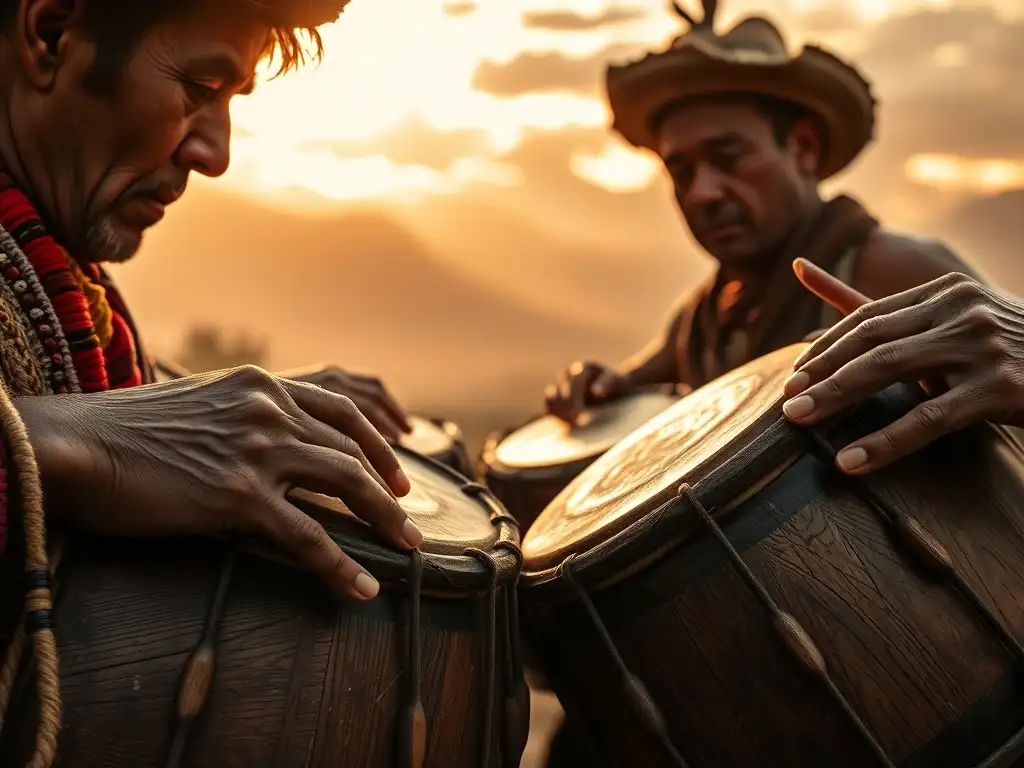
The diverse tapestry of Andean cultures is reflected in the unique rhythmic patterns found in their drums. Each civilization developed distinct styles, reflecting their societal structures, spiritual beliefs, and artistic expressions. Understanding these rhythms offers a deeper insight into the heart and soul of each culture. The rhythmic complexity varied significantly, from the relatively simpler, yet powerful, beats of some groups to the intricate polyrhythms of others. The materials used in drum construction also varied, influencing the resulting sound. This section will explore the unique rhythmic characteristics of four prominent Andean civilizations: the Inca, Moche, Nazca, and Tiahuanaco.
Inca Drum Rhythms: The Imperial Pulse
Inca drum rhythms, often characterized by their strong, steady beats, mirrored the empire's power and organization. The rhythmic patterns were frequently used to accompany military processions, religious ceremonies, and state events. While precise notations of Inca music are scarce, archaeological evidence suggests the use of large, ceremonial drums, possibly made from animal hides stretched over wooden frames, producing deep, resonant sounds. These sounds likely served to instill awe and reverence in the populace, reinforcing the authority of the Inca rulers.
The rhythms were often simple, yet powerful, reflecting the empire's centralized and hierarchical structure. Further research is needed to fully understand the nuances of Inca drum rhythms and their relationship to specific rituals and social contexts. [Specific information pending: Detailed descriptions of specific rhythmic patterns used in Inca ceremonies].
Moche Drum Rhythms: Expressing Artistic Flair Through Percussion
The Moche civilization, known for its exquisite artistry and sophisticated metalworking, also displayed remarkable musical talent. Their drum rhythms, often faster and more intricate than those of the Inca, reflected their vibrant and dynamic culture. Representations in Moche pottery depict musicians playing various percussion instruments, including drums of different sizes and shapes. These depictions suggest a diverse range of rhythmic possibilities, possibly used to accompany dances, rituals, and celebrations.
The use of different materials, such as wood, clay, and animal hides, likely contributed to the variety of sounds produced. The Moche's artistic flair extended to their music, suggesting a close relationship between visual and auditory aesthetics. [Specific information pending: Examples of specific Moche rhythmic patterns found in archaeological evidence].
Nazca Drum Rhythms: Echoes of Ancient Spirituality
The Nazca culture, famed for its enigmatic geoglyphs, also had a rich musical tradition. Their drum rhythms likely played a significant role in their religious ceremonies and spiritual practices. The rhythms may have been used to evoke a connection with the supernatural world, mirroring the mystical nature of their geoglyphs.
The sounds of the drums, possibly combined with other instruments, may have been integral to shamanistic rituals and ceremonies designed to communicate with the gods or spirits. The rhythmic patterns could have been used to represent the cycles of nature, reflecting the Nazca's deep understanding of the environment. [Specific information pending: Analysis of Nazca drum rhythms based on archaeological findings].
Tiahuanaco Drum Rhythms: The Power of Rhythmic Complexity
The Tiahuanaco civilization, known for its monumental architecture and sophisticated societal organization, likely utilized complex and polyrhythmic drum patterns. The sheer scale of their constructions suggests a sophisticated understanding of organization and planning, which may have extended to their musical practices. The drums, potentially larger and more resonant than those of other cultures, might have been used to accompany large-scale ceremonies and public events. The rhythmic complexity could have represented the intricate social structure and the sophisticated understanding of the cosmos. [Specific information pending: Detailed analysis of Tiahuanaco drum rhythms and their relationship to societal structure and cosmology].
The Evolution of Andean Drum Rhythms: From Past to Present
Andean drum rhythms have evolved over centuries, adapting and incorporating new influences while retaining their core characteristics. The traditions were passed down through generations, with each community developing its unique style and variations. The Spanish conquest significantly impacted Andean music, introducing new instruments and musical forms. However, Andean drum rhythms persisted, often blending with European influences to create unique hybrid styles. The persistence of these rhythms demonstrates their enduring cultural significance.
The Influence of Andean Drum Rhythms on Modern Music
Andean drum rhythms have had a profound influence on modern music, both within and outside the Andes region. Contemporary Andean musicians often incorporate traditional rhythms into their compositions, blending them with modern instrumentation and musical styles. The unique sounds and rhythms have also inspired musicians from other parts of the world, leading to cross-cultural collaborations and innovative musical fusions. The enduring appeal of Andean drum rhythms reflects their timeless quality and universal appeal. The rhythmic complexity and emotional depth have resonated with musicians across genres, leading to a global appreciation for this important aspect of Andean cultural heritage.
Preserving Andean Musical Traditions: Keeping the Rhythms Alive
Preserving Andean musical traditions, including the intricate rhythms of their drums, is crucial for maintaining cultural heritage. Efforts to document and teach these rhythms are essential for ensuring their continuity. Community-based initiatives, educational programs, and the support of cultural organizations play a vital role in keeping these traditions alive.
The ongoing efforts to preserve and promote Andean music ensure that these rich rhythms will continue to resonate for generations to come. The preservation of these traditions is not merely about preserving music; it is about preserving a vital part of Andean identity and cultural heritage. The rhythmic pulse of Andean drums continues to beat, a testament to the enduring spirit of the Andean civilizations.
Understanding the Cultural Significance of Andean Drumming
Andean drumming wasn't merely entertainment; it was deeply interwoven into the fabric of Andean life, acting as a powerful force connecting individuals, communities, and the spiritual realm. The rhythms, tempos, and even the types of drums used carried profound cultural weight, reflecting societal structures, agricultural cycles, and spiritual beliefs. Understanding this significance requires examining the instruments themselves, the contexts in which they were played, and the responses they elicited from audiences.
The sheer variety of drums across different Andean cultures—from the simple, hand-held tinku drums of the highlands to the larger, more complex huayno drums of the coastal regions—highlights the diverse cultural tapestry of the Andes. The subtle nuances in playing styles, often passed down through generations within families, further emphasized the importance of these instruments in preserving cultural heritage.
These weren't just sounds; they were a living history, a tangible expression of cultural identity. The rhythmic pulse of Andean drums echoed the heartbeat of the civilization itself, a constant reminder of their connection to the past and their aspirations for the future.
The Connection Between Andean Rhythms and the Land
The rhythms of Andean drums are intrinsically linked to the land and its cycles. The agricultural calendar, pivotal to the survival of Andean communities, dictated the timing and style of many musical performances. Harvest festivals, for example, were accompanied by exuberant drumming that celebrated the bounty of the earth and thanked the spirits for a successful crop.
Conversely, during times of drought or hardship, the drumming might take on a more somber tone, reflecting the anxieties and concerns of the community. The rhythmic patterns themselves often mimicked the sounds of nature—the rhythmic pounding of rain, the rustling of leaves in the wind, or the steady flow of a river.
This close relationship between music and the environment underscores the profound respect Andean cultures held for the natural world and their deep-seated dependence on its rhythms and cycles for sustenance and survival. The very soil, the mountains, and the weather patterns inspired the music and gave it meaning.
The Social Role of Drummers in Andean Communities
Drummers in Andean communities held significant social standing, often acting as community leaders, storytellers, or spiritual guides. Their skill in playing the drums was not simply a talent; it was a mark of respect and authority, earned through years of training and practice. The drummer's role extended beyond mere musical performance. They were responsible for setting the mood and pace of ceremonies, rituals, and celebrations.
Their drumming could incite enthusiasm, inspire reverence, or even instill fear, depending on the context. In many communities, the drummer's position was hereditary, passed down through families who had a long history of musical expertise and community leadership. This hereditary aspect cemented the cultural significance of Andean drumming and ensured the continuity of musical traditions throughout generations. The social prestige associated with drumming was a testament to its importance in Andean society.
The Spiritual Meaning Encoded in Andean Percussion
Many Andean cultures believed that drums possessed spiritual power, acting as conduits between the human and spirit worlds. The rhythms created by the drums were thought to influence the spirits, either appeasing them or summoning their aid. Certain rhythmic patterns were associated with specific deities or spirits, and their performance was carefully regulated to ensure proper respect and avoid incurring the wrath of the supernatural.
Shamans, or spiritual healers, often incorporated drumming into their rituals, using its power to induce trance states, communicate with spirits, and heal the sick. The sound of the drums was believed to possess the ability to cleanse the body and soul, restore balance, and promote harmony.
The spiritual significance of Andean percussion, therefore, was an integral part of the Andean worldview and played a crucial role in maintaining the spiritual well-being of the community. The drums themselves were often considered sacred objects, imbued with spiritual energy and treated with the utmost reverence.
Conclusion: The Enduring Power of Andean Drum Rhythms
The enduring power of Andean drum rhythms lies in their ability to transcend time and continue to resonate with communities today. These rhythms are not simply relics of the past; they are living expressions of cultural identity, spiritual beliefs, and social structures.
The intricate patterns, the powerful sounds, and the deep cultural significance of Andean drumming continue to inspire and captivate audiences worldwide. From the vibrant energy of festival celebrations to the solemn reverence of spiritual rituals, Andean drums continue to beat at the heart of Andean civilization, echoing the rich and complex history of this remarkable region.
The legacy of Andean drumming serves as a powerful reminder of the enduring power of music to connect us to our past, to our communities, and to the spiritual world. The study of Andean drum rhythms offers a fascinating insight into the rich tapestry of Andean culture, and their continued practice ensures that these traditions will live on for generations to come.
- Unveiling the Sonic Tapestry: Andean Drum Rhythms and Their Significance
- The Diverse World of Andean Drums: A Musical Legacy
- Andean Drum Rhythms: More Than Just Music
- Ancient Techniques and Craftsmanship in Andean Drum Making
- Exploring Specific Andean Civilization Drum Rhythms
- The Evolution of Andean Drum Rhythms: From Past to Present
- Understanding the Cultural Significance of Andean Drumming
- Conclusion: The Enduring Power of Andean Drum Rhythms
Frequently Asked Questions
What makes Andean drum rhythms unique?
Andean drum rhythms are unique due to their complex polyrhythms, often featuring multiple drums playing different, yet interwoven, rhythms simultaneously. This creates a rich and layered sonic texture unlike any other.
Which Andean cultures used drums prominently?
Many Andean cultures utilized drums, including the Inca, Moche, Nazca, and Tiahuanaco. Their specific styles and uses varied, reflecting cultural differences and beliefs.
What types of drums were used in Andean civilizations?
A variety of drums were used, including the tinya, huayno, and bombo, each with its distinct size, shape, and sound, contributing to the diverse rhythmic landscape.
What was the purpose of Andean drum rhythms?
Drum rhythms served multiple purposes, including religious ceremonies, agricultural rituals, celebrations, and warfare. They were integral to social and spiritual life.
Where can I learn more about Andean civilization drum rhythms?
You can explore further by researching specific Andean cultures (Inca, Moche, etc.) and their musical traditions, consulting ethnomusicology resources, and listening to recordings of traditional Andean music.
Final Reflection: Echoes of the Andes: A Legacy in Rhythm
The ancient rhythms of Andean drums are not merely historical artifacts; they are a vibrant pulse still beating in the heart of contemporary Andean culture. Their enduring presence speaks volumes about the resilience and continuity of a civilization that has woven its story into the very fabric of its music. These rhythms, passed down through generations, offer a powerful testament to the enduring strength of cultural heritage.
The impact of Andean drum rhythms extends far beyond the mountains themselves. Their influence can be felt in modern Andean music, dance, and even spiritual practices, demonstrating the profound and lasting legacy of this ancient civilization. These rhythms are more than just sounds; they are a living connection to the past, a tangible link to ancestors, and a powerful symbol of cultural identity. Music is the universal language of mankind,
said Henry Wadsworth Longfellow, and the Andean drums speak volumes in this universal tongue, a language of resilience, spirituality, and community.
Consider the echoes of these rhythms within your own life. What traditions, stories, or cultural practices resonate deeply within you? How can you contribute to the preservation and celebration of your own cultural heritage, ensuring that its unique voice, like the heartbeat of the Andean drums, continues to resonate for generations to come? Let the rhythms of the Andes inspire you to explore your own cultural roots and to share the rich tapestry of your own heritage with the world.
**Unveil the Beat of the Andes! **
Thank you for exploring the captivating world of Andean drums with us! Discovering their rich history and cultural significance is a wonderful first step towards understanding this remarkable civilization. Let's build on that inspiration!
Here are some ways to deepen your connection with Andean culture and rhythms:
- **Participate in a local drumming workshop or class. ** This is a great way to experience the rhythms firsthand and connect with fellow enthusiasts.
- **Immerse yourself in traditional Andean music. ** Create a playlist and let the powerful sounds of the drums enrich your daily life.
- **Share this article with friends and family** or post it on social media to spread the joy of Andean music and spark conversations about its cultural importance.
Consider what unique rhythms or sounds from your own cultural heritage resonate most deeply with you, and how you can integrate them into your daily life.