
Andean Women in Music: The Voices of a Hidden Tradition

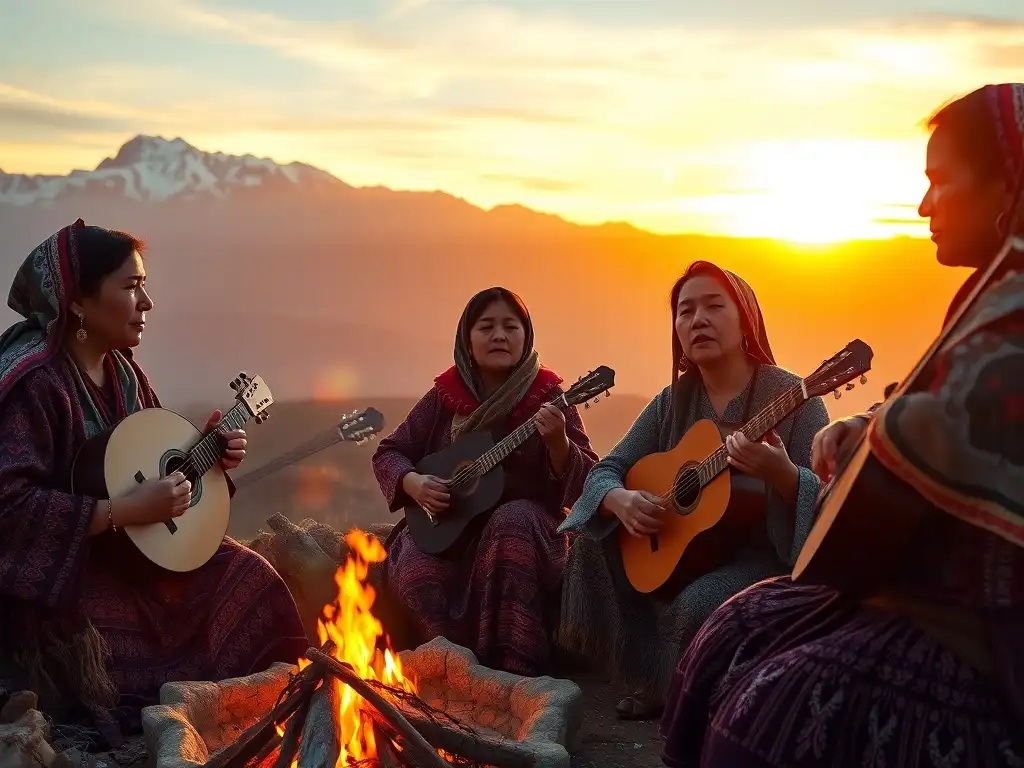
Step into a world lost in time, yet echoing with vibrant melodies. For centuries, the soaring peaks of the Andes have witnessed a rich tapestry of cultures, but one thread remains largely untold: the powerful voices of Andean women. Discover the captivating story of their unique musical traditions, a legacy woven into the very fabric of Andean civilization. Prepare to be enthralled as we unravel the mysteries behind the Andean women musical traditions, a hidden heritage waiting to be rediscovered. Dive in and explore!
The vibrant tapestry of Andean music, often celebrated for its captivating melodies and intricate instrumentation, frequently overlooks a crucial element: the significant contributions of women. For centuries, the voices and musical talents of Andean women have been a vital, albeit often hidden, thread in the rich musical heritage of the region.
This article delves into the fascinating world of Andean women's musical traditions, exploring their historical roles, the instruments they played, and the unique musical forms they cultivated. We will uncover the stories behind these powerful voices, challenging the prevalent narratives that often minimize their impact on the development and evolution of Andean music.
By examining specific examples and uncovering historical evidence, we aim to shed light on this crucial yet often overlooked aspect of Andean cultural history, enriching our understanding of "Andean women musical traditions" and their enduring legacy. The journey will take us through diverse Andean cultures, revealing the surprising diversity and resilience of women's musical contributions across different time periods and geographical locations.
Introduction to Andean Musical Heritage and Gender
Andean musical heritage is incredibly diverse, varying significantly across different cultures and geographical regions. From the soaring panpipes of the Andes to the rhythmic beats of the bombo, the music reflects the complex interplay of nature, spirituality, and social structures. However, traditional narratives surrounding Andean music often center on male musicians and composers, obscuring the significant participation of women. This is not to say that women were absent; rather, their roles were often relegated to the domestic sphere or perceived as less prominent than their male counterparts.
This societal perception is reflected in historical records and anthropological studies, which frequently lack detailed information about women's contributions to musical practices. However, recent research and a renewed focus on gender studies within Andean scholarship are beginning to reveal a more nuanced and accurate picture. We find evidence of women's participation in various aspects of musical life, from composing and performing to instrument making and the transmission of musical knowledge across generations.
This section will lay the groundwork for understanding the broader context of gender roles in Andean society and how these roles intersected with musical practices. We'll explore how societal structures influenced women's access to musical instruments, performance opportunities, and the recognition of their artistic talents. The limitations faced by women musicians in the past will be contrasted with the growing recognition and celebration of their contributions in contemporary Andean music.
The Historical Role of Women in Andean Music
The historical role of women in Andean music is complex and multifaceted, varying across different Andean cultures and historical periods. While often underrepresented in official accounts, evidence suggests women played a significant role in various musical aspects. For instance, in some communities, women were primarily responsible for the creation and preservation of certain musical forms, particularly those associated with rituals, ceremonies, and domestic life. These musical forms might have been less visible to outside observers, or dismissed as less "important" than the more public performances often dominated by men.
Examples of Women's Musical Roles:
- Ritual Music: Women likely played a crucial role in the performance of ritual music related to agricultural cycles, fertility rites, and ancestor veneration. [Specific examples and data pending]
- Domestic Music: Lullabies, work songs, and other forms of domestic music were often performed by women, transmitting cultural knowledge and values across generations. [Specific examples and data pending]
- Instrument Making: While not always documented, women may have been involved in the creation and maintenance of certain musical instruments, contributing to the overall musical landscape. [Specific examples and data pending]
Furthermore, the types of instruments played by women varied across different regions and communities. While some instruments were considered primarily "male" instruments, women often played others, adapting them to their specific musical expressions. The study of Andean musical traditions requires a conscious effort to uncover and highlight the voices of women, challenging existing biases and offering a more complete and accurate understanding of this rich cultural heritage. The persistent erasure of women's contributions from historical narratives necessitates a proactive and critical approach to research, ensuring their voices are finally heard and their legacy acknowledged.
Pre-Columbian Andean Female Musicians
Evidence of Women's Musical Participation in Ancient Andes
While historical records from the pre-Columbian Andes are scarce and often fragmented, evidence suggests a significant role for women in musical practices. Interpretations of iconography found on pottery, textiles, and metalwork frequently depict women playing instruments and participating in musical performances. These depictions, while not definitive proof of widespread participation, offer valuable clues into the potential roles of women in Andean musical life.
The lack of extensive written accounts necessitates a careful analysis of these visual representations, considering the cultural context and potential biases inherent in their creation. Further research employing interdisciplinary approaches, combining archaeological findings with ethnomusicological studies of surviving traditions, is crucial to fully understand the complexity of this topic.
Archaeological Findings Related to Female Andean Musicians
Archaeological excavations have unearthed various artifacts hinting at the involvement of women in music. For instance, the discovery of intricately decorated flutes and panpipes in women's tombs suggests a connection between music and the female sphere of life. While the exact function and significance of these instruments remain open to interpretation, their presence alongside female burials indicates a possible association with funerary rituals or personal expression.
Other findings, such as the uncovering of musical instruments within domestic settings, further contribute to a more nuanced understanding of women's relationship with music beyond ritualistic contexts. These discoveries demand further study to determine the social standing and musical roles of women in different Andean societies. The careful analysis of these artifacts, alongside comparative studies of other ancient cultures, is essential for a more complete picture.
The Importance of Women in Ritualistic Andean Music
The role of women in ritualistic Andean music likely differed across various cultures and time periods. However, available evidence suggests that women played a crucial role in ceremonies relating to fertility, harvest, and ancestor veneration. In some societies, women may have held specialized musical roles, acting as priestesses or shamans who used music to connect with the spiritual realm.
The use of specific instruments or musical styles by women in these contexts could have signified their unique connection to the divine. Further research focusing on the symbolic meaning of specific instruments and musical forms within the context of Andean religious practices is vital to understanding the significance of women's musical contributions. Ethnomusicological studies of contemporary Andean communities, where some traditional practices persist, could provide valuable insights into these ancient rituals.
Andean Women and Traditional Musical Instruments
Women's Roles in Playing Traditional Andean Instruments
The types of instruments played by Andean women varied depending on the region and cultural group. However, instruments like the antara (panpipes), tiny (a small flute), and quena (a vertical flute) were often associated with female musicians. While men often played louder, more prominent instruments, women’s roles were often integral to the ensemble, providing melodic or rhythmic counterpoints.
The specific roles and instruments played by women were often dictated by social norms and traditions, highlighting the complex interplay between gender and musical practice. Studying the different roles of women within specific musical ensembles and their contribution to the overall musical texture is key to understanding their importance.
The Significance of Specific Instruments for Women Musicians
Certain instruments held particular significance for women musicians within specific Andean communities. For example, the tiny, due to its smaller size and delicate sound, might have been considered more appropriate for women's voices and musical styles. The association of specific instruments with feminine qualities or deities further underscores their importance within the broader cultural context.
However, it is crucial to avoid essentializing these associations, recognizing that the roles and instruments played by women varied considerably across different Andean societies. Further research is needed to understand the specific symbolic meanings attached to various instruments within different cultural groups. Detailed analysis of iconographic representations of instruments in different contexts is vital to uncovering these nuances.
The Connection Between Andean Instruments and Feminine Energy
The connection between Andean instruments and feminine energy is often interpreted symbolically, reflecting the cultural values and beliefs of the respective communities. Some interpretations link the gentle sounds of instruments like the quena to feminine qualities such as nurturing and grace. However, it is crucial to avoid imposing modern interpretations onto ancient practices.
The relationship between specific instruments and feminine energy should be understood within the framework of Andean cosmology and worldview. More research is needed to thoroughly examine this relationship, considering the range of instruments and their diverse roles within Andean societies. A careful analysis of the mythological and ritualistic contexts in which these instruments were used can illuminate the symbolic meanings attributed to them.
Vocal Traditions and Andean Female Singers
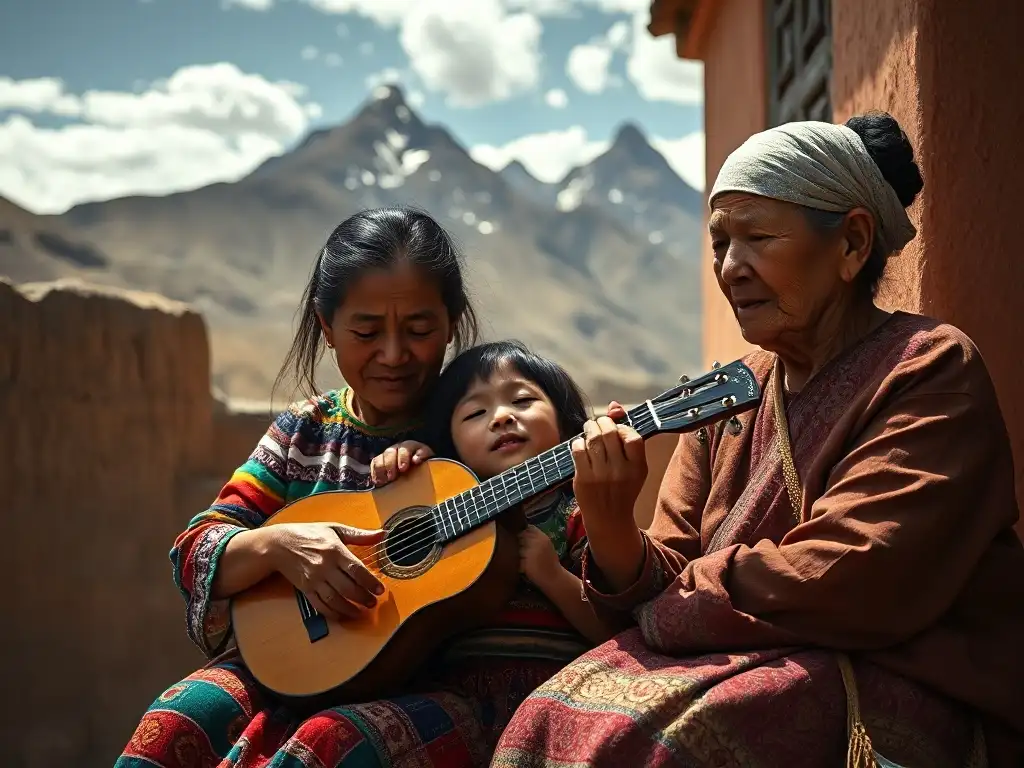
Andean vocal traditions are incredibly rich and diverse, showcasing a wide range of styles and techniques passed down through generations. The voices of Andean women have played, and continue to play, a crucial role in preserving and evolving these traditions. From the high-pitched, soaring melodies of the yaraví to the rhythmic chants accompanying agricultural rituals, women's voices have been integral to the musical landscape of the Andes.
The strength and emotional depth conveyed through their singing often reflect the resilience and spirit of Andean women throughout history. Their voices are not merely instruments; they are vehicles for storytelling, expressing a deep connection to their land, ancestors, and community.
These vocal traditions are often intertwined with specific instruments and dance forms, creating a holistic cultural expression. Understanding the nuances of Andean women's vocal traditions requires appreciating the context of their lives, their roles within their communities, and the historical events that have shaped their musical expressions.
Unique Vocal Styles of Andean Women
Andean women employ distinct vocal techniques that set their performances apart. One notable characteristic is the use of vibrato, a subtle, controlled wavering of the pitch, which adds emotional depth and expressiveness to their singing. The degree and style of vibrato can vary considerably depending on the region, the specific song, and the individual singer.
Another key element is the use of ornamentation, such as trills, glides, and grace notes, which add a level of intricacy and embellishment to the melodies. These techniques are not merely decorative; they are integral to the meaning and emotional impact of the songs. Furthermore, Andean women often sing in a style that blends melismatic singing (singing many notes on a single syllable) with syllabic singing (singing one note per syllable), creating a unique texture and rhythmic complexity.
This blending reflects the diverse influences shaping Andean musical traditions. The mastery of these techniques requires years of training and practice, often passed down within families and communities.
The Role of Women in Andean Choral Music
The role of women in Andean choral music is significant, often forming the core of many ensembles. While the exact proportion varies between communities and musical styles, women's voices frequently provide the harmonic foundation and melodic richness of choral arrangements. Their participation is not limited to singing; they often play a crucial role in the composition and arrangement of choral pieces, reflecting their deep understanding of Andean musical aesthetics.
The strength and unity displayed in women's choral performances emphasize the importance of communal harmony and shared cultural identity. The collaborative nature of choral singing embodies the spirit of Andean communities, highlighting the importance of collective participation in cultural preservation. Moreover, women's choruses often serve as a platform for social engagement, empowering women to express themselves and advocate for their communities.
Storytelling Through Female Voices in Andean Songs
Andean songs, often sung by women, act as powerful vehicles for storytelling, preserving historical accounts, myths, and legends. These songs frequently recount the struggles and triumphs of Andean women, providing insights into their lives and experiences. Themes of love, loss, motherhood, and social justice are commonly explored through evocative lyrics and melodic nuances. The narrative structure of many songs is complex, weaving together multiple stories and perspectives.
The use of metaphor and symbolism allows singers to express complex emotions and ideas in a culturally relevant way. By listening to these songs, we gain a deeper understanding of the rich tapestry of Andean cultural history as experienced and expressed through the female perspective. These songs serve not just as entertainment but as crucial records of Andean history and cultural identity.
Modern Andean Women Musicians
The legacy of Andean women's musical traditions continues to thrive in the modern era. Contemporary female artists are making significant contributions to the evolution of Andean music, blending traditional styles with contemporary influences to create unique and innovative sounds. They are actively involved in preserving and promoting Andean musical heritage while simultaneously pushing creative boundaries. Their work showcases the adaptability and resilience of Andean musical traditions in the face of globalization and cultural change. These musicians are not only talented performers but also crucial agents of cultural preservation and renewal.
Contemporary Female Artists Preserving Andean Traditions
Many contemporary Andean women musicians actively work to preserve and promote traditional Andean music. They often collaborate with older generations of musicians, learning traditional techniques and songs directly from experienced singers and instrumentalists. They also incorporate traditional instruments and vocal styles into their performances and recordings, ensuring the continued relevance of these musical forms.
This approach is crucial for the long-term sustainability of Andean musical traditions. Furthermore, these artists often participate in educational initiatives, teaching younger generations about the cultural significance of Andean music. Their dedication is essential for the transmission of cultural knowledge and the perpetuation of Andean musical heritage.
The Challenges Faced by Women in the Modern Andean Music Scene
Despite their significant contributions, Andean women musicians often face significant challenges in the modern music scene. These challenges can include gender inequality in the music industry, limited access to resources and opportunities, and the pressure to conform to certain aesthetic standards. Many female artists struggle to gain recognition and achieve economic stability in a field that is often male-dominated. Overcoming these obstacles requires collective action and support within the Andean music community, fostering an environment of greater equity and inclusivity. Addressing these issues is crucial for ensuring that the voices of Andean women continue to be heard and celebrated.
The Influence of Women on the Evolution of Andean Music
Andean women have significantly influenced the evolution of Andean music, continually shaping its styles, techniques, and repertoire. Their contributions are not just about preserving traditions but also about innovating and adapting them to new contexts. From incorporating new instruments and rhythmic patterns to experimenting with fusion styles, Andean women musicians are constantly pushing the boundaries of their art form.
Their creative energy is a testament to the dynamism and adaptability of Andean musical traditions. Their influence extends beyond the musical realm, impacting cultural identity, social values, and the way Andean communities express themselves through music. Their contributions represent a vital force in the ongoing evolution of Andean musical culture.
The Importance of Supporting Andean Women in Music
Supporting Andean women in music is crucial for several interconnected reasons. Firstly, it directly contributes to the preservation of a rich and diverse cultural heritage. For centuries, Andean women have been the keepers of traditional musical knowledge, passing down songs, rhythms, and techniques through generations. Their participation is not merely supplementary; it's fundamental to the continued existence of these traditions.
Without active support, this invaluable knowledge risks being lost, irrevocably silencing a significant part of Andean cultural identity. Secondly, supporting these women empowers them economically and socially. Many Andean women rely on music for their livelihoods, whether through performances, instrument making, or teaching. Providing them with opportunities to showcase their talent, access resources, and receive fair compensation ensures their economic stability and strengthens their position within their communities.
Finally, supporting Andean women in music fosters greater gender equality within the Andean cultural landscape. Historically, women's contributions have been underrepresented and often overlooked. By actively promoting and celebrating their musical achievements, we challenge patriarchal norms and create a more inclusive and equitable environment for all. This support can take many forms, from providing access to musical education and instruments to creating platforms for performance and collaboration.
Preserving Cultural Heritage Through Women's Musical Contributions
The musical traditions of the Andes are incredibly diverse, reflecting the unique history and geography of the region. Women have played, and continue to play, a vital role in maintaining this diversity. Their songs often tell stories of daily life, historical events, and spiritual beliefs, transmitting knowledge and values across generations.
For example, the yaraví, a melancholic song form prevalent in the Andes, frequently explores themes of love, loss, and longing, often sung by women to express their emotions and experiences. Furthermore, women are often responsible for the creation and preservation of traditional instruments. Their expertise in weaving, dyeing, and other crafts is essential to the production of instruments like the charango and quena.
The intricate designs and materials used in these instruments are themselves expressions of cultural heritage, carefully passed down through female lineages. The loss of women's participation in these processes would represent a significant loss to Andean cultural heritage, leading to a homogenization of musical styles and a diminished understanding of the region's rich history and traditions. Therefore, supporting women's roles in this preservation is paramount.
Empowering Women Through Music in Andean Communities
Music provides Andean women with a powerful tool for self-expression, empowerment, and community building. In many Andean communities, music is an integral part of social life, providing opportunities for women to participate actively in public events and ceremonies. This participation challenges traditional gender roles and fosters a sense of agency and self-worth. For instance, women's musical groups often perform at festivals and celebrations, showcasing their talents and earning income independently.
This economic independence can be transformative, particularly in communities where women may face economic disadvantages. Moreover, music serves as a platform for women to share their stories, perspectives, and experiences, amplifying their voices and challenging societal norms. Through their music, they can address issues such as gender inequality, poverty, and environmental concerns, contributing to social change and community development. The empowerment derived from musical participation translates into greater confidence, leadership skills, and overall well-being for Andean women.
The Future of Andean Musical Traditions Led by Women
The future of Andean musical traditions is inextricably linked to the continued participation and leadership of women. Investing in their education, providing them with access to resources, and creating platforms for their voices to be heard are essential steps in ensuring the vitality and longevity of these traditions. This includes supporting women's musical collectives, encouraging their participation in music education programs, and promoting their work through festivals, concerts, and recordings.
Furthermore, documenting and archiving women's musical contributions is crucial for preserving this cultural heritage for future generations. This can involve creating digital archives of recordings, interviews, and written materials related to Andean women's music.
By actively promoting and celebrating the contributions of Andean women musicians, we not only preserve a rich cultural heritage but also empower a new generation of female artists to carry the torch forward, ensuring that the vibrant sounds of the Andes continue to resonate for centuries to come. The active involvement of women in leadership roles within musical organizations will be vital in shaping this future.
Conclusion: The Enduring Legacy of Andean Women's Musical Traditions
The musical traditions of the Andes are a testament to the enduring strength, resilience, and creativity of Andean women. For generations, they have been the heart and soul of Andean music, preserving and transmitting a rich cultural heritage through their songs, rhythms, and instrumental skills.
Their contributions, often overlooked in the past, are now being increasingly recognized and celebrated. Understanding and appreciating the importance of Andean women in music is not merely an act of cultural preservation; it is a commitment to social justice, gender equality, and the celebration of human creativity in all its diverse forms.
Their legacy is a powerful reminder of the strength and beauty that can emerge when women are empowered to share their voices and contribute their unique talents to the world. The vibrant sounds of Andean women's music will continue to inspire and enchant for generations to come, a testament to their enduring spirit and artistic brilliance.
- Introduction to Andean Musical Heritage and Gender
- The Historical Role of Women in Andean Music
- Pre-Columbian Andean Female Musicians
- Andean Women and Traditional Musical Instruments
- Vocal Traditions and Andean Female Singers
- Modern Andean Women Musicians
- The Importance of Supporting Andean Women in Music
- Conclusion: The Enduring Legacy of Andean Women's Musical Traditions
- What role did women play in Andean musical traditions?
- Were there specific instruments traditionally played by Andean women?
- How have Andean women's musical traditions changed over time?
- Where can I learn more about specific examples of Andean women's musical contributions?
- How can I support the continuation of Andean women's musical traditions?
Frequently Asked Questions
What role did women play in Andean musical traditions?
Andean women played a vital role, often participating in ceremonial music and daily life songs. Their contributions, though often overlooked historically, were essential to the rich tapestry of Andean sound.
Were there specific instruments traditionally played by Andean women?
While not exclusively, women frequently played instruments like the antara (panpipes) and the tiny tiny (a small flute). Their participation varied across different cultures and regions within the Andes.
How have Andean women's musical traditions changed over time?
These traditions have evolved with societal shifts, facing challenges from colonial influences and modernization. However, efforts to preserve and revitalize these traditions are ongoing.
Where can I learn more about specific examples of Andean women's musical contributions?
Researching specific Andean cultures like the Inca and Moche will reveal details about women's roles in their music. Look for scholarly articles and ethnomusicological studies focusing on Andean women.
How can I support the continuation of Andean women's musical traditions?
Support community-based initiatives, attend performances by female Andean musicians, and learn about and share their stories to help preserve this important cultural heritage.
Final Reflection: Echoes of the Andes, Voices of the Future
The vibrant musical traditions of Andean women, long silenced or marginalized, are experiencing a powerful resurgence, a testament to their enduring strength and the growing recognition of their cultural significance. This renewed visibility is not merely a historical curiosity; it's a vital component of a broader movement reclaiming indigenous voices and celebrating the rich tapestry of human expression. Their music, imbued with ancient stories and modern struggles, offers a potent reminder of the power of cultural preservation and the importance of amplifying marginalized narratives.
The journey through the history and present-day impact of Andean women's musical traditions has been deeply moving. Their music, often passed down through generations, carries the weight of history, resilience, and a profound connection to the land. Music is the universal language of mankind.
– Henry Wadsworth Longfellow. This quote rings especially true when considering the transcendence of Andean women's music, which speaks across geographical and linguistic boundaries, connecting us to a shared human experience of joy, sorrow, and spiritual connection. Their songs are not just melodies; they are living archives, preserving cultural memory and offering a powerful lens through which to understand the complexities of Andean identity.
Consider the echoes of these ancient melodies in your own life. How can you actively support the preservation and promotion of underrepresented cultural expressions? Seek out the music of Andean women, share their stories, and amplify their voices. Let their powerful songs inspire you to champion diversity, celebrate cultural richness, and work towards a future where all voices are heard and valued. By listening, learning, and acting, we can ensure that the vibrant musical heritage of Andean women continues to resonate for generations to come.
**Celebrate and Amplify Andean Women’s Voices! **
Thank you for exploring the rich tapestry of Andean women's musical contributions. Your interest honors their legacy and shines a light on a deserving tradition. Let's build on this and take action!
- **Deepen your appreciation** by listening to an album of Andean women musicians. Discover their unique stories, sounds, and cultural significance.
- Share this article to raise awareness of the vital role these women play in preserving their traditions and inspiring future generations.
- Join a community group, or even start your own, dedicated to Andean music. Your voice can enrich this vibrant cultural conversation!
What aspect of Andean women's music moves you most, and how can you help share their voices within your community?