
The Oral Tradition of Andean Music: Passing Down the Melodies of Time

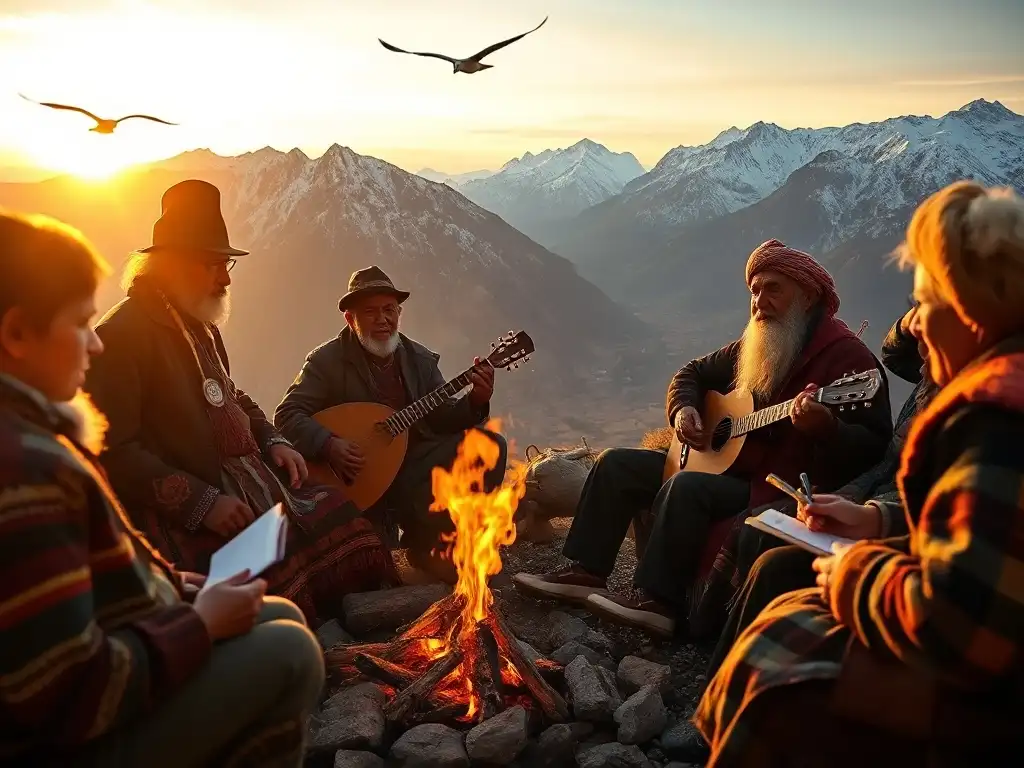
Welcome, explorer! Prepare to unravel the mysteries woven into the very fabric of the Andes. For centuries, the echoes of vibrant cultures have resonated across these majestic mountains, leaving behind a legacy as rich and complex as the landscapes themselves. But what secrets do the ancient melodies hold? Dive into the captivating world of Andean oral music history and discover how the sounds of the past continue to shape the present, a journey waiting to be explored within our "Andean Music and Dance" section. Uncover the stories whispered on the wind… are you ready?
The Andes Mountains, a spine of towering peaks running down the western coast of South America, are not only a geographical marvel but also a cradle of vibrant and diverse musical traditions. For centuries, long before the written word held sway, the rich tapestry of Andean music was meticulously woven and passed down through generations via the powerful and enduring force of oral tradition.
This article delves into the fascinating history of Andean oral music, exploring how melodies, rhythms, and the very essence of musical expression were—and continue to be—transmitted across time, shaping the unique soundscapes of the Andean region. We will examine the key roles played by oral transmission in preserving musical heritage, the challenges faced in its maintenance, and the ongoing efforts to ensure these invaluable traditions thrive for future generations.
This exploration will touch upon various Andean cultures, including the Incas, Moche, Nazca, and Tiahuanaco, highlighting the unique characteristics of their musical expressions and how they were passed down through oral means. Understanding this oral history is crucial to appreciating the depth and complexity of Andean music and its enduring legacy.
The Role of Storytelling and Memory in Musical Transmission
The transmission of Andean music wasn't simply a matter of rote repetition. It was deeply intertwined with storytelling, mythology, and ritual. Each musical piece carried a narrative, often recounting historical events, legends, or spiritual beliefs. These narratives were not merely sung; they were performed, incorporating gestures, dance, and often specific instruments that further enhanced the storytelling experience.
This holistic approach ensured that the music wasn't just heard but experienced, embedding itself more deeply in the collective memory. Elderly members of the community, often considered keepers of tradition, played a pivotal role, acting as living archives of musical knowledge. Their mastery of songs, along with their ability to impart the cultural context, ensured the fidelity and continuity of the tradition.
The process involved meticulous teaching, often incorporating a system of apprenticeship where younger generations learned directly from the elders, mimicking their techniques and absorbing the nuances of their performance style. This involved years of dedicated learning, fostering a profound connection between the music and its performers. The emphasis on personal interaction and experiential learning ensured the transmission of not just the notes but the spirit of the music.
Challenges to Maintaining Oral Traditions in a Changing World
The advent of modern technologies and globalization has presented significant challenges to the preservation of Andean oral musical traditions. The younger generations, increasingly exposed to global musical styles, may find the traditional forms less appealing or accessible. The migration of people from rural areas to urban centers has also disrupted traditional learning patterns, weakening the direct transmission of knowledge between generations.
Furthermore, the loss of traditional languages spoken in the Andes poses a threat to the preservation of songs and musical narratives that are intrinsically linked to the linguistic heritage of the region. These factors highlight the urgency of implementing strategies to safeguard and revitalize these invaluable traditions. Active measures are needed to ensure the continued relevance and appeal of Andean oral music to younger generations, promoting its inclusion in educational curricula and supporting initiatives aimed at fostering cultural pride and heritage preservation.
Modern Efforts to Preserve and Revitalize Andean Oral Music
Despite the challenges, there are numerous ongoing efforts to preserve and revitalize Andean oral music. These initiatives range from community-based projects focused on documenting and archiving traditional songs to academic research aimed at understanding the historical and cultural context of the music. Many organizations are working to establish music schools and workshops, providing opportunities for young people to learn traditional instruments and musical techniques.
The use of digital technologies also plays a crucial role, allowing for the recording and dissemination of traditional music, ensuring its accessibility to a wider audience. However, it's vital that these digital initiatives are approached thoughtfully, ensuring that the integrity and cultural context of the music are preserved and not compromised by technological interventions. The goal is not simply to digitize the music, but to use technology as a tool to enhance its accessibility and promote its appreciation while respecting its inherent cultural value.
The future of Andean oral music depends on a balanced approach that combines traditional methods of transmission with innovative strategies for preservation and dissemination. The careful documentation, coupled with ongoing community engagement, ensures the continued vibrancy and relevance of this rich musical heritage.
- The Role of Storytelling and Memory in Musical Transmission
- Challenges to Maintaining Oral Traditions in a Changing World
- Modern Efforts to Preserve and Revitalize Andean Oral Music
- What role did oral tradition play in preserving Andean music?
- How did Andean oral traditions influence the development of musical instruments?
- Are there specific examples of Andean musical styles preserved through oral tradition?
- How has the impact of colonization affected the oral tradition of Andean music?
- Where can I learn more about the specific instruments and techniques passed down through Andean oral traditions?
Understanding Andean Oral Music History

This section delves into the fascinating world of Andean oral music history, exploring how musical traditions have been preserved and transmitted across generations without the aid of written scores. We'll examine the vital role of oral transmission in Quechua and Aymara cultures, and the crucial part played by collective memory and community in safeguarding this invaluable cultural heritage.
The enduring legacy of Andean oral music history is a testament to the power of human memory and the strength of cultural identity. Understanding this history allows us to appreciate the depth and complexity of Andean musical traditions, revealing a rich tapestry woven from centuries of experience and innovation.
The preservation of this heritage is a continuing process, requiring both scholarly attention and active community participation. The study of Andean oral music history is not merely an academic exercise; it is a vital contribution to the understanding and preservation of a vibrant and living culture.
The Significance of Oral Transmission in Quechua and Aymara Cultures
The transmission of Andean musical traditions relied heavily on oral methods, a practice deeply ingrained within the Quechua and Aymara cultures. Unlike Western musical traditions, which often rely on written notation, Andean music was passed down through generations via direct instruction, imitation, and performance. This oral transmission wasn't simply a matter of rote learning; it involved a profound understanding of the cultural context surrounding the music. The melodies, rhythms, and lyrics were not isolated entities but integral parts of larger social, religious, and ceremonial practices.
For example, yaravíes, melancholic songs often associated with love and loss, were passed down through families and communities, their emotional depth resonating across generations. The intricate melodies and poetic lyrics, often imbued with symbolic meanings, were carefully taught to younger generations, ensuring the continued expression of these deeply felt emotions. Similarly, the vibrant huaynos, lively dance tunes, were learned through observation and participation in communal celebrations, fostering a sense of shared identity and cultural continuity.
The oral transmission of these musical forms reinforced community bonds and ensured the survival of these vital traditions. The process was dynamic, with subtle variations and adaptations emerging over time, reflecting the evolving social and cultural landscape. This organic evolution is a key feature of Andean oral music history, showcasing its adaptability and resilience.
The Role of Memory and Community in Preserving Andean Musical Traditions
The preservation of Andean musical traditions rested heavily on the collective memory of the community. Individuals acted as custodians of specific musical pieces, responsible for accurately transmitting them to the next generation. This wasn't a passive process; it involved active engagement with the music, requiring constant practice and refinement. The community played a crucial role in validating and maintaining the integrity of these traditions. Experienced musicians served as mentors, guiding younger learners and ensuring the accurate transmission of musical knowledge. This mentorship wasn't solely about technical proficiency; it also encompassed the cultural context and significance of the music.
Furthermore, regular performances at festivals, ceremonies, and social gatherings served as vital forums for the reinforcement and transmission of musical knowledge. These events provided opportunities for both learning and showcasing musical skills. The communal aspect of these performances strengthened the bond between musicians and their audience, fostering a sense of shared heritage. The role of memory, therefore, wasn't solely individual; it was a collective effort, sustained by the vibrant social fabric of Andean communities.
This intricate interplay between individual memory and communal practice is a defining characteristic of Andean oral music history and a key factor in its enduring legacy. The strength of this system is evidenced by the survival of numerous musical traditions across centuries, despite significant socio-political upheaval. The oral tradition, therefore, was not just a method of transmission; it was a living, evolving system that ensured the continuity of Andean musical heritage.
The Evolution of Andean Musical Forms Through Oral Tradition
The vibrant tapestry of Andean music, a rich blend of melodies, rhythms, and instruments, owes its survival and evolution to a powerful force: oral tradition. For centuries, before the advent of written musical notation, Andean musical forms were meticulously preserved and transmitted across generations through oral means. This section delves into the fascinating journey of Andean musical forms, highlighting key periods and the unique methods employed to ensure the continuity of this invaluable cultural heritage. Understanding this oral history is crucial to appreciating the depth and complexity of Andean music's "Andean oral music history".
Pre-Incan Musical Practices and Their Oral Legacy: The Case of the Wari Culture
The Wari civilization, flourishing in the Andes from approximately 600 to 1000 CE, left behind a significant, albeit often indirect, musical legacy. While written scores are absent, archaeological evidence suggests a sophisticated musical culture. Discoveries of ceramic instruments, such as ocarinas and panpipes, hint at the variety of soundscapes that likely existed.
These instruments, often depicted in intricate artwork, provide clues to the types of melodies and rhythms prevalent in Wari society. The absence of written notation, however, necessitates reliance on interpretations of these artifacts and the broader context of Andean musical practices to reconstruct their musical landscape. The oral transmission of musical knowledge would have been paramount, relying on apprenticeship systems and communal gatherings where musical traditions were passed down through generations.
We can imagine young Wari musicians learning from elders, meticulously imitating melodies and rhythms, ensuring the perpetuation of their musical heritage. The precise nature of these musical forms remains partially elusive, but the enduring presence of similar instruments and musical styles in later Andean cultures suggests a continuous oral tradition linking the Wari legacy to subsequent generations. The survival of these traditions underscores the power and resilience of oral transmission in preserving cultural memory.
Incan Musical Forms and Their Transmission Through Generations: The Example of the Yaraví
The Inca Empire, spanning from the 15th to the 16th century, witnessed a flourishing of musical forms. The yaraví, a melancholic song form often associated with themes of love, loss, and longing, stands as a prime example of the Incan oral musical legacy. Unlike many Western musical traditions, the yaraví wasn't necessarily accompanied by written notation. Instead, its melodies, rhythms, and poetic lyrics were transmitted through oral means, often within family units or specific communities.
Masters of the yaraví held a respected position within society, responsible for teaching younger generations the intricate nuances of the form. This oral transmission involved meticulous repetition, imitation, and a deep understanding of the cultural context surrounding the song. The emotional depth of the yaraví further enhanced its memorability and facilitated its transmission.
The lyrics, often imbued with poetic imagery and social commentary, provided a framework for remembering the melody and its meaning. Furthermore, the yaraví's association with specific events or historical figures would have aided its oral transmission and preservation. While the specific melodies of countless yaravís may have been lost to time, the form itself continues to thrive, demonstrating the enduring power of oral transmission in shaping Andean musical identity.
Post-Colonial Influences on Andean Oral Music: The Introduction of Stringed Instruments
The arrival of the Spanish in the 16th century marked a significant turning point in Andean music history. The introduction of European stringed instruments, such as the guitar and violin, profoundly impacted existing musical forms. Initially, these instruments were incorporated alongside traditional Andean instruments, leading to a fascinating fusion of musical styles. The oral tradition continued to play a crucial role in this process of musical adaptation and innovation.
Indigenous musicians adapted the new instruments to their existing musical forms, creating new variations and hybrid styles. This process of adaptation wasn't always seamless. Some traditions were lost or altered due to the pressures of colonization. However, the resilience of oral transmission allowed many Andean musical forms to survive and evolve, incorporating new instrumental elements while retaining their essential character and cultural significance.
The oral tradition acted as a filter, selecting and integrating elements that resonated with existing cultural values and practices. This dynamic interplay between tradition and innovation, mediated by oral transmission, continues to shape the rich and diverse soundscape of Andean music today. This ongoing evolution highlights the adaptive nature of Andean oral music history and its ability to incorporate foreign influences while retaining its unique identity.
Key Elements of Andean Oral Musical Practices

This section delves into the core components that shaped and sustained Andean oral musical traditions, focusing on the interplay between instrumentation, storytelling, and the transmission of cultural knowledge across generations. Understanding these elements is crucial to appreciating the depth and complexity of Andean musical history. The rich tapestry of Andean oral music history is woven from threads of instrumental mastery, narrative skill, and a profound connection to the land and its myths. We will explore how these elements interacted to create a vibrant and enduring musical heritage.
The Importance of Instruments in Oral Music Performance
The instruments themselves are not mere tools; they are integral to the storytelling and the preservation of Andean oral music history. Their construction, the materials used, and even the specific sounds they produce are laden with symbolic meaning. The distinctive timbre and melodic capabilities of each instrument contribute significantly to the overall narrative and emotional impact of a performance. The use of specific instruments often signifies a particular region, community, or even a specific mythological character within the song's narrative. This section will explore the key roles played by several iconic Andean instruments.
The Charango, Zampoña, and Quena: Their Melodic and Rhythmic Roles
The charango, a small lute-like instrument, often provides the melodic backbone of Andean songs. Its high-pitched, bright sound cuts through other instruments, carrying the lyrical narrative with clarity and emotional resonance. The zampoña, a panpipe, adds a rich harmonic texture, often providing a backdrop of layered melodies that complement the charango's lead.
Its range of tones, from high and bright to deep and resonant, contributes to the song's overall atmosphere, evoking feelings of joy, sorrow, or reverence depending on the context and the specific melody played. Finally, the quena, a vertical flute, often plays a counter-melody or provides rhythmic accents, adding to the complexity and interest of the musical texture.
The interplay between these three instruments—the melodic charango, the harmonic zampoña, and the rhythmic quena—creates a sonic landscape that is both captivating and deeply meaningful within the context of Andean oral music history. The precise combinations and arrangements of these instruments vary significantly across different regions and musical styles, reflecting the diversity and richness of Andean cultural traditions.
The Role of Storytelling and Narrative in Andean Music
Andean oral music history is deeply intertwined with storytelling. Songs are not just musical compositions; they are vehicles for transmitting history, mythology, and social values across generations. The lyrics often recount epic tales, ancient legends, or everyday experiences, providing a window into the lives and beliefs of the Andean people.
The musical structure itself can reinforce the narrative, with changes in tempo, rhythm, and melody mirroring shifts in the story's emotional tone or plot. The performance of these songs, often accompanied by intricate dance movements, adds a further layer of meaning and engagement, solidifying the experience for the listener and ensuring the continued transmission of the cultural narrative.
The Legend of the Condor and the Pachamama in Andean Songs
The condor, a majestic bird symbolizing power and freedom, and the Pachamama, the Earth Mother, are recurring figures in Andean mythology and music. Many songs tell tales of the condor soaring over the Andes, its flight mirroring the spirit's journey or the passage of time. The Pachamama, the life-giving earth, is often invoked in songs celebrating harvests, expressing gratitude for the land's bounty, or lamenting environmental challenges.
These songs often utilize specific musical motifs or rhythmic patterns associated with these powerful symbols, further embedding them within the cultural memory. The musical expression of these narratives reinforces their importance and ensures that these crucial elements of Andean cosmology are passed down through generations, demonstrating the enduring power of Andean oral music history in preserving cultural identity.
The melodic contours and rhythmic structures employed often reflect the majestic nature of the condor or the nurturing qualities of the Pachamama, enriching the narrative and ensuring its emotional impact. The use of specific instruments, such as the deep tones of the zampoña to represent the Pachamama's grounding presence, or the soaring melodies of the charango to symbolize the condor's flight, further enhances the storytelling power of these songs.
Andean oral musical traditions weren't simply entertainment; they were deeply interwoven with the fabric of Andean society. Music served crucial social functions, reinforcing community bonds, celebrating harvests, commemorating ancestors, and even influencing political structures. The performance of music wasn't a solitary act but a communal event, often involving participation from entire villages or clans.
The songs themselves frequently recounted historical events, myths, and legends, acting as a living archive of cultural memory. This ensured the transmission of knowledge across generations, solidifying social identities and strengthening group cohesion. The importance placed on oral transmission meant that musical knowledge was not confined to a select elite but was instead widely shared within the community, fostering a sense of collective ownership and participation in the cultural heritage.
This participatory nature of Andean music is a key factor in understanding its longevity and enduring influence. The vibrant soundscapes created during these communal performances served to strengthen social bonds and maintain a sense of shared identity within the community.
The Inti Raymi Festival, Harvest Celebrations, and Community Gatherings
The Inti Raymi festival, a celebration of the winter solstice dedicated to the sun god Inti, provides a prime example of the social context of Andean oral music. During this significant event, elaborate musical performances were central to the festivities. These weren't mere background music; they were integral parts of the ritual, reflecting the spiritual significance of the event and reinforcing the community's shared beliefs. Similarly, harvest celebrations, which varied regionally depending on the crops cultivated, frequently featured music and dance.
These performances served to express gratitude for the bounty of the harvest and to solidify community bonds through shared celebration. Songs were often composed specifically for these occasions, reflecting the unique character of the harvest and the particular challenges and triumphs faced by the community during the agricultural cycle. Even smaller, more informal community gatherings often incorporated music, whether it was during social events, religious ceremonies, or simply everyday interactions.
These everyday uses of music strengthened social connections and ensured the continuous transmission of musical traditions. The music wasn't just entertainment; it was a vital component of the social and spiritual fabric of Andean life, reflecting and shaping the community's collective identity. The vibrant melodies and rhythmic patterns served as a powerful unifying force, strengthening the bonds that held Andean communities together throughout the generations.
Challenges and Preservation of Andean Oral Music
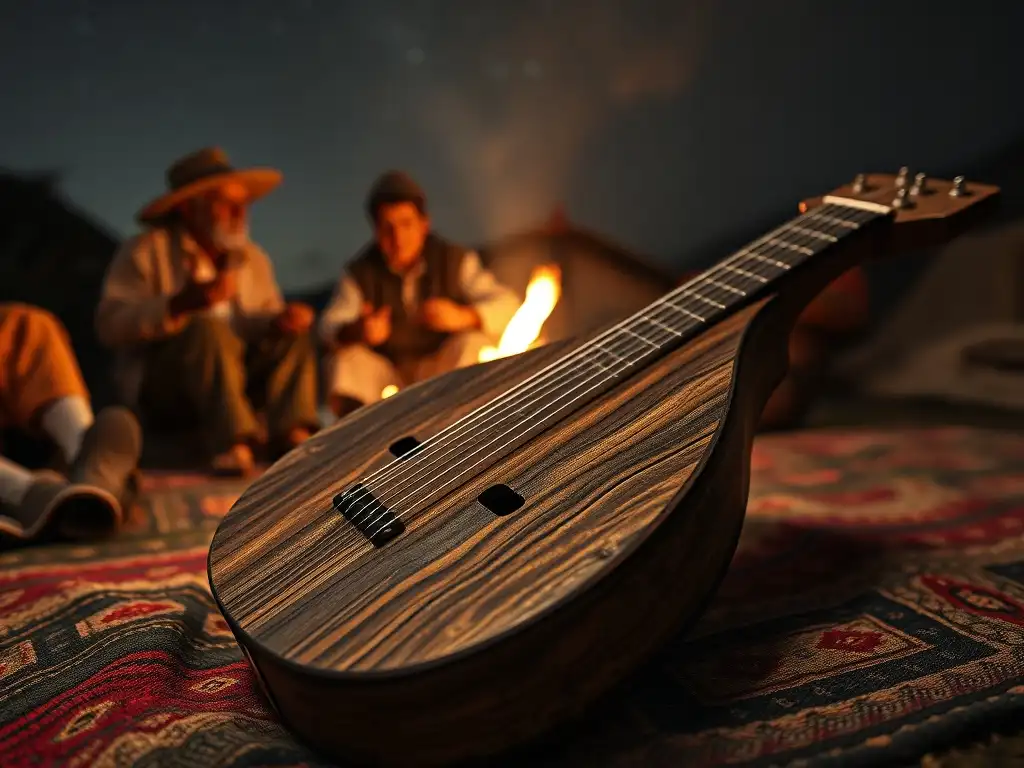
The vibrant tapestry of Andean oral music history faces significant challenges in the modern era. The transmission of musical knowledge, once a seamless process within families and communities, is now threatened by several factors. Understanding these challenges is crucial for effective preservation efforts aimed at ensuring the longevity of this rich cultural heritage.
The very essence of Andean oral music – its fluidity, its dependence on direct transmission, its intimate connection to specific communities and landscapes – makes it particularly vulnerable in a rapidly changing world. This section will delve into the impact of globalization and the proactive measures being undertaken to safeguard this invaluable legacy.
The Impact of Globalization on Oral Traditions
Globalization, while offering many benefits, presents a complex set of challenges to Andean oral music traditions. The influx of foreign musical styles, often disseminated through mass media, can lead to the marginalization of indigenous musical forms. Younger generations, exposed to a diverse range of musical influences, may find traditional Andean music less appealing or relevant to their daily lives.
This shift in preference can result in a decline in the number of individuals actively learning and practicing these traditions. The homogenizing effect of globalization threatens the unique characteristics that define Andean musical styles, potentially leading to a loss of diversity and cultural specificity. For example, the adoption of Western musical instruments and compositional techniques can dilute the distinctive sounds and structures of traditional Andean music.
The commercialization of music, while offering potential economic opportunities, can also lead to the simplification and commodification of complex cultural expressions, stripping them of their deeper meanings and social functions. Further research is needed to quantify the precise impact of globalization on the number of active Andean musicians and the diversity of musical styles practiced. [Specific data on the decline in active musicians pending].
Efforts to Document and Preserve Andean Oral Music Heritage
Despite the challenges, significant efforts are underway to document and preserve Andean oral music heritage. These initiatives range from large-scale international programs to grassroots community projects. The focus is on creating a comprehensive record of the music, its associated rituals and social contexts, and the knowledge of those who continue to practice it.
This documentation includes audio and video recordings, detailed ethnographic studies, and the transcription of musical scores. These efforts are not just about archiving; they are about empowering communities to actively participate in the preservation of their own cultural heritage. The aim is to create sustainable strategies that integrate traditional knowledge with modern technologies and approaches.
This involves working closely with local communities, respecting their intellectual property rights, and ensuring that the preservation efforts benefit those who are most directly involved. The process often involves collaborative projects, bringing together musicians, scholars, and community members to share knowledge and ensure the accuracy and cultural sensitivity of the documentation. The goal is to create a dynamic and evolving archive that reflects the richness and complexity of Andean oral music traditions.
UNESCO Intangible Cultural Heritage Programs and Local Cultural Centers
UNESCO's Intangible Cultural Heritage programs play a vital role in raising awareness and providing support for the preservation of Andean oral music. These programs recognize the importance of safeguarding cultural expressions that are essential to the identity and well-being of communities. Through funding, capacity-building initiatives, and international collaborations, UNESCO helps to support the documentation, research, and transmission of traditional knowledge. In addition to international efforts, local cultural centers and community-based organizations play a crucial role in preserving Andean oral music.
These organizations often work directly with musicians and communities to provide training, resources, and opportunities to perform and share their music. They may organize workshops, festivals, and educational programs to promote the appreciation and understanding of Andean oral music among younger generations. The involvement of local communities is paramount, as they are the custodians of this invaluable cultural heritage. Their active participation ensures that preservation efforts are culturally sensitive, sustainable, and responsive to the evolving needs of the communities themselves.
The success of these preservation strategies hinges on the collaborative efforts between international organizations, local institutions, and the communities themselves. The continued vitality of Andean oral music depends on this ongoing partnership and commitment to safeguarding this rich and precious legacy. 🎼
The Future of Andean Oral Music and Its Transmission
The future of Andean oral music hinges on several crucial factors, all intertwined and demanding concerted effort. The most significant challenge is the ongoing migration from rural areas to urban centers. This shift disrupts the traditional apprenticeship model, where musical knowledge was passed down directly within families and communities. Urban environments often lack the structured support systems that nurture these traditions. Consequently, younger generations may lack access to experienced musicians and the intimate learning environment crucial for mastering complex musical forms and techniques.
Furthermore, the pervasive influence of globalized popular music poses a threat. While not inherently negative, the sheer dominance of readily accessible international genres can overshadow and even displace indigenous musical traditions, especially if they lack the support and promotion to compete for attention. This requires a proactive approach to celebrate and integrate Andean music into contemporary cultural landscapes, making it relevant and appealing to younger audiences.
Preservation efforts need to move beyond simple documentation. While archiving recordings and written scores is vital, it's not enough to ensure the living tradition thrives. Active engagement is key. This includes supporting music education programs that incorporate Andean traditions, fostering collaborations between seasoned musicians and aspiring younger artists, and creating opportunities for public performance and celebration of this rich heritage. Investing in community-based initiatives that empower local musicians and encourage intergenerational learning is paramount.
Successful preservation strategies often involve leveraging technology. While carefully preserving traditional methods, digital platforms offer opportunities to reach wider audiences and promote broader accessibility. High-quality recordings, online tutorials, and interactive educational resources can broaden participation and appreciation. However, careful consideration is needed to avoid commodifying the cultural heritage and ensure the ethical use and representation of Andean music in digital spaces.
Respect for intellectual property rights and the involvement of indigenous communities in digital projects are crucial to avoid cultural appropriation and ensure sustainable preservation. The ultimate goal is not merely to archive the past, but to cultivate a vibrant and evolving future for Andean oral music. This requires a multifaceted approach encompassing education, community engagement, and the strategic use of technology to ensure the melodies of the Andes continue to resonate for generations to come.
Frequently Asked Questions
What role did oral tradition play in preserving Andean music?
Andean music relied heavily on oral transmission, passing melodies and techniques down through generations via storytelling, singing, and practical demonstrations. Written notation was less common, making oral tradition crucial for preservation.
How did Andean oral traditions influence the development of musical instruments?
The oral transmission of knowledge about instrument making techniques ensured the continuity of crafting traditions. Specific sounds and styles were directly linked to the way instruments were made and played, passed down through generations.
Are there specific examples of Andean musical styles preserved through oral tradition?
Yes, many styles like yaravíes, huaynos, and marinera were primarily transmitted orally. These styles maintain distinct characteristics, demonstrating the effectiveness of oral transmission in maintaining musical identity.
How has the impact of colonization affected the oral tradition of Andean music?
While colonization threatened to erase indigenous traditions, oral transmission proved remarkably resilient. Many Andean communities actively preserved their musical heritage despite colonial pressures, adapting and blending their music with new influences.
Where can I learn more about the specific instruments and techniques passed down through Andean oral traditions?
Ethnomusicological research and recordings provide valuable insights. Museums and cultural centers also often showcase traditional Andean instruments and host performances demonstrating techniques passed down through generations.
Final Reflection: Echoes of the Andes: A Legacy of Sound
The vibrant tapestry of Andean oral music tradition continues to resonate today, a powerful testament to the enduring strength of cultural memory and the transformative power of shared experience. Its melodies, passed down through generations, are not merely notes on a scale, but living narratives, carrying the weight of history, resilience, and a profound connection to the land. This rich heritage deserves not only preservation but also celebration, ensuring its continued vitality in a rapidly changing world.
The impact of Andean oral music extends far beyond the mountains themselves; its influence can be heard in contemporary Latin American music and globally, shaping musical styles and inspiring artists. Its ability to transcend time and space is a testament to its inherent beauty and emotional depth. Music is the universal language of mankind,
said Henry Wadsworth Longfellow, and in the case of Andean oral music, this rings truer than ever. The intricate melodies and rhythmic structures, often imbued with spiritual and social meaning, offer a window into a culture that has persevered through immense challenges. This enduring legacy compels us to reflect on the importance of preserving and celebrating diverse cultural expressions.
Consider the stories woven into each melody, the emotions conveyed through each note. Think about the responsibility we all share in ensuring that these traditions continue to thrive. You, the reader, hold a vital role in this preservation. By actively seeking out and appreciating Andean oral music, by sharing its beauty with others, and by supporting initiatives dedicated to its preservation, you become a vital part of its ongoing story. Let the echoes of the Andes inspire you to explore, to learn, and to contribute to the vibrant tapestry of human culture.
Uncover the Richness of Andean Melodies!
Thank you for exploring the captivating world of Andean music with us! You've discovered how this beautiful oral tradition preserves culture and connects generations through timeless melodies. Now, let's build on that inspiration.
Here are some ways to delve deeper into this vibrant musical heritage:
- **Attend** local Andean music events or festivals to experience the rhythms firsthand.
- **Share** your favorite Andean songs or artists on social media using the hashtag #AndeanMelodies.
- **Connect** with other enthusiasts in online communities dedicated to Andean cultural preservation.
Consider the melodies and stories from your own culture that deserve to be passed down through generations. Sharing your thoughts could spark a fascinating discussion!