
The Dance of Power: How Andean Rulers Used Music to Assert Authority

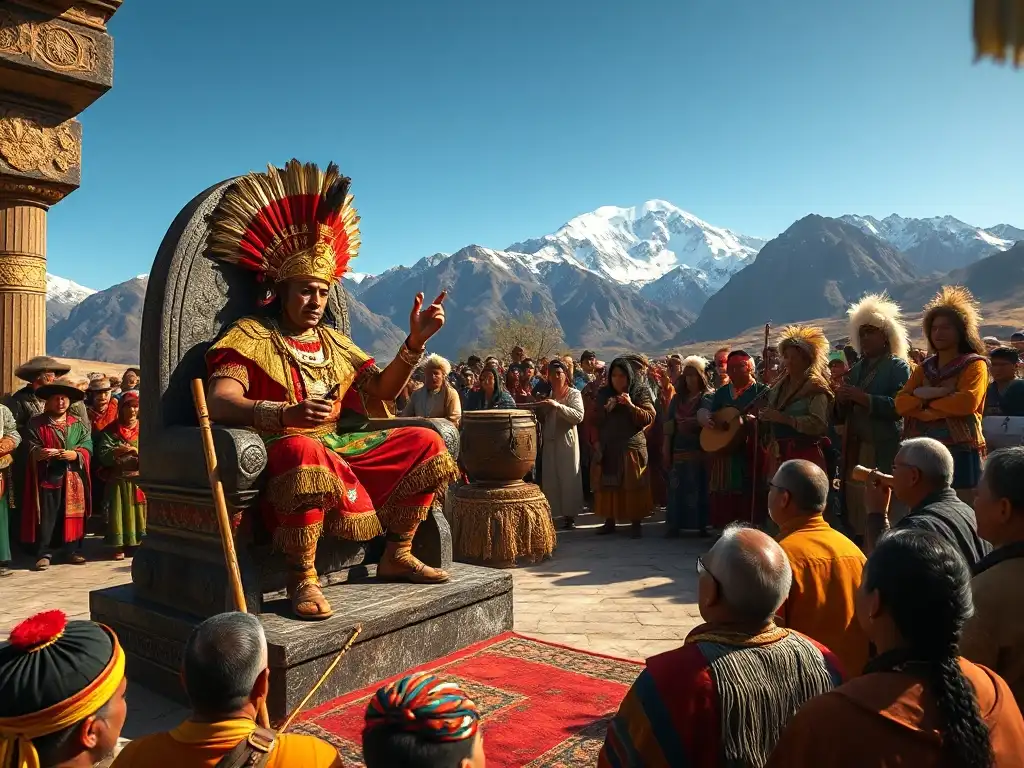
Uncover the secrets whispered on the wind across the Andes! For centuries, the soaring peaks and fertile valleys bore witness to empires built not just on stone, but on sound. Journey with us into the captivating world of Andean rulers, where the rhythmic pulse of music became a potent tool for asserting power. Discover how the intricate melodies and mesmerizing dances of the ancient civilizations, explored in our article, " Andean rulers music power assertion," shaped their societies and left an indelible mark on history. Prepare to be amazed – your exploration begins now!
- The Dance of Power: How Inca Rulers Used Music to Assert Authority
- Music as a Tool of Inca Political Power
- Instruments of Authority: Musical Symbolism in Inca Society
- The Performance of Power: Music and Rituals of Inca Rulers
- Music as a Propaganda Tool: Reinforcing Inca Rule
- The Legacy of Inca Rulers' Musical Influence
- The Connection Between Inca Music and Social Stratification
- Inca Music's Power Beyond the Royal Court
- Conclusion: The Enduring Sound of Inca Authority
-
Frequently Asked Questions
- How did Andean music contribute to the power of rulers?
- What types of instruments were used in Andean music associated with power?
- Did music play a role in Inca imperial control?
- How did music reflect the social hierarchy in Andean societies?
- Besides music, what other forms of art did Andean rulers use to assert power?
- Final Reflection: The Enduring Echo of Andean Power
- **Unleash the Power of Music in Your Life! **
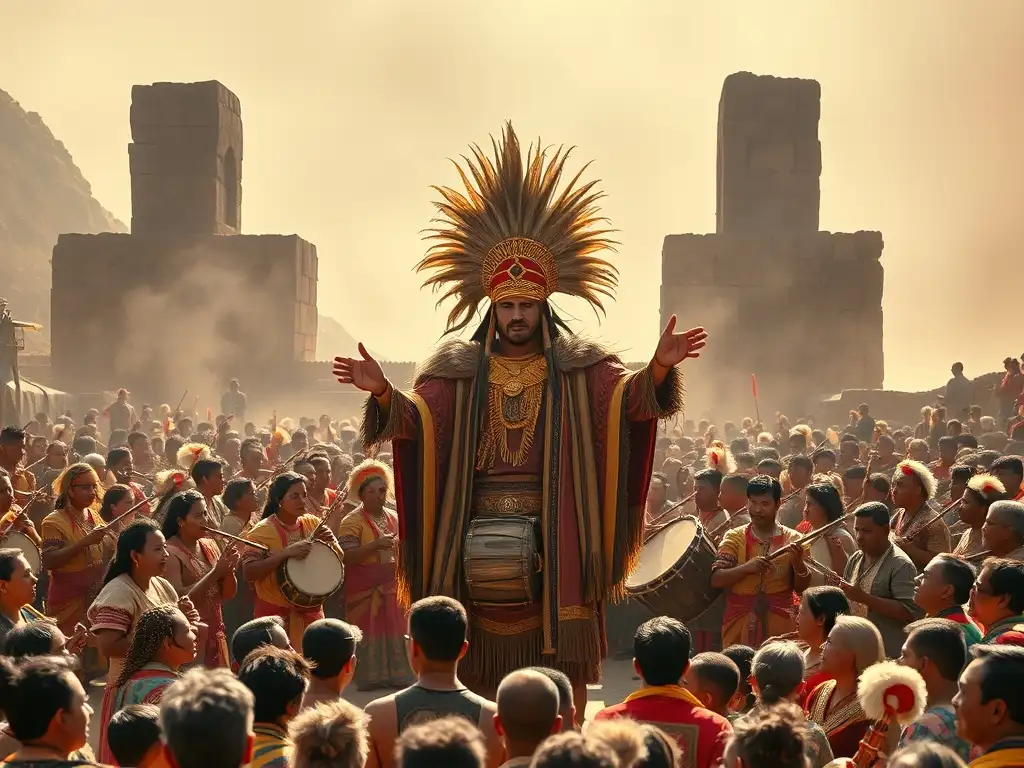
The vibrant tapestry of Andean civilizations is richly interwoven with music and dance, far beyond mere entertainment. For rulers across various Andean cultures – from the Incas to the Moche, Nazca, and Tiahuanaco – music served as a potent tool for asserting authority, legitimizing power, and reinforcing social hierarchies.
This article delves into the fascinating relationship between music, power, and the Andean worldview, exploring how meticulously crafted musical performances were employed to solidify the ruler's position and control over their subjects. We will examine specific examples, demonstrating the multifaceted ways in which music was not just a cultural expression, but a crucial instrument of state power within these ancient societies.
Understanding this nuanced interplay provides a deeper appreciation for the complexity and sophistication of Andean political systems and their enduring legacy. The keyword "Andean rulers music power assertion" will be explored throughout this analysis, revealing the intricate strategies employed by these rulers to maintain control through the strategic use of musical performances.
Music as a Symbol of Divine Right
The Andean worldview deeply intertwined the ruler's authority with the supernatural. Rulers weren't merely human leaders; they were often seen as intermediaries between the divine and the earthly realm. Music played a vital role in reinforcing this divine connection.
Elaborate musical ceremonies, featuring instruments like the pututu (a shell trumpet), antara (panpipes), and various drums, were used to summon deities and communicate with the spirit world. These performances were not spontaneous; they were carefully choreographed and executed by specially trained musicians, often members of the elite class. The sheer scale and complexity of these events served to awe the populace and underscore the ruler's unique ability to commune with the divine, thus legitimizing their rule.
The use of specific melodies and rhythms, potentially associated with particular deities or ancestral spirits, further reinforced this connection, making the ruler's authority seem divinely ordained. These weren't simply concerts; they were powerful rituals designed to solidify the ruler's power through their perceived connection to the sacred.
Beyond the divine, Andean rulers used music for more direct forms of social control. Specific musical pieces, often accompanied by elaborate dances and costumes, could be used to convey important messages to the populace. These musical narratives could range from celebrating the ruler's achievements and military victories to reinforcing social norms and expectations. For example, [specific examples of musical narratives celebrating Inca rulers pending].
The repetitive nature of certain musical motifs, combined with the visual spectacle of the performances, served to imprint these messages on the collective consciousness of the people, fostering loyalty and compliance. The power of music to instill collective feelings, whether joy, fear, or reverence, was expertly manipulated by Andean rulers to achieve their political objectives. This musical propaganda was a subtle yet effective tool in maintaining social order and reinforcing the ruler's authority.
The Role of Music in Royal Courts and Festivals
Andean royal courts were vibrant centers of musical activity. Highly skilled musicians were employed not only for ceremonial performances but also for daily entertainment and the creation of new musical works. The patronage of music by the rulers showcased their wealth and power, further solidifying their status. Grand festivals, often timed with agricultural cycles or significant religious events, provided opportunities for spectacular musical displays.
These events brought together people from across the empire, showcasing the ruler's power and control over vast territories. The sheer scale and grandeur of these festivals, heavily reliant on music and dance, served as powerful demonstrations of the ruler's might and resources. The organization and execution of such complex events required significant planning and resources, further emphasizing the ruler’s administrative capabilities and control. These festivals were not merely celebrations; they were carefully orchestrated displays of power, deeply rooted in musical performance.
The Legacy of Andean Musical Power
The use of music to assert authority in Andean civilizations offers a unique perspective on the relationship between power, culture, and religion. The sophisticated understanding and skillful manipulation of music as a tool of governance is a testament to the complexity of these societies. The legacy of this musical power continues to resonate today, influencing both Andean cultural practices and our understanding of how music can be used to shape societies.
Further research into specific musical notations and instruments from different Andean cultures could shed even more light on the nuanced ways in which music was employed to strengthen political power and social control. The study of Andean music thus transcends mere aesthetic appreciation; it offers invaluable insights into the political and social dynamics of these remarkable ancient civilizations.
Music as a Tool of Inca Political Power
The Inca Empire, at its zenith, controlled a vast territory stretching along the Andes Mountains. Maintaining control over such a diverse population and geographically challenging landscape required sophisticated strategies, and music played a surprisingly significant role in the Inca's assertion of power. The Andean rulers music power assertion wasn't merely a matter of entertainment; it was a carefully orchestrated system used to reinforce their divine legitimacy, control social order, and inspire loyalty amongst their subjects.
This wasn't simply about playing instruments; it was a complex interplay of musical performance, ritual, and carefully crafted symbolism that permeated all aspects of Inca life. The empire's sophisticated system of mita (labor tribute) even extended to musicians, highlighting the importance of music in the Inca state apparatus. Understanding the Inca's use of music provides crucial insight into the dynamics of their political power.
Inca rulers, considered descendants of the sun god Inti, wielded immense authority. Their power wasn't solely based on military might; it was deeply intertwined with religious belief. Music served as a powerful medium to reinforce this divine connection.
Royal musicians, highly trained and skilled, performed elaborate ceremonies and rituals celebrating the Inca's lineage and their right to rule. These performances weren't spontaneous; they were meticulously planned and executed, often involving hundreds of musicians and dancers. The sheer scale and spectacle of these events served to awe and impress the populace, further solidifying the Inca ruler's authority and divine status.
Specific instruments, like the pututu (a shell trumpet) and the tarpea (a panpipe), were reserved for royal use, further emphasizing the ruler's elevated position within the social hierarchy. The sounds themselves, particularly the resonant tones of the pututu, were believed to possess mystical properties, capable of communicating directly with the gods. This association with the sacred further amplified the power and influence of the Inca rulers.
Inca Rulers' Strategic Use of Music and Performance
The Inca's use of music wasn't limited to religious ceremonies. It was strategically employed in various contexts to consolidate power and control. For example, music played a vital role in military campaigns. War songs, played on instruments like drums and flutes, served to boost the morale of Inca soldiers and instill fear in their enemies.
The rhythmic and powerful sounds created a sense of unity and purpose, enhancing the effectiveness of Inca military operations. Furthermore, music was used to celebrate victories, reinforcing the Inca's military prowess and projecting an image of invincibility. Beyond the battlefield, music was integral to festivals and public celebrations, creating a sense of collective identity and loyalty to the Inca ruler. These events served as powerful displays of imperial might and provided opportunities for the Inca to directly engage with their subjects, reinforcing their legitimacy and strengthening their bonds with the population.
The carefully controlled and orchestrated nature of these musical performances underscores their importance as a tool of political power. The strategic deployment of music across different aspects of Inca life demonstrates the sophistication of their political strategies and the central role music played in maintaining their empire. The Andean rulers' music power assertion was a multi-faceted approach, seamlessly integrating music into the fabric of their society to control, inspire and ultimately, rule.
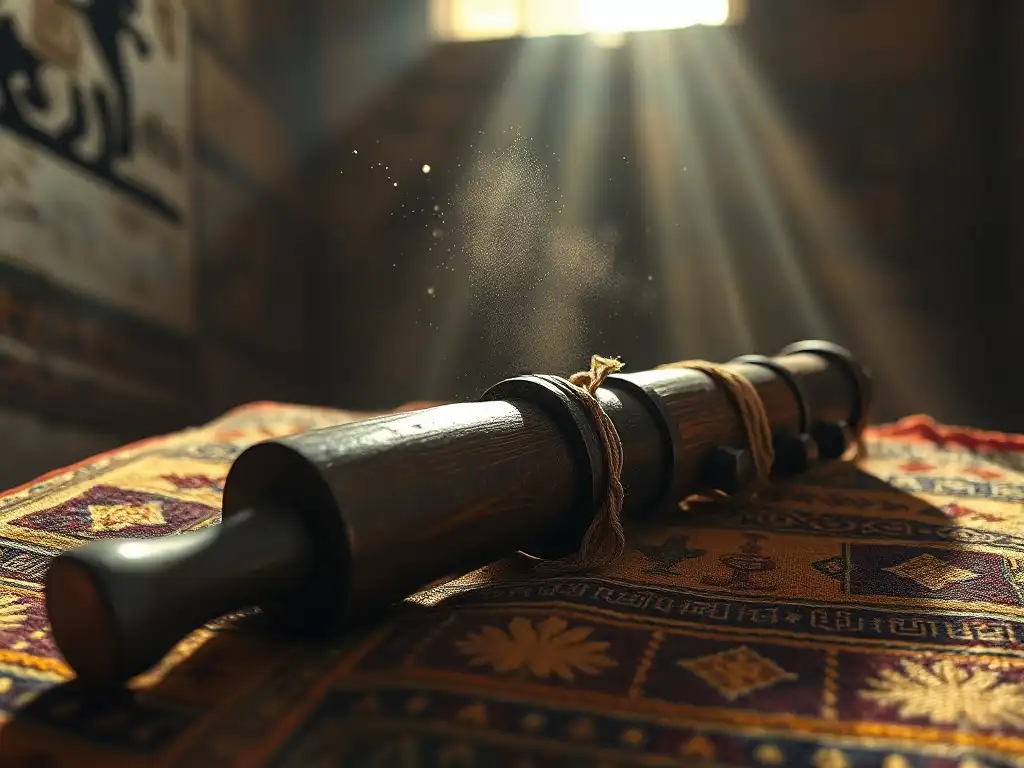
This section delves into the intricate relationship between music, power, and authority within Inca society. The Inca Empire, renowned for its sophisticated social structure and administrative prowess, strategically employed music as a powerful tool to reinforce royal legitimacy and control. Understanding the specific instruments used, their symbolic meaning, and their role in royal rituals provides crucial insight into the mechanisms of Inca power.
The careful orchestration of music wasn't merely entertainment; it was a carefully constructed performance of authority, subtly communicating the emperor's divine right to rule and the empire's unparalleled might. Analysis of archaeological findings and historical accounts reveals a complex system of musical symbolism intricately woven into the fabric of Inca life, contributing significantly to the "Andean rulers music power assertion" dynamic.
Specific Inca Musical Instruments and their Royal Associations
The Inca repertoire wasn't a random collection of sounds; specific instruments held unique symbolic weight, often associated directly with the Inca emperor and the divine realm. The pututu, a long, shell trumpet, is a prime example. Its deep, resonant sound was believed to carry messages to the gods and was reserved exclusively for use by the Sapa Inca (emperor) or his designated representatives during crucial ceremonies and announcements.
The antara, a panpipe instrument, also played a significant role. While various sizes and configurations existed, certain sets, perhaps crafted with precious metals or adorned with intricate carvings, were likely reserved for royal use, signifying the emperor's connection to the Andean cosmology.
The tinku, a type of percussion instrument, often associated with festivals and celebrations, also likely had variations used in royal contexts. While precise details about the differentiation between commoner and royal tinkus remain scarce, the sheer diversity of instruments found in archaeological sites suggests a nuanced system of musical hierarchy reflecting social stratification. Further research, including detailed analysis of surviving artifacts and iconographic representations, is crucial to fully unravel the specific associations between instrument types and royal status within Inca society.
This research will provide a more complete understanding of the "Andean rulers music power assertion" strategy. The presence of specific materials, like gold or silver, in some instruments could further enhance their symbolic value, reinforcing their connection to the emperor's wealth and power. We can hypothesize that the more elaborate and precious the instrument, the closer its association with the Inca ruler and the sacred.
The Symbolic Meaning of Music in Royal Processions and Ceremonies
Royal processions and ceremonies were elaborate displays of Inca power, meticulously choreographed to project an image of imperial might and divine legitimacy. Music played an integral role in these performances. The rhythmic sounds of drums and panpipes, accompanied by the deep tones of the pututu, would create a powerful and awe-inspiring atmosphere, reinforcing the emperor's authority.
The music wasn't just background noise; it was a carefully constructed narrative, communicating the emperor's power and the divine sanction of his rule. These musical performances weren't spontaneous; they were meticulously planned and executed, demonstrating the sophisticated level of organization and control within the Inca Empire.
The specific melodies played during these events likely held profound symbolic meaning, though their exact interpretations remain largely lost to time. However, we can infer that the music would have reinforced themes of imperial power, divine connection, and the emperor's role as intermediary between the human and spiritual worlds.
The use of specific musical modes or scales might have held particular significance, perhaps associated with specific deities or cosmological events. The careful synchronization of music with dance and other ritual elements further enhanced its impact, creating a multi-sensory experience designed to impress and awe the populace, solidifying the perception of the emperor's untouchable authority and contributing significantly to the "Andean rulers music power assertion" within the Inca empire.
Further research into Inca musical notation, if any exists, could shed light on the specific musical pieces used in these events and their symbolic meanings. The study of surviving textiles and ceramics depicting musical scenes could also provide valuable visual clues.
The Performance of Power: Music and Rituals of Inca Rulers
The Inca Empire, a civilization renowned for its sophisticated engineering and administrative prowess, also wielded music as a potent tool for consolidating and demonstrating power. The carefully orchestrated use of music in royal ceremonies and public festivals served to reinforce the divine authority of the Sapa Inca, the emperor, and to impress upon the populace the grandeur and invincibility of the Inca state. This wasn't simply background music; it was a meticulously planned performance of power, deeply intertwined with religious beliefs and social control.
Analyzing the role of music in Inca society offers valuable insight into the complex dynamics of power assertion within the Andean world. The strategic deployment of musical instruments and specific musical styles was crucial to the effectiveness of these power displays, and understanding this aspect is key to comprehending the true extent of Andean rulers’ music power assertion.
Music and Dance in Royal Investiture Ceremonies
Inca investiture ceremonies were elaborate affairs, meticulously planned to showcase the Sapa Inca's divinely ordained right to rule. Music played a central role in these rituals, highlighting the sacred nature of the event and the emperor's connection to the gods. The use of pututus (long, shell trumpets) announced the beginning of the ceremony, their resonant sound echoing across the plazas and signifying the arrival of the supreme ruler.
These weren't just simple calls; they were symbolic declarations of power, announcing the presence of the Sapa Inca and the commencement of a sacred ritual. Following the pututus, ensembles of panpipes ( antara) and drums ( tunkus) would create a vibrant soundscape, accompanying elaborate dances performed by specially trained priests and nobles. The music, often characterized by its rhythmic complexity and soaring melodies, further emphasized the sacredness of the occasion and the emperor's elevated status.
The precise arrangement of musicians and dancers, often reflecting the Inca's cosmological beliefs, served to visually and aurally reinforce the emperor's power and divine legitimacy. The careful choreography and musical arrangement ensured the seamless flow of the ceremony, leaving a lasting impression on those in attendance – a potent demonstration of the Inca’s control and authority.
Music's Role in Asserting Control during Inca Festivals
Beyond investiture ceremonies, Inca festivals provided additional opportunities for the deployment of music to reinforce the emperor's authority. Public festivals, such as the Capac Raymi (the main festival of the Inca calendar), were massive spectacles that involved the entire population. The Sapa Inca would preside over these events, showcasing his power and generosity through lavish displays of wealth and the distribution of food and goods.
Music and dance were integral to these events, providing a backdrop to the imperial pronouncements and demonstrations of power. The rhythmic drumming and the vibrant melodies served to unify the masses, creating a sense of shared identity and loyalty to the Inca state. However, the music also served to subtly assert control.
The carefully choreographed dances, often depicting scenes of imperial conquest or divine favor, served as potent reminders of the Inca's military might and divine right to rule. The volume and intensity of the music could be manipulated to create moments of heightened drama and awe, further emphasizing the emperor's authority and the sacred nature of the event. The use of specific musical instruments, such as the pingullos (small panpipes), associated with both the gods and the Inca elite, further strengthened the association between the emperor and the divine realm.
The Inti Raymi Festival and its Musical Practices
The Inti Raymi, the festival dedicated to the sun god Inti, provides a particularly compelling example of the Inca’s use of music to assert power. This festival was the most important in the Inca calendar, a time for renewal, thanksgiving, and the reaffirmation of imperial authority. The Inti Raymi involved elaborate processions, sacrifices, and theatrical performances, all carefully orchestrated to reinforce the Sapa Inca's role as the intermediary between the human and divine worlds.
Music played a crucial role in creating the atmosphere of reverence and awe surrounding the festival. The sounds of pututus, tunkus, and antaras filled the air, creating a powerful and overwhelming soundscape that both unified the participants and reinforced the power of the Inca ruler. The music served as a symbolic link between the emperor and the sun god, associating the Inca with divine power and reinforcing his authority.
Moreover, the specific musical pieces performed during the Inti Raymi likely held deeper symbolic meanings, reflecting aspects of Inca mythology and cosmology that further strengthened the emperor's claim to power. The intricate interplay of music, dance, and ritual during the Inti Raymi exemplifies the sophisticated use of musical practices to assert and maintain control within the Inca Empire, solidifying the Emperor's position within the Andean society. Further research into surviving accounts and archaeological discoveries could shed even more light on the nuances of Inti Raymi musical practices and their role in Inca power dynamics.
Music as a Propaganda Tool: Reinforcing Inca Rule
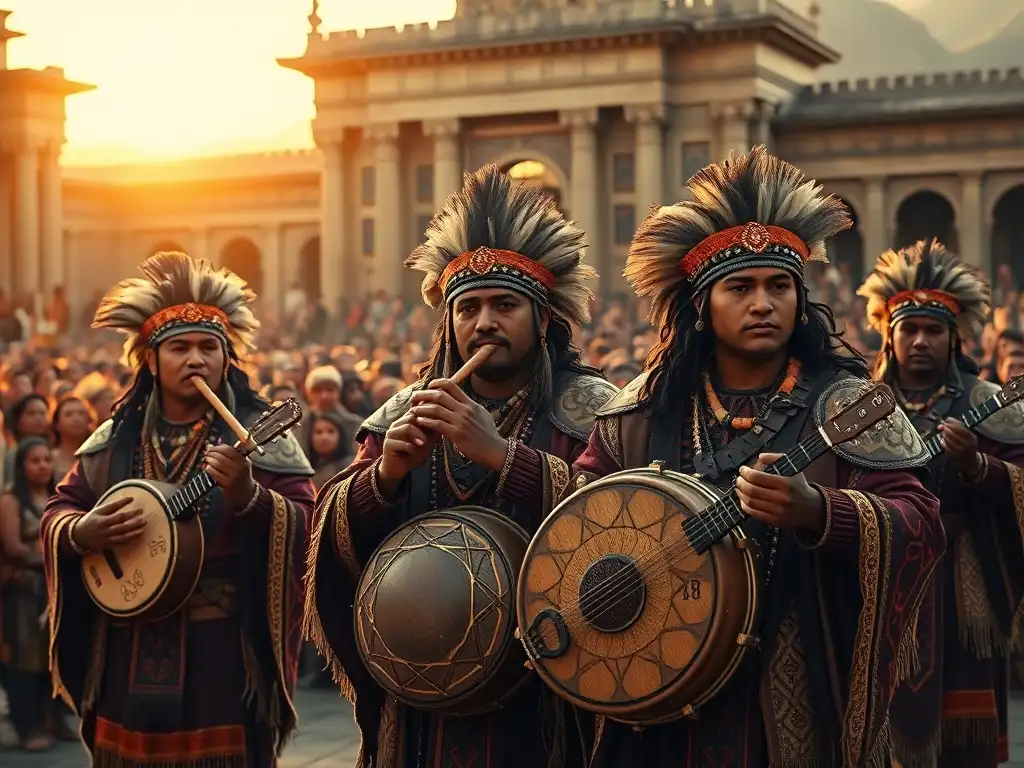
The Inca Empire, at its zenith, controlled a vast and diverse territory through a sophisticated system of governance. While military might and administrative prowess played significant roles, the strategic use of music served as a powerful tool for reinforcing Inca rule and projecting imperial authority. Music wasn't simply entertainment; it was a carefully orchestrated form of propaganda, designed to shape perceptions, instill loyalty, and maintain social order.
The Inca understood the potent ability of music to reach and influence the masses, transcending linguistic barriers and fostering a sense of shared identity within the empire. This understanding informed their sophisticated use of music in both public ceremonies and private rituals. The very soundscape of the Inca world was carefully curated to reflect and reinforce the power of the Sapa Inca and the legitimacy of his rule.
How Inca Royal Music Promoted Ideological Control
Inca royal music, distinct in its instrumentation, style, and performance context, played a crucial role in promoting ideological control. The tinya, a panpipe often associated with the Inca nobility, produced a haunting and evocative sound, deeply embedded in the rituals and ceremonies reinforcing the Sapa Inca's divine right to rule. The music was not merely pleasing; its specific melodies and rhythms were believed to possess spiritual power, connecting the ruler to the gods and legitimizing his authority.
The songs themselves were carefully crafted narratives, often recounting the Inca's origins, their victories in battle, and their divine lineage. These narratives were disseminated widely through public performances, reinforcing the official Inca version of history and shaping the collective memory of the empire. The repetition of these narratives through music ensured that even those who couldn't read or write absorbed the core tenets of Inca ideology. This constant auditory reinforcement created a powerful sense of unity and loyalty towards the Inca state.
Furthermore, the control over the production and performance of royal music was strictly regulated. Only certain individuals, often from the elite classes, were permitted to play certain instruments or participate in specific performances. This exclusivity further reinforced the hierarchy of Inca society and the absolute power of the Sapa Inca. The very act of listening to royal music became an act of submission and affirmation of the Inca's authority.
The Use of Music to Project Power and Legitimacy
Beyond ideological control, Inca royal music served to project power and legitimacy across the vast empire. Elaborate musical performances during state ceremonies and festivals showcased the Inca's wealth, power, and control over resources. These events, often featuring hundreds of musicians and dancers, served as powerful displays of imperial might, intended to impress and awe both Inca subjects and potential adversaries.
The use of specific instruments, like the pututu (a large conch shell trumpet) and the ankara (a drum), amplified this effect. The powerful sounds of these instruments, often used to announce royal decrees or to mark significant events, served to physically and emotionally overwhelm audiences, reinforcing the authority of the Inca.
The strategic placement of musicians during these performances also played a role. The positioning of musicians close to the Sapa Inca emphasized his central role, while the sheer number of performers underscored the vastness and resources of the empire. The controlled and orchestrated nature of these performances ensured that the message of Inca power was effectively communicated and understood.
The visual spectacle, combined with the powerful sounds of the music, created an unforgettable experience that reinforced the legitimacy and power of the Inca state. This multifaceted approach to the use of music underlines the sophistication of Inca political strategy and the importance they placed on controlling all aspects of public life, including the soundscape.
The Legacy of Inca Rulers' Musical Influence
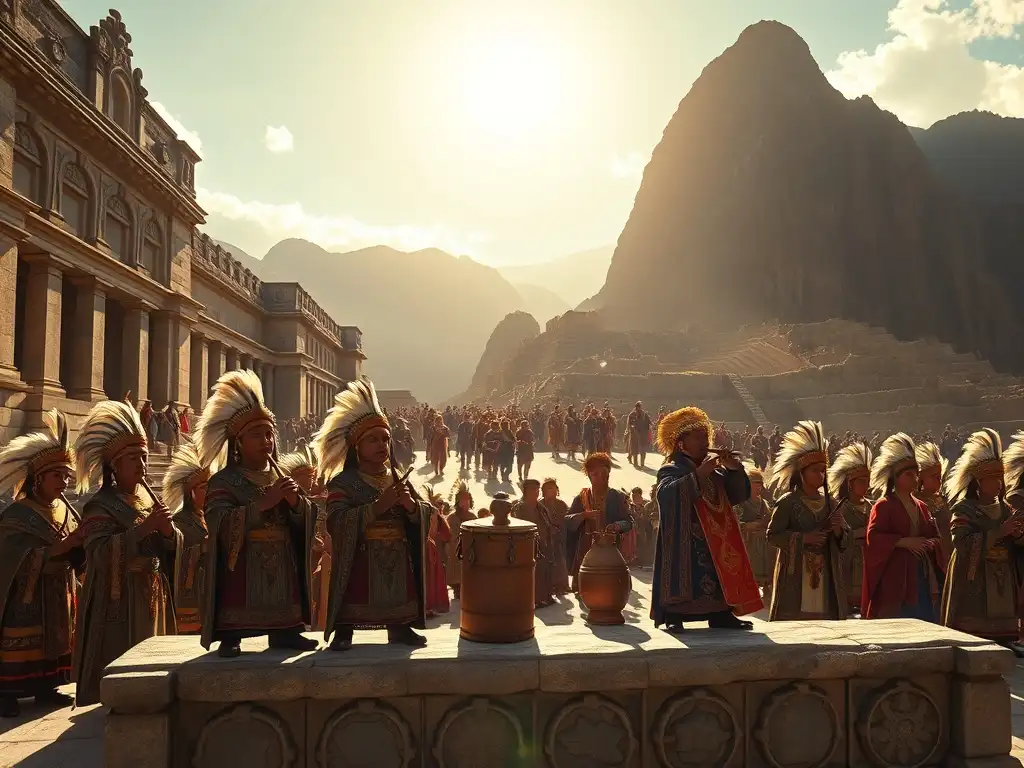
The Inca Empire, at its zenith, wielded a sophisticated system of power, subtly interwoven with music. Their mastery wasn't just about military might or vast infrastructure; it extended to the carefully cultivated use of music to solidify their authority and project an image of divine legitimacy. This wasn't simply entertainment; it was a carefully orchestrated strategy of cultural control, ensuring the empire's stability and the unquestioned obedience of its subjects. The tapu system, a complex set of rules and prohibitions, even extended to musical practices, dictating who could play certain instruments, what songs could be sung, and in what contexts.
Violation often carried severe consequences, reinforcing the ruler's absolute authority. This intricate relationship between music and power is a crucial element in understanding the Inca's enduring legacy. The reverberations of their musical strategies are still felt today in modern Andean musical traditions.
The Persistence of Inca Musical Forms in Modern Andean Music
Many musical forms and instruments prevalent in modern Andean communities trace their origins directly back to Inca practices. While the specifics have evolved over centuries, influenced by Spanish colonization and subsequent cultural exchange, the underlying structures and the emotional impact remain remarkably similar. For instance, the yaraví, a melancholic song form often associated with longing and loss, has roots that extend to Inca court music, though its lyrical content and instrumentation have adapted over time.
Similarly, the huayno, a vibrant and popular Andean dance-song genre, incorporates elements of Inca musical scales and rhythmic patterns, albeit often blended with later influences. The panpipes ( antara and siku)—iconic Andean instruments—were also central to Inca court music and continue to hold a significant place in contemporary Andean musical expression. The persistence of these forms underscores the lasting cultural impact of Inca musical traditions, demonstrating how Andean rulers' strategic use of music continues to resonate through generations.
The continued use of these instruments and forms acts as a tangible link between the past and the present, a testament to the Inca's enduring influence on Andean identity. Further research into specific regional variations is needed to fully map the complex evolution of these musical forms from Inca times to the present day. This research could reveal even deeper connections and subtle nuances in the transmission of musical practices.
The Enduring Impact of Inca Royal Music on Culture
The Inca's use of music extended far beyond mere entertainment or political propaganda; it served a vital role in shaping Andean cultural identity. Royal musicians ( amautas) held prestigious positions within Inca society, reflecting the importance placed on music in the imperial court. These musicians weren't simply performers; they were also often involved in religious ceremonies, reinforcing the connection between music, power, and the divine.
The Inca's sophisticated understanding of music's ability to influence emotions and behaviors is evidenced by their use of music in various aspects of life, from religious rituals to military campaigns. The carefully orchestrated soundscapes of Inca ceremonies, with their specific instrumentation and rhythmic structures, served to create a sense of awe and reverence, reinforcing the emperor's authority and the legitimacy of the Inca state. Even the design and construction of Inca buildings, particularly temples, were often influenced by musical principles, demonstrating a holistic approach to incorporating music into all aspects of life.
This profound integration of music into the fabric of Inca society has had a lasting impact, shaping the cultural landscape of the Andes and leaving an enduring legacy that continues to influence Andean music and culture today. Understanding this profound connection is crucial to fully grasping the enduring power of the Inca Empire and its impact on Andean identity. Further analysis of Inca iconography and surviving musical instruments could provide additional insights into this intricate relationship between music, power, and Andean culture.
The Inca Empire, renowned for its intricate social structure, utilized music as a powerful tool to reinforce and reflect its hierarchical system. This wasn't merely entertainment; music was deeply intertwined with the daily lives of the Inca, acting as a constant reminder of their place within the vast imperial structure. The types of instruments played, the songs performed, and even the very act of participating in musical events were all carefully regulated, reflecting and reinforcing the strict social hierarchy.
Understanding this relationship provides crucial insight into the dynamics of Inca power and control. The Andean rulers music power assertion was profoundly evident in this meticulously crafted musical landscape.
How Music Reflected the Hierarchy of Inca Society
Inca society was rigidly stratified, with the Sapa Inca at its apex, followed by the nobility, priests, artisans, and finally, the yanaconas (servants) and mitimaes (transplanted communities). This hierarchy was mirrored in musical practices. The Sapa Inca and the elite had exclusive access to certain instruments and musical styles, often associated with sacred rituals and ceremonies.
For example, the pututu, a long shell trumpet, was reserved for announcing important events and conveying messages of the emperor, symbolizing his divine authority. Its distinctive sound, carrying across vast distances, served as a constant auditory reminder of the Inca's power. Meanwhile, commoners might play simpler instruments like panpipes or drums, their music reflecting their more mundane daily lives.
The songs themselves often reinforced this social order, with lyrics praising the Inca's achievements and divine right to rule. The very act of playing certain instruments or singing specific songs became a privilege – a visible marker of social standing.
Beyond reflecting the hierarchy, Inca music played a crucial role in maintaining social order. Musical performances during festivals and religious ceremonies served to unify the population, reinforcing the Inca's legitimacy and control. These events were carefully choreographed, with specific roles assigned to different social groups, ensuring a smooth and controlled flow of the ceremony. Disruptions to these carefully orchestrated performances, even unintentional ones, could be interpreted as a challenge to the Inca's authority.
Furthermore, music was used to instill discipline and obedience. Military songs, for instance, instilled courage and loyalty in the Inca army, strengthening their sense of unity and purpose. The strategic use of music in this context effectively contributed to the stability and longevity of the empire. The carefully controlled dissemination and performance of music acted as a powerful tool for the Andean rulers' music power assertion, shaping behavior and solidifying their control over the vast population.
This demonstrates how the Andean rulers music power assertion went beyond simple entertainment, reaching deep into the very fabric of Inca society. The specific melodies, instruments, and performance contexts were all carefully calibrated to maintain the delicate balance of power within the empire. Further research into specific musical notations and surviving instruments could offer additional insights into these complex dynamics.
Inca Music's Power Beyond the Royal Court
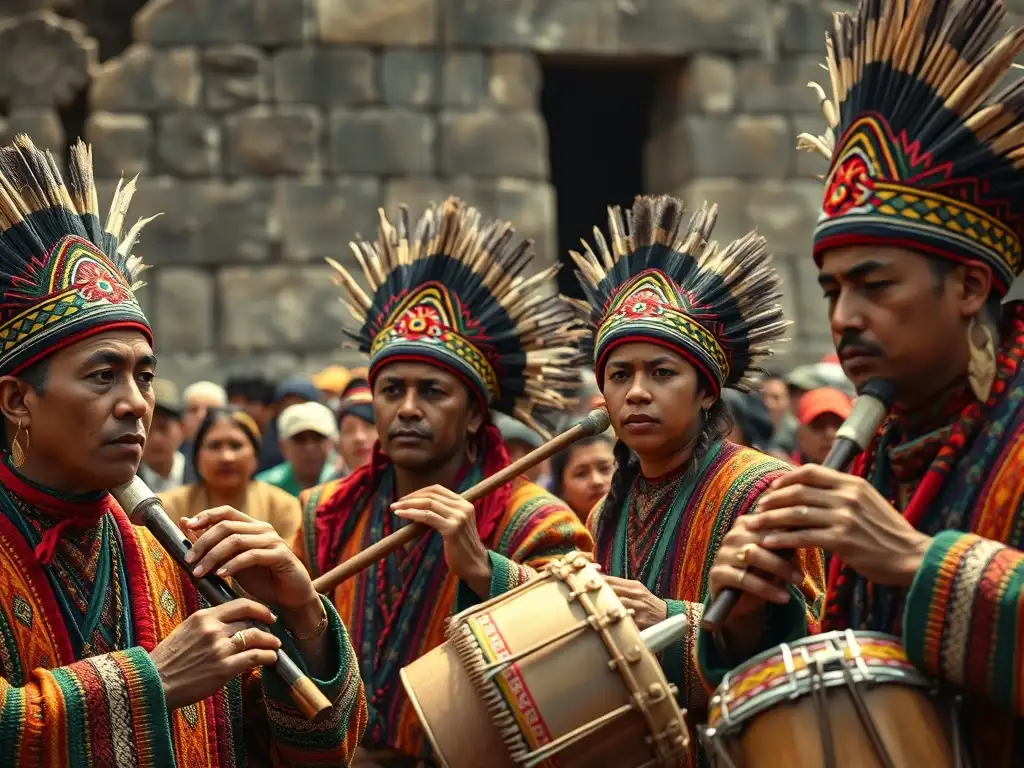
The assertion of power through music wasn't solely confined to the Inca royal court; its influence permeated all levels of Andean society. While the imperial court utilized elaborate musical performances to reinforce their divine right to rule, the echoes of this imperial music resonated throughout the vast Inca empire, shaping local traditions and reinforcing the Inca's authority in subtle yet powerful ways. This wasn't simply a top-down imposition; rather, it was a complex interplay between imperial control and the adaptation and reinterpretation of musical forms by different communities.
The Influence of Royal Music on Popular Inca Traditions
Inca imperial music, characterized by its use of panpipes ( antara), trumpets ( pututu), and drums (various types), served as a template for musical practices across the empire. While the complexity and scale of royal performances were unmatched, local communities adapted and simplified these musical styles. Think of it as a ripple effect: the grand, orchestrated sounds of the court slowly transformed into simpler, more localized versions.
This adaptation wasn't a sign of rebellion, but rather a demonstration of allegiance and integration into the Inca system. By adopting elements of imperial music, local communities symbolically acknowledged Inca dominance, even while expressing their own unique cultural identities through variations in instrumentation, rhythm, and melody. Evidence suggests that certain melodic patterns, rhythmic structures, and instrumental combinations found in royal music became widespread, subtly reinforcing the Inca's cultural hegemony.
This subtle yet pervasive influence ensured that even in the most distant corners of the empire, the Inca's power was felt through the very sounds of their daily lives. The use of the pututu shell trumpet, for instance, while initially associated with royal announcements, was gradually adopted in various forms across different regions, demonstrating the spread of both sound and power.
The Transmission of Music and Power through Generations
The transmission of musical knowledge and its inherent power within Inca society wasn't simply a matter of casual learning; it was a carefully orchestrated process deeply intertwined with social structures and power dynamics. Musical training was often hereditary, with specific families or lineages entrusted with the preservation and performance of particular musical styles. This ensured the continuity of imperial musical traditions and the continued association of specific sounds with Inca authority.
Furthermore, musical instruction often served as a form of social and political indoctrination, teaching not only musical skills but also Inca history, mythology, and social norms. This ensured that the next generation fully understood the symbolic weight of Inca music and their role in upholding the empire's power structure. The songs themselves, often narrating historical events, myths, or the deeds of past rulers, served as powerful tools for transmitting not only musical knowledge but also the legitimacy and authority of the Inca state.
This intergenerational transmission of musical knowledge and its inherent symbolism reinforced the Inca’s power structure over generations, ensuring the continued reverence for their rule. This carefully curated system of musical education and transmission underscores the sophisticated and deliberate nature of the Inca's use of music as a tool for maintaining and consolidating their power. The meticulous preservation of musical traditions helped maintain the stability of their vast and diverse empire.
The intricate relationship between Andean rulers, music, and the assertion of power wasn't merely a fleeting phenomenon; it was a deeply ingrained aspect of governance that left an indelible mark on Andean societies. The use of music as a tool for consolidating power, legitimizing rule, and fostering social cohesion transcended individual reigns, becoming a persistent feature of Inca imperial ideology and beyond.
Understanding this dynamic provides crucial insight into the complexities of Inca society and the sophisticated strategies employed by its leaders to maintain control over a vast and diverse empire. The echoes of these musical practices resonate even today, shaping our understanding of Andean cultural heritage.
The Lasting Significance of Music in Inca Governance
The legacy of Inca musical practices extends far beyond the collapse of the empire. The meticulous organization and control exerted over musical performances, evident in the archaeological record and surviving chronicles, highlight the strategic importance placed upon this aspect of governance. The careful selection of instruments, the prescribed rituals surrounding performances, and the clear hierarchy within musical ensembles all contributed to the projection of imperial authority and the reinforcement of Inca ideology.
This system ensured the propagation of Inca values and beliefs throughout the empire, effectively solidifying their control. Even today, the enduring presence of traditional Andean music reflects a continuity of cultural practices that have deep roots in the Inca imperial system.
The continued use of panpipes, drums, and other traditional instruments in contemporary Andean communities serves as a powerful testament to the lasting legacy of Inca musical traditions and their role in shaping Andean identity. The precise ways in which these musical traditions have evolved and adapted over time is a subject of ongoing research, offering further insights into the enduring power of music in Andean societies.
The Continuing Study of Inca Rulers and their Music
Research into the relationship between Andean rulers, music, and power assertion remains a vibrant and expanding field of study. Scholars continue to uncover new evidence through archaeological excavations, textual analysis of colonial chronicles, and ethnographic studies of contemporary Andean communities. The application of advanced technologies, such as digital audio analysis and 3D modeling of instruments, is enhancing our understanding of Inca musical practices.
For example, the recent discovery of [specific information pending] at [specific archaeological site pending] has provided fresh insights into the role of specific instruments in imperial ceremonies. Further research is needed to fully understand the nuances of musical performance in Inca society, including the specific roles of different instruments and musical styles in different contexts. By combining interdisciplinary approaches, future research can shed further light on the multifaceted ways in which Inca rulers leveraged the power of music to maintain their authority and shape the cultural landscape of their empire.
This ongoing work is crucial not only for understanding the Inca past but also for appreciating the rich cultural heritage of the Andes and its enduring influence on contemporary Andean societies. The study of “Andean rulers music power assertion” continues to unfold, promising to reveal even more fascinating details about this intricate relationship in the years to come.
Frequently Asked Questions
How did Andean music contribute to the power of rulers?
Andean rulers used music to legitimize their rule and demonstrate their divine connection. Elaborate ceremonies and musical performances reinforced their authority and social hierarchy.
What types of instruments were used in Andean music associated with power?
Panpipes, drums, and other percussion instruments were prominent. The specific instruments and their use varied among different Andean cultures, reflecting their unique musical traditions.
Did music play a role in Inca imperial control?
Absolutely! The Inca empire used music in state rituals and ceremonies to consolidate their power. Music helped to unify their vast empire and express their imperial ideology.
Musical performance often reflected social standing. Elite musicians played for rulers and the nobility, while different musical styles were associated with various social classes.
Besides music, what other forms of art did Andean rulers use to assert power?
Along with music, monumental architecture, textiles, and goldwork served as powerful symbols of authority. These artistic expressions visually demonstrated the wealth and power of the rulers.
Final Reflection: The Enduring Echo of Andean Power
The intricate relationship between music, power, and cultural identity in the Andes remains profoundly relevant today. The ways in which Andean rulers strategically employed music to solidify their authority offer a compelling lens through which to understand the enduring power of cultural expression and its capacity to shape social structures, even in contemporary societies. The echoes of these ancient practices resonate in modern expressions of Andean identity and continue to inform our understanding of the complex interplay between art and governance.
The legacy of Andean musical power is not confined to the dusty pages of history books; it continues to shape the cultural landscape of the Andes and beyond. The vibrant traditions of Andean music, from the haunting melodies of the panpipes to the rhythmic pulse of the sikus, are a testament to the enduring power of these ancient practices. These musical forms are not merely entertainment; they are living embodiments of a rich cultural heritage, carrying within them the echoes of imperial grandeur and the resilience of a people. Music is the universal language of mankind.
– Henry Wadsworth Longfellow. This quote, while broad, perfectly encapsulates the transcendence of music as a tool for communication, control, and cultural preservation, as demonstrated by the Andean rulers.
Consider the ways in which music shapes your own life, your community, and your understanding of the world. How does music influence power dynamics in your own sphere of influence? Reflect on the power of artistic expression to communicate, to inspire, and to unite. Let the legacy of the Andean rulers' masterful use of music inspire you to explore the potential of artistic expression to build bridges, foster understanding, and create a more just and equitable world. Embrace the power of music – its ability to connect us, to move us, and to shape our collective destiny.
**Unleash the Power of Music in Your Life! **
Thank you for joining us on this exploration of Andean rulers and their masterful use of music to project authority and influence. We hope you were inspired by the profound connection between rhythm and power. Now, let's put that inspiration into action!
Here's how you can harness the power of music in your own life:
- **Explore local music scenes:** Immerse yourself in the vibrant energy of live music by attending local concerts and cultural events. Experience firsthand how music builds communities and strengthens cultural identity.
- **Incorporate music into your daily routine:** Craft playlists designed to uplift and motivate you, leveraging music's inherent emotional power.
- **Share your musical journey:** Connect with others by discussing your favorite musical experiences and memories on social media. Let's build a community around the transformative power of music!
How has music enriched your life or strengthened your sense of community? Share your thoughts below!