
Lost Melodies of the Moche: Reconstructing the Music of a Vanished World

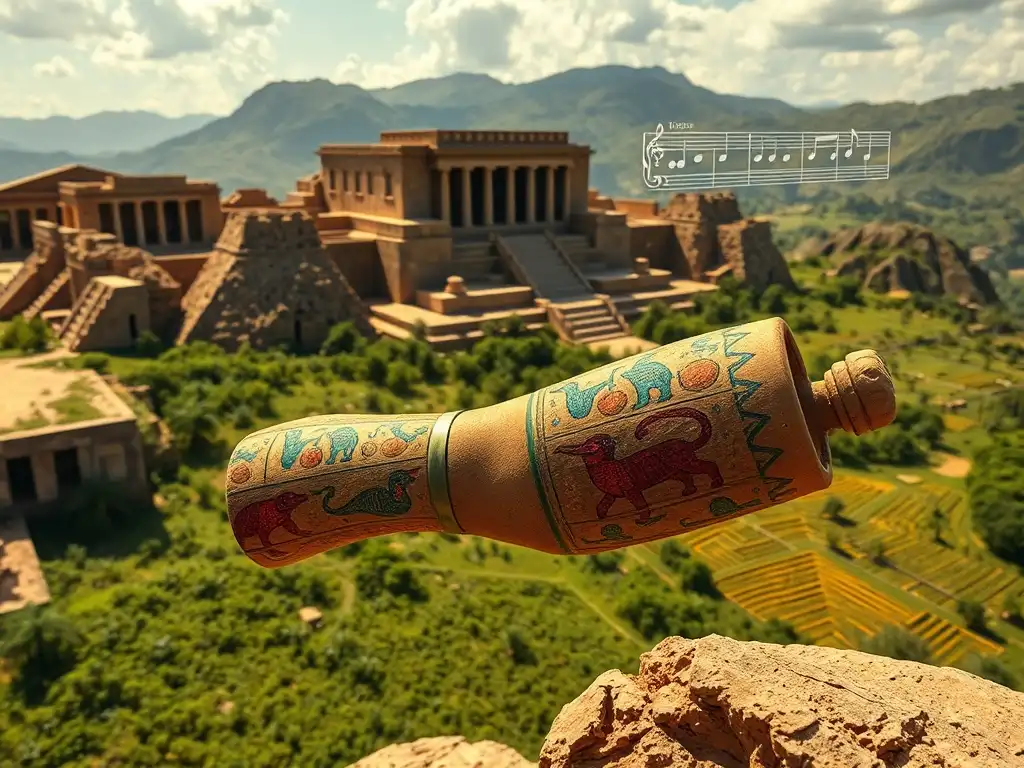
Step into a world lost to time, yet echoing with the rhythms of a vibrant past. Imagine the sounds of the Andes, not as they are today, but as they were heard centuries ago by the Moche. Our exploration of Andean Civilizations unveils fascinating insights into their rich tapestry of life, from intricate artistry to groundbreaking engineering. But what secrets do the silent sands whisper? Discover the intriguing story behind our Moche music reconstruction, a journey into the lost melodies of a vanished world, and unearth the captivating sounds of a civilization reborn.
The Moche civilization, flourishing along the northern coast of Peru from approximately 100 CE to 800 CE, left behind a breathtaking legacy of artistry and engineering. Their mastery is evident in the intricate ceramics, monumental architecture, and sophisticated irrigation systems that still amaze archaeologists today. However, one aspect of their rich culture remains largely enigmatic: their music.
While no surviving Moche musical instruments remain intact, fragments of pottery, depictions on textiles, and even the echoes of their societal structures offer tantalizing clues to help us reconstruct the soundscapes of this vanished world. This article delves into the fascinating and challenging process of Moche music reconstruction, exploring the evidence, the methods employed, and the ongoing quest to bring the lost melodies of the Moche back to life. Understanding their music provides a crucial window into their beliefs, rituals, social organization, and the overall vibrancy of their daily lives, enriching our understanding of this remarkable Andean civilization.
We will explore the limited but significant evidence available and the innovative techniques researchers are using to piece together the musical puzzle of the Moche. Prepare to embark on a sonic journey back in time!
Unveiling the Sonic Landscape of the Moche Civilization
The Moche left behind a wealth of visual representations that hint at their musical practices. Pottery fragments often depict musicians playing various instruments, providing valuable visual data. These depictions, though not providing audio, are crucial for identifying potential instrument types and understanding their social context.
For example, representations of musicians frequently appear in scenes depicting rituals and ceremonies, suggesting the significant role music played in their religious life. Further analysis of these depictions reveals possible instrument forms, including what appear to be flutes, panpipes, and possibly percussion instruments like drums or rattles. The details are often incredibly fine, showcasing the Moche's artistic skill and offering clues to the instruments' construction and playing techniques.
Careful study of these images, combined with comparative analysis of similar instruments from related cultures, allows researchers to begin forming hypotheses about the sounds the Moche may have produced. The vibrant colors and detailed compositions of these ceramics also hint at the importance of music within Moche society. Moreover, the sheer frequency with which musical scenes appear suggests that music held a prominent place in their daily lives, from religious ceremonies to communal gatherings.
The Challenge of Moche Music Reconstruction
Reconstructing the music of the Moche presents significant challenges. The absence of intact instruments severely limits direct analysis. Unlike many other ancient cultures, no playable Moche instruments have survived the passage of time. The harsh coastal climate and the nature of the materials used in their construction likely contributed to the deterioration of these artifacts.
This lack of physical evidence necessitates a multidisciplinary approach, combining archaeological findings with ethnomusicological research and technological advancements. Researchers must rely on indirect evidence, including iconographic representations on pottery and textiles, to infer the types of instruments used and their potential sounds. This involves careful analysis of the depicted instruments' shapes and sizes, comparing them to instruments from contemporary and related cultures to draw inferences about their sound and playing techniques.
Furthermore, the interpretation of these visual representations is inherently subjective, requiring careful consideration of contextual factors and potential biases in interpretation. The process is painstaking, requiring meticulous research and collaboration across multiple fields of expertise. Despite these challenges, ongoing research continues to yield promising results, slowly but surely bringing the lost melodies of the Moche closer to our understanding.
Archaeological Evidence: Clues to Moche Musical Practices
The reconstruction of Moche music relies heavily on the archaeological evidence painstakingly unearthed from their sites along the northern coast of Peru. While no intact musical instruments have been found in perfect condition, the fragments and depictions discovered offer invaluable insights into their musical world. The meticulous preservation of organic materials in some desert contexts has been crucial, allowing for the analysis of fragmented instruments and even the potential identification of residual materials like resins or plant fibers used in their construction.
The scarcity of organic remains necessitates a multidisciplinary approach, combining archaeological findings with ethnomusicological studies of surviving Andean traditions to infer playing techniques and musical styles. This comparative methodology helps bridge the gap between fragmentary evidence and a more complete understanding of Moche musical practices.
The careful analysis of contexts – where instruments were found in relation to other artifacts and human remains – provides further clues about their social and ritual significance. For example, the discovery of instruments within elite tombs suggests their use in high-status ceremonies, while those found in domestic settings might indicate a more everyday role in Moche society.
Moche Ceramic Instruments: A Window into their Soundscapes
Moche ceramic instruments, though not playable in their current state, offer a direct glimpse into the soundscapes of the Moche civilization. These meticulously crafted artifacts, often depicting musicians playing various instruments, serve as visual representations of Moche musical practices. The detailed craftsmanship showcases the importance of music within their culture.
The shapes and sizes of the depicted instruments provide clues about their acoustic properties, although the materials used in their original construction remain largely unknown. Careful study of the iconography, including the depiction of finger positions and mouth shapes, can help researchers infer playing techniques. For instance, the depiction of a musician's embouchure on a flute can suggest the type of sound produced.
By combining these visual clues with the analysis of actual ceramic fragments of instruments, researchers can begin to reconstruct the sounds and melodies of Moche music. The careful study of these fragments, often employing advanced imaging techniques, can reveal details about the construction methods, materials, and potential playing techniques.
Iconography and Musical Scenes on Moche Pottery
Moche pottery is renowned for its intricate and lifelike depictions, and musical scenes are a recurring theme. These vibrant images not only showcase the instruments used but also provide insights into the social context of music-making. Pottery frequently portrays musicians performing in various settings, from grand ceremonies to intimate gatherings.
The clothing, postures, and expressions of the musicians provide valuable information about their social status and the role of music in Moche society. The careful analysis of these scenes, often involving comparison with similar imagery from other Andean cultures, can reveal details about the social hierarchy and the ceremonial importance of music. For example, the presence of musicians in elite contexts suggests a close link between music and power.
These depictions offer a unique and valuable source of information, complementing the limited physical evidence of instruments themselves. The combination of visual representation and archaeological findings is essential for a comprehensive understanding of Moche musical culture.
Identifying Moche Musical Instruments Through Artifacts
Identifying Moche musical instruments relies on a combination of careful observation of artifacts and comparative analysis with similar instruments from other cultures and time periods. Researchers analyze the shape, size, and material composition of fragmented instruments. Microscopic analysis can reveal details about the manufacturing techniques and materials used, aiding in the identification of the instrument type.
For example, the presence of small holes in a ceramic fragment might indicate a flute or whistle, while the presence of a resonating chamber might suggest a drum. The analysis often involves comparison with known instruments from related cultures, both contemporary and later, to infer potential playing techniques and sounds. This comparative approach is crucial due to the fragmented nature of the archaeological evidence.
The process involves a detailed examination of the artifacts, combining visual inspection with advanced scientific techniques to maximize the information gleaned from limited remains. This interdisciplinary approach is essential for accurate identification and reconstruction.
Types of Moche Instruments and Their Functions
The Moche utilized a variety of instruments, each likely serving distinct functions within their society. While the exact range of instruments remains unknown due to the limited surviving evidence, archaeological findings and iconographic representations suggest a diverse musical palette. The instruments appear to have been crafted from a range of materials, including clay, wood, shell, and possibly metal, depending on the instrument's function and the social status of its owner.
This variety likely reflects the diverse musical roles within Moche society, ranging from ceremonial performances to everyday social interactions. The limited surviving fragments and depictions necessitate careful interpretation and comparative analysis with other Andean cultures to determine their functions and musical roles.
Moche Flutes and Whistles: Exploring Different Tonalities
Evidence suggests that flutes and whistles played a significant role in Moche music. Fragments of ceramic flutes and depictions on pottery suggest a range of sizes and styles, implying a variety of tonal possibilities. The size and number of finger holes on the depicted flutes suggest different scales and melodies. These instruments were likely used in a range of contexts, from ceremonial performances to everyday entertainment.
The analysis of surviving fragments, combined with the visual evidence from pottery, allows researchers to speculate on the range of sounds and musical styles these instruments produced. The different sizes and shapes of the flutes likely created distinct tonalities, contributing to the complexity and richness of Moche music. The scarcity of well-preserved examples, however, requires further research to fully understand the range of sounds they produced.
Moche Percussion Instruments: Drums and Rattles
Percussion instruments were likely an integral part of Moche musical ensembles. While direct evidence of drums is scarce, iconographic depictions on pottery clearly show instruments that resemble drums and rattles. These could have been constructed from various materials, such as wood, hide, or gourds. The size and shape of the depicted instruments suggest different sounds and rhythms.
These instruments likely provided the rhythmic foundation for Moche musical performances, accompanying other melodic instruments such as flutes and whistles. The variety of potential materials and construction methods suggests a diversity in sound and function. Further archaeological research is needed to confirm the presence and variety of these percussion instruments within Moche society.
Moche Trumpets and Shell Horns: Signaling and Ceremonial Use
Trumpets and shell horns likely served both ceremonial and signaling functions within Moche society. Depictions on pottery show individuals blowing into long, conical instruments, suggesting trumpets or horns. These instruments could have been made from various materials, including shell, wood, or possibly metal. Their loud sound would have been ideal for ceremonial occasions, announcing important events, or communicating across distances.
The use of shell horns suggests a potential symbolic connection to the sea and its resources, reflecting the importance of marine life in Moche culture. The ceremonial use of these instruments is supported by the depiction of these instruments in scenes of ritual and religious activity on Moche pottery. The sound produced by these instruments would have amplified the impact of ceremonial events, adding to their emotional power and social significance.
The Role of Music in Moche Society
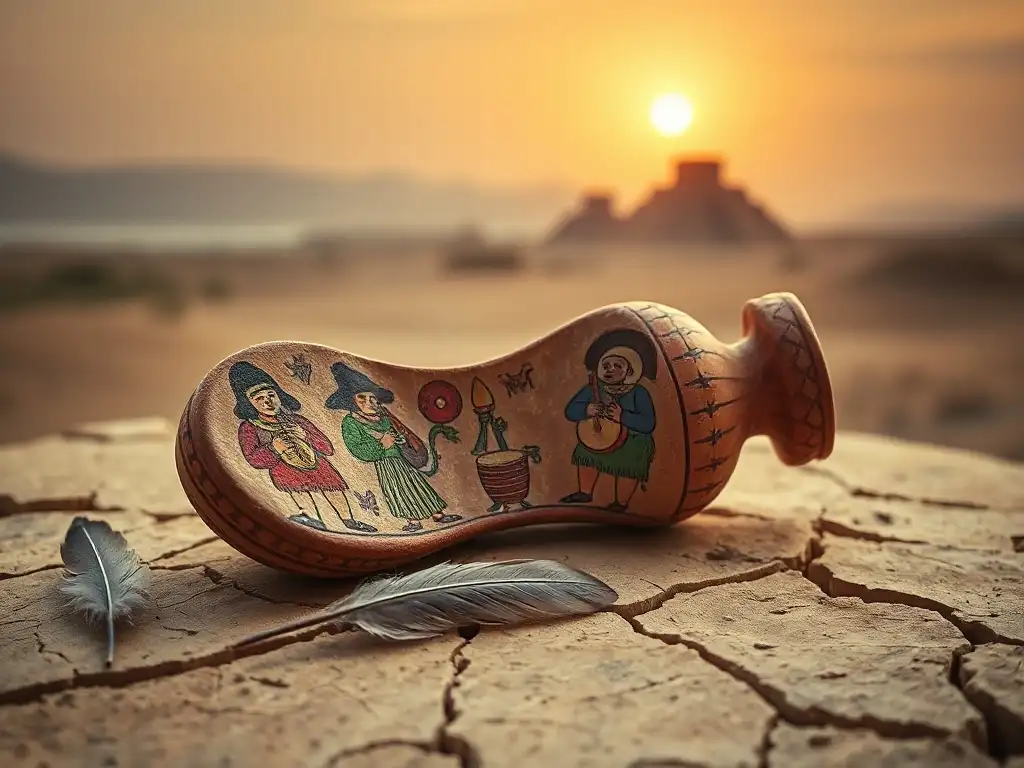
The Moche civilization, flourishing along the northern coast of Peru from approximately 100 to 800 CE, left behind a rich artistic legacy, vividly depicted in their pottery, textiles, and monumental architecture. However, understanding their musical practices requires a more nuanced approach, relying on indirect evidence and careful interpretation. The role of music in Moche society was likely multifaceted, encompassing ritual, social interaction, and possibly even political power.
While we lack written musical scores, the presence of numerous depictions of musical instruments on their artifacts strongly suggests a significant musical component to their culture. The sheer variety of instruments portrayed, from simple flutes to complex percussion instruments, hints at a diverse and possibly sophisticated musical landscape. The prominence of these instruments in their art, often featured in scenes of ritual or celebration, underscores their importance in their daily lives and ceremonies.
Music in Moche Rituals and Ceremonies
Moche iconography frequently depicts musical instruments within scenes interpreted as rituals and ceremonies. Elaborate processions, often involving priests and elites, frequently feature musicians playing various instruments. These scenes, meticulously rendered on ceramic vessels, suggest a strong connection between music and the religious sphere.
The sounds produced during these ceremonies likely played a crucial role in creating a sacred atmosphere, enhancing the spiritual experience for participants. Some scholars hypothesize that specific musical pieces were associated with particular deities or rituals, although this remains a subject of ongoing research. The rhythmic and melodic qualities of the music may have been integral to invoking supernatural forces or communicating with the divine realm.
The intensity and emotional impact of the music likely played a central role in the effectiveness of these rituals. Further research into the iconography and the instruments depicted could unlock further insights into the specific roles of music in Moche religious practices.
Music and Dance in Moche Daily Life
Beyond ritual contexts, music was likely an integral part of everyday life among the Moche. Depictions on pottery show musicians performing at feasts, celebrations, and possibly even in more informal settings. The presence of instruments in various social contexts suggests music played a vital role in social bonding and entertainment. Music might have accompanied agricultural activities, providing a rhythmic backdrop to the labor-intensive process of cultivating crops.
It may have also been used during social gatherings, fostering a sense of community and shared identity. The lively rhythms and melodies likely enhanced the enjoyment of these events, creating a vibrant and energetic atmosphere. The integration of music into daily life illustrates its importance as a unifying force within Moche society, contributing to social cohesion and cultural expression.
The Social Significance of Moche Musical Performance
The social significance of Moche musical performance is evident in the careful craftsmanship of the instruments depicted in their art. The elaborate decoration of these instruments, often mirroring the artistry found in their pottery, suggests that musical performance was not merely a casual activity but held a privileged position within Moche society. Musicians may have held a respected status within their communities, potentially performing for elites or participating in important ceremonies.
The social hierarchy within Moche society may have influenced the types of instruments played and the contexts in which music was performed. The use of music in ceremonies and celebrations reinforced social structures and cemented social bonds, creating a shared cultural identity. The study of Moche social organization, combined with the analysis of their artistic representations, is crucial to understanding the full social impact of their music.
Techniques in the Reconstruction of Moche Music
Reconstructing the sounds of a vanished civilization presents significant challenges. However, through a combination of archaeological findings, ethnomusicological studies, and technological advancements, researchers are making progress in understanding Moche musical practices. This interdisciplinary approach allows for a more holistic and nuanced understanding of Moche music than could be achieved through any single methodology. Careful analysis of the surviving artifacts, combined with insights from related cultures, provides valuable clues about the sounds of the past.
Experimental Archaeology: Replicating Moche Instruments
Experimental archaeology plays a vital role in reconstructing Moche music. By replicating Moche instruments based on archaeological finds, researchers can directly explore their sonic capabilities. This involves careful study of the materials used, construction techniques, and the overall design of the instruments.
The recreated instruments are then played by musicians, providing valuable data about their sound and potential musical range. The process of replication itself can reveal insights into the craftsmanship and the level of sophistication involved in Moche instrument making. The sounds produced by the replicas offer crucial information about the possible tonal qualities and rhythmic possibilities of Moche music.
Ethnomusicological Approaches: Insights from Modern Andean Music
Ethnomusicology offers another crucial lens through which to understand Moche music. By studying the musical traditions of modern Andean communities, researchers can identify potential continuities and parallels with Moche practices. This comparative approach helps to contextualize Moche music within a broader Andean musical tradition, providing valuable insights into its possible stylistic features and cultural significance. The similarities and differences between modern Andean music and potential Moche music can illuminate the evolutionary pathways of musical traditions in the region. This comparative analysis can provide valuable clues about the possible structures, melodies, and rhythms of Moche musical pieces.
Analyzing Moche Soundscapes: Using Technology for Interpretation
Technological advancements are revolutionizing the study of Moche music. Researchers are now utilizing digital audio workstations (DAWs) and other software to analyze the sounds produced by replicated Moche instruments, creating virtual reconstructions of their music. Advanced acoustic analysis techniques can reveal subtle nuances in the sound, providing insights into the possible musical styles and performances.
The use of digital modeling techniques allows for the creation of virtual "soundscapes," providing a more immersive experience of what Moche musical performances may have sounded like. The combination of experimental archaeology and digital technologies offers a powerful approach to reconstructing the sounds of a lost civilization, bridging the gap between the physical artifacts and the intangible musical heritage of the Moche.
Challenges and Limitations in Moche Music Reconstruction
The Fragmentary Nature of Archaeological Evidence
Reconstructing Moche music presents significant challenges, primarily due to the fragmentary nature of the archaeological evidence. While archaeologists have unearthed numerous artifacts depicting musical instruments – ceramics showing musicians playing panpipes, flutes, and drums – these depictions often lack the detail necessary to understand the precise construction and sound of these instruments. Many instruments are incomplete, broken, or only partially preserved, hindering accurate replication.
Furthermore, the materials used in the construction of these instruments, such as wood, reeds, and animal hides, are often perishable, leaving us with only fragmented remains or indirect evidence of their existence. This lack of complete instruments makes it difficult to determine accurate pitch, timbre, and playing techniques.
The absence of written musical notation further compounds the problem, leaving researchers to rely solely on visual representations and inferences based on similar instruments from other cultures and time periods. Careful analysis of surviving fragments, combined with comparative studies of related instruments, is crucial to overcome these limitations.
Interpreting the Meaning and Function of Moche Music
Beyond the technical challenges of reconstruction, understanding the meaning and function of Moche music within their society poses another layer of complexity. The archaeological record provides glimpses into Moche rituals and ceremonies, often depicting musicians playing instruments in contexts suggesting religious or ceremonial use. However, the precise nature of these events and the role of music within them remains largely speculative. Were these musical performances intended to evoke specific emotions, tell stories, accompany rituals, or serve a purely aesthetic purpose?
Interpreting the symbolic meaning of iconography associated with musical instruments is also crucial. Do specific designs or motifs on ceramics hint at the type of music played or its social significance? These are questions that require interdisciplinary collaboration between archaeologists, musicologists, and anthropologists to address effectively. Unraveling the social and cultural context of Moche music is essential for a complete understanding of its role in their world.
The Subjectivity Involved in Reconstructing Ancient Sounds
Even with meticulous analysis of archaeological findings, the reconstruction of Moche music inherently involves a degree of subjectivity. Researchers must make informed decisions about materials, construction techniques, and playing styles based on incomplete evidence. The choice of materials for recreating instruments, for example, can significantly affect the resulting sound. Similarly, interpreting the visual representations of musical instruments and translating them into playable replicas requires interpretive leaps.
Different researchers may arrive at different conclusions based on their own expertise and interpretations of the evidence. This subjectivity does not negate the value of reconstruction efforts, but it highlights the importance of transparency and rigorous methodology in presenting findings. Acknowledging the inherent uncertainties and limitations involved is crucial for responsible scholarship in this field. The process of reconstructing Moche music is an ongoing dialogue between evidence and interpretation, a testament to the challenges and rewards of studying ancient musical cultures.
Modern Interpretations and Performances of Moche Music
Contemporary Andean Musicians Reimagining Moche Melodies
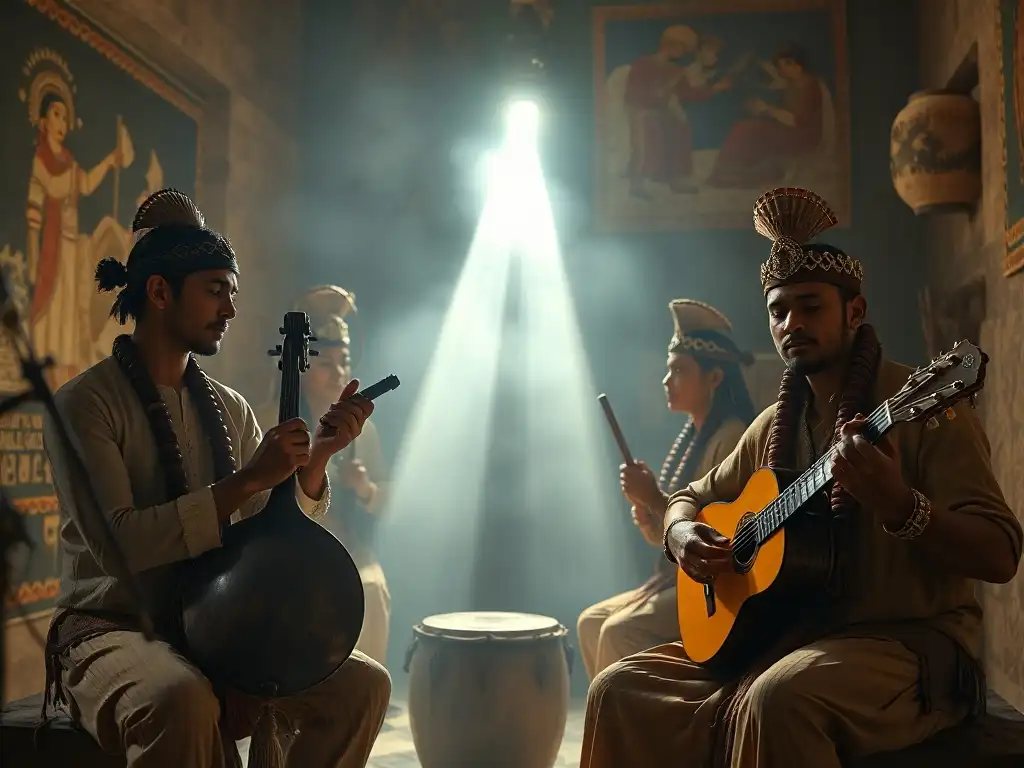
Contemporary Andean musicians play a vital role in bringing Moche music to life. Drawing inspiration from archaeological findings and their own deep understanding of Andean musical traditions, they create modern interpretations of ancient melodies. These interpretations are not mere imitations but rather creative reimaginings that honor the past while engaging with the present.
Musicians often adapt existing Andean instruments or construct replicas based on archaeological evidence, experimenting with different techniques and sounds to evoke the spirit of Moche music. This process often involves collaboration with archaeologists and musicologists, ensuring a balance between artistic interpretation and scholarly accuracy. The result is a vibrant and evolving musical landscape that both celebrates and expands upon Moche musical heritage.
Preserving Moche Musical Heritage Through Performance
The performance of reconstructed Moche music serves not only as an artistic endeavor but also as a crucial tool for preserving cultural heritage. By bringing these ancient sounds to contemporary audiences, musicians help to raise awareness about Moche civilization and its rich musical traditions. Live performances, recordings, and educational programs using reconstructed instruments allow for a deeper engagement with the past.
This active engagement combats the risk of losing this crucial aspect of Moche culture to the passage of time. Furthermore, performances offer a valuable platform for sharing research findings with a wider public, making complex archaeological data more accessible and engaging. The preservation of Moche musical heritage through performance is a dynamic and essential component of cultural memory and preservation efforts.
The Impact of Moche Music on Andean Culture Today
The ongoing efforts to reconstruct and interpret Moche music have a significant impact on Andean culture today. By reconnecting with their ancient musical heritage, contemporary Andean communities gain a deeper understanding of their cultural roots and identity. The exploration of Moche musical traditions fosters a sense of continuity and pride in their ancestral legacy. Furthermore, the process of reconstruction and performance encourages cross-cultural dialogue and collaboration, bridging the gap between ancient and modern Andean societies.
Modern interpretations often incorporate elements of contemporary Andean music, creating a fascinating interplay between past and present. The revival of Moche music thus contributes to a richer and more nuanced understanding of Andean cultural identity and its ongoing evolution. This legacy serves as a powerful testament to the enduring influence of Moche civilization on the musical landscape of the Andes.
The Enduring Legacy of Moche Music: What Can We Learn?
The study of Moche music, despite the challenges posed by the passage of time and the limitations of surviving artifacts, offers invaluable insights into the social, religious, and cultural life of this fascinating civilization. By carefully analyzing the few remaining instruments and iconographic representations, researchers can begin to piece together a picture of their musical practices. For instance, the depiction of musicians playing panpipes in Moche pottery suggests the importance of this instrument in their society, perhaps indicating its use in ceremonies or celebrations. The presence of multiple musicians in some depictions hints at the possibility of organized musical ensembles, suggesting a level of sophistication in their musical traditions that extends beyond simple solo performances.
The vibrant colors and intricate details of these ceramic representations also reveal a deep connection between music and visual art within Moche culture, further highlighting the centrality of music in their daily lives. Understanding these connections allows us to appreciate the Moche's artistic expression and its profound implications for their social structure and worldview. The careful study of surviving artifacts, combined with comparisons to similar instruments and musical traditions from other Andean cultures, provides a framework for understanding the broader context of Moche music within the larger Andean musical landscape. This comparative approach helps to contextualize Moche musical practices, revealing both unique characteristics and shared elements with neighboring cultures.
This comparative analysis strengthens the reliability and validity of our interpretations, leading to a more nuanced and comprehensive understanding of Moche musical traditions. Ultimately, the legacy of Moche music is not simply a collection of sounds lost to time, but a window into the hearts and minds of a people who expressed themselves through music in profound and meaningful ways. The remnants of their musical world inspire continued research and offer us a valuable glimpse into a rich and vibrant past. 🎶
Further Research and Future Directions in Moche Music Studies
The reconstruction of Moche music remains a work in progress, with significant potential for future research. Several avenues warrant further exploration. Firstly, advanced imaging techniques, such as 3D scanning and X-ray analysis, could provide invaluable data on the internal structure of surviving instruments, allowing for a more accurate understanding of their acoustic properties and playing mechanisms. This technological approach could reveal hidden details that might otherwise remain unnoticed.
Secondly, interdisciplinary collaborations between archaeologists, musicologists, and material scientists are crucial to advance the field. Such collaborations could lead to innovative methodologies for analyzing both the artifacts and their iconographic representations, leading to more reliable and comprehensive interpretations. For example, collaborative research might involve using digital modeling to reconstruct Moche instruments and simulate their sound, offering a more concrete understanding of how they might have sounded. Thirdly, expanding the scope of research to include ethnomusicological studies of contemporary Andean musical traditions could provide valuable comparative insights.
By studying the evolution of musical instruments and practices in the Andes over time, we can gain a better understanding of the continuity and change within Andean musical traditions, enriching our understanding of the Moche's musical legacy. The study of Moche music is not merely a historical pursuit; it is a journey into a world of sounds, emotions, and beliefs, requiring a multi-faceted approach to fully unlock its secrets. The future of Moche music studies promises exciting discoveries and a deeper appreciation for the rich musical heritage of the Andean world. 🎼
- Unveiling the Sonic Landscape of the Moche Civilization
- The Challenge of Moche Music Reconstruction
- Archaeological Evidence: Clues to Moche Musical Practices
- Types of Moche Instruments and Their Functions
- The Role of Music in Moche Society
- Techniques in the Reconstruction of Moche Music
- Challenges and Limitations in Moche Music Reconstruction
- Modern Interpretations and Performances of Moche Music
- The Enduring Legacy of Moche Music: What Can We Learn?
- Further Research and Future Directions in Moche Music Studies
- What is the main focus of this article, "Lost Melodies of the Moche: Reconstructing the Music of a Vanished World"?
- How do researchers attempt to reconstruct Moche music?
- What kind of instruments might have been used by the Moche?
- Why is reconstructing Moche music so challenging?
- What is the significance of reconstructing Moche music?
Frequently Asked Questions
What is the main focus of this article, "Lost Melodies of the Moche: Reconstructing the Music of a Vanished World"?
This article explores the fascinating attempt to reconstruct the music of the ancient Moche civilization. It delves into the challenges and methods used to bring their lost melodies back to life. The focus is on Moche music reconstruction.
How do researchers attempt to reconstruct Moche music?
Researchers analyze surviving artifacts, such as pottery depicting musical instruments and iconography suggesting musical practices. They also consider the music of later Andean cultures for potential cultural connections. This helps them to form hypotheses about Moche musical styles.
What kind of instruments might have been used by the Moche?
Evidence suggests the Moche used a variety of instruments, including wind instruments (possibly flutes and panpipes), percussion instruments, and potentially stringed instruments. The exact types and construction remain subjects of ongoing research.
Why is reconstructing Moche music so challenging?
The primary challenge lies in the limited surviving evidence. Unlike many other civilizations, the Moche didn't leave behind written musical scores. Researchers must rely on indirect evidence and make educated inferences.
What is the significance of reconstructing Moche music?
Reconstructing Moche music provides crucial insights into their culture, beliefs, and social structures. It allows us to gain a deeper understanding of their daily lives and spiritual practices, bringing their vanished world to life through sound.
Final Reflection: Echoes of the Moche: A Legacy of Sound and Silence
The painstaking reconstruction of Moche music offers not just a glimpse into a vanished civilization, but a powerful testament to the enduring power of human creativity. The intricate details unearthed from fragile artifacts, painstakingly analyzed and digitally recreated, speak volumes about a culture that, despite its distance in time, resonates deeply with our own appreciation for rhythm, melody, and the emotional power of music. This is more than just archaeology; it's a conversation across millennia.
The impact of this research extends beyond the academic sphere. By bringing the sounds of the Moche back to life, we challenge our understanding of ancient societies and their capacity for complex artistic expression. It forces us to reconsider the limitations we often impose on the past, reminding us that even cultures separated from us by centuries possessed a rich and nuanced cultural life. The past is never dead. It's not even past.
– William Faulkner. This quote perfectly encapsulates the enduring relevance of the Moche and their music, a legacy that continues to shape our understanding of the human experience.
Consider, for a moment, the echoes of these lost melodies. Imagine the vibrant soundscapes of their ceremonies, the intimate rhythms of their daily lives. You, too, can become a part of this ongoing conversation. Explore the resources available, delve deeper into the research, and let the music of the Moche inspire you to appreciate the rich tapestry of human history and the enduring power of artistic expression, no matter how distant or seemingly lost it may be. Let the silence of the past speak volumes through the sounds we are painstakingly reconstructing.
Reignite the Lost Melodies of the Moche!
Thank you for exploring the captivating world of Moche music with us! Your interest in these lost melodies highlights the richness of Andean civilization and its enduring cultural legacy. Let's delve deeper into these ancient sounds.
Here are some ways to reconnect with the Moche musical heritage:
- **Experience Moche-inspired music:** Discover contemporary artists drawing inspiration from Moche instruments and rhythms, or explore playlists featuring traditional Andean music. You might be surprised by the connections you find!
- **Participate in an Andean music workshop:** Learn to play traditional Andean instruments and immerse yourself in the culture firsthand. Many communities offer such workshops.
- Share this article with friends and family. Spark a conversation about the influence of ancient cultures on modern music and its continuing relevance.
How does the music of your own culture reflect your identity? How can we best honor these ancient sounds in our modern lives?