
The Incas and Their Musical Legacy: Echoes of an Empire

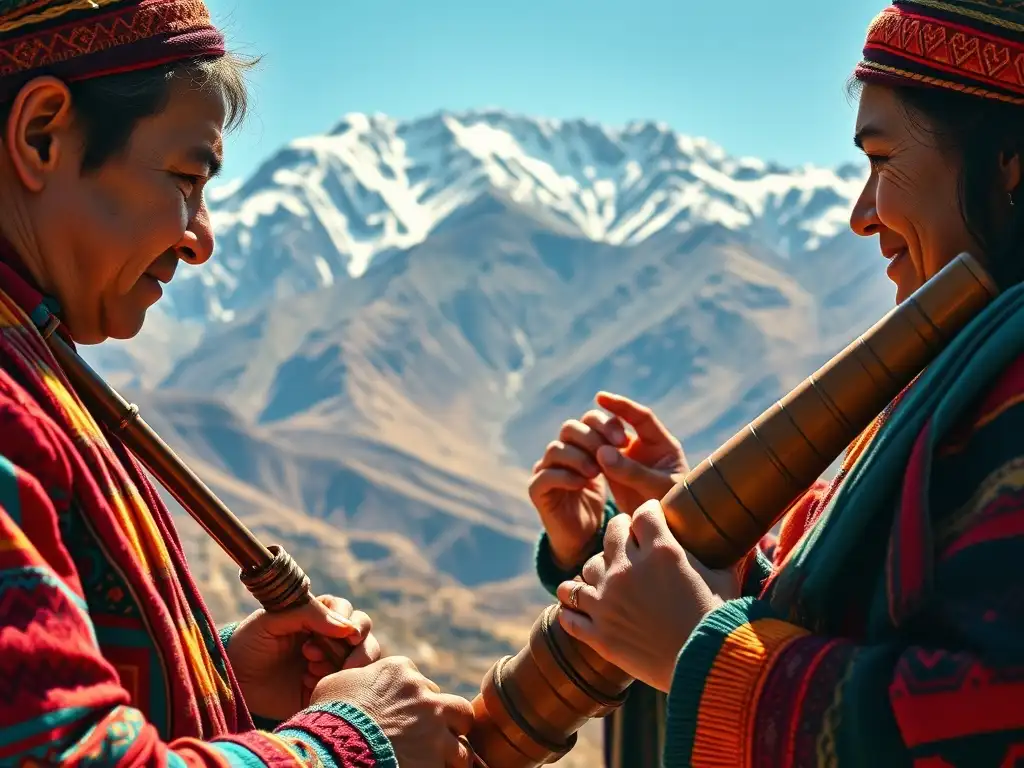
Step into a world lost to time, yet echoing with vibrant melodies. Dive into the fascinating realm of Andean Civilizations, where empires rose and fell, leaving behind a legacy as rich and complex as the Andes themselves. But what secrets do the haunting sounds of Inca music history and instruments hold? Uncover the mysteries of their musical heritage and discover how these ancient rhythms continue to resonate today. Prepare to be captivated by the echoes of an empire...
The Inca Empire, a civilization that flourished in the Andes Mountains from roughly 1438 to 1533 CE, left behind a remarkable legacy encompassing sophisticated engineering, intricate textiles, and a rich oral tradition. While much of their written history was destroyed during the Spanish conquest, fragments of their culture, including their vibrant musical traditions, have survived, offering a captivating glimpse into the heart of this powerful Andean empire.
This article delves into the fascinating world of Inca music, exploring their instruments, musical forms, and the enduring impact of their musical heritage on subsequent Andean cultures. We will uncover the history of Inca music, investigating the roles music played in their daily lives, religious ceremonies, and social structures.
Understanding Inca music provides crucial insight into their societal values, beliefs, and the overall complexity of their civilization, revealing how music served as a powerful force in shaping their identity and worldview. Prepare to journey through time and listen to the echoes of an empire, as we explore the fascinating history of Inca music and instruments.
Introduction to Inca Music and Culture
Inca music wasn't simply entertainment; it was deeply interwoven into the fabric of their society. Music played a vital role in religious rituals, agricultural cycles, and social gatherings. Their worldview, deeply connected to the natural world and their powerful deities, profoundly influenced the types of instruments they created and the music they produced. Unlike many other civilizations, the Incas lacked a written musical notation system.
Our understanding of their music comes primarily from archaeological findings, colonial-era chronicles (often biased), and the surviving musical traditions of Andean communities that retain echoes of Inca practices. These sources, while fragmented, provide valuable clues to reconstructing a picture of their musical landscape. The sounds of the Andes, even today, resonate with the musical heritage of the Inca.
The Inca Empire was remarkably diverse, encompassing various ethnic groups with their own unique musical traditions. While a standardized "Inca style" might not have existed in the way we understand musical genres today, there was undoubtedly a degree of cultural unification through musical practices, particularly those associated with state rituals and imperial celebrations. The use of specific instruments and musical forms could have served as a symbol of imperial power and cultural unity across the vast empire. This process of cultural exchange and adaptation led to a rich and varied musical landscape within the Inca Empire.
Inca Musical Instruments: A Diverse Collection
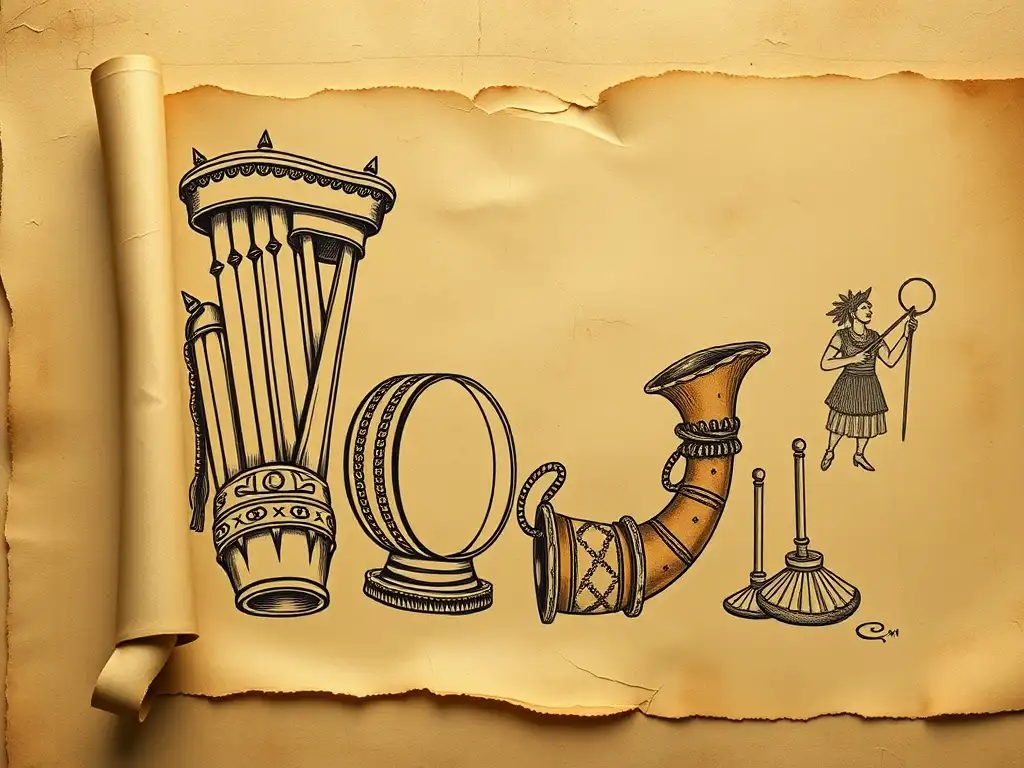
The Incas crafted a variety of instruments, each with its distinct role and sound. Archaeological excavations have unearthed numerous examples, providing tangible evidence of their musical ingenuity. These instruments were not merely functional; they were often intricately designed and decorated, reflecting the importance of music within Inca society. The materials used ranged from wood and reeds to animal hides and shells, demonstrating their resourcefulness and artistic skill.
Let's explore some key examples:
- The pututu: A long, shell trumpet, often used in ceremonial contexts and to signal important events across vast distances. Its deep, resonant sound carried for miles, echoing through the Andean landscape.
- The antara: A panpipe made of several differently sized pipes bound together, producing a melodic and harmonious sound. Different sizes and arrangements of antaras could create a variety of musical textures.
- The tarka: A vertical flute, often made from wood or bone, its simpler design contrasted with the complexity of the antara.
- Drums: Various types of drums, made from animal hides stretched over wooden frames, were used to provide rhythmic accompaniment to dances and ceremonies. Their size and materials varied, influencing the pitch and tone.
- Stringed Instruments: While less common than wind and percussion instruments, evidence suggests the Incas also employed stringed instruments, though the exact details remain somewhat obscure.
The Role of Music in Inca Society: Ritual and Daily Life
Music permeated every aspect of Inca life, from daily activities to grand ceremonies. Agricultural cycles were often marked by musical performances, celebrating the planting and harvesting of crops. Religious rituals, central to Inca belief, relied heavily on music to communicate with their deities and ancestors. Processions, festivals, and celebrations all involved music and dance, creating a vibrant and dynamic social environment.
The use of music in royal ceremonies reinforced the power and authority of the Inca rulers. Special musical ensembles, possibly composed of professional musicians, may have performed in the court, further emphasizing the emperor's sacred status. Music served not only as entertainment but also as a powerful tool for social control, religious indoctrination, and the maintenance of social order. The profound significance of music in Inca society is undeniable.
The Enduring Legacy of Inca Music
Despite the destruction caused by the Spanish conquest, the musical traditions of the Inca Empire left an enduring legacy on Andean cultures. Many instruments and musical styles found in modern Andean music can trace their roots back to Inca times. The antara, for instance, remains a popular instrument, its melodies echoing the sounds of a bygone era.
The vibrant musical traditions of the Andes are a testament to the resilience and creativity of the Andean peoples and their ability to preserve and adapt their cultural heritage. The echoes of the Inca Empire's musical legacy continue to resonate throughout the Andes, a powerful reminder of the civilization's enduring influence.
- Introduction to Inca Music and Culture
- Inca Musical Instruments: A Diverse Collection
- The Role of Music in Inca Society: Ritual and Daily Life
- The Enduring Legacy of Inca Music
A Glimpse into the Soundscape of the Inca Empire
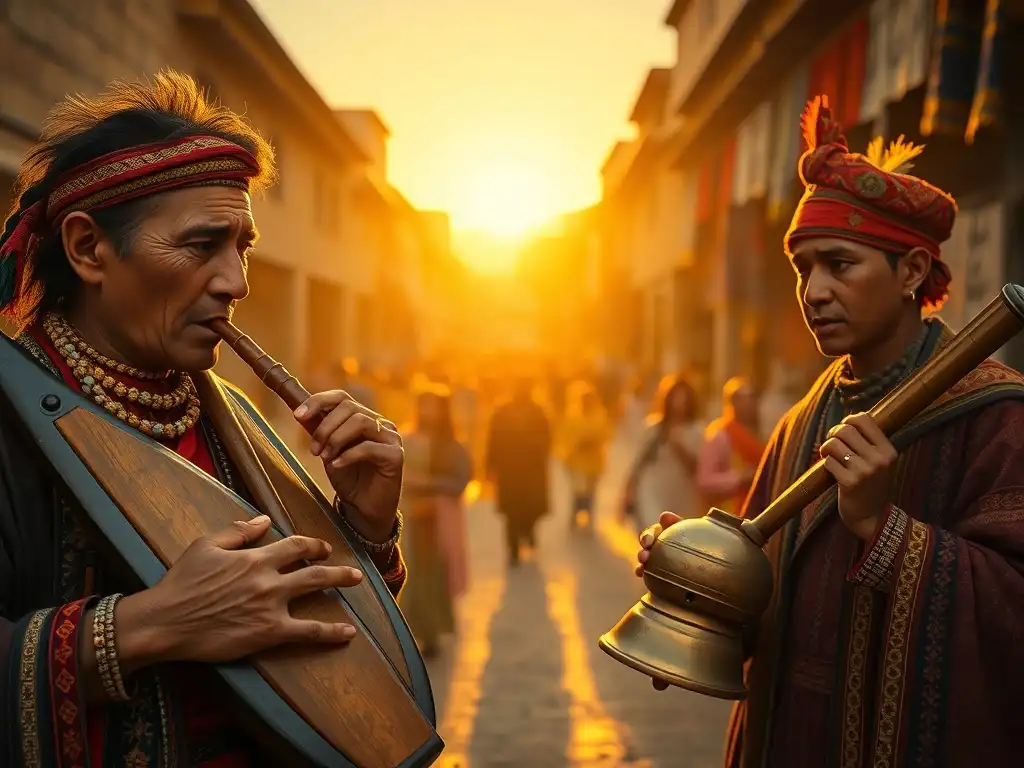
The Inca Empire, a civilization renowned for its architectural marvels and sophisticated social structures, also possessed a vibrant and rich musical tradition. While written musical notation didn't exist in the Inca world, archaeological evidence, colonial chronicles, and ethnomusicological studies offer intriguing glimpses into their soundscape. Understanding Inca music requires moving beyond the limitations of surviving documentation and embracing a multi-faceted approach, combining material artifacts with accounts from Spanish conquistadors and contemporary Andean musical practices that may retain echoes of Inca traditions.
The challenge lies in discerning what aspects of current Andean music genuinely reflect the pre-Columbian Inca heritage and what has been influenced by later cultural developments. This section explores the available evidence to paint a picture of Inca music, its instruments, and its role within Inca society. The keyword, "Inca music history and instruments," is central to our exploration.
The Significance of Music in Inca Society
Music played a crucial role in Inca society, permeating nearly every aspect of daily life, from religious ceremonies and agricultural rituals to celebrations and even warfare. It wasn't merely entertainment; it was deeply intertwined with their worldview, serving as a powerful tool for social cohesion, religious expression, and political control. Inca music was believed to possess spiritual power, capable of influencing the natural world and communicating with deities.
Archaeological excavations have unearthed numerous instruments, suggesting a sophisticated musical culture. For instance, the discovery of panpipes in various Inca sites indicates their widespread use, possibly signifying their importance in both religious and secular contexts. Furthermore, chroniclers' accounts describe elaborate musical performances during festivals and state ceremonies, highlighting the prominence of music in Inca public life.
The sounds of Inca music were not just heard; they were felt, impacting the social fabric of the empire. The intricate relationship between music and the divine is a key aspect of understanding Inca music history and instruments.
Inca Musical Practices and Rituals
Inca musical practices were closely linked to their religious beliefs and agricultural cycles. Rituals often involved elaborate musical performances featuring various instruments played in unison or in carefully orchestrated sequences. These performances weren't simply random displays of sound; they were highly structured and symbolic, reflecting the hierarchical nature of Inca society and the importance of maintaining cosmic balance. Consider the Capac Apu, the mountain gods revered by the Incas.
Music likely played a significant role in appeasing these powerful deities and ensuring bountiful harvests. We can imagine the sounds of panpipes and drums echoing through the sacred mountain landscapes, creating an atmosphere of reverence and communion with the supernatural. Unfortunately, precise details about the specific melodies, rhythms, and musical structures employed in these rituals remain largely unknown. However, analyzing surviving instruments and drawing parallels with contemporary Andean musical traditions allows for some informed speculation about the potential complexity and sophistication of Inca musical practices.
The study of Inca music history and instruments is a continuous process of piecing together fragments of a rich, yet largely lost, cultural heritage. The use of instruments like the pututu (a shell trumpet) in ceremonies further emphasizes the symbolic power imbued in their music. The sounds of the empire, though largely silent now, continue to resonate in the ongoing research and interpretations of Inca music history and instruments.
Inca Musical Instruments: A Symphony of Sounds
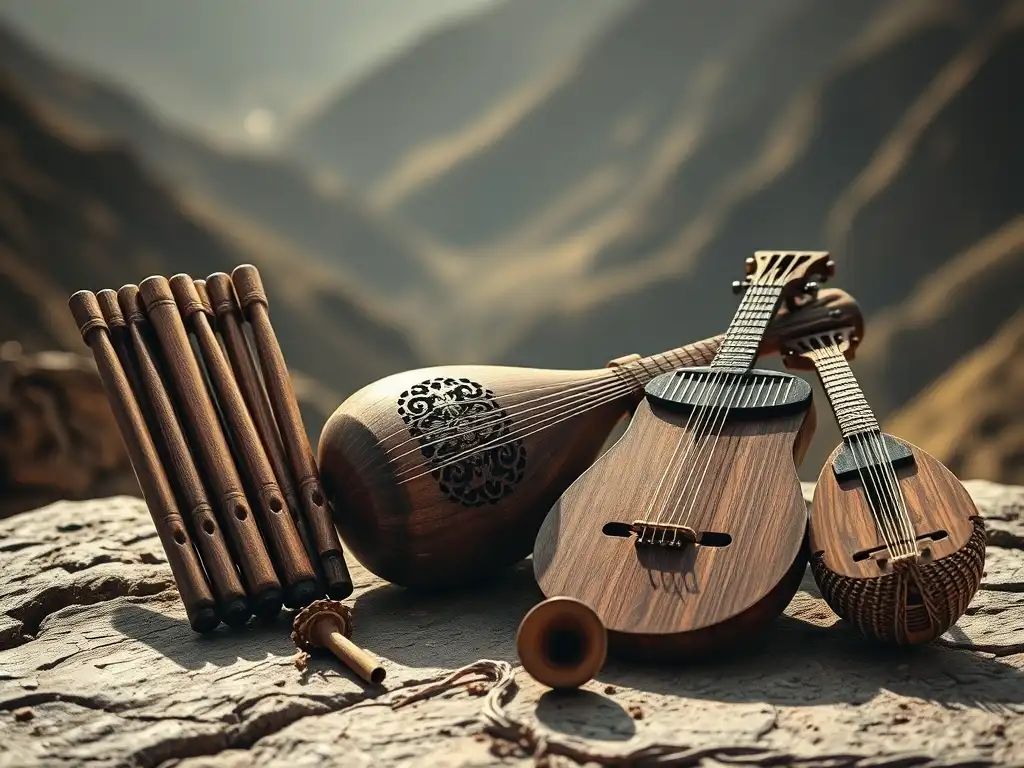
The Inca Empire, renowned for its sophisticated engineering, intricate textiles, and complex social structures, also possessed a vibrant musical tradition. While much of our understanding is pieced together from archaeological findings and accounts from Spanish chroniclers (often biased and incomplete), a fascinating picture of Inca music emerges, revealing a rich tapestry of sounds shaped by the Andean landscape and cosmology. The instruments themselves, crafted from natural materials readily available in their environment, played a vital role in religious ceremonies, agricultural rituals, and everyday life, reflecting the profound connection the Inca held with their environment and spiritual beliefs.
Understanding Inca music history and instruments allows us to connect with the soul of this ancient civilization, appreciating the ingenuity and artistry reflected in their musical creations. The absence of certain instrument types, like stringed instruments, is as significant as the presence of others, highlighting the unique path of Inca musical development.
Wind Instruments of the Inca: Quenas, Antaras, and Pinkillos
The wind instruments held a prominent place in Inca music. Among the most well-known are the quena, antara, and pinkillo. The quena, a simple transverse flute, is arguably the most iconic Inca instrument. Typically made from cane or wood, its haunting melodies evoke the vastness of the Andean highlands. Archaeological evidence suggests quenas were often played in pairs or ensembles, creating rich harmonic textures. Their construction varied slightly across different regions, reflecting regional stylistic differences in Inca music history.
The antara is a panpipe, consisting of a set of individually tuned pipes bound together. The number of pipes varied, resulting in instruments capable of producing a wider or narrower range of notes. The antara’s ability to produce complex harmonies made it particularly suitable for ceremonial music. Masterful antara players could evoke a range of emotions, from joyful celebration to solemn reverence. Intricate carvings and decorations on some antaras suggest their importance as both musical and ceremonial objects.
Finally, the pinkillo is a type of vertical flute, similar to a recorder. Its smaller size and gentler tone distinguished it from the quena. While less prevalent than the quena and antara, the pinkillo added a delicate and nuanced timbre to the overall musical landscape. Analysis of surviving examples shows a diversity of materials and designs, showcasing the adaptability and resourcefulness of Inca artisans. The combined sound of these instruments created a captivating soundscape, integral to Inca religious practices and social life.
Percussion Instruments in Inca Music: Tinya, Wankar, and Chajchas
Percussion instruments provided the rhythmic backbone of Inca music. The tinya, a small hand drum, played a significant role in various ceremonies and dances. Its simple design, often made from animal skin stretched over a wooden frame, allowed for a wide range of rhythmic patterns. The tinya’s portable nature made it suitable for both intimate gatherings and large-scale public performances. The sound of the tinya is described by some historians as having a deep, resonant quality, adding a sense of gravitas to the music.
The wankar, a larger drum, was used in more ceremonial contexts, often accompanying processions or important rituals. Its larger size produced a deeper, more powerful sound than the tinya, capable of resonating across larger spaces. The construction of the wankar involved more specialized craftsmanship, suggesting its elevated status within Inca society. Information on the specific materials and construction techniques used for wankars is limited, highlighting a need for further research in this area.
Smaller percussion instruments, such as the chajchas, were also employed. These small rattles, often made from gourds filled with seeds or small stones, provided a percussive counterpoint to the drums and wind instruments. Their light, tinkling sound added a layer of texture and ornamentation to the music, creating a dynamic and layered soundscape. The use of chajchas and similar instruments is evidenced in numerous archaeological finds, which reveals their widespread use across different Inca regions.
Stringed Instruments of the Incas: Absence of Stringed Instruments
Unlike many other ancient civilizations, there's no conclusive archaeological evidence to support the widespread use of stringed instruments in Inca music. This absence is intriguing and prompts speculation about the reasons behind it. It's possible that the challenging Andean terrain, which presented limitations to the readily available materials necessary for stringed instrument construction, played a role.
Alternatively, the focus on wind and percussion instruments might reflect a preference for certain sonic qualities or a deeper connection to the sounds of nature prevalent in their environment. Further research and analysis are needed to determine the precise reasons for this notable absence in Inca music history and instruments. The lack of stringed instruments underscores the unique and distinct character of Inca music, setting it apart from many other musical traditions of the time.
This absence, however, doesn't diminish the richness and complexity of their musical heritage. The absence serves as a reminder that musical traditions are shaped by a complex interplay of environmental, cultural, and social factors.
The Role of Music in Inca Ceremonies and Daily Life
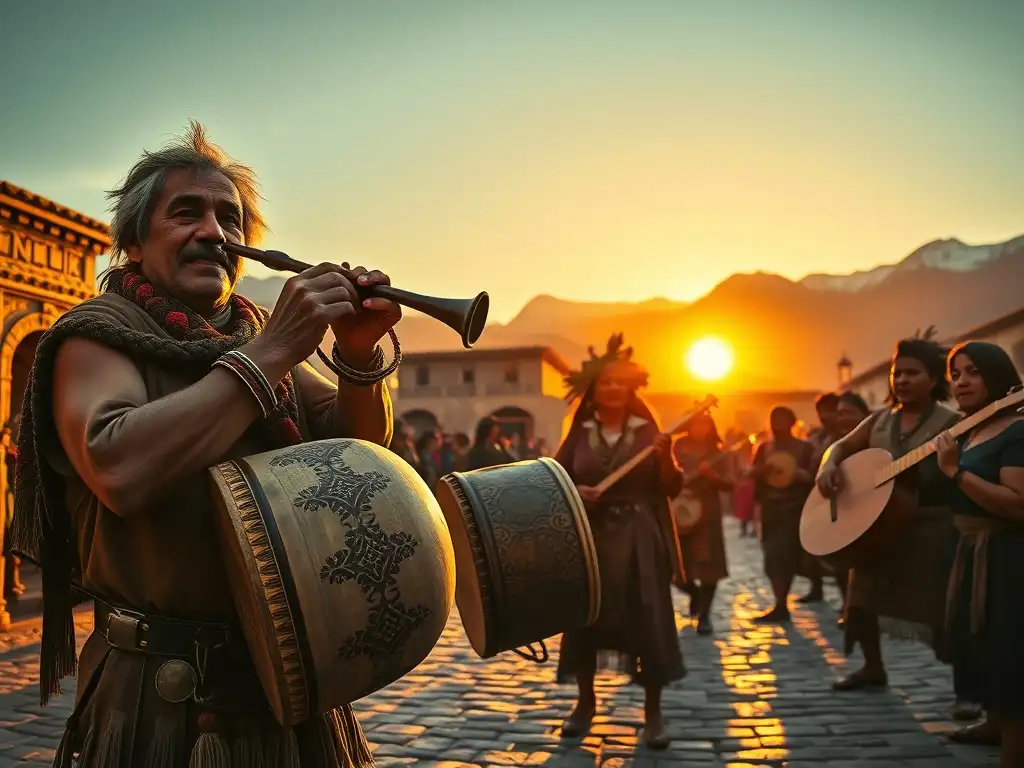
Music wasn't merely entertainment for the Inca; it was deeply interwoven into the fabric of their society, permeating both religious ceremonies and daily life. Its significance extended far beyond simple auditory pleasure; it served as a powerful tool for communication, social control, and maintaining cosmic balance. The Inca worldview, deeply connected to nature and the spiritual realm, found expression through the intricate melodies and rhythms produced by their diverse instruments. Understanding the role of music in Inca society provides crucial insight into their complex belief system and social structure. The pervasive nature of music in Inca culture highlights its importance as a fundamental aspect of their civilization, reflecting their beliefs, values, and social dynamics. This section will explore the various contexts in which Inca music played a vital role, shedding light on its multifaceted functions. The study of Inca music history and instruments reveals a rich and sophisticated musical tradition.
Inca Music in Religious Festivals and Celebrations
Religious festivals and celebrations formed the cornerstone of Inca life, and music played an indispensable role in these events. These weren't merely spectacles; they were vital rituals designed to appease the gods, ensure bountiful harvests, and maintain the cosmic order. Elaborate processions featuring musicians and dancers accompanied by the sounds of panpipes, drums, and conch shells created a powerful and awe-inspiring atmosphere.
Specific musical pieces, likely passed down through generations, were associated with particular deities and ceremonies. For instance, the Capac Apu, the mountain gods, were often honored with solemn and majestic melodies played on large, resonant instruments. The vibrant energy of harvest festivals, on the other hand, was reflected in lively, upbeat rhythms played on smaller, more portable instruments.
The precise melodies and rhythms associated with specific deities and events are unfortunately largely lost to time, but archaeological evidence and surviving accounts from Spanish chroniclers offer glimpses into this rich musical tradition. The intricate relationship between Inca music, religion, and the natural world is a testament to the profound spiritual significance of their musical practices. Further research into Inca music history and instruments could potentially reveal even more detailed information about these crucial religious ceremonies.
Music and Dance in Inca Agricultural Practices
Inca society was heavily reliant on agriculture, and music played a significant role in agricultural practices, extending beyond mere entertainment. Music was integrated into the planting and harvesting cycles, serving as a means of communal cooperation and expressing gratitude to the earth and its bounty. Work songs, often sung in unison by groups of laborers, provided a rhythmic accompaniment to tasks such as plowing fields and sowing seeds.
These songs not only helped maintain a steady pace but also boosted morale and fostered a sense of community among the workers. The rhythmic nature of these songs likely mirrored the cyclical nature of agriculture, reflecting the Inca's deep understanding of the natural world and their dependence on its resources. Specific instruments, perhaps smaller and more easily portable than those used in religious ceremonies, were likely employed in these agricultural contexts.
While the exact details of these musical accompaniments remain somewhat elusive, their importance in Inca agricultural practices is undeniable. More research into Inca music history and instruments utilized in agricultural settings is needed to fully grasp their significance.
The Inca social hierarchy profoundly influenced musical performance and access to instruments. Elite musicians, often trained from a young age, held prestigious positions within the royal court and served as important figures in religious ceremonies and royal entertainment. These musicians were highly skilled and had access to the finest instruments, often crafted from precious materials.
The type of instrument played, the style of music performed, and the context of the performance all reflected social status. Commoners might participate in communal music-making, but their performances were typically less elaborate and involved simpler instruments. This hierarchical structure within Inca musical practices mirrored the broader social stratification of Inca society.
The availability and quality of instruments, the level of musical training, and the opportunity to perform in prestigious settings all contributed to the complex relationship between music and social hierarchy in Inca society. Further investigation into Inca music history and instruments used by different social classes is crucial for a more complete understanding of this dynamic.
The Evolution of Inca Musical Styles and Forms
The Inca Empire, while renowned for its architectural marvels and sophisticated social structures, also possessed a vibrant musical tradition. Understanding Inca music requires looking beyond the surviving artifacts and considering the complex evolution of musical styles and forms across different regions and time periods. While precise details are scarce due to the limitations of written records, archaeological evidence and ethnomusicological studies provide valuable insights into the development and diversity of Inca music.
The study of Inca music history and instruments helps us understand the complexity of their culture. This section will explore the key influences and characteristics that shaped Inca musical expression.
Pre-Inca Musical Influences on Inca Sound
The Inca musical landscape wasn't born in isolation. Pre-Inca cultures, inhabiting the Andean region for millennia, laid the groundwork for the musical styles that flourished under Inca rule. Evidence suggests a continuity of musical traditions, with the Incas likely incorporating and adapting pre-existing musical elements into their own repertoire.
For example, the use of panpipes, a ubiquitous instrument across various Andean cultures, continued and even flourished under Inca rule, albeit with potential stylistic modifications. The pentatonic scales, characteristic of much Andean music, were likely already established before the Inca expansion, suggesting a deep-rooted tradition. Further research is needed to fully understand the precise nature of these pre-Inca influences and the extent to which they were integrated into Inca musical practices.
The diversity of pre-Inca musical traditions contributed to the richness of Inca music history and instruments. This cultural fusion is a testament to the dynamic nature of musical development within the Andes.
Characteristics of Inca Musical Forms: Pentatonic Scales and Repetitive Rhythms
Inca music, from what we can reconstruct, was characterized by several distinctive features. The most notable is the prominent use of pentatonic scales – musical scales with five notes per octave, as opposed to the more common seven-note diatonic scales found in Western music. This pentatonic structure lends a unique melodic quality, often described as haunting and evocative. This is a critical aspect of Inca music history and instruments.
Another key characteristic was the prevalence of repetitive rhythmic patterns. These repetitive rhythms, often simple but effective, provided a strong structural foundation for their musical compositions. This rhythmic simplicity, however, shouldn't be mistaken for a lack of complexity. The subtle variations within these repetitive patterns, the interplay between different instruments, and the incorporation of vocal elements all contributed to a rich and layered musical texture.
Think of it as a musical tapestry woven from simple threads, yet displaying breathtaking intricacy. Unfortunately, the precise nature of these rhythmic patterns remains partially unknown, hindering a complete understanding of Inca musical complexity. Further research utilizing archaeological findings and comparative analysis with surviving Andean traditions is crucial to uncover this missing piece of Inca music history and instruments.
The Legacy of Inca Music in Andean Traditions
The Inca Empire's collapse didn't silence its musical legacy. Inca musical forms and instruments continued to influence the musical traditions of the Andean region for centuries after the Spanish conquest. Many of the instruments used during the Inca period, such as the antara (panpipes) and pututu (a shell trumpet), remain integral parts of Andean music today.
While the specific musical forms might have evolved and adapted over time, the underlying principles and stylistic elements – the pentatonic scales, the repetitive rhythms, the use of traditional instruments – all echo the rich musical heritage of the Inca Empire. The enduring presence of these elements in contemporary Andean music underscores the powerful and lasting legacy of Inca musical traditions.
The study of Inca music history and instruments allows us to trace a continuous thread connecting past and present, revealing the resilience and adaptability of Andean musical culture. The influence continues to this day, shaping the soundscape of the Andes and enriching the world's musical tapestry.
Preserving Inca Musical Heritage
The preservation of Inca musical heritage presents a unique set of challenges. Unlike written musical scores, our understanding of Inca music relies heavily on archaeological findings, ethnomusicological studies of surviving Andean traditions, and interpretations of colonial-era chronicles. These sources offer fragmented glimpses into a rich and complex musical landscape, requiring careful analysis and synthesis to reconstruct a comprehensive picture. The lack of a standardized notation system further complicates the process, forcing researchers to rely on descriptions of instruments and musical styles, often translated through multiple cultural lenses.
This makes accurately recreating Inca music a complex, multi-faceted endeavor. The effort, however, is crucial for understanding not just the music itself, but the broader cultural context within which it existed. This includes social structures, religious beliefs, and daily life within the Inca Empire.
Careful study of surviving artifacts, like ceramic vessels depicting musical scenes or the actual instruments themselves, provides invaluable clues. However, even these tangible objects often require careful contextualization within their archaeological context to avoid misinterpretations. For example, a particular type of flute might have held different significance in different regions of the empire, or at different times throughout its history.
Modern Interpretations of Inca Musical Instruments
Modern artisans and musicians play a vital role in keeping Inca musical traditions alive. They meticulously recreate instruments based on archaeological evidence, often experimenting with different materials and techniques to achieve authentic sounds. These recreations are not merely copies; they are informed interpretations, reflecting modern understandings of the original instruments' function and sound.
Consider, for example, the pututu, a long shell trumpet. Modern interpretations often incorporate detailed research into the types of shells used, the techniques employed in carving and shaping the instrument, and even the specific embouchure techniques required to produce the desired sounds. Similarly, the antara, a panpipe instrument, requires careful consideration of the number and length of the pipes to achieve accurate pitch and intonation.
These modern recreations are not simply museum pieces; they are actively used in performances, allowing audiences to experience the sounds of Inca music in a way that's both historically informed and artistically engaging. This process of recreation and performance fosters a deeper understanding and appreciation of the Inca musical legacy, bridging the gap between the ancient past and the present day. The careful study and reproduction of these instruments are vital to the preservation of Inca musical heritage, passing on not only the sounds but also the knowledge and techniques associated with their creation and performance.
Challenges in Reconstructing Ancient Inca Music
Reconstructing ancient Inca music faces significant hurdles. The ephemeral nature of sound means that direct recordings are impossible. While archaeological discoveries offer clues, they are often incomplete and require careful interpretation.
For instance, finding a broken tarka (a type of Andean flute) provides information about its construction, but not the melodies it played. Moreover, the limited number of surviving instruments and the lack of written musical notation necessitate relying on indirect evidence, such as iconography and ethnomusicological studies of later Andean musical traditions. These traditions, while sharing some commonalities with Inca music, also reflect centuries of cultural evolution and external influences.
Distinguishing authentic Inca elements from later developments is a complex scholarly task, requiring rigorous analysis and careful consideration of various factors, including stylistic similarities, geographical distribution, and historical context. The task of reconstructing Inca music is, therefore, a continuous process of research, interpretation, and creative reconstruction, with significant challenges remaining. The lack of comprehensive sources necessitates a multidisciplinary approach, combining archaeology, musicology, anthropology, and other relevant fields.
The Importance of Inca Musical Heritage for Andean Identity
Inca musical heritage plays a crucial role in shaping modern Andean identity. The sounds of ancient instruments, even in their modern interpretations, evoke a sense of connection to a rich and complex past. This connection transcends mere historical curiosity; it's a vital element of cultural continuity, contributing to a collective sense of belonging and shared heritage.
The continued performance and study of Inca music strengthens cultural pride and fosters a deeper appreciation for the diverse musical traditions of the Andes. This is not simply a matter of preserving historical artifacts; it's about preserving a living cultural legacy that continues to inspire and inform contemporary Andean musicians and communities.
The preservation and promotion of Inca music contribute significantly to the ongoing efforts to revitalize and celebrate Andean cultures, strengthening community bonds and fostering a sense of collective identity within the region. The echoes of Inca music resonate powerfully in the contemporary Andean world, enriching cultural expression and affirming a vibrant cultural heritage.
Frequently Asked Questions
What types of instruments did the Incas use?
The Incas utilized a variety of instruments, including the pututu (a shell trumpet), antara (panpipes), and tarka (a type of flute). They also used percussion instruments like drums and rattles, creating diverse musical textures.
What was the purpose of Inca music?
Inca music served many purposes, including religious ceremonies, celebrations, and storytelling. It was an integral part of their daily life and social structure.
How did Inca music reflect their culture?
Inca music reflected their complex social hierarchy and spiritual beliefs. The style and context of the music varied depending on the occasion and social standing of the performers.
Did the Incas have musical notation?
No, the Incas did not have a written system of musical notation. Our understanding of their music comes from archaeological findings and ethnomusicological studies of related cultures.
What is the lasting impact of Inca music?
While much is lost, the legacy of Inca music lives on through surviving instruments, ethnomusicological research, and its influence on modern Andean music. The spirit of their musical traditions continues to inspire.
Final Reflection: The Enduring Resonance of Inca Music
The echoes of Inca music, once confined to the Andes, now resonate globally, a testament to the enduring power of cultural heritage. The intricate instruments, the captivating melodies, and the profound spiritual significance of Inca music continue to captivate and inspire, reminding us of the rich tapestry of human expression across time and cultures. This legacy challenges us to appreciate the diverse musical traditions of the world and to recognize the importance of preserving them for future generations.
The impact of Inca music extends far beyond the historical record; it continues to shape contemporary Andean music and influences musical styles worldwide. The vibrant rhythms and unique instrumentation have found their way into modern compositions, demonstrating the enduring power of cultural exchange and adaptation. As the renowned ethnomusicologist, Robert Stevenson, once stated, Music is not merely sound; it is the very heartbeat of a culture, reflecting its values, beliefs, and aspirations.
This rings profoundly true when considering the enduring influence of Inca musical traditions.
Consider the legacy of the Inca Empire, its intricate social structures, and its sophisticated artistic achievements. Now, consider the music. You, the reader, are now part of this ongoing conversation. Take a moment to listen to the sounds of the panpipes, the yaraví, or the pututu. Let the music transport you to the heart of the Andes, and reflect on the power of music to connect us across time and space. Let the echoes of the Inca Empire inspire you to explore and celebrate the diverse musical heritage of our world.
Unveil the Rhythm of the Incas!
Thank you for exploring the rich musical heritage of the Incas! We hope you've found the sounds and stories inspiring. Now, let's turn that curiosity into a deeper exploration!
Here are some ways to further engage with the vibrant world of Andean music and culture:
- Discover traditional Inca music: Search online for recordings and performances that bring this ancient music to life. Experience the rhythms that once united a civilization.
- Attend a local cultural event: Find festivals or workshops celebrating Andean music and dance. Immerse yourself in the experience and connect with fellow enthusiasts.
- Share your knowledge: Discuss your discoveries with friends on social media or in your community to spark interest in the Andean legacy.
What aspect of Incan music most resonates with you, and how do you believe it influences contemporary Andean culture?