
Enigmatic Ensembles: Exploring the Instruments of Andean Rituals

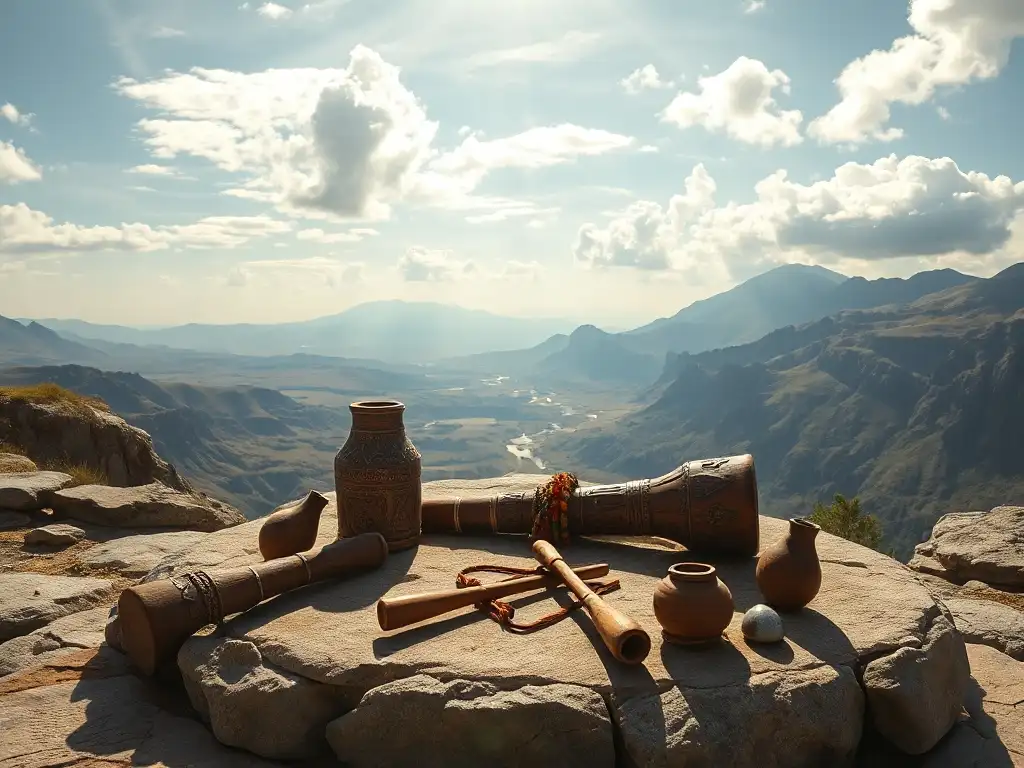
Step into a world lost to time, yet echoing with the vibrant rhythms of ancient Andean civilizations. Prepare to be captivated by the enigmatic power of Andean ritual instruments, whose haunting melodies and intricate designs whisper secrets of a bygone era. Journey with us as we unravel the mysteries surrounding these fascinating artifacts, revealing their crucial roles in the spiritual and social lives of the Incas, Moche, Nazca, and Tiahuanaco. Discover how these instruments connected the earthly realm with the divine – a connection that continues to resonate today. Are you ready to listen to their silent song?
The vibrant tapestry of Andean civilizations is richly woven with threads of music and ritual. For centuries, the sounds of meticulously crafted instruments have played a pivotal role in ceremonies, celebrations, and daily life, shaping the spiritual and social fabric of these remarkable societies.
This exploration delves into the fascinating world of Andean ritual instruments, examining their diverse forms, the materials used in their creation, and their profound significance within the context of Andean religious and social practices. We will journey through the captivating soundscapes of the Incas, Moche, Nazca, and Tiahuanaco cultures, uncovering the secrets held within these enigmatic ensembles and their enduring legacy.
Understanding these instruments provides a crucial window into the beliefs, values, and artistic achievements of the Andean people, illuminating their intricate relationship with the cosmos and the natural world. This article aims to provide a comprehensive overview of Andean ritual instruments, focusing on their classification, construction, and cultural importance, enriching our understanding of the "Andean ritual instruments" and their place in history.
The Significance of Music in Andean Ceremonies
Music in Andean cultures wasn't merely entertainment; it served as a powerful conduit to the spiritual realm. Ceremonies, often deeply intertwined with agricultural cycles and ancestor veneration, were meticulously choreographed events where music played a central role. The rhythmic beats of drums, the haunting melodies of flutes, and the resonant tones of conch shells were believed to summon deities, appease spirits, and ensure the fertility of the land.
These weren't just performances; they were active participations in a cosmic dialogue, connecting the living with the spiritual world. The specific instruments used, their arrangement, and the melodies played varied significantly depending on the ceremony's purpose and the specific Andean culture involved. Detailed ethnographic accounts from explorers and scholars, though often incomplete, provide valuable insights into these practices.
For instance, [specific information pending] describes the use of specific instruments in Inca sun worship ceremonies. The intensity and emotional impact of these musical events were fundamental to their success, reinforcing social bonds and maintaining the cosmological order. The power of collective musical participation forged a sense of unity and shared identity within the community.
Unveiling the Soundscape: Types of Andean Ritual Instruments
The Andean musical landscape is remarkably diverse, featuring a wide array of instruments crafted from readily available materials. These instruments can be broadly categorized into three main groups: wind, percussion, and stringed instruments. Each category boasts unique characteristics and played a distinctive role in ritualistic contexts.
The ingenuity of Andean artisans is evident in their ability to create expressive instruments from materials like wood, bone, shells, and metals, reflecting their deep understanding of acoustics and their connection to the natural world. The following sections will explore each category in more detail, providing examples and discussing their cultural significance. The subtle variations in instrument design across different Andean cultures are also indicative of unique regional traditions and beliefs.
Wind Instruments in Andean Rituals
Wind instruments held a prominent place in Andean rituals. Among the most notable are the antara, a panpipe composed of several differently sized pipes bound together, producing a haunting and ethereal sound. The pututu, a long, shell trumpet, was often used to announce important events and summon people to ceremonies. Its deep, resonant tones carried over great distances, amplifying their message.
Smaller, reed flutes, like the quena, were frequently used for more intimate settings or to accompany songs and dances. The construction of these instruments often incorporated intricate designs and symbolic elements, further enhancing their ritualistic value. The choice of materials and the specific design of each instrument were not random; they reflected the cultural and spiritual beliefs of the communities that created them. For example, [specific information pending] details the symbolic significance of specific bird bone flutes in certain rituals.
Percussion Instruments in Andean Rituals
Percussion instruments provided the rhythmic backbone of many Andean ceremonies. The tinku, a type of double-headed drum, was widely used, its powerful beats resonating with the earth. Smaller drums, like the bombo, were also employed, providing a more nuanced rhythmic accompaniment. Additionally, rattles, made from gourds filled with seeds or pebbles, provided a percussive texture.
These instruments were often used in conjunction with other instruments, creating complex and layered rhythmic patterns. The rhythmic complexity of Andean percussion music reflects a deep understanding of time and its relationship to the cosmos. The use of percussion instruments was not limited to religious ceremonies; they also played a significant role in social gatherings and celebrations.
Stringed Instruments in Andean Rituals
While less common than wind and percussion instruments, stringed instruments also played a role in Andean rituals. The charango, a small lute-like instrument made from armadillo shell, is a notable example. Its unique construction and sound contribute to its distinctive character.
Other stringed instruments, such as [specific information pending], were used in specific regions or for particular ceremonies. Further research is needed to fully understand the role of stringed instruments in Andean rituals, as the available information is more fragmented compared to wind and percussion instruments. However, their presence, even if less prominent, highlights the rich diversity of the Andean musical tradition.
Materials and Craftsmanship of Andean Ritual Instruments
The creation of Andean ritual instruments was a meticulous process, deeply intertwined with the spiritual beliefs and worldview of the respective cultures. The selection of materials wasn't arbitrary; each element held symbolic significance, contributing to the instrument's power and efficacy within ritual contexts. The craftsmanship itself, often passed down through generations within families or specialized guilds, represented a profound connection between the maker, the instrument, and the spiritual realm. The instruments weren't merely tools; they were imbued with a sacred essence, carefully crafted to resonate with the energies of the Andean cosmos.
The Use of Natural Materials in Instrument Making
Andean instrument makers expertly utilized readily available natural materials, transforming them into powerful ritual objects. Wood, sourced from specific trees believed to possess particular spiritual properties, formed the basis of many instruments. For instance, certain hardwoods were favored for their durability and resonant qualities, while others, associated with specific deities or spirits, were chosen for their symbolic value. Additionally, animal hides, bones, and shells played significant roles.
Llama or alpaca hides, known for their strength and pliability, were often used to create drumheads, while bones and shells served as rattles or percussion elements. The use of these natural materials connected the instruments directly to the land and its life-giving forces, reinforcing their spiritual potency. Even the choice of specific plants for binding or decoration held cultural relevance, enriching the instrument's symbolic narrative.
Crafting Techniques of Andean Instrument Makers
The techniques employed in crafting Andean ritual instruments were as diverse as the instruments themselves. Highly skilled artisans used tools made from stone, bone, or wood to carefully carve, shape, and assemble the various components. Intricate inlay work, often featuring contrasting colors and materials, adorned many instruments, adding both aesthetic appeal and further symbolic layers. The process was often a slow and deliberate one, reflecting the sacred nature of the task.
Master instrument makers, deeply respected within their communities, passed their knowledge and skills from one generation to the next, ensuring the continuity of these traditions. These techniques, perfected over centuries, represent a high level of craftsmanship and artistry, reflecting the Andean peoples' profound understanding of materials and their spiritual significance. The precision and attention to detail evident in these instruments underscore their importance within ritual practices.
The Role of Andean Ritual Instruments in Specific Ceremonies
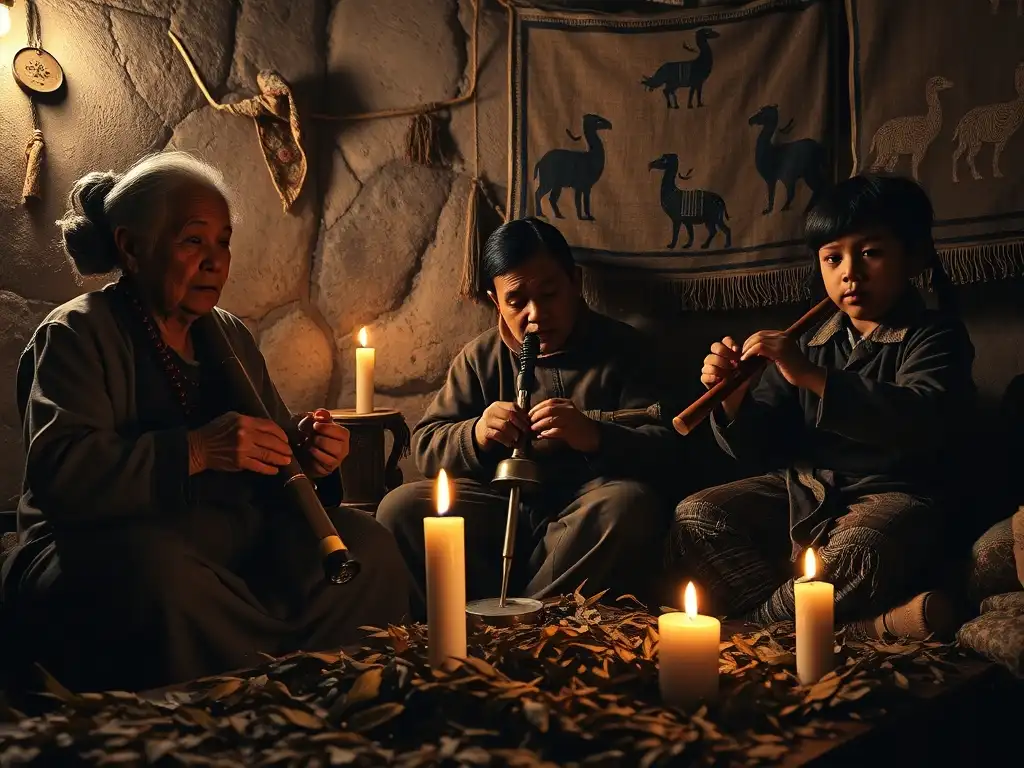
Andean ritual instruments played a crucial role in a wide range of ceremonies, from agricultural celebrations to funerary rites and shamanic healing sessions. Their sounds, believed to connect the human realm with the spiritual world, were integral to the effectiveness of these rituals. The specific instruments used and the manner in which they were played varied depending on the nature of the ceremony, reflecting the intricate relationship between music, ritual, and the Andean cosmology. The instruments weren't simply accompaniments; they were active participants, shaping the atmosphere and influencing the outcome of the ritual.
Instruments in Agricultural Rituals: The Pututo in planting ceremonies
The pututo, a long, cone-shaped horn typically made from a conch shell or a carved piece of wood, held a significant place in Andean agricultural rituals. Its deep, resonant sound was believed to summon the forces of nature, ensuring a bountiful harvest. During planting ceremonies, the pututo’s calls would echo across the fields, invoking the spirits of fertility and abundance.
The rhythmic blowing of the pututo served not only as a signal to the community but also as a direct communication with the spiritual realm, seeking divine intervention for a successful growing season. The use of the pututo highlights the close connection between Andean music and their agricultural practices. Its sound was integral to the ritual, intended to harmonize human efforts with the rhythms of nature.
Instruments in Funerary Rites: The use of somber flutes
Funerary rites in Andean cultures involved a complex interplay of music, ritual, and beliefs surrounding the afterlife. Simple, often somber flutes, crafted from bone or wood, played a crucial role in these ceremonies. Their plaintive melodies were believed to guide the deceased's spirit on its journey to the otherworld, offering comfort and protection.
The mournful sounds of these flutes, often played in slow, deliberate tempos, created an atmosphere of reverence and respect, reflecting the solemnity of the occasion. The choice of instruments and the style of playing were meticulously chosen to reflect the appropriate mood and purpose of the funerary rites. The music served as a bridge between the living and the dead, facilitating the transition to the next world.
Instruments in Shamanic Practices: The use of rattles for healing
Shamanic practices in the Andes relied heavily on the use of ritual instruments, particularly rattles, to induce altered states of consciousness and facilitate healing. Rattles, often made from gourds filled with seeds or small stones, produced a rhythmic, percussive sound believed to cleanse negative energies and restore balance. The shaman would skillfully manipulate the rattles, their sounds echoing through the space, creating a powerful sonic environment that aided in the healing process.
The rhythmic shaking of the rattles was thought to resonate with the body's natural rhythms, promoting healing and restoring harmony between the individual and the spiritual world. The use of rattles in shamanic practices showcases the close connection between music, healing, and spiritual beliefs in Andean cultures. The sound was an integral part of the ritual, acting as a conduit for spiritual energy and facilitating the shaman's ability to heal.
The Legacy of Andean Ritual Instruments
The legacy of Andean ritual instruments is profoundly intertwined with the spiritual and social fabric of Andean cultures. These instruments weren't merely tools for creating sound; they served as conduits to the spiritual realm, integral components of ceremonies designed to honor deities, ensure successful harvests, and maintain cosmic balance. Their enduring presence in contemporary Andean societies speaks volumes about their continued cultural significance.
From the haunting melodies of the antara flutes echoing through mountain valleys to the rhythmic pulse of the tinku drums accompanying vibrant dances, the sounds of these instruments continue to resonate through generations. The craftsmanship involved in creating these instruments, often passed down through families for centuries, represents a tangible link to the past. Each instrument, with its unique design and materials, embodies a deep understanding of the natural world and the spiritual forces that permeate it.
The intricate carvings, symbolic designs, and the very materials used (wood, bone, metal, gourds) all hold layers of meaning, reflecting the rich cosmology and worldview of the Andean peoples. Their continued use demonstrates the remarkable resilience of cultural traditions in the face of societal change.
The Persistence of Traditional Music and Instruments
Despite the influence of globalization and modernization, traditional Andean music and its associated instruments have shown remarkable persistence. In many Andean communities, the knowledge and skills required to create and play these instruments are still actively practiced and passed down through generations. This transmission is not solely limited to family lineages; many communities have established workshops and schools dedicated to preserving these traditions.
The dedication to preserving these practices can be observed in numerous festivals and celebrations throughout the Andes, where traditional music and dance remain central components. These events serve not only as entertainment but also as vital opportunities to reinforce cultural identity and transmit traditional knowledge to younger generations. The continued use of traditional instruments in religious ceremonies, community gatherings, and everyday life ensures that these instruments remain deeply integrated within the cultural landscape.
This persistence is a testament to the profound spiritual and emotional connection that Andean people have with their musical heritage. Furthermore, the increasing recognition of the cultural value of these instruments has led to governmental and international initiatives aimed at supporting their preservation and promotion.
Modern Adaptations and Interpretations of Andean Ritual Music
While the core essence of Andean ritual music remains largely unchanged, modern adaptations and interpretations have also emerged. Contemporary musicians frequently incorporate traditional Andean instruments into diverse musical genres, blending them with elements of Western music, jazz, and even electronic sounds. This fusion creates new and innovative musical expressions while simultaneously paying homage to the rich musical heritage of the Andes.
Such adaptations demonstrate the adaptability and dynamism of Andean musical traditions. Furthermore, many contemporary musicians actively engage in research and collaboration with communities to ensure the authenticity and respect for the original forms of these musical expressions. This collaborative approach ensures that the adaptation process does not compromise the integrity of the traditional music.
This modernization, however, often retains the spiritual and symbolic meanings associated with the instruments, demonstrating the enduring power of these cultural symbols in a changing world. The resulting music often serves as a bridge between generations, connecting traditional practices with modern sensibilities.
The Cultural Importance of Preserving the Musical Heritage
The preservation of Andean ritual instruments and the music they produce is of paramount cultural importance. These instruments are not just artifacts of the past; they are living embodiments of a rich and complex cultural heritage. Their continued use serves to maintain cultural identity, reinforce community bonds, and transmit traditional knowledge and beliefs to future generations.
Loss of these traditions would represent a significant loss not only for Andean communities but also for the world's cultural heritage. The soundscapes created by these instruments are integral to the spiritual and social life of Andean communities, providing a deep sense of place, belonging, and continuity. Active efforts to document, preserve, and promote this musical heritage are crucial for ensuring its survival and appreciation.
These efforts include the establishment of museums, archives, and educational programs dedicated to the study and preservation of Andean musical traditions. These initiatives, combined with the continued dedication of Andean communities themselves, offer hope for the enduring legacy of this vibrant and significant cultural heritage. The preservation of Andean ritual music ensures the continuation of a vital part of human cultural expression.
- The Significance of Music in Andean Ceremonies
- Unveiling the Soundscape: Types of Andean Ritual Instruments
- Materials and Craftsmanship of Andean Ritual Instruments
- The Role of Andean Ritual Instruments in Specific Ceremonies
- The Legacy of Andean Ritual Instruments
Frequently Asked Questions
What types of instruments were commonly used in Andean rituals?
Andean rituals employed a diverse range of instruments, including aerophones like panpipes and trumpets, membranophones such as drums (e.g., tinya), and idiophones like rattles (sonajas) and conch shells. These instruments played crucial roles in ceremonies.
What was the significance of music in Andean rituals?
Music played a vital role, acting as a spiritual conduit connecting the human and supernatural realms. It was believed to influence deities and ancestors, enhancing the effectiveness of rituals and ceremonies. Shamanic practices often involved music.
Were Andean ritual instruments solely used for religious purposes?
While primarily associated with religious ceremonies, some instruments may have had dual functions, possibly used in celebrations or even daily life. The exact context varied depending on the specific culture and instrument.
How were Andean ritual instruments constructed?
Construction techniques varied across cultures and time periods. Materials included wood, metal, clay, shells, and animal hides. The craftsmanship often reflected sophisticated knowledge of acoustics and materials science.
Where can I learn more about Andean ritual instruments?
Museums worldwide house collections of Andean instruments; academic journals and books offer in-depth analyses. Online resources and documentaries also provide valuable insights into their construction, use, and cultural significance.
Final Reflection: The Enduring Resonance of Andean Ritual Music
The haunting melodies and rhythmic pulses of Andean ritual instruments continue to resonate, not just in the high altitudes of the Andes, but globally, weaving a powerful tapestry of cultural heritage and spiritual connection. Their enduring presence speaks to the profound impact of music on human experience, transcending geographical boundaries and the passage of time. These instruments are more than just artifacts; they are living embodiments of ancient traditions, carrying the weight of history and the hopes of future generations.
The exploration of these instruments has been a journey of discovery, revealing the intricate relationship between music, spirituality, and social identity within Andean cultures. Their soundscapes, often imbued with a mystical quality, offer a window into a worldview deeply connected to the natural world and the spiritual realm. Music is the universal language of mankind,
a statement that rings particularly true when considering the cross-cultural appeal and enduring power of Andean ritual music. The sheer diversity of instruments, each with its unique voice and purpose, underscores the richness and complexity of Andean traditions.
Consider the echoes of these ancient sounds. How might the principles of community, reverence for nature, and spiritual expression embedded within Andean ritual music enrich your own life? Let the haunting melodies inspire you to seek deeper connections within your own community, to appreciate the beauty of the natural world, and to explore the spiritual dimensions of your own existence. The legacy of Andean ritual instruments is a call to action, an invitation to listen deeply, to learn, and to carry forward the spirit of these powerful traditions.
Unveil the Mysteries of Andean Instruments!
Thank you for joining us on this fascinating journey into the world of Andean rituals and their captivating instruments! We hope you've found the rich traditions and stories inspiring. Now, let's put that inspiration to work!
Here are some engaging next steps:
- Dive Deeper: Explore local music venues and community centers for Andean music events or workshops. Immerse yourself in the vibrant rhythms!
- Share the Knowledge: Recommend this article to friends and family who might appreciate learning about Andean culture. Sharing your discoveries enhances everyone's understanding and appreciation.
- Create Your Own Ensemble: Gather a group of friends and learn to play a simple Andean instrument together. You'll be amazed at how much fun and rewarding this experience can be!
What aspect of Andean instruments or rituals most intrigues you and inspires further exploration?