
Whispers of Ancestors: Musical Traditions Passed Through Generations

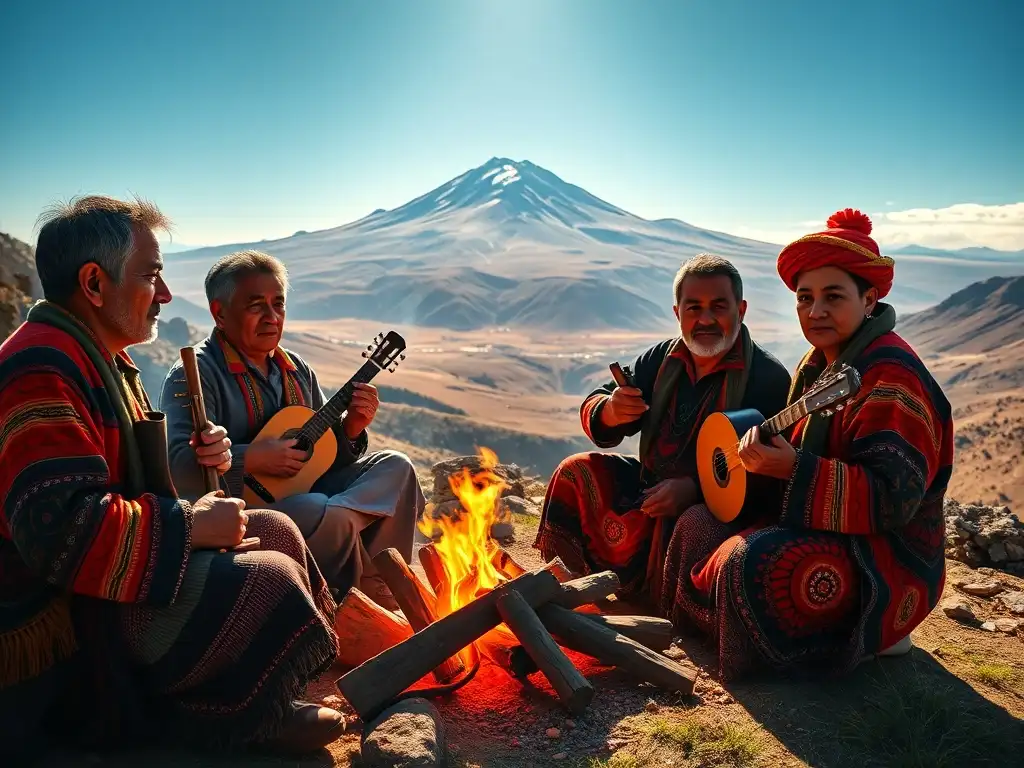
Uncover the echoes of a lost world. Journey through the breathtaking landscapes and vibrant cultures of the Andes, where civilizations thrived and left behind a legacy richer than gold. But what secrets do the mountains hold? Prepare to be captivated by the enigmatic sounds of Ancient Andean musical instruments, a testament to the ingenuity and spiritual depth of these remarkable societies. Discover how music shaped their lives and continues to resonate today – delve into the whispers of their ancestors and explore the fascinating story that unfolds.
The Andes Mountains, a spine of rock and ice running down the length of South America, have borne witness to millennia of human history. Among the echoes of empires risen and fallen, the whispers of ancestors persist in the vibrant tapestry of Andean music. This article delves into the fascinating world of Ancient Andean musical instruments, exploring their diverse forms, materials, and the profound ritualistic and social significance they held for the various cultures that thrived in this challenging yet remarkably fertile landscape.
From the haunting melodies of the panpipes to the rhythmic pulse of drums, these instruments weren't merely tools for entertainment; they were integral components of daily life, religious ceremonies, and the very fabric of Andean society. We will explore the enduring legacy of these instruments, tracing their evolution and influence on the music of the region even today.
The journey will take us through the soundscapes of civilizations like the Inca, Moche, Nazca, and Tiahuanaco, revealing the intricate relationship between music, spirituality, and social structure in ancient Andean societies. Prepare to be captivated by the power and beauty of these ancient sounds, carried across generations on the breath of the wind through the towering peaks.
The Enduring Legacy of Andean Music
Andean music, with its unique blend of haunting melodies and rhythmic complexity, possesses a captivating allure that transcends time. The legacy of ancient Andean musical traditions is deeply interwoven with the cultural fabric of the region, influencing modern musical styles and artistic expressions. The sounds of ancient instruments, though often recreated or adapted, still resonate in contemporary Andean music, serving as a powerful reminder of the rich cultural heritage of the region.
This continuity is evident in the continued use of traditional instruments in modern performances, as well as in the incorporation of ancient melodies and rhythmic patterns into contemporary compositions. The enduring appeal of Andean music lies not only in its aesthetic qualities, but also in its capacity to evoke a sense of connection to the past, fostering a sense of cultural identity and pride among Andean communities. The preservation and celebration of these ancient musical traditions are vital for maintaining a living link to the past and ensuring the continued flourishing of Andean cultural heritage.
The sounds of the past continue to inspire and inform the music of today, creating a powerful and unbroken chain connecting generations. This unbroken link underscores the enduring power of music to transcend time and unite people across generations.
- What types of musical instruments did the ancient Andean civilizations use?
- How did music function in Andean societies?
- Were there any unique characteristics of Andean musical instruments?
- What materials were commonly used to create these instruments?
- Where can I learn more about ancient Andean musical instruments?
Ancient Andean Musical Instruments: A Heritage of Sound
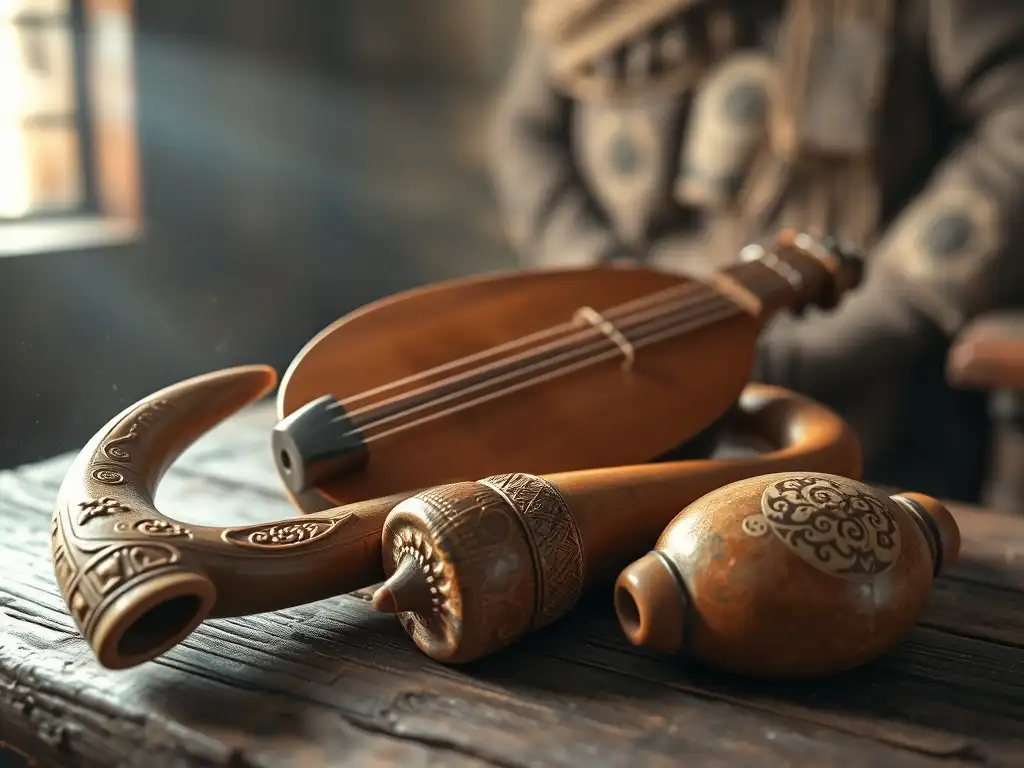
The rich tapestry of Andean culture is interwoven with the vibrant threads of its musical traditions. Understanding the Ancient Andean musical instruments used by civilizations like the Incas, Moche, Nazca, and Tiahuanaco provides invaluable insight into their social structures, religious beliefs, and daily lives. These instruments, crafted with meticulous skill and imbued with spiritual significance, served as conduits for communication with the divine and fostered a sense of community.
Their enduring legacy continues to resonate in modern Andean music, a testament to the ingenuity and cultural resilience of these remarkable peoples. The study of these instruments offers a fascinating glimpse into the ingenuity and artistry of past Andean cultures.
Flutes and Panpipes: Wind Instruments of the Andes
Flutes and panpipes, collectively known as antara in some Andean regions, held prominent positions in ancient Andean musical ensembles. These instruments, often made from reeds, bone, or wood, were not merely tools for creating music; they were imbued with symbolic meaning. The number of pipes in a panpipe, for example, could represent specific deities or cosmological concepts. Archaeological findings frequently uncover intricately carved flutes, showcasing the high level of craftsmanship involved in their creation.
The sounds produced by these instruments were believed to have magical properties, capable of influencing the weather, appeasing spirits, or even communicating with the ancestors. Different types of flutes and panpipes were used for various rituals and ceremonies. Some were associated with agricultural cycles, while others played a crucial role in funerary rites. The melodies produced were often complex and evocative, reflecting the profound spiritual beliefs of the Andean peoples. Analysis of surviving instruments reveals a sophisticated understanding of acoustics and musical theory, demonstrating a level of musical sophistication far exceeding common assumptions.
Percussion Instruments: Rhythms of Andean Rituals
Percussion instruments played a vital role in establishing the rhythmic heartbeat of Andean rituals and celebrations. From the simple but effective tinku (a type of hand drum), to the more complex pututu (a shell trumpet), the variety and significance of these instruments were considerable. The tinku, often made from animal hide stretched over a wooden frame, provided a steady, driving rhythm that accompanied dances and ceremonies. Its use varied across different Andean cultures, with specific rhythmic patterns associated with particular events.
The pututu, on the other hand, possessed a more ceremonial function. Its deep, resonant sound was believed to carry messages to the gods and could be heard for considerable distances. It was often used to announce important events or summon people to gatherings. Other percussion instruments included rattles made from gourds filled with seeds or stones, producing a distinctive shaking sound that enhanced the overall sonic landscape of Andean rituals. The use of these instruments highlights the importance of rhythm and communal participation in Andean religious and social life.
Stringed Instruments: Echoes of the Past
While less prevalent than wind and percussion instruments, stringed instruments also played a part in the ancient Andean musical landscape. Evidence suggests the use of simple stringed instruments, possibly made from animal gut or plant fibers stretched across a wooden frame. While detailed information regarding their construction and use is scarce due to the limited preservation of organic materials, their existence is implied through iconographic representations and indirect evidence from related cultures.
The limited archaeological evidence available suggests that these instruments may have been used for both secular and religious purposes. They may have accompanied songs and dances related to daily life or played a role in specific ceremonies. Further research is needed to fully understand the role of stringed instruments in ancient Andean musical traditions.
The discovery of new archaeological sites and the application of advanced analytical techniques could shed more light on this fascinating aspect of Andean musical heritage. The potential for uncovering more information about these instruments and their place in Andean culture is significant, promising to further enrich our understanding of Ancient Andean musical instruments.
The Role of Music in Andean Rituals and Ceremonies
The vibrant tapestry of Andean culture is deeply interwoven with music, its rhythms and melodies echoing through centuries of rituals and ceremonies. Ancient Andean musical instruments played a crucial role, not merely as entertainment, but as integral components of religious practices, social gatherings, and even agricultural cycles. Understanding their significance reveals a profound connection between the Andean people and the spiritual and physical world around them.
The sounds themselves were believed to hold power, capable of influencing the natural world and communicating with the divine. This section will delve into the multifaceted ways music shaped Andean life, exploring its use in religious practices, social events, and agricultural activities.
Music in Religious Practices
Music held immense religious significance in Andean societies. Religious ceremonies, often elaborate and complex affairs, were inseparable from the sounds produced by various instruments. The pututu, a long shell trumpet, for instance, was used to summon participants and announce important events, its deep, resonant tones carrying across vast distances.
Its powerful sound was believed to be capable of connecting the earthly realm with the spiritual world. Smaller instruments, such as panpipes ( antara ) and flutes ( quena), accompanied chants and prayers, creating an atmosphere of reverence and devotion. The melodies and rhythms themselves were not arbitrary; they were meticulously structured, reflecting the cosmic order and the relationship between humans and the deities.
Archaeological evidence supports this, with depictions of musicians and instruments found in tombs and ceremonial sites. We find, for example, intricate carvings on pottery depicting musicians playing tarkas (a type of Andean flute) and pingullos (a type of Andean flute) alongside offerings to their gods. The specific instruments used often varied according to the nature of the ritual and the deity being honored.
Beyond religious contexts, music played a vital role in Andean social life. Celebrations, festivals, and community gatherings were often accompanied by lively music and dance. The charango, a small lute-like instrument, became a popular instrument for social gatherings, its bright, cheerful melodies providing entertainment and fostering a sense of unity.
These occasions were not simply moments of leisure; they were opportunities to reinforce social bonds, transmit cultural knowledge, and celebrate shared identities. Music provided a framework for storytelling, with songs conveying historical narratives, myths, and legends. Dance, often synchronized with the music, served as a powerful form of communication, expressing emotions and fostering community spirit.
The use of instruments like the wankara, a type of drum, provided a strong rhythmic foundation for communal dances, creating a collective experience that strengthened social ties. Think of the vibrant energy of a modern Andean festival – the legacy of these ancient traditions is still palpable.
Sounds for Agricultural Cycles
The relationship between the Andean people and their environment was deeply symbiotic, and music played a significant role in agricultural practices. The rhythms of nature—the cycles of planting, growing, and harvesting—were mirrored in musical expressions. Songs and instrumental pieces accompanied agricultural activities, invoking blessings upon the crops and ensuring a bountiful harvest.
Specific instruments might have been associated with particular stages of the agricultural year. For example, the rhythmic beating of drums might have been used to synchronize the efforts of farmers during planting, while softer melodies played on panpipes might have been used during the harvest to express gratitude for the bounty received. This integration of music into daily life highlights the holistic worldview of the Andean civilizations, where the spiritual and the practical were inextricably intertwined.
While precise details about the specific musical practices associated with each stage of the agricultural cycle require further research, the fundamental connection between music and agriculture in Andean culture is undeniable. This interconnectedness provides a compelling example of how music wasn't simply a form of entertainment, but a powerful tool integrated into the very fabric of their lives.
Transmission of Musical Knowledge Across Generations
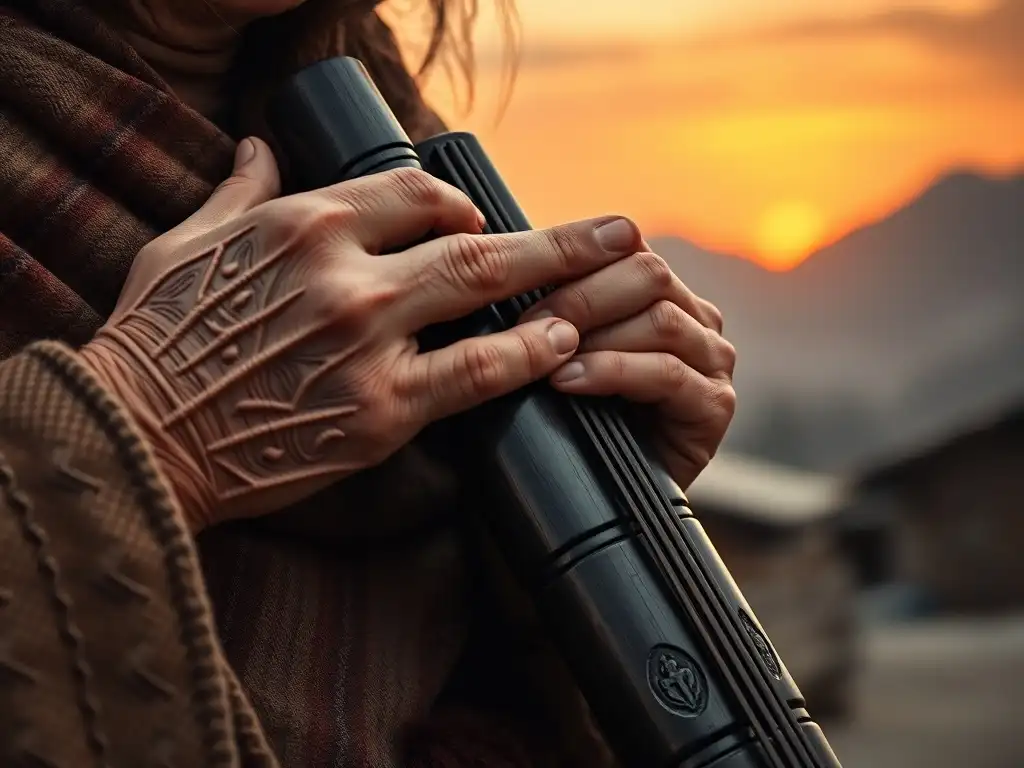
The vibrant musical traditions of the ancient Andean civilizations weren't simply learned from books; they were passed down through generations via a complex interplay of oral tradition, apprenticeship, and the revered status of elders within the community. Understanding this transmission is key to appreciating the enduring power of Ancient Andean musical instruments and the music they produced.
The survival of these intricate musical practices, despite the passage of centuries and the impact of colonization, speaks volumes about the effectiveness of these methods. This section delves into the specific mechanisms of knowledge transfer, highlighting the crucial roles played by oral tradition, elder mentorship, and the importance of lineage in maintaining musical heritage.
Oral Tradition and Apprenticeship
Oral tradition formed the bedrock of Andean musical knowledge transmission. Melodies, rhythms, and the techniques for playing Ancient Andean musical instruments were not written down but meticulously memorized and passed from master to apprentice. This involved years of dedicated study, often beginning in childhood.
Apprenticeship wasn't just about learning musical techniques; it encompassed a holistic understanding of the music's cultural context, its ritual significance, and its social function. Consider the intricate panpipes ( antara) – the precise finger placement, breath control, and the subtle variations in tone required mastery and countless hours of practice. This knowledge, passed down through generations verbally, ensured the preservation of unique styles and techniques specific to each community.
The process often involved not just direct instruction but also observation and imitation, fostering a deep connection between the student and the musical tradition. This immersive approach ensured that the music wasn't simply replicated but rather internalized and adapted, allowing for creative evolution within a framework of established tradition.
The Role of Elders in Preserving Musical Heritage
Elders held a position of immense respect and authority within Andean communities. They were the custodians of musical knowledge, the living repositories of a cultural heritage stretching back centuries. Their role extended beyond mere instruction; they served as mentors, shaping not only the musical skills of younger generations but also their understanding of the music's spiritual and social meaning.
The knowledge they possessed wasn't limited to musical techniques; it included the stories, myths, and rituals associated with specific instruments and musical styles. For example, the knowledge of how to create and play the tarka (a type of Andean flute) wasn't separate from an understanding of the specific ceremonies in which it was used, the deities it honored, and the social dynamics it represented. The elders' wisdom ensured the continuity of these complex cultural practices, binding the past to the present.
Their guidance fostered not only musical proficiency but also a deep appreciation for the cultural significance of the music. Sadly, the passing of these elders represents a significant loss of invaluable, irreplaceable knowledge. [Specific data on the impact of elder loss on musical traditions pending].
The Significance of Musical Lineages
Musical lineages were crucial for maintaining the integrity and authenticity of Andean musical traditions. Families and clans often specialized in particular instruments or musical styles, passing down their expertise through generations. This created a network of musical specialists within the community, ensuring the continued practice and development of specific musical forms.
These lineages weren't simply about blood relations; they represented a commitment to preserving and transmitting a specific musical heritage. The mastery of an instrument or style often became a defining characteristic of a family or clan, shaping their identity and social standing within the community. The lineage provided a framework for learning and a sense of belonging, fostering a deep emotional connection to the music and its cultural significance.
This system ensured the continuity of complex musical traditions, even amidst social and political upheavals. The meticulous passing down of knowledge, coupled with the prestige associated with musical lineage, contributed significantly to the survival of Ancient Andean musical instruments and their associated musical forms. The legacy of these lineages continues to resonate in contemporary Andean music, highlighting the enduring power of tradition and the importance of preserving cultural heritage.
The Evolution of Andean Musical Styles
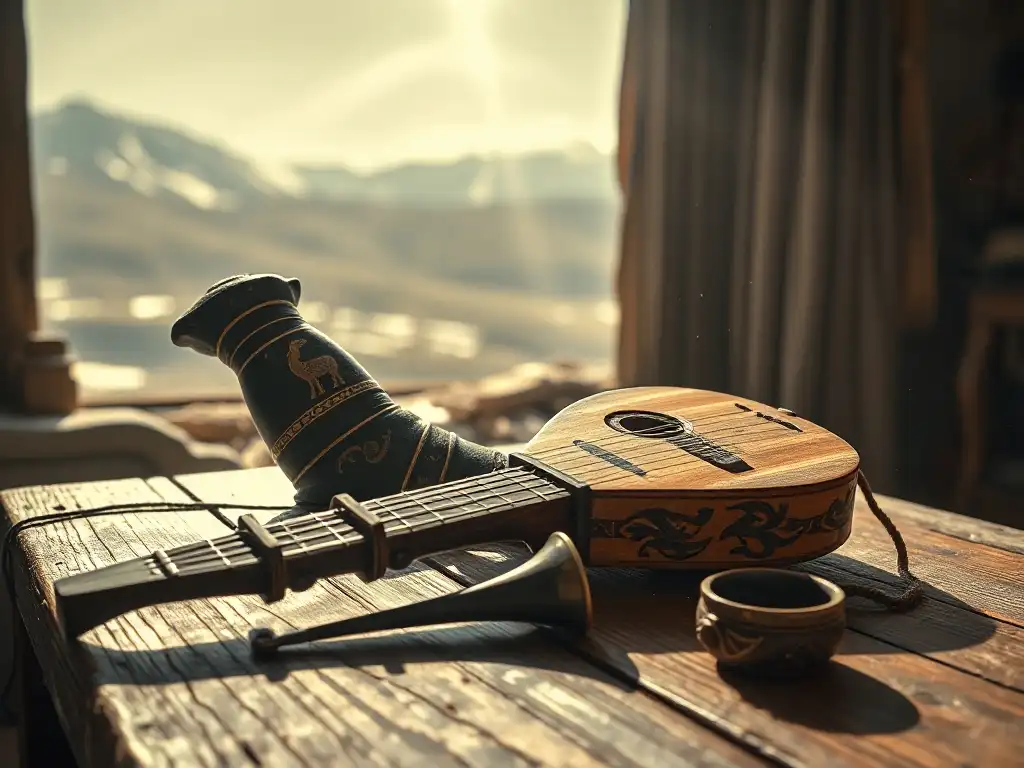
The rich tapestry of Andean music, deeply intertwined with the spiritual and social fabric of its civilizations, has undergone a fascinating evolution across millennia. Understanding the trajectory of Andean musical styles requires examining its roots in pre-Columbian times, its transformation under colonial influence, and its vibrant contemporary expressions. The study of Ancient Andean musical instruments is key to unlocking this complex history. Analyzing the materials, construction techniques, and the surviving examples of these instruments provides invaluable insights into the musical practices of past Andean societies.
Pre-Columbian Musical Forms
Pre-Columbian Andean music, spanning centuries before the arrival of Europeans, was incredibly diverse, reflecting the varied geographies and cultures across the Andes. While written musical notation didn't exist, archaeological discoveries shed light on the instruments used and the likely musical styles. Evidence suggests a sophisticated understanding of musical principles, with instruments crafted from diverse materials such as wood, bone, stone, and metal. The Ancient Andean musical instruments used varied greatly depending on the specific culture and region.
For instance, the Nazca culture (c. 100-800 CE) is known for its intricate pottery depicting musicians playing panpipes and possibly stringed instruments. These depictions offer glimpses into their musical rituals and social gatherings. Analysis of these artifacts suggests a preference for pentatonic scales, a feature also found in some contemporary Andean music.
The Moche culture (c. 100-800 CE) also left behind evidence of musical instruments, although less is known about their precise musical forms. Their elaborate gold and silver artifacts, however, often depict musicians and instruments, hinting at the importance of music in their society. Further research is needed to fully understand the nuances of their musical styles and the precise role played by the Ancient Andean musical instruments they used.
Colonial Influences on Andean Music
The Spanish conquest in the 16th century profoundly impacted Andean music, introducing European instruments and musical styles. The introduction of instruments like the guitar, violin, and harp led to a fusion of indigenous and European musical traditions. However, this was not a simple replacement; rather, a complex process of adaptation and syncretism occurred. Indigenous instruments and musical forms were not immediately abandoned, but rather integrated into the evolving musical landscape. This process often involved the adoption of European musical structures and harmonies while retaining indigenous melodies and rhythms.
The Catholic Church played a significant role in this transformation, utilizing music in religious ceremonies and incorporating indigenous musical elements into its practices. This led to the creation of unique hybrid forms that reflected both the indigenous and colonial influences. The Ancient Andean musical instruments, while sometimes replaced, often found new roles within this hybridized musical framework.
For example, the pututu, a shell trumpet used for ceremonial purposes in pre-Columbian times, continued to be used in some regions, albeit alongside European instruments. The blending of these sounds created a truly unique musical identity that continues to influence Andean music today.
Contemporary Adaptations and Innovations
Contemporary Andean music is a vibrant and diverse genre, drawing on its rich history while embracing modern influences. It showcases a masterful integration of traditional and contemporary elements, reflecting the enduring power of Andean musical traditions. While the Ancient Andean musical instruments might not always be the primary instruments used, their legacy is undeniable. Many contemporary musicians incorporate traditional instruments and musical styles into their work, creating a powerful connection to their ancestral heritage.
This can be seen in the work of many prominent Andean musicians who integrate traditional instruments, like the charango (a small lute), alongside modern instruments. Furthermore, contemporary Andean music often incorporates elements of other genres, such as rock, jazz, and folk music from other parts of the world, showcasing the adaptability and enduring appeal of Andean musical traditions.
The continued use and adaptation of these traditional instruments and musical forms demonstrate the resilience and cultural significance of Andean musical heritage. The exploration of Ancient Andean musical instruments remains crucial for understanding the ongoing evolution of this rich and complex musical tradition.
Preserving the Sounds of the Andes
The preservation of Ancient Andean musical instruments and the music they create is paramount to understanding the rich tapestry of Andean cultures. These instruments, often crafted from readily available materials like wood, bone, and animal hide, weren't merely tools for entertainment; they were integral to ritualistic practices, social gatherings, and the expression of spiritual beliefs. Their continued existence offers a tangible link to the past, allowing us to connect with the ingenuity and artistry of our ancestors.
The challenge lies not just in preserving the physical instruments themselves, but also in safeguarding the knowledge and skills required to create and play them. This requires a multi-faceted approach, incorporating documentation, support for artisans, and a broader societal understanding of the cultural significance of this musical heritage.
Documenting and Archiving Traditional Music
The meticulous documentation of Ancient Andean musical instruments and their associated musical traditions is crucial for future generations. This involves more than simply recording performances; it requires a comprehensive approach that captures the nuances of playing techniques, the construction methods of the instruments, and the social and ritual contexts in which the music was performed. Ethnomusicological research plays a vital role, utilizing detailed field recordings, interviews with musicians and artisans, and the careful analysis of existing written records (where available).
Digital archiving offers a powerful tool for preserving this information, making it accessible to researchers and enthusiasts worldwide. However, careful consideration must be given to issues of intellectual property rights and community consent, ensuring that the documentation process respects the cultural sensitivities of the Andean communities involved. For example, detailed inventories of instruments held in museums, along with high-resolution images and audio recordings, are essential.
Furthermore, documenting the specific woods used in instrument making, the types of animal hides employed, and the unique techniques used to create specific sounds contributes to a complete understanding of the artistic and technological achievements of these ancient cultures. The creation of online databases, accessible to researchers and the public, would greatly facilitate access to this invaluable information. We need to ensure that these digital archives are robust and resilient to data loss, ensuring the longevity of this vital cultural heritage.
Supporting Andean Musicians and Artisans
The survival of Ancient Andean musical instruments depends heavily on the continued existence of skilled artisans and musicians who create and play them. Many of these artisans possess knowledge passed down through generations, knowledge that is in danger of being lost if not actively supported. This support can take many forms, including:
- Financial assistance: Providing grants and subsidies to artisans to help them cover the costs of materials and training.
- Mentorship programs: Connecting experienced artisans with younger generations to ensure the transmission of traditional skills.
- Market access: Facilitating opportunities for artisans to sell their instruments and musical creations.
- Educational initiatives: Supporting the development of music education programs that incorporate traditional Andean instruments and music.
For instance, establishing cooperatives of Andean musicians and artisans can provide a sustainable economic model, enabling them to earn a living while preserving their traditional crafts. This also helps to empower these communities and recognize the value of their cultural heritage. Furthermore, supporting research into the materials used in instrument construction can lead to the development of sustainable sourcing practices, helping to protect the environment and ensure the long-term availability of materials for future instrument making. The effective implementation of these support systems requires collaboration between governments, NGOs, and international organizations, working in partnership with Andean communities themselves.
The Importance of Cultural Preservation
The preservation of Ancient Andean musical instruments and their associated traditions is not merely an academic pursuit; it is a matter of cultural survival. These instruments represent a vital part of the Andean identity, embodying the history, beliefs, and artistic expression of these ancient civilizations. Their loss would represent a significant impoverishment of human culture.
Moreover, the skills and knowledge associated with these instruments are not only valuable in themselves but also represent a rich source of inspiration for contemporary artists and musicians. By preserving this heritage, we not only honor the past but also enrich the present and future. The continued study and performance of this music provide a powerful connection to the spiritual and social life of the Andean people.
The preservation of this heritage is a collective responsibility, requiring the active participation of governments, researchers, musicians, artisans, and the Andean communities themselves. It's a task that requires ongoing commitment and resources, but the rewards – a vibrant and enduring cultural legacy – are immeasurable. The sounds of the Andes, once almost silenced by the passage of time, can once again resonate with the vitality of their original creators.
The Spiritual Connection Through Music

The vibrant tapestry of Andean culture is intricately woven with the threads of music. Ancient Andean musical instruments weren't merely tools for entertainment; they served as powerful conduits connecting the living with the spiritual realm, shaping rituals, and reflecting the profound cosmology of these civilizations. Understanding their significance requires delving into the deeply spiritual relationship between music, the cosmos, and the ancestors. This section explores the multifaceted roles of music in shaping Andean societies and beliefs. The sounds produced weren't just auditory experiences, but tangible manifestations of spiritual energy, impacting the social fabric and personal lives of individuals.
Music as a Conduit to Ancestors
Music in Andean cultures acted as a bridge between the living and the departed. Ritualistic practices frequently incorporated the use of ancient Andean musical instruments to summon and communicate with ancestors. The melodies, rhythms, and even the materials used in crafting these instruments were believed to hold potent spiritual power, capable of channeling the energy of the deceased.
For example, the haunting sounds of the antara (panpipes), often played during funerary rites, were thought to guide the souls of the departed to the afterlife. The mournful tones resonated with the grief of the living, while simultaneously creating a pathway for communication with the spirit world. Different instruments were associated with specific ancestors or deities, further emphasizing the personalized nature of this spiritual connection.
This intricate relationship is evidenced by archaeological finds of instruments buried alongside human remains, suggesting a belief in their continued use in the afterlife. The act of playing these instruments wasn’t merely performance; it was a sacred act of communion.
The Power of Sound in Andean Cosmovision
The Andean worldview, deeply interconnected with nature and the cosmos, infused their musical traditions with profound cosmological significance. Ancient Andean musical instruments were not simply tools; they were considered extensions of the natural world, mirroring the rhythms and energies of the universe. The pututu (a conch shell trumpet), for instance, with its powerful and resonant sound, was often used to announce important events or to communicate with deities, mimicking the sounds of storms and other natural phenomena.
The soundscape of Andean life was therefore not a passive backdrop, but an active participant in shaping their understanding of the cosmos. The rhythmic patterns often reflected the cyclical nature of life, death, and regeneration, echoing the movements of celestial bodies and the changing seasons.
This holistic perspective integrated music into the very fabric of their existence, blurring the lines between the mundane and the sacred. The soundscapes created by these instruments were believed to influence the weather, appease the spirits, and maintain harmony within the community.
Music and the Connection to Pachamama
Pachamama, the Earth Mother, held a central position in Andean cosmology, and music played a crucial role in honoring and maintaining a harmonious relationship with her. Ancient Andean musical instruments were often used in agricultural rituals, intended to ensure bountiful harvests and appease the earth's generative forces. The melodies, imbued with reverence and gratitude, were believed to enhance the fertility of the land and foster a symbiotic relationship between humanity and nature.
The sounds of these instruments, often played in conjunction with offerings and prayers, were seen as a form of communication with Pachamama, expressing gratitude for her bounty and seeking her continued favor. Specific instruments might be associated with specific aspects of Pachamama's power, such as the life-giving rains or the abundance of the harvest.
The use of these instruments within the context of these rituals underscores the deep spiritual and ecological understanding that permeated Andean societies. Their music wasn’t simply entertainment; it was a fundamental element in maintaining the balance and harmony of the world.
Understanding the Cultural Context of Andean Music
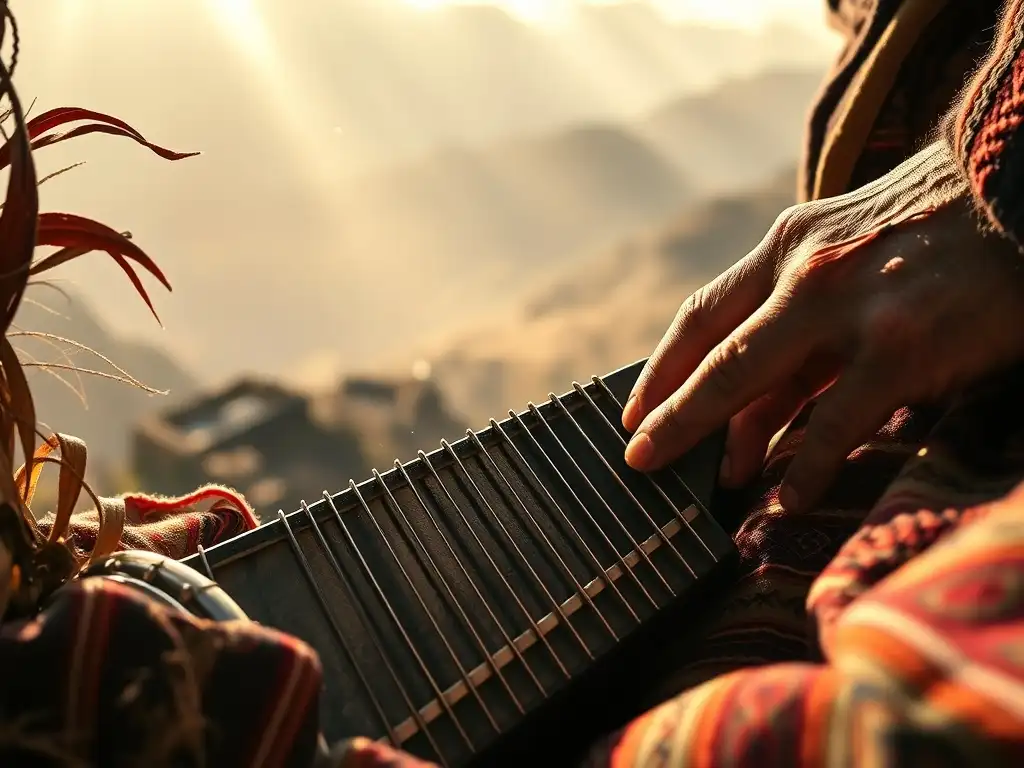
Andean music wasn't simply entertainment; it was deeply intertwined with the fabric of daily life, religious beliefs, and social structures. Understanding its significance requires appreciating the holistic worldview of these ancient civilizations, where the spiritual and physical realms were interconnected. Music served as a powerful conduit between these worlds, facilitating communication with deities, ancestors, and the natural environment.
The soundscapes of the Andes—from the soaring peaks to the rushing rivers—inspired the melodies and rhythms, creating a unique and evocative musical tradition. The very act of making music, whether during agricultural ceremonies or social gatherings, reinforced community bonds and affirmed cultural identity. This intricate relationship between music and all aspects of Andean life helps us understand the profound impact these instruments had on their society.
Analysis of archaeological findings, alongside ethnomusicological studies of surviving Andean traditions, reveals a complex tapestry of musical practices. The meticulous craftsmanship evident in the surviving instruments underscores their revered status within these cultures.
The Relationship Between Music and Dance
Music and dance in Andean cultures were inseparable, forming a unified expression of ritual, storytelling, and social interaction. Dance wasn't merely a physical activity; it was a symbolic enactment of myths, legends, and agricultural cycles. The rhythmic patterns of the music dictated the movements of the dancers, creating a powerful synergy between sound and motion.
For example, the yaraví, a melancholic song-and-dance form from the Andes, often depicted themes of love, loss, and longing, with the dancers' movements mirroring the emotional intensity of the music. The intricate steps and gestures were meticulously choreographed, reflecting a deep understanding of the music's structure and meaning. The integration of music and dance served as a powerful means of transmitting cultural knowledge and reinforcing social cohesion.
Furthermore, the combination created a truly immersive experience, drawing participants into a shared emotional and spiritual state. The precise relationship between specific dance forms and the accompanying musical instruments remains an area of ongoing research, but existing evidence strongly suggests a highly developed and intentional connection.
The Symbolic Meanings of Musical Instruments
Ancient Andean musical instruments were not simply tools for producing sound; they held profound symbolic meanings rooted in cosmology, mythology, and social hierarchy. Each instrument possessed unique attributes associated with specific deities, natural forces, or social roles. For instance, the pututu, a long, shell trumpet, was often associated with powerful deities and used in important ceremonies and announcements.
Its deep, resonant sound was believed to carry messages to the spiritual realm. The antara, a panpipe, with its multiple pipes representing different heights and aspects of the Andes, was linked to the fertility of the land and the cyclical nature of life. The materials used in their construction—wood, bone, metal, and shell—also held symbolic significance, reflecting the importance of nature in Andean cosmology.
Further research is needed to fully decode the complex symbolism embedded within different instruments and their decorative elements. Detailed iconographic studies of the instruments themselves, as well as their depictions in art, are crucial to uncovering these layers of meaning. The crafting process itself, often passed down through generations, served as a ritualistic act, imbuing the instruments with spiritual energy.
Musical performances in Andean societies served various crucial social functions, ranging from religious rituals to community celebrations. Musical events played a vital role in reinforcing social bonds and hierarchies. Elaborate ceremonies involving music and dance were often used to mark significant life events, such as births, marriages, and deaths.
The performances were not merely spectacles; they were active participations in the life of the community, involving communal singing, dancing, and instrumental accompaniment. The role of musicians within Andean society varied depending on the specific culture and context. Some were specialized ritual performers, holding high social status, while others were community members who participated in musical events as part of their social roles.
Archaeological evidence suggests that music played a significant role in political and economic activities as well, serving as a means of communication, negotiation, and social control. The organization and execution of large-scale musical events required sophisticated planning and coordination, highlighting the importance of music in the social and political organization of Andean societies. The study of ancient Andean music offers a window into the complex social dynamics and power structures of these remarkable civilizations.
Experiencing the Living Tradition of Andean Music
This section delves into the vibrant tapestry of Andean music, exploring avenues for experiencing its enduring legacy. While written records are scarce, the echoes of ancient Andean musical instruments resonate powerfully in the music of today. Understanding the present allows us to better appreciate the past, revealing the incredible continuity of musical traditions across millennia. The soundscapes of the Andes, far from being relics of a bygone era, are very much alive.
Opportunities to Hear Traditional Andean Music
Many opportunities exist to immerse oneself in the sounds of traditional Andean music. From small, intimate gatherings in rural communities to larger, more formal concerts in urban centers, experiencing this music firsthand offers an unparalleled connection to the ancient past. These performances often feature a variety of instruments, including the zampoña (panpipes), antara (panpipes), charango (a small lute), quena (flute), and tarka (flute). The music itself tells stories, weaving narratives of daily life, mythology, and the spiritual world.
Observing skilled musicians playing these ancient Andean musical instruments is a captivating experience. The intricate fingerwork, the breath control, and the emotional depth conveyed through the music are testaments to generations of practice and refinement. The rhythmic complexity and haunting melodies are hallmarks of Andean musical heritage. Noteworthy is the frequent use of improvisation, reflecting the living and evolving nature of this musical tradition. Even within a single piece, subtle variations can be observed, highlighting the artistry and spontaneity of the musicians.
Supporting the Continuity of Andean Musical Heritage
The preservation of ancient Andean musical instruments and their associated musical traditions requires conscious effort and support. Several organizations work diligently to document, teach, and promote this vital cultural heritage. Their work includes archiving recordings of traditional performances, teaching young people to play traditional instruments, and organizing workshops and festivals. Supporting these initiatives is crucial for ensuring the continued vitality of Andean music for future generations. This involves both financial contributions and active participation in events that celebrate and promote this rich musical legacy.
Consider, for example, the impact of supporting community-based music schools. These schools not only teach children to play traditional instruments but also transmit the cultural values and knowledge associated with the music. By investing in these initiatives, we contribute to the preservation of an invaluable cultural treasure. Furthermore, supporting artisans who create and repair ancient Andean musical instruments helps maintain the quality and availability of these instruments for future musicians. This multifaceted approach ensures the long-term survival and flourishing of Andean musical traditions.
Andean Music Festivals in Cusco and Puno
Cusco and Puno, two major cities in the Peruvian Andes, are renowned for their vibrant music festivals. These festivals offer a unique opportunity to witness a wide array of musical performances, often showcasing both traditional and contemporary Andean music. The festivals are not merely musical events; they are also cultural celebrations, drawing large crowds and providing a platform for diverse musical expressions. The atmosphere is electric, with attendees participating actively through singing, dancing, and interaction with the performers.
The festivals in Cusco and Puno often feature competitions among musicians and dancers, highlighting the artistry and skill within the Andean musical community. These competitions further emphasize the importance placed on musical excellence and the preservation of traditional performance styles. Attending these festivals provides a captivating and immersive experience, offering a deep understanding of the central role music plays in Andean life, past and present.
The sheer energy and enthusiasm of the participants are infectious, leaving attendees with an enduring appreciation for the rich musical heritage of the region. Moreover, the festivals provide a valuable opportunity to connect with local communities and learn more about the cultural significance of ancient Andean musical instruments and their continued relevance in contemporary Andean society.
Frequently Asked Questions
What types of musical instruments did the ancient Andean civilizations use?
The ancient Andean civilizations utilized a diverse range of instruments, including aerophones like panpipes and flutes, membranophones such as drums, and idiophones such as rattles and bells. Many were crafted from natural materials like wood, bone, and shells.
How did music function in Andean societies?
Music played a vital role in religious ceremonies, agricultural rituals, and social gatherings. It was also used to tell stories, express emotions, and accompany dances. Music was deeply intertwined with their daily lives.
Were there any unique characteristics of Andean musical instruments?
Yes, many instruments featured unique designs and materials reflecting the ingenuity and artistry of Andean cultures. The use of specific scales and rhythms also distinguished their music from other traditions. Panpipes are a particularly iconic example.
What materials were commonly used to create these instruments?
Andean instruments often incorporated locally sourced materials. These included wood, bone, shells, gourds, and various metals. The choice of material often reflected both availability and symbolic meaning.
Where can I learn more about ancient Andean musical instruments?
You can explore museums with collections of Andean artifacts, research academic journals and books on Andean archaeology and ethnomusicology, and explore online resources dedicated to Andean cultures and history. Many documentaries also cover this topic.
Final Reflection: The Enduring Echo of Andean Music
The vibrant sounds of the ancient Andes continue to resonate today, a testament to the power of cultural preservation and the enduring legacy of musical traditions. These instruments, far from being relics of a bygone era, offer a powerful connection to a rich history and a living culture that continues to evolve and inspire. Their intricate designs and unique soundscapes are not merely artifacts; they are vessels carrying stories, beliefs, and the very spirit of a people across millennia.
The impact of Andean musical traditions extends far beyond the instruments themselves. They represent a profound connection to the land, a spiritual heritage passed down through generations, and a vibrant expression of identity. Music is the universal language of mankind,
said Henry Wadsworth Longfellow, and in the case of Andean music, this rings truer than ever. The melodies, rhythms, and the very construction of these instruments reflect a deep understanding of the natural world and a sophisticated musical sensibility that continues to influence contemporary artists and inspire awe in listeners worldwide. The survival of these traditions, despite immense societal shifts, speaks volumes about the resilience of human spirit and the power of cultural memory.
Consider the echoes of these ancient sounds in your own life. What traditions, stories, or cultural artifacts resonate deeply within you? Take a moment to reflect on the power of heritage and the importance of preserving the cultural legacies that shape our identities and connect us to something larger than ourselves. Let the whispers of the ancestors inspire you to explore your own heritage, to appreciate the richness of diverse cultures, and to actively participate in the preservation of traditions that enrich our world.
Unveil the Harmonies of Your Heritage!
Thank you for exploring the captivating world of Andean musical traditions. Discovering these ancestral melodies offers a profound understanding of the rich cultural heritage passed down through generations. Let's celebrate this legacy and take action to keep these traditions alive!
- Expand your musical horizons: Stream or download traditional Andean music from platforms like Spotify or Apple Music to immerse yourself in the sounds of your culture.
- Share your musical discoveries: Post your favorite Andean track on social media and tag us (@AndeanCivilizations) to connect with others and spark conversations about cultural heritage.
- Engage with your community: Participate in local cultural events or workshops to experience the music and dance that tell the stories of our ancestors firsthand.
What musical memories or family stories connect you to your heritage? Let's share and celebrate our collective history together!