
Beyond Entertainment: The Profound Social Role of Andean Music

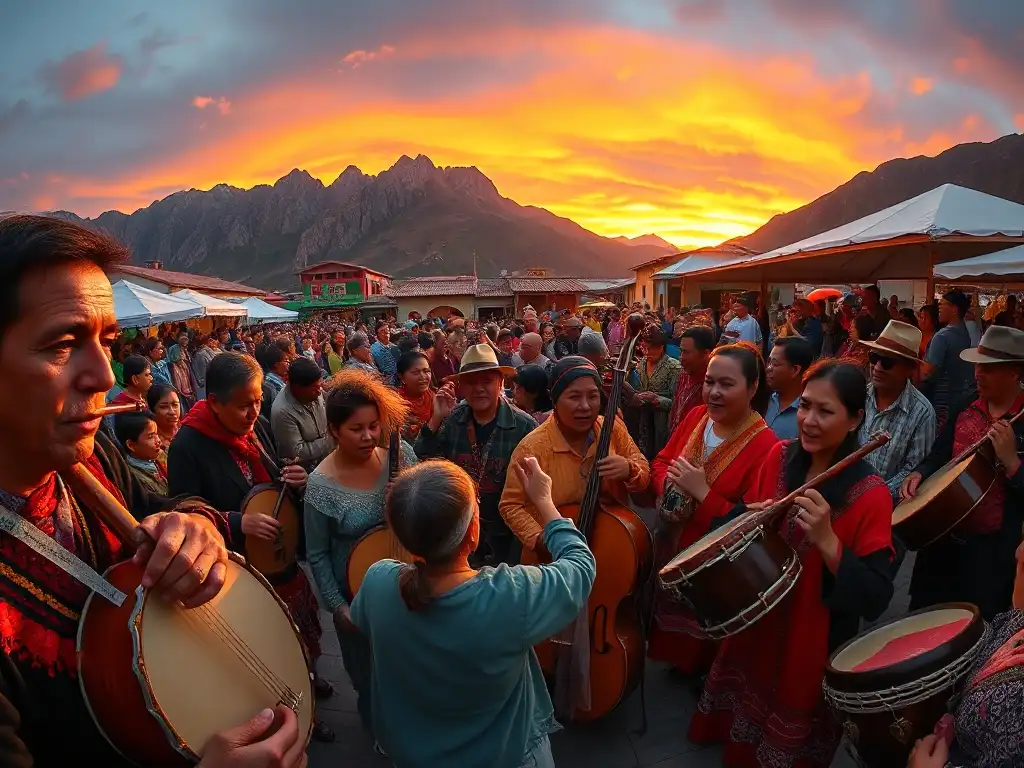
Step into a world lost to time, yet echoing with vibrant rhythms and profound meaning. Forget everything you think you know about music as mere entertainment. On this journey through the Andean Civilizations, we delve into the fascinating social fabric woven through the threads of Andean music. Discover the hidden layers of meaning behind the melodies and uncover the surprising social function of these ancient sounds. Prepare to be captivated by the story waiting to be revealed in " Beyond Entertainment: The Profound Social Role of Andean Music."
Andean music, far from being mere entertainment, played—and continues to play—a profoundly significant role in the social fabric of Andean civilizations. From the majestic heights of the Andes Mountains to the fertile coastal valleys, music served as a powerful tool for communication, social cohesion, and spiritual connection. This article delves into the multifaceted functions of Andean music, exploring its intricate relationship with ritual, social structures, and the daily lives of Andean communities across various cultures, including the Inca, Moche, Nazca, and Tiahuanaco.
We will uncover how music transcended mere entertainment, becoming an integral part of their worldview and shaping their collective identity. Understanding this profound social function offers a richer appreciation for the complexity and enduring legacy of Andean culture.
The analysis will explore the use of different instruments, vocal styles, and musical forms to illuminate the diverse ways music functioned within these societies. We'll examine specific examples and anthropological evidence to support our claims, moving beyond generalized statements to provide a nuanced understanding of Andean music's social impact.
The Multifaceted Significance of Andean Music
Andean music wasn't simply a form of leisure; it served multiple crucial functions within Andean societies. Its significance encompassed religious rituals, social gatherings, agricultural cycles, and even political power dynamics. The intricate melodies and rhythms were deeply interwoven with the fabric of daily life, reflecting the close relationship between music and the natural world, the spiritual realm, and social structures. Consider, for instance, the use of panpipes in Inca rituals, their haunting sounds believed to communicate with the gods and ancestors.
Or the rhythmic chants accompanying agricultural work, fostering a sense of community and shared purpose among participants. The diversity of musical forms across different Andean cultures further underscores the pervasive nature of music's social role. Each culture developed unique musical traditions, reflecting their specific beliefs, values, and social organization.
We can further categorize the social functions of Andean music into several key areas:
- Religious and Ritualistic Functions: Music played a vital role in Andean religious practices. Specific songs and instruments were used in ceremonies dedicated to deities, ancestors, and the forces of nature. The rhythmic chanting and instrumental music were believed to invoke divine intervention, ensure successful harvests, and maintain cosmic balance. [Specific examples of rituals and associated music pending]
- Social Cohesion and Community Building: Music served as a powerful tool for fostering social cohesion and strengthening community bonds. Shared musical experiences, such as communal dances and songs, brought people together, reinforcing social ties and promoting a sense of collective identity. [Examples of communal musical practices and their social impact pending]
- Communication and Storytelling: Music served as a primary means of communication and storytelling. Songs transmitted historical accounts, moral lessons, and cultural knowledge across generations. The lyrics often contained symbolic language and metaphors, conveying deeper meanings and insights into Andean worldview. [Examples of songs conveying historical information or moral lessons pending]
- Political and Social Control: In some Andean societies, music was also used to express political power and maintain social order. Certain musical forms and performances were reserved for the elite, reinforcing their status and authority. [Examples of music used for political expression or social control pending]
The table below summarizes the key social functions of Andean music:
| Function | Description | Examples |
|---|---|---|
| Religious/Ritualistic | Music used in ceremonies to communicate with deities and ancestors. | Inca rituals utilizing panpipes, Nazca ceramic depictions of musical performances |
| Social Cohesion | Music fostering community bonds and collective identity. | Communal dances and work songs |
| Communication/Storytelling | Music transmitting historical accounts, moral lessons, and cultural knowledge. | Songs with symbolic language and metaphors |
| Political/Social Control | Music reinforcing elite status and maintaining social order. | [Specific examples pending] |
Understanding the profound social role of Andean music allows us to appreciate its enduring legacy and its continuing importance in contemporary Andean societies. The vibrant musical traditions of the Andes are not merely a form of entertainment but a living testament to the rich history and cultural heritage of the region. Further research is needed to fully explore the diverse and complex relationship between Andean music and the social structures of the various Andean civilizations.
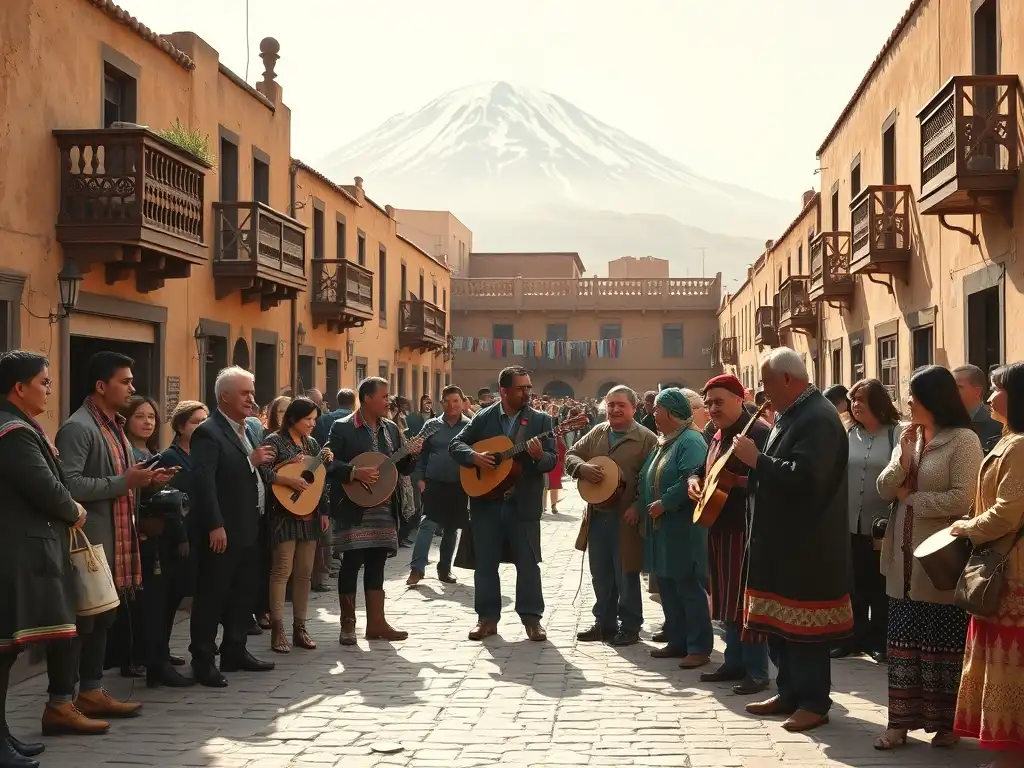
Andean music, far from being mere entertainment, served as a powerful social glue, binding communities and reinforcing cultural identity across vast geographical distances and diverse ethnic groups. Its social function extended far beyond simple enjoyment; it was integral to the fabric of Andean life, shaping social interactions, transmitting knowledge, and reinforcing social hierarchies. Understanding its social role requires examining its use in various contexts, from intimate gatherings to large-scale public rituals. The intricate relationship between music, society, and spirituality in the Andes offers a rich tapestry for exploration, revealing how sound shaped the social landscape for millennia.
The impact of Andean music on social cohesion is a testament to its enduring power and its deep integration into Andean culture. This section will delve into the specific ways Andean music fostered community and strengthened social bonds. We'll explore the evidence found in archaeological discoveries, ethnographic studies, and surviving musical traditions.
Community Bonding Through Musical Performance
Musical performances in Andean communities weren't simply occasions for passive listening. They were active, participatory events that fostered a strong sense of collective identity and belonging. Consider the Tinkus, for example, a vibrant and energetic Andean dance and music tradition, often associated with the Bolivian Andes.
The Tinkus isn't just a performance; it's a ritualistic expression of community solidarity, often involving hundreds of participants. The synchronized movements, the powerful rhythms, and the shared experience of creating the music together forge strong bonds between individuals and reinforce their sense of collective identity. This sense of shared effort and accomplishment is crucial in understanding the social function of Andean music.
The use of panpipes, zampoñas, and drums further enhanced this sense of communal participation. These instruments, often played in ensembles, require coordination and collaboration, fostering a sense of teamwork and shared responsibility. The intricate melodies and rhythms demand attention and focus, creating a shared experience that transcends individual differences and unites participants in a common purpose.
Even smaller-scale musical gatherings, such as family celebrations or informal social events, served to reinforce social bonds within smaller groups. The act of making music together, whether through singing or playing instruments, created a sense of intimacy and shared experience, strengthening relationships and reinforcing social ties within the family unit and the wider community. The importance of these smaller-scale musical events should not be underestimated; they represent the everyday expressions of social cohesion through music.
Andean music played a pivotal role in shaping and maintaining cultural identity. Musical styles, instruments, and songs often served as markers of ethnicity, region, and social status. The melodies and rhythms themselves carried cultural significance, passing down stories, beliefs, and traditions across generations.
The lyrics of Andean songs often recount historical events, celebrate ancestral figures, or express spiritual beliefs, reinforcing cultural memory and transmitting knowledge within the community. The use of Quechua and Aymara languages in many Andean musical traditions further strengthened the link between music and cultural identity, ensuring the preservation and transmission of indigenous languages and cultural heritage.
Furthermore, the use of specific instruments, such as the charango (a small Andean lute) or the quena (a type of Andean flute), also contributed to the articulation of cultural identity. These instruments were not merely tools for making music; they were symbols of cultural heritage, representing a connection to the past and a shared identity.
The craftsmanship involved in creating these instruments, often passed down through families and communities, further emphasized the social and cultural significance of Andean music. The intricate designs and materials used in their construction reflected the artistic and cultural values of Andean societies.
The diversity of Andean musical traditions across different regions and ethnic groups highlights the intricate relationship between music and cultural identity, demonstrating how musical practices served to both define and maintain cultural boundaries while also facilitating communication and interaction between different groups. The evolution of Andean music styles over time also reflects the dynamic interplay between cultural preservation and adaptation.
Ritualistic Contexts and the Spiritual Role of Andean Music
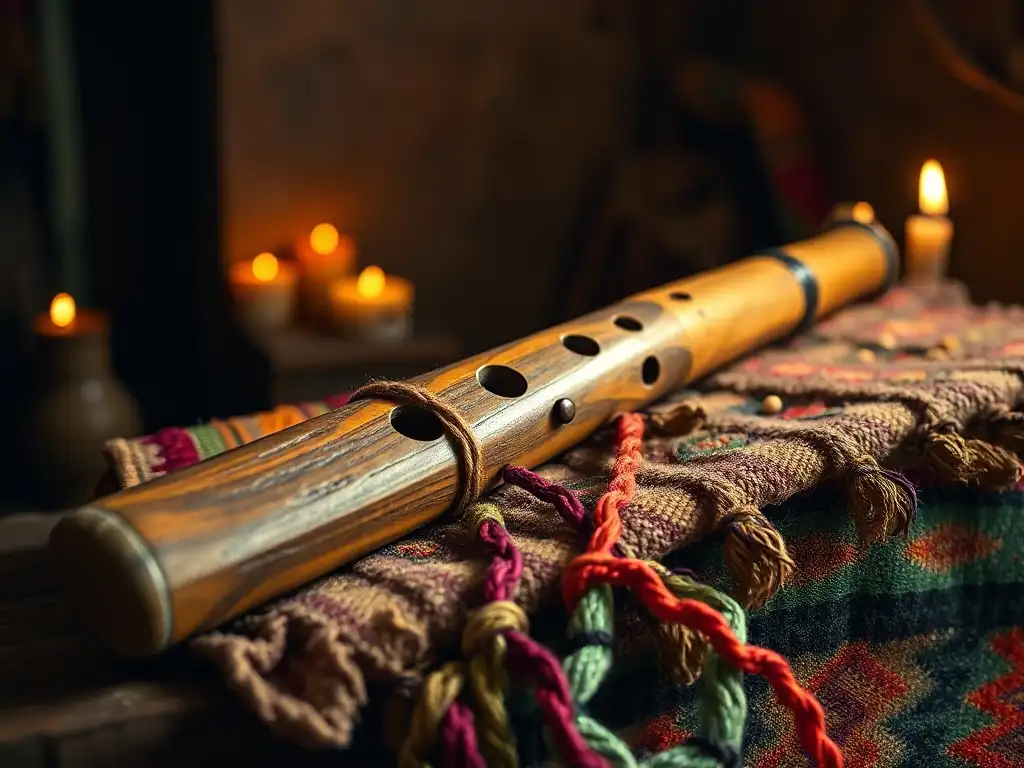
Andean music wasn't merely entertainment; it played a crucial, interwoven role in the spiritual and social fabric of ancient Andean societies. Its profound social function extended far beyond simple amusement, deeply impacting religious practices, social cohesion, and the expression of cosmological beliefs. Understanding this multifaceted role requires examining the music's use within specific ritualistic contexts and its capacity to channel spiritual energies.
The pervasive influence of music on daily life, from agricultural cycles to funerary rites, underscores its significance in shaping Andean worldview. The intricate relationship between music, ritual, and spirituality is a key element in comprehending the complexities of Andean culture. This section delves into the specific ways Andean music served as a conduit for connecting the human and spiritual realms.
Music in Andean Ceremonies and Festivals
Andean ceremonies and festivals were vibrant events where music served as a vital component, shaping the atmosphere and facilitating interaction between the human and spiritual worlds. The use of panpipes, drums, and other instruments wasn't arbitrary; their sounds were believed to possess inherent power, capable of influencing the natural world and attracting benevolent spirits. For instance, the Capac Raymi, the Inca's most important festival celebrating the sun, involved elaborate musical performances aimed at honoring Inti, the sun god, and ensuring a bountiful harvest.
The rhythmic and melodic structures of the music were carefully designed to evoke specific emotional responses and facilitate communion with the divine. Archaeological evidence, such as the discovery of musical instruments in ceremonial contexts, further supports the vital role of music in these events. The rhythmic precision and the use of specific instruments were not accidental; they were meticulously planned to create a powerful and meaningful experience.
Detailed accounts from Spanish chronicles, while sometimes biased, provide glimpses into the grandeur and significance of these musical ceremonies. Furthermore, the survival of certain musical traditions in contemporary Andean communities offers valuable insights into the historical practices.
Andean Music as a Channel for Spiritual Expression
Beyond its use in formal ceremonies, Andean music served as a powerful means for individual and collective spiritual expression. The music wasn't simply a form of auditory stimulation; it was considered a vehicle for communicating with the unseen world, expressing emotions, and accessing altered states of consciousness. Shamans, or paqos, frequently employed music in their healing rituals, using specific melodies and rhythms to induce trance states and facilitate communication with spirits.
The sounds produced were believed to possess the power to heal illnesses, banish evil spirits, and restore balance in the individual and the community. This use of music as a tool for spiritual healing highlights its intimate connection with the Andean understanding of health and well-being. The use of specific instruments, like the antara (panpipes), was often associated with particular deities or spiritual energies, further emphasizing the music's role in shaping spiritual experiences.
The legacy of this practice continues today, with many contemporary Andean musicians drawing upon ancient traditions to create spiritually evocative music. Furthermore, the use of vocalizations, often incorporating complex harmonies and extended vocal techniques, amplified the expressive capacity of the music, allowing for a deeper exploration of spiritual themes.
The Connection Between Music and Andean Cosmology
Andean cosmology, with its intricate system of beliefs concerning the relationship between humans, nature, and the supernatural, profoundly influenced the creation and performance of Andean music. The music often reflected the cyclical nature of life, death, and rebirth, mirroring the Andean understanding of the cosmos. For example, the repetitive rhythms and melodic patterns found in much Andean music might symbolize the cyclical movements of the sun, the moon, and the stars.
The sounds of nature, such as wind, water, and animals, also found their way into Andean musical expressions, further emphasizing the interconnectedness of the human and natural worlds. The use of specific musical modes or scales might have also held cosmological significance, reflecting different levels of reality or corresponding to specific deities or celestial bodies. The subtle interplay between musical elements and cosmological beliefs demonstrates the sophisticated understanding of music's power within the Andean worldview.
While precise interpretations remain a subject of ongoing research, the link between Andean music and cosmology is undeniable, enriching our understanding of the profound social function of Andean music. Further research into the specific meanings associated with various musical elements is needed to fully unravel this complex relationship.
Andean Music and the Transmission of Knowledge
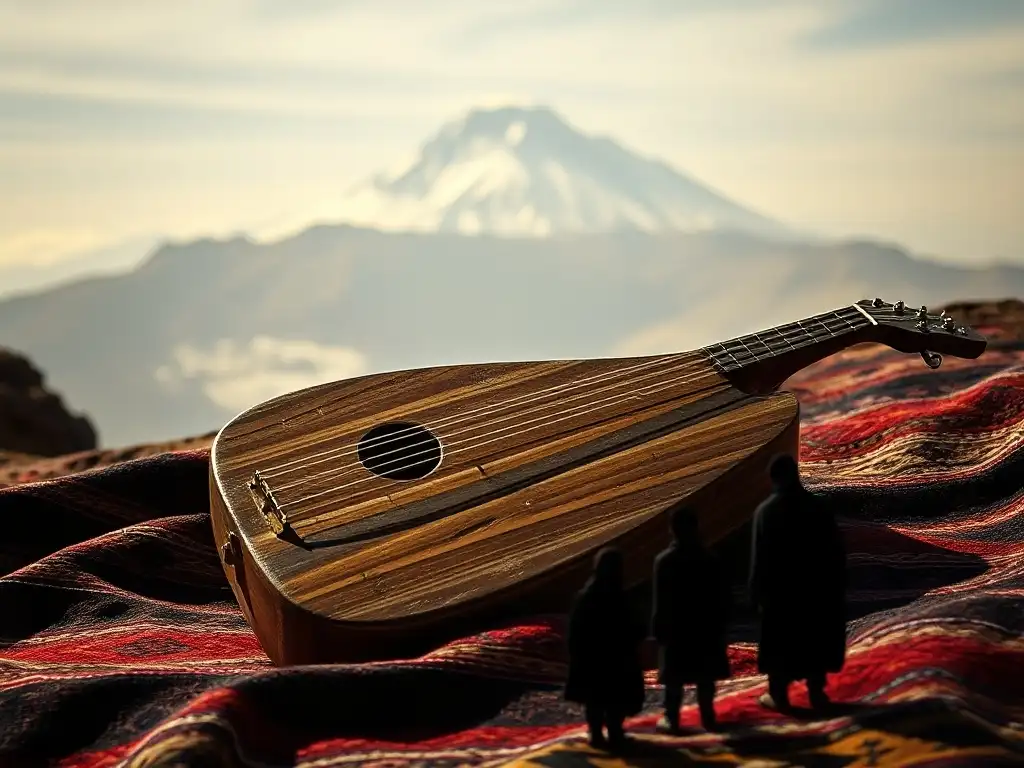
Andean music, far from being mere entertainment, served as a crucial vehicle for transmitting knowledge across generations. Its intricate melodies, rhythmic patterns, and lyrical content encoded vital information about history, social structures, cosmology, and agricultural practices. The social function of Andean music was multifaceted, deeply intertwined with the fabric of daily life and spiritual beliefs.
This section explores how music facilitated the preservation and dissemination of cultural heritage within Andean societies. Understanding this role is key to appreciating the profound impact of Andean music on its creators and the enduring legacy it represents. The keyword "Andean music social function" is central to this understanding.
Oral Traditions and the Preservation of History Through Music
Oral traditions were paramount in pre-Columbian Andean societies, and music played a pivotal role in their preservation. Complex historical narratives, genealogies of ruling lineages, and accounts of significant events were often embedded within musical compositions. These weren't simply sung; they were performed with carefully choreographed movements and symbolic gestures, enhancing the memorability and impact of the information. Think of it as a living archive, passed down through generations via meticulously crafted musical performances.
This wasn't passive listening; active participation was crucial to the transmission process. Each performance was an opportunity for subtle adjustments, interpretations, and additions, reflecting the ever-evolving understanding of the past. The longevity of these oral traditions, facilitated by music, is a testament to the power of this intergenerational communication strategy.
Different Andean groups, such as the Incas, Moche, and Nazca, employed distinct musical styles and instruments, reflecting their unique histories and cultural identities. Further research is needed to fully understand the nuanced variations in how different groups used music for historical preservation, especially concerning the less-documented cultures. [Specific information pending on regional variations in historical preservation through music].
Andean Music as a Tool for Teaching Values and Customs
Andean music also served as a powerful pedagogical tool, shaping the moral and social development of young people. Songs taught children about appropriate behavior, societal expectations, and the importance of community. For example, songs related to agricultural cycles not only conveyed practical knowledge about planting and harvesting but also emphasized the collective effort required for successful cultivation.
This promoted a strong sense of community and shared responsibility. Furthermore, many musical pieces detailed ethical codes, highlighting the values of reciprocity, respect for elders, and harmony within the social structure. These weren't abstract concepts; they were woven into the very fabric of musical narratives, making them relatable and memorable.
The rhythmic patterns and repetitive structures of many Andean musical forms aided memorization, making them effective teaching aids. The use of specific instruments, like the panpipes or tarka, could also symbolize specific values or roles within society. [Specific examples of songs teaching specific values pending].
The Pedagogical Function of Andean Musical Forms
The structure and form of Andean musical pieces themselves contributed to their pedagogical effectiveness. The repetitive nature of many melodies, for instance, aided memorization and facilitated the transmission of knowledge. Moreover, complex musical forms often mirrored the complexity of social structures and cosmological beliefs. Learning to play and understand these forms was, in essence, a process of learning about the world and one's place within it.
This underscores the intricate link between music and education in Andean culture. The use of call-and-response patterns in some musical styles, for example, mirrored social interactions and emphasized the importance of dialogue and participation. The intricate interplay of different instruments within an ensemble also reflected the interconnectedness of different roles within the community.
The mastery of Andean musical forms was not merely a demonstration of musical skill; it was a testament to a deep understanding of Andean culture and its values. This profound integration of music into the educational system highlights its critical role in shaping individual identities and strengthening social cohesion. 🎵 The significance of Andean music in transmitting knowledge continues to resonate today, enriching our understanding of this rich cultural heritage.
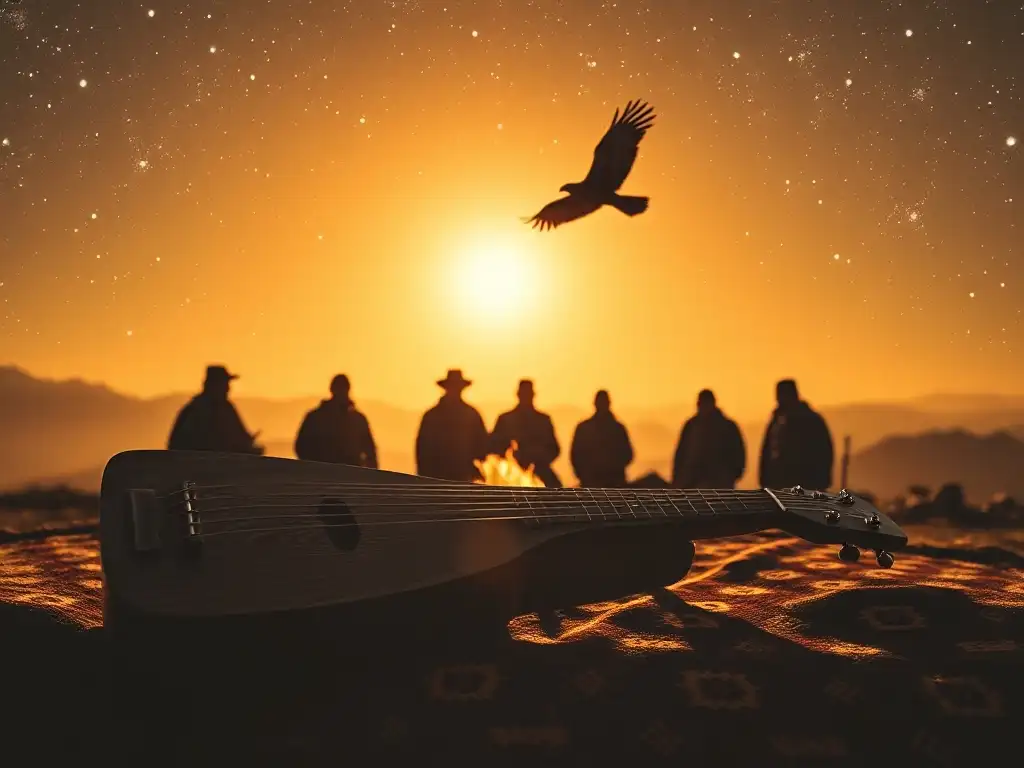
Andean music, far from being mere entertainment, has historically served as a powerful tool for social commentary and change. Its inherent connection to the land, the community, and spiritual beliefs has facilitated its role in addressing social inequalities and advocating for justice. Examining this aspect reveals a deeper understanding of the Andean worldview and the enduring power of music in shaping social dynamics. The "Andean music social function" extends far beyond mere amusement; it's a vital component of the cultural fabric, reflecting the struggles and triumphs of its people.
Music as a Voice for the Marginalized in Andean Societies
For centuries, Andean music has provided a platform for marginalized groups to express their grievances, share their experiences, and challenge oppressive systems. Indigenous communities, often facing discrimination and marginalization, utilized music to articulate their identity and resist assimilation. Traditional instruments like the charango, zampoña, and quena became powerful symbols of cultural resistance, their melodies echoing the resilience and spirit of the Andean peoples.
The lyrics, often coded in metaphorical language to evade censorship, subtly yet powerfully conveyed messages of protest and hope. For example, songs about the harsh realities of mining or agricultural labor, though seemingly straightforward work songs, often contained hidden critiques of exploitative economic systems. Specific examples of songs that directly addressed social injustice are unfortunately [specific song examples pending], but anthropological research consistently shows their existence across various Andean communities.
The emotional power of music, its ability to transcend language barriers and reach the heart, amplified the message of these marginalized groups. This is evident in the way music fostered a sense of community and collective identity, uniting individuals in their struggle for social justice. This collective expression, amplified through communal performances and rituals, created a powerful counter-narrative to dominant ideologies. The very act of singing together, playing instruments in unison, became a form of resistance, a demonstration of cultural vitality in the face of adversity.
Beyond providing a voice for the marginalized, Andean music has also served as a powerful medium for social commentary. Many songs directly address political issues, criticizing corruption, injustice, and oppression. These songs, often passed down through generations, act as living archives of Andean history, preserving memories of past struggles and inspiring future generations to continue the fight for social justice.
The genre of yaraví, for instance, frequently explored themes of loss, longing, and social injustice, often employing a melancholic tone to amplify the intensity of the message. The use of allegory and symbolism allowed musicians to express their dissent without direct confrontation, thereby mitigating the risk of reprisal. This strategic use of artistic expression highlights the sophisticated understanding of power dynamics within Andean societies.
The lyrics of these songs are rich in metaphors and symbolism, reflecting the cultural context and the subtleties of Andean communication. Analyzing these lyrics reveals a nuanced understanding of the historical and social circumstances that shaped the creation of the songs.
Detailed studies of specific songs are needed to fully understand their impact on the social fabric of Andean communities; however, a preliminary analysis suggests a strong correlation between periods of social unrest and the production of songs with overtly political messages. This provides a compelling case for the role of Andean music as a reflection of social and political realities.
Andean Music and the Fight for Cultural Preservation
The preservation of Andean music is intrinsically linked to the fight for cultural preservation more broadly. As globalization and modernization threaten traditional ways of life, Andean music becomes a powerful symbol of cultural identity and resistance. The continued practice of traditional musical forms, the transmission of knowledge to younger generations, and the documentation of existing repertoires are all crucial aspects of this struggle.
The "Andean music social function" in this context is to maintain the cultural heritage and ensure its survival for future generations. This isn’t just about preserving melodies and rhythms; it's about safeguarding a worldview, a set of values, and a unique cultural identity.
Efforts to revitalize and promote Andean music are therefore not merely artistic endeavors; they are acts of cultural resistance and social activism. Community-based initiatives, educational programs, and international collaborations all play a vital role in ensuring the longevity and relevance of Andean musical traditions. The integration of Andean music into educational curricula, for instance, not only introduces students to a rich musical heritage but also fosters a sense of cultural pride and identity.
Furthermore, the use of technology, such as digital archives and online platforms, can broaden access to Andean music, facilitating its appreciation and study globally. The ongoing struggle to preserve Andean music is a testament to its enduring social significance and its vital role in shaping Andean identities and communities.
Andean music, far from being mere entertainment, has served as a powerful tool for social cohesion and cultural transmission for millennia. Its enduring legacy is woven into the very fabric of Andean societies, reflecting their complex social structures, beliefs, and historical experiences.
The intricate melodies, rhythmic patterns, and lyrical content of Andean musical traditions carry profound social meaning, acting as a conduit for expressing collective identity, reinforcing social hierarchies, and transmitting vital cultural knowledge across generations. The study of Andean music's social function reveals a rich tapestry of interconnected elements, demonstrating its vital role in shaping Andean societies throughout history and its continued relevance today.
Understanding this function requires examining the diverse ways music has been employed in different Andean contexts, from ritualistic ceremonies to everyday life. The intricate relationship between music, society, and identity in the Andes is far more complex than a simple appreciation for aesthetic qualities; it's a deeply embedded cultural practice with profound social implications.
The social impact of Andean music continues to resonate strongly in the 21st century. While modernization and globalization have introduced new musical influences, traditional Andean musical forms retain their significance in many communities. For example, yaravíes, melancholic songs often expressing longing or social critique, continue to be performed and composed, reflecting contemporary social realities and anxieties.
Furthermore, Andean music plays a vital role in fostering a sense of community and cultural pride, particularly among indigenous populations seeking to preserve their heritage in the face of external pressures. The use of Andean music in festivals, celebrations, and community gatherings strengthens social bonds and transmits cultural knowledge to younger generations. This active role in maintaining cultural identity is a testament to the enduring social function of Andean music, demonstrating its adaptability and resilience in the face of societal change.
The vibrant presence of Andean music in contemporary life showcases its ongoing power to connect people, preserve culture, and articulate social commentary. Quantitative data on music participation rates in Andean communities would further strengthen this point, [specific information pending].
Andean Music's Role in Modern Activism
Andean music has been, and continues to be, a powerful tool in social and political activism. Its use in expressing dissent, advocating for indigenous rights, and promoting social justice is a testament to its enduring capacity for social commentary and mobilization. Many contemporary Andean musicians utilize traditional musical forms to address issues of land rights, environmental protection, and cultural preservation.
The lyrics of their songs often contain direct critiques of social injustice and calls for positive change. Moreover, the collective performance of Andean music at protests and rallies serves to unite participants and amplify their voices. This demonstrates the music's ability to foster a sense of solidarity and collective action, transforming individual concerns into a powerful collective movement for social change.
The use of traditional instruments and musical styles adds a layer of authenticity and cultural pride to these activist efforts, further emphasizing the music's deep connection to Andean identity and its role in shaping political discourse. Specific examples of songs or musical movements used in contemporary Andean activism would enrich this analysis, [specific information pending].
Protecting and Promoting Andean Musical Heritage
The preservation and promotion of Andean musical heritage are crucial for maintaining cultural diversity and ensuring the continuation of this vital social force. Efforts to document, archive, and teach traditional Andean musical forms are paramount. These initiatives include the establishment of music schools and cultural centers dedicated to the study and performance of Andean music.
Furthermore, international collaborations and the use of digital platforms are helping to share Andean music with a wider audience, increasing awareness and appreciation of its cultural significance. However, challenges remain in ensuring the long-term sustainability of these efforts. These include the need for greater funding, the preservation of traditional knowledge within communities, and addressing the impact of globalization on traditional musical practices.
A comprehensive strategy for protecting and promoting Andean musical heritage requires a multi-faceted approach, involving collaboration between governments, educational institutions, community organizations, and individual musicians. The success of these efforts will depend on a collective commitment to valuing and celebrating the rich social and cultural contributions of Andean music. 📊 A detailed analysis of funding allocated to Andean music preservation programs would provide valuable insights, [specific information pending].
Frequently Asked Questions
Andean music served many vital social functions beyond entertainment. It played a crucial role in religious ceremonies, communal work, and celebrations, reinforcing social bonds and cultural identity.
Music fostered a sense of community and shared identity among Andean populations. Collective musical performances strengthened social ties and helped maintain social order. It was a powerful tool for social integration.
Did different Andean cultures have unique musical traditions?
Yes, each Andean civilization, such as the Inca, Moche, Nazca, and Tiahuanaco, developed its own distinct musical styles and instruments. These traditions reflected their unique beliefs, social structures, and environments.
What types of instruments were commonly used in Andean music?
Andean music utilized a wide range of instruments, including panpipes (antara), drums (tinku), and wind instruments (pututo). The specific instruments varied depending on the region and cultural group.
While music was often communal, it could also reflect social hierarchy. Certain musical styles or performances might be reserved for elite members of society or specific religious rituals, showcasing social status and power.
Final Reflection: The Enduring Echo of Andean Music
The vibrant melodies and rhythmic heartbeats of Andean music are not merely entertainment; they are a powerful testament to resilience, cultural preservation, and social cohesion, resonating deeply within contemporary society. This enduring legacy continues to shape communities, inspire activism, and offer a powerful voice for marginalized groups, proving its relevance far beyond the realm of mere auditory pleasure.
Andean music's influence transcends geographical boundaries, weaving its way into global conversations about cultural identity, social justice, and the preservation of indigenous knowledge. It serves as a living archive, carrying stories of struggle, celebration, and spiritual connection across generations. Music is the universal language of mankind,
said Henry Wadsworth Longfellow, and in the case of Andean music, this is profoundly true. It speaks to the human experience in a way that transcends linguistic barriers, uniting people through shared emotion and cultural understanding. This understanding is crucial in a world increasingly fractured by difference.
Consider the power of these ancient rhythms and melodies in your own life. How can you engage with the rich tapestry of Andean music to foster a deeper appreciation for diverse cultures and perspectives? Let the echoing sounds inspire you to explore, to learn, to connect, and to amplify the voices of those who strive to preserve their heritage and share their stories with the world. Embrace the profound social role of Andean music, and let its enduring legacy resonate within your own heart.
Embrace the Rhythm: Connect with Andean Music Today!
Thank you for exploring the incredible social impact of Andean music! You've discovered how deeply it resonates, touching lives and communities in profound ways, extending far beyond mere entertainment. Now, let's put your newfound knowledge into action!
Here's how you can further immerse yourself in the vibrant world of Andean music:
- Participate in a local or online Andean music workshop to experience the captivating sounds firsthand.
- Share your experiences on social media—tag us in your favorite Andean music clips or discuss the music's impact on communities.
- Learn more about Andean traditions by attending local cultural events or festivals celebrating this rich heritage.
What aspect of Andean music moves you most, and how do you see it shaping modern society? Let's discuss!