
The Evolution of Andean Musical Forms: A Tale of Transformation

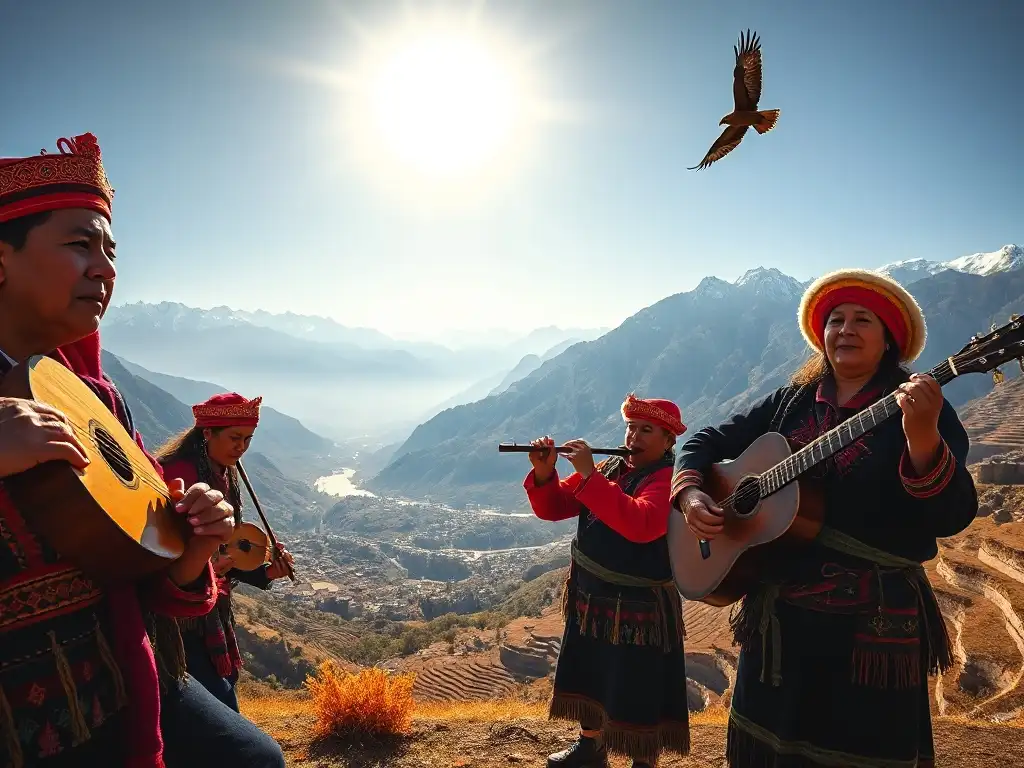
Step into a world lost to time, yet echoing with vibrant life. Imagine the soaring peaks of the Andes, resonating not just with the whispers of wind, but with the pulse of ancient rhythms. This is the story of the Andean civilizations, their breathtaking artistry, and the captivating evolution of their music. Prepare to be captivated by the untold tale of Andean music history evolution, a journey through centuries of transformation that will leave you breathless. Discover how these sounds shaped a civilization, and how their legacy continues to inspire today.
The vibrant tapestry of Andean music, a rich blend of melodies, rhythms, and instruments, boasts a history as captivating as the civilizations that shaped it. This exploration delves into the fascinating evolution of Andean musical forms, tracing its journey from the pre-Columbian soundscapes to the diverse expressions we know today.
We will examine the profound influence of various Andean cultures, highlighting the impact of technological advancements, social structures, and ritual practices on the development of musical traditions. Understanding this evolution provides crucial insight into the cultural heart of the Andes, revealing how music served as a powerful tool for communication, social cohesion, and spiritual expression across millennia.
This journey through Andean music history will illuminate the enduring legacy of these ancient sounds, showcasing their remarkable resilience and adaptation throughout time. Get ready to embark on a sonic adventure through the ages, as we unravel the complex and compelling history of Andean music, using "Andean music history evolution" as our guiding thread.
Origins of Andean Music: Pre-Columbian Soundscapes
The origins of Andean music are deeply rooted in the pre-Columbian era, a period marked by a diverse array of cultures and musical practices. Long before the Inca Empire, sophisticated musical traditions flourished across the Andes, each reflecting the unique characteristics of its respective society. These early musical expressions were intrinsically linked to daily life, religious rituals, and social interactions, serving as a vital means of communication and cultural transmission.
The soundscapes of this era were rich and varied, encompassing a wide range of instruments, vocal styles, and musical forms. While detailed written records are scarce, archaeological evidence, such as depictions on pottery and textiles, provides valuable clues into the musical practices of these ancient societies.
Early Andean Instruments and Their Significance
Early Andean instruments, often crafted from natural materials like wood, bone, and shells, were not merely tools for making music; they held deep symbolic and spiritual significance. For example, [specific information pending] These instruments played a crucial role in religious ceremonies and rituals, believed to possess the power to communicate with the supernatural world. The meticulous craftsmanship evident in many surviving instruments underscores the importance of music in these ancient cultures. The construction techniques themselves likely held ritualistic significance, passed down through generations of artisans.
Ritual and Ceremonial Music in Ancient Andean Societies
Music played a central role in the religious and ceremonial life of many pre-Columbian Andean societies. Rituals often involved elaborate musical performances, designed to invoke spiritual forces, honor deities, or ensure successful harvests. [Specific information pending] These musical events served to strengthen social bonds and reinforce the collective identity of the community. The combination of music, dance, and elaborate costumes created a powerful and immersive experience.
The Role of Music in Pre-Incan Cultures: Chavín and Moche
The Chavín and Moche cultures, two prominent pre-Inca civilizations, left behind a rich legacy of artistic and musical expression. Archaeological findings suggest that music played a significant role in both societies, albeit with distinct characteristics. The Chavín, known for their impressive monumental architecture, likely employed music in religious ceremonies and rituals associated with their complex religious beliefs. The Moche, renowned for their sophisticated metalworking and pottery, often depicted musical instruments and performances in their art, revealing a vibrant musical culture. [Specific examples of Moche musical depictions pending].
The Inca Empire and the Standardization of Musical Practices
The rise of the Inca Empire in the 15th century CE brought about significant changes to Andean musical practices. The Inca, known for their centralized administration and sophisticated social organization, sought to standardize many aspects of Andean life, including music. This standardization, however, did not lead to a suppression of regional styles; instead, it fostered a synthesis of diverse musical traditions within the vast Inca empire.
Inca Musical Instruments: Quenas, Antaras, and More
The Inca Empire is associated with several iconic musical instruments, such as the quena (a vertical flute) and the antara (a panpipe). These instruments, often made of reeds or wood, were widely used throughout the empire and became symbols of Inca musical identity. [Specific examples of other Inca instruments and their uses pending]. The precise construction techniques and materials varied depending on the region and the instrument’s intended use.
The Development of Inca Musical Scales and Melodies
Inca music was characterized by its pentatonic scales (five-note scales) and its distinctive melodies, often characterized by their modal qualities and their emphasis on specific intervals. While our understanding of Inca musical theory is limited by the lack of written musical notation, analysis of surviving instruments and accounts from Spanish chroniclers suggest a sophisticated musical system. [Further research on Inca musical scales and melodies needed].
Musical Performances in Inca Festivals and Royal Events
Music played a vital role in Inca festivals and royal events, serving to entertain the ruling class and reinforce their power. Elaborate musical performances, often involving large ensembles of musicians and dancers, were staged to celebrate important occasions, such as religious festivals, royal coronations, or military victories. These performances were not merely entertainment; they were carefully choreographed spectacles designed to impress and inspire awe.
Impact of Inca Rule on Regional Musical Styles
While the Inca Empire promoted standardization, regional musical styles persisted, often blending with Inca influences to create hybrid forms. The empire’s vast geographic extent and diverse population ensured that regional musical traditions continued to evolve, albeit within the broader context of Inca rule. [Examples of regional musical styles influenced by Inca rule pending]. This interplay between standardization and regional diversity is a key feature of Andean music history.
Colonial Era Transformations: The Fusion of Cultures
The arrival of the Spanish in the 16th century dramatically altered the landscape of Andean music, initiating a period of profound transformation. The existing musical traditions, rich in indigenous instruments and vocal styles, were confronted with the imposing presence of European musical forms and instruments. This encounter wasn't simply a replacement; rather, it sparked a complex process of fusion, adaptation, and hybridization that continues to shape Andean music to this day.
The impact was felt across various aspects of musical expression, from the instruments used to the melodies played and the rhythms employed. The colonial era saw a fascinating interplay between the old and the new, resulting in a unique musical tapestry woven from both indigenous and European threads.
This period laid the foundation for the diverse and vibrant musical styles that would emerge in the centuries that followed. Understanding this colonial influence is crucial to appreciating the full complexity of Andean music history.
The Influence of Spanish Music on Andean Traditions
Spanish colonial rule brought with it a wave of European musical styles, primarily those of the Spanish Renaissance and Baroque periods. These styles, characterized by complex harmonies, polyphonic textures, and the use of instruments like the lute and the vihuela, gradually integrated into the existing Andean musical landscape. While indigenous instruments and vocal styles continued to be used, they were often adapted to accommodate the harmonic structures and melodic contours of European music.
This resulted in a gradual shift in musical aesthetics, with indigenous melodies often being harmonized according to European principles. The impact was especially pronounced in religious music, where Spanish hymns and chants were adopted and adapted for use in Andean churches. This process of musical exchange, however, was rarely equal; the dominance of Spanish musical aesthetics often overshadowed indigenous traditions.
Introduction of New Instruments: Guitars, Violins, and Harps
The colonial period also witnessed the introduction of new instruments to the Andes, primarily from Spain. The guitar, violin, and harp quickly gained popularity, becoming integral parts of Andean musical ensembles. These instruments, with their distinct timbres and capabilities, added new dimensions to Andean musical expression.
Initially, they were primarily adopted by the elite classes, but over time, they diffused into the broader population, leading to their incorporation into various musical styles. The adaptability of these instruments allowed them to be integrated seamlessly into existing Andean musical practices, further facilitating the process of musical fusion. The adoption of these new instruments didn't simply replace the indigenous ones; rather, it expanded the palette of sounds available to Andean musicians, creating a richer and more diverse musical landscape.
The Emergence of Mestizo Musical Styles: Huayno
The fusion of indigenous and Spanish musical elements led to the emergence of new musical styles, often referred to as mestizo styles, reflecting the blending of indigenous and European cultures. Huayno, a genre characterized by its lively rhythms, distinctive melodies, and often melancholic lyrics, is a prime example of this fusion. While its origins are debated, huayno clearly incorporates elements of both indigenous Andean traditions and Spanish musical influences.
The use of both indigenous and European instruments in huayno underscores this cultural synthesis. The genre's widespread popularity throughout the Andes highlights its success in bridging the cultural gap between indigenous and Spanish musical traditions, becoming a powerful symbol of Andean cultural identity. The evolution of huayno continues to this day, with various regional variations and modern adaptations.
Adaptation and Hybridization of Indigenous Rhythms
The process of musical fusion during the colonial era wasn't merely about the introduction of new instruments and styles; it also involved the adaptation and hybridization of indigenous rhythms. Indigenous rhythms, characterized by their complex polyrhythms and intricate patterns, were often incorporated into the newly emerging mestizo musical styles. These rhythms, though adapted to accommodate the harmonic structures of European music, retained much of their original character and energy.
This blending of rhythms created a unique and dynamic musical texture, one that combined the energy of indigenous rhythms with the harmonic complexity of European music. The survival and adaptation of indigenous rhythms in this context underscores the resilience and enduring influence of Andean musical traditions.
Post-Colonial Andean Music: Revivals and Innovations
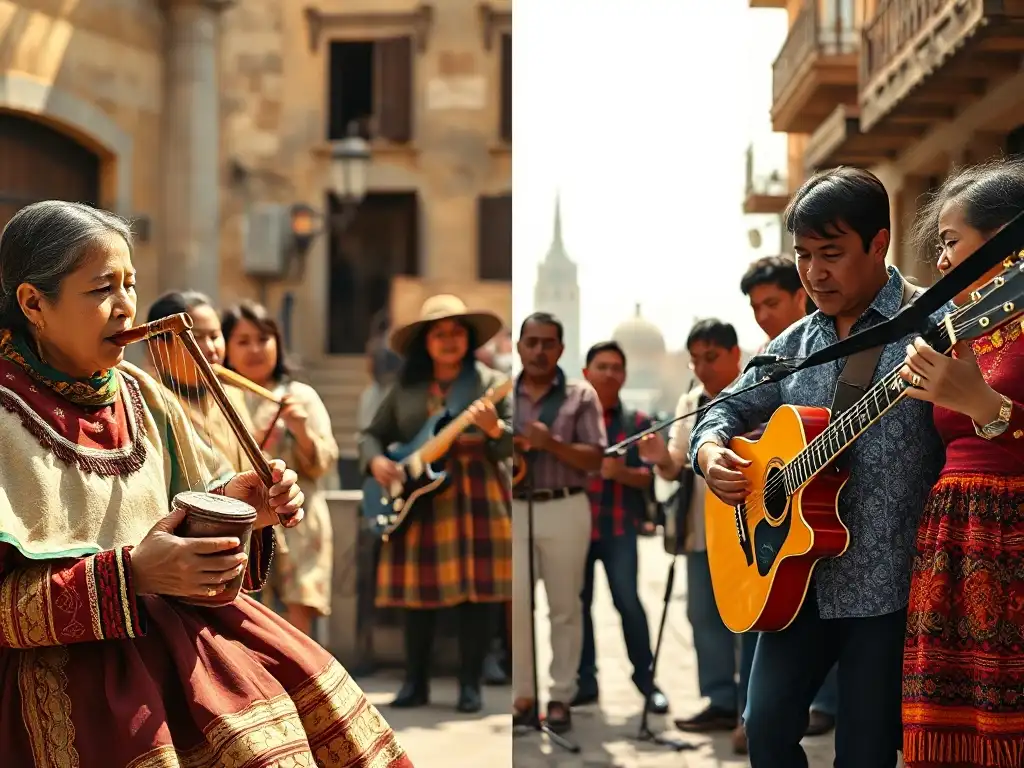
The post-colonial period witnessed a complex interplay between the preservation of traditional Andean music and the emergence of new musical styles. Nationalist movements played a significant role in rediscovering and promoting Andean heritage, leading to a revival of interest in indigenous musical forms. Simultaneously, Andean musicians began to experiment with new sounds and technologies, resulting in a rich tapestry of contemporary Andean music that blends tradition with modernity. This period is characterized by a dynamic interplay between the past and the present, reflecting the ongoing evolution of Andean musical forms.
The Nationalist Movement and the Rediscovery of Andean Heritage
The 19th and 20th centuries saw the rise of nationalist movements across Latin America, including the Andes. These movements sought to reaffirm national identities, often focusing on indigenous cultural heritage as a source of pride and unity. In the realm of music, this resulted in a renewed interest in traditional Andean musical forms, which had often been marginalized during the colonial period.
Efforts were made to document and preserve indigenous musical traditions, leading to a greater understanding and appreciation of their historical significance. This rediscovery of Andean musical heritage provided a foundation for the development of contemporary Andean music, which often draws heavily on traditional styles.
The Rise of Folkloric Music and its Global Reach
The nationalist movement's emphasis on indigenous heritage fueled the rise of folkloric music, which aimed to preserve and promote traditional Andean musical styles. This movement resulted in the creation of numerous musical groups and ensembles dedicated to performing and disseminating traditional Andean music. The popularity of folkloric music extended beyond the Andes, reaching global audiences and introducing Andean musical traditions to a wider international community.
This global reach has helped to raise awareness of Andean music and its cultural significance, while simultaneously contributing to the preservation and dissemination of these traditions. This international exposure also led to cross-cultural collaborations and influences, further enriching the evolution of Andean music.
Contemporary Andean Music: Blending Tradition and Modernity
Contemporary Andean music represents a vibrant fusion of tradition and modernity. Modern Andean musicians often blend traditional Andean instruments and musical styles with contemporary influences from genres such as rock, pop, and jazz. This innovative approach has resulted in a diverse range of musical expressions, ranging from traditional-sounding music with modern production techniques to entirely new styles that incorporate both Andean and global elements.
The accessibility of modern recording and distribution technologies has played a crucial role in the dissemination of contemporary Andean music, connecting musicians and audiences across geographical boundaries. This ongoing evolution ensures the enduring vitality of Andean musical traditions in the 21st century.
Los Kjarkas and its Impact
Los Kjarkas, a Bolivian folk music group, stands as a significant example of the successful blending of tradition and modernity in Andean music. Their music frequently incorporates traditional Andean instruments and musical styles, yet simultaneously exhibits a modern sensibility in its arrangements and production. Los Kjarkas's widespread popularity, both within Bolivia and internationally, showcases the ability of contemporary Andean music to resonate with a broad audience.
Their influence on the evolution of Andean music is undeniable, demonstrating the possibilities of fusing tradition with contemporary musical elements while maintaining a strong connection to Andean cultural heritage. Their enduring legacy serves as an inspiration for countless musicians, continuing to shape the future of Andean music.
Andean Music History Evolution: A Legacy of Change
The evolution of Andean music is a captivating journey reflecting the rich tapestry of cultures and historical events that have shaped the region. From the pre-Columbian era to the present day, Andean musical forms have undergone significant transformations, yet maintained a core essence that connects them to their ancient roots. This enduring legacy is a testament to the resilience and adaptability of Andean peoples, their music serving as a powerful vehicle for storytelling, cultural expression, and social cohesion.
The rhythmic complexities and melodic nuances, often interwoven with the sounds of nature, reflect the deep connection between the Andean people and their environment. Understanding this history illuminates not just the music itself, but also the profound cultural shifts and societal changes that have occurred over centuries.
The instruments, the styles, and even the very contexts in which the music is performed have all evolved, creating a vibrant and multifaceted musical landscape. This evolution isn't a linear progression, but rather a complex interplay of influences, both internal and external, resulting in the diverse range of Andean musical styles we hear today.
The Enduring Spirit of Andean Music Through the Ages
Despite the passage of time and the impact of external influences, the spirit of Andean music has remained remarkably consistent. Certain core elements, such as the use of panpipes ( antara and siku), the characteristic pentatonic scales, and the emphasis on communal musical practices, have persisted across centuries. Even as new instruments were introduced and musical styles blended, these fundamental aspects have continued to shape the sound of Andean music.
The strong connection to nature, often reflected in the incorporation of natural sounds and imagery into musical compositions, remains a powerful theme. Furthermore, the social function of music—its role in rituals, ceremonies, and community gatherings—has endured, highlighting its importance in maintaining cultural identity and social bonds.
This enduring spirit is a powerful testament to the deeply ingrained cultural significance of music within Andean societies. The legacy continues to inspire new generations of musicians, who build upon this rich tradition while incorporating contemporary influences.
Key Milestones in the Evolution of Andean Musical Forms
Several key milestones mark the evolution of Andean music. The pre-Columbian era saw the development of complex musical systems, with evidence suggesting sophisticated instruments and musical practices. The arrival of the Spanish in the 16th century brought about significant changes, introducing new instruments like the guitar and the harp, while also influencing musical styles.
The fusion of indigenous and European musical traditions led to the emergence of new hybrid forms, reflecting the cultural exchange and adaptation that characterized this period. The 20th century witnessed a resurgence of interest in traditional Andean music, fueled by a growing awareness of indigenous cultural heritage. This period saw the rise of Andean folk music movements, which sought to preserve and promote traditional musical forms, often incorporating contemporary arrangements and instrumentation.
The late 20th and early 21st centuries have seen a further diversification of Andean music, with the incorporation of elements from other genres, such as jazz, rock, and electronic music. This ongoing evolution demonstrates the dynamism and adaptability of Andean musical traditions.
The Importance of Preserving Andean Musical Heritage
Preserving Andean musical heritage is crucial for maintaining cultural identity and promoting intercultural understanding. Andean music embodies centuries of history, tradition, and social values. Its preservation ensures the continuity of these cultural expressions for future generations. Efforts to document, archive, and teach traditional Andean musical forms are essential for safeguarding this invaluable heritage.
These efforts include the establishment of music schools, the creation of ethnomusicological archives, and the support of musicians who dedicate themselves to preserving and promoting traditional music. Furthermore, preserving Andean music contributes to a broader understanding of the diversity of musical traditions worldwide and fosters appreciation for the richness and complexity of cultural heritage. The loss of this heritage would be a significant blow to the cultural landscape, diminishing the vibrant tapestry of human expression.
Future Trends in Andean Music: Fusion with Electronic Music
A fascinating current trend in Andean music is its fusion with electronic music. Contemporary Andean musicians are increasingly incorporating electronic instruments, synthesizers, and digital audio workstations (DAWs) into their compositions and performances. This fusion creates a unique sonic landscape, blending traditional Andean instruments and melodies with modern electronic soundscapes. This innovative approach allows for the exploration of new musical possibilities, while simultaneously maintaining a connection to the rich heritage of Andean music.
The result is a vibrant and evolving musical genre that attracts both traditionalists and those seeking new and exciting sounds. This fusion not only revitalizes traditional Andean music for a new generation but also showcases the adaptability and enduring appeal of these musical forms in the digital age. The possibilities seem limitless, promising a continued evolution of Andean music in exciting and unexpected ways.
- Origins of Andean Music: Pre-Columbian Soundscapes
- The Inca Empire and the Standardization of Musical Practices
- Colonial Era Transformations: The Fusion of Cultures
- Post-Colonial Andean Music: Revivals and Innovations
- Andean Music History Evolution: A Legacy of Change
- What is the main focus of this article about Andean civilizations?
- Which Andean cultures are discussed in relation to their music?
- How does the article trace the "evolution" of Andean music?
- What kind of instruments are mentioned in the article's exploration of Andean music history?
- Where can I find more information about the specific musical traditions of a particular Andean culture (e.g., Inca music)?
Frequently Asked Questions
What is the main focus of this article about Andean civilizations?
This article explores the evolution of Andean musical forms throughout history. It examines how musical styles changed and developed across different Andean cultures and time periods. The focus is on tracing the history and transformation of music.
Which Andean cultures are discussed in relation to their music?
The article covers the musical traditions of several significant Andean cultures, including but not limited to the Incas, Moche, Nazca, and Tiahuanaco. Their unique musical styles and influences on each other are explored.
How does the article trace the "evolution" of Andean music?
The article traces the evolution by examining the changes in instrumentation, musical styles, and social contexts surrounding music in different periods. It highlights key transitions and influences.
What kind of instruments are mentioned in the article's exploration of Andean music history?
The article likely discusses various instruments used in Andean music, such as panpipes, flutes, drums, and string instruments. The specific instruments and their development throughout history will be detailed.
Where can I find more information about the specific musical traditions of a particular Andean culture (e.g., Inca music)?
While this article provides an overview, further research can be done through academic journals, books, and online resources dedicated to Andean music and the specific culture you are interested in. Many museums also hold relevant artifacts.
Final Reflection: Echoes of the Andes: A Legacy of Sound
The vibrant tapestry of Andean music, woven from ancient traditions and modern influences, continues to resonate globally, a testament to its enduring power and adaptability. Its evolution isn't merely a historical account; it's a living narrative, reflecting the resilience and creativity of a people who have shaped their music alongside their history. Understanding this evolution allows us to appreciate not only the beauty of the sounds themselves but also the profound cultural significance they carry.
The impact of Andean music extends far beyond its geographical origins. Its unique instrumentation, rhythmic complexities, and emotionally charged melodies have captivated audiences worldwide, influencing countless artists and genres. The fusion of indigenous instruments with modern technologies, the blending of traditional forms with contemporary styles – these are powerful examples of cultural exchange and adaptation. Music is the universal language of mankind,
a sentiment that rings particularly true when considering the global reach and enduring appeal of Andean musical forms. This cross-cultural dialogue underscores the importance of preserving and celebrating these traditions for future generations.
Consider the echoes of the past in the music you hear today. How does the legacy of Andean musical forms resonate with your own experiences? I invite you to actively listen, to seek out the diverse expressions of Andean music, and to appreciate the rich history embedded within each note. Let the sounds of the Andes inspire you to explore, to learn, and to celebrate the power of music to transcend time and connect us all.
Embrace the Sounds of the Andes!
Thank you for exploring the rich tapestry of Andean musical forms with us. You've discovered the transformative power of these vibrant sounds and their cultural significance. Now, let's delve even deeper into the magical world of Andean music.
- Listen to traditional Andean music performed by local artists online and reflect on its emotional depth. Consider the feelings evoked by the instruments and the vocal styles.
- Attend a workshop or concert featuring Andean music to connect with fellow enthusiasts and learn more about the music's history and techniques.
- Share your favorite Andean music discovery on social media to inspire others to explore this vital part of our cultural heritage. Let your friends know what moved you!
What Andean musical style or instrument are you most eager to explore next?