
Andean Music Therapy: Healing Through Ancient Melodies

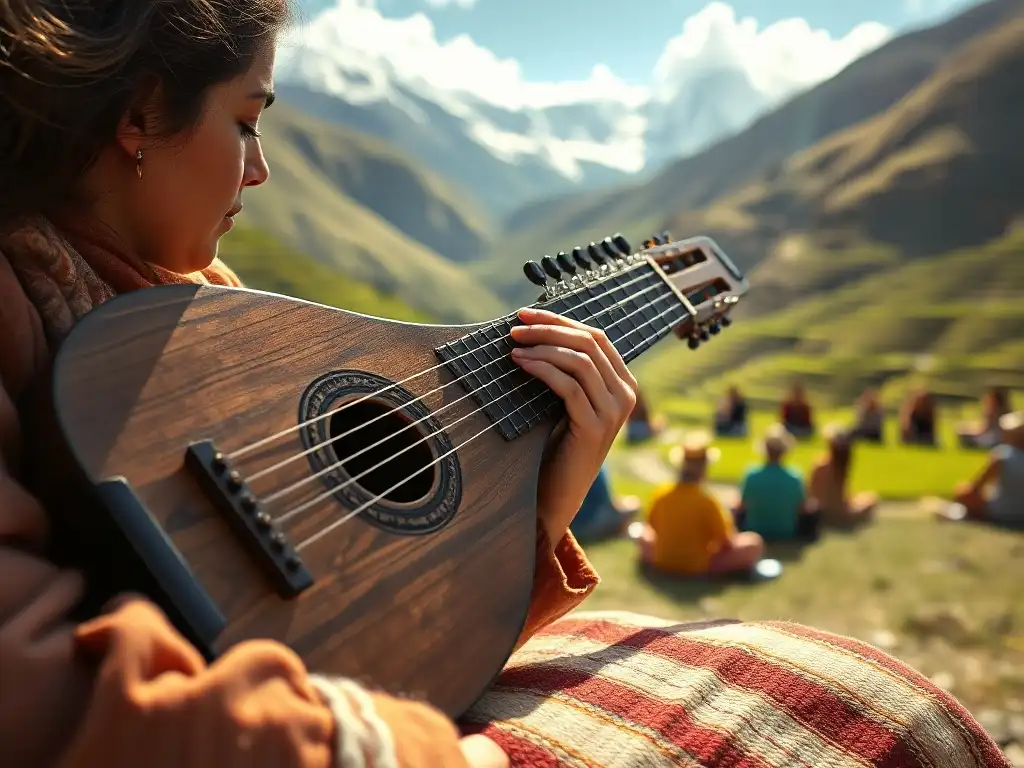
Step into a world lost in time, yet echoing with vibrant life. Imagine the soaring peaks of the Andes, whispering secrets of civilizations that flourished millennia ago. Here, within the heart of Andean Civilizations, we unravel the mysteries of their rich tapestry – from breathtaking artistry to ingenious engineering. But did you know that the ancient Andes also held a profound understanding of healing? Discover the captivating power of Andean music therapy techniques, a practice that intertwined melody with medicine, and unlock the secrets to their ancient wisdom. Prepare to be amazed.
The Andes Mountains, a majestic spine running through South America, are not only a geographical marvel but also a cradle of rich and diverse cultures. For millennia, the inhabitants of this region—from the Incas to the pre-Inca civilizations like the Moche, Nazca, and Tiahuanaco—have interwoven music deeply into their daily lives, using it not just for entertainment or ritual, but also as a powerful tool for healing and spiritual well-being.
This article delves into the fascinating world of Andean music therapy, exploring its historical roots, techniques, and the profound therapeutic potential of these ancient melodies. We will examine how Andean music therapy techniques have been used for centuries to address physical and emotional ailments, fostering a holistic approach to wellness deeply connected to the Andean worldview.
Understanding this rich tradition offers a unique perspective on the intersection of music, culture, and healing, providing valuable insights into the power of sound to promote well-being. This exploration of Andean music therapy techniques will reveal the intricate relationship between music and the Andean people's connection to nature, spirituality, and community.
Introduction to Andean Music and its Therapeutic Potential
Andean music is characterized by its unique instrumentation, often featuring panpipes ( siku), flutes ( antara), drums ( tinku), and stringed instruments ( charango). The melodies themselves are often modal, with scales and harmonies that differ significantly from Western musical traditions. These unique sonic qualities are believed to have inherent therapeutic properties.
The rhythmic patterns, often repetitive and hypnotic, can induce a state of deep relaxation and promote a connection with the natural world. Many believe the sounds themselves resonate with the body's natural frequencies, promoting physical and emotional balance. Furthermore, the communal aspect of Andean music-making, often involving group singing and instrumental playing, fosters a sense of unity and shared experience, contributing to social and emotional well-being.
The very act of participating in musical activities, from playing instruments to singing traditional songs, can be deeply therapeutic, offering a powerful outlet for self-expression and emotional release. Specific examples of therapeutic applications include using calming melodies for anxiety reduction or rhythmic drumming to improve focus and concentration. The application of Andean music therapy techniques is often tailored to the individual's needs and cultural context, emphasizing a holistic approach that integrates music with other traditional healing practices.
The Historical Roots of Andean Music Therapy
The historical use of music for healing in the Andes stretches back centuries, predating the Inca Empire. Evidence suggests that music played a central role in religious ceremonies, shamanistic rituals, and community gatherings aimed at maintaining physical and spiritual harmony. Pre-Columbian societies likely employed music to treat illness, both physical and mental, integrating it with herbal remedies and other healing practices. While written records from these periods are scarce, archaeological findings, such as the discovery of musical instruments in ancient burial sites, provide clues to the importance of music in Andean life. The Inca Empire , known for its sophisticated social and political organization, also integrated music into its healthcare system. Music therapy techniques may have been used to alleviate pain, reduce stress, and promote spiritual well-being. The use of music in ceremonies and rituals likely played a significant role in maintaining social cohesion and reinforcing the Inca worldview. Following the Spanish conquest, Andean music therapy adapted and incorporated elements of European musical traditions, resulting in a hybrid form that continues to evolve today. However, the core principles of using music for healing and spiritual well-being remain central to many Andean communities. Further research is needed to fully understand the specific techniques and practices employed throughout Andean history, but the evidence strongly suggests a long and continuous tradition of using music as a powerful tool for healing and spiritual growth.
Understanding the Spiritual Significance of Andean Sounds
Andean cultures deeply intertwined music with spirituality and healing. Sound wasn't merely entertainment; it was a powerful force believed to connect the physical world with the spiritual realm. This belief permeated daily life, shaping rituals, ceremonies, and even everyday interactions.
The soundscapes of the Andes—from the wind whistling through mountain passes to the rushing of rivers—were considered sacred, imbued with the energy of the apus (mountain spirits) and pachamama (Mother Earth). This reverence for natural sounds is reflected in the instruments and musical forms developed by Andean peoples. The intentionality behind the music wasn't just about creating pleasing melodies but about harnessing the power of sound to influence the physical and spiritual well-being of individuals and communities.
The intricate rhythms and melodies were carefully crafted to evoke specific emotions, promote balance, and facilitate connection with the divine. The Andean worldview, deeply connected to nature and spirituality, saw music as a fundamental aspect of life, a powerful tool for healing and maintaining harmony within the cosmos.
The Role of Music in Andean Rituals and Healing Practices
Music played a crucial role in Andean rituals and healing ceremonies. Shamans and healers often used music to enter altered states of consciousness, facilitating communication with the spirit world and diagnosing illnesses. The rhythms and melodies were believed to influence the flow of energy within the body, restoring balance and promoting healing.
Specific songs were associated with particular ailments or spiritual imbalances. For instance, certain melodies were used to appease angry spirits or to guide the soul of the deceased to the afterlife. The use of music in healing wasn't simply a symbolic act; it was a practical and integral part of the healing process.
Many accounts from historical records and ethnographic studies describe the active role of music in shamanic practices aimed at curing illnesses or mitigating negative energies. Even today, many Andean communities continue these traditions, integrating music into their healing practices. This enduring legacy underlines the profound importance of sound in Andean spiritual and medicinal traditions.
Key Instruments Used in Andean Sound Therapy
Several traditional Andean instruments were—and continue to be—integral to sound therapy practices. These instruments, crafted from natural materials, were not merely tools for creating music; they were considered sacred objects, imbued with spiritual power. The choice of instrument often depended on the specific healing purpose and the nature of the ailment.
The unique sonic qualities of each instrument were believed to resonate with specific energies and promote healing on different levels. The careful selection and use of these instruments demonstrate the sophisticated understanding of sound's therapeutic potential within Andean cultures. The combination of instruments during a healing session could also be carefully curated to create a specific therapeutic effect, demonstrating a deep understanding of the interplay between different sounds and their effects on the human body and mind.
The Power of the Quena Flute in Healing
The quena, a vertical flute made from cane or wood, holds a prominent place in Andean music therapy. Its haunting melodies were believed to soothe the soul, clear negative energies, and promote emotional balance. The quena's gentle tones were often used to calm anxious patients or to facilitate meditative states. Its simple yet expressive sound allowed for a wide range of emotional expression, making it a versatile tool for healers.
The quena's ability to invoke a sense of peace and tranquility contributed to its importance in healing ceremonies. Specific melodies played on the quena were associated with specific healing intentions, further highlighting the instrument's crucial role in Andean therapeutic practices. The enduring popularity and continued use of the quena in contemporary Andean music and healing further attests to its efficacy and importance.
The Soothing Sounds of the Siku (Panpipes)
The siku, a panpipe instrument consisting of a set of vertically arranged pipes, produces a unique and enchanting sound. Its harmonious melodies were believed to harmonize the energies within the body, promoting physical and emotional well-being. The siku's ability to create a sense of tranquility and balance made it a favorite instrument for healers.
The siku's distinctive sound, often described as ethereal and otherworldly, was thought to help patients connect with the spiritual realm, facilitating healing and spiritual growth. Different arrangements of siku pipes, and variations in playing techniques, could create diverse sonic textures used to target specific energy points or imbalances within the body, creating a truly personalized therapeutic experience.
The Rhythmic Energy of the Bombo Drum
The bombo, a large double-headed drum, provided a powerful rhythmic foundation for Andean healing ceremonies. Its deep, resonant sound was believed to ground participants, connecting them to the earth's energy. The bombo's rhythmic pulsations were believed to stimulate the flow of energy through the body, promoting vitality and clearing blockages.
The strong, steady beat of the bombo could also be used to create a sense of community and shared experience during healing ceremonies, further strengthening the therapeutic effect. The intensity and rhythm of the bombo could be adjusted to suit the specific needs of the patient or the overall atmosphere of the healing ritual, showcasing the versatility and adaptability of this important instrument. The use of the bombo often complemented the melodic instruments, providing a grounding and powerful rhythmic base that amplified the healing effects of the overall musical experience.
Andean Music Therapy Techniques: A Detailed Exploration
Andean music therapy techniques are deeply rooted in the spiritual and cultural beliefs of the Andean civilizations. These techniques aren't simply about listening to music; they involve active participation and a holistic approach to healing. Practitioners believe that music can directly influence the body's energy flow, emotions, and overall well-being.
The use of instruments, vocalizations, and specific melodies all play crucial roles in this ancient healing practice. The effectiveness of these techniques is often attributed to the unique vibrational frequencies produced by the instruments and the vocalizations, which are believed to resonate with the body's natural rhythms. This approach emphasizes the interconnectedness of mind, body, and spirit, recognizing the profound impact of sound on each aspect.
Many modern therapists are now exploring and integrating these techniques into contemporary practices, demonstrating a growing interest in the efficacy of this ancient form of healing. The rich history and cultural significance of these practices further enhance their therapeutic value, providing a powerful connection to ancient traditions.
The Use of Specific Melodies for Emotional Balance
Specific melodies in Andean music therapy are carefully selected based on their intended emotional effect. For example, slower, more minor-key melodies might be used to promote relaxation and calm anxieties, while faster, major-key melodies could be used to uplift spirits and increase energy levels. The selection of the melody is often tailored to the individual's needs and the specific emotional imbalance being addressed.
This targeted approach recognizes the profound influence of music on our emotional state, drawing on the inherent power of melody to evoke specific feelings. Experienced practitioners often have a deep understanding of the emotional nuances of various musical scales and rhythms, allowing them to choose music that is precisely suited to the patient's condition.
This detailed consideration underscores the precision and intentionality at the heart of Andean music therapy. For instance, a melody with a specific rhythmic pattern might be selected to help regulate breathing and heart rate, further supporting the body's natural healing processes.
Sound Frequencies and their Impact on the Body
The core principle underpinning Andean music therapy is the belief in the power of sound frequencies to influence the body's physical and energetic state. Different instruments produce distinct frequencies, and these frequencies are believed to interact with the body's natural vibrational patterns. The use of instruments like the zampoña (panpipes) and the antara (vertical panpipes) produces unique harmonic combinations that are thought to promote balance and harmony within the body.
The specific frequencies generated by these instruments are believed to resonate with various chakras or energy centers, promoting the free flow of energy throughout the body. Furthermore, research in modern sound therapy supports the idea that specific frequencies can influence brainwave activity, heart rate, and other physiological processes.
While further research is needed to fully understand the mechanism of action, the ancient Andean understanding of sound frequencies and their impact on the body remains a fascinating area of study. The combination of traditional knowledge and modern scientific investigation holds promising potential for advancing our understanding of this powerful healing modality.
Chanting and Vocalizations in Andean Healing Traditions
Chanting and vocalizations are integral components of Andean healing traditions. These vocal practices are not merely about producing sound; they are believed to harness the power of the voice to influence the body's energy and emotional state. Specific chants and vocalizations are often used to invoke spiritual energies or to address specific imbalances.
The rhythmic and tonal qualities of the chants are carefully considered to produce the desired therapeutic effect. These practices often involve the use of specific vocal techniques, such as humming, toning, and overtone singing, each designed to produce distinct vibrational effects on the body and mind.
The combination of rhythmic chanting and melodic vocalizations creates a powerful sonic environment that facilitates deep relaxation and promotes a sense of connection to something greater than oneself. The power of these techniques lies not only in the sound itself but also in the intention and spiritual context within which they are performed.
Benefits of Andean Music Therapy for Modern Well-being
Andean music therapy offers a range of benefits applicable to modern challenges in well-being. Its holistic approach addresses the interconnectedness of mind, body, and spirit, making it a valuable tool for promoting overall health and emotional balance in today's fast-paced world. The gentle, calming soundscapes created through these techniques offer an effective counterpoint to the stresses of modern life. The use of ancient techniques in a contemporary setting provides a unique and powerful pathway to improved well-being. The integration of traditional practices with modern understandings of sound therapy opens new avenues for therapeutic intervention.
Reducing Stress and Anxiety with Andean Melodies
The calming and soothing nature of Andean melodies makes this form of music therapy particularly effective in reducing stress and anxiety. The gentle rhythms and harmonic structures create a sense of peace and tranquility, helping to lower heart rate and blood pressure. The meditative quality of the music encourages deep relaxation, allowing the body to release tension and promote a sense of calm.
Many individuals find that listening to Andean melodies helps to quiet the mind and reduce racing thoughts, providing a sense of refuge from the pressures of daily life. The inherent beauty and serenity of the music create a supportive environment for emotional processing and self-reflection, fostering a sense of inner peace and balance.
Enhancing Relaxation and Promoting Sleep
The gentle, repetitive rhythms and soothing melodies of Andean music are highly effective in promoting relaxation and improving sleep quality. The harmonic structures of the music create a calming and meditative environment, reducing the activity of the mind and body. Listening to Andean music before bedtime can help to quiet racing thoughts and induce a state of deep relaxation, making it easier to fall asleep and stay asleep throughout the night.
The consistent and predictable nature of the rhythms can also help to regulate the body's natural sleep-wake cycle, promoting more restful and restorative sleep. The overall effect is a significant improvement in sleep quality and a reduction in the symptoms of insomnia.
Improving Emotional and Mental Clarity Through Sound
Andean music therapy can significantly improve emotional and mental clarity. The carefully selected melodies and rhythms help to quiet the mind, reducing mental clutter and promoting a sense of focus and concentration. The structured nature of the music can help to organize and clarify thoughts, improving cognitive function and mental acuity.
Many individuals find that listening to Andean music helps to enhance creativity and problem-solving skills. The calming and restorative nature of the music also helps to reduce emotional reactivity, allowing for greater self-awareness and emotional regulation. The overall effect is an improvement in mental clarity, emotional intelligence, and cognitive function.
Comparing Andean Music Therapy with Other Sound Healing Modalities
Andean music therapy, rooted in the ancient traditions of the Andes Mountains, offers a unique approach to healing compared to other sound healing modalities. While sharing some common ground, its distinct characteristics set it apart. The use of panpipes, flutes, and drums, alongside the specific rhythmic structures and melodic patterns, creates a soundscape deeply connected to the Andean worldview and cosmology. This connection is a key differentiator.
Other therapies might focus on universal harmonic principles, but Andean music therapy incorporates a rich cultural context that deeply informs the therapeutic process. The emphasis on community and the interconnectedness of nature, so central to Andean cultures, also plays a significant role, influencing the therapeutic setting and the practitioner-patient relationship. This holistic approach, integrating spiritual and physical well-being, is a defining feature.
Comparison with Western Music Therapy
Western music therapy, while utilizing music as a therapeutic tool, often employs a different framework. It frequently draws upon psychological models and evidence-based research to understand and address specific mental health issues. Although both modalities utilize music’s emotional and cognitive impact, the theoretical underpinnings differ significantly.
Western music therapy might focus on structured musical activities designed to achieve specific therapeutic goals, such as improving cognitive function or reducing anxiety. In contrast, Andean music therapy might prioritize a more intuitive and experiential approach, emphasizing the transformative power of the music itself and its connection to the spiritual realm. The use of instruments and musical styles also varies greatly; Western music therapy might incorporate a broader range of instruments and musical genres, while Andean music therapy centers around the traditional instruments and musical forms of the Andes.
Comparison with Tibetan Singing Bowl Therapy
Tibetan singing bowl therapy focuses on the vibrational frequencies produced by the bowls to promote relaxation and balance within the body. While both Andean music therapy and Tibetan singing bowl therapy share a focus on sound vibration, their approaches and applications differ. Tibetan singing bowl therapy often involves placing the bowls on or near the body, allowing the vibrations to directly affect the physical systems.
Andean music therapy, on the other hand, typically involves listening to or participating in the creation of music, using the sounds to evoke emotional responses and promote a sense of well-being. The meditative aspects are present in both, but the techniques and the intended effects subtly diverge. Andean music therapy might address a broader range of emotional and spiritual issues, while Tibetan singing bowl therapy often emphasizes physical relaxation and stress reduction.
Practical Applications of Andean Music Therapy Today
Andean music therapy techniques are increasingly recognized for their potential benefits in diverse settings. Studies [specific information pending] are beginning to explore the effects of Andean music on various conditions, including stress, anxiety, and depression. In addition to formal therapeutic settings, Andean music is increasingly integrated into wellness programs and holistic health practices.
The use of traditional Andean instruments and melodies in meditation and mindfulness practices is gaining popularity, reflecting a growing interest in the therapeutic potential of ancient musical traditions. The calming and grounding effects of Andean music are often noted, making it a valuable tool for relaxation and stress management. Many people find that incorporating Andean music into their daily routines helps create a sense of peace and connection to something larger than themselves.
How to Find Andean Music Therapy Practitioners
Finding qualified practitioners of Andean music therapy requires careful research. While formal certifications in this specific area may be limited [specific information pending], seeking practitioners with expertise in sound healing and a strong understanding of Andean culture is crucial. Look for therapists with experience working with traditional Andean instruments and a deep appreciation for the cultural context of the music. Word-of-mouth recommendations and online searches can be helpful starting points. However, always verify credentials and experience before engaging in any therapeutic session. It's essential to ensure that the practitioner prioritizes ethical and culturally sensitive practices.
Integrating Andean Sounds into Daily Life
Incorporating the healing power of Andean sounds into daily life doesn't require formal therapy. Listening to Andean music during meditation or relaxation can promote a sense of calm and well-being. The rhythmic patterns and melodic structures can be particularly effective in reducing stress and anxiety. Many find that incorporating Andean instruments, such as panpipes or flutes, into their daily routines can bring a sense of tranquility and connection to nature. Even simply listening to recordings of Andean music during work or leisure can contribute to a more peaceful and balanced state of mind.
This simple act of listening can be a powerful way to harness the therapeutic benefits of Andean musical traditions. Consider creating a playlist of Andean music for moments of relaxation and reflection. The use of these sounds can be a powerful addition to a self-care routine, contributing to a greater sense of harmony and well-being. 🎶
The Future of Andean Music Therapy and its Preservation
The future of Andean music therapy hinges on several crucial factors. Firstly, documentation and preservation of existing knowledge and practices are paramount. Many traditional healing techniques are passed down orally, making them vulnerable to loss with the passing of generations. Efforts to record and archive these practices, including detailed descriptions of specific melodies and their applications, are vital.
This includes not only the music itself but also the accompanying rituals, ceremonies, and beliefs that contextualize its therapeutic use. Digital archiving, coupled with community-based initiatives involving elder practitioners and younger generations, can ensure the continued transmission of this valuable cultural heritage. Furthermore, rigorous research is needed to scientifically validate the efficacy of Andean music therapy. Controlled studies exploring the impact of specific musical elements on various physiological and psychological parameters could lend credibility and support wider adoption of these techniques.
Secondly, integration into modern healthcare systems presents a significant challenge and opportunity. While traditional Andean music therapy holds immense potential, its successful integration requires overcoming obstacles such as cultural barriers and a lack of formal training programs. Developing standardized curricula and training programs for healthcare professionals, incorporating both traditional knowledge and modern scientific understanding, is essential.
This would allow for the safe and effective implementation of Andean music therapy within a broader healthcare context, potentially as a complementary or alternative therapy for various conditions. This necessitates collaborations between traditional healers, researchers, and healthcare professionals to bridge the gap between traditional practices and modern medical approaches.
Finally, sustainable economic models are crucial for the long-term viability of Andean music therapy. Fair compensation for practitioners, the protection of intellectual property rights, and the development of ethical tourism models are essential to ensure that the practice is not exploited and that the communities involved benefit directly from its preservation and dissemination. This involves empowering local communities to manage and control their cultural heritage, ensuring its sustainability for generations to come. The economic viability of Andean music therapy is intrinsically linked to its cultural preservation and the well-being of the communities that hold this knowledge.
Conclusion: Embracing the Healing Power of Andean Music
Andean music therapy represents a rich tapestry of ancient knowledge and healing practices, interwoven with deep cultural significance. The melodies, rhythms, and instruments used are not merely sounds; they are conduits of spiritual energy, capable of fostering emotional balance, physical well-being, and a profound connection with nature and the ancestral past. From the intricate melodies of the panpipes to the rhythmic power of the bombo, each element carries a unique therapeutic potential, reflecting the intricate relationship between music, healing, and the Andean worldview.
The exploration of Andean music therapy techniques offers a powerful opportunity to integrate ancient wisdom into modern approaches to healthcare, promoting holistic well-being and respecting the cultural heritage of the Andean people. By embracing the healing power of Andean music, we not only preserve a valuable cultural tradition but also unlock a pathway to improved physical and mental health for individuals and communities worldwide. The future of Andean music therapy lies in the careful preservation of its traditions, the rigorous scientific study of its effectiveness, and the ethical and sustainable integration of these practices into contemporary healthcare and cultural landscapes.
The harmonious blend of ancient wisdom and modern science holds immense potential for the betterment of human well-being, enriching both our understanding of healing and our appreciation for the vibrant cultural heritage of the Andes. 🎼
- Introduction to Andean Music and its Therapeutic Potential
- The Historical Roots of Andean Music Therapy
- Understanding the Spiritual Significance of Andean Sounds
- Key Instruments Used in Andean Sound Therapy
- Andean Music Therapy Techniques: A Detailed Exploration
- Benefits of Andean Music Therapy for Modern Well-being
- Comparing Andean Music Therapy with Other Sound Healing Modalities
- Practical Applications of Andean Music Therapy Today
- The Future of Andean Music Therapy and its Preservation
- Conclusion: Embracing the Healing Power of Andean Music
Frequently Asked Questions
What is Andean music therapy?
Andean music therapy uses traditional Andean instruments and melodies to promote healing and well-being. It draws on ancient practices and beliefs about the power of music to connect with the spirit and restore balance. This approach is holistic, addressing physical, emotional, and spiritual health.
How does Andean music therapy differ from Western approaches?
While both aim for healing, Andean music therapy emphasizes a spiritual connection and incorporates indigenous instruments and rituals. Western approaches often focus on scientifically measured effects, while Andean methods place greater importance on intuitive and cultural understanding. The philosophy and application differ significantly.
What types of instruments are used in Andean music therapy?
Panpipes (antara), flutes (quenilla), drums (tinku), and string instruments (charango) are commonly used. The specific instrument selection depends on the individual's needs and the therapist's approach, aiming to create a harmonious and resonant experience. The sounds are believed to have specific therapeutic properties.
Are there documented benefits of Andean music therapy?
While scientific research is still emerging, anecdotal evidence and traditional knowledge suggest benefits for stress reduction, emotional regulation, and pain management. It's believed to facilitate spiritual growth and connection to ancestral healing practices. Further research is needed to solidify the evidence base.
Where can I find an Andean music therapist?
Finding a practitioner may require some research. Look for therapists specializing in ethnomusicology or traditional healing practices from the Andean region. Online directories or contacting cultural centers specializing in Andean traditions may be helpful resources in your search for qualified practitioners.
Final Reflection: The Enduring Power of Andean Melodies
The healing power of Andean music is not merely a historical curiosity; it's a vibrant, living tradition with profound implications for modern well-being. Its ancient melodies offer a potent antidote to the stresses of contemporary life, providing a pathway to emotional balance and spiritual renewal that resonates deeply with our innate need for connection and harmony. This is more than just a trend; it's a rediscovery of a timeless wisdom.
The influence of Andean music therapy techniques extends far beyond the Andes themselves, touching upon a global yearning for authentic and holistic healing. Its gentle rhythms and evocative harmonies speak to a universal language of the soul, reminding us of the interconnectedness of all things. Music is the universal language of mankind,
said Henry Wadsworth Longfellow, and in the case of Andean music, this rings truer than ever. Its ability to soothe anxieties, unlock repressed emotions, and foster a sense of peace is a testament to the enduring power of ancient traditions in a rapidly changing world. This personal journey into the world of Andean music has profoundly impacted my understanding of the human spirit's capacity for healing and resilience.
Consider, for a moment, the ways in which the principles of Andean music therapy—its emphasis on intention, connection to nature, and the power of sound—can enrich your own life. You too can harness the transformative potential of these ancient melodies. Perhaps you'll explore listening to Andean music during meditation, or seek out a practitioner for a guided session.
The path to healing is unique to each individual, but the invitation to explore the therapeutic benefits of Andean music is open to all who seek a deeper connection with themselves and the world around them. Let the ancient wisdom of the Andes guide you on your journey to wholeness.
Embrace the Healing Power of Andean Melodies!
Thank you for exploring the world of Andean music therapy with us! We hope you found inspiration in these ancient melodies and their potential to heal and transform your life. Now, let's integrate these insights into your daily routine.
Here are some ways to begin your journey with Andean music therapy:
- Incorporate Andean music into your relaxation routine: Create a playlist of traditional Andean songs and dedicate time each week to listen and unwind. This could be as simple as 15 minutes before bed or during your lunch break.
- Connect with a community: Join a local group or online forum dedicated to Andean music therapy. Sharing experiences and favorite songs with others can enhance your journey and provide valuable support.
- Explore breathwork and meditation with Andean rhythms: Many guided meditation sessions incorporate Andean music to deepen relaxation and promote emotional well-being. Look for these online or in your local area.
How do you envision integrating these ancient melodies into your self-care routine? We'd love to hear your thoughts and experiences!