
Nazca's Soundscapes: Decoding the Music of the Desert Lines

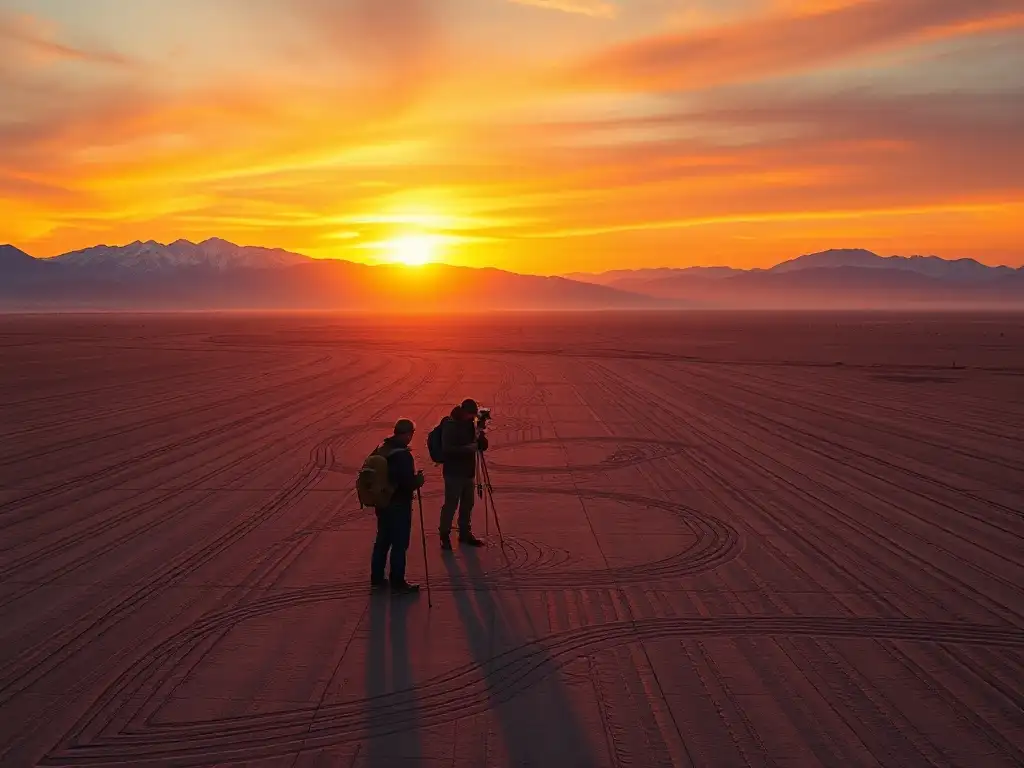
Unravel the mysteries of the Andes! Journey beyond the iconic Nazca Lines and discover a world of vibrant cultures, breathtaking artistry, and astonishing ingenuity. But what secrets do the sands whisper? Dive into the enigmatic world of Nazca music history and uncover the captivating soundscapes that accompanied a civilization that continues to baffle and inspire. Prepare to be amazed as we explore the rhythms and melodies of a lost world.
The arid plains of southern Peru hold not only the enigmatic Nazca Lines, but also a fascinating, yet largely unexplored, musical heritage. This article delves into the captivating world of Nazca music history, attempting to reconstruct the soundscapes of this ancient civilization through the limited but intriguing evidence available. We will explore the archaeological findings, analyze artistic representations on pottery, and consider the potential acoustic properties of the famous Nazca Lines themselves to piece together a more complete picture of their musical practices. While much remains shrouded in the mists of time, the surviving fragments offer tantalizing glimpses into the vibrant auditory culture of the Nazca people. Understanding their music provides invaluable insight into their social structures, religious beliefs, and daily lives, enriching our comprehension of this remarkable civilization. This exploration of "Nazca music history" will reveal how the sounds of the past resonate with our understanding of the present.
Unveiling the Auditory World of the Nazca Culture
Introduction to Nazca's Musical Heritage
The Nazca culture (c. 100 BC – 800 AD) flourished in a geographically challenging environment. Their mastery of irrigation allowed them to thrive in the desert, and their artistic achievements, particularly the iconic Nazca Lines, are globally renowned. However, our understanding of their musical traditions is significantly less developed compared to other aspects of their culture.
Unlike civilizations leaving behind extensive written records, the Nazca relied primarily on visual representations to convey information, making the reconstruction of their musical practices a complex, interpretative endeavor. This challenge, however, fuels the excitement of this exploration, transforming the search for lost sounds into a captivating historical puzzle.
The Enigmatic Nazca Lines and Their Acoustic Potential
The Nazca Lines, vast geoglyphs etched into the desert surface, have captivated researchers for decades. While their primary purpose remains debated, some scholars propose a ritualistic or astronomical significance. Could these monumental earthworks also have served an acoustic function?
[Specific information pending on acoustic studies of Nazca Lines]. The possibility that certain lines or formations might have amplified or channeled sound during ceremonies or performances remains an intriguing area of research. The vast, open expanse of the desert itself may have played a significant role in shaping the auditory environment, influencing the types of instruments used and the styles of music performed.
Investigating the Evidence of Nazca Music History
Archaeological Finds: Instruments of the Nazca People
While the discovery of intact musical instruments from the Nazca period is rare, archaeological excavations have yielded fragments of potential instruments. [Specific examples of discovered instruments and their inferred uses pending]. These fragmented remains, often made from materials such as bone, wood, and possibly reeds, offer limited but crucial evidence.
Careful analysis of these fragments, alongside comparative studies of instruments from contemporaneous cultures, can help us to speculate on the types of musical sounds produced by the Nazca. The scarcity of finds, however, underscores the fragility of organic materials and the challenges inherent in preserving such artifacts in the harsh desert environment.
Nazca Pottery Depictions: Musical Scenes and Performances
Nazca pottery provides a more abundant, albeit indirect, source of information about their music. Many vessels depict scenes of musical performances, showcasing individuals playing instruments and engaging in ritualistic dances. These artistic representations offer valuable insights into the social context of music within Nazca society.
[Specific examples of pottery depicting musical scenes and descriptions of instruments depicted pending]. The careful observation of details, such as the posture of musicians, the types of instruments held, and the overall atmosphere of the depicted scenes, can help us to imagine the sounds and energy of their musical events. The vibrant colors and intricate details of the pottery also hint at the importance placed on musical expression within their culture.
Analyzing Nazca Iconography for Clues About Their Soundscapes
Beyond specific depictions of instruments and performances, broader aspects of Nazca iconography may also provide subtle clues about their musical soundscapes. The frequent appearance of certain motifs, such as stylized birds or mythical creatures, might relate to specific musical styles or rituals. [Specific examples of iconography and their potential musical interpretations pending]. By analyzing the overall visual language of Nazca art, we can attempt to correlate symbolic representations with potential musical aspects.
This approach requires a multidisciplinary perspective, combining art historical analysis with anthropological and musicological insights to interpret the visual clues embedded within their artistic heritage. The process is inherently speculative, but offers promising avenues for further investigation into the elusive soundscapes of the Nazca. 🎶
Reconstructing Nazca Musical Instruments
Archaeological findings offer tantalizing glimpses into the musical instruments used by the Nazca civilization. While complete instruments are rare due to the fragility of organic materials over millennia, fragments of pottery, bone, and wood provide crucial evidence. Careful analysis of these fragments, combined with iconographic representations in Nazca pottery and textiles, allows researchers to reconstruct, albeit partially, the soundscapes of Nazca society.
The meticulous craftsmanship evident in the surviving pieces suggests a sophisticated understanding of acoustics and musical principles. Scholars have painstakingly pieced together fragments of bone flutes, identifying the finger holes and inferring playing techniques. Similarly, the study of ceramic representations has helped identify various types of drums and rattles, providing clues about their size, shape, and potential sounds.
This painstaking process of reconstruction is ongoing, with new discoveries continually refining our understanding of Nazca musical instruments. The challenges involved in this work highlight the importance of interdisciplinary collaboration, bringing together archaeologists, musicologists, and material scientists to unravel the mysteries of Nazca music.
Types of Nazca Flutes: Materials and Construction
Nazca flutes, primarily constructed from bone, were often intricately carved and decorated. Evidence suggests the use of various bird bones, chosen perhaps for their specific acoustic properties. The length and number of finger holes varied, indicating a potential range of musical scales and melodies. Some flutes exhibit evidence of polishing, indicating a focus on achieving a clear and resonant sound. The construction techniques employed were clearly sophisticated, reflecting a high level of craftsmanship. The materials used, along with the variations in flute design, suggest a diverse range of musical styles and functions within Nazca society. Further research is needed to fully understand the relationship between flute design and musical purpose. For example, did different types of flutes have specific roles in rituals, ceremonies, or everyday life? The answers to these questions lie in ongoing analysis of newly discovered artifacts and a deeper understanding of the iconography associated with Nazca flutes.
Nazca Percussion Instruments: Drums and Rattles
Percussion instruments played a vital role in Nazca music. While complete drums are rarely found, fragments of pottery drums and depictions in Nazca art provide valuable insight into their construction and use. These drums likely varied in size and shape, producing different tones and rhythms. Rattles, often made from gourds or pottery filled with small stones or seeds, were likely used to create a percussive accompaniment to flutes and other instruments.
The rhythmic complexity achievable through the combination of drums and rattles suggests a sophisticated understanding of musical timing and structure. The materials used in the construction of these instruments, readily available in the Nazca environment, highlight the practical and resourceful nature of Nazca musical practices. The combination of drums and rattles, often depicted in Nazca art alongside flutes, suggests a dynamic and vibrant musical culture.
The Role of Antaras in Nazca Musical Practices
While the presence of antaras (panpipes) in Nazca musical practices is not definitively confirmed by direct archaeological evidence, their presence in later Andean cultures and the stylistic similarities in iconography suggest a strong possibility. The antaras' characteristic sound, with its layered melodies, would have been well-suited to the ritual and ceremonial contexts prevalent in Nazca society. The potential use of antaras in Nazca music provides another dimension to the understanding of their musical repertoire.
Further research, including the analysis of iconographic evidence and comparisons with related Andean cultures, is needed to conclusively determine the role of antaras in Nazca musical practices. The potential discovery of antara fragments would significantly contribute to this understanding.
The Significance of Nazca Music in Rituals and Daily Life
Nazca music permeated various aspects of daily life, from religious ceremonies to social gatherings and agricultural activities. The sounds of flutes, drums, and rattles likely filled the air during important rituals, accompanying offerings and prayers to deities. Music was also likely integral to communal celebrations and social interactions, fostering a sense of unity and shared identity.
The close relationship between music and agriculture is evident in the imagery found on Nazca pottery, which often depicts musical performances alongside agricultural activities. Therefore, the study of Nazca music provides essential insights into the social, religious, and economic structures of this fascinating civilization. The integration of music into daily life underscores its importance in shaping Nazca cultural identity and social cohesion.
Nazca Music and Religious Ceremonies
Religious ceremonies were undoubtedly central to Nazca life, and music played a crucial role in these events. The rhythmic drumming and melodic flute playing likely accompanied processions, offerings, and prayers to the deities. The combination of these instruments may have created a powerful and evocative soundscape, intended to enhance the spiritual experience of participants.
The use of music in religious contexts suggests a deep connection between the sounds produced and the spiritual world. Unfortunately, the exact nature of these ceremonies and the specific musical pieces performed remain largely unknown, requiring further research to fully uncover this aspect of Nazca culture. However, existing evidence strongly suggests a significant role for music in shaping the religious landscape of Nazca society.
Musical Expression in Nazca Social Gatherings
Beyond religious contexts, Nazca music played a vital role in social gatherings and community celebrations. The sounds of music would have filled the air during festive occasions, enhancing the joyous atmosphere and strengthening social bonds. Music likely accompanied dances and other forms of entertainment, creating a lively and engaging social environment.
The presence of musical instruments in Nazca burials, along with their depiction in art, suggests that music was not just a part of religious rituals but also an integral aspect of everyday social life. The use of music in these contexts highlights its role in fostering social cohesion and community spirit within Nazca society. Further research is needed to ascertain the specific types of musical performances and social events where music played a prominent role.
The Relationship Between Nazca Music and Agriculture
The arid environment of the Nazca region necessitated sophisticated agricultural techniques. Music may have played a role in agricultural rituals and practices, possibly accompanying ceremonies aimed at ensuring successful harvests. The imagery of musical performances alongside agricultural activities on Nazca pottery suggests a close relationship between music and the agricultural cycle. Music might have served as a means of enhancing community participation in agricultural labor or as a way to invoke the favor of deities associated with fertility and abundance.
Further investigation is needed to understand the precise mechanisms through which music was integrated into agricultural practices. However, the available evidence indicates a significant connection between music and the agricultural lifeblood of Nazca civilization. The interplay between music and agriculture highlights the deep entanglement of cultural practices and ecological realities in Nazca society.
Interpreting the Sounds of the Nazca Desert
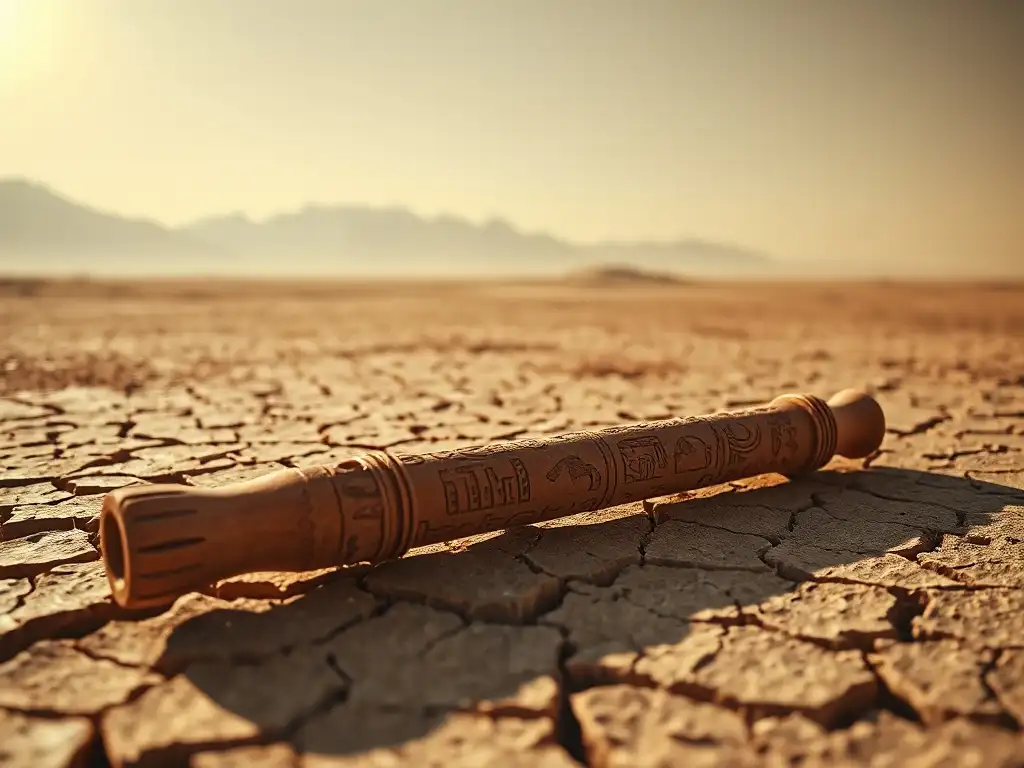
The Nazca culture, famed for its enigmatic geoglyphs etched into the desert floor, left behind a rich, albeit largely silent, legacy. Understanding their soundscapes requires a multi-faceted approach, combining archaeological evidence, environmental analysis, and ethnomusicological insights. While we lack direct recordings of Nazca music, we can glean clues from surviving artifacts, analogous musical traditions in neighboring cultures, and the very landscape itself.
The aridity and unique acoustic properties of the Nazca desert itself play a significant role in deciphering the potential soundscapes of the past. The challenge lies in bridging the gap between the tangible remains and the intangible sounds of a vanished civilization.
This process involves careful consideration of the materials used in potential musical instruments, the types of songs or rituals that might have been performed, and the possible role of the environment in shaping the sonic experience. The lack of direct evidence necessitates creative interpretation and comparative analysis with similar cultures that have left a more complete musical record.
The Acoustic Properties of the Nazca Desert Environment
The Nazca desert's unique geography significantly influences sound propagation. The arid climate, flat terrain, and sparse vegetation create a relatively clear acoustic environment with minimal sound absorption. This suggests that sounds could have traveled considerable distances, potentially enhancing the impact of musical performances or ceremonial rituals. The high-altitude location also affects sound waves, creating subtle differences in pitch and timbre compared to lower elevations.
Further research into the specific acoustic properties of different locations within the Nazca desert, particularly around known ceremonial sites, is crucial for understanding how sound may have been used and perceived. Analyzing the natural acoustics of the landscape can help us identify areas that may have been particularly well-suited for amplifying sound, creating focused auditory experiences, or providing a sense of grandeur and spectacle. This natural amplification could have been exploited intentionally to create powerful sonic events.
Potential Links Between Nazca Lines and Sound Amplification
A fascinating, albeit speculative, theory suggests a connection between the Nazca Lines and sound amplification. Some researchers propose that the lines, particularly those forming geometric shapes or animal figures, could have been strategically placed to influence sound waves, focusing or redirecting them towards specific locations. This hypothesis necessitates further investigation into the precise geometrical relationships between different lines, their orientation relative to prevailing winds, and the potential effects on sound reflection and refraction.
While this remains a largely unproven theory, the possibility of intentional acoustic design within the Nazca landscape warrants further exploration through advanced acoustic modeling and simulations. The complexity and precision of the Nazca Lines hint at a sophisticated understanding of geometry and perhaps even an understanding of acoustics far beyond what we currently assume. The very scale of these geoglyphs might have been designed to amplify sounds across vast distances.
Theories on Sound Use in Nazca Ceremonial Sites
Several hypotheses exist regarding the role of sound in Nazca ceremonial sites. It's plausible that music played a vital role in religious rituals, social gatherings, or agricultural celebrations. The discovery of potential musical instruments, such as bone flutes or ceramic whistles (though more research is needed to confirm their functionality), supports this idea. These instruments, even if simple, could have been combined to create complex musical textures.
The limited archaeological evidence necessitates relying on analogous practices from contemporaneous cultures, such as the use of music in rituals and ceremonies across the Andes. By studying similar cultures, we can gain insights into the potential musical forms and functions within Nazca society. Furthermore, analyzing the spatial arrangement of structures within ceremonial sites could reveal potential acoustic focal points.
Modern Interpretations and the Legacy of Nazca Sound
The challenge of reconstructing Nazca music and soundscapes necessitates a blend of scientific investigation and artistic interpretation. While direct evidence remains scarce, modern researchers and musicians are working to shed light on the sonic world of the Nazca. This vibrant field of study combines archaeological findings with the creative imagination of musicians to breathe life back into the potential sounds of the Nazca culture.
The collaborative effort between scientists and artists is crucial to understand and appreciate the musical heritage of this ancient civilization. The results have yielded fascinating and insightful interpretations, even if they remain speculative to some degree.
Contemporary Research on Nazca Music and Acoustics
Modern research employs advanced acoustic techniques to analyze the potential soundscapes of Nazca sites. This includes using computer modeling to simulate sound propagation in the desert environment and experimenting with replicas of potential Nazca instruments to understand their sonic capabilities. Researchers are also investigating the materials used in crafting potential instruments, analyzing their composition to determine their acoustic properties.
This work is ongoing, and new discoveries are constantly adding to our understanding. The integration of acoustic modeling with archaeological evidence provides a more comprehensive approach to understanding the soundscapes of the Nazca. It involves not just replicating potential instruments but also exploring the environmental context in which they might have been used.
Reconstructions of Nazca Music by Modern Andean Musicians
Contemporary Andean musicians have undertaken the ambitious task of reconstructing Nazca music based on available evidence and analogous traditions. These reconstructions are often speculative, relying on informed guesses about musical scales, rhythms, and instrumentation. However, they provide valuable insights into the potential sounds of Nazca music and offer a tangible way to experience the possible sonic world of this ancient civilization.
This creative process allows for the exploration of potential soundscapes, even in the absence of direct evidence. The results, although interpretations, offer a powerful connection to the past and enrich our understanding of Nazca culture. These reconstructions often feature traditional Andean instruments, offering a bridge between the past and the present.
Preserving and Promoting Nazca's Sound Heritage
Preserving and promoting Nazca's sonic heritage requires a multi-pronged approach. This includes continued archaeological research to uncover further evidence of musical instruments and ceremonial practices, as well as ongoing acoustic studies to better understand the role of the environment in shaping the Nazca soundscapes. Furthermore, the work of contemporary musicians in reconstructing and performing Nazca-inspired music is crucial in keeping this cultural heritage alive.
Educating the public about the potential sounds of the Nazca culture is also essential, increasing awareness and appreciation of this fascinating aspect of their civilization. The preservation of this heritage extends beyond the physical artifacts; it also involves the preservation and promotion of the intangible cultural heritage of the soundscapes.
Conclusion: The Enduring Echoes of Nazca Music History
The study of Nazca music history remains a fascinating, albeit challenging, endeavor. While the absence of readily available musical scores or recordings presents significant obstacles, the archaeological evidence, combined with ethnomusicological comparisons to later Andean musical traditions, allows us to paint a compelling, if incomplete, picture of their soundscapes.
The intricate designs etched into the Nazca Lines themselves may offer clues to rhythmic patterns and musical structures, suggesting a sophisticated understanding of sound and its relationship to the cosmos. The discovery of instruments like the pututu and antaras provides tangible links to their musical practices, hinting at the social and ritual significance of music within Nazca society.
Further research, particularly interdisciplinary collaborations between archaeologists, musicologists, and anthropologists, is crucial to unlocking the full potential of this field. Advanced imaging techniques applied to archaeological finds could reveal further details about instrument construction and playing techniques. Careful analysis of iconography found in Nazca pottery and textiles could provide additional insights into musical practices and their social context.
By combining these approaches, we can hope to gain a deeper understanding of the role music played in the lives of the Nazca people, enriching our appreciation of their rich cultural heritage. The echoes of their music may be faint, but with persistent investigation, we can continue to decipher their enduring legacy and contribute to a more complete understanding of Nazca music history. The ongoing quest to decode this ancient soundscape is a testament to the enduring power of music to transcend time and connect us to past civilizations.
The mystery surrounding Nazca music only adds to its allure, inspiring future generations of researchers to delve deeper into this captivating area of study. Understanding their music is understanding a crucial aspect of their culture, a culture that continues to fascinate and inspire awe.
- Unveiling the Auditory World of the Nazca Culture
- Investigating the Evidence of Nazca Music History
- Reconstructing Nazca Musical Instruments
- The Significance of Nazca Music in Rituals and Daily Life
- Interpreting the Sounds of the Nazca Desert
- Modern Interpretations and the Legacy of Nazca Sound
- Conclusion: The Enduring Echoes of Nazca Music History
Frequently Asked Questions
What kind of musical instruments did the Nazca culture use?
The Nazca people likely used a variety of percussion instruments, such as drums and rattles, made from readily available materials like clay, wood, and gourds. Evidence is limited, however, due to the fragility of organic materials.
How has the Nazca music history influenced later Andean cultures?
While direct evidence is scarce, the general musical traditions of the Nazca likely contributed to the broader Andean musical landscape, influencing later cultures like the Inca. The use of percussion instruments, for example, continued.
Is there any surviving Nazca music recorded?
Unfortunately, no recorded examples of Nazca music exist. Our understanding is based on archaeological findings of instruments and inferences from related cultures. Further research is needed.
How do the Nazca Lines relate to their music and culture?
The connection between the Nazca Lines and their music remains largely speculative. It's possible that music played a role in ceremonies or rituals associated with the creation or purpose of the lines, but evidence is lacking.
What are the biggest challenges in studying Nazca music history?
The biggest challenges are the perishable nature of organic materials used to make instruments and the limited archaeological evidence directly related to music. Interpretations rely heavily on context and comparisons with neighboring cultures.
Final Reflection: Echoes of the Desert – A Legacy of Unsung Sounds
The enigmatic Nazca Lines remain a testament to a sophisticated civilization, but their visual splendor often overshadows the equally fascinating, yet largely unexplored, realm of their soundscapes. Understanding the music of the Nazca people offers a crucial layer to comprehending their culture, beliefs, and societal structures, enriching our understanding far beyond the iconic geoglyphs. The silence of the desert today holds the echoes of a vibrant musical past, waiting to be fully deciphered.
The search for Nazca music, or rather, the reconstruction of it based on limited archaeological evidence, has been a journey into the heart of a lost world. It highlights the limitations of our current understanding and the vast potential for future discoveries. The past is never dead. It's not even past.
– William Faulkner. This quote resonates deeply as we grapple with the fragments of Nazca musical history, recognizing that each new piece of evidence brings us closer to a more complete understanding, not just of their music, but of their entire civilization.
Consider the implications of this pursuit. What other untold stories lie buried beneath the sands of the Nazca desert? You, the reader, are now part of this ongoing conversation. I urge you to delve deeper, to seek out further research, and to imagine the sounds of ancient rituals, celebrations, and daily life echoing across the desolate landscape. Let the silence of the desert inspire you to uncover the voices of the past, and in doing so, enrich our understanding of the human experience across time and cultures.
Unleash Your Curiosity: Dive into Nazca's Enigmatic Soundscapes!
Thank you for exploring the fascinating world of Nazca's soundscapes with us! Your interest helps preserve the magic of these ancient lines, resonating with history. Now, let's move from inspiration to action and delve deeper into the extraordinary stories these mystical sounds reveal.
Here are some exciting ways to engage with this topic:
- **Discover local music** inspired by Nazca's heritage and share your favorite discoveries with friends and family!
- Join a community group focused on Andean civilizations and share insights on how sound shapes culture.
- Create your own soundscape! Use everyday objects to evoke the essence of Nazca's environment and invite others to participate.
What sound best captures the essence of Nazca's desert lines? Share your thoughts in the comments below!