
The Challenges of Reconstructing Ancient Andean Music: A Sonic Puzzle

Step into a world lost to time, yet echoing with the rhythms of a vibrant past. Imagine the haunting melodies and intricate rhythms of the Andes, painstakingly pieced together from fragments of history. This website delves into the fascinating world of Andean Civilizations, exploring their rich tapestry of culture, art, and technology. But the journey doesn't end there. Discover the astonishing Ancient Andean music reconstruction challenges that continue to puzzle researchers today—a sonic mystery waiting to be unravelled. Prepare to be captivated by the echoes of a lost world.
The vibrant tapestry of Andean civilizations, encompassing the Incas, Moche, Nazca, and Tiahuanaco, left behind a legacy far richer than glittering gold and imposing stone structures. Their musical traditions, though largely undocumented in written form, represent a crucial aspect of their cultural identity and societal structures. Reconstructing this lost sonic landscape presents a formidable challenge, a complex puzzle demanding meticulous investigation and innovative approaches.
This article delves into the significant hurdles faced by researchers attempting to resurrect the sounds of ancient Andean music, exploring the limitations of the available evidence and the ingenious methods employed to overcome them. We will examine the various challenges inherent in this fascinating field, from the fragmentary nature of archaeological findings to the inherent biases in modern interpretations. Understanding these challenges is crucial to appreciating the remarkable achievements and ongoing efforts to illuminate this captivating aspect of Andean heritage.
The Scarcity of Direct Evidence: A Fragmented Soundscape
The primary obstacle in reconstructing ancient Andean music is the sheer scarcity of direct evidence. Unlike many European or Asian cultures that left behind extensive written musical scores or detailed descriptions of musical practices, the Andean civilizations primarily relied on oral traditions. While some iconographic representations depict musical instruments and possibly musical scenes, these are often ambiguous and lack the precision needed for accurate musical reconstruction.
Furthermore, the materials used to construct instruments – often organic materials like wood, reeds, and animal hides – are susceptible to decay, leaving archaeologists with limited physical remains to study. The few surviving instruments are often incomplete or damaged, providing only partial clues to their original sound. This lack of comprehensive documentation presents a significant challenge, forcing researchers to rely on indirect evidence and informed speculation.
Interpreting Iconography: Visual Clues to Musical Practices
While direct evidence is limited, the rich iconography found in Andean art provides valuable, albeit indirect, clues about ancient musical practices. Pottery, textiles, and stone carvings often depict musicians playing various instruments, offering glimpses into their physical characteristics and possible roles in ceremonies or daily life. However, interpreting these visual representations requires careful consideration.
The artistic conventions of the time, the symbolic nature of many depictions, and the potential for artistic license all introduce ambiguity. For example, the size and shape of instruments depicted may not accurately reflect their real-world counterparts, and the context of their depiction may be open to interpretation. Researchers carefully analyze these visual clues, comparing them with ethnomusicological studies of surviving Andean musical traditions to build a more complete picture.
The Role of Ethnomusicology: Bridging the Gap Through Modern Traditions
Ethnomusicology, the study of music in its cultural context, plays a crucial role in the reconstruction of ancient Andean music. By studying the surviving musical traditions of Andean communities, researchers can identify potential links to ancient practices. This involves analyzing the construction techniques, playing styles, and musical structures of contemporary instruments and songs, looking for parallels with the archaeological evidence. However, it is crucial to acknowledge the limitations of this approach.
Modern Andean musical traditions have evolved over centuries, influenced by both internal and external factors. Directly equating contemporary practices with ancient ones risks imposing anachronistic interpretations. Therefore, ethnomusicological studies must be carefully integrated with archaeological findings and other historical data to avoid oversimplification. The process requires a nuanced understanding of cultural continuity and change.
Technological Advancements: New Tools for Sonic Reconstruction
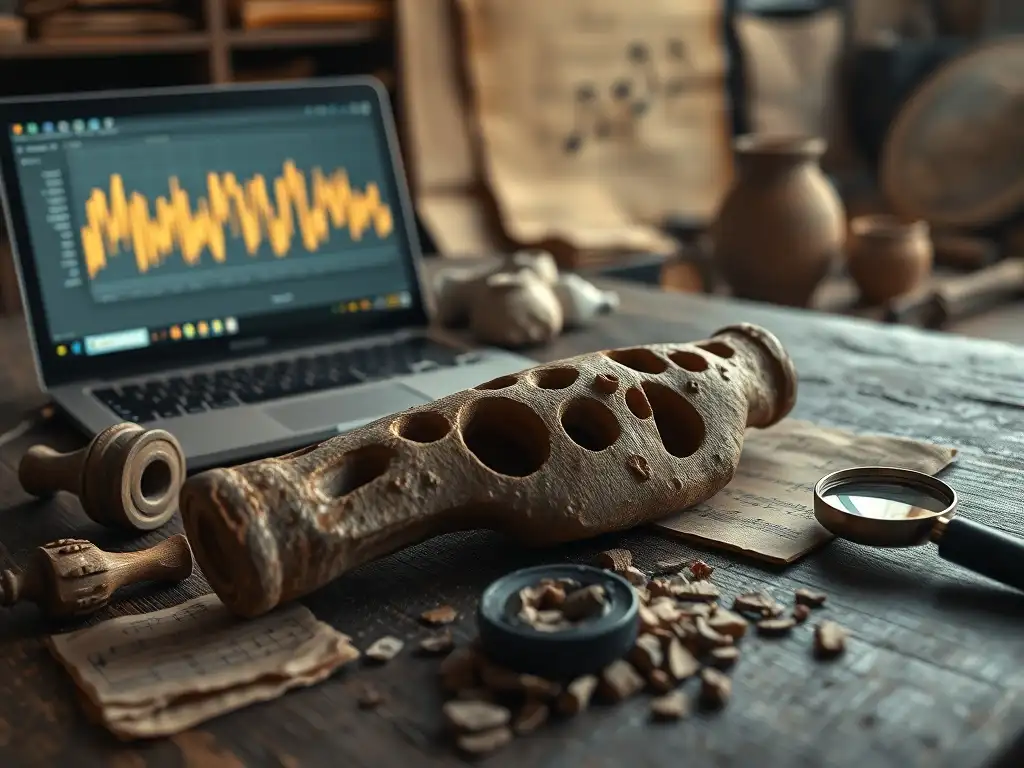
Recent technological advancements have opened up exciting new possibilities for reconstructing ancient Andean music. Digital modeling techniques allow researchers to create virtual versions of ancient instruments based on fragmented remains or artistic representations. These virtual instruments can then be used to simulate their sound, providing a more informed understanding of their acoustic properties.
Furthermore, advanced imaging techniques, such as X-ray and CT scanning, allow for non-destructive analysis of fragile artifacts, revealing internal structures and construction details that would otherwise be inaccessible. The combination of these technological advancements with traditional archaeological and ethnomusicological methods offers a powerful toolkit for unlocking the secrets of ancient Andean music. The ongoing development of these technologies promises further breakthroughs in our understanding of this fascinating field.
The Ongoing Debate: Interpreting the Sonic Past
Despite the advancements in research methodologies, the reconstruction of ancient Andean music remains a complex and ongoing debate. The fragmentary nature of the evidence, the challenges of interpretation, and the inherent biases of modern researchers all contribute to a range of possible interpretations. Different researchers may reach different conclusions based on their own theoretical frameworks and the specific data they choose to emphasize.
This ongoing discussion highlights the inherent uncertainties involved in reconstructing the past, emphasizing the importance of rigorous methodology, collaborative research, and a willingness to acknowledge the limitations of our knowledge. The pursuit of understanding ancient Andean music is a testament to the enduring power of music to connect us across time and cultures.
- The Scarcity of Direct Evidence: A Fragmented Soundscape
- Interpreting Iconography: Visual Clues to Musical Practices
- The Role of Ethnomusicology: Bridging the Gap Through Modern Traditions
- Technological Advancements: New Tools for Sonic Reconstruction
- The Ongoing Debate: Interpreting the Sonic Past
- What are the main challenges in reconstructing ancient Andean music?
- How do researchers attempt to recreate ancient Andean soundscapes?
- What role does iconography play in the reconstruction process?
- What are the limitations of current reconstruction efforts?
- What are some examples of instruments used in ancient Andean cultures that pose challenges for reconstruction?
Unveiling the Sounds of the Past: An Introduction to Andean Musical Reconstruction
This section delves into the complexities inherent in reconstructing the soundscapes of ancient Andean civilizations. The task is far from straightforward, presenting a unique set of challenges that require meticulous research, careful interpretation, and a healthy dose of informed speculation. Understanding these challenges is crucial to appreciating the remarkable efforts undertaken by researchers to bring these lost melodies back to life.
The reconstruction of Ancient Andean music is a fascinating field, demanding a multidisciplinary approach that combines musicology, archaeology, anthropology, and even materials science. We will explore the specific hurdles faced and the innovative methods employed to piece together this sonic puzzle.
Why Reconstructing Ancient Andean Music Presents Unique Hurdles
Reconstructing Ancient Andean music presents unique hurdles compared to reconstructing music from other ancient cultures. Several factors contribute to this difficulty. Firstly, the ephemeral nature of sound itself poses a significant problem. Unlike physical artifacts like pottery or textiles, music leaves behind no direct physical trace. The challenge lies in inferring musical practices from indirect evidence.
Secondly, the limited survival of musical instruments is a major obstacle. While some fragmented instruments have been unearthed, many were made from organic materials that decay readily, leaving archaeologists with incomplete or nonexistent specimens. This lack of physical evidence makes it difficult to determine the precise sound and playing techniques of these instruments. For instance, the exact timbre and range of a pututu (a conch shell trumpet) might vary depending on the size and shape of the shell, information often lost to time and decay.
Thirdly, the absence of written musical notation in many Andean cultures presents a considerable challenge. While some later Inca records exist, they don't provide detailed musical information. Researchers must rely on iconography, ethnomusicological studies of surviving Andean musical traditions, and comparisons with similar instruments and musical styles from other cultures to piece together a plausible reconstruction. This process is inherently speculative, requiring careful consideration of various possibilities and potential biases.
Finally, the cultural context is often lost. Understanding the social and ritual functions of the music is crucial for accurate reconstruction. Was the music used for religious ceremonies, agricultural rituals, or everyday entertainment? The intended purpose heavily influences the interpretation of the available evidence. Without a complete understanding of the cultural context, any reconstruction risks being incomplete or misleading.
Understanding the Limited Sources for Andean Music Research
The sources available for researching Ancient Andean music are surprisingly scarce and often fragmented. Archaeological excavations yield some clues, but these are often indirect and require careful interpretation. For example, the discovery of a flute fragment might reveal its material composition but provide little insight into its musical range or the style of music it was used to play.
Examples of Limited Sources:
- Iconography: Depictions of musical instruments and scenes of musical performance in pottery, textiles, and stone carvings offer valuable but often ambiguous clues.
- Ethnomusicology: Studying surviving Andean musical traditions can provide insights into potential ancient techniques and styles, but extrapolation must be approached cautiously.
- Archaeological Excavations: Fragments of musical instruments, such as flutes, panpipes, and drums, can be found, but often these are incomplete and require considerable reconstruction.
- Written Records (Limited): While some written accounts exist, particularly from the later Inca period, these are often scant and lack detailed musical descriptions.
The scarcity of direct evidence necessitates a multi-faceted approach. Researchers must carefully analyze all available data—however incomplete—to build a plausible picture of ancient Andean music. This requires a meticulous process of cross-referencing different types of evidence and acknowledging the inherent uncertainties involved. The reconstruction of Ancient Andean music is, therefore, an ongoing process of discovery, refinement, and interpretation, constantly evolving as new evidence emerges and new methodologies are developed. The quest to understand the sounds of the past continues, a testament to the enduring fascination with the rich musical heritage of the Andes.
The Fragmentary Nature of Evidence: Deciphering the Sonic Landscape
Reconstructing ancient Andean music presents a significant challenge due to the inherently fragmentary nature of the surviving evidence. Unlike many other cultures with extensive written musical notations, the Andean civilizations left behind a limited number of direct clues about their musical practices. This scarcity necessitates a multidisciplinary approach, combining archaeological findings, iconographic analysis, and ethnohistorical accounts to piece together a sonic puzzle.
The inherent biases and limitations of each source must be carefully considered to avoid misinterpretations and inaccurate reconstructions. The lack of complete musical scores or detailed descriptions of musical systems forces researchers to rely on indirect evidence, making the process of reconstruction both complex and fascinating. The challenge of Ancient Andean music reconstruction is precisely this: building a complete picture from scattered fragments.
Archaeological Findings: Musical Instruments and Their Limitations
Archaeological excavations have unearthed a variety of musical instruments from Andean sites, providing tangible evidence of ancient musical practices. These include panpipes ( antara), flutes ( pututo), drums ( tinku), and various types of percussion instruments. However, the limitations of these findings are significant.
Often, instruments are discovered in fragmented states, making it difficult to determine their original form and playing technique. Furthermore, the absence of accompanying written materials leaves researchers to speculate about their use and function within the broader musical context. For example, a partially intact panpipe might reveal the number and arrangement of pipes, but it offers little insight into the melodies or rhythms played on it.
The materials used in the construction of the instruments, such as bone, wood, and metal, also degrade over time, further hindering our ability to fully understand their original acoustic properties. Analyzing the surviving fragments requires expertise in archaeology, materials science, and music theory to deduce the instrument's original sonic capabilities. The challenge lies not just in identifying the instrument, but in understanding how it sounded and how it was used within a wider musical system.
Iconography and Art: Interpreting Musical Scenes in Andean Art
Andean art, particularly textiles, pottery, and rock carvings, offers valuable insights into ancient musical practices. Depictions of musicians playing instruments, ceremonial scenes involving music, and symbolic representations of musical concepts provide crucial visual data. However, interpreting these images requires careful consideration of cultural context and artistic conventions.
The artistic license employed by Andean artists can sometimes obscure the precise details of musical instruments and performances. For instance, a depiction of a musician playing a flute may not accurately reflect the instrument's size, shape, or the specific type of music being played. Furthermore, the symbolic meaning embedded within these artistic representations can be complex and open to multiple interpretations.
Researchers must employ interdisciplinary approaches, integrating knowledge of art history, anthropology, and musicology to decipher the iconographic clues and extract meaningful information about ancient Andean music. The ambiguity inherent in artistic representations necessitates a cautious and nuanced approach to interpretation. A seemingly straightforward image of a musician requires thorough analysis to avoid misinterpretations that could lead to inaccurate reconstructions of musical practices.
Ethnohistorical Accounts: The Filter of Colonial Perspectives on Andean Music
Ethnohistorical accounts, primarily written by Spanish chroniclers following the conquest, offer another source of information about ancient Andean music. However, these accounts are filtered through the lens of colonial perspectives and biases, often reflecting a limited understanding of Andean culture and musical systems. Chroniclers frequently described Andean music in terms that were familiar to their own European musical traditions, leading to potential inaccuracies and misinterpretations.
Furthermore, the destruction of much of Andean culture during the colonial period resulted in a significant loss of indigenous knowledge and traditions, further complicating the task of reconstructing ancient Andean music from these sources. These accounts, while offering valuable glimpses into some aspects of Andean musical practices, must be critically evaluated and cross-referenced with other sources to mitigate the bias inherent in their colonial origins.
Deciphering the original Andean musical landscape from these accounts requires a careful separation of fact from interpretation, recognizing the limitations of the historical record. The challenge lies in extracting the genuine aspects of Andean musical traditions while acknowledging the overlay of colonial influence.
Decoding the Musical Language: Challenges in Interpretation
The reconstruction of Ancient Andean music presents a significant challenge due to the absence of a formalized, written musical notation system comparable to those used in European or Asian traditions. Unlike cultures that meticulously documented their musical practices through scores and treatises, Andean societies relied heavily on oral transmission and practical application. This reliance on oral tradition, while rich in its own way, creates significant hurdles for modern researchers attempting to reconstruct their musical heritage.
The lack of explicit notation means that any reconstruction is inherently an interpretation, a best-guess based on fragmented evidence. This interpretive challenge is further compounded by the diversity of Andean cultures, each with its own unique musical styles and practices. Reconstructing the music of the Inca Empire, for example, is vastly different from attempting to reconstruct the musical traditions of the Moche or Nazca civilizations, necessitating distinct methodologies and approaches.
The Absence of Written Musical Notation in Ancient Andean Cultures
The lack of written musical scores significantly impacts our understanding of Ancient Andean music. Unlike Western musical traditions with centuries of documented compositions, Andean musical knowledge was primarily passed down through generations via apprenticeship and oral instruction. This process, while effective in maintaining musical continuity within a community, makes the task of reconstructing the music for modern audiences incredibly difficult.
We are left with scant physical evidence: some surviving instruments, iconographic representations on pottery and textiles depicting musical scenes, and ethnomusicological studies of surviving Andean musical traditions. These sources, while valuable, offer only glimpses into the rich and diverse musical landscape of the ancient Andes. The absence of precise pitch notations, rhythmic indications, and structural outlines forces researchers to rely heavily on inference and educated speculation.
The process is akin to piecing together a fragmented jigsaw puzzle with many missing pieces, relying on context and educated guesses to fill the gaps. Furthermore, the very nature of oral transmission means that variations and adaptations occurred over time, making it difficult to pinpoint the “original” form of any given piece.
Understanding Scales, Modes, and Rhythmic Structures of Andean Music
Another major hurdle in reconstructing Ancient Andean music lies in understanding its underlying scales, modes, and rhythmic structures. While some scholars have proposed specific scales and modes based on analyses of surviving instruments and contemporary Andean music, there's considerable debate and limited consensus. The pentatonic scale is often cited as a common feature, but the extent of its usage across different Andean cultures and time periods remains unclear.
Similarly, the rhythmic complexity of Andean music, often involving intricate polyrhythms and syncopation, presents significant challenges to accurate reconstruction. The lack of precise rhythmic notation in the available sources necessitates careful analysis of surviving instruments and their potential playing techniques to infer probable rhythmic patterns. Furthermore, the musical instruments themselves present challenges.
The materials used often degrade over time, making it difficult to determine their original acoustic properties and tuning systems. This uncertainty directly impacts the accuracy of any attempted musical reconstruction. Research on the acoustic properties of these instruments and careful comparison with similar instruments from related cultures is vital for a more accurate portrayal of Ancient Andean music.
The Role of Oral Tradition and its Transformation Through Time
The reliance on oral tradition, while crucial to the preservation of Andean musical practices, also contributes to the challenges of reconstruction. Oral transmission, by its very nature, is susceptible to change over time. Musical pieces evolve, adapting to the tastes and preferences of each generation. The meanings and contexts associated with musical pieces also shift, influenced by socio-cultural changes and historical events.
This process of transformation, while natural, makes it challenging to distinguish between authentic ancient practices and later innovations. Researchers must carefully consider the potential influence of later developments on contemporary Andean musical traditions when attempting to reconstruct music from earlier periods. The task requires careful analysis of the available evidence, distinguishing between genuine ancient practices and later reinterpretations.
This necessitates a nuanced understanding of the historical context and the processes of cultural transmission and adaptation. Ultimately, reconstructing Ancient Andean music is not just about replicating sounds; it's about interpreting a complex cultural legacy that has evolved over millennia. The task demands a multidisciplinary approach, integrating archaeological, ethnomusicological, and historical research to gain a more complete understanding.
Practical Obstacles in Recreating Andean Soundscapes
Reconstructing ancient Andean music presents a formidable challenge, a sonic puzzle demanding meticulous research and innovative approaches. The difficulties extend beyond simply finding surviving instruments; they delve into the very nature of preservation, material science, and the elusive understanding of ancient musical practices. Successfully piecing together the soundscapes of past Andean civilizations requires overcoming a multitude of obstacles, each demanding specialized expertise and careful consideration. The quest to understand "Ancient Andean music reconstruction challenges" is a complex and fascinating journey.
The Conservation and Playability of Ancient Instruments
The fragility of ancient instruments poses a significant hurdle. Many artifacts unearthed from Andean archaeological sites are incomplete, damaged, or severely deteriorated due to centuries of exposure to the elements and the natural processes of decomposition. For example, many panpipes found are missing reeds, and clay instruments often suffer from cracking and breakage.
The conservation process itself can be damaging, requiring delicate balancing of preservation techniques against the need to potentially play the instruments for analysis. Even if an instrument is deemed stable enough for handling, its playability might be severely limited. The wear and tear of time often renders the mechanism for sound production unusable, requiring careful restoration or even the creation of replicas based on the original design, which itself introduces a degree of interpretative uncertainty.
This delicate balance between preservation and analysis is critical in the study of "Ancient Andean music reconstruction challenges." Careful documentation at every stage is essential to ensure the integrity of the research and to understand the limitations imposed by the condition of the artifacts.
Material Science and the Properties of Andean Musical Instruments
Understanding the materials used in ancient Andean instruments is crucial for accurate reconstruction. The properties of these materials—their acoustic characteristics, density, and resilience—directly impact the sound produced. Variations in the quality and sourcing of materials (e.g., different types of wood, clay, or metal alloys) across time and regions could have resulted in significant differences in the timbre and resonance of instruments.
Detailed material analysis, often requiring sophisticated techniques like X-ray fluorescence spectroscopy, is necessary to determine the exact composition of ancient instruments. This information, coupled with experimental archaeology (building replicas using period-appropriate materials and techniques), allows researchers to better understand the relationship between material properties and the resulting sound.
The challenge lies in accurately replicating the specific acoustic characteristics of the original instruments, considering the potential for variations in material composition and manufacturing techniques across different eras and regions. This research is key to understanding the complexities inherent in "Ancient Andean music reconstruction challenges".
Determining Original Tuning and Pitch of Andean Instruments
Establishing the original tuning and pitch of ancient Andean instruments is another significant obstacle. Unlike modern instruments with standardized tuning systems, the tuning systems used in ancient Andean cultures remain largely unknown. While some clues can be gleaned from surviving instruments and iconographic evidence (depictions of instruments in art), these sources are often ambiguous or incomplete.
Furthermore, the pitch of instruments can be affected by environmental factors like temperature and humidity, making it difficult to determine the original pitch with certainty. Researchers often rely on ethnomusicological studies of surviving Andean musical traditions, looking for possible links between ancient and modern instruments and practices. However, centuries of cultural change and musical evolution may have obscured direct connections.
The variability in surviving instruments and the lack of clear documentation make determining original tuning and pitch a significant challenge in the reconstruction of ancient Andean music, adding another layer to the complexities of "Ancient Andean music reconstruction challenges." Innovative approaches, such as using digital modeling and acoustic analysis, are proving increasingly useful in addressing this problem, but considerable work remains to be done.
The Importance of Interdisciplinary Collaboration for Andean Music Reconstruction

Successfully reconstructing ancient Andean music requires a multifaceted approach that transcends the limitations of a single discipline. The sonic puzzle presented by fragmentary evidence necessitates the collaborative efforts of experts from various fields. This interdisciplinary approach is crucial for navigating the complexities of interpreting incomplete data and ensuring a responsible and accurate representation of the past. The "Ancient Andean music reconstruction challenges" are numerous, and a collaborative effort is the only way to overcome them.
Combining Archaeology, Ethnomusicology, and Musicology
The reconstruction of ancient Andean music benefits enormously from the combined expertise of archaeologists, ethnomusicologists, and musicologists. Archaeologists provide the foundational material evidence: fragments of instruments, depictions of musical performances in pottery and textiles, and even the physical remains of instruments themselves. Ethnomusicologists bring their deep understanding of living musical traditions in the Andes, offering valuable insights into performance practices, musical structures, and the cultural context of music.
Their knowledge of contemporary Andean music can illuminate possible interpretations of ancient instruments and musical styles. Finally, musicologists contribute their theoretical knowledge of music history and theory, helping to analyze the recovered fragments and reconstruct musical scores based on surviving evidence and comparative analysis with other musical traditions.
This integrated approach allows for a more holistic and nuanced understanding of ancient Andean music, moving beyond speculation to informed reconstruction. For example, the analysis of a fragmented panpipe found in a Moche tomb might be enhanced by the ethnomusicologist's knowledge of contemporary panpipe playing techniques in the region, while the musicologist's expertise in ancient melodic structures could help in completing a partially damaged score.
The Role of Indigenous Knowledge in the Reconstruction Process
The involvement of Indigenous communities and their traditional knowledge holders is paramount in the ethical and accurate reconstruction of ancient Andean music. Their perspectives offer invaluable insights into the cultural meaning and significance of music in the past, often exceeding the capabilities of solely academic approaches. For instance, oral traditions, stories passed down through generations, might contain clues about lost musical practices or instruments.
Indigenous knowledge can also help verify and contextualize the archaeological findings, providing a richer understanding of the social and ceremonial functions of music within ancient Andean societies. The active participation of Indigenous communities ensures that the reconstruction process is not only academically rigorous but also culturally sensitive and respectful, avoiding the pitfalls of misrepresentation or appropriation.
Ignoring this vital aspect of the puzzle would be a grave mistake, leading to inaccurate and potentially offensive interpretations of the ancient musical heritage. The challenges of reconstruction are not just technical; they are deeply intertwined with cultural preservation and ethical responsibility.
The Ethical Considerations of Reconstructing and Performing Ancient Music
Reconstructing and performing ancient Andean music raises significant ethical considerations. The potential for misinterpretation and cultural appropriation is high, requiring a careful and responsible approach. Authenticity is a key concern; reconstructions should strive for accuracy based on available evidence, but also acknowledge the limitations of our knowledge.
The temptation to fill in gaps with conjecture, rather than sticking to verifiable data, should be resisted. Furthermore, the performance of reconstructed music should be approached with respect and sensitivity, avoiding any form of trivialization or commodification of a deeply significant cultural heritage. The "Ancient Andean music reconstruction challenges" are not only methodological but also deeply ethical.
The involvement of Indigenous communities in the decision-making process regarding the reconstruction and performance of their ancestral music is crucial for ensuring that the process is both respectful and meaningful. Any attempt to profit from the reconstruction without proper consultation and collaboration with the relevant communities is ethically unacceptable and potentially harmful.
Case Studies: Examples of Andean Music Reconstruction Efforts
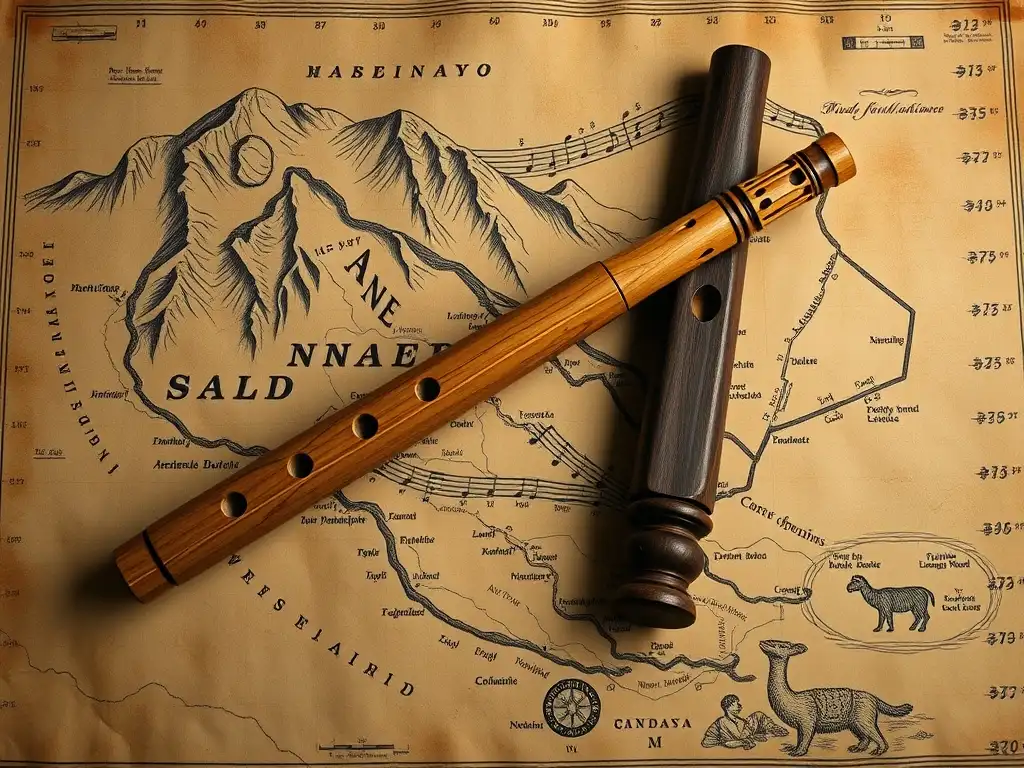
This section delves into specific examples of attempts to reconstruct ancient Andean music, highlighting both successes and limitations encountered in the process. Understanding these case studies provides valuable insight into the complexities and challenges involved in bringing these lost sounds back to life. The field of ancient Andean music reconstruction relies heavily on archaeological findings, ethnographic studies, and careful analysis of surviving instruments and iconography.
The reconstruction process is often iterative, requiring constant refinement based on new discoveries and evolving interpretations. The ultimate goal is not only to recreate the sounds but also to understand the cultural context within which the music was produced and experienced.
The Reconstruction of the Sikus: A Case Study in Aymara Music
The siku, a panpipe instrument central to Aymara musical traditions, offers a fascinating case study in reconstruction. Archaeological evidence shows the siku's widespread use across various Andean cultures for centuries. However, reconstructing the precise sounds of ancient sikus presents numerous hurdles. The materials used – reeds, wood, and sometimes even bone – degrade over time, making it difficult to determine original dimensions and tuning systems.
Furthermore, the tuning systems themselves are not always straightforward. While modern sikus often employ diatonic scales, ancient instruments may have used different tuning systems, possibly pentatonic or even microtonal scales, influenced by the specific acoustic properties of the materials and the cultural preferences of the time. Researchers often rely on comparing surviving instruments with iconographic representations and accounts from colonial-era chronicles 1 to deduce possible tuning systems. The process involves painstaking experimentation, involving the crafting of replicas using traditional materials and techniques, and comparing their sounds to those of contemporary instruments. This careful approach allows for a more informed understanding of the evolution of the siku's sound across different periods and regions. The reconstruction efforts of the siku highlight the importance of interdisciplinary collaboration, bringing together archaeologists, ethnomusicologists, and instrument makers to achieve a more complete picture.
1 These accounts often lack precise musical notation, relying instead on descriptive language.
The Challenges of Recreating the Whistles of the Nazca Culture
The Nazca culture, renowned for their geoglyphs, also left behind a legacy of intriguing musical instruments, particularly ceramic whistles. Unlike the siku, which has a relatively continuous lineage, the whistles present a unique set of reconstruction challenges. Many are fragmentary, making it difficult to determine their original form and sonic capabilities. Moreover, the materials used, primarily clay, are often porous and prone to degradation, affecting the acoustic properties of the instrument.
The reconstruction of Nazca whistles often relies heavily on careful analysis of surviving fragments, combined with the use of 3D modeling and digital audio processing techniques. Researchers create digital models based on the fragments, allowing them to virtually reconstruct the complete instrument and simulate its sound. This approach helps to overcome the limitations of working with incomplete artifacts.
However, the accuracy of this method depends heavily on the quality and completeness of the surviving fragments. The inherent uncertainty in reconstructing the exact dimensions and acoustic characteristics of the instruments leads to a range of possible sounds, demanding careful consideration of the acoustic context in which these whistles were likely played. The process underscores the importance of technological advancements in assisting with reconstruction efforts.
Lessons Learned from Past Andean Music Reconstruction Attempts
Past attempts to reconstruct ancient Andean music have revealed several crucial lessons. First, interdisciplinary collaboration is paramount. Ethnomusicologists, archaeologists, anthropologists, and instrument makers must work together to bring diverse perspectives and expertise to the process. Second, a multi-faceted approach is needed. This includes utilizing not only surviving instruments but also iconography, textual evidence, and ethnographic data to understand the musical practices of the past.
Third, acknowledging the inherent limitations is crucial. Reconstructing ancient sounds is not about creating a perfect replica, but rather about developing plausible interpretations informed by available evidence. The resulting reconstructions should be presented as informed hypotheses, open to revision and refinement as new data emerge. The process of reconstruction is as important as the result itself, offering valuable insights into the methodologies, challenges, and possibilities of uncovering the sonic landscapes of ancient Andean cultures.
The limitations faced in the reconstruction of ancient Andean music highlight the importance of preserving existing artifacts and cultural knowledge for future research. Furthermore, ongoing research and technological advancements will continue to refine our understanding and our ability to reconstruct these lost sounds. The quest to understand ancient Andean music is an ongoing journey, constantly evolving with each new discovery and methodological improvement.
The Ongoing Quest: Future Directions in Andean Music Research
The reconstruction of Ancient Andean music presents a significant challenge, demanding innovative approaches and interdisciplinary collaboration. While considerable progress has been made, many questions remain unanswered, prompting a continued quest for new methodologies and technologies to unlock the sonic secrets of these ancient cultures. The field requires a multi-pronged approach, combining meticulous archival research with cutting-edge technological advancements.
Successfully navigating these challenges will not only enhance our understanding of Andean musical traditions but also contribute to the preservation and promotion of this rich cultural heritage for future generations. The lack of extensive primary source materials continues to be a major hurdle, necessitating creative solutions and interpretations.
New Technologies and Methodologies for Andean Music Analysis
Advances in digital audio analysis are revolutionizing our approach to reconstructing Ancient Andean music. Software capable of analyzing sound frequencies and identifying patterns in fragmented recordings is proving invaluable. For instance, algorithms can now identify subtle harmonic structures or rhythmic variations that might be missed by the human ear alone.
This is particularly useful when dealing with degraded recordings or incomplete musical fragments. Furthermore, the application of machine learning techniques holds immense promise for identifying patterns and relationships within existing data sets. By training algorithms on existing Andean musical traditions, researchers hope to predict missing elements in incomplete fragments, potentially revealing lost melodies or rhythmic structures.
This technological leap is crucial in overcoming the limitations of traditional methods, allowing for more objective and precise analysis of ancient musical remains. Specifically, the use of spectral analysis combined with AI-driven pattern recognition is opening up new avenues of investigation, offering a more nuanced understanding of the complexities of Ancient Andean musical forms.
The Potential of Digital Reconstruction and Virtual Soundscapes
Beyond analysis, new technologies are enabling the digital reconstruction of Ancient Andean music. Using advanced software, researchers can synthesize sounds based on archaeological findings and surviving instruments. This allows for the creation of virtual soundscapes, offering a glimpse into what Ancient Andean music might have sounded like.
While these reconstructions are necessarily speculative, they provide valuable insights into the possible sonic textures and timbres of ancient musical practices. For example, researchers are using digital modeling to simulate the sounds of ancient instruments based on their physical characteristics, such as size, material, and construction techniques. This allows for a far more informed and nuanced understanding of the sonic capabilities of these instruments compared to simple educated guesses.
The creation of virtual soundscapes, incorporating simulated instruments and reconstructed melodies, allows for a more immersive and engaging experience for the audience, fostering a deeper appreciation for Ancient Andean musical heritage. However, ethical considerations regarding interpretation and the potential for misrepresentation must be carefully addressed.
Preserving and Promoting the Legacy of Ancient Andean Music
The reconstruction of Ancient Andean music is not merely an academic pursuit; it is a vital component of cultural preservation. By bringing these ancient sounds to life, we can foster a deeper appreciation for the rich musical heritage of the Andes, connecting contemporary audiences with the past. Disseminating this knowledge through educational programs, museum exhibits, and public performances can help ensure that these traditions are not lost to time.
Furthermore, the digital preservation of reconstructed music ensures its accessibility to a wider audience, transcending geographical limitations. The creation of online archives and interactive exhibits provides valuable resources for researchers and enthusiasts alike. This active approach to preservation and promotion is crucial for safeguarding the legacy of Ancient Andean music and ensuring its continued relevance in the 21st century.
The integration of reconstructed music into educational curricula, particularly in Andean communities, is particularly important for promoting cultural pride and identity. Moreover, supporting contemporary Andean musicians who draw inspiration from ancient traditions helps to ensure the ongoing evolution of this vibrant musical landscape.
Frequently Asked Questions
What are the main challenges in reconstructing ancient Andean music?
Reconstructing ancient Andean music presents numerous challenges. The primary obstacles include the fragmented nature of surviving instruments and the lack of written musical notation. Researchers must rely heavily on archaeological findings and ethnomusicological comparisons.
How do researchers attempt to recreate ancient Andean soundscapes?
Researchers utilize various methods, including the analysis of surviving instruments, comparisons with similar musical traditions, and the study of iconography depicting musical performances. This multidisciplinary approach attempts to build a plausible sonic picture.
What role does iconography play in the reconstruction process?
Iconography, or the study of images, provides invaluable clues. Depictions of instruments and musical scenes on pottery, textiles, and other artifacts offer insights into musical practices and the types of instruments used. This visual data helps to inform the reconstruction process.
What are the limitations of current reconstruction efforts?
Current reconstructions are inherently speculative due to the limited evidence available. The absence of written music and the degradation of instruments severely restrict the accuracy of any reconstruction. Interpretations remain open to debate.
What are some examples of instruments used in ancient Andean cultures that pose challenges for reconstruction?
Several instruments present significant challenges, including the pututu (a shell trumpet) whose exact sound is difficult to ascertain, and various types of flutes and panpipes, where material degradation affects their sonic properties. The reconstruction of their unique timbres remains a significant hurdle.
Final Reflection: Echoes of the Andes: A Legacy to Reclaim
The reconstruction of Ancient Andean music is not merely an academic exercise; it is a vital act of cultural reclamation, a bridge connecting a vibrant past with a present striving for understanding. The fragmented evidence, the limitations of our modern instruments, and the inherent biases in our interpretations all highlight the immense difficulty, yet crucial importance, of this endeavor. We are not simply piecing together sounds; we are piecing together a cultural narrative, a history expressed in melodies and rhythms.
The enduring power of Andean music, even in its fragmented state, speaks volumes about the resilience and creativity of its creators. Its influence continues to resonate in contemporary Andean music, subtly shaping its rhythms and melodies. The echoes of ancient instruments and vocal styles can still be heard, a testament to the enduring legacy of a rich musical tradition. Music is the universal language of mankind,
said Henry Wadsworth Longfellow, and in the case of the Andes, this language, though partially lost, continues to whisper its stories across generations. Understanding this legacy allows us to appreciate the depth and complexity of Andean culture, fostering respect and understanding across cultures.
Consider the implications of this journey into the sonic past. What can we learn from the challenges we face in reconstructing this music? How can we apply a more nuanced and respectful approach to the interpretation of other marginalized cultural expressions? You, the reader, are now part of this ongoing conversation. Engage with the music, explore the available resources, and challenge yourself to listen with empathy and understanding. Let the echoes of the Andes inspire you to appreciate the fragility and enduring power of cultural heritage, and to actively participate in its preservation and celebration.
**Experience the Sounds of the Andes! **
Thank you for exploring the fascinating world of ancient Andean music with us! We hope you've gained a deeper understanding of the challenges and rewards of reconstructing these musical traditions. Now, let's bring this music to life and connect with the rich heritage of the Andes.
Here are some impactful ways you can get involved:
- **Listen to** recordings of reconstructed Andean music and share your thoughts on what resonates most with you.
- **Join** or start a local group dedicated to learning Andean instruments—consider exploring unique instruments like the charango or panpipes!
- **Share** the significance of Andean music with friends and family on social media.
What aspect of ancient Andean music intrigues you the most, and how would you like to learn more about it?