
Andean Funeral Music: Melodies to Guide the Souls of the Departed

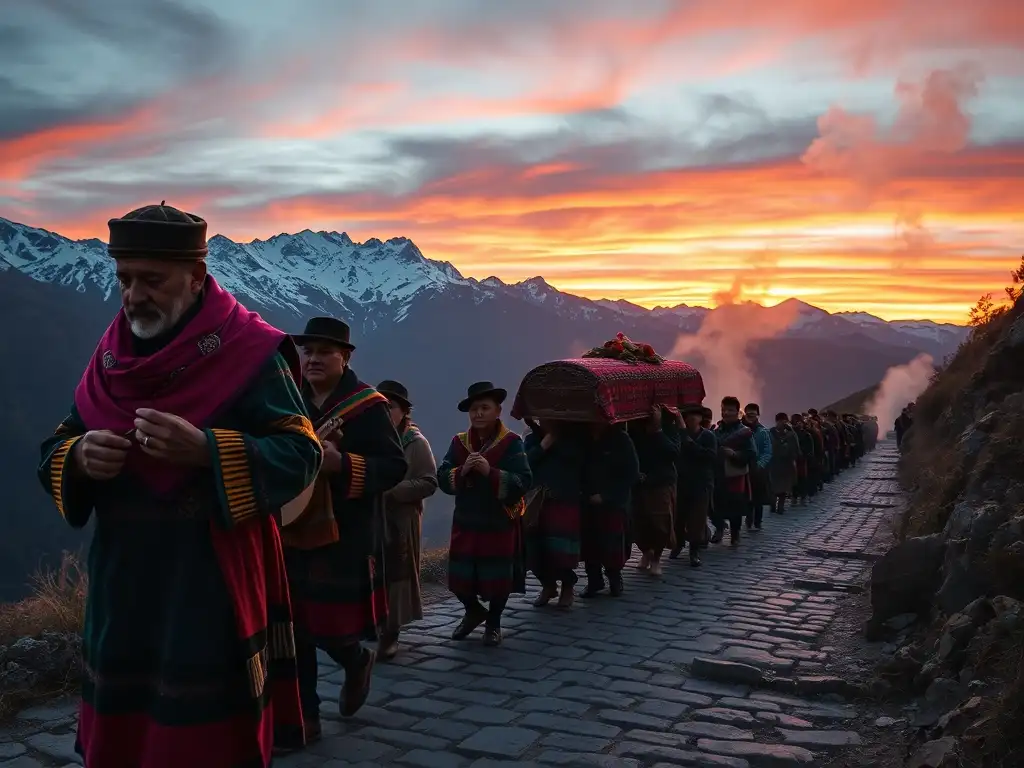
Step into a world lost to time, yet echoing with the haunting melodies of the Andes. For centuries, the vibrant cultures of the Inca, Moche, Nazca, and Tiahuanaco have captivated the imagination, and their legacy continues to resonate in their extraordinary art, technology, and deeply spiritual traditions. But have you ever considered the power of their Andean funeral music traditions? Prepare to uncover the secrets behind the soul-stirring sounds that guided the departed on their final journey... a journey we invite you to experience here.
The Andes Mountains, a spine of towering peaks running down the western coast of South America, are not only a breathtaking geographical feature but also the cradle of vibrant and diverse cultures. For millennia, Andean civilizations have developed rich musical traditions interwoven with their spiritual beliefs and practices, particularly surrounding death and the afterlife.
This article delves into the fascinating world of Andean funeral music, exploring the instruments, melodies, and rituals that accompanied the passage of souls to the spirit world. We'll examine how these musical traditions varied across different Andean cultures, from the Inca Empire to the pre-Inca societies like the Moche and Nazca, revealing the profound significance of music in their funerary rites and beliefs regarding the journey beyond life.
Understanding Andean funeral music traditions offers a unique lens through which to appreciate the complexity and depth of these ancient societies, showcasing their sophisticated understanding of the cosmos and their connection to the spiritual realm. This exploration will highlight the enduring legacy of these musical practices and their continued relevance in contemporary Andean communities.
Instruments Used in Andean Funeral Rites
Andean funeral music relied on a variety of instruments, each contributing to the overall atmosphere and meaning of the ceremony. The specific instruments used often varied depending on the culture and the status of the deceased. Some common instruments included:
- Panpipes (antara): These iconic Andean instruments, consisting of several pipes of varying lengths, produced haunting and ethereal melodies perfectly suited to the somber occasion. The mournful sounds of the panpipes were believed to guide the soul on its journey.
- Drums (tinku): Various types of drums, often made from animal hides stretched over wooden frames, provided a rhythmic backbone to the funeral processions and ceremonies. The rhythmic beating could represent the heartbeat of the earth or the pulse of life itself, even in the context of death.
- Flutes (quena): Simple, end-blown flutes created melodies that were often melancholic and reflective, expressing the sorrow of the mourners and the mystery of the afterlife.
- Shell trumpets (pututu): These powerful instruments, made from large sea shells, were often used to announce important events, including deaths and funerals. Their deep, resonant tones carried across vast distances, signaling the passing of a community member.
The interplay of these instruments created a complex soundscape, reflecting the multifaceted nature of death and the spiritual world in Andean cosmology. The specific combinations and arrangements varied considerably across different regions and time periods, reflecting the unique cultural nuances of each Andean society.
Musical Styles and Their Symbolic Meanings
The melodies themselves played a crucial role in Andean funeral music traditions. The music wasn't just background noise; it was an active participant in the ritual, believed to possess the power to influence the soul's journey. Specific musical styles were associated with different stages of the funeral process and different beliefs about the afterlife. For example:
- Slow, mournful melodies might have been used to express grief and lament the loss of a loved one.
- More rhythmic and repetitive patterns could have served to ward off evil spirits or guide the soul to a safe passage.
- Certain melodies might have been associated with specific deities or ancestors, invoking their protection for the deceased.
Unfortunately, much of the specific musical notation and detailed descriptions of these styles are lost to time. However, surviving accounts and ethnographic studies provide valuable insights into the symbolic meanings embedded within these ancient musical practices. Further research is needed to fully reconstruct the rich tapestry of Andean funeral music.
Regional Variations in Andean Funeral Music Traditions
The Andean region is vast and diverse, and funeral music traditions varied considerably across different regions and cultures. While some common themes and instruments emerged, the specific styles and practices reflected the unique beliefs and customs of each community. For example, the Inca Empire, with its centralized power, likely had more standardized funeral practices, compared to the smaller, more isolated pre-Inca societies like the Nazca or Moche, whose funeral music might have been more localized and diverse.
Further research into regional variations is crucial to gaining a comprehensive understanding of Andean funeral music traditions. The surviving archaeological evidence, combined with ethnomusicological studies of contemporary Andean communities, continues to shed light on these fascinating differences.
The subtle nuances in instruments, melodies, and rituals highlight the rich tapestry of cultural expressions within the Andes. This diversity underscores the complexity of a region that, while geographically united, fostered a multitude of unique cultural identities.
- Instruments Used in Andean Funeral Rites
- Musical Styles and Their Symbolic Meanings
- Regional Variations in Andean Funeral Music Traditions
- What role did music play in Andean funeral rites?
- What types of instruments were commonly used in Andean funeral music?
- Did the Inca civilization have unique funeral music traditions?
- How did Andean funeral music differ from other cultural traditions?
- Where can I learn more about the specific musical instruments used in Andean funeral traditions?
The Significance of Music in Andean Death Rituals
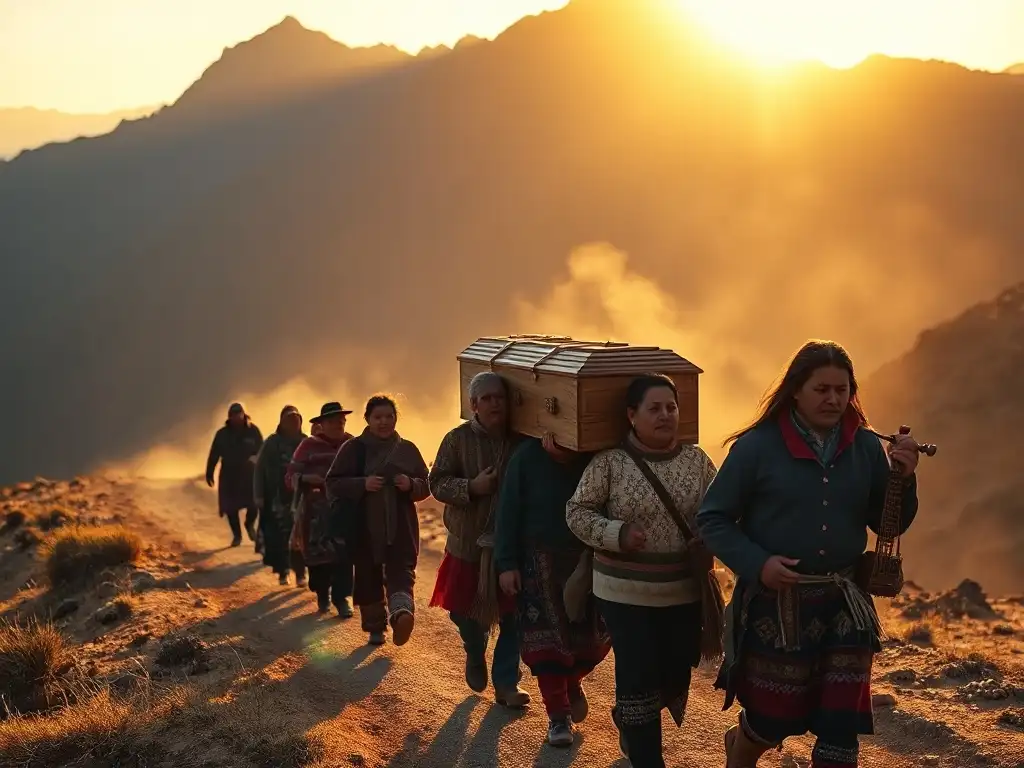
The Andean worldview profoundly influenced their understanding of death and the afterlife. Death wasn't viewed as an absolute end but rather a transition, a journey to the spirit world. Music played a pivotal role in facilitating this transition, acting as a bridge between the living and the departed.
Andean funeral music traditions weren't merely mournful laments; they were active participants in the ritual, shaping the experience for both the bereaved and the deceased. The sounds themselves were believed to possess spiritual power, capable of guiding the soul to its final destination and ensuring a peaceful passage. This belief system permeated every aspect of the funeral ceremony, from the initial mourning period to the final rites of burial.
The intensity and type of music varied depending on the social status of the deceased and the specific traditions of the particular Andean culture. For example, the Inca empire, with its elaborate state rituals, would have employed far grander musical arrangements than a smaller, more isolated community. Understanding this significance is crucial to appreciating the depth and complexity of Andean funeral music.
The Role of Music in Andean Cosmovision
Andean cosmovision, a complex system of beliefs encompassing the relationship between humanity, the cosmos, and the spirit world, deeply informed their funeral practices. The concept of Pachamama, the Earth Mother, was central. Death was seen as a return to the earth, a reintegration into the natural cycle of life and death.
Music, with its ability to evoke emotion and connect different realms, was employed to honor this cycle. The melodies, often melancholic yet hopeful, served to ease the soul's passage back to Pachamama, ensuring a smooth transition and preventing any disruption to the cosmic balance. Specific instruments, like the antara (panpipes) and the pututu (a shell trumpet), were believed to possess unique spiritual properties, capable of communicating with the spirit world and guiding the deceased on their journey.
The rhythms and harmonies employed also held symbolic meaning, reflecting the cyclical nature of life and death, and the interconnectedness of all things. The use of specific scales or modes, though poorly documented in many cases, likely further enhanced the ritual's spiritual effectiveness. Further research into specific regional variations is needed to fully elucidate the role of musical scales in these ceremonies.
Musical Instruments Used in Andean Funeral Ceremonies
A variety of instruments were employed in Andean funeral ceremonies, each contributing to the overall sonic landscape and holding unique symbolic meaning. The antara, a set of panpipes, was frequently used to create layered, ethereal soundscapes. Its multiple pipes were thought to represent the different levels of the Andean cosmos. The haunting melodies played on the antara were believed to soothe the soul and guide it safely to the afterlife.
The pututu, a large shell trumpet, produced a powerful, resonant sound, often used to announce the death and summon the community to the funeral rites. Its deep, penetrating tones were thought to pierce the veil between worlds, allowing communication with the spirit realm. Percussion instruments, like the tinku (a type of drum) and various rattles, provided rhythmic underpinnings, mirroring the pulse of life and the earth itself.
The specific combination of instruments varied depending on the region, the community, and the status of the deceased. For instance, instruments made from precious metals might have been used for high-ranking officials, reflecting their elevated status even in death. Detailed inventories of instruments used in specific funerals are unfortunately scarce, leaving many aspects of their use open to further scholarly investigation.
The Spiritual Purpose of Funeral Music
The primary spiritual purpose of Andean funeral music was to ensure a safe and peaceful passage for the departed soul. The music wasn't simply a background element; it was an active participant in the ritual, shaping the experience and influencing the outcome. The melodies, rhythms, and instruments were carefully chosen to guide the soul through the various stages of the journey to the afterlife.
The music was believed to appease any malevolent spirits that might hinder the passage, protecting the soul from harm. It also served as a means of communication between the living and the dead, allowing the bereaved to express their grief and offer farewells. Beyond the immediate purpose of guiding the soul, the music also played a role in maintaining the cosmic balance.
By honoring the deceased and ensuring a proper transition, the community helped to maintain the harmony of the universe. This holistic approach to death and the afterlife underscores the deep spiritual significance of Andean funeral music traditions within their broader cultural context. Further research, particularly ethnographic studies of remaining Andean communities, is essential to a complete understanding of these deeply complex traditions.
Traditional Andean Funeral Music Practices
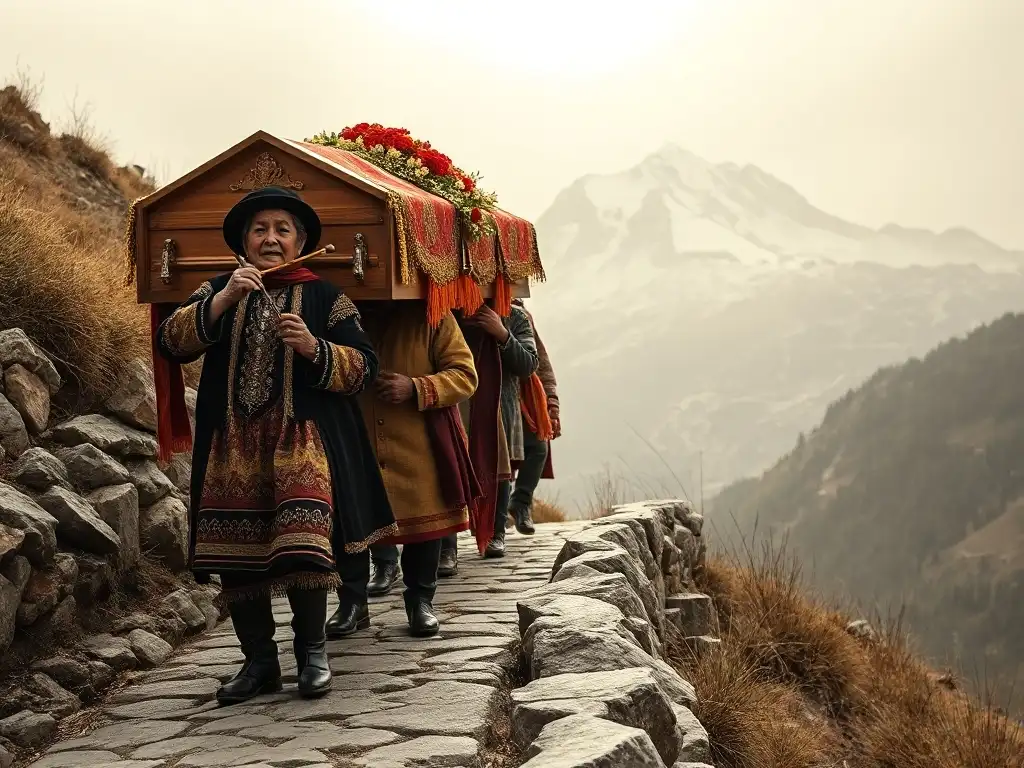
Andean funeral music traditions are deeply rooted in the spiritual beliefs and cosmology of the various Andean cultures. Music wasn't simply a mournful accompaniment to death; it was an integral part of the ritual, believed to guide the soul of the departed to the afterlife and appease the spirits of the ancestors. The specific practices varied significantly across different regions and cultures, reflecting the diverse musical landscapes and beliefs across the Andes.
This section will explore the core elements of these traditions, highlighting the crucial role music played in the Andean understanding of death and the journey beyond. The significance of Andean funeral music traditions lies not only in its historical context but also in its enduring influence on contemporary Andean music and cultural practices. Understanding these traditions provides valuable insight into the complex relationship between music, spirituality, and community in Andean societies.
Specific Musical Styles in Andean Death Rituals
The musical styles employed in Andean death rituals were far from uniform. Different instruments and vocal techniques were used depending on the specific culture and the stage of the funeral ceremony. For instance, the Incas, known for their sophisticated empire, might have utilized panpipes and trumpets in processions, creating a solemn and majestic atmosphere.
In contrast, the smaller, more localized groups may have relied on simpler instruments like pututus (conch shell trumpets) and tarkas (vertical panpipes) to produce a more intimate and melancholic sound. The Moche culture, famous for its elaborate pottery depicting musical scenes, likely incorporated various percussion instruments alongside aerophones to accompany their burial ceremonies.
While precise musical scores haven't survived, archaeological evidence and ethnographic studies suggest a diversity of styles reflecting the vibrant cultural tapestry of the Andes. The use of specific rhythms and melodies was likely symbolic, reflecting the beliefs about the journey of the soul and the interaction with the spirit world.
The use of specific instruments also held symbolic meaning. For example, the deep, resonant sound of the pututu may have been associated with the power of the earth or the voice of the ancestors, while the higher-pitched notes of the tarka might have represented the ascent of the soul. Further research is needed to fully elucidate the specific musical characteristics of different Andean funeral styles, but the available evidence paints a picture of rich and varied musical practices intimately connected to the spiritual beliefs of the people.
Regional Variations in Funeral Music Performance
Regional variations in Andean funeral music performance are striking. The musical expressions of death differed considerably across the diverse ecological zones of the Andes. High-altitude communities, facing harsh environmental conditions, may have developed musical styles reflecting their unique relationship with nature and the challenges of survival.
Their music might have incorporated elements of their relationship with the mountains, the harsh weather, and the importance of community resilience in the face of adversity. In contrast, communities in lower-altitude regions, with access to different resources and perhaps a more settled lifestyle, may have developed different musical styles, perhaps reflecting a different perception of the afterlife and the relationship between the living and the dead.
The performance contexts also varied. Some communities might have emphasized elaborate public processions with large ensembles of musicians, while others might have favored more intimate, family-centered ceremonies with smaller groups performing more subdued music. The role of musicians in the funeral rites also differed regionally.
In some areas, professional musicians might have been employed, while in others, the music might have been performed by members of the deceased's family or community. Unfortunately, detailed documentation of these regional differences remains scarce, demanding further ethnomusicological research to fully understand the regional spectrum of Andean funeral music. This lack of detailed information underscores the need for further research to fully document and preserve these precious cultural traditions before they are lost forever.
The Use of Vocalizations and Chants in Funeral Rites
Vocalizations and chants played a significant role in many Andean funeral rites. These were not merely expressions of grief, but active participation in the ritual of guiding the soul to the afterlife. The use of specific vocal techniques, such as wailing, chanting, and humming, likely served symbolic purposes, reflecting the beliefs about the deceased's journey and the communication with the spirit world.
The lyrics of funeral chants often contained prayers, invocations, and narratives related to the deceased's life and the beliefs about the afterlife. These chants might have been accompanied by instruments, creating a powerful and evocative soundscape. Specific languages and dialects were likely associated with specific regions and practices, further emphasizing the diversity of Andean funeral music traditions.
The emotional intensity of vocalizations likely varied depending on the stage of the funeral ceremony and the relationship between the mourners and the deceased. Wailing might have been reserved for moments of intense grief, while chanting might have been used in more ritualistic settings. The power of collective vocalization in Andean funeral rites should not be underestimated; the shared performance of these chants fostered a sense of community and helped the mourners to process their grief and to connect with the spiritual world.
Unfortunately, many of these chants and vocalizations have been lost or are only partially documented, highlighting the urgency of preserving these invaluable elements of Andean cultural heritage. The preservation of these oral traditions is critical for a complete understanding of Andean funeral music traditions.
Key Instruments in Andean Funeral Music
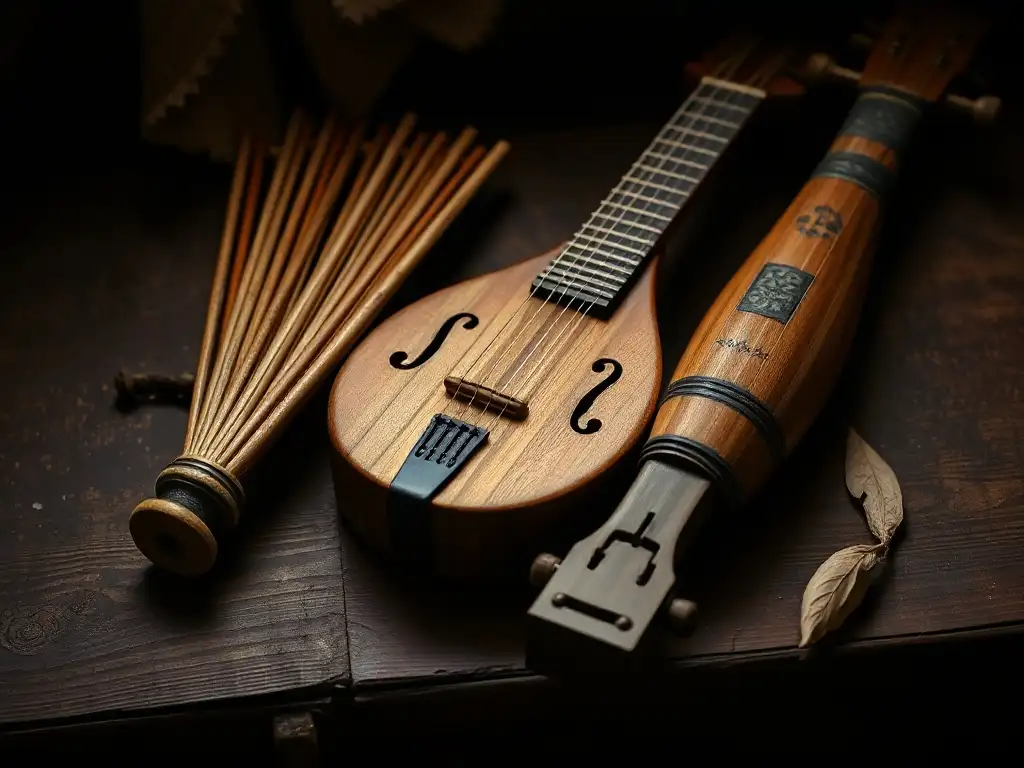
Andean funeral music traditions are deeply intertwined with the specific instruments used to accompany the rituals. The sounds produced weren't merely background noise; they were believed to guide the souls of the departed on their journey to the afterlife and to appease the spirits of the ancestors. The choice of instrument and the melodies played varied significantly depending on the specific culture (Inca, Moche, Nazca, etc.) and the social standing of the deceased.
This section explores the key roles played by several instruments central to these moving ceremonies. Understanding these instruments offers a deeper appreciation for the complexity and significance of Andean funeral music. The use of these instruments, often played in specific combinations and rhythms, demonstrates a sophisticated understanding of music's power in shaping spiritual beliefs and practices. The soundscapes created were integral to the overall ritual, enhancing its emotional impact and spiritual significance.
The Importance of the Pinkillu in Funeral Music
The pinkillu, a vertical flute made from cane or wood, holds a prominent place in Andean funeral music. Its haunting, melancholic tone is perfectly suited to expressing grief and sorrow. Unlike some instruments that might be used for celebratory occasions, the pinkillu's somber melodies are specifically associated with death and remembrance.
Its relatively simple construction belies the depth of emotion it can convey. Often played in unison with other instruments, the pinkillu provides a foundational layer of sound, underscoring the gravity of the occasion. Ethnomusicological studies have shown variations in the pinkillu's role across different Andean communities, with some utilizing it more prominently than others, highlighting regional differences in musical traditions.
The specific melodies played on the pinkillu during funerals often mirrored traditional lamentations, passed down through generations, ensuring the continuity of these poignant musical expressions. The use of particular scales and rhythmic patterns on the pinkillu also varied based on the specific community, indicating a rich diversity within the Andean funeral music traditions.
The Role of the Caja in Rituals for the Deceased
The caja, a percussion instrument resembling a small wooden box, adds a rhythmic pulse to Andean funeral music. While the pinkillu provides the melody, the caja grounds it, providing a steady beat that marks the procession or ritual. Its rhythmic structure often reflects the cyclical nature of life and death, represented through repetitive patterns that evoke a sense of continuity despite the loss.
The caja's sound, though less overtly mournful than the pinkillu, contributes significantly to the overall atmosphere. Different rhythmic variations on the caja could signify different stages of the funeral ritual, or even represent symbolic aspects of the deceased's journey to the afterlife. The intensity of the caja's playing might also vary, reflecting the emotional intensity of specific moments within the ceremony.
For example, the caja might be played more softly during moments of reflection and more intensely during processions. The nuanced use of the caja showcases the sophistication of Andean musical practices within their funeral rites.
The Charango and Its Usage in Andean Funeral Traditions
The charango, a small lute-like instrument with a distinctive sound, adds a layer of complexity to Andean funeral music. While not as universally present in funeral rites as the pinkillu or caja, its inclusion often signifies a more elaborate or formal ceremony, particularly for individuals of higher social standing. Its higher-pitched sound can complement the pinkillu's lower register, creating a richer, more nuanced soundscape.
The charango's nimble fingerwork allows for intricate melodies that might weave in elements of both sorrow and hope, reflecting the complex emotions surrounding death. Unlike the more consistently rhythmic caja, the charango allows for greater melodic freedom, permitting the expression of personalized grief or even a symbolic representation of the deceased's spirit soaring to the heavens. The charango's presence in Andean funeral music demonstrates the adaptability and versatility of Andean musical traditions, capable of conveying a wide range of emotions and symbolic meanings.
Further research is needed to fully document the regional variations in the use of the charango within Andean funeral traditions. 🎼
Andean Funeral Music Across Different Cultures
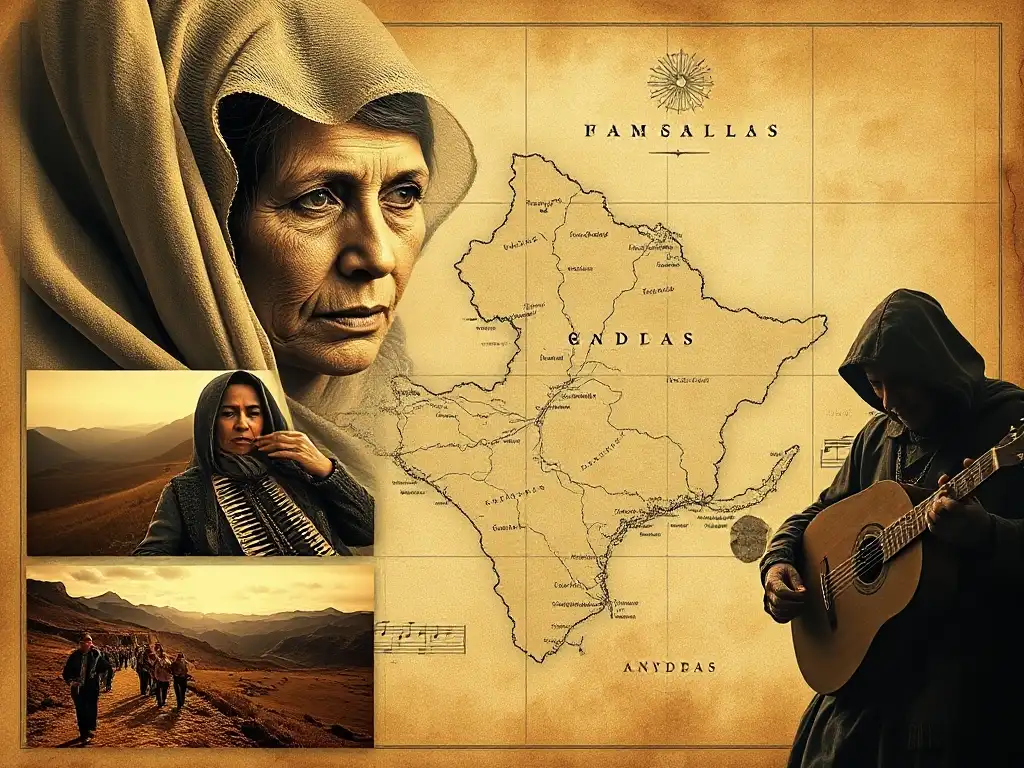
This section delves into the diverse traditions surrounding Andean funeral music, exploring how different cultures utilized sound to navigate the transition between life and death. The Andean region, spanning vast geographical and cultural landscapes, reveals a fascinating array of musical practices associated with death and the afterlife. While precise reconstructions are often hampered by the limitations of archaeological evidence, careful analysis of surviving artifacts, iconography, and ethnographic accounts allows us to piece together a rich, albeit incomplete, picture of Andean funeral music traditions.
These traditions weren't simply mournful soundscapes; they were integral parts of complex rituals designed to guide the souls of the departed and honor their memory. The use of music in funeral rites underscores the profound importance placed on the spiritual realm by these ancient Andean societies.
Inca Funeral Music: Historical Context and Practices
Inca funeral music, sadly, remains largely shrouded in mystery. Written accounts from Spanish chroniclers offer glimpses, but often lack the nuanced detail necessary for a complete understanding. These accounts frequently mention the use of instruments like the pututu (a long shell trumpet) and various types of flutes and panpipes during funerary processions and ceremonies.
The pututu's deep, resonant sound likely served to announce the deceased's passing and perhaps symbolically connect the living and the spirit world. The mournful melodies played on flutes and panpipes may have been intended to soothe the soul of the departed and guide it safely to the afterlife. We can infer, based on surviving Inca art depicting musicians, that music played a significant role in these rituals, likely varying based on the social status of the deceased.
Further research is crucial to shed more light on the specific musical pieces performed and their symbolic meanings within the Inca funeral rites. The limited surviving instruments themselves offer invaluable clues, but their interpretation requires a multidisciplinary approach, combining musicology with archaeological and anthropological expertise. The potential for future discoveries, perhaps unearthing more complete instruments or even notations of melodies, holds the key to unlocking a deeper understanding of Inca funeral music.
Moche Funeral Music: Archaeological Evidence and Interpretations
The Moche civilization (100-800 CE) offers a more tangible glimpse into Andean funeral music traditions through its rich archaeological record. Moche burials frequently contain musical instruments, including various types of flutes, panpipes, and drums. These instruments, often intricately crafted and decorated, suggest a significant role for music in Moche funerary practices. Depictions on Moche pottery further illuminate these rituals, showing musicians performing during burial ceremonies.
The imagery suggests a lively, almost celebratory atmosphere, contrasting with the somber tone often associated with Western funeral traditions. This might indicate that the Moche viewed death as a transition rather than a purely tragic event. The types of instruments depicted and their arrangement suggest a possible ensemble, perhaps playing a complex piece of music. However, the exact nature of this music remains speculative.
The surviving instruments are often fragmented, making it difficult to reconstruct their original sounds. However, analysis of the instruments' materials and construction techniques provides valuable insights into their acoustic properties, allowing researchers to make educated guesses about their sound. The Moche's artistic skill and attention to detail provide valuable clues, but further research, including advanced acoustic analysis techniques, is essential to fully understand the sonic landscape of Moche funeral rites. Analyzing the placement of instruments within the graves themselves could also provide context on their role in the ceremonies.
Nazca Funeral Music: Exploring the Sonic Landscape of Death
The Nazca culture (100 BCE – 800 CE), known for its enigmatic geoglyphs, also left behind evidence suggesting a significant role for music in their funeral practices. While direct evidence of musical instruments within Nazca tombs is less abundant than in Moche contexts, iconography on textiles and pottery offers compelling clues. These depictions often show musicians playing instruments resembling flutes, possibly played in conjunction with percussion instruments. The visual representations, however, lack the detail necessary to reconstruct the music itself.
The specific role of music within Nazca funeral ceremonies remains open to interpretation. It is possible that music played a role in guiding the soul of the deceased, or perhaps it served a more ritualistic purpose, marking the transition into the afterlife. The arid climate of the Nazca region might have also influenced the types of instruments used, favoring materials less susceptible to decay.
Further research on Nazca burial practices and the analysis of surviving artifacts, particularly textiles and pottery, are crucial to understand the nuances of Nazca funeral music. The incorporation of advanced imaging techniques could reveal further details in existing artifacts, providing new insights into this fascinating aspect of Nazca culture. The interplay between visual art and potential musical practices offers an exciting avenue for future research into Andean funeral music traditions.
Tiahuanaco Funeral Music: Rituals and Musical Expression
The Tiahuanaco culture, flourishing in the Bolivian Altiplano between approximately 500 and 1000 CE, left behind a complex legacy of monumental architecture and sophisticated social organization. Their funeral rites, deeply intertwined with their cosmology and beliefs about the afterlife, likely involved music playing a crucial role in guiding the deceased's soul to the next world. Unfortunately, the specifics of their funeral music remain shrouded in mystery, as no surviving musical notation exists. However, we can make informed inferences based on archaeological evidence and comparisons with other Andean cultures with better-documented musical traditions.
The monumental architecture of Tiahuanaco itself hints at the importance of ritual and ceremony. The precise acoustics of structures like the Kalasasaya complex suggest a deliberate design for amplifying sound, potentially for ritual performances.
While we cannot definitively state the type of instruments used, the presence of bone and shell artifacts in burial sites suggests the possibility of percussion instruments, perhaps rattles or bone flutes, contributing to the funeral music. The rhythmic and repetitive nature of many Andean musical traditions suggests that Tiahuanaco funeral music likely followed a similar pattern, emphasizing the cyclical nature of life and death within their worldview.
Furthermore, the Tiahuanaco's sophisticated artistry, evident in their intricate textiles and ceramics, implies a developed understanding of aesthetics and symbolic representation. This suggests that their music, too, was likely carefully crafted and symbolically rich. Funeral chants, perhaps accompanied by simple instruments, might have served to invoke specific deities or ancestral spirits, facilitating the deceased's journey to the afterlife. The songs may have contained specific lyrics relating to the deceased's life, achievements, and their place within the community, a common theme in many Andean funeral traditions.
The lack of direct evidence makes reconstructing Tiahuanaco funeral music a challenging task. However, by combining archaeological findings with our understanding of other Andean cultures' musical practices, we can begin to paint a picture of the music that may have accompanied their funerary rituals.
Further research, including interdisciplinary approaches combining archaeology, musicology, and anthropology, is crucial to unraveling the mysteries surrounding this fascinating aspect of Tiahuanaco culture and enriching our understanding of Andean funeral music traditions. The potential discovery of new archaeological evidence or the development of more sophisticated analytical techniques could reveal further insights into the soundscapes of Tiahuanaco's final rites.
The study of Andean funeral music traditions, particularly that of Tiahuanaco, is a testament to the enduring power of music to transcend time and connect us to the past. The echoes of these ancient melodies, though faint, continue to resonate, inviting us to explore the rich tapestry of Andean cultural heritage. 🎶
Modern Adaptations of Andean Funeral Music
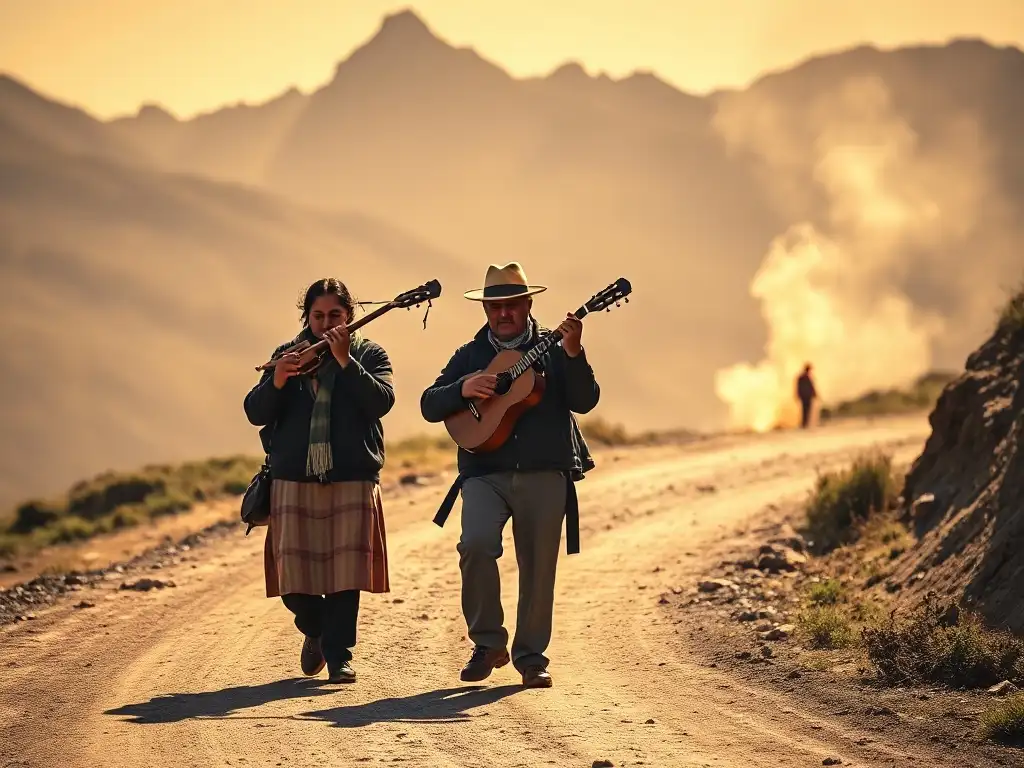
The legacy of Andean funeral music continues to resonate in the 21st century, albeit in adapted forms reflecting both globalization and the enduring strength of indigenous traditions. While the precise melodies and instruments might vary across communities and generations, the core function – to guide the departed soul and console the bereaved – remains powerfully relevant. The evolution of these traditions demonstrates the vibrant adaptability of Andean culture, successfully navigating the challenges of modernity while preserving its deeply rooted spiritual essence. Understanding these modern adaptations provides invaluable insights into the enduring power of Andean funeral music traditions.
Contemporary Andean Musicians and Funeral Traditions
Many contemporary Andean musicians actively incorporate elements of traditional funeral music into their compositions and performances. This isn't simply a nostalgic exercise; it's a conscious effort to keep these traditions alive and relevant for a new audience. For example, some musicians integrate traditional instruments like the antara (panpipes) and tarka (flute) into contemporary musical genres, creating a unique blend of ancient sounds and modern sensibilities.
This fusion allows younger generations to connect with their heritage in a way that feels both familiar and fresh. The use of these instruments, often handcrafted using traditional techniques, also serves as a powerful symbol of cultural continuity. Often, these musicians collaborate with community elders to ensure the accuracy and authenticity of the musical elements they incorporate.
This collaborative approach guarantees the preservation of nuanced details that might otherwise be lost to time. The resulting music is a testament to the enduring power of Andean funeral music traditions, demonstrating its capacity for adaptation and renewal.
Preservation of Traditional Funeral Music in Modern Andean Communities
Despite the pressures of modernization, many Andean communities actively strive to preserve their traditional funeral music practices. This preservation often involves a multifaceted approach. One key strategy is the establishment of community-based music schools and workshops where younger generations learn to play traditional instruments and sing the songs associated with funeral rites.
These initiatives are frequently led by elder musicians who possess a deep understanding of the historical and cultural significance of these musical forms. Furthermore, the recording and archiving of traditional funeral songs and instrumental pieces play a crucial role in safeguarding this intangible cultural heritage. These recordings can serve as valuable teaching tools and resources for future generations, ensuring that the unique melodies and rhythms are not lost.
However, challenges remain. The emigration of younger people to urban areas can lead to a decline in participation in traditional ceremonies, posing a threat to the continuity of these practices. Therefore, concerted efforts are needed to foster engagement and ensure the long-term survival of Andean funeral music traditions within their original contexts.
The Influence of Andean Funeral Music on Contemporary Music
The haunting melodies and unique instrumentation of Andean funeral music have exerted a subtle but significant influence on contemporary music, both within and outside the Andes region. While direct borrowing might be less common, the evocative qualities of these musical forms have inspired composers and musicians across various genres. The use of modal scales, characteristic of Andean music, can be found in various contemporary compositions, reflecting the enduring appeal of this unique musical language.
The emotional depth and spiritual resonance of Andean funeral music traditions have also served as a source of inspiration for artists seeking to express themes of loss, mourning, and spiritual transcendence. This influence is a testament to the universal appeal of music as a vehicle for expressing profound human emotions.
Further research is needed to fully map the extent of this influence and to identify specific examples of its manifestation in contemporary musical works. The exploration of this cross-cultural exchange offers exciting opportunities to further understand the global impact of Andean musical heritage.
The Future of Andean Funeral Music Traditions
The preservation and evolution of Andean funeral music traditions face a complex interplay of challenges and opportunities in the 21st century. While the melodies themselves hold a powerful cultural significance, the very act of transmitting this knowledge across generations is becoming increasingly difficult. The future of this rich musical heritage hinges on understanding these challenges and implementing effective strategies for its continuation.
The vibrancy of these traditions is not merely a matter of historical preservation; it's a reflection of the living cultures that continue to shape Andean societies. The sounds of mourning, the instruments used, and the specific rituals surrounding death all contribute to a complex and interwoven tapestry of cultural identity. Understanding the future of Andean funeral music requires a nuanced perspective that considers both the historical context and the contemporary realities of Andean communities.
Challenges in Preserving Andean Funeral Music
Several significant hurdles threaten the continuity of Andean funeral music traditions. One primary challenge is the loss of skilled musicians and knowledge holders. Many elder musicians, the keepers of traditional techniques and repertoire, are passing away without adequately training younger generations. This knowledge gap is exacerbated by the influence of globalization and modernization.
Exposure to Western musical styles and media often leads younger generations to prioritize contemporary music over traditional forms. This isn't necessarily a rejection of heritage, but rather a reflection of changing social priorities and access to diverse musical landscapes. Furthermore, the socioeconomic realities of many Andean communities also play a crucial role. Economic hardship may force individuals to abandon traditional practices in favor of more financially viable pursuits.
This lack of economic support also affects the availability of resources for workshops, festivals, and educational initiatives designed to promote the music. Finally, the lack of formal documentation presents a significant obstacle. While oral traditions play a key role in preserving many aspects of Andean culture, the absence of written scores and systematic recordings increases the risk of losing irreplaceable musical elements.
Efforts to Revitalize and Promote Traditional Practices
Despite these challenges, significant efforts are underway to revitalize and promote Andean funeral music traditions. Many community-based initiatives are working to document and teach traditional musical practices. These initiatives often involve collaborative efforts between local musicians, ethnomusicologists, and cultural organizations. These efforts often include workshops, masterclasses, and community performances aimed at engaging younger generations.
The use of modern technology also plays a crucial role. Recording and archiving traditional performances ensures the preservation of these melodies for future generations. Online platforms and digital repositories provide wider access to this rich musical heritage, fostering appreciation and understanding beyond local communities. Furthermore, the growing interest in cultural tourism presents an opportunity to generate revenue for musicians and support the preservation of traditional practices.
By showcasing Andean funeral music in cultural events and festivals, communities can both honor their traditions and secure their economic viability. Finally, educational programs that integrate Andean musical traditions into school curricula can help raise awareness and cultivate appreciation among younger generations. This integration ensures that the music remains a living part of Andean cultural identity.
The Enduring Legacy of Andean Melodies
The future of Andean funeral music traditions is not simply about preserving the past; it's about ensuring that these powerful melodies continue to resonate with future generations. The enduring legacy of these traditions lies in their ability to convey profound emotions, connect communities, and uphold cultural identity. While challenges remain, the dedication of musicians, scholars, and community members working to preserve and promote this musical heritage offers a hopeful outlook.
Through collaborative efforts, innovative strategies, and a renewed appreciation for the cultural significance of Andean funeral music, we can ensure that these melodies continue to guide the souls of the departed for generations to come. The profound emotional impact of these musical traditions, coupled with ongoing efforts to revitalize them, suggests a vibrant and enduring future for Andean funeral music.
The continued exploration and documentation of these practices promise to enrich our understanding of Andean culture and its enduring connection to its musical heritage. 🎼
Frequently Asked Questions
What role did music play in Andean funeral rites?
Music played a vital role in Andean funeral traditions, guiding the souls of the departed to the afterlife. Funeral songs and instruments were believed to ease the transition and honor the deceased.
What types of instruments were commonly used in Andean funeral music?
Panpipes, flutes, drums, and other percussion instruments were frequently used. The specific instruments varied depending on the culture and region, but their purpose remained consistent.
Did the Inca civilization have unique funeral music traditions?
While the Incas shared some broader Andean traditions, they also had distinct musical styles and instruments associated with their funeral rites. These often reflected their imperial power and beliefs.
How did Andean funeral music differ from other cultural traditions?
Andean funeral music often incorporated specific melodies and rhythms believed to resonate with the spiritual world. This differed significantly from many other cultures' funeral music practices.
Where can I learn more about the specific musical instruments used in Andean funeral traditions?
Researching specific Andean cultures (Inca, Moche, Nazca, etc.) will reveal details about their unique instruments. Museums and academic publications offer valuable resources.
Final Reflection: Echoes of the Andes: A Legacy of Farewell
The haunting melodies of Andean funeral music remain a powerful testament to the enduring strength of cultural traditions, resonating deeply with both the living and the departed even in our increasingly globalized world. These ancient practices, far from being relics of the past, offer a profound insight into the human experience of grief, loss, and the enduring bonds of community. Their continued practice speaks volumes about the importance of preserving cultural heritage in the face of modernization.
The emotional depth of these musical traditions has profoundly impacted my understanding of death and remembrance. The intricate instrumentation, the soaring vocals, and the deeply spiritual context all contribute to a unique and moving experience. These aren't simply songs; they are rituals, a tangible expression of faith and community support during times of immense sorrow. Music washes away from the soul the dust of everyday life.
– Berthold Auerbach. This quote perfectly encapsulates the cleansing and cathartic power of Andean funeral music, offering solace not only to the bereaved but also to those who bear witness to its performance.
Consider, for a moment, the ways in which your own culture addresses death and remembrance. How do these traditions compare to the rich tapestry of Andean funeral music? I urge you to explore the power of music in your own life, to find solace and connection in its rhythms and melodies, and to appreciate the diverse ways in which humanity grapples with the inevitable cycle of life and death. Let the echoes of the Andes inspire you to reflect on your own mortality and the importance of cherishing the bonds we share with those around us.
Embrace the Sounds of Serenity Today!
Thank you for exploring the profound world of Andean funeral music with us! We hope you gained a deeper understanding of how these soulful melodies guide and honor the departed. Now, it's your turn to connect with this beautiful tradition.
Here are some ways to further immerse yourself:
- Listen to a piece of Andean funeral music today and reflect on its emotional impact. Allow the melodies to resonate with you.
- Join a local or online community focused on Andean culture; share your thoughts and learn from others' experiences with these musical traditions.
- Create a playlist of spiritual music from various cultures, exploring the stories and emotions behind each melody.
What song or melody best reflects your understanding of life's journey and the afterlife? Share your thoughts below!