
The Interplay of Music and Dance in Andean Culture: A Symphony of Movement

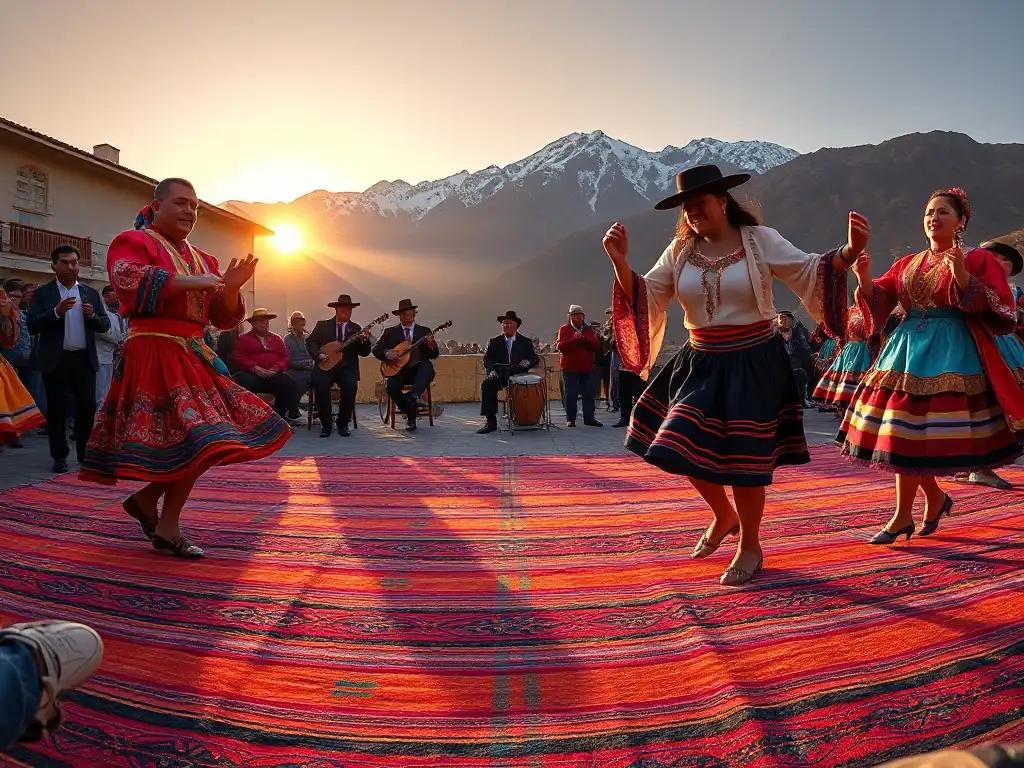
Uncover the secrets whispered on the wind across the Andes Mountains. For centuries, a vibrant tapestry of culture and tradition has unfolded, woven with threads of breathtaking artistry and deeply spiritual beliefs. Prepare to be captivated by the Andean civilizations, where the rhythmic pulse of life itself finds expression in the mesmerizing interplay of music and dance. Dive into the rich history of Andean music and dance history – a symphony of movement waiting to be discovered. What mysteries will you unearth?
The vibrant tapestry of Andean culture is inextricably woven with the threads of music and dance. For millennia, these art forms have served not merely as entertainment, but as integral components of religious ceremonies, social gatherings, and daily life. This exploration delves into the rich history of Andean music and dance, revealing how these practices evolved and intertwined, shaping the cultural identity of the region and leaving an enduring legacy that continues to resonate today.
From the pre-Columbian era to the Inca Empire and beyond, music and dance served as powerful tools for communication, storytelling, and the expression of spiritual beliefs. Understanding this interplay provides a crucial lens through which to appreciate the complexity and depth of Andean civilization. This article will investigate the historical roots of Andean music and dance, focusing on the pre-Columbian period, the impact of the Inca Empire, and the enduring influence these traditions have had on the region's cultural identity.
We will examine the instruments, musical forms, and dance styles that characterized different Andean societies, highlighting the fascinating interplay between these art forms and their social, religious, and political contexts. Prepare to be transported to a world where music and dance were not simply forms of expression, but fundamental aspects of life itself.
The Historical Roots of Andean Music and Dance
The origins of Andean music and dance are deeply rooted in the pre-Columbian era, stretching back thousands of years. Archaeological evidence, such as depictions on pottery and textiles, suggests a sophisticated musical tradition existed long before the arrival of Europeans. These early forms of music and dance were intrinsically linked to religious beliefs and agricultural cycles.
For example, many dances were performed to ensure bountiful harvests, appease the gods, or commemorate important events. The rhythmic movements and musical sounds were believed to possess magical powers, capable of influencing the natural world and connecting humans to the spiritual realm. While precise details about the specific musical instruments and dance styles of these early cultures remain elusive due to the limited written records, the surviving artifacts offer compelling glimpses into their rich artistic traditions.
We can infer a complex system of musical scales and rhythms, influenced by the diverse environments and cultures of the Andes. The interplay between music and dance was a powerful force shaping social structures and religious practices, reflecting the deep connection between the Andean people and their environment.
Pre-Columbian Musical Practices and Ritualistic Dances
Pre-Columbian Andean societies, including the Moche, Nazca, and Tiahuanaco cultures, developed unique musical traditions and ritualistic dances. The Moche, known for their elaborate pottery depicting scenes of daily life, also showcased musical instruments such as panpipes and drums. These instruments were likely used in ceremonies and festivities, accompanying dances that celebrated agricultural cycles, warfare, or religious rituals.
The Nazca culture, renowned for their enigmatic geoglyphs, also possessed a rich musical tradition, although the specific details remain largely unknown. However, the intricate designs on their textiles and pottery suggest a sophisticated understanding of rhythm and pattern, likely reflected in their music and dance. The Tiahuanaco culture, known for its monumental architecture, also developed a unique musical tradition, likely incorporating instruments like flutes and drums in their elaborate religious ceremonies.
These dances, often performed by large groups of people, served to reinforce social cohesion and express reverence for their deities. The precise nature of these dances remains somewhat mysterious, but their importance is evident in the archaeological record. The use of specific instruments and dance styles varied across different Andean cultures, reflecting the diverse environments and beliefs of each society.
| Culture | Notable Instruments | Likely Dance Purposes | Evidence Sources |
|---|---|---|---|
| Moche | Panpipes, drums | Agricultural cycles, warfare, religious rituals | Pottery depictions |
| Nazca | [Information pending] | [Information pending] | Textiles, pottery designs |
| Tiahuanaco | Flutes, drums | Religious ceremonies, social cohesion | Archaeological findings, limited texts |
The Inca Empire's Standardization of Music and Dance
The Inca Empire, which flourished from the 15th to the 16th centuries, played a significant role in standardizing music and dance throughout its vast territory. The Inca rulers recognized the power of music and dance as tools for social control and the reinforcement of imperial ideology. They established specialized musicians and dancers, who were often trained from a young age in royal schools. These performers played a crucial role in imperial ceremonies, religious festivals, and state-sponsored events.
The Inca Empire favored certain instruments, such as the pututu (a shell trumpet) and various types of flutes and drums. These instruments were used to accompany dances that celebrated the Inca rulers, agricultural abundance, or military victories. The standardization of music and dance under the Inca Empire aimed to create a sense of unity and shared identity across the diverse populations of the empire.
While this standardization undoubtedly imposed certain limitations on local traditions, it also facilitated the dissemination of musical and dance styles across the Andes, leaving a lasting impact on the region's cultural landscape. The Inca’s influence on Andean music and dance is still felt today, as many traditional forms retain elements of the imperial style. The legacy of Inca music and dance continues to inspire and inform contemporary Andean artistic expressions.
Colonial Era Adaptations of Andean Music and Dance Forms
The arrival of the Spanish in the 16th century dramatically altered the landscape of Andean music and dance, initiating a complex process of adaptation and syncretism. Pre-Columbian musical forms and instruments didn't simply disappear; instead, they were subtly, and sometimes forcefully, integrated into the colonial context. The Catholic Church, for instance, played a significant role in this transformation.
Indigenous musical styles and rhythms were often incorporated into religious ceremonies and processions, albeit often with altered lyrics and melodies to reflect Christian themes. This fusion created a new hybrid musical landscape, where traditional Andean sounds intertwined with European musical elements. The yaraví, a melancholic song form expressing longing and sorrow, for example, found its way into colonial religious contexts, its emotional depth resonating with both indigenous and Spanish audiences, though its meaning and context were often reshaped.
One of the most significant adaptations involved the introduction of new instruments. While traditional instruments like the panpipes ( antara) and drums ( tinku) remained prominent, European instruments like the guitar, violin, and harp gradually became integrated into Andean musical ensembles. This introduction wasn't merely a substitution; rather, it enriched the existing musical palette, leading to the creation of unique musical styles that blended indigenous and European elements. The blending wasn't always harmonious; in many cases, it reflected the power dynamics of the colonial era, with indigenous traditions often being marginalized or suppressed.
The influence extended beyond religious contexts. Secular music and dance also underwent significant transformations. Traditional Andean dances, often associated with agricultural cycles or ritualistic practices, were adapted to fit colonial celebrations and festivities.
The movements and costumes might have been modified, but the underlying rhythms and energy often persevered, creating a unique blend of indigenous and European aesthetics. This process of adaptation wasn't uniform across the Andes; the specific ways in which indigenous music and dance were incorporated into colonial life varied significantly depending on the region and the specific historical circumstances. Further research into regional variations would illuminate the complexities of this cultural exchange further.
The colonial period, therefore, wasn't a period of erasure but rather a period of intense cultural interaction, where Andean music and dance forms adapted, survived, and evolved in response to the profound changes brought about by colonization. Understanding this process is crucial to appreciating the richness and complexity of Andean musical heritage.
- The Historical Roots of Andean Music and Dance
- Pre-Columbian Musical Practices and Ritualistic Dances
- The Inca Empire's Standardization of Music and Dance
- Colonial Era Adaptations of Andean Music and Dance Forms
Instruments Shaping Andean Music and Dance
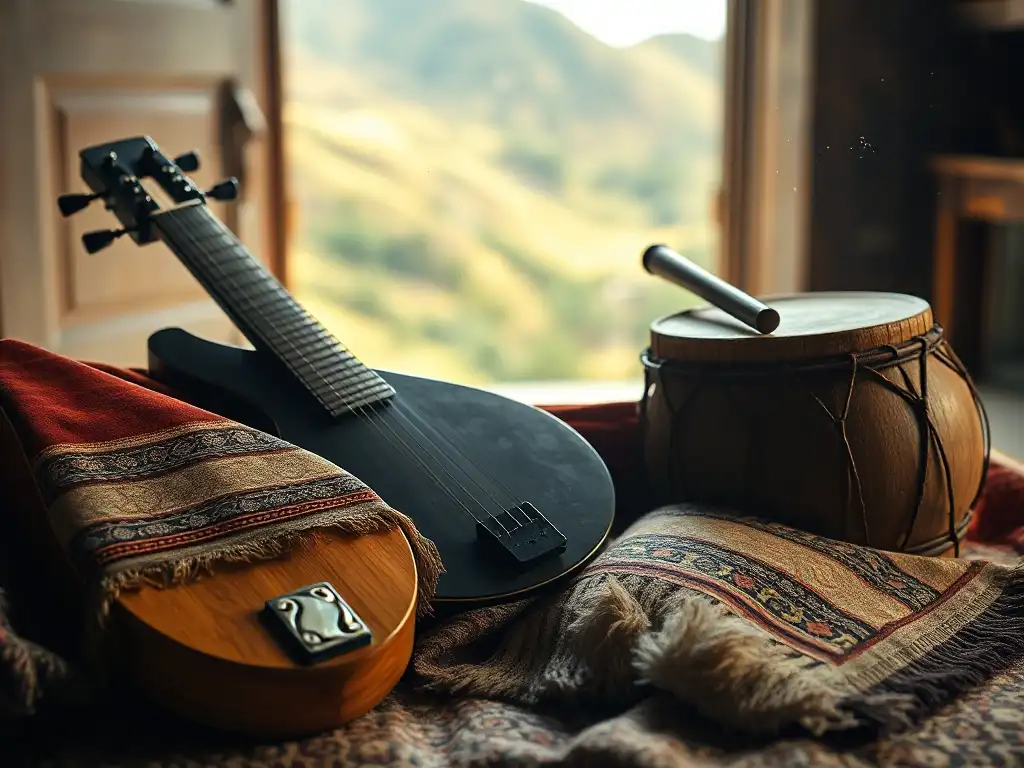
This section delves into the diverse instrumentation that forms the backbone of Andean music and dance history, exploring the unique sounds and cultural significance of each instrument. The interplay between these instruments creates the vibrant and captivating musical landscapes characteristic of Andean traditions. From the soaring melodies of wind instruments to the driving rhythms of percussion, the instruments are integral to the expression of Andean identity and spirituality. Understanding these instruments is crucial to appreciating the depth and complexity of Andean music and dance.
Wind Instruments: The Essence of Andean Soundscapes
Andean wind instruments are renowned for their haunting melodies and ability to evoke a sense of both ancient mystery and vibrant celebration. Their sounds permeate Andean rituals, ceremonies, and daily life, shaping the emotional core of the music and dance. The distinct timbres and playing techniques associated with each instrument contribute significantly to the diverse musical tapestry of the region.
The Zampoña: A Panpipe Variety with Regional Styles
The zampoña, a panpipe instrument, is arguably the most iconic wind instrument of the Andes. It's actually a family of instruments, with variations in size, number of pipes, and tuning reflecting regional differences. For example, the zampoña found in the Bolivian Andes might have a different tonal quality and arrangement compared to its Peruvian counterpart.
The construction itself, often utilizing reeds or bamboo, further contributes to the sonic diversity. Master zampoñeros (panpipe players) can coax a breathtaking range of sounds from these instruments, from delicate whispers to powerful, resonant calls. The zampoña often plays a melodic role, weaving intricate lines through the musical texture.
The Pinkillu: A Flute Used in Communal Celebrations
The pinkillu, a vertical flute, is frequently used in communal celebrations and traditional ceremonies. Its sweet, clear tone lends itself beautifully to festive music. Unlike the zampoña, which often features multiple pipes, the pinkillu is a single-pipe instrument, allowing for a more focused and lyrical melody. The pinkillu often plays in unison or harmony with other instruments, creating rich textures that enhance the overall musical experience. Its sound is often described as bright and airy, perfectly suited to expressing joy and communal spirit. Many Andean communities have specific rituals and dances directly associated with the pinkillu's sound.
The Tarka: A Wooden Flute with a Powerful Tone
In contrast to the pinkillu's lighter tone, the tarka boasts a more powerful and resonant sound. This transverse flute, typically made of wood, is known for its robust and penetrating timbre. The tarka often plays a crucial role in establishing the rhythmic foundation of a piece, providing a strong melodic counterpoint to other instruments. Its deep, resonant tone is particularly effective in creating a sense of drama and intensity within the music. The size and type of wood used in its construction can significantly impact the tarka's sound, resulting in considerable variation across different regions.
Percussion Instruments: The Rhythmic Pulse of Andean Expression
The rhythmic pulse of Andean music and dance is largely defined by its percussion instruments. These instruments provide the driving force, creating a foundation upon which melodies and harmonies are built. Their raw energy and palpable presence contribute significantly to the overall impact of the music. The variety of percussion instruments used reflects the diverse musical traditions across the Andes.
The Bombo: A Large Drum Setting the Tempo
The bombo, a large, double-headed bass drum, sets the fundamental tempo and rhythmic framework for many Andean musical styles. Its deep, resonant sound provides a powerful foundation for the music, creating a sense of grounding and stability. The bombo’s size and construction allow for a range of playing techniques, from subtle rolls to powerful, driving beats. Its prominent role in Andean music and dance underscores its significance as a central rhythmic element. The deep thrumming of the bombo can be felt as much as it is heard, contributing to the immersive nature of Andean musical performances.
The Caja: A Smaller Snare Drum Providing Sharp Accents
In contrast to the bombo's deep resonance, the caja, a smaller snare drum, provides sharp, percussive accents that add rhythmic complexity and excitement. Its smaller size and tighter skin allow for a quicker, more agile playing style. The caja often interacts rhythmically with the bombo, creating a dynamic interplay between low, driving rhythms and high-energy accents.
Its precise and articulate sound helps to define the rhythmic intricacies of many Andean musical forms, adding texture and flair to the overall sonic landscape. The caja's versatility allows it to be adapted to a wide range of musical contexts, making it an essential instrument in Andean musical traditions.
Stringed Instruments: Adding Melodic Complexity to Andean Music
Stringed instruments have played a vital role in enriching the melodic tapestry of Andean music and dance. While percussion instruments often provide the rhythmic foundation, strings add layers of intricate melodies and harmonies, creating a more complex and nuanced soundscape. The incorporation of stringed instruments wasn't always a native feature; many were introduced from Europe during the colonial period, yet Andean musicians masterfully adapted them, seamlessly weaving them into their existing musical traditions.
This adaptation is a testament to the flexibility and ingenuity of Andean musical practices, demonstrating a remarkable ability to synthesize old and new sounds into unique and vibrant expressions. The resulting musical forms are a fascinating blend of indigenous rhythms and European melodic structures, showcasing a cultural exchange that profoundly shaped the landscape of Andean music.
The integration of these instruments is not simply a matter of adopting new tools; it represents a dynamic process of cultural negotiation and transformation, resulting in a uniquely Andean musical identity. The history of stringed instruments in the Andes is a story of adaptation, innovation, and the enduring power of music to transcend cultural boundaries.
The Mandolina: A European Introduction Adapted to Andean Music
The mandolina, a plucked string instrument, arrived in the Andes via European colonists. Initially, it was primarily used in European-influenced musical styles prevalent in the region. However, Andean musicians quickly embraced the mandolina, adapting its use to complement existing instruments and musical forms.
They discovered its capacity to weave delicate melodies within the larger ensemble sound, particularly in genres like yaraví and huayno, where its bright, clear tone adds a distinctive character. The tuning and playing techniques were modified to suit Andean musical sensibilities, resulting in a unique Andean interpretation of the instrument. Rather than simply mimicking European styles, musicians incorporated the mandolina into traditional Andean musical structures, demonstrating a remarkable capacity for musical innovation and adaptation.
This exemplifies the creativity and resilience of Andean musicians who have consistently incorporated new instruments into their rich musical traditions while maintaining a strong sense of cultural identity. Specific examples of renowned Andean musicians who have incorporated the mandolina into their work could further enrich this discussion. [Specific examples of Andean musicians who use the mandolina pending]
The Violin: A Versatile Instrument Integrated into Andean Ensembles
The violin, another European import, has found a prominent place in Andean musical ensembles. Unlike the mandolina's delicate melodies, the violin's versatility allows it to take on a wider range of roles, from providing soaring melodies to adding rhythmic accents. Its powerful sound cuts through the textures of other instruments, creating a unique balance within the often vibrant and percussive-heavy Andean musical landscape.
Andean musicians haven't simply adopted European violin techniques; they've adapted playing styles and incorporated ornamentation characteristic of Andean musical traditions. The violin's integration into Andean music reflects a broader trend of musical syncretism, where indigenous and European musical elements blend to create something entirely new. The use of the violin in Andean music showcases the enduring power of cultural exchange and the capacity of musicians to creatively adapt and innovate.
Further research into specific musical pieces and ensembles that prominently feature the violin in Andean music would provide additional insights into its role and influence. [Specific examples of Andean music pieces featuring the violin pending]
The Significance of Dance in Andean Culture
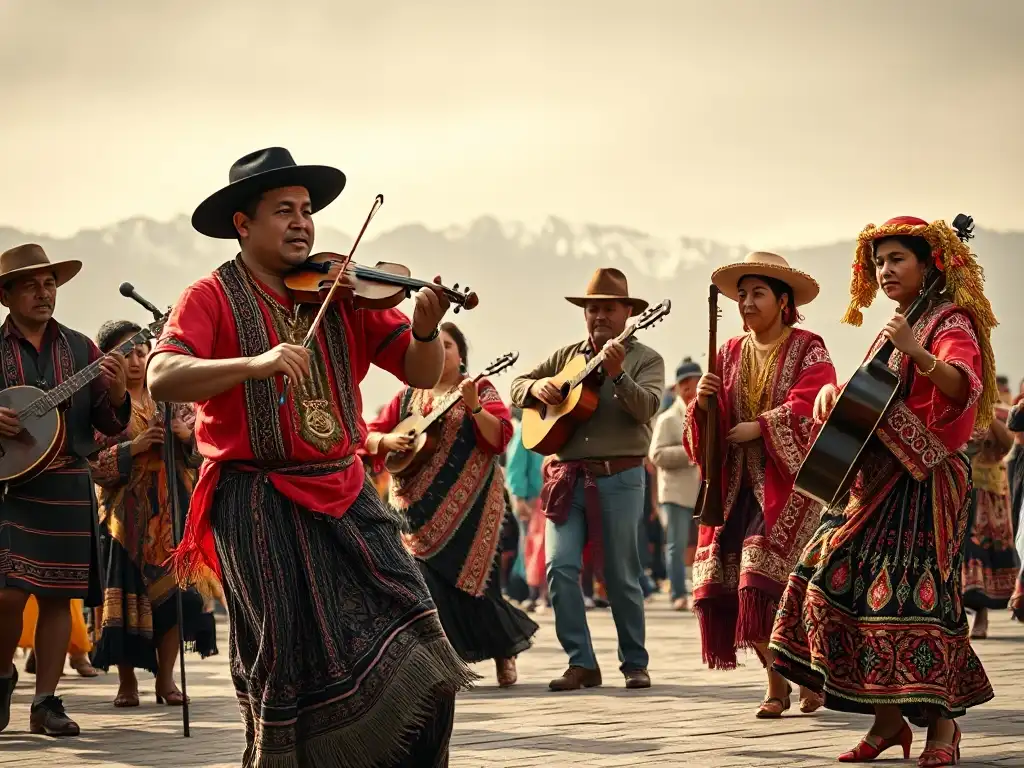
Andean music and dance history is deeply intertwined, with dance holding a position of paramount importance across various Andean cultures. It wasn't merely entertainment; dance served as a vital component of religious rituals, social gatherings, and daily life, reflecting the intricate relationship between the people and their environment. The movements, rhythms, and costumes all conveyed profound meanings, often linked to agricultural cycles, spiritual beliefs, and social structures.
The understanding of Andean dance provides crucial insight into the complexities of Andean civilizations and their worldview. The rhythmic pulse of the music provided the heartbeat for these powerful expressions of cultural identity. This section explores the diverse roles dance played, focusing on both its ritualistic and social functions.
Ritual Dances: Connecting with Ancestral Traditions
Ritual dances within Andean cultures were not simply performances; they were sacred acts aimed at communicating with the spirit world and influencing the natural order. These dances, often performed in specific locations with carefully choreographed movements and accompanying music, were integral to maintaining the balance and harmony of the community and the cosmos. Different types of ritual dances served distinct purposes, reflecting the multifaceted nature of Andean spirituality.
Rain Ritual Dances: Seeking Blessings for the Harvest
Rain dances, crucial in the predominantly agricultural Andean societies, were performed to invoke the life-giving rains necessary for successful harvests. These dances, often involving elaborate costumes and vigorous movements mimicking the descent of rain or the growth of crops, were intensely spiritual events. The music, typically played on instruments like panpipes and drums, would build in intensity, mirroring the urgency of the community's plea for rainfall.
Detailed ethnographic studies show that specific gestures, such as raising arms towards the sky or stomping the earth, were believed to directly influence the weather patterns. The success or failure of the harvest was often directly attributed to the sincerity and effectiveness of these rituals.
Healing Ritual Dances: Addressing Illness and Ailments
Illness was often viewed as a spiritual imbalance in Andean cultures. Healing dances, performed by shamans or healers, aimed to restore this balance through rhythmic movements and chanting. These dances incorporated specific gestures and patterns designed to drive away negative energies and promote healing.
The music played during these rituals was often slower and more meditative, intended to create a calming and restorative atmosphere. While the specific techniques varied among different communities, the common thread was the belief in the power of dance to connect with spiritual forces and promote physical and spiritual well-being. Further research into specific medicinal plants used in conjunction with these dances would provide a more holistic understanding of this practice.
Funeral Ritual Dances: Honoring the Departed
Death and the afterlife held significant importance in Andean cultures. Funeral dances, performed to honor the deceased and guide their spirit to the other world, were solemn and often melancholic occasions. These dances, often involving slow, deliberate movements and mournful music, were a way to express grief and celebrate the life of the departed.
The costumes and choreography often reflected the social status and life achievements of the deceased. The intricate details of these rituals, including the use of specific instruments and chants, varied considerably between different Andean groups, reflecting the diversity of their beliefs and traditions. More detailed information on the specific symbolic meanings embedded in the movements and costumes would enhance our comprehension of these ceremonies.
Beyond their ritualistic significance, dances also played a crucial role in Andean social life. These dances served as platforms for social interaction, community building, and the expression of cultural values. The style and structure of social dances often reflected the social hierarchy and the importance of community cohesion.
Circle Dances: Symbolizing Unity and Harmony
Circle dances, prevalent across various Andean communities, symbolized unity, harmony, and the cyclical nature of life. Participants would join hands or stand shoulder to shoulder, moving in a circular pattern, often accompanied by lively music and singing. These dances provided opportunities for social interaction and fostered a sense of collective identity. The circular movement itself was a powerful visual metaphor for the interconnectedness of the community members and their shared experiences. Further analysis of the specific songs and chants accompanying these dances would reveal additional insights into their social function and meaning.
Line Dances: Demonstrating Coordination and Strength
Line dances, in contrast to the circular dances, emphasized coordination, strength, and precision. These dances, often involving complex steps and formations, showcased the physical prowess and discipline of the participants. The music accompanying these dances often had a faster tempo and a more energetic rhythm, reflecting the dynamism and skill required to perform them effectively.
These dances were not only displays of physical ability but also a demonstration of community cohesion and the ability to work together in a synchronized manner. Detailed descriptions of the specific steps and formations in different line dances would enhance our understanding of their complexity and cultural significance. The precision required highlights the importance of practice and shared knowledge within the community.
The Significance of Attire and Ornamentation in Andean Dance
Andean dance is not merely a series of movements; it's a vibrant tapestry woven with intricate costumes and ornaments that hold deep cultural significance. The attire worn by dancers isn't simply decorative; it's a powerful visual language that communicates social status, geographic origin, and the specific narrative being enacted. For example, the elaborate headdresses worn in certain dances, often adorned with feathers, precious metals, or intricately woven textiles, signify the dancer's role within the community or the power of the deities being represented.
The vibrant colors used in the garments also carry symbolic weight, often reflecting the Andean worldview and its connection to nature. Red might represent strength and passion, while yellow could symbolize the sun's life-giving energy.
The meticulous craftsmanship evident in the attire highlights the dedication and skill involved in the creation of these costumes. Many are family heirlooms, passed down through generations, carrying with them the history and traditions of specific communities. This underscores the importance of these garments as tangible links to the past, maintaining the continuity of cultural practices and knowledge.
The creation of these costumes is a process that itself is rich in symbolism and tradition, involving specialized techniques and materials that are often unique to specific regions. The intricate weaving patterns, the meticulous embroidery, and the careful selection of materials all contribute to the overall meaning and aesthetic impact of the costume.
Furthermore, the ornamentation used in Andean dance costumes often incorporates symbolic elements drawn from the natural world and Andean mythology. For instance, the use of specific animal motifs or representations of agricultural symbols can reflect the importance of these elements in the Andean worldview and their connection to the agricultural cycle and the deities associated with fertility and prosperity. The incorporation of these elements into the attire serves to reinforce the connection between the dance, the dancers, and the broader cosmological beliefs of the Andean people.
The careful placement and arrangement of these ornaments are not arbitrary; they are carefully considered to maximize their impact and convey the intended message or narrative. Thus, studying the attire and ornamentation of Andean dancers provides valuable insight into the rich cultural and spiritual beliefs of the Andean civilizations.
The Symbiotic Relationship Between Music and Dance
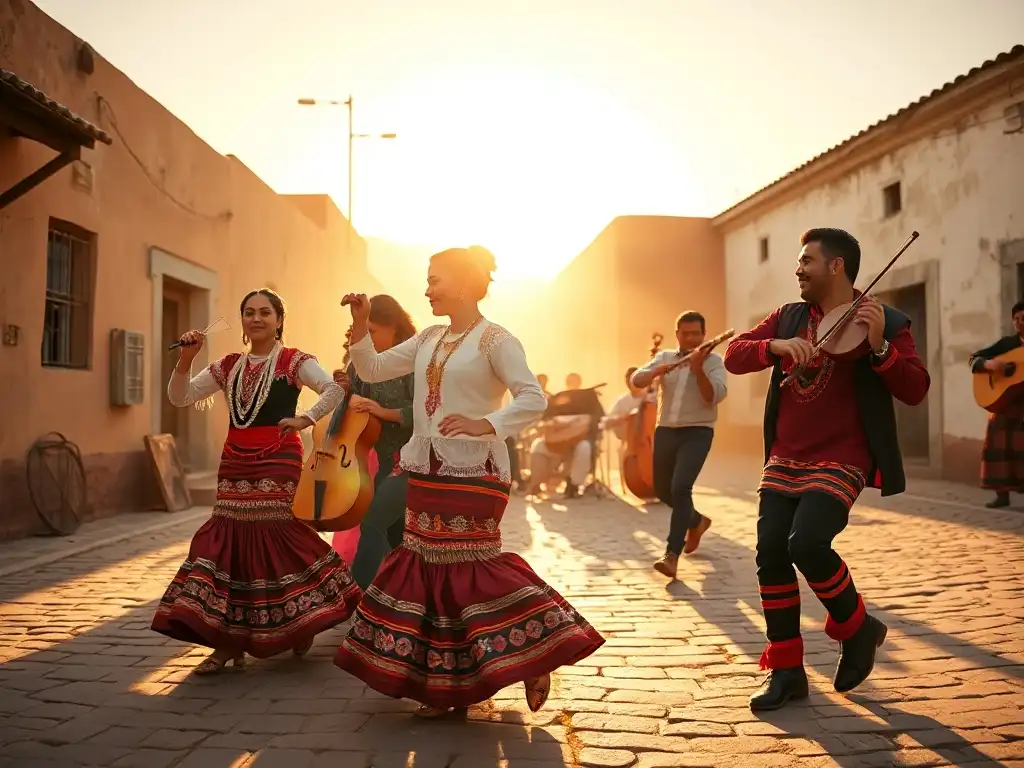
The vibrant tapestry of Andean culture is inextricably woven with the threads of music and dance. These art forms are not merely separate entities, but rather deeply intertwined aspects of a holistic expression of Andean identity, spirituality, and social life. Understanding Andean music and dance history requires acknowledging this symbiotic relationship, where music dictates movement, and movement enhances the musical experience. The rhythm, melody, and instrumentation of Andean music directly influence the choreography, steps, and gestures of the dances.
This inherent connection is evident across various Andean cultures, from the Inca Empire to the pre-Columbian societies. The intricate patterns and dynamic energy of Andean dances would be incomplete without the driving force of the accompanying music, and conversely, the music itself gains depth and meaning through the expressive movements of the dancers. This section will delve into specific examples to illustrate the profound synergy between these two art forms.
How Melodies Guide the Steps and Gestures in Andean Dance
Andean melodies possess a unique character, often characterized by pentatonic scales, complex rhythms, and the use of indigenous instruments like the zampoña (panpipes) and tarka (vertical flute). These musical elements aren't just background accompaniment; they are the very foundation of the dance. The tempo and rhythm of the music dictate the speed and style of the steps.
For instance, the faster tempos of celebratory dances often involve rapid footwork and energetic jumps, while slower, more contemplative melodies accompany dances expressing sorrow or reverence. Furthermore, the melodic contours directly influence the gestures and postures of the dancers. A rising melody might be mirrored by a lifting of the arms or a graceful upward movement of the body, while a descending melody could correspond to a lowering of the body or a more subdued movement.
Consider the huayno, a popular Andean dance style: the lilting melodies of the huayno directly inspire the swaying movements and fluid steps characteristic of the dance. The music provides a roadmap for the dancer, guiding their every move with precision and artistry.
The Ability of Music to Convey Narratives in Andean Dance
Beyond mere synchronization, Andean music often plays a crucial role in narrating stories and conveying deeper meanings within the dances. Many dances are not just physical expressions but rather enactments of myths, legends, or historical events. The music, with its changing dynamics and instrumental interplay, serves to underscore different stages of the narrative.
A dramatic shift in tempo or instrumentation might signal a change in the storyline, while specific musical motifs could represent particular characters or events. For example, some Andean dances recount the struggles of the people against oppression or celebrate the harvest and bounty of the land. The music helps to set the emotional tone, highlighting moments of triumph, sorrow, or reflection.
The combination of music and dance creates a powerful narrative experience, allowing the audience to participate in the story being told. This rich storytelling tradition highlights the crucial role of music in preserving and transmitting cultural heritage through generations, enriching our understanding of Andean music and dance history.
The Intertwined Development of Andean Music and Dance
The evolution of Andean music and dance is not a linear progression but rather a continuous interplay of influences and innovations. Over centuries, different Andean cultures have contributed to the development of unique musical forms and dance styles. The Inca Empire, for example, left a significant legacy on Andean musical practices, with evidence suggesting sophisticated musical instruments and organized ensembles.
However, the development of Andean music and dance wasn't a monolithic process dictated solely by the Inca. Pre-Inca cultures also played a vital role, contributing their own distinct musical traditions and dance styles. The fusion and evolution of these traditions have resulted in the diverse and rich musical landscape we see today.
This interconnected history underscores the importance of studying Andean music and dance within its broader cultural context. Analyzing archaeological findings alongside surviving musical traditions and dance practices provides a more complete picture of the historical development of these intertwined art forms.
Modern Interpretations of Traditional Andean Music and Dance
Contemporary Andean musicians and dancers continue to draw inspiration from traditional forms while incorporating modern influences. This fusion creates a vibrant and evolving artistic landscape. While respecting the historical significance of traditional Andean music and dance history, many artists are experimenting with new instruments, incorporating elements of contemporary music genres, and exploring innovative choreographic approaches.
This creative process both preserves the cultural heritage and ensures the vitality and relevance of Andean music and dance for future generations. This adaptation and innovation ensure the continued relevance and appreciation of Andean artistic traditions in the modern world. The ongoing interplay between tradition and innovation is a testament to the enduring power and adaptability of Andean culture.
The Legacy of Andean Music and Dance
The legacy of Andean music and dance is a vibrant tapestry woven from centuries of cultural exchange, innovation, and resilience. It's a testament to the enduring spirit of Andean peoples and their ability to adapt and transform their artistic expressions across generations. Understanding this legacy requires examining not only the specific instruments and dance forms but also the social, religious, and political contexts in which they flourished.
The rhythmic pulse of Andean music and dance, whether the haunting melodies of the zampoña or the powerful movements of the diablada, continues to resonate, shaping cultural identity and inspiring new artistic creations. The enduring power of these traditions lies in their ability to connect past and present, fostering a sense of continuity and community. This deep connection to ancestral practices is evident in the meticulous preservation and transmission of musical knowledge and dance techniques within Andean communities.
Sustaining Andean Musical Traditions
The survival of Andean musical traditions is a testament to the commitment of Andean communities to preserving their cultural heritage. This preservation isn't passive; it's an active process involving multiple strategies. Many communities have established formal and informal schools dedicated to teaching traditional instruments, songs, and dances. These schools often incorporate apprenticeship models, where younger generations learn directly from master musicians and dancers.
Furthermore, annual festivals and celebrations play a crucial role in sustaining these traditions. These events provide opportunities for community members to participate in performances, share their skills, and transmit knowledge to younger generations. The use of digital platforms, while a relatively recent development, also plays a significant role in disseminating Andean music and dance to wider audiences, both within and outside of Andean communities. However, challenges remain.
The impact of globalization and migration can lead to the loss of traditional knowledge if not actively countered. The documentation and archiving of musical scores and dance steps are vital for future generations. For example, detailed ethnographic studies, coupled with recordings of performances, are crucial for preserving the nuances of specific regional styles.
The Impact of Andean Music and Dance on Global Arts
Andean music and dance have profoundly influenced global arts, enriching musical and choreographic traditions worldwide. The distinctive sounds of Andean instruments, such as the charango, quena, and siku, have inspired composers and musicians across genres. The incorporation of Andean rhythms and melodies into contemporary music demonstrates a growing appreciation for the unique aesthetic qualities of Andean artistic expressions. For example, the incorporation of Andean instruments into world music has created a fusion of sounds that captivates audiences globally.
Similarly, the powerful and expressive movements of Andean dances have inspired choreographers to explore new forms of movement and storytelling. The graceful fluidity of some dances and the powerful energy of others have enriched contemporary dance vocabularies. The influence extends beyond the direct borrowing of elements.
The underlying principles of Andean music and dance—the emphasis on community, ritual, and storytelling—have resonated with artists seeking to create work that is both aesthetically compelling and socially relevant. The growing interest in Andean music and dance reflects a broader global interest in diverse cultural expressions and their contribution to a richer, more inclusive artistic landscape. This global appreciation highlights the enduring power and relevance of Andean artistic traditions in a rapidly changing world.
The Diablada Dance: A Case Study in Cultural Syncretism
The diablada dance, a vibrant and visually stunning performance, serves as a compelling case study in cultural syncretism. Originating in Bolivia, the diablada intricately blends indigenous Andean traditions with elements of Spanish colonial Catholicism. The dance depicts a battle between good and evil, with devils ( diablos) representing pre-Hispanic deities and figures, and archangels representing the forces of Christianity. This fusion reflects the complex historical interactions between indigenous Andean cultures and European colonizers.
The costumes, often elaborate and visually striking, are a key element of the diablada. They incorporate both indigenous Andean design elements and European influences, creating a unique visual language that speaks to the dance's hybrid nature. The music accompanying the diablada is equally syncretic, blending indigenous Andean instruments and melodies with European harmonies and rhythms. The rhythmic complexity and powerful energy of the music contribute to the dance's dramatic intensity.
The diablada is not merely a performance; it's a living embodiment of a historical process, reflecting the ongoing negotiation and blending of cultural identities within Andean societies. Its enduring popularity highlights the power of cultural syncretism to create new and meaningful forms of artistic expression. The diablada's continued evolution shows how cultural traditions can adapt and thrive in response to historical change and ongoing cultural exchange. This ongoing adaptation ensures that the diablada remains a relevant and engaging performance for both participants and audiences.
Savia Andina: A Case Study in Contemporary Andean Fusion
Savia Andina stands as a prime example of how Andean musical traditions continue to evolve and resonate in the modern world. Formed in 1979 in Bolivia, the group masterfully blends traditional Andean instruments and vocal styles with contemporary musical influences. Their music isn't simply a nostalgic recreation of the past; it's a vibrant fusion that speaks to both heritage and innovation.
This innovative approach has allowed them to reach a global audience, introducing Andean music to generations who might otherwise have never encountered it. Their enduring popularity is a testament to the enduring power of Andean musical traditions and their adaptability.
The group's success can be attributed to several factors. First, their commitment to preserving authentic Andean instrumentation is undeniable. They skillfully incorporate instruments like the charango, zampoña, and siku into their arrangements, creating a rich and distinctive sonic landscape. However, they don’t shy away from incorporating modern instruments like guitars and keyboards, seamlessly weaving them into the fabric of their sound. This careful integration avoids diluting the traditional Andean elements, instead enhancing them with contemporary textures.
Secondly, Savia Andina's vocal harmonies are breathtaking. Their arrangements showcase the beauty and complexity of Andean vocal styles, highlighting the expressive power of their voices. The interplay between the different vocal parts creates a captivating listening experience, further enriching the already complex tapestry of their musical arrangements. The emotional depth conveyed through their singing is palpable, adding another layer to the group's artistic appeal.
Finally, their performances are dynamic and engaging. Savia Andina's concerts are not merely musical events; they're immersive experiences that transport the audience to the heart of Andean culture. Their stage presence is captivating, and their energy is infectious. This dedication to live performance is crucial to their continued success, allowing them to directly connect with their audience and share the passion for their music.
Their impact extends beyond mere entertainment; they serve as cultural ambassadors, sharing the richness and diversity of Andean musical heritage with the world. Their story is a powerful illustration of how tradition can be successfully interwoven with contemporary aesthetics to create a vibrant and enduring musical legacy. The group's ongoing success underscores the vitality and adaptability of Andean musical traditions in the 21st century.
Frequently Asked Questions
What role did music play in ancient Andean societies?
Music held a central role in Andean life, integral to religious ceremonies, agricultural cycles, and daily life. It was used to honor deities, celebrate harvests, and express social structures.
How did dance complement music in Andean cultures?
Dance was inseparable from music, often mirroring and enhancing its meaning. Ritual dances accompanied songs, telling stories and conveying beliefs through movement and gestures.
Which instruments were commonly used in Andean music?
Panpipes (antara), drums (tinku), and conch shells were prominent. Other instruments included flutes, and string instruments like the charango (a small lute) reflecting the diversity of instruments across different cultures.
How did Andean music and dance vary across different civilizations?
While sharing common threads, each civilization (Inca, Moche, Nazca, Tiahuanaco) developed its own unique styles of music and dance, reflecting their distinct beliefs and traditions. Regional variations also existed.
How has Andean music and dance evolved over time?
Andean music and dance have evolved while retaining ancient elements. Colonial influences impacted styles, but traditional forms persist, continuing to be performed and celebrated today, often incorporating modern instruments.
Final Reflection: A Legacy in Motion
The vibrant tapestry of Andean music and dance continues to resonate today, a powerful testament to the enduring spirit of a culture that has woven together rhythm, movement, and history for millennia. Its influence extends far beyond the Andes, enriching global artistic expression and offering a profound connection to a rich past. The intricate steps and melodies are not merely historical artifacts; they are living traditions, constantly evolving yet deeply rooted in ancestral practices.
The enduring power of Andean music and dance lies in its ability to transcend language and cultural barriers, communicating emotions and stories across generations. Music is the universal language of mankind,
said Henry Wadsworth Longfellow, and this rings especially true for the expressive forms found in Andean culture. The emotional depth conveyed through the music, whether it be the celebratory energy of a fiesta or the mournful beauty of a lament, is deeply moving and speaks to a shared human experience. This resonates deeply with me, highlighting the universality of artistic expression and its capacity to bridge divides.
Consider the legacy of these traditions. How can you, as an individual, contribute to their preservation and appreciation? Seek out opportunities to experience Andean music and dance firsthand, whether through live performances, documentaries, or even learning a few basic steps yourself. By engaging with this rich cultural heritage, you not only enrich your own life but also help ensure that the symphony of movement continues to inspire and uplift future generations. Let the rhythm move you, let the history inspire you, and let the legacy live on.
Embrace the Dance: Take Action Today!
Thank you for exploring the vibrant interplay of music and dance that defines Andean culture. You've discovered how these expressive art forms shape identities and foster a strong sense of community. Now, let's deepen your connection with this lively tradition!
Here are a few ways you can engage with the enchanting world of Andean music and dance:
- **Take an Andean dance class** to experience the rhythm and energy firsthand. Many community centers and dance studios offer classes in various Andean styles.
- **Listen to Andean music playlists** online. Streaming services offer a wealth of options to broaden your understanding and appreciation of these rich cultural sounds.
- **Share your newfound appreciation** of Andean culture with friends and family, or post about it on social media to inspire others to learn more about this beautiful heritage.
What Andean song or dance style intrigues you most? We'd love to hear your thoughts in the comments!