
Tuning into the Cosmos: The Astronomical Significance of Andean Music

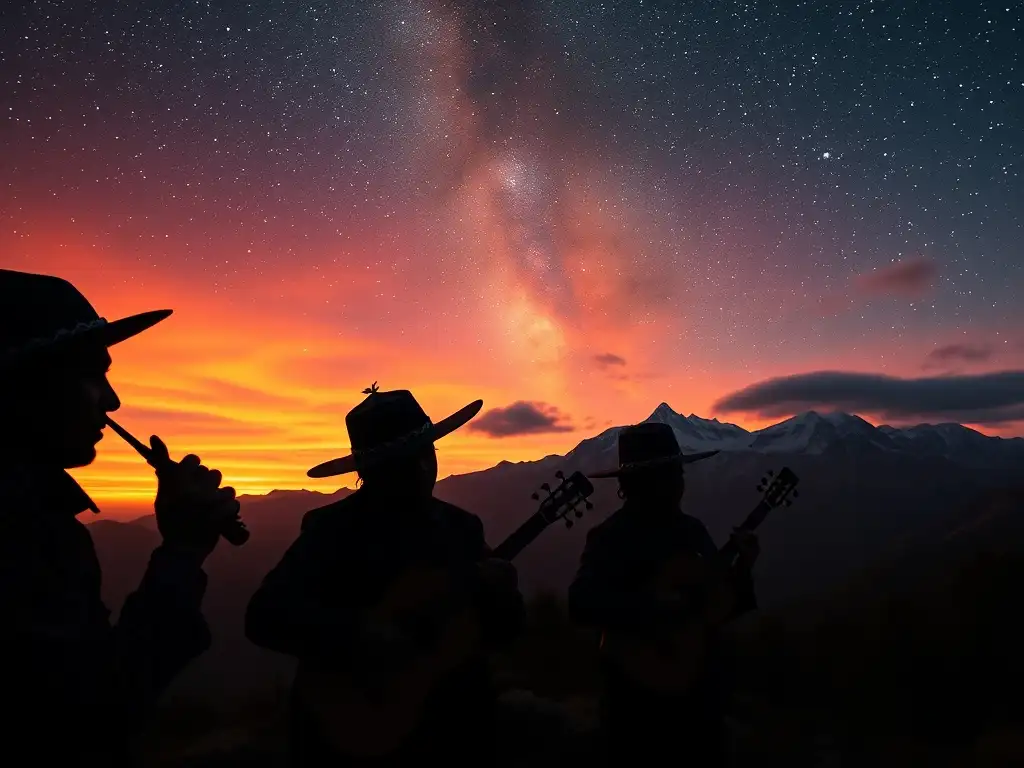
Unravel the mysteries woven into the vibrant tapestry of Andean culture! Journey with us into a world where celestial rhythms met earthly melodies, exploring the fascinating connection between Andean music and its astronomical significance. Did ancient Andean musicians truly chart the cosmos through their songs? Discover the secrets hidden within the notes and delve into a rich history waiting to be uncovered. Read on to explore the captivating relationship between music and the stars.
The vibrant tapestry of Andean music, far from being merely entertainment, reveals a profound connection to the cosmos. This article delves into the fascinating relationship between Andean musical traditions and the astronomical observations that shaped the worldview of ancient Andean civilizations.
We will explore how musical rhythms, instruments, and even the choice of performance times were intricately linked to the celestial cycles, reflecting a deep understanding of the universe and its influence on daily life. This exploration will focus primarily on the Inca, Moche, Nazca, and Tiahuanaco cultures, showcasing the diverse yet interconnected ways in which music served as a conduit to the spiritual realm and a reflection of their sophisticated astronomical knowledge.
Understanding this connection offers a richer appreciation for the complexity and artistry of Andean musical heritage and its enduring legacy. The exploration of Andean music's astronomical significance provides a unique lens through which to examine the sophisticated cosmology and spiritual beliefs of these remarkable civilizations.
Introduction: Andean Music and its Cosmic Connection
Andean music, a vibrant expression of cultural heritage, wasn't simply for entertainment. It was deeply interwoven with the daily lives, rituals, and spiritual beliefs of the Andean people. For these civilizations, the cosmos wasn't a separate entity but an integral part of their existence.
The sun, moon, stars, and constellations dictated agricultural cycles, social structures, and religious practices. Music served as a powerful tool to connect with these celestial bodies, to honor them, and to seek guidance from them. This connection is evident in various aspects of Andean musical traditions, from the instruments used to the melodies played and the specific times chosen for performances.
For instance, certain instruments, like the antara (panpipes), were believed to mimic the sounds of the cosmos, while specific melodies were associated with particular celestial events. The intricate relationship between Andean music and astronomy highlights the holistic worldview of these ancient cultures, where the human experience was inextricably linked to the rhythms of the universe. Evidence suggests that musical performances often coincided with solstices and equinoxes, further emphasizing the importance of celestial events in their cultural practices.
The Ancient Andean Worldview: Astronomy and Spirituality
The Andean worldview was profoundly shaped by a deep understanding of astronomy. Unlike a purely scientific approach, their astronomical knowledge was deeply intertwined with their spiritual beliefs. The celestial bodies were not merely objects to be studied but were considered divine entities, powerful forces that influenced all aspects of life. The sun, in particular, held a central position in their cosmology, representing the source of life and energy.
The Inca, for example, revered the sun god, Inti, and their religious rituals were often timed to coincide with solar events. This spiritual reverence extended to other celestial bodies as well, with the moon and stars playing significant roles in their mythology and religious practices. The precise astronomical observations and calculations made by the Andean people were not merely for scientific curiosity; they were essential for understanding the divine will and maintaining harmony with the cosmos. This intimate connection between astronomy and spirituality is reflected in their art, architecture, and, significantly, their music.
The rhythms and melodies of Andean music often mirrored the movements of celestial bodies, creating a sonic representation of their cosmological understanding. The use of specific instruments, like the pututu (a shell trumpet), may have been linked to specific astronomical phenomena, suggesting a deliberate attempt to create a musical dialogue with the universe. Further research is needed to fully understand the specific astronomical correspondences in different Andean musical traditions, but the existing evidence strongly suggests a deep and multifaceted connection.
- Introduction: Andean Music and its Cosmic Connection
- The Ancient Andean Worldview: Astronomy and Spirituality
- What is the connection between Andean music and astronomy?
- How did Andean cultures use music to track astronomical events?
- Which Andean civilizations incorporated astronomical elements into their music?
- What types of instruments were used in Andean music with astronomical significance?
- Where can I learn more about the astronomical significance of Andean music?
Andean Cultures and their Observatories of the Sky
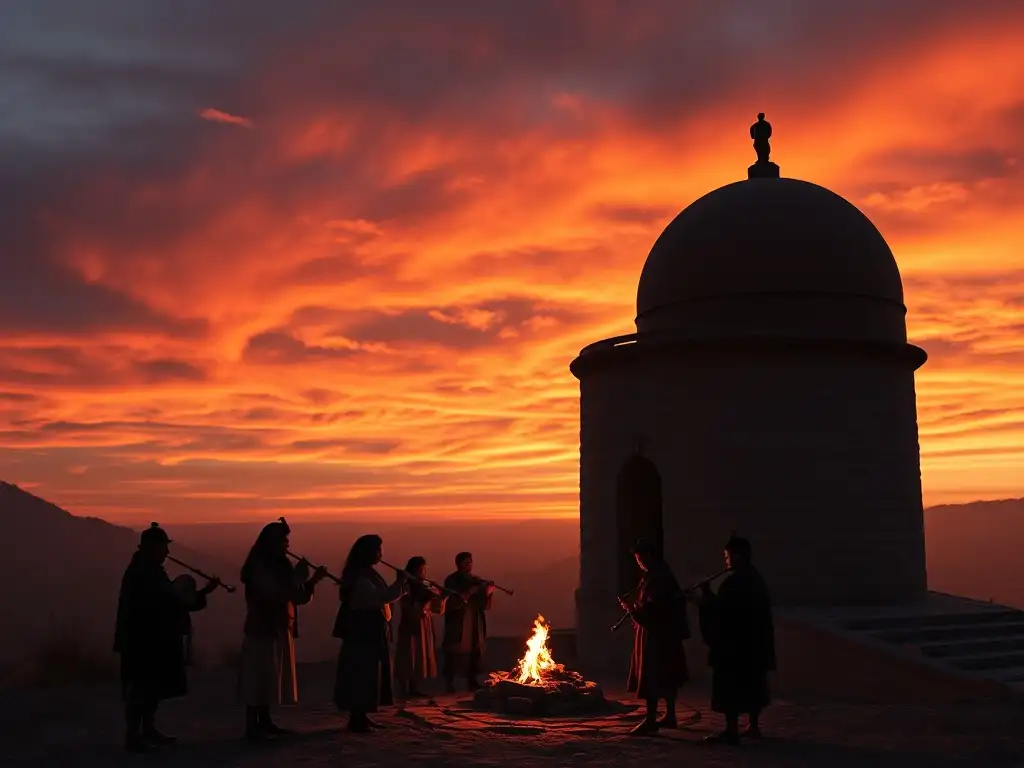
This section delves into the intricate relationship between Andean cultures and their understanding of the cosmos, focusing on how this celestial knowledge profoundly influenced their musical practices. The Andean worldview wasn't simply a passive observation of the stars; it was an active engagement, a deeply spiritual connection that permeated all aspects of life, including music. The rhythms, melodies, and instruments themselves often mirrored celestial cycles and events, reflecting a sophisticated astronomical awareness woven into the fabric of their society.
This understanding wasn't confined to a priestly elite; astronomical knowledge was likely widespread, influencing daily life and ritual practices alike. The evidence suggests a complex interplay between celestial observation and musical expression, a symphony of sound and light reflecting the Andean perception of the universe.
Further research is needed to fully understand the nuances of this complex relationship, but the available evidence strongly suggests a remarkable integration of astronomy and music within these ancient societies. The following subsections will explore specific examples of this fascinating connection.
Inca Astronomy: Alignments and Sacred Spaces
Inca astronomy wasn't solely based on abstract calculations; it was deeply intertwined with the physical landscape. Sacred sites, such as Machu Picchu and Sacsayhuamán, exhibit precise alignments with solstices and equinoxes, demonstrating a keen understanding of celestial movements. These alignments weren't accidental; they were carefully planned, reflecting a sophisticated knowledge of astronomy used for agricultural planning, ritual scheduling, and potentially, even musical performances.
For example, the precise orientation of certain structures within Machu Picchu might have served as a kind of "observatory," allowing for the tracking of the sun's path throughout the year. This knowledge likely informed the timing and nature of musical rituals and ceremonies, ensuring their alignment with the cosmic calendar. We can hypothesize that certain musical pieces were specifically composed or performed during particular astronomical events, such as the solstices, reinforcing the cyclical nature of life and the cosmos.
Further investigation into Inca musical notation (if any existed) could reveal even stronger connections between specific musical pieces and astronomical phenomena. The study of Inca textiles, which often depict celestial events, may also provide valuable clues to understanding the relationship between Andean music and astronomy during the Inca period.
Pre-Inca Astronomical Knowledge: Evidence from Moche and Nazca
The astronomical sophistication of the Inca wasn't a sudden development; it built upon a rich legacy of astronomical observation and understanding developed by earlier Andean cultures. The Moche and Nazca civilizations, for example, left behind compelling evidence of their advanced astronomical knowledge. Moche pottery frequently depicts celestial bodies and astronomical events, providing valuable insights into their cosmological beliefs. These depictions, often integrated into scenes of ritual and ceremony, suggest that astronomy played a significant role in their religious and social life.
Similarly, the Nazca Lines, enigmatic geoglyphs etched into the desert, are believed by some scholars to have astronomical significance, potentially serving as a vast terrestrial observatory. While the exact purpose of the Nazca Lines remains debated, their alignment with certain celestial bodies suggests a profound understanding of astronomy. The integration of astronomical knowledge into the cultural practices of the Moche and Nazca, including their music and ritualistic practices, remains a subject of ongoing research.
The analysis of musical instruments found in Moche and Nazca tombs could shed light on potential connections between their musical traditions and astronomical observations. The discovery of further archaeological evidence, alongside interdisciplinary studies combining archaeology, astronomy, and musicology, is crucial to fully unraveling the complex relationship between Andean music and astronomy in these pre-Inca societies. The quest to understand the "Andean music astronomical significance" continues to reveal fascinating insights into the rich cultural heritage of these ancient civilizations.
The Role of Music in Andean Rituals and Ceremonies

Andean music wasn't merely entertainment; it was deeply interwoven with the fabric of daily life, particularly within the context of religious and ceremonial practices. For the Incas, Moche, Nazca, and other Andean cultures, music served as a powerful tool for connecting with the spiritual realm, influencing the natural world, and maintaining cosmic balance. The sounds produced weren't arbitrary; they were carefully crafted to reflect specific cosmological beliefs and to invoke the desired spiritual effects.
This intricate relationship between music and the cosmos is a key element in understanding the profound significance of Andean musical traditions. The rhythmic patterns, the instruments used, and even the melodies themselves held symbolic weight, reflecting the Andean worldview and their understanding of the universe.
Understanding this connection allows us to appreciate the depth and complexity of Andean culture far beyond the aesthetic appreciation of the music itself. The interplay between music and ritual provided a framework for social cohesion and reinforced the power structures within these societies.
Musical Instruments and their Cosmic Symbolism
The instruments themselves often held significant symbolic meaning, reflecting the Andean understanding of the cosmos. For example, the pututu, a long shell trumpet, was associated with storms and the power of the gods. Its deep, resonant sound was believed to be capable of reaching the celestial realm, acting as a conduit between the earthly and spiritual worlds.
The use of the pututu in ceremonies was not accidental; its shape, material, and the specific sounds it produced were all carefully considered to ensure the effectiveness of the ritual. Similarly, the antara, a panpipe instrument, with its multiple pipes representing different levels of the cosmos, was used to represent the harmonious balance between the earthly and heavenly realms. The number of pipes, their arrangement, and the specific melodies played all held symbolic significance, reflecting the Andean understanding of the universe's structure.
Further research is needed to fully understand the nuanced symbolism of other instruments like the tarka (a type of flute) and the various types of drums used in Andean rituals, but preliminary studies suggest a connection between their design and their cosmological significance. The materials used in crafting the instruments—wood, bone, shells, and metals—also carried symbolic weight, often associated with specific deities or natural elements.
Andean Rhythms and Celestial Cycles
The rhythms of Andean music often mimicked the cycles of nature and the celestial movements. The intricate patterns of the music reflected the Andean understanding of the cosmos and its cyclical nature. For example, the changing rhythms and tempos of certain songs might have mirrored the phases of the moon or the movement of the stars.
Researchers have found correlations between certain rhythmic patterns and agricultural cycles, suggesting that music played a role in coordinating community activities related to planting and harvesting. Specific rhythms could also have been used to predict or influence weather patterns, highlighting the practical application of this cosmological understanding. Detailed analysis of surviving musical scores, albeit limited, suggests a complex system of rhythmic variations that encoded astronomical information.
The relationship between specific rhythmic patterns and celestial events remains an area of ongoing research, but preliminary findings point to a sophisticated understanding of astronomy integrated into Andean musical practices. Unfortunately, the scarcity of documented musical notation from pre-Columbian times significantly hinders a more comprehensive understanding of this fascinating aspect of Andean culture.
Music as a Vehicle for Connecting with the Divine
Andean music served as a powerful tool for connecting with the divine. Through music, individuals and communities could communicate with deities, ancestors, and spirits. Shamans, often the keepers of musical knowledge, used music to enter altered states of consciousness, facilitating communication with the spirit world. The hypnotic rhythms and melodies could induce trance-like states, creating a space for spiritual experiences and divine encounters.
Vocalizations, often in the form of chants and songs, were used to invoke specific deities or to request blessings and protection. The lyrics themselves often contained rich symbolic language, reflecting Andean mythology and cosmology. The power of music to evoke strong emotions and to create a sense of unity and collective consciousness made it an ideal medium for religious experiences.
It wasn't just about entertainment; it was a sacred act that reinforced social bonds and strengthened the connection between the community and the spiritual realm. The use of music in healing rituals further underscores its importance as a conduit for spiritual energy and a means of maintaining balance in the cosmos. The harmonious sounds were believed to restore balance to the body and soul, mirroring the harmonious balance sought in the cosmos.
Exploring the Astronomical Elements in Andean Musical Forms
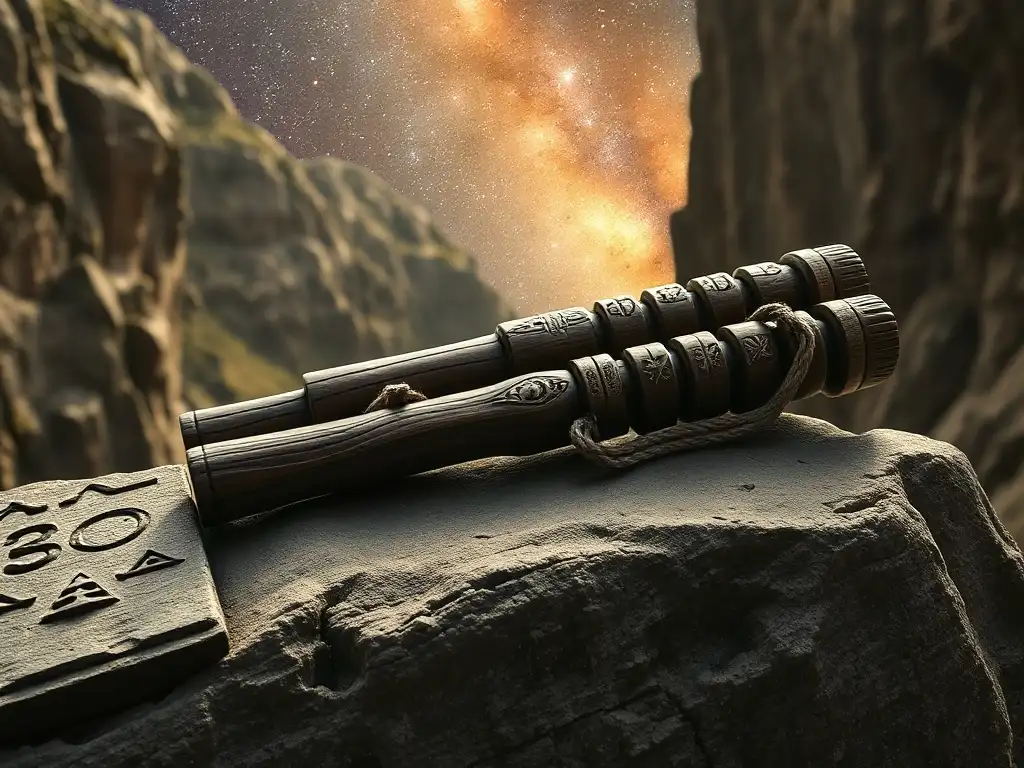
This section delves into the intricate relationship between Andean music and astronomical phenomena, exploring how celestial observations were woven into the fabric of musical expression. The Andean worldview deeply integrated the cosmos into daily life, and this cosmological perspective is profoundly reflected in their music. Understanding this connection requires examining melodic structures, lyrical themes, and the specific musical forms themselves.
The analysis below highlights the rich interplay between musical elements and astronomical significance, providing a deeper appreciation for the sophistication of Andean musical traditions and their profound connection to the cosmos. We will examine how Andean music not only mirrored the cosmos but also potentially served as a tool for predicting and understanding celestial events. The keyword "Andean music astronomical significance" is intrinsically linked to this exploration.
Melodic Patterns Reflecting Celestial Movements
The melodies of many Andean musical forms exhibit a remarkable correlation with observed celestial movements. For instance, the cyclical nature of certain melodies, characterized by repetitive motifs and gradual ascents and descents in pitch, mirrors the cyclical movements of the sun, moon, and stars across the Andean sky. These patterns are not arbitrary; they reflect a deep understanding of astronomical cycles and their impact on agricultural practices and societal rhythms.
Consider the yaraví, a melancholic genre prevalent in the Andes. Its characteristic descending melodic lines could be interpreted as reflecting the setting sun, a powerful symbol of endings and transitions within the Andean cosmology. Conversely, ascending melodic lines, frequently found in celebratory music, might represent the rising sun, symbolizing new beginnings and hope. Further research is needed to definitively link specific melodic contours to precise astronomical events, but the suggestive correlation is compelling.
This interpretation requires detailed analysis of various yaraví compositions from different Andean regions to identify consistent patterns. [Specific melodic analysis pending]. This analysis could involve comparing musical notation with astronomical data to uncover more precise connections.
Lyrical Content Referencing Constellations and Planets
Beyond melodic structure, the lyrical content of Andean songs often directly references constellations, planets, and other celestial bodies. These references are not merely decorative; they serve to reinforce the cosmological framework within which the music exists. The lyrics often weave narratives that connect human experiences with the movements and cycles of the cosmos.
For example, many songs incorporate references to the Pleiades (known as Collca or similar names in various Quechua dialects), a prominent constellation in the Andean night sky. These references often relate to agricultural cycles, with the appearance of the Pleiades signaling the beginning or end of planting seasons. Similarly, songs may incorporate references to the Milky Way, which was often associated with pathways to the spirit world or the celestial abode of ancestors.
A comprehensive study of Andean song lyrics is needed to fully catalogue and analyze the frequency and context of astronomical references. [Comprehensive lyrical analysis pending]. This would involve linguistic analysis, anthropological investigation, and a careful consideration of the cultural context surrounding the creation and performance of these songs.
Specific Andean Musical Forms and their Astronomical Interpretations
Several specific Andean musical forms are strongly associated with astronomical events and rituals. For instance, certain panpipe melodies played during solstices or equinoxes may reflect specific astronomical alignments or celestial configurations. The use of specific instruments, like the antara (panpipes) or the tinku (a form of ritualistic dance and music), might also be linked to specific celestial events.
The precise interpretations vary across different Andean cultures and regions, highlighting the diversity and richness of their cosmological perspectives. Further research is needed to comprehensively document these regional variations and explore their astronomical connections. [Regional variations and astronomical links pending]. This research should include ethnographic studies, archaeological investigation of musical instruments, and collaboration with Andean communities to gain a deeper understanding of their musical traditions and their cosmological significance.
The potential to uncover a complex system of astronomical musical calendars is particularly exciting. The careful study of Andean music holds the key to unlocking a deeper understanding of their profound connection to the cosmos. This intricate relationship between Andean music and the astronomical significance of celestial events continues to fascinate and inspire researchers.
The Lasting Influence of Andean Astronomy on Music Today

The intricate relationship between Andean astronomy and music wasn't simply a relic of the past; its influence resonates deeply within contemporary Andean musical expressions. Understanding this enduring connection provides crucial insight into the cultural continuity and resilience of Andean traditions. While modern instruments and musical styles have evolved, the core principles reflecting celestial observation and cosmic understanding persist. This section will explore this fascinating link, examining how ancient astronomical knowledge continues to shape Andean music in the 21st century.
Contemporary Andean Music and its connection with the stars
Many contemporary Andean musicians consciously incorporate astronomical themes and symbolism into their work. This isn't merely a superficial aesthetic choice; it’s a powerful way to connect with ancestral knowledge and transmit cultural heritage. For example, the use of specific musical modes or rhythmic patterns might directly relate to the movements of the sun, moon, or stars, as documented in ancient texts and oral traditions.
The lyrics themselves often evoke celestial imagery, narrating myths and legends associated with constellations or specific astronomical events. Furthermore, the very act of musical performance can be imbued with ritualistic significance, mirroring ancient ceremonies that were deeply intertwined with astronomical observations.
The timing of festivals and musical performances often coincides with significant astronomical events, such as solstices or equinoxes, demonstrating the enduring relevance of this connection. Analyzing the instrumentation used—for example, the panpipes' mimicking of celestial harmonies—also reveals the enduring relationship between Andean music and the cosmos.
Preserving ancient knowledge through musical traditions
Andean music serves as a vital repository of ancient astronomical knowledge. Oral traditions, passed down through generations, embed astronomical information within musical narratives and melodies. These traditions often lack written documentation, making musical performance crucial for preserving these intricate details.
The rhythmic structures, melodic contours, and even the specific instruments used can carry encoded astronomical information, invisible to the untrained ear but readily understood by those immersed in the tradition. This demonstrates the power of music as a tool for cultural preservation, safeguarding knowledge that might otherwise be lost. The continued performance of ancient musical pieces acts as a living archive, ensuring the survival of astronomical knowledge passed down through centuries.
Efforts to document and analyze these musical traditions are crucial for understanding the depth and complexity of Andean astronomical knowledge. The meticulous study of musical scores and field recordings provides valuable data for researchers studying the relationship between Andean music and astronomy.
The importance of understanding the astronomical roots of Andean music
Understanding the astronomical roots of Andean music is paramount for several reasons. Firstly, it enriches our appreciation of the music itself, revealing layers of meaning and complexity often overlooked. Secondly, it helps us understand the broader worldview of Andean cultures, highlighting their profound connection with the natural world and the cosmos.
Thirdly, this knowledge contributes to a more complete understanding of Andean history and cultural development, illuminating the sophisticated astronomical knowledge possessed by these civilizations. Finally, recognizing the astronomical significance of Andean music fosters a greater respect for cultural heritage and promotes the preservation of these invaluable traditions. This understanding isn't just an academic pursuit; it's vital for ensuring the continued vitality of Andean music and the preservation of its rich astronomical legacy.
Ignoring this connection risks losing a crucial piece of the puzzle in understanding the sophisticated cultural achievements of the Andean civilizations and their enduring impact. Further research into this area will undoubtedly reveal even more intricate connections between the celestial sphere and the vibrant world of Andean music.
Conclusion: Andean Music as a Celestial Map
The intertwined relationship between Andean music and astronomy
The preceding sections have explored various facets of Andean music, demonstrating its deep connection to the celestial sphere. From the rhythmic patterns mirroring seasonal cycles to the instrumentation echoing cosmic events, Andean musical traditions reveal a sophisticated understanding of astronomy interwoven with their daily lives and spiritual beliefs. This wasn't merely a passive observation of the stars; rather, it was an active engagement, a form of celestial cartography expressed through melody and rhythm.
The intricate relationship between Andean music and astronomy is not merely a matter of coincidence. Archaeological evidence, such as the discovery of musical instruments within astronomical observatories, reinforces this profound connection. These findings suggest that music played a vital role in ritualistic practices aimed at understanding and interacting with the cosmos. The sounds themselves were believed to possess the power to influence the celestial bodies, acting as a conduit between the earthly and the divine realms.
Consider, for instance, the panpipes, a ubiquitous instrument across various Andean cultures. The number of pipes, their arrangement, and the melodies produced could represent constellations, the movements of planets, or even specific astronomical events like solstices and equinoxes. Each note, carefully chosen and played, contributed to a larger cosmic narrative, a musical representation of the Andean worldview. Further research is needed to fully decipher the complex symbolism embedded within the melodies and rhythms, but the evidence strongly suggests a systematic correlation between musical structure and astronomical phenomena.
Musical Instruments as Cosmological Symbols
Many Andean musical instruments themselves hold significant cosmological meaning. The tarka, a type of flute, for example, is often associated with the wind, a powerful force in Andean cosmology directly linked to the breath of life and the celestial winds. Its sound, therefore, could be interpreted as a symbolic representation of these cosmic forces.
Similarly, the pututu, a long shell trumpet, with its deep, resonant tones, may have been used to communicate with the spirit world or to invoke the power of celestial entities. The materials used to craft these instruments – wood, bone, shell, metal – also carried symbolic weight, often representing specific elements or celestial bodies. The careful selection and crafting of these instruments highlight the deliberate intentionality behind their creation and use within the context of astronomical observation and ritual.
Future Research and Unanswered Questions
While considerable progress has been made in understanding the astronomical significance of Andean music, numerous questions remain unanswered. Further research is needed to fully decode the complex symbolism embedded within various musical traditions across different Andean cultures. Detailed ethnomusicological studies, combined with advanced archaeological investigations, are crucial to unlocking the secrets held within these ancient musical practices. This includes a more comprehensive analysis of the relationship between specific musical patterns, astronomical events, and the broader socio-religious context within which the music was performed.
For example, [specific information pending] regarding the precise astronomical correlations found in specific musical pieces from different Andean communities. This interdisciplinary approach will be key to gaining a deeper understanding of the intricate relationship between Andean music and the cosmos. The quest to decipher this celestial symphony continues, promising to unveil even more fascinating insights into the rich cultural heritage of the Andes.
The Legacy of Celestial Soundscapes
The astronomical significance of Andean music extends beyond its historical context. Contemporary Andean musicians continue to draw inspiration from these ancient traditions, preserving and reinterpreting the celestial soundscapes of their ancestors. Their music serves as a powerful reminder of the enduring connection between humanity and the cosmos, a legacy that resonates across time and space.
The study of Andean music, therefore, offers a unique opportunity to explore the intricate relationship between culture, cosmology, and the enduring power of music to connect us to something larger than ourselves. The legacy of these celestial soundscapes continues to inspire and enrich our understanding of the human experience and our place within the vast universe.
Frequently Asked Questions
What is the connection between Andean music and astronomy?
Andean music was deeply intertwined with astronomical events and cycles. Many instruments and musical forms were used in ceremonies aligned with the solar and lunar calendars, reflecting the importance of celestial observations in their worldview.
How did Andean cultures use music to track astronomical events?
Through specific rhythms, melodies, and instruments, Andean cultures created musical representations of celestial movements. These soundscapes served as calendrical markers, signaling solstices, equinoxes, and other significant astronomical occurrences.
Which Andean civilizations incorporated astronomical elements into their music?
The Inca, Moche, Nazca, and Tiahuanaco civilizations all demonstrate evidence of astronomical influences in their music. Each culture had its own unique musical traditions reflecting their specific astronomical observations and beliefs.
What types of instruments were used in Andean music with astronomical significance?
A variety of instruments, including panpipes, drums, and flutes, played crucial roles in astronomical ceremonies. These instruments often produced sounds believed to connect the earthly and celestial realms.
Where can I learn more about the astronomical significance of Andean music?
Further research into ethnomusicology and Andean archaeology will reveal more about this fascinating topic. Many academic articles and books explore the intricate relationship between Andean music and the cosmos.
Final Reflection: Echoes of the Cosmos in Andean Melodies
The intricate relationship between Andean music and the astronomical cycles continues to resonate today, a powerful testament to the enduring connection between humanity and the cosmos. This isn't merely a historical curiosity; it's a living tradition that speaks to our innate desire to understand and harmonize with the universe's rhythms. The precision with which Andean cultures integrated celestial events into their musical practices offers a profound lesson in observation, reverence, and the interconnectedness of all things.
The enduring influence of this astronomical musicality is undeniable, shaping not only the musical landscape of the Andes but also our understanding of ancient civilizations and their sophisticated knowledge systems. The melodies themselves become a tangible link to a past rich in astronomical observation and spiritual understanding. Music is the universal language of mankind,
a sentiment that rings particularly true when considering the cross-cultural resonance of Andean music's celestial connections. It transcends geographical boundaries, inviting us to contemplate the shared human experience of looking up at the stars and finding meaning within their patterns.
Consider the depth of knowledge embedded within these musical traditions. Let the intricate rhythms and haunting melodies inspire you to look beyond the surface, to seek deeper connections in your own life. Embrace the cosmic perspective offered by Andean music; listen to the echoes of the universe resonating within its notes, and let them guide you towards a greater appreciation for the wonders of both the natural world and the human spirit. Find your own harmony with the cosmos, inspired by the ancient wisdom woven into the fabric of Andean musical heritage.
Awaken Your Cosmic Connection through Andean Melodies!
Thank you for exploring the fascinating world of Andean music and its connection to the cosmos. This exploration enriches your understanding of both culture and the universe. Let's build on this newfound knowledge to cultivate a deeper connection.
- Immerse yourself in Andean music: Listen to traditional Andean melodies and feel their cosmic resonance. Begin with a playlist of classic Andean music on your preferred streaming service—let the music inspire you!
- Share your experience: Discuss how Andean music has broadened your understanding of the universe with friends, or join online communities dedicated to this rich cultural heritage. Share your insights and inspire others.
- Explore further: Discover contemporary artists or local performances that blend Andean rhythms with cosmic themes. You might uncover unexpected musical gems that resonate deeply with your journey.
What insights about the universe have you gained from listening to Andean music, and how has this changed your perspective on our place within it? Share your thoughts below!