
The Colors of Ceremony: How Visual Arts Complemented Andean Music

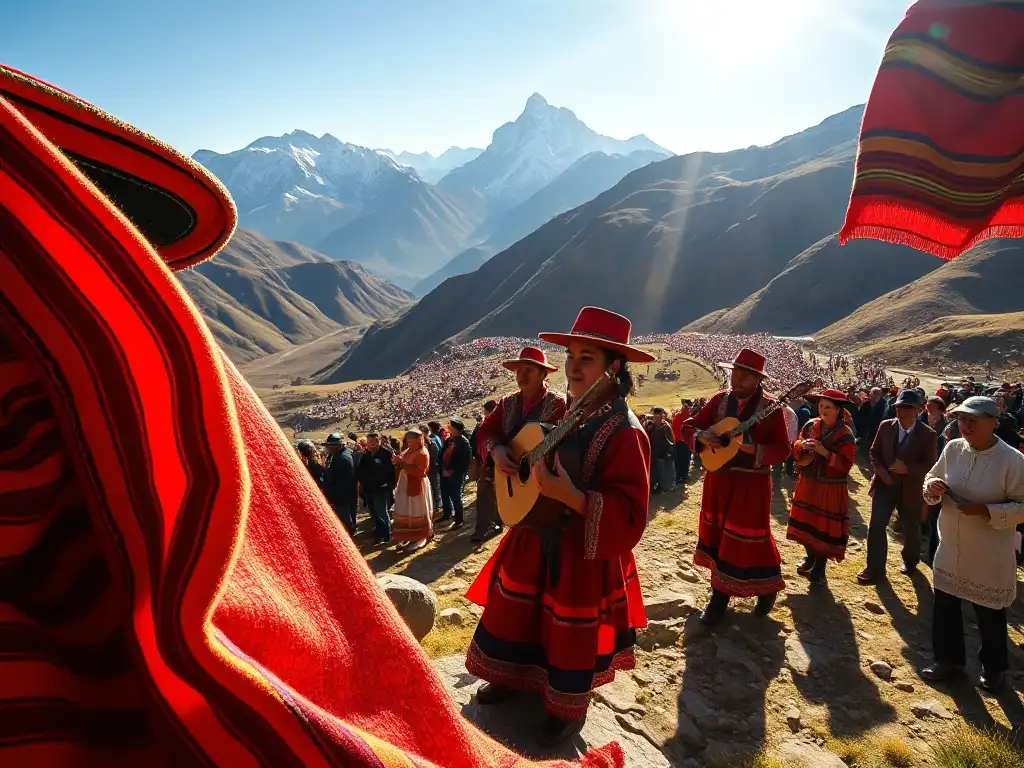
Step into a world painted with vibrant hues and echoing with ancient rhythms. Imagine the breathtaking artistry of the Andes, where visual arts, music, and ceremony intertwined in a breathtaking tapestry of cultural expression. This isn't just history; it's a living legacy waiting to be uncovered. Prepare to be captivated by the intricate connection between Andean visual arts, music, and the sacred rituals that shaped their world. Discover the secrets held within the Colors of Ceremony – and unlock the mysteries of a lost civilization.
The vibrant tapestry of Andean culture is richly woven with threads of music and visual arts, intricately intertwined in a complex dance of ritual and social expression. This article delves into the fascinating relationship between Andean music and visual arts, specifically exploring how these forms complemented each other within the context of ceremonies and rituals.
We will examine the synergistic effect of sound and sight, revealing how the visual spectacle enhanced the emotional and spiritual impact of musical performances across various Andean civilizations, including the Inca, Moche, Nazca, and Tiahuanaco cultures. Understanding this interplay offers a deeper appreciation for the sophisticated artistry and profound cultural significance embedded within Andean traditions.
We will uncover how the colors, patterns, and imagery of textiles, pottery, and other art forms served not just as aesthetic embellishments, but as active participants in the ceremonial experience, amplifying the power and meaning of the music. Prepare to journey through a world where sound and vision converged to create unforgettable and deeply moving experiences.
Andean Music and Ritual: An Introduction to Sensory Experiences
Andean music wasn't simply entertainment; it was an integral part of daily life and, crucially, religious and social rituals. The soundscapes of ancient Andean societies were incredibly diverse, ranging from the haunting melodies played on panpipes and pututus (shell trumpets) to the rhythmic percussion of drums and rattles. These sounds were not experienced in isolation.
Consider the context: ceremonies often took place in carefully chosen natural settings, adding the sounds of wind, water, and animals to the sonic tapestry. The air itself might be thick with the scent of incense, further enriching the sensory experience. The sheer power of these combined sensory inputs—sound, sight, smell, even touch—created an atmosphere conducive to spiritual communion and social cohesion.
This holistic approach to sensory engagement is critical to understanding the role of visual arts within these ceremonies. The music provided the emotional framework; the visuals amplified and extended that emotion, ensuring a profound and lasting impact on participants.
Imagine a Moche ceremony: the rhythmic beat of drums accompanying a ritual dance, while brightly colored textiles and elaborate headdresses adorned the participants. The visual spectacle directly complemented the music's intensity and purpose, creating a powerful and unforgettable experience for all involved. The careful coordination of these sensory elements speaks volumes about the advanced understanding of human perception and emotional manipulation within these ancient societies. This intricate relationship between sound and sight is a key element in understanding the true depth and complexity of Andean culture.
The Role of Visual Arts in Ancient Andean Ceremonies
The visual arts played a multifaceted role in Andean ceremonies, acting as both visual accompaniment to the music and as symbolic representations of the spiritual and social themes explored through the musical performances. Textiles, for instance, were far more than mere clothing; they were dynamic expressions of identity, status, and spiritual power. Intricate weavings, often featuring geometric patterns and stylized depictions of animals and deities, transformed participants into living canvases, their movements synchronized with the rhythms of the music. The vibrant colors themselves held symbolic meaning, often representing different deities, natural forces, or social hierarchies.
| Art Form | Role in Ceremony | Example |
|---|---|---|
| Textiles | Visual representation of status, spiritual power, narrative accompaniment to music | Elaborate weavings depicting mythical creatures |
| Pottery | Vessels for ritual offerings, visual storytelling | Ceremonial jars depicting scenes of sacrifice |
| Sculpture | Representation of deities, ancestors, or symbolic figures | Stone sculptures of deities in ceremonial plazas |
| Body Painting | Enhancing the visual spectacle, symbolic representation | Geometric patterns on dancers' bodies |
The use of color was particularly significant. For example, [Specific color symbolism information pending], highlighting the sophisticated understanding of color theory and its symbolic application within the Andean worldview. This deliberate use of color, combined with the carefully choreographed movements of dancers and musicians, created a visually stunning and emotionally powerful spectacle that enhanced the spiritual and social impact of the music.
The visual arts weren't passive observers; they were active participants in the ceremonial experience, transforming the music from a purely auditory event into a multi-sensory ritual. The synergy between sound and sight created a holistic experience that resonated deeply with the participants, strengthening community bonds and reinforcing the cultural values of the Andean civilizations.
Andean Visual Culture: Beyond Decoration
Andean visual culture wasn't merely decorative; it was deeply intertwined with the spiritual and social fabric of life. Pottery, textiles, metalwork, and monumental architecture weren't just aesthetically pleasing; they served as powerful mediums for conveying complex narratives, beliefs, and social structures. The vibrant colors, intricate designs, and symbolic imagery found in these artifacts offer invaluable insights into the worldview and rituals of these ancient societies.
Consider the intricate polychrome pottery of the Moche culture, for example. These vessels didn't simply hold liquids; they depicted scenes of daily life, warfare, mythology, and rituals, offering a window into their complex social hierarchy and religious beliefs. Similarly, the monumental stone structures of Tiahuanaco, with their precise carvings and symbolic representations, served not only as architectural marvels but also as powerful statements of religious and political authority.
The intricate designs, often incorporating geometric patterns and zoomorphic motifs, were carefully planned and executed, reflecting a sophisticated understanding of geometry and symbolism. The artistry wasn't just about aesthetics; it was a powerful tool for communicating meaning and reinforcing social order. The scale and precision of these works highlight the immense human effort and societal organization required for their creation, underscoring their importance within the cultural context.
The Symbolic Language of Andean Art
Understanding Andean art requires deciphering its symbolic language. Many motifs, colors, and forms held specific meanings, often related to cosmology, mythology, and social status. For instance, certain colors, like red and yellow, were associated with the sun and power, while other colors, like green and blue, represented fertility and water. Geometric patterns, such as spirals and stepped frets, frequently represented celestial bodies or the Andean landscape.
Zoomorphic and anthropomorphic figures, often depicted in stylized forms, represented deities, ancestors, or mythical beings. The representations of animals weren't simply realistic depictions; they carried symbolic weight, often representing specific characteristics or powers. For example, the condor, a powerful bird of prey, often symbolized power and authority. The puma, a stealthy and powerful feline, might have represented strength and cunning.
These symbolic associations weren't arbitrary; they were deeply ingrained in the Andean worldview and were carefully employed by artists to convey specific messages. Deciphering these symbols requires careful study and cross-referencing with archaeological findings and ethnographic accounts, providing a deeper understanding of the cultural context in which these artworks were created and used. The complexity of these symbolic systems emphasizes the sophistication of Andean thought and artistic expression.
Textiles and Weaving: Woven Rhythms and Visual Harmonies
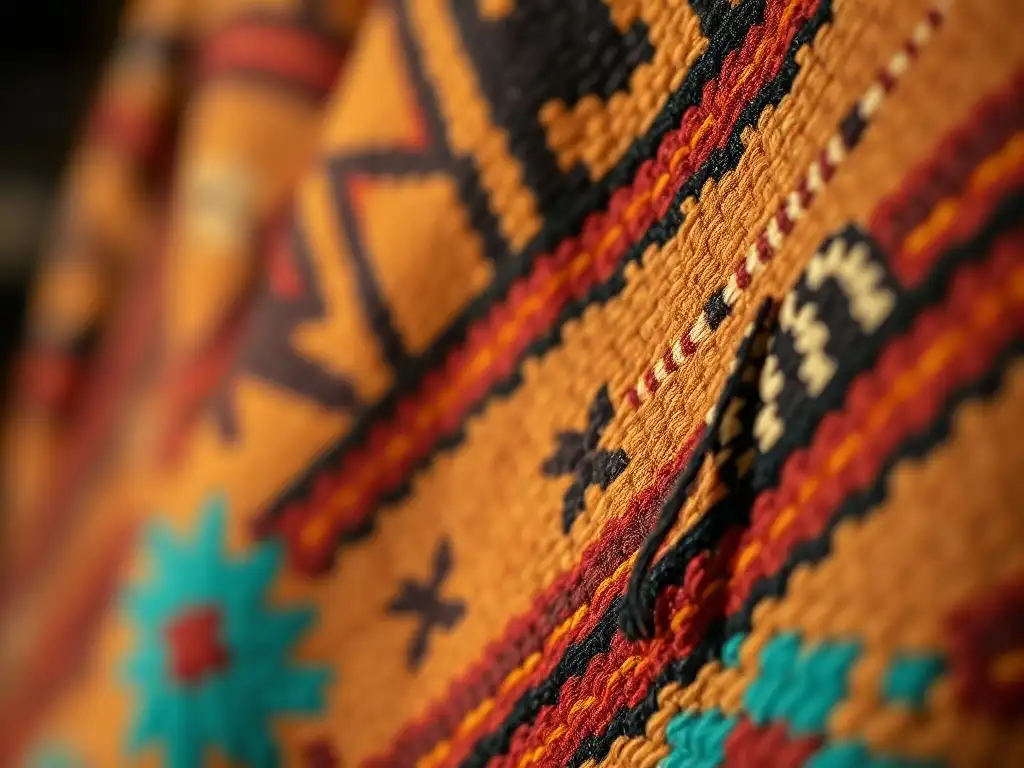
Textiles played a pivotal role in Andean visual arts, functioning as more than just clothing or household items. The intricate weaving techniques and symbolic designs incorporated into these textiles reflect a deep understanding of both artistic and technical skill. The vibrant colors and complex patterns often mirrored the musical rhythms and harmonies of Andean songs and ceremonies. The process of weaving itself was often a communal activity, with the creation of textiles representing a shared cultural experience.
The different types of fibers used, the specific weaving techniques employed, and the choice of colors and designs all contributed to the overall meaning and significance of the textile. For instance, the intricate tapestry weavings of the Inca period often featured complex designs representing cosmological concepts or royal authority. The use of specific dyes, sourced from natural materials, further added to the symbolic significance of the textiles.
The meticulous craftsmanship involved in creating these textiles underscores their value as both artistic achievements and cultural expressions. The interplay between the visual artistry of the textiles and the musical traditions of the Andes is evident in the patterns and designs, reflecting a harmonious integration of art forms in their ceremonial practices. The textiles themselves serve as tangible embodiments of Andean music and ceremony, preserving and transmitting cultural knowledge across generations.
Pottery and Ceramics: Shaping Soundscapes with Form and Color
Andean pottery and ceramics weren't merely functional; they were integral components of musical ceremonies, their vibrant colors and intricate designs echoing the sounds and rhythms of the music. The shapes themselves often reflected musical instruments. For example, some vessels mimic the curves of a pututu (a shell trumpet), while others resemble the rounded forms of drums.
The colors used, often derived from natural pigments like ochre and cinnabar, were carefully chosen to represent specific deities or spirits associated with particular musical performances. The Moche culture, renowned for its sophisticated pottery, frequently depicted musicians and ceremonial scenes on their wares, providing a visual record of musical practices. These ceramic pieces weren't just passive observers; they were active participants, sometimes even used as resonating chambers to subtly amplify certain sounds during rituals.
The intricate details, from the depiction of musical instruments to the symbolic colors used, demonstrate a deep connection between the visual arts and the sonic landscape of Andean ceremonies. Analysis of surviving pottery reveals a fascinating interplay between form, color, and the music itself, suggesting a holistic artistic approach that integrated multiple sensory experiences. The artisans weren't simply creating beautiful objects; they were actively shaping the very essence of the musical ceremony.
Metalwork and Jewelry: Gleaming Accents in Ritual Performance
The shimmering surfaces of Andean metalwork and jewelry played a significant role in enhancing the visual spectacle of musical ceremonies. Gold, silver, and copper, often adorned with intricate designs and colorful stones, were used to create ornaments worn by musicians and participants. These gleaming accents not only added to the aesthetic appeal of the performances but also held symbolic meaning, often representing the power and prestige associated with specific musical traditions.
Elaborate headdresses, breastplates, and ear ornaments, crafted with meticulous detail, served as visual counterparts to the music's rhythmic complexity and emotional depth. For instance, the intricate designs on Incan gold jewelry often depicted stylized representations of musical instruments or mythological figures connected to musical rituals. The reflective surfaces of the metals would have caught and scattered the light, adding to the overall visual impact of the ceremonies, creating a dazzling display that heightened the sensory experience of the music.
The careful craftsmanship and the symbolic richness of Andean metalwork and jewelry underscore their importance as essential elements within the broader context of musical performance and ritual. The use of precious metals emphasized the sacred nature of the events, making the visual aspects as significant as the auditory ones.
Architectural Spaces: The Stage for Andean Musical Expression
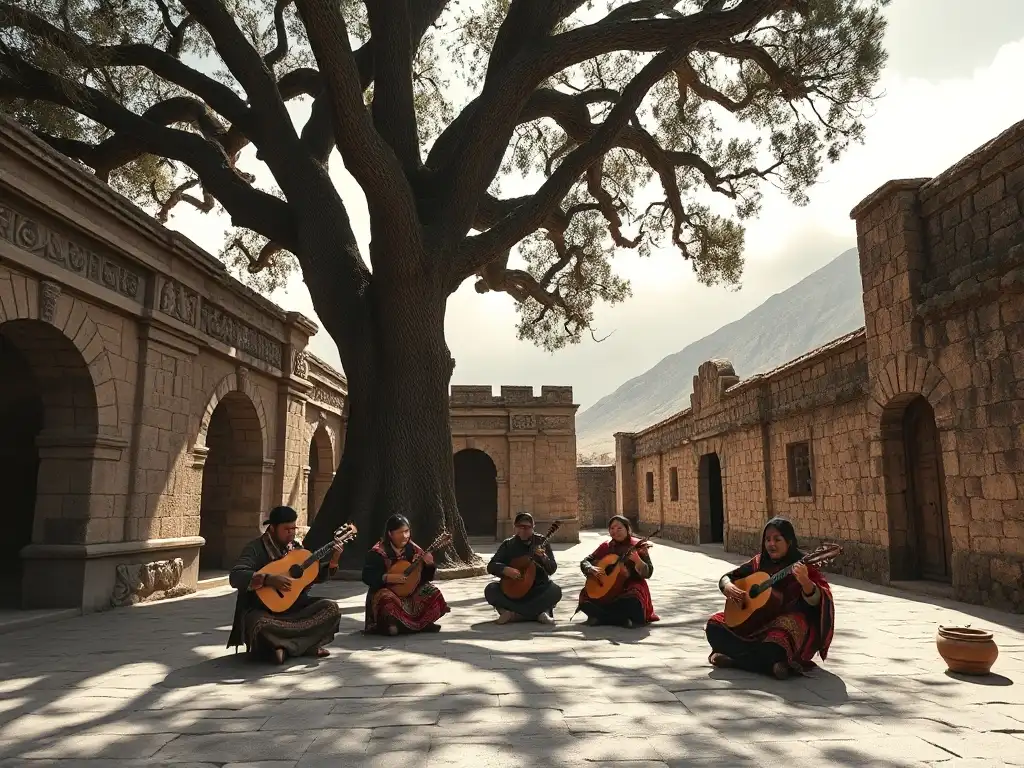
The architecture of Andean ceremonial spaces served as the stage upon which musical performances unfolded, creating a powerful interplay between visual and auditory experiences. The design of temples, plazas, and other ritual sites was carefully planned to enhance the acoustics and visual impact of musical ceremonies. The size and shape of these spaces, coupled with the use of natural materials like stone and wood, influenced the resonance and projection of sounds.
For example, the acoustics of some Incan temples are believed to have been specifically designed to amplify certain frequencies, creating a powerful and resonant soundscape. Furthermore, the visual elements of the architecture—the intricate stonework, the monumental scale of some structures, and the strategic placement of decorative elements—framed the musical performances, creating a visually stunning backdrop. The use of color in architectural details, often echoing the colors found in pottery and textiles, further integrated the visual and auditory aspects of the ceremonies.
The overall effect was a holistic sensory experience, where the music and the architecture worked in concert to create a powerful and memorable event. The design of these spaces wasn't just about functionality; it was about creating a visually stunning and acoustically optimized environment to maximize the impact of Andean musical traditions. The integration of visual and auditory elements in Andean architecture showcases a sophisticated understanding of how to create a truly immersive and meaningful ceremonial experience.
Case Studies: Visual Arts Amplifying Andean Music in Specific Ceremonies
The vibrant tapestry of Andean culture intricately weaves together music and visual arts, particularly within the context of ceremonial practices. Understanding this interplay requires examining specific examples where the visual amplified the auditory, creating a holistic and powerful ritual experience. The synergy between the two artistic forms wasn't merely coincidental; it was a deliberate and crucial component of the ceremonies themselves, enhancing their spiritual and social impact.
The visual elements served to reinforce the themes and emotions expressed through the music, creating a more immersive and memorable experience for participants. This section will delve into two prominent examples: Inti Raymi and the Wawa Velorio.
Inti Raymi and its Visual Elements
Inti Raymi, the Inca festival celebrating the winter solstice and the sun god Inti, is a spectacular display of both musical and visual artistry. The music, characterized by panpipes, drums, and other traditional instruments, set a powerful and reverential tone. However, the visual spectacle significantly enhanced the impact of the music. The elaborate costumes worn by participants, adorned with vibrant textiles and feathers, mirrored the intensity and grandeur of the musical performance.
The intricate designs on these garments, often depicting celestial bodies, animals, and sacred symbols, visually reinforced the themes of the sun's power and the cyclical nature of life. The processions themselves, with their carefully choreographed movements and vibrant displays, served as a visual counterpart to the rhythmic and melodic structure of the music. The visual elements of Inti Raymi – the costumes, the setting, the offerings – weren't merely decorative; they were integral to the ceremony's meaning and effectiveness, amplifying the spiritual resonance created by the music.
The sheer scale and visual impact of the event ensured that the message of the music resonated deeply with the participants. Specific details regarding the colors used in the textiles and their symbolic meaning would further illuminate this powerful interplay between music and visual art. [Specific information pending: Detailed descriptions of color symbolism in Inti Raymi costumes and their relationship to the music.]
The Wawa Velorio Ceremony and its Artistic Representations
The Wawa Velorio, a ceremony held in the Andes for deceased infants, offers a poignant example of how visual arts complement music in a context of grief and remembrance. While the music—often mournful and melancholic—expresses the sorrow of the loss, the visual elements provide a framework for communal mourning and spiritual comfort. Small effigies of the deceased infants, meticulously crafted and adorned, are central to the ceremony.
These figurines, often dressed in miniature versions of traditional clothing, are visually striking and emotionally charged. The vibrant colors used in their clothing, though potentially unexpected in a context of mourning, can be interpreted as a symbolic expression of hope and the continuation of life. The visual representation of the child, even in death, serves to create a tangible focus for the grief and the accompanying music, allowing participants to more directly engage with their emotions.
The arrangement of the figurines, the candles, and other offerings around the space creates a visual narrative that complements the emotional arc of the music, shifting from lament to remembrance, and finally, to acceptance. The visual elements of this ceremony, therefore, are not merely decorative; they are integral to the ritual's function in providing comfort and facilitating the grieving process. [Specific information pending: Detailed account of the materials and techniques used in creating the Wawa Velorio effigies and their symbolic significance.]
The Interplay of Color, Form, and Sound in Andean Rituals
The relationship between Andean music and visual arts is deeply intertwined, reflecting a holistic worldview that sees no clear separation between these artistic expressions. Color, form, and sound work in concert to create a powerful and multi-sensory experience within Andean rituals. The choice of colors in textiles, pottery, and other visual elements is rarely arbitrary; it is often imbued with deep symbolic meaning, reflecting the spiritual and cosmological beliefs of the respective cultures. These colors, in turn, resonate with the moods and themes expressed through the music.
For example, the use of vibrant reds and yellows might accompany celebratory music, while somber blues and browns might be associated with mourning songs. The forms of the visual arts – the intricate designs of textiles, the geometric patterns of pottery, the imposing structures of monumental architecture – are also carefully considered and often mirror the rhythmic and melodic structures of the music. The repetition of patterns in textiles, for instance, might echo the repetitive melodic phrases in traditional Andean music. The overall effect is a carefully orchestrated sensory experience where music and visual arts combine to create a powerful and lasting impact on the participants, reinforcing the spiritual and social messages of the ceremony.
The integration of these artistic elements wasn't merely aesthetic; it was a fundamental aspect of the rituals themselves, shaping the emotional and spiritual responses of those involved. The precise relationships between specific colors, musical modes, and ritual contexts remain areas of ongoing research, promising further insights into the rich artistic traditions of the Andes. [Specific information pending: Detailed examples of color symbolism in different Andean cultures and their correlation with musical modes.]
How Visual Arts Enhanced the Spiritual Experience of Andean Music
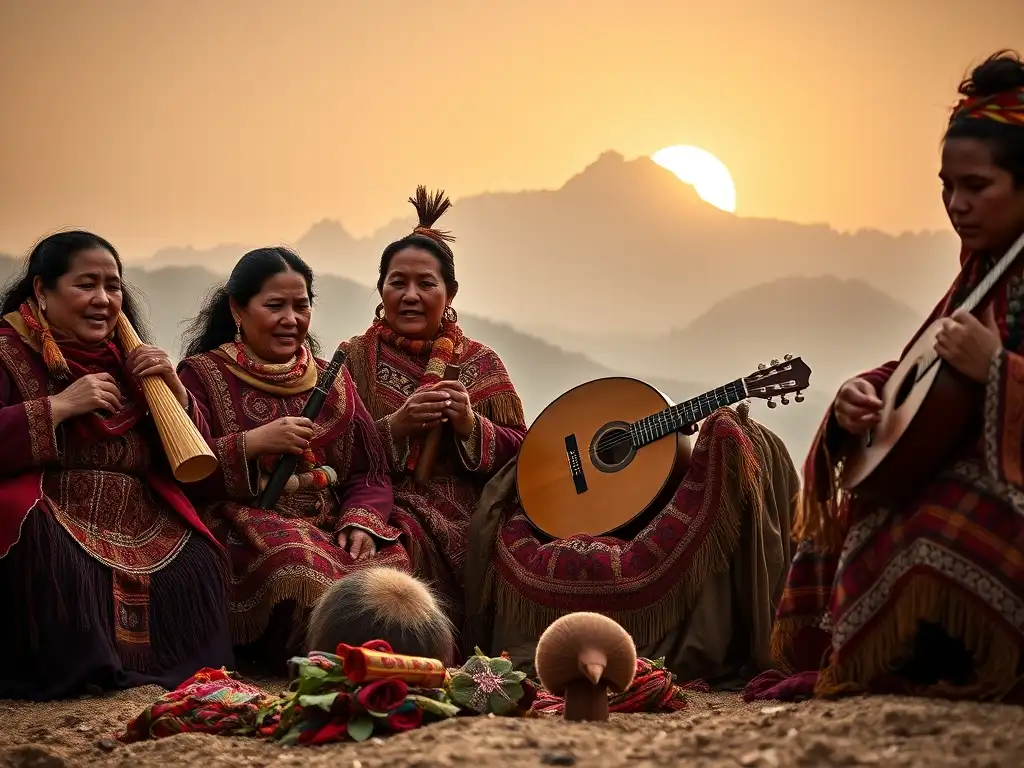
Andean music, often deeply intertwined with spiritual beliefs and rituals, found a powerful complement in visual arts. The vibrant colors, intricate designs, and symbolic imagery present in textiles, pottery, and metalwork amplified the emotional and spiritual impact of musical performances. For example, the use of specific colors in textiles worn during ceremonies directly related to the deities being honored or the nature of the ritual itself.
Deep reds might represent blood sacrifice, while vibrant yellows could symbolize the sun god Inti. These visual cues, alongside the music, created a holistic sensory experience that heightened the spiritual connection for participants. The intricate weaving techniques, often incorporating symbolic motifs like animals or celestial bodies, further deepened the spiritual narrative.
The visual complexity mirrored the musical complexity, creating a layered experience that engaged multiple senses simultaneously, enhancing the overall spiritual resonance. Consider the intricate designs on ceremonial vessels used in rituals; these weren't merely containers, but active participants in the ceremony, their visual narratives echoing the themes and emotions expressed through music. The visual and auditory elements worked in concert to create a powerful, immersive spiritual experience, far beyond the sum of their individual parts.
Legacy of Andean Visual and Musical Traditions
The legacy of Andean visual and musical traditions continues to resonate today. While much has been lost or transformed over time, the core principles of visual artistry complementing musical expression remain evident in contemporary Andean communities. Traditional musical instruments, like the panpipes and charango, are frequently depicted in modern art forms, reflecting the enduring connection between these art forms.
Contemporary Andean artists often draw inspiration from ancient motifs and techniques, integrating them into their work and preserving ancient visual languages. This continuity is not merely aesthetic; it demonstrates the enduring cultural significance of the combined traditions. The vibrant colors and intricate designs of traditional textiles, for instance, continue to be incorporated into modern clothing and ceremonial attire, further demonstrating their lasting significance and impact.
Moreover, modern musical compositions often incorporate elements of ancient musical scales and rhythms, reflecting a conscious effort to preserve and celebrate this rich cultural heritage. This interplay between the visual and auditory continues to shape cultural identity and artistic expression in the Andes. The enduring power of these combined traditions is a testament to their deep cultural significance.
Understanding Andean Rituals through Art and Music
By studying both the visual arts and the music associated with Andean rituals, researchers gain a deeper understanding of the beliefs, social structures, and practices of ancient Andean civilizations. The iconography present in pottery, textiles, and metalwork offers valuable clues about the nature of the ceremonies they accompanied. For instance, depictions of specific deities or mythological figures on ceremonial objects can provide insight into the religious beliefs of the time.
Similarly, the musical instruments used, their construction, and their role in the ceremony provide information about the social organization and the role of music in daily life. The combination of visual and auditory evidence allows for a more holistic interpretation of these rituals, moving beyond a single perspective to a richer, more nuanced understanding. Analyzing the visual elements alongside the musical scores (where available) provides a synergistic approach, allowing researchers to cross-reference and corroborate findings.
This interdisciplinary approach illuminates the complex interplay between music, art, and ritual in shaping Andean cultures, providing a more complete and accurate picture of their past. The combined study of Andean visual arts and music provides a powerful tool for understanding the intricacies of their rich and complex cultural heritage.
- Andean Music and Ritual: An Introduction to Sensory Experiences
- The Role of Visual Arts in Ancient Andean Ceremonies
- Andean Visual Culture: Beyond Decoration
- The Symbolic Language of Andean Art
- Textiles and Weaving: Woven Rhythms and Visual Harmonies
- Pottery and Ceramics: Shaping Soundscapes with Form and Color
- Metalwork and Jewelry: Gleaming Accents in Ritual Performance
- Architectural Spaces: The Stage for Andean Musical Expression
- Case Studies: Visual Arts Amplifying Andean Music in Specific Ceremonies
- The Interplay of Color, Form, and Sound in Andean Rituals
- How Visual Arts Enhanced the Spiritual Experience of Andean Music
- Legacy of Andean Visual and Musical Traditions
- Understanding Andean Rituals through Art and Music
- What role did visual arts play in Andean ceremonies?
- How did Andean music and visual arts relate to each other?
- Which Andean civilizations are known for their vibrant visual arts?
- What types of visual arts were commonly used in Andean ceremonies?
- How did the visual arts contribute to the understanding of Andean culture?
Frequently Asked Questions
What role did visual arts play in Andean ceremonies?
Visual arts were integral to Andean ceremonies. They enhanced the spiritual and social significance of events through textiles, pottery, and other forms of artistic expression that mirrored the music and rituals. These art forms often depicted mythological figures and narratives.
How did Andean music and visual arts relate to each other?
Andean music and visual arts were deeply intertwined, often complementing and reinforcing each other's messages. Ceremonies involved both, creating a multi-sensory experience that conveyed meaning and emotion. The imagery in the art often reflected the themes and stories told in the music.
Which Andean civilizations are known for their vibrant visual arts?
Many Andean civilizations excelled in visual arts. The Inca, Moche, Nazca, and Tiahuanaco cultures are particularly renowned for their sophisticated artistic achievements, each with unique styles that reflected their distinct beliefs and practices. Their work is essential to understanding their societies.
What types of visual arts were commonly used in Andean ceremonies?
A wide range of visual arts were employed. Textiles, often intricately woven with symbolic designs, were crucial. Ceramics, including elaborate vessels and figurines, also played important roles. Metalwork and stone carvings further enriched the visual aspects of ceremonies.
How did the visual arts contribute to the understanding of Andean culture?
Andean visual arts offer invaluable insights into the belief systems, social structures, and daily lives of these ancient civilizations. The imagery and symbolism depicted in their art provide a window into their cosmology, mythology, and rituals, enriching our comprehension of their culture beyond written records.
Final Reflection: The Enduring Resonance of Andean Art and Music
The vibrant interplay of Andean visual arts and music continues to resonate today, a powerful testament to the enduring spirit of a culture that seamlessly blends the sacred and the secular. This intricate relationship, explored throughout this article, transcends mere aesthetic appreciation; it speaks to the profound connection between artistic expression and spiritual identity, a connection that remains deeply relevant in our increasingly globalized world. The enduring power of these traditions offers a potent counterpoint to the homogenizing forces of modern life.
The influence of Andean artistic traditions, from the intricate textiles to the symbolic pottery, continues to shape the cultural landscape, not only in the Andes but globally. Their impact extends far beyond the ceremonial contexts in which they originally flourished, influencing contemporary art, fashion, and even musical styles. The vibrant colors and symbolic imagery continue to inspire artists and designers, reminding us of the rich tapestry of human creativity. Art washes away from the soul the dust of everyday life.
– Pablo Picasso. This quote, while not specifically about Andean art, perfectly captures the cleansing and uplifting power of these artistic expressions, a power that transcends time and geography.
Consider the profound implications of this artistic fusion. How can we, in our own lives, cultivate a deeper appreciation for the interconnectedness of art, music, and spirituality? I invite you to reflect on the ways in which art enriches your own life and to seek out opportunities to engage with the vibrant artistic traditions of the Andes and beyond. Let the colors and sounds of these ancient ceremonies inspire you to find beauty and meaning in the world around you, and to celebrate the enduring power of human creativity to connect us across cultures and generations.
**Embrace the Vibrancy of Andean Culture Today! **
Thank you for exploring the rich interplay of visual arts and music in Andean ceremonies. You've gained valuable insights into how these elements combine to create powerful cultural expressions. Let's build on that!
Here are some ways to deepen your connection with Andean traditions:
- **Participate in a local workshop** to learn about Andean music or crafts. Experience the art firsthand!
- **Share this article** with friends and family, or post it on social media to spark conversations about the importance of cultural arts.
- **Explore local Andean heritage** by visiting a museum exhibition or cultural festival. Discover hidden gems in your community!
Which Andean art form or musical style resonates most with you, and how might you incorporate it into your life? We'd love to hear your thoughts!