
Andean Music Festivals: Celebrating the Rhythms of Life

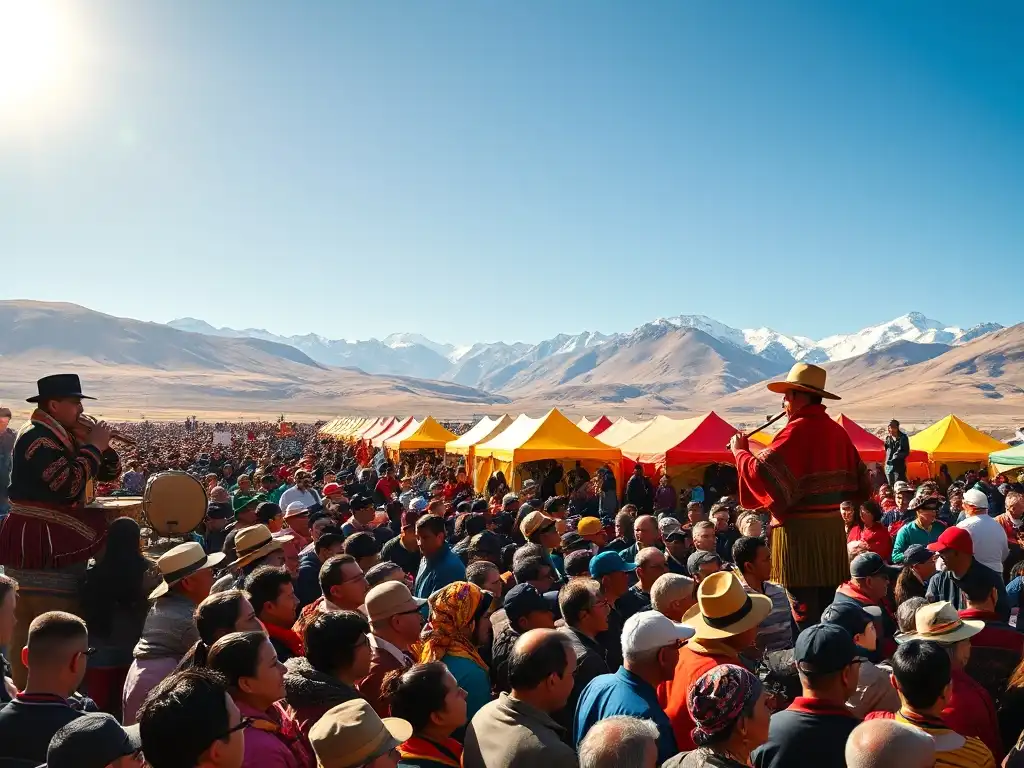
Step into a world lost in time, yet echoing with vibrant life. Imagine the soaring peaks of the Andes, resonating not only with the whispers of ancient spirits but also with the pulsating rhythms of a rich musical heritage. This is the legacy of the Andean civilizations, and we invite you to uncover its secrets.
Prepare to be captivated by the intriguing history of Andean music festivals, a celebration of life that continues to this day. Discover how these vibrant events carry forward the traditions of the Incas, Moche, Nazca, and Tiahuanaco, and delve into a world of captivating melodies and ancient stories.
The Andes Mountains, a spine of towering peaks running down the western edge of South America, have nurtured a rich tapestry of cultures for millennia. This vibrant heritage is profoundly expressed through music, a powerful force that has accompanied Andean life through rituals, celebrations, and daily routines.
From the haunting melodies of panpipes to the rhythmic pulse of drums, Andean music reflects the complex interplay of nature, spirituality, and social life. This article delves into the fascinating history of Andean music festivals, exploring their evolution, significance, and enduring role in preserving and celebrating the vibrant musical traditions of the region.
We will examine how these festivals reflect the diverse cultural landscapes of the Andes, highlighting the unique musical styles and instruments associated with different Andean civilizations, and showcasing how these events contribute to the preservation of a vital part of Andean cultural heritage for future generations. Understanding the history of these festivals illuminates the deep connection between music, community, and the enduring spirit of the Andean peoples.
The Ancient Roots of Andean Musical Celebrations
Long before the arrival of Europeans, Andean civilizations incorporated music into their daily lives and religious ceremonies. Archaeological evidence suggests the use of various instruments, including flutes, drums, and percussion instruments made from natural materials, in rituals and celebrations dating back thousands of years. For example, evidence from Moche sites reveals sophisticated musical instruments and depictions of musical performances in their art.
These early musical gatherings, while not formally structured festivals as we understand them today, laid the foundation for the vibrant musical traditions that continue to flourish. The intricate relationship between music, agriculture, and spirituality is evident in many ancient Andean cultures. Musical performances likely accompanied agricultural cycles, marking important moments like planting and harvesting, and playing a crucial role in religious ceremonies dedicated to ensuring successful harvests and appeasing deities.
The surviving artifacts and artistic representations serve as powerful testaments to the deep-rooted importance of music in the lives of these ancient communities. More research is needed to fully understand the specific forms and functions of these early musical celebrations, but it's clear that music played a vital role in shaping Andean society and culture.
The Evolution of Festivals Under Inca Rule
The Inca Empire, spanning much of the Andes from the 15th to the 16th centuries, further developed and standardized many aspects of Andean culture, including music. While the Incas didn't necessarily create entirely new festivals, they systematized and formalized existing musical traditions, incorporating them into the elaborate state ceremonies and rituals that characterized their empire.
Royal musicians held important positions within Inca society, and music played a significant role in reinforcing the power and authority of the Inca rulers. The use of music in state ceremonies likely involved large-scale performances featuring diverse instruments and a large number of musicians, reflecting the power and grandeur of the Inca empire.
Specific information on the exact structure and frequency of these Inca-sponsored musical events is still under investigation by scholars, but existing evidence points to their importance in reinforcing Inca ideology and social order. Further research into Inca administrative records and archaeological findings may reveal more detailed information about the nature and extent of music festivals during this period.
Post-Conquest Adaptations and Modern Festivals
The Spanish conquest brought significant changes to Andean society, including the suppression of many indigenous traditions. However, Andean music, incredibly resilient, adapted and persisted, incorporating elements of European musical styles while retaining its unique identity. Many modern Andean music festivals are a direct result of this process of adaptation and revival.
These festivals often blend traditional Andean instruments and musical styles with contemporary influences, creating a dynamic and evolving musical landscape. Examples include festivals celebrating specific instruments like the charango or zampoña, while others focus on regional musical traditions. These modern events serve not only as celebrations of Andean musical heritage but also as important platforms for preserving and promoting this rich cultural legacy for future generations.
The participation of younger generations in these festivals is particularly noteworthy, demonstrating the vitality and continued relevance of Andean music in contemporary society. The festivals often include workshops, competitions, and educational initiatives aimed at fostering an appreciation for Andean musical traditions among both locals and tourists.
The Significance of Andean Music Festivals Today
Today, Andean music festivals are more than just celebrations; they are vital elements in the ongoing process of cultural preservation and revitalization. These festivals provide a space for communities to come together, sharing their musical heritage and strengthening social bonds. Furthermore, they play a significant role in promoting cultural tourism, contributing to the economic development of Andean communities. The festivals provide a platform for both established and emerging artists to showcase their talents, fostering creativity and innovation within the Andean musical tradition.
The vibrant energy and cultural richness of these festivals attract visitors from around the world, further enhancing their importance as cultural ambassadors for the Andes region. The continued success and growth of these festivals are a testament to the enduring power and vitality of Andean music and its capacity to connect people across generations and cultures. 🎉
- The Ancient Roots of Andean Musical Celebrations
- The Evolution of Festivals Under Inca Rule
- Post-Conquest Adaptations and Modern Festivals
- The Significance of Andean Music Festivals Today
The Historical Roots of Andean Music Festivals
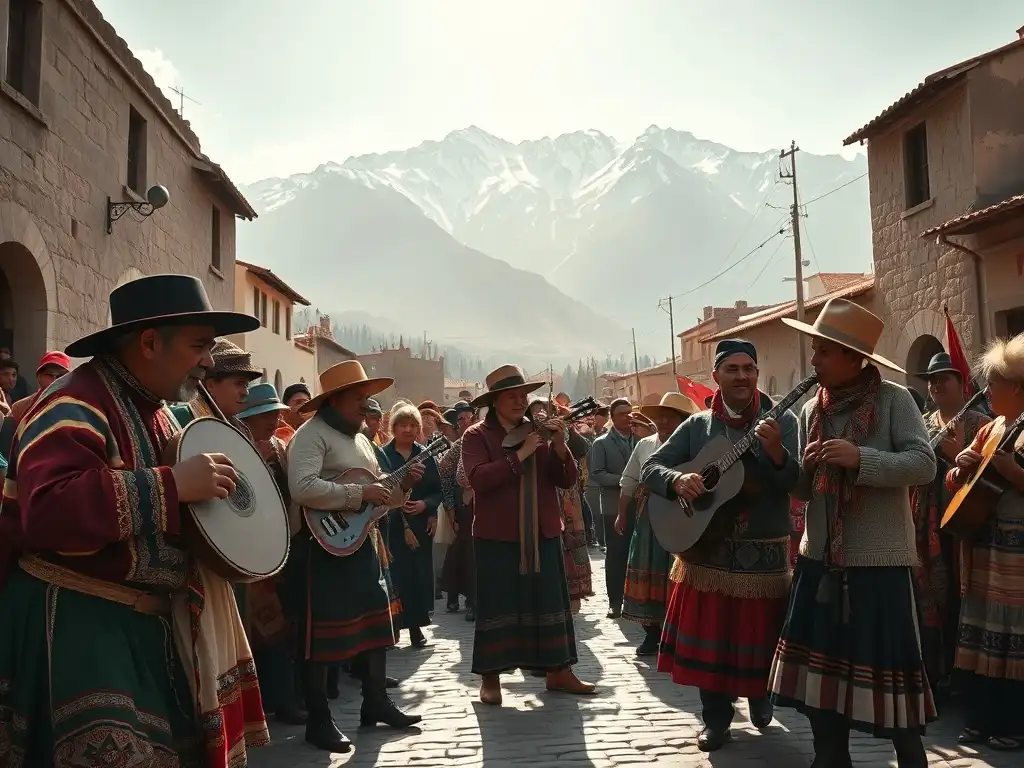
This section delves into the rich tapestry of Andean music festival history, exploring its deep-rooted connections to ancient traditions and rituals. Understanding the historical context is crucial to appreciating the vibrant celebrations we see today. The evolution of these festivals reflects not only changes in musical styles but also shifts in social structures, religious beliefs, and political power throughout the Andes. We'll trace the journey from ancient pre-Inca ceremonies to the modern-day expressions of Andean musical heritage.
Ancient Andean Celebrations and Musical Traditions
Ancient Andean societies, long before the Inca Empire, held elaborate ceremonies and festivals deeply intertwined with music. These weren't simply entertainment; they were integral parts of their religious and agricultural life cycles. Music played a vital role in honoring deities, ensuring bountiful harvests, and maintaining social harmony. Archaeological evidence, such as unearthed musical instruments like panpipes and drums, points to the significant role music played in their daily lives. These instruments, often crafted from materials readily available in their environment, served as conduits to the spiritual realm.
The rhythms and melodies weren't arbitrary; they were carefully structured to reflect the cycles of nature, mirroring the movements of the sun, the phases of the moon, and the changing seasons. For example, festivals celebrating the harvest often featured music with upbeat tempos and joyous melodies, while rituals associated with ancestor veneration might have employed slower, more somber tones.
Unfortunately, detailed written accounts of these ancient musical traditions are scarce, leaving much to be interpreted from archaeological finds and later colonial accounts, which themselves often lacked complete objectivity. Further research is needed to fully illuminate the intricacies of pre-Columbian Andean musical practices.
The Evolution of Andean Music Festivals Through Time
The arrival of the Inca Empire significantly impacted the nature of Andean music festivals. While pre-existing traditions persisted, the Inca centralized power and imposed a degree of standardization. Imperial festivals, often grand and elaborate affairs, served to consolidate power and reinforce Inca ideology. These events involved large-scale participation, featuring musicians, dancers, and elaborate costumes. The Inca state controlled the production and distribution of resources, including those used for musical instruments, further emphasizing the importance of music in their imperial project.
Following the Spanish conquest, Andean music festivals underwent a dramatic transformation. While many traditional practices were suppressed or adapted, the resilient spirit of Andean culture ensured that musical traditions survived, albeit in altered forms. Indigenous musical styles blended with European influences, creating a unique hybrid that continues to evolve to this day. The fusion of instruments and musical styles, however, often reflected the power dynamics of the colonial period, with certain instruments or genres being favored over others.
Understanding this evolution requires a nuanced appreciation of the complex interplay between indigenous resilience and colonial imposition. The legacy of this period is still evident in the diverse range of musical expressions found across the Andes today. The study of Andean music festival history during this period requires careful analysis of both colonial and indigenous sources to uncover the full picture.
Pre-Inca Music and Rituals
Pre-Inca cultures, such as the Moche, Nazca, and Tiahuanaco, each possessed unique musical traditions. While detailed documentation is limited, archaeological discoveries reveal a rich diversity in musical instruments and styles. For instance, the Moche, known for their elaborate artistic representations, often depicted musicians playing various instruments in their pottery and metalwork. These depictions suggest a vibrant musical life, integrated into their complex social and religious practices. The Nazca, famed for their geoglyphs, may have used music in their rituals related to astronomy and water management, given the importance of these elements in their society.
The Tiahuanaco civilization, with its vast ceremonial centers, likely utilized music in large-scale public rituals. The scale of their constructions suggests the involvement of large numbers of people in their ceremonies, implying the use of large ensembles of musicians. The types of instruments used by these pre-Inca societies likely varied regionally and reflect the readily available materials.
However, the specific sounds and musical structures remain largely unknown, relying heavily on interpretation of archaeological evidence and comparisons with later Andean traditions. Further research, including analysis of preserved instruments and careful study of artistic representations, is crucial for a deeper understanding of Andean music festival history in this crucial pre-Inca period. The challenge lies in piecing together a coherent narrative from fragmented evidence, making this area of study both fascinating and demanding.
Influence of Spanish Colonialism on Andean Music
The arrival of the Spanish in the 16th century profoundly impacted Andean music, resulting in a complex fusion of indigenous traditions and European influences. While the conquistadors attempted to suppress native musical practices, viewing them as pagan and barbaric, the inherent resilience of Andean culture ensured that indigenous musical forms persisted, albeit in altered states.
The introduction of new instruments, such as the guitar, violin, and harp, significantly enriched the sonic landscape, leading to the creation of hybrid musical styles. These new instruments were often incorporated into pre-existing Andean musical structures, creating a unique blend of sounds that continues to shape Andean music today.
The Catholic Church, a powerful force during the colonial period, played a crucial role in shaping the evolution of Andean music. Religious ceremonies and processions often incorporated indigenous musical elements, albeit adapted to fit the liturgical context. This resulted in a fascinating interplay between sacred and secular music, blurring the lines between indigenous and European traditions.
For example, many traditional Andean melodies were adapted to Christian hymns, preserving their essence while imbuing them with new religious significance. This process of adaptation and syncretism is a testament to the enduring power of Andean musical traditions and their ability to adapt to changing circumstances.
However, the impact of colonialism wasn't solely positive. The forced labor and displacement of indigenous populations led to the loss of some musical traditions and instruments. The suppression of indigenous languages also impacted the transmission of oral traditions associated with music, resulting in a decline in certain musical practices.
Despite these losses, the core elements of Andean musicality—its rhythmic complexity, its use of panpipes and other indigenous instruments, and its deep connection to Andean cosmology—survived and continue to thrive in contemporary Andean music festivals. The resilience of Andean culture is perhaps most vividly demonstrated in its music, a vibrant testament to the enduring power of tradition in the face of colonial oppression. Understanding this historical context is crucial to appreciating the depth and complexity of Andean music festivals and their enduring significance.
Key Elements of Andean Music Festivals
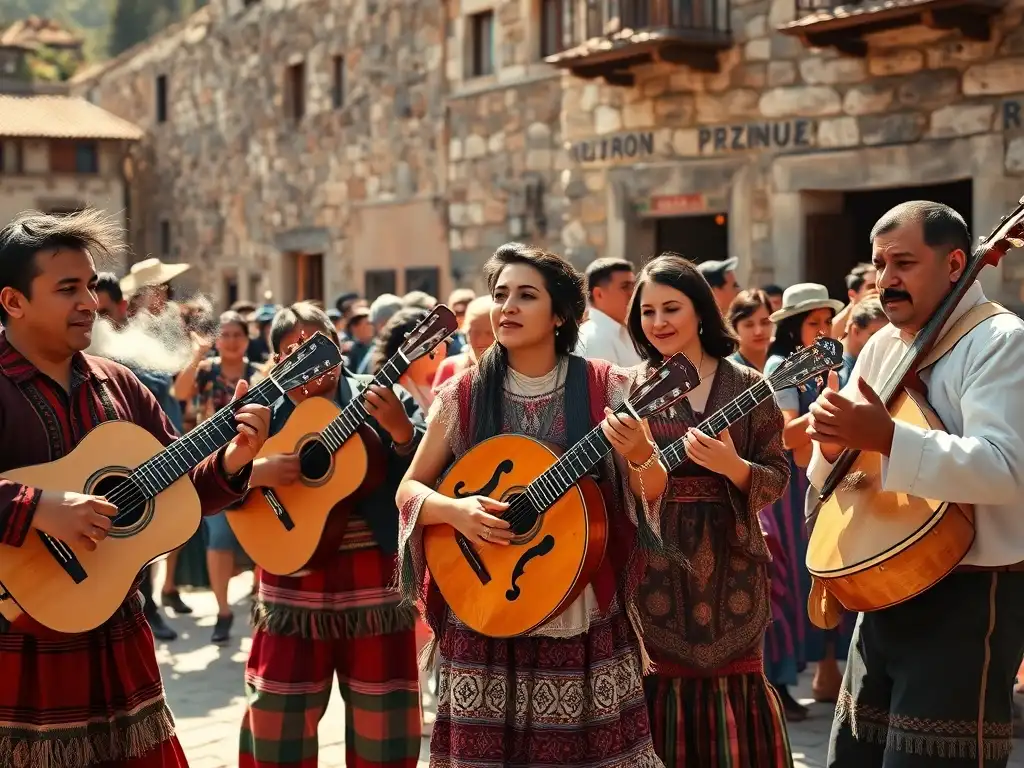
This section delves into the core components that shape the vibrant tapestry of Andean music festivals, exploring their historical evolution and cultural significance within the context of "Andean music festival history." Understanding these elements provides crucial insight into the enduring legacy of Andean musical traditions. We will examine the traditional instruments, the powerful rhythms and melodies, and the inextricable link between music and dance.
Traditional Andean Instruments and Their Role
Andean music festivals would be incomplete without the distinctive sounds of traditional instruments. These instruments, often handcrafted and passed down through generations, are integral to the cultural identity expressed in the music. The siku, a panpipe instrument, is ubiquitous, its haunting melodies evocative of the Andean landscape. Different sizes and arrangements of sikus create diverse tonal qualities, from high-pitched, almost ethereal sounds to deeper, resonant notes. The charango, a small lute-like instrument made from armadillo shell, provides a bright, percussive counterpoint, adding a playful energy to the music.
The zampoña, another type of panpipe, often accompanies the siku, creating rich harmonies. The tarka, a transverse flute, offers a different timbre, adding a layer of melodic complexity. Finally, percussion instruments like the bombo legüero (a large bass drum) and smaller drums provide the rhythmic heartbeat of the festivals.
These instruments, in their various combinations, contribute to the unique sonic identity of Andean music, shaping the very essence of the festival experience. The skillful interplay between these instruments, often passed down through generations within families, is a testament to the enduring traditions of Andean musical craftsmanship. Variations in instrument construction and playing styles exist across different Andean regions, further enriching the diversity of sounds heard at these festivals.
The Significance of Andean Rhythms and Melodies
The rhythms and melodies at Andean music festivals are not merely musical elements; they are deeply embedded in the cultural fabric of the Andean peoples, reflecting their history, beliefs, and daily life. The rhythms, often characterized by a strong, driving beat, reflect the energy and vitality of the Andean spirit. These rhythms are frequently syncopated, creating a sense of dynamism and improvisation that engages both the performers and the audience.
The melodies, often modal and pentatonic, evoke a wide range of emotions, from joy and celebration to sorrow and reflection. They are often imbued with a sense of nostalgia, reflecting a connection to the land and the ancestors.
Specific rhythms, such as the huayno rhythm, are associated with particular regions and celebrations. The huayno, a lively and upbeat dance music, is widely prevalent in many Andean festivals. Other rhythms, such as the more melancholic yaraví, reflect a different emotional palette, illustrating the rich diversity of musical expression within the Andean world.
The melodies themselves often tell stories, reflecting narratives passed down through generations. The use of specific scales and intervals contributes to the unique character of Andean music, creating a sound that is both familiar and deeply evocative. Analysis of these rhythms and melodies reveals a complex interplay of cultural and historical influences, shaping the distinctive musical identity of the Andes.
Andean Dances and Their Connection to Music
Andean music festivals are not just about listening; they are about participation. Dance is intrinsically linked to the music, forming an inseparable whole. The dances are not simply movements; they are expressive forms that tell stories, celebrate life, and honor traditions. The music provides the structure and energy for the dances, guiding the movements and emotions of the performers. The dancers' movements, in turn, interpret and enhance the music, creating a dynamic interplay between sound and motion.
Different dances are associated with different rhythms and musical styles. The huayno, for example, is characterized by lively, often paired, steps, reflecting the energy of the music. Other dances, such as the marinera, display more intricate footwork and graceful movements. Costumes play a significant role, often reflecting regional variations and the symbolic importance of certain colors and patterns.
The dancers' movements often mimic the rhythms and melodies of the music, creating a visually engaging performance that complements the auditory experience. The connection between the music and dance at these festivals is a powerful demonstration of the integrated nature of Andean cultural expression. The dynamic interaction between musicians and dancers creates a captivating spectacle, enhancing the overall experience of the Andean music festival.
Costumes and Symbolic Attire in Andean Festivals
Andean music festivals are not merely auditory experiences; they are vibrant spectacles of color and symbolism, deeply rooted in the traditions and beliefs of the Andean peoples. Costumes play a crucial role, far beyond mere ornamentation. They are powerful visual narratives, communicating social status, regional identity, and spiritual significance. The intricate details woven into the textiles, the specific colors chosen, and the arrangement of adornments all contribute to a rich tapestry of meaning.
For example, the chumpi, a woven belt often worn by dancers, is more than just a garment; it's a symbol of fertility and community. The intricate designs embroidered into the chumpi often tell stories, depicting scenes from mythology or significant historical events. The colors themselves carry symbolic weight; vibrant reds might represent energy and vitality, while deep blues symbolize the Andean mountains and their spiritual significance. Different regions boast unique chumpi designs, instantly identifying the wearer's origins.
Beyond the chumpi, the headwear worn by festival participants is equally significant. Elaborate hats, adorned with feathers, flowers, and other decorative elements, can signify social rank or participation in specific rituals. The use of feathers, for instance, often indicates a connection to the spiritual world, referencing Andean cosmology and the importance of animals in their belief system. The type of feather, its color, and its placement on the hat all add layers of meaning, revealing intricate details about the wearer's role within the community.
The materials used in the costumes also hold deep symbolic value. The use of natural dyes derived from plants and minerals speaks to the close relationship between the Andean people and their environment. Alpaca and llama wool, prized for their warmth and softness, are commonly used, reflecting the importance of these animals in Andean life. The intricate weaving techniques themselves are a testament to the skill and artistry of the Andean people, often passed down through generations.
The vibrant colors and bold patterns of Andean festival costumes are not just aesthetically pleasing; they are a powerful expression of cultural identity and spiritual belief. These costumes are living archives, preserving and transmitting the rich traditions and history of the Andean civilizations through generations. Observing the costumes allows for a deeper understanding and appreciation of the music festivals themselves, revealing the intricate layers of meaning interwoven into every aspect of the celebration. The costumes are not merely clothing; they are living embodiments of Andean culture, a vibrant testament to their enduring legacy.
Regional Variations in Andean Music Festivals
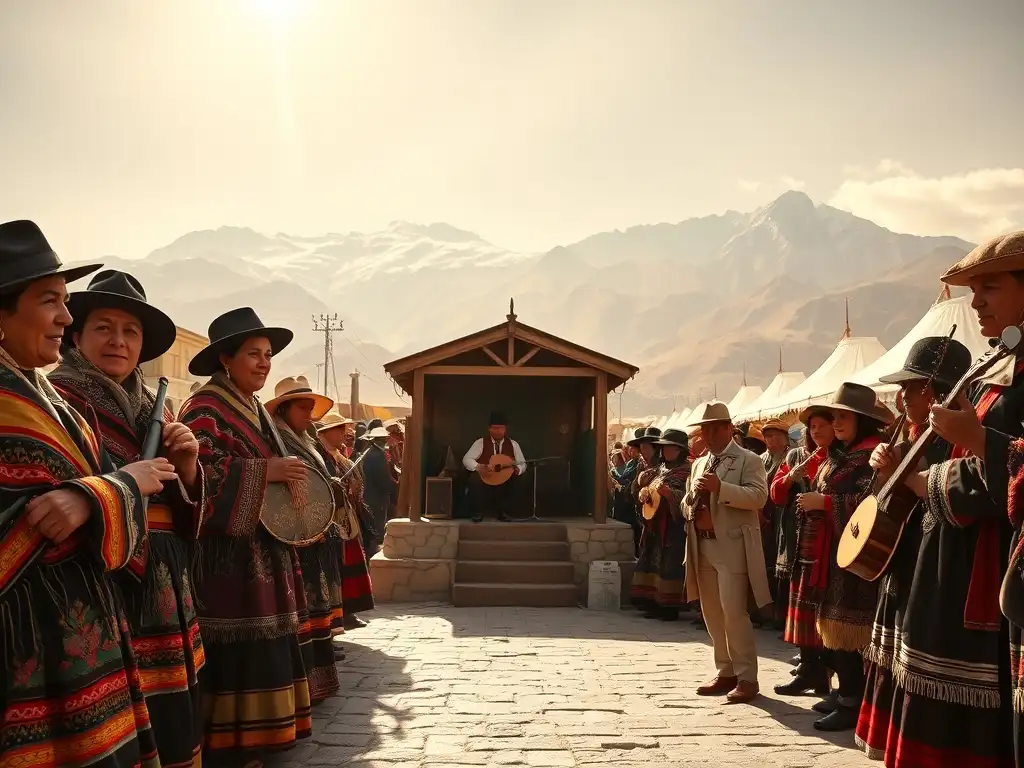
The vibrant tapestry of Andean music is not a monolithic entity, but rather a rich mosaic reflecting the diverse geography and cultural histories of the Andes Mountains. Understanding the history of Andean music festivals requires appreciating these regional variations, where unique instruments, musical styles, and celebratory practices intertwine to create distinct festival experiences. The following sections explore the fascinating nuances of Andean music festivals in Peru, Bolivia, and Ecuador, highlighting their historical significance and continuing cultural relevance.
The evolution of these festivals mirrors the complex history of the Andean people themselves, showcasing resilience, adaptation, and the enduring power of music to connect communities across generations. Analyzing these regional differences offers a deeper understanding of the keyword, "Andean music festival history," revealing a multifaceted narrative beyond a single, overarching history.
Music Festivals of the Peruvian Andes
Peruvian Andean music festivals are renowned for their energetic panpipes ( antara and siku) melodies, the rhythmic pulse of drums ( tinya and huayno drums), and the soulful vocals that often tell stories of love, loss, and the struggles of daily life. The history of these festivals is deeply intertwined with the agricultural cycle, with many celebrations timed to coincide with harvests or significant religious events. For example, the Fiesta de la Virgen de la Candelaria in Puno is a massive celebration featuring hundreds of dancers and musicians, showcasing a blend of indigenous and Catholic traditions.
This festival, with its roots stretching back centuries, is a powerful testament to the enduring spirit of Andean culture. The music itself often reflects a fusion of pre-Columbian styles with influences from Spanish colonial music, creating a unique sonic landscape.
The specific instruments and musical forms vary across different regions of the Peruvian Andes. The highlands, for instance, often feature different styles of huayno, a genre characterized by its lively rhythms and soaring melodies, while the coastal regions might incorporate more Afro-Peruvian influences into their musical traditions. This diversity underscores the complexity of "Andean music festival history," emphasizing that it's not a singular narrative but a collection of interwoven local traditions.
Bolivian Andean Music Festival Traditions
Bolivia's Andean music festivals often center around distinct musical forms such as Saya, Tundiqui, and Caporales. These genres often feature intricate instrumentation, including flutes, drums, and string instruments like the charango. The Saya, for example, is a lively dance and music style originating from Afro-Bolivian communities, showcasing a unique blend of African and Andean musical elements. Its incorporation into broader Bolivian festivals highlights the country's rich multicultural heritage. The history of these festivals reflects the complex interplay between indigenous, African, and European cultural influences, shaping a unique musical identity.
Many Bolivian Andean music festivals are closely tied to religious celebrations and community gatherings. The Fiesta de San Juan in Oruro, for instance, is a vibrant festival known for its dramatic dances and powerful music, attracting thousands of participants and spectators. The meticulous costumes, intricate choreography, and powerful rhythms of these festivals contribute significantly to the understanding of "Andean music festival history" in Bolivia, showcasing a dynamic interplay between religious, social, and artistic expressions. The use of traditional instruments and unique musical styles provides a window into the country's rich cultural past and present.
Ecuadorian Andean Music Festival Celebrations
Ecuadorian Andean music festivals often highlight the yaraví, a genre characterized by its melancholic melodies and introspective lyrics. These festivals often take place in the highlands, showcasing the region's unique musical traditions and instruments. The rondador, a type of panpipe, is particularly prominent in Ecuadorian Andean music, contributing its distinctive sound to many festivals. The history of these festivals is often linked to community events and celebrations of harvests or religious holidays.
Unlike some other Andean countries, Ecuadorian Andean music festivals might place less emphasis on large-scale, highly organized events. Instead, they might be more localized, smaller-scale celebrations, integrated into the daily life of the communities. This more intimate approach to festival celebration doesn't diminish their importance in understanding "Andean music festival history". These smaller gatherings offer a unique insight into the living traditions of Andean music, showcasing the enduring role of music in everyday life and community bonding.
The continuity of these smaller festivals, often passed down through generations, provides a valuable perspective on the evolution of Ecuadorian Andean music and its cultural significance. Further research is needed to fully document the diversity and scope of these localized celebrations. [Specific information pending on the detailed documentation of smaller Ecuadorian Andean music festivals].
Chilean Andean Music Festivals Traditions
Chilean Andean music festivals, deeply rooted in the country's diverse geography and cultural heritage, showcase a unique blend of indigenous and European influences. Unlike some other Andean nations where certain festivals are tied to specific agricultural cycles or religious observances, Chilean celebrations often reflect a more generalized celebration of Andean culture and identity, particularly within the communities of the country's central and southern regions. These festivals frequently feature a vibrant mix of traditional instruments, including the charango, quena, and zampoña, alongside more modern additions.
The emphasis is often placed on preserving and promoting traditional musical forms. While contemporary adaptations exist, a strong focus remains on the authentic sounds and styles passed down through generations. This preservation effort is evident in the meticulous teaching and mentorship programs often associated with these festivals. Young musicians are actively encouraged to learn traditional techniques and repertoires, ensuring the continuation of this rich musical legacy.
One notable aspect of Chilean Andean music festivals is their strong connection to local communities. Many are organized and run by community groups, fostering a sense of collective pride and ownership. This grassroots approach contributes to the intimate and authentic atmosphere often experienced at these events.
The festivals are not merely performances; they are significant social gatherings that strengthen community bonds and celebrate shared cultural heritage. This emphasis on community participation is a key distinction from large-scale, commercially driven events seen in other parts of the world. The intimate setting allows for deeper audience engagement, creating a more meaningful and immersive experience for both performers and attendees.
Furthermore, the integration of dance is integral to many Chilean Andean music festivals. Traditional dances, often reflecting specific regional styles and stories, complement the musical performances, creating a holistic and immersive cultural experience. The interplay between music and dance provides a dynamic and engaging spectacle, further enriching the festival's overall impact. The vibrant costumes and intricate dance movements add a visual dimension, captivating audiences and conveying the richness of Andean artistic expression. These festivals, therefore, offer a rich tapestry of cultural heritage, preserving and celebrating the traditions of Andean music and dance in Chile.
Modern Andean Music Festivals and Their Impact
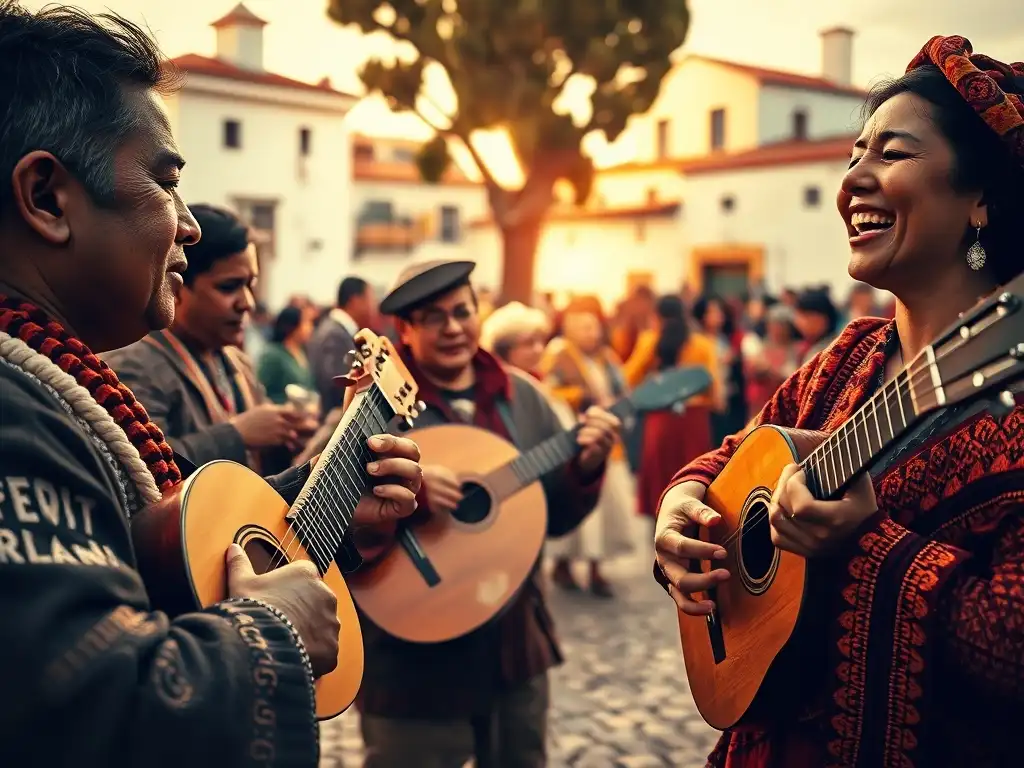
The vibrant tapestry of Andean music, woven from centuries of tradition and innovation, finds powerful expression in modern music festivals. These events, far from being mere entertainment, serve as vital platforms for cultural preservation, artistic exchange, and economic development within Andean communities. Understanding the history and impact of these festivals is crucial to appreciating the ongoing evolution of Andean musical heritage. The rise of these festivals correlates directly with a growing global interest in Andean culture, fueling a renewed appreciation for its rich musical traditions.
This renewed interest, in turn, has led to increased investment in musical education and the preservation of ancient instruments and musical forms. The economic impact is significant, attracting tourists and creating opportunities for musicians, artisans, and local businesses. Analyzing the growth and influence of these festivals provides valuable insights into the dynamic relationship between tradition and modernity in Andean culture.
The Resurgence of Traditional Andean Music
Modern Andean music festivals have played a pivotal role in the resurgence of traditional Andean musical forms. For decades, the influence of Western music threatened to overshadow indigenous styles. However, festivals have provided a crucial space for these traditions to thrive, connecting younger generations with the rich musical heritage of their ancestors.
Many festivals actively incorporate workshops and educational programs, teaching traditional instruments like the charango, zampoña, and quena. This hands-on approach ensures the continuity of musical traditions, empowering younger musicians to embrace and reinterpret their cultural heritage. The sheer scale of some festivals, attracting thousands of attendees, has also broadened the reach of traditional Andean music, introducing it to a wider national and international audience.
This increased exposure has, in turn, fostered a renewed sense of pride and ownership within Andean communities. The success of these initiatives demonstrates the power of cultural events to revitalize and safeguard traditional art forms.
Contemporary Adaptations of Andean Musical Styles
While the preservation of traditional forms is paramount, modern Andean music festivals also showcase the dynamism and adaptability of Andean musical styles. Contemporary musicians are blending traditional Andean instruments and melodies with other genres, creating unique and innovative soundscapes. This fusion of styles reflects the ever-evolving cultural landscape of the Andes, where indigenous traditions coexist and interact with global influences.
We see examples of Andean rhythms integrated into electronic music, rock, and even jazz, demonstrating the versatility and enduring appeal of Andean musical elements. These adaptations are not merely superficial; they often reflect a deeper engagement with social and political issues relevant to Andean communities, using music as a powerful tool for social commentary and change. The creativity and innovation showcased at these festivals highlight the resilience and adaptability of Andean musical traditions in the face of globalization.
Andean Music Festivals as Cultural Tourism
The growth of Andean music festivals has significantly impacted cultural tourism in the region. These festivals attract both domestic and international tourists, generating revenue for local communities and supporting the preservation of cultural heritage sites. The economic benefits extend beyond the immediate event, creating opportunities for local businesses, artisans, and hospitality providers.
Many festivals are strategically planned to coincide with other cultural events or tourist attractions, enhancing the overall visitor experience. This integrated approach to tourism development ensures that cultural preservation and economic growth go hand-in-hand. The success of these festivals as cultural tourism drivers underscores the importance of investing in and promoting cultural events as a means of sustainable economic development in Andean communities.
Furthermore, the influx of tourists provides a valuable opportunity to educate visitors about Andean culture, fostering greater understanding and appreciation for the region’s rich heritage. The positive impact on cultural tourism demonstrates the multifaceted benefits of Andean music festivals, extending beyond the realm of music to encompass broader economic and social development.
Andean music festivals play a vital role in fostering social cohesion and strengthening community bonds. These events bring together people from diverse backgrounds, united by their shared appreciation for Andean musical traditions. The collective experience of listening to, dancing to, and participating in the creation of Andean music cultivates a sense of belonging and shared identity, particularly important in maintaining cultural heritage in the face of globalization and modernization.
Many festivals actively promote intergenerational connections, with older musicians mentoring younger generations and passing down valuable musical knowledge and traditions. This ensures the continuity of Andean musical practices for future generations. The collaborative nature of many performances, often involving large ensembles or community participation, further strengthens this sense of unity and shared purpose.
Beyond the immediate impact of the festival itself, the positive social interactions and renewed sense of community often extend into the everyday lives of participants, creating lasting bonds and strengthening social networks. The economic benefits, discussed later, also contribute to a stronger and more unified community through shared prosperity. For example, the annual Inti Raymi festival in Cusco, Peru, not only celebrates the Inca solstice but also brings the entire community together, reinforcing their shared cultural heritage.
The social impact extends beyond immediate community boundaries. Many festivals attract tourists from around the world, creating opportunities for cultural exchange and promoting a broader understanding and appreciation of Andean music and culture. This exposure can lead to increased cultural tourism, benefiting local economies and raising the profile of Andean musical traditions on a global scale. This international exposure can in turn lead to collaborations between Andean musicians and artists from other cultures, fostering creative innovation and enriching both musical traditions. The sharing of musical knowledge and techniques can lead to the evolution of Andean music while preserving its core essence. This dynamic interplay between local traditions and global influences is a key aspect of the evolving Andean musical landscape, directly shaped by the impact of these festivals. The increased visibility achieved through these international events also contributes to a greater sense of pride and cultural affirmation for Andean communities.
Experiencing an Andean Music Festival: A Guide
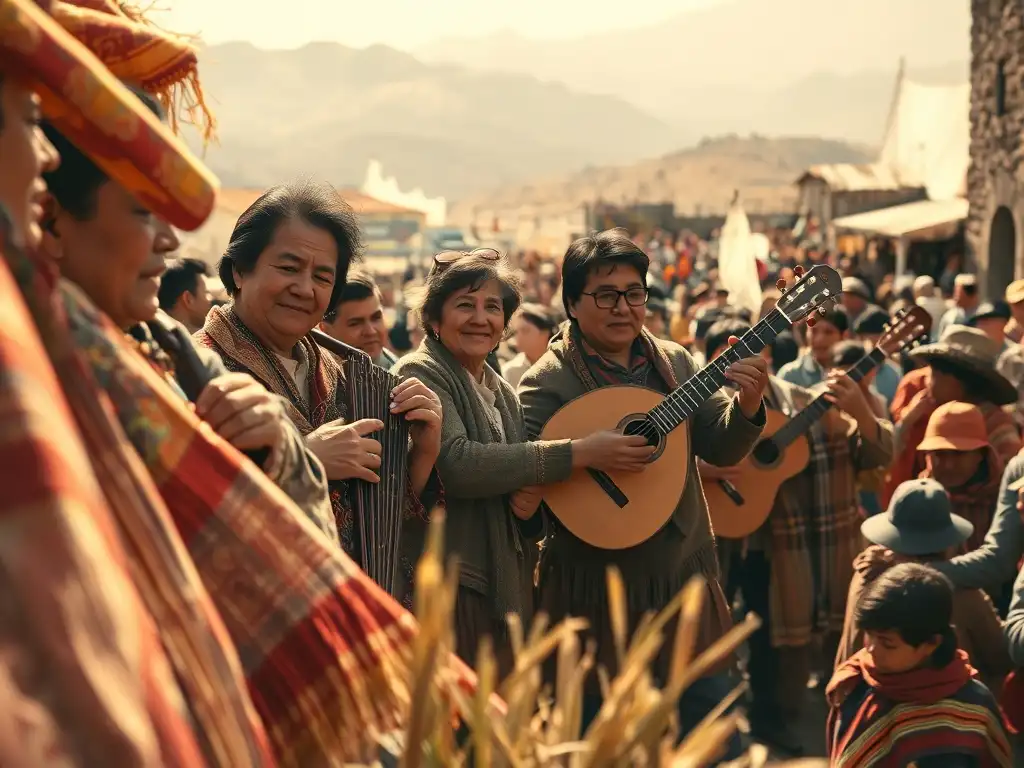
This section delves into the practicalities and cultural immersion offered by attending an Andean music festival. Understanding the nuances of these events enhances the overall experience, transforming a simple observation into a profound engagement with Andean heritage. We'll explore trip planning, what to expect at a festival, and ways to maximize cultural immersion.
Planning Your Trip to an Andean Music Festival
Planning a trip to an Andean music festival requires careful consideration. The timing of the festivals varies across the Andes region, often tied to specific agricultural cycles or religious celebrations. Researching specific festivals is crucial; some are small, intimate gatherings, while others attract thousands of participants.
Consider these factors when planning:
- Time of year: Andean weather can be unpredictable. Research the climate of the region during the festival dates to pack appropriately. Altitude sickness is also a concern in many Andean locations; acclimatization time should be factored into your travel plans.
- Location: Festivals often take place in remote areas, requiring travel arrangements beyond simply reaching a major city. Transportation options, including buses, trains, or domestic flights, should be researched in advance. Booking accommodations early is also highly recommended, especially for popular festivals.
- Budget: Costs can vary significantly. Factor in travel expenses, accommodation, food, festival entrance fees, and any souvenirs you might want to purchase. Smaller, local festivals might be more budget-friendly than large, internationally recognized events.
- Language: While Spanish is widely spoken in much of the Andes, learning a few basic Quechua phrases can enhance your interactions with locals and demonstrate respect for their culture. A phrasebook or translation app can be invaluable.
Careful planning will ensure a smooth and enjoyable experience, allowing you to fully appreciate the vibrant atmosphere and rich cultural heritage on display. Remember to check for any specific requirements or recommendations related to the festival you've chosen.
What to Expect at a Typical Andean Music Festival
Andean music festivals are more than just concerts; they're vibrant celebrations of life, community, and tradition. Expect a sensory overload of sights, sounds, smells, and tastes. The atmosphere is generally festive and welcoming, with a strong emphasis on community participation.
Here's a glimpse of what you might encounter:
- Diverse musical styles: From the haunting melodies of panpipes to the energetic rhythms of drums and charangos, you'll hear a diverse range of Andean musical styles, often reflecting the unique traditions of different regions.
- Traditional dance: Many festivals feature elaborate traditional dances, often performed in colorful costumes. These dances are not merely entertainment; they often tell stories, recount historical events, or honor deities.
- Local crafts and food: Vendors typically sell locally made crafts, textiles, and food. This is a great opportunity to support local artisans and sample authentic Andean cuisine.
- Community spirit: A strong sense of community pervades Andean music festivals. Participants often interact freely, sharing food, stories, and experiences.
- Religious elements: Many festivals have religious or spiritual dimensions, reflecting the deep-rooted connection between Andean culture and the natural world.
Tips for Immersing Yourself in Andean Culture
To truly experience the magic of an Andean music festival, actively engage with the culture surrounding the event. Here are some tips:
- Learn some basic Quechua: Even a few basic phrases will demonstrate respect and help you connect with locals.
- Engage with locals: Strike up conversations, ask questions, and show genuine interest in their culture.
- Participate in activities: Many festivals include workshops or demonstrations of traditional crafts or dances. Participate if you have the opportunity!
- Respect local customs: Be mindful of local customs and traditions. Dress modestly, and avoid loud or disruptive behavior.
- Support local artisans: Purchase handicrafts directly from artisans to support their livelihoods and preserve traditional skills.
- Try the local food: Andean cuisine is diverse and delicious. Be adventurous and try new things!
By following these tips, you can transform your experience from a simple observation into a deep and meaningful engagement with the rich tapestry of Andean culture. The vibrant energy of these festivals, combined with a proactive approach to cultural immersion, will leave a lasting impression. The history of Andean music festivals is interwoven with the very fabric of Andean life, making active participation a truly rewarding experience.
Inti Raymi Festival and its Unique Features
The Inti Raymi, or Festival of the Sun, is arguably the most famous Andean music festival, deeply intertwined with Inca history and traditions. It's not just a celebration of music; it's a vibrant reenactment of a significant Inca ritual, showcasing the profound connection between the Inca civilization and the sun god, Inti. The festival's unique features set it apart from other Andean musical celebrations.
The sheer scale of the event, often involving hundreds of participants in elaborate costumes, is breathtaking. These costumes, meticulously crafted to represent different Inca social classes and deities, are a spectacle in themselves, a vibrant tapestry of color and intricate designs.
Beyond the visual grandeur, the music plays a pivotal role. Traditional Inca instruments like the pututu (a long shell trumpet), antara (panpipes), and tarka (a type of flute) create a powerful soundscape that evokes the ancient Andean world. The music is not merely background; it's integral to the ritualistic performances, accompanying the reenactment of Inca ceremonies and dances. The chants and songs, often passed down through generations, are filled with meaning, invoking prayers and tributes to the sun god and expressing gratitude for the harvest.
Furthermore, the Inti Raymi's location adds to its mystique. Often held near Cusco, the former Inca capital, the festival's setting imbues the event with a palpable sense of history and spiritual significance. The majestic backdrop of the Andes Mountains, with their towering peaks and breathtaking vistas, provides a truly awe-inspiring setting for the celebration. The combination of music, dance, costume, and location creates a truly immersive experience, transporting attendees back in time to the heart of the Inca empire.
Understanding the historical context of the Inti Raymi is crucial to appreciating its unique blend of music, ritual, and spectacle. It is a powerful testament to the enduring legacy of Inca culture and its vibrant musical traditions. The festival's enduring popularity underscores its importance as a cultural touchstone, preserving and celebrating the rhythms of life as understood by the Inca people.
The Future of Andean Music Festivals
The vibrant tapestry of Andean music, woven through centuries of tradition and innovation, faces both challenges and exciting opportunities in the 21st century. The future of Andean music festivals hinges on our ability to adapt to changing times while preserving the core essence of this rich cultural heritage. Understanding the evolving landscape of audience engagement, technological advancements, and the preservation of artistic integrity is crucial for ensuring the longevity and impact of these vital celebrations. The evolution of Andean music festival history is intrinsically linked to these factors.
Challenges and Opportunities for Andean Music Festivals
Andean music festivals face a complex interplay of challenges and opportunities. One significant hurdle is the financial sustainability of these events. Many festivals rely heavily on grants, sponsorships, and ticket sales, making them vulnerable to economic fluctuations and a competitive arts landscape. However, this challenge presents an opportunity for innovative fundraising strategies, such as crowdfunding campaigns, partnerships with tourism agencies, and exploring diverse revenue streams through merchandise sales and workshops.
Another key challenge is audience engagement. Attracting younger generations to appreciate traditional Andean music requires creative approaches. This could involve incorporating modern elements into performances, utilizing social media marketing effectively, and creating interactive experiences that go beyond traditional concert formats. The opportunity here lies in bridging the gap between tradition and modernity, creating a compelling narrative that resonates with diverse audiences.
| Challenge | Opportunity | Example |
|---|---|---|
| Financial Sustainability | Innovative fundraising strategies (crowdfunding, sponsorships) | Launching a Kickstarter campaign to fund a specific festival aspect. |
| Audience Engagement | Creative programming, interactive experiences, social media marketing | Incorporating virtual reality elements into a festival performance. |
| Preservation of Authenticity | Collaboration with communities, educational initiatives, documentation | Creating a digital archive of traditional Andean musical instruments. |
| Infrastructure Limitations | Seeking government support, private investment, community collaboration | Securing funding to build a dedicated performance venue. |
The increasing accessibility of digital platforms presents both challenges and opportunities. While online streaming can expand reach, it also poses a threat to the live performance experience that is central to Andean music festivals. The key lies in finding a balance—utilizing digital tools for promotion and accessibility without compromising the intimate and communal aspects of live performances.
Preserving the Authenticity of Andean Musical Heritage
Preserving the authenticity of Andean musical heritage within the festival context is paramount. This involves a multi-pronged approach. Firstly, fostering direct collaboration with Andean communities is essential. Festivals should not merely showcase Andean music; they should actively involve the communities themselves in the planning, performance, and overall direction of the events. This ensures that the traditions are not only represented but also actively perpetuated.
Secondly, rigorous documentation of musical practices, instruments, and associated cultural knowledge is crucial. This includes detailed research, archiving of recordings, and the creation of educational resources that can be shared widely. This careful preservation protects against the loss of valuable cultural knowledge and ensures its transmission to future generations. Digital archiving is particularly important in this regard, allowing for easy access and dissemination of this invaluable information.
The emphasis should be on authenticity rather than commercialization. While attracting a wider audience is important, it should never come at the expense of diluting or misrepresenting the cultural significance of the music. This requires a delicate balance between accessibility and the preservation of cultural integrity.
Promoting Andean Music Festivals Globally
Promoting Andean music festivals globally requires a strategic and multifaceted approach. Leveraging digital platforms, such as social media and dedicated websites, is crucial for disseminating information about festivals to a worldwide audience. High-quality videos, engaging social media content, and multilingual websites can significantly enhance reach and attract international attendees.
Collaborating with international arts organizations and tourism agencies is another effective strategy. These partnerships can help promote festivals to a wider network, potentially securing funding and attracting international performers and audiences. Furthermore, participating in international arts festivals and showcasing Andean music in diverse settings can help raise awareness and appreciation of this rich cultural tradition.
The success of global promotion hinges on crafting a compelling narrative that highlights not only the musical performances but also the broader cultural context. This approach can attract a broader audience interested in experiencing a unique and authentic cultural immersion. The history of Andean music festivals, when presented effectively, becomes a powerful tool for attracting tourists and fostering intercultural exchange. The goal is not just to promote events, but to share a vibrant cultural heritage with the world.
The Continued Evolution of Andean Musical Traditions
Andean musical traditions, far from being static relics of the past, are vibrant and ever-evolving entities. The fusion of ancient instruments and techniques with modern influences is a defining characteristic of contemporary Andean music. This dynamic interplay is evident in the increasing popularity of genres that blend traditional Andean sounds with elements of rock, pop, jazz, and even electronic music.
This innovative approach not only attracts a wider audience but also ensures the survival and continued relevance of these ancient musical forms in the 21st century. Young musicians are actively reinterpreting traditional melodies and rhythms, injecting fresh energy and perspectives into the established canon. This process of revitalization is not merely about adaptation; it's a testament to the enduring power and adaptability of Andean musical heritage.
The incorporation of new instruments, like synthesizers and electric guitars, alongside traditional panpipes and charangos, creates a unique sonic landscape that honors the past while embracing the future. This creative blending is not a dilution of tradition but rather a testament to its resilience and capacity for growth. The result is a rich tapestry of sounds that reflects the multifaceted cultural landscape of the Andes today.
The evolution isn't solely musical; it also extends to the performance contexts. While traditional festivals maintain their importance, new spaces for Andean music are emerging. Concerts in urban settings, collaborations with international artists, and the use of digital platforms are expanding the reach and accessibility of Andean music. This broader dissemination ensures that these traditions are not confined to specific geographical locations or social groups. The use of online platforms, for example, allows Andean musicians to connect with audiences across the globe, fostering a sense of community and shared cultural heritage that transcends geographical boundaries. This digital expansion is crucial for the preservation and promotion of Andean musical traditions, particularly in addressing the challenges of maintaining cultural relevance amidst globalization. Moreover, it creates opportunities for intercultural dialogue and exchange, further enriching the musical landscape. The future of Andean music festivals is thus inextricably linked to this ongoing evolution and expansion.
Furthermore, the rise of Andean music education initiatives plays a vital role in the continued evolution of these traditions. Formal and informal educational programs are actively working to preserve and transmit knowledge of traditional instruments, techniques, and musical forms to younger generations. These initiatives are not simply about teaching technical skills but also fostering a deep appreciation for the cultural significance and historical context of Andean music.
By nurturing a new generation of musicians, these programs help to ensure the long-term survival and vitality of these important cultural expressions. The emphasis on community-based learning and intergenerational transmission of knowledge is particularly crucial, ensuring that the living tradition is passed on effectively.
This continuous flow of knowledge contributes to the creation of new musical expressions while maintaining a connection to the rich history of Andean musical practices. The future of Andean music festivals is therefore deeply intertwined with the success of these ongoing educational endeavors.
Frequently Asked Questions
What is the history of Andean music festivals?
Andean music festivals have deep roots in ancient traditions, evolving from ceremonial practices and celebrations. Over time, they integrated colonial and modern influences, developing into the vibrant events we see today. The exact origins are difficult to pinpoint due to a lack of detailed historical records.
How did Inca music influence modern Andean festivals?
Inca music, characterized by its use of panpipes and drums, significantly shaped modern Andean musical styles. Many instruments and musical forms present in today's festivals are direct descendants of Inca traditions, passed down through generations. Their ceremonial music continues to inspire contemporary compositions.
What are some key instruments featured in Andean music festivals?
Panpipes (antara), drums (tinku), and charangos are prominent instruments. Other instruments such as the zampoña, quena, and erke are also frequently heard. The specific instruments can vary depending on the region and the specific festival's traditions.
Where are some major Andean music festivals held?
Major festivals take place throughout the Andes region, with Peru and Bolivia hosting some of the most renowned events. Specific locations vary by festival and may include both large cities and smaller, more rural communities, reflecting the widespread cultural significance of the music.
How do Andean music festivals reflect the culture of the region?
Andean music festivals are a vital part of the region's cultural identity, showcasing its diversity and rich history. They celebrate not only the music itself but also the traditions, costumes, and social structures of the Andean communities, providing a powerful sense of shared heritage.
Final Reflection: The Enduring Legacy of Andean Music Festivals
The vibrant tapestry of Andean music festivals continues to weave its magic, reminding us of the enduring power of cultural heritage in a rapidly changing world. These festivals are not mere celebrations; they are living archives, preserving ancient traditions while simultaneously adapting to modern contexts. Their continued existence speaks volumes about the resilience and importance of Andean culture.
The influence of Andean music festivals extends far beyond the immediate communities that host them. They represent a powerful force for cultural preservation, fostering a sense of identity and community pride. These events act as vital conduits, transmitting knowledge and skills across generations, ensuring that the rich musical heritage of the Andes thrives. Music is the universal language of mankind,
said Henry Wadsworth Longfellow, and in the case of Andean music festivals, this language transcends geographical boundaries, connecting people through shared rhythms and emotions.
Consider the echoes of these festivals in your own life. What traditions and cultural practices do you cherish? How can you contribute to their preservation and transmission to future generations? Let the vibrant energy and enduring spirit of Andean music festivals inspire you to celebrate and protect the cultural heritage that shapes your own identity and enriches the world around us. Embrace the rhythm, embrace the legacy, embrace the future.
**Dive into the Rhythms of Andean Culture! **
Thank you for exploring the vibrant world of Andean music festivals with us! We hope you've gained a deeper understanding of the rich traditions and captivating rhythms that celebrate life in this remarkable region. Now, let's put that knowledge to good use!
Here are a few ways you can further engage with this rich culture:
- **Plan a trip** to an upcoming Andean music festival—experience the joy and energy firsthand! Many festivals offer unique experiences and opportunities to connect with local communities.
- **Share your passion** for Andean music with friends and family. Introduce them to the captivating sounds and the deep cultural significance of this vibrant musical tradition.
- **Connect with other enthusiasts** online. Join a community or forum dedicated to Andean traditions to discuss and learn more about the various celebrations and their meanings. You'll find a wealth of information and passionate individuals eager to share their knowledge.
Which festival will you choose to experience and share with others? We encourage you to explore the many options and discover the perfect fit for your interests.