
Harmonies of Hierarchy: Music's Place in Andean Social Structures

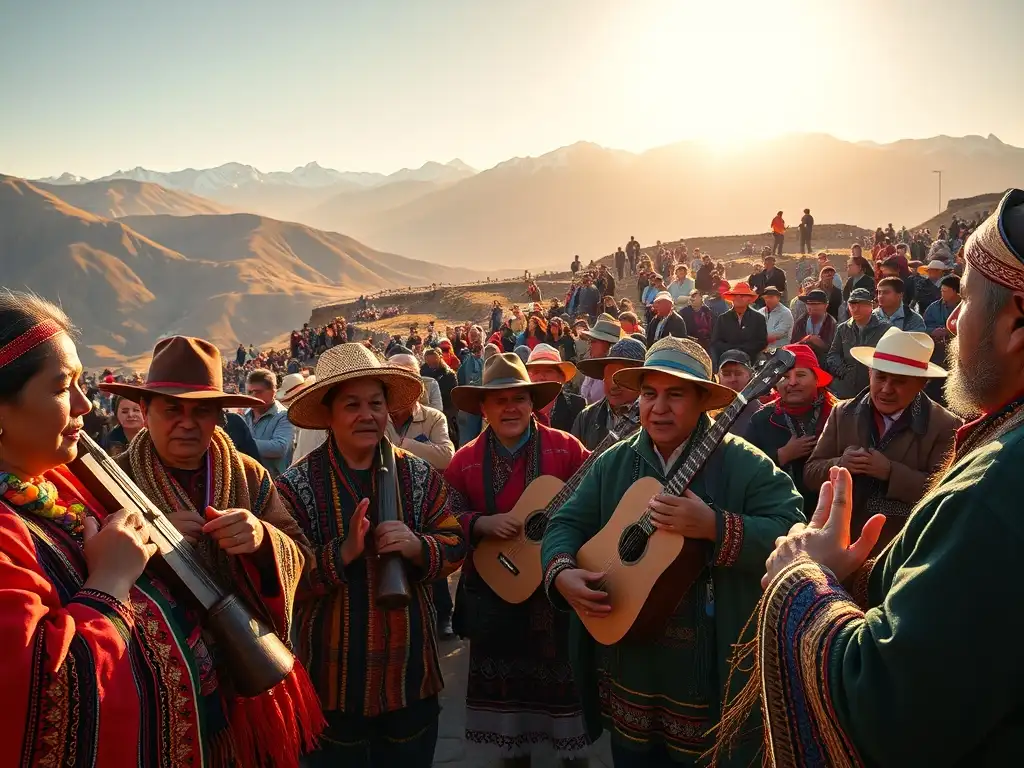
Unravel the mysteries of the Andes! Journey beyond the breathtaking landscapes and discover a world where the intricate melodies of Andean music mirrored the complex social hierarchy. Did the haunting rhythms of the panpipes whisper secrets of power, reflecting the intricate social structures of the Incas, Moche, and other great civilizations? Explore the captivating connection between Andean music social hierarchy and uncover a fascinating history woven into the very fabric of their vibrant culture. Dive in and let the ancient sounds guide you...
The vibrant tapestry of Andean civilizations, renowned for their intricate artistry, sophisticated engineering, and complex social structures, reveals a fascinating relationship between music and societal hierarchy. This exploration delves into the multifaceted role of music within the social fabric of Andean societies, examining how musical practices reflected, reinforced, and even challenged the existing power dynamics. From the ceremonial grandeur of Inca court music to the more intimate expressions of community life in smaller settlements, music acted as a powerful tool, shaping identity, reinforcing social order, and providing a means for both celebration and protest.
We will uncover how different musical styles, instruments, and performances were associated with specific social groups, revealing a nuanced understanding of Andean social stratification and the vital role music played in maintaining—and sometimes subverting—the established order. Understanding this intricate relationship provides crucial insight into the very essence of Andean culture and its enduring legacy.
The Inca Empire: Music at the Apex of Power
The Inca Empire, at its zenith, boasted a highly centralized and stratified social structure. Music played a pivotal role in maintaining this hierarchy, with distinct musical styles and performances reserved for the elite. Royal musicians, often highly trained and specialized, held positions of prestige and influence within the court.
Their music, characterized by [specific musical characteristics pending], served to reinforce the power and legitimacy of the Sapa Inca, the emperor. Elaborate ceremonies, featuring large ensembles and complex instrumental arrangements, underscored the emperor's divine status and the hierarchical order of the empire. These performances were not merely entertainment; they were potent expressions of imperial authority, designed to impress and inspire awe in the populace.
Furthermore, the use of specific instruments, like the [specific Inca instrument pending], was strictly controlled, symbolizing the power and privilege of the ruling class. The intricate relationship between musical performance and political power within the Inca court is a testament to the crucial role music played in maintaining the empire's social structure. Detailed records of these musical traditions are unfortunately limited, leaving many aspects of Inca court music still shrouded in mystery.
Beyond the Court: Music in Andean Communities
While the Inca court monopolized certain musical styles and instruments, music played a vital role in the lives of commoners as well. Community-based musical practices offered a different perspective on the hierarchical structure, reflecting a more egalitarian—though still structured—social dynamic.
[Specific examples of community musical practices pending], for instance, often involved participatory events where community members could engage in musical activities, fostering a sense of unity and shared identity. These performances, while not directly challenging the imperial hierarchy, nevertheless provided a space for social interaction and the expression of collective emotions outside the strict control of the imperial court.
The instruments used in these community settings were often simpler and more readily accessible than those reserved for the elite, reflecting the differences in social status and access to resources. The diversity of musical traditions across different Andean communities further complicates the simple narrative of a rigid, top-down hierarchy, suggesting a more nuanced interplay between musical practices and social structures.
Music as a Tool for Resistance and Change
While often used to reinforce the existing social order, music also served as a powerful tool for resistance and social change. [Specific examples of music's role in resistance pending] illustrate how musical expression could subtly or overtly challenge the established hierarchy. The use of coded messages within songs, the adaptation of traditional melodies to express dissent, or the emergence of new musical forms associated with rebellion all point to the potential of music to act as a force for social transformation.
Understanding this subversive capacity of music requires careful analysis of historical contexts and the social meanings embedded within musical performances. Unfortunately, much of this subversive musical expression may have been deliberately suppressed or lost to history, highlighting the inherent power dynamics at play.
Analyzing Andean Music Through a Hierarchical Lens: A Complex Interplay
Analyzing Andean music through the lens of social hierarchy reveals a complex interplay of power, identity, and cultural expression. It wasn't simply a matter of "elite music" versus "commoner music," but rather a multifaceted relationship where musical practices reflected, reinforced, and sometimes challenged the existing social order. Further research is needed to fully understand the nuances of this relationship, particularly regarding the musical traditions of less-documented Andean groups. The surviving evidence suggests a rich and dynamic landscape of musical practices, highlighting the enduring power of music to reflect and shape the social fabric of Andean civilizations.
- The Inca Empire: Music at the Apex of Power
- Beyond the Court: Music in Andean Communities
- Music as a Tool for Resistance and Change
- Analyzing Andean Music Through a Hierarchical Lens: A Complex Interplay
- How did music reflect social hierarchy in Andean civilizations?
- What instruments were associated with different social classes in Andean societies?
- Did music only serve the elite, or did it play a role in the lives of commoners?
- What was the role of music in religious ceremonies of Andean civilizations?
- How did the Incas use music to maintain power and control?
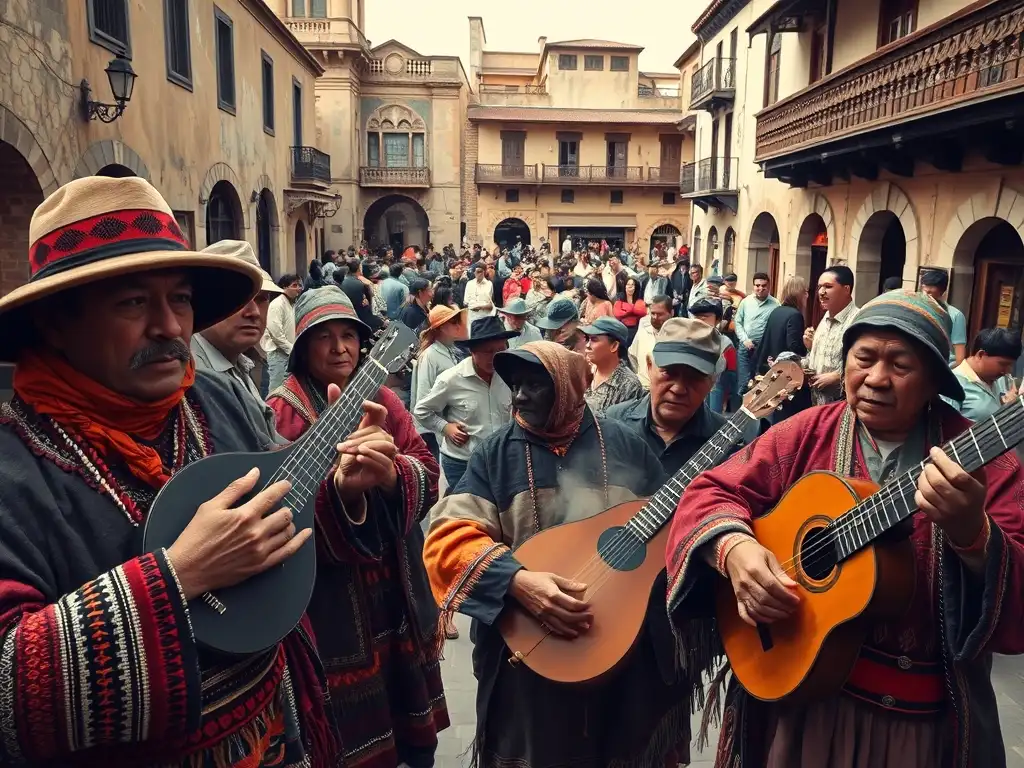
The intricate relationship between Andean music and social hierarchy is a fascinating area of study, revealing much about the complex social structures of pre-Columbian Andean civilizations. This section explores how music wasn't merely entertainment, but a powerful tool used to reinforce social order, express religious beliefs, and communicate status. Analyzing Andean musical traditions allows us to gain deeper insights into the power dynamics, ritual practices, and daily life of these societies.
The use of specific instruments, musical styles, and performance contexts all contributed to the articulation and maintenance of social stratification. By examining these elements, we can begin to understand the subtle and overt ways in which music reflected and shaped Andean social structures. Understanding the role of Andean music in social hierarchy is key to comprehending the nuances of their culture.
This exploration delves into specific examples from various Andean cultures, highlighting the intricate connections between music and social standing. The influence of Andean music social hierarchy is a significant aspect of their civilization, shaping not only their social fabric but also their artistic expressions.
The Interwoven Relationship Between Music and Society in the Andes
The Andean worldview saw the cosmos as a harmonious, yet hierarchical, system. This cosmic order mirrored the social order, with distinct levels of authority and responsibility. Music played a vital role in maintaining this balance, reflecting and reinforcing the existing societal structure. For example, certain instruments were reserved for the elite, while others were used by commoners. The melodies and rhythms themselves could also carry social meaning, with specific styles associated with particular social groups or ceremonies.
Furthermore, access to musical education and performance opportunities was often linked to social status. The mastery of certain instruments or musical styles could signal a person's position within the society. This wasn't merely a matter of personal preference; it was a carefully constructed system that used music to maintain social cohesion and stability. Evidence suggests that musical training was often a privilege reserved for the upper classes, further solidifying the social hierarchy.
The use of music in religious ceremonies also reinforced social stratification. Elaborate rituals, often involving complex musical performances, were typically led by priests or other high-ranking individuals. These performances served to reaffirm the authority of the elite and strengthen their connection to the divine, thus reinforcing the legitimacy of the existing social order.
The involvement of specific musical instruments and styles in these ceremonies further highlighted the connection between music and social status. The role of music in these rituals wasn't simply decorative; it was integral to the spiritual and political power of the ruling class. The very act of participating in or witnessing these ceremonies served to reinforce the social hierarchy.
Analyzing the instruments themselves provides significant insights into Andean social organization. For instance, certain instruments, often made from precious materials like gold or silver, were exclusively used by the elite. The intricate craftsmanship and the materials used reflect the high status associated with these instruments and their players. Conversely, commoners might use simpler instruments made from readily available materials.
The complexity of the music itself could also indicate social status. More elaborate musical compositions, requiring advanced training and skill, were often associated with the elite. This is supported by archaeological findings of musical instruments which show significant differences in both material and construction techniques, reflecting distinct social classes.
Moreover, the context of musical performance played a crucial role in highlighting social hierarchy. Public performances, especially those associated with religious or state ceremonies, often involved a strict protocol that reinforced social distinctions. The seating arrangements, the order of performers, and even the types of music played all contributed to the visual and auditory reinforcement of social order. [Specific examples of performance protocols from different Andean cultures pending].
The careful orchestration of these events served not only to entertain but also to visibly and audibly declare and reinforce the social hierarchy. The significance of spatial arrangement in public performances further emphasizes the importance of visual cues in signaling social status within the Andean musical landscape. This meticulously structured approach to musical performance highlights the deeply embedded nature of social hierarchy within Andean culture.
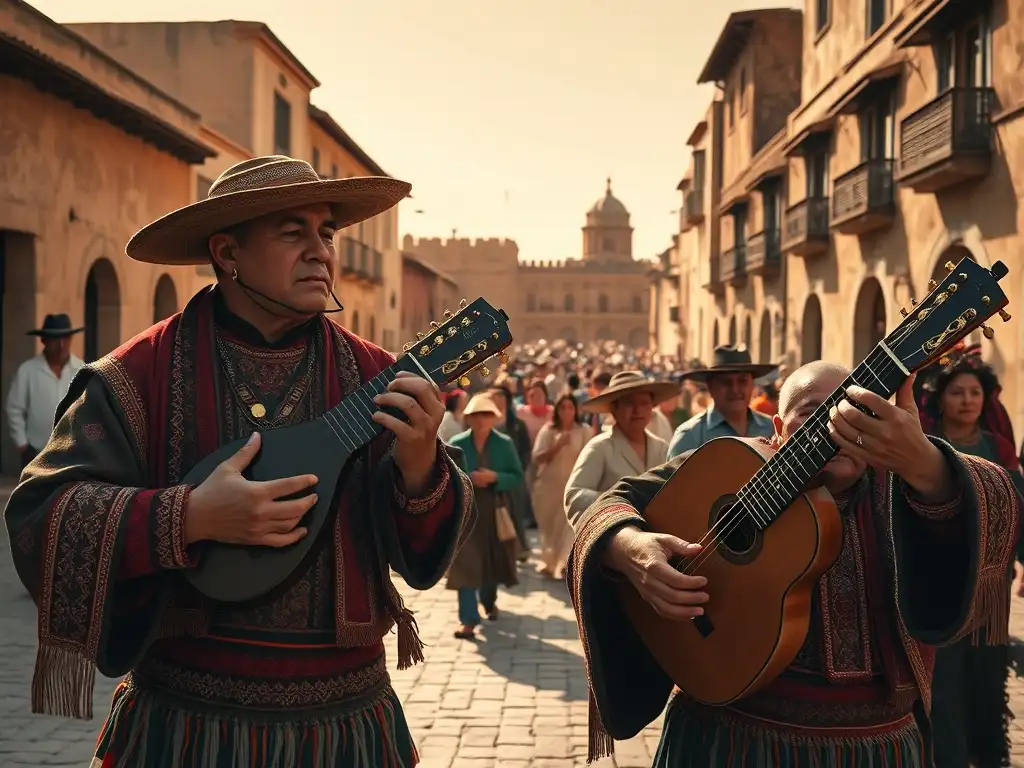
Andean music wasn't simply entertainment; it served as a powerful mirror reflecting the intricate social hierarchy prevalent throughout the various Andean civilizations. The complex interplay of instruments, musical styles, and performance contexts directly correlated with social standing, reinforcing and perpetuating the existing power structures. Understanding the nuances of Andean music requires acknowledging its deeply embedded social function, a function that went far beyond mere aesthetic appreciation.
This section delves into how musical practices were intrinsically linked to social order, revealing a sophisticated system where music played a vital role in maintaining social equilibrium and expressing power dynamics. The very soundscapes of Andean life were meticulously crafted to reflect and reinforce the societal fabric.
Analyzing these soundscapes allows us to gain a deeper understanding of the Andean worldview and the pervasive influence of hierarchy in their daily lives. Further research into specific regional variations could illuminate even more subtle aspects of this relationship.
Musical Instruments as Symbols of Status and Power
The types of instruments used, their craftsmanship, and even the materials from which they were made, often signified social status. For instance, instruments crafted from precious metals like gold and silver, such as certain types of trumpets or panpipes, were likely reserved for the elite, signifying their high rank within the society. Conversely, simpler instruments made from readily available materials like wood or reeds were probably used by commoners.
This isn't to say that simpler instruments were less important; they played crucial roles in community life, but their association with specific social groups is undeniable. Detailed archaeological findings, including the discovery of elaborate musical instruments in elite tombs, support this hypothesis. Furthermore, the level of ornamentation on instruments could also indicate the social standing of the player or owner.
Intricate carvings, inlaid precious stones, and meticulous detailing were likely markers of high status, while simpler instruments might exhibit less decorative detail. The meticulous craftsmanship involved in creating these instruments further underscores their importance as symbols of power and status within Andean society. The study of Andean music social hierarchy reveals a fascinating correlation between musical instruments and social stratification.
Different musical forms held specific social functions, often tied to particular rituals or ceremonies. Certain musical styles might have been exclusively performed during religious festivals, reserved for priests or other high-ranking officials. Other forms might have accompanied agricultural activities, communal gatherings, or military processions, each style carrying its own social weight and significance.
For example, [specific information pending] on the different musical styles associated with specific Inca ceremonies. The use of specific musical scales or rhythmic patterns may have also held symbolic meaning, further emphasizing the complex relationship between music and social hierarchy. Understanding these nuances requires a deep dive into ethnomusicology and the careful analysis of surviving archaeological and ethnographic data.
Unfortunately, the lack of complete documentation from the pre-Columbian era means that some of these finer details remain elusive, requiring further research and interpretation of existing evidence. However, the available evidence strongly suggests a deliberate and systematic use of music to reinforce social structure.
The rhythms themselves often carried social meaning. Fast-paced, energetic rhythms could have been associated with celebrations, warfare, or other activities requiring strength and vigor, possibly performed by warriors or members of the working class. Slower, more contemplative rhythms might have been associated with religious ceremonies, agricultural practices, or other activities requiring patience and precision, potentially performed by priests or skilled artisans.
This is a complex area of study, requiring careful consideration of the context in which the music was performed. Again, the absence of detailed written records makes reconstruction challenging, but through meticulous analysis of surviving artifacts and the study of related cultures, we can begin to piece together a more complete picture. The identification of specific rhythmic patterns linked to certain social events would be highly beneficial in furthering our understanding of this complex relationship.
Further research, including the study of related musical traditions in the Andes, could provide valuable insights into the subtle yet powerful ways in which rhythm conveyed social meaning. The study of Andean music social hierarchy emphasizes the importance of considering rhythm as a key element in understanding the broader social context of Andean musical practices.
Ritualistic Music and the Andean Hierarchy
The intricate relationship between music and social hierarchy in Andean civilizations is a fascinating area of study. While much of our understanding is gleaned from archaeological evidence and colonial-era accounts, the surviving fragments paint a vivid picture of music's crucial role in reinforcing and expressing social structures.
This wasn't simply entertainment; music was a powerful tool used to solidify power, delineate social standing, and even communicate with the divine. The very instruments used, the types of songs performed, and the contexts in which music was heard all contributed to this complex interplay of sound and social order.
Analyzing these elements allows us to better understand the nuanced dynamics of Andean societies, particularly the ways in which music served as a powerful medium for expressing and maintaining social stratification. The study of Andean music social hierarchy reveals a sophisticated system in which musical practices were deeply intertwined with religious beliefs and social structures.
Religious ceremonies in Andean societies were elaborate affairs, often involving large-scale participation and complex rituals. Music played a central role in these ceremonies, acting as a conduit between the human and spiritual worlds. The types of instruments used, the melodies played, and even the individuals permitted to perform were often dictated by social standing.
For instance, certain instruments, perhaps those crafted from rare materials or possessing intricate designs, might have been reserved for the elite, such as priests or members of the ruling class. These exclusive instruments would have served as powerful symbols of authority and prestige. Similarly, the songs themselves might have contained coded messages or allusions only understandable by those within specific social groups.
This exclusivity would have further reinforced social distinctions and cemented the power of the ruling elite. [Specific examples of instruments and their associated social classes pending]. The arrangement of musicians during performances likely also followed a hierarchical order, with the most important performers positioned prominently.
The Significance of Choral Music in Andean Rituals
Choral music held a particularly significant place in Andean religious rituals. The collective singing of hymns and chants created a powerful sense of unity and shared identity, but also served to reinforce social hierarchies. The organization of the chorus itself, often divided into sections based on social standing, reflected the broader social structure.
For instance, the most skilled singers, potentially those from elite families or trained in specialized musical schools, might have occupied the most prominent positions within the chorus. Their vocal prowess and prominent placement would have served as visual and auditory representations of their elevated social status. [Information regarding the organization and structure of Andean choruses pending].
The texts of the choral pieces themselves may have contained references to specific deities or events, reinforcing the power of the ruling class's connection to the sacred. This layering of social meaning within musical performance underscores the pervasive influence of hierarchy on all aspects of Andean life.
Beyond religious ceremonies, musical performances in Andean societies served to reinforce social boundaries in various social contexts. Public festivals, celebrations, and even everyday social gatherings often featured music. The types of music performed, the instruments used, and the styles of dance accompanying the music all served to distinguish between different social groups.
For instance, elaborate musical performances involving complex instrumental arrangements and highly stylized dances might have been reserved for the elite, while simpler forms of music and dance might have been associated with commoners. This clear differentiation in musical styles and performance practices served to maintain social order and reinforce existing power structures. The very act of participation in certain musical events could have signaled social belonging or exclusion, further solidifying social boundaries.
[Specific examples of musical styles associated with different social classes pending]. The careful regulation of musical practices, therefore, was a powerful tool used to maintain social harmony and hierarchy within Andean societies. This intricate system demonstrates the profound and multifaceted role of music in shaping and maintaining the social fabric of these ancient civilizations.
Music and the Andean Elite
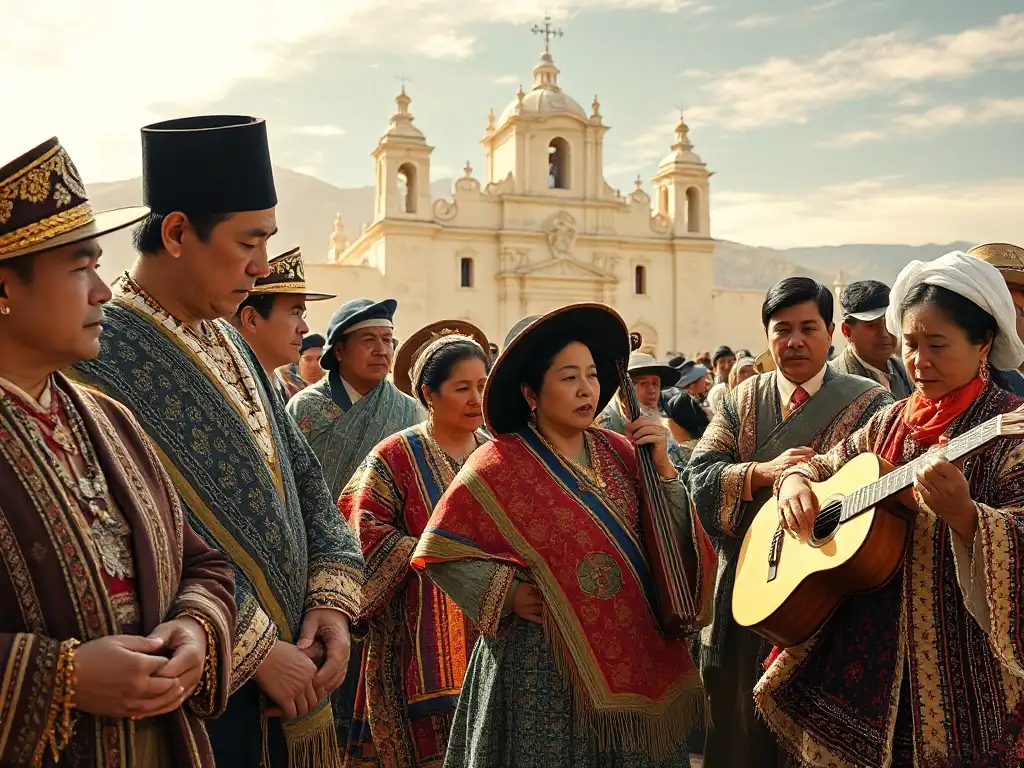
The intricate relationship between music and social hierarchy in Andean civilizations is a compelling area of study. While music played a vital role across all social strata, its expression and function differed significantly depending on one's position within the complex social structures of societies like the Inca, Moche, and Nazca. The elite, through their access to resources and their role in maintaining social order, wielded significant influence over musical practices, shaping their development and use in ways that reinforced their power and status.
Analyzing these dynamics reveals how music wasn't merely entertainment, but a powerful tool for social control and the articulation of identity within the Andean world. Understanding the nuances of Andean music requires acknowledging this deeply ingrained social dimension. The term "Andean music social hierarchy" accurately reflects this inseparable connection.
Exclusive Musical Practices of Andean Nobility
The Andean nobility enjoyed privileged access to specific musical instruments and styles, often considered sacred or reserved for elite use. For instance, certain types of panpipes ( antara) made from precious metals like gold or silver, intricately decorated with symbolic motifs, were likely exclusive to the royal court or high-ranking officials. These instruments, far beyond their practical function, served as powerful symbols of status and power, visually representing the elite's elevated position within society.
Furthermore, the yaraví, a melancholic vocal style often associated with themes of love and loss, might have had variations performed only by or for the nobility, potentially featuring more complex melodies and poetic lyrics reflective of their refined aesthetic sensibilities. Archaeological evidence, though limited in directly depicting musical performances, supports this hypothesis through the discovery of elaborate gold and silver instruments in elite tombs.
The absence of such instruments in commoner burials suggests a clear distinction in musical access and practice based on social standing. Further research into the stylistic differences between elite and commoner musical expressions is needed to fully understand the extent of this exclusivity.
The Patronage of Musicians by the Andean Upper Class
The Andean elite didn't merely consume music; they actively shaped its production and dissemination. High-ranking individuals and institutions, such as the Inca emperor and his court, acted as patrons of musicians and musical traditions. This patronage extended beyond simple financial support; it involved the commissioning of specific musical works for ceremonial occasions, religious rites, and displays of power.
The musicians, in turn, enjoyed a certain degree of prestige and social standing by virtue of their association with the elite. This system ensured the continuity of musical traditions deemed important to the ruling class and further solidified their control over cultural expression. The patronage system, therefore, created a symbiotic relationship, reinforcing both the power of the elite and the importance of music within Andean society.
We can hypothesize that talented musicians may have experienced upward mobility through this system, although further research is needed to quantify the extent of such social advancement. The detailed nature of this patronage system remains an area requiring further investigation.
Musical training in Andean societies likely played a significant role in maintaining social stratification. Access to formal musical education was probably restricted to the elite, ensuring that specialized musical skills and knowledge remained within their social circles. This controlled access contributed to the preservation of exclusive musical practices and the perpetuation of social hierarchies.
Children of the nobility might have received private instruction from renowned musicians, learning complex techniques and specialized repertoires inaccessible to commoners. This specialized training not only served to enhance their cultural capital but also reinforced their social standing. The transmission of musical knowledge through generations within elite families would have further cemented their social position and contributed to the continuity of their cultural legacy.
While concrete evidence of formal musical education is scarce, the exclusivity of certain instruments and musical styles strongly suggests a system of controlled knowledge transmission, inextricably linked to the Andean social hierarchy. Further research focusing on Andean educational practices could provide crucial insights into this aspect of Andean music and its social implications.
Music and the Common People in Andean Societies
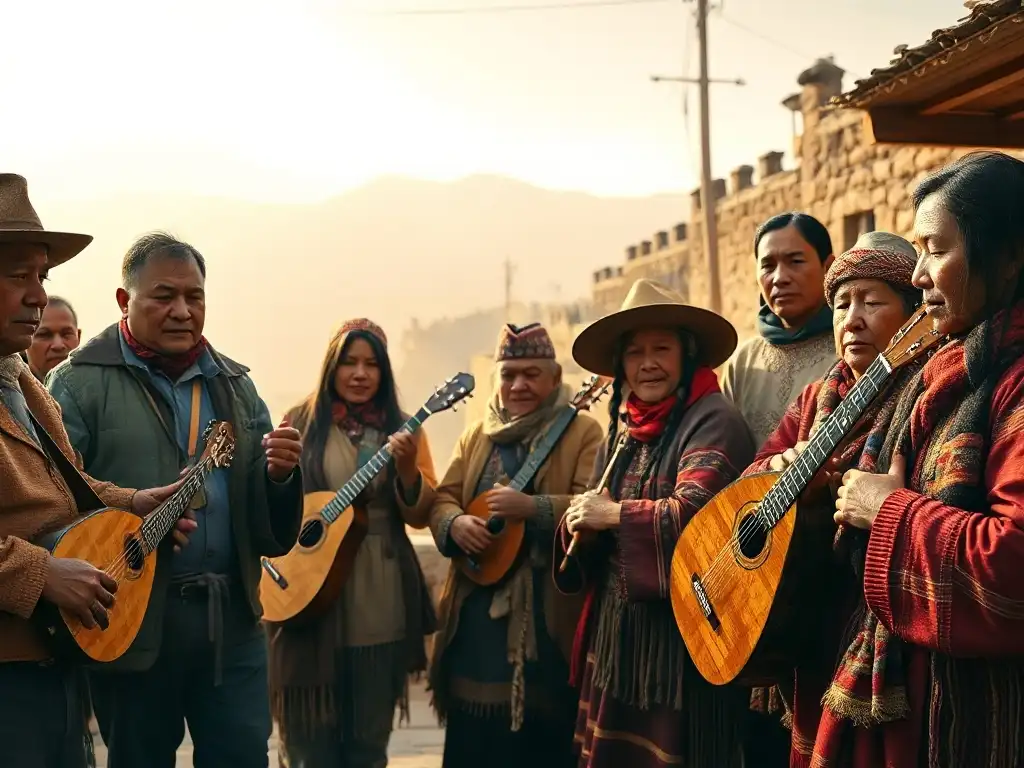
This section delves into the vital role music played in the lives of everyday people within the diverse Andean societies, moving beyond the often-highlighted ceremonial aspects associated with the elite. We will explore how music fostered community, shaped daily routines, and even served as a powerful tool for social commentary amongst the commoners.
Understanding this perspective is crucial for a complete appreciation of Andean music's pervasive influence on social structures. The intricate relationship between Andean music and social hierarchy extended far beyond the royal courts and religious rituals; it deeply permeated the fabric of daily life for all social strata.
Community music in Andean societies wasn't merely entertainment; it was a cornerstone of social cohesion. Collective musical practices, often involving instruments like panpipes ( antara), drums ( tinku), and various flutes, strengthened social bonds and fostered a sense of shared identity. These musical events served as vital opportunities for strengthening community ties, resolving conflicts, and celebrating shared experiences.
For example, during harvest festivals or other communal gatherings, the rhythmic interplay of instruments and voices created a powerful sense of unity, reinforcing social structures and hierarchies through collective participation. The participation itself, regardless of individual skill level, contributed to the overall social harmony. Even seemingly simple melodies carried significant weight, acting as a form of social glue in these often-isolated communities.
The intricate arrangements and call-and-response patterns often found in Andean folk music further highlight the collaborative and communal nature of musical performance. This collaborative aspect transcends mere entertainment; it actively shapes and reinforces social bonds.
The Role of Folk Music in Daily Life and Festivities
Beyond ceremonial contexts, Andean folk music permeated daily life. Simple songs accompanied agricultural labor, weaving, and other everyday tasks. These songs, often passed down through generations, served both practical and social functions. They regulated work rhythms, provided emotional support during strenuous activities, and transmitted cultural knowledge and values.
Festivities, whether religious or secular, were invariably accompanied by vibrant musical performances. These events provided opportunities for social interaction, strengthening community bonds and reinforcing social hierarchies through carefully orchestrated displays of musical skill and knowledge. The specific instruments used, the style of music performed, and even the choice of songs could all subtly communicate social status and belonging.
For instance, certain melodies might be associated with specific artisan guilds, creating a unique musical identity that reinforced their social standing within the broader community. A deeper study of these everyday melodies provides invaluable insights into the everyday lives of Andean people and their intricate social fabric. The absence of written musical notation for much of this folk music underscores its oral tradition and its deeply ingrained role in everyday life.
While often overlooked, Andean music also served as a subtle yet powerful tool for social commentary. Songs could express grievances, celebrate resistance, or subtly critique existing power structures. Although overt rebellion through music was risky, coded messages and allegorical narratives allowed for indirect forms of social critique.
The use of specific instruments, melodies, or lyrics could carry symbolic weight, conveying meanings that were understood within the community but perhaps less obvious to those in positions of authority. This veiled critique highlights the resilience and agency of the common people within the Andean social hierarchy. Further research is needed to fully unravel the nuanced meanings embedded within these folk songs and understand their role in shaping social dynamics.
Analyzing the lyrics, melodies, and performance contexts of these songs could offer critical insights into the lived experiences and social perspectives of the Andean commoners. This approach could illuminate how music served as a vital channel for expressing dissent and challenging established hierarchies, even in subtle ways. The study of Andean music, therefore, reveals not only a rich artistic tradition but also a powerful reflection of social dynamics and the agency of its people.
The Evolution of Andean Musical Hierarchies
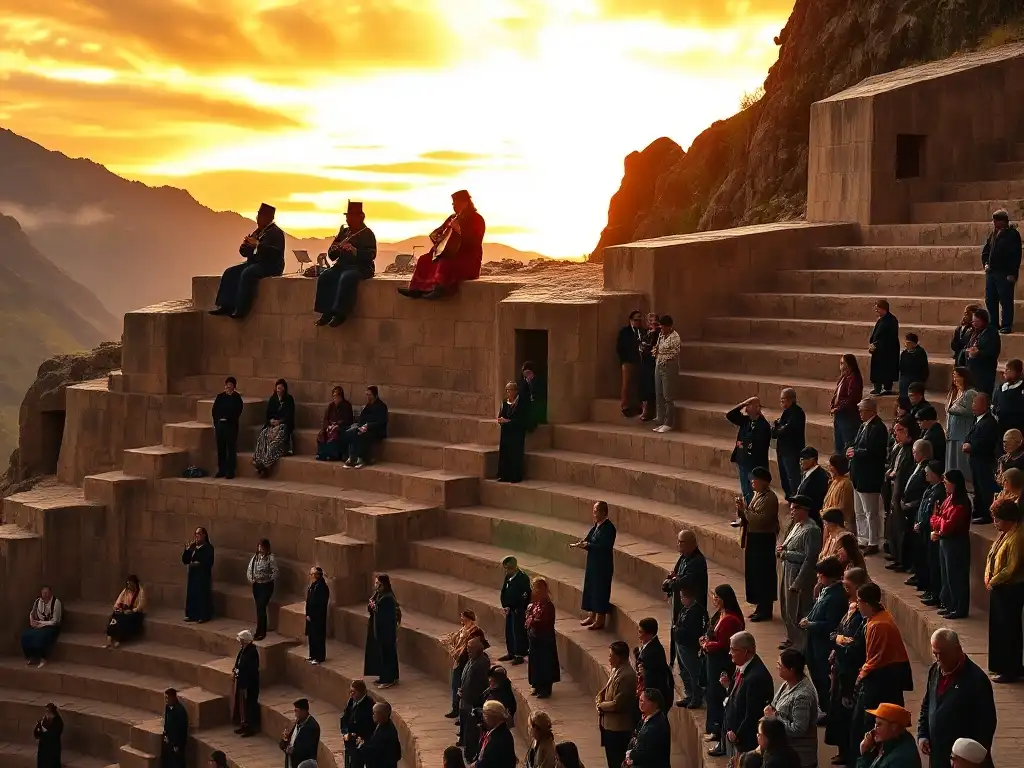
The intricate relationship between Andean music and social hierarchy wasn't static; it evolved considerably over time, reflecting changing political landscapes, technological advancements, and cultural exchanges. Understanding this evolution requires examining the interplay of various factors, from the emergence of sophisticated musical instruments to the impact of external forces on traditional practices.
Analyzing Andean music through this lens reveals a dynamic system where musical roles and styles reflected and reinforced existing social structures, but also adapted and transformed in response to internal and external pressures. The very concept of "Andean music social hierarchy" itself is not monolithic, but rather a multifaceted tapestry woven from different threads of cultural expression.
Changes in Musical Practices Due to External Influences
The arrival of European colonizers in the 16th century profoundly impacted Andean musical practices. Prior to this, musical traditions were deeply interwoven with religious ceremonies and social rituals, often reflecting the power structures of the ruling elites. For example, certain instruments might have been reserved for use by priests or nobility, while others were used by commoners in everyday life.
The introduction of European instruments, such as the guitar and violin, alongside musical forms like the villancicos (Christmas carols), created a complex interplay between indigenous and European musical styles. While some Andean musical forms were suppressed, others adapted and incorporated elements of European music, leading to hybrid genres that continue to thrive today. This fusion, however, often reflected the power imbalance, with European musical forms often gaining prominence in official contexts.
The impact wasn't uniform across all Andean regions; the extent of adaptation and resistance varied depending on the specific historical circumstances and the resilience of local traditions. Further research is needed to fully quantify the extent of this impact in different Andean communities. For instance, [specific data on the adoption rate of European instruments in different regions pending].
The Impact of Colonization on Traditional Andean Music
Colonization significantly altered the social fabric of Andean societies, impacting the role of music within those societies. The suppression of indigenous religions and the imposition of Catholicism led to a decline in the importance of traditional musical forms associated with pre-Columbian rituals. Many instruments, previously central to religious ceremonies, were either destroyed or their use restricted. However, Andean communities demonstrated remarkable resilience.
They adapted their musical traditions, subtly incorporating elements of Catholic liturgy into existing musical structures. This syncretism is evident in many contemporary Andean musical forms, where indigenous melodies and rhythms coexist with European harmonies and instrumentation. Furthermore, the colonial period also saw the rise of new musical genres, often reflecting the experiences of marginalized communities.
These genres served as a form of resistance and cultural preservation, allowing Andean people to maintain their cultural identity despite the pressures of colonization. The study of these forms offers invaluable insights into the resilience and creativity of Andean cultures in the face of adversity. The process of musical adaptation, however, wasn't always straightforward; often it involved a delicate balance between preservation and assimilation, creating a complex and layered musical landscape.
Contemporary Expressions and Adaptations of Andean Musical Forms
Today, Andean music continues to evolve, reflecting the dynamic interplay between tradition and modernity. Contemporary Andean musicians draw on a rich legacy of indigenous musical traditions while incorporating influences from various global musical styles. Genres like Nueva Canción Andina (New Andean Song) exemplify this fusion, blending traditional Andean instruments and melodies with contemporary musical arrangements and lyrical themes. These adaptations often carry social and political messages, addressing issues of identity, social justice, and environmental concerns.
The use of Andean music in contemporary settings, from festivals and concerts to film scores and advertising, demonstrates its enduring cultural significance. The accessibility of technology has also played a role, enabling the wider dissemination of Andean musical forms and fostering cross-cultural collaborations. This has led to a renewed appreciation for Andean music, both within Andean communities and internationally. However, challenges remain, particularly in preserving the authenticity of traditional forms while adapting to the demands of a globalized world.
The balance between commercial viability and cultural integrity is a constant negotiation for many contemporary Andean musicians. [Further research is needed to analyze the economic impact of contemporary Andean music and its role in community development]. The ongoing evolution of Andean music is a testament to its enduring power and adaptability, reflecting the dynamic nature of Andean cultures and their ongoing engagement with the world.
This exploration of Andean music's role within the complex social hierarchies of pre-Columbian civilizations reveals a fascinating interplay between sonic expression and societal structure. From the meticulously orchestrated ceremonies of the Inca empire to the vibrant, ritualistic music of earlier cultures like the Moche and Nazca, sound served as a powerful tool for reinforcing social order, transmitting cultural values, and expressing spiritual beliefs. The intricate relationship between musical performance, social status, and religious practices highlights the deep integration of music into the fabric of Andean life.
Understanding this intricate connection provides crucial insights into the complexities of these ancient societies and their enduring legacy. The echoes of these ancient harmonies continue to resonate in contemporary Andean music, demonstrating the remarkable resilience and adaptability of a cultural tradition deeply rooted in its historical past.
The Enduring Significance of Music in Andean Culture
The influence of Andean music's social function continues to be felt today. While the rigid hierarchical structures of the Inca Empire are long gone, the traditions of music and dance remain integral to Andean cultural identity. Contemporary Andean music, encompassing diverse genres and styles, often retains elements of its ancient predecessors.
For example, many traditional instruments, such as the panpipes ( siku) and the drum ( tinku), are still used, albeit in adapted forms. The communal nature of musical performances, a hallmark of Andean musical traditions, persists, reflecting the importance of collective identity and social cohesion. Furthermore, music continues to play a significant role in religious and ceremonial contexts, demonstrating the enduring link between sonic expression and spirituality.
The preservation of these traditions is crucial not only for maintaining cultural heritage but also for understanding the historical roots of contemporary Andean society. The continued study and appreciation of Andean music provide invaluable insight into the evolution of social structures and cultural values across centuries.
Understanding the Past Through the Rhythms of the Andes
The study of Andean music offers a unique lens through which to interpret the past. By analyzing the musical structures, instrumentation, and performance practices of various Andean cultures, scholars can gain a deeper understanding of their social hierarchies, religious beliefs, and daily lives. For example, the elaborate musical scores associated with Inca royal ceremonies reveal details about courtly life and the importance of ritual in maintaining political power.
Similarly, the musical styles of lesser-known cultures provide insights into their unique social organizations and spiritual practices. The meticulous research of ethnomusicologists and archaeologists has unearthed a wealth of information, revealing subtle nuances in musical styles that reflect social distinctions and cultural variations. This interdisciplinary approach, combining musical analysis with archaeological and anthropological data, allows for a more comprehensive understanding of Andean civilizations, moving beyond simple narratives of power and conquest.
The rhythmic complexity and melodic sophistication of Andean music serve as a testament to the ingenuity and cultural richness of these societies. The music itself, therefore, acts as an invaluable archive, preserving echoes of a vibrant and complex past.
The study of Andean music and its relationship to social hierarchy offers a compelling approach to understanding the intricate social structures and rich cultural heritage of Andean civilizations. The enduring legacy of these musical traditions underscores the importance of preserving and appreciating this unique aspect of Andean cultural identity. Through the rhythms and melodies, we gain a deeper appreciation of the lives, beliefs, and social fabric of these remarkable societies. 🎼
Frequently Asked Questions
Music played a crucial role in reinforcing social status. Elite classes often had access to specific instruments and musical styles, unavailable to commoners, signifying their elevated position. Patronage of musicians also indicated wealth and power.
Certain instruments, like panpipes and shell trumpets, were associated with elite and religious ceremonies. Simpler instruments like drums and whistles were more common among the general population, reflecting a clear distinction in musical access.
Did music only serve the elite, or did it play a role in the lives of commoners?
While elite groups certainly controlled and used music extensively, it was also integral to the lives of commoners. Music accompanied daily activities, rituals, and celebrations across all social strata, though the types of music and instruments varied.
What was the role of music in religious ceremonies of Andean civilizations?
Music was essential to Andean religious practices. Ritual music accompanied sacrifices, festivals, and other religious events, often performed by specialized musicians who held a unique status within their communities. It was believed to connect the living with the spiritual realm.
How did the Incas use music to maintain power and control?
The Inca empire utilized music as a tool of political control. State-sponsored musicians performed music that glorified the Inca rulers and their power, while also using music to regulate social order and transmit imperial ideology. Music was a powerful form of propaganda.
Final Reflection: Echoes of the Andes: Music's Enduring Power
The intricate relationship between Andean music and social hierarchy, explored throughout this article, remains profoundly relevant today. While the specific power structures may have shifted, the underlying principles of musical expression reflecting and shaping social dynamics continue to resonate across cultures and time periods. The enduring power of music to both mirror and mold societal structures is a testament to its fundamental role in human experience.
The subtle yet significant ways in which musical styles, instruments, and performance contexts conveyed social standing in the Andes profoundly impacted my understanding of the complexities of pre-Columbian and contemporary Andean societies. The legacy of this intricate interplay continues to shape musical traditions and cultural identity. Music is the universal language of mankind.
– Henry Wadsworth Longfellow. This quote, while perhaps simplistic, highlights the enduring and cross-cultural power of music to communicate, connect, and reflect the human condition, even within the specific context of hierarchical structures.
Consider the echoes of these historical patterns in your own life. How does music reflect and shape the social structures you encounter? I urge you to listen more deeply to the music around you, not just for its aesthetic qualities, but also for the social narratives it subtly, and sometimes overtly, conveys. By understanding the historical and ongoing relationship between music and social hierarchy, we can gain a richer appreciation for the power of music to both reflect and transform our world.
Unveil the Musical Tapestry of the Andes!
Thank you for exploring the fascinating relationship between music and Andean social structures. You've discovered the vital role music plays in shaping cultural identity. Now, let's delve deeper into this vibrant aspect of Andean civilizations.
- Experience Andean Music Live: Attend a local performance or connect with a community celebrating Andean culture. Immerse yourself in the live music and rhythms that have shaped a rich heritage.
- Share the Andean Sound: Discuss your discoveries with friends, family, or online. Sharing your knowledge helps preserve and promote these incredible traditions.
- Create Your Andean Music Collection: Curate a playlist of Andean music that resonates with you—explore the diverse genres and share your playlist to spark conversations about the cultural significance.
What aspect of Andean music most captivates you, and how do you believe it reflects the social dynamics of these ancient civilizations?