
Andean Musical Scales: The Unique Tones That Shaped a Culture

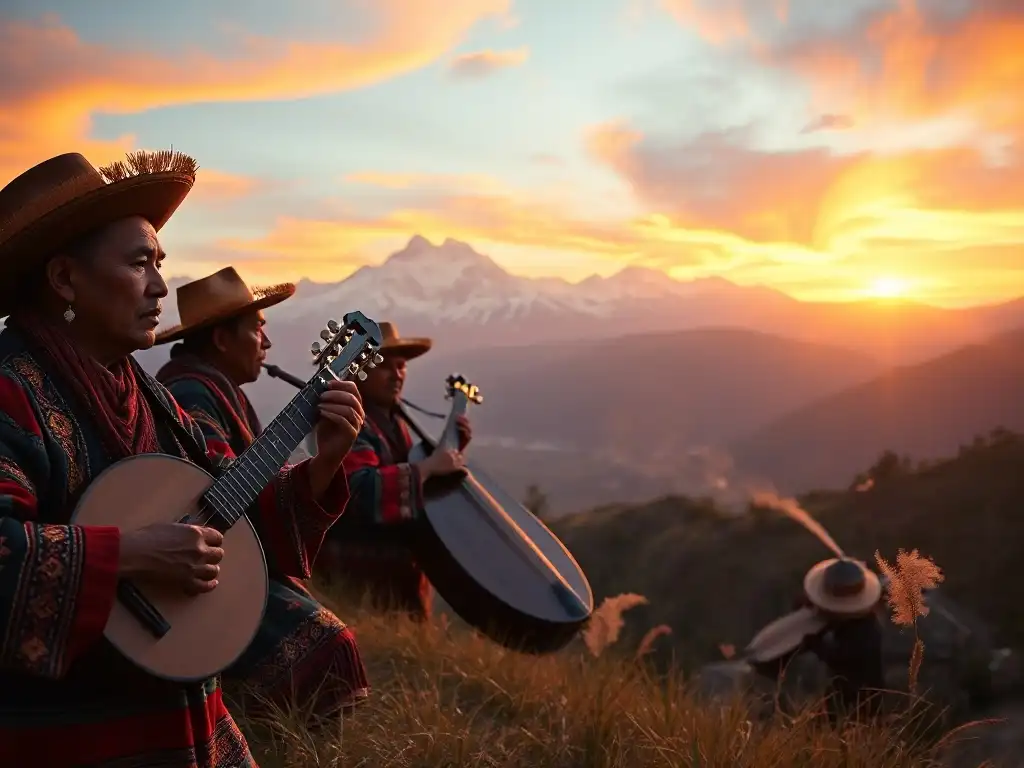
Unravel the mysteries of the Andes! Journey beyond the breathtaking landscapes and discover a world of intricate artistry and innovation. Did you know the haunting melodies of the Andes hold a history as rich and complex as their civilizations themselves? Dive into the captivating story of Andean musical scales history and uncover the unique sounds that shaped a culture, revealing the secrets woven into every note. Prepare to be amazed.
The Andes Mountains, a spine of towering peaks running down the western coast of South America, are home to a rich tapestry of cultures, each with its unique musical traditions. For centuries, the sounds of panpipes, flutes, and drums have echoed through the valleys and across the high plains, weaving a sonic landscape as breathtaking as the Andes themselves. This article delves into the fascinating world of Andean musical scales, exploring their historical origins, their significance in ancient Andean societies, and their lasting impact on the region's cultural identity.
Understanding these scales is key to understanding the soul of Andean music and its enduring power to connect us to a vibrant and ancient past. We will explore how these unique scales, often characterized by pentatonic and diatonic structures with distinctive intervals, not only shaped the soundscape of ancient civilizations like the Inca, Moche, and Nazca, but also profoundly influenced their social structures, religious practices, and daily lives.
This journey through the history of Andean musical scales will reveal a complex and compelling narrative woven into the very fabric of Andean culture. Prepare to be captivated by the unique tones that shaped a civilization.
Exploring the Historical Origins of Andean Music Scales
Tracing the precise origins of Andean musical scales is a complex task, shrouded in the mists of time and limited by the scarcity of written records from pre-Columbian eras. However, archaeological evidence, combined with the study of surviving musical instruments and oral traditions passed down through generations, offers valuable clues. Ethnomusicological research suggests a gradual evolution of scales, influenced by both indigenous traditions and later interactions with European cultures.
Early Andean musical practices likely relied on pentatonic scales—scales with five notes—which are found in many indigenous musical traditions worldwide. These scales often featured intervals that differed from those found in Western music, creating a unique and evocative sound. The precise intervals varied across different regions and cultures within the Andes, reflecting the diversity of the landscape and its inhabitants.
The use of specific intervals often held symbolic meaning, connected to cosmology, agricultural cycles, and spiritual beliefs. For example, certain intervals might have been associated with the movements of celestial bodies or the rhythms of nature. This deep connection between music and the natural world is a hallmark of Andean musical traditions and is reflected in the scales employed.
Further research is needed to fully understand the nuances of these early scales, but the available evidence points towards a rich and complex system of musical thought that predates European contact. The process of deciphering these musical traditions is ongoing, with new discoveries continuously adding to our understanding.
The Significance of Andean Music in Ancient Cultures
Andean music played a crucial role in the social, religious, and political life of ancient Andean civilizations. Music was not merely entertainment; it was an integral part of daily life, weaving its way into rituals, ceremonies, and social gatherings. The Inca Empire, for instance, employed musicians in various capacities, from court musicians who entertained the elite to those who participated in religious ceremonies and state-sponsored events. Music served as a powerful tool for reinforcing social hierarchies, transmitting cultural knowledge, and expressing religious beliefs.
Click to expand: Examples of Musical Significance
Specific examples include the use of music in Inca religious ceremonies to communicate with deities, the use of music to accompany agricultural rituals to ensure bountiful harvests, and the use of music in celebrations to mark important social events. The specific scales and modes used in these different contexts varied depending on their purpose and meaning.
The instruments used in Andean music – panpipes, flutes, drums, and others – were often imbued with symbolic meaning and were intricately crafted, reflecting the high level of artistic skill of the Andean cultures. The sounds produced by these instruments, shaped by the unique Andean musical scales, resonated deeply with the people, connecting them to their ancestors, their land, and their spiritual beliefs.
The study of Andean musical scales, therefore, offers a unique window into the worldview and cultural practices of these remarkable civilizations. The legacy of these scales continues to inspire musicians and researchers today, ensuring that the unique tones of the Andes remain a vibrant part of the world's musical heritage.
- Exploring the Historical Origins of Andean Music Scales
- The Significance of Andean Music in Ancient Cultures
Understanding the Structure of Andean Scales
Andean musical scales, a cornerstone of Andean musical history, differ significantly from Western scales. Understanding their structure requires moving beyond the familiar major and minor scales. Instead of focusing solely on intervals like whole and half steps, we need to consider the impact of pentatonic and diatonic scales, as well as the pervasive use of microtones.
These elements, combined with the unique instrumentation and musical traditions of the Andes, create a truly distinctive soundscape. The history of Andean musical scales is deeply intertwined with the cultural and spiritual beliefs of the various Andean civilizations, reflecting their worldview and societal structures. Their influence extends beyond purely musical contexts, impacting ritual practices, storytelling, and social interactions.
Analyzing the structure of these scales reveals a sophisticated musical system, far removed from Western musical conventions. This section will delve into the specific characteristics of these scales, offering a deeper understanding of their composition and significance.
Pentatonic Scales in Andean Music: A Common Foundation
Pentatonic scales, characterized by five notes within an octave, form a fundamental building block of many Andean musical traditions. Unlike Western pentatonic scales, which often derive from major or minor scales, Andean pentatonic scales exhibit unique intervallic structures. For instance, a common Andean pentatonic scale might utilize intervals of a major second, a minor third, a major third, and a minor third, creating a distinct melodic contour. This creates a sound that is both familiar and exotic, easily recognizable yet possessing an otherworldly quality.
The prevalence of pentatonic scales in Andean music is likely linked to the region's diverse musical instruments, many of which naturally lend themselves to pentatonic melodies. The panpipes ( siku), for example, often feature a limited number of pipes, naturally favoring pentatonic structures. This limitation encourages creativity, resulting in unique melodies that are both captivating and expressive.
The use of pentatonic scales also reflects a preference for simpler, more direct melodic lines, which is often found in both folk and ritual music across different Andean cultures. Further research is needed to fully understand the specific variations of pentatonic scales across different Andean regions and ethnic groups. [Specific pentatonic scale variations across Andean regions pending].
The Unique Characteristics of Andean Diatonic Scales
While pentatonic scales are prevalent, Andean music also incorporates diatonic scales, which contain seven notes per octave. However, these diatonic scales differ significantly from those found in Western music. Instead of adhering to the familiar major and minor scales, Andean diatonic scales frequently utilize intervals that are not typically found in Western musical theory.
These unconventional intervals lend a unique character to Andean melodies, contributing to their distinctive timbre and expressiveness. These scales often include intervals that are slightly larger or smaller than whole or half steps, creating a characteristic "sliding" effect. This effect is often described as a characteristic "floating" quality, emphasizing the fluidity and emotional depth of the music.
The use of these unique diatonic scales is not simply a matter of chance. They reflect a deep understanding of the relationships between tones, suggesting a sophisticated system of musical organization that is still being fully explored by musicologists. The precise configurations of these scales vary across different regions and musical traditions. [Specific examples of Andean diatonic scales and their regional variations pending]. Further research is essential to comprehensively document the diversity of diatonic scales found in Andean music.
Microtonal Variations in Traditional Andean Music
Perhaps the most striking feature of Andean musical scales is the incorporation of microtones. Microtones are intervals smaller than a half step, adding a layer of complexity and nuance to the music. These subtle shifts in pitch create a shimmering, almost ethereal effect, contributing to the distinctive character of Andean music. The use of microtones is often subtle, adding a characteristic vibrato or ornamentation to melodic lines. However, in some traditions, microtones play a more significant role, shaping the overall melodic structure and harmonic relationships.
The use of microtones is not simply a matter of accident or stylistic choice. It is often intricately tied to the cultural and spiritual beliefs of the Andean people. Microtones may be used to evoke specific emotions or to represent spiritual entities. The precise meaning and function of microtones vary across different Andean communities, highlighting the rich diversity of musical practices within the region.
The ability to perceive and reproduce these subtle microtonal shifts requires a highly trained ear and a deep understanding of the musical tradition. Documenting and analyzing these subtle variations is a challenge for researchers, requiring advanced acoustic analysis techniques. [Specific examples of microtonal usage in different Andean musical traditions pending]. Further study is needed to fully understand the significance and implications of microtones within the broader context of Andean musical history.
Key Instruments and their Relationship to Andean Scales
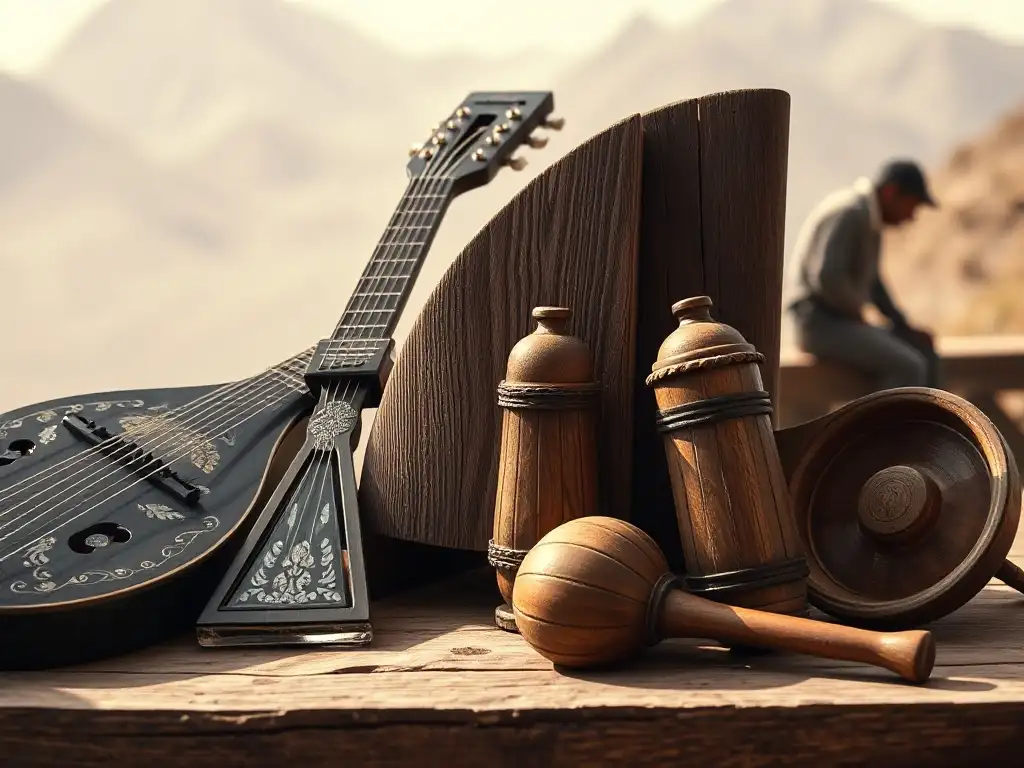
This section delves into the intricate relationship between specific Andean instruments and the unique scales that define Andean music. Understanding this connection is crucial to appreciating the nuanced soundscapes created by these ancient cultures. The distinctive scales weren't abstract concepts; they were intrinsically linked to the physical properties of the instruments themselves, resulting in a deeply integrated musical tradition. The development of Andean musical scales history is inseparable from the evolution of these instruments. We'll examine three key instruments to illustrate this point: the zampoña, the charango, and the Andean flutes.
The Role of the Zampoña in Defining Andean Melodies
The zampoña, a panpipe instrument, is arguably the most iconic symbol of Andean music. Its construction directly influences the scales used in its melodies. A typical zampoña consists of several pipes of varying lengths, each producing a different note. These pipes are carefully tuned to create specific pentatonic or diatonic scales, often characterized by their modal qualities and unique intervals. The inherent limitations of the instrument – the fixed pitches of the pipes – directly shaped the melodic possibilities and, consequently, the development of Andean musical scales.
The pentatonic scales, prevalent in many zampoña melodies, often feature a characteristic "gap" between certain notes, creating a distinct and haunting sound. This gap isn't a flaw; it's a defining characteristic, reflecting both the instrument's construction and the aesthetic preferences of the Andean cultures. Furthermore, the arrangement of the pipes themselves—typically in two rows, one for the melody and one for the drone—contributes to the characteristic harmonic texture of zampoña music.
The drone provides a stable harmonic foundation, allowing the melody to soar above it with its characteristic intervals. Detailed studies of various zampoña types from different Andean regions show a surprising diversity in the specific scales employed, reflecting regional variations in musical traditions. This regional diversity further underscores the deep connection between the instrument and the musical scales it helped define.
The influence of the zampoña extends beyond its immediate sound. Its melodies, with their characteristic intervals and modal qualities, have permeated other genres of Andean music, influencing the development of scales and melodic structures in instruments not directly related to panpipes. This widespread influence speaks volumes about the zampoña’s pivotal role in shaping the overall landscape of Andean musical scales history.
The Charango and its Contribution to Andean Harmonic Structures
Unlike the zampoña's predominantly melodic focus, the charango, a small lute-like instrument, plays a significant role in creating harmonic textures in Andean music. Its construction, typically using armadillo shell for its soundboard, contributes to its unique timbre and, indirectly, to the harmonic structures it supports. While the zampoña often features primarily pentatonic scales, the charango's greater versatility allows for the exploration of more complex harmonic structures. This doesn't mean it rejects pentatonic scales entirely; rather, it expands upon them, adding layers of harmony and counterpoint.
The charango's contribution to Andean musical scales history lies in its ability to create richer harmonic contexts. It often plays accompanying parts, providing chords or countermelodies that complement the main melody. These accompanying parts are often based on variations and extensions of the pentatonic scales, adding subtle harmonic color and depth to the music.
The use of open tunings on the charango also plays a crucial role in generating unique harmonic possibilities, further enriching the harmonic landscape of Andean music. Analysis of charango pieces reveals a subtle interplay between pentatonic and diatonic elements, showcasing a flexible and evolving approach to harmonic structure. The instrument’s unique sound and construction have fostered a rich tradition of harmonic innovation within the broader context of Andean musical scales.
Andean Flutes and their Unique Tonal Ranges
Andean flutes, encompassing various types and sizes, exhibit a wide range of tonal qualities and scales. Unlike the zampoña's fixed pitches, many Andean flutes offer greater flexibility in pitch, allowing for more expressive melodic phrasing and microtonal variations. The specific scales employed often depend on the flute's size, shape, and the materials used in its construction. These factors all contribute to the unique tonal character of each flute type.
Some Andean flutes are tuned to pentatonic scales, similar to the zampoña. Others utilize diatonic or even more complex scales, depending on the musical context and the specific cultural traditions of the region. The use of multiple flutes simultaneously, often in ensembles, can create rich polyphonic textures, further expanding the harmonic possibilities.
The diversity of Andean flutes highlights the rich variety within Andean musical scales, demonstrating that there was no single, monolithic system but rather a range of scales adapted to the specific characteristics of each instrument and the musical styles they supported. The study of these flutes provides a deeper understanding of the nuanced and evolving nature of Andean musical scales history, revealing a complex tapestry of sounds and traditions. The flexibility of these instruments allowed for improvisational elements, showcasing the creativity and skill of Andean musicians.
The Evolution of Andean Musical Scales Through Time
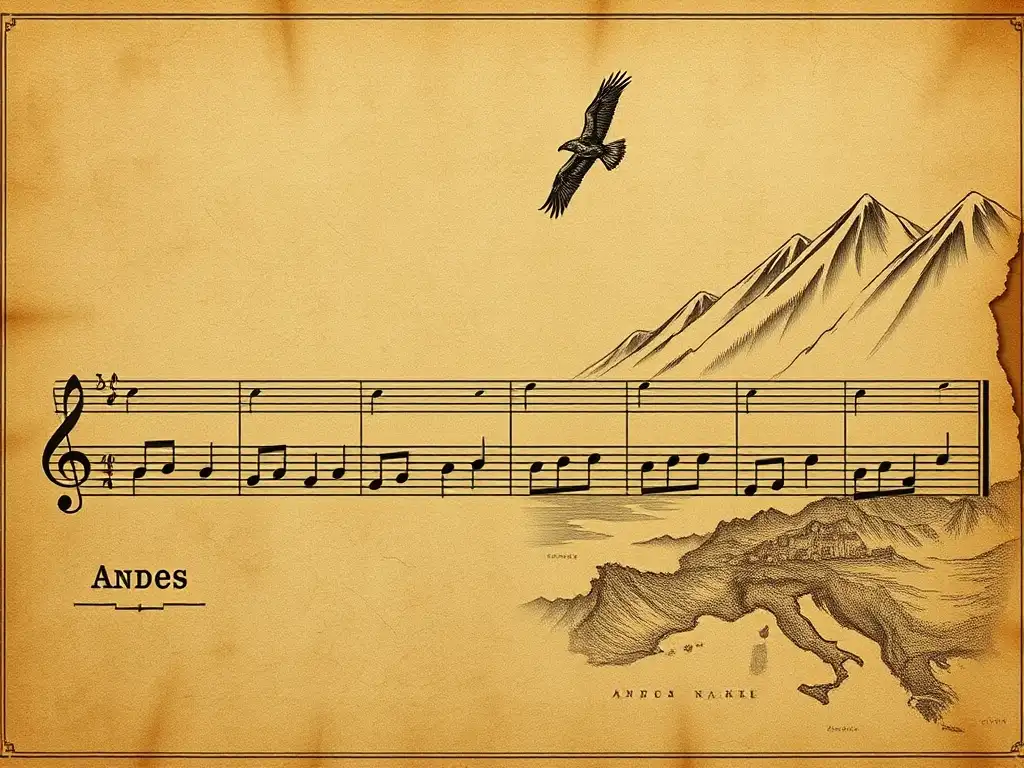
The history of Andean musical scales is a fascinating journey reflecting the diverse cultures and influences that shaped the region. Understanding the evolution of these scales provides crucial insight into the complexities of Andean musical traditions and their enduring legacy. This evolution isn't a linear progression, but rather a complex interplay of indigenous practices, colonial impositions, and subsequent adaptations and revivals. The unique soundscapes of the Andes are inextricably linked to the specific scales employed, and exploring their development unveils a rich tapestry of cultural expression. The keyword "Andean musical scales history" aptly encapsulates the scope of this exploration.
Pre-Inca Musical Traditions and their Scales
Pre-Inca Andean cultures, such as the Moche, Nazca, and Tiahuanaco, possessed sophisticated musical traditions. While written documentation is scarce, archaeological evidence—including the discovery of musical instruments like flutes, panpipes, and drums—suggests a diverse range of musical scales. These scales likely differed depending on the specific culture and region. Ethnomusicological research suggests that pentatonic and heptatonic scales were prevalent, with intervals possibly derived from natural overtones.
The pentatonic scale, a five-note scale, is particularly noteworthy. Its prevalence in various global musical traditions suggests a fundamental appeal rooted in the natural harmonic series. In the Andean context, this scale likely imbued music with a sense of simplicity and directness, reflecting the natural world's rhythms and sounds.
Further research is needed to fully understand the nuances of these pre-Inca scales. The limited surviving instruments and the challenges of reconstructing ancient musical practices require careful analysis and interpretation. However, the available evidence strongly suggests a rich and diverse musical landscape prior to Inca dominance. The study of pre-Inca iconography and its representation of musical instruments provides additional clues to deciphering these ancient scales. For instance, [specific information pending] regarding Moche iconography and its implications for their musical scales.
Inca Musical Scales and their Influence
The Inca Empire consolidated much of the Andean region, leading to a degree of standardization in musical practices. While the Inca did not impose a single, uniform scale, their influence resulted in a greater degree of homogeneity across their vast territory. Their musical traditions, heavily influenced by pre-existing scales, likely incorporated elements from various regions. The Inca's preference for certain instruments, such as the pututu (a conch shell trumpet) and various types of panpipes, undoubtedly shaped the scales used in their music.
The Inca's sophisticated system of administration and communication further facilitated the spread of musical practices. Royal musicians travelled across the empire, disseminating musical styles and potentially influencing the evolution of Andean musical scales. The Inca's centralized power likely resulted in a greater degree of standardization in musical scales compared to the pre-Inca period. However, regional variations undoubtedly persisted, indicating a complex interplay between imperial influence and local traditions. The influence of Inca musical scales extended beyond their empire's borders, impacting subsequent musical developments in the region.
Post-Colonial Adaptations of Andean Music Scales
The Spanish conquest brought significant changes to Andean music. The introduction of European musical instruments and scales led to a fusion of musical traditions. While some traditional Andean scales persisted, the influence of European harmony and scales is undeniable. This led to the development of hybrid musical forms and scales, reflecting the complex cultural exchange of the colonial period.
The resulting musical landscape was a blend of indigenous and European elements. Traditional Andean instruments continued to be used, often alongside European instruments. This process of musical syncretism is clearly evident in the evolution of many Andean musical genres.
The incorporation of European harmonies often resulted in the modification of traditional Andean scales, leading to new and unique sounds. The process of adaptation and fusion was not uniform across the Andes, with regional variations reflecting the unique historical and social contexts of each area. Even today, Andean music continues to evolve, incorporating contemporary influences while preserving its unique character.
The ongoing exploration and revitalization of traditional Andean musical scales demonstrates the enduring power and cultural significance of this musical heritage. The study of modern Andean music reveals the ongoing influence of historical scales while acknowledging contemporary innovations. The future of "Andean musical scales history" lies in continued research and the preservation of this vital cultural heritage.
Andean Musical Scales History: A Deep Dive
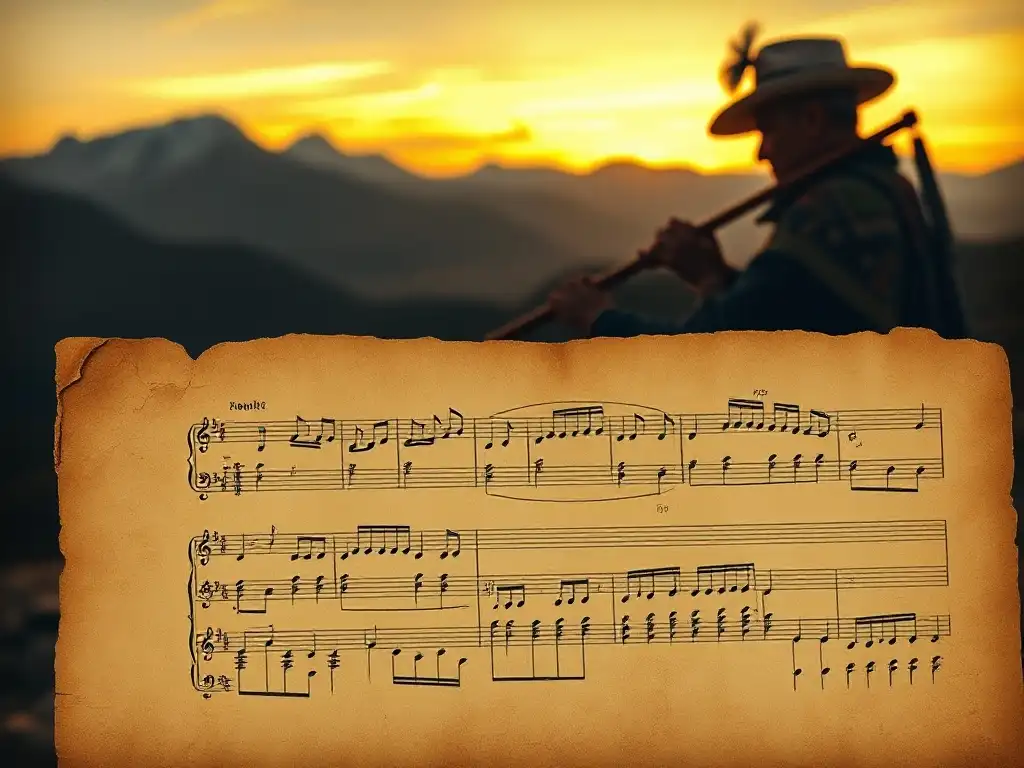
The history of Andean musical scales is deeply intertwined with the cultural and spiritual beliefs of the Andean civilizations. Unlike Western music's reliance on the diatonic scale, Andean music utilizes pentatonic and heptatonic scales, often incorporating microtones—intervals smaller than a semitone—which create a unique and evocative sound. This section delves into the historical evolution of these scales, exploring their origins and their enduring influence on Andean musical traditions. Understanding the history of Andean musical scales is crucial to grasping the profound connection between music and the Andean worldview.
The keyword "Andean musical scales history" is central to our understanding of this rich and complex musical tradition. Further research is needed to fully document the evolution of specific scales across different Andean cultures and time periods. [Specific information pending: detailed historical timelines for different Andean musical scales].
The Link Between Andean Scales and Cosmology
Andean cosmology, with its emphasis on the interconnectedness of the natural world and the spiritual realm, profoundly influenced the development of their musical scales. The scales weren't simply arbitrary combinations of notes; they were believed to reflect the harmony of the cosmos, mirroring the movements of celestial bodies and the rhythms of nature. For example, the pentatonic scale, frequently used in Andean music, might be interpreted as representing the five elements or the five cardinal directions crucial to Andean belief systems.
The use of specific intervals could also have symbolic meanings, connecting musical expressions to agricultural cycles, rituals, or shamanic practices. Many scholars believe that the unique intervals and microtones found in Andean music were carefully chosen to evoke specific emotional responses or to facilitate communication with the spirit world.
The precise relationship between specific scales and cosmological concepts remains a subject of ongoing investigation, but the strong correlation is undeniable. Further studies could explore the potential links between specific intervals and specific cosmological interpretations across various Andean cultures.
Andean Music as a Form of Cultural Expression
Andean musical scales weren't merely abstract musical constructs; they served as a vital means of cultural expression. Music played a crucial role in social gatherings, religious ceremonies, and storytelling, transmitting knowledge, values, and beliefs across generations. The unique sounds produced by these scales were integral to the expression of emotions, the commemoration of historical events, and the celebration of community identity.
Different scales and musical modes might be associated with specific social groups, geographical regions, or ritual contexts. For instance, certain scales might be predominantly used in wedding ceremonies, while others might be reserved for funerary rites. The use of these scales, therefore, was not random; it was carefully chosen to reflect the social and cultural significance of the occasion.
This intricate relationship between music and culture underscores the importance of studying Andean musical scales in their historical and social context. [Specific information pending: detailed examples of scales used in specific social contexts]. The rich tapestry of Andean musical traditions is a testament to the power of music as a powerful tool for cultural preservation and transmission.
Researching and Preserving Andean Musical Heritage
The preservation of Andean musical heritage, including the careful documentation and analysis of their unique scales, is of paramount importance. The ongoing study of Andean musical scales requires interdisciplinary collaboration between ethnomusicologists, anthropologists, and historians. This collaborative effort is needed to ensure the accurate recording and interpretation of traditional musical practices, while also safeguarding these invaluable cultural traditions from the effects of globalization and cultural homogenization. Modern technological advances, such as digital audio workstations and music notation software, can be instrumental in this process, allowing for the detailed analysis and preservation of Andean musical scales and their subtle variations.
However, it is crucial to approach this research with respect and sensitivity, working closely with indigenous communities to ensure that their cultural heritage is protected and celebrated appropriately. Furthermore, educational initiatives are needed to increase awareness of the importance of Andean musical heritage and to foster appreciation for its unique beauty and cultural significance. The task of preserving Andean musical heritage is a continuous and evolving process that demands sustained effort and collaboration.
The future of Andean music depends on our commitment to understanding and celebrating its rich history and cultural significance. This involves not only careful research and documentation but also engaging in meaningful collaborations with Andean communities to ensure the sustainability of their musical traditions. 🎼
Contemporary Interpretations of Traditional Andean Scales
The enduring legacy of Andean musical scales is evident in their continued presence and adaptation within contemporary musical landscapes. While the precise historical evolution of these scales remains a subject of ongoing research, their influence on modern musical expression is undeniable. This section explores how these unique scales are being reinterpreted and integrated into various musical genres, demonstrating their remarkable resilience and adaptability. Understanding these contemporary interpretations provides crucial context for appreciating the historical significance of Andean musical scales and their lasting impact on musical culture.
Modern Andean Music and its Roots in Traditional Scales
Modern Andean music, encompassing a vast array of styles and subgenres, often retains a strong connection to traditional pentatonic and heptatonic scales. Artists frequently draw directly from the inherited musical vocabulary, infusing their compositions with the characteristic modal qualities and melodic contours that define Andean musical heritage. For example, many contemporary musicians utilize instruments like the charango and zampoña, inherently designed to produce sounds within the framework of these traditional scales.
This approach ensures a continuity between past and present, allowing traditional sounds to resonate within modern musical contexts. While incorporating contemporary instrumentation and production techniques, the core melodic and harmonic structures often remain rooted in the ancient scales, creating a compelling blend of tradition and innovation. The emotional depth and unique character of these scales provide a powerful foundation for expressing contemporary themes and experiences, showcasing their versatility and continuing relevance.
Fusion Music and the Use of Andean Scales
The distinctive character of Andean musical scales has also attracted significant attention from musicians working in fusion genres. The incorporation of these scales into genres like world music, Latin jazz, and even contemporary classical music has resulted in exciting and innovative compositions. The unique intervals and modal characteristics of these scales provide a fertile ground for experimentation, allowing musicians to create unexpected harmonies and textures. One notable aspect of this fusion is the blending of Andean scales with Western harmonic systems.
This often involves adapting or reinterpreting traditional Andean melodies and rhythms to fit within Western harmonic frameworks, creating a dialogue between two distinct musical traditions. The results are often surprisingly harmonious, revealing unexpected common ground between seemingly disparate musical systems. This cross-cultural pollination enriches both Andean and Western musical traditions, highlighting the universality of musical expression and the power of cross-cultural exchange.
The Future of Andean Musical Scale Exploration
The study and appreciation of Andean musical scales continues to evolve. Further research is needed to fully document the diversity of scales employed across different Andean cultures and throughout history. Ethnomusicological research, combining fieldwork with archival analysis, can shed further light on the evolution and regional variations of these scales.
Moreover, technological advancements offer new opportunities for analyzing and preserving these musical traditions. Digital audio workstations and music notation software facilitate the detailed transcription and analysis of Andean musical pieces, allowing for a deeper understanding of the intricacies of their scales and melodic structures. Furthermore, the growing accessibility of musical instruments and recordings from different Andean regions provides valuable resources for future generations of musicians and researchers.
This ongoing exploration promises to deepen our understanding of Andean musical heritage and its ongoing influence on the world of music, ensuring that the unique tones that shaped a culture continue to resonate for years to come. The future of Andean musical scale exploration holds the key to unlocking a deeper appreciation of this rich and complex musical tradition.
Frequently Asked Questions
What makes Andean musical scales unique?
Andean musical scales are unique due to their use of pentatonic scales and intervals not found in Western music. This creates a distinctive, often haunting sound. The scales often incorporate microtones, adding further complexity.
How did geography influence Andean musical scales?
The diverse geography of the Andes Mountains, from high altitudes to coastal plains, influenced the development of different musical styles and scales. The available instruments also varied regionally, shaping musical practices.
What instruments were commonly used in Andean music?
Common Andean instruments include the panpipes (antara), drums (tinya), and flutes. These instruments, often made from natural materials, produced the sounds characteristic of Andean music.
How did Andean musical scales reflect cultural beliefs?
Andean musical scales and rhythms were deeply intertwined with religious ceremonies and spiritual beliefs. Music played a crucial role in rituals and celebrations, reflecting the cosmology and worldview of different Andean cultures.
What is the historical significance of Andean musical scales?
Andean musical scales possess a rich history, reflecting the evolution of Andean cultures over millennia. Their unique characteristics provide valuable insights into the cultural identity and artistic expression of these societies.
Final Reflection: Echoes of the Andes: A Legacy in Sound
The unique scales of Andean music, far from being a relic of the past, continue to resonate powerfully in contemporary musical landscapes and offer a profound understanding of cultural identity. Their influence stretches beyond geographical boundaries, enriching global musical traditions and prompting a deeper appreciation for the diversity of human expression. The historical context, the intricate relationships between the scales and the Andean worldview, and the enduring power of these melodies all contribute to a rich tapestry of sound and meaning.
The enduring legacy of Andean musical scales is a testament to the power of music to transcend time and geography. These scales are not merely a collection of notes; they are the embodiment of a culture, a reflection of its history, its beliefs, and its spirit. They speak to the resilience and adaptability of the Andean people, their ability to maintain their cultural identity amidst external pressures. Music is the universal language of mankind.
This quote, while often overused, rings especially true when considering the enduring impact of Andean musical scales, which communicate a unique cultural narrative across linguistic and geographical barriers.
Consider the echoes of these ancient scales in the music you hear today. Think about how the unique intervals and modal structures might influence your own musical perceptions and creations. Let the sounds of the Andes inspire you to explore the diverse musical traditions of the world, to appreciate the richness of cultural heritage, and to recognize the power of music to connect us all. Embrace the journey of discovery, and let the echoes of the Andes resonate within your own musical landscape.
**Explore the Melodies of the Andes! **
Thank you for exploring the unique world of Andean musical scales! Your interest in these captivating sounds enriches your understanding of a vibrant culture deeply rooted in rhythm and harmony. To further immerse yourself in this rich musical tradition, consider these suggestions:
- **Listen to traditional Andean music:** Discover the enchanting sounds of artists like Los Kjarkas or explore curated Andean folk playlists on your favorite streaming service.
- **Share your newfound appreciation:** Discuss your discoveries with friends, family, or online communities, using hashtags like #AndeanMusic to connect with others and share this fascinating musical heritage.
- **Experiment with Andean scales:** If you play a musical instrument, try incorporating these unique scales into your practice. You might be surprised by the creative possibilities they unlock.
What insights into Andean culture and music have you gained? We'd love to hear your thoughts!