
The Living Drum: Heartbeat of Andean Ceremonies and Festivals

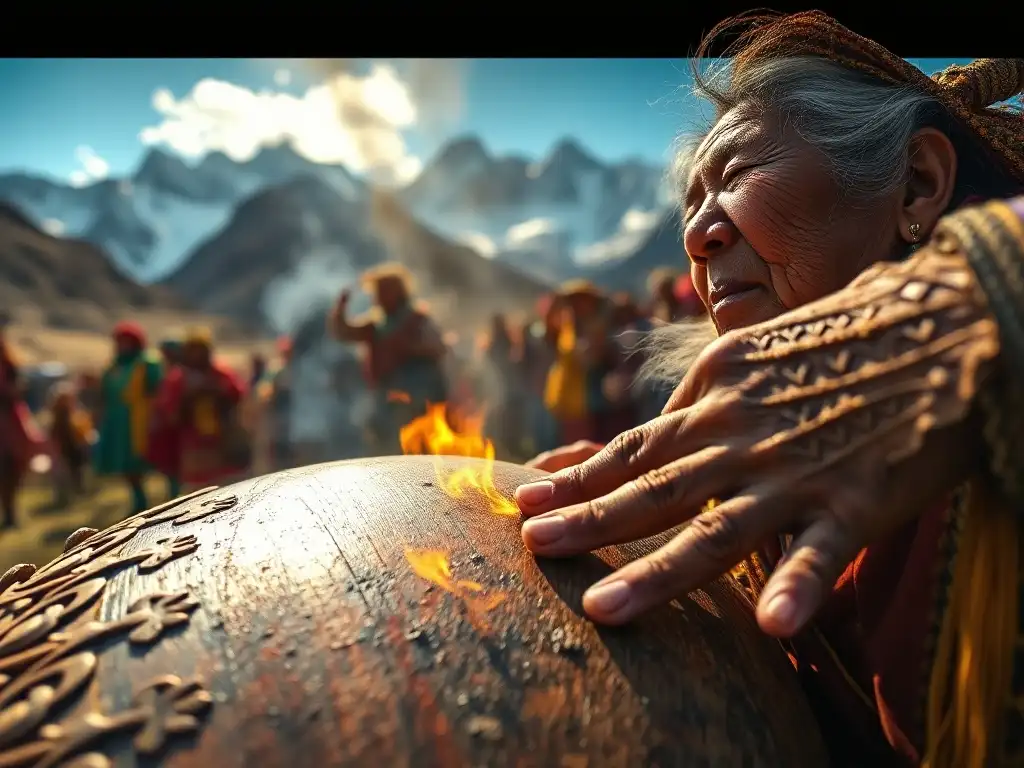
Step into a world lost to time, yet echoing with the rhythms of ancient power. Discover the vibrant tapestry of Andean civilization, where intricate artistry meets breathtaking ingenuity. But what secrets do the powerful beats of Andean ceremonial drumming hold? Journey with us as we unravel the mysteries behind this captivating tradition, exploring its significance in Andean ceremonies and festivals – a journey that will leave you breathless.
The rhythmic pulse of the bombo, the resonant tones of the tinku, and the hypnotic beat of the huayno – these are not merely musical instruments; they are the very heartbeat of Andean ceremonies and festivals. For millennia, the peoples of the Andes have utilized percussion instruments as integral components of their spiritual and social lives, weaving a rich tapestry of sound that reflects their cosmology, beliefs, and community bonds. This exploration delves into the profound significance of Andean ceremonial drumming, uncovering its multifaceted roles in ancient rituals, contemporary celebrations, and the enduring connection between music, spirituality, and Andean identity.
We will examine the diverse types of drums employed, their construction techniques, and the intricate rhythms that carry powerful symbolic meanings, revealing how the "living drum" continues to resonate through time. Understanding this vibrant tradition offers a crucial window into the heart and soul of Andean culture.
Understanding the Significance of Andean Ceremonial Drumming
Andean ceremonial drumming is far more than mere musical accompaniment; it's a deeply spiritual practice interwoven with the fabric of Andean life. The drums themselves are often considered sacred objects, imbued with spiritual power. Their creation is frequently a ritualistic process, involving specific materials and techniques passed down through generations.
The sounds produced are not just heard, but felt, resonating within the bodies and souls of the participants. Different rhythms and drum patterns are associated with specific deities, spirits, agricultural cycles, and social events, signifying a complex interplay between the physical and spiritual worlds. For example, the rapid, insistent beat of a drum might represent the energy of the sun god Inti, while a slower, more measured rhythm could signify the earth's nurturing power.
The skill of the drummer is highly valued, as they are seen as intermediaries between the human and spiritual realms, capable of channeling divine energy through their performance. The intensity and emotional impact of the drumming are crucial in fostering a sense of community and shared experience during ceremonies and festivals.
The Role of Drums in Ancient Andean Rituals
Archaeological evidence suggests that the use of drums in Andean rituals dates back thousands of years. While the precise details of many ancient ceremonies remain shrouded in mystery, surviving artifacts and iconography provide glimpses into their significance. For instance, depictions on pottery and textiles reveal the presence of drums in various religious contexts, suggesting their use in offerings, healing ceremonies, and celebrations of agricultural cycles.
The types of drums used likely varied depending on the specific culture and region, with materials ranging from animal hides stretched over wooden frames to ceramic vessels. The rhythms employed would have been integral to the ritual's purpose, guiding the flow of the ceremony and enhancing its spiritual impact. These ancient drumming traditions laid the foundation for the vibrant musical practices that continue to flourish in the Andes today.
Further research is needed to fully understand the nuances of ancient Andean drumming practices, but the available evidence strongly suggests their central role in shaping the religious and social lives of these ancient cultures. The legacy of these ancient rituals continues to inform and inspire contemporary Andean ceremonial drumming, demonstrating the enduring power of this ancient tradition.
- Understanding the Significance of Andean Ceremonial Drumming
- The Role of Drums in Ancient Andean Rituals
Andean Drum Construction and Materials
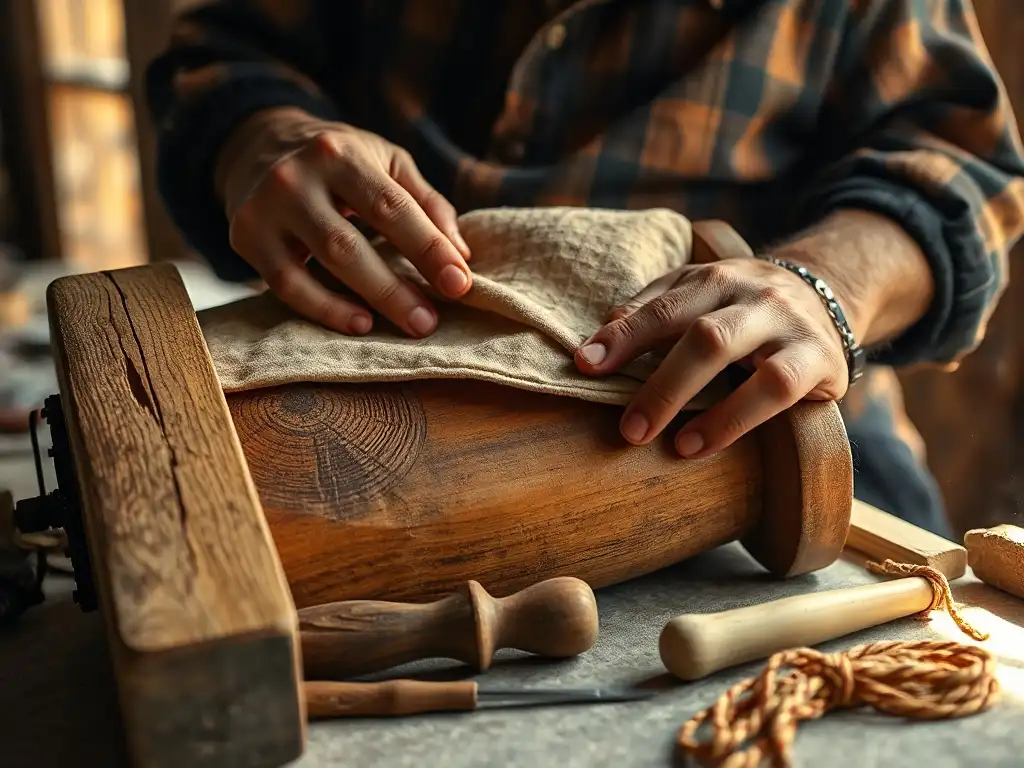
The rhythmic pulse of Andean ceremonial drumming is deeply intertwined with the very materials used to create these sacred instruments. Understanding the construction and the sourcing of these materials provides crucial insight into the cultural significance and enduring legacy of Andean music. The meticulous craftsmanship involved reflects not only a deep understanding of acoustics but also a profound connection to the natural world, mirroring the Andean worldview that sees the cosmos reflected in the everyday. This section delves into the specifics of Andean drum construction, highlighting the techniques and materials used to create these powerful sonic tools.
Traditional Drum Making Techniques in the Andes
Traditional Andean drum making is a time-honored practice passed down through generations, often within specific families or communities. The process is rarely standardized, varying subtly from region to region, and even from artisan to artisan. However, some common threads connect these diverse techniques. The creation of an Andean drum is not merely a craft; it's a ritual in itself, imbued with symbolic meaning and spiritual intent.
Many Andean drums, such as the tinya, are made from hollowed-out logs of specific wood types chosen for their resonant qualities. The selection of the wood itself is often guided by traditional knowledge, with certain trees considered more sacred or possessing particular spiritual properties. The process of hollowing the log is painstaking and requires significant skill, often involving tools passed down through family lineages.
The resulting drum shell is then meticulously prepared, smoothed, and often decorated with intricate carvings or paintings reflecting local iconography and beliefs. This decorative aspect further enhances the drum’s ceremonial role, transforming it from a mere instrument into an object of reverence and spiritual power.
For example, in some communities, the process of carving the drum is accompanied by prayers and offerings to the spirits of the forest, ensuring the drum’s connection to the natural world. The final step often involves the stretching and securing of the drumhead, typically made from animal hide—often llama or alpaca—carefully prepared and treated to achieve the desired sound and durability. The tension of the hide is crucial, influencing the drum's pitch and resonance, a skill perfected over years of practice.
This careful attention to detail ensures that each drum is a unique expression of the artisan's skill and spiritual connection to their craft. The process is a testament to the enduring legacy of Andean craftsmanship.
Materials Used in Andean Drum Crafting
The materials used in Andean drum crafting are not chosen arbitrarily; they are carefully selected based on both their acoustic properties and their cultural significance. The choice of materials speaks volumes about the Andean worldview and its deep connection to the natural environment.
- Wood: Various hardwood species are favored for their resonance and durability. Specific types of wood, depending on region and availability, might be preferred for their perceived spiritual qualities. [Specific wood types pending further research]. The selection process often involves considering the age and condition of the tree, reflecting a respect for the natural world.
- Animal Hide: The drumhead is typically made from animal hide, most commonly llama or alpaca, due to their readily available supply and acoustic properties. The preparation of the hide is a crucial step, involving careful cleaning, stretching, and drying techniques to ensure the drumhead’s durability and tonal quality. The hide’s quality directly impacts the sound produced, with a well-prepared hide producing a rich, resonant tone.
- Decorative Elements: Beyond the core materials, many Andean drums are adorned with intricate carvings, paintings, or other decorative elements. These often depict local iconography, mythological figures, or scenes from Andean cosmology. The materials used for decoration can include natural pigments derived from plants and minerals, further highlighting the connection to the natural world. The decorative aspect transforms the drum from a simple instrument into a powerful symbol, laden with cultural and spiritual meaning.
| Material | Use | Significance |
|---|---|---|
| Hardwood | Drum shell | Resonance, durability, spiritual properties |
| Llama/Alpaca Hide | Drumhead | Acoustic properties, cultural significance |
| Natural Pigments | Decoration | Connection to the natural world, symbolic meaning |
The creation of an Andean drum is a holistic process, reflecting a deep understanding of both the natural world and the spiritual realm. The careful selection and preparation of materials, combined with the meticulous craftsmanship, result in instruments that are not only powerful sonic tools but also objects of profound cultural and spiritual significance. The enduring legacy of Andean ceremonial drumming is inextricably linked to these carefully chosen materials and the traditions surrounding their use.
The Diverse Sounds of Andean Drums
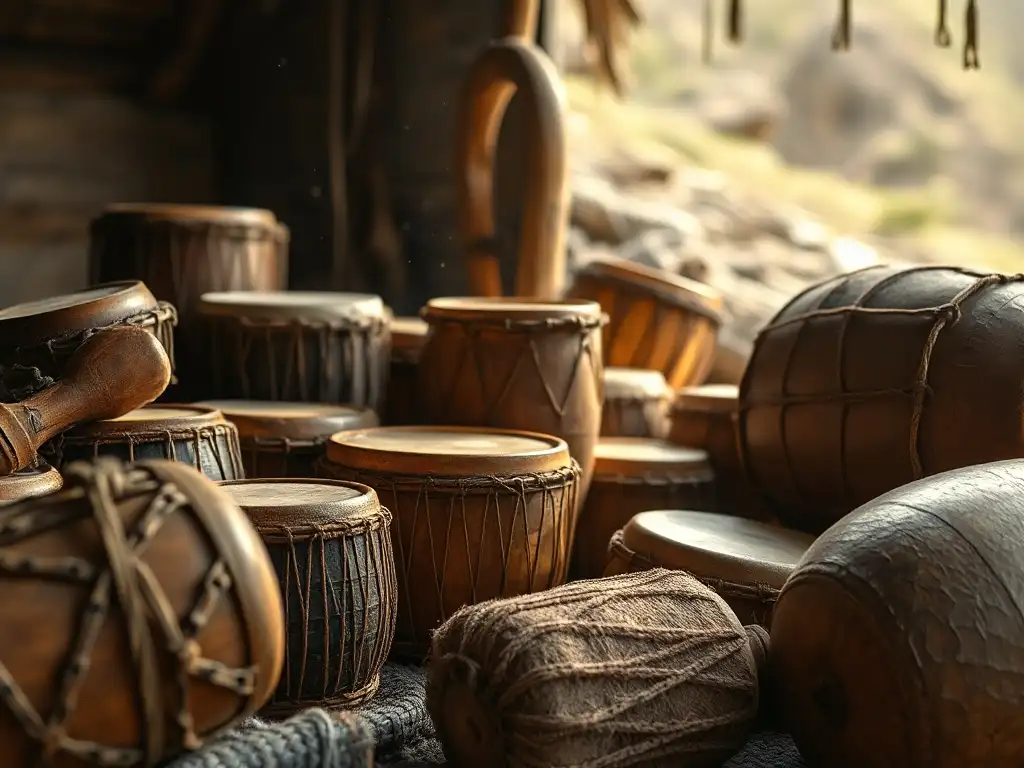
The rhythmic pulse of Andean life is undeniably linked to the resonant beat of its drums. Andean ceremonial drumming isn't a monolithic sound; it's a vibrant tapestry woven from the distinct voices of various drum types, each contributing its unique timbre to the overall sonic landscape. Understanding these variations is crucial to appreciating the depth and complexity of Andean musical traditions.
The diverse soundscape, encompassing everything from the deep, resonant tones used in solemn rituals to the bright, sharp percussive elements found in celebratory dances, showcases the rich cultural heritage of the Andes. The rhythmic intricacy, often polyrhythmic, further underscores the sophisticated musicality of these ancient traditions.
Variations in Drum Types and their Unique Timbres
Andean drumming traditions boast a fascinating array of instruments, each with its own distinct sonic character. The most commonly encountered include the tinku, wankara, and bombo. These drums vary significantly in size, shape, and construction, directly impacting their sound.
- Tinku: Generally smaller and cylindrical, the tinku produces a high-pitched, sharp sound. Its smaller size allows for quicker, more intricate rhythmic patterns, often used in faster-paced dances and celebrations. The tinku's bright tone contrasts beautifully with the deeper sounds of other drums, creating a dynamic and exciting soundscape. The leather used in its construction also influences its tone; tightly stretched leather results in a higher pitch, while looser stretching produces a lower, warmer sound.
- Wankara: Larger and often barrel-shaped, the wankara generates a deep, resonant sound. Its larger size allows for a more powerful, booming tone, often employed in ceremonies that demand a sense of gravitas and solemnity. The wankara is commonly associated with religious rituals and ancestral veneration, its deep tones echoing the profound spiritual significance of these events. The material used for its construction – often wood – also contributes to its rich, resonant quality.
- Bombo: This drum, typically larger than the tinku but smaller than the wankara, occupies a middle ground sonically. It possesses a balanced tone, capable of both powerful rhythmic statements and subtle melodic nuances. The bombo is versatile and frequently used in a wide range of Andean musical contexts, from ceremonial events to social gatherings. Its adaptability makes it a central element in many Andean musical ensembles.
The skillful interplay between these drum types, and others less frequently encountered, creates a dynamic and multifaceted sonic experience. The rhythmic interplay between high-pitched tinkus and low-pitched wankaras, for example, generates a captivating tension and release, mirroring the cyclical nature of life and death so central to Andean cosmology. The careful selection and combination of drums are essential in shaping the emotional impact of any given performance. Further research is needed to fully document the regional variations in drum construction and their resulting sounds. [Specific information pending on less common drum types and their regional variations].
How the Andean Drums Create Rhythmic Patterns
Andean ceremonial drumming is not simply about striking a drum; it's about creating complex and interwoven rhythmic patterns. These patterns are not arbitrary; they carry deep cultural and symbolic meaning, reflecting the beliefs and values of the Andean peoples. The rhythmic complexity often involves polyrhythms – multiple rhythmic patterns played simultaneously – creating a rich and layered sonic texture.
The creation of these rhythmic patterns is often guided by specific techniques and traditions passed down through generations. Experienced drummers use subtle variations in striking force, tempo, and placement to create a nuanced and expressive performance. These subtle variations can convey a wide range of emotions, from joy and celebration to sorrow and reverence.
For example, a specific rhythmic pattern might be associated with a particular deity or ancestral spirit. The tempo and intensity of the drumming can also reflect the overall mood or purpose of the ceremony. A slow, deliberate beat might be used in a solemn ritual, while a faster, more energetic rhythm might accompany a celebratory dance.
The use of call-and-response patterns between different drummers further enhances the rhythmic complexity and creates a dynamic interplay between performers. The precision and coordination required for these complex polyrhythmic patterns emphasize the high level of skill and dedication involved in Andean drumming traditions. The intricate rhythmic structures are deeply embedded in the cultural fabric and act as a powerful means of communication and community building.
Further research is needed to fully catalog and analyze the diverse rhythmic patterns across different Andean communities and their associated cultural meanings. [Specific information pending on detailed analysis of rhythmic patterns and their symbolic meanings].
Andean Ceremonial Drumming in Festivals
Andean ceremonial drumming is not merely musical accompaniment; it's the very heartbeat of countless festivals and ceremonies across the Andes. The rhythmic pulse of these drums, often made from animal hides stretched over wooden frames, resonates deeply with the spiritual and social fabric of Andean communities. Understanding the role of drumming requires appreciating its multifaceted significance, encompassing religious reverence, social cohesion, and the transmission of ancestral knowledge.
The drums themselves, often meticulously crafted and passed down through generations, are imbued with a powerful spiritual significance, acting as conduits between the earthly and spiritual realms. Their sound is believed to summon spirits, invoke blessings, and maintain the delicate balance between the human world and the forces of nature.
This deep-rooted connection is reflected in the diversity of drumming styles across different Andean cultures, each with its own unique rhythms and symbolic meanings. The intensity and style of drumming can also vary greatly depending on the specific ceremony or festival.
The Presence of Drums in Andean Celebrations
The pervasive presence of drums in Andean celebrations highlights their integral role in these events. From small village gatherings to large-scale national festivals, the rhythmic pulse of the drums provides a unifying force, drawing participants together in a shared experience. The drums aren't simply background music; they actively shape the emotional tenor of the celebration, guiding the flow of events and enhancing the overall experience. Consider, for instance, the tinkus, a vibrant Andean dance and music tradition.
The powerful drumming in tinkus sets the frenetic pace of the dance, driving the performers and spectators into a state of collective exhilaration. The drums aren't just instruments; they are active participants, shaping the energy and the emotional landscape of the event. Furthermore, the size and type of drum employed often reflects the significance of the occasion. Larger, more ornate drums might be reserved for particularly important religious ceremonies, whereas smaller drums might be used in more informal social gatherings.
The types of wood used, the animal hides, even the decorative elements – all contribute to the drum's unique sound and symbolic weight within the community. The skilled drummers themselves often hold revered positions within their communities, acting as keepers of tradition and custodians of ancestral knowledge. Their mastery of the instrument is not merely a technical skill but a demonstration of deep spiritual connection and cultural understanding.
Examples of Andean Festivals Featuring Drumming
Several Andean festivals prominently feature drumming as a central element. For example, the Inti Raymi, the Inca festival celebrating the winter solstice, incorporates a wide variety of drums, each contributing to the rich sonic tapestry of the event. The rhythmic pounding of the drums creates a powerful atmosphere, reflecting the solemnity and importance of this ancient celebration. Similarly, the Fiesta de la Virgen de Copacabana in Bolivia, a significant religious festival, features elaborate drumming processions that weave through the streets, creating a vibrant and immersive experience for both participants and spectators.
The specific rhythms and styles of drumming employed in these festivals often carry deep symbolic meanings, linked to specific deities, agricultural cycles, or historical events. Detailed ethnographic studies are needed to fully understand the nuanced meanings embedded within the different drumming styles and their variations across different Andean regions. [Specific information pending on the precise types of drums used in various festivals and their associated rituals]. The absence of drumming in a traditionally drum-heavy Andean festival would be immediately noticeable, signifying a disruption or a significant shift in the cultural landscape.
The continuity of these drumming traditions underscores the enduring cultural significance of Andean music and dance, highlighting its resilience and adaptability across generations. The vibrant and complex tapestry of Andean ceremonial drumming is a testament to the rich cultural heritage of the Andean region, a heritage that continues to thrive and evolve today. 🥁
The Spiritual Connection of Andean Drumming
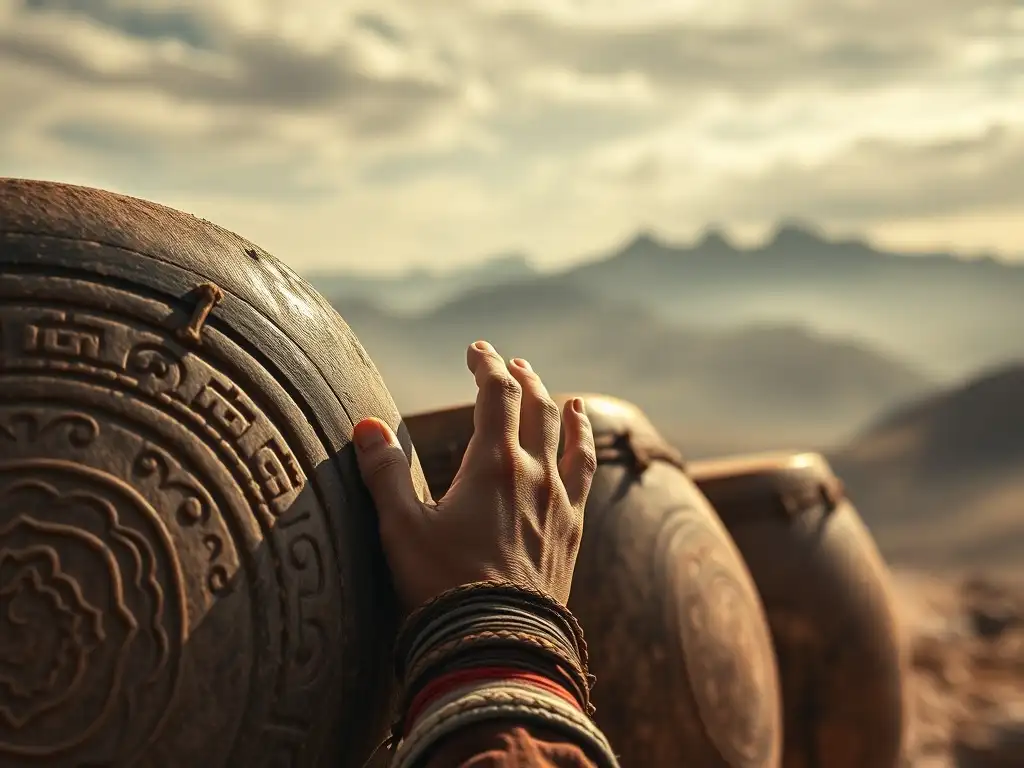
Andean ceremonial drumming isn't merely rhythmic accompaniment; it's a profound spiritual practice deeply interwoven with the cosmology and beliefs of the Andean people. The sounds produced resonate far beyond the physical realm, acting as a bridge between the human world and the spiritual one. This connection is evident across various Andean cultures, from the Incas to the pre-Inca civilizations, highlighting the enduring importance of drumming in their religious and social life.
The rhythmic pulse of the tinku, a type of Andean drum, for example, is believed to mimic the heartbeat of Pachamama, Mother Earth, underscoring the deep-rooted connection between the land and its people. Understanding this spiritual dimension is crucial to appreciating the true significance of Andean ceremonial drumming.
The power of the drum to evoke feelings of awe, reverence, and connection to something larger than oneself is undeniable and has shaped Andean spiritual practices for millennia. The intensity and emotionality of these ceremonies are amplified by the resonant sounds, transforming the experience from a simple ritual into a powerful spiritual journey.
The Drum as a Conduit to the Divine
The Andean worldview is characterized by a profound respect for the forces of nature and a belief in a complex pantheon of deities. Andean ceremonial drumming serves as a conduit to these spiritual entities, facilitating communication and offering tribute. The rhythmic patterns and the specific types of drums used often hold symbolic meaning, representing different deities or aspects of the cosmos.
For instance, certain rhythms might be associated with the sun god Inti, while others might evoke the energy of the earth. The drum itself is often seen as sacred, imbued with spiritual power. Before ceremonies, drums are sometimes ritually cleansed and prepared, ensuring their purity and effectiveness in channeling spiritual energy.
The shamans or paqos—traditional Andean healers—often play a central role in these ceremonies, using their expertise to manipulate the rhythms and sounds of the drums to achieve specific spiritual goals, such as healing, divination, or communicating with the spirit world. This intimate relationship between the drum, the shaman, and the divine underscores the central role of Andean ceremonial drumming in Andean spiritual practices. The skill and intuition required to perform these ceremonies effectively are passed down through generations, preserving a rich tradition of spiritual connection through rhythmic expression.
Connecting with Ancestors Through Rhythmic Beats
Beyond communicating with the divine, Andean ceremonial drumming also serves as a vital link to the ancestors. The rhythmic patterns are often believed to carry the memories and wisdom of past generations, connecting the living with their heritage. The sounds themselves are believed to resonate with the spirits of ancestors, inviting their presence and guidance.
This ancestral connection is particularly evident in ceremonies celebrating significant life events, such as births, weddings, or deaths. The drums accompany the rituals, creating an atmosphere of reverence and ensuring that the ancestors are appropriately honored. The repetitive and hypnotic nature of the drumming can induce a trance-like state, facilitating communication with the spirit world and providing a sense of continuity between the past, present, and future.
This ongoing dialogue with the ancestors is considered crucial for maintaining the cultural identity and spiritual well-being of the Andean communities. The rhythms themselves are not simply arbitrary patterns; they are carefully crafted expressions of cultural memory, ensuring the continuity of tradition and the preservation of ancestral knowledge through the heartbeat of the drum. The legacy of Andean ceremonial drumming is thus not just sonic; it is a powerful testament to the enduring connection between the living and the departed, a thread woven through time and expressed through the resonant pulse of the drum.
Rhythmic Patterns and their Meaning
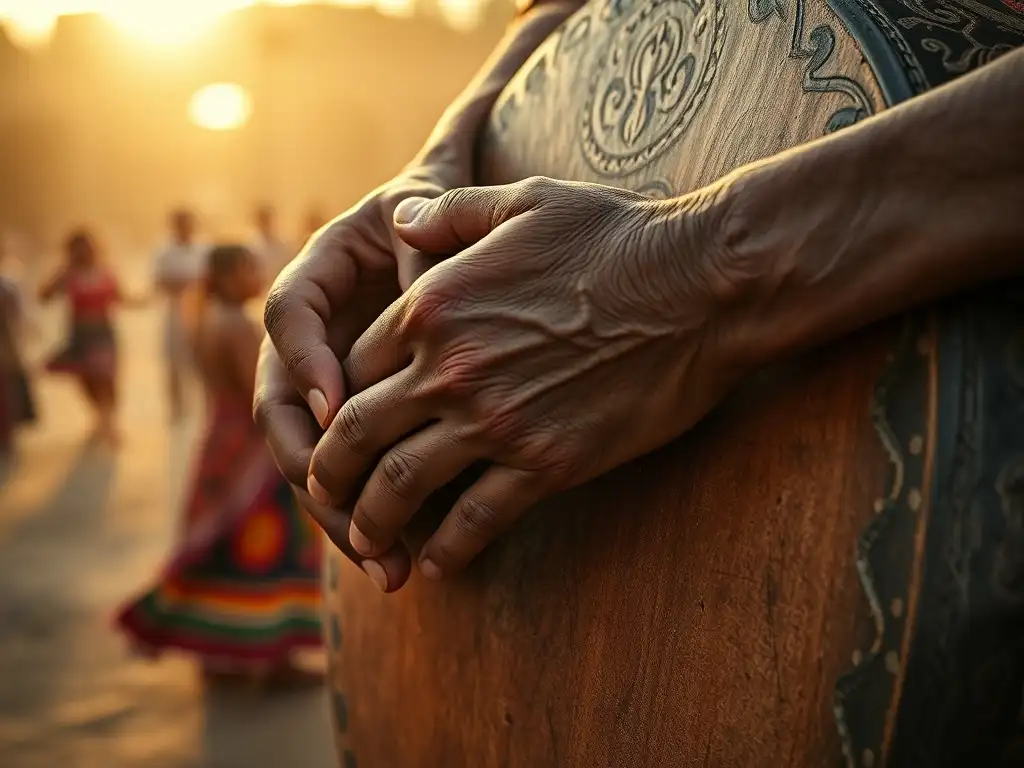
Andean ceremonial drumming isn't merely rhythmic accompaniment; it's a complex system of communication, deeply interwoven with the spiritual and social fabric of Andean life. The rhythms, tempos, and even the types of drums used carry profound symbolic weight, conveying messages that transcend simple musical expression. Understanding these patterns is key to appreciating the multifaceted role of drumming in Andean ceremonies and festivals. The rhythmic complexity varies significantly across different Andean cultures, reflecting diverse beliefs and traditions.
For instance, the Incas utilized a more structured and hierarchical system of drumming, often linked to imperial power and religious rites. In contrast, smaller, less centralized communities might have developed more localized and varied rhythmic expressions. This diversity, however, underscores a common thread: the drum's ability to connect the physical and spiritual worlds. The pulsating beat mirrors the heartbeat of the earth itself, a tangible link to the ancestors and the cosmos.
Specific Rhythms in Andean Music and their Symbolism
The rhythmic language of Andean drumming is rich with symbolism. Specific rhythms are often associated with particular deities, events, or stages within a ceremony. For example, a fast, repetitive beat might represent the energy of the sun god Inti, while a slower, more deliberate rhythm could symbolize the earth's steady pulse or the wisdom of the ancestors. Unfortunately, precise interpretations of many rhythms are lost to time, preserved only in fragmented oral traditions and archaeological evidence. However, some patterns remain relatively well-documented. Let's consider a few examples:
- The huayno rhythm: Often characterized by its lively, upbeat tempo and duple meter, the huayno rhythm is frequently associated with celebrations of harvest, fertility, and community bonding. Its infectious energy mirrors the joy and abundance of a successful agricultural cycle. The use of specific instruments, like the tarka (a panpipe) alongside the drums, further enhances the celebratory atmosphere.
- The yaraví rhythm: In stark contrast to the huayno, the yaraví rhythm is typically slower and more melancholic. Often expressed in triple meter, it's frequently associated with themes of loss, longing, and reflection. This rhythm is often used in ceremonies related to mourning or remembrance, providing a sonic backdrop for introspection and emotional processing. The use of muted tones and subtle variations in tempo contributes to the yaraví's evocative power.
| Rhythm Type | Tempo | Meter | Associated Themes | Instruments Commonly Used |
|---|---|---|---|---|
| Huayno | Fast | Duple | Celebration, fertility, community | Drum, tarka, charango |
| Yaraví | Slow | Triple | Loss, longing, reflection | Drum, quena, zampoña |
| [Rhythm 3 Name Pending] | [Tempo Pending] | [Meter Pending] | [Themes Pending] | [Instruments Pending] |
Further research is needed to fully document the nuances of various rhythmic patterns and their corresponding symbolic meanings across different Andean communities. The diversity of musical expression within the region highlights the need for a more comprehensive ethnomusicological study.
The Language of the Drums: Communicating through Rhythm
Beyond symbolic meaning, Andean ceremonial drumming also functions as a form of communication. Different rhythms can signal the start and end of ceremonies, mark transitions between different stages of ritual, or even convey specific messages within the context of the performance. The drummers themselves often act as storytellers, using rhythmic variations to narrate myths, legends, or historical events. This dynamic interplay between rhythm, symbolism, and narrative makes Andean drumming a truly multifaceted art form.
The intricate interplay of rhythms can also signal shifts in mood or intensity. A sudden increase in tempo might indicate a moment of heightened spiritual energy, whereas a gradual slowing down could signify a transition to a more contemplative phase. This ability to manipulate the emotional landscape through rhythm is a testament to the skill and artistry of Andean drummers. Furthermore, the use of different types of drums—varying in size, material, and tone—adds another layer of complexity to this rhythmic communication system.
The subtle differences in timbre and resonance contribute to the overall sonic texture, enhancing the expressive possibilities. The skillful interplay between these instruments creates a rich tapestry of sound, capable of conveying a vast range of meanings and emotions. The mastery of this complex system requires years of training and apprenticeship, passing down knowledge and traditions through generations. This ensures the survival of an incredibly sophisticated and meaningful art form, a true heartbeat of Andean culture.
Andean Drumming and its Cultural Legacy
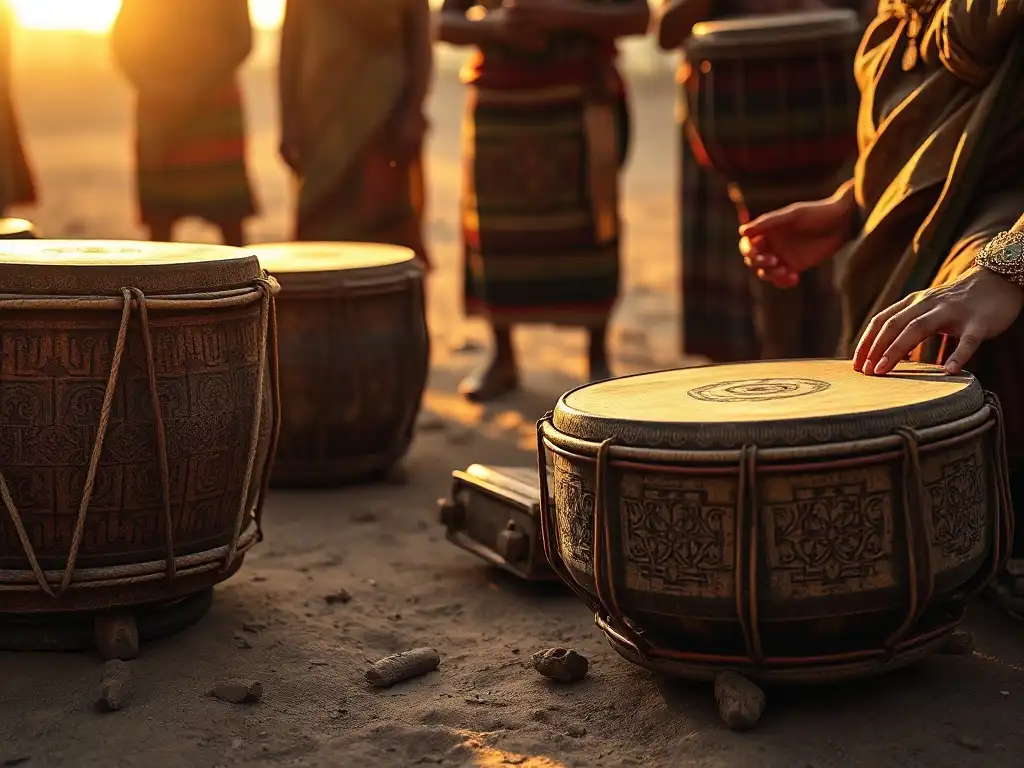
Andean ceremonial drumming is far more than just rhythmic accompaniment; it's a vibrant thread woven into the very fabric of Andean culture, reflecting millennia of history, beliefs, and social structures. The rhythmic pulse of the drums, whether the deep resonant tones of the tinya or the sharper crack of the huayno drum, isn't merely sound; it's a powerful force that connects the past with the present, the earthly with the spiritual. This section will explore the enduring legacy of Andean percussion and the ongoing efforts to preserve these vital traditions.
The Enduring Tradition of Andean Percussion
The tradition of Andean percussion is remarkably resilient. Despite centuries of colonization and modernization, the rhythmic heartbeat of the drums continues to pulse strongly in countless ceremonies and festivals throughout the Andes. The soundscapes created by these drums are incredibly diverse, reflecting the unique cultural identities of different Andean communities.
For instance, the bombo legüero, a large, double-headed bass drum, plays a crucial role in the vibrant cueca dances of Chile and Argentina, while the smaller tinya drums often accompany religious rituals in the Peruvian highlands. The variations are numerous, a testament to the adaptability and richness of the tradition.
This enduring legacy is not simply a matter of chance. The drums themselves are often imbued with deep spiritual significance. Many are handcrafted using traditional techniques, passed down through generations of artisans. The wood used, the animal hides stretched across the frame, even the intricate designs painted on the drum's surface – all contribute to the drum's unique character and its connection to the spirit world. The process of creating these instruments is itself a ritual, reinforcing the sacred connection between the maker, the drum, and the community it serves. Furthermore, the rhythmic patterns themselves are often codified, carrying symbolic meanings that are understood by those within the community. This intricate relationship between the instrument, its creation, and its use highlights the deep cultural significance of Andean percussion. The intricate rhythms and patterns aren't just musical; they are a language, a means of communication with the ancestors and the divine.
The Preservation of Andean Drumming Practices
The preservation of Andean drumming practices is a crucial undertaking, ensuring the continuity of this vital cultural heritage. Several key initiatives are working to safeguard this tradition for future generations. These efforts encompass a variety of approaches, from documenting traditional playing styles and techniques to establishing educational programs that teach young people the art of Andean drumming. Moreover, there's a growing emphasis on the importance of community participation in these preservation efforts. By empowering local communities to take ownership of their cultural heritage, these initiatives aim to ensure the authenticity and longevity of Andean drumming traditions.
One significant challenge is the documentation of the diverse styles and techniques employed across different Andean communities. The sheer number of variations in drumming styles presents a considerable task for researchers and archivists. Detailed ethnographic studies, coupled with audio and video recordings, are vital for preserving this rich diversity before it’s lost.
This meticulous documentation not only preserves the technical aspects of Andean drumming but also captures the cultural contexts in which these rhythms are performed, thus ensuring a complete understanding of their significance. Moreover, there's a need for dedicated educational programs to transmit this knowledge to future generations. These programs should not only teach the technical skills of playing the various Andean drums but also emphasize the cultural context and spiritual significance of this tradition.
The goal is to cultivate a deep understanding and appreciation for Andean drumming, ensuring its continued vitality for generations to come. 🎵 The future of Andean ceremonial drumming depends on the collaborative efforts of researchers, educators, and the Andean communities themselves.
Modern Interpretations of Andean Ceremonial Drumming
The vibrant rhythms of Andean ceremonial drumming, once confined to sacred spaces and traditional celebrations, have experienced a remarkable resurgence in the modern era. This revitalization isn't simply a nostalgic revival; it's a dynamic process of adaptation and innovation, reflecting the evolving cultural landscape of the Andes while honoring the ancient traditions. Understanding this modern interpretation requires examining both the preservation of ancient techniques and the creative explorations pushing the boundaries of Andean musical expression.
The impact is multifaceted, encompassing both artistic expression and socio-cultural significance. The use of Andean ceremonial drumming in contemporary settings demonstrates its enduring power to connect communities and express cultural identity.
Contemporary Andean Drumming Ensembles
Numerous contemporary Andean drumming ensembles are actively performing and recording, bringing the powerful sounds of the tinya, wankara, and other traditional drums to wider audiences. These groups frequently blend traditional rhythms with modern instrumentation, creating unique soundscapes that bridge the gap between ancient practices and contemporary musical styles. For example, some groups incorporate elements of jazz, folk, and even electronic music into their performances, resulting in exciting and innovative compositions.
This fusion not only attracts a broader audience but also demonstrates the adaptability and enduring relevance of Andean ceremonial drumming in a globalized world. The skillful integration of traditional techniques with modern musical elements showcases the creativity and versatility of Andean musicians. This blending often involves adding electric guitars, bass guitars, keyboards, and even incorporating vocal harmonies inspired by both traditional Andean styles and modern pop influences.
The rhythmic complexity of traditional Andean drumming remains central to these ensembles. While some may simplify certain rhythms for broader appeal, the core essence of the ancestral patterns is carefully preserved. This demonstrates a conscious effort to maintain the cultural integrity of the tradition while still seeking innovative expression.
The dedication to maintaining the rhythmic integrity ensures that the spiritual and cultural significance of the drumming is not lost in the process of modernization. This commitment is crucial for sustaining the tradition for future generations. Many ensembles also actively teach younger generations, passing down the skills and knowledge associated with Andean ceremonial drumming.
How Traditional Rhythms Influence Modern Andean Music
The influence of traditional Andean ceremonial drumming extends far beyond dedicated ensembles. Its rhythmic patterns, melodic structures, and the overall sonic aesthetic have profoundly shaped various genres of modern Andean music. Many contemporary Andean musicians incorporate elements of traditional drumming into their compositions, whether subtly woven into the background or prominently featured in the foreground. These rhythmic elements often serve as a foundational layer, providing a sense of grounding and cultural authenticity. The use of these rhythms in modern music helps to maintain a connection to the rich cultural heritage of the Andean region.
The impact is particularly noticeable in genres like andina, huayno, and yaraví, where traditional instruments and rhythms are often prominently featured. Even within genres that incorporate more Western influences, the underlying rhythmic structures frequently reflect the influence of Andean ceremonial drumming, often subtly embedded within the musical fabric. This subtle yet pervasive influence highlights the deep-seated connection between traditional and contemporary Andean music.
The persistence of these rhythms showcases the enduring power and cultural significance of Andean drumming practices. Further research into the specific rhythmic patterns employed in different modern Andean music genres would provide a more comprehensive understanding of this influence. [Specific data on rhythmic analysis pending].
Frequently Asked Questions
What role did drumming play in Andean ceremonies?
Andean ceremonial drumming played a vital role, acting as a spiritual connection between the earthly and supernatural realms. It was used to invoke deities, accompany rituals, and celebrate important events. The rhythm and sounds were believed to influence the cosmos.
Which Andean cultures used ceremonial drumming?
Many Andean cultures utilized ceremonial drumming, including the Inca, Moche, Nazca, and Tiahuanaco. Each culture developed unique drumming styles and instruments reflecting their specific beliefs and practices. The practice was widespread and deeply ingrained in their societies.
What types of drums were used in Andean ceremonies?
A variety of drums were employed, including the tinku, huayno, and pukara. These drums differed in size, shape, and the materials used for construction, which affected their sound and the ceremonial context in which they were used.
What is the significance of the rhythm and sound in Andean ceremonial drumming?
The rhythms and sounds were not arbitrary; they held deep symbolic meaning, often representing natural elements, deities, or specific stages of a ritual. The drumming was carefully orchestrated to create a powerful and evocative experience.
Where can I experience Andean ceremonial drumming today?
Andean ceremonial drumming is still practiced today in many communities. You can experience it firsthand by attending Andean festivals and cultural events in the Andes region of South America or by searching for performances in your area.
Final Reflection: The Enduring Rhythm of Andean Tradition
The vibrant pulse of Andean ceremonial drumming continues to resonate, a powerful testament to the enduring strength of cultural heritage in a rapidly changing world. Its rhythms are not merely sounds; they are the heartbeat of communities, a living link to ancestral spirits, and a vibrant expression of identity that refuses to be silenced. This legacy, woven into the fabric of Andean life for millennia, remains a potent force, shaping both the present and the future.
The profound impact of this drumming transcends mere musicality; it's a deeply spiritual practice that binds generations and fosters a sense of belonging. It's a tangible connection to a rich history, a history that deserves to be understood and celebrated. As the anthropologist, Eduardo Galeano, wisely observed: Memory is the keeper of time. It is the only way we can truly know who we are.
Andean ceremonial drumming is precisely that – a living memory, a vibrant keeper of time, ensuring the continuity of a unique and invaluable cultural heritage.
Consider, then, the echoes of these ancient rhythms. Let the power of the bombo, the tinya, and the huayno inspire you to explore your own cultural roots, to appreciate the richness of diverse traditions, and to champion the preservation of cultural heritage worldwide. You, too, can become a keeper of the rhythm, a guardian of the stories whispered on the wind, and a champion of the enduring spirit of Andean culture. Let the living drum beat on.
Embrace the Rhythm of Andean Culture!
Thank you for exploring the profound significance of the *Living Drum* in Andean ceremonies and festivals. Your journey through this vibrant cultural tradition reveals the powerful bond between music, community, and spirituality. Now, let's deepen your connection to this rich heritage!
Here are a few ways you can engage more deeply with Andean culture:
- **Participate in a local drumming circle or workshop** to experience the rhythms firsthand and connect with fellow enthusiasts.
- **Immerse yourself in the rich sounds of Andean music** by creating a playlist of your favorite songs and sharing it with friends who appreciate cultural exploration.
- **Share your newfound knowledge! ** Start a conversation on social media about the significance of music in Andean rituals and festivals—tag us with #AndeanDrumHearts!
Consider the unique sounds and rhythms of your own culture. How might you share and celebrate them within your community?