
Ritualistic Dances and Music: Connecting with the Andean Spirit World

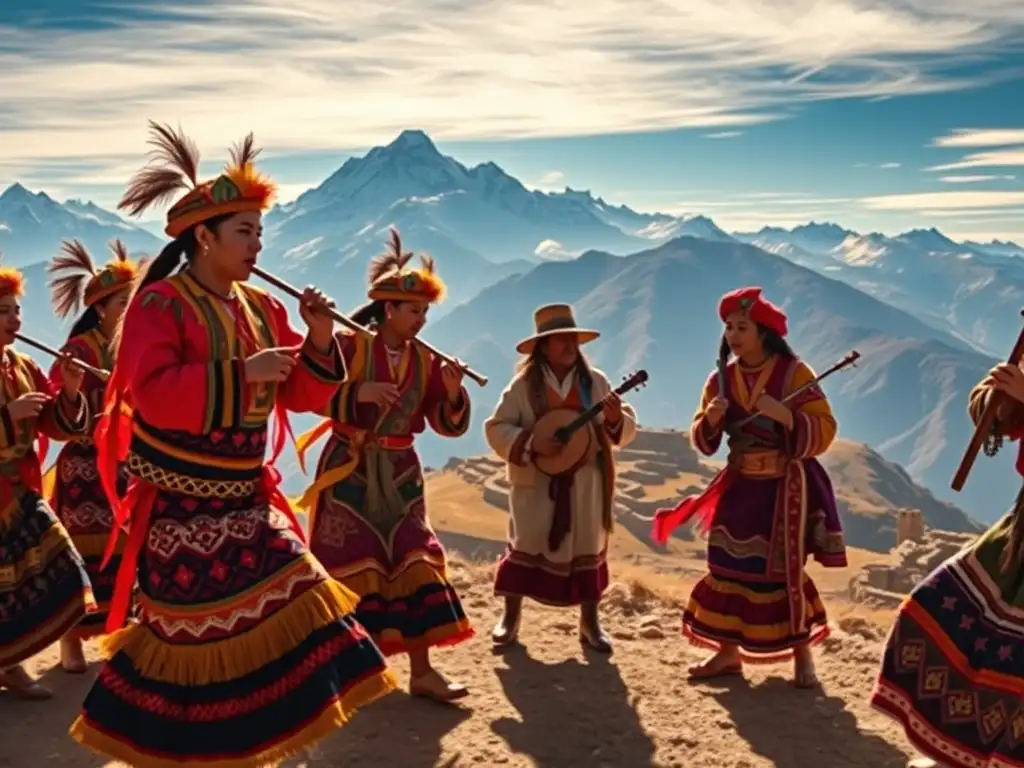
Welcome, explorer! Prepare to journey into the heart of the Andes, where echoes of ancient civilizations still resonate. Discover a world of vibrant rituals and captivating melodies, interwoven with the rich tapestry of Andean history. Our exploration of Andean ritual dances music history unveils the profound spiritual connection between these ancient peoples and their sacred landscapes. Dare to delve deeper and uncover the secrets held within these mesmerizing rhythms...
-
Andean Ritual Dances and Music: Connecting with the Spirit World
- The Historical Significance of Andean Ritual Music and Dance
- Ancient Andean Rituals: A Deep Dive
- Types of Andean Ritual Dances and Their Musical Accompaniment
- Andean Musical Instruments Used in Rituals
- The Evolution of Andean Ritual Music and Dance Through Time
- The Modern-Day Practice of Andean Ritual Music and Dance
- The Spiritual Connection: Music and Dance in the Andean Worldview
- Understanding the Andean Ritual Music and Dance Legacy
- Frequently Asked Questions
- Final Reflection: Echoes of the Andes: A Legacy of Spirit and Sound
- Unveil Your Andean Spirit!
Andean Ritual Dances and Music: Connecting with the Spirit World
The vibrant tapestry of Andean culture is richly interwoven with music and dance, not merely as forms of entertainment, but as powerful conduits to the spirit world. For centuries, Andean peoples have utilized ritualistic music and dance to connect with their ancestors, deities, and the forces of nature. This exploration delves into the profound historical significance of these practices, examining their evolution, symbolism, and enduring relevance in contemporary Andean communities.
We will uncover the intricate relationship between music, dance, and spirituality, revealing how these art forms served as crucial components of ancient Andean religious and social life and continue to do so today. Understanding Andean ritual dances and music offers a unique window into the cosmology and beliefs of these fascinating civilizations, providing a deeper appreciation for their enduring legacy.
This article will examine the historical context of Andean ritual music and dance, exploring specific examples from various cultures within the Andes, including the Incas, Moche, and Nazca, amongst others, and highlighting the enduring power of these traditions. Prepare to be transported to a world where the rhythmic pulse of drums and the graceful movements of dancers serve as a bridge between the human and spiritual realms.
The Historical Significance of Andean Ritual Music and Dance
Andean ritual music and dance hold a pivotal place in the region's history, serving as integral components of religious ceremonies, agricultural cycles, and social structures for millennia. Archaeological evidence, including depictions on pottery and textiles, suggests that music and dance played a significant role in the lives of pre-Columbian Andean societies. These societies developed sophisticated musical instruments and dance styles that reflected their unique cosmologies and beliefs.
The sounds of panpipes, flutes, drums, and other instruments accompanied rituals aimed at ensuring successful harvests, appeasing deities, and maintaining cosmic balance. The movements of the dancers, often mimicking the actions of animals or deities, further enhanced the ritual's power and meaning. The continuity of these traditions, albeit with variations across different groups and time periods, underscores their deep cultural significance.
The legacy of these practices continues to resonate today, shaping both contemporary Andean music and the spiritual practices of many communities. Understanding this historical context is key to appreciating the richness and complexity of Andean culture. Specific examples of these ritualistic practices, documented through both archaeological finds and ethnomusicological studies, will be further examined in the following sections.
Ancient Andean Rituals: A Deep Dive
The integration of music and dance into ancient Andean rituals was not arbitrary; rather, it was deeply symbolic and ritualistically significant. These performances weren't merely spectacles; they were active engagements with the spiritual world, intended to invoke divine favor, honor ancestors, and maintain the harmony of the cosmos. The intricate choreography and musical arrangements often reflected specific narratives or mythological themes, reinforcing the cultural values and beliefs of the participating communities.
The use of specific instruments and melodic patterns, combined with distinct dance movements, contributed to the overall ritual effectiveness. The intensity and emotional power of these performances served to unite participants and strengthen communal bonds. The following sub-sections will explore the roles of music and dance in greater detail, revealing their complexities and significance within the context of ancient Andean spiritual practices.
The Role of Music in Andean Ceremonies
Music played a multifaceted role in Andean ceremonies. The rhythmic beat of drums, for example, was believed to mimic the heartbeat of the earth, connecting participants to the natural world. The melodies produced by panpipes and flutes, often mimicking the sounds of nature, were considered to be sacred and capable of influencing the spiritual realm.
Different instruments were associated with different deities or spirits, and specific melodies were used to invoke particular powers or blessings. The use of music in Andean ceremonies wasn't merely about creating an atmosphere; it was about actively shaping the ritual space and influencing its outcome.
The musicians, often holding positions of high social standing, acted as intermediaries between the human and spiritual worlds, channeling divine energies through their music. Detailed studies of ancient Andean musical instruments and their use in specific rituals reveal a sophisticated understanding of music's power and its role in shaping the Andean worldview.
Dance as a Form of Spiritual Expression in the Andes
Dance in Andean rituals wasn't simply a visual spectacle; it was a dynamic form of spiritual expression. The movements of the dancers, often carefully choreographed and imbued with symbolic meaning, acted as a physical manifestation of spiritual energies. Dancers might mimic the movements of animals considered sacred or enact mythological narratives, reinforcing the cultural beliefs and values of the community.
The costumes worn by the dancers, often adorned with feathers, masks, and other symbolic elements, further enhanced their role as intermediaries between the human and spiritual realms. The physical exertion involved in Andean ritual dances, combined with the emotional intensity of the experience, created a powerful state of altered consciousness, allowing participants to connect more deeply with the spiritual world. Detailed descriptions of specific dances, their associated costumes, and their symbolic meanings, drawn from ethnographic research and historical accounts, demonstrate the profound spiritual significance of dance in Andean culture.
Types of Andean Ritual Dances and Their Musical Accompaniment
Andean ritual dances and music are deeply intertwined, forming a powerful expression of spiritual beliefs and cultural identity. The music isn't merely background; it's an integral part of the ritual, guiding the dancers, invoking spirits, and shaping the overall atmosphere. The specific type of dance dictates the musical style and instrumentation, creating a unique and evocative experience. Different regions and communities boast their own distinct dance traditions, each with its own rich history and symbolism.
The dances often tell stories, recounting myths, legends, or historical events, thus passing down cultural knowledge through generations. The movements themselves are often symbolic, representing agricultural cycles, animal behaviors, or interactions with the spirit world. The intensity and emotionality of the performance are amplified by the vibrant and rhythmic music. Observing these dances offers a profound insight into the complex spiritual and cultural landscape of the Andes.
Diablada and its Unique Music
The Diablada, a dramatic dance originating in Bolivia, depicts a battle between good and evil, often featuring devils, angels, and other mythological figures. The music accompanying the Diablada is characterized by its powerful brass band sounds, including trumpets, trombones, and tubas, creating a triumphant and sometimes menacing atmosphere. The rhythmic complexity of the music mirrors the intricate choreography of the dance, with its fast-paced movements and dramatic shifts in energy.
Specific instruments like the siku (panpipes) may also be incorporated to add layers of texture and melody, contrasting with the dominant brass section. The costumes are elaborate and symbolic, further enhancing the narrative and visual spectacle of the performance. The Diablada, with its powerful music and captivating choreography, is a prime example of the Andean tradition of using dance and music to express profound spiritual and cultural themes.
Saya and its Spiritual Significance
Saya, a vibrant and energetic dance originating in Bolivia, is deeply rooted in Afro-Bolivian culture and carries significant spiritual weight. Unlike the Diablada, Saya utilizes percussion instruments heavily, emphasizing rhythm and driving energy. The tambor (drum) is central, providing the pulse for the dancers' movements. The music is often characterized by its strong, repetitive rhythms and call-and-response vocals, creating a sense of collective participation and communal energy.
The songs often tell stories of resilience, resistance, and the enduring spirit of the Afro-Bolivian community. While the precise spiritual significance can vary depending on the community and specific context, Saya is generally seen as a celebration of life, heritage, and connection to ancestral spirits. The music plays a crucial role in fostering this connection, providing a conduit for expressing communal identity and spiritual devotion.
Huayno and its Cultural Context
Huayno, a genre of Andean music, is widely prevalent across the Andes and often accompanies various dances. Its lively melodies and rhythmic complexity reflect the diversity of Andean cultures. Huayno utilizes a variety of instruments, including stringed instruments like the charango and guitarra, wind instruments like the zampoña and quena, and percussion instruments like the bombo.
The style and instrumentation can vary considerably depending on the region, with subtle differences in melody, rhythm, and instrumentation reflecting local traditions and influences. Huayno is not exclusively tied to ritualistic dances, but it often plays a significant role in festive occasions and celebrations, further highlighting its centrality in Andean cultural life. Its adaptability and wide-ranging appeal demonstrate its enduring power and its ability to connect across diverse communities.
Andean Musical Instruments Used in Rituals
The music of Andean rituals relies on a diverse array of instruments, each holding its own symbolic significance and contributing unique sonic qualities to the overall performance. The sounds produced are not simply musical; they are integral components of the ritualistic experience, helping to shape the atmosphere and facilitate communication with the spirit world. Many of these instruments are made from natural materials, further connecting the music to the earth and its natural rhythms.
The Importance of the Zampona in Andean Music
The zampoña, a type of panpipe, holds a central place in Andean music and rituals. Its haunting and ethereal melodies are often used to evoke a sense of mystery and reverence, creating a mystical atmosphere conducive to spiritual communion. The zampoña is frequently played in ensembles, with multiple pipes creating rich harmonies and complex textures.
Different sizes and tunings of the zampoña allow for a wide range of melodic possibilities, making it a versatile instrument for accompanying both slow, contemplative dances and fast-paced, energetic ones. Its association with ancient traditions underscores its enduring importance in Andean cultural identity and spiritual practices.
The Sound of the Charango in Ritualistic Contexts
The charango, a small, lute-like instrument, is another prominent feature of Andean music. Its distinctive sound, with its bright, ringing tones, adds a lively and often celebratory feel to ritualistic performances. While its use may vary across different Andean communities, the charango frequently accompanies dances that celebrate life, harvest, or community bonding. Its portability and relatively simple construction make it accessible to many, contributing to its widespread use across various regions. Its unique timbre and melodic capabilities make it a valuable component of the musical landscape of Andean rituals.
The Role of the Bombo in Andean Dance
The bombo, a large, double-headed drum, provides the rhythmic foundation for many Andean dances. Its deep, resonant sound creates a powerful and driving beat, energizing the dancers and shaping the overall mood of the performance. The bombo's rhythmic patterns are often complex and intricate, reflecting the sophisticated choreography of the accompanying dances.
The size and construction of the bombo can vary, leading to a diversity of sounds and tonal qualities, further enhancing the richness and variety of Andean music. In ritualistic contexts, the bombo's powerful beat can be interpreted as a symbol of the earth's energy, connecting the dancers and musicians to the natural world.
The Evolution of Andean Ritual Music and Dance Through Time
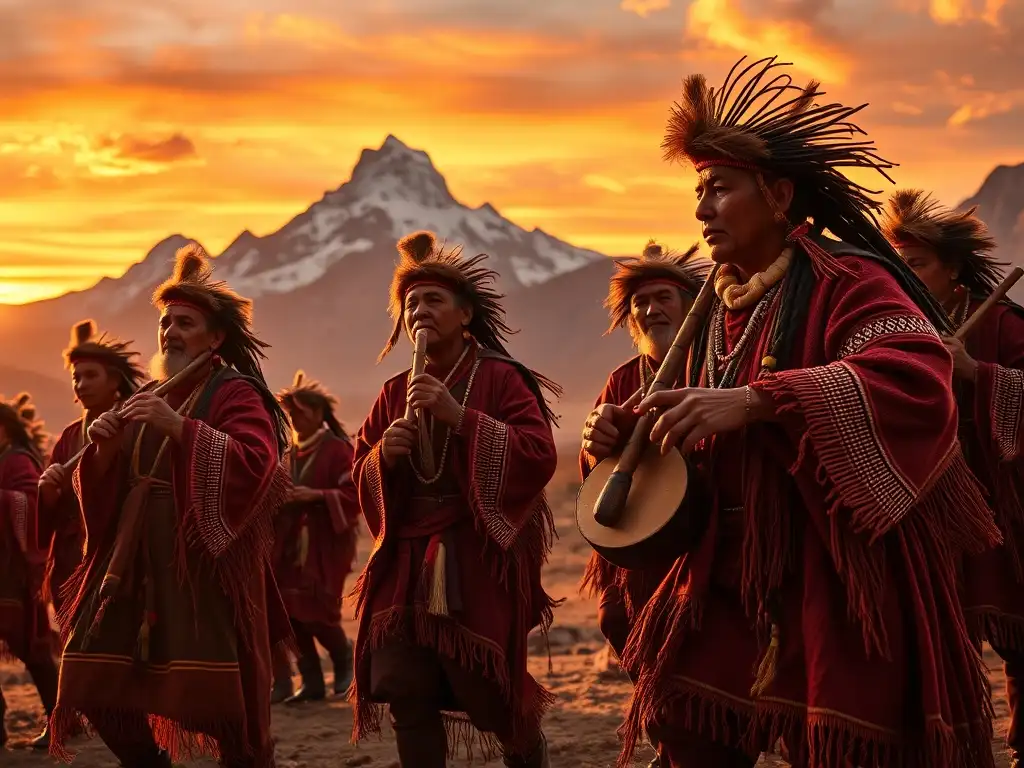
Andean ritual music and dance, deeply intertwined with the spiritual beliefs and agricultural cycles of the region, boast a rich and complex history stretching back millennia. Evidence suggests that early forms of ritualistic performance were already present in pre-Inca cultures. For example, archaeological findings in sites associated with the Moche civilization (circa 100-800 CE) reveal intricate depictions of ceremonial dances and musical instruments in their pottery and textiles.
These portrayals often depict elaborate costumes, rhythmic movements, and the use of instruments like panpipes and drums, suggesting a sophisticated musical and choreographic tradition. The style and themes of these early rituals likely revolved around agricultural fertility, ancestor veneration, and the appeasement of deities associated with natural forces.
The Nazca culture (circa 100 BCE – 800 CE), known for their enigmatic geoglyphs, also show evidence of ceremonial practices through their art, although the specifics of their music and dance remain largely a subject of ongoing research and interpretation. As different Andean cultures rose and fell, their unique musical and dance traditions blended and evolved, creating a vibrant and diverse tapestry of performance styles.
How Andean Ritual Dances Music History has Changed
The history of Andean ritual music and dance is not a static entity; it's a dynamic process of adaptation and transformation. The arrival of the Inca Empire (circa 1438-1533 CE) saw a standardization and centralization of certain aspects of ritual practices. The Inca imposed their own religious beliefs and ceremonies, influencing the existing traditions of conquered groups.
While some pre-Inca forms undoubtedly persisted, the Inca introduced new instruments, dance styles, and musical forms, often incorporating them into state-sponsored ceremonies designed to reinforce imperial power and legitimize the ruling dynasty. The Inca's emphasis on solar worship, for instance, is reflected in the themes and iconography of their ritual dances, emphasizing the importance of the sun god Inti. The use of specific instruments, such as the pututu (a shell trumpet), became associated with imperial authority and religious rites.
The changes weren't solely imposed from above; conquered groups also contributed to the evolving cultural landscape, influencing Inca traditions with their own unique artistic expressions. This constant interplay between imposition and adaptation shaped the trajectory of Andean ritual music and dance throughout the Inca period.
The Impact of Colonization on Andean Rituals
The Spanish conquest of the Inca Empire in the 16th century marked a profound turning point. The Spanish colonial regime actively suppressed indigenous religious practices, viewing them as pagan and heretical. Many traditional instruments were destroyed, and the performance of ritual dances was often prohibited or severely restricted.
The imposition of Catholicism led to the syncretism of indigenous and Christian beliefs, resulting in the blending of traditional rituals with elements of Catholic ceremonies. This process, while often forced, also facilitated the survival of certain aspects of Andean traditions. Indigenous communities subtly incorporated elements of their ancestral rituals into seemingly Catholic celebrations, preserving core aspects of their cultural heritage despite the oppressive colonial context.
For example, some dances adapted to incorporate Christian themes while retaining their original rhythms and movements, demonstrating the resilience of Andean culture in the face of colonial suppression. This period, therefore, wasn't simply one of destruction but also of adaptation and survival, showcasing the ingenuity of Andean peoples in preserving their cultural identity.
The Modern-Day Practice of Andean Ritual Music and Dance
Despite centuries of oppression and cultural assimilation, Andean ritual music and dance continue to thrive in various forms today. The resurgence of indigenous identity and cultural pride in the 20th and 21st centuries has led to a renewed interest in and appreciation for traditional practices. Communities across the Andes actively work to preserve and revitalize their ancestral rituals, transmitting knowledge and skills through generations.
While the exact forms and styles may have evolved over time, incorporating elements of modernization and adaptation, the core spiritual and social functions of these rituals remain. The music and dance continue to play a vital role in community cohesion, religious observance, and the celebration of important life events.
Preserving the Tradition: Contemporary Andean Rituals
The preservation of Andean ritual music and dance relies on a multifaceted approach. Many communities have established cultural centers and schools dedicated to teaching traditional music and dance forms to younger generations. This active transmission of knowledge is essential to ensure the continuity of these practices.
Furthermore, the documentation and recording of traditional performances—through recordings, ethnographic studies, and written accounts—play a crucial role in preserving the historical and cultural context of these rituals. This documentation not only helps maintain the accuracy of the traditions but also allows for greater understanding and appreciation of their historical significance. Efforts to revitalize traditional instrument making and the sourcing of materials for costumes are also crucial aspects of preservation, ensuring the authenticity and sustainability of these practices.
Andean Rituals in Modern Cultural Festivals
Today, Andean ritual music and dance are not confined to private or religious settings. They are frequently featured in public celebrations and cultural festivals across the Andes and beyond. These events offer a platform to showcase the diversity of Andean traditions and promote intercultural understanding.
Festivals often incorporate competitions, workshops, and demonstrations, allowing both performers and spectators to engage with and learn about the rich history and cultural significance of these rituals. The incorporation of Andean music and dance into broader cultural events contributes to their visibility and appreciation, fostering a sense of pride and cultural identity within and beyond the Andean communities themselves. The vibrant colors, rhythmic movements, and captivating melodies continue to capture the hearts and imaginations of audiences worldwide, ensuring that these ancient traditions remain relevant and engaging in the modern era.
The Spiritual Connection: Music and Dance in the Andean Worldview
Music and dance weren't merely forms of entertainment in Andean cultures; they were integral components of a deeply spiritual worldview. The Andean people believed in a vibrant, interconnected cosmos, where the physical and spiritual realms were intertwined. Mountains, rivers, and celestial bodies were not just geographical features but also powerful entities inhabited by spirits and deities.
Ritualistic music and dance served as crucial bridges connecting the human world with this spirit world, facilitating communication and maintaining cosmic harmony. The rhythmic patterns, melodies, and movements were carefully choreographed to reflect the natural world's rhythms and energies, mirroring the cycles of life, death, and rebirth. This profound connection between music, dance, and the spiritual realm permeated all aspects of Andean life, from daily routines to major festivals and ceremonies.
The very act of performing these rituals was seen as a sacred duty, a way of honoring the ancestors and maintaining the balance of the cosmos. The power of music and dance to evoke intense emotional and spiritual experiences was deeply understood and utilized in these ancient societies.
Connecting with the Andean Spirit World Through Ritual
Andean ritualistic practices often involved elaborate ceremonies combining music, dance, and offerings to appease or communicate with the spirit world. For example, the Inca performed capac hucha, a ritual involving sacrifices and offerings to ensure a bountiful harvest. Music played a vital role, setting the sacred atmosphere and guiding the participants through the stages of the ritual.
Specific instruments, like the pututu (a long shell trumpet) or the tarka (a panpipe), were chosen for their symbolic significance and their ability to evoke specific spiritual energies. The dances, often performed by priests or specially trained individuals, were highly stylized and symbolic, representing the movements of celestial bodies, animals, or deities. These dances weren't merely physical actions; they were considered powerful conduits for communicating with the spirit world, conveying prayers, requests, and offerings.
The intricate steps and gestures conveyed profound meanings, understood by those participating in the ritual. The effectiveness of the ritual was judged by the intensity of the participants' emotional response and the perceived success in connecting with the spiritual realm. The overall effect aimed to create a powerful sense of communion between the human and spiritual worlds.
The Symbolism in Andean Ritualistic Performances
The symbolism embedded within Andean ritualistic performances was rich and multifaceted. Costumes, often adorned with feathers, precious metals, and intricate designs, represented specific deities or natural forces. The colors used also held significant meaning, with each hue associated with particular energies or spiritual attributes. For instance, red might symbolize blood, sacrifice, or the sun, while yellow could represent gold, wealth, or the earth.
The movements within the dances themselves were carefully choreographed, mimicking the movements of animals, celestial bodies, or mythical beings. These movements were not arbitrary; they carried symbolic weight, conveying specific messages or invoking particular spiritual forces. The use of specific instruments also contributed to the ritual's symbolic power.
The sound of the pututu, for instance, was believed to have the power to summon deities or ward off evil spirits. The overall effect was a powerful and evocative performance, deeply layered with meaning and symbolic significance, designed to connect the participants with the spiritual world in a meaningful and profound way. Understanding this symbolism is crucial to understanding the true depth and complexity of Andean ritualistic music and dance.
Understanding the Andean Ritual Music and Dance Legacy
The legacy of Andean ritual music and dance continues to resonate today. While many ancient practices have been lost or transformed over time, elements of these traditions persist in contemporary Andean communities. Many modern festivals and celebrations still incorporate music and dance forms derived from ancestral rituals.
These performances often serve a similar purpose – to connect with the spiritual world, honor ancestors, and reaffirm cultural identity. The study of these ancient traditions offers valuable insights into the Andean worldview, revealing a complex relationship between music, dance, spirituality, and the natural world. Ethnomusicologists and anthropologists continue to research and document these traditions, preserving them for future generations.
The preservation and understanding of this rich legacy are crucial for appreciating the cultural richness and spiritual depth of the Andean civilizations. Continued research and documentation are essential to ensuring that this valuable heritage is not only preserved but also understood and appreciated in its full complexity. Moreover, the study of Andean ritual music and dance can provide valuable insights into the human experience of spirituality and the power of artistic expression to connect with the sacred.
Frequently Asked Questions
What role did music and dance play in Andean cultures?
Music and dance were integral to Andean life, serving religious, social, and political functions. They were used to honor deities, celebrate harvests, and reinforce community bonds.
How did Andean music differ between different cultures?
While sharing some similarities, Andean music varied significantly between cultures like the Inca, Moche, Nazca, and Tiahuanaco. Instruments, styles, and the specific rituals they accompanied differed considerably.
What instruments were commonly used in Andean ritual music?
Panpipes (antara), drums (tinku), flutes, and conch shells were common instruments. The specific instruments used often depended on the region and the particular ritual or ceremony.
What is the significance of dance in Andean spiritual beliefs?
Dance was a crucial way to connect with the spirit world and appease deities. Ritual dances often mimicked agricultural cycles or animal behaviors, reflecting the close relationship between the Andean people and their environment.
Where can I learn more about Andean ritual dances and music?
You can explore museums with Andean artifacts, research academic papers and books on Andean civilizations, and even attend cultural events and festivals featuring traditional Andean music and dance.
Final Reflection: Echoes of the Andes: A Legacy of Spirit and Sound
The vibrant traditions of Andean ritual dances and music are not relics of the past; they are living expressions of a profound connection to the spirit world, a connection that resonates powerfully in today's increasingly fragmented society. Their enduring presence offers a potent antidote to the alienation and disconnection many feel in the modern world, reminding us of the importance of community, ritual, and the power of shared experience.
The enduring influence of these dances and musical forms on Andean culture is undeniable, shaping not only artistic expression but also social structures and spiritual beliefs. Their rhythms and melodies weave a tapestry of history, transmitting knowledge and beliefs across generations. Music is the universal language of mankind,
said Henry Wadsworth Longfellow, and in the Andes, this language speaks volumes about the enduring power of spiritual connection and cultural identity. The intricate steps, the haunting melodies, the vibrant costumes – all contribute to a powerful and moving experience that transcends mere entertainment. It's a living testament to the strength and resilience of a culture that has preserved its traditions amidst immense challenges.
Consider the profound implications of this legacy. How can we, in our own lives, cultivate a deeper sense of connection – to our communities, to our heritage, to something larger than ourselves? Let the echoes of the Andean spirit world inspire you to seek out your own rituals, your own forms of expression, your own ways of connecting with the sacred. Embrace the power of music and movement to foster community and deepen your understanding of the world around you. The journey towards a more meaningful life begins with a single step, a single note, a single shared experience.
Unveil Your Andean Spirit!
Thank you for exploring the rich tapestry of Andean ritualistic dances and music. You've discovered the profound significance of these traditions in fostering community and spirituality. Now, let's deepen your connection to this vibrant culture!
Here are some ways to immerse yourself:
- Join a local Andean dance workshop. Experience these traditions firsthand and connect with fellow enthusiasts.
- Create a playlist of traditional Andean music and share it with friends. This is a wonderful way to spark interest and promote cultural appreciation.
- Participate in community events and festivals that celebrate Andean heritage. Witness these rituals firsthand and engage with practitioners.
What aspects of the Andean spirit world resonate most with you, and how will you integrate these insights into your life?