
Andean Musical Instruments as Status Symbols: Sounds of Power and Prestige

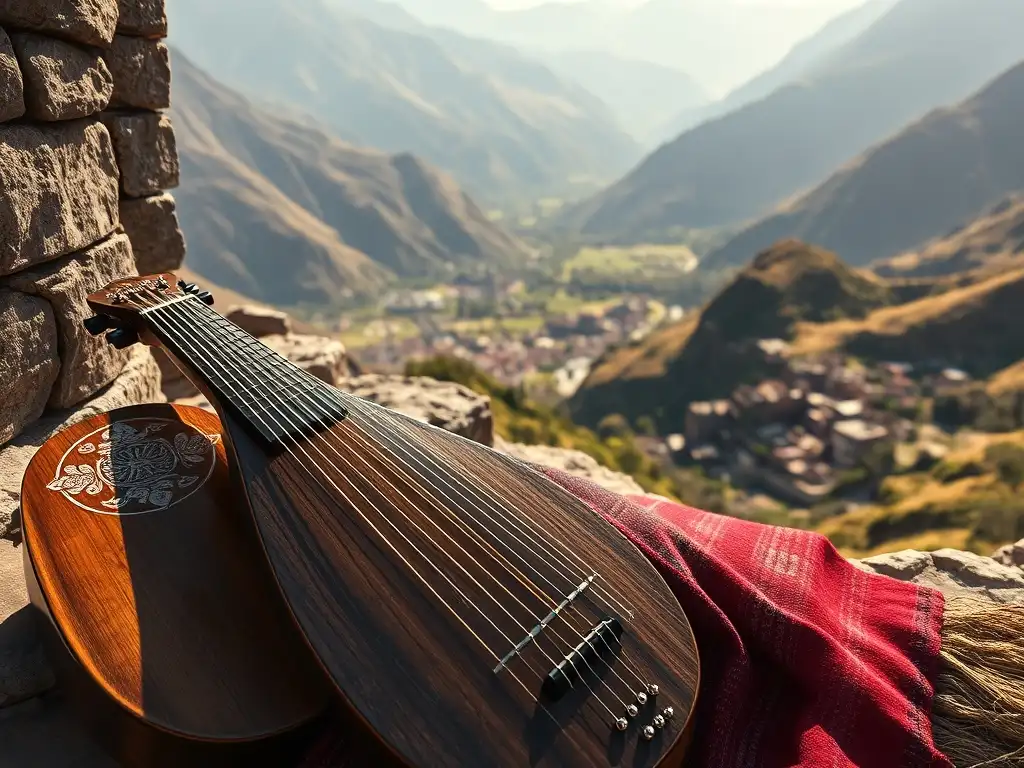
Step into a world lost to time, yet echoing with the vibrant sounds of a powerful past. Discover the intriguing connection between Andean musical instrument history and the social hierarchy of ancient civilizations. Were these instruments mere tools, or did they hold a key to unlocking the secrets of Inca, Moche, and Nazca power? Unravel the mystery and explore the fascinating story of how music shaped the destinies of these remarkable Andean cultures. Dive in and uncover the sounds of prestige!
- Andean Musical Instrument History: Sounds of Power and Prestige
- The Significance of Music in Andean Societies
- Andean Musical Instruments as Status Symbols
- Specific Andean Instruments and Their Status Implications
- Musical Performance as a Display of Status
- The Legacy of Andean Musical Instruments
-
Frequently Asked Questions
- What role did music play in Andean societies?
- Were Andean musical instruments solely used for entertainment?
- Which Andean civilizations are known for their unique musical instruments?
- How did the status of an individual influence their access to musical instruments?
- What types of materials were typically used to create Andean musical instruments?
- Final Reflection: Echoes of Power: The Enduring Legacy of Andean Instruments
- **Elevate Your Understanding of Andean Culture! **
Andean Musical Instrument History: Sounds of Power and Prestige
The vibrant tapestry of Andean culture is richly woven with threads of music, a powerful force that transcended mere entertainment. For the ancient Andean civilizations – from the Incas to the Moche, Nazca, and Tiahuanaco – musical instruments were not simply tools for creating sound; they were potent symbols of status, power, and prestige.
This exploration delves into the fascinating history of Andean musical instruments, revealing how their craftsmanship, materials, and the very sounds they produced reflected and reinforced social hierarchies. We will examine how access to specific instruments, their intricate designs, and the skills needed to play them, all contributed to an individual's social standing within these complex societies.
Understanding the role of these instruments provides invaluable insight into the social structures, religious beliefs, and artistic achievements of the Andean world. This journey through time will uncover how the sounds of the Andes echoed the power dynamics and social stratification of its inhabitants.
The Inca Empire: Instruments of Imperial Control
The Inca Empire, renowned for its sophisticated administrative system and vast territorial expanse, wielded music as a tool of imperial control and cultural unification. Specific instruments were associated with different social classes and roles within the empire. For instance, the pututu, a long, shell trumpet, was primarily used for ceremonial purposes and announcements of imperial decrees, signifying the authority and power of the Sapa Inca (emperor).
Its deep, resonant sound could be heard across vast distances, literally amplifying the Inca's reach and control. Conversely, simpler instruments like the antara (panpipes) were more widely accessible, but even within this accessibility, variations in size and craftsmanship indicated differences in social standing. The finer the antara, the more skilled the craftsman, and the higher the social status of the owner.
Detailed records, albeit scarce, suggest that musicians held important positions within Inca society, often serving the court and participating in religious ceremonies. These musicians, possessing the skill to play these prestigious instruments, enjoyed a privileged position within the empire's social structure. The intricate designs and precious materials used in crafting some instruments further underscored their importance and the social standing of their owners.
Pre-Inca Cultures: A Symphony of Diverse Sounds and Status
Before the Inca Empire rose to prominence, a multitude of cultures flourished in the Andes, each developing its own unique musical traditions and instruments. The Moche civilization, known for its elaborate metalworking, crafted exquisite instruments from gold, silver, and copper, demonstrating their advanced technological skills and the high value placed upon music. These precious metal instruments, often intricately decorated with depictions of deities and mythical creatures, were undoubtedly symbols of power and wealth, reserved for the elite.
Similarly, the Nazca culture, celebrated for its enigmatic geoglyphs, employed a variety of instruments, including flutes and drums, in their religious ceremonies. While less information is available regarding the precise social implications of these instruments, their presence in elaborate burial sites suggests their importance in the afterlife and the status of the deceased.
The Tiahuanaco culture, with its monumental architecture, also left behind evidence of musical instruments, although their specific social functions remain an area of ongoing research. Archaeological discoveries continue to shed light on the diverse musical landscape of the pre-Inca period and reveal the intricate relationship between music, power, and social status.
The Legacy of Andean Musical Instruments: A Continuing Resonance
The legacy of Andean musical instruments continues to resonate today. Many traditional instruments, such as the charango, zampoña (panpipes), and quena (flute), remain integral parts of Andean musical traditions. While their social significance may have evolved, the instruments' historical connection to power and prestige is undeniable.
The craftsmanship, the materials, and the sounds themselves still carry echoes of the ancient Andean civilizations, reminding us of the enduring power of music to express identity, spirituality, and social standing. The study of these instruments offers a compelling lens through which to view the rich and complex history of Andean societies, illuminating the intricate interplay between music, power, and the social fabric of these remarkable cultures. Further research, particularly focused on uncovering more detailed archaeological evidence and analyzing surviving musical traditions, will continue to enrich our understanding of the role of Andean musical instruments as powerful symbols of status and prestige.
The Significance of Music in Andean Societies
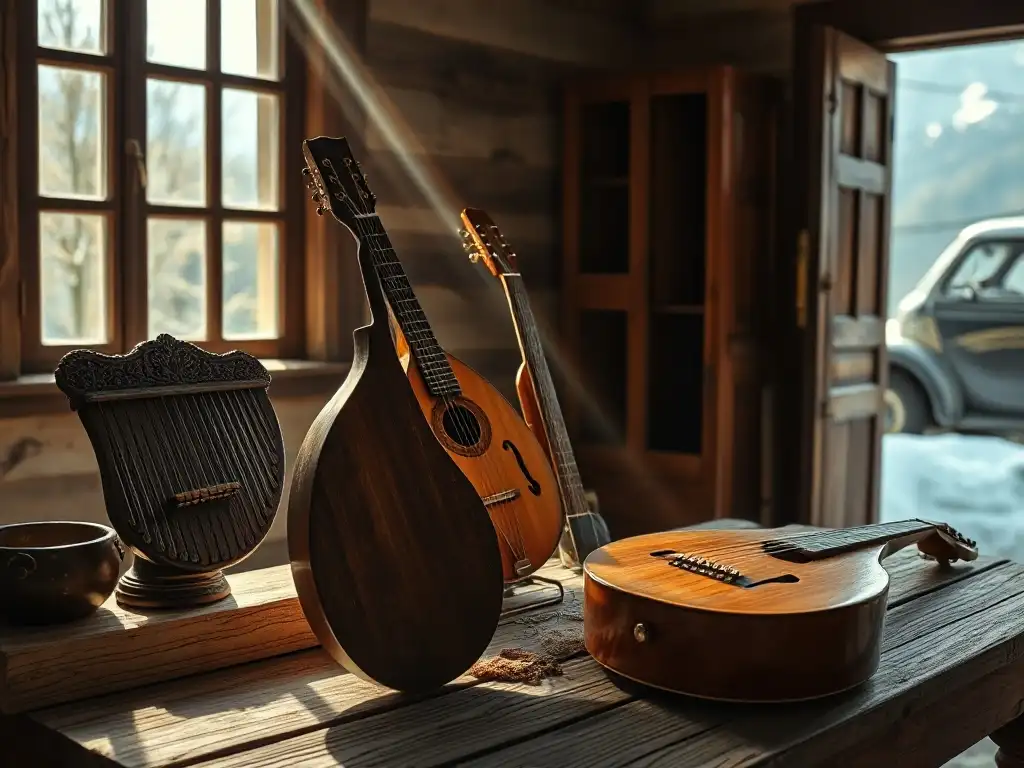
The vibrant tapestry of Andean culture is inextricably woven with music. Far from mere entertainment, music held profound social, religious, and political significance across various Andean civilizations, from the pre-Inca cultures to the Inca Empire itself. Understanding the role of music in these societies is crucial to appreciating the complex social structures and power dynamics at play.
The creation, performance, and ownership of musical instruments were deeply intertwined with concepts of status, lineage, and spiritual power. This intimate relationship between music and social hierarchy is a key aspect of understanding Andean musical instrument history. The soundscapes of the Andes were not just auditory experiences; they were active participants in shaping social realities.
Andean musical traditions reflected the hierarchical nature of their societies. Access to certain instruments, musical styles, and performance opportunities was often restricted based on social standing. Elite classes, including priests, nobles, and rulers, enjoyed privileged access to specific instruments, often made with precious materials like gold, silver, and rare woods.
These instruments, meticulously crafted and adorned, served as tangible symbols of their high status. Conversely, commoners would typically play simpler instruments made from readily available materials. This disparity in instrument quality and access directly mirrors the social stratification prevalent within these societies.
For example, the intricate pututu horns, often crafted from shell and used in important ceremonies, were unlikely to be found in the possession of ordinary individuals. The very act of playing a specific instrument could signify one's place within the social order. The study of Andean musical instrument history reveals a clear connection between musical practice and social hierarchy.
The Role of Andean Instruments in Rituals and Ceremonies
The use of Andean musical instruments extended far beyond mere entertainment; they were central to religious rituals and ceremonies. Instruments played a crucial role in communicating with the supernatural world, invoking deities, and ensuring the well-being of the community. The sounds produced were believed to possess inherent power, capable of influencing the natural world and the lives of individuals.
The antara, a panpipe, for instance, was often used in ceremonies related to agriculture and fertility, its melodies believed to promote bountiful harvests. Similarly, the rhythmic beating of drums like the tinku drum played a vital role in various rituals, creating an atmosphere conducive to spiritual connection.
Analysis of archaeological findings, such as the discovery of musical instruments within burial sites, strongly supports the integral role of music in Andean religious practices. This close relationship between music and the sacred realm further underscores the importance of Andean musical instrument history in comprehending the spiritual beliefs of these societies.
Andean Soundscapes: Beyond Entertainment
The Andean soundscape encompassed far more than just formal rituals and ceremonies. Music permeated daily life, serving as a backdrop to agricultural work, social gatherings, and even warfare. The sounds of panpipes, drums, and other instruments were integral to the daily experience of Andean communities.
This ubiquitous presence of music in everyday life highlights its importance as a unifying element within society. Understanding the diverse contexts in which these instruments were employed reveals a more complete picture of Andean life and culture. The sounds of the Andes were not simply a soundtrack; they were a vital component of the social fabric, reflecting the intricate interplay between music, power, and daily existence.
This holistic view is essential for a comprehensive understanding of Andean musical instrument history, moving beyond a simple cataloging of artifacts to a richer appreciation of their cultural significance. The integration of music into every aspect of life underscores the profound influence of sound in shaping Andean identity and experience.
Andean Musical Instruments as Status Symbols
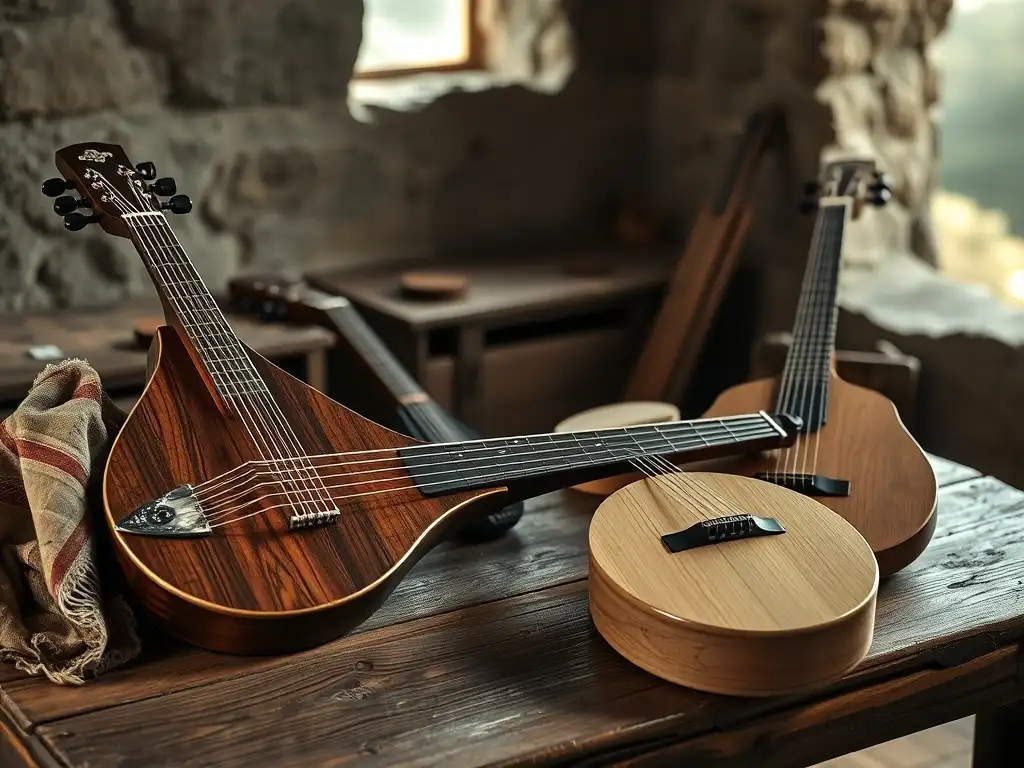
This section delves into the fascinating relationship between Andean musical instruments and social status within ancient Andean societies. We'll explore how the materials, craftsmanship, and decoration of these instruments served as potent symbols of power and prestige, reflecting the intricate social hierarchies of the time. Understanding this connection provides invaluable insight into the complex cultural fabric of Andean civilizations and enriches our understanding of Andean musical instrument history.
The Material Value of Andean Instruments
The materials used in the creation of Andean musical instruments were not chosen arbitrarily; they often directly correlated with the social standing of the instrument's owner. Rare and precious materials signaled high status. For example, instruments crafted from gold, silver, or inlaid with semi-precious stones like turquoise and lapis lazuli were clearly reserved for the elite—rulers, priests, and high-ranking officials. These materials were not only visually stunning but also held significant symbolic meaning within Andean cosmology, further enhancing their value as status symbols.
Consider the pututu, a long shell trumpet often used in ceremonial contexts. While simpler versions might have been made from readily available shells, those belonging to powerful individuals were often adorned with elaborate carvings, gold leaf, or even precious metal mounts. The rarer the shell and the more intricate the embellishments, the greater the instrument's association with power and prestige.
Similarly, the tarka, a type of panpipe, could be crafted from different materials, with those made from fine woods or adorned with silver reflecting a higher social standing than simpler reed versions. The use of specific woods, like those with unique grain patterns or colors, also contributed to the instrument’s value and status.
The sheer size and weight of some instruments also implied a degree of social power. Larger, more elaborate instruments, requiring significant resources to produce, were often reserved for individuals of high rank, demonstrating their access to resources and labor.
The skill and artistry involved in crafting Andean musical instruments were equally important in determining their status value. Highly skilled artisans, often working within royal workshops or under the patronage of powerful figures, held esteemed positions in society. Their craftsmanship was not just a technical skill but a reflection of their social standing and the prestige associated with their creations.
The level of detail and precision in the instrument's construction was a key indicator of its value. Intricate carvings, meticulous inlay work, and perfect tuning all contributed to the instrument's status. These aspects required not only technical expertise but also considerable time and effort, further enhancing the instrument's value as a symbol of power and prestige. The maker's reputation also played a significant role. Instruments crafted by renowned artisans were highly sought after and commanded higher value than those made by less experienced craftsmen. This is analogous to the value placed on instruments made by famous luthiers today.
Evidence suggests that specialized workshops existed, producing instruments for the elite. These workshops would have employed skilled artisans who were themselves highly valued members of society. The instruments they produced would have been imbued with both their technical skill and their social standing.
How Andean Instrument Decoration Reflected Power
The decorative elements on Andean musical instruments often served as explicit markers of social status. Symbolic imagery, including depictions of deities, mythical creatures, and royal insignia, were frequently incorporated into the designs. These decorations were not merely aesthetic; they communicated the instrument owner's connection to power, authority, and religious legitimacy.
For instance, instruments adorned with representations of the Inca sun god, Inti, or other powerful deities, would have signified a close relationship with the divine and the ruling elite. Similarly, instruments featuring royal emblems or clan symbols would have indicated the owner's affiliation with a specific lineage or their position within the social hierarchy. The use of specific colors, such as red (associated with power and blood) or gold (representing the sun and divinity), also contributed to the instrument's symbolic significance.
The density and complexity of the decorations further enhanced their status. Elaborate carvings, intricate metalwork, and the use of multiple precious materials all signaled high status, demonstrating the owner's access to resources and their elevated position within society. The more elaborate the decoration, the stronger the statement of power and prestige associated with the instrument.
This is clearly visible in surviving examples of ceremonial instruments from various Andean cultures, where the level of decoration directly correlates with the presumed social standing of the owner. Further research into surviving artifacts and iconography will further illuminate this fascinating aspect of Andean musical instrument history.
The Use of Rare Materials in Andean Instrument Construction
The creation of Andean musical instruments frequently involved the strategic use of rare and precious materials, directly reflecting the social status and power of their owners. This wasn't simply a matter of aesthetics; the incorporation of these materials served as a powerful visual and symbolic declaration of wealth and prestige.
For example, certain panpipes, particularly those belonging to elite members of society, might be crafted from fine silver or gold, metals not readily accessible to the average person. The intricate detail and sheer quantity of precious metal used often correlated directly with the instrument owner's standing within the community.
This wasn't limited to panpipes; elaborately carved and inlaid drums, possibly using rare hardwoods such as mahogany or even materials like shell and turquoise inlay, also served as potent symbols of status. The more elaborate the ornamentation and the rarer the material, the higher the social standing of the musician or the individual who owned the instrument.
The scarcity of these materials also played a crucial role in establishing the instruments' value. Access to gold, silver, or specific types of wood often depended on political connections or control over trade routes. Therefore, the mere possession of an instrument crafted from these materials demonstrated a level of power and influence beyond the instrument's musical capabilities.
This is further supported by archaeological evidence showing the careful burial of such instruments with high-status individuals, solidifying their importance as status markers even in the afterlife. The meticulous craftsmanship involved in these instruments, combined with the use of rare and precious materials, emphasizes the significant investment of time, skill, and resources associated with their creation and ownership. This investment directly translated into a potent display of social standing.
Furthermore, the use of rare materials extended beyond the instrument's body. The adornments and decorative elements frequently included precious stones, feathers of rare birds, and intricately woven textiles. These added elements further heightened the instrument's value and symbolic power, making it a truly exceptional and highly prized possession.
This practice highlights the multifaceted nature of these instruments as not only musical tools but also significant cultural artifacts and powerful symbols of social hierarchy in Andean societies. The careful selection and incorporation of rare materials were integral to the construction of these instruments, transforming them into potent emblems of status and prestige.
Specific Andean Instruments and Their Status Implications
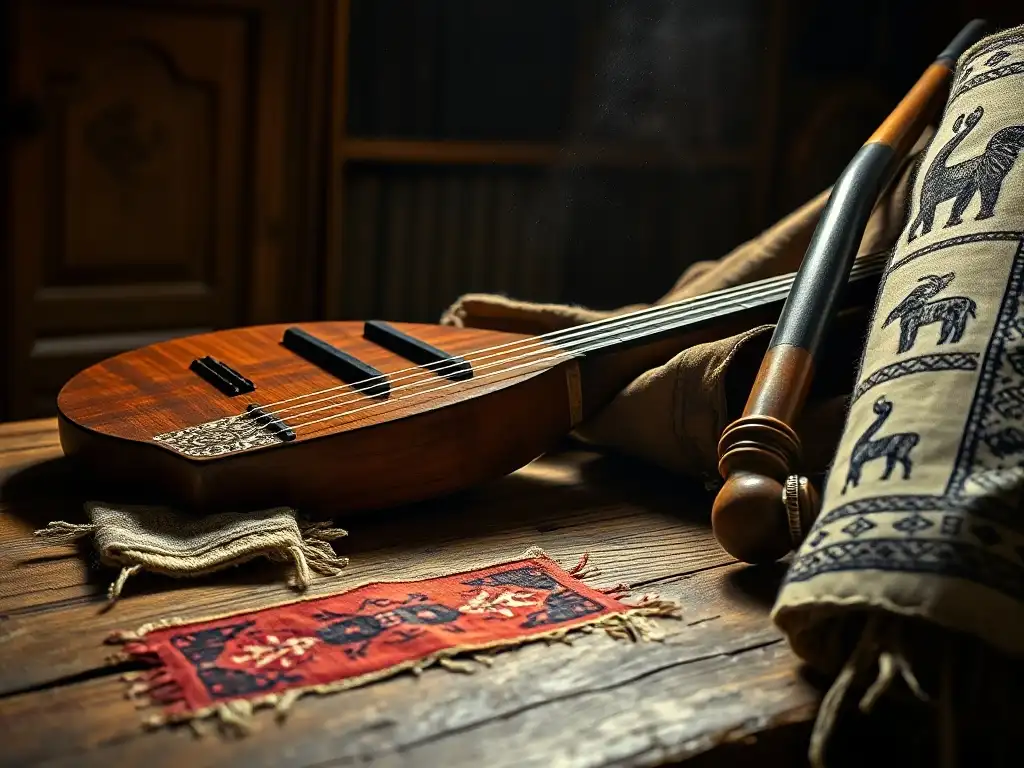
This section delves into the specific Andean musical instruments and analyzes their role as status symbols within different Andean societies. We will examine how access to certain instruments, their construction materials, and the musical styles associated with them reflected and reinforced social hierarchies. The use of Andean musical instruments wasn't merely for entertainment; it was deeply intertwined with religious practices, political power, and social standing, offering a fascinating glimpse into the complexities of Andean social structures. Understanding the Andean musical instrument history reveals much about the societies that created and used them.
The Siku (Panpipes): A Symbol of Community and Hierarchy
The siku, a panpipe instrument made of several reeds of varying lengths, holds a prominent place in Andean musical traditions. Its significance transcends mere musicality; it represents both community and hierarchy. The communal aspect stems from the siku's frequent use in ensemble performances, emphasizing collective participation and social bonding. However, the Andean musical instrument history also reveals variations in siku construction and playing styles that correlated with social status.
Siku Variations and Their Social Contexts
Different siku types existed, reflecting variations in material, size, and number of pipes. For example, larger sikus, crafted from carefully selected reeds and often adorned with intricate carvings, might have been reserved for elite musicians or used in ceremonies led by high-ranking officials. Smaller, simpler sikus were more common among the general population.
The quality of the reeds, the craftsmanship of the instrument, and even the type of binding material used all contributed to a siku's perceived value and the social standing of its player. [Specific data on material variations and their correlation to social class pending]. This subtle yet powerful system of visual and auditory cues communicated social hierarchy within Andean communities.
The Siku in Andean Ritual Performances
The siku's role in religious ceremonies further solidified its connection to power and status. In many Andean cultures, music was an integral part of rituals aimed at appeasing deities or ensuring a successful harvest. The skilled siku players who led these ceremonies often held positions of authority or prestige within their communities.
Their musical proficiency served not only as a form of religious expression but also as a demonstration of their social standing and spiritual connection. The intricate melodies and rhythmic patterns played on the siku during these rituals were not merely musical performances; they were powerful acts of social and spiritual reinforcement.
The Pinkillu (Flute): Associated with Nobility and Ritual Leadership
The pinkillu, a long, vertical flute, is another Andean instrument whose association with power and status is well-documented. Unlike the siku's communal connotations, the pinkillu is more strongly linked to nobility and ritual leadership. Its elegant form and often elaborate decoration contributed to its association with high social standing.
Pinkillu Construction and its Significance
The construction of a pinkillu demanded skill and precision. High-quality pinkillus were often made from precious materials like silver or gold, further emphasizing their association with wealth and power. [Specific examples of pinkillu construction materials and their regional variations pending]. The intricate carvings and embellishments that adorned many pinkillus served as visual markers of status, signifying the social standing of both the artisan and the instrument's owner. The very act of playing the pinkillu could be seen as a display of power and authority.
Pinkillu Music as a Display of Power
The music produced by the pinkillu frequently accompanied important ceremonies and rituals, often played by individuals of high social rank. The melodies, often characterized by their soaring and majestic quality, served as a powerful auditory expression of authority and spiritual leadership. The Andean musical instrument history shows that the pinkillu's association with power wasn't merely symbolic; it was actively reinforced through its use in formal contexts and its association with elite musicians and leaders.
The instrument's sound, its material, and its association with ritual solidified its role as a potent symbol of power within Andean society. The careful selection of players and the specific musical pieces performed further reinforced the instrument's status as a marker of social and spiritual authority.
The wankar, a large, cylindrical drum, holds a prominent place in the Andean musical landscape, but its significance extends far beyond mere musicality. Its size, construction, and use directly correlated with power and social status within various Andean societies. The sheer volume and resonant quality of the wankar allowed its sound to carry across vast distances, symbolizing the reach and authority of its owner or the community it represented.
The rhythmic beats weren't simply musical; they were pronouncements of power, declarations of control, and a tangible manifestation of social hierarchy. The possession of a wankar, particularly a large and elaborately crafted one, indicated wealth, influence, and a high standing within the social structure.
This wasn't just a matter of access to materials; the skilled craftsmanship required to build these instruments further cemented their status as symbols of prestige. The deeper the resonant tone, the more powerful the individual or group associated with it.
The Wankar's Role in Andean Warfare and Ceremonies
The wankar's role in Andean warfare was crucial. Its booming sound served as a battle cry, rallying troops and instilling fear in opponents. The rhythmic pounding of the wankar coordinated troop movements and signaled attacks and retreats.
Beyond warfare, the wankar played a central role in religious ceremonies and festivals. Its powerful sound was believed to communicate with the spirits and appease the gods. The size and decoration of the wankar used in these ceremonies directly reflected the importance of the event and the status of those involved.
Larger, more intricately decorated wankars were reserved for significant religious events, reinforcing the instrument's role as a powerful symbol of spiritual and social authority. The skill of the wankar player themselves was also valued, with expert drummers often holding positions of respect and influence within their communities. Their ability to manipulate the sound and rhythm of the wankar was viewed as a sacred skill, connecting them directly to the spiritual power of the instrument.
Wankar Construction and the Social Implications of its Size
The construction of a wankar was a complex process, requiring specialized skills and access to specific materials. The size of the drum itself was a key indicator of status. Larger wankars, requiring more resources and expertise to construct, were associated with higher social standing. The materials used, such as specific types of wood and animal hides, also contributed to the instrument's symbolic value.
For example, the use of a particular type of wood might signify a connection to a specific lineage or deity. Intricate carvings and decorations further enhanced the wankar's symbolic weight, often depicting important figures, events, or spiritual motifs. The time and effort invested in crafting a large and elaborately decorated wankar directly translated into its perceived value and the status of its owner. This intricate process meant that only those with sufficient resources and social standing could afford such a prestigious instrument.
Other Notable Andean Instruments and Their Symbolic Weight
Beyond the wankar, several other Andean instruments carried significant symbolic weight, reflecting the social and cultural values of their respective societies. These instruments, through their construction, materials, and use, became integral parts of social hierarchies and power structures. Their sounds weren't just musical notes; they were expressions of status, identity, and cultural heritage. The careful crafting and ceremonial use of these instruments highlight the deep connection between music, society, and spirituality in the Andean world. The intricate relationship between music and social structure showcases the importance of Andean musical traditions in understanding their complex history and culture.
The Charango: A Symbol of Love and Celebration
The charango, a small lute-like instrument, while not always directly associated with power in the same way as the wankar, held a significant place in Andean culture, often symbolizing love, celebration, and personal expression. Its smaller size and more intimate sound contrasted with the imposing wankar, yet its exquisite craftsmanship and the emotional depth of its music still conveyed social meaning. The intricate carvings and decorations often found on charangos reflected the personal style and taste of its owner, showcasing individual creativity and artistic expression.
While not a symbol of overt power like the wankar, the charango represented a different kind of status—a reflection of personal artistry, emotional depth, and refined taste. The charango's popularity in romantic serenades and celebratory gatherings further cemented its role as a symbol of love and joyful expression, adding another layer to its cultural significance.
The Caja: A Versatile Percussion Instrument
The caja, a small rectangular drum, is a versatile percussion instrument used in a wide range of Andean musical genres. Its relatively simple construction, compared to the wankar, might suggest a less prominent social status, but its widespread use and adaptability ensured its importance. The caja was used in both communal celebrations and intimate gatherings, demonstrating its versatility and adaptability to various social settings.
Its rhythmic patterns could accompany dances, rituals, and everyday life, making it a ubiquitous part of Andean musical culture. While perhaps not carrying the same weight of power as the wankar, the caja’s prevalence and constant presence in Andean musical life demonstrate its enduring cultural significance and its role in the social fabric of Andean communities. Its accessibility and widespread use made it a symbol of shared cultural identity.
Musical Performance as a Display of Status
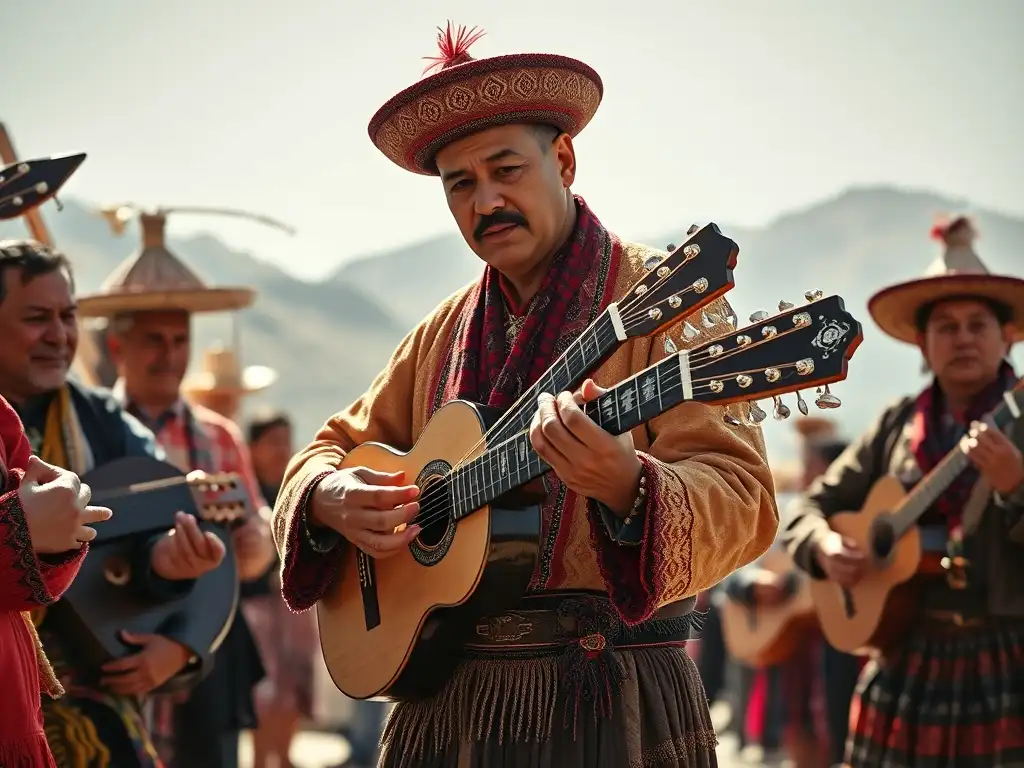
Musical performance in Andean societies wasn't merely entertainment; it served as a powerful display of social standing and political authority. The type of instrument played, the skill demonstrated, and the context of the performance all contributed to conveying social prestige. Access to certain instruments, often crafted from rare materials and requiring extensive training, was restricted to the elite, reinforcing their elevated position within the social hierarchy.
This wasn't simply about possessing an instrument; it was about the performance itself, a carefully orchestrated demonstration of power and refinement. The sheer spectacle of a large ensemble, with its intricate rhythms and sophisticated melodies, served to amplify the status of the sponsoring individual or group. Consider, for example, the elaborate ceremonies of the Inca Empire, where musical performances were integral to reinforcing the emperor's divine right to rule.
The sheer scale of these events, involving hundreds of musicians and dancers, underscored the emperor's power and wealth. This section will delve further into the nuanced ways Andean musical performances functioned as displays of status, exploring the social significance of ensembles, the instrument-playing hierarchy, and the crucial role of musical skill.
Andean musical ensembles weren't simply groups of musicians playing together; they represented complex social structures and relationships. The size and composition of an ensemble often reflected the status of its patron. Larger ensembles, featuring a wider variety of instruments, were typically associated with the elite, such as Inca royalty or powerful regional leaders. Smaller ensembles, perhaps featuring just a few panpipes or a single antara, might have been common in more modest settings.
The organization of these ensembles also revealed social dynamics; leadership roles within the group likely reflected existing hierarchies within the community. Furthermore, the repertoire played by an ensemble could be highly significant. Certain songs and musical styles might have been reserved for specific occasions or social groups, further reinforcing social distinctions.
The use of particular instruments within an ensemble also contributed to the overall message. For instance, the presence of a pututu (a long shell trumpet) might signal a sacred or official event, emphasizing the solemnity and importance of the occasion. Detailed analysis of iconography and archaeological finds continues to reveal new insights into the social significance of Andean musical ensembles, enriching our understanding of Andean musical instrument history.
Who Played Which Instruments and When?
The access to and proficiency with certain Andean musical instruments was closely tied to social class and status. While some instruments, such as simple flutes, might have been more accessible to a wider population, others, like the elaborate tinku (a type of double-reed instrument) or the meticulously crafted charango, were likely restricted to the elite. Archaeological evidence suggests that specialized workshops existed, producing high-quality instruments for the nobility. The level of craftsmanship, the use of precious materials like gold and silver, and the intricate decoration further emphasized the exclusive nature of these instruments.
Furthermore, the time period and geographical location also played a role. The instruments and musical styles prevalent during the Inca Empire differed from those of earlier cultures like the Nazca or Moche. Understanding this historical context is crucial for interpreting the social significance of musical performance in various Andean societies.
More research is needed to fully unravel the intricate relationships between instrument access, skill level, and social hierarchy across different time periods and regions. [Specific information pending: detailed studies on instrument ownership across different social classes]. This would help us better understand the intricacies of Andean musical instrument history.
The Importance of Musical Skill in Andean Society
Musical skill wasn't just a talent; it was a highly valued asset in Andean societies, often signifying high social status and prestige. Mastering an instrument, especially one requiring advanced techniques, demanded years of dedicated practice and training. This dedication reflected the importance placed on musical ability, elevating skilled musicians to positions of respect and influence.
The ability to compose and perform complex musical pieces demonstrated not only technical skill but also creativity and intellectual prowess, qualities highly valued by the elite. Furthermore, musicians often played important roles in religious ceremonies and state events, further reinforcing their elevated social standing. The prestige associated with musical mastery is evidenced by the depictions of musicians in Andean art, often portrayed in elaborate attire and holding prominent positions in ceremonial scenes.
The skill level required to play some of the more complex instruments, such as the antara (a panpipes ensemble), was considerable, suggesting a rigorous training process likely reserved for individuals of higher social standing. This high regard for musical skill underscores the significance of music in shaping Andean social structures and power dynamics, solidifying its place within Andean musical instrument history.
The Legacy of Andean Musical Instruments
The history of Andean musical instruments is deeply intertwined with the social fabric of the civilizations that flourished in the Andes Mountains. These instruments weren't merely tools for creating music; they were powerful symbols of status, authority, and spiritual connection. Their intricate designs, the materials used in their construction (often precious metals and exotic woods), and the skill required to play them all contributed to their elevated social significance.
Understanding this legacy requires examining not only the instruments themselves but also their role in rituals, ceremonies, and everyday life. The study of Andean musical instrument history reveals a fascinating interplay between technological innovation, artistic expression, and social hierarchy.
Analyzing the evolution of these instruments provides crucial insights into the beliefs, values, and power structures of ancient Andean societies. We can trace the development of instruments from simple panpipes to complex ensembles, reflecting the increasing sophistication and complexity of Andean cultures over centuries.
Andean Musical Traditions and Their Modern Continuations
Andean musical traditions, rich and diverse, continue to thrive today, albeit in modified forms. Many instruments, such as the antara (panpipes), tarka (vertical flute), and charango (a small lute-like instrument), have survived for centuries, maintaining their essential form and function. However, the context in which they are played has evolved. While historically associated with religious ceremonies and royal courts, these instruments now feature prominently in folk music, contemporary compositions, and even fusion genres.
This evolution doesn't diminish their cultural significance; rather, it demonstrates the remarkable adaptability and enduring appeal of Andean musical traditions. The incorporation of modern materials and techniques alongside traditional methods showcases a dynamic interplay between the past and the present. For example, some contemporary charangos utilize electric pickups, allowing for amplified performances in larger venues, while still retaining the traditional handcrafted body. This blend of old and new underscores the enduring relevance of Andean musical heritage.
The continued use of these instruments in modern contexts also points to the strength of oral transmission and apprenticeship within Andean communities. The knowledge and techniques associated with making and playing these instruments have been passed down through generations, often within families, ensuring the preservation of this crucial aspect of Andean cultural identity. This oral tradition is crucial to the continued existence of many instruments, as written documentation of construction methods and musical traditions is often limited.
The Enduring Power of Andean Instruments
The enduring power of Andean instruments lies in their capacity to evoke a sense of place, history, and cultural identity. The sounds produced by these instruments are deeply embedded in the collective memory of Andean communities, resonating with a powerful emotional force. The pututu, a long shell trumpet used for ceremonial announcements, for instance, is more than just a musical instrument; it is a symbol of authority and communication across vast distances, echoing the grandeur of the Inca Empire.
Similarly, the quena, a simple flute, often accompanies traditional dances and songs, conveying a profound connection to the land and its people. The use of these instruments in contemporary Andean music underscores their continued relevance and emotional resonance.
Even when adapted to modern musical styles, these instruments retain their unique sonic qualities, instantly recognizable as expressions of Andean heritage. The continued use of these instruments in contemporary performances helps to maintain a living connection to the past, ensuring that their historical and cultural significance is not lost.
Further research into specific instruments and their regional variations would provide a deeper understanding of the nuances of their social and cultural importance throughout different Andean societies. For example, [specific information pending] regarding the use of specific instruments in different ceremonies and social contexts within various Andean cultures.
Contemporary Andean Music and Instrument Innovations
Contemporary Andean music is a vibrant and evolving landscape, incorporating traditional instruments with modern influences. While the core sounds of instruments like the antara and charango remain central, contemporary musicians are experimenting with new sounds and techniques. This includes the incorporation of electronic instruments, the creation of new compositions that blend traditional melodies with modern rhythms, and the exploration of unconventional performance spaces.
This innovative approach not only keeps Andean musical traditions alive but also ensures their relevance to new generations. The fusion of traditional and contemporary elements creates a dynamic and engaging musical experience, reflecting the dynamism of Andean culture itself. The creative use of traditional instruments in new and unexpected contexts also pushes the boundaries of musical expression, leading to the creation of unique and exciting soundscapes.
Moreover, the increasing accessibility of musical instruments and technology is contributing to the growth and evolution of Andean music. The rise of online platforms allows musicians to share their work with a wider audience, fostering collaboration and cross-cultural exchange. This increased visibility is not only beneficial for individual musicians but also helps to promote and preserve Andean musical traditions on a global scale.
This global reach allows for new interpretations and collaborations, furthering the evolution of Andean musical instrument history. The future of Andean music, therefore, is one of exciting innovation and global engagement, firmly rooted in its rich historical legacy.
Frequently Asked Questions
What role did music play in Andean societies?
Music held a significant role in Andean societies, reflecting their social structures, religious beliefs, and daily life. It was integral to ceremonies, rituals, and celebrations.
Were Andean musical instruments solely used for entertainment?
No, Andean instruments had ceremonial and political significance beyond entertainment. They were often associated with power, prestige, and religious authority.
Which Andean civilizations are known for their unique musical instruments?
Many Andean civilizations, including the Inca, Moche, Nazca, and Tiahuanaco, developed distinct musical instruments. Each civilization's instruments often reflected their unique artistic styles and cultural values.
How did the status of an individual influence their access to musical instruments?
Access to certain instruments often correlated with social status. Elaborately crafted instruments, made from precious materials, were reserved for the elite, signifying their power and influence.
What types of materials were typically used to create Andean musical instruments?
Andean instruments were crafted from a variety of materials, including wood, metal, bone, shells, and gourds. The choice of material often reflected the instrument's purpose and the maker's skill.
Final Reflection: Echoes of Power: The Enduring Legacy of Andean Instruments
The intricate relationship between Andean musical instruments and social status remains profoundly relevant today, a vibrant testament to the enduring power of cultural heritage. Understanding this connection allows us to appreciate not only the artistry of these instruments but also the complex social structures they reflect and continue to shape, influencing musical traditions and cultural identity across generations.
The sounds of the charango, zampoña, and sikus resonate far beyond their physical presence; they are echoes of ancient power structures, narratives of resistance, and symbols of cultural pride. These instruments, crafted with meticulous skill and imbued with deep cultural significance, continue to shape musical landscapes and inspire contemporary artists. Music is the universal language of mankind,
said Henry Wadsworth Longfellow, and in the case of Andean instruments, this language speaks volumes about the societies that created and cherished them. Their continued use in both traditional and contemporary settings demonstrates their enduring power to connect past and present.
Consider the legacy of these instruments. Think about the stories they tell, the traditions they uphold, and the communities they unite. You, the reader, are now part of this ongoing conversation. By understanding the historical context of these instruments, you can better appreciate the richness and complexity of Andean culture, and perhaps even find new ways to engage with and celebrate the vibrant musical heritage of the Andes. Let the sounds of these instruments inspire you to explore further, to learn more, and to share this fascinating history with others.
**Elevate Your Understanding of Andean Culture! **
Thank you for exploring the fascinating world of Andean musical instruments with us! You've discovered how these enchanting sounds represent power and prestige in Andean civilizations. Now, let's delve deeper into this vibrant culture.
Here are some ways to continue your journey:
- **Take an Andean music workshop or class** to experience the instruments firsthand and learn about their cultural significance.
- Share your knowledge with friends and family! Host a gathering to showcase Andean music and discuss its history and symbolism.
- **Visit museums and exhibitions** featuring Andean artifacts to further your understanding of this rich tradition.
We're curious: **How do you believe a culture's musical instruments influence perceptions of social status? ** Let's continue the discussion!