
Echoes of the Gods: How Music Shaped Andean Religious Practices

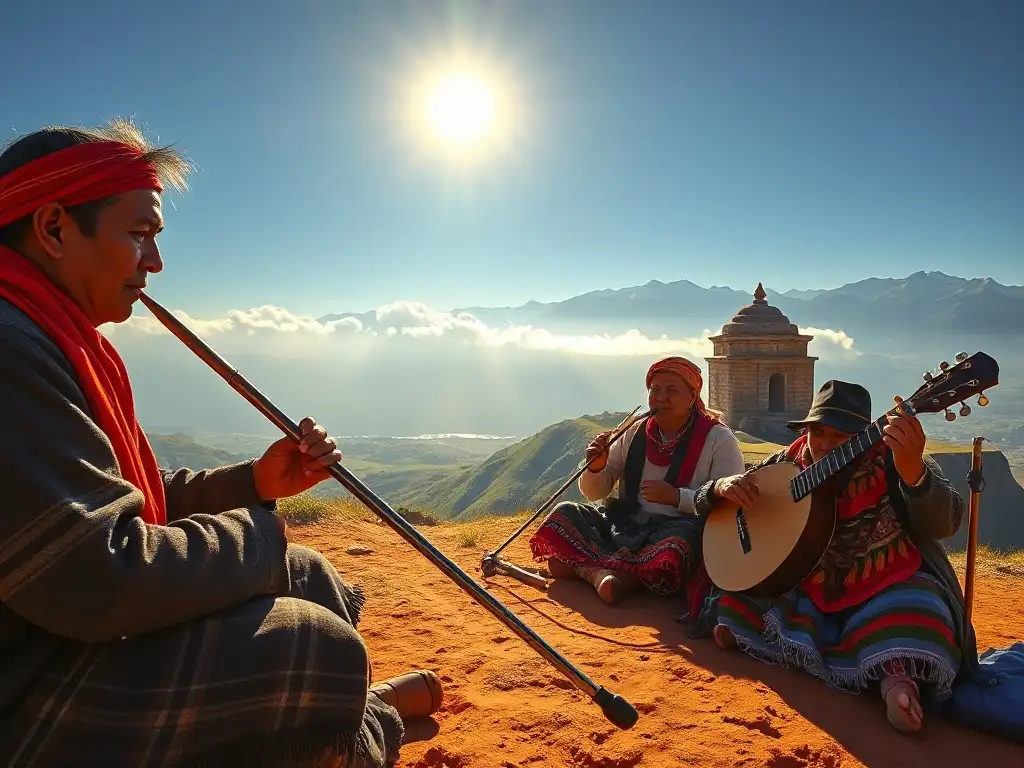
Step into a world lost to time, yet echoing with the vibrant spirit of the Andes. Imagine the soaring melodies and rhythmic beats that once resonated through sacred plazas, weaving a tapestry of faith and devotion. Uncover the profound connection between Andean music history and religious practices, a story waiting to be revealed within the intricate rhythms and haunting harmonies of ancient civilizations. Prepare to be captivated by the echoes of the gods, as we delve into a fascinating journey through the heart of Andean culture.
The vibrant tapestry of Andean civilization, renowned for its intricate artistry, sophisticated engineering, and complex social structures, also possessed a deeply spiritual dimension profoundly intertwined with music. This article delves into the fascinating relationship between music and religious practices in the ancient Andes, exploring how sound served as a conduit to the divine, shaping rituals, ceremonies, and the very fabric of Andean cosmology.
From the haunting melodies of the panpipes to the rhythmic pulse of drums, music wasn't merely entertainment; it was a fundamental component of Andean religious life, a powerful force that connected the earthly realm with the spiritual world. We will examine the evidence suggesting the profound influence of music on Andean spiritual beliefs, exploring its role in pre-Columbian societies and its enduring legacy in contemporary Andean culture.
This exploration will unveil how Andean music history profoundly impacted religious practices, offering a glimpse into the rich sonic landscape of these ancient civilizations. We'll uncover how the sounds of the Andes resonated with the cosmos, shaping beliefs and practices that continue to inspire awe and wonder.
The Sacred Soundscape: An Introduction to Andean Music and Spirituality
Andean spirituality was deeply interconnected with the natural world, with mountains, rivers, and celestial bodies viewed as sacred entities. Music played a vital role in this cosmology, acting as a bridge between the human and divine realms. The sounds of nature – the wind whistling through the mountains, the rushing of rivers, the chirping of birds – were incorporated into musical expressions, reflecting the harmonious relationship between humanity and the environment.
Religious ceremonies often involved musical performances, designed to invoke deities, appease ancestral spirits, or ensure a bountiful harvest. The use of specific instruments and melodies was carefully considered, reflecting the unique characteristics of each deity or ritual. The power of music to evoke emotional responses and alter states of consciousness was recognized and utilized to facilitate spiritual experiences.
This understanding of music’s power is central to comprehending the religious practices of Andean civilizations. The integration of music into daily life, from agricultural cycles to celebrations, reinforced the spiritual significance of sound in Andean society. The very act of making music was considered a sacred act, connecting the performer with the spiritual forces of the universe.
Pre-Columbian Andean Music: A Foundation for Religious Expression
The musical traditions of pre-Columbian Andean cultures laid the groundwork for the rich and diverse musical landscape we observe today. Evidence from archaeological discoveries, such as the remains of musical instruments and depictions of musical performances in pottery and textiles, offers valuable insights into the role of music in ancient Andean societies. The soundscape of the pre-Columbian Andes was diverse, featuring a range of instruments and musical styles that varied across different regions and cultures.
While precise reconstructions of ancient Andean music remain a challenge, scholars have made significant progress in understanding its structure and function based on the available evidence. The careful study of these artifacts reveals a sophisticated musical culture, highlighting the importance of music in religious and social life. The enduring legacy of these musical traditions is evident in contemporary Andean music, demonstrating a continuity of practice spanning millennia.
Early Musical Instruments in Andean Rituals
Archaeological findings reveal a variety of musical instruments used in Andean rituals, each with its unique symbolic and sonic significance. These include instruments like the pututu (a shell trumpet), antara (panpipes), and various types of drums. The pututu, for instance, was often associated with announcements of important events and communication with the gods.
Its powerful sound was believed to carry messages across vast distances, connecting the earthly realm with the spiritual world. The antara, with its varied tones and melodic possibilities, was used in a wide range of rituals, from agricultural ceremonies to funerary rites. Different types of drums, varying in size and material, also played important roles, providing rhythmic accompaniment and contributing to the overall atmosphere of the rituals.
The materials used to create these instruments – often natural resources like shells, wood, and animal skins – further reinforced their connection to the natural world and the spiritual forces it embodied. The craftsmanship involved in creating these instruments also suggests a high level of skill and artistry, underscoring their importance in Andean society. Further research is needed to fully understand the nuances of each instrument's usage in different rituals.
The Role of Music in Ancient Andean Cosmovision
Andean cosmovision, a holistic worldview that integrated the spiritual and physical realms, was deeply influenced by music. Music served as a powerful tool for communicating with the supernatural, invoking deities, and maintaining harmony within the cosmos. Specific musical pieces were associated with particular deities or ceremonies, reflecting the complex relationships within the Andean pantheon.
The rhythmic patterns and melodic structures of the music often mirrored the cycles of nature, reflecting the cyclical nature of Andean cosmology. The use of music in healing ceremonies further illustrates its profound connection to the spiritual world. Music was believed to possess the power to cure illnesses, purify the body and spirit, and restore balance to the individual and the community.
This holistic approach to healing, incorporating music as a central element, reveals the deeply spiritual nature of Andean medical practices. The study of Andean music provides invaluable insights into the beliefs, practices, and worldview of these ancient civilizations, highlighting the profound and multifaceted role of music in shaping Andean religious life.
Andean Music History: Evolution and Religious Significance
The history of Andean music is deeply intertwined with the spiritual beliefs and religious practices of its diverse cultures. From the earliest known musical instruments unearthed in archaeological digs—simple flutes and panpipes dating back millennia—to the complex orchestral arrangements of later empires, music served as a vital link between the human and spiritual realms. The evolution of Andean music reflects a continuous interplay between innovation and tradition, with religious ceremonies acting as powerful catalysts for musical development.
Early forms, often characterized by simple melodies and rhythmic patterns, gradually evolved into more intricate compositions as societies became more complex. The development of sophisticated instruments, such as the antara (panpipes) and the tinku (a type of drum), further enriched the musical landscape and facilitated the expression of increasingly nuanced spiritual beliefs. The use of music in rituals wasn't merely ornamental; it was integral to the efficacy of the ceremonies themselves, believed to influence the gods and the natural world.
This deep connection between music and religion remained a constant throughout the development of Andean civilizations, shaping their cultural identity and worldview. Understanding this historical context is crucial to appreciating the profound significance of music in Andean religious practices.
Music in the Inca Empire: Rituals and Ceremonies
The Inca Empire, reaching its zenith in the 15th and 16th centuries, witnessed a flourishing of musical traditions deeply integrated into their elaborate religious system. Music played a crucial role in almost every aspect of Inca life, from daily rituals to grand state ceremonies. Inca religious ceremonies often involved large-scale musical performances, featuring ensembles of diverse instruments and singers.
These events served not only to honor the Inca deities but also to reinforce social order and political power. Specific musical pieces were associated with particular deities or rituals, creating a complex system of musical symbolism. For instance, certain melodies might have been reserved for the worship of the sun god, Inti, while others were used to appease Pachamama, the earth goddess.
The Inca also employed music in agricultural rituals, seeking to ensure bountiful harvests and appease the spirits of the land. The meticulous organization and highly structured nature of Inca society extended to their musical practices, reflecting the hierarchical structure of their empire.
The Influence of Andean Music on Inca Religious Practices
The Inca's religious practices were profoundly shaped by their intricate musical traditions. Music wasn't just a background element; it was an active participant in shaping the spiritual atmosphere and influencing the outcome of religious ceremonies. The rhythmic drumming, believed to mimic the heartbeat of the earth, was thought to connect participants with the spiritual world.
The soaring melodies of the antara were believed to carry prayers and offerings to the gods. The use of specific instruments and musical forms in different rituals further underscores the significance of music in Inca religious practices. For example, certain instruments might have been reserved for elite priests, while others were used by commoners.
The precise timing and sequencing of musical pieces within a ceremony were also considered crucial, reflecting a deep understanding of the symbolic power of music. The effectiveness of a ritual was often judged by the quality and precision of the musical performance, highlighting the integral role music played in shaping the relationship between the Inca and their deities. The power of music in Inca religious practices extended beyond mere ritual; it served to reinforce social cohesion and maintain the cosmic order.
The Power of Rhythm and Melody in Andean Spirituality
Andean spirituality places immense importance on the power of rhythm and melody. The rhythmic pulse of Andean music is often described as a reflection of the heartbeat of Pachamama, the earth mother, connecting the living with the earth's life force. This rhythmic foundation provides a grounding energy, facilitating a state of spiritual connection and heightened awareness.
Simultaneously, the soaring melodies, often characterized by pentatonic scales, are believed to elevate the spirit, carrying prayers and aspirations towards the celestial realm. The combination of grounding rhythms and uplifting melodies creates a potent spiritual experience, fostering a sense of unity with the cosmos. The use of specific rhythms and melodies in different rituals underscores their symbolic significance.
For example, fast-paced rhythms might have been used in celebratory rituals, while slower, more contemplative melodies might have been employed in ceremonies dedicated to ancestor veneration. This intricate relationship between rhythm, melody, and spiritual purpose highlights the deep-seated belief in the power of music to shape spiritual experience.
The Connection Between Music, Dance, and Andean Deities
In Andean cultures, music and dance are inextricably linked, forming a powerful expression of devotion and connection to the divine. Ritual dances often accompany musical performances, creating a holistic spiritual experience that engages both the body and the spirit. These dances, often highly stylized and symbolic, are believed to represent the movements of the deities or the forces of nature.
For example, dances mimicking the movements of the sun or the patterns of the constellations are not uncommon. The dancers, through their movements and the accompanying music, act as intermediaries between the human and spiritual realms, facilitating communication with the gods. The costumes worn by dancers further enhance this connection, often featuring symbolic colors and designs representing specific deities or natural elements.
The combined power of music, dance, and costume creates a powerful spiritual experience, reinforcing the connection between the Andean people and their deities. This symbiotic relationship underscores the importance of holistic expression in Andean spirituality.
Specific Musical Forms in Andean Religious Rituals
Various specific musical forms were employed in different Andean religious rituals. The yaraví, a melancholic song form often associated with themes of love, loss, and longing, was sometimes used in rituals related to ancestor veneration or mourning. Conversely, upbeat and energetic forms, often involving the tinku drum and other percussion instruments, were used in celebrations and harvest festivals.
The huayno, a lively dance-song tradition, played a significant role in community celebrations and festivals honoring various deities. The choice of musical form was carefully considered, reflecting the specific purpose and atmosphere of the ritual. The use of these distinct musical forms highlights the rich diversity of Andean musical traditions and their deep integration into religious practices.
These forms were not merely artistic expressions; they were integral components of ceremonies, contributing to their effectiveness and spiritual significance. Further research is needed to fully document the specific musical forms used in various Andean religious contexts, and to understand the nuances of their symbolic meaning within different cultural groups.
Andean Music and Religious Practices: Regional Variations
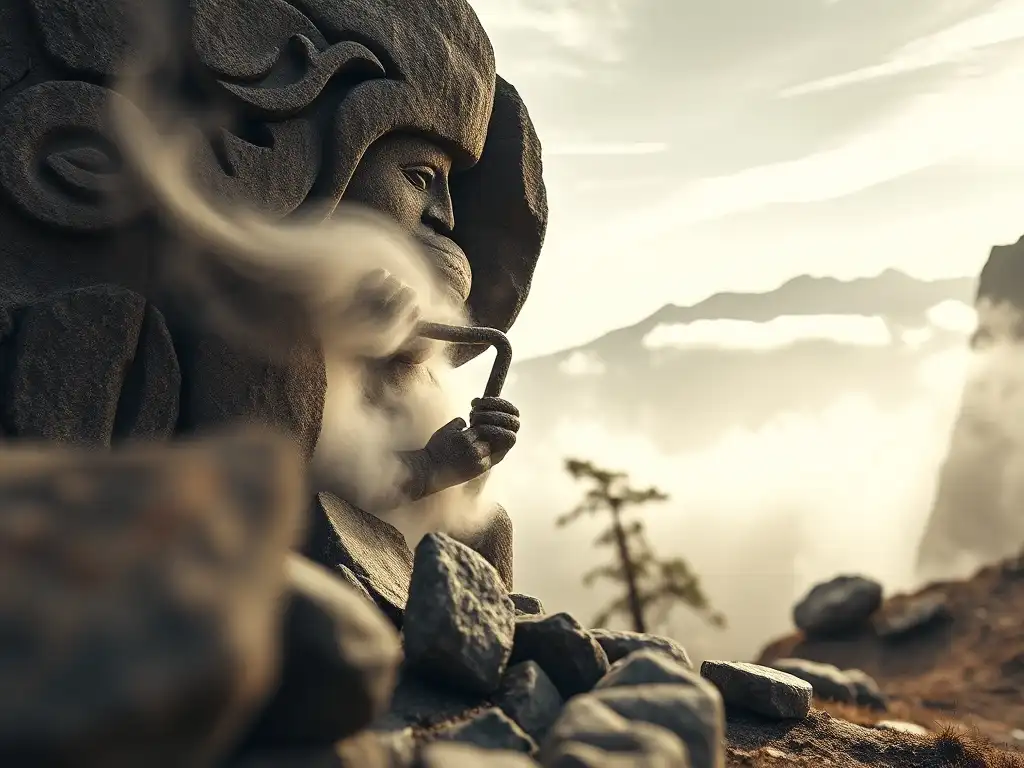
The Andean region, encompassing a vast geographical area and diverse cultures, reveals a rich tapestry of musical traditions deeply intertwined with religious practices. Understanding the nuances of Andean music requires acknowledging the significant regional variations in instruments, musical styles, and their specific roles within religious ceremonies. While certain common threads unite these traditions—the use of panpipes, drums, and vocalizations, for instance—the specific expressions differed vastly depending on the culture and its beliefs.
The relationship between music and the spiritual world was not uniform, reflecting the unique cosmologies and religious systems of each civilization. Archaeological evidence, such as depictions on pottery and textiles, alongside ethnographic studies of surviving traditions, provide valuable insights into this complex relationship.
The absence of written musical notations from pre-Columbian times necessitates a careful interpretation of available visual and contextual evidence to reconstruct the soundscapes of ancient Andean religious ceremonies. The study of Andean music history therefore requires a multifaceted approach, drawing on diverse sources to paint a complete picture.
Musical Traditions of the Moche Culture
The Moche civilization (c. 100-800 CE), known for its sophisticated metalworking and elaborate iconography, also possessed a vibrant musical culture. Depictions on Moche pottery frequently show musicians playing various instruments, including panpipes, trumpets, and drums. These instruments likely played a significant role in Moche religious ceremonies, accompanying rituals dedicated to their gods and ancestors.
The rhythmic patterns and melodies, while largely unknown today, likely reflected the cyclical nature of Moche agricultural practices and their cosmology. The use of specific instruments might have been linked to particular deities or rituals, further highlighting the intricate connection between music and religion in Moche society.
Furthermore, the social hierarchy within Moche society likely influenced musical roles; certain instruments or musical styles may have been reserved for elite members of society during ceremonies. While the exact nature of Moche musical practices remains partially obscured by the passage of time, the archaeological evidence clearly points to music's central role in their religious and social life.
Nazca Musical Practices
The Nazca culture (c. 100 BCE – 800 CE), famed for its enigmatic geoglyphs, also held music in high regard. Though less direct evidence exists compared to the Moche, analysis of Nazca textiles reveals depictions of musicians playing instruments similar to those used by their contemporaries. The prevalence of panpipes, in particular, seems to have been common across several Andean cultures.
Their religious ceremonies, likely involving rituals related to water and fertility given the arid environment, were probably accompanied by music. The sounds of these instruments may have been intended to invoke supernatural forces, ensuring successful harvests and appeasing the gods.
The rhythmic complexities of Nazca music, though unknown in detail, are likely to have reflected the intricacies of their societal structure and religious beliefs. Further research, particularly in the area of acoustic analysis of surviving instruments from the period, is needed to better understand the role of music within Nazca religious practices.
Tiahuanaco Musical Expressions and their Religious Context
The Tiahuanaco civilization (c. 500-1000 CE), a powerful Andean empire, left behind a legacy of monumental architecture and intricate religious beliefs. While direct evidence of their musical practices is scarce, the presence of instruments found in archaeological sites, coupled with the iconography depicting ceremonial events, suggests that music played a crucial role in their religious life. The grandeur of Tiahuanaco's religious structures hints at elaborate ceremonies, and it is plausible that music formed an essential component of these rituals. The scale of their society suggests a complex musical system, potentially incorporating large ensembles of musicians.
The connection between music and the worship of their deities, likely linked to the sun, water, and agriculture, would have been deeply significant. Further research into Tiahuanaco's musical traditions could unveil a rich understanding of their spiritual world. The possibility that Tiahuanaco music influenced later Andean cultures warrants further investigation.
Post-Columbian Andean Music: Surviving Traditions and Religious Syncretism
The arrival of the Spanish conquistadors in the 16th century profoundly impacted Andean societies, including their musical traditions. The imposition of Catholicism led to a complex process of cultural exchange and adaptation, resulting in the emergence of a unique form of religious syncretism reflected in Andean music. This period is characterized by the blending of pre-Columbian musical elements with European musical styles and Catholic religious practices.
The Impact of Colonization on Andean Musical Rituals
The Spanish conquest brought about a significant disruption of indigenous religious practices, including the suppression of many traditional musical performances associated with pre-Columbian rituals. Many instruments were banned, and the performance of traditional music was often discouraged or actively prohibited. This resulted in a period of cultural suppression that threatened the survival of many ancient Andean musical traditions. However, Andean communities demonstrated remarkable resilience, adapting and preserving their musical heritage in subtle and often clandestine ways. Many traditional melodies and rhythms were integrated into new musical forms, often incorporating elements of Catholic liturgy.
The Blending of Andean Music with Catholicism: Religious Syncretism
The blending of Andean and European musical traditions resulted in a fascinating process of religious syncretism. Traditional Andean instruments were often incorporated into Catholic processions and ceremonies, while indigenous melodies and rhythms were adapted to fit the structure of Catholic hymns and prayers. This fusion created a unique musical landscape that reflected the complex relationship between indigenous Andean cultures and the imposed Catholicism.
The survival of many traditional musical elements within this syncretic context demonstrates the enduring power of Andean cultural identity. The resulting music is a testament to the adaptability and creativity of Andean communities in preserving their cultural heritage within the context of colonization. This syncretic music continues to be performed today, serving as a powerful link to the past and a reflection of the ongoing cultural dynamism of the Andean region.
Andean Music Today: Continuing the Legacy of Sacred Sound
Andean music, far from being a relic of the past, thrives in the modern world, carrying the echoes of its sacred origins. While the forms may have evolved, the spiritual essence persists, interwoven into the fabric of contemporary Andean life. The vibrant sounds of panpipes, charangos, and zampoñas continue to resonate, not just as entertainment, but as a living link to ancestral traditions.
Many contemporary Andean musicians actively seek to preserve and revitalize ancient musical practices, incorporating them into their compositions and performances. This conscious effort ensures that the spiritual legacy embedded within the music continues to inspire and connect generations. The use of traditional instruments, combined with modern arrangements and lyrical themes, creates a powerful fusion that reflects both the past and the present.
This blend allows younger generations to engage with their heritage in a relevant and meaningful way, ensuring the continued significance of Andean music in shaping cultural identity. The spiritual power inherent in the music is not lost; instead, it is reinterpreted and reimagined for a new era.
Modern Andean Music and its Connection to Ancestral Religious Beliefs
The connection between modern Andean music and ancestral religious beliefs is profound and multifaceted. While overt ritualistic practices may have diminished in some areas, the underlying spiritual essence remains. Many contemporary songs incorporate themes of Pachamama (Mother Earth), the Apus (mountain spirits), and other deities central to Andean cosmology.
These songs often serve as expressions of gratitude, supplication, or reflection on the interconnectedness of life. For example, contemporary artists frequently incorporate traditional Andean melodies and rhythms into their compositions, imbuing their music with a sense of continuity and reverence for the past. This isn't merely a stylistic choice; it's a conscious act of cultural preservation and spiritual affirmation.
The use of traditional instruments further reinforces this connection, serving as tangible reminders of the sacred heritage. The continued use of these instruments in contemporary music demonstrates the enduring power of these ancient traditions and their continued relevance in modern Andean society. The spiritual power of Andean music is not confined to the past; it continues to shape and inform the present.
The Preservation of Traditional Andean Musical Practices
The preservation of traditional Andean musical practices is a multifaceted endeavor involving musicians, communities, and institutions alike. Efforts range from the establishment of music schools dedicated to teaching traditional instruments and techniques, to the documentation and archiving of ancient musical scores and recordings. Community-based initiatives play a crucial role, ensuring the transmission of musical knowledge across generations.
These initiatives often involve workshops, festivals, and performances that showcase traditional Andean music and dance, fostering a sense of pride and ownership within the community. Moreover, research efforts are underway to document and analyze the diverse musical traditions across various Andean regions, illuminating the rich tapestry of their musical heritage.
This holistic approach, which combines formal education, community engagement, and scholarly research, is essential for safeguarding the future of Andean music and its deep spiritual significance. The dedication of these individuals and organizations is critical to ensuring that the rich musical heritage of the Andes continues to thrive for generations to come.
Conclusion: The Enduring Spiritual Power of Andean Music
Andean music, from its ancient origins to its contemporary expressions, stands as a powerful testament to the enduring spiritual power of sound. The music is not merely a form of entertainment; it's a conduit for connecting with the divine, with nature, and with one's ancestors. The persistence of traditional instruments and melodies, interwoven into the fabric of modern Andean life, demonstrates the continuing relevance of these ancient practices.
While forms and styles evolve, the core spiritual essence of Andean music endures, shaping cultural identity and fostering a profound connection to the past. This enduring power underscores the importance of preserving and celebrating this rich musical heritage, ensuring that the echoes of the gods continue to resonate for generations to come.
The study of Andean music offers a unique window into the spiritual beliefs and practices of these ancient civilizations, revealing a profound connection between music, religion, and the natural world. 🎶
- The Sacred Soundscape: An Introduction to Andean Music and Spirituality
- Pre-Columbian Andean Music: A Foundation for Religious Expression
- Andean Music History: Evolution and Religious Significance
- The Power of Rhythm and Melody in Andean Spirituality
- Andean Music and Religious Practices: Regional Variations
- Post-Columbian Andean Music: Surviving Traditions and Religious Syncretism
- Andean Music Today: Continuing the Legacy of Sacred Sound
- Conclusion: The Enduring Spiritual Power of Andean Music
- What role did music play in Andean religious practices?
- How did Andean music differ across different civilizations?
- What types of instruments were commonly used in Andean religious music?
- What is the significance of Andean musical scales and rhythms?
- How has Andean religious music survived to the present day?
Frequently Asked Questions
What role did music play in Andean religious practices?
Music played a central role, used in rituals, ceremonies, and festivals to connect with the gods and honor ancestors. It was believed to influence the natural world and appease deities.
How did Andean music differ across different civilizations?
While sharing some common elements, Andean music varied significantly across cultures like the Inca, Moche, Nazca, and Tiahuanaco. Instruments, styles, and the specific deities honored all contributed to this diversity.
What types of instruments were commonly used in Andean religious music?
Panpipes, drums (like the tinku), and various flutes were prevalent. The specific instruments used often held symbolic meaning related to the ceremonies or deities involved.
What is the significance of Andean musical scales and rhythms?
Andean music often employs unique scales and rhythms that reflect the culture's worldview and connection to the Andean landscape. These musical elements were integral to the spiritual experience.
How has Andean religious music survived to the present day?
Many traditional Andean musical practices continue to be performed in contemporary religious and cultural celebrations. These traditions, though adapted, maintain links to ancient beliefs and practices.
Final Reflection: The Enduring Resonance of Andean Music
The vibrant tapestry of Andean music isn't merely a collection of melodies; it's a living testament to a deeply spiritual connection with the cosmos, a connection that continues to resonate powerfully in the 21st century. The enduring power of these musical traditions, interwoven with religious practices for millennia, offers a profound insight into the human need for spiritual expression and the ways in which music can act as a bridge between the earthly and the divine. This legacy challenges us to reconsider the role of music in our own lives and its potential to foster community and spiritual growth.
The influence of Andean music on its cultural and social landscape is undeniable; it's a powerful force that shapes identity, community, and even political discourse. The intricate rhythms and haunting melodies are not just sounds; they are carriers of history, belief, and emotion. They speak of ancient rituals, ancestral spirits, and the enduring connection to the land. As the anthropologist, Ruth Benedict, wisely observed: Music is the universal language of mankind.
This sentiment rings particularly true when considering the enduring power of Andean musical traditions, which transcend linguistic and geographical boundaries to speak to the shared human experience of spirituality and connection.
Consider the echoes of these ancient sounds in your own life. How does music shape your spiritual experiences? What stories do your favorite songs tell? I invite you to actively listen to the music around you, to seek out the stories embedded within its rhythms and melodies, and to appreciate the power of music to connect us to something larger than ourselves. Let the echoes of the Andean gods inspire you to explore your own spiritual landscape and to find your own voice within the universal language of music.
Unveil the Sacred Sounds of the Andes!
Thank you for exploring the fascinating world of Andean music and its profound connection to religious practices. You've discovered how melodies are more than just art; they are integral to the spiritual fabric of Andean society. Now, let's deepen your experience of this rich cultural heritage!
Here's how you can further engage with the echoes of the Andes:
- Explore traditional Andean music: Discover authentic Andean sounds through local performances or online resources, enriching your understanding of the history you've learned.
- Join a community of Andean music enthusiasts: Connect with fellow enthusiasts and experts in online forums or social media groups dedicated to Andean culture. Share your insights and interpretations of music's role in spirituality.
- Create your own artistic expression: Inspired by your newfound knowledge, compose a short musical piece or write a poem reflecting your understanding of music's influence on emotion and spirituality.
What aspect of Andean music resonates most deeply with you, and how do you see its influence on spiritual expressions today?