
Echoes in the Stone: How Andean Architecture Influenced Music

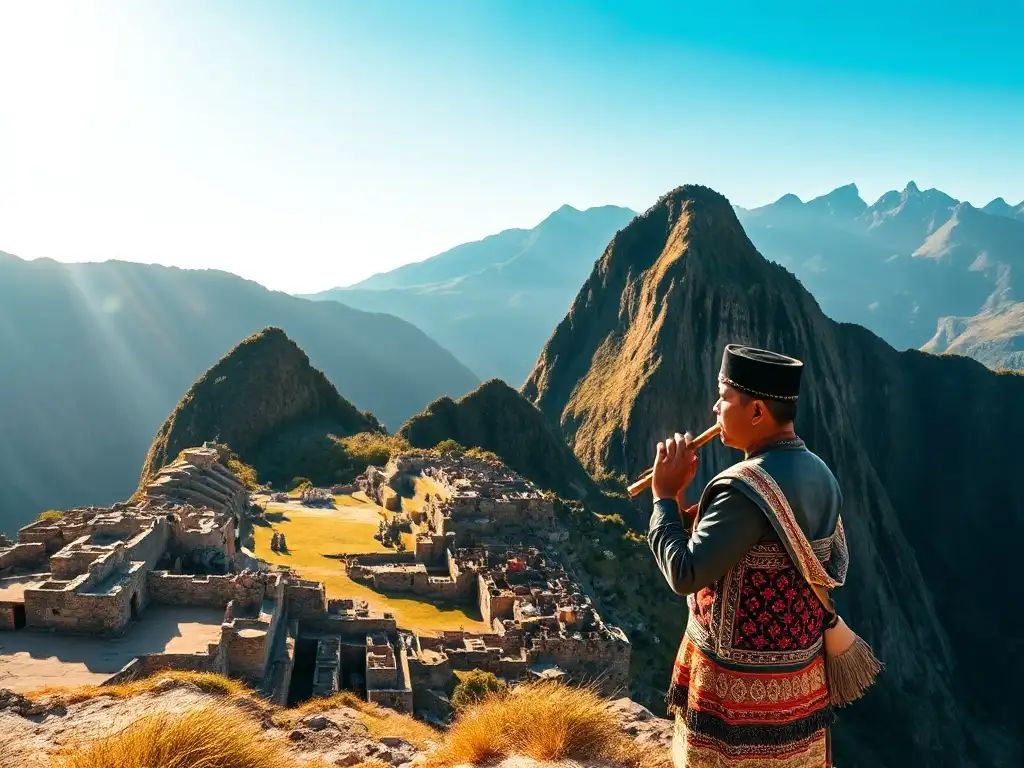
Step into a world lost to time, yet echoing with vibrant life. Discover the breathtaking legacy of the Andean civilizations, from the towering heights of Machu Picchu to the intricate artistry of Nazca lines. But did you know that the imposing Andean architecture had a profound and unexpected impact on the region's music? Unravel the fascinating connection between stone and sound in our exploration of Andean architecture's musical influence – a story woven into the very fabric of ancient Andean life. Prepare to be amazed.
The majestic ruins of Machu Picchu, the intricate geoglyphs of Nazca, the imposing structures of Tiahuanaco – these iconic landmarks of Andean civilization are not merely testaments to architectural prowess; they represent a profound interplay between the built environment and the sonic landscape of ancient Andean life. This article delves into the fascinating relationship between Andean architecture and music, exploring how the design and construction of buildings, plazas, and ceremonial sites directly influenced the creation, performance, and perception of music within these ancient societies. We will uncover how the acoustic properties of these structures, combined with their ritualistic significance, shaped the evolution of Andean musical traditions, leaving an enduring legacy that resonates even today.
Understanding this connection provides crucial insight into the holistic worldview of Andean cultures, where architecture, music, and spirituality were inextricably intertwined. We will examine specific architectural features and their impact on musical practices, revealing how the echoes in the stone literally shaped the sounds of Andean life.
This exploration promises to illuminate a rich, often overlooked aspect of Andean history and culture, revealing how the very stones themselves played a role in the creation of their vibrant musical heritage. The keyword "Andean architecture musical influence" will be explored in detail throughout this article.
The Interwoven Worlds of Andean Architecture and Music
Andean music wasn't simply a separate entity; it was deeply integrated into the fabric of daily life and religious ceremonies. The architecture served as both the stage and the instrument, influencing the types of music performed and the way it was experienced. Consider, for example, the open-air plazas often found in Andean settlements. These spaces, carefully designed with consideration for natural acoustics, acted as natural amphitheaters.
The strategic placement of walls and hills could amplify sound, creating a powerful and resonant environment for musical performances and rituals. This wasn't accidental; the deliberate design of these spaces suggests a conscious effort to harness the acoustic properties of the environment to enhance the impact of music. Furthermore, the materials used in construction – stone, wood, and earth – all possess unique sonic qualities that would have contributed to the overall auditory experience.
The rhythmic pounding of stones during construction itself may have influenced the development of rhythmic patterns in Andean music. The use of specific materials, such as resonant stones in certain structures, might also have led to the incorporation of specific sounds and timbres into musical instruments and compositions. This holistic approach, where architecture, environment and music were intrinsically linked, exemplifies the Andean understanding of the world as a unified and interconnected system.
Andean Architectural Acoustics: Beyond Functionality
Beyond the obvious functionality of providing shelter and space for communal activities, Andean architecture reveals a sophisticated understanding of acoustics. The precise placement of structures, the use of specific materials, and even the careful orientation of buildings towards natural features like mountains and valleys all contributed to the creation of unique acoustic environments. Recent research suggests that some structures, particularly those associated with religious ceremonies, were designed to amplify certain frequencies or create specific reverberation patterns.
This deliberate manipulation of sound suggests a deep understanding of acoustics and its potential to enhance the spiritual and emotional impact of rituals involving music and dance. For instance, the use of echo chambers within temples or ceremonial sites could have been used to create a sense of awe and mystery, amplifying the power of religious chants and musical performances. Furthermore, the use of natural materials like stone, known for their sound-absorbing and reflecting properties, would have played a crucial role in shaping the overall sonic environment.
The specific arrangement of these materials within a structure could have been used to control the flow and quality of sound, creating a carefully crafted auditory experience designed to enhance the ritualistic significance of the event. Unfortunately, precise data regarding the specific acoustic properties of many Andean structures is still under investigation, but the evidence strongly suggests a deliberate and sophisticated approach to architectural acoustics far beyond mere functionality. Further research is needed to fully quantify these effects.
Sacred Spaces and Sound: The Resonance of Inca Structures
Inca architecture, renowned for its meticulous stonework and imposing structures, wasn't merely a feat of engineering; it was deeply intertwined with the spiritual and sonic landscape of the Andes. The precise placement of stones, the careful consideration of acoustics within temples and palaces, and the very materials used all contributed to a deliberate manipulation of sound. Consider the Coricancha, the Inca's main temple in Cusco. Its massive walls, constructed from perfectly fitted stones, likely created a unique acoustic environment, amplifying certain frequencies and resonating with specific ritualistic chants and musical instruments.
The design wasn't accidental; the Inca understood the power of sound to enhance religious experiences and connect with the divine. The echoes within these sacred spaces weren't just echoes—they were integral to the religious practices performed within them. The reverberations of the instruments, the voices of the priests, and the overall sonic environment were carefully orchestrated to create an atmosphere of awe and reverence.
The very layout of the temple, with its courtyards and chambers, may have been designed to channel and amplify specific sounds, further reinforcing the sacred nature of the space. This deliberate manipulation of sound within Inca architecture provides compelling evidence of the profound connection between architecture and music in their culture. The careful consideration of acoustics in the design of Inca structures reveals a sophisticated understanding of sound and its power to enhance religious and ceremonial practices.
The Influence of Pre-Inca Architecture on Musical Practices
The Inca Empire built upon a rich legacy of architectural traditions established by preceding Andean cultures. Understanding the influence of pre-Inca architecture on Andean music requires exploring the sonic characteristics of structures built by civilizations like the Moche, Nazca, and Tiahuanaco. These earlier cultures, each with their unique architectural styles, likely developed distinct musical practices influenced by the acoustics of their buildings and the materials they used.
The echoing chambers of certain structures, the resonance of specific stone types, and the spatial arrangements of buildings all likely shaped the soundscapes of their rituals and daily life. Evidence suggests a continuity in architectural techniques and spiritual beliefs across different Andean cultures, indicating that the connection between architecture and music was a long-standing tradition, evolving and adapting over centuries.
The rhythmic patterns in some architectural designs, particularly in stonework, may have even directly inspired musical rhythms and compositions. Further research into the acoustic properties of pre-Inca structures is crucial to fully understand the evolution of Andean music and its relationship with architecture.
Tiahuanaco: Architectural Design and its Sonic Implications
The monumental architecture of Tiahuanaco, with its massive stone structures and intricate carvings, presents a fascinating case study in the relationship between architecture and sound. The precise fitting of stones in structures like the Kalasasaya and the Gate of the Sun likely created unique acoustic properties. The massive scale of these structures might have amplified certain frequencies, creating a resonant environment for rituals and ceremonies.
The intricate carvings, while primarily decorative, may have also played a role in sound manipulation, acting as resonators or modifying the direction of sound waves. The layouts of plazas and temples, combined with the unique acoustic properties of the stone, could have created distinct sonic spaces suited to different rituals.
While specific evidence of musical instruments used in Tiahuanaco is limited, the architectural design suggests that sound played an important role in their religious and social life, shaping the nature and experience of their rituals. The sheer size and grandeur of the structures suggest a deliberate attempt to create an awe-inspiring and resonant environment, further emphasizing the significance of sound within their culture.
Moche Structures: Shaping Ritualistic Soundscapes
Moche architecture, characterized by its adobe pyramids and intricate painted murals, offers another perspective on the interplay between architecture and music. The Moche, known for their elaborate rituals and sophisticated artistic expressions, likely employed sound in their religious ceremonies. The design of their temples and ceremonial centers, often situated on elevated platforms, could have contributed to the amplification of sounds.
The use of adobe, a porous material, might have produced a different acoustic effect compared to the hard stone used by the Inca or Tiahuanaco. The resonant qualities of the adobe structures may have shaped the types of musical instruments used and the styles of music played. The close relationship between the Moche's artistic expressions and their religious practices suggests that music and sound played a vital role in their rituals, and the architecture served to enhance and focus the sonic experience.
Further investigation into the acoustic properties of Moche structures is needed to fully understand the relationship between their architecture and musical practices. The discovery of more musical instruments from the Moche period would also contribute significantly to this area of research.
Nazca Lines and the Rhythms of the Desert
While not directly architectural structures in the traditional sense, the Nazca Lines, with their geometric patterns stretching across the desert landscape, present a unique case. Their vast scale and precise design suggest a deep understanding of geometry and space. It's plausible that the creators of the Nazca Lines considered the acoustic properties of the desert environment and incorporated sonic elements into their designs.
The patterns themselves, when viewed from above, might have influenced the way sound traveled across the landscape. The creation of the lines may have involved rhythmic activities, such as the clearing of the ground, which could have generated repetitive sounds, possibly influencing the development of musical rhythms. While there's limited direct evidence linking the Nazca Lines to specific musical practices, their monumental scale and precise geometry suggest a cultural emphasis on order and precision, which likely extended to other aspects of their society, including music.
The rhythmic nature of their creation could have inspired the creation of repetitive musical patterns, connecting the massive undertaking of creating the lines with the soundscapes of their daily lives. Further research could explore the potential connection between the visual patterns of the Nazca Lines and the rhythmic structures found in Nazca music, if any such connections exist.
Architectural Elements as Musical Metaphors in Andean Music
Andean architecture, with its imposing structures and intricate designs, wasn't just a testament to engineering prowess; it served as a powerful source of inspiration for the region's rich musical traditions. The very elements of these constructions—the rhythmic repetition of stones, the ascending and descending lines of stairways, the echoing spaces within ceremonial sites—found their counterparts in the melodies, rhythms, and overall structure of Andean music. This deep connection reflects a holistic worldview where the built environment and the sonic landscape were inextricably linked.
The relationship wasn't merely coincidental; it represented a profound understanding of how physical forms could translate into musical expression, mirroring the natural world and the cosmos in both tangible and intangible ways. This influence is not simply a matter of aesthetics but a reflection of a cosmology deeply intertwined with the landscape and its built forms.
Stone Walls as Rhythmic Patterns
The rhythmic precision found in many Andean stone walls served as a direct inspiration for musical rhythms. The repetitive placement of stones, often meticulously crafted and fitted together, created a visual rhythm that translated into the intricate rhythmic patterns found in Andean music. Think of the yaraví, a genre characterized by its melancholic melodies and complex rhythmic structures. The steady, almost hypnotic pulse of this musical form could be seen as an echo of the unwavering strength and stability of the ancient stone walls.
The careful layering of stones, mirroring the layering of instrumental parts, creates a dense and complex texture. The rhythmic variations, just like the subtle differences in stone size and shape, add depth and character to the musical piece. This is not merely a superficial resemblance; it suggests a deep-seated connection between the visual and auditory realms in the Andean worldview.
Stairways and Terraces as Melodic Progressions
The ascending and descending lines of stairways and terraces found in Andean architecture directly influenced the melodic structures of Andean music. The gradual rise and fall of these architectural elements mirrored the melodic progressions frequently found in traditional Andean songs. Consider the huayno, a lively dance music genre. The melodies often feature a series of ascending and descending phrases that echo the movement up and down the terraces, reflecting the journey and the cyclical nature of life.
The upward movement can represent a spiritual ascent, while the downward movement can symbolize a return to earth. Furthermore, the terraces themselves, with their layered platforms, might have influenced the layered melodic structures characteristic of many Andean musical forms. The interplay of multiple melodic lines, each with its own contour, creates a rich and complex musical tapestry, much like the visual complexity of the terraces.
Natural Acoustics in Ceremonial Sites
The natural acoustics of ceremonial sites played a crucial role in shaping the development of Andean music. The careful placement of structures within these sites often enhanced and amplified sound, creating a unique sonic environment. The reverberations and echoes within these spaces may have influenced the use of certain instruments and the development of specific musical techniques. For example, the use of specific vocal techniques, such as the use of high-pitched vocalizations that resonate within these spaces, might have been influenced by the unique acoustic properties of these sites. The design of these spaces, often utilizing natural features like caves and cliffs, suggests a deep understanding of sound and its relationship to the sacred. The echoing spaces, sometimes deliberately designed, could have enhanced the ritualistic experience, creating a powerful and immersive sonic environment. Further research into the acoustics of specific sites could reveal more about their influence on musical practices.
Specific Examples of Architectural Influence on Andean Musical Instruments
The relationship between Andean architecture and its music extends beyond abstract metaphors; it is evident in the very construction and design of musical instruments. The forms and materials of these instruments often reflect the architectural styles and building techniques of the region.
The Siku (Panpipes) and its Architectural Inspiration
The siku, a panpipe instrument, can be seen as a miniature representation of Andean architectural principles. Its multiple pipes, precisely tuned and arranged, echo the careful construction and alignment of stones in a wall. The graduated lengths of the pipes, creating a melodic sequence, are reminiscent of the stepped terraces that characterize many Andean landscapes.
The precision required in creating the siku, ensuring each pipe is perfectly tuned, mirrors the meticulous craftsmanship evident in Andean architecture. The instrument's cylindrical form also recalls the shape of many ancient structures, suggesting a visual and structural connection. The intricate tuning of the siku showcases a deep understanding of acoustics, reflecting the knowledge used in the design of spaces with exceptional acoustic properties, like certain ceremonial sites.
The Pinkillu (Flute) and its Spatial Connections
The pinkillu, a vertical flute, displays potential spatial connections to Andean architecture. Its elongated shape, often made from a single piece of wood, might represent the towering structures characteristic of the region. The vertical orientation of the instrument could symbolize the verticality of mountains and the upward striving evident in many architectural designs.
The single, continuous piece of wood from which the instrument is made might be symbolic of the monolithic stone structures found in some Andean sites. The sound produced by the pinkillu, with its clear and resonant tones, could be seen as reflecting the clarity and openness of certain architectural spaces. Further research could explore this connection further, examining the materials and construction techniques of the pinkillu in relation to Andean architectural practices.
The Wankar (Drum) and the Echoes of Ancient Structures
The wankar, a cylindrical drum, possesses a powerful resonance that might be related to the echoing spaces found in Andean ceremonial sites. Its cylindrical shape echoes the form of many ancient structures, and its deep, resonant sound evokes the reverberations often found within these spaces. The drum's skin, stretched taut over its frame, could be seen as a metaphor for the carefully fitted stones of Andean walls.
The rhythmic beating of the drum, creating a pulsating rhythm, mirrors the rhythmic patterns found in Andean architecture. The wankar's role in ceremonies and rituals suggests a connection to the sacred spaces where it was played, further reinforcing the link between music, architecture, and spirituality. The deep, resonant sound of the wankar might have been deliberately chosen to enhance the ritualistic atmosphere, reflecting the understanding of acoustics and the use of sound in creating a sacred space.
The Legacy of Architectural Soundscapes in Contemporary Andean Music
The echoes of ancient Andean architecture resonate even today in contemporary musical forms. The rhythmic pounding of stones during construction, the wind whistling through intricate stonework, and the reverberations within vast plazas – these sounds, ingrained in the cultural memory, subtly influence modern Andean music. Consider the panpipes, whose haunting melodies seem to mimic the wind's passage through mountain passes, a sound deeply connected to the experience of living within the monumental structures of the past.
Similarly, the percussive instruments, often made from materials readily available in the Andean landscape – wood, stone, and even repurposed building materials – carry a sonic imprint reminiscent of the construction processes themselves. The very textures of the music, its layered rhythms and echoing harmonies, might be interpreted as a reflection of the layered stone structures and the complex acoustic environments they created. This is not a direct imitation, but rather an unconscious inheritance, a subtle echo of the past shaping the present musical landscape.
The use of natural materials in instrument construction, mirroring the use of those same materials in building, further strengthens this connection. Even the vocal styles, with their soaring highs and deep, resonant lows, often reflect the vastness and grandeur of the architectural spaces they were originally performed within.
Preserving the Sonic Heritage: Understanding Andean Architecture's Musical Impact
Understanding the influence of Andean architecture on music requires a multidisciplinary approach. Ethnomusicologists, architects, and archaeologists must collaborate to fully grasp the intricate relationship between these seemingly disparate fields. Careful study of ancient building techniques, acoustic properties of different stone types, and the spatial arrangements of plazas and temples reveals much about the soundscapes of past Andean societies.
For instance, analyzing the acoustics of a particular ruin might unveil how the shape and materials of a structure enhanced or modified sounds, influencing the type of music performed within. This understanding, coupled with an analysis of ancient musical instruments and their construction methods, provides a clearer picture of how architecture and music were intertwined. Furthermore, preserving this sonic heritage requires not only the physical preservation of architectural sites but also the active transmission of traditional musical practices.
Documentation of these practices through recordings, transcriptions, and oral histories is crucial to ensure that the unique musical traditions linked to Andean architecture are not lost. The study of architectural plans combined with the study of musical scores can highlight the relationship between the spatial layout of buildings and the organization of musical pieces. This interdisciplinary approach is essential for the complete understanding and preservation of Andean cultural heritage.
Exploring the Symbiotic Relationship: Architecture and Music in Andean Culture
The relationship between Andean architecture and music was not merely coincidental; it was symbiotic. Music was integral to the construction and use of architectural spaces, while the architecture itself shaped the character and performance of the music. Religious ceremonies, for instance, were often held in large open-air plazas or within carefully designed temples. The acoustics of these spaces played a crucial role in determining the type of music performed, with the reverberations and echoes enhancing the ritualistic atmosphere.
Consider the elaborate ceremonies of the Inca Empire: the music, with its specific rhythms and instrumentation, was likely chosen to complement the grandeur and solemnity of the Inca palaces and temples. The sonic landscape, shaped by both the architecture and the music, was an essential component of these rituals. Similarly, the construction of buildings themselves might have been accompanied by music, perhaps as a form of ritual or to coordinate the work of builders.
The rhythmic pounding of stones, the chants of workers, and the sounds of other tools created a collective soundscape that was intrinsically linked to the process of creation. Understanding this symbiotic relationship allows us to appreciate the holistic nature of Andean culture, where the built environment and its sonic counterpart were inseparable parts of a unified whole, reflecting the deep connection between humans, their environment, and their spiritual beliefs. The study of this symbiotic relationship provides a deeper understanding of the cultural significance of both architecture and music in Andean civilizations.
- The Interwoven Worlds of Andean Architecture and Music
- Andean Architectural Acoustics: Beyond Functionality
- Sacred Spaces and Sound: The Resonance of Inca Structures
- The Influence of Pre-Inca Architecture on Musical Practices
- Architectural Elements as Musical Metaphors in Andean Music
- Specific Examples of Architectural Influence on Andean Musical Instruments
- The Legacy of Architectural Soundscapes in Contemporary Andean Music
- Preserving the Sonic Heritage: Understanding Andean Architecture's Musical Impact
- Exploring the Symbiotic Relationship: Architecture and Music in Andean Culture
- What is the main focus of the article "Echoes in the Stone: How Andean Architecture Influenced Music"?
- How did the acoustics of Andean buildings affect their music?
- Which Andean cultures are discussed in relation to architectural and musical influence?
- What types of musical instruments might be discussed in relation to Andean architecture?
- Where can I find more information about the relationship between Andean architecture and music?
Frequently Asked Questions
What is the main focus of the article "Echoes in the Stone: How Andean Architecture Influenced Music"?
The article explores the fascinating connection between Andean architecture and the region's music. It examines how the design and acoustics of structures influenced musical styles and instruments. It specifically looks at the impact of Inca, Moche, Nazca, and Tiahuanaco architecture.
How did the acoustics of Andean buildings affect their music?
The unique designs of Andean buildings, often utilizing natural materials and specific construction techniques, created distinct acoustic properties. These influenced the development of musical instruments and performance styles, with reverberation and resonance shaping the sounds.
Which Andean cultures are discussed in relation to architectural and musical influence?
The article covers several significant Andean cultures, including the Incas, Moche, Nazca, and Tiahuanaco. Their distinct architectural styles and their corresponding musical traditions are examined to showcase the interconnectedness.
What types of musical instruments might be discussed in relation to Andean architecture?
The article likely explores instruments whose design or playing style was influenced by the architecture. Examples might include instruments whose shapes or materials reflect architectural elements, or those played in spaces with unique acoustic properties, such as panpipes or drums.
Where can I find more information about the relationship between Andean architecture and music?
This article serves as a starting point. Further research can be done by exploring academic papers on Andean music history, architectural acoustics, and the specific cultures mentioned. You can also search for museums and archaeological sites related to the Andean civilizations.
Final Reflection: The Enduring Song of Stone
The echoes of Andean architecture resonate far beyond the mountains themselves; they are woven into the very fabric of the region's music, a testament to the profound interconnectedness of art and environment. This enduring legacy continues to inspire artists today, proving that the relationship between built space and sonic expression is not merely historical, but a living, breathing force.
The intricate interplay between the geometric precision of Andean structures and the rhythmic complexity of its music is a powerful reminder of the human impulse to express ourselves through both tangible and intangible forms. The very stones themselves seem to hum with the energy of past generations, whispering tales of ritual, community, and spiritual connection. Architecture is frozen music,
as Goethe famously stated, and in the Andes, this frozen music has thawed, revealing a rich and vibrant musical tradition deeply rooted in its physical surroundings. This understanding deepens my appreciation for the holistic nature of Andean culture, where the built environment and artistic expression are inseparable.
Consider the impact of this connection on your own life. How do the spaces you inhabit influence your creativity and emotional state? Take a moment to listen to the "music" of your own surroundings – the rhythm of the city, the quiet hum of nature, the echoes within your own home. By recognizing the profound influence of our environment on our artistic expression, we can foster a deeper appreciation for the world around us and unlock new avenues of creative potential within ourselves. Let the echoes of the Andes inspire you to find the music in your own stone.
Unleash Your Creativity: Blend Architecture and Music!
Thank you for exploring the fascinating world of Andean architecture and its profound influence on music! You've discovered how these ancient structures resonate through time, inspiring melodies and harmonies. Now, let's put that inspiration into practice!
Here are some ways you can build on this knowledge:
- Compose Your Own Music: Let the architectural styles discussed inspire a musical piece that captures their essence.
- Deepen Your Research: Explore Andean instruments and how to integrate them into your music.
- Share Your Passion: Connect with other enthusiasts by sharing this article on social media or joining discussions about the interplay between architecture and music.
What melodies do you envision emerging from the ancient Andean stones?