
Unraveling the Enigma of the Ocarina: Andean Wind Instruments of Clay

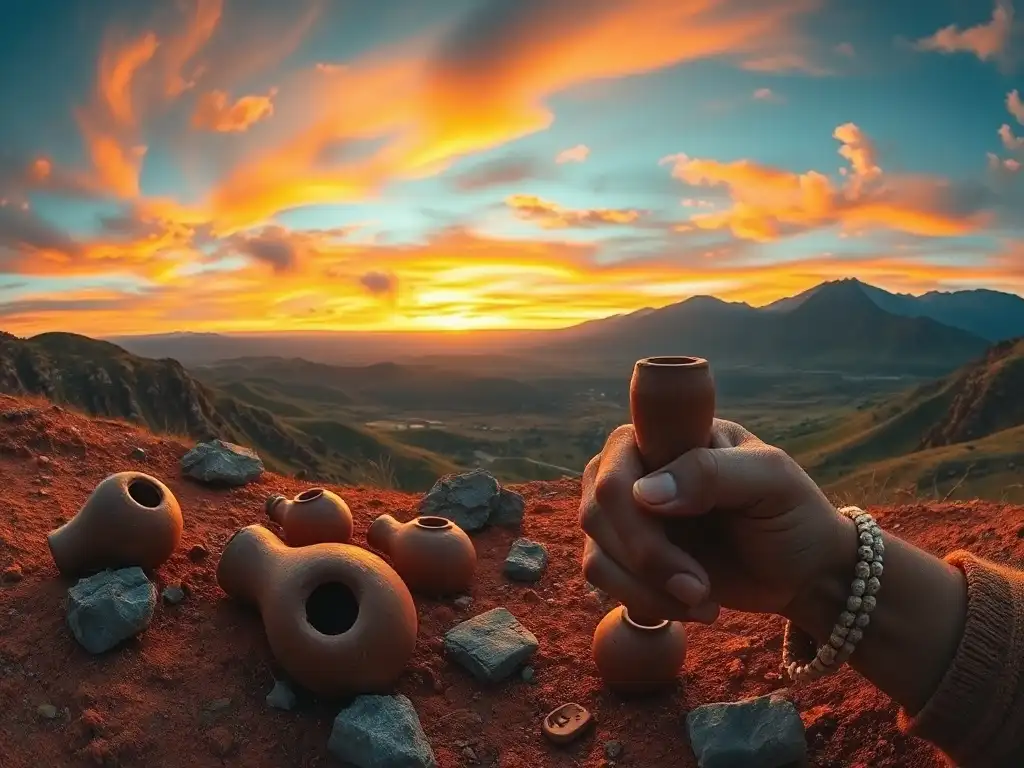
Dive into the captivating world of Andean Civilizations, where towering empires and intricate artistry intertwine. From the breathtaking landscapes to the enigmatic legacies of the Incas, Moche, Nazca, and Tiahuanaco, prepare to be amazed. But have you ever considered the secrets whispered by the wind through ancient clay? Discover the untold story of Andean ocarina history—a journey into the sounds and soul of a lost world, waiting to be unearthed.
The Andes Mountains, a spine of towering peaks stretching along the western edge of South America, are not only a geographical marvel but also a cradle of rich and diverse cultures. For millennia, Andean civilizations have expressed their spirituality, social structures, and daily lives through intricate textiles, monumental architecture, and captivating music.
This article delves into the fascinating world of Andean wind instruments, focusing specifically on the ocarina, a small, charming, and surprisingly complex clay instrument whose history is deeply intertwined with the vibrant tapestry of Andean civilization. We will explore the history of the Andean ocarina, examining its evolution, its significance in different Andean cultures, and its enduring legacy in contemporary music.
Understanding the ocarina's history offers a unique window into the ingenuity, artistry, and enduring spirit of Andean peoples, shedding light on their musical traditions and their connection to the land. Prepare to be captivated by the story of this seemingly simple instrument and its profound cultural impact.
The Ocarina's Ancient Roots: Tracing its Origins in the Andes
The precise origins of the ocarina in the Andes remain shrouded in some mystery, however, archaeological evidence suggests a long and continuous history. While pinpointing an exact date is difficult due to the fragility of the instruments and the limitations of archaeological preservation, fragments of ocarinas have been unearthed from various Andean sites dating back centuries.
These finds, often accompanied by other musical instruments and artifacts, provide valuable clues about the role of music in ancient Andean societies. Further research is needed to definitively establish the earliest examples, however, preliminary findings suggest that ocarina-like instruments were likely used in pre-Inca cultures, possibly even predating the Inca Empire.
The discovery of similar instruments in other parts of the world, such as in ancient Mesoamerica, hints at potential cross-cultural exchange or independent invention. The variations in design and materials across different Andean regions further complicate the task of tracing a single, definitive origin point.
Evolution of Andean Ocarina Design and Materials: From Simple to Sophisticated
The Andean ocarina's evolution showcases a remarkable interplay between practicality and artistry. Early ocarinas were often simple, rudimentary instruments, fashioned from readily available materials like clay. Their designs were relatively basic, usually featuring a small number of finger holes and a relatively simple, rounded body. As Andean cultures developed, so too did the sophistication of their ocarinas.
Later examples exhibit more intricate designs, incorporating additional finger holes to expand the range of notes and enable more complex melodies. The use of different clay types, decorative techniques, and even the incorporation of other materials like precious metals further enhanced both the aesthetic appeal and the acoustic properties of the instruments. Some ocarinas were adorned with elaborate carvings, paintings, and symbolic motifs, reflecting the cultural and spiritual significance attributed to music. This evolution reveals not only advancements in craftsmanship but also a growing understanding of acoustics and musical expression.
The Ocarina's Role in Andean Society: Ritual, Ceremony, and Everyday Life
The Andean ocarina wasn't merely a musical instrument; it was deeply embedded in the social fabric of Andean societies. Evidence suggests that ocarinas played a significant role in religious ceremonies, rituals, and festivals. Their sounds may have been used to communicate with deities, honor ancestors, or accompany sacred dances. Archaeological contexts often associate ocarinas with burial sites, suggesting their importance in funerary rites.
Beyond religious contexts, ocarinas likely also featured in everyday life, providing accompaniment for social gatherings, celebrations, and storytelling. Their portability and relatively simple construction made them accessible to a wide range of people, further underscoring their significance in Andean culture. The specific ways in which ocarinas were used varied across different cultures and time periods, highlighting the rich diversity of Andean musical traditions.
The Ocarina's Enduring Legacy: From Ancient Traditions to Modern Music
Despite the passage of centuries, the Andean ocarina continues to hold a special place in Andean culture. Traditional ocarina playing persists in many communities, passed down through generations. Contemporary Andean musicians often incorporate ocarinas into their performances, blending ancient traditions with modern musical styles. The ocarina's enduring appeal lies not only in its unique sound but also in its symbolic connection to a rich cultural heritage.
The instrument serves as a powerful reminder of the ingenuity and artistry of past Andean civilizations, while also inspiring creativity and innovation in contemporary music. The ocarina's continued presence in Andean music ensures that the sounds and traditions of ancient cultures will continue to resonate for generations to come. The legacy of the Andean ocarina is a testament to the enduring power of music to connect past, present, and future.
- The Ocarina's Ancient Roots: Tracing its Origins in the Andes
- Evolution of Andean Ocarina Design and Materials: From Simple to Sophisticated
- The Ocarina's Role in Andean Society: Ritual, Ceremony, and Everyday Life
- The Ocarina's Enduring Legacy: From Ancient Traditions to Modern Music
The Ancient Roots of the Andean Ocarina
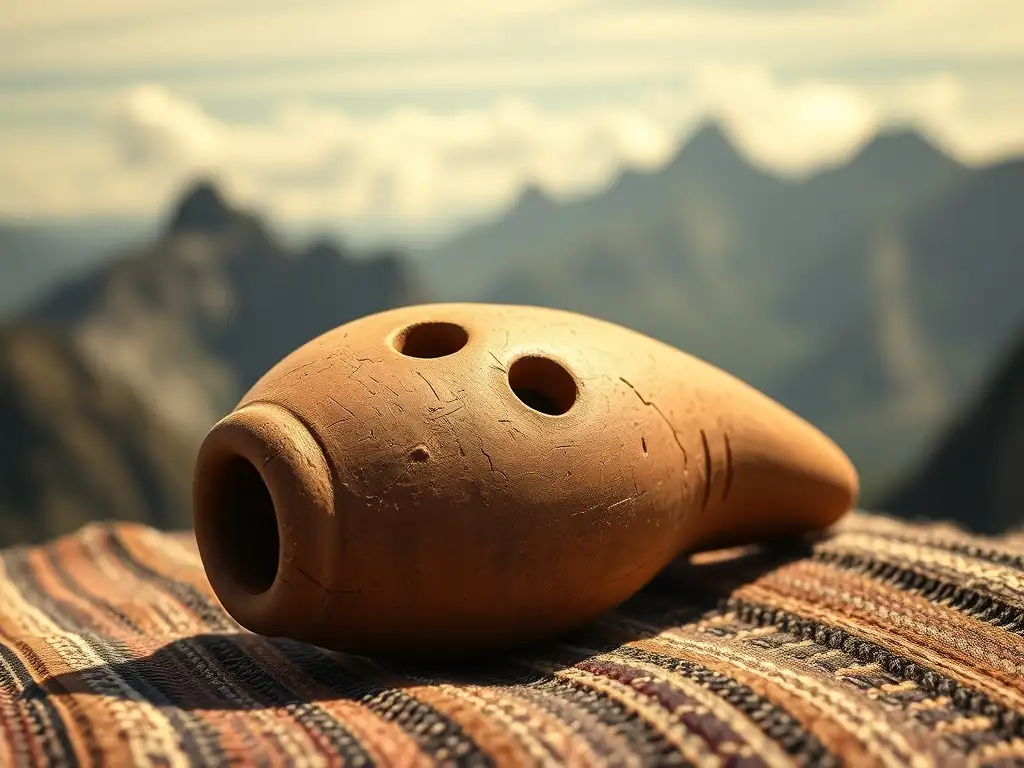
The Andean ocarina, a captivating wind instrument crafted from clay, boasts a history deeply intertwined with the rich tapestry of Andean civilizations. Its origins precede the Inca Empire, extending back to pre-Columbian times, and its enduring presence reflects its significant role in Andean music and culture. Understanding its history requires delving into archaeological findings, analyzing the craftsmanship involved, and exploring its evolution through different Andean cultures.
This section focuses on the ancient roots of this instrument, tracing its development and examining the materials used in its creation. The enduring popularity of the Andean ocarina as a symbol of Andean heritage underscores its importance in understanding the region's rich musical legacy. The keyword "Andean ocarina history" is central to understanding the instrument's enduring appeal and cultural significance.
Pre-Columbian Ocarinas: Evidence from Archaeological Sites
Archaeological excavations across the Andes have unearthed numerous ocarinas dating back centuries before the arrival of Europeans. These discoveries provide invaluable insights into the instrument's early forms and its widespread use among various pre-Columbian cultures. Sites in Peru, such as those associated with the Moche and Nazca cultures, have yielded significant numbers of ocarinas, demonstrating their prevalence in these societies.
The recovered instruments exhibit a range of styles, sizes, and decorative techniques, suggesting a diverse musical landscape and regional variations in craftsmanship. Analysis of these artifacts reveals not only the instrument's age but also provides clues about the musical practices and social contexts in which it was used. For example, the discovery of ocarinas within burial sites suggests their potential ceremonial or ritualistic significance.
Further research is needed to fully understand the specific musical traditions associated with these early ocarinas, but the existing evidence firmly establishes their pre-Columbian origins and widespread use. The study of these ancient instruments is crucial to understanding the evolution of Andean music and the "Andean ocarina history".
Clay Ocarinas: The Use of Local Materials in Andean Craftsmanship
The Andean ocarina's construction highlights the ingenuity of Andean artisans in utilizing readily available local resources. Clay, a ubiquitous material throughout the Andes, formed the primary component of these instruments. The selection of specific clay types likely varied based on regional availability and the desired properties of the finished product. Some clays, for instance, might have been preferred for their ability to produce a particular tone quality or for their ease of shaping and firing.
The process of creating an Andean ocarina involved meticulous handcrafting. Artisans skillfully shaped the clay, often employing techniques passed down through generations. The creation of the intricate sound holes, a crucial aspect of the instrument's design, required precision and expertise. After shaping, the ocarinas underwent a firing process, transforming the fragile clay into a durable instrument.
The firing techniques likely varied across different regions and time periods, impacting the final appearance and sound of the ocarinas. The use of local materials and traditional techniques in the creation of these instruments demonstrates the deep connection between Andean craftsmanship and the natural environment. The detailed craftsmanship reflects not only technical skill but also the cultural value placed on music and the creation of musical instruments. This aspect of "Andean ocarina history" emphasizes the integration of art, technology, and cultural practice in the Andes.
The meticulous creation of these instruments, using readily available materials, speaks volumes about the sophistication of Andean craftsmanship and the importance of music within their societies. The enduring legacy of the Andean ocarina, a testament to both artistic skill and cultural continuity, continues to resonate through Andean music today.
The Andean Ocarina: A Diverse Family of Instruments
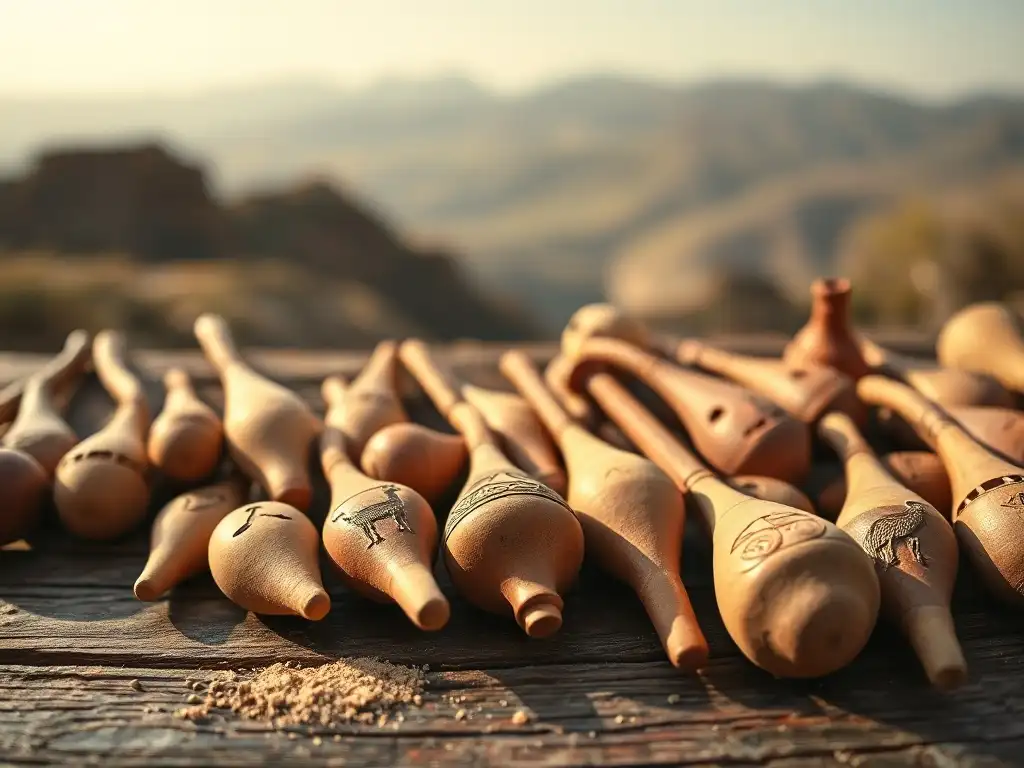
The Andean ocarina, far from being a monolithic instrument, represents a diverse family of ceramic wind instruments boasting a rich history intertwined with the cultural tapestry of the Andes. These instruments, crafted from clay, exhibit remarkable variations in size, shape, and number of finger holes, reflecting the ingenuity and artistic expression of different Andean cultures across time and geography. Their prevalence throughout various Andean societies, from the pre-Inca cultures to the Inca Empire and beyond, underscores their enduring significance in Andean music and spirituality.
Understanding the Andean ocarina history requires appreciating this diversity and the nuances of its regional variations. The sheer range of styles found across the Andes mountains illustrates the adaptability and enduring appeal of this simple yet expressive instrument.
The subtle differences in design often correlate with specific regional styles of music, highlighting the close relationship between instrument design and musical practice in Andean traditions. Careful examination of these variations reveals a complex and fascinating story of cultural exchange and artistic evolution.
Types of Andean Ocarinas: Variations in Form and Tuning
Andean ocarinas display a fascinating array of forms, defying easy categorization. While some resemble the familiar, rounded bird-like shapes, others deviate significantly, exhibiting unique designs shaped by the artistic sensibilities and technological capabilities of different cultures and periods. For instance, some ocarinas possess a single chamber, while others are more complex, featuring multiple chambers or intricate internal passages. The number of finger holes also varies considerably, ranging from three to eight, impacting the instrument's range and tonal possibilities. This diversity is not random; it's directly related to the specific musical traditions and aesthetics of each region.
- Simple, single-chamber ocarinas: These are commonly found throughout the Andes and are often characterized by their relatively simple design and limited tonal range. They might only have three or four finger holes.
- Multi-chamber ocarinas: These more complex instruments, sometimes featuring two or more interconnected chambers, provide a richer, more nuanced sound. The interaction between the chambers influences the timbre and resonance of the instrument.
- Elaborately decorated ocarinas: Many Andean ocarinas are adorned with intricate designs, including geometric patterns, animal motifs, and even human faces. These decorations often reflect the cultural beliefs and artistic styles of the communities that produced them. The use of different clays and firing techniques also contributes to the visual and sonic diversity of these instruments.
The tuning of Andean ocarinas is also variable, often reflecting the pentatonic or diatonic scales prevalent in Andean music. Precise tuning systems are difficult to determine definitively due to the age and fragility of many artifacts, but analysis of surviving instruments suggests a wide range of tuning practices across different regions and time periods.
The Ocarina in Andean Rituals: Connecting with the Spirits
The Andean ocarina's role extends far beyond mere musical entertainment; it occupied a significant place in Andean religious and spiritual practices. For many Andean cultures, music played a vital role in connecting with the supernatural world, and the ocarina, with its evocative sound, served as a powerful tool for shamanistic rituals and ceremonies. The instrument's association with the breath—the life force itself—further enhanced its spiritual significance.
Evidence suggests that ocarinas were used in ceremonies dedicated to various deities and spirits. Their haunting melodies were believed to summon spirits, facilitate communication with the ancestors, and even influence the weather. The specific rituals varied across different Andean cultures, but the ocarina's role as a conduit to the spiritual realm remained consistent.
Archaeological discoveries frequently unearth ocarinas in sacred sites, alongside other ritual objects, offering tangible proof of their importance in Andean religious life. Furthermore, oral traditions passed down through generations continue to reflect the ocarina's enduring spiritual significance in contemporary Andean communities. The sounds of these instruments, echoing through the mountain valleys, evoke a sense of connection to a rich and ancient past.
Andean Ocarinas Compared to Mesoamerican Flutes
While both Andean ocarinas and Mesoamerican flutes represent significant achievements in ancient American musical technology, crucial distinctions exist in their design, materials, and musical roles. Mesoamerican flutes, frequently made from wood or bone, often feature a cylindrical or conical shape and a different finger-hole arrangement than their Andean counterparts.
| Feature | Andean Ocarina | Mesoamerican Flute |
|---|---|---|
| Material | Primarily clay | Wood, bone, sometimes clay |
| Shape | Usually globular or ovoid, sometimes more complex | Typically cylindrical or conical |
| Sound | Often softer, more mellow, slightly nasal | Can vary widely depending on material and design |
| Finger Holes | Variable, typically fewer than flutes | Usually more numerous, precise placement |
| Cultural Role | Ritualistic and musical | Similar, but regional variations are significant |
While both instrument types played important roles in their respective cultures' musical and spiritual practices, their distinct designs reflect the unique technological and artistic traditions of the Andes and Mesoamerica. Further research is needed to fully understand the extent of cultural exchange, if any, between these two distinct regions. The differences highlight the independent development of musical instrument technologies in these two remarkable ancient civilizations.
Decoding the Music of the Ocarina: Sounds and Techniques
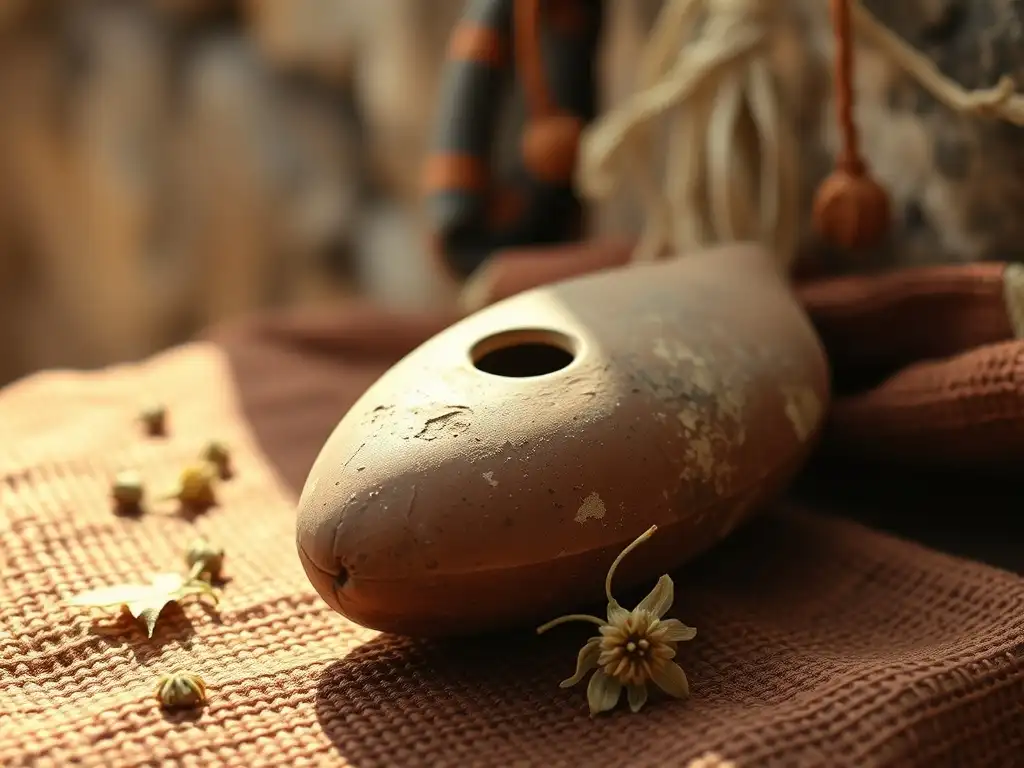
The Andean ocarina, a seemingly simple clay instrument, possesses a surprising range of sonic possibilities. Its characteristic sound, often described as hauntingly beautiful and deeply evocative, is achieved through a combination of design, playing technique, and the inherent acoustic properties of the clay itself. Understanding these elements is crucial to appreciating the full artistry embedded within Andean ocarina music. The history of the Andean ocarina is intertwined with these technical aspects, showcasing the ingenuity of its creators and the sophisticated musical traditions they fostered. The variations in size, number of finger holes, and even the clay composition itself contribute to the unique timbre and tonal qualities of each instrument. This diversity reflects a rich tradition of craftsmanship and musical expression passed down through generations. A deeper exploration into the nuances of Andean ocarina playing reveals a complex interplay between the physical manipulation of the instrument and the resulting musical output.
Pentatonic Scales and Melodies of the Andean Ocarina
The Andean ocarina is primarily associated with pentatonic scales – musical scales consisting of five notes. These scales, often characterized by their inherent sense of modal ambiguity and emotional depth, are fundamental to much of Andean music. Unlike Western diatonic scales (seven notes), pentatonic scales lend themselves to a different melodic vocabulary, often sounding both ancient and strangely modern.
The specific pentatonic scales used vary regionally and across different Andean cultures, reflecting the diversity of musical traditions within the region. For example, the scales used in the music of the Inca Empire may differ slightly from those employed by the pre-Inca cultures of the Moche or Nazca. Analyzing these variations provides valuable insights into the evolution of Andean musical practices and the cultural exchange that occurred throughout the region.
The melodies played on the Andean ocarina are often characterized by their simplicity and elegance, yet they can express a wide range of emotions, from profound sadness to exuberant joy. The limited number of notes within the pentatonic scale encourages a focus on melodic contour and ornamentation rather than complex harmonies. This makes the Andean ocarina particularly suited to expressive solo performances.
Playing Techniques: Achieving Different Timbres
The timbre, or tonal quality, of the Andean ocarina is not solely determined by the instrument's physical attributes. The player's technique plays a significant role in shaping the sound. Variations in breath control, embouchure (mouth position), and finger dexterity allow for a surprising range of expressive nuances.
A skilled player can coax a wide spectrum of sounds from the instrument, from soft, breathy tones to powerful, resonant notes. The use of vibrato, a slight wavering of pitch, adds a further layer of expressiveness. Furthermore, subtle variations in embouchure can alter the intensity and character of individual notes, allowing for a degree of dynamic control that belies the instrument's apparent simplicity.
Some players also employ techniques like tonguing (using the tongue to articulate notes) and circular breathing (a continuous airflow technique), adding further complexity and control to their performances. These techniques, passed down through oral traditions, represent a significant aspect of Andean ocarina mastery and contribute to the richness and diversity of its musical expression. The mastery of these techniques is a testament to the dedication and skill of Andean musicians.
Ocarina Music: Expressing Grief, Joy, and Celebration
Andean ocarina music serves a variety of social and ceremonial functions. It's not simply an instrument for entertainment; it's deeply embedded within the cultural fabric of the Andes. The haunting melodies often accompany rituals and ceremonies, expressing grief, joy, and celebration. The ocarina's sound is often associated with spiritual experiences and ancestral veneration.
The music played on the ocarina can evoke a sense of connection to the land, the ancestors, and the spiritual realm. Specific melodies might be associated with particular events, such as funerals, harvests, or religious festivals. The ocarina's role in these contexts highlights its significance as a powerful tool for cultural expression and social cohesion.
While specific examples of melodies associated with particular events are [specific information pending], the emotional depth and cultural significance of Andean ocarina music remain undeniable. The instrument's ability to evoke such a wide range of emotions underscores its importance in the Andean cultural landscape, illustrating its enduring legacy and its profound connection to the history and traditions of the region. The study of Andean ocarina music provides a window into the rich tapestry of Andean culture and its intricate relationship with music.
Andean Ocarina History: A Journey Through Time
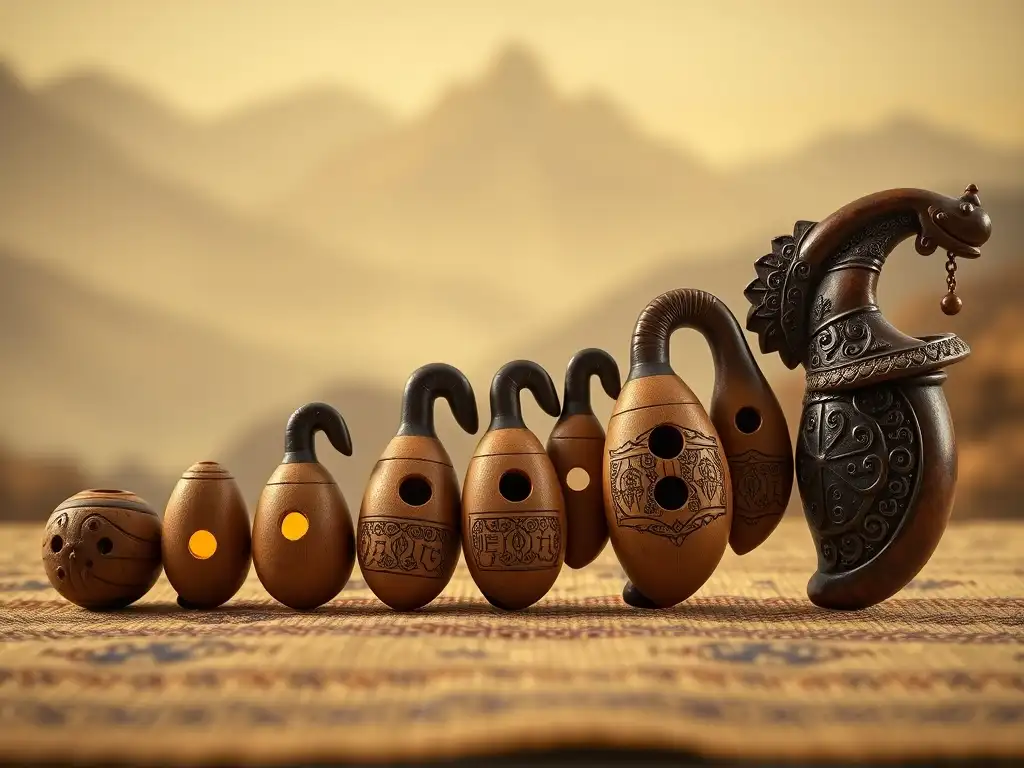
This section delves into the fascinating history of the Andean ocarina, tracing its evolution from pre-Inca cultures to its enduring presence in Andean musical traditions today. Understanding the Andean ocarina's history requires appreciating its deep-rooted connection to the region's cultural and spiritual landscape, a connection that continues to resonate today. The study of these artifacts provides invaluable insights into the beliefs, artistic skills, and social structures of past Andean societies. We will explore how the design, materials, and contexts of discovery illuminate the ocarina's significance within Andean civilization.
The Evolution of Ocarina Design in Inca and Pre-Inca Cultures
The Andean ocarina's evolution showcases a remarkable continuity in design principles while also revealing ingenious adaptations across different eras and cultures. Pre-Inca cultures, such as the Moche and Nazca, produced ocarinas with distinct stylistic features. Moche ocarinas, often found within elaborate tombs, frequently featured zoomorphic designs, meticulously sculpted to resemble animals like birds, felines, and even mythical creatures. These intricate carvings demonstrate a high level of artistic skill and sophistication. Conversely, Nazca ocarinas, known for their sleek, streamlined forms, often incorporated geometric patterns and bold colors, achieved through the use of pigments.
The Inca period saw a continuation of ocarina production, but with some notable shifts in style. While zoomorphic designs remained popular, there was a greater emphasis on simplified forms and mass production techniques. This likely reflects the Inca Empire's centralized control and standardization of craft production.
Evidence suggests that the Inca may have employed standardized molds to create ocarinas, resulting in a greater uniformity in shape and size compared to the earlier, more individualized pre-Inca ocarinas. The materials used also varied across different time periods and regions, with clay being the dominant material, but also sometimes incorporating stone or shell.
Analyzing the evolution of Andean ocarina design reveals a complex interplay between artistic expression, technological advancement, and cultural continuity. The transition from the highly individualized artistic expressions of the pre-Inca period to the more standardized forms of the Inca period reflects broader societal changes. Further research, particularly focusing on stylistic analysis and technological examination of the artifacts, could reveal even more nuanced details about the evolution of ocarina design and production.
Ocarinas in Andean Burial Sites: Symbolic Offerings to the Dead
The discovery of ocarinas within Andean burial sites provides compelling evidence of their symbolic importance in funerary rituals. These artifacts were not merely casual inclusions; rather, they were carefully placed alongside the deceased, suggesting a belief in their continued use in the afterlife or their role in facilitating a smooth transition to the next world. The presence of ocarinas in these contexts points to their profound spiritual and symbolic significance within Andean societies.
The types of ocarinas found in burial sites vary considerably depending on the culture and time period. Some burials contain single ocarinas, while others contain sets of multiple instruments, possibly representing a deceased individual's musical repertoire or social standing. The condition of the ocarinas—some remarkably well-preserved, others fragmented—offers clues about burial practices and the care given to these objects.
For instance, the careful placement of an ocarina alongside other ceremonial items, such as textiles or pottery, underscores its importance within the broader funerary context. The careful preservation of some ocarinas suggests a deliberate effort to maintain their symbolic value beyond the individual's lifetime.
The positioning of ocarinas within the burial site also provides valuable insights. The placement near the head, chest, or feet of the deceased could reflect specific beliefs regarding the afterlife or the role of music in the journey to the spirit world. Further analysis of the associated grave goods and the broader archaeological context is crucial to fully comprehend the significance of ocarinas in Andean burial practices. Detailed studies on Andean burial sites and their associated artifacts are needed to provide a more comprehensive understanding of this practice.
The Ocarina as a Symbol of Andean Identity
The Andean ocarina transcends its role as a mere musical instrument; it serves as a potent symbol of Andean identity, connecting past and present generations through its enduring presence in musical traditions. Its enduring popularity across various Andean cultures speaks volumes about its cultural significance and its ability to resonate with people across time. The ocarina's continued use in traditional music, festivals, and ceremonies reinforces its role as a vital element of Andean cultural heritage. Moreover, its presence in contemporary Andean music underscores its adaptability and enduring appeal.
The ocarina’s enduring presence is not simply a matter of historical continuity. The instrument continues to be crafted and played, demonstrating its ongoing relevance within Andean communities. Modern artisans often incorporate traditional techniques while also experimenting with new designs and materials, reflecting a dynamic interplay between tradition and innovation. This ongoing production and use of the ocarina highlight its resilience and its capacity to adapt to changing circumstances while maintaining its core identity.
The ocarina's enduring presence serves as a powerful testament to the richness and vitality of Andean culture. The continued production and use of ocarinas today demonstrates its enduring relevance to Andean identity and cultural heritage. The instrument's ability to adapt to contemporary contexts while maintaining its traditional essence ensures its continued presence in Andean culture for generations to come.
The Andean Ocarina Today: Preservation and Revival
The Andean ocarina, a testament to the ingenuity and artistic spirit of ancient civilizations, continues to resonate in the modern world. While its precise origins remain shrouded in some mystery, its enduring presence is undeniable. Its survival and resurgence are a powerful reflection of cultural preservation efforts and a vibrant contemporary music scene.
Understanding the current state of the Andean ocarina requires examining its role in modern Andean culture, from the artisans who craft these instruments to the musicians who breathe life into them. The persistence of the ocarina as a relevant musical instrument is a powerful symbol of the enduring legacy of Andean musical traditions. This enduring legacy is a source of pride and inspiration for many.
Contemporary Ocarina Makers in Peru, Ecuador, and Bolivia
The creation of Andean ocarinas remains a thriving craft, passed down through generations of skilled artisans. In Peru, particularly in the Cusco and Ayacucho regions, numerous workshops continue to produce ocarinas using traditional techniques. These artisans often use local clays, imparting unique sonic qualities to their instruments.
The intricate designs, often reflecting traditional Andean motifs, transform each ocarina into a small work of art. Similarly, in Ecuador and Bolivia, skilled craftspeople maintain the tradition, adapting it to modern sensibilities while retaining the core essence of the ancestral craft. Detailed studies of these workshops are needed to fully understand the variations in clay types, firing techniques, and decorative styles across these regions.
Data on the number of active ocarina makers and the economic impact of this craft would further enrich our understanding of its contemporary relevance. For example, [specific data on the number of ocarina makers in Cusco is pending]. The stylistic differences in ocarina designs across different Andean regions highlight the rich diversity of this ancient craft.
The Ocarina in Modern Andean Music: Fusion and Traditional Styles
The Andean ocarina isn't confined to museums; it thrives in contemporary musical landscapes. It plays a significant role in both traditional Andean music ensembles and in exciting fusion projects. Traditional styles frequently incorporate the ocarina into celebratory music, religious ceremonies, and everyday life. Its sweet, haunting melodies blend seamlessly with other traditional instruments like the zampoña and charango. However, the ocarina's versatility extends beyond traditional contexts.
Contemporary musicians are increasingly integrating it into diverse genres, from folk-rock to world music, demonstrating its adaptability and enduring appeal. This fusion creates a unique sonic tapestry, blending ancient sounds with modern rhythms and arrangements. Specific examples of contemporary artists who prominently feature the ocarina in their music are needed to illustrate this point. For instance, [names and examples of contemporary Andean musicians who use the ocarina are pending]. The ocarina's adaptability underscores its relevance in a constantly evolving musical scene.
Ocarina Workshops and Festivals: Sharing Knowledge and Passion
The preservation of the Andean ocarina's legacy is not solely dependent on individual artisans and musicians. A network of workshops and festivals actively fosters the craft and its appreciation. These gatherings provide opportunities for aspiring ocarina players to learn from experienced musicians, often directly from the craftspeople who create the instruments. These workshops often include instruction in traditional playing techniques, as well as exploration of modern applications.
Festivals, conversely, offer platforms for showcasing the ocarina's versatility, providing a stage for both traditional and contemporary performances. These events often incorporate cultural demonstrations, highlighting the instrument's historical context and its importance within Andean culture. Further research into the number and geographic distribution of these workshops and festivals would offer a more complete picture of this vital aspect of ocarina preservation.
[Data on the frequency and location of major Andean ocarina festivals is pending]. The collaborative nature of these initiatives ensures the continuation of the Andean ocarina's rich history for future generations. 🎼
Future of the Andean Ocarina: Ensuring Cultural Transmission
The future of the Andean ocarina hinges on effective cultural transmission. While the instrument enjoys a resurgence in popularity, driven partly by renewed interest in Andean culture and music, safeguarding its place within contemporary society requires a multi-pronged approach. This involves not only teaching the instrument itself but also fostering an understanding of its historical and cultural significance. Without this deeper understanding, the ocarina risks becoming merely a novelty item, divorced from its rich heritage.
One crucial aspect is integrating ocarina instruction into formal and informal educational settings. Schools in Andean regions could incorporate ocarina playing into music curricula, teaching children not only the mechanics of the instrument but also its cultural context within their heritage. This early exposure can cultivate a sense of pride and ownership, ensuring the continuation of the tradition for future generations. Furthermore, community music programs and workshops can provide opportunities for adults to learn and engage with the instrument, fostering a sense of collective cultural identity.
Beyond formal education, the role of master artisans and musicians is paramount. These individuals, often the custodians of traditional playing styles and instrument-making techniques, are invaluable resources. Their knowledge must be documented and shared through apprenticeships, mentorship programs, and the creation of comprehensive instructional materials, including videos and online resources. This ensures the preservation of not only the musical aspects but also the traditional methods of ocarina creation, connecting the instrument's past to its future.
The digital age offers unique opportunities for cultural preservation. High-quality recordings of traditional ocarina music, coupled with detailed information about the instrument's history and construction, can be made readily available online. This digital archive serves as a valuable resource for both learners and researchers worldwide, promoting greater appreciation and understanding of the Andean ocarina.
However, it is crucial to ensure that this digital dissemination respects the intellectual property rights of the communities and individuals involved, fostering collaborative partnerships rather than exploitation. The goal is to empower communities to share their cultural heritage on their own terms. Successful transmission of Andean ocarina traditions requires a collaborative effort involving educators, artisans, musicians, and technology, ensuring its vibrant future within a globalized world.
Frequently Asked Questions
What is an ocarina, and what is its significance in Andean cultures?
An ocarina is a wind instrument made of clay, characterized by its unique shape and haunting sound. It held significant cultural and ceremonial importance in various Andean civilizations.
When did ocarinas first appear in the Andes?
Precise dating is difficult, but evidence suggests ocarinas were used in the Andes as early as the Early Horizon period (around 2000 BCE), with their use continuing through later Andean cultures.
Which Andean cultures used ocarinas?
Many Andean cultures utilized ocarinas, including the Inca, Moche, Nazca, and Tiahuanaco. Each culture may have developed unique styles and forms of the instrument.
What materials were traditionally used to make Andean ocarinas?
Andean ocarinas were traditionally crafted from clay, often meticulously decorated with painted designs and intricate carvings, reflecting the artistic skills of their creators.
Where can I find examples of Andean ocarinas today?
Examples of Andean ocarinas can be found in museums and private collections worldwide. Many are also available for purchase as replicas, allowing people to appreciate their unique sound and artistry.
Final Reflection: Echoes of the Andes: A Legacy in Clay
The haunting melodies of the Andean ocarina, once confined to the high plains and valleys, now resonate globally, a testament to the enduring power of musical tradition. Its intricate history, woven into the very fabric of Andean culture, continues to captivate and inspire, reminding us of the rich tapestry of human creativity and resilience. The ocarina's journey, from ancient ritualistic use to modern concert halls, is a powerful narrative of cultural preservation and adaptation.
The enduring appeal of the Andean ocarina lies not just in its unique sound, but in its profound connection to the land and its people. It's a tangible link to a past rich in mythology and spirituality, a symbol of continuity in a constantly changing world. Music is the universal language of mankind,
said Henry Wadsworth Longfellow, and the ocarina, in its simplicity and complexity, speaks volumes about the human experience across generations. Its continued presence in contemporary Andean music underscores its vital role in maintaining cultural identity and fostering a sense of belonging.
Consider, for a moment, the legacy of these earthen instruments. What stories do they whisper to us across the centuries? You, the reader, are now part of this ongoing conversation. Seek out the music of the Andean ocarina, explore its history further, and perhaps even discover the joy of playing one yourself. Let the echoes of the Andes resonate within you, a reminder of the power of music to transcend time and connect us to something larger than ourselves.
Embrace the Melody: Dive Deeper into Ocarina Magic!
Thank you for exploring the enchanting world of the ocarina with us! You've discovered the unique charm of these Andean clay instruments and their rich cultural significance. Now, let's build on that inspiration!
- Discover More: Learn to craft your own ocarina with our website's tutorials and creative projects. Connect with this ancient tradition through hands-on experience.
- Share the Joy: Gather friends and family for a discussion on the fascinating history of Andean music, followed by a virtual or in-person jam session.
- Join the Community: Share your experiences and melodies with fellow enthusiasts on our forum. Your ocarina journey can inspire others!
What melody will you create with your ocarina, and how will it connect you to the vibrant Andean culture?