
Rites of Passage: Musical Milestones in Ancient Andean Life

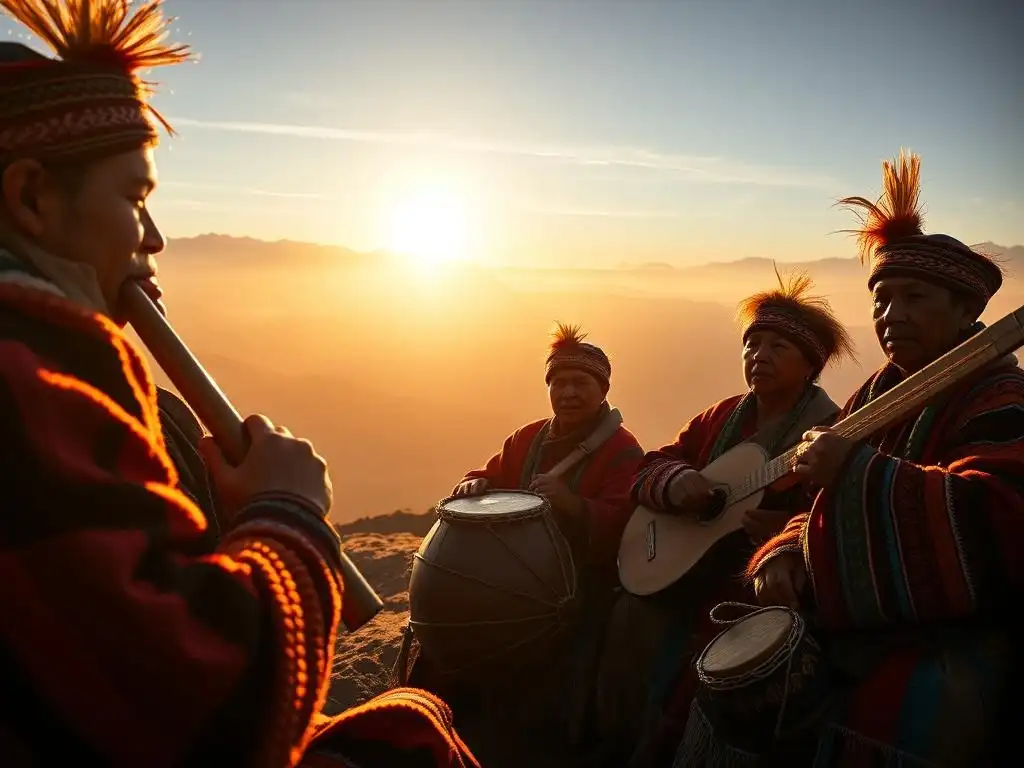
Dive into the captivating world of Andean Civilizations! Prepare to unravel the mysteries of a lost world, where vibrant cultures flourished and left behind a legacy of breathtaking artistry and ingenuity. But beyond the dazzling gold and intricate textiles lies a deeper enigma: the power of Ancient Andean music rituals. Journey with us to discover how music shaped their lives, their beliefs, and their very passage into the afterlife. What secrets do these ancient melodies hold? Read on to uncover the truth...
The vibrant tapestry of ancient Andean life was intricately woven with music, its melodies and rhythms echoing through ceremonies, celebrations, and daily routines. This article delves into the profound role music played in marking significant life events – the rites of passage – within various Andean cultures, exploring how musical rituals underscored the spiritual and social fabric of these societies.
From the haunting panpipes of the Nazca to the intricate percussion of the Inca, we will uncover the power of music in shaping individual identities and community bonds within the ancient Andean world. Understanding these ancient Andean music rituals provides a crucial lens through which to appreciate the complexity and sophistication of these remarkable civilizations.
We'll examine specific examples from different cultures, highlighting the unique instrumentation, musical styles, and social contexts that defined these pivotal moments in the lives of ancient Andean peoples. This exploration aims to illuminate not only the musical practices themselves but also the deep spiritual beliefs and social structures they reflected.
The Significance of Music in Andean Cosmology
Ancient Andean cultures possessed a rich cosmology deeply intertwined with the natural world. Mountains, rivers, and celestial bodies were not merely geographical features but powerful spiritual entities. Music played a vital role in connecting the human realm with this sacred cosmos.
Instruments were often crafted from materials imbued with spiritual significance, like llama bone or precious metals. The melodies themselves were believed to influence the forces of nature, either appeasing deities or harnessing their power for beneficial purposes. For example, certain songs might have been used to ensure a successful harvest or to bring rain during periods of drought.
The intricate relationship between music and the cosmos is evident in the preserved artifacts and iconography, revealing the profound spiritual weight attributed to musical performance. Specific musical styles and instruments may have been associated with particular deities or celestial events, further reinforcing this cosmological significance. Detailed studies of these artifacts and their associated iconography are crucial for a deeper understanding of this connection.
Birth and Initiation Rites: Welcoming New Life into the Community
The arrival of a new life was a momentous occasion celebrated with vibrant musical rituals. These ceremonies were not merely joyous celebrations but also served to integrate the newborn into the social and spiritual fabric of the community. [Specific examples of instruments and songs used in birth rituals pending]. The music played during these ceremonies likely included lullabies and chants aimed at protecting the child and ensuring its healthy development.
The involvement of shamans or other spiritual leaders in these rituals further underscores their importance. The use of specific instruments or melodies may have been associated with particular deities or spirits believed to protect the child. [Further research needed on regional variations in birth rituals and associated music]. Anthropological studies of contemporary Andean communities offer valuable insights into the enduring legacy of these ancient traditions.
Marriage and Fertility Rituals: Celebrating Union and Abundance
Music played a central role in Andean marriage ceremonies, symbolizing the union of two individuals and the promise of future generations. These rituals often involved elaborate musical processions, with musicians leading the way to the ceremony site. [Details on specific musical instruments used in wedding processions pending]. The music likely served to create a festive atmosphere, but it also had a deeper symbolic meaning, signifying the fertility and abundance associated with marriage.
The use of certain musical styles or instruments might have been associated with particular deities or spirits related to fertility and procreation. [More research is needed to fully understand the symbolic significance of specific musical elements in marriage rituals]. The preservation of some musical traditions in modern Andean communities offers clues about the ancient practices.
Death and Ancestor Veneration: Honoring the Departed
The Andean worldview extended beyond the earthly realm, encompassing a deep reverence for ancestors. Musical rituals played a crucial role in honoring the departed and guiding their spirits to the afterlife. [Specific examples of funeral music and its role in the afterlife beliefs pending]. These ceremonies often involved the use of specific instruments, such as flutes or drums, whose sounds were believed to carry the spirit of the deceased to the other world.
The melodies themselves may have been designed to evoke feelings of sorrow, respect, or even celebration, depending on the specific beliefs of the community. [Additional research is needed on regional variations in funeral music and its symbolic meaning]. The study of ancient burial sites and their associated artifacts could provide valuable insights into the musical practices surrounding death and ancestor veneration. The lingering echoes of these traditions in contemporary Andean communities highlight their enduring significance.
- The Significance of Music in Andean Cosmology
- Birth and Initiation Rites: Welcoming New Life into the Community
- Marriage and Fertility Rituals: Celebrating Union and Abundance
- Death and Ancestor Veneration: Honoring the Departed
- What role did music play in Ancient Andean rituals?
- What instruments were commonly used in Ancient Andean music?
- How did music impact social structures in Ancient Andean societies?
- Were there specific musical rituals for life cycle events?
- What evidence exists today to understand Ancient Andean music rituals?
The Role of Music in Ancient Andean Rituals
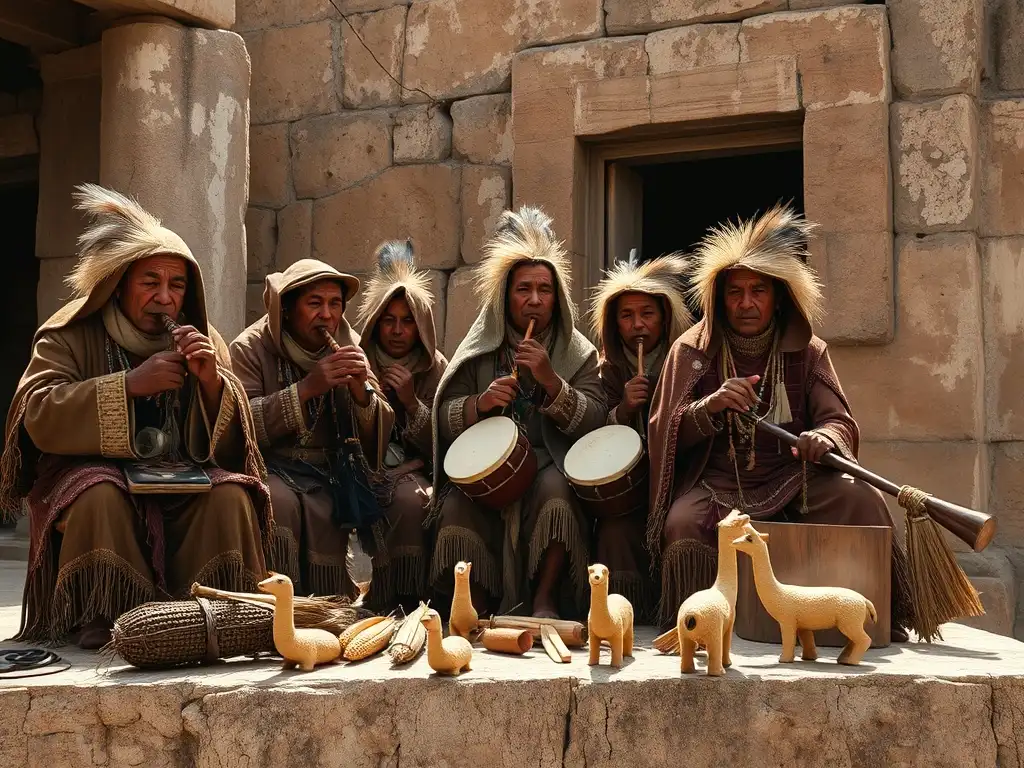
The vibrant tapestry of Ancient Andean life was intricately woven with music, its rhythms and melodies deeply embedded in the fabric of daily existence and, most profoundly, in their rituals. Ancient Andean music rituals weren't merely entertainment; they were integral components of religious ceremonies, agricultural cycles, and social gatherings, reflecting a profound connection between the human and spiritual realms.
Music served as a conduit to the gods, a means of communication with the ancestors, and a powerful force shaping social structures and individual identities. The soundscapes of ancient Andean societies, reconstructed through archaeological findings and ethnomusicological studies, reveal a complex and sophisticated system of musical practices, each with its own specific purpose and significance within the broader cultural context.
Understanding the role of music in these rituals offers crucial insights into the beliefs, values, and social organization of these remarkable civilizations. The intensity and emotional depth imbued in these musical practices highlight their importance within the Andean worldview.
The Significance of Music in Andean Society
Music permeated every aspect of Andean society. Its significance extended far beyond ritualistic contexts. For example, songs accompanied daily tasks like weaving and farming, providing a rhythmic structure to labor and fostering a sense of community. These songs, often passed down through generations, served as repositories of knowledge, preserving historical narratives, agricultural techniques, and moral codes.
Furthermore, music played a vital role in social bonding and conflict resolution. Musical performances could celebrate important life events like births, marriages, and harvests, while also acting as a means of resolving disputes or expressing grievances within the community. The social function of music reinforced social cohesion and helped maintain social order.
The intricate interplay between music and social life points to the centrality of music in the overall cultural framework of ancient Andean societies. It was not simply a form of artistic expression, but a fundamental element of social life, deeply intertwined with the economic, political, and religious structures of these societies. This holistic integration is a key characteristic differentiating Andean music from purely aesthetic traditions elsewhere.
Ancient Andean Musical Instruments and Their Ritualistic Use
The soundscapes of ancient Andean rituals were created using a diverse array of instruments, each with its unique sonic qualities and ritualistic associations. Archaeological excavations have unearthed numerous instruments, providing tangible evidence of the sophisticated musical technology employed. These include pututos (long, shell trumpets), used to signal important events and communicate across vast distances; tarkas (panpipes), associated with celebrations and offerings to deities; and antaras (vertical panpipes), often used in ceremonial contexts.
The pingullo (a type of Andean flute) also held significant ritualistic importance, its melancholic tone often associated with funerary rites. The materials used in the construction of these instruments – shells, wood, bone, and metal – often held symbolic meaning, reflecting their connection to the natural world and the spiritual forces believed to inhabit it. The meticulous craftsmanship and decorative elements found on many of these instruments demonstrate the high value placed on music and its role in religious and social life.
The specific combination of instruments used in a ritual would have been carefully chosen, reflecting the nature of the ceremony and the deities being invoked. The sounds produced by these instruments, their combinations, and their context offer valuable insights into the beliefs and practices of the ancient Andean people. Further research into the acoustics and playing techniques of these instruments is crucial to fully understanding their role within ancient Andean music rituals.
Birth and Infancy: Musical Beginnings in Andean Culture
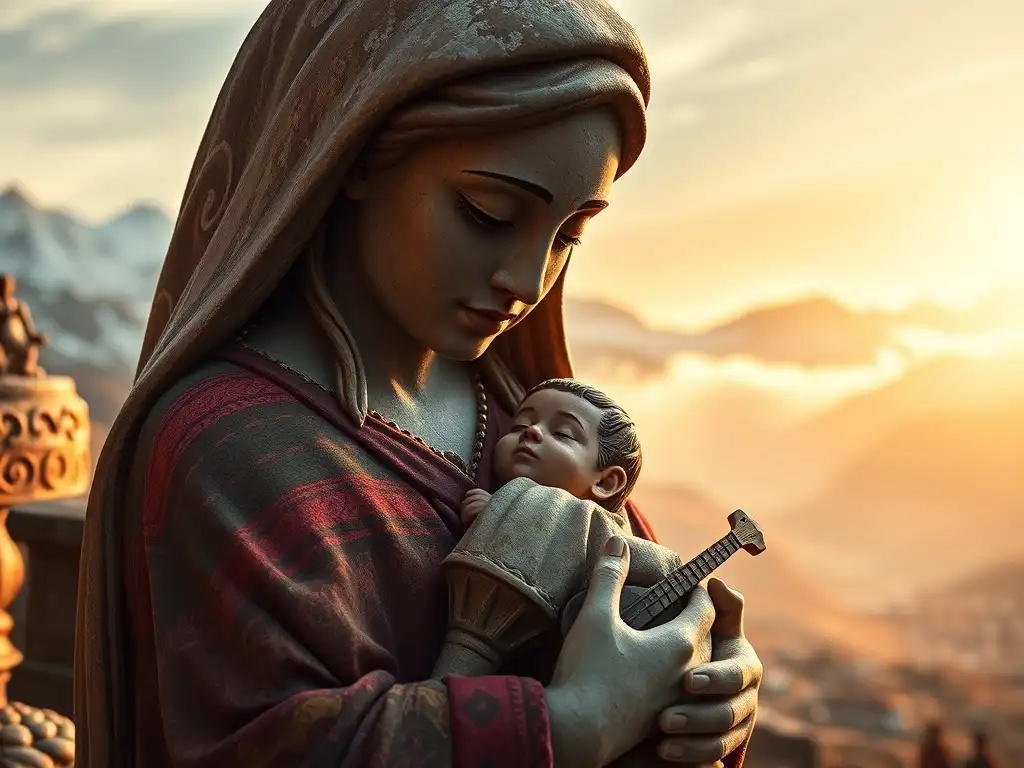
This section explores the deeply ingrained role of music in the lives of Andean peoples from the very beginning, focusing on birth and infancy. Ancient Andean music rituals surrounding these crucial life stages highlight the profound connection between sound, spirituality, and the cyclical nature of life in Andean cosmology.
The use of music wasn't merely entertainment; it was an integral part of shaping individual identity and community bonds, reflecting the strong emphasis on communal life prevalent in these societies. We'll examine the specific musical practices associated with pregnancy, childbirth, and early childhood development, revealing a rich tapestry of sounds and rhythms that shaped the lives of Andean infants.
Musical Practices During Pregnancy and Childbirth
Pregnancy and childbirth in Andean cultures were not simply biological events, but deeply spiritual experiences infused with musical rituals. Evidence suggests that expectant mothers were often serenaded with specific melodies believed to promote a healthy pregnancy and easy childbirth. These songs, often passed down through generations, likely incorporated elements designed to soothe the mother, strengthen the fetus, and invoke the blessings of protective deities.
While precise details about the specific musical instruments used during this period are limited due to the lack of detailed written records, archaeological findings suggest the use of simple percussion instruments, such as rattles made from seeds or gourds, and possibly wind instruments like panpipes, creating a gentle and calming soundscape. The melodies themselves were likely modal, reflecting the characteristic Andean musical scales still used in contemporary Andean music.
The use of these simple instruments, coupled with vocalizations, aimed to create a harmonious environment conducive to both the mother's and child's well-being. Further research is needed to fully understand the specific melodies and their symbolic meanings, but the pervasive presence of music in this crucial stage of life is undeniable.
Lullabies and Early Childhood Rhythms in Andean Communities
Following birth, lullabies and other musical forms played a vital role in the socialization and development of Andean infants. Lullabies, passed down orally through generations, served not only to soothe and comfort the child but also to transmit cultural knowledge, values, and beliefs. These songs often incorporated narratives about Andean mythology, nature, and daily life, subtly educating the child from a very young age.
The rhythmic patterns of these lullabies, often repetitive and hypnotic, were designed to lull the infant to sleep while simultaneously establishing a foundational sense of rhythm and musicality. The use of specific instruments, such as small drums or rattles, accompanied the lullabies, further enhancing their calming and rhythmic effect. Furthermore, participation in communal musical gatherings, even in infancy, introduced the child to the social aspects of music within Andean communities.
These early experiences fostered a deep connection between the child and the music of their culture, shaping their musical identity and contributing to a strong sense of belonging within their community. The integration of Ancient Andean music rituals into the daily lives of infants demonstrates the profound significance of music in shaping cultural identity and transmitting knowledge across generations. The study of these early musical practices offers valuable insights into the rich tapestry of Andean culture and its enduring legacy.
Coming of Age Ceremonies and Musical Expression
Ancient Andean music rituals played a pivotal role in marking significant life transitions, particularly coming-of-age ceremonies. These weren't merely social gatherings; they were deeply spiritual events, signifying a shift in social status and responsibility within the community. The music itself acted as a conduit between the physical and spiritual realms, shaping the individual's journey into adulthood. The intensity and complexity of the musical performances directly reflected the importance of the transition being celebrated.
For example, the elaborate preparations and the meticulously crafted musical pieces highlight the profound significance of these rites within Andean societies. The use of specific instruments, melodies, and rhythms reinforced the sacred nature of these events, ensuring that the transition was not only socially recognized but also spiritually blessed. The understanding of these musical aspects is crucial to appreciating the holistic nature of Andean culture and its intricate connection between music, ritual, and social structure.
Transition to Adulthood: Rituals and Musical Accompaniment
The transition to adulthood in many Andean cultures was a multi-stage process, often involving rigorous physical and spiritual tests. These trials were frequently accompanied by music, which served multiple functions. Firstly, the music provided a rhythmic structure to the often arduous tasks, helping maintain focus and endurance. Secondly, specific melodies and rhythms were believed to imbue the initiates with strength, courage, and spiritual protection.
Think of the yaraví, a genre of melancholic Andean music, often used in rites of passage to express both the sorrow of leaving childhood and the hope for a successful future. The instruments used, such as the panpipes ( antara) and drums ( tinku), were not just instruments but also imbued with symbolic meaning, representing the connection between the natural world and the spiritual realm. The use of these instruments varied according to the specific Andean culture and the nature of the ritual. For instance, while some societies favored the haunting sounds of the yaraví, others might have used more celebratory melodies played on the charango, a small lute-like instrument.
The precise details of the musical accompaniment varied widely, reflecting the diversity of Andean cultures and their unique traditions. Further research is needed to fully document the diverse musical practices associated with coming-of-age ceremonies across different Andean groups. [Specific information pending on regional variations in musical accompaniment for coming-of-age ceremonies].
Initiation Rites and the Use of Specific Andean Musical Forms
Many initiation rites involved specific musical forms inextricably linked to the transition's spiritual significance. These weren't simply background music; they were integral components of the ritual itself, actively shaping the experience of the initiates. The music often incorporated elements intended to evoke specific emotions or states of being, guiding the initiates through the various stages of the ceremony. For example, fast-paced rhythms might have been used to represent the energy and excitement of the transition, while slower, more somber melodies could have been used to reflect the seriousness and solemnity of the event.
The use of particular instruments also held symbolic weight. Some instruments might have been associated with specific deities or ancestral spirits, thereby invoking their blessings and protection upon the initiates. The precise musical forms and instruments used varied greatly depending on the specific Andean group and the nature of the initiation rite.
This highlights the rich diversity of musical practices within the Andean world and the profound connection between music, ritual, and spirituality. More detailed ethnographic research is required to fully document the specific musical forms used in different initiation rites across various Andean communities. [Specific information pending on the musical forms used in specific initiation rites].
Beyond the individual spiritual journey, Ancient Andean music rituals served a crucial social function: integration. The communal nature of these events strengthened social bonds, fostering a sense of shared identity and belonging. Music and dance acted as powerful tools for uniting individuals and reinforcing community cohesion. Participation in these events was not merely optional; it was a vital aspect of social life, helping to define an individual's place within the broader community.
The collective performance of music and dance created a powerful sense of shared experience, reinforcing social hierarchies and solidifying community structures. Furthermore, these events provided opportunities for social interaction and the exchange of information, strengthening the fabric of Andean society. The vibrant and dynamic nature of the musical performances, often involving large groups of people, further underscored the communal aspect of these rituals. The social dynamics of these events, the way music and dance shaped social interactions, and the role of these rituals in maintaining social order deserve further investigation.
[Specific information pending on the social dynamics of Andean music rituals]. The study of these rituals offers valuable insights into the complex interplay between music, ritual, and social structure in Ancient Andean societies. The evidence suggests that music was not simply entertainment but a fundamental element of their social and spiritual fabric. 🎼
Marriage and Union: Musical Celebrations of Love
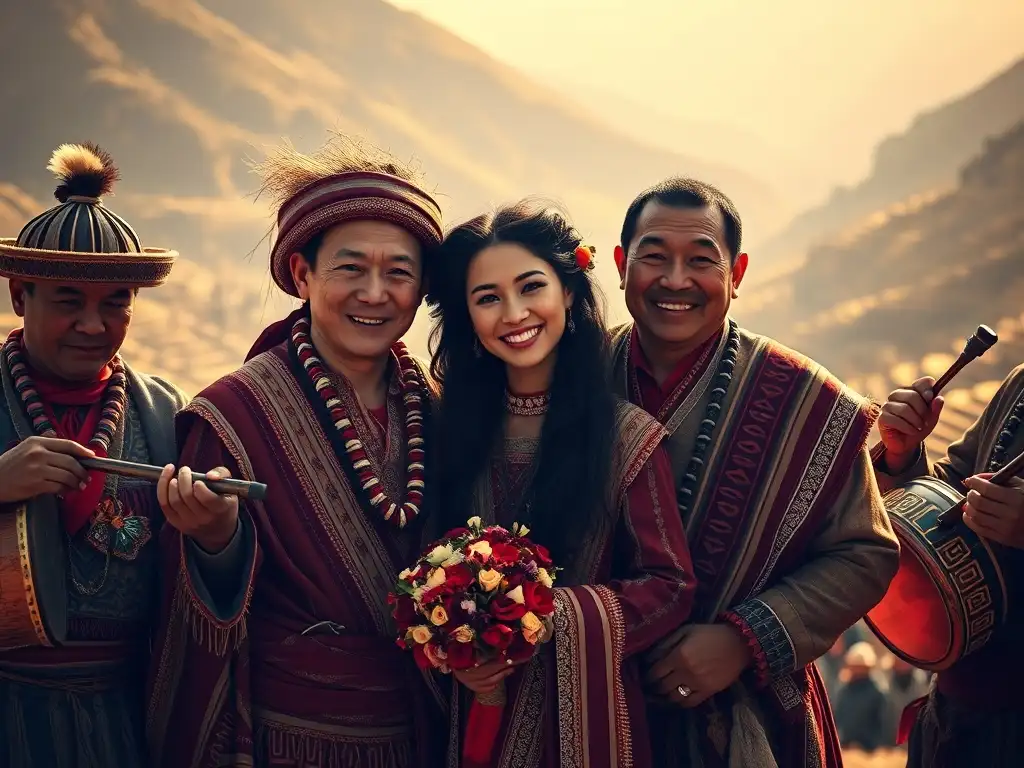
Ancient Andean music played a pivotal role in marking life's significant transitions, and marriage was no exception. The union of two individuals was not merely a personal event; it was a societal one, deeply embedded within the community's fabric. Music served as the vibrant thread weaving together the various aspects of this important rite of passage, from pre-nuptial preparations to the celebratory feasts following the ceremony.
Understanding the music of Andean weddings provides a unique window into their social structures, beliefs, and values. The rhythmic pulse of the music, the lyrics of the songs, and even the types of instruments employed all held symbolic meaning, reflecting the importance placed upon the stability and continuity of family units within Andean society. This section delves into the specific musical elements characterizing these celebratory occasions, highlighting their enduring significance within the context of "Ancient Andean music rituals."
Wedding Ceremonies and Traditional Andean Music
Wedding ceremonies in various Andean cultures weren't standardized across all groups. However, consistent themes emerge when analyzing the musical components. The use of panpipes ( antara and siku), drums ( tinku), and wind instruments like the pututu (a long shell trumpet) frequently featured prominently.
The specific instrumentation varied depending on the region and the particular ethnic group involved. For instance, coastal communities might have favored instruments reflecting their proximity to the sea, incorporating different types of shells or instruments made from materials readily available in their environment. Highland communities, conversely, might have relied more heavily on instruments crafted from wood, reeds, and animal hides, reflecting the resources available in their mountainous surroundings.
The music itself was often characterized by a blend of celebratory and solemn tones. Fast-paced rhythms signified joy and anticipation, while slower, more melancholic melodies reflected the gravity of the commitment being made and the responsibilities that accompanied marriage. Songs frequently contained lyrical themes focused on fertility, prosperity, and the continuity of lineage, highlighting the importance of the union within the broader social context.
The music was not merely background noise; it actively shaped the emotional atmosphere of the ceremony, guiding the participants and reinforcing the significance of the event. Detailed ethnographic studies are needed to fully reconstruct the specific musical practices of each Andean group, but the available evidence consistently points towards the centrality of music in these ceremonies.
Musical Expression of Commitment and Family Bonds
Beyond the wedding ceremony itself, music continued to play a vital role in solidifying the marital bond and celebrating the resulting family. Post-wedding festivities often involved extended periods of music and dance, further reinforcing the social integration of the newly formed couple into the community.
Songs sung during these celebrations often served as metaphors for the enduring strength and resilience of the marriage, comparing it to the steadfastness of mountains or the unwavering flow of rivers. These metaphorical lyrics served to imbue the union with a sense of permanence and stability, reflecting the Andean worldview that prioritized the long-term well-being of the community.
The participation of the entire community in the music-making underscored the collective nature of marriage within Andean society. It wasn't just about the two individuals uniting; it was about the strengthening of the entire social fabric. The music served as a powerful symbol of unity, reinforcing the bonds of kinship and mutual support that were essential to the survival and prosperity of the Andean communities.
Furthermore, the transmission of musical traditions from one generation to the next helped to preserve cultural identity and ensure the continuity of these important rituals. The continued presence of music in family celebrations throughout the lives of the couple further cemented its role as a vital element in the social fabric of Ancient Andean life.
This powerful combination of ritual, community participation, and musical expression solidified the institution of marriage as a cornerstone of Andean social structure. Further research into specific musical scores and lyrical content from archaeological sites would greatly enhance our understanding of the nuances of these musical expressions of commitment.
Death and Ancestral Veneration: Music and the Afterlife
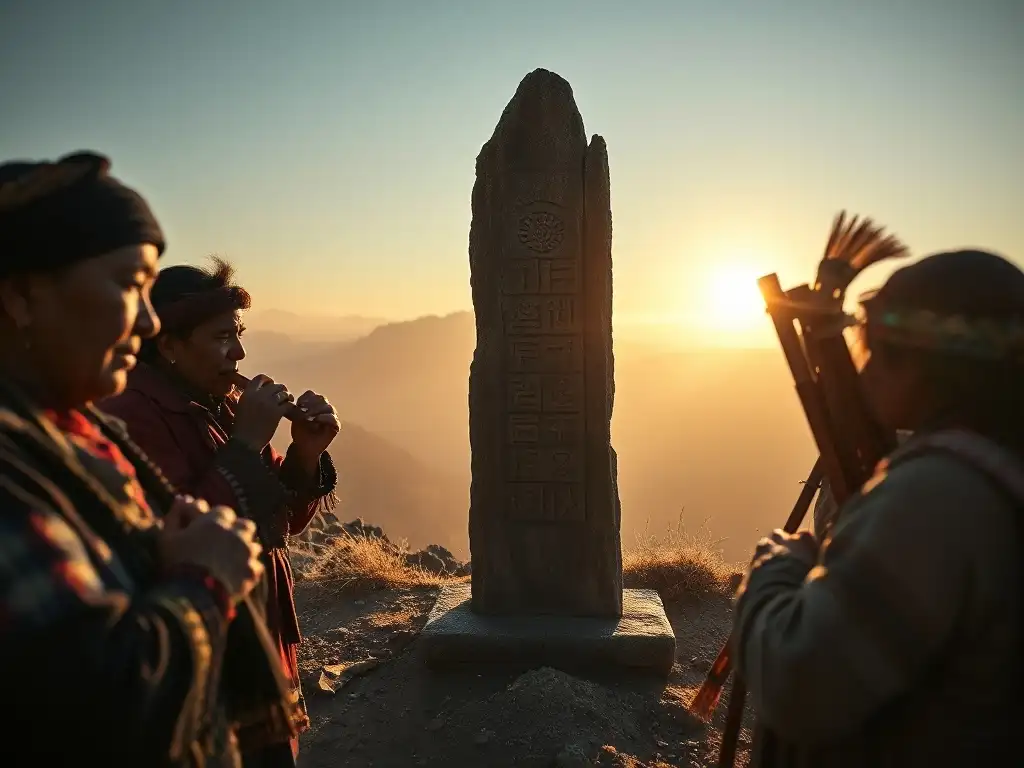
The Andean worldview deeply intertwined life and death, with ancestors holding significant influence over the living. Music played a crucial role in navigating this complex relationship, acting as a bridge between the worlds of the living and the dead. Ancient Andean music rituals surrounding death and ancestor veneration were not merely mournful expressions; they were powerful acts of communication, remembrance, and spiritual connection. Understanding these practices provides invaluable insight into the Andean cosmology and their profound respect for their lineage. The significance of "Ancient Andean music rituals" in funerary contexts is undeniable.
Funeral Rites and Mourning Music in Ancient Andes
Archaeological evidence, though limited, suggests a rich tapestry of musical practices associated with death. While preserved instruments are rare, depictions on pottery and textiles offer glimpses into funeral rites involving music. For example, Moche pottery often illustrates elaborate funeral processions, frequently showing individuals playing panpipes or drums. These depictions, while not providing specific musical scores, indicate the integral presence of music in these ceremonies.
The sounds likely served multiple purposes: to mourn the deceased, to guide the spirit on its journey to the afterlife, and to appease potentially malevolent spirits. The emotional weight of these events, amplified by the music, undoubtedly created a powerful and memorable experience for the participants. Further research into the specific types of instruments used and the potential melodies played would significantly enhance our understanding of these significant "Ancient Andean music rituals".
The nature of the music itself likely varied depending on the social standing of the deceased and the specific traditions of the community. A chieftain's funeral, for example, might have involved a larger orchestra and more elaborate musical pieces than a commoner's burial. The use of different instruments, tempos, and rhythms would have further contributed to the ritual's complexity and significance. Unfortunately, deciphering the exact nuances of these variations remains a challenge due to the scarcity of surviving musical artifacts. However, the available evidence strongly suggests a sophisticated and nuanced approach to musical expression in the context of death.
Musical Practices for Honoring the Deceased
Beyond funeral rites, music played a vital role in ongoing ancestor veneration. The cyclical nature of Andean life emphasized the continuous connection between the living and the dead. Regular ceremonies, often coinciding with agricultural cycles or significant events, involved musical performances aimed at honoring ancestors and seeking their blessings. These ceremonies served to reinforce social bonds and maintain the harmony between the living and the spirit world. The music used in these rituals likely differed from that used in funerals, reflecting the shift from mourning to respectful remembrance and supplication.
The use of specific instruments or melodies might have been associated with particular ancestors or deities. This adds another layer of complexity to the understanding of "Ancient Andean music rituals," suggesting a highly developed system of symbolic musical language. Furthermore, the participation of specific individuals or groups in these performances, such as shamans or priests, highlights the ritual's sacred nature and its importance in maintaining social order.
The collective participation in these musical ceremonies strengthened community ties and reinforced the shared beliefs of the Andean people. It is crucial to consider the social context of these rituals to fully appreciate their significance.
The Role of Music in Connecting with Ancestral Spirits
Music was not simply a background element in these rituals; it was considered a powerful tool for communicating with the spirit world. Shamans and other spiritual leaders often employed music to enter altered states of consciousness, facilitating communication with ancestral spirits. The rhythmic patterns, melodies, and the use of specific instruments might have been believed to open channels of communication with the otherworldly.
This aspect of "Ancient Andean music rituals" underscores the deep spiritual significance of music in Andean societies. The music was not simply heard; it was believed to actively participate in the shaping of reality and the interaction between the living and the dead.
The use of hallucinogenic substances, sometimes in conjunction with music, further complicates the picture. These substances may have heightened the sensory experience of the music, intensifying the spiritual connection and allowing for a more profound interaction with the ancestral spirits.
While more research is needed to fully understand the interplay between music, ritual, and altered states of consciousness, it is clear that music served as a crucial element in shaping the Andean relationship with the spiritual realm and their ancestors. The enduring power of these "Ancient Andean music rituals" lies in their ability to connect people across generations, bridging the gap between the physical and spiritual worlds.
Agricultural Cycles and Musical Celebrations
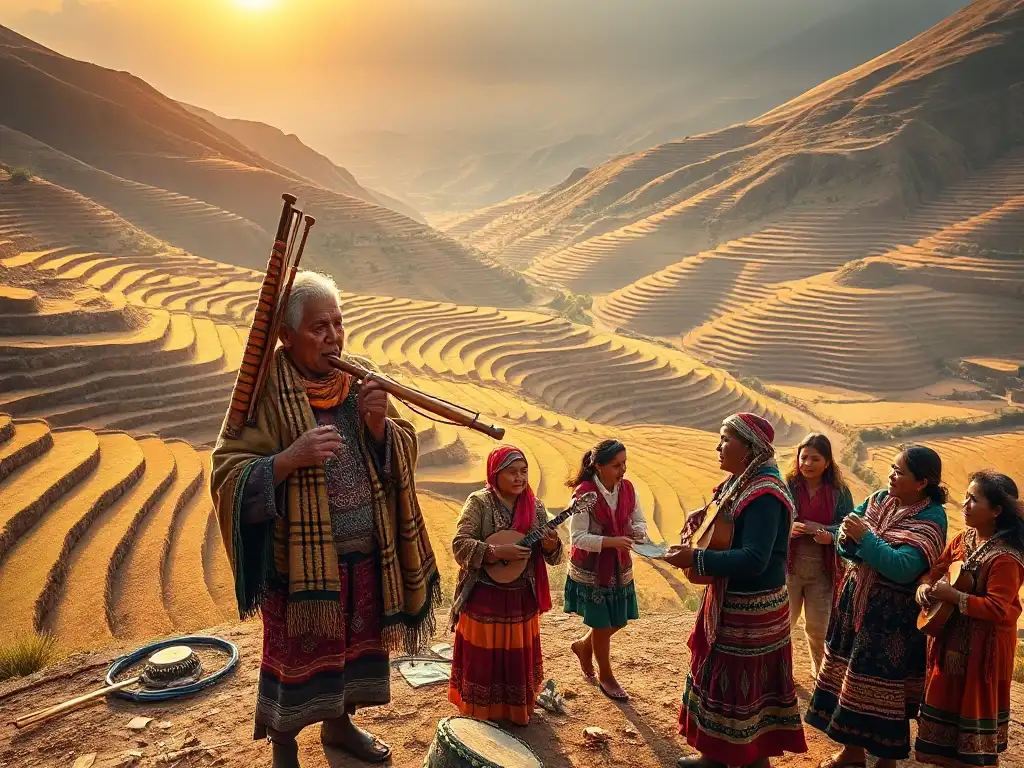
Ancient Andean music rituals were deeply intertwined with the agricultural cycle, reflecting a profound connection between the people and their environment. The success of their crops, the lifeblood of their societies, was celebrated through elaborate musical performances, ensuring the continuity of their way of life and expressing gratitude to the deities believed to control the fertility of the land. These weren't simply background music; the music itself was considered a powerful force, capable of influencing the growth of crops and ensuring bountiful harvests.
The intricate melodies and rhythms were believed to mirror the cycles of nature, echoing the growth, maturity, and eventual harvest of the crops. The instruments used, often made from natural materials like wood, gourds, and animal hides, further emphasized this connection to the earth.
Planting and Harvesting Rituals: Musical Expressions of Gratitude
Planting and harvesting were particularly significant moments marked by vibrant musical ceremonies. For planting, the huayno, a lively Andean folk music genre, often accompanied rituals designed to appease the earth and ensure a successful planting season. Music played a crucial role in creating a harmonious atmosphere, inviting the spirits of fertility and abundance. Specific melodies, possibly passed down through generations, were used to invoke the protection of deities associated with agriculture.
Archaeological evidence, while limited in directly representing musical performances, suggests the use of panpipes and drums in these ceremonies based on the discovery of such instruments in contexts associated with agricultural sites. This is further supported by ethnographic studies of contemporary Andean communities who maintain similar musical traditions. The intensity and style of the music could vary depending on the specific community and the particular crop being planted.
The harvest, a time of great celebration, involved even more elaborate musical performances. These festivities often lasted for days, featuring a diverse repertoire of musical genres and instruments. The yaraví, a genre associated with lament and longing, might be interspersed with more upbeat rhythms, reflecting the dual nature of the harvest – a time of both joy and reflection on the year's work. The music served not only as entertainment but also as a means of social bonding and reaffirming community ties.
The shared experience of music solidified communal identity and reaffirmed the collective effort involved in the agricultural cycle. The use of specific instruments, such as the tarka (a type of panpipe) and the pututu (a shell trumpet), could also have signaled the abundance of the harvest and the community's gratitude to the divine powers. [Specific examples of harvest songs and their lyrics pending].
Andean Music and its Relationship with Nature and the Cosmos
Ancient Andean music wasn't solely tied to the agricultural cycle; it encompassed a broader relationship with nature and the cosmos. The Andean worldview perceived a deep interconnectedness between the human world, the natural world, and the celestial realm. Music played a vital role in mediating this relationship, acting as a conduit between the earthly and the spiritual.
The rhythms and melodies were often seen as reflections of natural phenomena, such as the movements of the sun, moon, and stars, or the patterns of rainfall and wind. The use of specific instruments, their materials, and the ways they were played were all imbued with symbolic meaning. For example, the antara, a set of panpipes, might have been associated with the celestial order, its multiple pipes representing the different constellations or celestial bodies.
The musical expressions were not just imitations of nature; they were active attempts to influence and harmonize with the natural and cosmic forces. Musical performances could be used to ward off evil spirits, invoke rain during periods of drought, or celebrate the solstices and equinoxes. These rituals weren't simply about entertainment or aesthetic appreciation; they were integral to the Andean worldview, shaping their understanding of the world and their place within it. The music served as a powerful tool for maintaining balance and harmony in the cosmos, ensuring the well-being of the community and the continuation of their way of life.
[Further research on specific musical rituals associated with cosmic events is needed]. The integration of music into their understanding of the cosmos underscores the fundamental role music played in shaping Andean culture and identity. 🎼
The Legacy of Ancient Andean Musical Rituals
The legacy of ancient Andean music rituals extends far beyond the crumbling ruins and faded textiles. The echoes of these practices resonate powerfully in the vibrant musical traditions of the Andes today. Understanding the historical context of these rituals is crucial to appreciating the depth and complexity of modern Andean music.
While much of the precise details of ancient musical practices remain lost to time, archaeological evidence, ethnographic studies, and the surviving musical traditions themselves offer glimpses into a rich and multifaceted musical landscape. The enduring power of music in Andean societies, from ancient times to the present, highlights its integral role not just as entertainment, but as a vital element in social cohesion, spiritual expression, and the transmission of cultural knowledge across generations.
This enduring legacy speaks volumes about the deep-rooted connection between Andean people and their musical heritage. The study of "Ancient Andean music rituals" reveals a profound relationship between music, spirituality, and social life.
Traces of Ancient Practices in Modern Andean Music
Modern Andean music, particularly genres like huayno and yaraví, retains striking similarities to musical forms likely practiced in ancient times. The use of panpipes ( antara and siku), flutes ( puno), and drums ( tinku)—instruments found in archaeological contexts dating back centuries—continues to be central to musical performance. The rhythmic structures, melodic patterns, and vocal techniques employed in contemporary Andean music often echo those suggested by the limited surviving evidence from ancient sites.
For instance, the use of call-and-response vocals, a prevalent feature in many traditional Andean genres, could be traced back to ancient ritualistic practices where musical exchanges served as a form of communication with deities or ancestors. Furthermore, the strong association of music with agricultural cycles and seasonal celebrations, a characteristic of modern Andean communities, suggests a continuity with ancient traditions where music played an integral role in marking the passage of time and ensuring the fertility of the land.
The persistence of these ancient musical practices underscores the resilience and adaptability of Andean cultural traditions. Analysis of modern musical practices provides valuable insights into the evolution of ancient Andean music rituals, allowing us to reconstruct, albeit imperfectly, the soundscapes of past civilizations.
The Enduring Significance of Music in Andean Culture
The enduring significance of music in Andean culture cannot be overstated. Music transcends mere entertainment; it serves as a powerful vehicle for social bonding, cultural transmission, and spiritual expression. In many Andean communities, music plays a central role in various life-cycle events, from births and weddings to funerals and religious festivals.
Musical performances often serve to reinforce social hierarchies, express collective identities, and transmit ancestral knowledge. For example, the intricate melodies and complex harmonies of certain traditional songs encode historical narratives, cosmogonic myths, and moral lessons, ensuring the preservation of cultural heritage across generations. Furthermore, music's role in religious practices remains significant.
In many communities, music is integral to rituals aimed at appeasing deities, communicating with the spirit world, and ensuring the well-being of the community. The continued prominence of music in all aspects of Andean life demonstrates its enduring power and its vital role in shaping Andean identity and cultural continuity. This continuous relevance speaks to the deep-seated connection between music, spirituality, and social life within Andean societies, highlighting the importance of "Ancient Andean music rituals" in shaping the cultural landscape.
Frequently Asked Questions
What role did music play in Ancient Andean rituals?
Music played a central role in Andean life, particularly in religious ceremonies and rites of passage. It was believed to connect the living with the spirit world and influence the gods.
What instruments were commonly used in Ancient Andean music?
Common instruments included panpipes (antara), drums (tinku), conch shells, and various types of flutes. The specific instruments varied depending on the region and culture.
Music reinforced social hierarchies and community identity. Different musical styles and instruments were associated with specific social groups and ceremonies, reflecting their status and roles.
Were there specific musical rituals for life cycle events?
Yes, rites of passage like birth, marriage, and death were accompanied by specific musical performances. Music was integral to marking these transitions and ensuring a smooth passage to the next stage of life.
What evidence exists today to understand Ancient Andean music rituals?
Archaeological discoveries like ceramic artifacts depicting musicians and written accounts from Spanish conquistadors provide valuable insights. Ethnomusicological studies of contemporary Andean music also offer clues to past traditions.
Final Reflection: Echoes of the Andes: Music's Enduring Legacy
The vibrant sounds of ancient Andean music, far from being relics of a bygone era, continue to resonate deeply within contemporary Andean cultures and beyond. Their intricate melodies and rhythmic structures offer a powerful testament to the enduring human need for ritual, community, and spiritual expression, a need that transcends time and geography. The echoes of these ancient practices are still heard today, shaping musical traditions and informing our understanding of the human spirit.
The profound impact of music on Andean life, as explored throughout this article, underscores the inextricable link between music, spirituality, and social cohesion. These weren't simply performances; they were integral parts of the life cycle, marking transitions and celebrating community. The power of music to connect individuals to something larger than themselves, to their ancestors, and to the cosmos, remains a potent force. Music is the universal language of mankind.
– Henry Wadsworth Longfellow. This quote, though not specifically about Andean music, perfectly captures the timeless and cross-cultural significance of music's ability to unite and inspire.
Consider the legacy of these ancient rituals. How can we, in our modern world, recapture the sense of community and spiritual connection that these musical practices fostered? I invite you to reflect on the power of music in your own life – to listen more deeply, to appreciate the cultural heritage embedded within musical traditions, and to find ways to use music to build bridges and celebrate the shared human experience. Let the echoes of the Andes inspire you to find your own rhythm, your own song, in the symphony of life.
Embrace the Rhythm of Andean Heritage!
Thank you for joining us on this enlightening journey through the musical history of the Andes! Your interest helps preserve the rich tapestry of traditions that define these remarkable cultures. Now, let's put that inspiration into action!
- Explore the sounds of the Andes: Discover local musicians and curated playlists featuring traditional instruments and melodies. Immerse yourself in the vibrant soundscapes.
- Share your passion: Host a gathering with friends to explore Andean music and its cultural significance. Learning together enhances the experience.
- Connect with the Andean community: Attend workshops, cultural events, or join organizations that celebrate Andean heritage in your area.
What aspect of Andean music most captivates you, and how can you integrate it into your daily life?