
The Complexity of Andean MultiPurpose Water Systems

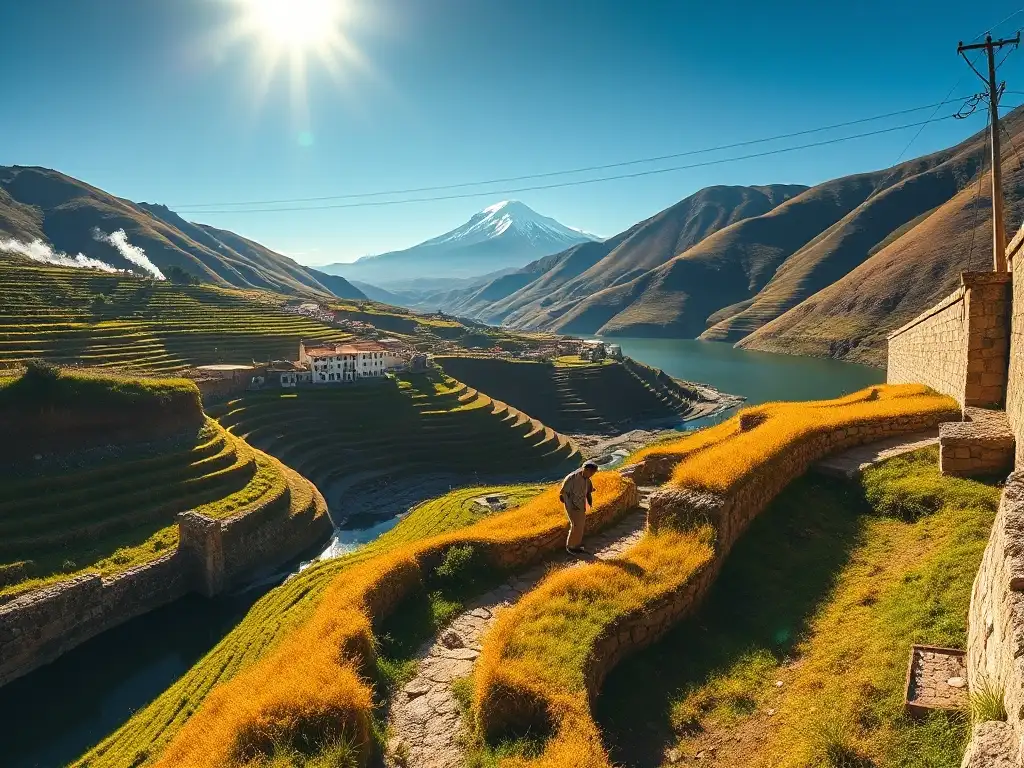
Step into a world lost to time, yet echoing with innovation. Imagine civilizations harnessing the power of the Andes, not just for survival, but for breathtaking feats of engineering. Discover the secrets behind the sophisticated Andean water systems, a testament to the ingenuity of ancient cultures like the Incas, Moche, and Nazca. Uncover the complexity of their multi-purpose designs and prepare to be amazed by the legacy they left behind. The journey into their remarkable Andean water systems history begins now.
- The Complexity of Andean Multi-Purpose Water Systems: A Legacy of Ingenuity
- Understanding Andean Water Management History
- Multi-Purpose Functionality of Andean Water Systems
- The Ingenious Engineering Behind Andean Water Systems
- Case Studies of Notable Andean Water Systems
- The Enduring Legacy of Andean Water Management
- Challenges and Future Research in Andean Water Systems
- Frequently Asked Questions
- Final Reflection: The Enduring Legacy of Andean Water Systems
- Unlock the Power of Andean Water Systems!
The Complexity of Andean Multi-Purpose Water Systems: A Legacy of Ingenuity
The Andes Mountains, a spine of towering peaks traversing the western edge of South America, presented an immense challenge and an unparalleled opportunity for the ancient civilizations that thrived there. Scarcity of water in many regions, coupled with the demanding terrain, necessitated the development of sophisticated water management systems.
This article delves into the remarkable complexity of Andean water systems, exploring not only their ingenious engineering but also their multifaceted roles within the social, economic, and religious life of these cultures. We will examine the historical development of these systems, focusing on their ingenuity and lasting impact, thus providing a comprehensive overview of the Andean water systems history and their significance in shaping the civilizations that built them.
The intricate networks of canals, aqueducts, and reservoirs weren't merely for irrigation; they were integral to the very fabric of Andean society, reflecting a deep understanding of hydrology, social organization, and spiritual belief. Understanding these systems is key to appreciating the advanced technological capabilities and societal structures of the pre-Columbian Andean world.
The Ingenious Engineering of Andean Water Systems
The construction of Andean water systems was a monumental undertaking, requiring immense labor and sophisticated knowledge of hydraulics. These weren't simple ditches; they were precisely engineered networks that often involved diverting water from high-altitude sources, traversing challenging landscapes, and distributing water across vast distances. Consider the intricate canal systems of the Nazca culture, for example, which skillfully navigated the arid coastal plains, demonstrating an advanced understanding of surveying and hydraulic gradients.
These systems involved the construction of canals, reservoirs, and aqueducts, often cut into bedrock or built with carefully fitted stone blocks. The precision and scale of these projects are truly astonishing, demonstrating a mastery of engineering that remains impressive even by modern standards.
The use of sophisticated techniques such as subterranean channels ( qanats) in some regions further highlights the advanced nature of their hydrological knowledge. This mastery extended beyond simple irrigation; it encompassed the creation of fountains, baths, and ceremonial water features, integrating water management with both daily life and religious practice.
Beyond Irrigation: The Multifaceted Roles of Water
While irrigation was undoubtedly a crucial function of Andean water systems, their importance extended far beyond agricultural production. Water played a vital role in the economic life of Andean communities, supporting various industries such as textile production and the processing of agricultural goods. Furthermore, access to water was intrinsically linked to social status and power dynamics, with control over water resources often reflecting political influence.
The distribution and management of water were carefully regulated, often through communal labor and complex social structures that ensured equitable access. Religious beliefs and rituals surrounding water further highlight its significance, with many Andean cultures associating water with fertility, life, and spiritual power.
Water sources were often considered sacred, and rituals and ceremonies were performed to ensure the continued flow and abundance of water. The integration of water management with social, economic, and religious life is a testament to the holistic and integrated nature of Andean societies.
The Legacy of Andean Water Systems: Lessons for Today
The legacy of Andean water systems extends far beyond their historical significance. These remarkable achievements offer invaluable lessons for contemporary water management challenges, particularly in regions facing water scarcity and environmental degradation. The ingenuity and sustainability of many traditional Andean water management practices offer valuable insights for designing more resilient and equitable water systems in the modern world.
The principles of community-based management, integrated water resource planning, and the careful consideration of environmental impacts, all inherent in the Andean approach, are highly relevant to addressing modern water crises. The study of Andean water systems, therefore, is not merely an exploration of the past; it is a crucial step towards finding sustainable solutions for the future.
The careful planning and community involvement inherent in these ancient systems provide a blueprint for tackling contemporary water challenges with ingenuity and respect for the environment. The integration of ecological understanding with practical engineering solutions continues to inspire modern engineers and environmentalists alike.
Understanding Andean Water Management History

This section delves into the fascinating history of Andean water management, exploring its evolution from rudimentary techniques to remarkably sophisticated systems. Understanding the intricacies of these systems is crucial to appreciating the ingenuity and resilience of Andean civilizations. The keyword "Andean water systems history" is central to this exploration, revealing how water management shaped societal structures, agricultural practices, and the overall development of these ancient societies. We will explore the significance of water in Andean life, the evolution of irrigation techniques, and the impressive scale and complexity of the resulting water infrastructure.
The Importance of Water in Ancient Andean Civilizations
Water was not merely a resource for ancient Andean societies; it was a lifeblood, deeply intertwined with their spiritual beliefs, social structures, and economic prosperity. The arid and semi-arid landscapes of the Andes presented significant challenges, making the availability of water paramount for survival and agricultural success. This scarcity fostered a profound respect for water, often viewed as a sacred element, demonstrated through religious rituals and elaborate water management practices.
Consider, for instance, the intricate canal systems that channeled water across steep terrain, a testament to both their technological prowess and their deep understanding of hydrology. The integration of water into their worldview is evident in their art, mythology, and even their urban planning, where water sources often formed the heart of settlements. The lack of readily available water directly impacted population density and settlement patterns.
Areas with reliable water sources, such as river valleys and oases, supported larger and more complex societies. The importance of water is a recurring theme in Andean water systems history.
Early Andean Irrigation Practices and Technologies
Early Andean irrigation techniques, dating back millennia, demonstrate an impressive understanding of their environment. These early practices, though simpler than later systems, were nonetheless effective in maximizing limited water resources. Evidence suggests the use of simple gravity-fed channels carved into the earth, diverting water from streams and rivers to irrigate crops. These early systems were often small-scale, serving individual communities or family units.
The construction of these channels required significant labor, often involving community participation. The technology involved rudimentary tools, mainly stone and wooden implements, yet the results were remarkably effective in enhancing agricultural yields. Archaeological findings reveal evidence of early terracing techniques, which helped to retain moisture and prevent soil erosion.
These early innovations laid the foundation for the more sophisticated water systems developed in subsequent periods, showcasing the gradual evolution of Andean water systems history. A significant advancement was the use of qanats, underground channels that tapped into groundwater sources. This technique minimized water loss through evaporation, a crucial adaptation to the arid climate.
The Development of Sophisticated Water Systems
The development of sophisticated Andean water systems represents a remarkable achievement in engineering and social organization. As societies grew and agricultural needs increased, so did the complexity of their water management systems. The construction of large-scale canals, aqueducts, and reservoirs demonstrates an advanced understanding of hydraulics, surveying, and civil engineering. The Inca Empire, in particular, is renowned for its extensive and well-maintained irrigation networks.
These systems often spanned vast distances, channeling water across challenging terrains, employing ingenious techniques such as siphons and tunnels to overcome obstacles. The integration of these systems into the broader Inca infrastructure is indicative of a centralized administration that prioritized agricultural productivity. The Inca’s mastery of hydraulic engineering is reflected not only in the scale of their projects but also in their durability.
Many of these systems remained functional for centuries after the collapse of the empire, a testament to their robust design and construction. Detailed analysis of these systems reveals sophisticated techniques for water distribution, including the use of weirs, spillways, and regulating channels to control water flow and prevent flooding. The development of these complex systems significantly impacted the Andean water systems history, leaving a lasting legacy on the landscape and the societies that inhabited it.
Multi-Purpose Functionality of Andean Water Systems
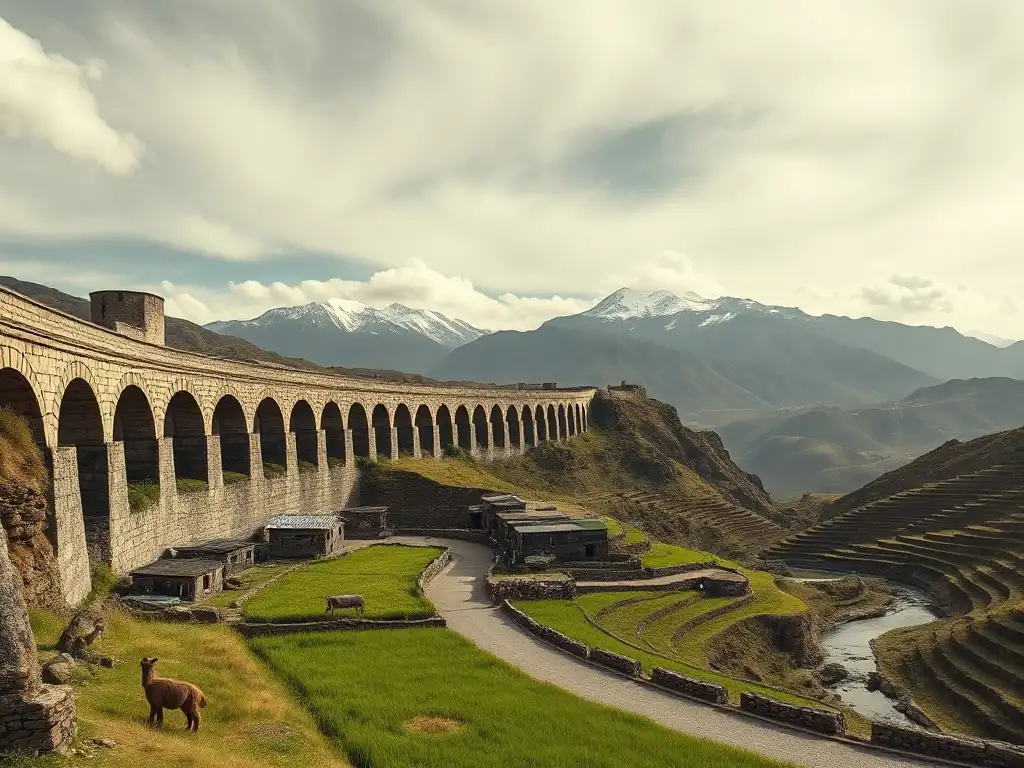
The Andean water systems history is far richer and more complex than simply irrigation. While providing sustenance through agriculture was paramount, these ingenious systems served multiple crucial roles within Andean societies, demonstrating a sophisticated understanding of water management and its integral link to social, economic, and religious life. The integration of these functions highlights the holistic approach of Andean civilizations to resource management, a testament to their engineering prowess and societal organization. This section will explore the multifaceted nature of these systems, moving beyond the often-discussed irrigation aspects to reveal their broader significance.
Irrigation Canals: The Lifeline of Andean Agriculture
Andean irrigation canals weren't just simple ditches; they were meticulously engineered marvels, reflecting a deep understanding of topography, hydrology, and agricultural needs. These systems, often carved into mountain slopes and across valleys, were designed to distribute water efficiently to terraced fields, maximizing arable land in challenging terrain. The scale of some projects is breathtaking; for example, the network of canals serving the Nazca culture involved hundreds of miles of channels, meticulously graded to ensure a consistent water flow.
The construction techniques employed, including the use of stone lining and strategically placed check dams, demonstrate remarkable engineering skills and a deep understanding of water dynamics. The precise alignment of canals suggests sophisticated surveying techniques, possibly utilizing astronomical observations to determine the optimal gradients. Furthermore, the canals weren't static; they were regularly maintained and adapted to changing conditions, reflecting a continuous investment in agricultural productivity.
This ongoing maintenance, a collective effort often involving entire communities, solidified social bonds and reinforced the importance of water as a shared resource. The effectiveness of these systems is evidenced by the thriving agricultural societies that flourished in the Andes for centuries, relying on these carefully planned irrigation networks.
Water Storage and Reservoirs: Managing Water Scarcity
The unpredictable nature of Andean rainfall necessitated sophisticated water storage solutions. Beyond the canals, Andean civilizations constructed intricate systems of reservoirs, both large and small, to capture and store water during the rainy season for use during the drier months. These reservoirs weren't merely passive storage facilities; many incorporated ingenious features to maximize water retention and minimize evaporation.
Some reservoirs were lined with clay or stone to prevent seepage, while others were designed with multiple compartments to regulate water flow. The design and location of reservoirs often considered the specific hydrological characteristics of the region, reflecting a nuanced understanding of local water resources. The construction of these structures was a significant undertaking, requiring considerable labor and community organization.
The size and complexity of these reservoirs varied greatly depending on the scale of the community and its agricultural needs. For instance, some smaller communities might have relied on a network of smaller reservoirs near their fields, while larger settlements might have constructed larger, more complex systems capable of storing vast quantities of water. These reservoirs weren't simply for agricultural use; they also played a vital role in providing water for domestic use and potentially for religious ceremonies.
Domestic Water Supply: Providing for Community Needs
The Andean water systems history also reveals a deep concern for providing clean and reliable water for domestic use. While irrigation canals were the backbone of agricultural production, communities also developed systems to channel water directly to settlements, ensuring access to potable water for drinking, cooking, and sanitation. These systems often involved diverting water from canals or springs and directing it through aqueducts or channels to public fountains or household taps.
The location of settlements often reflected access to water sources, with villages frequently situated near springs or rivers. The management of domestic water supplies was crucial for public health and community well-being, highlighting the interconnectedness of water management with social organization and public health. While specific details about the domestic water distribution systems in different Andean cultures are still under investigation, archaeological evidence suggests sophisticated systems, demonstrating a commitment to providing essential services for the population.
The combination of irrigation and domestic water supply systems underscores the integrated approach of Andean civilizations to water management, showcasing a remarkable ability to balance agricultural production with community needs. The enduring legacy of these systems serves as a powerful reminder of the ingenuity and foresight of Andean societies.
Terracing and Water Management: Integrating Agriculture and Water Control
Andean agricultural practices were intrinsically linked to sophisticated water management techniques. The iconic terraced fields cascading down the steep slopes of the Andes Mountains weren't merely aesthetic features; they represented a marvel of engineering designed to optimize water use and maximize crop yields in challenging terrain. These terraces, often constructed using stone retaining walls, created a series of level platforms, slowing the flow of water and preventing erosion. This careful manipulation of the landscape allowed for efficient irrigation, even in areas with limited water resources.
The size and spacing of the terraces were carefully planned, considering factors such as slope gradient, soil type, and water availability. Different crops were often planted on terraces at various altitudes, taking advantage of microclimates and optimizing yields. This integrated approach to agriculture and water control showcases the deep understanding of hydrology and soil science possessed by Andean civilizations. The construction itself was a monumental undertaking, requiring significant labor and coordination, highlighting the social organization and communal effort involved in maintaining these intricate systems.
Evidence suggests that the design and construction of these systems evolved over centuries, with continuous improvements reflecting adaptations to changing environmental conditions and agricultural needs. The effectiveness of these systems is evident in the sustained agricultural productivity observed in the Andes for millennia, even in regions with harsh environmental constraints. Furthermore, the terrace systems also played a crucial role in minimizing soil erosion and maintaining soil fertility, ensuring the long-term sustainability of Andean agricultural practices. The intricate relationship between terracing and water management in the Andes stands as a testament to the ingenuity and adaptability of ancient Andean societies.
The integration of water management into the design of the terraces is particularly noteworthy. Channels and aqueducts were often incorporated into the terrace system to divert water from streams and springs to irrigate the fields. These channels were meticulously constructed, often using stone and clay, to ensure a controlled and even distribution of water across the terraced fields.
The precise control over water flow was essential for optimizing crop growth and preventing waterlogging or drought. This intricate network of channels and aqueducts demonstrates a sophisticated understanding of hydraulic engineering and a remarkable ability to manipulate water resources to meet agricultural demands. The maintenance of these systems required ongoing effort and communal participation, highlighting the importance of collaborative water management in Andean societies.
The enduring legacy of Andean terracing and water management practices continues to inspire modern agricultural techniques, demonstrating the timeless relevance of these ingenious systems. Studies of these ancient systems can provide valuable insights into sustainable water management practices for contemporary agriculture, particularly in regions with challenging terrain and limited water resources. The precise techniques used varied depending on the specific location and the needs of the community, reflecting the adaptability and ingenuity of Andean cultures.
The Ingenious Engineering Behind Andean Water Systems
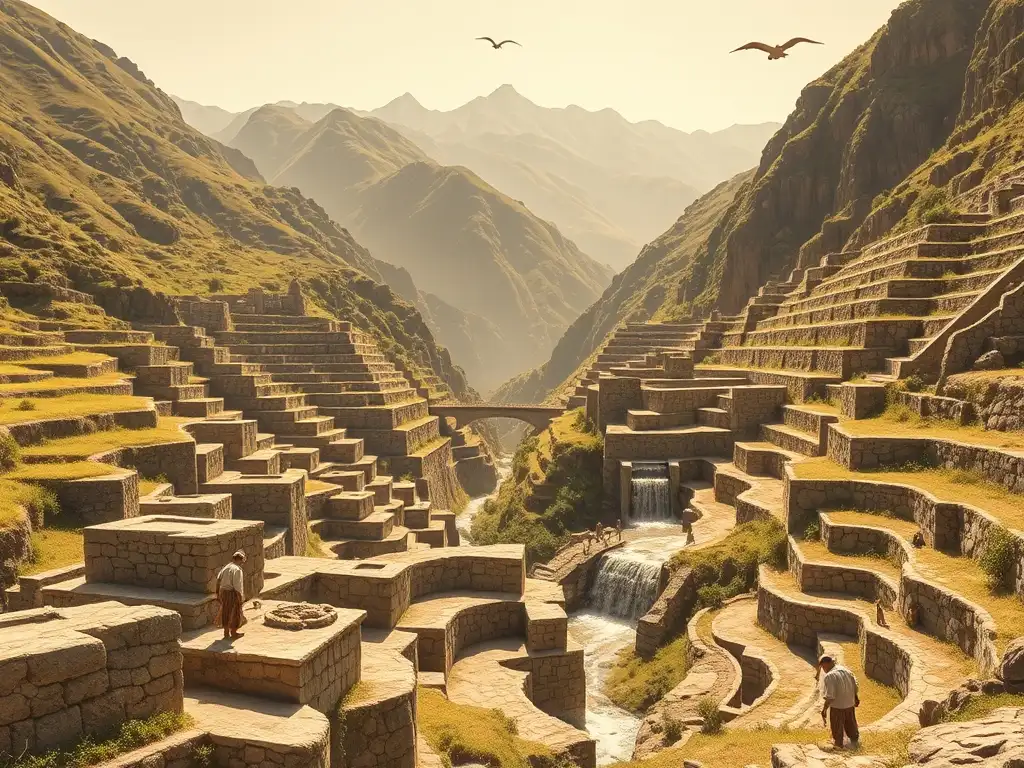
The Andean water systems history is a testament to the ingenuity and sophisticated understanding of hydraulics possessed by pre-Columbian Andean civilizations. Their mastery of water management wasn't merely about irrigation; it was integral to their societal structure, religious beliefs, and overall survival in challenging mountainous terrains. This section delves into the remarkable engineering feats achieved by these cultures, showcasing their advanced knowledge and resourcefulness.
Understanding their techniques provides valuable insight into the complexity of their societies and their remarkable adaptation to their environment. The development of sophisticated Andean water systems was a gradual process, evolving over centuries and adapting to the specific needs and challenges of each region.
Construction Techniques and Materials Used
Andean water system construction wasn't a haphazard process; it involved meticulous planning and execution. The choice of materials was dictated by availability and practicality. Stone, readily available in the Andes, was a primary building material. Large, precisely cut stones were used for canals, aqueducts, and reservoirs, demonstrating a remarkable level of precision and craftsmanship.
Smaller stones and earth were used for smaller channels and embankments. The use of mortar varied; some structures employed sophisticated lime-based mortars, while others relied on earth or clay. The construction techniques were adapted to the specific terrain. For example, in steeper slopes, terraces and retaining walls were built to support the canals and prevent erosion.
In flatter areas, larger canals were constructed, sometimes lining them with stones or clay to prevent seepage. Evidence suggests that different Andean cultures employed slightly varying techniques, reflecting regional differences in materials and expertise. For instance, the Nazca's mastery of canal construction in arid regions stands in contrast to the Inca's adaptation of water systems to high-altitude environments. Detailed studies of surviving structures reveal an understanding of load-bearing principles, drainage systems, and erosion control that surpasses many contemporary estimations of their technological capabilities.
Gravity-Fed Systems: Harnessing Natural Slopes
A key characteristic of Andean water systems was their reliance on gravity. This ingenious approach minimized the need for energy-intensive pumping mechanisms. By carefully studying the topography, engineers cleverly channeled water from higher elevations to lower-lying agricultural fields and settlements. The system's success depended on precise surveying and construction to maintain a consistent gradient.
Even slight deviations could lead to inefficient water flow or erosion. The use of gravity-fed systems allowed for the efficient distribution of water over vast distances, often spanning several kilometers. Many systems incorporated intricate networks of canals, diverting water to different areas based on need. The intricate system of channels, often running along mountain slopes, showcases the deep understanding of water flow and the careful planning involved in their design.
This sophisticated design allowed for the efficient irrigation of crops, providing a reliable water source, even during dry seasons. The ability to manage water resources in this way was crucial to the success of Andean agriculture and sustained their complex societies. Further research is needed to fully understand the intricacies of the surveying methods employed and the precision involved in gradient maintenance. [Specific information pending on surveying techniques and gradient precision].
Diversion Structures and Water Control Mechanisms
The effectiveness of Andean water systems wasn't solely dependent on gravity; it also relied on sophisticated diversion structures and water control mechanisms. These structures allowed for the regulation of water flow, ensuring that sufficient water reached different areas as needed. Some of the most impressive examples include:
- Weirs: These structures, often made of stone, were used to divert water from a main channel into smaller canals. Their design allowed for the controlled release of water, preventing flooding and ensuring an equitable distribution.
- Spillways: These were incorporated into canals and reservoirs to prevent overflow during periods of heavy rainfall or snowmelt. They acted as safety valves, protecting the system from damage and ensuring its longevity.
- Aqueducts: In some cases, aqueducts were constructed to carry water across valleys or other obstacles. These impressive feats of engineering demonstrate the Andean's ability to overcome geographical challenges and extend their water systems to previously inaccessible areas.
- Reservoirs: These were used to store water during periods of abundance, ensuring a reliable supply during dry seasons. The construction of reservoirs required an advanced understanding of hydrology and engineering, reflecting the sophistication of their water management practices.
The construction and maintenance of these structures required significant labor and organizational skills, highlighting the importance of communal cooperation within Andean societies. The careful design and placement of these elements showcase the ingenuity and advanced knowledge of hydraulic engineering possessed by these ancient cultures. The longevity of many of these systems further testifies to the durability and effectiveness of their design and construction. The study of these water control mechanisms offers critical insights into the social and economic organization of Andean societies, emphasizing the role of water management in their overall prosperity and stability. 🌊
The Precision of Andean Hydraulic Engineering
The Andean civilizations weren't just adept at building impressive structures; their understanding of hydraulic engineering was equally remarkable. Their water systems weren't haphazard; they were meticulously planned and executed, demonstrating a sophisticated grasp of hydrology, topography, and materials science. This precision is evident in several key aspects of their water management. For example, the channeling of water across varied terrains, often involving significant elevation changes, required precise calculations and construction techniques.
They skillfully utilized gravity to their advantage, creating systems that efficiently transported water over considerable distances with minimal loss. This wasn't achieved through guesswork; it involved a deep understanding of water flow dynamics and the careful selection of materials and construction methods to ensure durability and efficiency. The longevity of some of these systems, even in the face of harsh environmental conditions, is a testament to their engineering prowess. Archaeological evidence reveals intricate networks of canals, aqueducts, and reservoirs, all built with remarkable accuracy and demonstrating an advanced knowledge of hydraulic principles far exceeding what was previously thought possible for the time period.
The construction involved a deep understanding of the local geology, with canals and channels expertly routed to minimize erosion and maximize water flow. This precision speaks to a highly organized and skilled workforce, capable of executing complex engineering projects on a large scale. Moreover, the integration of these systems into the broader landscape demonstrates a holistic approach to water management, reflecting a deep understanding of the environment and its needs.
The precision of Andean hydraulic engineering is further highlighted by the sophisticated techniques employed in the construction of their irrigation systems. The use of carefully graded channels, strategically placed weirs and spillways, and meticulously constructed reservoirs all contributed to the efficiency and longevity of these systems. These weren't simply ditches dug into the ground; they were carefully engineered structures designed to withstand the pressures of water flow and the erosive forces of the elements.
The use of durable materials, such as stone and compacted earth, ensured the system's resilience, while the incorporation of ingenious features, such as sediment traps and drainage systems, minimized maintenance requirements. The careful consideration of water pressure and flow rates demonstrates a deep understanding of fluid dynamics, a level of engineering sophistication that is often underestimated. The precision in the construction is not only evident in the large-scale systems but also in the smaller, more localized features, such as the intricate networks of irrigation channels that served individual agricultural plots.
These smaller systems were often integrated into the larger network, showcasing the seamless integration of water management at various scales. The remarkable accuracy and efficiency of these systems underscore the advanced engineering capabilities of the Andean civilizations and their deep understanding of water management principles. The precision is a key factor in understanding the lasting impact these systems had on the development of Andean societies.
Case Studies of Notable Andean Water Systems
This section delves into the specifics of several remarkable Andean water systems, showcasing the ingenuity and sophistication of pre-Columbian engineering. Understanding these individual systems provides a richer appreciation for the overall complexity and widespread impact of Andean water management techniques on the development of Andean civilizations. The history of Andean water systems is intrinsically linked to the survival and prosperity of these societies. Their mastery of hydraulic engineering allowed for intensive agriculture in diverse and challenging environments.
The Waru Waru System: Raised Fields for Flood Management
The Waru Waru system, primarily associated with the Tiwanaku culture of the Altiplano, represents a sophisticated adaptation to the challenging conditions of high-altitude wetlands. Instead of relying solely on canals, this system employed raised fields, or waru waru, separated by shallow channels. These raised fields served multiple purposes:
- Improved Drainage: The channels effectively drained excess water, preventing waterlogging and crop damage during the rainy season. This was crucial in areas prone to flooding.
- Enhanced Soil Fertility: The channels acted as reservoirs, retaining water and nutrients. The decomposition of organic matter in the channels further enriched the soil.
- Microclimate Regulation: The raised fields created a warmer microclimate, extending the growing season and allowing for increased agricultural productivity. This is particularly important in the cold, high-altitude environments.
The construction of waru waru involved significant labor, but the long-term benefits – increased yields and resilience to flooding – far outweighed the initial investment. Archaeological evidence suggests that these systems were incredibly effective, allowing for sustained agricultural production for centuries. The precise techniques used in the construction, including soil selection and field orientation, are still being studied, revealing further insights into the sophisticated knowledge of the Tiwanaku people. Analysis of sediment cores from the channels provides valuable data on past water levels and environmental changes, further enriching our understanding of this remarkable system's history and longevity.
The Tipón Water System: A Complex Network of Canals and Fountains
Located near Cusco, the Tipón water system is a testament to Inca engineering prowess. Unlike the Waru Waru system, Tipón relied on a complex network of canals, aqueducts, and fountains to distribute water to agricultural terraces on a steep hillside. The system's complexity is remarkable:
- Gravity-Fed System: Water was channeled from springs high in the Andes, utilizing gravity to flow through a sophisticated network of canals. The precise engineering involved in creating this system, ensuring a consistent and controlled flow of water over long distances, is truly impressive.
- Multi-Tiered Terraces: The water was meticulously distributed to terraced agricultural fields, maximizing usable land and minimizing water loss. Each terrace received a regulated amount of water.
- Ornamental Fountains: The system also incorporated ornamental fountains, suggesting that the system was not only functional but also aesthetically pleasing. This highlights the holistic approach of Inca engineering, integrating both practical and artistic elements.
The Tipón system demonstrates the Inca's deep understanding of hydraulics and their capacity to manage water resources on a large scale. The precision of the canals and the efficiency of the water distribution are indicative of advanced planning and skilled craftsmanship. The system's survival for centuries is a testament to the quality of its construction and the effectiveness of its design. Further research into the Tipón system continues to unveil details about Inca agricultural practices and their understanding of water management.
The Cumbemayo Canal: A Pre-Incan Engineering Marvel
Located in the Andes of northern Peru, the Cumbemayo canal stands out as a remarkable pre-Inca achievement in water management. Dating back several centuries before the Inca Empire, this canal demonstrates the advanced engineering capabilities of earlier Andean cultures. The canal's key features highlight its significance:
- Extensive Length: The canal stretches for kilometers, showcasing the considerable effort involved in its construction. The sheer scale of the project points to sophisticated organizational skills and a strong societal commitment to water infrastructure.
- Rock-Hewn Channels: Much of the canal was carved directly into the bedrock, demonstrating advanced stoneworking techniques and a deep understanding of geology. The precision of the cuts is remarkable, minimizing water loss through seepage.
- Water Supply for Settlements: The canal provided a reliable source of water for settlements along its route, supporting agriculture and daily life. This highlights the canal's vital role in the development and growth of these communities.
The Cumbemayo canal provides a glimpse into the pre-Inca understanding of hydraulic engineering. Its construction predates many other well-known Andean water systems, underscoring the long history of sophisticated water management techniques in the Andes. Ongoing research into the canal’s construction methods and societal impact offers further insights into the technical capabilities and social organization of pre-Inca Andean cultures. The canal's longevity and significance in the history of Andean water systems are undeniable.
The Enduring Legacy of Andean Water Management
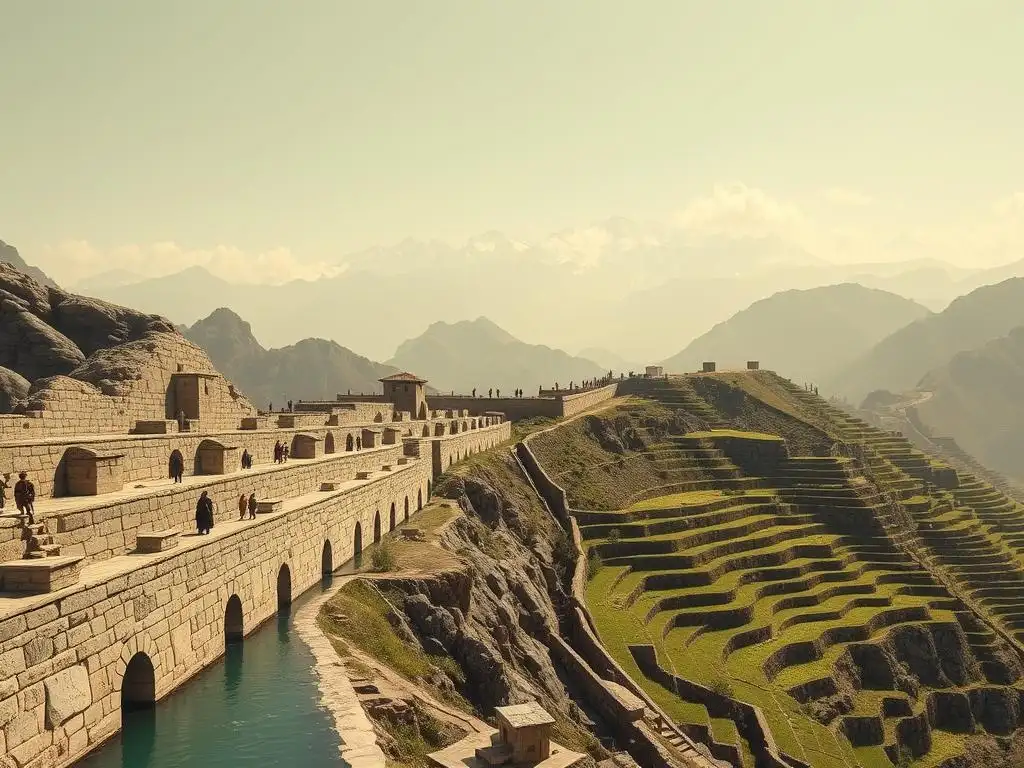
The ingenuity of Andean civilizations in harnessing water resources is a testament to their deep understanding of their environment and their ability to adapt to challenging conditions. Their water management systems, far from being simple irrigation channels, represent a sophisticated interplay of engineering, social organization, and spiritual beliefs. These systems, built over centuries, profoundly shaped the landscape and the lives of Andean communities, leaving a legacy that continues to resonate today.
The study of "Andean water systems history" reveals not just impressive feats of construction, but a complex social and ecological narrative. The scale and complexity of these projects, particularly considering the available technology, are truly remarkable.
From the intricate canal networks of the Nazca to the sophisticated aqueducts of the Inca, the Andean peoples demonstrated a remarkable capacity for collaborative effort and long-term planning, crucial aspects for effective water resource management. These systems weren't merely functional; they were integrated into the social fabric, reflecting power structures, religious beliefs, and community participation.
Modern Relevance of Traditional Andean Techniques
Many of the principles underlying traditional Andean water management techniques remain highly relevant in the face of modern challenges such as climate change and population growth. The emphasis on water conservation, for example, through techniques like andenes (terraced agriculture) and efficient water distribution systems, offers valuable lessons for contemporary water resource management strategies. The integration of water management with agricultural practices is another crucial aspect.
Andean farmers developed sophisticated methods for optimizing water use in agriculture, minimizing water loss, and maximizing crop yields. These techniques, often adapted to specific microclimates and soil conditions, are being re-examined and applied in modern sustainable agriculture projects. Furthermore, the community-based approach to water management prevalent in Andean societies highlights the importance of participatory governance and equitable water distribution in addressing modern water scarcity issues.
The Andean experience underscores the need for collaborative management approaches that involve local communities, ensuring the sustainable and equitable use of water resources. Understanding the past offers valuable insights into building a more sustainable future.
Lessons for Sustainable Water Resource Management
The Andean water systems history provides invaluable lessons for sustainable water resource management globally. The success of these ancient systems lay in their integration of environmental knowledge, social organization, and technological innovation. Specifically, the following aspects stand out:
- Water conservation: Andean techniques prioritized minimizing water loss through efficient irrigation channels and water storage systems. This contrasts sharply with many modern approaches that prioritize large-scale infrastructure over conservation.
- Community participation: Water management was not solely the responsibility of a central authority; rather, it involved active participation from local communities, ensuring equitable distribution and sustainable practices.
- Adaptive management: Andean systems were not static; they were adapted and modified over time to respond to changing environmental conditions and social needs. This adaptability is crucial in the face of climate change.
- Integration with agriculture: The close relationship between water management and agricultural practices in the Andes highlights the interconnectedness of these systems and the need for holistic approaches to resource management.
Analyzing these aspects allows us to identify best practices and avoid pitfalls in contemporary water management projects. For instance, the emphasis on community involvement in decision-making offers a model for more participatory and equitable water governance structures. The success of Andean water systems, even in the face of environmental challenges, proves that sustainable water management is achievable through a combination of technical expertise and social responsibility.
Preserving the Heritage of Andean Hydraulic Engineering
Preserving the remaining vestiges of Andean water systems is crucial not only for historical preservation but also for understanding and replicating their sustainable practices. Many of these systems are threatened by neglect, urbanization, and climate change. Documentation and careful preservation efforts are essential to safeguard this invaluable heritage. This includes detailed surveys, archaeological investigations, and the implementation of protective measures to prevent further deterioration.
Moreover, promoting awareness of the importance of these systems among local communities is vital for their long-term preservation. Education initiatives can help to foster a sense of ownership and responsibility for protecting this unique cultural and environmental legacy. The integration of traditional knowledge with modern technologies can also play a significant role in ensuring the sustainability of these systems.
For example, combining traditional irrigation techniques with modern monitoring and management tools can enhance their efficiency and resilience. Protecting this heritage is not merely an academic pursuit; it is a crucial step towards ensuring water security and sustainability in the Andes and beyond. The study of "Andean water systems history" thus becomes a pathway to a more sustainable future.
Challenges and Future Research in Andean Water Systems
The study of Andean water systems history reveals not only impressive engineering feats but also ongoing challenges that demand further research and preservation efforts. Understanding the past is crucial for navigating the complexities of the present and future. While we've uncovered much about these sophisticated systems, significant gaps remain in our knowledge, particularly concerning their long-term sustainability and adaptability in the face of modern pressures. This section explores key areas requiring further investigation to ensure the legacy of Andean water management is not only understood but also protected.
The Impact of Climate Change on Andean Water Resources
Climate change poses a significant threat to the already fragile water resources of the Andes. Glacial retreat, altered precipitation patterns, and increased frequency of extreme weather events – such as droughts and floods – directly impact the availability and reliability of water sources crucial for both human consumption and agriculture. The ingenuity of past Andean water systems, designed to function within specific climatic parameters, is now being tested by unprecedented shifts.
For example, the intricate network of acequias (irrigation canals) in the Peruvian highlands, meticulously maintained for centuries, are facing reduced water flows due to shrinking glaciers, threatening the agricultural livelihoods of communities that depend on them. Detailed hydrological modeling, incorporating historical climate data and projected future scenarios, is needed to assess the vulnerability of specific Andean water systems and develop adaptation strategies. This requires collaboration between archaeologists, climatologists, hydrologists, and local communities to ensure accurate assessments and effective mitigation plans.
Furthermore, studying the resilience of past Andean societies to climatic variability can offer valuable lessons for modern adaptation strategies. Analyzing how past communities responded to drought, for instance, can inform the development of drought-resistant crops and water conservation techniques.
The Need for Further Archaeological Investigation
Despite decades of research, much remains unknown about the full extent and complexity of Andean water systems. Many sites remain unexcavated, and existing data often lacks the depth and detail necessary for a complete understanding. Further archaeological investigation is critical for uncovering new information about construction techniques, water management strategies, and the social organization surrounding these systems.
For example, detailed analysis of sediment cores from reservoirs and canals can reveal information about water quality and usage over time. Similarly, the application of geophysical techniques, such as ground-penetrating radar, can help identify previously unknown features and structures within the landscape. Moreover, the integration of ethnoarchaeological studies, which involve working with contemporary Andean communities to understand traditional water management practices, can provide valuable insights into the evolution and adaptation of these systems over time.
This holistic approach, combining traditional archaeological methods with cutting-edge technologies and community engagement, is essential for advancing our knowledge of Andean water systems history. The detailed mapping and documentation of existing systems are also vital for future research and preservation efforts. This requires not only the involvement of archaeologists, but also the collaboration of local communities and governmental agencies.
Protecting and Promoting Andean Water Management Knowledge
The knowledge embedded within Andean water systems represents a valuable resource for sustainable water management in the 21st century. This knowledge, however, is often under threat due to factors such as urban expansion, neglect, and the loss of traditional practices. Protecting and promoting this knowledge is crucial for ensuring the long-term sustainability of these systems and adapting them to the challenges of climate change.
This involves several key strategies: Firstly, promoting community participation in the preservation and management of Andean water systems is essential. Local communities possess invaluable knowledge about the historical context and practical functioning of these systems, which can be crucial for their effective maintenance and adaptation. Secondly, developing educational programs and public awareness campaigns to highlight the importance of Andean water management practices, and their relevance to contemporary challenges, is vital for broader appreciation and support.
Thirdly, supporting research initiatives that focus on the sustainable use and management of Andean water resources, promoting the integration of traditional and modern techniques, is crucial for long-term success. Finally, fostering collaboration between researchers, local communities, and governmental agencies is essential for ensuring the effective protection and promotion of this valuable legacy. The integration of traditional ecological knowledge with modern scientific approaches can provide a powerful framework for sustainable water management in the Andes, ensuring the enduring legacy of these remarkable systems.
Frequently Asked Questions
How sophisticated were the Andean water systems?
Andean water systems were incredibly sophisticated, employing a range of technologies including canals, aqueducts, and reservoirs to manage water resources effectively. Their ingenuity allowed them to thrive in diverse and challenging environments.
What were the main purposes of Andean water systems?
These systems served multiple purposes, including irrigation for agriculture, supplying water for domestic use, and even generating hydroelectric power in some cases. They were crucial for the survival and prosperity of Andean societies.
Which Andean civilizations developed advanced water technologies?
Many Andean civilizations, including the Incas, Nazca, and Moche, developed remarkable water management techniques. Each civilization adapted their technologies to the specific needs of their environment and agricultural practices.
How did the Andean civilizations manage water scarcity?
Facing frequent droughts and unpredictable rainfall, Andean civilizations developed innovative solutions, such as sophisticated storage systems and intricate canal networks to ensure a reliable water supply. They understood the importance of water conservation.
What is the lasting legacy of Andean water systems?
The ingenuity and effectiveness of Andean water systems continue to inspire modern engineers and water management professionals. Their knowledge provides valuable lessons for sustainable water resource management in challenging environments today.
Final Reflection: The Enduring Legacy of Andean Water Systems
The ingenious water management systems of the Andes remain a powerful testament to human ingenuity and a crucial lesson for our water-stressed future. Their sophisticated design, built over millennia, offers a stark contrast to the challenges of modern water scarcity and mismanagement, highlighting the urgent need for sustainable solutions inspired by ancestral wisdom. The intricate network of canals, reservoirs, and agricultural terraces isn't just a historical curiosity; it's a blueprint for resilience in the face of climate change and population growth.
The enduring impact of these Andean water systems extends far beyond their physical presence; they represent a profound cultural and social legacy. They shaped entire communities, fostered cooperation, and demonstrated a deep understanding of ecological balance. Their story underscores the interconnectedness of water, society, and the environment, a truth often overlooked in modern approaches to water management. Water is the driving force of nature.
– Leonardo da Vinci. This simple statement encapsulates the profound truth at the heart of Andean water systems, emphasizing the vital role water plays in shaping not only landscapes but also civilizations.
Consider the ingenuity of these ancient systems, the collaborative spirit they fostered, and the deep respect for the environment they embodied. You, too, can be a steward of water. Reflect on your own relationship with this precious resource. What changes can you make in your daily life to conserve water and promote sustainable practices? Let the legacy of the Andean water systems inspire you to act, to become a part of a future where water is managed wisely and equitably for generations to come.
Unlock the Power of Andean Water Systems!
Thank you for exploring the fascinating world of Andean water systems! You've learned how these ingenious systems sustain agriculture and enrich communities. Now, let's explore how you can apply this knowledge to your own life and environment.
Here are some ways to get involved:
- **Start a small-scale water conservation project** in your community. Begin with simple rainwater harvesting or implement efficient irrigation techniques inspired by Andean methods.
- **Share your knowledge** with friends and family. Host a discussion, or share this article on social media.
- **Learn from local examples**. Visit a nearby area that uses similar water management techniques to understand how ancient methods can be applied today.
How can you incorporate the wisdom of Andean water management into your daily life? Share your ideas below!