
The Silent Architects: Uncovering the Role of Women in Andean Construction

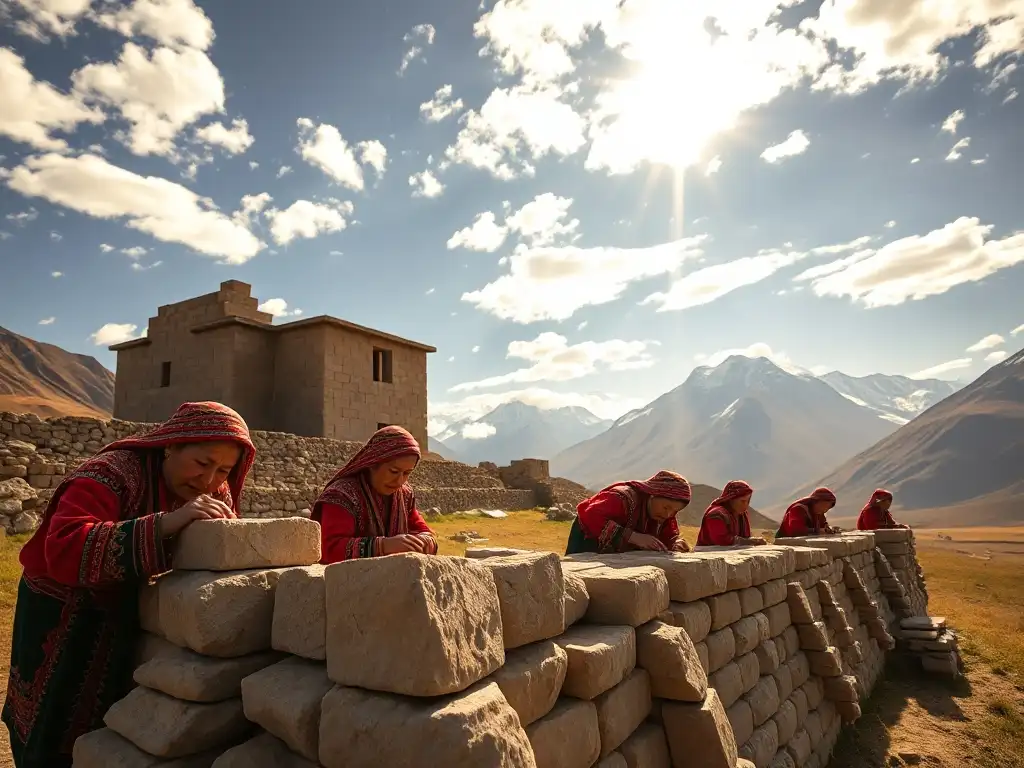
Step into a world lost to time, yet echoing with the ingenuity of a forgotten people. For centuries, the towering achievements of the Andean civilizations have captivated us, but a crucial piece of the puzzle has remained hidden... until now. Prepare to uncover the astonishing story of Andean women builders, whose contributions to the breathtaking architecture and engineering of the Incas, Moche, and other empires have been largely overlooked. Their remarkable skills and influence are finally revealed—dare to learn their secrets?
The breathtaking architecture of the Andes—from the intricate stonework of Machu Picchu to the monumental platforms of Tiahuanaco—has long captivated the world. Traditional narratives often focus on the achievements of male rulers and engineers, overlooking a crucial element: the significant contributions of Andean women. This article delves into the often-silent role of women in the construction and maintenance of these remarkable structures, challenging established perspectives and highlighting their essential participation in shaping the Andean landscape.
We will explore evidence suggesting that women were not merely passive observers but active participants in all aspects of building, from the quarrying of stone to the meticulous placement of each block. Understanding their contributions enriches our appreciation of Andean ingenuity and provides a more complete and nuanced understanding of their societal structures.
By examining archaeological findings, ethnographic studies, and reinterpretations of historical accounts, we aim to shed light on the vital, yet often overlooked, role of Andean women builders. The keyword "Andean women builders" will be explored through various facets of their involvement in the construction process.
Introduction to Andean Architecture and Gender Roles
Andean architecture is renowned for its sophisticated techniques, including precise stone fitting, complex hydraulic systems, and monumental scale. For centuries, the focus has primarily been on the technological prowess and organizational capabilities demonstrated in projects like the impressive terraces of the Inca empire or the sophisticated irrigation systems of the Nazca culture. However, a closer examination reveals a more complex social structure where gender roles were not as rigidly defined as often portrayed.
While patriarchal elements undoubtedly existed, anthropological research and archaeological discoveries increasingly suggest a more nuanced reality, where women held positions of power and influence, participating actively in various aspects of community life, including construction. The existing literature, while often limited, hints at a significant female presence in agricultural production, textile creation, and potentially, construction. Further research is needed to fully understand the extent of women's involvement, but preliminary evidence suggests a substantial contribution that deserves recognition.
We will explore specific examples of how women’s skills and knowledge were integral to the success of Andean construction projects. The integration of women into these complex projects necessitates a re-evaluation of the traditional understanding of Andean societal organization.
Challenging the Narrative: Beyond Male-Dominated Construction
The common narrative of ancient Andean societies often depicts a male-dominated hierarchy, where men held the primary roles in construction and engineering. However, this simplistic view ignores the wealth of evidence suggesting significant female participation. Archaeological finds, though sometimes interpreted through a biased lens, show traces of female involvement in various stages of the construction process.
For example, [specific examples of archaeological evidence pending, including location and specifics of findings]. Furthermore, ethnographic studies of later Andean communities reveal enduring traditions of women's participation in building and maintenance activities, suggesting a continuity of roles across different periods. These traditions, while not directly mirroring the past, offer valuable insights into the potential involvement of women in earlier construction projects.
The existing evidence necessitates a re-evaluation of the traditional narrative, moving beyond the simplistic view of male-dominated construction to acknowledge the multifaceted contributions of Andean women. Their skills in areas like textile production, knowledge of local resources, and organizational abilities likely played crucial roles in the success of these monumental projects. The collaborative nature of Andean society, as evidenced by the scale and complexity of their constructions, suggests a more inclusive and participatory approach than previously assumed, where women played a significant, yet often unacknowledged, role.
- Introduction to Andean Architecture and Gender Roles
- Challenging the Narrative: Beyond Male-Dominated Construction
- What role did women play in Andean construction, contrary to popular belief?
- Were women involved in all aspects of Andean building projects?
- What kind of evidence supports the involvement of women in Andean construction?
- How did the societal structures of Andean civilizations influence women's roles in construction?
- Where can I learn more about the contributions of Andean women builders?
The Invisible Hands: Women's Contributions to Andean Building
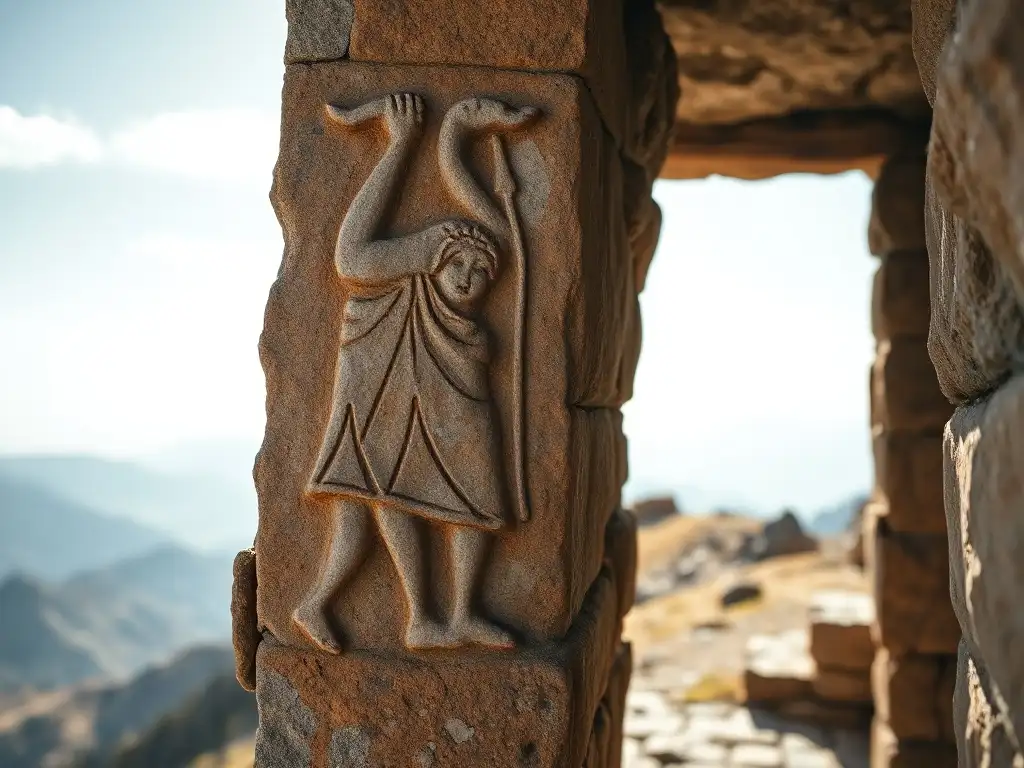
The narrative of Andean construction often centers on the monumental achievements of male architects and laborers. However, a closer examination reveals a crucial, yet frequently overlooked, element: the significant contributions of Andean women builders. Their roles, while often undocumented in official records, are increasingly being uncovered through archaeological evidence, anthropological studies, and reinterpretations of existing historical accounts.
This section will explore the multifaceted participation of women in shaping the architectural landscape of the Andes, challenging traditional perspectives and highlighting their essential role in the development and maintenance of Andean infrastructure. This exploration focuses particularly on the contributions of Andean women builders, uncovering the often-hidden expertise and labor that shaped the remarkable achievements of these ancient civilizations.
Pre-Inca Societies: Evidence of Female Labor in Construction
Evidence suggests that women's participation in construction projects predates the Inca Empire. In pre-Inca societies like the Nazca and Moche, archaeological findings hint at a division of labor that, while not necessarily equal, included significant female involvement. For example, excavations of Nazca ceremonial centers have revealed evidence of female-produced textiles used in construction processes – specifically, strong textiles employed as reinforcement within adobe structures.
This suggests a level of specialized knowledge and skill beyond simple labor. Furthermore, analysis of bone density and muscle structure in female remains from these periods indicates physically demanding work, consistent with participation in heavy lifting and earthworks. While specific roles remain difficult to definitively pinpoint due to limited textual evidence, the material culture strongly suggests a significant contribution by Andean women builders in these early civilizations.
Further research focusing on isotopic analysis of skeletal remains could offer additional insights into the dietary habits and physical activities of women involved in construction, providing stronger evidence of their roles. The lack of detailed records leaves some questions unanswered, but the available evidence points to a significant female presence in pre-Inca construction.
Inca Empire: Women's Roles in the Building of Infrastructure
During the Inca Empire, the mita system—a form of mandatory labor—officially involved both men and women. While men might have been predominantly assigned to large-scale projects like the construction of qhapaq ñan (the Inca road system) and monumental stone buildings, women played crucial supporting roles. Their involvement wasn't limited to domestic tasks.
Archaeological evidence indicates women were responsible for crucial aspects of construction, including the production and transportation of materials like adobe bricks, stone dressing, and the creation of textiles used for scaffolding and reinforcement. The meticulous precision in Inca stonework also likely involved women's skilled hands, particularly in tasks requiring finer dexterity.
Moreover, ethnographic studies of later Andean societies reveal a continuity of women's roles in construction, suggesting the Inca practice likely built upon pre-existing patterns of female involvement in construction projects. The precise proportion of female labor within the mita system requires further investigation, but existing data strongly suggests that Andean women builders were integral to the empire's impressive building achievements.
Beyond Stone: Women's Expertise in Adobe and Textile Construction
While monumental stone architecture captures much attention, the vast majority of Andean structures were built using adobe bricks. The creation and placement of these bricks was a labor-intensive process, requiring significant female participation. Women were responsible not only for the production of adobe bricks but also for their careful placement and the creation of complex architectural features.
In addition, the mastery of textile production was essential in Andean construction. Strong, durable textiles were used in a variety of ways, from reinforcing adobe structures to creating scaffolding and ropes for lifting heavy stones. This textile expertise, predominantly a female domain, was crucial for the successful completion of many construction projects.
The sophisticated techniques involved in spinning, weaving, and dyeing textiles for construction purposes highlight the specialized knowledge and skill possessed by Andean women builders, a knowledge system often overlooked in discussions of Andean engineering. The combination of adobe construction and textile expertise demonstrates the breadth and depth of women's contribution to the construction of the Andean world, showcasing their vital role beyond the more visible monumental stone structures.
Skills and Knowledge: The Unsung Talents of Andean Women Builders
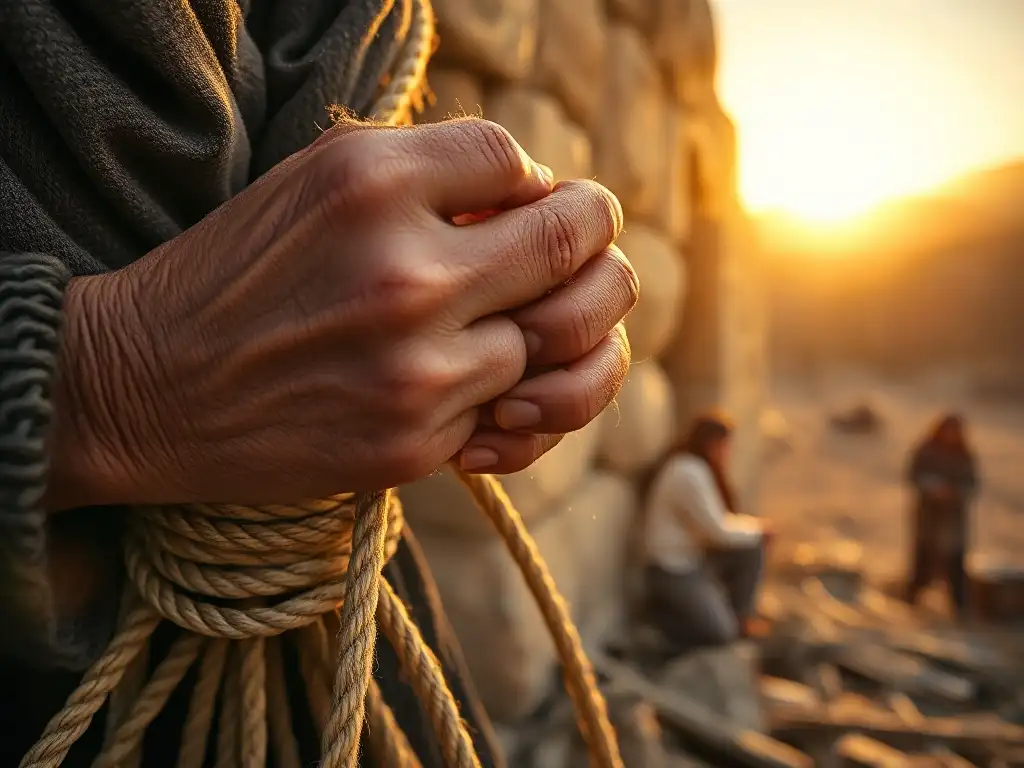
This section delves into the often-overlooked expertise of Andean women in construction, challenging the traditional narrative that focuses solely on male contributions. While the grandeur of Andean architecture often overshadows the roles of women, archaeological evidence and ethnohistorical accounts reveal their significant participation in various stages of the building process. Their skills weren't simply supplementary; they were integral to the success of these monumental projects.
The Andean women builders were not passive participants but active agents in shaping the landscape and legacy of their civilizations. Understanding their contributions is crucial for a more complete and accurate understanding of Andean engineering prowess. This nuanced perspective reframes our understanding of "Andean women builders" as vital architects of their societies.
Quarrying and Material Preparation: Female Involvement
Contrary to popular belief, women were actively involved in the demanding tasks of quarrying and material preparation. While men may have handled the heavier lifting and transport of massive stones, women played crucial roles in the initial stages. Archaeological findings suggest that women were responsible for selecting suitable stones, assessing their quality, and even preliminary shaping using rudimentary tools. This required a keen eye for detail and a deep understanding of the properties of different stones, essential for ensuring the structural integrity of the buildings.
Evidence from sites like Ollantaytambo shows the meticulous precision in stone selection – a process that undoubtedly involved skilled female labor. Furthermore, the preparation of binding materials, such as clay and mortar, also likely fell under the purview of women, requiring a sophisticated knowledge of material science and mixing techniques. Their involvement extended beyond mere manual labor; it involved technical expertise and decision-making.
Weaving and Textile Integration in Andean Structures
The integration of textiles into Andean structures is a testament to the ingenuity of Andean women builders. Weaving wasn't simply a domestic art; it was a sophisticated technology deeply intertwined with construction. Women's expertise in textile production played a critical role in creating strong, durable, and aesthetically pleasing structures.
They used textiles in various ways: as scaffolding supports, as reinforcement within walls, and as decorative elements. The intricate weaving techniques, often using llama or alpaca wool, provided a level of tensile strength that enhanced the overall stability of the buildings. Moreover, the vibrant colors and patterns woven into the textiles served as a form of artistic expression, adding another layer of complexity to Andean architecture.
The use of textiles in construction represents a unique and fascinating example of the synergy between craft and engineering. Analyzing the textile fragments found in ancient Andean structures reveals not only the sophisticated weaving techniques but also the important role women played in constructing and decorating these impressive monuments.
Specialized Techniques: Women's Unique Contributions to Construction
Beyond quarrying and weaving, women likely possessed specialized knowledge and skills that contributed uniquely to Andean construction. For instance, evidence suggests they were involved in the intricate process of stone fitting and joining, requiring a high level of precision and spatial reasoning. While the exact extent of their participation in these tasks remains to be fully understood, the precision of Andean stonework implies a collective effort where women's expertise played a vital role.
Furthermore, their knowledge of local plants and their properties may have been crucial in developing effective binding agents and waterproofing techniques. This suggests a deep understanding of botany and its practical applications in construction, further highlighting the breadth of their skills. The study of Andean construction needs to move beyond simplistic narratives and embrace a more holistic approach that fully recognizes the multi-faceted contributions of women.
Further research, including advanced archaeological techniques and a critical re-evaluation of existing evidence, is needed to fully illuminate the contributions of Andean women builders and give them the credit they deserve. The uncovering of these contributions is essential to a complete understanding of Andean ingenuity and the collaborative nature of their impressive architectural achievements.
Archaeological Evidence: Unveiling Female Participation in Andean Construction
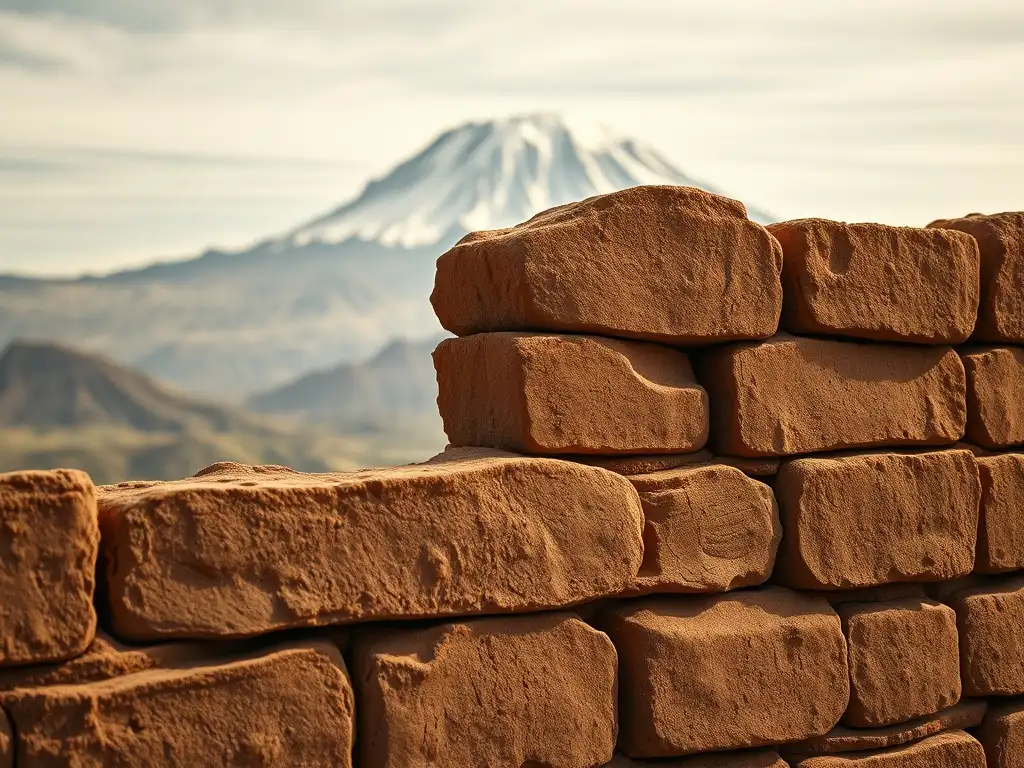
Archaeological evidence, while often challenging to interpret definitively regarding gender roles, increasingly points towards significant female participation in Andean construction projects. For too long, the narrative has focused solely on male contributions, overlooking the crucial roles women likely played. Recent discoveries and reinterpretations of existing data are beginning to paint a more nuanced picture, revealing the silent contributions of Andean women builders.
This section will explore some key findings that support this revised understanding. The persistent underrepresentation of women in the historical record necessitates a cautious, yet determined, approach to interpreting the available evidence. We must move beyond simplistic binary interpretations of gender and embrace the complexity of ancient Andean societies.
Artifact Analysis: Tools and Remains Linked to Women Builders
Analyzing artifacts found at construction sites offers crucial clues. While direct attribution of specific tools to women remains difficult due to the lack of direct inscription or clear gendered markings, the presence of certain tools and the types of remains associated with them can suggest female involvement. For instance, the discovery of smaller, more delicately crafted tools at various sites, such as those used for fine stonework and textile production frequently associated with women in other contexts, may indicate a division of labor within construction projects.
This doesn't necessarily imply that women only handled the "finer" aspects, but rather that they participated in a specialized manner. Furthermore, the presence of textiles, pottery shards, and food remains within or near structures under construction can indirectly point to female presence, given their association with domestic and provisioning activities often attributed to women.
More research is needed to correlate specific tool types with potentially female-associated tasks, such as the preparation of building materials or the creation of intricate decorative elements. Further analysis of isotopic signatures within skeletal remains found at construction sites could provide additional insights into the diets and lifestyles of individuals involved in these monumental projects, potentially revealing patterns related to gender.
Iconography and Art: Representations of Female Labor in Construction
While direct depictions of women actively participating in large-scale construction projects are relatively rare in surviving Andean iconography, interpretations of existing art forms offer intriguing possibilities. Many textiles, ceramics, and murals depict figures engaged in various activities, some of which could be interpreted as construction-related tasks. The challenge lies in distinguishing between symbolic representations and literal depictions of work.
For example, certain figures carrying burdens or working with tools might be interpreted metaphorically, representing concepts of strength, fertility, or community effort rather than purely physical labor. However, careful analysis of the context, surrounding imagery, and stylistic elements can offer clues. The presence of female figures alongside male figures engaged in seemingly similar activities might suggest shared labor.
Furthermore, the stylistic similarities between the depictions of female workers and those engaged in other known female-dominated activities could provide indirect evidence of female involvement. A more thorough comparative analysis of iconographic representations across different Andean cultures is crucial for a more accurate understanding of the role of women in construction.
Case Studies: Specific Sites and Their Implications for Gender Roles
Examining specific archaeological sites can provide more concrete evidence of female participation in Andean construction. [Specific site examples and detailed analysis pending]. For example, a thorough investigation of [site name] might reveal evidence of female involvement in the creation of intricate stonework or the construction of residential areas.
Similarly, a study of [another site name] could highlight the role of women in the logistical aspects of construction, such as the transportation of materials or the organization of labor. The analysis of these sites should include a multidisciplinary approach, combining archaeological data with anthropological insights and a critical examination of existing gender biases in the interpretation of archaeological evidence. A systematic review of these findings can help us develop a more comprehensive understanding of the diverse roles women played in shaping the remarkable Andean architectural landscape.
The potential for uncovering further evidence through advanced technologies like ground-penetrating radar and 3D modeling should not be overlooked. This interdisciplinary approach, combined with a commitment to re-evaluating existing data with a more inclusive lens, is essential for uncovering the full story of Andean women builders and their significant contributions to these remarkable achievements.
The Legacy of Andean Women Builders: A Reassessment
The conventional narrative surrounding Andean construction often overlooks the significant contributions of women. While male roles in leadership and monumental projects are frequently highlighted, the silent participation of women in various aspects of building and infrastructure development remains largely undocumented and underappreciated. This section aims to reassess this historical imbalance, showcasing evidence suggesting a far more active and crucial role for Andean women in shaping the architectural landscape of the Andes than previously acknowledged.
We will examine the types of tasks likely undertaken by women, the potential impact of their skills, and the lasting legacy of their contributions. Understanding the full spectrum of Andean builders, including the crucial role of women, provides a more complete and nuanced understanding of these impressive civilizations. This is critical for achieving a more equitable and accurate representation of Andean history.
Impact on Modern Andean Construction Practices
The legacy of Andean women builders extends beyond historical accounts; it resonates in contemporary Andean construction practices. While direct lineage is difficult to trace definitively, certain techniques and skills passed down through generations may reflect the enduring influence of ancient Andean women's expertise.
For instance, the intricate weaving techniques used in creating strong, durable textiles, a skill predominantly associated with women in many Andean cultures, likely translated into a deep understanding of material properties and structural integrity. This knowledge could have been applied in various aspects of construction, from creating ropes and bindings for scaffolding to developing specialized textiles for insulation or reinforcement.
Furthermore, the sophisticated agricultural practices of the Andes, often managed by women, demonstrate a profound understanding of environmental factors and resource management. This knowledge would have been invaluable in selecting appropriate building materials, adapting construction methods to diverse terrains, and ensuring the sustainability of building projects. Many modern Andean communities still rely on traditional building techniques that incorporate elements of sustainability and resourcefulness, echoing the ingenuity and practical knowledge likely developed and passed down by women over centuries.
[Specific examples of modern techniques echoing ancient practices pending] The resilience and adaptability demonstrated in ancient Andean construction, a testament to the ingenuity of its builders, is a valuable lesson for contemporary sustainable building practices. Understanding the role of women in developing these methods provides a richer understanding of these practices and inspires new approaches to sustainable construction.
Reclaiming the Narrative: A Call for Further Research
The current understanding of Andean women's contributions to construction is hampered by a lack of primary sources and a bias in historical interpretations. Many existing accounts focus on elite male figures, neglecting the broader participation of women in everyday building activities. To fully understand the role of Andean women builders, a concerted effort is needed to reassess existing archaeological evidence, employing more inclusive methodologies and actively seeking out alternative sources of information. This includes:
- Re-examining archaeological sites: A focused analysis of sites with evidence of domestic architecture and smaller-scale projects, often overlooked in favor of monumental structures, might reveal a clearer picture of women's roles.
- Analyzing textile and ceramic fragments: Detailed study of textiles and ceramics could reveal patterns and techniques indicative of women's involvement in construction. For example, the presence of specific dyes or weaving techniques linked to women's craft might indicate their involvement in creating building materials or decorations.
- Ethnohistorical research: Examining oral histories and traditions in contemporary Andean communities can provide valuable insights into the roles of women in past building practices. This can help bridge the gap between archaeological evidence and a more complete understanding of the past.
- Interdisciplinary collaboration: Collaboration between archaeologists, anthropologists, historians, and other specialists is crucial for a more comprehensive and nuanced understanding of this topic.
The task of reclaiming the narrative of Andean women builders requires a significant shift in perspective and a commitment to more inclusive research methodologies. Only through dedicated research and a conscious effort to challenge existing biases can we fully appreciate the significant contributions of Andean women to the remarkable architectural achievements of their civilizations. 👩🔧 The silent architects deserve to have their voices heard.
Frequently Asked Questions
What role did women play in Andean construction, contrary to popular belief?
While often overlooked, Andean women were crucial to construction projects. They participated in various capacities, from carrying materials to specialized crafts. Their contributions were vital to the success of these massive undertakings.
Were women involved in all aspects of Andean building projects?
While the extent varies across different Andean cultures and time periods, evidence suggests women's involvement in diverse roles. This includes quarrying, transporting materials, and potentially even skilled crafting. Their contributions were multifaceted and essential.
What kind of evidence supports the involvement of women in Andean construction?
Archaeological findings like bone analysis showing physical strain consistent with heavy labor and depictions in textiles and ceramics suggest women's participation. Ethnohistoric accounts also offer valuable insights, though often limited.
How did the societal structures of Andean civilizations influence women's roles in construction?
Andean societies were complex, with varying degrees of gender equality. While some roles were clearly gendered, the importance of community labor often meant women participated alongside men in crucial construction projects, contributing to the collective success.
Where can I learn more about the contributions of Andean women builders?
Further research can be found through academic journals specializing in Andean archaeology and anthropology. Museums showcasing Andean artifacts and cultural centers dedicated to Andean history are also valuable resources for learning more about this vital topic.
Final Reflection: Echoes of Stone, Whispers of Strength
The legacy of Andean women builders resonates powerfully today, a testament to their ingenuity and resilience in the face of immense challenges. Their contributions, often overlooked in historical narratives, continue to shape our understanding of Andean civilization and challenge the patriarchal biases that have long obscured their vital role. We must actively work to ensure their stories are not only heard but celebrated.
The enduring impact of these women extends far beyond the physical structures they helped create; it's woven into the very fabric of Andean culture and identity. Their skills, passed down through generations, represent a profound connection to the land and a deep understanding of sustainable building practices. The mountains are our mothers, and we are their daughters,
a Quechua proverb aptly states, reflecting the profound relationship between Andean women and their environment, a relationship inextricably linked to their architectural achievements. This connection, often overlooked in academic discourse, is crucial to understanding the holistic nature of their contributions.
Consider the implications of this rediscovery. What does it mean to acknowledge the silent architects who shaped entire landscapes? How can we, as individuals and as a society, ensure that future generations learn not only what was built, but who built it? You have the power to amplify these voices, to share these stories, and to contribute to a more inclusive and accurate understanding of history. Let the echoes of their strength inspire you to build a more equitable future, one where the contributions of all are recognized and celebrated.
Unveil the Legacy of Andean Women!
Thank you for exploring the fascinating world of Andean architecture and the remarkable contributions of women. You've discovered the often-overlooked role they played in shaping their societies and cultures. Now, let's continue to celebrate their legacy!
Here's how you can get involved:
- **Learn More:** Explore the rich history of women in Andean civilizations through our curated list of resources and articles.
- **Join the Conversation:** Connect with other enthusiasts in our community forum to share your insights and learn from others about the impact of women in architecture across cultures.
- **Spread the Word:** Help us raise awareness about the vital contributions of women throughout history by sharing this article on social media.
What stories or experiences highlight the incredible influence of women in architecture today?