
The Wisdom of the Ancients: Learning from the Sustainable Practices of Andean Construction

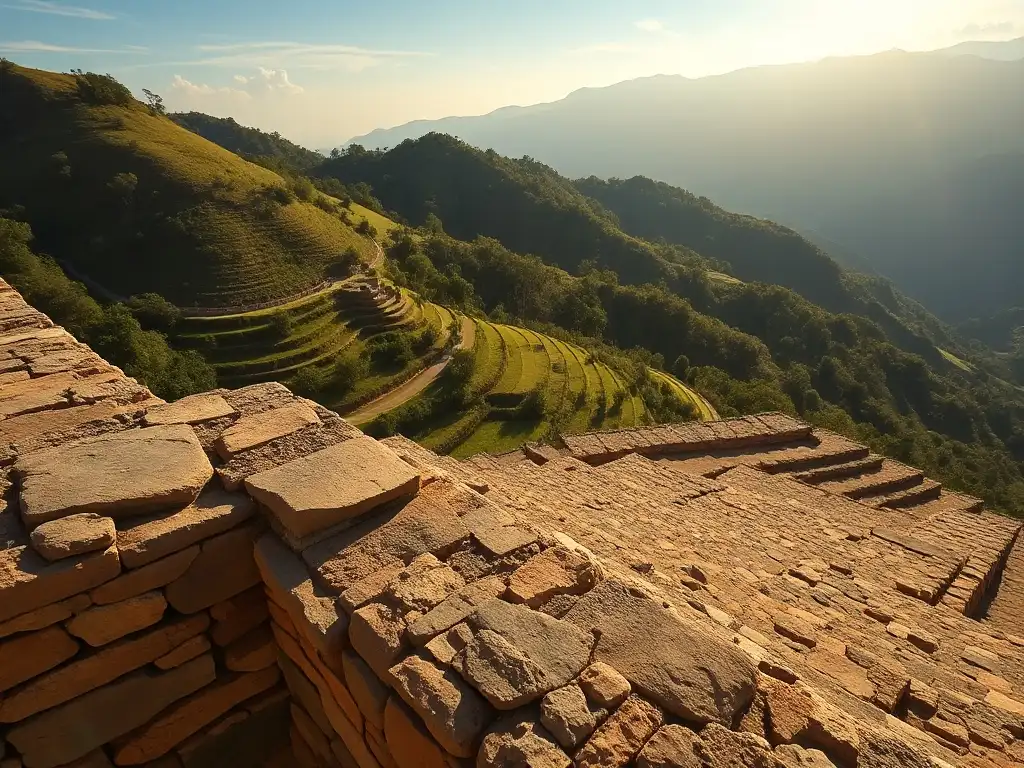
Step into a world lost to time, yet echoing with wisdom far ahead of its era. Imagine cities built to withstand the harshest elements, intricate designs reflecting a profound understanding of their environment – this is the legacy of the Andean civilizations. But how did they achieve such mastery? Uncover the secrets behind Andean sustainable construction techniques, ingenious methods that continue to inspire architects and engineers today. Prepare to be amazed by the ingenuity of the ancients and their enduring impact on our world. Dive in and discover more...
The Andes Mountains, a spine of towering peaks running down the west coast of South America, are home to a rich tapestry of ancient civilizations. For millennia, these cultures—including the Incas, Moche, Nazca, and Tiahuanaco—developed sophisticated architectural and engineering techniques, many of which demonstrate a remarkable understanding of sustainable construction.
This article delves into the ingenuity of Andean builders, exploring their environmentally conscious practices and the enduring lessons they hold for contemporary architecture and engineering. We will examine how their deep understanding of local materials, climate, and landscape resulted in structures that were not only aesthetically impressive but also remarkably resilient and sustainable, offering valuable insights for a world grappling with the challenges of climate change and resource depletion.
Understanding these "Andean sustainable construction techniques" allows us to appreciate the wisdom of these ancient peoples and potentially adapt their methods for the benefit of modern society. The exploration will cover aspects from material sourcing and construction methods to the overall impact on the environment.
Utilizing Local Materials: A Foundation of Sustainability
Andean builders displayed a masterful understanding of their environment, prioritizing the use of locally sourced materials. This minimized transportation costs and environmental impact, a crucial aspect of sustainable construction. Stone, readily available throughout the Andes, formed the bedrock of many structures. Different types of stone were selected based on their properties – strength, durability, and aesthetic appeal – demonstrating a sophisticated knowledge of material science.
For example, the Incas expertly used granite for load-bearing structures, while softer stones were employed for intricate carvings and decorative elements. Beyond stone, adobe bricks, made from a mixture of clay, sand, and water, were widely used, particularly in less mountainous regions. These materials, readily available and renewable, significantly reduced the carbon footprint of construction compared to modern, energy-intensive materials. The precise techniques used in preparing and laying these materials, often involving complex bonding methods, will be detailed in a later section.
Adapting to the Andean Climate: Ingenious Design Solutions
The diverse and challenging Andean climate, characterized by extreme variations in temperature, altitude, and precipitation, significantly influenced construction methods. Andean builders demonstrated an impressive ability to adapt their designs to these conditions. For instance, the incorporation of specific features like thick walls and sloped roofs helped regulate internal temperatures, minimizing the need for artificial heating or cooling.
The strategic orientation of structures, taking advantage of solar gain and natural ventilation, further enhanced energy efficiency. This climate-responsive design is a testament to their deep understanding of passive environmental control, a principle that modern sustainable architecture increasingly embraces. Specific examples from various Andean cultures, illustrating these adaptive strategies, will be explored further below.
Seismic Resilience: Building for Stability in an Earthquake-Prone Region
The Andes are a seismically active zone, prone to frequent earthquakes. Andean builders addressed this challenge by developing remarkably resilient construction techniques. The use of interlocking stones, often without mortar, created structures that could withstand significant seismic activity. This method, coupled with the use of flexible materials and ingenious foundation designs, minimized the risk of collapse.
The Inca's mastery of this technique is particularly noteworthy, as evidenced by the impressive resilience of their structures which, in many cases, have withstood centuries of earthquakes. Further investigation into the specific techniques employed, including the preparation of foundations and the interlocking stonework, will be explored in subsequent sections. A detailed analysis of the structural integrity of these ancient buildings and how they withstood seismic events will also be included.
Water Management: Harnessing and Conserving a Precious Resource
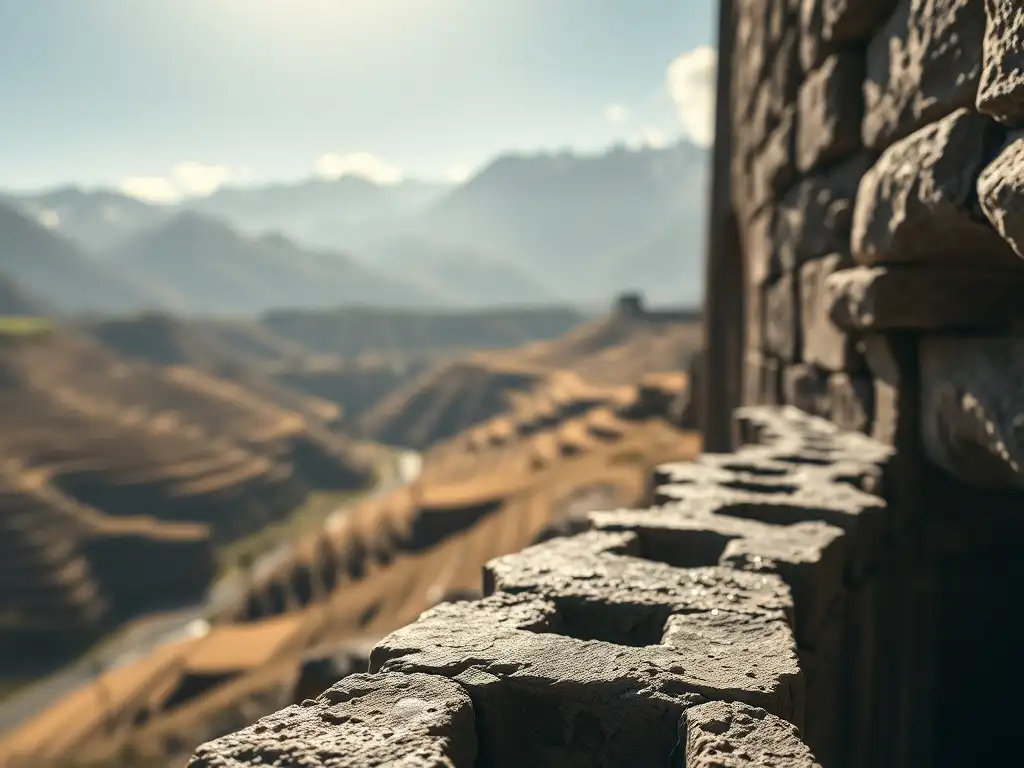
Water, a precious resource in the arid and semi-arid regions of the Andes, was skillfully managed by Andean builders. Ingenious irrigation systems, such as canals and terraces, were constructed to optimize water distribution for agriculture and domestic use. Furthermore, many structures incorporated features designed to collect and store rainwater, demonstrating a keen understanding of water conservation.
These systems not only supported agricultural practices but also played a crucial role in the overall sustainability of Andean settlements. The sophisticated engineering behind these water management systems, their impact on the environment, and their potential application in modern contexts will be detailed in later sections. The integration of water management into the overall construction strategy highlights the holistic approach of Andean builders.
The Legacy of Andean Sustainable Construction: Lessons for the Future
The sustainable construction practices of the Andean civilizations offer invaluable lessons for contemporary architects and engineers. Their emphasis on locally sourced materials, climate-responsive design, seismic resilience, and water management provides a blueprint for environmentally responsible building practices. By studying and adapting these ancient techniques, we can create more sustainable, resilient, and environmentally friendly structures, contributing towards a more sustainable future.
The application of these principles in modern construction, including case studies and potential future developments, will be covered in the final sections of this article. The enduring wisdom of the ancients provides a pathway towards a more harmonious relationship between human settlements and the environment. 🌍
- Utilizing Local Materials: A Foundation of Sustainability
- Adapting to the Andean Climate: Ingenious Design Solutions
- Seismic Resilience: Building for Stability in an Earthquake-Prone Region
- Water Management: Harnessing and Conserving a Precious Resource
- The Legacy of Andean Sustainable Construction: Lessons for the Future
- What makes Andean construction techniques "sustainable"?
- How did the Incas contribute to sustainable building practices?
- What materials were commonly used in Andean sustainable construction?
- Beyond materials, what other aspects made Andean construction sustainable?
- How can we learn from Andean sustainable construction techniques today?
Ancient Andean Civilizations and Their Approach to Construction
This section delves into the remarkable construction practices employed by various ancient Andean civilizations, focusing on their ingenuity and sustainability. We'll explore how these societies adapted their building techniques to the challenging Andean environment, showcasing their deep understanding of local materials and ecological principles. Understanding their methods provides valuable insights for contemporary sustainable construction practices. The keyword "Andean sustainable construction techniques" will be explored throughout, highlighting the enduring relevance of these ancient approaches.
The Ingenious Builders of the Andes: An Introduction to Ancient Techniques
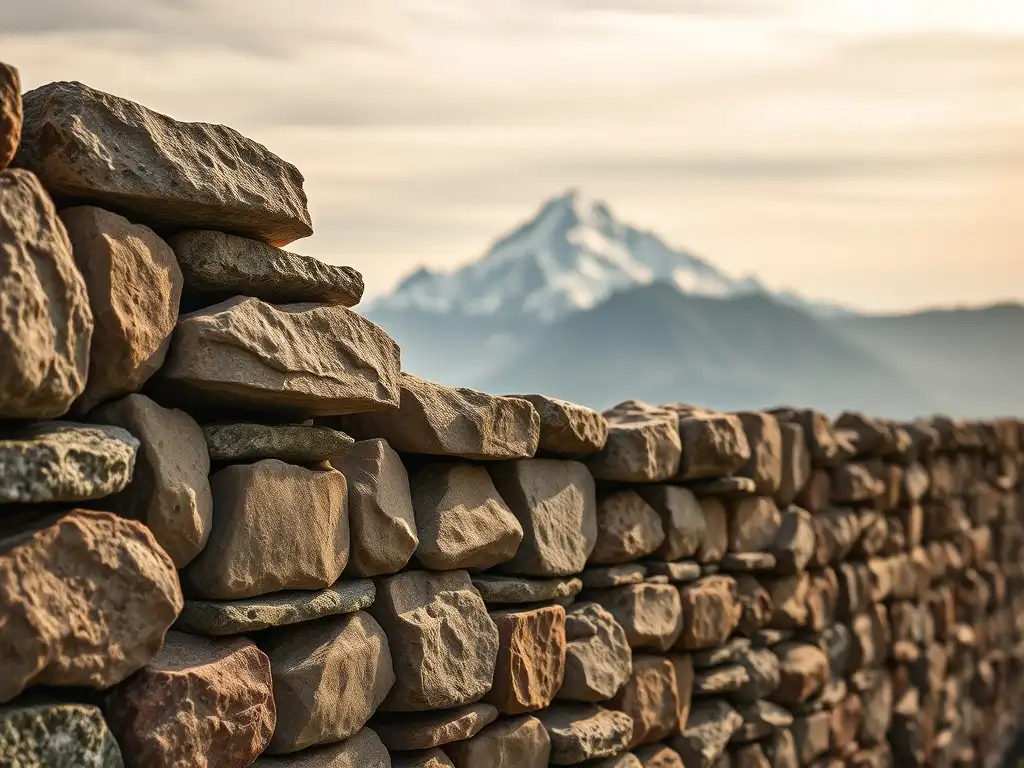
The Andes Mountains presented significant challenges to construction: steep slopes, seismic activity, and diverse climates. Yet, ancient Andean civilizations overcame these obstacles, developing sophisticated techniques that ensured stability and longevity. Their mastery of stonework is particularly impressive. They employed techniques like precisely cut stone blocks fitted together without mortar, demonstrating an advanced understanding of engineering principles. This "dry-stone" construction, prevalent across various cultures including the Inca, Moche, and Tiahuanaco, showcases meticulous planning and execution. The precision is astounding; some joints are so tight that a knife blade cannot be inserted.
Furthermore, their choice of building materials was highly sustainable. They prioritized locally sourced materials, minimizing transportation costs and environmental impact. Stone, readily available in the Andean landscape, was a primary building material, supplemented by adobe bricks (sun-dried mud bricks) and timber where appropriate. The use of these readily available materials reduced the carbon footprint significantly, a principle deeply relevant to modern sustainable building practices. Consider the Inca's use of q'olla, a type of rammed earth construction, which offered excellent thermal properties and seismic resistance. This demonstrates an intimate knowledge of material properties and their impact on building performance.
The integration of architecture with the landscape was another hallmark of Andean construction. Structures were often seamlessly integrated into the natural contours of the terrain, minimizing land disturbance. Terraces, for example, not only provided arable land on steep slopes but also functioned as structural elements, stabilizing the ground and preventing erosion. This holistic approach underscores the Andean civilizations' profound respect for their environment. The ingenuity displayed in their building techniques, coupled with their environmentally conscious practices, makes the study of Andean sustainable construction techniques a vital area of research for modern architects and engineers.
Andean Architectural Marvels: A Legacy of Sustainable Building
The legacy of Andean sustainable construction techniques is visible in a range of impressive structures. From the monumental stonework of Machu Picchu to the intricate irrigation systems of the Nazca, these marvels demonstrate the sophistication and sustainability of ancient Andean building practices. The Inca's mastery of stone construction is perhaps most famously exemplified by Machu Picchu, a city built high in the Andes with remarkable precision and adaptability to the terrain. The stones were carefully shaped and fitted together, creating structures that have withstood earthquakes and the test of time, highlighting the resilience of Andean sustainable construction techniques.
The Nazca people, known for their enigmatic geoglyphs, also displayed a remarkable understanding of water management. Their intricate irrigation canals, carved into the desert landscape, allowed them to cultivate crops in an arid environment. These canals, often constructed using sophisticated techniques involving stone and ceramic pipes, demonstrate a deep understanding of hydrology and resource management, crucial elements of sustainable building and water conservation.
The Tiahuanaco civilization also showcased advanced construction techniques, their monumental structures, like the Kalasasaya Temple, demonstrating impressive feats of engineering and stonework. The precision and scale of these constructions are testament to their advanced understanding of engineering and planning. The utilization of readily available materials, coupled with innovative construction methods, demonstrates a sustainable approach that minimizes environmental impact.
Analyzing these architectural wonders offers invaluable lessons for contemporary sustainable building practices. The enduring strength and environmental responsibility embedded within Andean sustainable construction techniques continue to inspire and inform modern approaches to building design.
Key Principles of Andean Sustainable Construction Techniques
This section delves into the core principles that underpinned the remarkable achievements of Andean sustainable construction techniques. These weren't merely building practices; they were deeply intertwined with the Andean worldview, reflecting a profound understanding of their environment and a commitment to resourcefulness and harmony with nature. Mastering these principles allowed Andean civilizations to create structures that endured for centuries, showcasing a sophisticated approach to sustainable building that remains relevant today.
The ingenuity and wisdom embedded in these techniques offer valuable lessons for contemporary architecture and engineering, particularly in the face of growing environmental concerns. Understanding these techniques allows us to appreciate the sophistication of Andean engineering and the lasting legacy of their sustainable building practices. The following subsections will unpack these core tenets in greater detail.
Understanding the Andean Environment: A Foundation for Sustainable Design
The Andean environment is incredibly diverse, ranging from arid coastal deserts to the towering heights of the Andes Mountains. This geographical complexity dictated the development of highly specific and context-sensitive building techniques. Andean builders possessed an intimate knowledge of their environment, understanding microclimates, soil conditions, and available resources.
This understanding wasn't abstract; it was directly translated into their architectural designs. For instance, the orientation of buildings often took advantage of solar radiation to maximize warmth in colder regions or minimize heat absorption in warmer areas. The choice of building materials directly reflected the local availability and properties, minimizing transportation costs and environmental impact.
This deep ecological awareness serves as a crucial lesson for modern sustainable design, emphasizing the importance of site-specific analysis and the integration of local ecological knowledge. The careful consideration of environmental factors ensured the longevity and functionality of structures, a testament to the wisdom of Andean sustainable construction practices. A thorough understanding of the local context — including rainfall patterns, wind direction, and seismic activity — was paramount to the success of their constructions.
Adaptation to Diverse Climates: From High Mountains to Coastal Regions
Andean sustainable construction techniques were remarkably adaptable to the diverse climates found across the region. The techniques employed in the high-altitude Andes, characterized by cold temperatures and intense solar radiation, differed significantly from those used in the coastal regions, which experience arid conditions and strong winds. In the high Andes, builders utilized thick walls made of stone and adobe to provide insulation and retain heat. They also employed techniques to maximize solar gain, such as strategically placed windows and sun-drenched courtyards.
In contrast, coastal constructions often featured thinner walls and incorporated ventilation systems to mitigate heat buildup. The use of materials also varied significantly. Stone was prevalent in mountainous regions due to its abundance and durability, while adobe and other locally sourced materials were more common in lower-altitude areas.
This adaptability demonstrates a profound understanding of climate-responsive design, highlighting the importance of tailoring building techniques to specific environmental conditions. This flexible approach resulted in efficient and comfortable structures, minimizing energy consumption and maximizing human comfort within the context of diverse Andean climates. The success of these adaptive strategies underscores the importance of climate considerations in modern sustainable building practices.
Use of Local Materials: Minimizing Environmental Impact in Andean Architecture
A hallmark of Andean sustainable construction techniques was the extensive use of locally sourced materials. This minimized transportation costs, reduced the environmental impact of construction, and fostered a deep connection between the built environment and its surroundings. Stone, adobe (sun-dried brick), wood, and thatch were commonly used, reflecting the readily available resources in different regions.
The selection of materials also considered their durability and suitability for the local climate. For example, stone's strength and resistance to weathering made it ideal for structures in high-altitude areas, while adobe's thermal properties were well-suited for regulating temperatures in lower-altitude regions. This thoughtful approach to material selection minimized the ecological footprint of construction, demonstrating a remarkable understanding of sustainable resource management.
Furthermore, the techniques employed in working with these materials often involved minimal processing, reducing energy consumption and waste generation. This emphasis on local, readily available materials is a powerful example of sustainable building practices that continue to inspire architects and engineers today. The Andean approach demonstrates that sustainable construction doesn't require exotic or energy-intensive materials; it emphasizes resourcefulness, ingenuity, and harmony with the local environment.
Specific Andean Construction Techniques and Their Sustainability
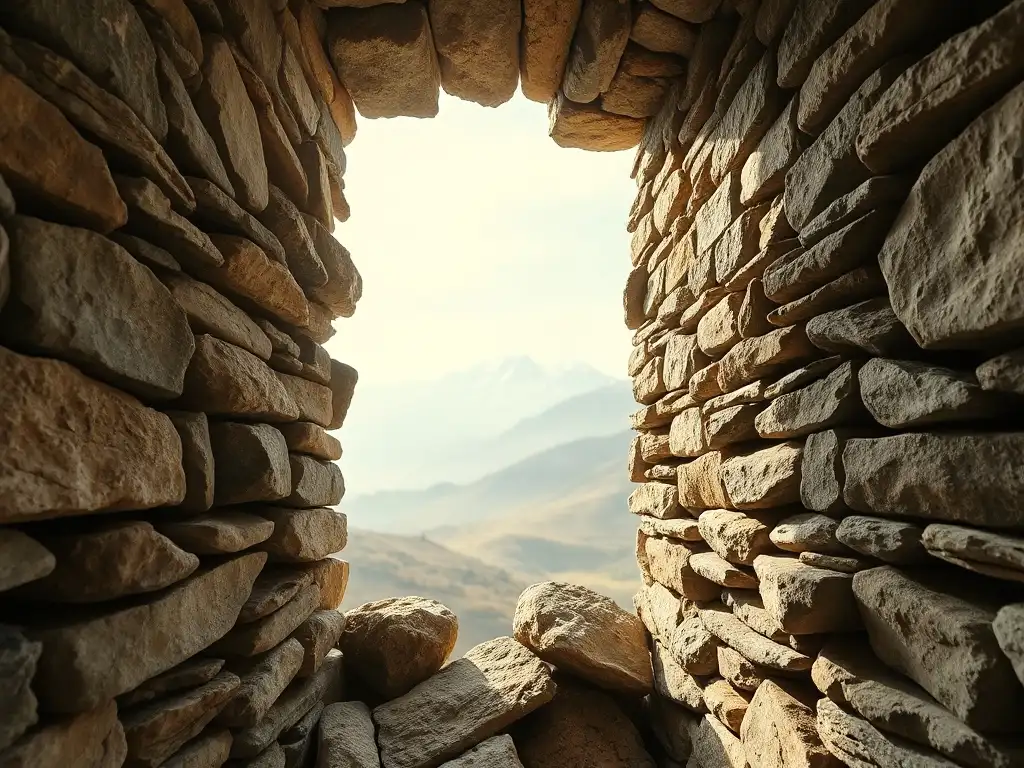
This section delves into the specific construction methods employed by various Andean civilizations, highlighting their remarkable sustainability and ingenuity. These techniques, passed down through generations, demonstrate a deep understanding of local environments and resource management, offering valuable lessons for modern sustainable building practices. The ingenuity of Andean builders is evident in their ability to adapt to diverse geographical conditions and utilize readily available materials to create durable and aesthetically pleasing structures. Understanding these methods provides crucial insights into the principles of "Andean sustainable construction techniques."
Adobe Construction: A Traditional and Eco-Friendly Method in the Andes
Adobe construction, utilizing sun-dried mud bricks, is a cornerstone of Andean architecture. Its prevalence speaks volumes about its effectiveness and sustainability within the Andean context. This method exemplifies the principles of resource efficiency and minimal environmental impact.
The Process of Making Adobe Bricks: An Example of Sustainable Resource Management
The creation of adobe bricks is a labor-intensive but remarkably sustainable process. Local soil, often mixed with organic materials like straw or dung to improve strength and stability, is the primary ingredient. This minimizes transportation costs and environmental disruption associated with sourcing materials from afar.
The bricks are then shaped and left to dry naturally in the sun, a process completely powered by renewable energy. This simple yet effective method showcases a deep understanding of material science and resource optimization crucial to sustainable building in the Andes. The precise proportions of soil and organic matter, which vary based on local conditions, are often passed down through families and communities, representing a wealth of traditional ecological knowledge.
Advantages of Adobe in Andean Climates: Thermal Regulation and Durability
Adobe's inherent properties make it ideally suited to the Andean climate. Its high thermal mass provides excellent insulation, regulating internal temperatures and reducing the need for artificial heating or cooling. This significantly lowers energy consumption, a key aspect of sustainable design. Furthermore, adobe structures demonstrate remarkable durability, withstanding the test of time in many regions.
Proper construction techniques, including careful consideration of the foundation and drainage, contribute to the longevity of these structures. Many adobe buildings still stand today, a testament to the effectiveness of this ancient Andean sustainable construction technique. The thermal mass minimizes temperature fluctuations, creating a comfortable and energy-efficient living environment. Studies have shown that adobe buildings can reduce energy consumption for climate control by up to 40% compared to modern conventional buildings in similar climates.
Stone Masonry: Precision and Durability in Andean Engineering
Beyond adobe, the mastery of stone masonry is another defining characteristic of Andean construction. The precision and durability of these structures are awe-inspiring, reflecting advanced engineering knowledge and a deep understanding of the properties of local stone.
Inca Stone Construction Techniques: A Testament to Engineering Prowess
Inca stonework is renowned for its unparalleled precision. Stones were meticulously cut and fitted together without the use of mortar, creating incredibly strong and stable structures. This “dry-stone” technique required advanced planning and exceptional craftsmanship.
The incredibly tight fit of the stones, often described as “impossible joins,” minimized the need for binding agents, further reducing the environmental impact of the construction process. The precision of the Inca's stonework is a remarkable feat of engineering, and the durability of these structures speaks to the skill and knowledge of the builders. Specific examples, such as the walls of Sacsayhuamán, showcase the incredible precision and engineering prowess involved.
The Use of Dry Stone Walls: Minimizing the Need for Mortar
The widespread use of dry stone walls in Andean construction is a significant example of sustainable building practice. By eliminating the need for mortar, a process often energy-intensive and environmentally impactful, the Andeans minimized their carbon footprint. The careful selection and placement of stones, often using interlocking shapes and sizes, ensured the structural integrity of these walls. This technique, passed down through generations, demonstrates a deep understanding of the properties of stone and the principles of structural engineering.
The absence of mortar also allows the walls to "breathe," regulating humidity and improving the overall health of the structure. This aspect is particularly important in regions with varying climatic conditions. The dry-stone technique is a prime example of how to achieve both structural integrity and environmental sustainability.
Terracing: Maximizing Arable Land and Preventing Erosion
Andean terracing represents a remarkable feat of engineering and a testament to the ingenuity of ancient Andean civilizations. These meticulously constructed agricultural terraces, carved into steep mountain slopes, dramatically increased arable land available for cultivation. The slopes of the Andes, while visually stunning, present significant challenges for agriculture.
Steep inclines lead to rapid soil erosion and runoff, making traditional farming methods impractical. The ingenious solution developed by the Andean people was the creation of terraced fields, supported by retaining walls of stone, earth, and other locally sourced materials. This system effectively transformed unforgiving terrain into productive farmland, allowing for the cultivation of a variety of crops essential for sustenance.
Andean Agricultural Terraces: A Form of Sustainable Land Management
The sustainability of Andean terracing is multifaceted. Firstly, the system minimized soil erosion by breaking up the steep slopes into a series of smaller, manageable units. This reduced the velocity of rainwater runoff, preventing topsoil loss and preserving the fertility of the land. Secondly, the terraces created microclimates, allowing for the cultivation of diverse crops at varying altitudes and exposures.
This biodiversity enhanced resilience against crop failure and ensured food security for the communities. Thirdly, the use of locally sourced materials for the retaining walls minimized environmental impact and reduced the need for energy-intensive transportation. The construction techniques, passed down through generations, represented a sustainable approach to land management that ensured the long-term productivity of the Andean highlands. The terraces themselves remain a testament to this sustainable approach, with some structures still in use today, demonstrating their enduring effectiveness.
Terraces as Part of the Andean Construction System
While primarily associated with agriculture, Andean terraces were an integral part of the broader Andean construction system. The expertise developed in building retaining walls for terraces was directly applicable to other construction projects, such as building houses, temples, and irrigation canals. The techniques employed in terracing, including precise stonework, careful earth layering, and the utilization of readily available materials, were adapted and refined for diverse construction needs.
This interconnectedness of agricultural and architectural practices reflects a holistic understanding of the environment and its resources, highlighting the sustainability inherent in the Andean approach to construction. The very act of creating these terraces involved a deep understanding of water management, soil science, and structural engineering—knowledge that permeated other aspects of Andean building practices.
The Use of Natural Fibers in Andean Building
The Andean civilizations demonstrated a sophisticated understanding of natural fibers and their applications in construction. Beyond their use in textiles, these fibers played a crucial role in building various structures. Materials such as ichu grass, reeds, and llama wool were widely employed as binding agents, insulation, and even structural components in certain applications. This innovative use of readily available, renewable resources reflects a commitment to sustainable building practices that minimized reliance on non-renewable materials and reduced the environmental footprint of construction.
Andean Fiber-Reinforced Structures: Innovation in Construction
The incorporation of natural fibers into Andean construction represents a form of early fiber-reinforced composite material. For example, mud bricks were often reinforced with straw or other plant fibers to enhance their strength and durability. This technique not only improved the structural integrity of the buildings but also contributed to their thermal performance, providing insulation against both heat and cold.
The combination of earth and organic fibers created a lightweight yet robust building material that was well-suited to the Andean climate and readily available resources. This demonstrates a level of understanding of material science that was remarkably advanced for its time.
Sustainable Sourcing and Application of Natural Fibers
The sustainability of using natural fibers in Andean construction stems from both the source of the materials and their application. The fibers were sustainably harvested, ensuring the continued availability of the resource for future generations. Moreover, the construction techniques minimized waste and maximized the utilization of the fibers.
The integration of these fibers into the building process was not merely functional; it also reflected a deep respect for the environment and a harmonious relationship between human activity and the natural world. The use of these sustainable materials, coupled with construction methods that minimized environmental impact, exemplifies the holistic and sustainable approach that characterized Andean construction practices.
The Relevance of Andean Sustainable Construction Today
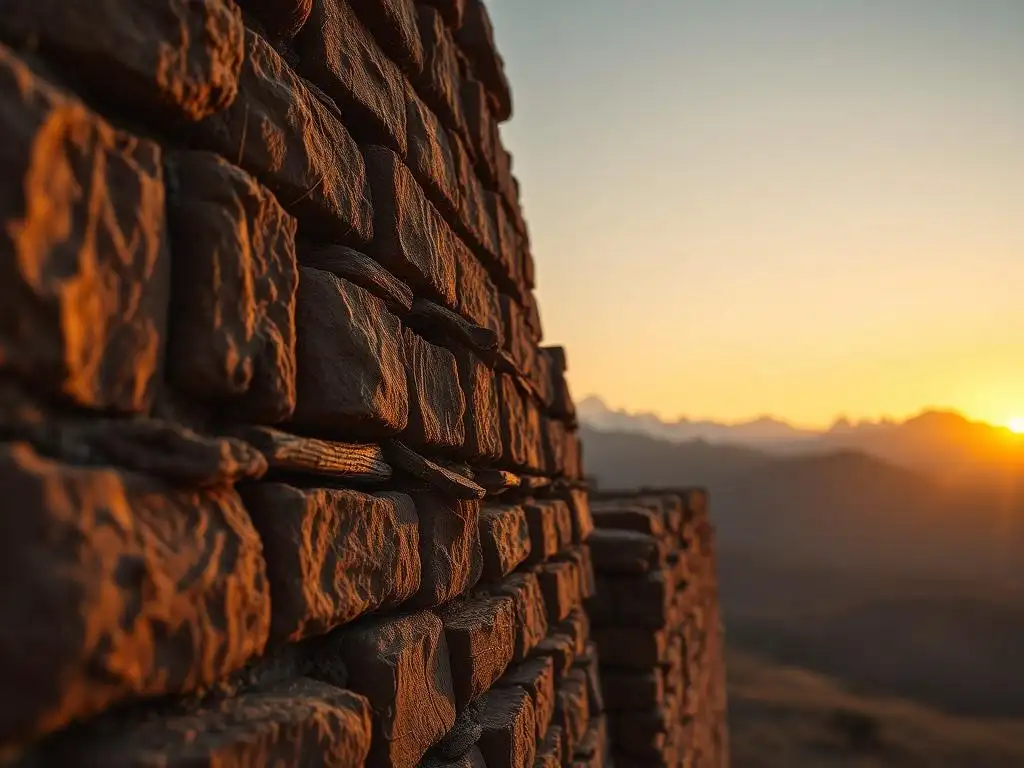
The resurgence of interest in Andean sustainable construction techniques is not merely a nostalgic pursuit of the past; it's a crucial response to the urgent challenges of the 21st century. Climate change, resource depletion, and the growing awareness of environmental impact are driving a global search for sustainable building solutions. Andean civilizations, with their millennia of experience in harmonizing architecture with the environment, offer invaluable insights and practical models for modern construction.
Their ingenuity in utilizing locally sourced materials, adapting to diverse terrains, and minimizing environmental disruption provides a blueprint for a more sustainable future. The principles of ayni (reciprocity) and sumaq kawsay (good living), deeply embedded in Andean worldview, further emphasize the interconnectedness between human well-being and environmental stewardship, offering a holistic approach to sustainable development rarely seen in modern practices. Studying these techniques isn't just about historical preservation; it's about actively contributing to a more environmentally responsible future.
The wisdom of the ancients holds the key to unlocking innovative and effective solutions for contemporary building challenges. Understanding these ancient practices allows us to move beyond simply replicating past techniques and instead, to extract the core principles and adapt them to modern contexts.
Lessons Learned from Ancient Andean Building Practices
Ancient Andean builders mastered techniques that minimized environmental impact and maximized resource efficiency. They skillfully employed locally sourced materials like adobe, stone, and timber, reducing transportation costs and carbon emissions associated with long-distance material transport. Their mastery of dry-stone construction, exemplified in structures like Machu Picchu, showcases an impressive understanding of structural engineering and material science, requiring minimal mortar and resulting in durable, earthquake-resistant buildings. This understanding of structural integrity without reliance on energy-intensive materials is a significant lesson for modern construction.
Furthermore, their construction practices were deeply intertwined with the environment. They carefully chose building sites to minimize disruption to ecosystems and utilized sustainable harvesting methods for timber and other resources. The integration of agricultural terraces into the landscape not only maximized arable land but also prevented soil erosion and promoted biodiversity. This holistic approach, where building and environment are inseparable, is a sharp contrast to many modern construction projects that often disregard the surrounding ecosystem. Understanding this holistic approach is key to developing truly sustainable building practices.
For example, the Nazca lines, while famous for their mysterious nature, also demonstrate a sophisticated understanding of land management and surveying. The precision involved in creating these vast geoglyphs suggests a deep knowledge of the landscape and its sustainable use. This level of environmental understanding is a crucial element often overlooked in contemporary development. Analyzing these ancient techniques reveals not just building methods, but a profound respect for the environment that modern sustainable construction must emulate.
Applying Andean Principles to Modern Sustainable Architecture
The principles of Andean sustainable construction are not limited to historical replication. They can and should inform the design and construction of modern buildings. By adopting a bioclimatic approach, similar to the way Andean builders oriented their structures to maximize solar gain and natural ventilation, modern architects can significantly reduce energy consumption. The use of locally sourced, renewable materials, such as bamboo or rammed earth, reduces the carbon footprint and supports local economies. Incorporating traditional Andean building techniques, such as the use of interlocking stones, can lead to more durable and earthquake-resistant structures.
Modern architects can learn from the way Andean builders adapted their constructions to the specific environmental conditions of each location. This adaptable approach is crucial in a world grappling with climate change and its varied regional impacts. Instead of imposing uniform building standards, adopting context-specific designs that respond to local climate and resources is more sustainable and environmentally responsible. The Andean approach offers a flexible framework that can be adapted to diverse environments and building needs.
For instance, the ingenious use of natural ventilation and passive solar design in Andean architecture offers valuable lessons for contemporary green building. Modern designs can integrate these principles to minimize reliance on mechanical heating and cooling systems, thereby reducing energy consumption and operating costs. This approach not only lowers environmental impact but also contributes to the creation of healthier and more comfortable living spaces.
The Importance of Preserving Andean Construction Heritage
Preserving Andean construction heritage is not just a matter of historical preservation; it is a vital component of ensuring the long-term viability of sustainable building practices. Documenting and studying these ancient techniques provides valuable data for future research and innovation. The knowledge embedded in these ancient structures represents a wealth of information that can inspire and inform the development of innovative sustainable building materials and methods. This preservation effort includes not only physical structures but also the traditional knowledge and practices associated with them. Protecting this heritage safeguards the intellectual property and cultural significance of these invaluable techniques.
Furthermore, preserving these sites provides opportunities for education and tourism. By showcasing the ingenuity and sustainability of Andean construction, we can raise awareness and inspire a global shift toward more environmentally responsible building practices. This shift requires a multi-faceted approach, including the preservation of existing structures, the documentation of traditional techniques, and the integration of these lessons into modern architectural education.
The economic benefits of sustainable tourism related to these sites can also contribute to the preservation efforts and the empowerment of local communities. This preservation is not just about the past; it is an investment in a sustainable future. The preservation of Andean construction heritage is crucial for both historical and contemporary reasons, ensuring that the wisdom of the ancients continues to guide us towards a more sustainable world.
Conclusion: The Enduring Legacy of Andean Sustainable Construction Techniques
The ingenuity of Andean civilizations in developing sustainable construction techniques is a testament to their deep understanding of their environment and their commitment to long-term sustainability. Their practices, honed over centuries, offer valuable lessons for contemporary builders grappling with the challenges of climate change and resource depletion. By analyzing their methods, we can gain insights into how to create structures that are both resilient and environmentally responsible.
The legacy of Andean sustainable construction techniques is not merely historical; it's a vibrant resource for a more sustainable future. Understanding their achievements allows us to appreciate the interconnectedness between human ingenuity and environmental harmony, a crucial aspect often overlooked in modern, fast-paced construction.
Further research into specific materials and techniques, particularly in regions with similar environmental challenges, could reveal even more valuable knowledge for contemporary applications. The wisdom of these ancient builders continues to resonate, prompting us to rethink our approach to construction and strive for a more harmonious relationship with the natural world.
The Timeless Wisdom of Andean Builders
The Andean builders weren't simply constructing buildings; they were creating a symbiotic relationship between their structures and the surrounding environment. Their mastery of local materials, such as adobe, stone, and thatch, minimized the environmental impact of construction. This wasn't a matter of chance; it was a carefully considered approach rooted in a deep understanding of the properties of these materials and their interaction with the Andean climate.
For example, the use of adobe, a sun-dried brick made from clay and organic materials, allowed for thermal regulation, keeping interiors cool in the summer and warm in the winter. This inherent insulation reduced the need for energy-intensive climate control systems – a remarkably sustainable approach even by today's standards. Similarly, the strategic placement of buildings, taking advantage of natural sunlight and wind patterns, further minimized energy consumption.
The integration of architectural design with the surrounding landscape showcased a profound understanding of environmental principles, minimizing disruption and maximizing harmony. This holistic approach, far removed from the fragmented methodology of many modern construction projects, is a crucial lesson for contemporary builders striving for sustainable practices.
A Call to Reconsider Modern Construction Practices
The Andean sustainable construction techniques offer a powerful counterpoint to the often unsustainable practices prevalent in modern construction. The reliance on energy-intensive materials, the generation of significant waste, and the disregard for long-term environmental impact are all stark contrasts to the Andean approach. The challenge for modern builders lies in integrating the wisdom of the ancients into contemporary designs and methods.
This requires a shift in perspective, moving away from a purely profit-driven model towards one that prioritizes environmental responsibility and long-term sustainability. This includes exploring alternative materials with lower embodied energy, implementing more efficient construction techniques to minimize waste, and designing structures that harmonize with their surroundings, rather than dominating them. The adoption of Andean principles, such as utilizing local materials and incorporating passive design strategies, can significantly reduce the environmental footprint of modern construction.
This isn't about reverting to ancient methods wholesale, but rather about learning from the core principles of sustainability that underpinned Andean construction and applying them to the challenges of the 21st century. The legacy of Andean ingenuity urges us to reassess our priorities and build a more sustainable future. The time for action is now; let us learn from the past to shape a better tomorrow.
Frequently Asked Questions
What makes Andean construction techniques "sustainable"?
Andean builders prioritized locally sourced materials, minimizing environmental impact. They also employed ingenious techniques like terracing and stonework that integrated seamlessly with the landscape, promoting long-term stability.
How did the Incas contribute to sustainable building practices?
Inca construction excelled in adaptability to diverse terrains, using sophisticated stone fitting and earthquake-resistant designs. Their mastery of irrigation and water management also supported sustainable agriculture crucial to their settlements.
What materials were commonly used in Andean sustainable construction?
Stone, adobe, and wood were primary materials, readily available and sustainable within their local environments. These materials were often combined with natural binders like mud and straw for strength and durability.
Beyond materials, what other aspects made Andean construction sustainable?
The focus was on minimal environmental disruption. Construction methods were planned carefully to minimize waste and maximize the use of available resources, reflecting a deeply integrated relationship with the environment.
How can we learn from Andean sustainable construction techniques today?
Modern architects and engineers can draw inspiration from Andean ingenuity, applying principles of site sensitivity, resource efficiency, and adaptability to create more sustainable buildings. Studying their techniques offers valuable lessons in harmonious coexistence with the environment.
Final Reflection: Echoes of the Andes: A Legacy of Sustainable Building
The ingenious sustainable construction techniques of the Andes, far from being relics of a bygone era, offer crucial lessons for navigating our current climate crisis. Their enduring relevance lies not just in their historical significance, but in their potential to reshape our modern approach to building and development, offering a pathway towards a more environmentally responsible future. The ingenuity displayed in utilizing readily available materials and minimizing environmental impact stands as a powerful testament to human adaptability and foresight.
The enduring legacy of Andean construction practices extends far beyond the physical structures themselves; it speaks to a profound connection with the land and a deep understanding of ecological balance. These principles, often passed down through generations of oral tradition, underscore a holistic approach to building that prioritizes harmony with nature over mere functionality. The earth provides all we need; we must only learn to take what we need without destroying the source.
– (This quote should be replaced with a relevant quote from an Andean source or a scholar on Andean culture). This philosophy, so deeply ingrained in Andean culture, offers a vital counterpoint to the often exploitative practices of modern construction.
Consider the implications of this wisdom for your own life. How can you incorporate principles of sustainability and resourcefulness into your daily choices? Perhaps it's by supporting local and ethically sourced building materials, advocating for greener building practices in your community, or simply appreciating the enduring strength and beauty of sustainable design. Let the echoes of the Andes inspire you to build a more responsible and harmonious future, one brick, one stone, one conscious choice at a time.
Embrace Ancient Wisdom for a Sustainable Future!
Thank you for exploring the rich heritage of Andean construction with us! Your interest in these sustainable practices demonstrates your commitment to a better future. Now that you've learned about the powerful lessons from the past, it's time to put that knowledge into action.
- Integrate sustainable practices into your home or community projects, drawing inspiration from the ancient principles we've discussed. Consider how traditional methods of resource management and building design can be adapted to modern needs.
- Research and share examples of other ancient civilizations that prioritized sustainability. This fascinating area of study offers a wealth of knowledge and inspiration that can be shared with others.
- Join our community: Share your thoughts and experiences about sustainable living in the comments below or connect with us on social media. We'd love to hear about your journey towards a more sustainable lifestyle!
How will you apply these ancient principles to create a more sustainable future in your own life?