
Inca Roads and Trade: The Arteries of Ancient Commerce

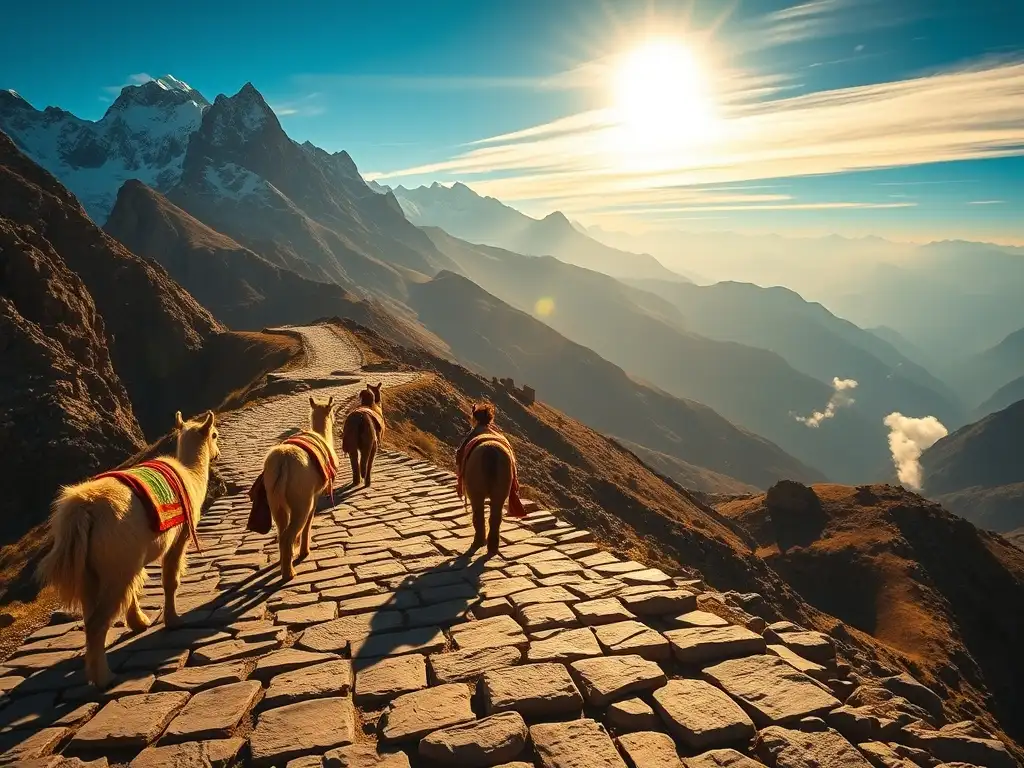
Step into a world lost to time, yet echoing with the whispers of empires. Discover the breathtaking ingenuity of the Andean civilizations – the Incas, Moche, Nazca, and Tiahuanaco – and their remarkable achievements. But what truly fueled their power and interconnectedness? Prepare to be amazed as we unravel the secrets of Inca trade routes, the intricate network of roads that formed the very arteries of ancient commerce, a testament to Andean architecture and engineering prowess. Journey with us to uncover the mysteries that lie within.
The Inca Empire, a civilization that flourished in the Andes Mountains from the 15th to the 16th century, is renowned not only for its impressive architectural feats like Machu Picchu, but also for its sophisticated and extensive road network. This intricate system of pathways, often referred to as the Qhapaq Ñan, wasn't merely a means of transportation; it was the very lifeblood of the empire, a crucial artery facilitating trade, communication, and the movement of resources across vast and challenging terrain. This article delves into the vital role of Inca roads in their complex trading system, exploring how this infrastructure shaped the economic and political landscape of the Andes.
We will examine the types of goods traded, the organization of the trade networks, and the lasting impact of the Qhapaq Ñan on Andean societies. Understanding Inca trade routes is key to understanding the empire's power and longevity.
The Extent and Nature of the Inca Road Network
The Qhapaq Ñan, meaning "Royal Road" in Quechua, was a remarkable feat of engineering. Spanning over 40,000 kilometers (25,000 miles), it connected the far-flung corners of the Inca Empire, traversing treacherous mountains, deserts, and jungles. The roads were not simply haphazard trails; they were meticulously constructed using advanced techniques.
Sections were paved with stone, while others utilized compacted earth and strategically placed drainage systems to withstand the harsh Andean climate. The construction involved significant labor, employing a vast workforce organized through the mita system, a form of mandatory labor service. The roads themselves varied in width and quality, with major routes wider and better maintained than secondary paths.
Many roads featured strategically placed tambos, or waystations, providing rest and shelter for travelers and messengers. These waystations also played a key role in facilitating trade and the relay of information. The sheer scale and sophistication of this network are testament to the Inca's organizational prowess and engineering skills.
Goods Traded Along the Inca Roads
The Inca trade system was incredibly diverse, moving a wide array of goods across the empire. Agricultural products formed a significant portion of this trade. From the fertile coastal valleys came corn, beans, squash, cotton, and fruits, while the highlands provided potatoes, quinoa, and other Andean staples. Luxury goods such as textiles (especially the highly prized alpaca and vicuña wool), precious metals (gold, silver), and feathers were also transported along the roads.
These items often served as tribute to the Inca rulers and were also used in religious ceremonies and elite consumption. Additionally, the roads facilitated the movement of essential resources such as building materials (stone, wood), tools, and finished products like pottery and weaponry. The flow of goods wasn't unidirectional; it created a complex network of exchange and redistribution across different ecological zones. This intricate system ensured the economic stability and the provisioning of the entire empire.
The Organization of Inca Trade and the Role of the State
The Inca state played a central role in organizing and managing trade. Unlike a free market system, the Inca economy was largely a centrally planned system. The state controlled the production and distribution of many goods, using the road network to efficiently move resources and tribute throughout the empire. Specialized officials oversaw the transportation of goods and the maintenance of the roads.
The tambos were not just resting places but also acted as storage facilities and checkpoints. The qhapaq (Inca ruler) and his administrators used the road system to consolidate power and ensure the flow of resources to the capital at Cusco. This highly organized system allowed for the efficient distribution of essential goods throughout the empire and contributed significantly to the Inca’s ability to maintain control over such a vast territory. The system, however, also relied on the cooperation and participation of local communities along the routes.
The Lasting Legacy of the Inca Road System
The Qhapaq Ñan’s impact extended far beyond the Inca Empire's lifespan. Sections of the road network continued to be used after the Spanish conquest, adapting to changing needs and incorporating new elements. The strategic placement of the roads and the waystations profoundly influenced settlement patterns and the development of infrastructure in the Andes. Even today, remnants of the Inca roads can be found throughout the Andes, serving as a lasting testament to the ingenuity and organizational capacity of this remarkable civilization.
The Qhapaq Ñan is a powerful symbol of Inca engineering and its profound impact on the region's history and cultural landscape. Its legacy underscores the importance of infrastructure in shaping societies and facilitating economic development, even in the most challenging environments. The study of Inca trade routes continues to provide valuable insights into the complexities of pre-Columbian Andean societies and their remarkable achievements.
- The Extent and Nature of the Inca Road Network
- Goods Traded Along the Inca Roads
- The Organization of Inca Trade and the Role of the State
- The Lasting Legacy of the Inca Road System
- Understanding the Inca Road System: A Marvel of Engineering
- The Purpose of Inca Roads: Beyond Simple Transportation
- Constructing the Qhapaq Ñan: Techniques and Materials
- Geographic Reach of the Inca Road Network
- Construction Techniques and Materials
- Role of the Qhapaq Ñan in Inca Trade and Administration
- What role did roads play in the Inca Empire's success?
- How did the Inca manage to build such an extensive road network?
- What kinds of goods were traded along the Inca roads?
- Were the Inca trade routes solely for the benefit of the elite?
- How did the Inca trade system differ from those of other Andean civilizations?
The Qhapaq Ñan: Backbone of the Inca Empire
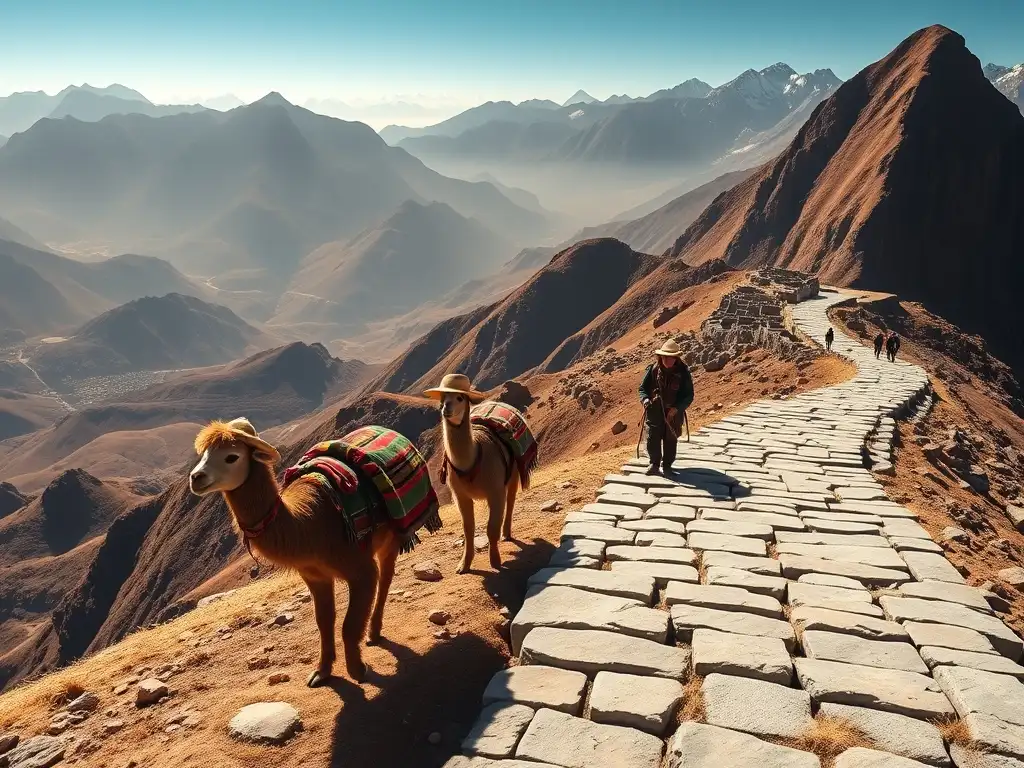
The Qhapaq Ñan, meaning "Royal Road" in Quechua, wasn't merely a network of paths; it was the lifeblood of the Inca Empire, a sophisticated system facilitating trade, communication, and military control across a vast and challenging terrain. This intricate network of roads, stretching over 40,000 kilometers (25,000 miles), connected the far-flung corners of the Inca realm, from present-day Colombia to central Chile and Argentina. Its strategic importance in the Inca trade routes cannot be overstated.
The sheer scale of the Qhapaq Ñan is a testament to the Inca's advanced organizational skills and engineering prowess, significantly impacting their economic prosperity and political stability. The effectiveness of the Inca trade routes was directly tied to the efficiency and reach of the Qhapaq Ñan. The empire's ability to move goods, troops, and messages swiftly across such distances provided a significant competitive advantage.
Understanding the Inca Road System: A Marvel of Engineering
The Inca road system wasn't a single, continuous highway. Instead, it was a complex network of roads of varying widths and conditions, catering to different needs. Main arteries, often paved with stone, connected major cities and administrative centers. These were meticulously constructed, with gradients carefully managed to minimize the impact of steep inclines, a testament to their understanding of engineering principles.
Smaller, less-maintained paths branched off these main routes, serving more local communities. Bridges, some remarkably innovative suspension bridges made from materials like lianas and ropes, spanned rivers and gorges. The construction demonstrates a deep understanding of topography and materials science.
The Inca engineers skillfully adapted their techniques to the diverse landscapes they encountered, employing stone paving in some areas and earthworks in others. They also strategically utilized natural features like mountain passes and river valleys to optimize their routes, minimizing the need for extensive construction. This adaptability and foresight were crucial to the success of the Inca trade routes and the empire's overall infrastructure.
The Purpose of Inca Roads: Beyond Simple Transportation
While transportation of goods was undoubtedly a crucial function of the Inca roads, their purpose extended far beyond simple logistics. The Qhapaq Ñan served as vital arteries for the movement of troops, enabling rapid response to rebellions or external threats. This swift military mobility was essential in maintaining control over such a geographically diverse and extensive empire.
Furthermore, the roads facilitated communication, allowing for the rapid transmission of messages through a system of runners known as chasquis. These runners, strategically stationed along the routes, could relay information across vast distances in remarkably short periods, enabling efficient administration and governance. The Inca trade routes were also crucial for the distribution of resources.
Goods like textiles, pottery, agricultural products, and precious metals were moved along these pathways, creating a sophisticated system of internal trade that strengthened the empire’s economy and fostered cultural exchange. This exchange of goods and ideas was vital to the cohesion and stability of the Inca Empire. The roads weren't just for moving things; they were vital for moving information and people, solidifying Inca control and fostering a sense of unity.
Constructing the Qhapaq Ñan: Techniques and Materials
The construction of the Qhapaq Ñan was a monumental undertaking, requiring significant manpower and advanced engineering skills. The Inca employed a system of mita, a form of mandatory labor service, to mobilize the necessary workforce. Different groups specialized in specific tasks, from quarrying and shaping stones to building bridges and paving roads. Materials used varied depending on the region, but stone was a predominant material, particularly in areas with readily available resources.
Highly skilled masons expertly fitted stones together, creating incredibly durable and long-lasting structures. The precision and fit of these stones, often without the use of mortar, remains a testament to their mastery of stonework. In other areas, earthworks and less sophisticated materials were used, adapting to local conditions and resource availability.
The Inca’s engineering skills were not limited to stonework; they also demonstrated expertise in bridge building, using a variety of techniques including suspension bridges made from natural fibers and stone arch bridges. The combination of sophisticated engineering, efficient organization, and adaptable techniques made the construction of the Qhapaq Ñan a remarkable achievement in ancient engineering, directly supporting the thriving Inca trade routes. The longevity of these roads speaks to the quality of the construction and the Inca’s understanding of both materials and engineering principles.
Geographic Reach of the Inca Road Network
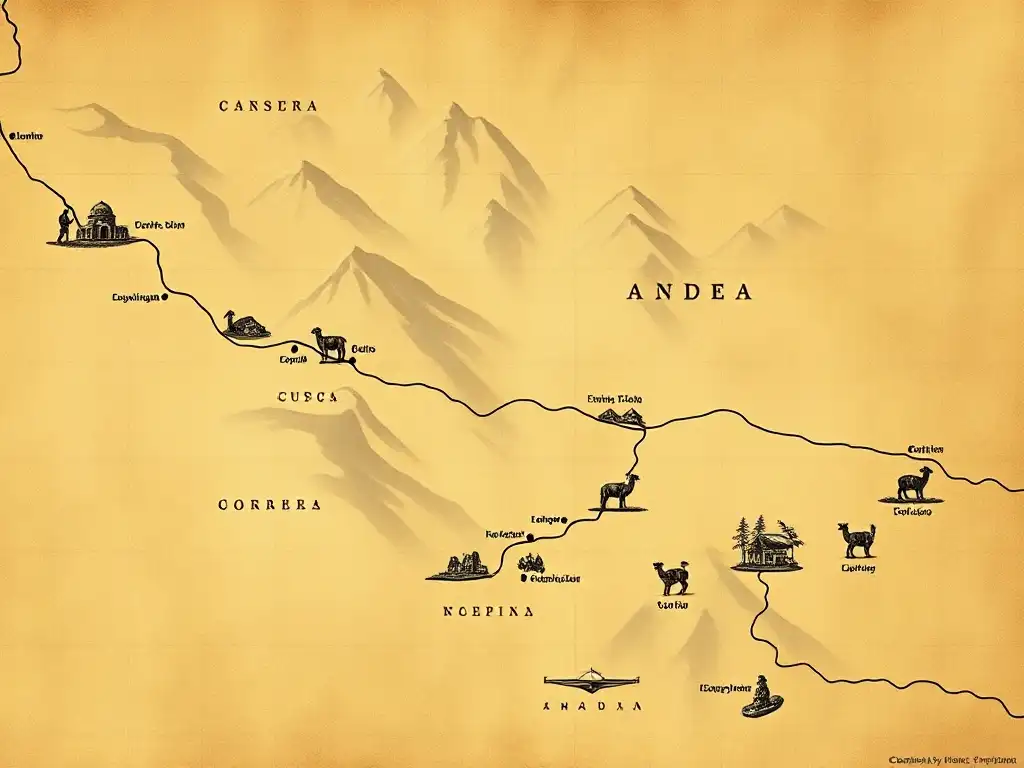
The Qhapaq Ñan, the vast Inca road network, wasn't just a collection of paths; it was a meticulously planned and executed system stretching across a breathtakingly diverse landscape. Its reach encompassed a truly staggering area, connecting the far-flung corners of the Inca Empire. From the arid coastal deserts of northern Chile and Peru, climbing the steep slopes of the Andes Mountains to reach dizzying altitudes, and then descending into the lush Amazonian rainforest, the roads demonstrated an incredible feat of engineering and logistical planning.
The network extended over approximately 40,000 kilometers (25,000 miles), a testament to the Inca's mastery of infrastructure development. This impressive geographic span facilitated efficient communication and trade, uniting disparate regions under a single imperial administration. The sheer scale of the Qhapaq Ñan is awe-inspiring, especially considering the tools and technology available to the Inca builders.
They skillfully navigated treacherous terrain, adapting their construction techniques to the varied geological conditions they encountered. The network wasn't simply a linear system; it comprised a complex web of interconnected routes, allowing for flexible and efficient movement of people and goods. The strategic placement of bridges, tunnels, and resting places further underscores the sophistication of Inca road engineering and its impact on the Inca trade routes.
Construction Techniques and Materials
The construction of the Qhapaq Ñan was a remarkable feat of engineering, showcasing the Inca's advanced understanding of civil engineering principles and their ability to adapt to diverse environments. The roads weren't uniformly built; the techniques and materials varied depending on the local geography and available resources. In mountainous regions, the Inca expertly carved roads into the steep slopes, utilizing stone retaining walls and terraces to stabilize the path. They employed a sophisticated system of drainage to prevent erosion and maintain road integrity.
In flatter areas, the roads were often built using compacted earth and stone, sometimes paved with carefully fitted stones. The Inca masterfully integrated their roads into the surrounding landscape, minimizing environmental disruption. They utilized locally sourced materials like stone, earth, and wood, demonstrating resourcefulness and sustainability.
The construction involved a highly organized workforce, with specialized labor teams responsible for different aspects of the process, from quarrying and shaping stones to paving and drainage. The precision and durability of the roads are evident in the sections that have survived to this day, a testament to the Inca's exceptional engineering skills and their impact on Inca trade routes. The careful selection and placement of stones, often without mortar, showcase an intimate knowledge of structural mechanics and an ability to create incredibly durable pathways.
Role of the Qhapaq Ñan in Inca Trade and Administration
The Qhapaq Ñan wasn't merely a transportation network; it was the very artery of the Inca Empire, vital for both trade and administrative control. The roads facilitated the efficient movement of goods, from agricultural products and textiles to precious metals and exotic goods. This extensive network allowed for the distribution of resources across the vast empire, supporting the Inca's centralized economic system.
The roads also played a crucial role in the imperial administration, allowing for swift communication and the movement of officials and messengers. The speed and efficiency of communication enabled the Inca to maintain control over their vast territory and respond quickly to any challenges or emergencies. The strategic placement of tambos (roadside resting places) along the roads provided accommodation for travelers and facilitated trade and communication.
These tambos served as vital hubs along the Inca trade routes, providing a safe haven for travelers and a place for the exchange of goods and information. The Qhapaq Ñan, therefore, played a multifaceted role in consolidating the Inca Empire's power and ensuring its economic prosperity. The integration of trade and administration along these routes highlights the sophisticated and centralized nature of the Inca state.
Facilitating Inca Trade and Economic Exchange
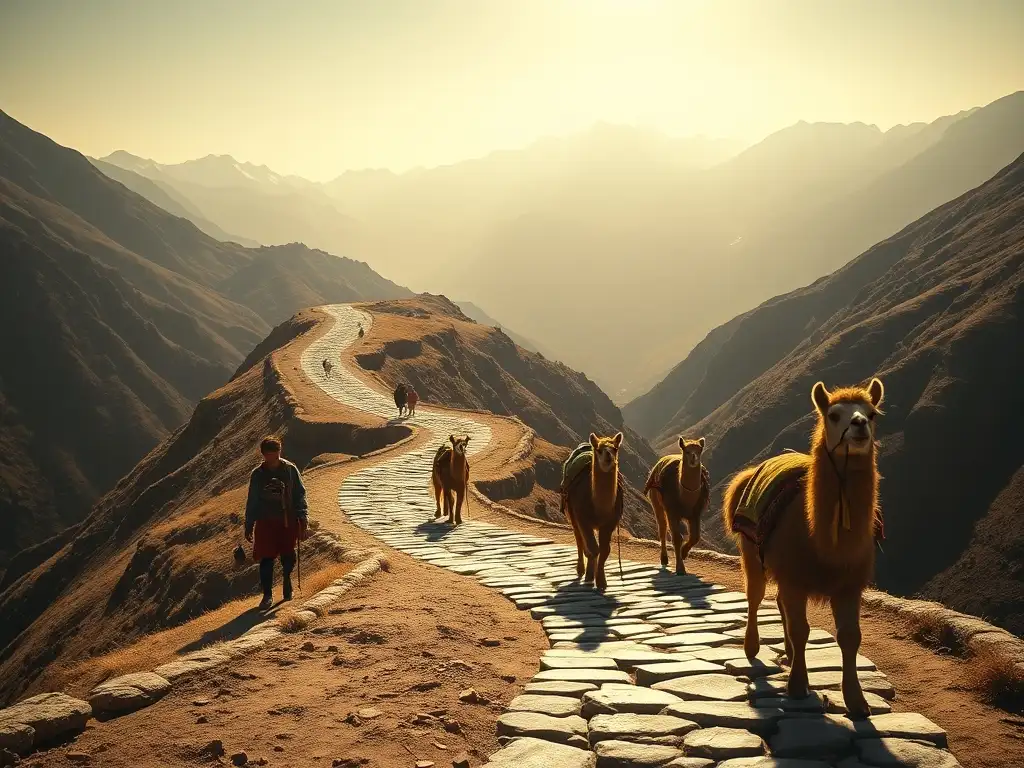
The Inca Empire, renowned for its sophisticated engineering feats, relied heavily on a vast network of roads to facilitate trade and economic exchange across its expansive territory. This intricate system of pathways, spanning thousands of kilometers through diverse and challenging terrain, acted as the lifeblood of the empire, connecting distant regions and enabling the efficient movement of goods, people, and information. The strategic design and construction of these roads weren't merely logistical achievements; they were fundamental to the empire's political stability, economic prosperity, and cultural integration.
Understanding the Inca road system is crucial to comprehending the scale and complexity of Inca trade routes and their impact on the empire's overall success. The efficiency of this system allowed for the rapid response to emergencies, the swift movement of armies, and the constant flow of essential resources, showcasing the empire's remarkable organizational capabilities.
The Role of Roads in Inca Commerce
The Inca road system played a pivotal role in shaping Inca commerce. Unlike many other ancient civilizations that relied on waterways for trade, the Incas, with their mastery of engineering, constructed roads that traversed mountains, valleys, and deserts. This infrastructure facilitated the exchange of a wide array of goods, from agricultural products like potatoes and maize to textiles, precious metals, and exotic goods from distant regions.
The roads themselves were not just pathways; they were carefully planned routes, often incorporating bridges, tunnels, and strategically placed waystations ( tambos). This meticulous planning ensured that trade could continue year-round, regardless of weather conditions or geographical obstacles. The standardization of road width and the construction of sturdy bridges across rivers and chasms minimized travel time and transportation costs, making trade more efficient and profitable.
The construction and maintenance of these roads also provided employment for a significant portion of the Inca population, further boosting the empire's economy. The availability of resources from different ecological zones, facilitated by the roads, increased food security and improved the quality of life across the empire.
Goods Traded along the Inca Paths
The Inca trade routes saw the movement of a diverse range of goods, reflecting the empire's vast resources and its sophisticated economic system. Agricultural products formed a significant part of this trade. Potatoes, maize, quinoa, coca leaves, and various fruits and vegetables were transported across the empire, ensuring food security and supporting the empire's large population.
Textiles, particularly those made from alpaca and llama wool, were highly valued and traded extensively. These textiles, often intricately woven with complex designs, were used for clothing, ceremonial purposes, and as a form of currency. Precious metals, such as gold and silver, were also significant trade items, used for ornamentation, religious artifacts, and royal tributes.
Other goods traded included ceramics, stone tools, salt, and various types of timber. The movement of these goods wasn’t merely a matter of commerce; it also contributed to the cultural exchange and integration within the empire. The distribution of goods across different regions fostered a sense of unity and shared identity.
The following table illustrates some key goods traded along the Inca trade routes:
| Category | Goods | Origin Region(s) | Destination Region(s) |
|---|---|---|---|
| Agricultural Goods | Potatoes, Maize, Quinoa, Coca Leaves | Varied across the empire | Varied across the empire |
| Textiles | Alpaca and Llama wool textiles | Highland regions | Coastal and highland regions |
| Precious Metals | Gold, Silver | Andean mountain ranges | Throughout the empire |
| Ceramics | Pottery, Figurines | Varied across the empire | Throughout the empire |
| Other Goods | Salt, Timber, Stone tools | Coastal regions, forests | Throughout the empire |
The Importance of Tambos (Waystations) in Inca Trade
The tambos, strategically located waystations along the Inca roads, played a crucial role in facilitating trade and ensuring the smooth flow of goods and people. These structures served as rest stops for travelers, providing accommodation, food, and supplies. More importantly, they acted as vital hubs for the relay system, enabling the rapid transmission of messages and the efficient distribution of goods. Tambos were often equipped with storage facilities, allowing for the temporary storage of goods during transport.
This prevented spoilage and ensured that goods reached their destinations in good condition. The presence of tambos also provided security for travelers and merchants, reducing the risk of robbery and other hazards. Furthermore, these waystations often served as administrative centers, facilitating the collection of taxes and the monitoring of trade activities.
The tambos weren't simply roadside accommodations; they were integral components of the Inca's sophisticated logistical system, demonstrating their remarkable ability to manage and control their extensive empire. Their strategic placement ensured the continuous flow of goods and information, underlining the importance of infrastructure in supporting the Inca's economic and political power. The standardized design and construction of tambos across the empire further highlight the central planning and control exerted by the Inca administration.
Inca Transportation Methods: Llamas and Human Porters
The Inca Empire, renowned for its sophisticated road network, relied on a surprisingly simple yet effective system of transportation to move goods along its extensive trade routes. While the roads themselves were a marvel of engineering, the actual movement of goods depended heavily on two primary methods: llamas and human porters. These weren't interchangeable; their use depended on the type of goods, the distance, and the terrain.
Llamas, the iconic camelids of the Andes, played a crucial role in long-distance transport, particularly for goods that were relatively lightweight and durable. Their ability to navigate the challenging Andean terrain, carrying up to 30% of their body weight, made them invaluable. However, llamas were not suited for all situations. Their speed was relatively slow, and their carrying capacity was limited.
Furthermore, llamas required careful management and regular rest stops, impacting the overall efficiency of transport. Their use was most effective for transporting goods like textiles, dried foods, and certain minerals over longer distances where the rugged terrain made other methods impractical. The Inca developed sophisticated techniques for managing their llama herds, including specialized herders and rest stations along major trade routes, showcasing their understanding of logistics and animal husbandry.
Human porters, known as chasquis, formed the backbone of the Inca transportation system for shorter distances and heavier goods. Organized into relay teams, they could swiftly transport items across shorter stretches of the road network, passing loads from one runner to the next. This system allowed for incredibly rapid communication and the movement of time-sensitive goods, such as messages or perishable foods.
The chasquis were highly trained and organized, demonstrating the Inca's dedication to efficiency. They were often selected for their physical endurance and loyalty, with their work considered essential to the functioning of the empire. The use of human porters highlights the Inca's ability to mobilize a significant portion of their population for essential tasks, underscoring the centralized nature of their government.
The physical demands placed on these individuals were immense, requiring considerable strength and stamina, a testament to their resilience and the importance of the Inca trade system. The system also reveals a deep understanding of human capabilities and the strategic use of manpower to support economic exchange.
The combination of llamas and human porters, each suited to different aspects of transport, showcases the Inca's practical approach to logistics. It wasn't simply about building roads; it was about developing a comprehensive system that efficiently moved goods across the vast empire, contributing significantly to the economic prosperity and stability of the Inca civilization.
The careful integration of these two methods ensured a robust and adaptable transportation network, perfectly suited to the unique challenges of the Andean environment and the demands of Inca trade. This ingenious system stands as a testament to the Inca's sophisticated understanding of logistics and their ability to harness both animal power and human labor to facilitate their extensive trade network.
Inca Trade Routes: A Network of Commerce
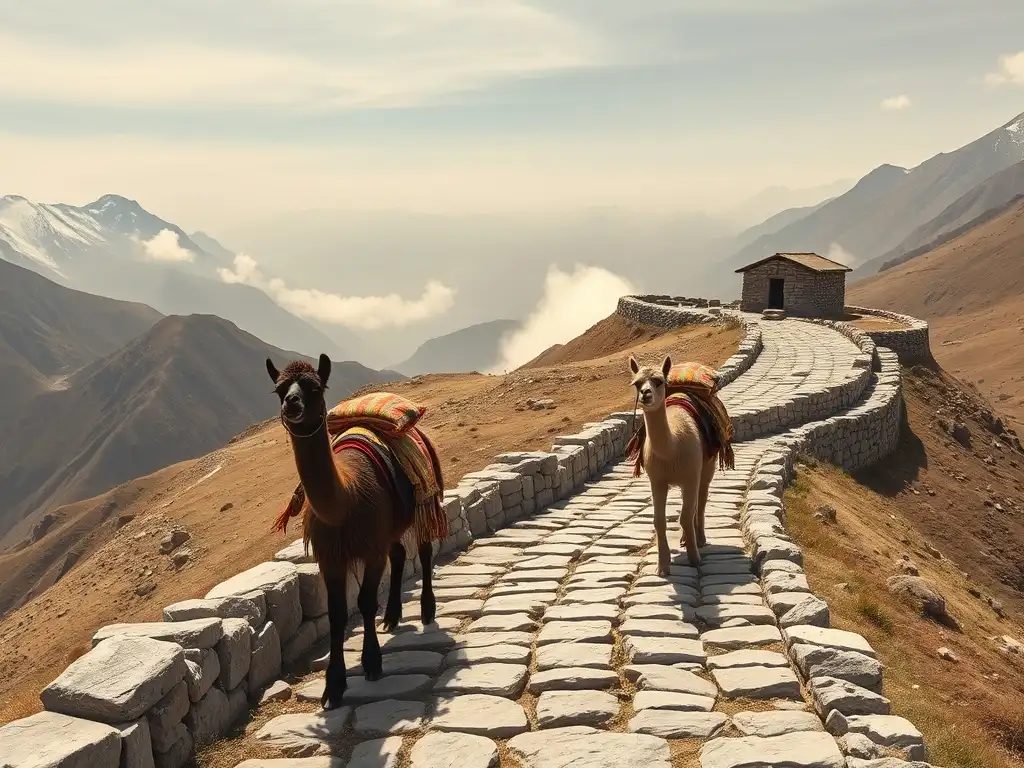
The Inca Empire, renowned for its sophisticated engineering feats, also possessed a remarkably efficient system of trade routes that facilitated the movement of goods and information across its vast territory. These routes, often carved into the challenging Andean terrain, weren't simply paths; they were the lifeblood of the empire, connecting distant regions and supporting a complex economy. Understanding the Inca trade routes is crucial to comprehending the empire's power and longevity.
The strategic placement and meticulous maintenance of these paths enabled the Incas to effectively manage resources, control conquered territories, and foster cultural exchange, solidifying their dominance in the Andes. The effectiveness of these routes is a testament to the Inca's organizational prowess and their mastery of infrastructure development. The sheer scale of the network, stretching thousands of kilometers across diverse landscapes, is a feat of logistical brilliance rarely matched in pre-Columbian societies.
Key Inca Trade Routes and Their Significance
Several key Inca trade routes stand out for their importance in connecting major population centers and facilitating the flow of goods. These arteries of commerce weren't just single paths, but rather networks of interconnected roads, often running parallel to each other for redundancy and safety.
- The Royal Road (Qhapaq Ñan): This is arguably the most famous Inca trade route, a vast network spanning over 40,000 kilometers. It connected the heart of the empire in Cusco to distant provinces, including the coastal regions and the Amazonian rainforest. Its significance lay not only in its length but also in its strategic placement, connecting crucial agricultural zones, mining areas, and administrative centers. The Royal Road facilitated the efficient transport of essential goods like maize, potatoes, textiles, and precious metals.
- Coastal Routes: The Inca Empire also possessed a network of coastal routes that connected the different port cities along the Pacific coast. These routes were essential for trade with coastal communities and for the transport of marine resources like fish and salt. These routes were vital for supplementing the agricultural production of the highlands and provided access to vital trade goods from other coastal regions. The accessibility of these routes allowed for efficient distribution of goods from both land and sea.
- Highland Routes: The high-altitude routes, often traversing treacherous mountain passes, were crucial for connecting the various highland communities and accessing crucial resources from high-altitude regions. These routes were often challenging to build and maintain, requiring sophisticated engineering techniques. The goods transported along these paths included alpaca wool, precious metals, and other highland-specific resources. Their construction and maintenance demonstrate the impressive engineering skills of the Inca civilization.
The significance of these routes extended beyond mere trade. They facilitated the movement of armies, messengers, and officials, allowing for efficient administration and control over the vast empire. The strategic placement of tambos (roadside inns) along these routes provided rest stops for travelers and assisted in the overall efficiency of the trade system. The integration of these logistical elements allowed for the smooth functioning of the Inca state.
Regional Trade and Connections within the Inca Empire
The Inca trade routes weren't just about connecting Cusco to distant provinces; they also facilitated extensive regional trade and exchange within the empire. Different regions specialized in producing specific goods, leading to a complex system of inter-regional exchange. This system fostered economic interdependence between various regions, contributing to the overall stability and prosperity of the empire.
For example, the coastal regions provided fish, salt, and cotton, while the highlands produced potatoes, maize, and alpaca wool. The Amazonian rainforest contributed exotic goods like feathers and medicinal plants. This exchange wasn’t simply a matter of bartering; it was a carefully managed system that ensured the distribution of essential resources throughout the empire. The Inca government actively managed this trade, ensuring a steady flow of goods to support the population and the military. This intricate network of exchange highlights the sophisticated economic organization of the Inca civilization.
The efficient movement of goods was facilitated by a highly organized system of mit'a, a form of labor tax where individuals were required to contribute their services to the state. This included road construction and maintenance, as well as the transportation of goods along the trade routes. This system ensured that the infrastructure remained in good condition and that the trade routes continued to function effectively. The effectiveness of the mit'a system is a testament to the Inca's ability to mobilize labor for the benefit of the empire.
Inca Trade Policies and Regulations
The Inca Empire didn't operate on a free-market system. The state played a significant role in regulating trade, ensuring the equitable distribution of resources and the maintenance of social order. Inca trade policies were designed to support the empire's needs while also promoting fairness and stability. This involved creating a system of storage facilities ( qollqas) to store surplus goods and ensuring their distribution during times of scarcity. This prevented widespread famine and ensured the well-being of the population.
The government controlled the production and distribution of certain key goods, particularly those considered essential for the survival of the population. This control allowed them to prevent price gouging and ensure that everyone had access to necessary items. This centralized control allowed the Incas to efficiently manage the resources of the empire and utilize them to maintain power and social order.
The movement of goods was also carefully monitored to prevent smuggling and unauthorized trade. This control helped to maintain the stability of the empire and ensure the smooth functioning of the economic system. While the Inca system wasn't entirely without its flaws, the intricate web of trade regulations and policies reveals a sophisticated understanding of economic management and social control.
The effectiveness of this system speaks to the Inca's ability to govern a large and diverse empire effectively. The Inca's ability to manage this complex system showcases their administrative capabilities and contributed greatly to the empire's overall strength and longevity.
Impact of Inca Roads on Regional Economies
The Inca road system profoundly impacted regional economies throughout the empire. Prior to Inca rule, trade was often localized and limited by challenging Andean geography. The construction of the Qhapaq Ñan (the Royal Road) fundamentally altered this landscape, creating a unified market and fostering economic interdependence between previously isolated regions. This integration facilitated the movement of goods, services, and people on an unprecedented scale, leading to significant economic growth and development.
The efficient transport network allowed for the redistribution of resources, ensuring that surplus production from fertile valleys reached less productive areas. This prevented famines and ensured a more equitable distribution of essential goods like food, textiles, and building materials. For example, the coastal regions, known for their fishing and cotton production, could readily exchange their goods for agricultural products from the highlands, creating a symbiotic relationship that benefited both areas. This interconnectedness fostered specialization: regions could focus on producing goods where they had a comparative advantage, leading to increased efficiency and productivity.
The standardization of weights and measures, facilitated by the improved communication and trade fostered by the road network, also played a crucial role in economic stability. This standardization allowed for fairer transactions and reduced disputes, further enhancing economic activity. The roads also served as conduits for the mit'a system, a form of labor tax that required citizens to contribute their time and skills to public works projects.
While this system could be burdensome, it also contributed to the ongoing maintenance and improvement of the roads, ensuring their long-term viability and positive impact on the economy. The constant flow of goods and services along these routes generated wealth and prosperity throughout the empire, solidifying the Inca's political and economic power.
The creation of a unified market was not just a logistical achievement but a fundamental element in the empire's economic success. The roads themselves became economic assets, generating employment and revenue through their construction and maintenance.
The Legacy of Inca Roads and Trade
The Inca road system, the Qhapaq Ñan, wasn't merely a network of paths; it was the lifeblood of the vast Inca Empire, a testament to their sophisticated engineering and logistical prowess. This intricate system facilitated the efficient movement of goods, people, and information across diverse and challenging Andean terrains, profoundly shaping the economic, social, and political landscape of the empire. The legacy of this remarkable achievement continues to resonate even today.
Understanding the Inca trade routes means understanding the very fabric of Inca society and its remarkable ability to unify such a geographically diverse empire. The sheer scale of the project, encompassing over 40,000 kilometers of pathways, is breathtaking. Consider the sheer logistical challenge of constructing and maintaining such a network across the Andes, navigating steep mountains, deep valleys, and treacherous terrains.
This required advanced planning, organization, and a highly skilled workforce, showcasing the Inca's mastery of engineering and project management. The impact of this intricate system on Inca trade and societal structure was immense, influencing everything from the distribution of resources to the spread of religious beliefs.
The Enduring Impact of the Inca Road System
The Inca road system wasn't simply a network for transporting goods; it was a crucial element in the empire's social and political control. The roads facilitated the rapid movement of armies, allowing the Inca to swiftly quell rebellions and maintain order across vast distances. This military advantage was paramount in consolidating and expanding their dominion.
Furthermore, the roads enabled efficient communication, with chasquis, relay runners, transmitting messages across the empire with remarkable speed. This swift communication network was essential for coordinating administrative tasks, disseminating decrees, and responding to emergencies. The impact extended to cultural exchange, as the roads facilitated the movement of people and ideas, contributing to the homogenization of Inca culture and the spread of religious beliefs.
This interconnectedness fostered a sense of unity and shared identity within the diverse populations of the empire. The legacy of this unified communication and transportation system is still visible today in the enduring impact on the cultural landscape of the Andes. The Inca's ability to connect disparate communities through their extensive road network is a testament to their ingenuity and organizational capabilities.
Modern Day Significance of the Qhapaq Ñan
The Qhapaq Ñan, now a UNESCO World Heritage site, holds significant modern-day relevance. Its historical and cultural importance is undeniable, attracting tourists and scholars alike, contributing significantly to the economies of the Andean nations. The preservation and study of the Qhapaq Ñan offer valuable insights into Inca engineering techniques, resource management, and societal organization.
This knowledge can inform contemporary infrastructure projects, providing inspiration for sustainable and environmentally responsible development in challenging terrains. Moreover, the Qhapaq Ñan serves as a powerful symbol of Andean identity and cultural heritage, fostering a sense of pride and connection among the descendants of the Inca civilization. The road system's continued existence is a reminder of the ingenuity and resilience of the Inca people, inspiring future generations to appreciate and protect their legacy.
Its significance extends beyond mere tourism; it represents a living connection to the past, offering valuable lessons for the future. The ongoing research and preservation efforts ensure that the knowledge and cultural significance of this remarkable achievement continue to benefit present and future generations.
Preservation Efforts for Inca Trade Routes
Preserving the Qhapaq Ñan requires a multifaceted approach involving various stakeholders. Governments in the Andean region are increasingly investing in conservation projects, aiming to protect the remaining sections of the road system from deterioration and encroachment. Archaeological research plays a vital role in understanding the construction techniques and the significance of specific sections of the road. This detailed research informs the development of effective preservation strategies.
Community involvement is crucial; local communities often hold vital traditional knowledge about the Qhapaq Ñan, contributing significantly to its preservation. Their participation ensures that preservation efforts are culturally sensitive and sustainable. Furthermore, international collaborations are essential for sharing expertise, resources, and best practices in heritage preservation.
The collaborative efforts of researchers, governments, and local communities are essential for the long-term preservation of this invaluable historical asset. The challenges are significant, including the effects of climate change and the increasing pressure of tourism, but the collective commitment to preserving the Qhapaq Ñan ensures the legacy of Inca trade routes will continue to inspire and educate for years to come. The ongoing effort highlights the global importance of preserving cultural heritage for future generations.
Lessons from Inca Logistics and Trade Networks
The Inca road system wasn't just a network of paths; it was a sophisticated logistical marvel that facilitated unprecedented trade and communication across a vast, challenging terrain. Analyzing the Inca approach offers valuable insights for modern logistics and supply chain management. Their success stemmed from a combination of strategic planning, efficient infrastructure, and a highly organized system of resource allocation.
The sheer scale of their undertaking, connecting distant regions with diverse climates and resources, is truly remarkable. For example, the intricate system of tampus, or waystations, provided essential resting places for travelers and relay points for messengers, ensuring the continuous flow of goods and information. This concept of strategically placed hubs mirrors modern distribution centers, highlighting the timeless relevance of efficient network design.
The Inca's mastery extended beyond infrastructure. Their understanding of resource management and inventory control was crucial to their success. They implemented a system of mit'a, a form of labor tax, which provided a workforce for road construction and maintenance, as well as for the production and transportation of goods.
This system, while debated for its social implications, undeniably demonstrated a centralized approach to resource allocation, ensuring the availability of labor and materials for the empire's needs. Modern businesses can learn from this organized approach to workforce management and project execution, understanding the importance of carefully planning resource allocation to ensure smooth operations.
Furthermore, the Inca's ability to adapt their transportation methods to the diverse geography of their empire is a crucial lesson. They employed different modes of transport, including llamas for mountainous regions and rafts for water routes, demonstrating adaptability and flexibility in their logistical strategies. This highlights the importance of understanding the specific constraints of the environment and adjusting strategies accordingly, a key element in modern supply chain resilience.
Their ability to overcome geographical challenges with innovative solutions is a testament to their engineering prowess and a source of inspiration for contemporary logistics professionals striving for efficient and adaptable systems. The Inca approach to trade route management underscores the importance of recognizing and responding to environmental factors and their impact on the efficiency of transportation networks. Modern companies can benefit from this by incorporating environmental considerations into their logistical planning, ensuring sustainability and resilience.
Frequently Asked Questions
What role did roads play in the Inca Empire's success?
The Inca road system, a marvel of engineering, was crucial to their success. It facilitated efficient trade, military movement, and communication across vast distances, unifying their empire. This network was essential for political and economic control.
How did the Inca manage to build such an extensive road network?
The Inca utilized advanced engineering techniques, including terracing, stonework, and suspension bridges, adapted to the challenging Andean terrain. Compulsory labor (mita) provided the workforce for construction. Their understanding of mountain geography was also key.
What kinds of goods were traded along the Inca roads?
The Inca trade routes facilitated the exchange of a wide variety of goods, including agricultural products (potatoes, maize, coca), textiles, metals (gold, silver), and luxury items. Llama caravans were vital for transporting these goods.
Were the Inca trade routes solely for the benefit of the elite?
While the elite certainly benefited from the efficient distribution of resources, the Inca road system also served the needs of the entire empire. It ensured food security and the distribution of essential goods to all regions.
How did the Inca trade system differ from those of other Andean civilizations?
While other Andean civilizations had their own trade networks, the Inca system was notable for its scale and integration. The extensive road network and centralized administration allowed for unprecedented control over trade and resource distribution across the vast empire.
Final Reflection: The Enduring Legacy of Inca Roads
The intricate network of Inca roads, far from being a relic of the past, continues to resonate in the modern world, a testament to the power of strategic infrastructure and its profound impact on societal development. These ancient pathways, meticulously engineered across treacherous terrain, serve as a powerful reminder of the ingenuity and organizational prowess of the Inca Empire, and their enduring influence on the very landscape of South America. Their legacy extends far beyond mere historical significance; they represent a timeless lesson in connectivity, resource management, and the creation of lasting societal impact.
The impact of the Inca road system transcends its purely economic function; it fostered a sense of unity and cultural exchange across vast distances, shaping the very fabric of Andean society. The roads were not merely arteries of commerce, but veins of communication, carrying news, ideas, and cultural practices throughout the empire.
This quote encapsulates the profound social and cultural influence of these roads, an influence that continues to shape our understanding of ancient civilizations and their ability to overcome seemingly insurmountable geographical challenges. The echoes of their construction and use are still felt today, in the very communities that occupy the spaces once traversed by Inca messengers and traders.
Consider the implications of this legacy. How can we, in our own time, learn from the Inca's commitment to infrastructure and its role in fostering societal progress? You, the reader, are now challenged to reflect on the connections between past and present, to consider how strategic planning and investment in infrastructure can shape our own communities and contribute to a more interconnected and prosperous future. Let the enduring spirit of the Inca roads inspire you to build bridges, both literally and figuratively, fostering collaboration and progress in your own sphere of influence.
Unveil the Ancient Trade Routes that Shaped Civilization!
Thank you for exploring the fascinating world of Inca roads and trade! Your interest in ancient commerce deepens our collective understanding of Andean history. Let's continue this journey together.
Here are some ways you can further explore this topic:
- Visit a local museum with artifacts from ancient Andean civilizations to better understand their trade practices. Seeing these objects firsthand can bring the past to life.
- Share this article with friends and family, sparking a conversation about the impact of trade on cultures, both historically and in the present day.
- Join an online community or social media group focused on Andean history to discuss the Inca's impressive trade networks and share your insights.
What new insights into trade and commerce have you gained from learning about the Inca Roads, and which aspects would you like to explore further?