
The Pulse of the Andes: Exploring the Rhythms of Andean Building Practices

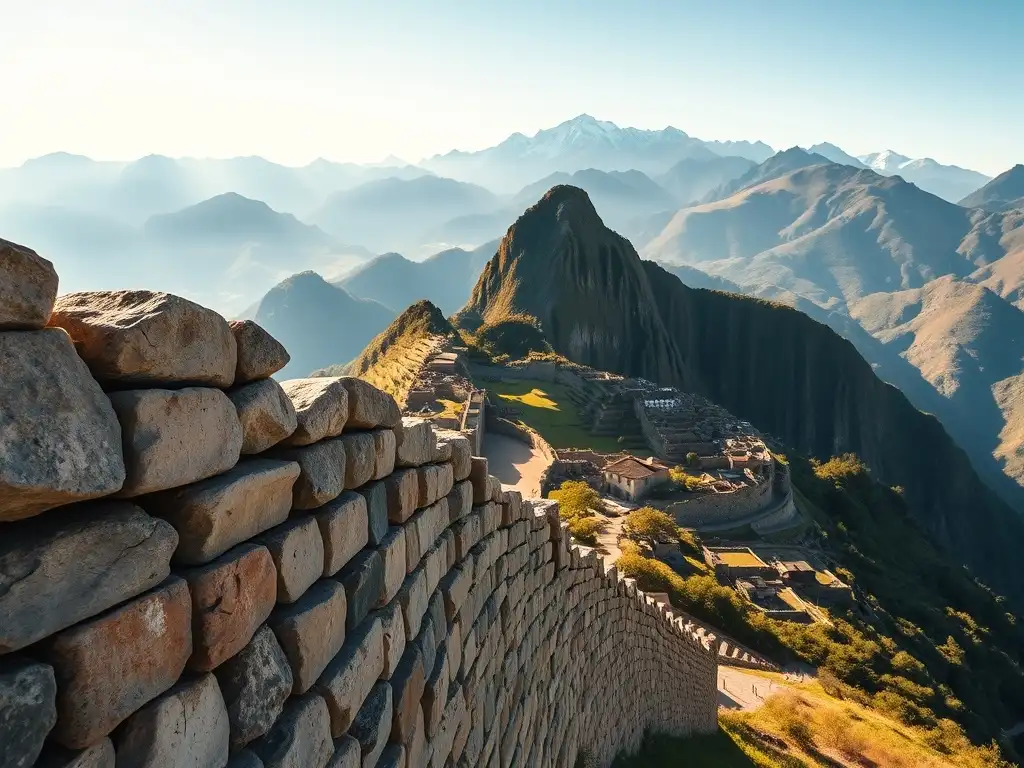
Uncover the secrets whispered in the stones… Journey with us into the heart of the Andes, where civilizations flourished and left behind a legacy etched in breathtaking architecture. From the towering heights of Machu Picchu to the intricate designs of Nazca lines, the Andean building techniques history holds clues to astonishing ingenuity and resilience. Prepare to be amazed as we delve into the mysteries of these ancient masters and their remarkable achievements. Are you ready to explore?
The Andes Mountains, a spine of towering peaks and deep valleys stretching along the western coast of South America, served as both a formidable challenge and a source of inspiration for the ancient civilizations that thrived there. For millennia, ingenious Andean builders shaped the landscape, constructing breathtaking cities, intricate irrigation systems, and awe-inspiring monuments using techniques uniquely adapted to their environment.
This article delves into the fascinating world of Andean building practices, examining the materials, methods, and ingenuity that enabled these remarkable achievements, offering a glimpse into the history and evolution of Andean building techniques. We will explore how these techniques reflect not only the practical needs of the societies but also their profound connection to the Andean landscape and cosmology.
Understanding these techniques provides a crucial key to unlocking the secrets of these remarkable cultures and their enduring legacy. This exploration will focus on the history of Andean building techniques, examining their development and impact across different Andean cultures, from the pre-Inca civilizations to the Inca Empire.
Harnessing the Power of Stone: Quarrying and Shaping
Andean builders demonstrated a mastery of stonework unlike any other. Their ability to quarry, transport, and precisely shape massive blocks of stone is a testament to their advanced engineering skills and sophisticated understanding of materials. Different cultures employed varying techniques, reflecting both local geological conditions and cultural preferences.
For example, the Inca utilized a technique known as ashlar masonry, where precisely cut stones were fitted together without mortar, creating incredibly strong and durable structures. The precision is astonishing; many stones fit so perfectly that a knife blade cannot be inserted between them. This meticulous craftsmanship is evident in sites like Machu Picchu, where the stones seem almost impossibly interlocked.
Other cultures, such as the Tiahuanaco, employed different methods, often using larger, less precisely cut stones, but still achieving remarkable stability and longevity. The sheer scale of some of these projects, such as the movement of colossal stones over significant distances, remains a subject of ongoing research and debate, highlighting the impressive organizational and technological capabilities of Andean societies. The logistical challenges involved in transporting these massive stones across rugged terrain are immense and underscore the sophisticated planning and manpower required for these monumental undertakings.
Beyond Stone: Utilizing Diverse Materials in Andean Construction
While stone was a dominant material, Andean builders were far from limited in their resourcefulness. They cleverly incorporated a range of materials, including adobe bricks (sun-dried mud bricks), timber, and thatch, adapting their construction methods to suit the available resources and the specific needs of the structure. Adobe bricks, prevalent in warmer, drier regions, provided an economical and readily available building material, while timber played a crucial role in roofing and structural elements, particularly in areas with abundant forests.
Thatch, often used for roofing, provided insulation and protection from the elements. The combination of these materials demonstrates a nuanced understanding of material properties and an adaptive approach to construction, reflecting the diverse environments across the Andes.
Furthermore, the use of these diverse materials often reflected the cultural and symbolic significance attributed to them within specific Andean societies. For example, [specific information pending] regarding the symbolic usage of particular types of wood or stone in specific constructions.
Ingenious Techniques: Mortarless Masonry and Earthquake Resistance
The mastery of mortarless masonry is a hallmark of Andean building techniques. This intricate process involved precise shaping and fitting of stones, often without the use of mortar, creating incredibly strong and durable structures. The techniques varied across different cultures and regions, but the underlying principle remained consistent: a deep understanding of stone properties and a remarkable ability to achieve stability through careful placement and interlocking.
Moreover, the structures often demonstrated a surprising resilience to earthquakes, a common occurrence in the Andes. This resilience, achieved through techniques like meticulous stone fitting and the use of specific foundation designs, is a testament to the sophisticated engineering knowledge of Andean builders.
Further research is needed to fully understand the specific techniques employed to achieve this remarkable seismic resistance; [specific information pending] on this aspect. The integration of these resistant techniques into Andean architecture speaks volumes about their deep understanding of the environment and their ability to adapt to its challenges.
The Legacy of Andean Building Practices: Enduring Influence and Modern Applications
The innovative and sustainable building techniques of the ancient Andean civilizations continue to inspire architects and engineers today. The principles of earthquake resistance, efficient use of local materials, and the integration of structures into the landscape are particularly relevant in contemporary construction. Many modern buildings incorporate elements inspired by Andean techniques, highlighting the enduring legacy of these ancient masters. Further study of these techniques offers valuable lessons for sustainable and resilient building practices in the 21st century.
The study of ancient Andean construction presents not only a fascinating historical perspective but also a wealth of knowledge for addressing modern engineering challenges. [Specific examples of modern applications pending]. The ingenuity of these ancient builders continues to resonate, reminding us of the enduring power of human creativity and adaptation.
- Harnessing the Power of Stone: Quarrying and Shaping
- Beyond Stone: Utilizing Diverse Materials in Andean Construction
- Ingenious Techniques: Mortarless Masonry and Earthquake Resistance
- The Legacy of Andean Building Practices: Enduring Influence and Modern Applications
- What unique building techniques did Andean civilizations employ?
- How did the Inca adapt their building techniques to diverse environments?
- What role did religion play in Andean building practices?
- What materials were commonly used in Andean construction?
- How has the study of Andean building techniques advanced our understanding of their societies?
A Journey Through Time: Understanding Andean Construction History
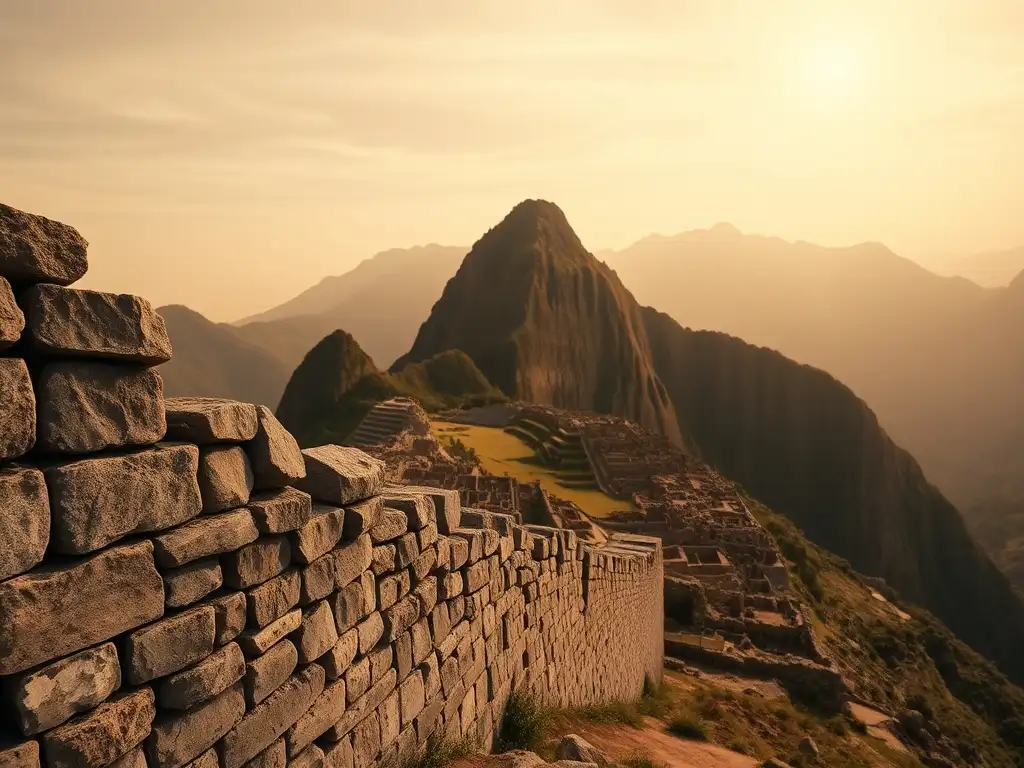
This section delves into the fascinating evolution of Andean building techniques, tracing their development from rudimentary structures to the sophisticated architectural marvels that characterize the region's history. We will explore the diverse approaches employed by different Andean cultures, highlighting the ingenuity and adaptability inherent in their construction methods. Understanding this history provides crucial context for appreciating the complexity and significance of Andean architecture. The keyword, "Andean building techniques history," is central to this exploration, illuminating the ingenuity and adaptation shown throughout the centuries.
The Foundations of Andean Architecture: Early Building Methods
The earliest Andean building methods were largely dictated by available resources and environmental conditions. Simple structures, primarily utilized for dwellings and storage, often employed readily available materials such as adobe bricks (sun-dried mud bricks), stone, and thatch. These early structures, while seemingly basic, demonstrate a sophisticated understanding of local materials and their properties.
For instance, the use of adobe bricks, prevalent across various Andean cultures, showcases an understanding of the optimal mixture of mud, water, and organic matter to achieve both strength and durability. The construction process itself, often involving communal labor, reflects the social organization and collaborative spirit of these early Andean societies. Evidence suggests that even these early structures incorporated basic engineering principles, such as carefully laid foundations to ensure stability in earthquake-prone regions.
The meticulous placement of stones, even in less complex structures, points to a deep appreciation of structural integrity. Further research is needed to fully understand the exact techniques employed in early Andean construction, particularly regarding the binding agents used in adobe and stone structures. [Specific information pending on binding agents used in early Andean structures].
Pre-Inca Construction Techniques: Diversity Across Cultures
The pre-Inca period witnessed a remarkable diversity of building techniques across different Andean cultures. The Moche, for example, are renowned for their intricate adobe architecture, including monumental pyramids and elaborate palaces. Their mastery of adobe brick-making allowed them to create incredibly intricate and detailed structures. In contrast, the Nazca culture, famous for their geoglyphs, also developed sophisticated techniques for constructing large-scale irrigation systems and impressive ceremonial centers.
These systems, often incorporating sophisticated hydraulic engineering, showcase a deep understanding of water management and construction on a significant scale. The Tiahuanaco culture, known for its monumental stone architecture, employed advanced stone-cutting and joining techniques, resulting in precisely fitted blocks of immense size. This precision is evident in the construction of Akapana, a massive platform mound, demonstrating remarkable engineering prowess.
The differences in building techniques between these cultures reflect their unique environments, social structures, and technological advancements. A comparative analysis of pre-Inca building practices reveals a rich tapestry of innovative solutions to common architectural challenges. Below is a table summarizing key differences:
| Culture | Primary Building Material | Notable Architectural Features | Key Techniques |
|---|---|---|---|
| Moche | Adobe bricks | Pyramids, palaces | Advanced adobe brick-making, intricate designs |
| Nazca | Adobe, stone | Irrigation canals, ceremonial centers | Hydraulic engineering, large-scale construction |
| Tiahuanaco | Stone | Massive stone structures, Akapana | Precise stone cutting and joining |
Evolution of Andean Building: From Simple Structures to Complex Designs
The Inca Empire inherited and significantly advanced existing Andean building techniques. They standardized many aspects of construction, employing a sophisticated system of standardized stone blocks. The Inca's mastery of dry-stone masonry, a technique that uses no mortar, is particularly impressive. The precision of their stonework, with blocks fitting together seamlessly, is a testament to their advanced engineering skills.
This is evident in their iconic structures like Machu Picchu and Sacsayhuamán. The Inca also developed advanced techniques for constructing roads, bridges, and irrigation systems, facilitating communication and resource management across their vast empire. Their building practices reflect a sophisticated understanding of engineering principles, including seismic resilience, demonstrating their adaptation to the challenging Andean environment.
The evolution from simpler, smaller structures to the monumental architecture of the Inca Empire highlights the continuous refinement and innovation in Andean building techniques throughout history. The Inca's innovations were not just about scale; they also involved improvements in efficiency and standardization, allowing for the rapid construction of large-scale projects across diverse terrains. The legacy of these Andean building techniques continues to inspire awe and admiration, showcasing the ingenuity and resilience of Andean civilizations.
Unveiling the Secrets: Key Andean Building Techniques
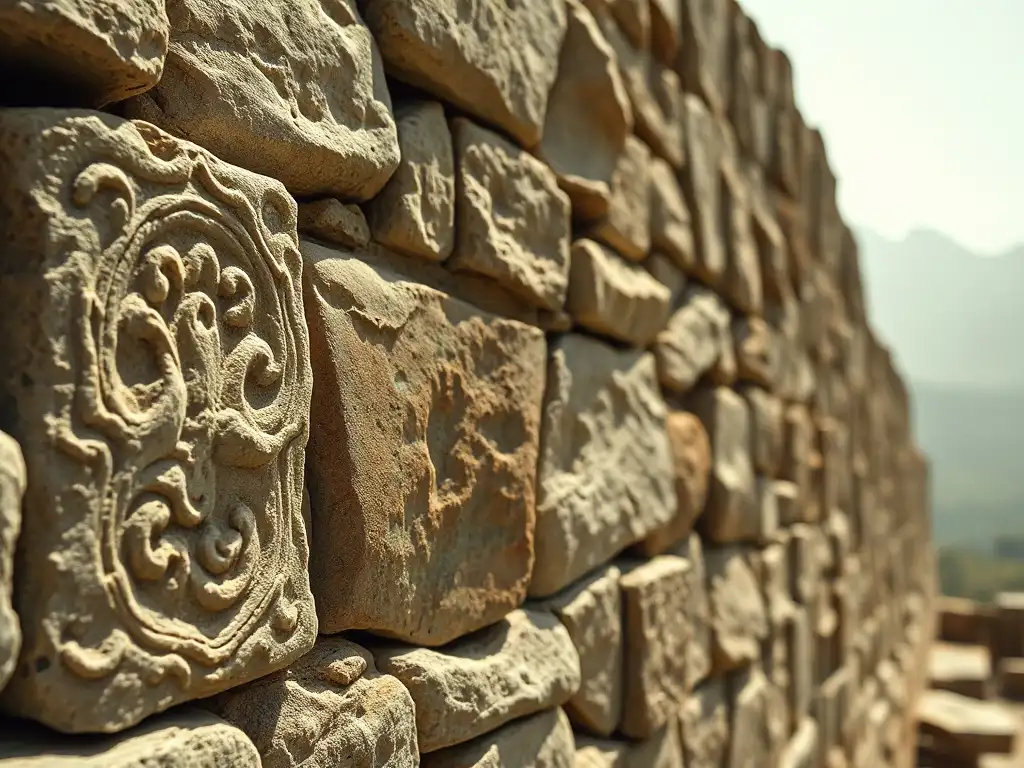
The Andes Mountains, a spine of towering peaks and deep valleys, presented unique challenges and opportunities for the ancient civilizations that thrived there. Their architectural achievements, a testament to ingenuity and adaptation, are a fascinating study in "Andean building techniques history." Mastering the environment, these cultures developed diverse and sophisticated building methods, utilizing readily available materials in innovative ways. This section delves into the core techniques that shaped the iconic landscapes and monumental structures of the Andes.
The Mastery of Stone: Andean Masonry Techniques
Andean stonework is renowned for its precision and artistry, a testament to the advanced engineering and craftsmanship of the time. The sheer scale of some structures, like Machu Picchu, is awe-inspiring, and a closer look reveals the intricate techniques employed.
Ashlar Masonry: Precision in Stone Cutting and Placement
Ashlar masonry, characterized by precisely cut and shaped stones fitted together without mortar, represents the pinnacle of Andean stonework. This technique required advanced tools and a deep understanding of geometry. Stones were carefully selected, cut, and shaped to interlock perfectly, creating incredibly strong and durable walls.
The famous walls of Sacsayhuamán, near Cusco, exemplify this mastery, with stones weighing many tons fitted together with seemingly impossible precision. The level of accuracy achieved is truly remarkable, and demonstrates a sophisticated understanding of engineering principles. The absence of mortar in many cases highlights the precision of the stone cutting and fitting, relying on gravity and the interlocking shapes for structural integrity.
Fieldstone Construction: Utilizing Local Resources in Andean Architecture
In contrast to the precision of ashlar masonry, fieldstone construction utilized readily available, irregularly shaped stones. While less refined in appearance, this technique was highly practical, especially in areas where quarrying ashlar stone was difficult or impractical. This method involved selecting stones of various sizes and shapes and carefully placing them to create stable walls.
Mortar was often used to fill gaps and bind the stones together, increasing the structural stability. This approach demonstrates adaptability and resourcefulness, showcasing how Andean builders adapted their techniques to the specific environmental and material constraints of different regions. The use of fieldstone was prevalent in rural areas and smaller structures, showcasing a pragmatic approach to construction.
The Significance of Mortar and its Absence in Some Andean Structures
The use of mortar in Andean construction varied significantly depending on the type of stonework, the intended function of the structure, and the availability of suitable materials. While ashlar masonry often avoided mortar, relying instead on the precision of the stone fitting, fieldstone constructions frequently incorporated mortar to bind the stones. The types of mortar used also varied, with mixtures of clay, sand, and other local materials being common.
The absence of mortar in some structures, particularly those built with ashlar masonry, is often cited as evidence of the builders' mastery of stonework and their ability to create structurally sound walls without it. Further research is needed to fully understand the precise composition and properties of different Andean mortars and their impact on the longevity of structures.
Earth and Adobe: Andean Building with Natural Materials
Beyond stone, earth played a crucial role in Andean building practices. The abundance of fertile soil in many regions led to the development of sophisticated earth construction techniques, resulting in durable and aesthetically pleasing structures.
Adobe Construction: Shaping Earth for Durable Structures
Adobe, sun-dried bricks made from a mixture of clay, sand, and water, formed the basis of many Andean buildings, particularly in drier regions where the climate was conducive to sun-drying. The process involved carefully mixing the earth components, shaping them into bricks, and allowing them to dry in the sun. These bricks were then used to construct walls, often reinforced with wooden beams or other structural elements.
The use of adobe demonstrates an understanding of material properties and the ability to create strong, durable structures using readily available materials. The design and construction of adobe structures often incorporated features to protect against the elements, such as thick walls and overhanging roofs. Different regions developed variations in adobe construction, reflecting local environmental conditions and cultural traditions.
The Use of Tapial: Rammed Earth Techniques in the Andes
Tapial, a rammed earth technique, involved compacting layers of earth and other materials into forms to create solid walls. This method was particularly effective in creating thick, stable walls that offered good insulation and protection from the elements. The exact composition of the earth mixture varied depending on the local soil conditions, and often included stabilizing agents like straw or other organic materials. This technique was widely used in a range of structures, from houses and temples to fortifications.
The durability and longevity of tapial structures are evident in many surviving examples, highlighting the effectiveness of this ancient Andean building method. The ability to create strong, stable structures using readily available earth materials showcases the resourcefulness and ingenuity of Andean builders. Further study of tapial construction could offer valuable insights into sustainable and earth-friendly building practices.
Adapting to the Environment: Andean Construction and Seismic Activity
The Andes Mountains are a seismically active region, a fact that profoundly shaped the architectural ingenuity of its ancient inhabitants. Understanding the relationship between Andean building techniques and seismic activity is crucial to appreciating the remarkable achievements of these civilizations. The frequent tremors and occasional devastating earthquakes necessitated the development of construction methods that prioritized flexibility and resilience. Unlike many other ancient civilizations that built primarily with rigid materials, Andean builders cleverly adapted their techniques to the volatile geological landscape.
Their success is a testament to keen observation of nature and a deep understanding of structural mechanics. This understanding wasn't simply theoretical; it was born from generations of experience living with and adapting to the powerful forces of the earth. The legacy of these techniques is visible in the structures that have survived for centuries, standing as silent witnesses to a remarkable engineering prowess.
Flexible Construction Methods: Protecting Andean Buildings from Earthquakes
One of the most striking features of Andean construction is its inherent flexibility. Instead of relying on monolithic structures, builders employed techniques that allowed buildings to sway and absorb seismic energy. This was achieved through several key methods. For example, the use of interlocking stones, carefully fitted together without mortar in many cases, allowed for a degree of movement between components.
This "dry-stone" masonry, a hallmark of Andean architecture, enabled the structure to flex rather than fracture under stress. Furthermore, the incorporation of relatively lightweight materials, such as adobe and wood, reduced the overall mass of the buildings, mitigating the impact of seismic forces. The strategic placement of these materials further enhanced the building's ability to withstand shaking.
Evidence suggests that builders also incorporated techniques to isolate the foundation from the main structure, allowing for independent movement during an earthquake. This intricate understanding of seismic forces and their impact on building design is a significant testament to the advanced engineering knowledge of Andean civilizations. The survival of numerous structures through countless earthquakes stands as undeniable proof of the effectiveness of these methods.
The Ingenious Use of Building Materials for Seismic Resilience
The choice of building materials was another crucial aspect of Andean seismic resilience. The availability of diverse materials in the Andean region allowed for a nuanced approach to construction, tailored to the specific environmental and seismic conditions. Stone, readily available in many parts of the Andes, was meticulously selected and shaped to fit perfectly, creating strong, yet flexible walls.
Adobe, a sun-dried brick made from clay and organic materials, was widely used, particularly in lower altitudes. While seemingly fragile, adobe's inherent plasticity allowed it to absorb seismic shocks more effectively than rigid materials. The use of wood, particularly in roof structures, provided additional flexibility and reduced overall weight.
The careful combination of these materials—stone for stability, adobe for flexibility, and wood for lightness—demonstrates a sophisticated understanding of material properties and their interaction under seismic stress. This integrated approach, combined with the ingenious construction techniques, resulted in buildings that not only withstood earthquakes but also adapted to the harsh Andean climate, showcasing a remarkable synergy between engineering and environmental awareness.
The Legacy of Andean Building: Examples and Case Studies
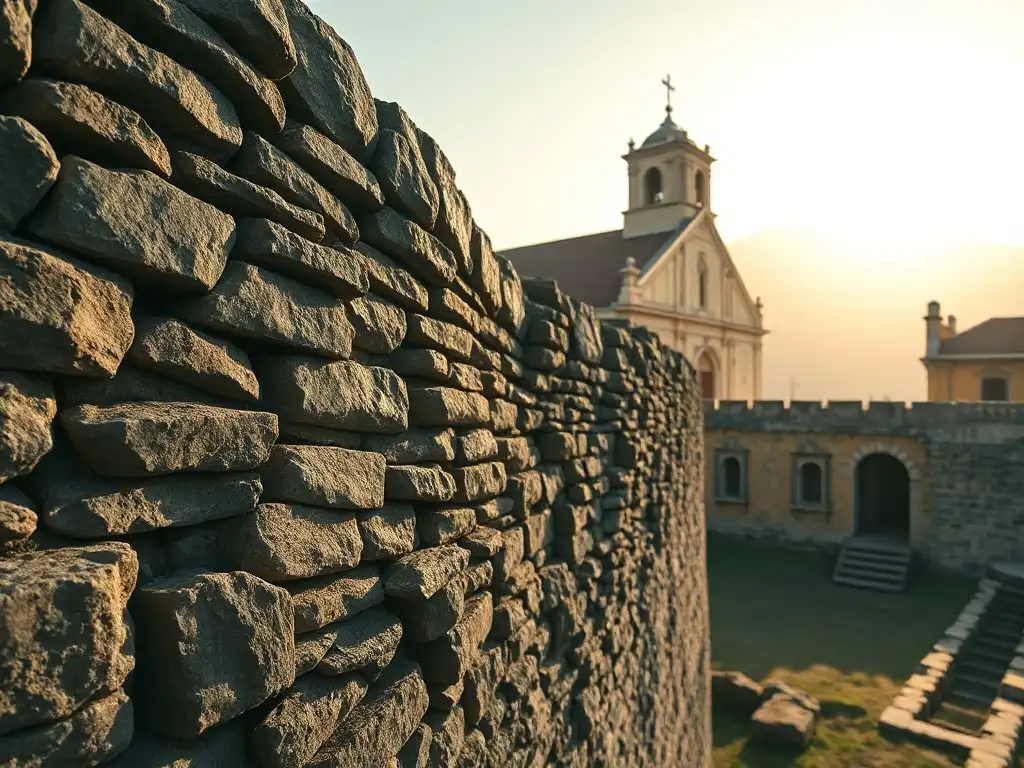
This section delves into the remarkable achievements of Andean builders, showcasing specific examples that highlight the ingenuity and sophistication of their techniques. We'll explore how these techniques, developed over centuries, allowed for the construction of monumental structures that continue to amaze and inspire awe. Understanding the Andean building techniques history is crucial to appreciating the lasting impact of these civilizations. The mastery of stonework, adaptation to challenging terrains, and innovative construction methods all contributed to the unique architectural landscape of the Andes.
Machu Picchu: A Testament to Inca Engineering and Construction
Machu Picchu, the iconic "Lost City of the Incas," stands as a powerful testament to Inca ingenuity in Andean building techniques history. Its construction, perched high in the Andes Mountains, presented immense challenges. The Incas overcame these obstacles through a combination of meticulous planning, advanced stonework, and a deep understanding of their environment.
The precision of the stone fitting is astonishing. Many stones fit together so seamlessly that a knife blade cannot be inserted between them. This wasn't simply aesthetic; it contributed to the structural integrity of the buildings, enabling them to withstand earthquakes and other natural disasters. The Incas employed a technique known as ashlar masonry, carefully shaping and fitting large blocks of granite without the use of mortar. This required a profound understanding of geometry and engineering principles.
Furthermore, the integration of Machu Picchu into its natural environment is remarkable. The structures are seamlessly blended into the landscape, utilizing the natural contours of the mountain to create terraces and foundations. This approach not only minimized environmental impact but also enhanced the stability and durability of the buildings. The mastery of water management systems, including intricate channels and fountains, further demonstrates their advanced understanding of engineering and their ability to adapt their Andean building techniques history to the specific needs of the site.
Sacsayhuamán: The Cyclopean Walls of the Andes
Sacsayhuamán, located near Cusco, is renowned for its massive cyclopean walls, a breathtaking example of Inca architectural prowess. These walls, constructed from colossal blocks of stone, defy easy explanation. The sheer scale of the stones, some weighing over 100 tons, and the precision of their placement continues to spark debate among archaeologists and engineers. The Andean building techniques history surrounding Sacsayhuamán offers a glimpse into the Inca's impressive organizational capabilities and their ability to mobilize vast resources for monumental projects.
The precise methods employed in quarrying, transporting, and fitting these enormous stones remain partially shrouded in mystery. While some theories suggest the use of ramps and levers, the exact techniques employed still require further investigation. The irregular shapes of the stones, and their seemingly impossible fit, are a testament to the skill and patience of the Inca masons.
The intricate interlocking system not only ensured structural stability but also likely played a role in the city's defense. The walls' zig-zag pattern, for instance, provided strategic advantages in repelling attacks. The legacy of Sacsayhuamán underscores the sophisticated understanding of physics and engineering that characterized Inca Andean building techniques history.
Tiwanaku: The Precision of Stone Carving and Assembly
Tiwanaku, a pre-Inca site located near Lake Titicaca in Bolivia, showcases a distinct style of stonework characterized by its precision and intricate carvings. The Andean building techniques history of Tiwanaku reveals a sophisticated understanding of stone carving and assembly, demonstrating a mastery of techniques that predate the Inca Empire.
The site's monumental structures, such as the Kalasasaya Temple and the Puerta del Sol (Sun Gate), are composed of massive blocks of stone, many adorned with intricate carvings and reliefs. The precision of these carvings is remarkable, with details often measuring only millimeters in size. The stones were meticulously shaped and fitted together without the use of mortar, reflecting a level of craftsmanship that required highly specialized tools and advanced knowledge of stoneworking techniques.
The unique style of Tiwanaku stonework, characterized by its geometric patterns and symbolic motifs, reflects a complex cosmology and a sophisticated understanding of the natural world. The site's intricate water management systems and its precise astronomical alignments further highlight the advanced knowledge of engineering and astronomy possessed by the Tiwanaku culture.
Their mastery of Andean building techniques history showcases a unique and highly developed civilization with a profound understanding of stonework. Further research is needed to fully understand the specific techniques used in the construction of Tiwanaku, but the existing evidence clearly demonstrates the remarkable achievements of this pre-Inca culture.
Huaca del Sol: Moche Adobe Pyramids and Their Construction
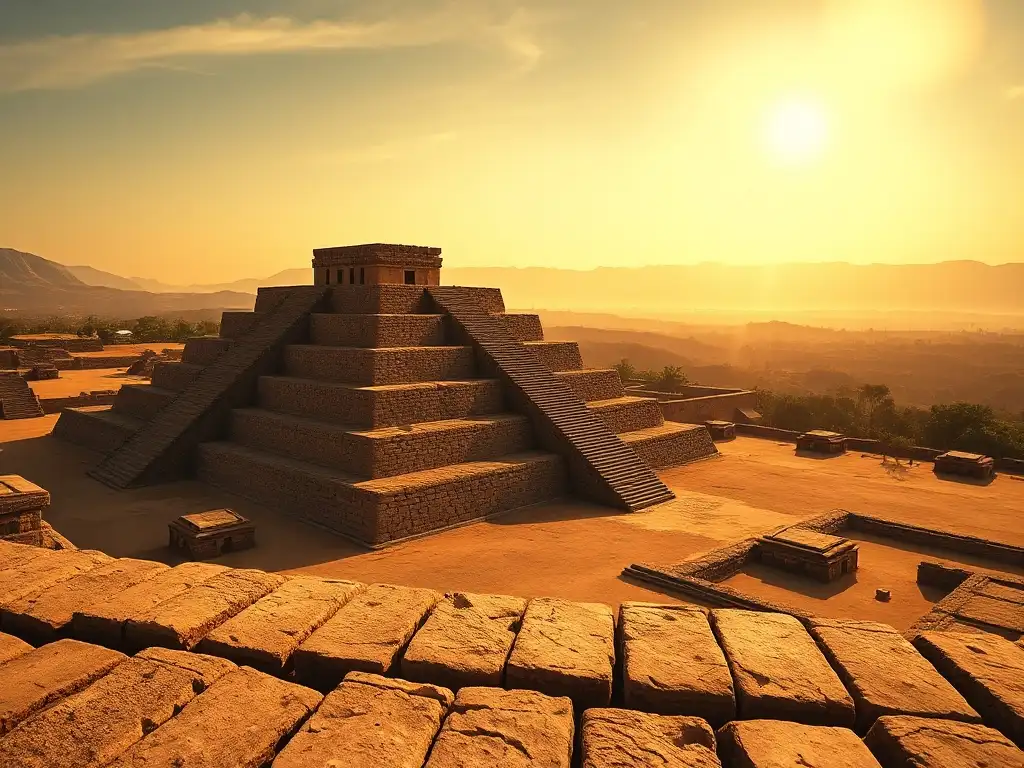
The Huaca del Sol, a massive adobe pyramid located in the Moche Valley of Peru, stands as a testament to the impressive engineering prowess of the Moche civilization. Its construction, estimated to have taken place between the 1st and 8th centuries CE, involved a sophisticated understanding of materials science and labor organization. The pyramid's immense size—approximately 40 meters high and covering a vast area—suggests a highly centralized and well-organized society capable of mobilizing significant manpower for extended periods.
The Moche builders utilized adobe bricks, created from a mixture of clay, water, and organic materials like straw or dung. These bricks, carefully sun-dried, were laid in courses to construct the pyramid's stepped profile. The sheer scale of the structure required meticulous planning and execution, with evidence suggesting a highly structured system for brick production, transport, and placement.
Archaeological studies reveal the use of ramps and scaffolding, allowing builders to reach the upper levels of the pyramid. Furthermore, the precise alignment of the pyramid with the celestial bodies points to a deep understanding of astronomy and its integration into their architectural design. The construction of the Huaca del Sol wasn't merely a feat of engineering; it was a ritualistic undertaking, reflecting the Moche's worldview and societal structure.
The immense effort invested underscores the importance of this monumental structure within their culture. The techniques used in its construction, characterized by efficient adobe brick production and sophisticated construction methods, represent a high point in Moche architectural innovation and directly impacted subsequent Andean building traditions.
Cahuachi: Nazca Ceremonial Center and Its Building Techniques
Cahuachi, a vast ceremonial center located in the Nazca desert of southern Peru, presents a fascinating case study in Nazca building techniques. Unlike the Moche's use of adobe, the Nazca utilized a unique approach involving a combination of materials and construction methods adapted to the harsh desert environment. Flourishing between 100 BCE and 800 CE, the Nazca civilization built Cahuachi using primarily sun-dried adobe bricks, but also incorporated other materials like stone and reeds. The construction reflects an ingenious adaptation to the scarce resources and challenging climate of the desert.
The scale of Cahuachi, with its numerous platforms, plazas, and temples, suggests a complex social organization capable of coordinating large-scale construction projects. The Nazca’s expertise extended beyond simple bricklaying; they developed sophisticated techniques for creating intricate designs and patterns on the building surfaces, often using painted stucco. This decorative element highlights the symbolic and ritualistic importance of the structures within the broader cultural context of the Nazca civilization.
The use of reeds, a readily available resource in the surrounding oases, demonstrates a resourceful approach to building materials. These reeds likely served as reinforcement within the adobe structures, improving their stability in the earthquake-prone region. Furthermore, the strategic placement of the structures within the desert landscape, often aligned with astronomical features, reveals a deep understanding of the environment and its celestial influences.
The architectural ingenuity demonstrated at Cahuachi showcases the Nazca’s adeptness in adapting building techniques to the challenges of the desert environment, resulting in a remarkable ceremonial center that continues to fascinate researchers today. The careful planning and execution of construction at Cahuachi underscore the importance of this site as a central hub of Nazca religious and social life, highlighting their advanced understanding of both engineering and symbolic architecture.
The Enduring Influence: Andean Building Techniques Today
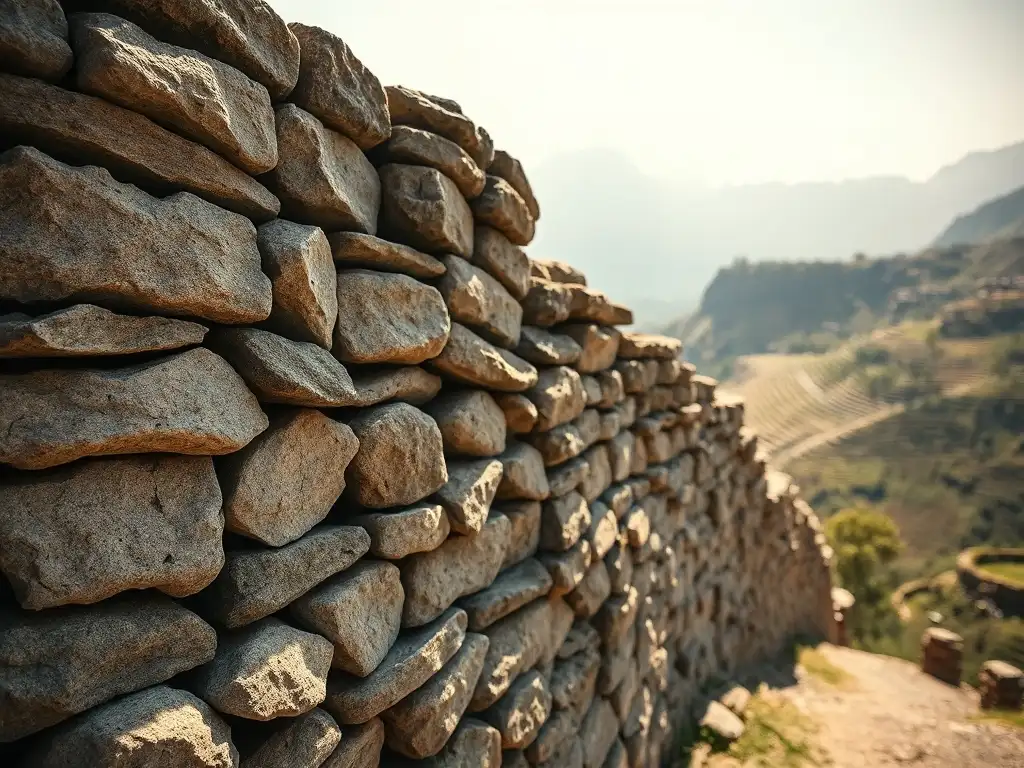
The ingenuity of Andean builders continues to resonate in the 21st century. While modern construction methods have advanced significantly, many principles and techniques developed by ancient Andean civilizations remain remarkably relevant, especially in contexts emphasizing sustainability and resilience. The echoes of their architectural prowess are not merely historical artifacts; they are a source of inspiration and practical knowledge for contemporary architects and engineers.
Understanding the historical context of Andean building techniques provides valuable insights into creating structures that are both aesthetically pleasing and environmentally responsible. The enduring legacy of these practices is not just about preserving the past but about building a more sustainable future.
Lessons from the Past: Applying Ancient Andean Methods in Modern Construction
Ancient Andean building techniques, characterized by their adaptability to diverse terrains and climates, offer valuable lessons for modern construction. For instance, the Incas' mastery of dry-stone masonry—fitting stones together without mortar—demonstrates an unparalleled understanding of structural integrity and earthquake resistance. This technique, while labor-intensive, produces structures of exceptional durability. Modern interpretations of this technique are employed in earthquake-prone regions, highlighting the timeless relevance of Andean architectural wisdom.
Furthermore, the use of locally sourced materials, a hallmark of Andean construction, minimizes the environmental impact and reduces transportation costs. This aligns perfectly with contemporary sustainable building practices emphasizing reduced carbon footprints. We can see a renewed interest in using locally-sourced materials, such as adobe bricks and rammed earth, which are both environmentally friendly and offer excellent thermal insulation.
Sustainable Practices: The Ecological Wisdom of Andean Builders
The Andean civilizations understood the importance of harmonious coexistence with the environment. Their building practices reflect a deep ecological wisdom, demonstrating a remarkable ability to integrate their structures into the landscape. For example, the terraced agriculture of the Andes, a feat of engineering and land management, not only increased arable land but also prevented soil erosion and managed water resources effectively. This integrated approach to land use and construction is a powerful example of sustainable development.
Moreover, the use of natural materials such as wood, stone, and adobe minimized the environmental footprint of their constructions. The durability of these materials, combined with clever construction techniques, resulted in structures that lasted for centuries, a stark contrast to many modern buildings with short lifespans and significant environmental costs. The incorporation of natural ventilation and passive solar design further optimized energy efficiency, showcasing a profound understanding of climate-responsive architecture.
Preserving Andean Architectural Heritage: The Importance of Documentation and Conservation
The preservation of Andean architectural heritage is crucial for understanding the ingenuity of these ancient civilizations and for learning from their sustainable practices. However, many sites face challenges from natural disasters, human activity, and the passage of time. Thorough documentation, including detailed surveys, photographic records, and 3D modeling, is essential for preserving this invaluable knowledge.
This allows for a detailed understanding of the construction techniques, materials used, and the overall design principles. Furthermore, conservation efforts must be mindful of the cultural significance of these sites, ensuring that any restoration or preservation work respects the original design and integrity. Careful planning and collaboration between archaeologists, engineers, and local communities are crucial to ensuring the long-term preservation of this unique cultural heritage.
The implementation of sustainable conservation methods is paramount, minimizing the environmental impact and promoting the longevity of these remarkable structures. The meticulous documentation and preservation of Andean building techniques are not merely historical exercises; they are essential for safeguarding an invaluable legacy for future generations. This includes understanding the nuances of techniques like intricate stonework and the use of specific materials which are not always easily replicated.
The Significance of Andean Building Techniques in Andean Civilizations
The mastery of Andean building techniques wasn't merely a practical skill; it was deeply interwoven with the social fabric, cosmological beliefs, and cultural identity of the ancient Andean civilizations. Understanding these techniques provides crucial insight into the complexities of these societies, revealing how their architectural achievements mirrored their social structures, religious practices, and worldview. The history of Andean building techniques is a history of innovation, adaptation, and a profound connection to the environment.
This section explores the multifaceted significance of these techniques, moving beyond the purely structural aspects to uncover their deeper cultural meanings. The development and refinement of these techniques over centuries reflect the ingenuity and resilience of Andean peoples facing challenging geographical and environmental conditions.
Analyzing these building practices allows us to appreciate the sophisticated engineering skills and the rich cultural tapestry of these remarkable civilizations. From the monumental structures of the Inca to the intricate designs of the Nazca, the story of Andean building is a testament to human creativity and adaptation.
Andean construction projects were massive undertakings, requiring significant organization and labor. The scale of these projects – from intricate irrigation systems to monumental temples – speaks volumes about the social organization of Andean societies. The construction of impressive structures like Machu Picchu, for instance, wasn't just about engineering prowess; it was a powerful statement of social control and centralized authority, particularly under the Inca Empire. The mobilization of large workforces, the efficient management of resources, and the precise coordination of tasks all point to a highly structured social hierarchy.
However, the picture is more nuanced than simply top-down control. Evidence suggests a significant degree of community participation in many construction projects. The ayllu, the Andean kinship-based community, likely played a crucial role in providing labor and resources.
While elite planners and specialists oversaw the overall design and execution, the actual building process often involved the collective effort of the ayllu, fostering a sense of community ownership and shared identity. This collaborative aspect is reflected in the uniformity and precision of many Andean structures, indicating a high level of skill and coordinated effort across different social groups. The construction process itself served as a social bonding experience, reinforcing community ties and social cohesion.
Andean Building as a Reflection of Cosmological Beliefs
Andean building techniques were not simply driven by practical considerations; they were deeply intertwined with the cosmological beliefs and worldview of the Andean peoples. The orientation of structures, the use of specific materials, and even the decorative elements all held symbolic meaning, reflecting their understanding of the cosmos and their place within it. For example, the precise alignment of many Andean sites with astronomical events suggests a sophisticated understanding of celestial movements and a desire to integrate their built environment with the rhythms of nature.
The choice of building materials also carried symbolic weight. Stone, a readily available resource in the Andes, was often selected not just for its durability but also for its perceived spiritual significance. Certain types of stone might have been associated with specific deities or powers, making their use in construction a form of ritual act.
The intricate carvings and designs found on many Andean structures further reinforce this connection between building and cosmology. These decorations weren't merely aesthetic; they were often representations of deities, mythical beings, or cosmological symbols, transforming the buildings themselves into powerful expressions of religious belief. The relationship between architecture and cosmology in Andean societies demonstrates a holistic worldview where the physical and spiritual realms were deeply interconnected.
The Cultural Significance of Construction in Ancient Andean Societies
The cultural significance of Andean building techniques extends beyond their social and cosmological implications. Construction played a vital role in shaping Andean identities and transmitting cultural knowledge across generations. The mastery of these techniques was a source of pride and a marker of cultural distinction. The construction of impressive structures served as a powerful means of demonstrating the capabilities and achievements of a particular group or civilization. This cultural significance is reflected in the enduring legacy of Andean architecture, which continues to inspire awe and wonder today.
The skills involved in Andean building were carefully passed down through generations, often within specific family lineages or guilds. This transmission of knowledge helped maintain cultural continuity and ensured the preservation of traditional building practices. The construction process itself was likely a site of cultural transmission, where younger generations learned not only technical skills but also the cultural values and beliefs associated with their built environment.
The knowledge and techniques of Andean construction represent a rich cultural heritage that continues to fascinate and inspire researchers and the public alike. The study of Andean building techniques offers a unique window into the rich cultural tapestry of these remarkable civilizations, highlighting their ingenuity, resilience, and profound connection to their environment.
Frequently Asked Questions
What unique building techniques did Andean civilizations employ?
Andean civilizations utilized innovative techniques like ashlar masonry, creating incredibly precise stonework without mortar. They also mastered terracing for agriculture and irrigation systems to support their populations. Their expertise in stonework is truly remarkable.
How did the Inca adapt their building techniques to diverse environments?
Inca builders adapted their techniques to the varied Andean geography. They used different materials depending on availability and developed sophisticated construction methods for mountainous terrain, including intricate stonework and suspension bridges. Environmental adaptation was key.
What role did religion play in Andean building practices?
Religious beliefs significantly influenced Andean architecture. Sacred sites like Machu Picchu were carefully positioned and designed with astronomical alignments in mind. Ritualistic elements were incorporated into building processes and structures.
What materials were commonly used in Andean construction?
Stone was the primary material, expertly cut and fitted. Adobe bricks were also used, particularly in less mountainous regions. Other materials included wood, thatch, and various types of earth. The choice depended on location and purpose.
How has the study of Andean building techniques advanced our understanding of their societies?
Studying Andean building techniques helps us understand their social organization, engineering skills, and relationship with the environment. The precision and scale of their projects reveal their advanced knowledge and complex societies.
Final Reflection: Echoes of the Andes: A Legacy in Stone and Spirit
The ingenious building techniques of the Andes, honed over millennia, remain a testament to human ingenuity and a powerful symbol of resilience in the face of challenging environments. These ancient practices, far from being relics of the past, offer valuable lessons for sustainable construction and innovative design in the 21st century, particularly as we grapple with climate change and resource scarcity. Their enduring relevance is undeniable.
The enduring legacy of Andean building is not merely architectural; it's deeply woven into the cultural fabric of the region. These structures, built with a profound understanding of their environment, tell stories of community, adaptation, and a harmonious relationship with nature. The meticulous craftsmanship, the use of locally sourced materials, and the integration with the landscape speak to a holistic approach to building that we would do well to emulate. The mountains are our teachers; they show us how to build with strength and grace, in harmony with the earth.
(Hypothetical quote from an Andean elder). This philosophy, passed down through generations, continues to inspire architects and engineers today, prompting a re-evaluation of our own building practices.
Consider the ingenuity of these ancient builders, their deep connection to their land, and the enduring strength of their creations. You too can find inspiration in their legacy. Reflect on your own relationship with the built environment – how can we build more sustainably, more responsibly, and with a greater respect for the natural world? Let the echoes of the Andes resonate within you, prompting a commitment to building a future that is both innovative and harmonious with the planet.
Unleash Your Inner Explorer: Dive Deeper into Andean Heritage!
Thank you for exploring the rich tapestry of Andean building practices with us! This is just the beginning of your journey into the rhythms and techniques that define this incredible culture. Now, let's continue your exploration!
- Join our community: Sign up for our newsletter to receive exclusive insights and articles about Andean civilizations.
- Share your thoughts: Discuss your favorite aspect of Andean culture in the comments below or on social media using #AndeanHeritage.
- Embark on a field trip: Plan a visit to a local museum featuring Andean artifacts and share your experience with other enthusiasts!
What Andean building technique or practice do you find most fascinating, and how would you like to learn more about it?