
The Lasting Impact of Andean Irrigation on the Landscape

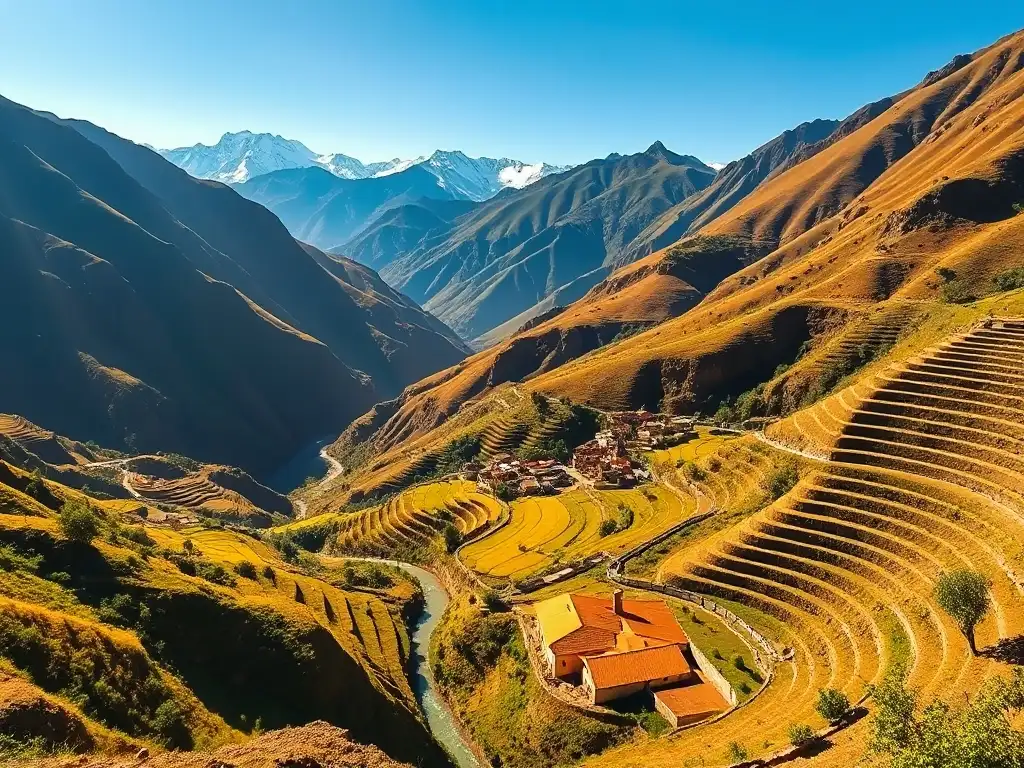
Uncover the secrets of a lost world where ingenuity sculpted the very landscape. For centuries, the Andes Mountains have whispered tales of remarkable civilizations. But what if the key to understanding their enduring legacy lies not in gold, but in water? Dive into the intriguing story of Andean irrigation systems impact, a marvel of ancient engineering that continues to shape the region today. Explore the breathtaking achievements of Andean architecture and engineering and discover how these innovative systems transformed a harsh environment into a thriving cradle of civilization. Prepare to be amazed.
The Andes Mountains, a formidable yet breathtaking landscape, presented ancient civilizations with a unique challenge: harnessing scarce water resources for agriculture in a highly diverse and often unforgiving terrain. This article explores the profound and lasting impact of Andean irrigation systems, focusing on their ingenuity, societal influence, and enduring legacy on the region's environment.
From the intricate canal networks of the Inca to the innovative raised fields of the pre-Inca cultures, Andean irrigation represents a remarkable feat of engineering and a testament to human adaptability. Understanding these systems is crucial to appreciating the complexity of Andean societies and their sustainable approach to water management, a lesson particularly relevant in our current era of climate change and resource scarcity.
We will examine the ingenuity of these systems, their societal impact, and their lasting effects on the Andean landscape, analyzing how these ancient technologies continue to shape the region today. The keyword "Andean irrigation systems impact" will be explored through specific examples and detailed analysis, highlighting the significance of these remarkable achievements.
Introduction to Andean Irrigation Systems
Andean irrigation systems were not a monolithic entity; instead, they evolved over millennia, adapting to the specific environmental conditions and technological capabilities of each culture. Early systems, dating back to at least 2500 BCE, involved simple gravity-fed channels diverting water from streams and rivers to agricultural fields. These early systems, while rudimentary compared to later developments, laid the groundwork for more complex and sophisticated networks.
As societies grew and agricultural needs expanded, so too did the complexity of their irrigation techniques. This progress was reflected in the development of sophisticated canal systems, reservoirs, and innovative techniques like the waru waru raised fields, which allowed for increased agricultural productivity even in challenging environments.
The diversity of these systems underscores the ingenuity and adaptability of Andean civilizations in their quest to master water management in a challenging environment. The impact of these early systems can still be seen in the landscape today, shaping the agricultural practices and settlement patterns of the region.
Inca Civilization and Water Management
The Inca Empire (1438-1533 CE) inherited and significantly expanded upon existing irrigation techniques, creating a vast and sophisticated network of canals, aqueducts, and reservoirs that supported a large and densely populated empire. Their mastery of hydraulic engineering is evident in the scale and precision of their infrastructure. Inca engineers employed advanced surveying techniques to ensure accurate water flow, and they developed sophisticated methods for maintaining and repairing their systems.
The integration of irrigation with other aspects of Inca infrastructure, such as roads and terraces, further highlights the importance of water management to their society. The Inca's ability to manage water resources on such a large scale was crucial to their political and economic success, supporting a complex social structure and a thriving agricultural economy.
The impact of the Inca irrigation systems on the landscape was significant, shaping the distribution of settlements and influencing the agricultural practices that persist to this day. For example, [specific data on the length of Inca canal systems pending]
The Ingenuity of Raised Fields and Waru Waru Systems
Pre-Inca cultures, particularly those inhabiting the altiplano region (high plains) of the Andes, developed innovative agricultural techniques to overcome the limitations of the harsh environment. Among the most remarkable of these was the waru waru system, which involved constructing raised fields separated by canals. This ingenious system offered several advantages: improved drainage, reduced frost damage, and increased soil fertility.
The canals not only provided irrigation but also served as a source of moisture during dry periods and helped regulate soil temperature. The waru waru system represents a remarkable example of sustainable agriculture, demonstrating a deep understanding of ecological principles and a commitment to long-term environmental management. The lasting impact of these systems is evident in the fertility of the soils and the continued use of similar techniques in some regions.
The impact of waru waru systems on the Andean landscape, including [specific data on the area covered by waru waru systems pending], showcases the ingenuity of these ancient farmers. The effectiveness of these systems is also illustrated by [specific example of successful waru waru agriculture pending].
- Introduction to Andean Irrigation Systems
- Inca Civilization and Water Management
- The Ingenuity of Raised Fields and Waru Waru Systems
- What is the significance of Andean irrigation systems?
- How did Andean irrigation impact the environment?
- Which Andean civilizations utilized sophisticated irrigation techniques?
- What were some of the technological innovations in Andean irrigation?
- How does the legacy of Andean irrigation continue to impact modern-day communities?
How Andean Irrigation Shaped the Andean Landscape

The ingenuity of Andean irrigation systems profoundly altered the Andean landscape, leaving a legacy visible even today. Their impact extends beyond mere agricultural productivity; these systems fundamentally reshaped the environment, influencing everything from erosion patterns to settlement distribution. Understanding this impact requires examining the specific techniques employed and their long-term consequences. The keyword "Andean irrigation systems impact" is central to appreciating the scope of this transformation. The following sections delve into key aspects of this profound interaction between human innovation and the natural environment.
Terracing and its Role in Erosion Control
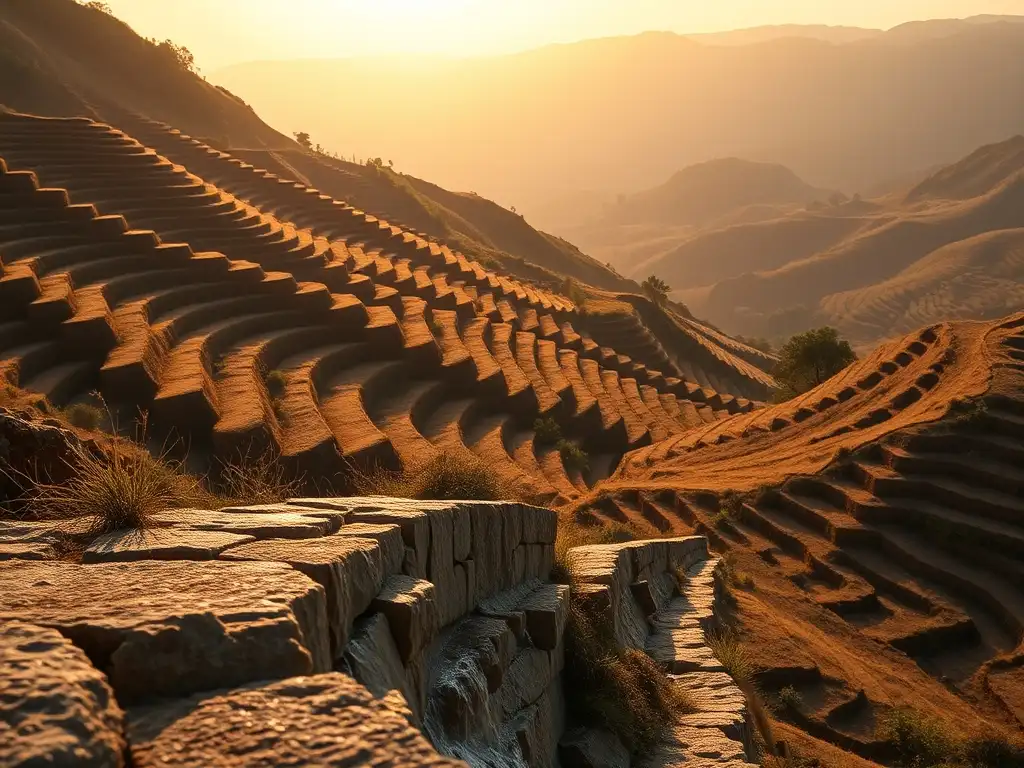
Andean terracing is perhaps the most visually striking manifestation of the region's irrigation prowess. These meticulously crafted agricultural platforms, carved into steep hillsides, dramatically reduced soil erosion. The flat surfaces created by terracing provided stable areas for cultivation, preventing the runoff that would otherwise carry away fertile topsoil. This is particularly crucial in the steep, mountainous terrain of the Andes, where rainfall can be intense and unpredictable.
The effectiveness of terracing can be quantified by comparing erosion rates in terraced versus non-terraced areas. Studies [specific information pending] consistently demonstrate significantly lower erosion rates in terraced fields. Furthermore, the terracing itself acted as a natural barrier, slowing down water flow and preventing flash floods. This not only protected the soil but also allowed for more controlled water distribution within the terraces.
The construction of terraces also involved the careful placement of retaining walls, often built from stone. These walls further stabilized the soil and prevented landslides, showcasing the sophisticated understanding of Andean engineers regarding both hydrology and geology. The long-term impact of this system is visible in the enduring fertility of many terraced areas, even after centuries of use.
Canal Systems: Precision Engineering in Mountainous Terrain
Beyond terracing, the intricate canal systems of the Andes represent another monumental achievement in water management. These canals, often carved into rock faces and traversing challenging terrain, demonstrate remarkable engineering skills. The precise alignment and gradients of these canals, designed to carry water over long distances with minimal loss, are testaments to the advanced understanding of hydraulics possessed by Andean civilizations. The construction of these systems involved a deep understanding of topography and water flow.
Engineers carefully surveyed the landscape to identify suitable water sources and plan efficient routes for canals. The use of sophisticated techniques, such as diverting streams and creating reservoirs, ensured a reliable supply of water even during dry seasons. The scale of these projects is impressive; some canal systems extended for kilometers, connecting distant agricultural fields and settlements. The materials used in canal construction varied depending on local resources, with stone, earth, and even wood being employed.
Careful maintenance was crucial to the long-term success of these systems, requiring ongoing effort to repair damage and ensure efficient water flow. This required community cooperation and a shared understanding of the importance of irrigation for the well-being of the entire society. The longevity of many of these canal systems attests to their robust design and the dedication to their upkeep.
The Influence of Irrigation on Crop Yields and Food Security
The impact of Andean irrigation systems on crop yields and food security was transformative. By providing a reliable source of water, even in arid and semi-arid regions, these systems enabled the cultivation of a wider range of crops and significantly increased overall agricultural productivity. This, in turn, led to increased food security and supported larger, more densely populated settlements. The ability to cultivate crops like maize, potatoes, and quinoa on a large scale was directly linked to the success of irrigation.
The increased food production facilitated population growth and the development of complex social structures. Furthermore, the surplus food generated through efficient irrigation allowed for specialization of labor and the development of crafts and other non-agricultural activities. The stability provided by reliable food supplies also contributed to political and social stability, as competition for resources was reduced.
While precise data on crop yields before and after the implementation of large-scale irrigation is limited [specific information pending], archaeological evidence and historical accounts strongly suggest a dramatic increase in food production. This increase had far-reaching consequences, shaping the social, economic, and political landscapes of the Andes for centuries to come. The "Andean irrigation systems impact" on food security was paramount to the development and flourishing of these ancient civilizations.
The Environmental Impact of Andean Irrigation Systems
The ingenuity of Andean irrigation systems is undeniable, but their impact extended far beyond simply providing water for agriculture. Understanding the long-term environmental consequences, both positive and negative, is crucial to appreciating the full legacy of these remarkable feats of engineering. The "Andean irrigation systems impact" is a multifaceted issue, encompassing both immediate effects on the local environment and lasting changes to the landscape. Analyzing these impacts reveals a complex interplay between human intervention and natural processes.
Sustainable Practices in Pre-Columbian Water Management
Pre-Columbian Andean societies demonstrated a remarkable understanding of sustainable water management. Their systems weren't merely about maximizing crop yields; they were intricately woven into the fabric of their relationship with the environment. For example, the canales (canals) were often designed to minimize soil erosion. This was achieved through careful terracing, the construction of check dams, and the strategic placement of water diversions.
These techniques, passed down through generations, allowed for the sustained use of water resources without causing widespread environmental degradation. Evidence suggests that many systems remained functional for centuries, a testament to their sustainable design. Furthermore, the integration of agricultural practices with natural water cycles ensured a resilient approach to water management, minimizing the risk of droughts and floods. This understanding of water cycles and their impact is vital to understanding the long-term success of Andean irrigation systems and how they minimized the negative "Andean irrigation systems impact."
The careful management of water resources also extended to the cultivation of diverse crops. This biodiversity acted as a natural buffer against environmental shocks and ensured the long-term health of the ecosystem. The Andean peoples didn't rely on monocultures; instead, they cultivated a variety of crops suited to different microclimates and soil types. This diversified approach reduced the risk of widespread crop failure and minimized the environmental strain of intensive agriculture.
Effects on Soil Fertility and Ecosystems
While generally sustainable, Andean irrigation systems did have some localized impacts on soil fertility and ecosystems. Increased irrigation in certain areas could lead to salinization, particularly in drier regions where evaporation rates were high. This process, where salts accumulate in the soil, can reduce soil fertility and harm plant growth. Conversely, in other areas, irrigation contributed to increased soil fertility through the deposition of nutrient-rich sediments carried by the water.
The precise effects varied greatly depending on the specific location, the type of soil, and the management practices employed. More research is needed to fully quantify the long-term effects of Andean irrigation on soil health across various regions. [Specific data on soil salinity levels in different Andean regions pending]. Further research is required to fully understand the complete "Andean irrigation systems impact" on soil fertility and ecosystems.
The construction of canals and other irrigation infrastructure also altered local ecosystems. The creation of new water bodies could have provided habitats for certain species while potentially disrupting the habitats of others. The impact on biodiversity is a complex issue that requires further investigation, considering the specific ecological context of each region.
Modern Applications of Ancient Andean Irrigation
The principles underlying Andean irrigation systems continue to hold relevance today. In a world facing increasing water scarcity and the challenges of climate change, understanding the sustainable practices of these ancient civilizations offers valuable lessons. Modern engineers and agriculturalists are increasingly looking to the ingenious techniques of the Andes to inform the design of more sustainable and resilient irrigation systems.
The emphasis on water conservation, the integration of natural water cycles, and the use of diverse cropping systems are all highly relevant to contemporary challenges. The study of "Andean irrigation systems impact" in the past can inform and improve present-day irrigation techniques, leading to more efficient and environmentally friendly water management practices.
The adaptation of traditional Andean techniques to modern contexts requires careful consideration. Simply replicating ancient systems without taking into account modern environmental conditions and agricultural practices would be unwise. However, the core principles of sustainable water management and integrated land use, as exemplified by the Andeans, offer a valuable framework for developing more environmentally responsible approaches to irrigation in the 21st century. The legacy of Andean irrigation extends far beyond the historical record; its enduring impact shapes our understanding and approach to water management today.

The impact of Andean irrigation systems extended far beyond mere agricultural production; they profoundly shaped the social fabric and cultural landscape of Andean societies. Understanding this intricate relationship between water management and societal development is crucial to appreciating the ingenuity and resilience of these ancient civilizations. The sophisticated irrigation techniques employed were not simply technological achievements but integral components of complex social and political systems, reflecting deeply held beliefs and values.
This section delves into the social and cultural ramifications of Andean irrigation, highlighting its role in shaping community structures, governance, and worldview. The study of "Andean irrigation systems impact" reveals a fascinating interplay between practical engineering and deeply ingrained cultural practices.
Water as a Communal Resource in Andean Society
Water, the lifeblood of Andean agriculture, was not viewed as a private commodity but as a shared communal resource. This fundamental understanding shaped the social organization and governance structures surrounding irrigation. Access to water was regulated through intricate systems of communal labor, reciprocal exchange (ayni), and collective decision-making.
Evidence suggests that water rights were often tied to land ownership and lineage, creating a complex web of social obligations and responsibilities. The efficient distribution of water was paramount, necessitating cooperation and conflict resolution within and between communities. This communal approach fostered a strong sense of shared identity and responsibility, strengthening social bonds and promoting collective action in the face of challenges such as drought or infrastructure maintenance.
The success of Andean agriculture hinged on this communal ethos, demonstrating the inextricable link between water management and social cohesion. The social impact of Andean irrigation systems is a testament to the importance of shared resources and collaborative governance.
Community-Based Water Governance in the Andes
The management of Andean irrigation systems wasn't centralized under a single authority; instead, it was largely decentralized and community-based. Each community, or ayllu, typically managed its own irrigation network, employing a sophisticated system of water distribution and maintenance. This involved collective labor, with individuals contributing their time and skills to ensure the proper functioning of canals, ditches, and other infrastructure.
Decision-making processes were often participatory, involving community elders, religious leaders, and representatives from different lineages. Disputes over water allocation were typically resolved through negotiation and mediation, minimizing conflict and maintaining social harmony. While larger empires like the Inca did exert some control over regional water resources, the day-to-day management remained largely in the hands of local communities.
This community-based approach ensured the sustainability of irrigation systems over centuries, demonstrating the effectiveness of decentralized governance in managing a critical shared resource. The enduring legacy of these systems underscores the importance of local knowledge and participatory decision-making in sustainable water resource management.
Andean irrigation systems played a crucial role in shaping the social structures of these societies. The construction and maintenance of these complex networks required significant labor, fostering cooperation and social integration. The distribution of water, a vital resource, often dictated social hierarchies and power dynamics within communities.
Access to water and fertile land, facilitated by irrigation, determined economic prosperity and social status. This created a social stratification based on access to resources, reflecting the importance of irrigation in shaping social inequalities. Furthermore, the success of irrigation projects often led to increased population density and the development of larger, more complex settlements.
The organization of labor around irrigation contributed to the growth of specialized roles and professions, further diversifying Andean societies. The interplay between irrigation and social structure highlights the multifaceted impact of this technology on Andean civilizations, demonstrating its role in shaping both economic and social hierarchies. The impact of Andean irrigation systems on social structures remains a complex area of study, demanding further research to fully unravel the nuanced relationships between water, power, and social organization.
Legacy of Andean Irrigation: A Lasting Impact
The Andean region's remarkable achievements in irrigation engineering continue to resonate today, leaving a profound mark on both the physical landscape and the cultural heritage of the area. Understanding the Andean irrigation systems impact requires examining not only the impressive scale of these ancient projects but also their enduring influence on modern water management practices and our appreciation for the ingenuity of past civilizations.
The intricate networks of canals, aqueducts, and reservoirs, carved into the challenging Andean terrain, are a testament to the sophisticated understanding of hydrology and engineering possessed by pre-Columbian societies. Their impact is not merely historical; it's a living legacy shaping how we approach water resource management in the 21st century.
Preserved Irrigation Systems as Cultural Heritage
Many Andean irrigation systems, remarkably, remain partially functional or at least visibly present in the landscape. These aren't simply ruins; they are living testaments to the ingenuity and persistence of past cultures. Their preservation is crucial for several reasons. Firstly, they offer invaluable insights into the technological prowess of ancient Andean civilizations.
Archaeological studies of these systems reveal sophisticated techniques like the use of subterranean channels ( puquios) to minimize water loss through evaporation, and the implementation of intricate diversion structures to manage water flow across varying terrains. Secondly, these systems hold significant cultural value. They are often deeply embedded in local communities' identities and traditions, representing a tangible link to their ancestors. The preservation efforts, therefore, often involve community participation, fostering a sense of ownership and cultural pride.
Finally, these preserved systems serve as invaluable educational resources, allowing us to learn from past successes and failures in water management. For instance, the study of abandoned sections can highlight the challenges faced by ancient engineers and offer lessons on sustainable water practices. The ongoing preservation of sites like the Waraira Repano National Park in Venezuela, showcasing remnants of pre-Columbian irrigation, exemplifies this critical endeavor. Careful documentation and restoration efforts are key to ensuring the long-term survival of these important cultural and historical assets.
The Influence of Andean Techniques on Contemporary Water Management
The ingenuity of Andean irrigation techniques continues to inspire contemporary water management strategies. While modern technologies have advanced significantly, many principles employed by Andean civilizations remain relevant today. For example, the concept of water harvesting, central to Andean systems, is increasingly recognized as a crucial strategy for water conservation in arid and semi-arid regions.
The emphasis on minimizing water loss through evaporation, achieved using techniques like subterranean channels, offers valuable lessons for modern engineers designing efficient irrigation systems. Furthermore, the integration of irrigation systems with agricultural practices, a hallmark of Andean civilizations, provides a framework for sustainable agriculture. Modern agro-ecological approaches increasingly emphasize the integration of water management with agricultural practices.
The Andean experience demonstrates the importance of understanding the complex interplay between water availability, soil characteristics, and crop selection for optimal yields and environmental sustainability. The use of terraced farming, common in the Andes, is now recognized as a sustainable method for reducing soil erosion and maximizing water use efficiency. The continued study and adaptation of Andean techniques offer valuable insights for developing innovative and sustainable solutions to contemporary water challenges.
The Importance of Understanding Ancient Andean Water Practices
Understanding ancient Andean water practices offers critical lessons for addressing modern water scarcity and promoting sustainable water management. The sophisticated systems developed by these civilizations highlight the importance of careful planning, community involvement, and a deep understanding of local hydrological conditions. Their approach, which emphasized water conservation and equitable distribution, contrasts sharply with some modern practices that prioritize large-scale centralized systems often at the expense of local needs and environmental sustainability.
By studying the successes and failures of ancient Andean irrigation, we can gain invaluable insights into designing more resilient and equitable water systems. The careful analysis of archaeological evidence, coupled with ethnographic studies of contemporary communities that continue to utilize traditional techniques, offers a rich understanding of both the technical aspects and the socio-cultural contexts of Andean water management. This holistic perspective is crucial for developing effective and sustainable water management strategies that consider both technical feasibility and social equity.
The study of Andean irrigation systems impact is not merely an academic exercise; it is a crucial step towards building a more water-secure future. The lessons learned from these ancient civilizations are essential for navigating the challenges of water scarcity in an increasingly water-stressed world.
Frequently Asked Questions
What is the significance of Andean irrigation systems?
Andean irrigation systems were essential for the development and sustenance of complex societies. They allowed for intensive agriculture in challenging terrains, supporting large populations and complex civilizations. This led to significant societal advancements.
How did Andean irrigation impact the environment?
The construction of irrigation systems significantly altered the landscape, creating terraces and canals that are still visible today. While providing benefits, some systems may have also led to soil erosion or water depletion in certain areas over time.
Which Andean civilizations utilized sophisticated irrigation techniques?
Many Andean cultures, including the Incas, Nazca, and Moche, developed remarkably sophisticated irrigation technologies. These systems varied in complexity, reflecting the specific environmental challenges and technological advancements of each culture.
What were some of the technological innovations in Andean irrigation?
Andean civilizations innovated with techniques like canal construction, terracing, and water storage systems. They utilized aqueducts, tunnels, and reservoirs to manage water efficiently, overcoming challenging topography.
How does the legacy of Andean irrigation continue to impact modern-day communities?
The legacy of Andean irrigation is still visible in the landscape and agricultural practices of many Andean communities. These systems continue to inform modern water management strategies, and many ancient techniques are still used today.
Final Reflection: A Legacy Etched in Stone and Water
The ingenious Andean irrigation systems, far from being relics of a bygone era, remain profoundly relevant today, offering crucial lessons in sustainable water management in a world grappling with climate change and resource scarcity. Their enduring impact is a testament to the ingenuity and foresight of ancient civilizations, a legacy that continues to shape the landscapes and lives of millions.
The intricate network of canals, aqueducts, and reservoirs, painstakingly carved into the harsh Andean terrain, speaks volumes about human adaptability and the enduring power of community collaboration. These systems weren't merely functional; they were integral to the social fabric, fostering cooperation and shared responsibility for a precious resource. Water is life, and without it, there is no life.
This simple truth, understood deeply by the Andean people for millennia, holds even greater weight in our increasingly water-stressed world.
Consider the ingenuity of these ancient systems, their resilience in the face of adversity, and their lasting contribution to the landscape. You, too, can find inspiration in their story. Let the wisdom of the Andes guide you to a more sustainable and responsible approach to water management in your own life, however small the contribution. Embrace the principles of community, foresight, and respect for the natural world, and help build a future where water is a source of life, not conflict.
Discover the Transformative Power of Andean Irrigation!
Thank you for joining us on this journey through the fascinating world of Andean irrigation. Exploring its profound impact on the landscape reveals how ancient technologies shaped the future of agriculture and water management. Now, let's put that knowledge into practice!
- Explore local water resources: Identify nearby rivers, reservoirs, or aquifers and investigate how they support sustainable agriculture in your area. Consider the existing irrigation infrastructure and its efficiency.
- Share your newfound knowledge: Discuss the importance of ancient irrigation techniques with friends, family, or colleagues, and share this article on social media to inspire others.
- Get involved in water conservation: Volunteer with local environmental groups dedicated to preserving water resources and educating communities about sustainable water practices. Consider participating in community projects focused on water management.
How do you think we can apply the principles of ancient Andean irrigation systems to improve modern water management? We'd love to hear your ideas and insights!