
The Role of Rituals in Andean Irrigation Practices: A Spiritual Connection

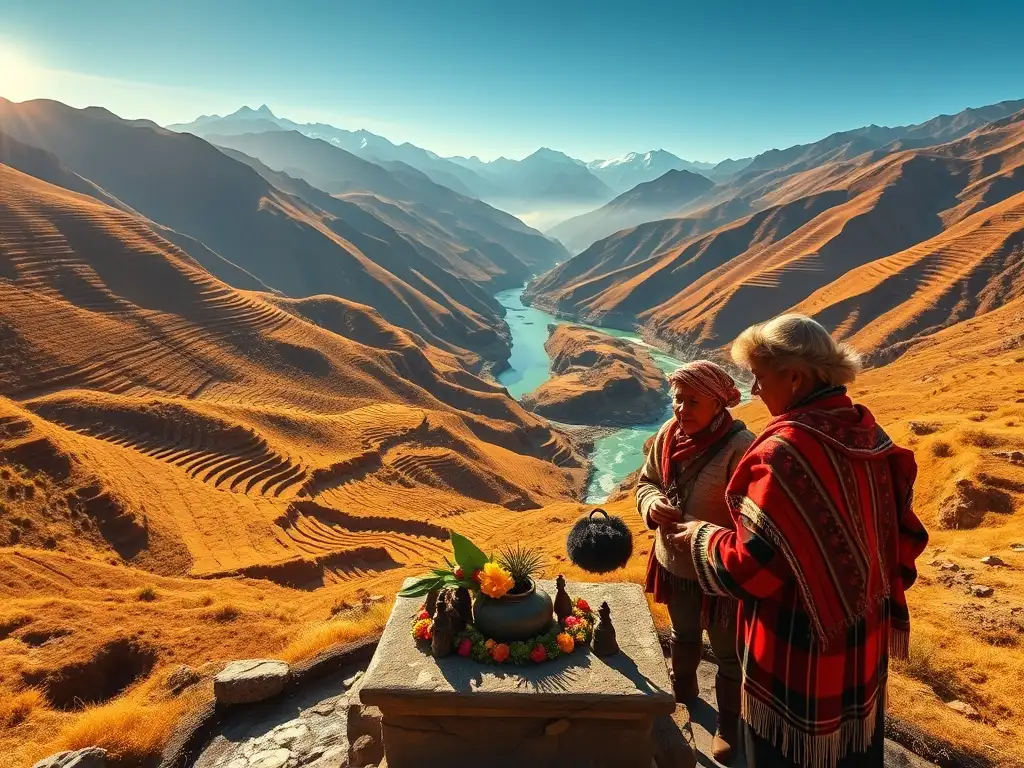
Step into a world lost to time, yet echoing with the whispers of a sophisticated civilization. Dive into the mysteries of the Andes, where ingenuity and spirituality intertwined in breathtaking ways. Prepare to uncover the secrets behind Andean irrigation rituals, a fascinating blend of engineering prowess and deeply rooted spiritual beliefs that shaped the very landscape of ancient South America. Were these rituals simply practical, or did they hold a far more profound significance? Explore the captivating story and discover the answer.
- Andean Irrigation Rituals: A Spiritual Connection to Water Management
- The Significance of Rituals in Ancient Andean Agriculture
- Exploring Specific Andean Irrigation Rituals
- The Role of Priests and Shamans in Water Management
- The Connection Between Rituals and the Andean Irrigation Systems
- The Legacy of Andean Irrigation Rituals in Modern Times
-
Frequently Asked Questions
- What role did rituals play in Andean irrigation systems?
- Were specific deities associated with water and irrigation?
- What types of rituals were commonly performed?
- How did these rituals impact the construction and maintenance of irrigation systems?
- What evidence exists to support the connection between Andean irrigation and rituals?
- Final Reflection: The Enduring Spirit of Andean Water
- Embrace the Spirit of Andean Rituals Today!
Andean Irrigation Rituals: A Spiritual Connection to Water Management
The ingenuity of Andean civilizations in harnessing water resources for agriculture is legendary. Their sophisticated irrigation systems, carved into the challenging Andean terrain, represent a remarkable feat of engineering. However, a critical aspect often overlooked is the profound spiritual connection interwoven with these practical systems.
This article delves into the crucial role of rituals in Andean irrigation practices, exploring how these ceremonies weren't merely superstitious acts but integral components of a holistic water management strategy deeply rooted in their worldview. We'll examine how these rituals ensured the successful functioning of their irrigation systems, maintained social cohesion, and reflected a complex understanding of the delicate balance between humanity and the natural world.
Understanding these rituals provides a richer appreciation for the ingenuity and cultural depth of Andean civilizations and their sustainable approaches to water management – a perspective crucial for addressing modern water challenges. We will explore specific examples from various Andean cultures, highlighting the diversity and common threads within their water-related beliefs and practices, demonstrating the enduring legacy of their wisdom.
The Sacredness of Water in Andean Cosmology
Andean cultures didn't view water as a mere resource; it was a sacred element, imbued with life-giving power and intimately connected to their cosmology. Water was seen as a manifestation of powerful deities and spirits, essential for agricultural prosperity and the overall well-being of the community. This perspective profoundly shaped their approach to irrigation, moving beyond purely technical considerations. Their belief system emphasized reciprocity and balance, recognizing that human actions had consequences in the spiritual realm.
Therefore, maintaining a harmonious relationship with water spirits was considered paramount for ensuring abundant harvests and avoiding natural disasters. This reverence for water is reflected in numerous myths, legends, and archaeological findings that depict water deities and rituals associated with water sources. The meticulous construction and maintenance of irrigation channels weren't simply engineering projects; they were acts of reverence, acknowledging the power and sanctity of the water they channeled.
Rituals Associated with Canal Construction and Maintenance
The construction and upkeep of irrigation canals were not undertaken haphazardly. They were accompanied by elaborate rituals designed to appease and honor the water spirits. These ceremonies often involved offerings of coca leaves, chicha (a fermented corn beverage), and other precious goods, placed at strategic points along the canals.
The process was often a community effort, reinforcing social bonds and shared responsibility in the management of water resources. Shamans played a crucial role, guiding the rituals and ensuring the proper execution of ceremonies. Evidence suggests that specific prayers and chants were recited during these events, invoking the blessings of the deities and securing their favor. Failure to perform these rituals was believed to invite misfortune, such as canal blockages, droughts, or crop failures. These rituals were not merely symbolic; they served a practical purpose, fostering collective responsibility and ensuring the long-term sustainability of the irrigation systems.
Examples of Specific Ritual Practices Across Different Andean Cultures
The specific rituals varied across different Andean cultures, reflecting their unique cosmologies and traditions. However, certain common threads emerge. For example, the Inca, Moche, and Nazca cultures all practiced forms of ritual offerings to water deities associated with irrigation systems. The Incas, known for their extensive empire-wide hydraulic works, likely incorporated elaborate state-sponsored ceremonies into their water management practices.
[Specific details on Inca rituals pending]. The Moche, renowned for their intricate pottery depicting ritual scenes, provide visual evidence of water-related ceremonies. Their artwork shows elaborate processions and offerings related to water deities. [Specific examples of Moche pottery depictions pending].
The Nazca, famous for their geoglyphs, also had a strong connection to water, and their rituals likely involved similar offerings and prayers to ensure the proper functioning of their complex irrigation systems. [Specific information on Nazca rituals pending]. This diversity in expression underscores the widespread importance of ritual in Andean water management.
The Enduring Legacy of Andean Irrigation Rituals
The integration of spiritual practices into irrigation management wasn't merely a feature of the past; its impact resonates even today. The deep understanding of the interconnectedness between human actions and the natural world, a core principle embedded in these rituals, offers valuable lessons for contemporary water management. Understanding the Andean approach allows us to move beyond a purely technological perspective and consider the cultural and spiritual dimensions of water resource management.
The emphasis on community participation, reciprocity, and respect for the environment continues to hold relevance in addressing modern water challenges, particularly in regions facing water scarcity and environmental degradation. The holistic approach adopted by Andean civilizations provides a valuable model for sustainable water management in the 21st century. Their legacy reminds us that effective water management requires not just technical expertise but also a profound understanding of the cultural and spiritual significance of water.
The Significance of Rituals in Ancient Andean Agriculture
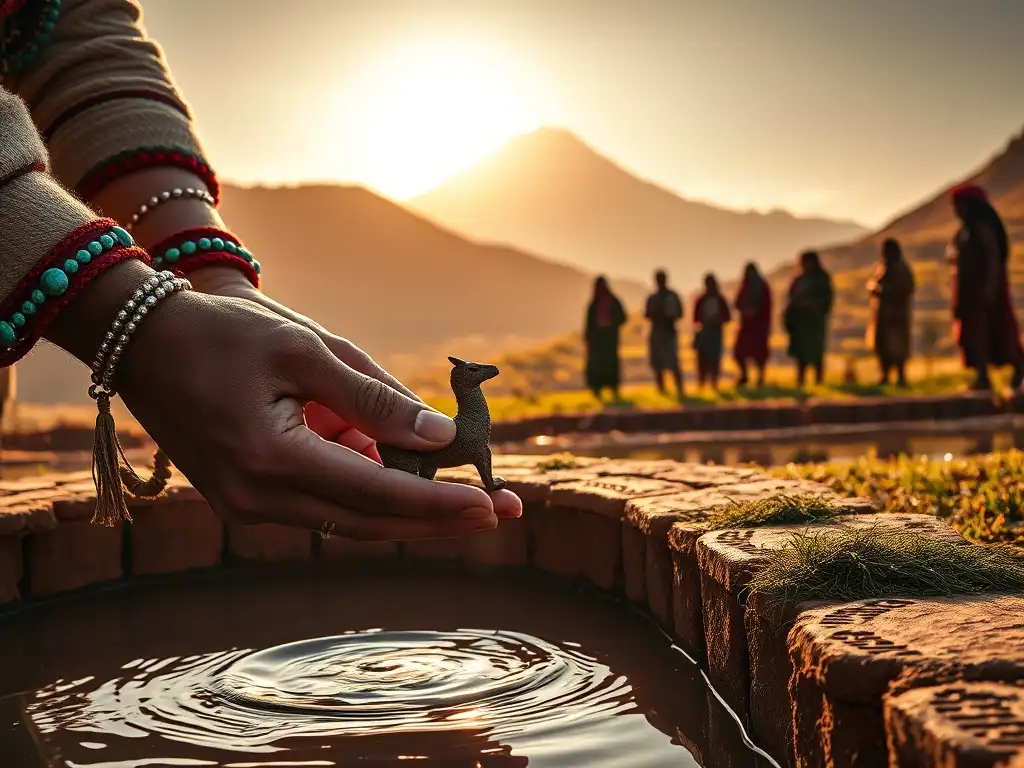
The intricate network of canals, aqueducts, and reservoirs that characterized Andean irrigation systems wasn't merely a feat of engineering; it was deeply interwoven with a complex tapestry of rituals and beliefs. Understanding the role of these rituals is crucial to grasping the holistic approach Andean civilizations took towards agriculture, a practice that sustained their societies and shaped their worldview. The success of their agricultural endeavors wasn't solely dependent on technical prowess, but also on maintaining a harmonious relationship with the spiritual forces believed to control the vital resource of water.
This section will explore the profound spiritual dimension underpinning Andean irrigation practices, demonstrating how rituals were integral to both the construction and maintenance of these sophisticated systems. The concept of ayni, reciprocal exchange, was central to this belief system, emphasizing the need for continuous offerings and respect to ensure the continued flow of water and bountiful harvests.
This wasn't simply superstition; it was a pragmatic approach to resource management, integrating spiritual practices with practical knowledge to achieve sustainable agriculture. The effectiveness of this approach is evidenced by the longevity and sophistication of Andean irrigation systems, which continue to inspire awe and admiration today.
The Intertwined Relationship Between Andean Spirituality and Farming
Andean spirituality was inextricably linked to agriculture, with the land and its resources considered sacred. Farming wasn't just a means of sustenance; it was a sacred act, a way of participating in the cosmic order. The annual agricultural cycle was mirrored in the Andean cosmology, with deities and spirits associated with specific stages of planting, growth, and harvest.
Rituals performed during these periods weren't merely symbolic; they were believed to directly influence the success of the crops. For instance, before initiating the construction of a new irrigation canal, elaborate ceremonies would be performed to appease the apu (mountain spirits) and ensure their benevolent support. These ceremonies often involved offerings of coca leaves, chicha (fermented corn beer), and other precious items, aimed at securing the spirits' cooperation and preventing any disruptions to the water flow.
Failure to perform these rituals could be interpreted as an affront to the spiritual world, potentially leading to crop failure or other misfortunes. The deep spiritual significance attached to farming instilled a profound sense of responsibility and respect for the land and its resources among the Andean people. This reverence is reflected in the meticulous care and maintenance of their irrigation systems, which often lasted for centuries.
Water as a Sacred Element in Andean Cosmology
Water held a paramount position in Andean cosmology, considered a sacred element imbued with life-giving power. It wasn't simply a resource to be exploited; it was a vital force, a manifestation of divine energy, connecting the earthly realm with the supernatural world. Rivers and springs were often venerated as sacred sites, inhabited by powerful spirits that controlled the flow of water. These spirits were not to be trifled with; disrespect could result in droughts, floods, or other calamities.
Therefore, rituals aimed at appeasing these water spirits were crucial for ensuring a consistent supply of water for irrigation. These rituals varied across different Andean cultures, but often involved offerings, prayers, and symbolic acts intended to maintain a harmonious relationship with the supernatural forces controlling the water. The construction and maintenance of irrigation systems were thus infused with spiritual meaning, with every canal, aqueduct, and reservoir considered a sacred space, requiring respect and careful management.
This holistic approach to water management, combining practical engineering with spiritual reverence, ensured the sustainability of Andean agriculture for centuries. The intricate relationship between Andean irrigation practices and their spiritual beliefs provides a compelling example of how a society's worldview can profoundly shape its technological achievements. The legacy of these rituals continues to resonate today, reminding us of the profound interconnection between humans, nature, and the spiritual realm in ancient Andean societies.
Exploring Specific Andean Irrigation Rituals
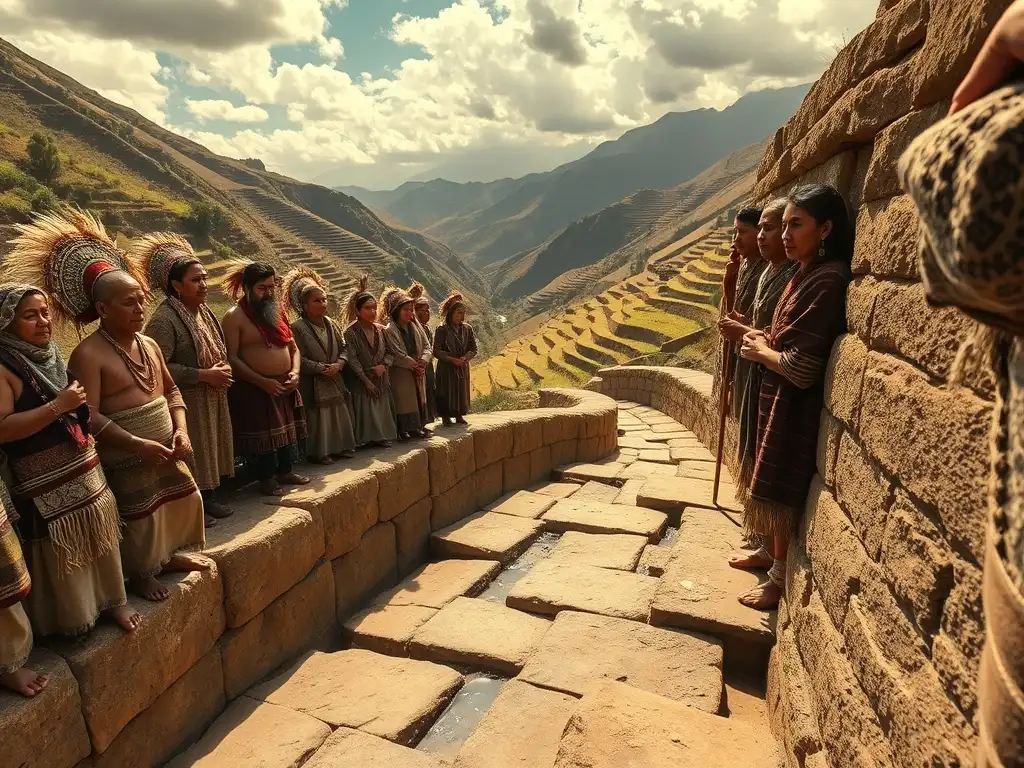
This section delves into the specific rituals and ceremonies associated with Andean irrigation systems, highlighting the deep spiritual connection between the people and their water sources. Understanding these practices provides crucial insight into the sophisticated water management techniques employed by Andean civilizations and their worldview. The intricate relationship between spiritual beliefs and practical irrigation methods is a testament to the ingenuity and holistic approach of these ancient cultures. The keyword "Andean irrigation rituals" is explored through specific examples, demonstrating the variety and significance of these practices across different Andean societies.
The Ayni System and Reciprocity with Nature
The Ayni system, a cornerstone of Andean social organization, extended beyond human interactions to encompass a reciprocal relationship with the natural world, particularly water sources. Ayni, meaning "reciprocity" or "exchange," emphasized balance and mutual benefit. In the context of irrigation, this meant that communities didn't simply take water; they actively gave back to maintain the system's vitality. This reciprocity wasn't merely a symbolic gesture; it was deeply embedded in their daily lives and rituals.
Farmers meticulously maintained canals and irrigation infrastructure, viewing this work not as a chore but as a sacred duty, an act of giving back to the apus (mountain spirits) who controlled the water flow. Neglecting the canals was considered an offense against the spirits, potentially leading to water scarcity or crop failure. This belief system ensured the long-term sustainability of the irrigation systems, fostering a collective responsibility for water conservation and efficient management.
Evidence suggests that communities held regular ceremonies to cleanse and repair canals, reinforcing the spiritual dimension of irrigation maintenance. These events often involved offerings of coca leaves, chicha (a fermented corn beverage), and other symbolic items, solidifying the reciprocal bond between humans and nature.
Water Offerings and Ceremonies for Abundant Harvests
Beyond the ongoing maintenance rituals inherent in the Ayni system, specific ceremonies were performed to ensure abundant harvests. These rituals often involved offerings of water itself, symbolizing the life-giving essence of this precious resource. The offerings weren't randomly placed; they were strategically offered at specific locations within the irrigation system – at the source of the water, at key junctions in the canals, or at the fields themselves.
The nature of the offerings varied across different Andean cultures and regions. Some communities might offer coca leaves and chicha, while others might use llama sacrifices or other symbolic items representing fertility and abundance. The ceremonies themselves were often elaborate affairs, involving community participation, prayers, and music.
These rituals weren't simply superstitious practices; they served a crucial social function, reinforcing community bonds and shared responsibility for the success of the harvest. The precise details of these ceremonies, including the specific rituals and offerings, often remain undocumented, highlighting the need for further research into Andean spiritual practices and their connection with irrigation systems. However, archaeological evidence, such as the discovery of ritual offerings near irrigation canals, provides strong support for the importance of these practices.
The 'Yaku Raymi' Festival in Ecuador and Peru
The Yaku Raymi festival, celebrated in various forms across Ecuador and Peru, exemplifies the profound connection between Andean cultures and water. Translated as "Water Fiesta," this festival is a vibrant celebration honoring the water deities and thanking them for the life-giving waters that sustain agricultural life. The festival typically takes place during the rainy season, marking a time of renewal and abundance.
The Yaku Raymi often involves processions, music, dance, and offerings of flowers, fruits, and other symbolic items to the water sources. Communities gather at springs, rivers, and irrigation canals, participating in rituals aimed at ensuring the continued flow of water and expressing gratitude for its blessings. The festival is not simply a religious observance; it is also a social event that strengthens community ties and reinforces the collective responsibility for water management.
The Yaku Raymi serves as a powerful reminder of the enduring spiritual significance of water in Andean cultures and its central role in their agricultural practices and overall worldview. The enduring celebration of this festival demonstrates the continued relevance of Andean irrigation rituals in modern times. Further research into regional variations of Yaku Raymi would provide a richer understanding of the diverse expressions of this important tradition.
The Role of Priests and Shamans in Water Management
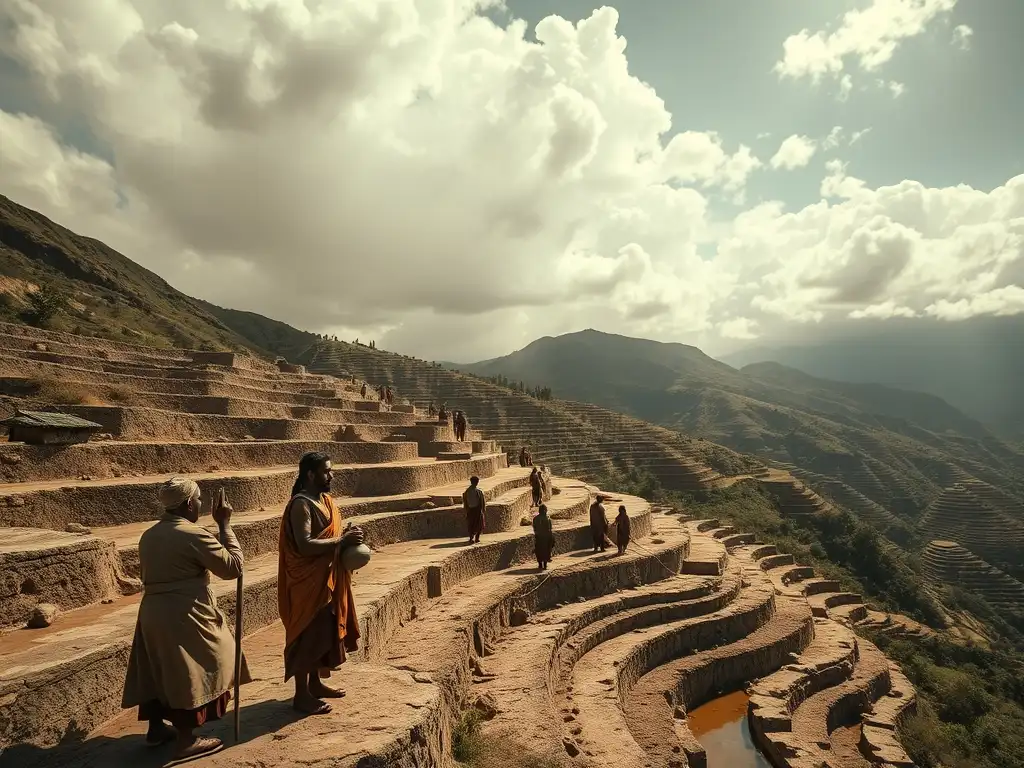
The sophisticated irrigation systems of the Andean civilizations weren't solely feats of engineering; they were deeply intertwined with religious beliefs and practices. Priests and shamans played a pivotal role, acting as intermediaries between the human world and the supernatural forces believed to control water. Their influence extended far beyond mere spiritual guidance; they were actively involved in the planning, construction, and maintenance of these vital water networks.
Their knowledge, passed down through generations, combined practical understanding of hydrology with a profound spiritual connection to the water sources. This intricate blend ensured the successful functioning of the irrigation systems and the prosperity of the communities they served. The success of the agricultural cycle, directly dependent on the efficient management of water, was seen as a reflection of the community's spiritual well-being and its harmonious relationship with the natural world.
This symbiotic relationship between spiritual leadership and practical engineering is a defining characteristic of Andean water management. The power and influence of these spiritual leaders were undeniable, shaping not only the religious landscape but also the very fabric of Andean society.
Spiritual Leaders as Guardians of Water Resources
Andean priests and shamans weren't simply religious figures; they were also considered guardians of water resources. Their responsibilities included performing rituals to ensure the abundance and proper distribution of water, appeasing the spirits associated with water sources, and interpreting omens related to water availability. They held a deep understanding of the intricate relationship between the spiritual and physical realms, viewing the successful functioning of the irrigation systems as a sign of divine favor.
Their authority stemmed from their ability to communicate with the supernatural world and influence the forces that controlled the vital water resources. Evidence suggests that these spiritual leaders played a crucial role in decision-making processes related to water allocation, conflict resolution concerning water rights, and the maintenance of the irrigation infrastructure.
Failure to appease the water spirits, as interpreted by the shamans, could lead to droughts or other misfortunes, emphasizing the crucial role of these figures in maintaining social harmony and agricultural productivity. The reverence for these spiritual leaders was deeply ingrained in the Andean worldview.
Ritual Practices to Ensure Water Distribution
A wide array of rituals were performed to ensure the proper distribution and abundance of water. These rituals, often elaborate and meticulously planned, involved offerings of food, coca leaves, and other precious items to the water deities. Specific ceremonies were conducted at the beginning and end of the planting season, during periods of drought, and upon completion of major irrigation projects.
The detailed nature of these rituals varied across different Andean cultures, reflecting the diversity of beliefs and practices. For example, the Inca might have performed elaborate ceremonies involving llama sacrifices at significant water sources, while the Moche might have created intricate pottery depicting water deities and their associated rituals. These practices weren't merely symbolic; they were integral to the effective management of the irrigation systems.
They provided a framework for community participation, reinforcing social cohesion and collective responsibility for the sustainable use of water. The rituals also served as a powerful reminder of the importance of water in Andean life and the need to maintain a harmonious relationship with the natural world. Detailed archaeological evidence supports the widespread nature and importance of these practices.
The Importance of the Calendar and Astronomical Cycles
The Andean calendar, deeply intertwined with astronomical observations, played a crucial role in scheduling agricultural activities and water management rituals. The precise timing of planting, harvesting, and irrigation was carefully determined based on the movements of the sun, moon, and stars. This sophisticated understanding of celestial cycles enabled the Andeans to optimize their agricultural practices and minimize the risk of crop failure due to water scarcity or excess.
Priests and shamans, often possessing advanced astronomical knowledge, were essential in interpreting these celestial events and advising communities on the appropriate timing of rituals and agricultural actions. The precise alignment of canals and irrigation structures with celestial bodies suggests a deep integration of astronomical knowledge into the design and operation of the irrigation systems.
This precise timing, guided by astronomical observations and spiritual interpretations, demonstrates the advanced level of understanding and coordination necessary for successful irrigation management within the Andean context. The precise alignment of structures with the solstices and equinoxes further highlights the sophisticated integration of astronomy and water management.
The Connection Between Rituals and the Andean Irrigation Systems
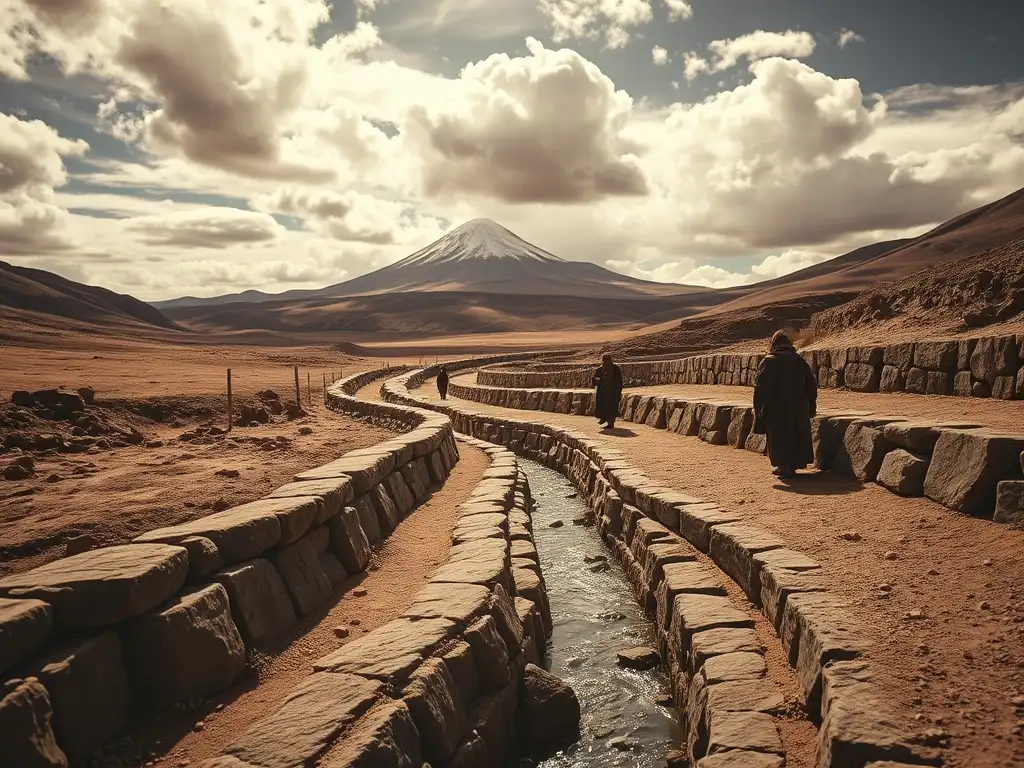
The intricate network of canals and aqueducts that characterized Andean civilizations wasn't merely a feat of engineering; it was deeply intertwined with a complex system of religious beliefs and rituals. Understanding the role of these rituals is crucial to appreciating the holistic approach these societies took to water management. The success of their irrigation systems, which allowed them to flourish in challenging terrains, depended not only on technical expertise but also on a strong spiritual connection to the water source and the forces of nature.
This connection manifested in various rituals designed to ensure the continued flow of water, appease the gods, and maintain social harmony within the community. The very act of constructing and maintaining these vital lifelines was imbued with spiritual significance, blurring the lines between the practical and the sacred.
Analyzing Andean irrigation rituals reveals a sophisticated understanding of water's importance, far exceeding a purely utilitarian perspective. The sheer scale and longevity of many Andean irrigation systems stand as testament to the power of this integrated approach.
Rituals as a Form of Community Cooperation in Water Management
Andean irrigation systems required substantial collective effort. The construction and maintenance of canals, the allocation of water resources, and the resolution of conflicts over water access all demanded cooperation among different communities and social groups. Rituals played a vital role in fostering this collaboration.
For instance, communal ceremonies often accompanied the initiation of new irrigation projects. These events served not only to invoke blessings from the deities associated with water but also to solidify social bonds and establish shared responsibility for the system's upkeep. The shared participation in these rituals reinforced a sense of collective ownership and mutual dependence, ensuring the long-term success of the irrigation system.
Evidence suggests that specific roles and responsibilities within the water management system were often linked to participation in particular rituals, creating a structured and socially cohesive approach to this essential task. Failure to participate could have significant social consequences, further emphasizing the importance of communal engagement. Moreover, disputes over water allocation were often resolved through ritualistic means, demonstrating the power of spiritual beliefs to mediate practical conflicts.
The Spiritual Dimension of Andean Engineering
The Andean worldview saw the world as imbued with spiritual energy. Mountains, rivers, and other natural features were considered sacred, inhabited by powerful deities who controlled the forces of nature. Water, in particular, held immense spiritual significance, representing life, fertility, and abundance.
Therefore, Andean engineering wasn't simply about building canals; it was about interacting respectfully with the spiritual forces that governed the water supply. Rituals aimed to appease these deities, ensuring a steady flow of water and preventing disasters like droughts or floods. These rituals often involved offerings, prayers, and sacrifices, all designed to maintain a harmonious relationship between humans and the spiritual realm.
The orientation of canals, the selection of construction materials, and even the tools used were often chosen with consideration for their spiritual significance, demonstrating the deep integration of spiritual beliefs into the practical aspects of irrigation. The design itself, often mirroring natural landscapes, suggested a reverence for the natural world and its inherent power. Furthermore, the construction process itself often incorporated rituals, sanctifying the work and acknowledging the supernatural forces involved in the project's success.
The Role of Rituals in Maintaining Irrigation Canals
Maintaining the Andean irrigation systems was an ongoing process requiring constant vigilance and repair. Rituals played a crucial role in this continuous maintenance. Regular ceremonies were performed to cleanse and purify the canals, ensuring the free flow of water and preventing blockages.
These rituals often involved specific offerings placed in the water, symbolic gestures to appease any angered spirits, and prayers for continued abundance. The maintenance itself was seen as a sacred act, connecting the community with the life-giving water and perpetuating the relationship between humans and the divine. Evidence from archaeological sites suggests that specific individuals or groups were responsible for the ritualistic maintenance of canals, highlighting the importance of this aspect of water management.
Neglecting these rituals could be seen as disrespectful to the gods and could lead to negative consequences, further emphasizing their importance in the overall system's functionality and longevity. This continuous cycle of ritualistic maintenance ensured the long-term viability of the irrigation systems, demonstrating the practicality and effectiveness of integrating spiritual beliefs into practical engineering endeavors. The integration of ritual into the maintenance process underscores the holistic approach to water management practiced by Andean cultures.
The Legacy of Andean Irrigation Rituals in Modern Times
The intricate network of canals, aqueducts, and reservoirs that characterized Andean agriculture wasn't simply a feat of engineering; it was deeply intertwined with a complex system of rituals and beliefs. While the Spanish conquest significantly disrupted these practices, many elements persist in contemporary Andean communities, showcasing the enduring legacy of these ancient traditions. Understanding the continued relevance of these rituals offers crucial insight into the holistic approach to water management prevalent in pre-Columbian societies and its lasting impact on modern perspectives.
The enduring spiritual connection to water resources, even in the face of modernization, highlights the importance of respecting ancestral knowledge and practices for sustainable water management. The survival of these rituals is a testament to the resilience of Andean culture and its profound connection to the land. Analyzing these surviving practices reveals much about the enduring values and beliefs that shaped, and continue to shape, Andean societies.
Surviving Rituals and their Importance to Contemporary Andean Communities
Many Andean communities still perform rituals related to water management, albeit often adapted to modern contexts. These rituals frequently involve offerings to apus (mountain spirits) and mallquis (guardian spirits of places), requesting their protection and ensuring abundant water for crops. For example, in certain communities of the Peruvian Andes, the pago a la tierra (payment to the earth) ceremony, involving offerings of coca leaves, chicha (fermented corn beer), and other items, is still practiced before the start of the planting season.
This ritual isn't simply a symbolic gesture; it's a crucial part of the agricultural cycle, believed to ensure a successful harvest. The continuity of these practices underscores their deep-rooted importance in the social fabric of these communities.
Furthermore, these rituals serve as a vital link between past and present, reinforcing community identity and cultural heritage. The passing down of these traditions through generations ensures their preservation and adaptation to new challenges.
The specific rituals vary across different Andean regions and communities, reflecting the diverse cultural landscape. Some communities perform elaborate ceremonies involving music, dance, and processions, while others opt for more intimate rituals within families or smaller groups. However, the underlying principle remains consistent: a profound respect for water as a sacred element and a reliance on spiritual forces to ensure its availability.
The survival of these practices despite external pressures highlights their intrinsic value to the communities that maintain them. Detailed ethnographic studies are needed to fully document the diversity of these surviving Andean irrigation rituals and their evolving significance.
The Ongoing Spiritual Connection to Water Resources
The spiritual connection to water in the Andes transcends mere practicality; it's an integral part of the Andean worldview. Water is not simply a resource; it's a vital life force, imbued with sacred power. This deep-seated reverence for water is reflected in numerous myths, legends, and artistic expressions found throughout the Andes.
The apus, often depicted as powerful mountain deities, are considered the guardians of water sources, and their favor is essential for agricultural prosperity. This spiritual dimension significantly influences water management practices, ensuring a sustainable and respectful approach. Modern scientific approaches to irrigation often overlook this spiritual dimension, but understanding it is crucial for implementing sustainable water management strategies that are culturally sensitive and effective.
The belief that water is a sentient being, deserving of respect and reciprocity, permeates Andean culture. This philosophy is reflected in the careful management of water resources, avoiding wasteful practices and promoting equitable distribution. The concept of ayni, a reciprocal system of exchange and mutual support, extends to the relationship between humans and water.
By offering respect and making offerings, communities believe they receive abundant water in return. This worldview fosters a sense of responsibility and stewardship towards water resources, contributing to long-term sustainability. Ignoring this spiritual component risks undermining the effectiveness of any modern water management initiative in the Andes.
Challenges and Adaptations of Ritual Practices in Modern Agriculture
Modernization and globalization present significant challenges to the continuity of traditional Andean irrigation rituals. The introduction of modern agricultural technologies, such as mechanized irrigation systems and chemical fertilizers, often clashes with traditional practices. Furthermore, migration to urban centers and the influence of external cultural forces can lead to the erosion of traditional knowledge and beliefs. However, many communities are actively adapting their rituals to these changing circumstances, demonstrating remarkable resilience and ingenuity.
For example, some communities have integrated modern technologies into their rituals, incorporating new elements while preserving the core beliefs and practices. Others have adapted their rituals to address new environmental challenges, such as climate change and water scarcity. These adaptations highlight the dynamic nature of Andean culture and its capacity to evolve while maintaining its fundamental values.
Understanding these adaptations is vital for supporting the continued practice of these rituals, recognizing their crucial role in maintaining both cultural heritage and sustainable water management. Further research is needed to explore the diverse ways in which Andean communities are adapting their rituals to the challenges of the 21st century.
Documenting these adaptations will provide valuable insights into the resilience of Andean culture and the ongoing importance of traditional knowledge in addressing contemporary issues. The successful integration of traditional practices with modern approaches is crucial for ensuring sustainable water management in the Andean region.
Frequently Asked Questions
What role did rituals play in Andean irrigation systems?
Andean irrigation wasn't just engineering; it was deeply intertwined with spiritual beliefs. Communities performed rituals to ensure successful harvests and appease the gods who controlled water. These rituals were crucial to their agricultural success.
Were specific deities associated with water and irrigation?
Yes, many Andean cultures had water deities and spirits associated with springs, rivers, and rain. Appeasing these powerful entities through offerings and ceremonies was believed essential for a bountiful water supply. The specific deities varied across different cultures.
What types of rituals were commonly performed?
Rituals included offerings of food, coca leaves, and llama sacrifices, often placed in sacred sites near water sources. Processions, prayers, and specific ceremonies designed to control water flow and ensure rainfall were also common.
How did these rituals impact the construction and maintenance of irrigation systems?
The sacred nature of the water and the importance of the rituals influenced the design and location of canals and aqueducts. Maintenance was viewed not just as practical work, but as a continuation of the sacred relationship with the water spirits.
What evidence exists to support the connection between Andean irrigation and rituals?
Archaeological evidence, such as sacrificial offerings found near irrigation canals and depictions of water rituals in pottery and textiles, strongly supports the deep connection between Andean irrigation practices and spiritual beliefs. Ethnographic studies of modern Andean communities also offer valuable insights.
Final Reflection: The Enduring Spirit of Andean Water
The intricate relationship between Andean communities and their water sources, as explored through the lens of ritual, remains profoundly relevant today. In a world grappling with climate change and dwindling resources, understanding the deep-seated spiritual connection that fostered sustainable water management practices for centuries offers invaluable lessons for the future. The wisdom embedded in these traditions holds the potential to reshape our own approach to resource conservation and community stewardship.
The enduring power of Andean irrigation rituals lies not just in their historical significance, but in their ongoing influence on cultural identity and environmental consciousness. These practices weren't simply about moving water; they were about forging a sacred bond with the land and its life-giving forces. This holistic perspective, where the spiritual and the practical are inextricably linked, offers a powerful counterpoint to our often fragmented modern approach. Water is life, and life is sacred. To respect the water is to respect life itself.
This simple truth, echoing through generations of Andean communities, holds a timeless resonance.
Consider the profound implications of this interconnectedness. What if we, too, approached our relationship with natural resources with a similar sense of reverence and responsibility? I invite you to reflect on the ways in which you interact with the natural world, and to consider how a renewed sense of spiritual connection might foster a more sustainable and harmonious future. Let the enduring legacy of Andean irrigation rituals inspire you to cultivate a deeper appreciation for the precious resources that sustain us all.
Embrace the Spirit of Andean Rituals Today!
Thank you for exploring the profound connection between Andean rituals and their sophisticated irrigation systems. You've gained valuable insight into the deep intertwining of spirituality and agriculture in these remarkable cultures. Now, let's put this knowledge into practice!
Here are some ways you can engage more deeply with Andean traditions:
- **Create a personal ritual:** Dedicate a short daily practice to appreciating nature—perhaps a morning meditation or a mindful walk in a green space.
- **Explore traditional Andean crafts:** Consider taking a weaving or pottery class, connecting with the artisans who are keeping these ancient skills alive.
- **Share your knowledge:** Discuss the significance of these rituals with friends or family, or share your insights on social media to inspire others to learn about Andean culture.
What unique ritual could you create to honor both the environment and your own spirituality?