
Inca Roads and the Movement of Labor: Building a Grand Empire

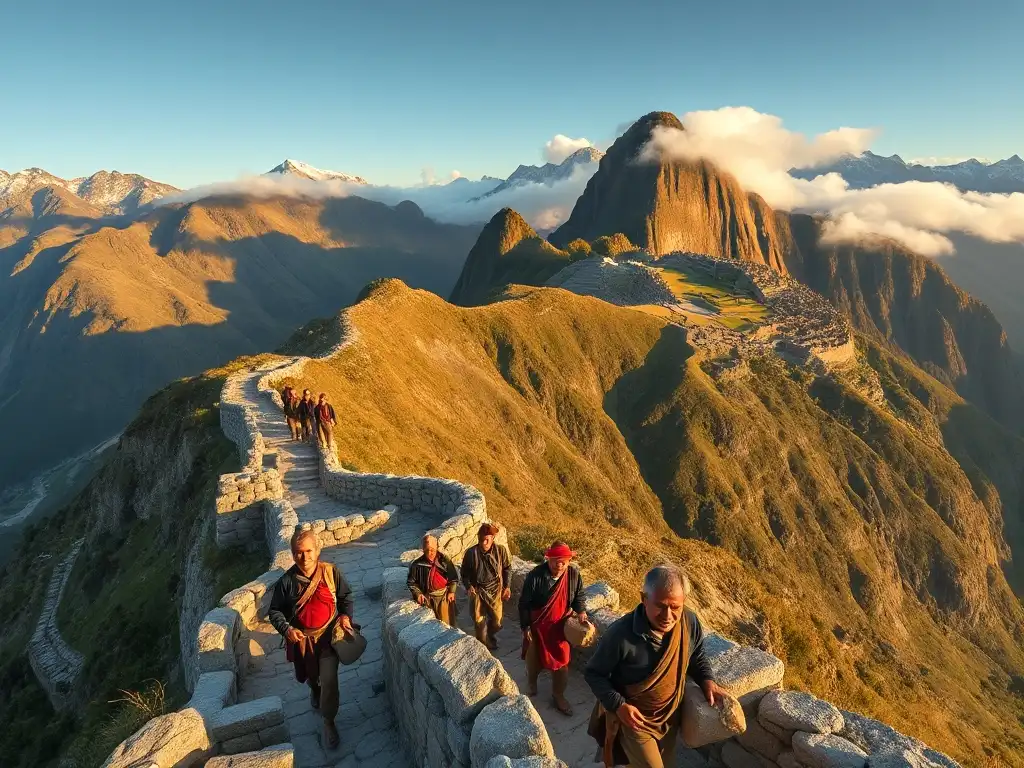
Welcome to Andean Civilizations! Prepare to be amazed by the ingenuity and complexity of the ancient Andean world. For centuries, these remarkable cultures shaped the landscape and left behind a legacy of breathtaking artistry and unparalleled engineering feats. But how did they manage to achieve such monumental tasks? The answer lies, in part, within the secrets of their Inca road system labor management, a sophisticated system that fueled their empire's growth. Discover the astonishing story behind this intricate network and the human power that built a grand empire – explore further to uncover the truth.
The Inca Empire, a marvel of pre-Columbian South America, stretched across vast and challenging terrain. Its success wasn't solely due to military prowess or sophisticated agricultural techniques; a crucial element was the empire's remarkably efficient road system.
This network of pathways, spanning thousands of miles across the Andes Mountains, facilitated not only communication and trade but also the strategic movement of labor—a vital component in constructing and maintaining the empire's impressive infrastructure and supporting its economic activities. This article delves into the intricate system of labor management employed by the Inca, exploring how they mobilized and organized their workforce to build and sustain their renowned road network, a testament to their organizational skills and engineering prowess.
We will examine the mita system, the role of specialized labor groups, and the logistical challenges overcome in this monumental undertaking, revealing how efficient labor management was intrinsically linked to the very fabric of the Inca Empire. Understanding the Inca road system and its labor management is key to appreciating the scale and complexity of this extraordinary civilization.
The Mita System: The Backbone of Inca Labor Mobilization
The mita system was the cornerstone of Inca labor organization. Unlike forced labor in many other empires, the mita was a form of reciprocal obligation, where citizens were required to contribute a set amount of labor to the state in exchange for various benefits, such as land access, protection, and social support. This wasn't a system of constant servitude; individuals fulfilled their mita obligations for a specific period, after which they returned to their communities.
However, the scale of projects like road construction required the mobilization of vast numbers of people. The Inca meticulously organized the mita, ensuring that the demands on individuals were manageable and rotated fairly among different communities.
Detailed records, possibly using quipus (a system of knotted strings), likely tracked individuals' mita obligations and ensured equitable distribution of labor demands. Archaeological evidence suggests that different communities specialized in various aspects of road construction, demonstrating a sophisticated understanding of task management and workforce allocation.
Specialized Labor Groups and Their Roles in Road Construction
The Inca road system wasn't built by a homogenous workforce. Evidence suggests the existence of specialized labor groups, each with unique skills and responsibilities. For example, some groups might have been responsible for quarrying and shaping stones, while others focused on transporting materials, constructing retaining walls, or paving the roads. This division of labor maximized efficiency, enabling the simultaneous execution of different stages of road construction.
Furthermore, the Inca likely employed skilled engineers and architects to oversee the entire process, ensuring adherence to standards and quality control. The integration of different skill sets and the efficient coordination of their work highlight the advanced organizational capabilities of the Inca state. The seamless integration of these specialized groups reflects a sophisticated understanding of project management and resource allocation, far exceeding the capabilities of many contemporary societies.
Logistical Challenges and Ingenious Solutions in Inca Road Construction
Constructing roads across the Andes presented significant logistical challenges. The mountainous terrain, varying altitudes, and unpredictable weather conditions required innovative solutions. The Inca overcame these hurdles through a combination of careful planning, advanced engineering techniques, and efficient resource management. For example, they developed sophisticated techniques for terracing slopes, building bridges and retaining walls, and adapting road construction to the specific geological conditions of each region.
The transportation of materials across steep inclines and challenging terrain required creative solutions, potentially involving the use of systems of ramps, ropes, and human porters. The sheer scale of the undertaking and the ingenious solutions employed underscore the impressive engineering and organizational skills of the Inca civilization. Detailed study of surviving road sections reveals the meticulous planning that went into addressing these challenges, emphasizing the importance of logistical expertise in the success of the Inca road network.
The Impact of the Inca Road System on the Empire's Growth and Stability
The efficient Inca road system, built and maintained through effective labor management, played a crucial role in the empire's growth and stability. It facilitated rapid communication, allowing for swift responses to emergencies and the effective administration of vast territories. The movement of goods and resources was greatly enhanced, supporting economic development and interregional trade. The ability to quickly mobilize labor for construction projects, military campaigns, or agricultural initiatives contributed to the empire’s resilience and capacity for expansion.
The road network served as a vital artery, sustaining the empire's economic and political power. The interconnectedness fostered by the roads facilitated cultural exchange and strengthened the sense of unity among the diverse populations within the empire. The roads were not merely infrastructure; they were the lifeblood of the Inca state.
- The Mita System: The Backbone of Inca Labor Mobilization
- Specialized Labor Groups and Their Roles in Road Construction
- Logistical Challenges and Ingenious Solutions in Inca Road Construction
- The Impact of the Inca Road System on the Empire's Growth and Stability
- How did the Inca Empire manage the massive labor force needed for road construction?
- What specific technologies or techniques did the Inca use for road construction?
- How did the Inca road system facilitate the movement of labor across the empire?
- What role did the Inca road system play in the empire's overall economy?
- Besides road construction, what other tasks were Inca laborers required to perform through the mita system?
The Importance of Inca Roads for Empire Building
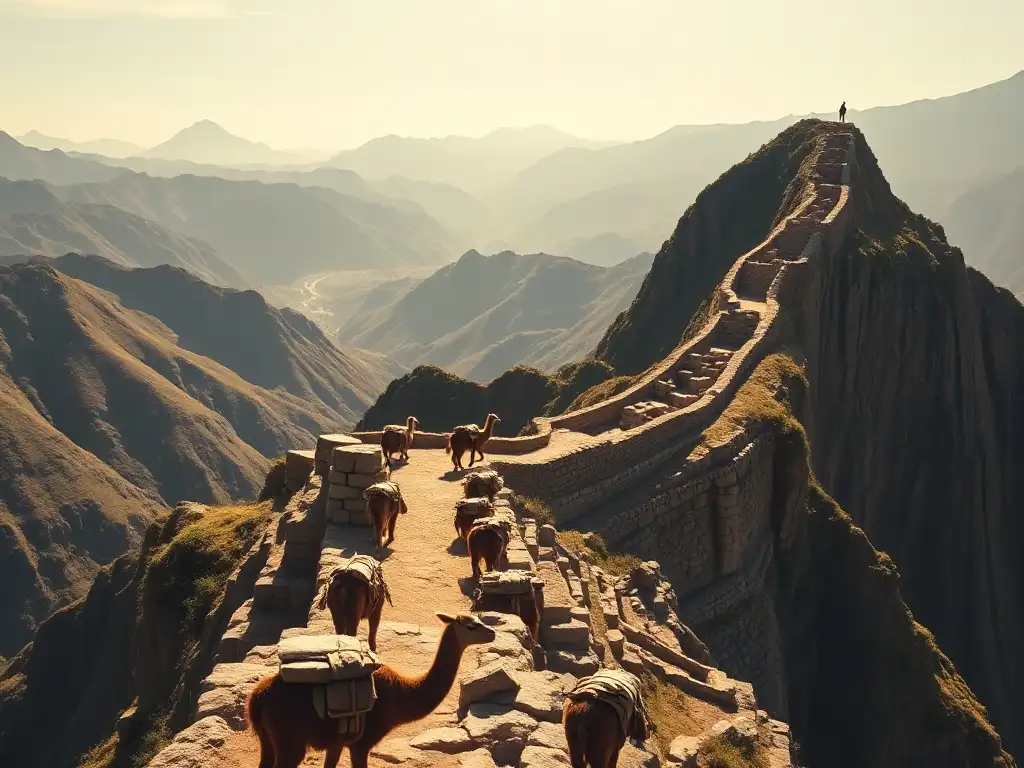
The Inca road system wasn't merely a network of pathways; it was the very artery of the Inca Empire, crucial to its expansion, control, and longevity. Its strategic importance extended far beyond simple transportation, impacting every aspect of Inca society, particularly their impressive feats of labor management. The sheer scale of the road network – spanning thousands of miles across diverse and challenging terrains – speaks volumes about the Inca's organizational prowess and their ability to mobilize and manage vast quantities of labor.
This intricate system facilitated the swift movement of troops, goods, and, critically for our discussion, labor itself. The effective management of this labor force was essential to the construction and maintenance of the roads, as well as the broader functioning of the empire.
Without a robust system for mobilizing and directing workers, the Inca's ambitious infrastructure projects would have been impossible. This section will explore the intricate relationship between the Inca road system and their sophisticated labor management techniques.
Strategic Role of the Inca Road Network
The Inca road network served a multitude of strategic purposes, all interconnected and vital to the empire's success. Military movements were significantly expedited, allowing for rapid responses to rebellions or external threats. The ability to swiftly deploy troops across vast distances was a significant factor in maintaining control over such a large and diverse empire. Beyond military applications, the roads facilitated efficient trade and the distribution of goods.
Essential resources, agricultural products, and manufactured items could be transported effectively, supporting the empire's economy and ensuring the supply of necessities to various regions. This efficient distribution system contributed significantly to the stability and prosperity of the Inca state. The network also played a crucial role in communication.
Runners, known as chasquis, relayed messages along the roads with remarkable speed, enabling rapid communication between distant provinces and the imperial capital, Cuzco. This ensured that information flowed swiftly, allowing for effective governance and the coordinated response to events throughout the empire. The chasquis system, integrated with the road network, provided a crucial communication backbone for the efficient management of labor across the vast empire.
The Inca Road System: A Network for Control and Communication
The Inca road system was not just a physical infrastructure; it was a system of control and communication, intricately linked to the management of labor. The roads themselves facilitated the movement of mit'a workers – the labor force conscripted for public works projects. These workers, drawn from different regions of the empire, were transported along the roads to construction sites, often far from their homes. The efficiency of the transportation system was directly related to the success of these projects.
The Inca's ability to efficiently move thousands of workers to various sites across the empire highlights their exceptional logistical capabilities. Furthermore, the road network facilitated the supervision and control of the mit'a system. Inspectors and overseers could travel along the roads to monitor the progress of projects and ensure the workers' compliance. This system of checks and balances was crucial in maintaining productivity and preventing disruptions.
The roads, therefore, were not simply pathways; they were essential components of the Inca's sophisticated labor management strategy, enabling the construction and maintenance of their remarkable infrastructure, while also contributing to the overall stability and control of the empire. The integration of communication and transportation within the Inca road system is a testament to their advanced understanding of logistics and the importance of efficient labor management for their ambitious projects. The entire system demonstrates a remarkable understanding of the interplay between infrastructure, communication, and effective management of human resources – a crucial factor in understanding the success of the Inca Empire.
Labor Mobilization for Inca Road Construction
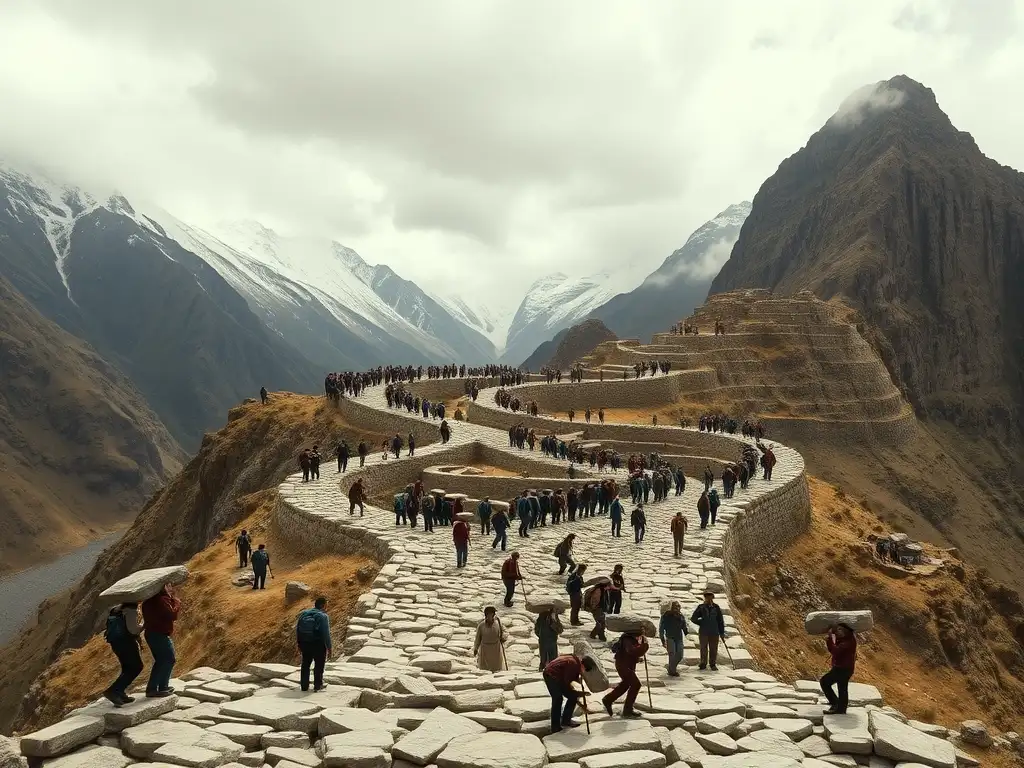
The Inca road system, a marvel of ancient engineering, wasn't built through magic or slave labor, but through a meticulously organized system of labor mobilization. Understanding the Inca road system's labor management is crucial to appreciating the scale and sophistication of the empire's infrastructure projects. The sheer volume of manpower required to construct and maintain thousands of miles of roads, bridges, and pathways across diverse and challenging terrains speaks volumes about the effectiveness of the Inca's administrative capabilities and their mastery of human resource management.
This section delves into the intricate mechanisms used by the Inca to mobilize and manage the workforce responsible for this monumental undertaking. The keyword phrase "Inca road system labor management" is central to understanding how this vast network was created and sustained.
Mit'a System: Mandatory Labor Service for the Inca
The cornerstone of Inca labor mobilization was the mit'a system, a form of mandatory public service. Unlike forced labor, the mit'a was a reciprocal arrangement. In exchange for their service, individuals and their communities received access to resources, protection, and social standing within the Inca empire.
This wasn't a system of endless toil; the mit'a obligations were cyclical, with periods of service alternating with periods of agricultural work or other personal pursuits. The duration of mit'a service varied depending on the project's scale and the individual's skills. Some individuals might serve for a few months, while others, particularly those with specialized skills like stonemasons or engineers, might serve for longer periods.
The system ensured a consistent supply of labor for infrastructure projects, including the extensive road network. The mit'a wasn't solely focused on road construction; it encompassed a wide range of public works, including agriculture, mining, and military service, but road construction was undoubtedly a significant component. This system of reciprocal obligation was a key factor in the success of Inca road system labor management.
Organization and Logistics of the Mit'a
The mit'a system wasn't haphazard; it was meticulously organized and managed. The Inca employed a sophisticated administrative structure to ensure the efficient allocation of labor to various projects. Regional governors ( tukuy rikuqkuna) were responsible for overseeing the mit'a in their respective provinces. They were tasked with recruiting the necessary workforce, providing them with tools and supplies, and ensuring that the work was carried out according to the Inca's standards.
Furthermore, the Inca maintained detailed records of the mit'a obligations of each community. These records, likely kept using quipus (knotted strings), allowed the Inca to track the number of workers assigned to each project and monitor the progress of the work. This level of logistical planning and record-keeping is remarkable, especially considering the absence of a written language.
The intricate network of roads itself facilitated the movement of labor and materials, highlighting a self-reinforcing aspect of the Inca road system labor management strategy. The effective management of resources, including food and tools, was crucial for the success of large-scale projects. Evidence suggests the establishment of temporary settlements near construction sites to house and feed the workers during their service periods.
The Role of Kurakas in Labor Management
Local leaders, known as kurakas, played a vital role in the mit'a system. They acted as intermediaries between the Inca administration and their communities. Kurakas were responsible for selecting the individuals who would participate in the mit'a and ensuring that their communities fulfilled their obligations.
This system leveraged existing social structures and hierarchies, making the mobilization of labor more efficient and less disruptive to local life. In return for their cooperation, kurakas maintained their authority and prestige within their communities and enjoyed a privileged position within the Inca empire. Their role wasn't merely administrative; they often provided essential local knowledge and expertise, particularly in navigating challenging terrain and utilizing local resources.
The success of the Inca road system labor management depended heavily on the effective collaboration between the Inca administration and the kurakas. This collaborative approach minimized conflict and ensured the consistent flow of labor needed for the construction and maintenance of the vast road network. The kurakas were essential in translating the broader imperial agenda into locally-relevant action, making the mit'a system a remarkably effective tool for mobilizing labor.
Engineering and Construction of Inca Roads
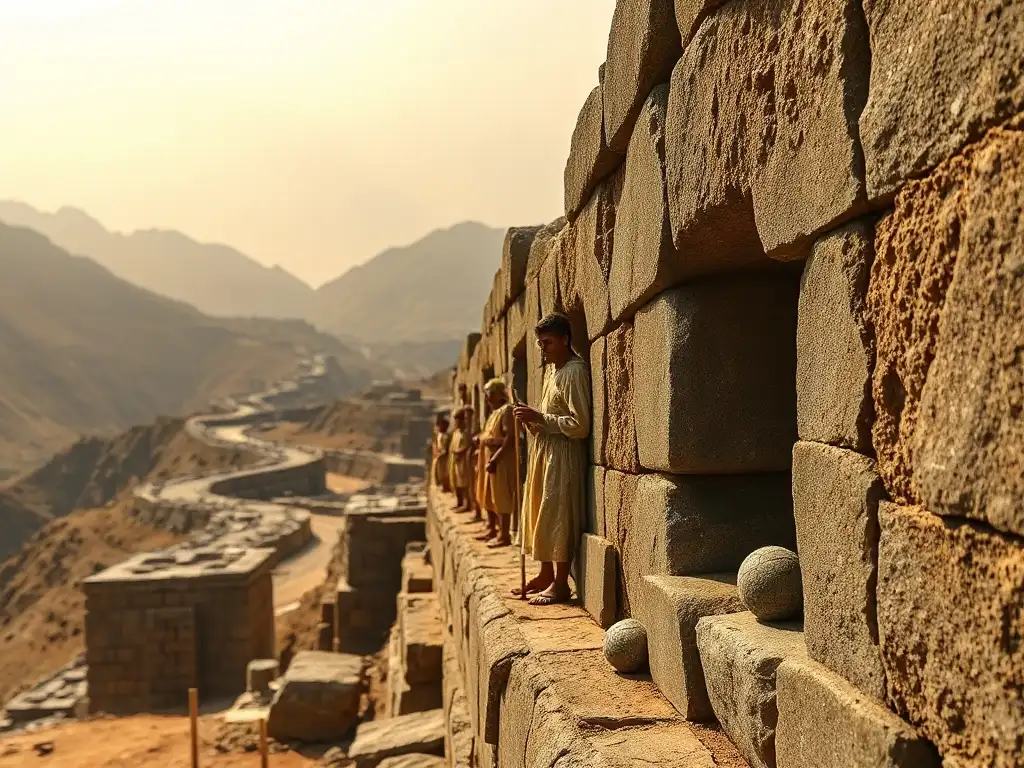
The Inca road system, a marvel of ancient engineering, wasn't simply a network of pathways; it was a testament to sophisticated labor management and logistical prowess. Understanding the Inca road system labor management requires delving into the meticulous planning and execution of its construction. The sheer scale of the undertaking, spanning thousands of miles across diverse and challenging terrains, highlights the advanced organizational capabilities of the Inca Empire.
This section explores the techniques, materials, and challenges involved in building this impressive infrastructure, showcasing the ingenuity and skill of Inca engineers and laborers. The empire's success wasn't solely reliant on military might; its effective management of its workforce was crucial to its expansion and longevity.
Inca Road Construction Techniques
Inca road construction wasn't a haphazard process. It involved a series of precisely planned steps, reflecting a deep understanding of engineering principles. The techniques employed varied depending on the terrain, but several common practices stand out.
First, meticulous surveying was crucial. Inca engineers, using sophisticated techniques likely involving astronomical observations and practical measurements, carefully plotted the routes, optimizing for minimal gradients and maximizing strategic placement. This careful planning minimized the need for extensive earthworks and maximized the efficiency of the routes.
Second, the construction itself involved a highly organized workforce. The mita system, a form of mandatory labor service, provided the manpower for these massive projects. Laborers were organized into specialized teams, each responsible for specific tasks like quarrying stone, transporting materials, and executing the actual construction. Evidence suggests a hierarchical structure within these teams, with skilled supervisors overseeing the work.
Third, the construction techniques themselves were impressive. For example, in mountainous regions, Inca engineers employed intricate terracing techniques to create stable roadbeds on steep slopes. They also mastered the art of stonework, fitting stones together with remarkable precision, often without the use of mortar. This "dry-stone masonry" is a testament to their skill and understanding of structural engineering. The precision and quality of the construction ensured the longevity of the roads, many sections of which remain remarkably well-preserved today.
Finally, the system also implemented drainage solutions to prevent erosion and damage from water. This included carefully designed channels and culverts to divert water away from the road surface, demonstrating a keen understanding of hydraulics and environmental factors.
Materials Used in Inca Road Building
The materials used in Inca road construction varied significantly depending on the local availability of resources. However, stone was the primary material, reflecting the Inca's mastery of stonework. Different types of stone were selected based on their durability and availability. Hard, igneous rocks were preferred for sections exposed to heavy wear and tear, while softer stones might have been used in less demanding areas.
In addition to stone, other materials were employed. For example, earth and gravel were used to create the roadbed, providing a stable base for the stone paving. In some areas, timber was used for bridges and retaining walls. The careful selection and integration of these materials demonstrate an understanding of material science and a commitment to using locally sourced resources whenever possible.
The efficient use of available resources speaks to the Inca Empire's sustainable practices. The selection of materials was not arbitrary; it was strategic, reflecting a commitment to building durable and long-lasting infrastructure with minimal environmental impact. This is a key aspect of understanding their Inca road system labor management; resource management was integral to the overall success of their projects.
Challenges and Solutions in Road Construction
Building the Inca road system presented numerous challenges, ranging from geographical obstacles to logistical hurdles. The varied terrain, encompassing high altitudes, dense forests, and arid deserts, posed significant difficulties. The Andes Mountains, with their steep slopes and treacherous cliffs, required innovative engineering solutions.
One significant challenge was transporting materials over long distances. The Inca overcame this using a sophisticated system of relay runners and pack animals. They established strategically located storage depots along the routes to facilitate the efficient movement of materials. This logistical prowess was essential for the success of the road construction projects.
Another major challenge was dealing with extreme weather conditions. The high altitude environment presented challenges of cold temperatures, frost, and snow. To address this, the Inca employed techniques such as terracing and drainage systems to prevent erosion and damage from snow and rain.
Finally, the sheer scale of the project required effective labor management. The mita system, while effective in providing manpower, also presented challenges in terms of organization, coordination, and ensuring the timely completion of projects. The Inca addressed this through a hierarchical structure that oversaw the work, ensuring efficient resource allocation and timely completion. The success of the Inca road system is a testament to their ability to overcome these diverse and complex challenges. This showcases not only their engineering skills but also their exceptional abilities in Inca road system labor management.
Labor Specialization in Inca Road Projects
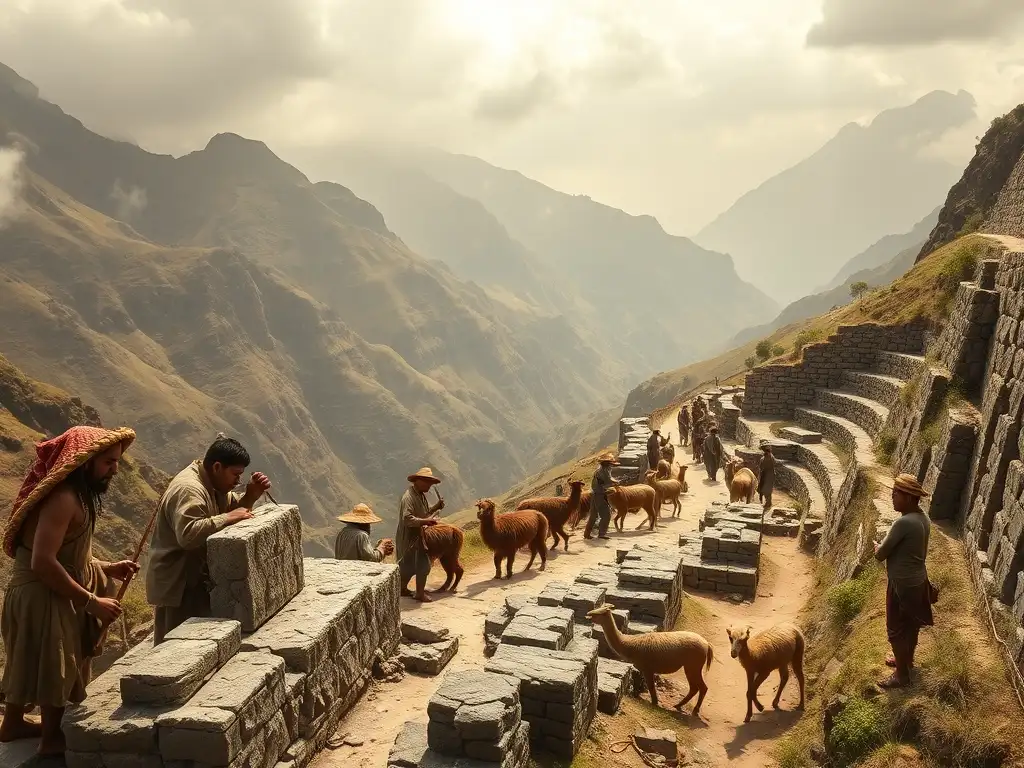
The Inca road system, a marvel of ancient engineering, was not built by a homogenous workforce. Its construction relied heavily on a sophisticated system of labor specialization, reflecting the advanced organizational capabilities of the Inca Empire. Effective management of this diverse workforce was crucial to the timely and efficient completion of projects spanning vast distances and diverse terrains.
Understanding the intricacies of Inca road system labor management reveals a highly organized and efficient system that contributed significantly to the empire's expansion and consolidation of power. This intricate system involved careful planning, resource allocation, and a hierarchical structure that ensured the successful completion of these massive infrastructural undertakings. The sheer scale of the Inca road network, stretching over 40,000 kilometers, necessitates a deep dive into the organizational genius behind its construction.
Roles of Engineers and Architects
The Inca road system wasn't haphazardly constructed. Highly skilled engineers and architects played a pivotal role in its design and execution. While the exact titles and training methods remain somewhat unclear due to the limited surviving textual records, archaeological evidence points to a specialized class of individuals responsible for surveying, planning, and overseeing construction. These individuals likely possessed advanced knowledge of mathematics, geometry, and engineering principles, necessary for designing roads that traversed challenging Andean landscapes. Their responsibilities encompassed:
- Route planning and surveying: Determining optimal routes considering terrain, climate, and strategic locations. This involved sophisticated techniques for measuring distances and gradients, potentially using instruments like knotted cords (quipus) for recording data.
- Material selection and management: Overseeing the procurement and efficient use of building materials, including stone, earth, and timber. This required a deep understanding of local resources and their properties.
- Workforce organization and supervision: Effectively managing the large teams of laborers, ensuring adherence to plans and safety standards. This task required strong leadership and organizational skills.
- Quality control: Implementing quality control measures to ensure the durability and longevity of the roads. This involved regular inspections and the potential use of standardized techniques for construction.
Evidence suggests that these engineers and architects weren't just isolated figures but worked within a hierarchical system, collaborating with local authorities and community leaders to coordinate labor and resources.
Specialized Labor Groups in Road Construction
The construction of the Inca roads wasn't solely the domain of skilled engineers and architects. A diverse range of specialized labor groups contributed to the project's success. These groups, often organized by ayllu (kinship groups), possessed specific skills and expertise, leading to a highly efficient division of labor. For example:
- Stone masons: Highly skilled artisans responsible for quarrying, shaping, and placing the massive stones used in road construction, particularly in more challenging sections. Their precision and mastery of stonework are evident in the surviving sections of Inca roads.
- Earthworkers: These laborers focused on excavating, leveling, and compacting earth, forming the base for the roads. Their skills were crucial in adapting the roads to the varying terrain.
- Carpenters and timber workers: Responsible for constructing bridges, scaffolding, and other wooden structures necessary for road construction, especially in areas with significant elevation changes.
- Pack animal handlers: The transport of materials across the vast distances of the Inca empire relied heavily on llamas and alpacas. Specialized handlers were needed to manage these animals and ensure the safe and efficient movement of goods.
- Logistics and supply: A large group of workers managed the distribution of food, tools, and materials to the various construction sites, a critical aspect of managing such a large-scale project.
The efficient coordination of these specialized groups was essential to the success of Inca road construction, showcasing the empire's impressive logistical abilities.
Skills and Training of Inca Road Workers
The Inca road system's construction demanded a skilled workforce. While formal apprenticeships as understood in modern contexts may not have existed in the same way, training and skill development were integral parts of the Inca social structure. Skills were often passed down through generations within ayllus, with younger members learning from experienced elders. This informal apprenticeship system, combined with a strong emphasis on communal work and shared knowledge, ensured the continuity of essential skills.
The level of skill required varied depending on the specific task. Stone masons, for example, needed years of practice to develop the precision and expertise needed for their work. Their skills were honed through continuous practice and observation, leading to a high level of craftsmanship evident in the surviving structures. Similarly, other specialized groups required specific skills and training relevant to their roles.
The mita system, a form of mandatory labor service, played a key role in mobilizing the workforce for road construction. While it might be viewed negatively in some contexts, within the Inca system, it provided a mechanism for distributing the burden of labor fairly across the empire, ensuring that all communities contributed to the construction of this vital infrastructure. The mita system, combined with the specialized labor and training practices, allowed the Inca to build and maintain their extensive road network efficiently. The legacy of this system continues to inspire awe and admiration for its effectiveness and scale.
Impact of the Inca Road System on Labor
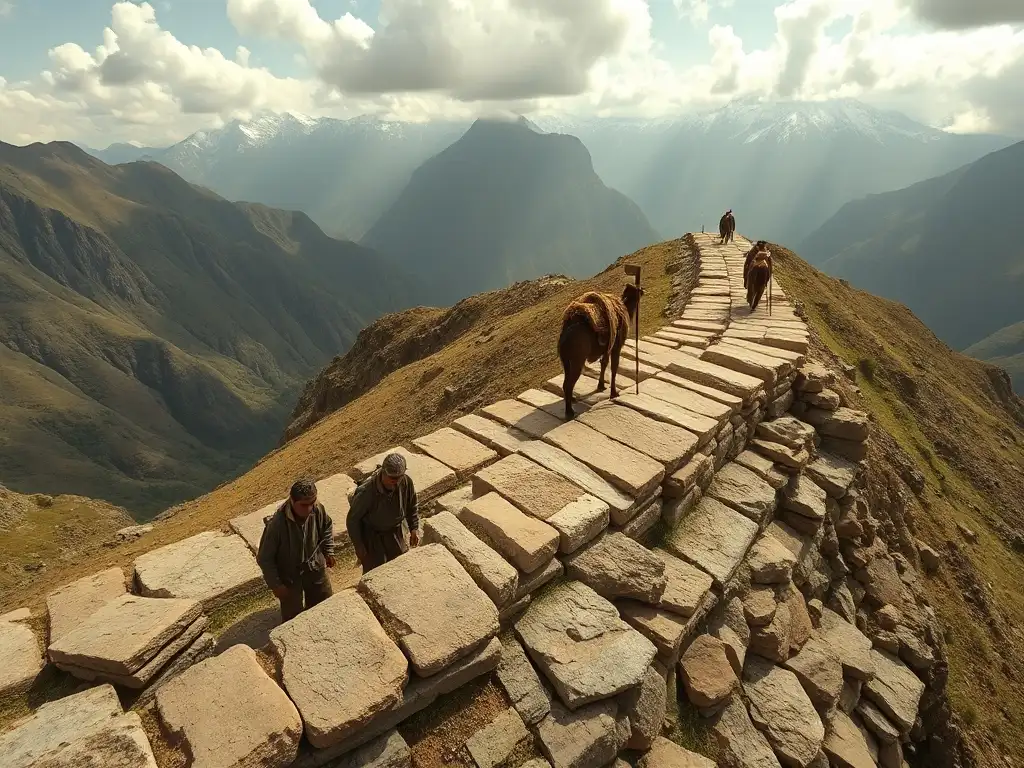
The Inca road system, a marvel of ancient engineering, was not merely a network of pathways; it was the logistical backbone of a vast empire, profoundly impacting labor organization and management. Its strategic design facilitated the movement of people, resources, and information across diverse and challenging terrains, significantly shaping the Inca’s ability to mobilize and control its workforce. Understanding the Inca road system's influence on labor is crucial to comprehending the empire's remarkable achievements in construction, agriculture, and resource management.
The efficient Inca road system labor management strategies allowed for unprecedented levels of coordinated effort. This section will explore the multifaceted ways the roads influenced labor within the Inca Empire.
Facilitating Labor Movement and Relocation
The Inca road system played a pivotal role in facilitating the movement of labor across the empire. The mita system, a form of mandatory labor service, required the mobilization of large numbers of people for various projects, from road construction and maintenance to agricultural work and mining. The extensive network of roads ensured that workers could be quickly and efficiently transported to their assigned tasks, regardless of their geographical location.
This efficient system minimized travel time and reduced logistical challenges, allowing the Inca state to rapidly respond to labor demands across the empire. For example, during periods of significant construction, like the expansion of the road network itself or the building of new temples and administrative centers, laborers could be summoned and relocated with relative ease, thanks to the established infrastructure. This rapid mobilization was a key factor in the Inca's success in completing large-scale projects within relatively short timeframes.
The roads also facilitated the movement of specialized labor, such as skilled masons, metalworkers, and agricultural experts, to locations where their expertise was needed. This efficient allocation of specialized skills contributed to the high quality of Inca constructions and agricultural practices across diverse environments.
Impact of Roads on Agricultural Labor and Production
The Inca road system had a significant impact on agricultural labor and production, contributing to the empire's remarkable agricultural achievements. The roads not only facilitated the movement of agricultural labor but also improved access to diverse agricultural zones. This allowed for a more efficient distribution of labor based on seasonal needs and crop cycles.
For instance, during the harvest season, laborers could be quickly moved to areas requiring immediate attention, ensuring timely harvests and minimizing crop losses. Furthermore, the roads facilitated the transport of agricultural goods, connecting surplus-producing regions with areas facing shortages. This efficient distribution system helped maintain food security throughout the empire, even in times of drought or other agricultural challenges.
The improved access to diverse agricultural zones also allowed for the cultivation of a wider variety of crops, enhancing food diversity and nutritional security. This efficient system of agricultural labor management, facilitated by the roads, contributed significantly to the Inca's ability to support a large and dense population. Studies of agricultural yields in different regions connected by the road network demonstrate a clear correlation between improved road access and increased agricultural productivity.
The Roads' Role in Resource Distribution and Control
The Inca road system played a critical role in the distribution and control of resources throughout the empire. The efficient movement of goods and materials was essential for the empire's economic stability and its ability to maintain its vast infrastructure. The roads allowed for the rapid transport of essential resources, such as building materials, textiles, and metals, to various locations across the empire.
This efficient distribution system ensured that construction projects, agricultural activities, and other economic ventures had access to the necessary resources. Moreover, the roads facilitated the control and regulation of resource flows, allowing the Inca state to manage the distribution of resources strategically. The state could use the road system to redistribute surplus goods from regions with high production to areas with shortages, preventing widespread famine and maintaining social stability.
This centralized control over resource distribution was a key element of the Inca's ability to maintain a stable and prosperous empire. The Inca's sophisticated understanding of resource management, coupled with the efficient transport network provided by the roads, represents a remarkable feat of ancient engineering and administrative skill. Analysis of archaeological data reveals a strong correlation between the density of the road network and the availability of resources in various regions, further highlighting the roads' critical role in resource distribution and control within the Inca Empire.
The Inca Road System and its Legacy
The Inca road system, a marvel of ancient engineering, wasn't just a network of pathways; it was the arterial system of a vast empire, facilitating communication, trade, and, critically, the movement of labor. Understanding the Inca road system's impact requires acknowledging its role in the empire's very construction and sustenance. The strategic placement of roads, often traversing treacherous terrain, allowed for the rapid deployment of workers for construction projects, agricultural initiatives, and military campaigns.
This efficient mobilization of manpower was a key factor in the Inca's ability to build monumental structures like Machu Picchu and Sacsayhuamán, and to maintain control over such a geographically diverse empire. The sheer scale of the road network, stretching over 40,000 kilometers, speaks volumes about the logistical prowess and organizational capabilities of the Inca administration. This wasn't simply about building roads; it was about building an empire through meticulously planned and executed labor management.
Lasting Impact on Andean Infrastructure
The Inca road system's influence extends far beyond its physical presence. Even today, remnants of these ancient pathways are visible throughout the Andes, influencing modern road construction and design. The Inca's mastery of adapting to diverse landscapes—from high-altitude passes to coastal plains—serves as a testament to their engineering ingenuity and provides valuable lessons for contemporary infrastructure projects.
Their understanding of drainage systems, terracing, and the use of locally sourced materials continues to inform sustainable construction practices. The Inca's approach to road building, which prioritized functionality and adaptability over purely aesthetic concerns, is a stark contrast to many modern mega-projects, and offers a powerful example of practical, sustainable design. Consider, for example, the enduring use of stone paving techniques in many Andean communities, a direct legacy of Inca road construction methods.
The careful consideration of environmental factors, minimizing disruption to the natural landscape, offers valuable insights for modern infrastructure planning, particularly in ecologically sensitive regions. The Inca road system serves not just as a historical artifact, but as a blueprint for responsible and sustainable infrastructure development.
Lessons from Inca Labor Management
The Inca road system's construction highlights an incredibly efficient system of labor management. Unlike many other ancient civilizations that relied on forced labor or slavery, the Inca utilized a system of mita, a form of rotational labor service. While it certainly had its drawbacks, the mita system ensured a consistent supply of workers for various projects, including road construction and maintenance.
This system, combined with a highly organized and centralized government, allowed for the coordinated effort necessary to undertake such a massive undertaking. The Inca's ability to effectively organize and deploy large numbers of workers across vast distances is a testament to their sophisticated administrative skills. Moreover, the system's integration with the broader Inca social structure shows a deep understanding of community involvement and collective responsibility.
Analyzing the Inca's labor management strategies provides valuable insights for modern project management, demonstrating the importance of clear communication, efficient resource allocation, and the engagement of diverse skill sets. The mita system, while not without its complexities, offers a compelling case study in large-scale project management within a complex social and political context.
Current Research and Discoveries on Inca Roads
Ongoing archaeological research continues to unveil new details about the Inca road system, refining our understanding of its construction, maintenance, and socio-economic impact. Recent discoveries, including previously unknown sections of roads and associated infrastructure such as tambos (resting places), are constantly reshaping our understanding of the network's extent and complexity. The application of modern technologies such as LiDAR and GIS mapping allows researchers to visualize and analyze the road system in unprecedented detail, revealing intricate patterns and connections previously unknown.
These technological advancements, coupled with detailed ethnographic studies of Andean communities, provide valuable insights into the ongoing relevance of Inca road systems within contemporary Andean societies. This research not only enriches our historical knowledge but also offers potential applications in fields like transportation planning, sustainable development, and disaster management.
The study of Inca road systems remains a dynamic and evolving field, constantly revealing new information that challenges and expands our understanding of this impressive feat of ancient engineering and its lasting legacy. The ongoing research emphasizes the continued importance of studying the Inca road system for its historical, cultural, and practical significance.
Frequently Asked Questions
How did the Inca Empire manage the massive labor force needed for road construction?
The Inca employed a system of mita, mandatory labor service, requiring citizens to contribute a certain amount of time to public works projects like road building. This was organized through a complex administrative structure with regional supervisors and specialized work crews.
What specific technologies or techniques did the Inca use for road construction?
Inca road builders utilized advanced techniques including stone paving, terracing, and bridge building across diverse terrains. They employed sophisticated drainage systems and adapted their methods to different geographical challenges.
How did the Inca road system facilitate the movement of labor across the empire?
The extensive network of roads allowed for the efficient mobilization of labor for various projects. Workers could be quickly transported to where they were needed, whether for road construction, agriculture, or military campaigns. This streamlined the mita system.
What role did the Inca road system play in the empire's overall economy?
The roads were essential for trade and commerce, enabling the movement of goods and resources across vast distances. This efficient infrastructure supported economic growth and contributed to the empire's prosperity.
Besides road construction, what other tasks were Inca laborers required to perform through the mita system?
The mita system encompassed a wide range of tasks beyond road building, including agriculture, mining, textile production, and military service. The demands varied based on seasonal needs and regional requirements.
Final Reflection: The Enduring Legacy of Inca Road Labor
The Inca road system stands as a testament to the power of organized labor, a feat of engineering that continues to resonate in discussions of infrastructure development and societal organization today. Its scale and complexity, achieved without the benefit of modern technology, challenge our assumptions about what is possible through collective effort and strategic planning. The efficiency and effectiveness of the Inca's labor management system, even in the face of immense challenges, offer valuable lessons for modern societies grappling with similar issues of large-scale projects and resource allocation.
The impact of the Inca road system extends far beyond its physical presence; it fundamentally shaped the social and cultural fabric of the empire. It facilitated trade, communication, and the movement of people, fostering a sense of unity and shared identity across vast distances. The system's very existence was a powerful symbol of imperial authority and control, a constant reminder of the state's ability to mobilize its resources for the common good. The roads were not merely paths; they were arteries of the empire, pulsating with life and connecting the disparate parts into a cohesive whole.
This quote encapsulates the profound social and political implications of the Inca road system, highlighting its enduring influence on our understanding of infrastructure and its role in shaping societies.
Consider the ingenuity and dedication required to construct such a vast network. Now, reflect on your own contributions to collective endeavors, both large and small. What challenges have you overcome through teamwork? What lessons can you glean from the Inca's approach to labor management that might improve your own collaborative efforts? Let the legacy of the Inca road system inspire you to approach your own projects with a renewed sense of purpose and collaboration, recognizing the transformative power of collective action and the enduring impact of well-organized effort.
**Embark on Your Journey Through History! **
Thank you for exploring the fascinating world of Inca roads and their impact on the Inca Empire. You've uncovered the intricate connections that shaped this remarkable civilization. Now, let's put that knowledge to work!
- **Dive deeper:** Learn more about the Inca economy and the daily lives of the people who built these incredible roads. Consider researching specific aspects, such as the organization of labor, the tools and techniques used, or the social structures that supported such massive construction projects.
- **Share your discoveries:** Inspire others by discussing your insights about the Inca Empire on social media, your blog, or even in conversations with friends and family. Sharing your passion for history can spark interest and further exploration in others.
- **Join the conversation:** Connect with fellow history enthusiasts! Share your thoughts and insights by commenting below or joining our online forum. Engaging with others broadens perspectives and deepens understanding.
What aspect of the Inca Empire most captivates you, and how will this knowledge enrich your understanding of ancient civilizations as a whole?