
Earth and Sky: How Ancient Andean Builders Chose Their Construction Sites

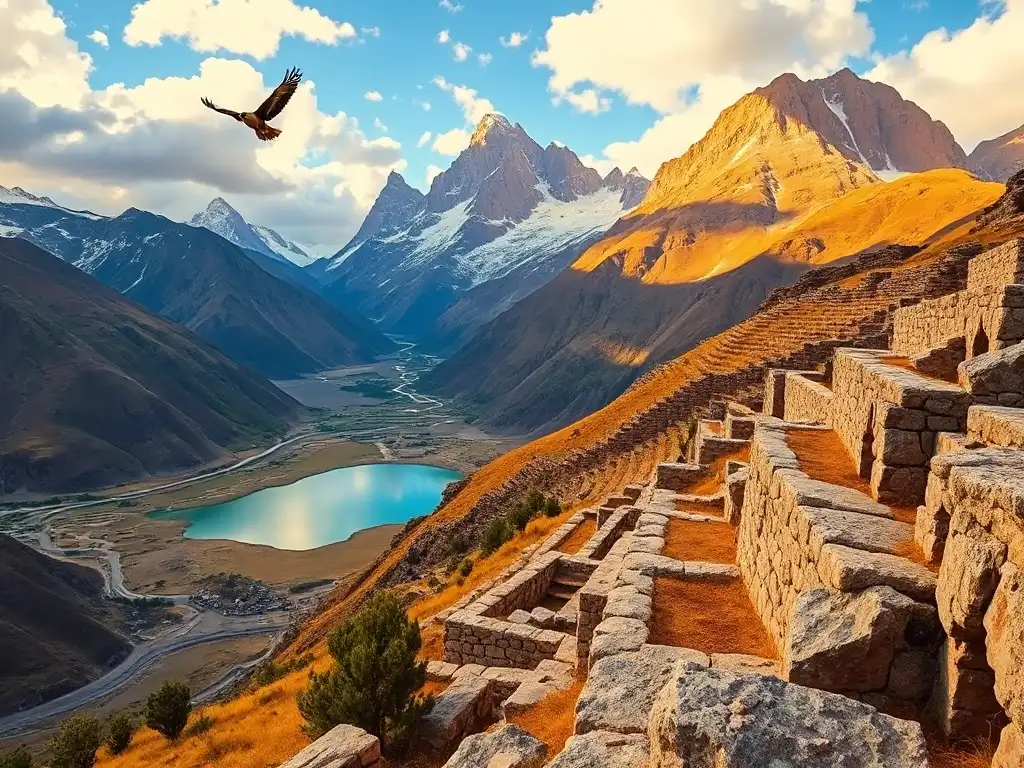
Welcome to Andean Civilizations, where the echoes of a magnificent past resonate through time. Prepare to be captivated by the ingenuity and artistry of the ancient Andean world. But first, consider this: what unseen forces guided the hands that built Machu Picchu, Nazca, and countless other marvels? Our exploration into ancient Andean construction site selection reveals the fascinating secrets behind these awe-inspiring achievements. Uncover the mysteries and delve into the breathtaking world of Andean architecture and engineering – your journey begins now.
- Earth and Sky: Understanding Ancient Andean Construction Site Selection
- The Significance of Location in Ancient Andean Architecture
- Andean Cosmovision and Its Influence on Site Choice
- Key Factors in Ancient Andean Construction Site Selection
- Examples of Strategic Site Selection in Andean Civilizations
- Techniques for Assessing and Selecting Construction Sites in the Andes
- The Legacy of Ancient Andean Building Site Selection
- Conclusion: The Wisdom of Ancient Andean Builders
-
Frequently Asked Questions
- What factors influenced the selection of ancient Andean construction sites?
- How did the Incas select sites for their impressive cities like Machu Picchu?
- Did the environment play a role in choosing construction sites?
- How did ancient Andean builders adapt their construction to the challenging terrain?
- Were there any common characteristics across different Andean cultures in site selection?
- Final Reflection: Echoes of the Andes: Legacy of Sky and Earth
- Unveil the Secrets of Ancient Andean Construction!
Earth and Sky: Understanding Ancient Andean Construction Site Selection
The majestic ruins scattered across the Andes Mountains—from the towering stone walls of Machu Picchu to the intricate geoglyphs of Nazca—stand as testaments to the sophisticated engineering and architectural prowess of ancient Andean civilizations. But beyond the breathtaking artistry, lies a fascinating story of meticulous planning and site selection.
Understanding how these ancient builders chose their construction sites reveals a deep connection to their environment, a sophisticated understanding of astronomy, and an impressive ability to adapt their building techniques to the challenging Andean landscape. This article delves into the factors that influenced the selection of ancient Andean construction sites, exploring the interplay between practical considerations, cosmological beliefs, and the unique challenges of the Andean terrain.
We will examine specific examples from various cultures, including the Inca, Moche, Nazca, and Tiwanaku, to reveal the complex decision-making processes behind these remarkable feats of engineering. This exploration will illuminate not only the how of Andean construction, but also the why, providing a richer understanding of these remarkable ancient societies and their enduring legacy.
Astronomical Alignments and Sacred Geography
Ancient Andean cultures possessed a profound understanding of astronomy, and this knowledge heavily influenced their site selection. Many sites, particularly those with religious significance, were carefully positioned to align with celestial events like solstices and equinoxes. For instance, the precise orientation of structures at Machu Picchu suggests a deliberate alignment with the sun's path throughout the year.
This wasn't merely a matter of aesthetics; these alignments likely held deep symbolic meaning, connecting the terrestrial realm to the celestial sphere and reinforcing the sacred nature of the location. Detailed observations of the sun, moon, and stars provided crucial information for agricultural practices and religious ceremonies, further emphasizing the importance of astronomical considerations in site selection. The integration of astronomical knowledge with practical needs highlights the holistic approach of Andean builders.
This meticulous planning extended beyond simple alignment. The incorporation of natural features like mountains, rivers, and springs into the overall design of the site often reflects a deep understanding of the local environment and its relationship to the cosmos. The careful integration of the built environment with the natural landscape created a powerful symbiosis, blurring the lines between human creation and the divine order of the cosmos.
Access to Resources and Infrastructure
Beyond the spiritual considerations, practical factors played a crucial role in site selection. Access to essential resources like water, stone, and timber was paramount. Settlements and monumental structures were often located near sources of fresh water, facilitating daily life and agricultural activities. The availability of suitable building materials, such as durable stone, influenced the location of large-scale construction projects.
Furthermore, the proximity to established trade routes and other settlements ensured efficient transportation of materials and facilitated communication and exchange. We can observe this in the strategic placement of Incan road networks, which connected distant settlements and facilitated the movement of goods and people across the challenging Andean terrain. This efficient infrastructure further supports the idea that resource accessibility was a key element in the selection process.
Defensive Considerations and Territorial Control
The mountainous terrain of the Andes presented both opportunities and challenges. While offering natural defensive advantages, it also required careful consideration of strategic positioning. Many sites were strategically located on elevated areas, providing excellent visibility and natural protection from potential invaders. The placement of fortifications and defensive structures further illustrates the importance of security in site selection.
The Inca, known for their sophisticated military organization, often chose sites that were easily defensible and offered control over strategic passes and trade routes. This strategic positioning not only secured the population but also facilitated the control of vital resources and trade networks, showcasing the integration of military considerations into the overall site selection process. The impressive network of fortresses and strategically located settlements throughout the Andes reflects this sophisticated approach to defensive planning.
Environmental Adaptation and Sustainability
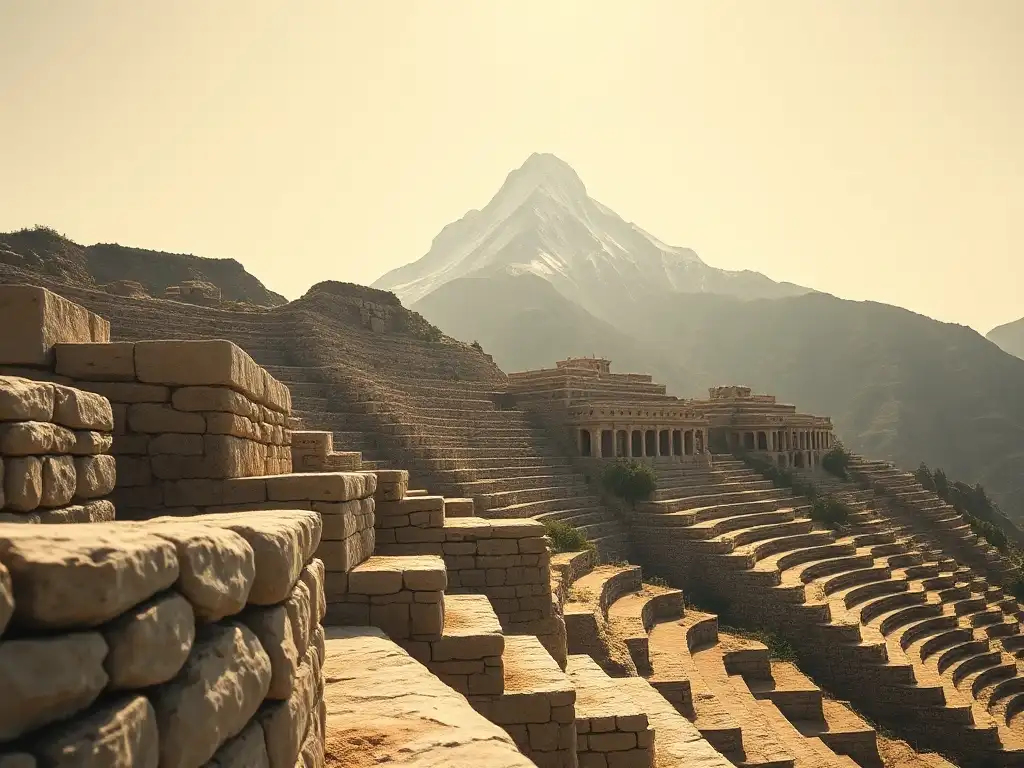
The ancient Andean builders demonstrated a remarkable understanding of their environment and a commitment to sustainable practices. Their construction techniques were often adapted to the specific characteristics of the local environment, minimizing environmental impact. For example, the use of local stone and timber reduced the need for long-distance transportation, and the integration of terraces into the landscape helped prevent soil erosion and optimize agricultural productivity.
The construction of sophisticated irrigation systems further showcases their ability to harness and manage water resources efficiently. This sustainable approach, combined with a deep understanding of the local climate and ecology, ensured the long-term viability of their settlements and monumental structures. These examples demonstrate a sophisticated approach to environmental stewardship, highlighting the long-term vision of these ancient societies.
Conclusion: A Holistic Approach to Site Selection
The selection of ancient Andean construction sites was not a random process but rather a carefully considered decision based on a complex interplay of factors. Astronomical alignments, access to resources, defensive considerations, and environmental adaptation all played significant roles in shaping the location of settlements, temples, and other monumental structures. The integration of these diverse elements showcases a holistic approach to site selection, reflecting the profound understanding of their environment and the deep connection between the ancient Andean people and their landscape.
This sophisticated approach, evident in the breathtaking ruins that dot the Andean landscape, continues to inspire awe and admiration centuries later. Further research into specific sites and cultures will undoubtedly reveal even greater nuances in this fascinating aspect of ancient Andean civilization.
The Significance of Location in Ancient Andean Architecture
The selection of construction sites was far from arbitrary for ancient Andean civilizations. It was a deeply considered process, reflecting a sophisticated understanding of their environment and a pragmatic approach to resource management and societal needs. The choice of location wasn't merely about finding a flat piece of land; it was a complex interplay of astronomical alignments, access to resources, defensibility, and symbolic meaning.
This meticulous site selection significantly impacted the longevity and success of Andean settlements, influencing everything from agricultural productivity to the very survival of the communities. Understanding this process unveils a level of planning and foresight that belies the often-held perceptions of these cultures. The keyword "ancient andean construction site selection" perfectly encapsulates the crucial role this process played in shaping Andean societies.
Strategic Importance of Andean Building Sites
The strategic placement of Andean settlements reveals a profound understanding of geography and its implications. For example, the Incas, renowned for their extensive road network, strategically located their tambos (roadside inns) and administrative centers along major trade routes, facilitating communication and control across their vast empire. These locations weren't random; they were chosen to optimize access to resources and minimize travel times.
Moreover, many settlements were sited near fertile valleys and water sources, ensuring agricultural productivity and access to vital resources. The Nazca lines, though their purpose remains debated, are also evidence of precise site selection related to astronomical observations and potentially agricultural practices. The precise alignment of some lines with celestial events suggests a deep understanding of astronomy and its connection to agriculture and possibly religious practices.
This meticulous planning ensured the long-term viability of their settlements. The integration of astronomical knowledge into site selection highlights the advanced understanding of the Andean cultures, challenging simplistic narratives about their societies.
Why Site Selection Was Crucial for Andean Civilizations
Site selection was crucial for the survival and prosperity of ancient Andean civilizations for several interconnected reasons. Firstly, agricultural productivity was paramount. The Andes are characterized by diverse and challenging terrains, and choosing sites with access to arable land and reliable water sources was essential for sustaining large populations. Settlements were often situated near rivers, springs, or terraced hillsides, which facilitated irrigation and maximized agricultural yields. Secondly, defensibility was a key consideration, especially in regions marked by inter-group conflict.
Settlements were frequently built on elevated positions, such as hilltops or natural terraces, offering strategic advantages in defense. Natural barriers like mountains and rivers further enhanced the defensive capabilities of these locations. Thirdly, access to resources beyond agriculture was vital. Proximity to quarries for building materials, mineral deposits, and other essential resources directly impacted the economic and technological development of these societies.
Finally, the symbolic and religious significance of a location often played a crucial role. Certain sites might have held religious or cosmological importance, influencing the decision-making process. These considerations demonstrate the multifaceted approach taken by Andean builders in selecting their construction sites, showcasing their deep connection to their environment and their sophisticated understanding of resource management and societal needs. The process of "ancient andean construction site selection" was not just about finding a suitable place to build; it was about creating a sustainable and thriving community.
Andean Cosmovision and Its Influence on Site Choice
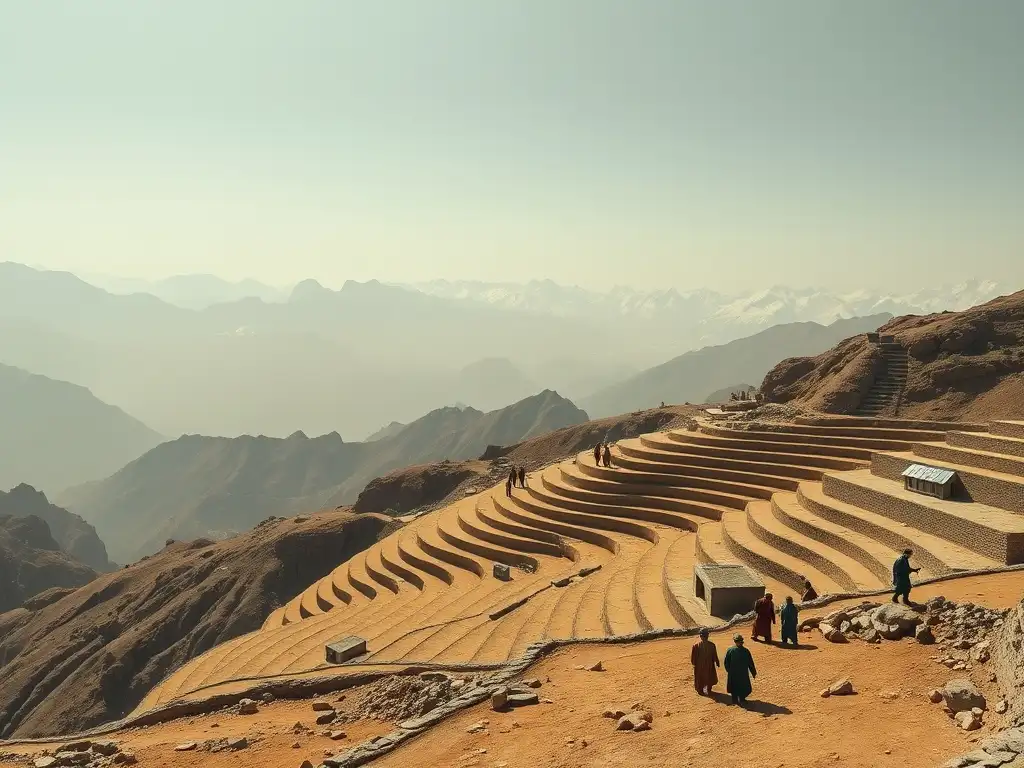
The selection of construction sites in the Andes wasn't a matter of mere practicality; it was deeply intertwined with the Andean cosmovision, a complex worldview that saw the world as a living entity, interconnected and imbued with spiritual power. This perspective profoundly impacted the choice of locations for settlements, temples, and agricultural terraces, shaping the very landscape itself. The concept of kay pacha (this world), ukhu pacha (the underworld), and hanan pacha (the upper world) dictated a holistic approach to site selection, connecting the earthly realm with the celestial and the subterranean.
Understanding this cosmological framework is crucial to deciphering the rationale behind the strategic placement of ancient Andean structures. The sites weren't simply chosen for ease of access or resource availability; they were carefully selected to harmonize with the perceived energetic flows and spiritual significance of the land.
This selection process involved intricate rituals, observations, and divinations, reflecting a profound respect for the environment and its inherent power. The very act of building was a sacred undertaking, aimed at establishing a harmonious relationship between humans and the cosmos.
The Role of Sacred Landscapes in Andean Constructions
Sacred landscapes played a pivotal role in shaping Andean construction site selection. Mountains, rivers, springs, and caves were not merely geographical features; they held immense spiritual significance, often considered the dwelling places of deities or ancestral spirits. For example, the Inca capital of Cusco was strategically located at the confluence of several sacred rivers, symbolizing the convergence of different energies. The city's layout itself mirrored the Andean cosmovision, with its streets and buildings aligned with celestial bodies and prominent geographical features.
Similarly, many agricultural terraces were carved into mountain slopes, not just for optimal farming conditions, but also to harness the spiritual energy believed to emanate from these sacred heights. The integration of sacred sites into the urban and agricultural landscape demonstrates the deep-seated connection between the Andean worldview and their built environment. Evidence suggests that the selection process involved careful consideration of the existing energy lines and their relationship to the proposed structure.
This wasn't simply a matter of aesthetics; it was a fundamental aspect of their belief system. The harmonious integration of the built environment with the sacred landscape was essential for maintaining balance and prosperity. Detailed archaeological studies continue to reveal the intricate relationship between sacred geography and construction site selection in various Andean cultures.
Alignment with Celestial Events: Andean Observatories and Architecture
Many ancient Andean structures demonstrate a sophisticated understanding of astronomy and its connection to agricultural cycles and religious practices. The alignment of buildings with celestial events, such as solstices and equinoxes, suggests the use of these structures as observatories. For instance, the precise alignment of the Chavín de Huántar temple with the rising and setting sun during solstices indicates a deep knowledge of celestial movements and their symbolic importance.
This alignment wasn't accidental; it reflects a deliberate effort to synchronize human activity with the rhythms of the cosmos. The careful orientation of buildings and agricultural terraces towards specific constellations or celestial bodies also suggests a connection between astronomical observations and agricultural practices. Precise calculations were needed to determine the optimal alignment for maximizing sunlight exposure or marking key agricultural dates.
This intricate relationship between astronomy and architecture highlights the advanced knowledge and sophisticated understanding of the cosmos possessed by ancient Andean builders. The integration of astronomical knowledge into their construction practices underscores the holistic nature of their worldview, where the earthly and celestial realms were inextricably linked. Further research into these alignments promises to reveal more about the sophisticated astronomical knowledge and its role in ancient Andean site selection and construction.
The strategic placement of ancient Andean structures, from monumental cities to humble agricultural terraces, wasn’t arbitrary. The careful selection of construction sites, guided by their rich cosmovision and profound understanding of the interconnectedness of the earth and sky, represents a remarkable achievement in ancient Andean engineering and a testament to their sophisticated worldview. Analyzing "ancient andean construction site selection" reveals a deep respect for the environment and a sophisticated understanding of the cosmos.
Key Factors in Ancient Andean Construction Site Selection
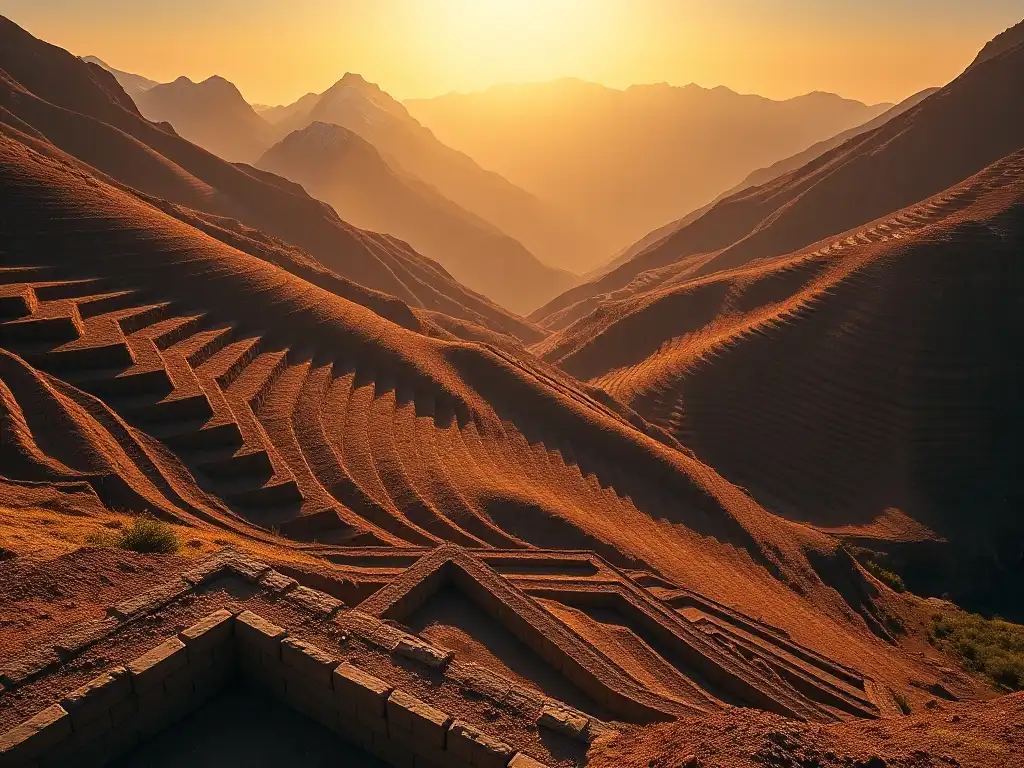
The strategic selection of construction sites was paramount to the success of ancient Andean civilizations. Their impressive architectural achievements, from the monumental structures of Machu Picchu to the intricate Nazca lines, weren't simply a matter of aesthetic preference; they were the result of careful planning based on a deep understanding of their environment.
This section delves into the key factors influencing the choice of locations for these remarkable buildings, demonstrating the sophisticated knowledge of geography, hydrology, and geology possessed by ancient Andean builders. Understanding their site selection process provides crucial insights into their worldview and advanced engineering capabilities, solidifying the significance of ancient Andean construction site selection in their cultural development.
Topographical Considerations in Andean Building
The dramatic Andean landscape, characterized by towering mountains, deep valleys, and precarious slopes, significantly shaped the choice of construction sites. Ancient Andean builders weren't simply constrained by the terrain; they actively exploited its features. Fortified cities, like Sacsayhuamán near Cusco, were often built on elevated, defensible positions offering panoramic views and strategic advantages.
The Inca, for example, masterfully integrated their structures with the natural contours of the mountains, using terraces and retaining walls to create level platforms for agriculture and settlements. This minimized earthworks and maximized the use of existing topography. In contrast, sites in less rugged areas, such as those along coastal plains, often prioritized proximity to fertile land and resources.
The orientation of buildings was also carefully considered. Many structures were aligned with celestial events, reflecting a profound understanding of astronomy and its impact on agriculture and daily life. This alignment wasn't random; it was meticulously planned to harness solar energy and ensure optimal conditions for various activities. For instance, the precise placement of windows and doorways in some buildings suggests a focus on maximizing sunlight during the colder months and mitigating excessive heat during summer. This meticulous attention to detail underscores the sophisticated understanding of environmental factors that informed ancient Andean construction site selection.
The Importance of Water Sources in Andean Site Planning
Access to reliable water sources was a critical factor in ancient Andean construction site selection. The availability of fresh water determined not only the viability of settlements but also influenced agricultural practices and overall societal well-being. Civilizations like the Moche, known for their sophisticated irrigation systems, carefully chose sites near rivers or streams, allowing them to develop extensive agricultural networks.
The ingenuity of their canal systems and reservoirs is a testament to their ability to manage water resources effectively. Evidence suggests that some sites were chosen specifically for their proximity to underground aquifers, ensuring a consistent water supply even during periods of drought.
Moreover, the quality of water was also considered. Sites with access to clean, potable water were prioritized, minimizing the risk of waterborne diseases. This demonstrates an understanding of public health that was far ahead of its time. The integration of water management systems into urban planning is a striking example of how the availability and quality of water directly influenced ancient Andean construction site selection. The complex interplay between water resources and settlement patterns is a testament to the civilizations' ability to adapt to their environment.
Geological Stability and Material Availability for Andean Structures
The geological stability of a site was crucial for the longevity of Andean structures. Builders carefully assessed the underlying geology to ensure that the chosen location could support the weight of the buildings and withstand seismic activity. Sites with stable bedrock were favored, minimizing the risk of landslides or structural damage. The Inca's mastery of stonework, particularly their ability to create incredibly precise cuts and joints, further enhanced the stability of their buildings. This meticulous approach to construction, coupled with the careful selection of stable sites, is a testament to their sophisticated engineering skills.
Furthermore, the availability of suitable building materials was another critical consideration. Sites with readily accessible stone, timber, or adobe were preferred, reducing transportation costs and labor requirements. The type of material available often dictated the architectural style and construction techniques employed.
The abundance of specific types of stone in certain regions, for example, influenced the distinctive architectural characteristics seen in different Andean cultures. This interplay between geological resources and architectural styles highlights the close relationship between the environment and the built environment in ancient Andean construction site selection. The careful selection of sites based on geological factors and material availability ensured the construction of durable and aesthetically pleasing structures that have withstood the test of time.
Examples of Strategic Site Selection in Andean Civilizations
This section delves into specific examples of ancient Andean construction site selection, highlighting the ingenuity and foresight of these civilizations in choosing locations that maximized both practical and symbolic benefits. The careful consideration of factors like topography, water resources, agricultural potential, and defensive capabilities reveals a sophisticated understanding of environmental engineering and strategic planning, hallmarks of ancient Andean construction site selection processes. We will examine three prominent examples: Machu Picchu, Ollantaytambo, and Sacsayhuaman. Each site showcases a unique approach to site selection, reflecting the diverse needs and priorities of the different Andean cultures.
Machu Picchu: A Masterpiece of Andean Site Planning
Machu Picchu, the iconic "Lost City of the Incas," stands as a testament to the Incas' masterful site selection. Nestled high in the Andes Mountains, its location was far from arbitrary. The choice of this seemingly inaccessible mountaintop was driven by a confluence of factors contributing to effective ancient Andean construction site selection. Firstly, its strategic position provided excellent natural defenses against potential invaders. The steep, rugged terrain made it incredibly difficult to approach, offering a significant advantage in times of conflict.
Secondly, Machu Picchu's location ensured access to abundant water resources. Springs and carefully engineered water channels provided a reliable water supply for the city's inhabitants. This efficient water management system was crucial for sustaining the population and agriculture. Finally, the site's microclimate, slightly warmer than the surrounding valleys, created an ideal environment for agriculture, despite the altitude.
Terraced farming allowed for efficient cultivation of various crops, ensuring food security for the city. The integration of these elements – defense, water, and agriculture – exemplifies the sophisticated considerations involved in ancient Andean construction site selection. The location minimized external threats while maximizing the potential for sustainable living. This careful planning ensured Machu Picchu's longevity and its role as an important administrative and religious center.
Ollantaytambo: Fortress and Agriculture Integrated
Ollantaytambo, another significant Inca site, showcases a different facet of ancient Andean construction site selection, highlighting the seamless integration of defensive structures and agricultural needs. Situated in a fertile valley, Ollantaytambo's location provided access to rich agricultural lands, crucial for sustaining a large population. The site's defensive features, however, were equally impressive. The fortress, built into the steep mountain slopes, utilized the natural terrain to create a formidable defense system.
Massive stone walls, strategically placed terraces, and narrow passages channeled any approaching enemy forces, making it incredibly difficult to breach the defenses. The intricate network of agricultural terraces carved into the mountainside not only maximized arable land but also further enhanced the defensive capabilities of the site. These terraces, meticulously engineered, provided both food and a layered defense system.
The careful planning and execution demonstrate a deep understanding of the relationship between defense, agriculture, and topography in ancient Andean construction site selection. This synergistic approach ensured the site's sustainability and its strategic importance for the Inca Empire. The integration of agriculture and defense wasn't merely coincidental; it was a deliberate strategy reflecting the sophisticated understanding of ancient Andean construction site selection principles.
Sacsayhuaman: A Symbol of Power and Strategic Location
Sacsayhuaman, located near Cusco, stands as a powerful symbol of Inca dominance and showcases a different perspective on ancient Andean construction site selection. Unlike Machu Picchu's secluded location, Sacsayhuaman's placement on a prominent hill overlooking Cusco emphasizes its role as a statement of power and control. The site's strategic location allowed for visual dominance over the surrounding area, reinforcing the Inca's authority and their control over the capital city.
The massive cyclopean stonework, with its incredible precision and scale, further amplified this impression of power and strength. The choice of this location was not only about strategic visibility but also about access to resources. The proximity to Cusco ensured easy access to labor and materials, facilitating the construction of this monumental complex.
The careful selection of this easily defensible, highly visible site reflects the Inca's understanding of the symbolic power of location in ancient Andean construction site selection. Sacsayhuaman's imposing presence served not only as a formidable fortress but also as a potent symbol of Inca power and control, cementing their dominance in the region. The site’s prominence underscores the multi-faceted considerations influencing ancient Andean construction site selection, encompassing strategic dominance, symbolic representation, and logistical practicality.
Techniques for Assessing and Selecting Construction Sites in the Andes
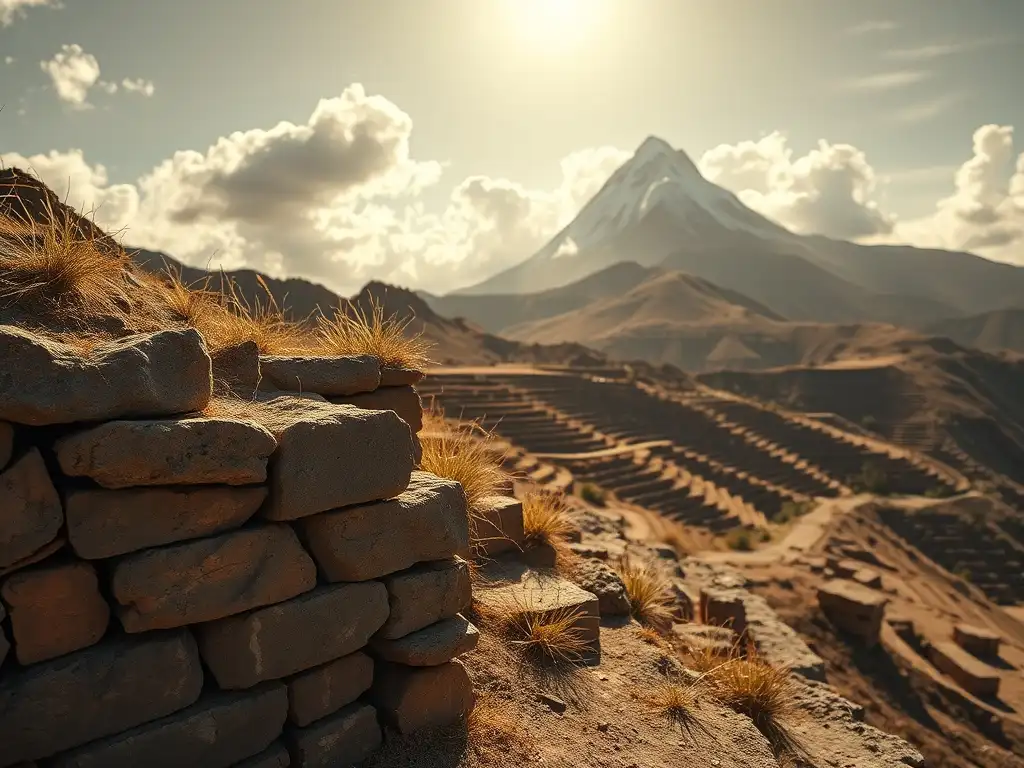
The strategic selection of construction sites was paramount to the success of ancient Andean civilizations. Their impressive architectural feats, from the monumental structures of Tiahuanaco to the intricate irrigation systems of the Nazca, relied heavily on a deep understanding of their environment and a sophisticated approach to site assessment. This wasn't a haphazard process; rather, it involved a complex interplay of practical knowledge, spiritual beliefs, and community participation.
The choice of a location wasn't merely a matter of finding a flat space; it was a decision that considered factors ranging from soil composition and water availability to astronomical alignments and spiritual significance. This meticulous approach to "ancient andean construction site selection" ensured the longevity and functionality of their constructions.
Andean Methods for Understanding Soil Composition
Ancient Andean builders possessed a remarkably nuanced understanding of soil properties, crucial for the stability and longevity of their structures. They weren't simply looking for fertile land for agriculture; they needed to identify soils suitable for foundations that could withstand earthquakes, heavy rains, and the test of time. Their methods, passed down through generations, involved direct observation and practical testing.
They carefully examined the soil's color, texture, and moisture content. Darker, richer soils were often preferred for agricultural purposes, but for construction, they might have favored firmer, less fertile soils. They likely employed simple tests to assess soil strength, perhaps by digging test pits and observing how the soil reacted to pressure or water infiltration.
The selection of appropriate stone for construction was also deeply intertwined with the understanding of the surrounding soil, as the availability and quality of stone directly influenced the feasibility of a particular site. The integration of soil science and practical experience was fundamental to their construction success.
Further research is needed to fully understand the specifics of their soil testing techniques, but evidence from surviving structures suggests a sophisticated level of empirical knowledge. For example, the incredibly well-preserved stonework of Machu Picchu attests to a deep understanding of the local geology and the selection of appropriately stable foundations.
Use of Observation Points for Site Evaluation
Beyond the practical considerations of soil and resources, ancient Andean builders incorporated astronomical observations into their site selection processes. Many sites were chosen not only for their practical advantages but also for their alignment with celestial events. High vantage points, often atop hills or mountains, served as natural observatories. From these locations, builders could meticulously track the sun's path, the phases of the moon, and the positions of stars. This wasn't simply a matter of aesthetic preference; astronomical alignments held significant spiritual and practical importance.
The precise orientation of structures, for instance, could be linked to the solstices or equinoxes, reflecting a sophisticated understanding of the celestial calendar. These observation points weren't merely passive observation areas; they likely played a crucial role in determining the orientation and layout of entire settlements and monumental complexes.
The precise methods used to conduct these observations remain a subject of ongoing research, but the evidence clearly points to a sophisticated understanding of astronomy and its integration into the very fabric of their urban planning and construction site selection. The alignment of structures with significant celestial events likely served both practical and symbolic purposes, reinforcing the connection between the earthly realm and the cosmos.
Community Involvement in the Selection of Building Locations
The selection of construction sites in ancient Andean societies was rarely a top-down decision made solely by rulers or engineers. Instead, it involved a significant degree of community participation. The process likely involved discussions and consultations among community members, elders, and specialists. This collaborative approach ensured that the chosen location met not only the needs of the ruling elite but also the practical needs and spiritual beliefs of the broader population.
This participatory approach guaranteed that the chosen site was both functional and culturally appropriate. The community's intimate knowledge of the local environment – its resources, its dangers, its spiritual significance – played a crucial role in the decision-making process. This collaborative approach also fostered a sense of ownership and responsibility towards the project, contributing to the successful completion and long-term maintenance of the structures.
Unfortunately, the precise mechanisms of this community involvement are difficult to reconstruct from the available archaeological evidence, but the success of many ancient Andean construction projects suggests a highly effective and inclusive decision-making process. The legacy of these collaborative efforts is evident in the enduring structures that continue to stand as testaments to the ingenuity and social cohesion of these ancient societies. Further research focusing on Andean social structures and decision-making processes could shed more light on this aspect of "ancient andean construction site selection".
The Legacy of Ancient Andean Building Site Selection
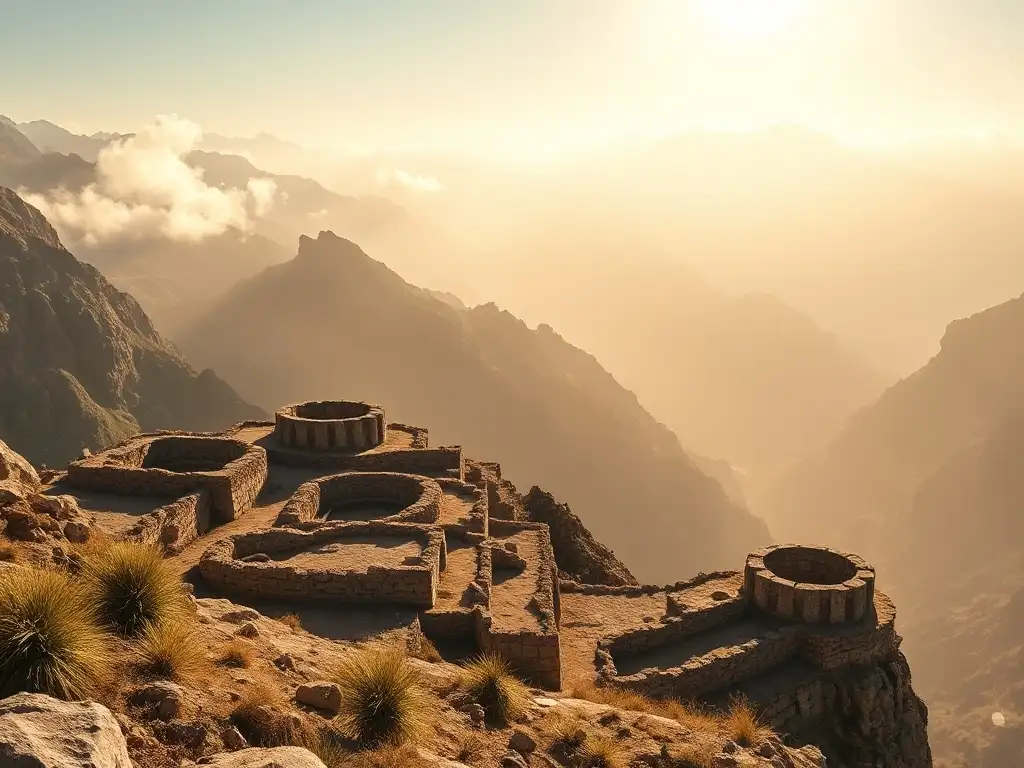
The selection of construction sites by ancient Andean civilizations wasn't arbitrary; it was a sophisticated process reflecting a deep understanding of their environment and a remarkable ability to harness natural resources. This strategic approach to site selection significantly impacted the longevity and functionality of their structures, leaving a legacy that continues to fascinate and inspire modern engineers and archaeologists.
Understanding their methods offers valuable insights into sustainable construction practices and resource management. The meticulous consideration given to factors like water access, defensibility, agricultural potential, and spiritual significance shaped the very landscape of the Andes, leaving behind monumental structures that still stand as testaments to their ingenuity.
This sophisticated approach to site selection wasn't limited to one civilization; commonalities can be observed across various Andean cultures, from the Incas to the Nazca, highlighting a shared understanding of environmental factors crucial for successful construction projects. The impact of these decisions resonates even today, influencing how we approach sustainable building practices and resource management in challenging terrains.
Lessons Learned from Andean Construction Strategies
Ancient Andean builders prioritized several key factors when choosing construction sites. Water sources were paramount; settlements and monumental structures were often situated near rivers, springs, or accessible aquifers. This ensured a reliable supply of water for drinking, agriculture, and construction processes. For example, the Inca city of Machu Picchu cleverly utilized its mountainous location to channel water through intricate systems of canals and fountains, demonstrating their mastery of hydraulic engineering.
Furthermore, defensibility was a major consideration, particularly for sites vulnerable to attack. Many cities, such as Ollantaytambo, were built on elevated, naturally defensible locations, utilizing the terrain to create formidable barriers against invaders. The strategic placement of structures maximized natural defenses, minimizing the need for extensive fortifications.
Finally, agricultural potential played a critical role. Sites were chosen to maximize access to fertile land suitable for cultivating crops, ensuring food security for the population. Terracing techniques, such as those employed extensively by the Inca, allowed them to cultivate even steep slopes, maximizing agricultural yields.
The integration of these factors demonstrates a holistic approach to site selection, combining practical considerations with spiritual beliefs. The Andean worldview often intertwined the earthly and spiritual realms, leading to the selection of sites with significant religious or ceremonial importance. Mountains, considered sacred in many Andean cultures, frequently served as the backdrop or focal point of important structures, reflecting a deeper understanding of the landscape's spiritual significance.
This integration of practical and spiritual considerations demonstrates a sophisticated understanding of the relationship between human society and the natural environment. The careful consideration given to these elements underscores the advanced level of planning and foresight that characterized ancient Andean construction projects, a legacy that continues to inspire modern engineering and architectural practices.
The Enduring Impact of Andean Site Choices
The enduring impact of ancient Andean site choices is multifaceted. Firstly, the strategic placement of settlements and structures contributed to the longevity of these civilizations. By choosing sites that provided access to essential resources and natural defenses, they ensured the sustainability of their communities. Secondly, the ingenuity displayed in adapting to challenging terrains and harnessing natural resources provides valuable lessons for modern sustainable construction.
The integration of environmental considerations into the site selection process offers a blueprint for environmentally responsible development, particularly in challenging landscapes. Thirdly, the surviving structures themselves serve as testaments to the advanced engineering skills and architectural knowledge of ancient Andean cultures. These monumental buildings, constructed using sophisticated techniques and materials, continue to inspire awe and wonder, showcasing the remarkable achievements of these civilizations. The careful selection of building sites, combined with advanced construction techniques, resulted in structures that have withstood the test of time, showcasing the enduring legacy of ancient Andean ingenuity.
The study of these ancient sites continues to provide valuable insights into sustainable construction practices and resource management, offering valuable lessons for the future. Understanding the factors that shaped ancient Andean site selection offers a deeper appreciation for the rich tapestry of their culture and the ingenuity of their builders. Their legacy continues to inform and inspire modern approaches to architecture and sustainable development.
Conclusion: The Wisdom of Ancient Andean Builders
The meticulous selection of construction sites by ancient Andean civilizations wasn't merely a practical decision; it was a profound expression of their worldview, deeply intertwined with their understanding of the cosmos and their environment. Their sophisticated approach to ancient Andean construction site selection reveals a remarkable level of knowledge in astronomy, hydrology, geology, and even social dynamics. By carefully considering factors like astronomical alignments, water availability, defensibility, and access to resources, these builders didn't just erect structures; they created harmonious interactions between human settlements and the natural world.
The enduring legacy of these sites – from the majestic Machu Picchu to the enigmatic Nazca Lines – serves as a testament to their ingenuity and foresight. Their methods, though developed centuries ago, continue to offer valuable insights for modern sustainable construction practices.
Understanding their choices allows us to appreciate the holistic approach they took, prioritizing not only functionality but also the integration of their built environment within the broader Andean ecosystem. Further research into less-studied sites and civilizations could uncover even more sophisticated techniques and broaden our comprehension of ancient Andean construction site selection.
Integrating Nature and Architecture in the Andean World
The Andean worldview saw the earth and sky as interconnected entities, not separate domains. This holistic perspective is vividly reflected in their architectural choices. The integration of nature and architecture wasn't merely aesthetic; it was fundamental to their understanding of the cosmos and their place within it. For instance, the orientation of many sites, such as Ollantaytambo, aligns with significant astronomical events, suggesting a deep understanding of celestial cycles and their impact on agricultural practices.
The use of locally sourced materials – stone, adobe, and wood – minimized environmental impact and ensured structural stability within the specific geographical context. Water management systems, intricately woven into the landscape, demonstrate an advanced understanding of hydrology and its importance for agriculture and daily life. These weren't simply buildings; they were living systems, actively engaging with and responding to the environment.
This approach offers valuable lessons for contemporary architecture, emphasizing the importance of sustainable design and the integration of structures within their ecological settings. The careful consideration of microclimates, for example, allowed for optimal living conditions and agricultural yields, showcasing a sophisticated understanding of environmental factors that modern builders often overlook. This holistic approach to ancient Andean construction site selection represents a paradigm shift away from solely functional considerations towards a more integrated, sustainable, and environmentally conscious approach to building.
Preserving the Knowledge of Andean Construction Site Selection
Preserving the knowledge of ancient Andean construction site selection is crucial for several reasons. Firstly, it allows us to appreciate the ingenuity and sophistication of these civilizations, challenging Eurocentric narratives that often undervalue pre-Columbian achievements. Secondly, studying their methods can inform contemporary construction practices, promoting sustainable and environmentally responsible building techniques. The Andean builders’ emphasis on local materials, careful site selection, and integration with the natural landscape offers valuable lessons for modern architects and engineers.
Thirdly, preserving this knowledge helps protect existing archaeological sites. Understanding the factors that influenced the choice of location can aid in the preservation and management of these fragile historical treasures, ensuring their survival for future generations. This requires interdisciplinary collaboration between archaeologists, historians, architects, and engineers. Detailed documentation of existing sites, coupled with advanced technologies like GIS mapping and remote sensing, can help reveal previously unknown aspects of ancient Andean construction site selection.
Furthermore, incorporating this knowledge into educational programs can inspire future generations of builders and environmentalists to adopt sustainable and responsible practices. The preservation of this ancient knowledge is not merely an academic pursuit; it's a vital step towards creating a more sustainable and harmonious relationship between humanity and the environment. The legacy of the Andean builders serves as a powerful reminder of the importance of respecting and learning from the wisdom of past civilizations.
Frequently Asked Questions
What factors influenced the selection of ancient Andean construction sites?
Ancient Andean builders prioritized strategic locations offering access to resources like water and fertile land, while also considering defensive positions and spiritual significance. Sites often incorporated natural features into their designs.
How did the Incas select sites for their impressive cities like Machu Picchu?
Inca site selection involved meticulous planning, considering agricultural potential, water sources, defensive capabilities, and access to trade routes. Religious and astronomical alignments also played a crucial role.
Did the environment play a role in choosing construction sites?
Absolutely! Environmental factors, such as access to water, arable land, and building materials, were crucial. Climate and topography also heavily influenced site selection.
How did ancient Andean builders adapt their construction to the challenging terrain?
Andean builders demonstrated remarkable engineering skills, adapting their constructions to the steep slopes, mountainous regions, and variable climates. They employed techniques like terracing and sophisticated stonework.
Were there any common characteristics across different Andean cultures in site selection?
While specific preferences varied, common threads included proximity to resources, strategic defensive positions, and alignment with natural features holding spiritual or astronomical importance. Many cultures favored elevated locations.
Final Reflection: Echoes of the Andes: Legacy of Sky and Earth
The meticulous site selection practices of ancient Andean builders remain a powerful testament to their deep understanding of their environment and a potent reminder of our own need for sustainable practices. Their choices, driven by astronomical alignments, access to resources, and a profound respect for the landscape, offer invaluable lessons for modern construction and urban planning. We stand on the shoulders of these master builders, inheriting both their achievements and the challenge of responsibly shaping our own future.
The enduring influence of Andean cosmology on their architectural choices is profoundly moving. Their buildings weren't simply structures; they were living expressions of a worldview that intertwined the celestial and terrestrial realms. The mountains are not just stones, but the bones of the earth, the dwelling places of the spirits.
This sentiment, though perhaps not directly quoted from an ancient source, encapsulates the spiritual and practical considerations that guided their decisions, shaping not only their cities but their very understanding of the world. This holistic approach to construction offers a stark contrast to our often fragmented and unsustainable modern practices.
Consider the implications of their choices. How can we, in our own time, integrate a similar respect for the environment and a deeper understanding of the interconnectedness of all things into our own building projects? Let the echoes of the Andes resonate within you, inspiring a renewed commitment to sustainable development and a mindful approach to shaping the world around us. Let us build not just for today, but for generations to come, guided by the wisdom of those who built amongst the stars and the earth.
Unveil the Secrets of Ancient Andean Construction!
Thank you for exploring the fascinating world of ancient Andean builders with us! Understanding their meticulous site selection reveals a profound harmony between the earth and sky. Let's delve deeper into the legacy of these remarkable civilizations.
Here's how you can continue your exploration:
- Visit archaeological sites in your region or explore them online to witness the breathtaking interplay of nature and architecture. A trip to a significant Andean site would provide an unforgettable firsthand experience.
- Share your discoveries with friends and family, or post your thoughts on social media. Engaging in discussions enriches our collective understanding of this rich history.
- Connect with other enthusiasts by joining a local historical society or an online forum dedicated to ancient civilizations. Sharing insights with like-minded individuals can significantly enhance your journey of discovery.
What aspect of ancient Andean site selection most captivates you, and how do you see its influence reflected in modern architectural design?